

Heat trapped in traffic tests both machines and people, especially when engines idle endlessly and airflow disappears. Many vehicles feel fine at highway speeds but struggle once movement slows, causing cabin temperatures to rise, cooling systems to strain, and drivers to feel drained.
Stop and go driving exposes weaknesses in engine cooling, air conditioning efficiency, insulation quality, and airflow management.
Some cars handle this challenge far better than others because they are engineered with stronger radiators, well-tuned fans, reliable compressors, and smart thermal layouts that prevent heat buildup.
These vehicles maintain stable cabin temperatures even when asphalt radiates heat and surrounding traffic traps exhaust in the air. Drivers who live in hot climates or face daily congestion know that comfort is not a luxury but a necessity.
When cooling systems fail under pressure, stress rises, focus drops, and long commutes feel unbearable. Automakers that prioritize thermal stability often combine robust mechanical components with thoughtful interior design, ensuring vents distribute cold air evenly and materials resist heat absorption.
Reliability also plays a major role, since overheating issues often worsen over time in poorly designed systems.
A car that stays cool in traffic is not only about comfort but also about long term durability and consistent performance. This article highlights ten vehicles known for handling heat well during slow traffic conditions, focusing on their cooling behavior, cabin comfort, and real-world usability.
These selections reflect balanced engineering rather than extreme performance, showing how thoughtful design can outperform sheer power. Each model represents a different segment, proving that effective heat management is not limited to luxury or heavy-duty vehicles.
From sedans to SUVs, these cars demonstrate that staying cool is achievable even when the road refuses to move.
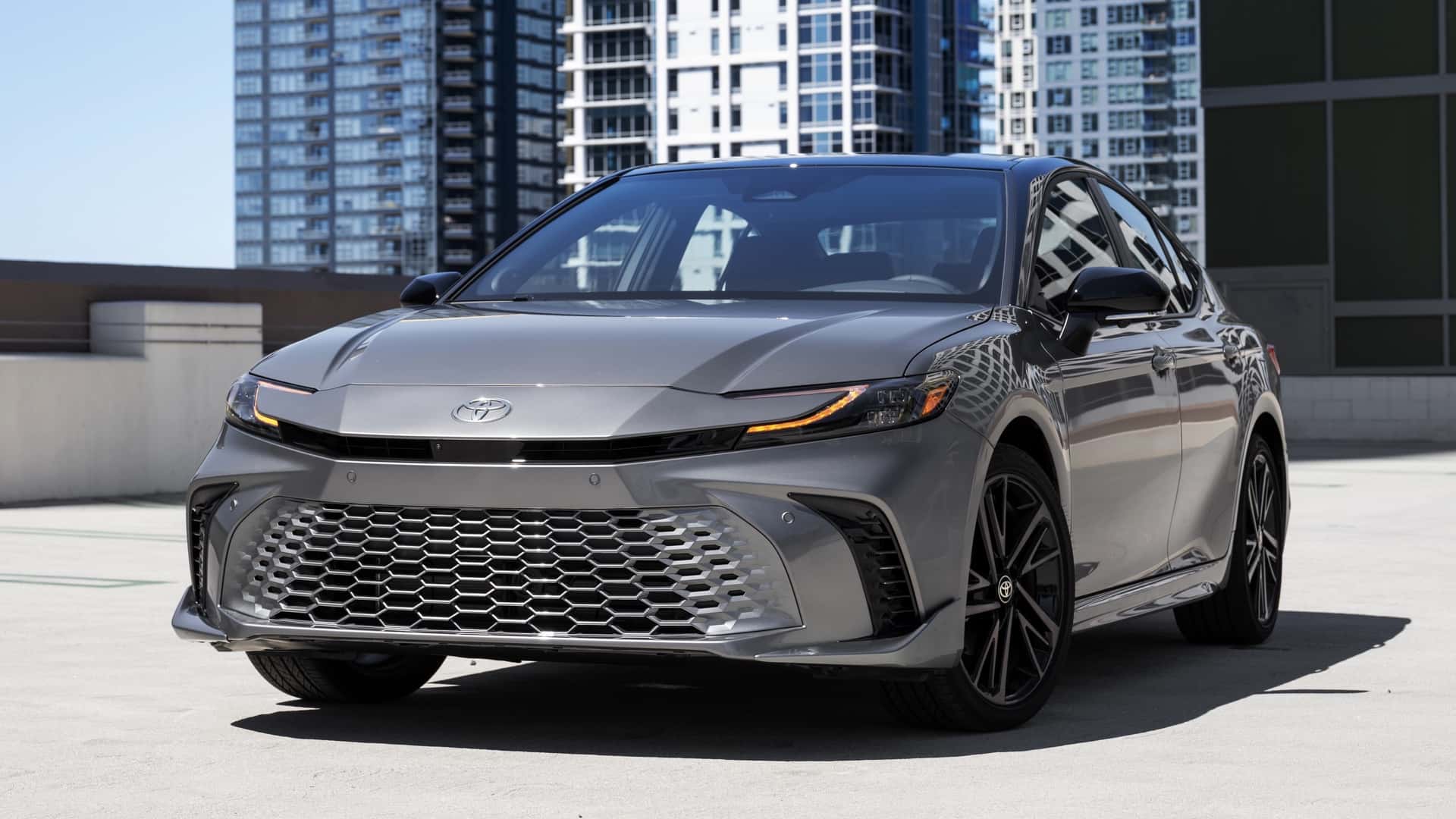
Toyota Camry
The Camry’s engine layout contributes significantly to its heat management. By positioning components to allow airflow around critical areas, it reduces hotspots that can develop in traffic. This makes the system less prone to sudden overheating.
Cabin design emphasizes comfort during prolonged idling. Vents are placed strategically to direct air toward the driver and passengers evenly. Even with full sun exposure, the interior cools down efficiently.
Its cooling fan technology is advanced for its class. Fans automatically adjust speed based on engine temperature, preventing the need for manual intervention. This ensures continuous performance without excessive noise.
Toyota also focuses on long-term durability in heat. Radiator materials and hoses are designed to withstand repeated thermal cycling, which is common in stop-and-go city conditions. This reduces the likelihood of leaks or component failure.
Owner feedback highlights the Camry’s ability to maintain consistent cooling during summer commutes. Drivers report that even in peak traffic, the vehicle avoids cabin heat spikes and engine stress, making it a reliable choice for hot urban climates.
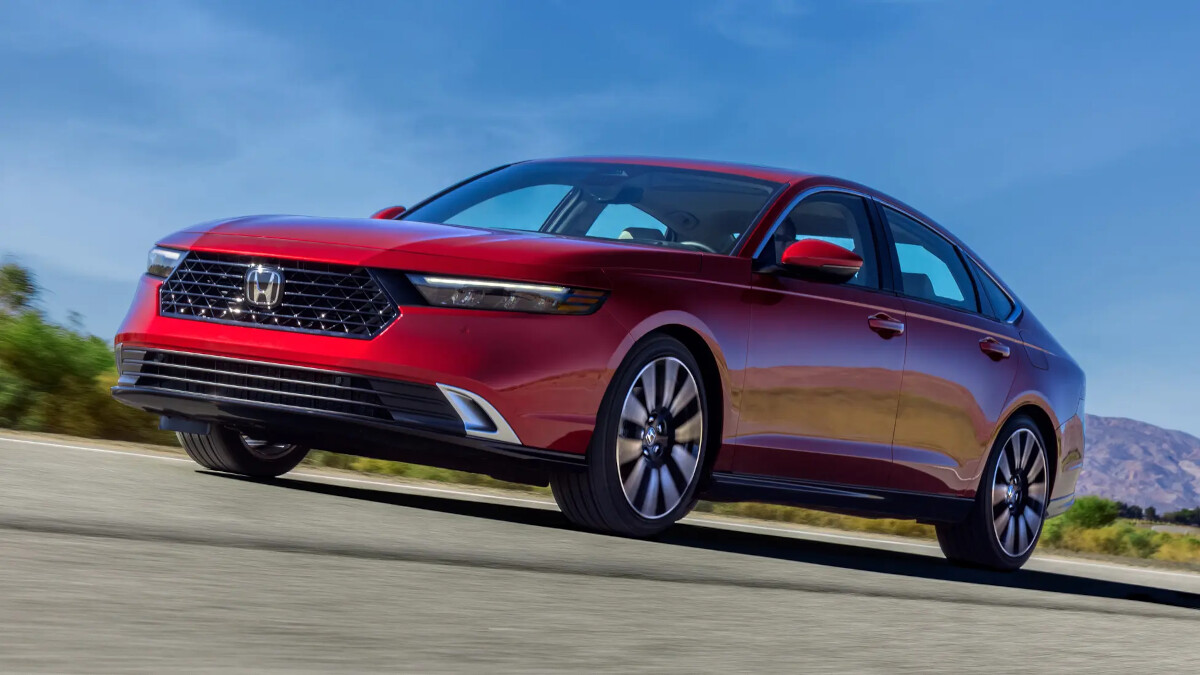
Honda Accord
The Accord benefits from an engine cooling system that prioritizes consistency over maximum performance. Its fans and radiators work together to prevent temperature swings even at low speeds.
The air conditioning unit is designed to operate efficiently at idle. It distributes airflow evenly, ensuring the front and rear seats maintain a comfortable climate. This avoids uncomfortable hot pockets during slow traffic.
Cabin insulation reduces heat transfer from both the engine and sunlight. This allows the air conditioning to work less hard while maintaining comfort. It also minimizes the heat load during very hot days.
Honda’s thermal management includes smart sensors that monitor coolant and engine temperatures. This data regulates fan speed and air conditioning output, preventing overheating or unnecessary energy use.
Regular users praise the Accord for maintaining cabin comfort and engine stability even during extended stops. Its balance of cooling efficiency and fuel economy makes it well-suited for congested city driving.
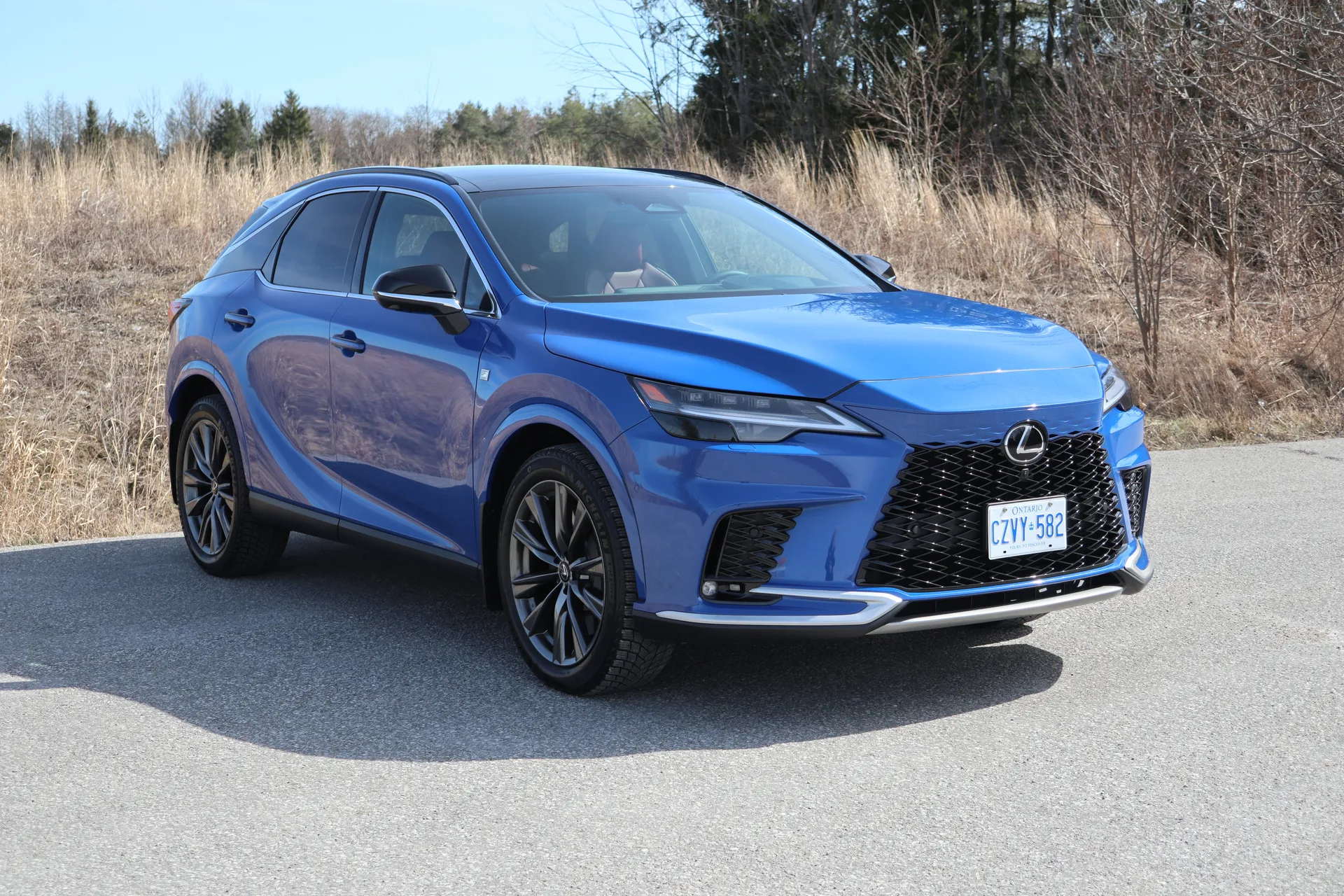
Lexus RX
The Lexus RX excels in thermal comfort due to its comprehensive design approach. The vehicle combines advanced fan control, a high capacity radiator, and an efficient air conditioning system to stay cool during slow traffic.
Airflow is optimized for passenger comfort. Vents are positioned to reach both front and rear seating areas, ensuring even temperature distribution. Even in scorching heat, the cabin remains comfortable.
High-quality insulation in doors, roof, and floor limits heat penetration. This allows the air conditioning system to maintain a steady temperature without working overtime, reducing fuel consumption.
Engine management systems in the RX monitor heat levels constantly. Fans and coolant flow adjust dynamically, ensuring that prolonged idling does not lead to overheating or cabin discomfort.
Owners in hot climates note that the RX handles stop-and-go traffic exceptionally well. Its blend of luxury and thermal reliability ensures comfort without sacrificing performance, even on the hottest days.
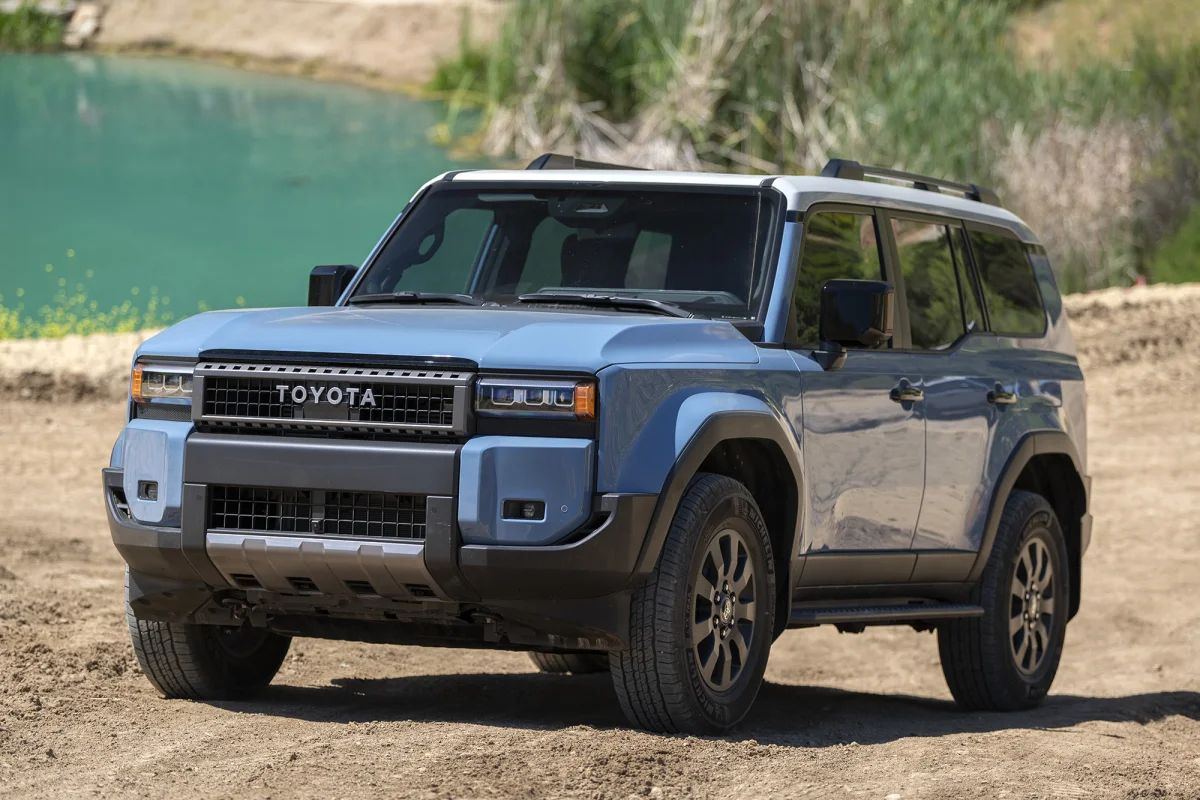
Toyota Land Cruiser
The Land Cruiser’s cooling system is designed for extreme conditions. Heavy-duty radiators combined with large, powerful fans prevent engine overheating, even in scorching urban traffic.
The air conditioning system has a high output, capable of cooling a large interior cabin quickly. This ensures all passengers remain comfortable, regardless of stop-and-go congestion.
Interior surfaces are treated to resist heat absorption. This allows the cabin to cool down more rapidly after sun exposure, reducing discomfort during traffic stops.
The engine management system works in tandem with the cooling system. It optimizes fan operation and coolant flow, preventing heat buildup in prolonged idle conditions and heavy traffic.
Vehicle longevity is supported by durable components capable of handling repeated thermal stress. Owners in hot climates frequently report minimal maintenance issues related to overheating, highlighting the Land Cruiser’s reliability.
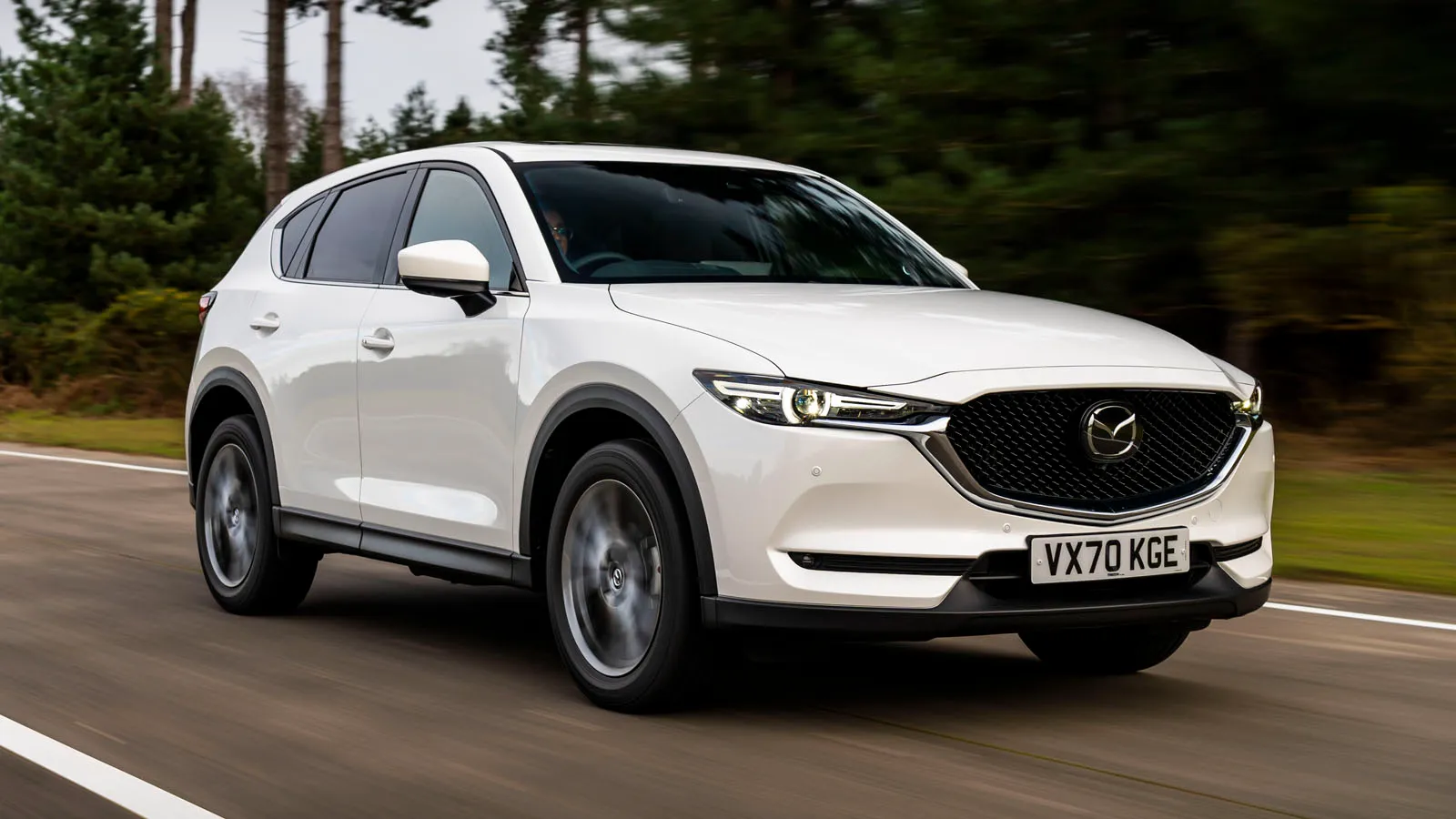
Mazda CX-5
The CX-5 uses a compact engine design that allows effective heat dissipation in traffic. Even when movement is minimal, airflow around the engine prevents localized temperature spikes.
The air conditioning system is calibrated to maintain cold air output at low speeds. Passengers experience consistent cooling without the need for high engine RPMs.
Vents are arranged for uniform cabin cooling. Both front and rear passengers receive adequate airflow, preventing uneven temperature distribution during long idling periods.
Engine fans adjust dynamically to prevent overheating. This ensures that the CX-5 maintains safe engine temperatures while keeping noise levels low and avoiding unnecessary wear.
Mazda also prioritizes material selection. Cabin surfaces resist heat absorption and reflect sunlight, helping maintain interior comfort in high temperatures. Drivers often report the vehicle’s ability to remain cool even during extended traffic jams.
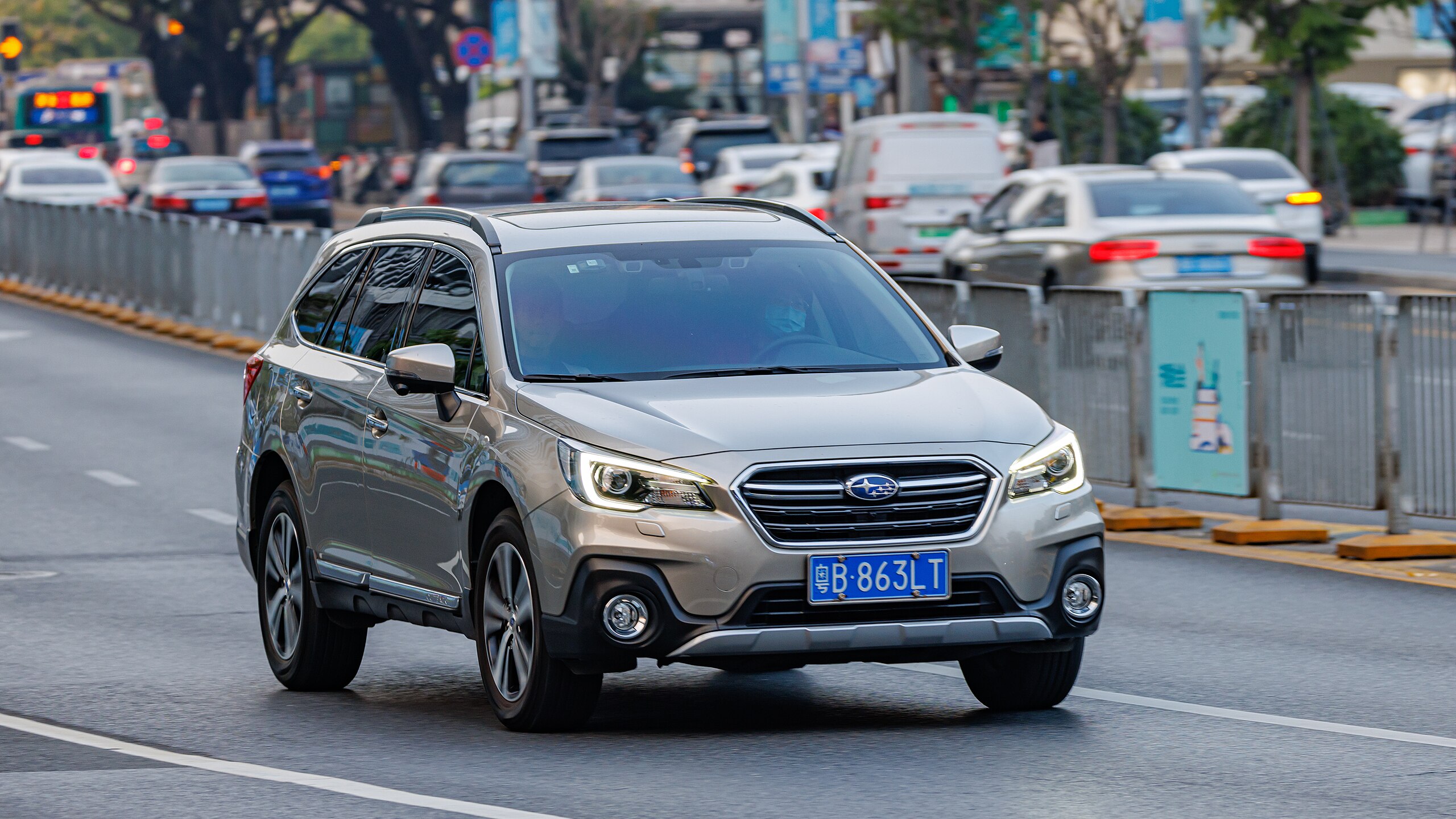
Subaru Outback
The Subaru Outback benefits from its flat engine layout, which promotes even heat distribution. This helps prevent localized hotspots that often develop during long stops in traffic. Consistent engine temperature improves vehicle longevity.
Its air conditioning system is engineered for reliability, providing steady cooling output even when the vehicle remains stationary for long periods. Passengers remain comfortable in the front and rear seats.
The cabin insulation helps block heat transfer from the road and engine bay. This ensures the interior stays cooler and reduces strain on the air conditioning system during peak summer hours.
Cooling fans adjust dynamically according to temperature demands. They maintain stable engine performance without creating unnecessary noise, even when the vehicle is idling in dense traffic.
Owners report that the Outback can handle daily commutes in hot cities without discomfort. The combination of airflow efficiency, insulation, and responsive cooling makes it a dependable option for urban drivers.

Ford Explorer
The Ford Explorer is designed to handle a variety of driving conditions, including slow city traffic in extreme heat. Its cooling system prevents engine overheating during prolonged idling, maintaining reliable performance.
Air conditioning is strong across all seating rows. Passengers experience consistent cooling, which prevents hot spots from forming in the rear cabin during traffic congestion.
The vehicle’s insulation and heat-reflective materials help reduce heat penetration from sunlight and engine components. This maintains a comfortable interior environment even during high temperatures.
Cooling fans and radiator design work together to ensure the engine does not overheat. The system responds quickly to rising temperatures without demanding excessive energy or causing fan noise.
Drivers report that the Explorer remains calm under summer traffic conditions. Its combination of mechanical reliability and thermal comfort makes it a popular choice for families in hot regions.
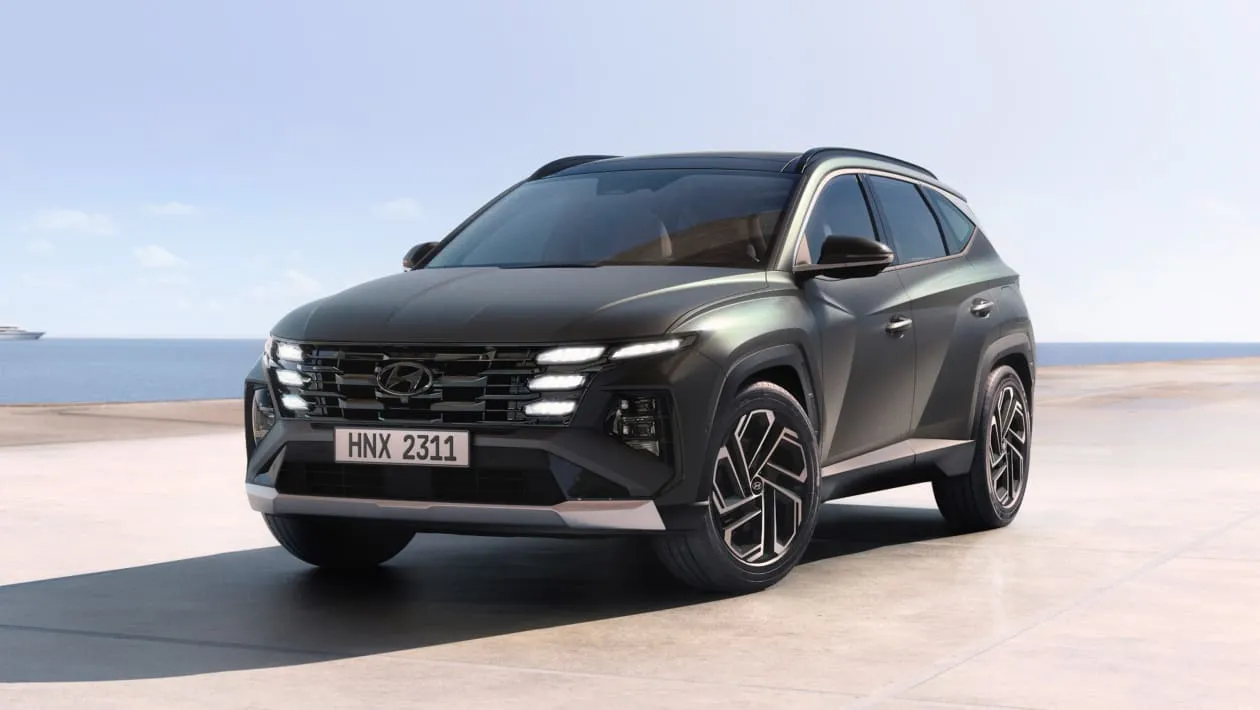
Hyundai Tucson
The Hyundai Tucson features an efficient cooling system that handles stop-and-go traffic effectively. Engine components remain stable even when airflow is limited at low speeds.
Air conditioning maintains strong output at idle, ensuring a comfortable cabin temperature during long periods of congestion. The system distributes air evenly to both front and rear passengers.
Insulation and reflective materials in the Tucson help minimize heat buildup from the sun and engine. This allows the cabin to cool quickly after exposure to high temperatures.
Cooling fans operate efficiently, preventing temperature spikes and maintaining engine reliability. Their quiet operation contributes to a more comfortable driving experience.
Urban drivers appreciate the Tucson’s ability to stay cool during long commutes. Its balance of thermal performance and compact design makes it ideal for city traffic in hot climates.
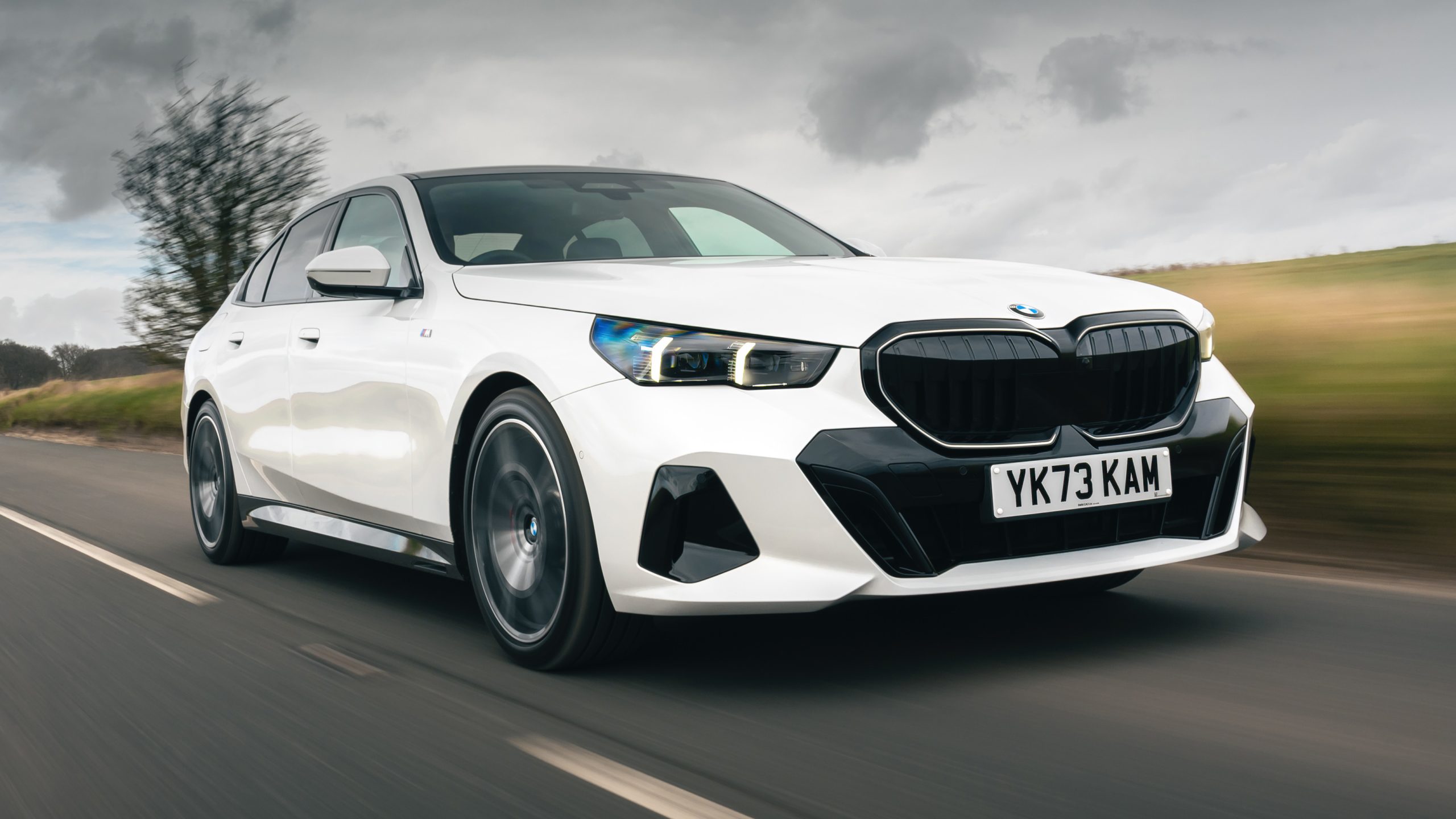
BMW 5 Series
The BMW 5 Series uses advanced thermal management systems to maintain engine and cabin temperatures under extreme conditions. Sensors monitor heat levels and adjust cooling accordingly.
Electronically controlled fans optimize airflow, preventing overheating during stop-and-go traffic. The system adapts to changing conditions without driver intervention.
Air conditioning remains strong and responsive, providing uniform cooling across the cabin. Passengers experience consistent comfort regardless of engine speed.
High-quality insulation reduces heat intrusion from sunlight and the engine bay. This minimizes energy demand from the air conditioning system, maintaining efficiency even in heavy traffic.
BMW owners note that the 5 Series remains composed in hot city traffic. The combination of precise thermal management and luxurious comfort ensures reliable performance during peak summer hours.
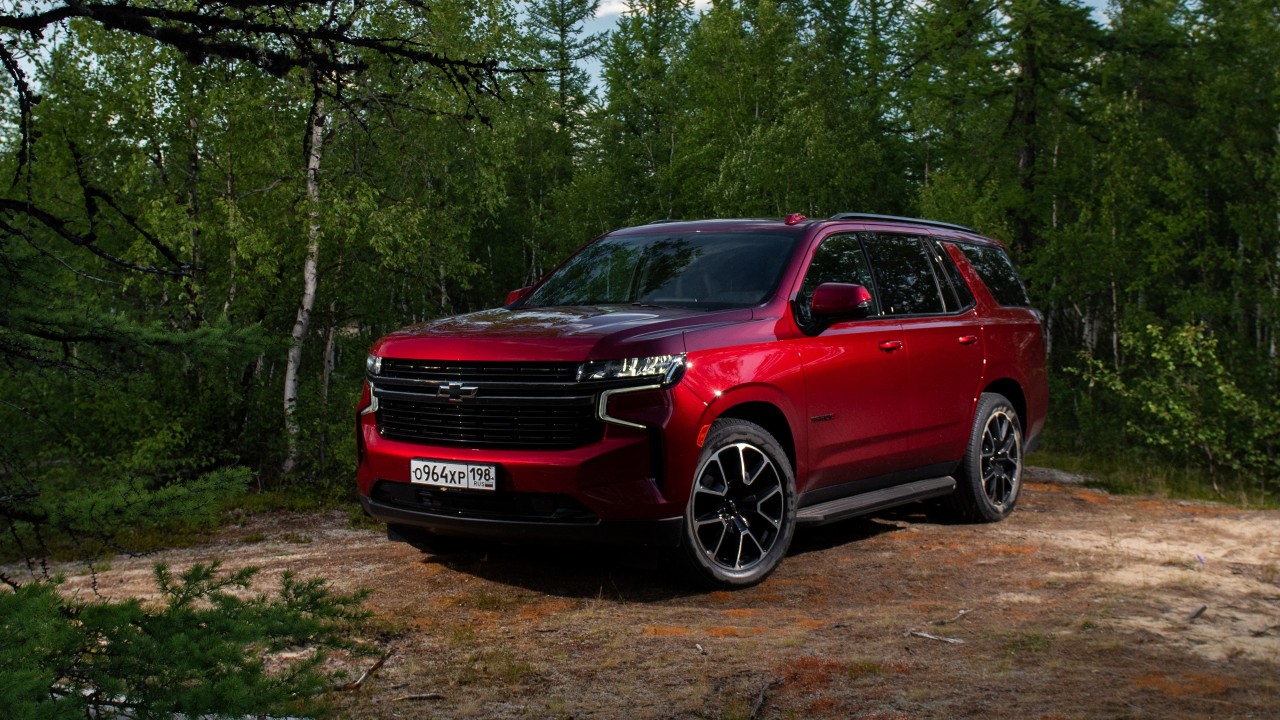
Chevrolet Tahoe
The Chevrolet Tahoe features a heavy-duty cooling system capable of maintaining engine stability in dense traffic. Large radiators and powerful fans prevent overheating during idle periods.
Air conditioning performance is strong even in the spacious cabin. Rear passengers receive adequate airflow, keeping the entire interior comfortable during traffic jams.
Interior materials are designed to resist heat absorption. This allows the cabin to remain cooler for longer periods, reducing the workload on the air conditioning system.
Fans and engine sensors work together to maintain stable temperatures. This prevents sudden overheating and extends the durability of engine components under stress.
Drivers report that the Tahoe handles high summer temperatures and city traffic without issue. Its combination of size, cooling efficiency, and reliable performance makes it suitable for both family and commercial use.
