
In the automotive world, names are often changed for various reasons, whether to refresh a car’s image, re-establish its identity, or create a connection with a new market.
However, while some cars have undergone significant rebranding efforts, their fundamental issues remain largely unchanged. These cars, despite their name changes, continued to struggle with the same mechanical, design, or performance challenges.
The auto industry is no stranger to the phenomenon of cars that receive new labels but fail to resolve their inherent problems. Sometimes a fresh name isn’t enough to mask deeper, more systemic issues that plague these vehicles.
The underlying problems often persist even as the vehicle’s public image is reworked, leaving consumers disappointed and frustrated. In many cases, these name changes were an attempt to distance the car from past failures, but it rarely resulted in real improvements.
In this article, we’ll take a look at 10 cars that underwent name changes over the years but continued to face the same problems. While rebranding can offer a temporary sense of reinvention, these cars show that a new label doesn’t necessarily mean a better product.
Some of these name changes were part of an attempt to reposition the vehicle in the market, while others were born out of a need to distance the car from previous criticisms.
Despite these efforts, the core issues that plagued these cars often stayed the same, affecting their reputation and performance. The automotive industry’s reliance on rebranding in these cases serves as a reminder that sometimes, changing the name of a product isn’t enough to make it better.
Over time, some of these cars became infamous for their design flaws, poor performance, or mechanical failures, and simply changing the name didn’t erase their problems.
Whether it was a faulty engine, an outdated design, or safety concerns, these vehicles continued to disappoint consumers despite the effort to rebrand them.
In the following sections, we will examine each of these cars in more detail and explore how their name changes didn’t do much to address the deeper issues that were baked into their design.
By looking at these examples, we’ll understand why rebranding can only go so far in the world of cars.
Let’s start with the Dodge Dart, a car that was rebranded and launched under different names yet continued to face similar issues throughout its various iterations.
Despite its name changes, it failed to overcome the same structural problems that led to its downfall.
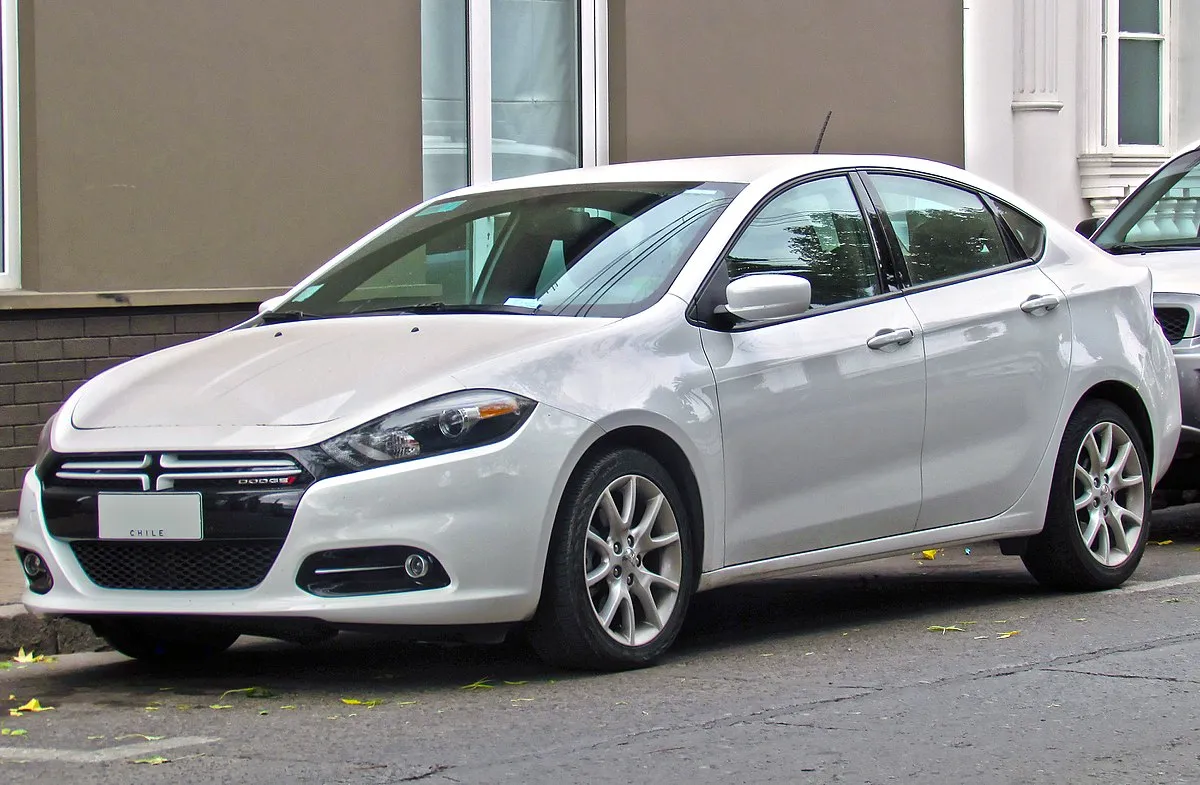
1. The Dodge Dart
The Dodge Dart has undergone a few transformations over its long history, but each new iteration failed to shake off the core issues that plagued it. Originally introduced in the 1960s, the Dart was part of Chrysler’s strategy to tap into the compact car market.
However, despite several attempts at a rebirth, the model’s fate remained tied to poor performance and mechanical flaws that made it less desirable. In the 2010s, Dodge tried reviving the Dart name with a new generation aimed at competing in the compact sedan market, hoping to capitalize on its history.
What made the Dart’s rebranding particularly intriguing was how it presented itself as a modernized version of its earlier self, promising cutting-edge features and sleek design.
While the exterior looked refreshed, under the hood, the Dart struggled with issues like subpar engine performance, poor fuel efficiency, and a dated transmission system. Despite Chrysler’s best efforts to improve the car’s public image, these persistent issues continued to drag it down.
The Dart’s lack of innovation in resolving these mechanical concerns led to its failure, leaving many wondering why the company continued to push a vehicle that didn’t meet modern standards.
The first-generation Dart was far from perfect, too. Early models suffered from transmission failures and poor build quality, issues that would continue to haunt the car in later generations.
However, the name Dart, despite its troubled legacy, carried the hope of reinvention in subsequent models. Unfortunately, the vehicle never lived up to its promise, and the rebranding couldn’t disguise the same fundamental problems that had always been present.
Over the years, Chrysler’s attempts to give the Dart a new lease on life seemed more like a Band-Aid over a much deeper wound. The decision to revive the Dart name didn’t seem to acknowledge that the problems faced by previous versions were embedded in the car’s design.
In fact, the changes to the car’s name and marketing were merely cosmetic, and the car’s essential flaws remained stubbornly intact. This reflects a broader trend in the automotive world: simply changing a vehicle’s name doesn’t address the underlying technical and design issues.
In the end, the Dart’s troubled legacy shows how important it is for automakers to address the heart of the vehicle, not just its branding. Rebranding may temporarily shift public perception, but without substantial improvements to the car’s performance and reliability, a name change is often just a short-term fix.
The Dodge Dart serves as a reminder that, in the automotive industry, a fresh name is no guarantee that a car will overcome its intrinsic problems.
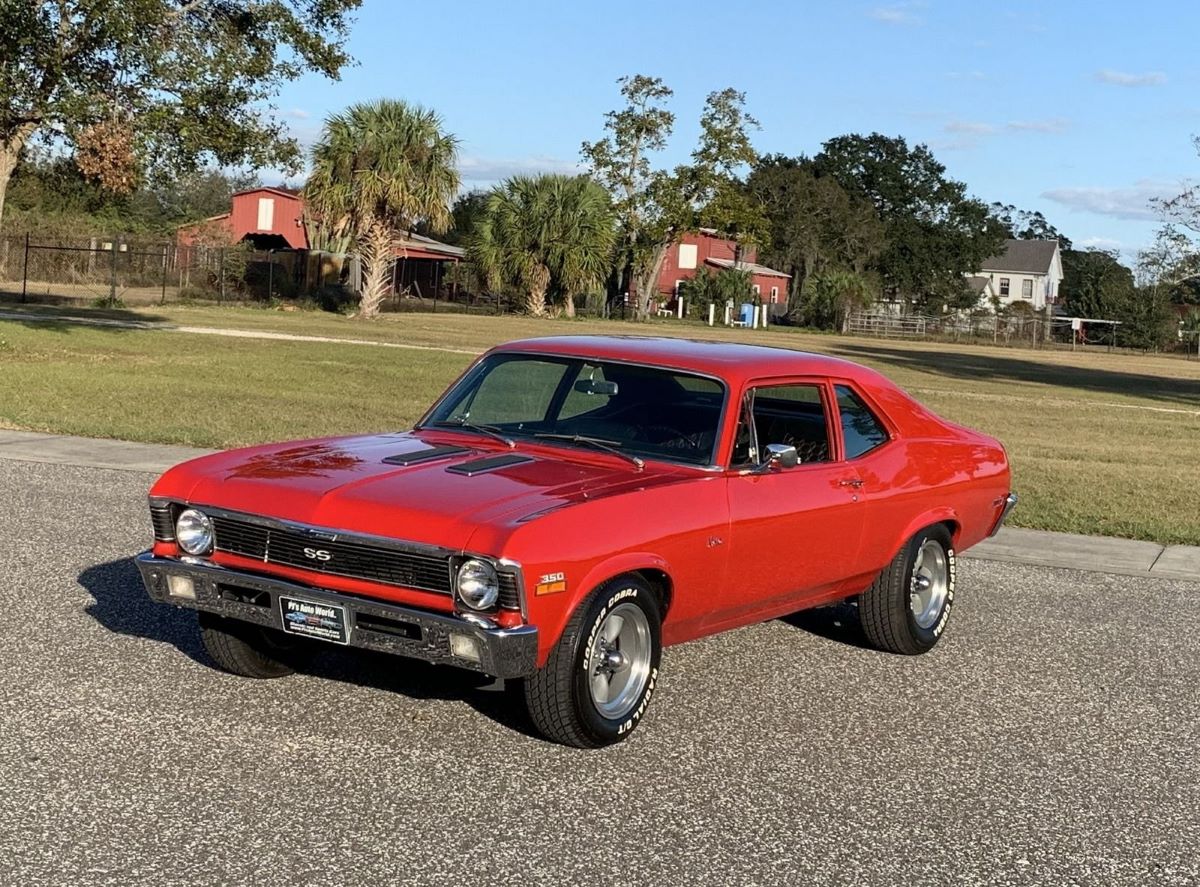
2. The Chevrolet Nova
The Chevrolet Nova is another example of a car that underwent name changes over time but remained haunted by the same flaws that originally led to its decline.
Initially launched in 1962 as a compact car aimed at competing with other small vehicles in the market, the Nova became a popular choice for many years. However, as the years passed, its reputation began to wane due to issues such as poor fuel economy, frequent mechanical failures, and a lack of sophistication in its design.
In the 1970s, General Motors attempted to revive the Nova name, but they were unable to address the car’s persistent issues.
By the time the Nova was reintroduced in the early 2000s, it had been given a new coat of paint and was rebranded with a more modern, sleek design.
The problems that plagued earlier models didn’t magically disappear with a new exterior. Consumers continued to report engine misfires, subpar handling, and other reliability concerns that were characteristic of earlier models.
Despite efforts to update the car’s image and appeal to a new generation, the Nova failed to shed its reputation as an unreliable and lackluster option in the compact car market.
The primary issue with the Nova’s name change was that it didn’t involve a fundamental overhaul of the car itself.
Chevrolet seemed to think that a new appearance and a fresh name would be enough to entice consumers, but the same mechanical problems remained.
For example, the car still struggled with engine overheating, poor suspension, and inefficient fuel systems, which made it difficult for the Nova to compete against more reliable rivals like the Toyota Corolla or Honda Civic.
The Chevy Nova’s name changes were more of a cosmetic exercise rather than a genuine effort to address the car’s most pressing issues.
In addition, the marketing strategy behind the name changes appeared to be focused on nostalgia rather than genuine innovation. Consumers weren’t fooled by the new logo and marketing gimmicks.
They saw through the branding efforts and recognized that the Nova still faced the same limitations that had kept it from reaching its full potential decades earlier. It became clear that simply renaming the car didn’t make up for its ongoing mechanical troubles.
The Nova’s legacy highlights the limitations of relying solely on branding to fix a product. In the automotive world, performance and reliability must come first.
The Chevrolet Nova’s repeated rebranding efforts were unsuccessful in masking the underlying issues that held it back from becoming a true contender in the market. A new name could not solve the same old problems.
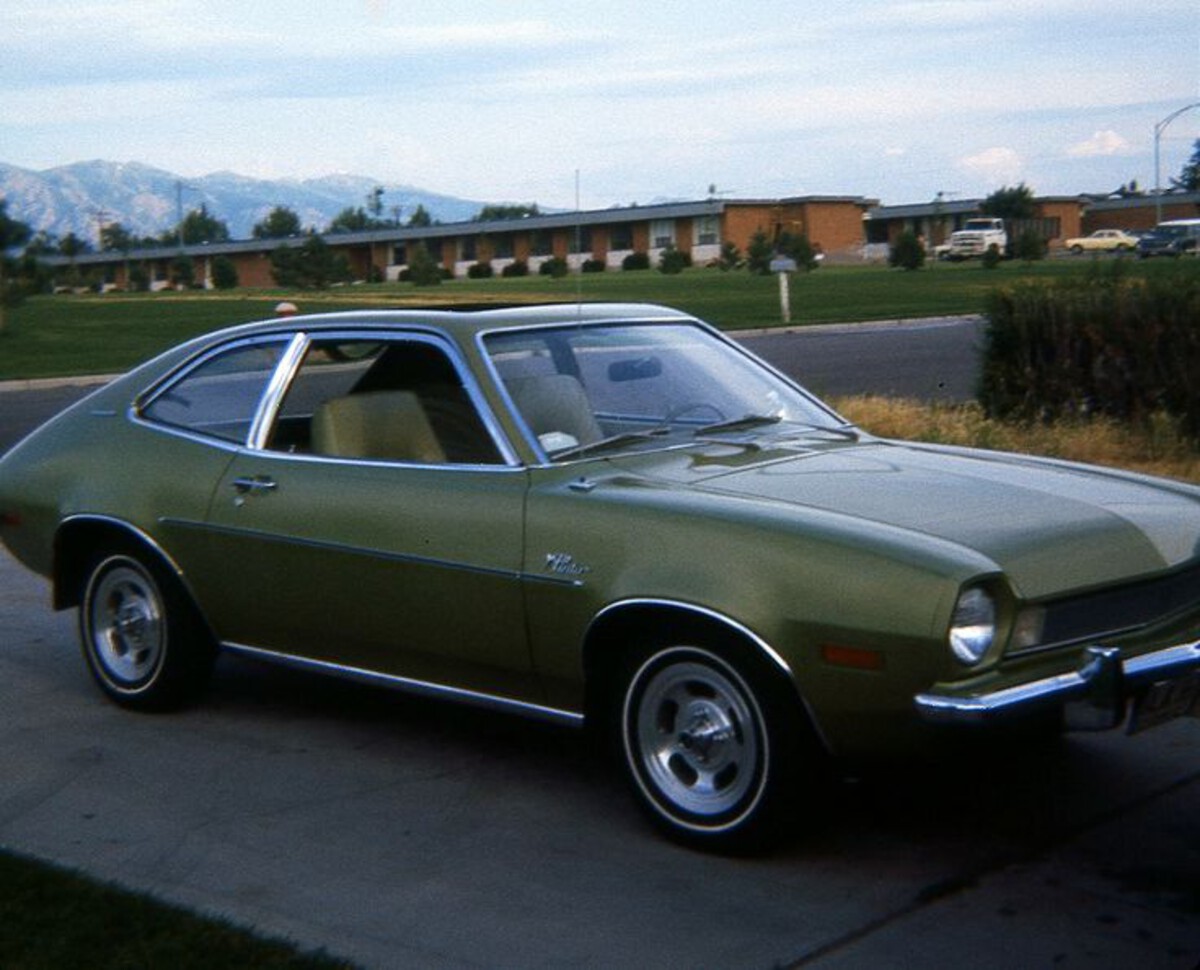
3. The Ford Pinto
The Ford Pinto is perhaps one of the most infamous examples of a car that underwent rebranding but never truly resolved its core problems.
Released in 1970 as a small, affordable vehicle for young buyers, the Pinto was meant to compete with imports like the Volkswagen Beetle. However, the Pinto quickly became notorious for safety issues, its tendency to catch fire in rear-end collisions due to a poorly designed gas tank.
Despite multiple name changes and redesigns over the years, the Pinto’s reputation for safety hazards remained its most defining characteristic.
In the late 1970s, Ford attempted to revitalize the Pinto by giving it a fresh new look and improving its features. The company hoped that a redesign would help shift focus away from the car’s safety issues.
However, the Pinto’s dangerous reputation couldn’t be erased with a new appearance. The core issue, the placement of the fuel tank, remained largely unchanged in many of the updated models.
Despite efforts to market the Pinto as a modern, safe, and reliable car, the same inherent flaw continued to undermine its success.
The Pinto’s rebranding efforts were overshadowed by its history of safety failures. Ford spent millions on marketing campaigns to try and downplay the controversy surrounding the Pinto, but the public was far more concerned with the car’s tendency to explode upon impact than with its sleek new design.
The name changes were futile, as the Pinto was forever linked to its dangerous reputation. In many ways, the Pinto’s rebranding was an attempt to shift focus away from its deepest problem: a poorly designed car that posed a serious safety risk to its owners.
Even when Ford tried to reposition the Pinto as a more family-friendly vehicle, its name changes could not distance the car from its deadly reputation. Despite minor improvements and cosmetic changes, the Pinto was never able to recover from the damage done by its safety record.
The Pinto’s legacy serves as a cautionary tale for automakers: rebranding can only do so much when a car’s problems are deeply ingrained in its design. No amount of marketing or name changes could repair the Pinto’s reputation, and its legacy lives on as a symbol of automotive failure.
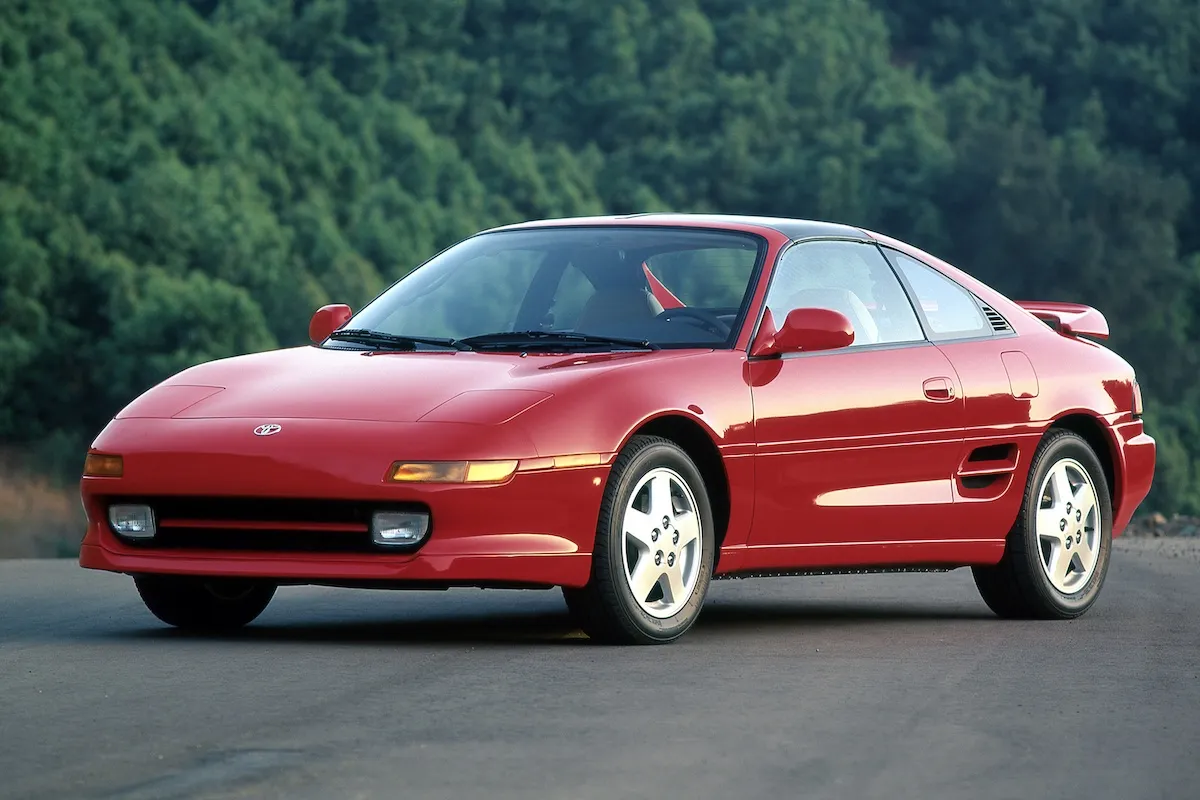
4. The Toyota MR2
The Toyota MR2 was an iconic small sports car that captured the hearts of car enthusiasts in the 1980s, but despite multiple iterations, the model remained plagued by the same issues throughout its lifespan.
The MR2 was known for its agile handling, compact size, and high-revving engines, but it was also infamous for its safety concerns. One of the most significant problems with the MR2 was its tendency to lose traction, especially during aggressive cornering.
This design flaw, coupled with the car’s mid-engine layout, led to a series of accidents and tarnished its reputation.
Toyota’s response to these issues was a series of name changes and design updates aimed at addressing the MR2’s shortcomings. In the early 1990s, the car underwent a major redesign and was marketed as a more refined and safer vehicle.
However, despite these changes, the MR2 still retained many of its original flaws. The handling issues remained a significant concern, and the car’s safety ratings never fully improved.
In the end, the MR2’s name changes did little to change the fact that it was still a car with a few dangerous design flaws that made it less appealing to the average driver.
While the car’s appearance may have been updated, the underlying handling problems were not addressed in a meaningful way. The MR2 was a great car for enthusiasts who appreciated its sharp handling, but for the average driver, the potential for loss of control was a deal-breaker.
No matter how many times the name was changed or the design was tweaked, the MR2 remained a car that demanded caution and skill to drive safely.
Despite attempts to reposition the MR2 as a more accessible sports car, the name changes couldn’t shake the model’s reputation for being difficult to handle.
This highlights the limitations of rebranding efforts in the automotive industry: while a new design can generate excitement, it doesn’t automatically fix deeper, more fundamental issues with a car’s performance. The MR2’s name changes may have altered its image, but its handling issues remained constant.
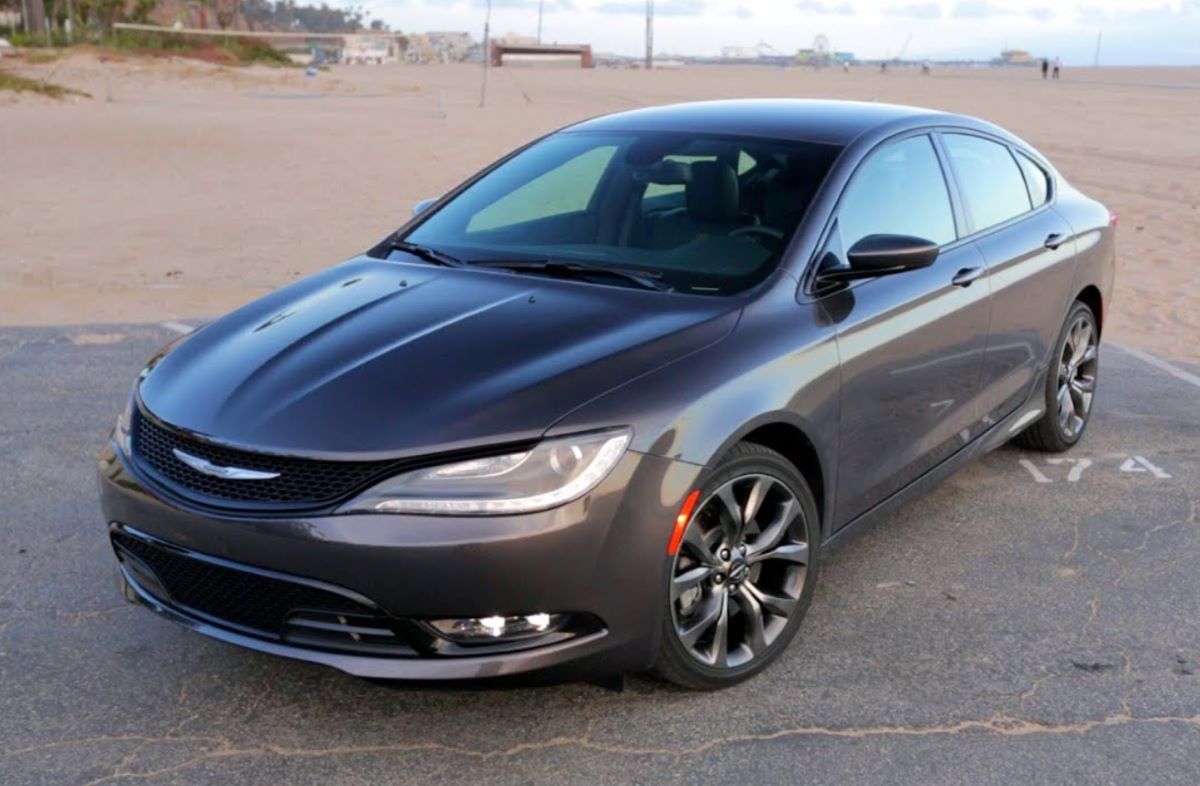
The Chrysler 200
The Chrysler 200 emerged as a replacement for the Sebring in the late 2000s, with hopes of creating a sleek, modern mid-size sedan. Its design, marketing, and name change were intended to reposition Chrysler in a competitive market. Despite this fresh start, the car carried over many of the Sebring’s mechanical issues.
Engine reliability and transmission performance remained problematic. Owners reported rough shifting, stalling, and engine malfunctions across multiple model years.
Chrysler attempted minor updates, but these changes did little to resolve the fundamental problems. The 200 struggled to gain consumer confidence despite its new name.
Electrical and infotainment systems also received criticism. Malfunctions in the touch screen, sensors, and wiring were common, and software updates often failed to fully correct these problems. Buyers expecting a more modern and reliable vehicle were often disappointed by persistent issues that mirrored those of its predecessor.
Handling and ride quality were another area where the 200 underperformed. Despite a redesigned suspension and updated chassis, complaints about stiffness, noise, and poor steering response remained. Even with cosmetic changes and new features, the driving experience continued to reflect the car’s longstanding limitations.
In the end, the Chrysler 200 demonstrates that a name change cannot erase history. The vehicle’s engineering problems persisted despite new marketing strategies and updated styling. While the rebranding created temporary excitement, it could not overcome recurring reliability and performance issues that defined the car’s reputation.
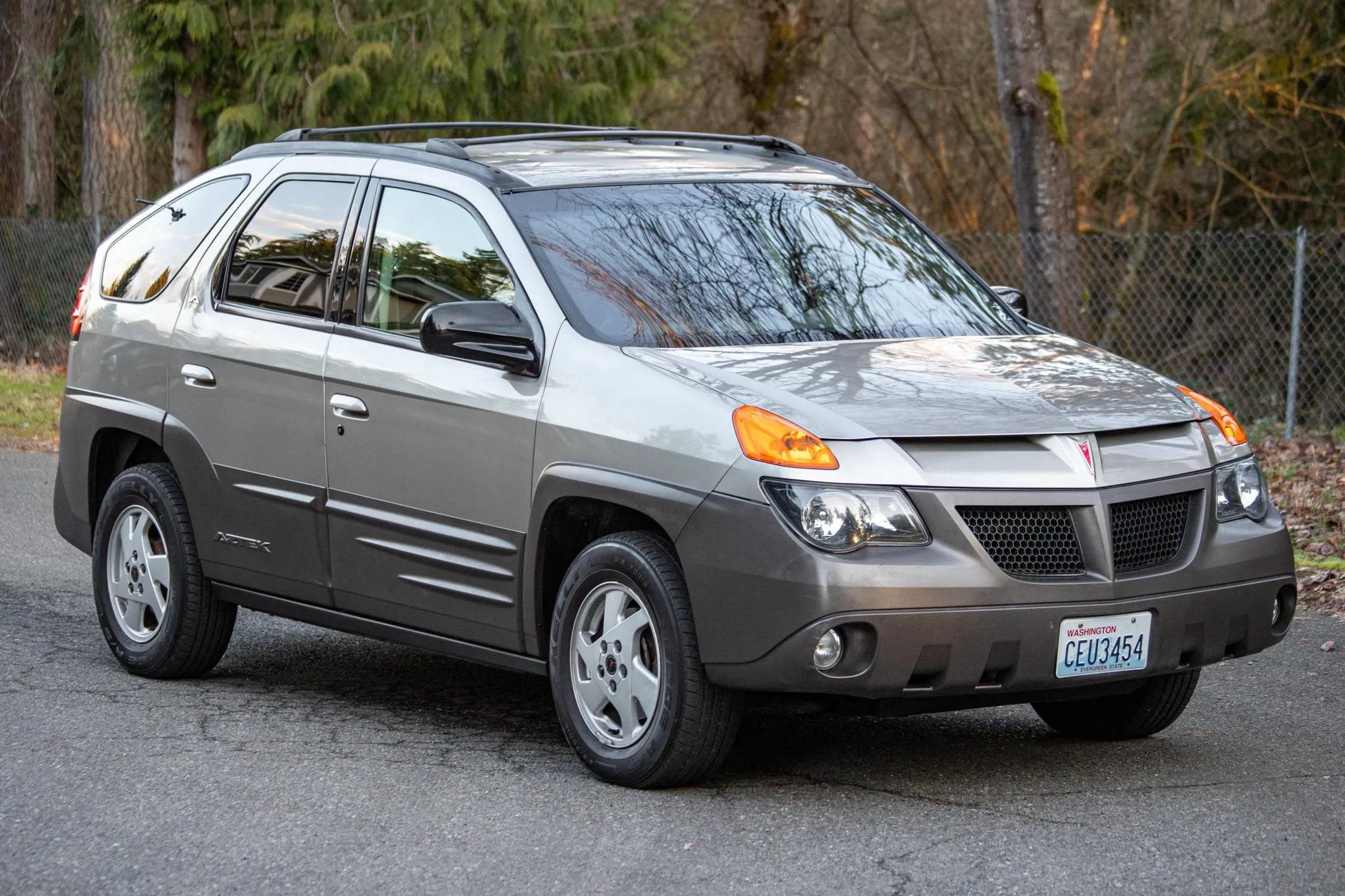
The Pontiac Aztek
The Pontiac Aztek was introduced as a crossover SUV designed to appeal to a younger, adventurous audience. Its bold styling and marketing promised versatility, yet early models suffered from poor build quality and a lack of refinement. Mechanical and design flaws made the Aztek notorious in automotive circles.
Attempts to refresh the Aztek included minor facelifts and marketing campaigns emphasizing lifestyle appeal. Despite these efforts, the vehicle continued to face issues such as transmission failures, suspension problems, and interior durability concerns. The car’s rebranding could not hide its persistent weaknesses.
Electrical and engine concerns were common across all iterations. Owners reported malfunctioning gauges, unreliable electronics, and recurring engine problems. The vehicle’s underlying engineering flaws were never fully addressed, showing that a new identity did not equal improvement.
Ride quality and handling also remained problematic. Drivers noted poor stability, harsh suspension, and an awkward driving feel. Even cosmetic changes did not improve the car’s performance or comfort, leaving many consumers unimpressed.
The Pontiac Aztek highlights how a rebrand cannot resolve inherent design and mechanical problems. The new identity did little to change the car’s reputation, which continued to be defined by its persistent issues. Superficial updates were no match for deep structural flaws.
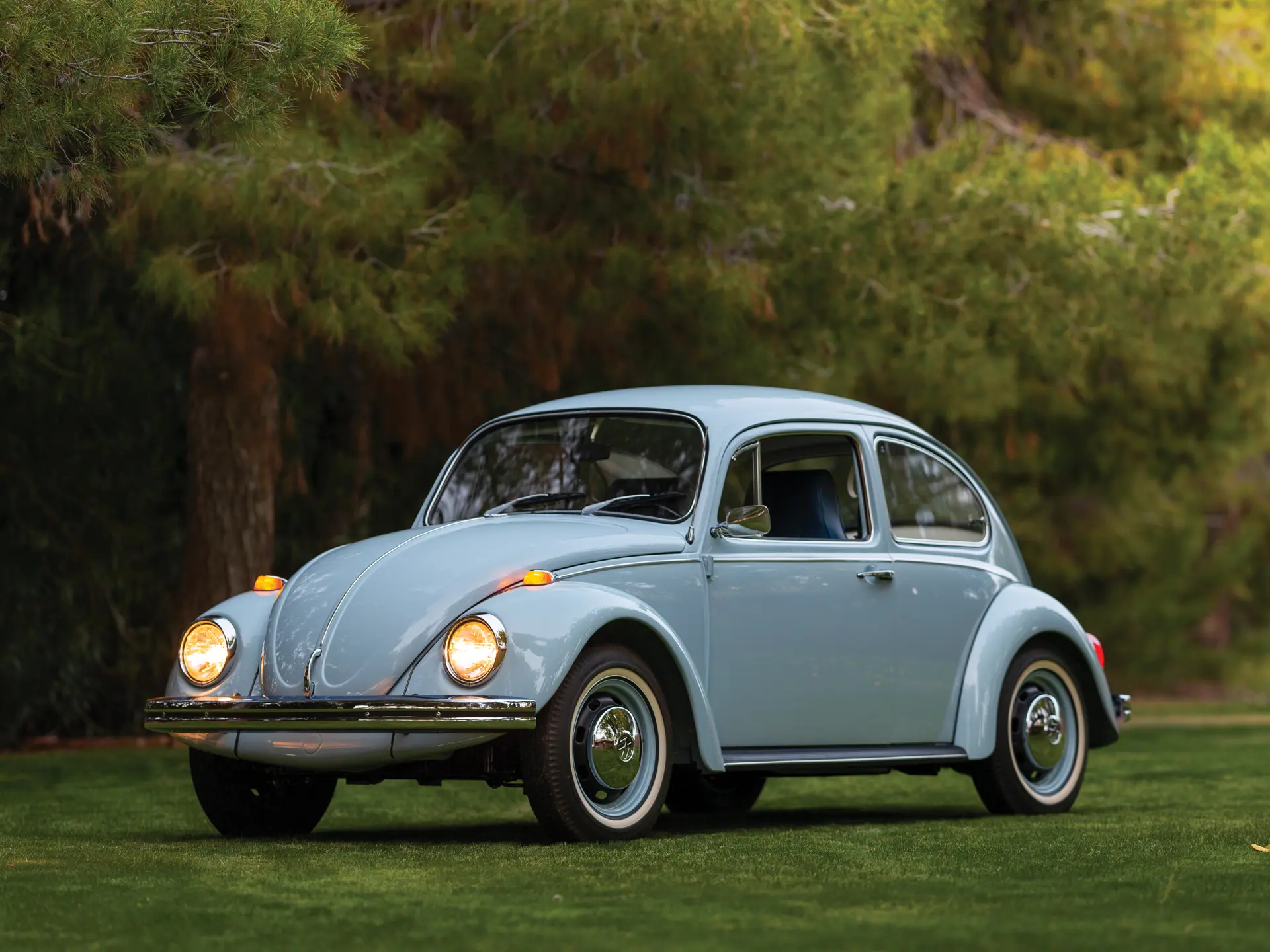
The Volkswagen Beetle
The Volkswagen Beetle is one of the most iconic cars in history, yet even this classic model faced recurring issues despite multiple redesigns. Early models struggled with engine cooling problems, electrical issues, and rust vulnerability. These challenges persisted through various re-releases and modernizations.
Volkswagen attempted to modernize the Beetle with updated styling, engines, and technology. While the exterior looked contemporary, many mechanical issues remained unresolved.
Engine overheating and transmission problems continued to affect owners, demonstrating that a name change or redesign could not erase the car’s vulnerabilities.
The Beetle also faced complaints about interior durability and electronics. Components such as dashboards, infotainment systems, and sensors were prone to malfunction. Even as Volkswagen emphasized modern features, recurring technical failures reminded buyers of the car’s ongoing challenges.
Handling and performance were inconsistent across generations. The car’s compact frame and lightweight design led to instability in certain driving conditions.
Despite safety updates and improved suspension systems, many drivers found that the Beetle’s ride quality remained a concern.
The Volkswagen Beetle demonstrates that even a celebrated name cannot guarantee problem-free ownership. While redesigns refreshed the car’s image, recurring mechanical and structural issues persisted. Rebranding could not erase decades of underlying challenges.
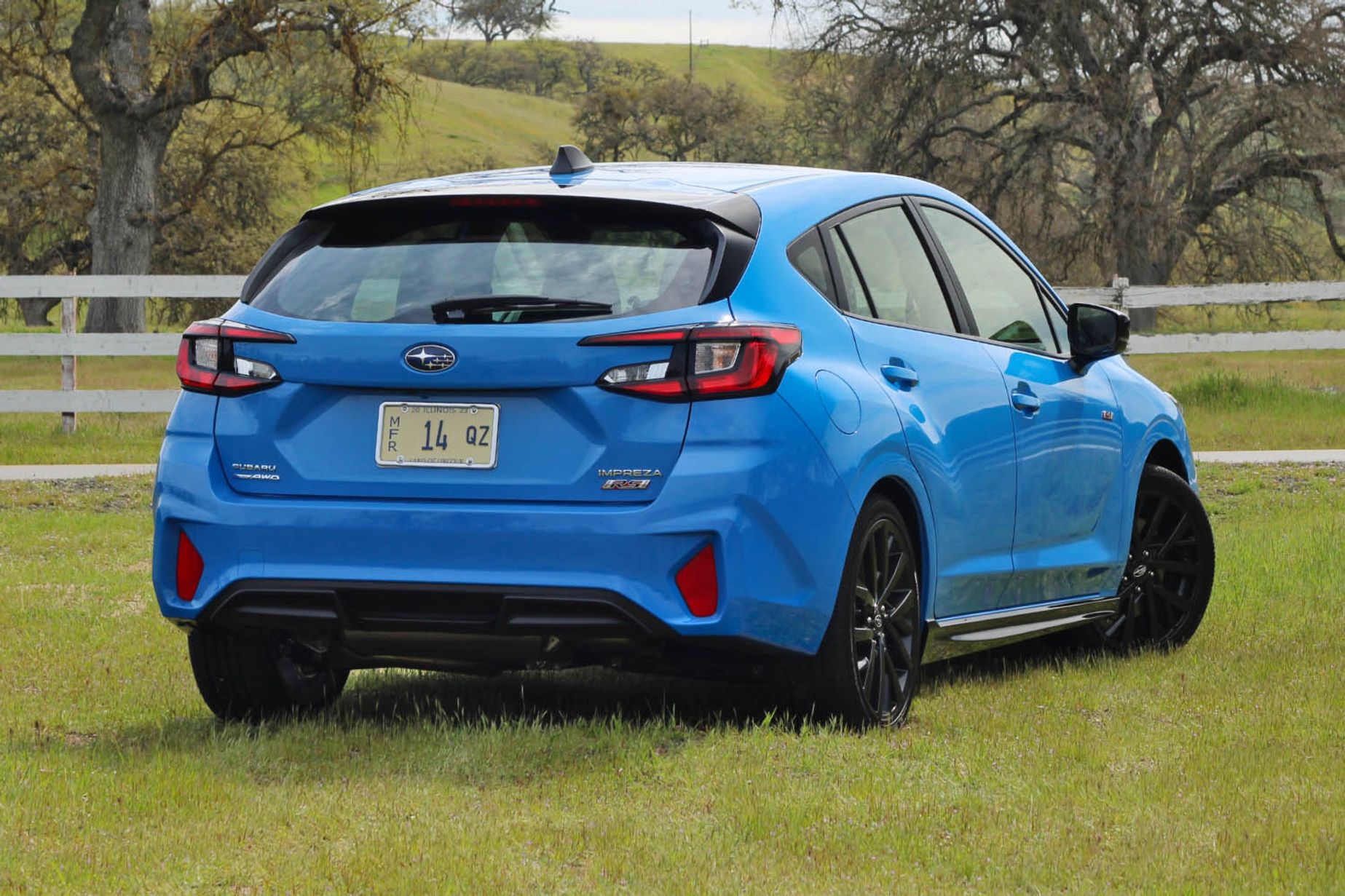
The Subaru Impreza
The Subaru Impreza gained popularity for its all-wheel-drive system and reliability reputation. However, certain model years faced recurring issues, including head gasket failures, suspension problems, and transmission concerns. These challenges persisted even as Subaru updated the vehicle over time.
Rebranding efforts focused on design refreshes, improved technology, and performance upgrades. Despite these changes, core mechanical flaws continued to appear.
Owners frequently reported engine problems and premature wear in key components, showing that updates could not fully eliminate historical weaknesses.
Electrical systems were another source of concern. Infotainment glitches, faulty sensors, and wiring problems persisted across multiple generations. These recurring issues often frustrated owners who expected more from a modern iteration of the Impreza.
Handling and ride quality also presented challenges. Older models had stiff suspensions and noisy cabins, while newer models continued to show uneven handling in certain conditions. Safety ratings improved, but the driving experience remained inconsistent across revisions.
The Subaru Impreza illustrates that even well-regarded vehicles can struggle with recurring issues despite name changes and design updates. Reliability improvements require more than superficial updates, and the Impreza’s history shows the limits of cosmetic rebranding.
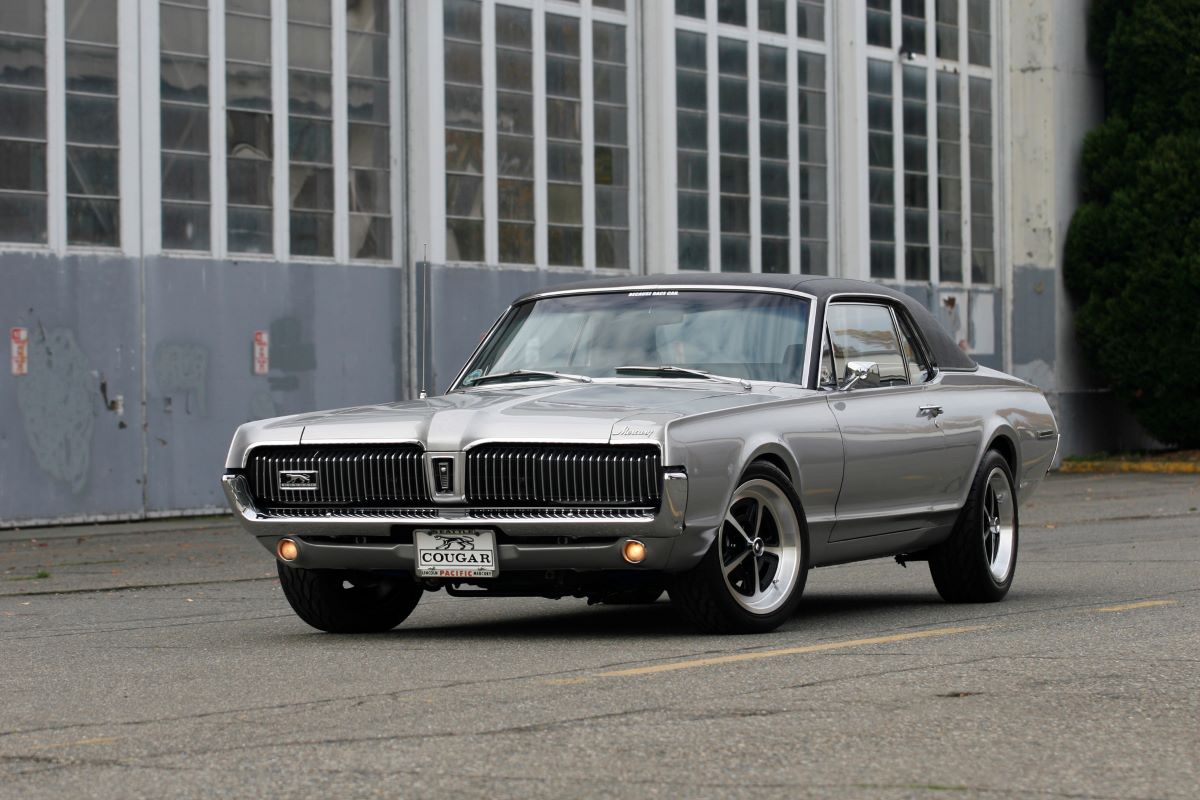
The Mercury Cougar
The Mercury Cougar was launched as a mid-size luxury coupe in the late 1960s. Its design, marketing, and performance positioned it as a competitor to other American coupes, yet early models faced mechanical reliability issues. Engine troubles and suspension weaknesses became recurring complaints.
Over the years, Mercury updated the Cougar with new styling, technology, and branding to maintain relevance. Despite these efforts, many of the car’s old problems persisted.
Engine failures, transmission issues, and suspension defects remained common, revealing that rebranding did not solve underlying flaws.
Electrical and interior concerns also appeared in newer models. Infotainment malfunctions, dashboard failures, and sensor errors continued to plague drivers. Cosmetic updates and new features could not erase these recurring problems, highlighting the limitations of Mercury’s rebranding strategy.
Handling and ride comfort also remained inconsistent. Some drivers experienced stiff suspension, while others noted poor steering response. Even with improved materials and minor chassis changes, the Cougar’s performance issues persisted across generations.
The Mercury Cougar demonstrates the challenges of relying on a new identity to improve consumer perception. Name changes and cosmetic updates cannot replace engineering solutions, and the Cougar’s repeated issues illustrate the limits of rebranding in the automotive industry.
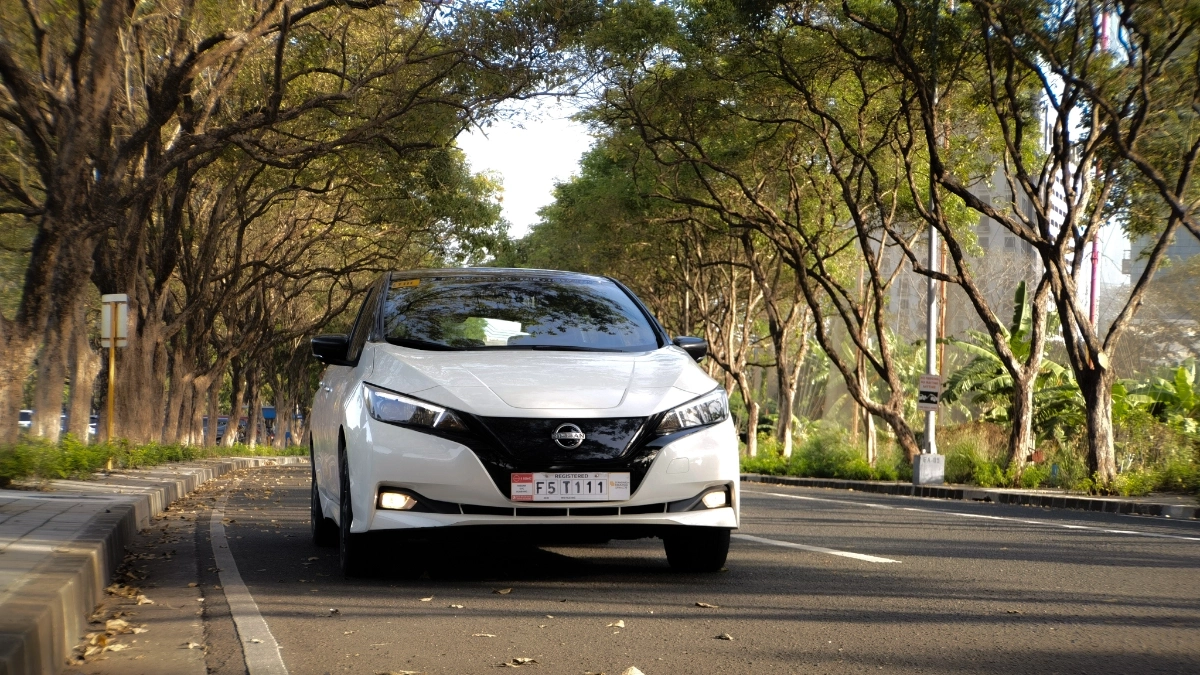
The Nissan Leaf
The Nissan Leaf was introduced as one of the first mass-market electric vehicles, promising an eco-friendly alternative to traditional cars. While it gained attention for its green credentials, it faced recurring problems such as battery degradation, limited range, and charging system issues.
As Nissan released newer generations, the Leaf received updates to battery capacity, design, and technology.
Despite these improvements, some of the early issues persisted. Battery longevity remained a concern for many owners, and the car’s limited range continued to challenge daily usability.
Electrical and software glitches were also reported across multiple models. Problems with navigation, charging indicators, and sensor systems showed that technical issues were not fully resolved.
These recurring flaws highlighted the need for more than cosmetic or branding updates to improve the vehicle’s reputation.
Ride quality and handling remained another challenge. While the Leaf offered smooth city driving, suspension stiffness and limited performance were still noticeable.
Consumers seeking a more refined driving experience often found the Leaf lacking despite redesigns.
The Nissan Leaf illustrates that even innovative vehicles are not immune to recurring problems.
Rebranding, updates, and new generations can help, but fundamental challenges like battery technology and mechanical limitations remain. The Leaf shows that name changes do not automatically equal problem-free ownership.
