
Car interiors are supposed to age with grace, slowly gaining character instead of regret. When buyers choose a sedan, they often expect the cabin to remain comfortable, respectable, and visually tolerable for years after purchase.
Unfortunately, history shows that many manufacturers made interior design choices that felt bold at launch but became embarrassing far faster than expected.
Materials cracked, colors faded, layouts confused drivers, and once futuristic ideas quickly turned into dated reminders of poor judgment. Time has a way of being brutally honest, especially with plastic, leather, and technology that were never built to last.
The problem with interior aging is not only about wear and tear. Some cabins looked outdated almost immediately because they chased trends instead of balance. Cheap glossy plastics, awkward infotainment placements, and overly complex button layouts often created a cluttered feel that did not stand the test of time.
Sedans aimed at comfort and longevity ended up feeling like rolling time capsules from questionable design eras. Even well maintained examples struggle to hide the flaws baked into their original concepts.
Another major issue lies in material quality. Soft touch surfaces that melted, dashboards that warped under sunlight, and seats that cracked long before their mechanical components failed are common complaints. Automakers sometimes prioritized cost cutting or visual impact over durability.
As years passed, owners were left with peeling trims, sticky buttons, and unpleasant textures that made daily driving less enjoyable. A car can run perfectly while its interior quietly falls apart around the driver.
Technology also played a role in premature aging. Early touchscreen systems, digital dashboards, and experimental controls often lacked refinement. Once newer systems arrived, these older attempts felt clumsy and frustrating.
Small screens with poor resolution, laggy responses, and confusing menus became symbols of a transitional era. Instead of feeling nostalgic, they simply feel obsolete and awkward.
This article looks at ten sedan interiors that suffered greatly with time. These are cabins that once promised comfort, innovation, or luxury, but instead aged poorly and now feel uncomfortable to sit in.
Each example highlights design decisions that did not survive changing expectations or real world use. What follows is a reminder that good interior design is not about trends, but about restraint, quality, and long term thinking.
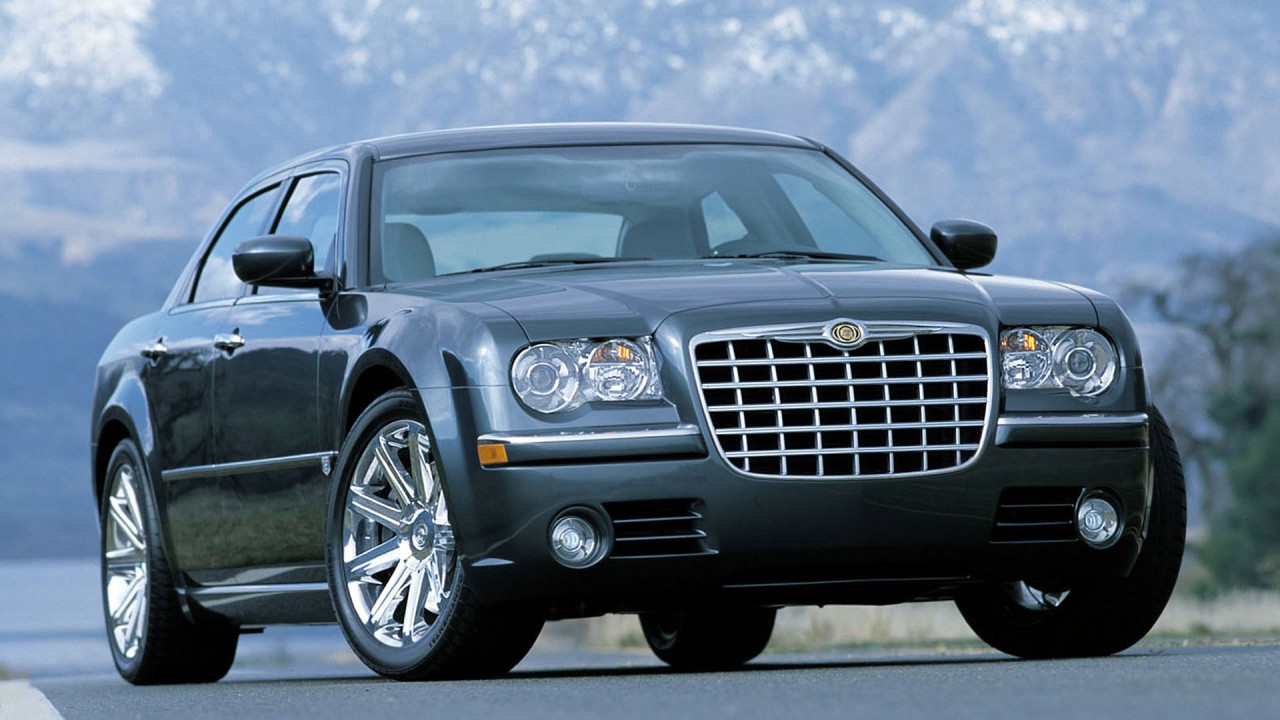
1. Chrysler 300 Early 2000s Interior
The early Chrysler 300 interior tried very hard to feel bold and dominant, but the materials chosen did not support that ambition. Large plastic panels covered most surfaces, creating a bulky and artificial atmosphere. These plastics were prone to scratching and fading even with gentle use. As the car aged, the cabin began to look tired and neglected instead of powerful.
One of the most criticized elements was the imitation wood trim. Rather than providing warmth or sophistication, it felt hollow and obviously fake. Over time, exposure to heat and sunlight caused discoloration and peeling. The contrast between panels became uneven and distracting. What was meant to suggest luxury now highlights poor execution.
Control buttons across the dashboard aged badly as well. Many owners experienced sticky surfaces and fading labels. Buttons often lost their tactile feedback, making operation annoying. This problem worsened with age, turning simple tasks into small frustrations. The layout itself lacked refinement and now feels outdated.
The instrument cluster design also suffered from poor aging. Fonts and display elements looked dated quickly. Lighting inconsistencies made nighttime driving less pleasant. Compared to modern layouts, it feels cluttered and awkward. Age only amplified these design shortcomings.
Seat comfort declined faster than expected. Leather upholstery cracked easily and cushioning lost firmness. Long drives became uncomfortable as support diminished. Even well maintained examples struggle to hide wear. The interior reflects style chosen over durability.
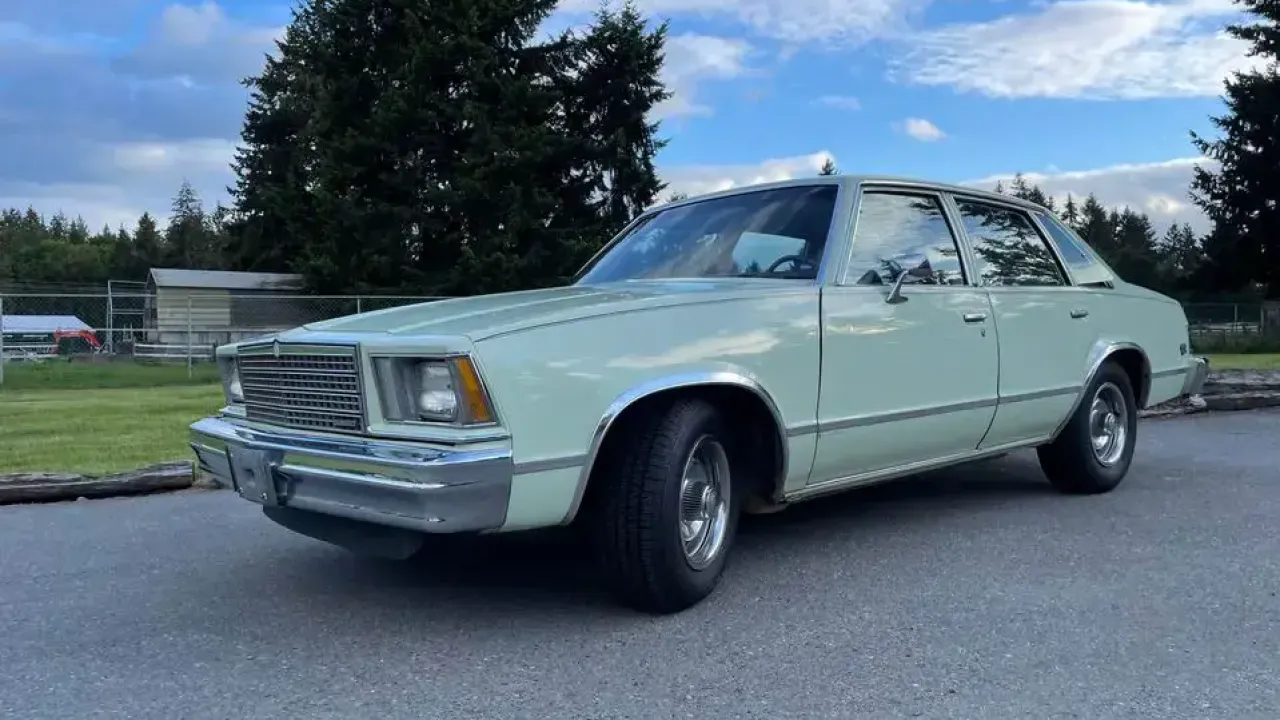
2. Chevrolet Malibu Mid 2000s Interior
The mid 2000s Chevrolet Malibu interior was built with cost savings clearly in mind. Hard plastics dominated nearly every visible surface. These materials felt cheap from the beginning and aged even worse. Over time, scratches, scuffs, and shine buildup became impossible to ignore.
Color choices inside the cabin made aging even more obvious. Large sections of dull gray plastic created a lifeless environment. Sun exposure caused uneven fading across panels. Instead of aging gracefully, the interior developed a patchy and worn appearance. Even clean examples feel old.
The center stack design lacked logic and balance. Buttons were scattered without clear grouping or visual hierarchy. Drivers often had to search for basic controls. As newer designs improved usability, this layout felt increasingly frustrating. Age highlighted its lack of planning.
Technology integration was minimal and outdated quickly. Small displays and basic interfaces offered limited functionality. There was no room for updates or improvements. What once passed as acceptable now feels primitive. The interior feels locked in its era.
Seats also aged poorly. Cloth upholstery stained easily and showed wear early. Leather options cracked and hardened with time. Cushion support broke down faster than expected. Comfort declined steadily, reinforcing the budget nature of the cabin.
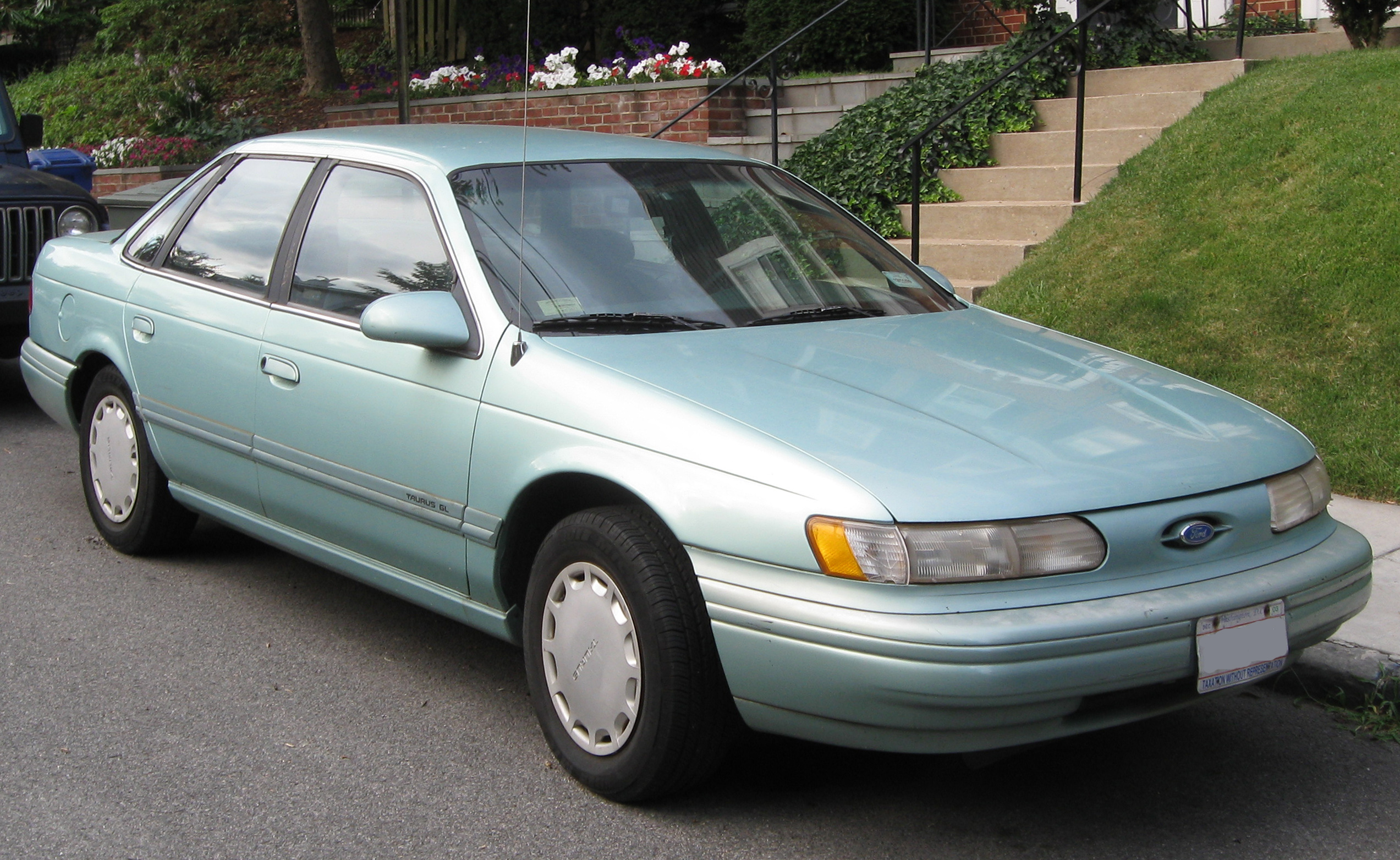
3. Ford Taurus Late 1990s Interior
The late 1990s Ford Taurus interior is remembered for its heavy use of curves and rounded shapes. Almost every surface followed this theme, creating a busy and overwhelming look. While unique at launch, it quickly became polarizing. Today, it feels exaggerated and dated.
Plastic quality was another major weakness. Panels were thin and flexible, leading to rattles as the car aged. Heat exposure caused warping and cracking across the dashboard. These issues became more pronounced over time. The interior now feels fragile and poorly built.
The instrument cluster was visually cluttered and confusing. Odd shapes surrounded gauges, making information harder to read. This design choice sacrificed clarity for style. As cleaner layouts became standard, the Taurus interior felt behind. Age made it even less appealing.
Control placement throughout the cabin lacked consistency. Buttons and switches were scattered without clear logic. This increased distraction while driving. With wear, labels faded and controls felt loose. Everyday use became less satisfying.
Seat materials also failed to hold up well. Foam padding compressed quickly, reducing comfort. Fabric quality varied and wore unevenly. Leather options cracked and stiffened. Sitting inside now emphasizes how poorly this interior aged.
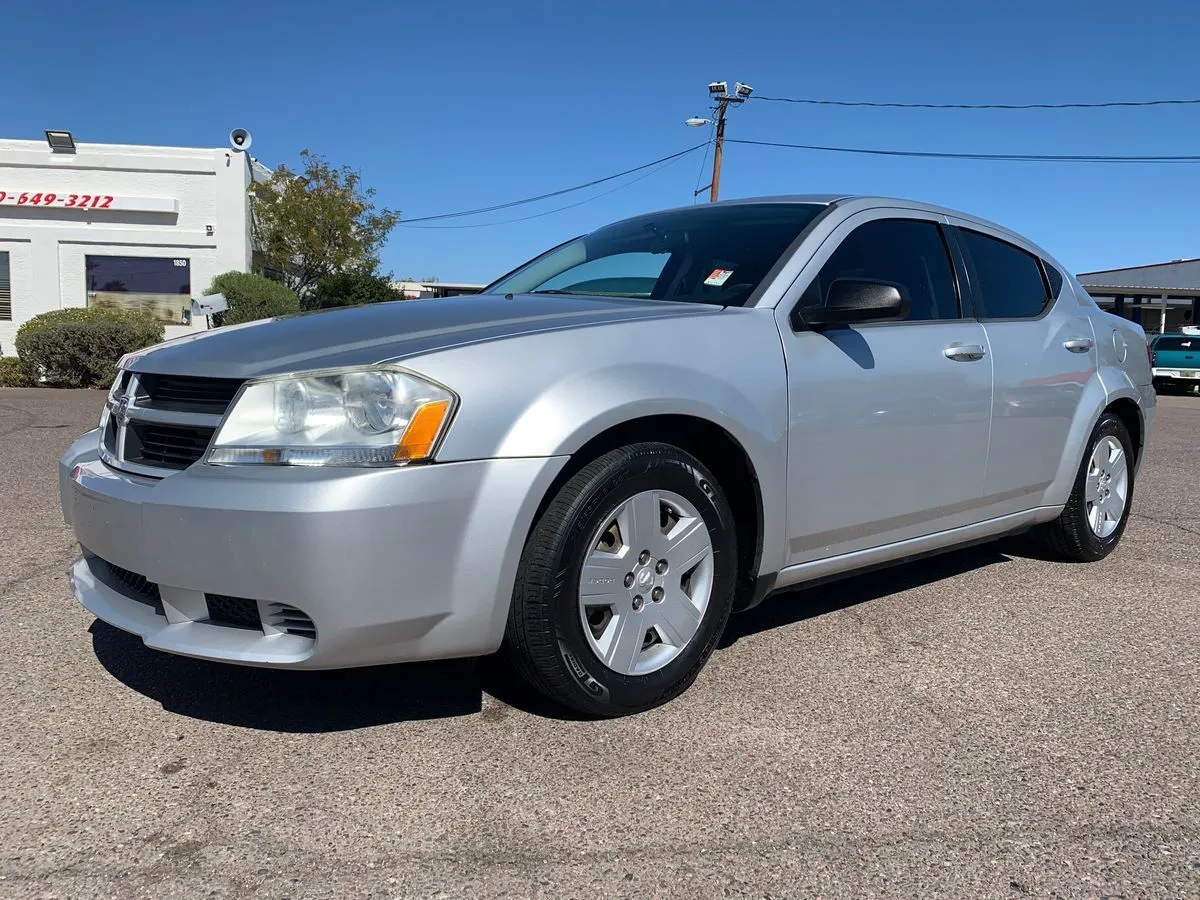
4. Dodge Avenger Interior
The Dodge Avenger interior relied heavily on hard and shiny plastics. From the dashboard to the door panels, nearly every surface felt cheap. Over time, these plastics scratched easily and became glossy. The cabin now feels worn and unpleasant to touch.
Design consistency was lacking throughout the interior. Sharp angles clashed with random curves, creating visual confusion. Nothing felt cohesive or intentional. As trends changed, this design aged rapidly. Today it feels disorganized and dated.
Technology elements were outdated almost immediately. Screens were small and graphics were basic. System responsiveness was slow even when new. As newer systems improved, this one felt obsolete. Age made its limitations even more obvious.
Control buttons lacked quality and durability. Many became loose or faded with use. Tactile feedback diminished over time. Simple adjustments became annoying. This further hurt the driving experience.
Seats were thin and unsupportive. Leather cracked early and cloth wore down quickly. Cushioning lost firmness fast. Long trips became uncomfortable. The interior failed to provide lasting comfort.
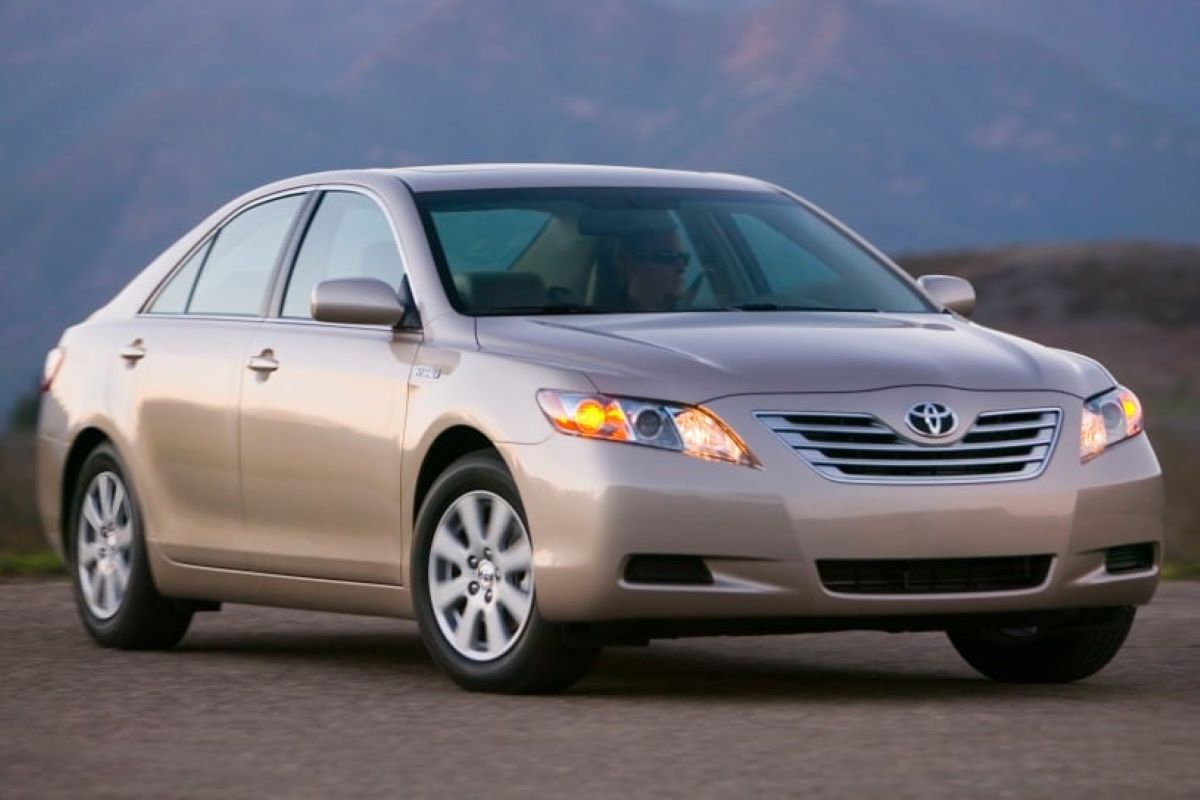
5. Toyota Camry Early 2000s Interior
The early 2000s Toyota Camry interior focused heavily on practicality. While functional, it lacked any visual appeal. Large plastic panels dominated the cabin without texture or contrast. Over time, this blandness became more noticeable.
Plastic materials hardened as they aged. Dashboards and trim pieces became brittle and prone to cracking. Sun exposure caused fading and discoloration. Even careful owners could not prevent these issues. The interior now looks worn and outdated.
The center console and control layout were uninspired. Storage solutions felt awkward and limited. Controls worked reliably but lacked refinement. Compared to later generations, this layout feels primitive. Age highlighted its simplicity.
Technology features were minimal and aged poorly. Displays were small and basic. There was no sense of innovation even when new. As expectations grew, this interior fell behind. It now feels stuck in the past.
Seat comfort declined with time. Fabric upholstery stained easily and leather cracked prematurely. Cushion support weakened noticeably. Long drives became less comfortable. The interior reflects durability in mechanics but not in design.
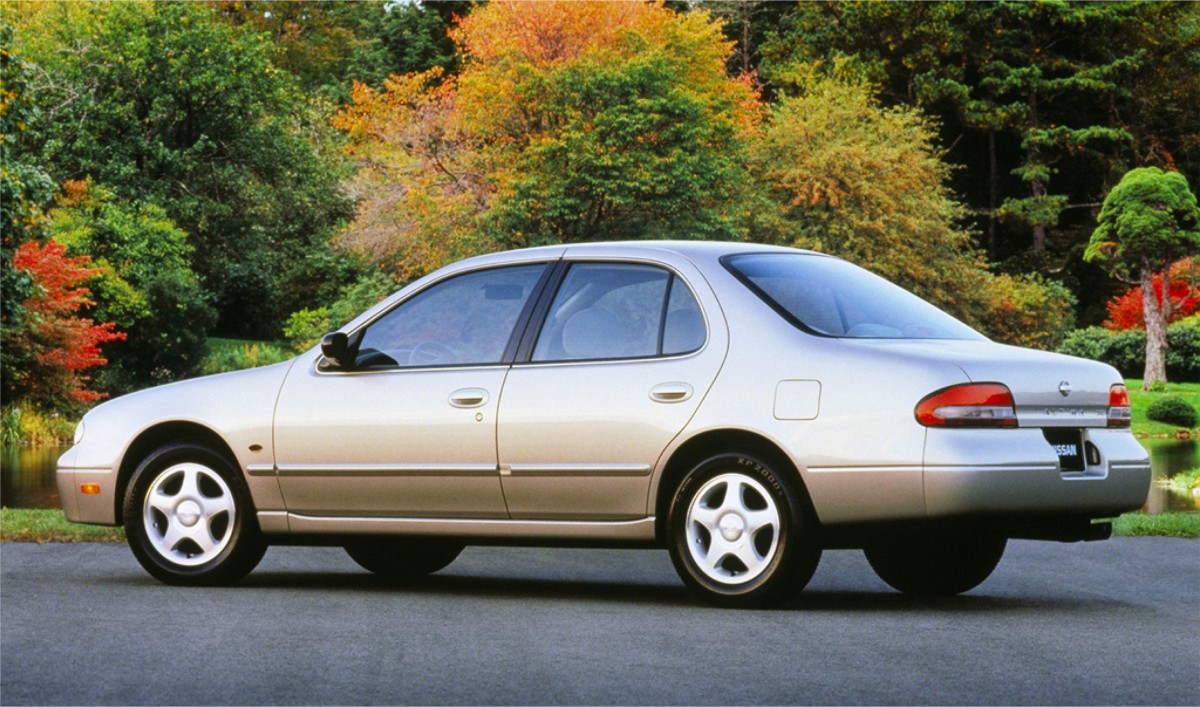
6. Nissan Altima Mid 2000s Interior
The mid 2000s Nissan Altima interior relied heavily on hard plastics across nearly every surface. These materials lacked texture and felt hollow to the touch. Even when new, the cabin did not feel especially inviting. As time passed, scratches and fading became highly noticeable.
Dashboard plastics aged especially poorly. Sun exposure caused discoloration and uneven fading. Some panels became brittle and prone to cracking. The appearance shifted from simple to neglected. Age highlighted the lack of material quality.
Control layout was not particularly driver friendly. Buttons were small and poorly labeled. This forced drivers to look away from the road frequently. As wear set in, labels faded and buttons loosened. Daily use became more frustrating.
Infotainment systems were outdated almost immediately. Screens were low resolution and menus were basic. System response times were slow and unrefined. There was no option for meaningful updates. The interior quickly felt behind the times.
Seats showed wear faster than expected. Fabric upholstery frayed and leather cracked prematurely. Cushion support weakened, especially on the driver side. Long trips became uncomfortable. The cabin now reflects its budget focused design.
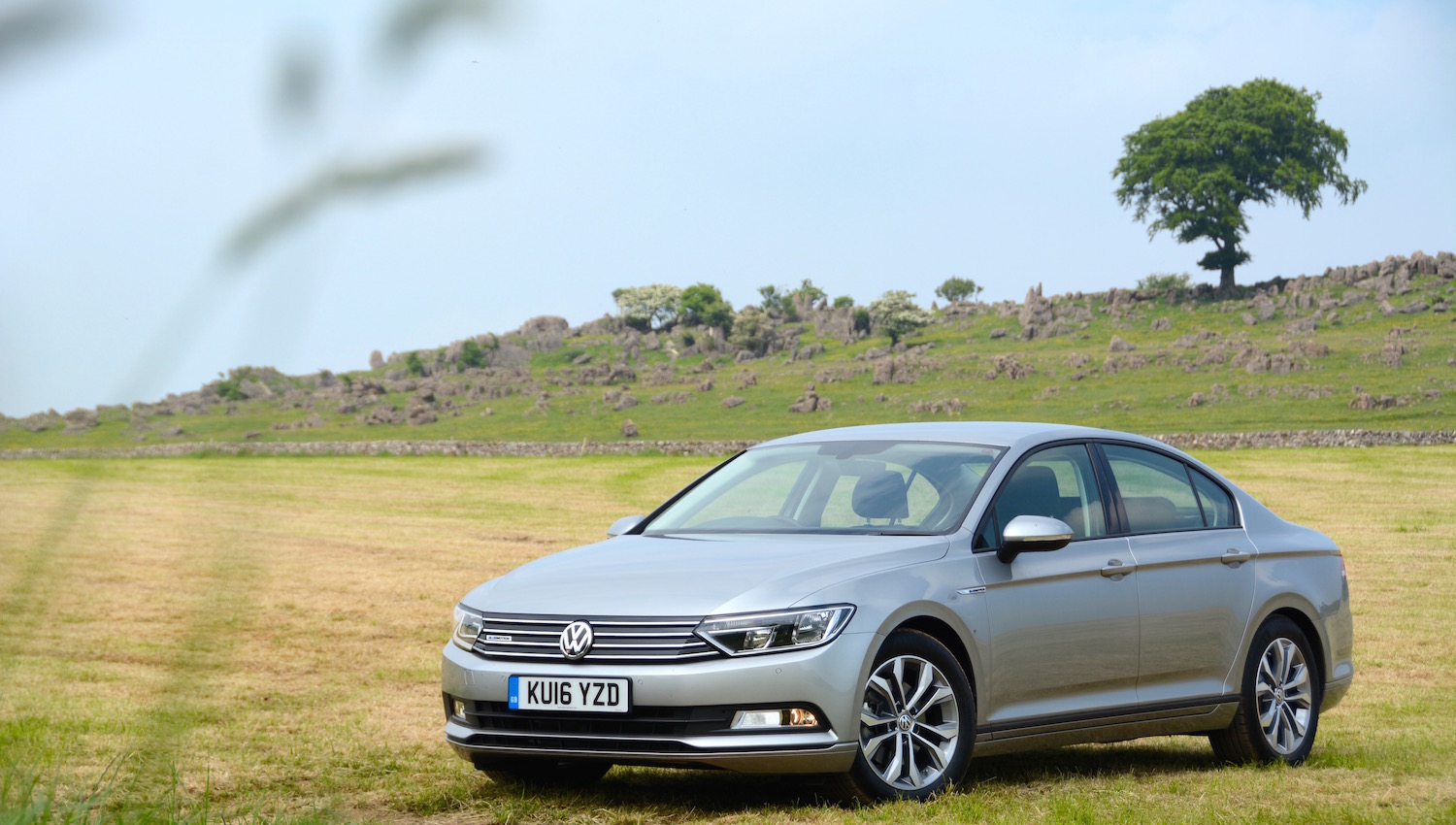
7. Volkswagen Passat Early 2000s Interior
The early 2000s Volkswagen Passat interior aimed for a restrained and upscale feel. Initially, it appeared refined and understated. However, the materials chosen did not age well. What once felt soft became sticky and unpleasant.
Soft touch coatings on dashboards and buttons degraded badly. Over time, they peeled and collected dust. This created an unclean and worn appearance. Many owners attempted repairs with mixed results. The issue became widespread and unavoidable.
Switchgear quality declined steadily. Buttons faded and icons wore off completely. Some controls stopped responding consistently. This hurt the premium impression Volkswagen intended. Age exposed the weaknesses behind the design.
Interior color options aged unevenly. Beige trims stained easily and showed wear quickly. Darker colors highlighted scratches and fingerprints. No option truly aged gracefully. The cabin now feels dated regardless of care.
Seats were comfortable at first but lacked long term durability. Foam padding compressed and lost support. Leather cracked and stitching loosened. Extended driving became less pleasant. The interior failed to match the car’s mechanical longevity.
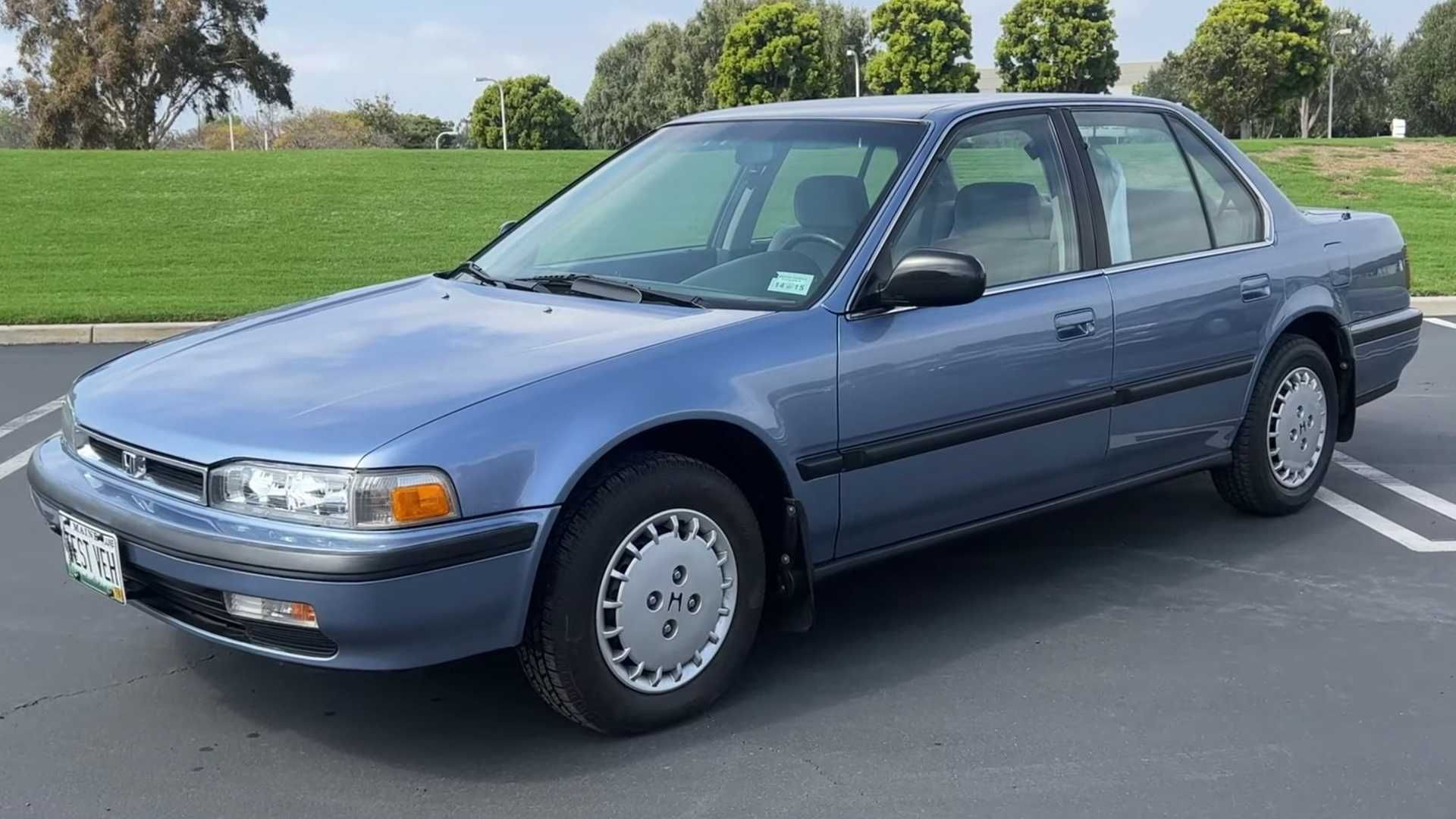
8. Honda Accord Late 1990s Interior
The late 1990s Honda Accord interior focused heavily on simplicity and function. While practical, it lacked visual refinement. Hard plastics dominated most surfaces. This approach left little room for graceful aging.
Dashboard cracking became a major issue. Heat exposure caused widespread damage across many examples. Even low mileage cars suffered from this flaw. The cracks became impossible to ignore. This problem alone defines the aging process of the interior.
Design elements were conservative and flat. There was little variation in shape or texture. While easy to use, the cabin felt plain. As design standards improved, this interior felt increasingly outdated.
Control placement was logical but uninspired. Buttons worked reliably but offered no tactile satisfaction. Over time, labels faded and surfaces wore smooth. The interior felt more utilitarian than comfortable.
Seats aged faster than expected. Fabric upholstery thinned and leather cracked. Cushioning lost its firmness. Long drives became less supportive. The interior now feels older than the car mechanically is.
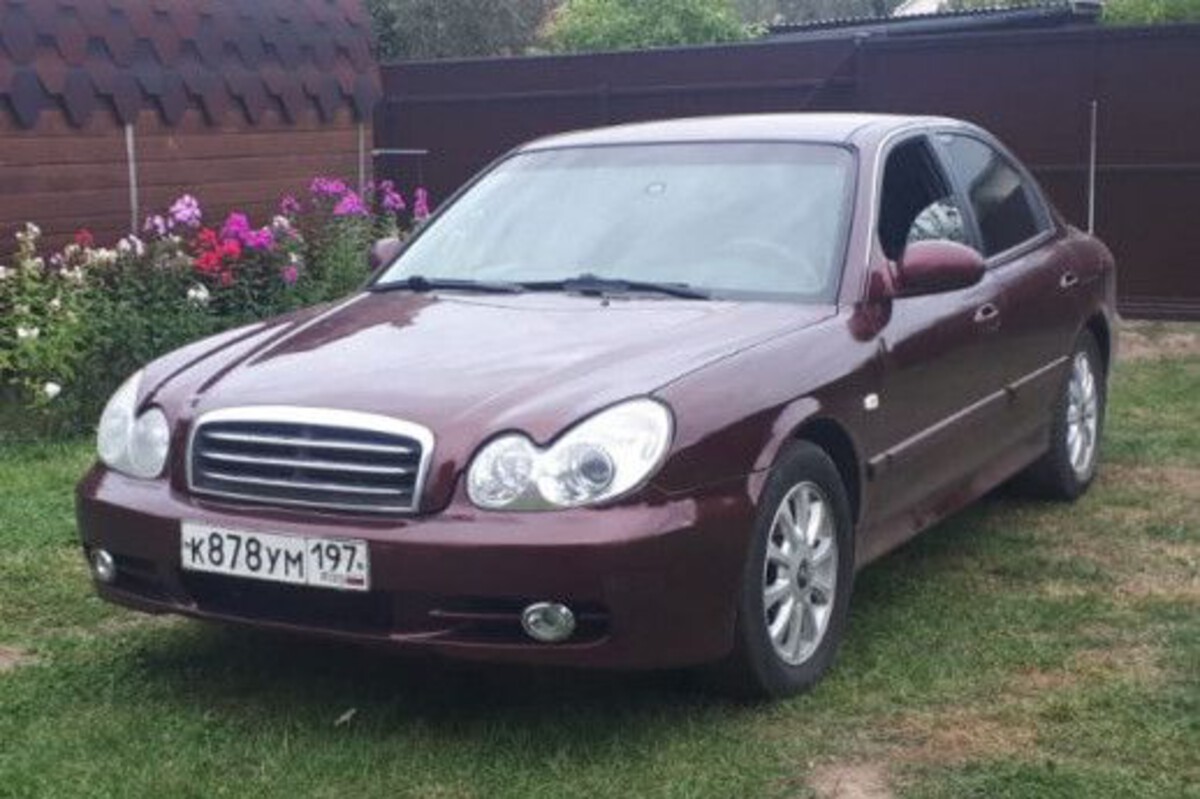
9. Hyundai Sonata Early 2000s Interior
The early 2000s Hyundai Sonata interior attempted to appear upscale. Unfortunately, the materials did not support the ambition. Plastics were shiny and felt cheap. Over time, they aged poorly and looked worn.
Dashboard components often loosened with use. Rattles and squeaks became common. This reduced perceived quality significantly. Even smooth roads could produce noise. The cabin felt poorly assembled as it aged.
Interior design lacked cohesion. Different textures and shapes clashed visually. Nothing tied the cabin together. As trends evolved, this design aged rapidly. It now feels confused and outdated.
Technology features were basic and quickly obsolete. Displays were small and lacked clarity. Controls felt clumsy and slow. There was no room for improvement. The interior remained stuck in its time period.
Seat materials degraded rapidly. Leather cracked and cloth wore thin. Cushion support declined unevenly. Comfort suffered on longer trips. The interior now feels tired and uncomfortable.
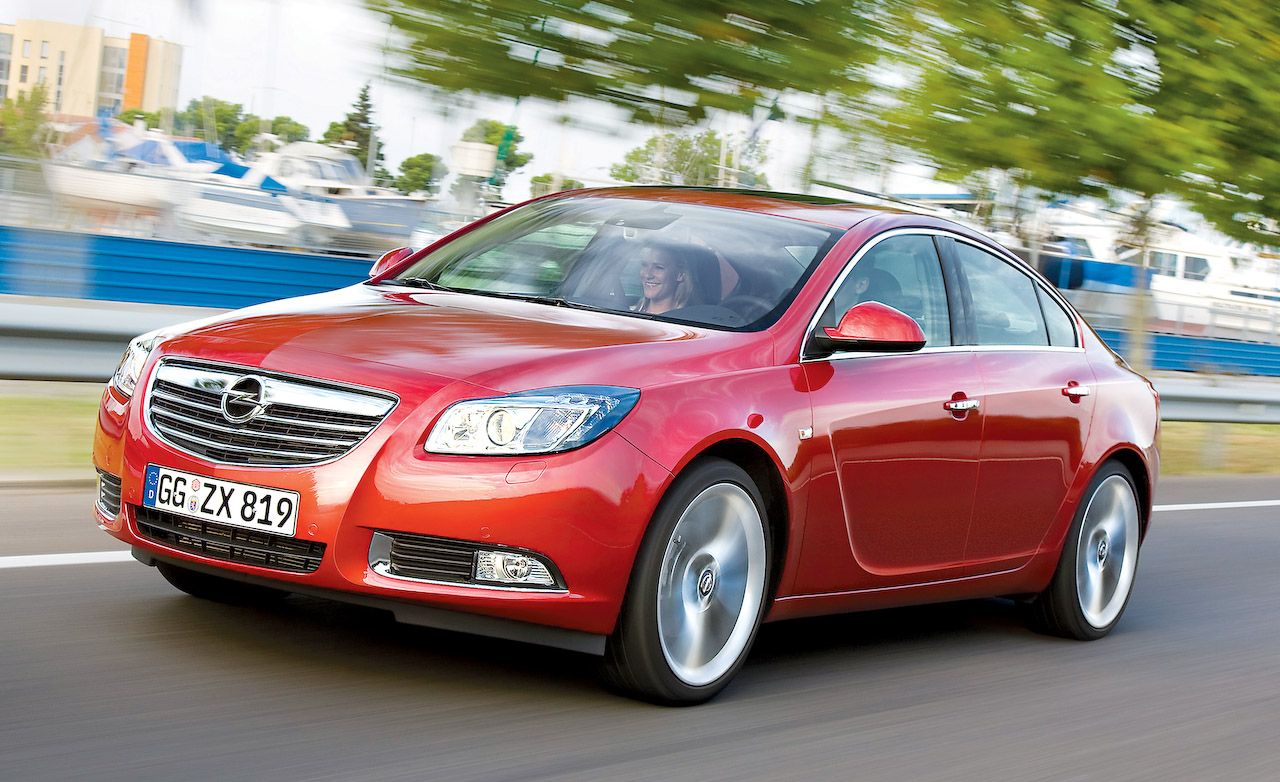
10. Saturn Aura Interior
The Saturn Aura interior promised modern styling at an affordable price. While visually appealing at first glance, execution was weak. Materials felt thin and lacked durability. Age quickly exposed these shortcomings.
Plastics throughout the cabin scratched easily. Sun exposure caused fading and discoloration. Panels lost their original finish. Even careful ownership could not prevent deterioration. The interior now feels worn.
Layout design lacked clarity and flow. Controls were placed awkwardly. This caused confusion during everyday driving. As wear increased, usability suffered further. The cabin feels cluttered and poorly thought out.
Infotainment systems aged almost immediately. Small screens and outdated interfaces limited usefulness. Response times were slow. There were no upgrade options. The interior feels locked in the past.
Seats lacked long term comfort. Cushioning compressed quickly. Upholstery showed wear early. Support declined noticeably over time. The interior fails to provide lasting satisfaction.
