
Cars are more than just machines; they are extensions of personality, emotion, and engineering artistry. Certain vehicles arrive on the market with a unique charm that captures attention, whether through raw performance, distinctive styling, or the sound they produce.
These elements combine to create an identity that fans and enthusiasts can instantly recognize. Unfortunately, some cars lose their essence when their engines are restricted, power is reduced, or driving dynamics are altered in ways that remove their original character. A car that feels slow, timid, or unresponsive may no longer inspire the excitement it once did.
Detuning is often done for reasons such as emissions compliance, fuel economy, insurance categories, or to appeal to a broader audience. While practical considerations are understandable, the results can strip away the soul of a car. A vehicle that once demanded respect on the road or track can become forgettable, lacking the thrill it originally promised.
Even iconic models are not immune; what was once a high-strung sports car can transform into a bland, lifeless version of itself when power output is reduced or handling is softened. This process affects not only acceleration but the way a car sounds, responds, and communicates with its driver.
Some of the most beloved cars of their era became shadows of their former selves when detuned. Engine notes grow quiet, turbochargers are limited, or throttle response is reduced to meet modern requirements. Gear ratios may be changed to favor smoothness over engagement, and suspension systems softened to appeal to general comfort.
While these alterations may improve reliability or market reach, they dilute the traits that made the cars memorable. Enthusiasts often recall driving earlier versions and lament the loss of excitement that once defined the model.
The problem is not limited to performance alone. Cars carry emotional significance, and detuning can alter perception. A vehicle designed to feel raw, mechanical, and challenging may become sanitized to the point of being forgettable. This raises questions about what automakers prioritize and the compromises required to meet regulations.
In some cases, the detuned version attracts a wider audience who appreciate comfort and efficiency, but for purists, the car has lost its personality entirely. This loss transforms the experience from engaging to mundane.
This article highlights ten cars that experienced such drastic detuning that their identities were nearly erased. Each model initially captured attention through performance, design, or engineering bravado. Over time, changes to meet standards or broaden appeal reduced their character, leaving versions that feel hollow compared to the originals.
These cases demonstrate how delicate the balance is between engineering, regulations, and the soul of a vehicle. The following sections examine these cars and explain why detuning removed what made them special.
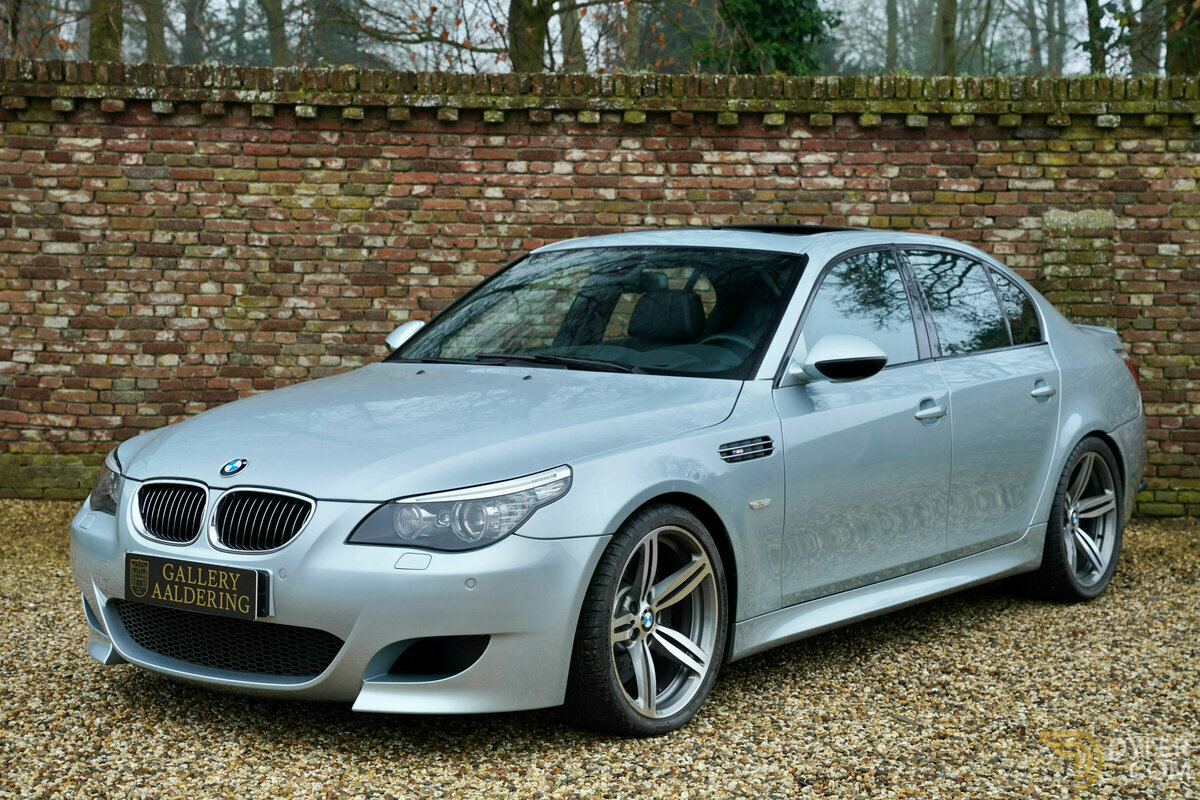
1. BMW M5 E60
The BMW M5 E60 was initially known for its V10 engine and fearless high-revving character. With 500 horsepower and a soundtrack reminiscent of a Formula One car, it offered a visceral driving experience. The throttle response was razor-sharp, and the car demanded precision behind the wheel. Fans remember it as a raw and unfiltered machine that rewarded commitment and skill.
When later models were detuned for smoother delivery and better fuel efficiency, much of the V10’s excitement faded. Power maps were softened, throttle input became more forgiving, and the characterful scream of the engine was subdued.
The original sensory experience of the M5 was lost, leaving a version that was technically competent but emotionally flat. Driving it no longer felt like an event but a mundane commute in disguise.
The steering and suspension were also recalibrated for broader appeal. Sharp responses were replaced with predictable, safe handling. Enthusiasts who once enjoyed the intimate connection between car and driver found that the E60 M5 had lost its edge. The sense of control and the danger factor, which defined its personality, were diminished significantly.
Even in straight-line performance, the detuned M5 felt constrained. The acceleration curve was gentler, robbing drivers of the thrill of explosive launches. The sound dampeners and exhaust modifications ensured the car no longer announced its presence. A machine that once inspired awe now blended into traffic quietly, almost anonymously.
The detuning highlighted a broader trend in high-performance sedans. Regulations and comfort expectations often override personality, and in the case of the E60 M5, this was clearly evident. While still a capable car, it became a shadow of its more aggressive predecessor, showing that raw engineering cannot always survive market compromises.
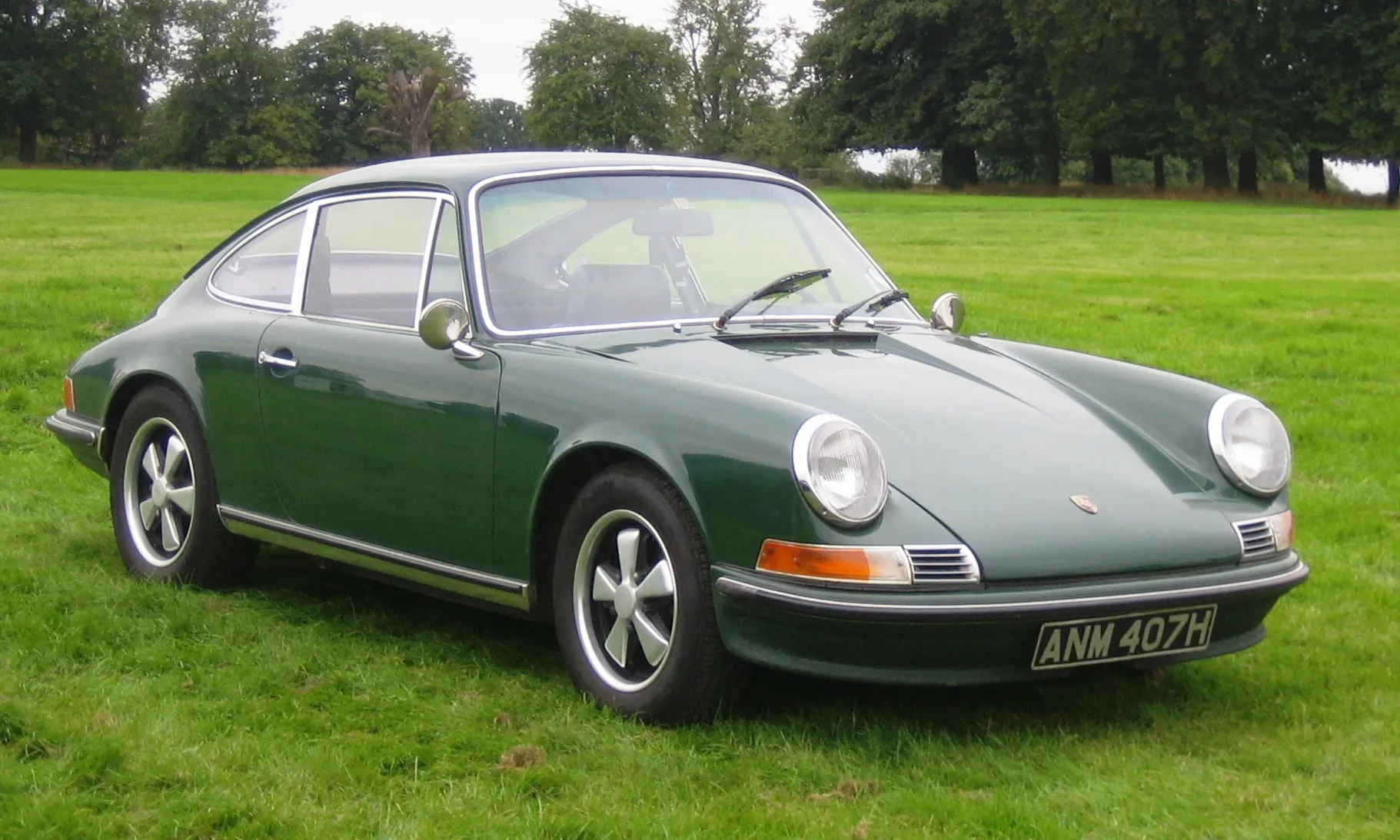
2. Porsche 911 Carrera (992 Base)
The Porsche 911 Carrera has long been synonymous with driving precision and emotional connection. Early models offered a lively flat-six engine, immediate throttle feedback, and an engaging manual transmission option. Even the base versions had character, allowing drivers to experience Porsche engineering in its purest form.
Recent 992 base models have been detuned in ways that prioritize smoothness over excitement. Turbocharged engines are restricted to lower boost levels, and throttle response is softened to suit everyday driving. The raw, analog feel that made early Carreras engaging is less pronounced, leaving a more sterile experience. Drivers no longer feel the same connection to the engine, and the car’s soul seems diluted.
Handling has also been affected by these changes. Suspension tuning now favors comfort and predictability, which diminishes the playful nature of earlier generations. Where once a base Carrera might feel lively, challenging, and responsive, the modern detuned version encourages caution and gentle inputs. The thrill of tail-happy corners has been replaced with a tame, underwhelming feel.
The exhaust note, once a defining characteristic, has been muted. Porsche engineers have added sound management systems to limit cabin noise and comply with regulations. While efficient, these measures erase one of the primary emotional cues for driving enthusiasts. The car’s personality, once amplified through sound and response, has been constrained.
These detuning choices illustrate the trade-offs between tradition and modern demands. The Carrera remains fast and capable, but its identity has shifted toward a neutral, accessible form. The visceral appeal that made Porsche an icon is no longer as obvious in base 992 models, leaving a vehicle that performs admirably but lacks the spark of earlier versions.
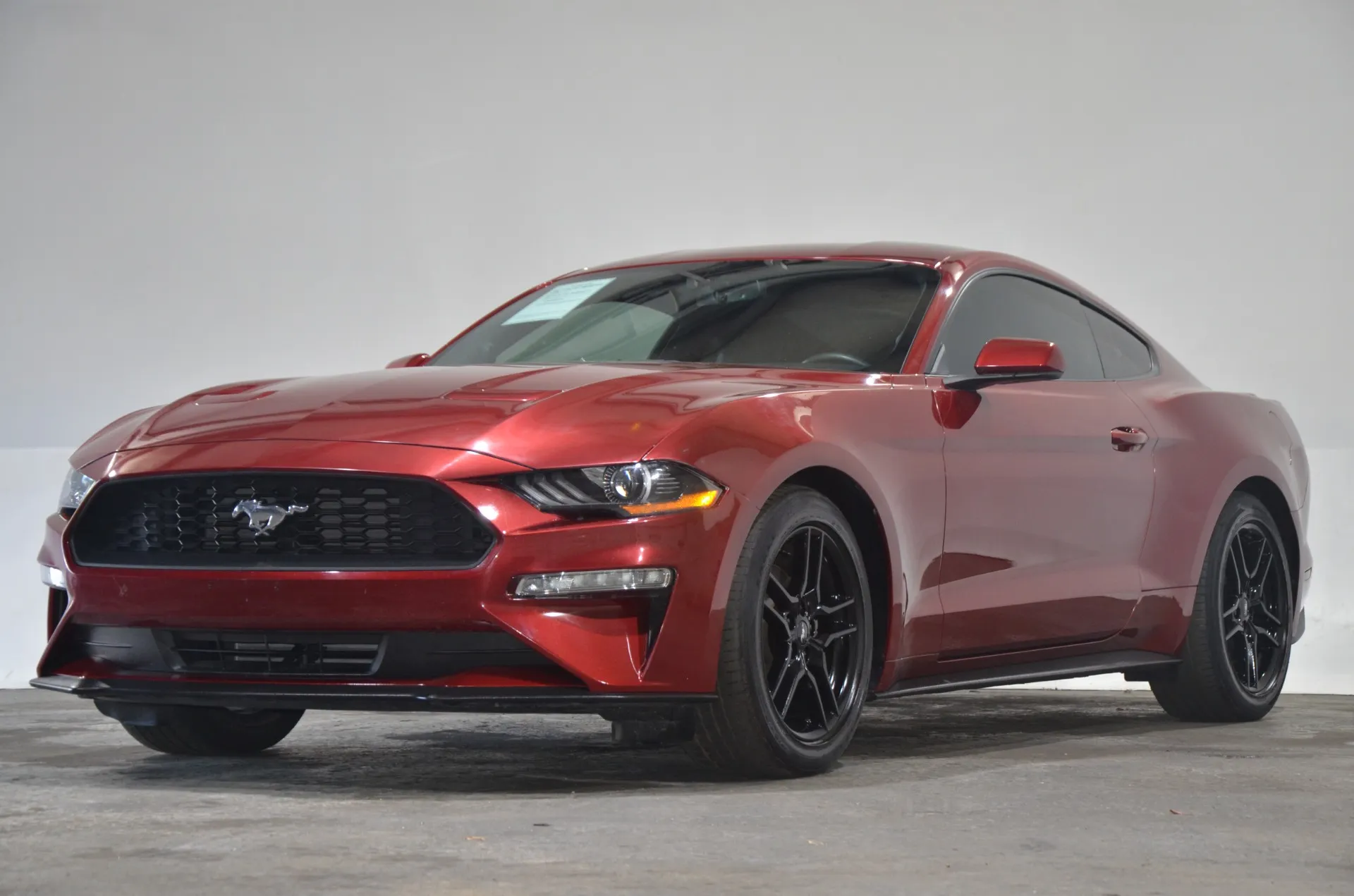
3. Ford Mustang EcoBoost
The Mustang has always been a symbol of American muscle, defined by V8 power and a commanding exhaust note. Enthusiasts associated the model with raw performance, aggressive styling, and a sense of rebellion. Early turbocharged versions, while efficient, still captured some of this spirit with punchy engines and lively handling.
As Ford attempted to broaden the Mustang’s market, the EcoBoost versions were significantly detuned. Power output was limited to meet emissions standards, and throttle response became subdued to improve drivability. The car no longer delivered the visceral punch associated with Mustang performance, leaving it feeling like a watered-down version of its potential.
The chassis and suspension were also softened to appeal to a wider audience. Where classic Mustangs leaned into oversteer and mechanical feedback, the detuned EcoBoost feels more isolated and polite. Enthusiasts miss the raw connection to the road that defined the vehicle’s personality in earlier iterations.
Exhaust tuning further diminishes character. The aggressive rumble that once announced a Mustang’s presence has been muffled with noise-reduction measures. The car’s presence, once felt audibly and physically, is now tamed to meet modern standards, creating a sense of disappointment for those seeking excitement.
Despite the detuning, the EcoBoost Mustang still offers decent acceleration and handling. However, the car’s personality has been compromised. Its image as a bold, unapologetic performance machine is overshadowed by the compromises necessary to appeal to regulators and a broader demographic.
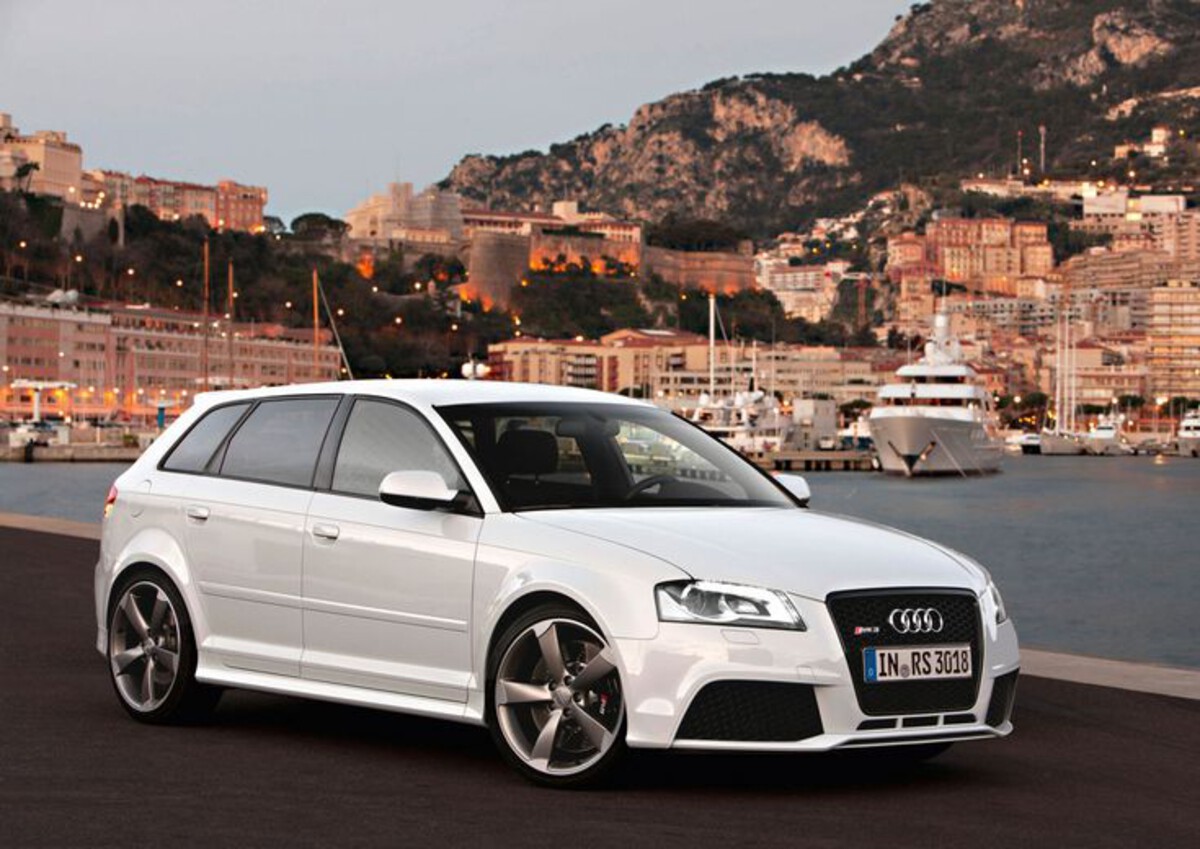
4. Audi RS3
The Audi RS3 was celebrated for its turbocharged five-cylinder engine, offering a unique note and quick, responsive power delivery. Its compact size and Quattro all-wheel-drive system made it thrilling in tight corners.
Drivers enjoyed the engine’s character, a combination of high-revving enthusiasm and mechanical personality that was unmistakable. The RS3 stood out as a small car with a surprisingly aggressive presence, and enthusiasts loved every aspect of its performance.
Recent detuned versions of the RS3 have softened the engine output to meet emission and efficiency goals. Power is limited in lower RPM ranges, and turbo lag is smoothed over to appeal to general drivers. This change reduces the engine’s spontaneity, making the car feel predictable rather than lively. The excitement of immediate throttle response has been lost, leaving a competent but characterless driving experience.
Handling has also shifted to emphasize stability and comfort over the playful unpredictability that defined earlier RS3 models. Steering feedback is dampened, and suspension tuning has been adjusted to minimize harshness. While this improves daily usability, it removes the car’s connection with the driver. Enthusiasts notice the loss of mechanical engagement that gave the RS3 its distinctive charm.
The exhaust, once an iconic element, is now quieter and less aggressive. The five-cylinder note is softened with noise filters, reducing the auditory thrill that previously defined the car. The car’s presence, once both felt and heard, is muted, leaving a less memorable impression on the road. The personality that separated the RS3 from its competitors has been compromised.
Detuning the RS3 demonstrates the balance manufacturers must strike between regulations, customer expectations, and performance. While the car remains fast and capable, its essence is diminished. The excitement that drew fans to the original RS3 has largely been replaced by predictability and refinement, making it feel safer but far less charismatic.
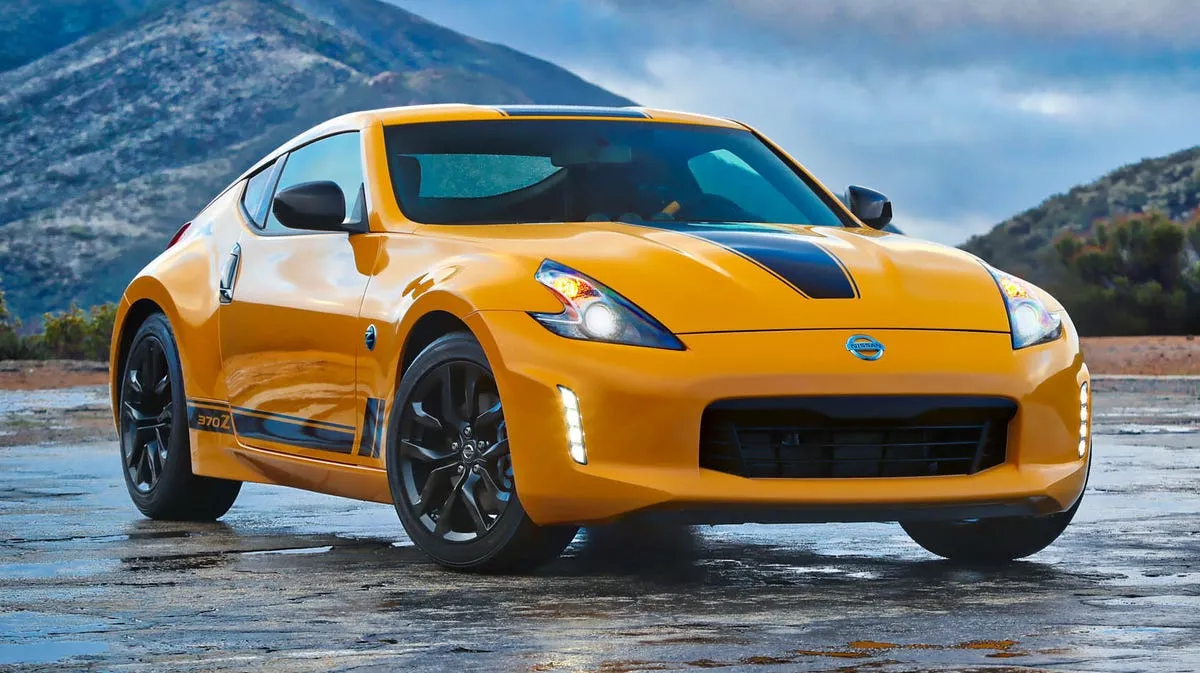
5. Nissan 370Z
The Nissan 370Z carried the legacy of the Z-car family with a naturally aspirated V6, rear-wheel drive, and a connection to the driver through weight distribution and mechanical feedback. Its aggressive styling and sharp handling defined its personality, while the engine provided a raw soundtrack that made it feel alive. The 370Z offered an accessible sports car experience without compromise.
Over time, detuning for emissions and longevity reduced the engine’s liveliness. Power output was limited, throttle mapping became less aggressive, and the car’s previously sharp response softened considerably. Acceleration no longer felt instantaneous, leaving drivers with a sensation of a tamed sports car. The visceral excitement that defined the 370Z’s character began to fade.
Suspension changes also contributed to a loss of personality. Softer dampers and less responsive steering made the car easier to drive in daily situations but removed the mechanical engagement enthusiasts valued. Corners, once a playground for balanced agility, now felt uninspiring. Drivers missed the tactile communication between chassis, tires, and hands.
The exhaust tone, another defining characteristic, was muted. What was once a throaty growl now came across as restrained and polished. This change, combined with engine detuning, created a version of the 370Z that was competent but lacked the heart and soul of earlier models. The car became more ordinary than its lineage deserved.
Even with its limitations, the 370Z remains a capable sports car. However, the detuned version is far less thrilling, offering predictability at the cost of excitement. The original personality that made the 370Z iconic has largely been lost, and many fans lament the transformation.
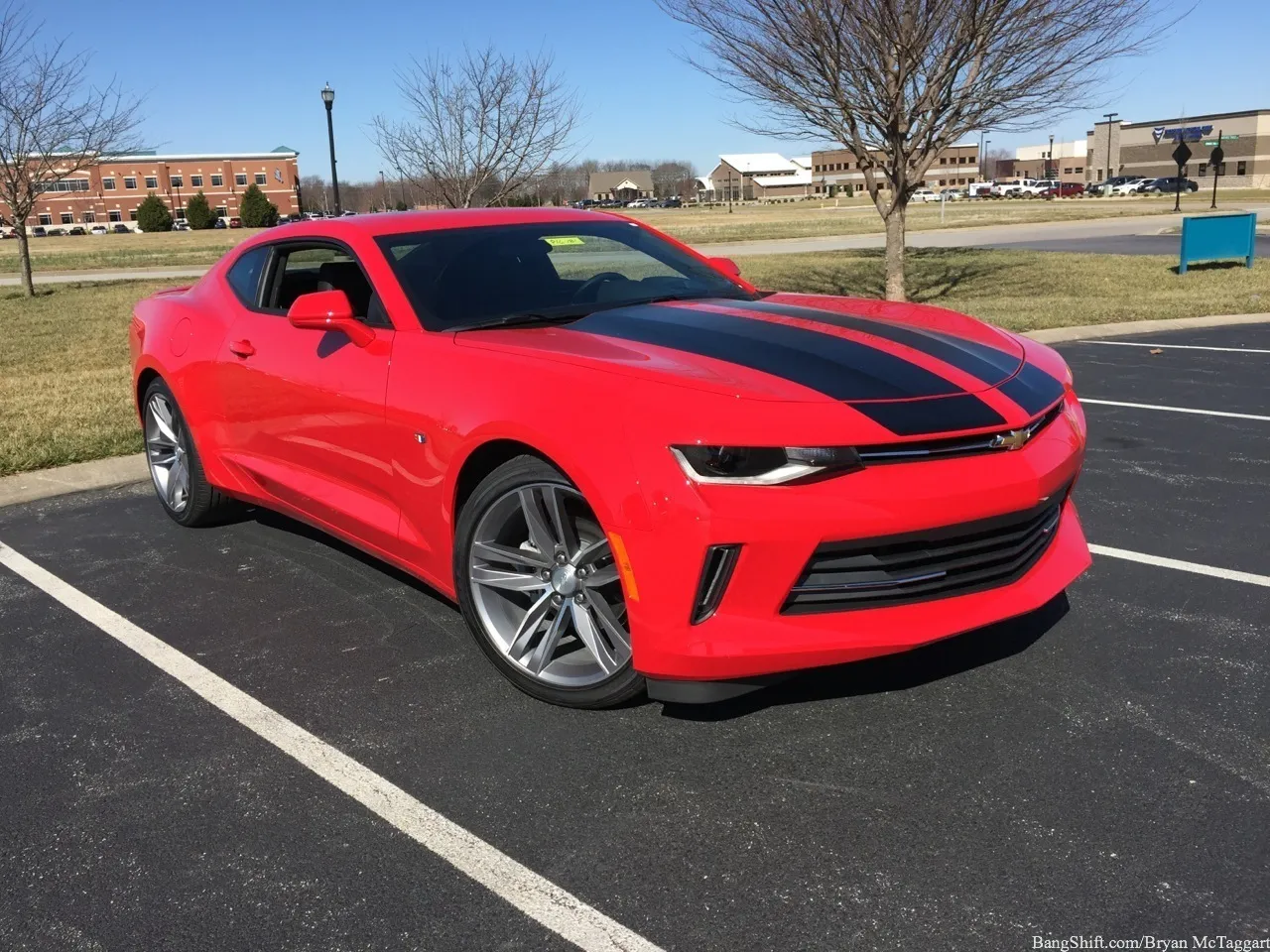
6. Chevrolet Camaro V6
The Chevrolet Camaro has always carried a reputation for muscular styling and powerful performance. The V6 variants once offered a lively, engaging experience with a punchy engine, responsive handling, and a soundtrack that matched its aggressive look. Drivers felt connected to the car, enjoying its balance of performance and accessibility without requiring a V8.
Modern detuning has altered the V6 drastically. Power is now limited for efficiency, throttle response is dulled, and engine mapping favors smoothness over engagement. The car’s mechanical personality is diminished, leaving a Camaro that performs adequately but fails to excite in the way the original did. Acceleration feels measured and uninspiring rather than thrilling.
Suspension and steering changes further reduce character. Softened damping and electronic assistance make the car feel stable but disconnected. Enthusiasts who valued mechanical feedback find the driving experience less rewarding. Turns lack immediacy, and the car’s presence on the road feels less imposing despite its visual aggression.
The exhaust tone has also been tamed to meet regulations. The growl that once defined the Camaro’s identity is now restrained, making the car feel more anonymous. While the exterior remains bold, the sensory impact of driving it has been muted significantly.
Detuning the V6 Camaro illustrates the tension between regulations, fuel economy, and performance identity. While still functional and stylish, the car loses the thrill that originally made it an icon. Drivers seeking character may find themselves longing for earlier, more aggressive versions.
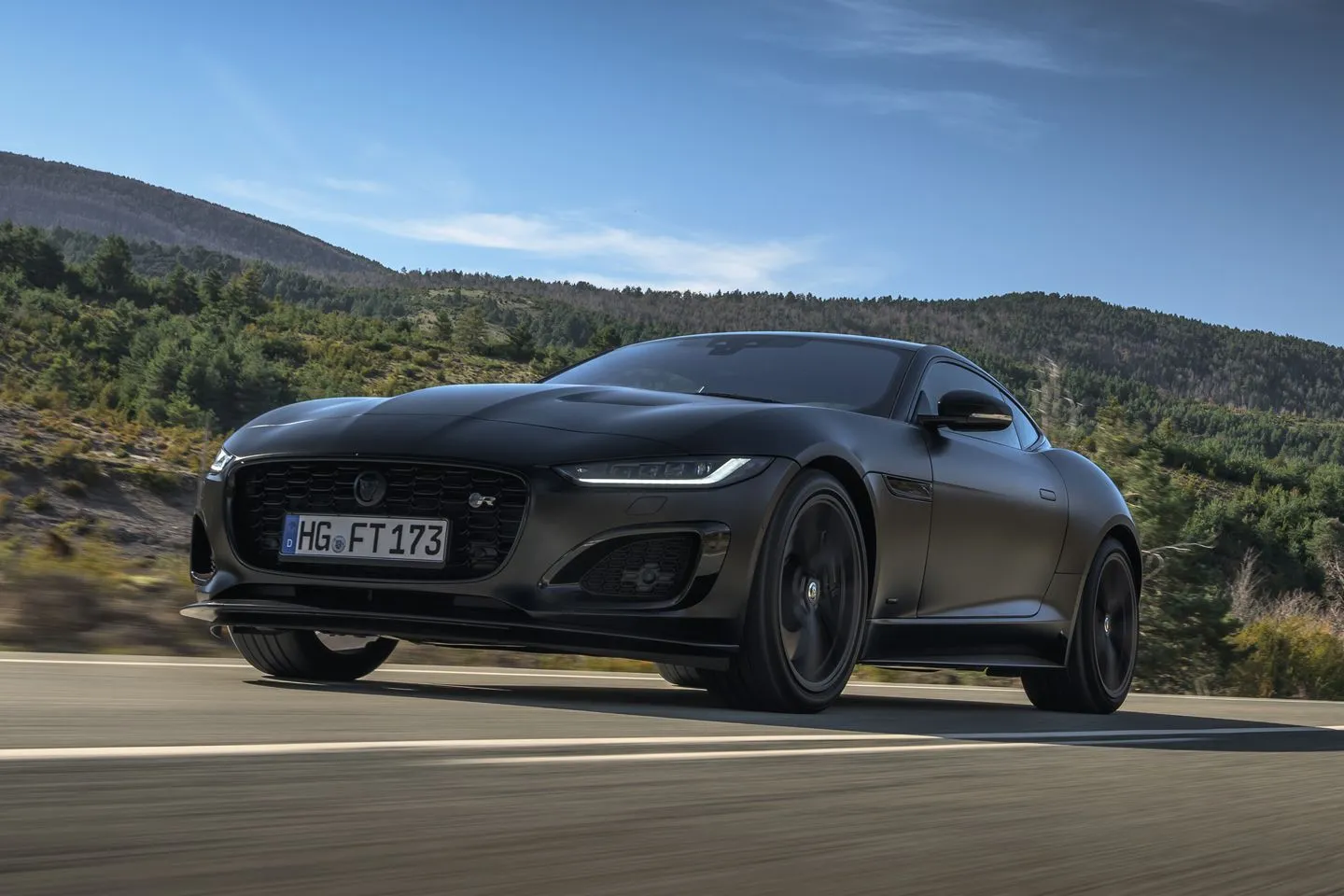
7. Jaguar F-Type (Base V6)
The Jaguar F-Type V6 combined British elegance with sports car aggression. Its naturally aspirated or supercharged engine offered a satisfying note, and sharp suspension allowed spirited driving. The car’s design and performance worked in harmony to create a personality that was both luxurious and thrilling.
Later detuned versions sacrificed engine responsiveness and sound for compliance with modern standards. Acceleration curves were smoothed, turbochargers limited, and exhausts muted. While the car remained capable, the raw excitement that defined the F-Type V6 was lost, leaving a more subdued driving experience.
Suspension and steering adjustments focused on comfort rather than engagement. The car felt more refined but disconnected, removing the intimacy between driver and machine. Enthusiasts missed the sense of challenge and reward that previously defined every corner and straightaway.
Even interior feedback was softened. The tactile cues, previously emphasizing sportiness, were restrained to appeal to a broader market. The combined effect diminished the F-Type’s original charm, making it less memorable than it once was.
Detuning the F-Type V6 highlights the challenge of balancing luxury with sporting heritage. The base model remains competent, but the essence that made it exciting has been compromised, leaving a version that is pleasant but largely personality-free.
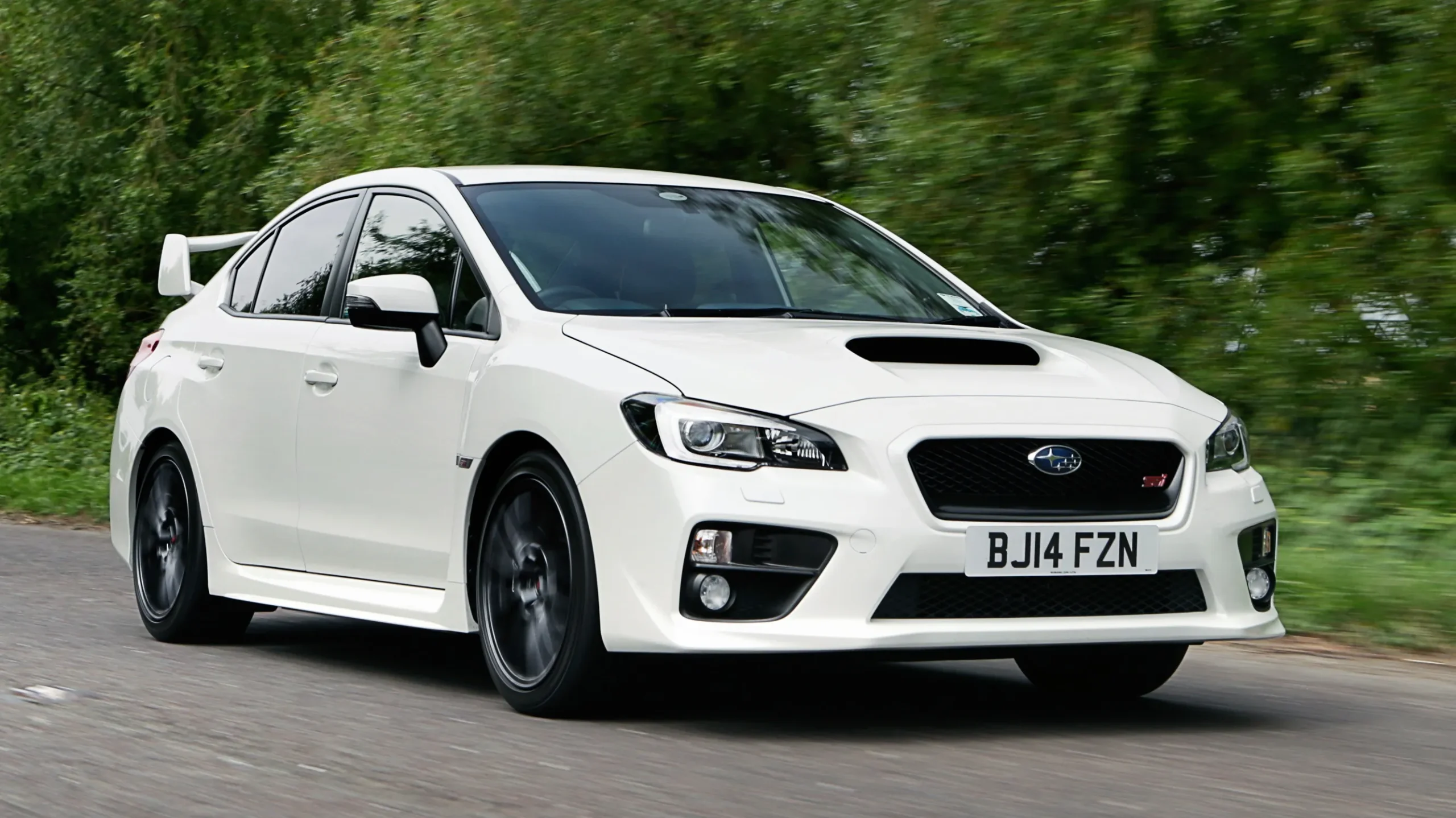
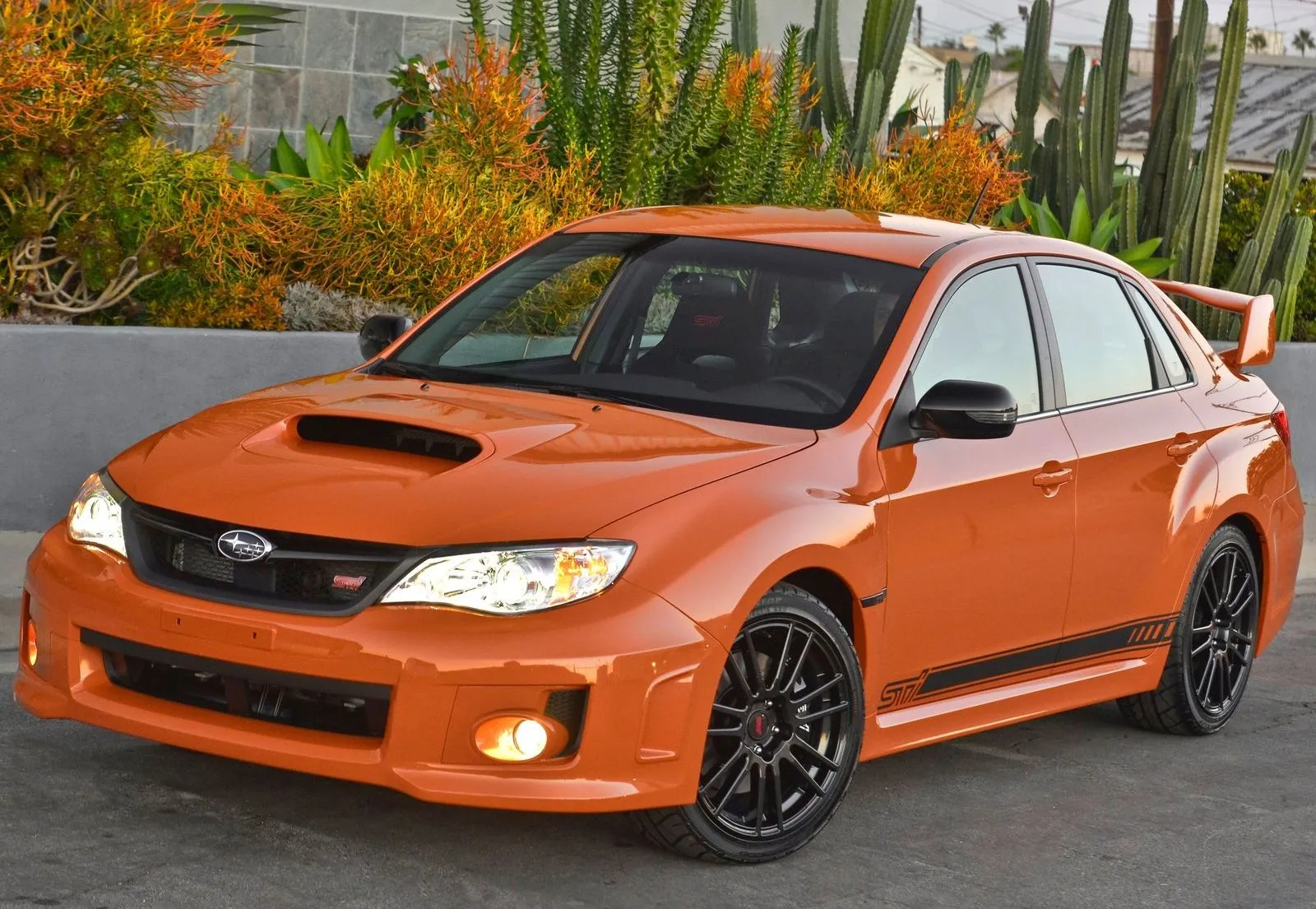
8. Subaru WRX STI (Recent Models)
The Subaru WRX STI earned its reputation through rally-inspired performance, turbocharged engines, and all-wheel-drive handling that demanded skill. Its aggressive sound, sharp response, and mechanical connection to the driver created a vehicle with distinct character and strong enthusiast appeal.
Recent iterations have been detuned to meet emissions standards and broaden usability. Turbo boost is reduced, throttle sensitivity is softened, and electronic aids intervene sooner. This has dulled the raw, engaging experience that the WRX STI was known for, making it feel safer but less exciting.
Suspension and chassis changes further soften the driving experience. While corners are still manageable, the mechanical engagement is muted. The car’s ability to communicate its limits and reward precision driving is reduced, leaving a more predictable and less thrilling vehicle.
The exhaust and engine note have also been moderated. The once-aggressive soundtrack is now subdued, removing a primary source of character. Without the auditory cues, the car feels less alive and more like a standard compact sedan with sporty styling.
Detuning the WRX STI shows how modern regulations and usability priorities can strip personality. While still competent on paper, the essence that made the WRX STI an enthusiast favorite has largely been diluted, resulting in a less memorable and emotionally engaging car.
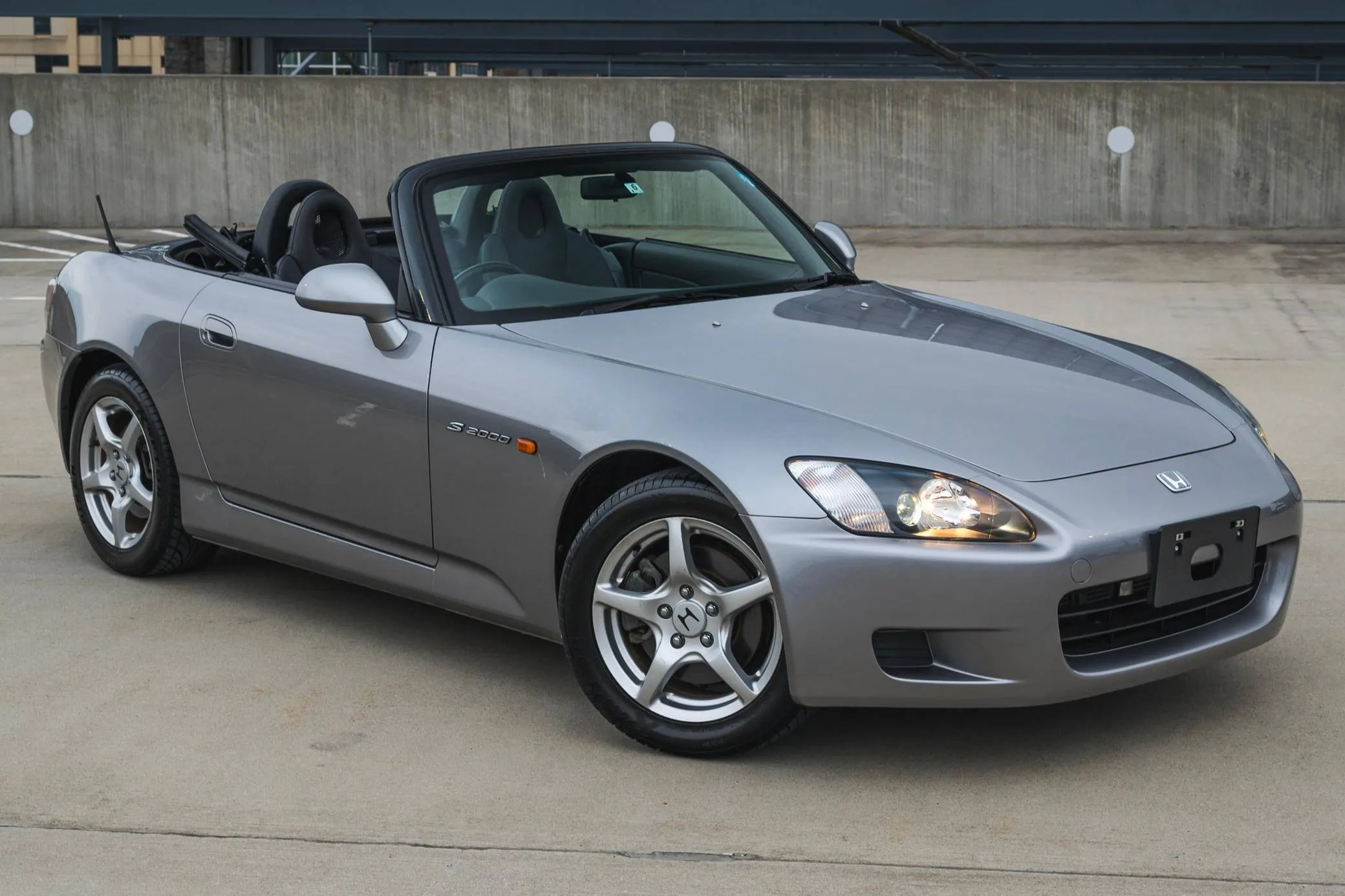
9. Honda S2000
The Honda S2000 gained fame for its high-revving naturally aspirated engine and balanced chassis. Its open-top design, precise steering, and engine character created an experience that was exhilarating and unforgettable. Drivers felt connected through every gear change and corner, making it a benchmark for roadster engagement.
Later detuned versions, particularly for international markets, reduced power output and altered throttle mapping. The car’s rev-happy nature was softened, leaving acceleration less thrilling and the driving experience more restrained. The S2000 lost the raw excitement that made it legendary.
Suspension and handling changes prioritized comfort over agility. The sharp, communicative nature of the original chassis was dulled, reducing mechanical feedback. Corners felt safer but lacked the playful unpredictability that defined earlier models.
Exhaust and engine sound were also tamed in detuned versions. The signature high-pitched scream of the VTEC engine was restrained to meet noise regulations. Without this defining auditory element, the car felt more ordinary and less expressive.
Detuning the S2000 demonstrates the cost of balancing global standards with performance identity. While still a capable sports car, it no longer evokes the passion or engagement of its original form, leaving a version that feels less alive.
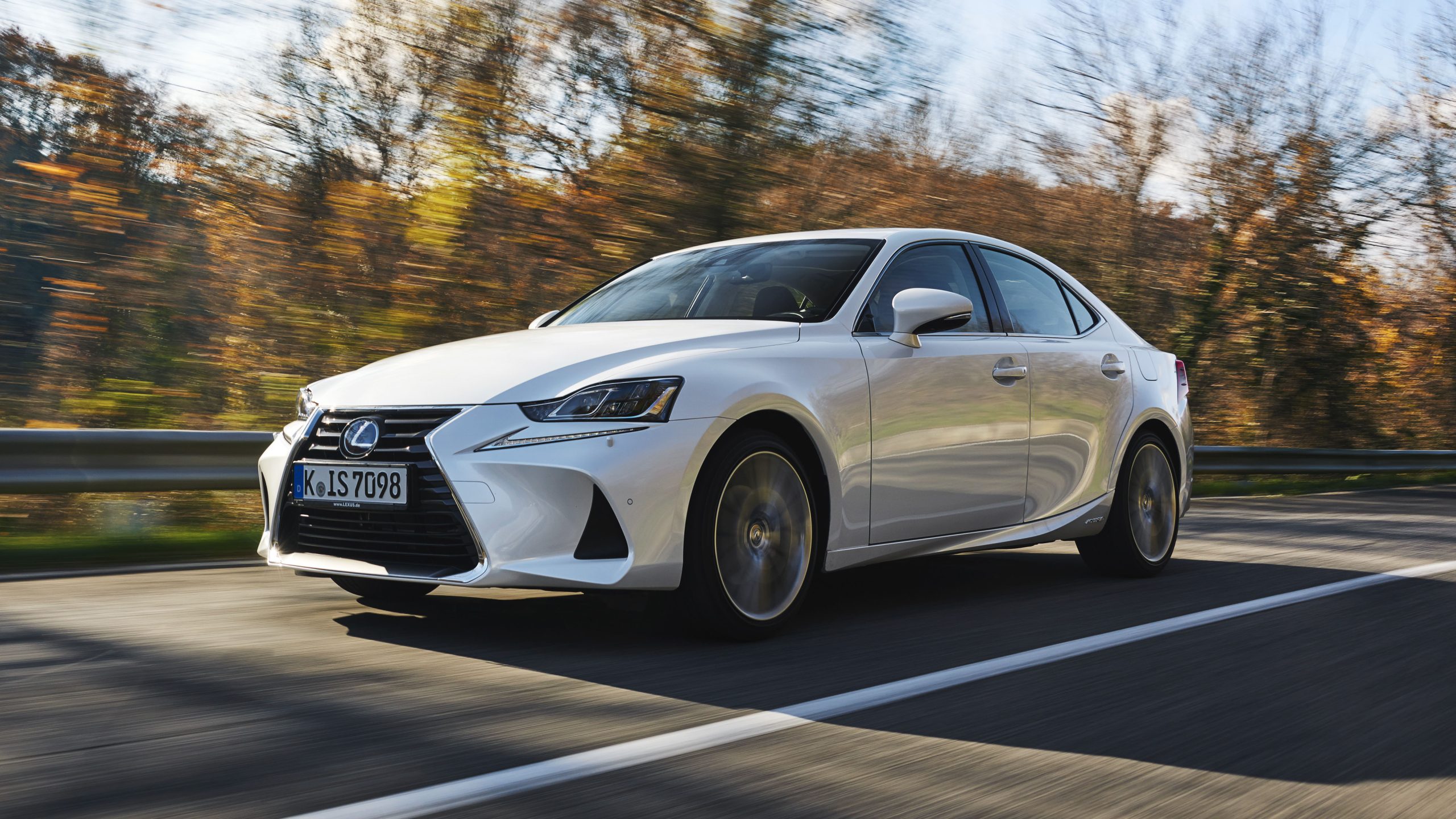
10. Lexus IS F
The Lexus IS F arrived as a high-performance luxury sedan with a V8 engine and aggressive styling. Its power delivery, exhaust note, and chassis balance created a thrilling and refined driving experience. Drivers appreciated the combination of comfort and aggression, giving the IS F a distinct personality among performance sedans.
Detuned versions were designed for broader markets, limiting engine output, softening throttle response, and restricting exhaust volume. This reduced the visceral excitement, leaving a car that maintained competence but lacked character. The original punch and presence were diminished.
Steering and suspension were adjusted for comfort and predictability. While the car still handles well, the raw, aggressive feel that defined early IS F models was reduced. Drivers experience a softer, less connected ride, losing some of the sense of engagement that previously defined the car.
Exhaust changes also removed one of the model’s signature traits. The deep, aggressive V8 note was subdued, creating a quieter, more refined sedan. While appealing to a general audience, it removed a key aspect of personality that made the IS F memorable.
The detuning of the Lexus IS F highlights the compromises between performance and comfort. The car retains utility and reliability but no longer offers the emotional punch that once made it stand out, leaving a version that is competent but largely devoid of excitement.
