
Supercharged cars have a strong reputation among driving enthusiasts because they offer immediate power and a unique feel that many drivers prefer. Unlike turbochargers that depend on exhaust pressure to spool and produce boost, a supercharger delivers power in a linear way.
This mechanical advantage also impacts maintenance and repair costs, making supercharged vehicles worth discussing when comparing ownership costs. Many drivers assume that high performance always translates to expensive repairs, but superchargers tend to be more straightforward and predictable.
Because they are driven directly by the engine belt system, a supercharger does not rely on high-temperature exhaust gases. This means there are fewer chances of heat-related wear on parts around the system.
When it comes to long-term costs, turbos can be sensitive and complex parts of an engine. They rely on oil pressure, intercooler condition, exhaust temperatures, and precision tolerances that can go out of spec over time. Superchargers, on the other hand, often share more in common with traditional engine accessories such as alternators and pumps.
This mechanical simplicity helps reduce the labor needed for service and allows easier access to parts for replacement. Owners of supercharged cars often appreciate this reliability and the sense that they can understand how the system works with a little effort. For many people, knowing that a fix could be less of a headache than a turbocharged equivalent is a major advantage.
In addition to lower repair costs, supercharged engines provide a distinct driving experience. There is no lag between acceleration demands and the engine’s response. Drivers feel more connected to the moment when the throttle opens, which can make daily driving more engaging.
This immediate throttle response becomes especially beneficial in stop and go traffic or when merging on highways. As power arrives smoothly from low rpm and continues through the rev range, drivers feel confident in the flexibility of the engine’s performance.
Repair costs also matter when considering how technology ages. Turbo systems can suffer from oil coking, bearing wear, and wastegate failures. These issues often show up after heavy use or when maintenance intervals are missed. Manufacturers of superchargers design them to be robust and predictable.
The parts are often easier to source and replace without extensive labor. This can help owners keep repair bills manageable even after years of driving. In this article, we look at ten supercharged cars that are known to be cheaper to fix than many common turbocharged alternatives.
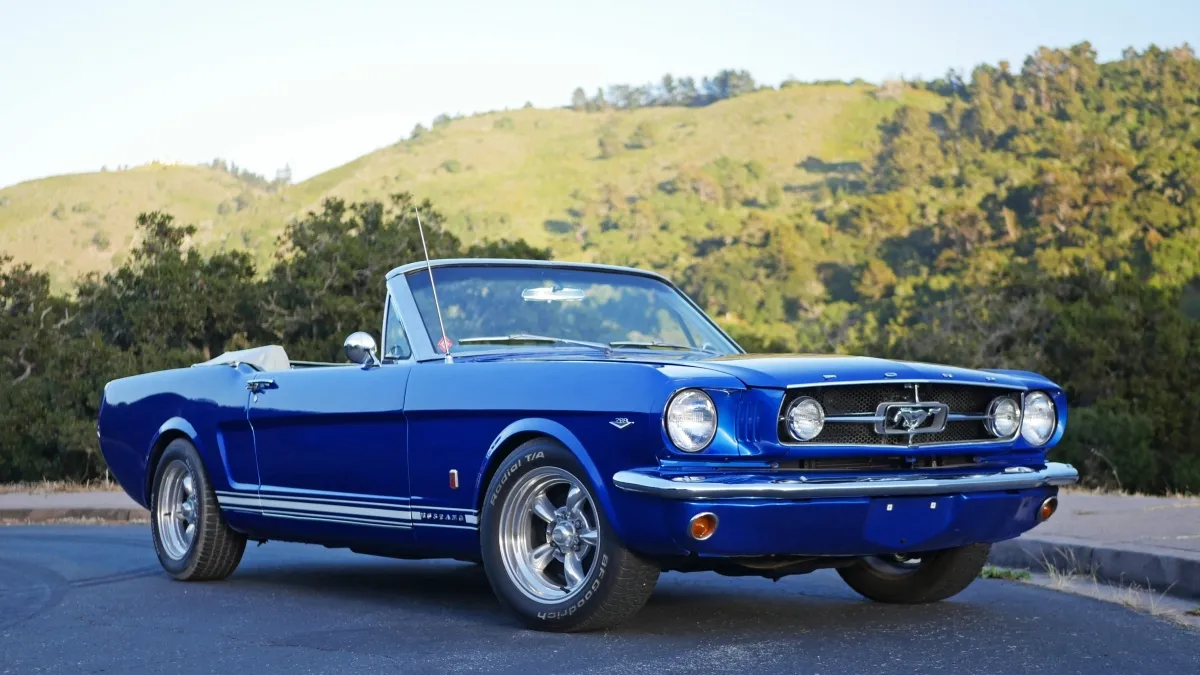
1. Ford Mustang GT (Supercharged Variants)
The Ford Mustang GT has long been a popular choice for drivers who want strong performance without excessive complication. When equipped with a supercharger, the Mustang produces a deep, muscular thrust that feels immediate. Many owners find that maintenance does not require specialized tools or rare parts. Because the Mustang GT platform is extremely common, technicians are familiar with its engine layout and components.
Repair costs for the supercharged engine often stay reasonable since the design follows a straightforward mechanical approach. Compared to turbo systems, there is less plumbing and fewer high-temperature components to worry about.
Routine services like belt replacement, oil pump access, and valve adjustments are familiar jobs for repair shops. Owners frequently report that common issues tend to be inexpensive fixes rather than major repairs.
Supercharged Mustangs have aftermarket support that makes parts widely available. This abundance of options helps keep pricing competitive. Enthusiasts can choose from OEM replacement parts or high quality alternatives at varied price points. This choice can reduce the financial shock when a service is needed. For someone maintaining a daily driver or a weekend car, this flexibility is valuable.
Another reason the Mustang GT can be cheaper to fix is that diagnostics are more straightforward. Mechanics can often pinpoint issues without needing specialized computer interfaces unique to a particular turbo setup. This reduces diagnostic time and cost for the owner. Generally, the familiarity of the Mustang engine reduces both labor hours and part prices.
Finally, the Mustang’s supercharger setup is less prone to heat soak and turbocharger bearing stress. Because it receives power directly from the crankshaft, the system does not experience the same extreme thermal cycles that a turbo can. This leads to fewer unexpected failures and smoother long term ownership.
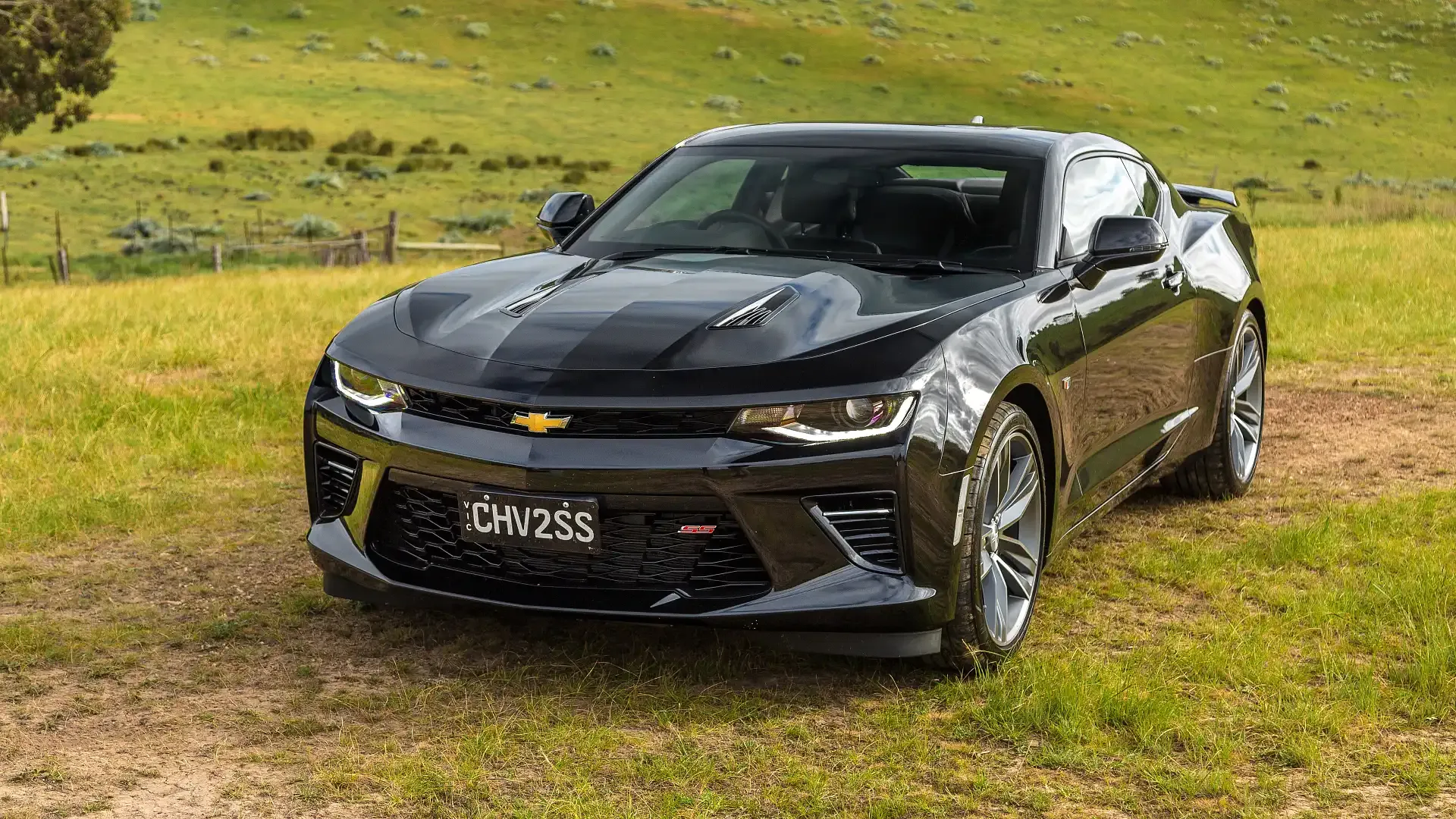
2. Chevrolet Camaro SS (Supercharged Models)
Owners of the Chevrolet Camaro SS with a supercharger enjoy a balance of power and simplicity. The Camaro’s powerful V8 paired with a roots style supercharger yields a sound and performance that many drivers love. This pairing prioritizes reliability and ease of repair, which often results in lower costs than repairing a turbocharged counterpart.
The supercharged Camaro SS is known for being accessible to most mechanics. The engine layout does not require elaborate accessory relocation, which simplifies common repairs. Many service tasks involve work that technicians encounter in other performance engines, keeping labor charges reasonable. Enthusiasts also appreciate that they can service portions of the car without needing advanced diagnostic gear.
Parts availability plays into the Camaro’s appeal for lower maintenance costs. Because Chevrolet built many thousands of these vehicles, replacement parts circulate throughout the industry. Owners often find good deals on both new and refurbished components. This keeps the price of maintenance parts down, whether working with a dealer or an independent garage.
Camaro SS supercharged models also benefit from mainstream service procedures. Oil changes, belt replacements, and fuel system checks follow conventional patterns that technicians know well. This predictability minimizes service surprises. Compared to certain turbocharged performance cars that require special interventions and extended labor times, the Camaro SS tends to be easier to work on.
In addition to these factors, the Camaro’s supercharger does not require complex heat management systems that are common with turbos. Without the need for intercoolers and associated plumbing, there are fewer sections of hardware that might fail over time. This reduces both the potential points of repair and the long-term costs.
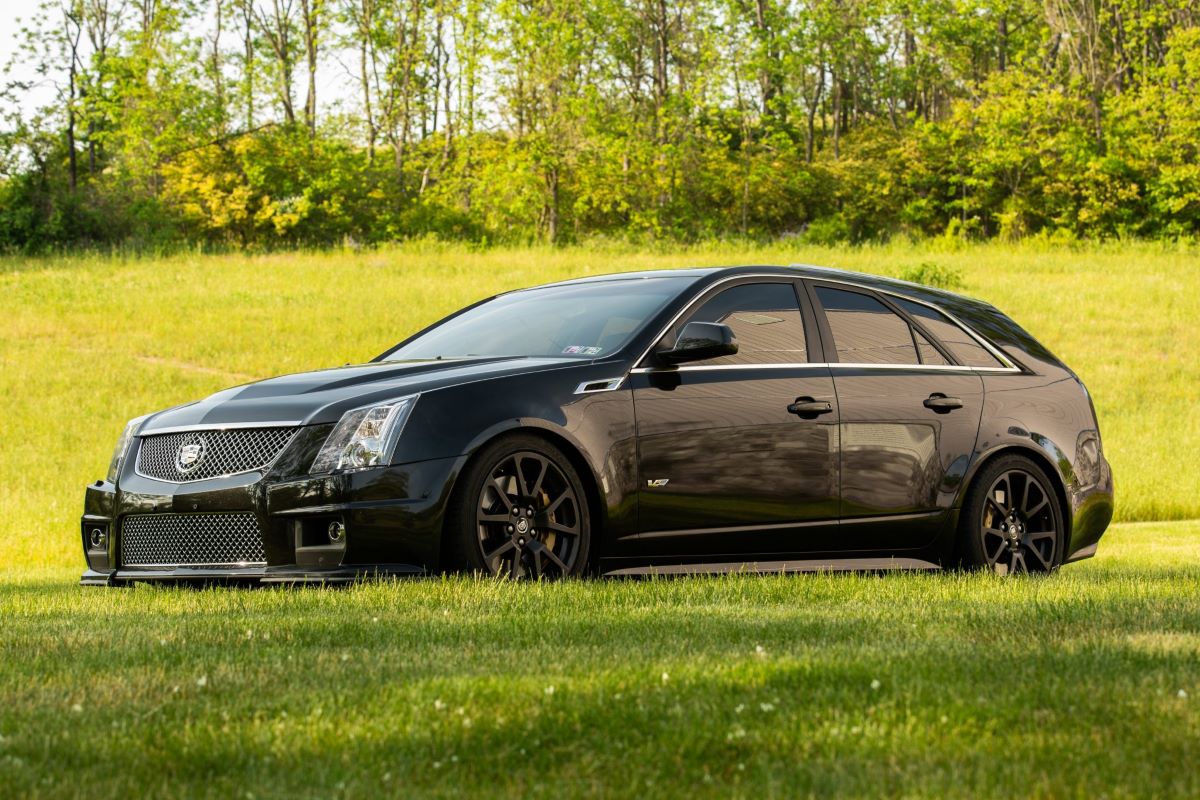
3. Cadillac CTS-V (Supercharged)
The Cadillac CTS-V is a luxury performance sedan that has earned praise for its supercharged V8 engine. Despite its high performance, the engine can be easier to service than many comparable turbocharged competitors. The supercharger design prioritizes mechanical reliability and proven engineering that technicians understand well.
CTS-V owners frequently note that servicing the engine feels predictable. This predictability matters because exploratory repairs can be costly when a mechanic has to guess at a problem in a complex turbo system. The supercharged V8 in the CTS-V resembles traditional high-performance engines familiar to many professionals. This reduces time spent diagnosing issues.
Parts for the CTS-V’s supercharger and related components are widely produced, partly due to the platform’s age and popularity. This means there is competition in the aftermarket space, which keeps costs moderated.
Even if owners choose higher-performance replacements, many options remain reasonably priced. For someone who wants to maintain a performance sedan without paying premium rates for every part, this matters.
Maintenance routines on the supercharged CTS-V tend to avoid the kinds of complications seen in some turbo engines. Turbocharged systems often add intercoolers, blow off valves, and complex charge piping that can fail or require adjustment. By comparison, the CTS-V’s system is direct and accessible. Routine checks and repairs usually do not involve extended disassembly.
Owners also appreciate the engine’s tolerance to regular use without constant adjustments. A well maintained CTS-V can go many miles before requiring major attention. When attention is needed, shops tend to know what to look for quickly. This reduces labor bills and gets owners back on the road with minimal downtime.
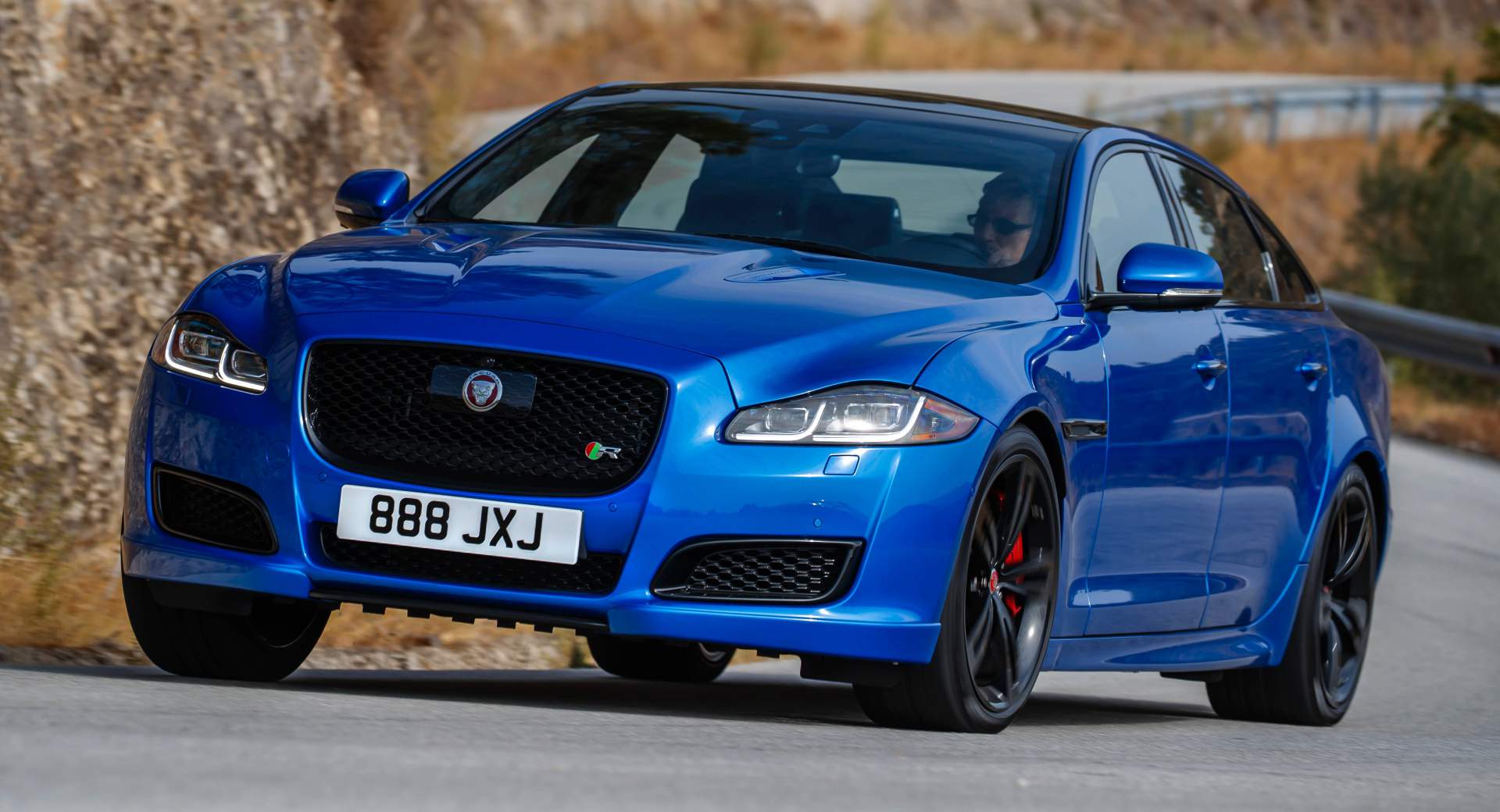
4. Jaguar XJR (Supercharged)
The Jaguar XJR has become recognized among performance luxury sedans for its supercharged engine that blends refinement with powerful acceleration. While luxury cars sometimes mean expensive repairs, the XJR’s supercharger system is often less challenging to work on than many turbocharged alternatives. Its design remains rooted in long-established mechanics.
Because the XJR uses a mechanically driven supercharger, technicians do not have to contend with complex turbo plumbing to reach core engine parts. This means routine tasks like spark plug changes, throttle body inspection, and belt replacement avoid added disassembly. Owners find that regular maintenance rarely turns into a multi-day job simply to access a hard to reach part.
Parts availability for the XJR remains steady despite the brand’s premium status. Several reputable suppliers offer components at different price points. This gives owners options when choosing between original equipment parts and performance upgrades. Competition in the parts market keeps prices from rising steeply.
Diagnostic procedures on the XJR’s engine are familiar to many mechanics because of the straightforward nature of its components. Unlike some turbo systems that might require deep computer-assisted testing, many supercharged engine checks can be done with common tools. This advantage translates directly to shorter shop visits.
Finally, the XJR’s supercharger does not depend on exhaust flow and heat cycles the way a turbo does. This contributes to longer life spans for related components such as bearings and pulleys. The net effect helps reduce the frequency of costly service visits and unexpected breakdowns.

5. Dodge Charger R/T Supercharged Editions
The Dodge Charger R/T when equipped with a supercharger is known for delivering strong low end torque and a commanding driving presence. Many owners appreciate the straightforward nature of the supercharger and its relative simplicity compared to turbocharged systems. This straightforwardness can influence repair bills in a positive way.
Technicians working on supercharged Chargers often find the engine layout familiar. Conventional access points for maintenance reduce the hours needed for typical service tasks. This familiarity also helps independent shops remain willing to work on the car without quoting high labor rates. Drivers appreciate the reduced fear of expensive surprises.
Part prices for Charger supercharger components are sustained by strong aftermarket interest. Performance oriented drivers seek upgrades, and this healthy demand encourages many manufacturers to supply compatible parts. This competition helps control prices when replacements become necessary.
Routine checks on the Charger’s engine rarely reveal odd or difficult to access areas that gowith some turbo setups. The supercharger’s position and belt drive system allow many common procedures to proceed without extensive disassembly. Simpler service needs often equal lower labor charges.
The Charger’s supercharger also avoids extreme thermal stresses that can shorten the life of certain turbo components. This contributes to longer intervals between major repairs and helps drivers avoid unexpected downtime. For those who want performance without consistently high maintenance costs, this reliability factor matters.
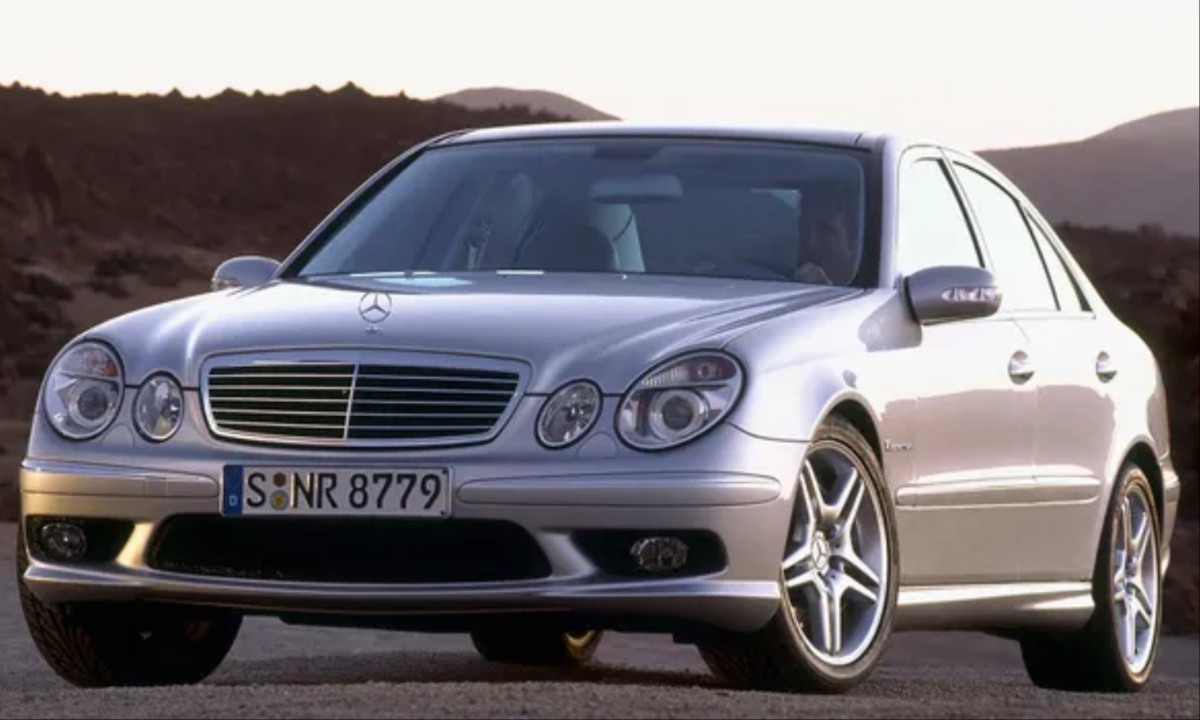
6. Mercedes‑Benz E55 AMG (Supercharged)
The Mercedes‑Benz E55 AMG earned respect for its powerful supercharged V8. Enthusiasts often point to its strong acceleration and robust build quality. Compared to many turbocharged rivals, the supercharger system here can be easier to maintain and repair because of its straightforward mechanical design.
Technicians familiar with German performance cars often highlight that routine service on the E55 AMG’s engine is manageable. Unlike turbo systems that might hide components behind heat shielding or complex piping, the supercharger remains accessible. This reduces the time mechanics spend removing parts just to reach a common service area.
Parts for the E55 AMG’s engine are plentiful despite the car’s age. The broad popularity of this model means worn items often have multiple aftermarket alternatives. This is true for belts, pulleys, and other components that might need attention over time. Pricing competition keeps repair costs reasonable.
Diagnostic procedures on the AMG’s supercharged engine are often straightforward for experienced technicians. Standard tests frequently uncover issues without needing deep exploratory work. This helps keep labor times on the lower side and reduces the risk of unnecessary component replacement.
Another benefit is that the supercharged engine avoids certain heat and pressure strains that can afflict turbochargers. Less heat stress frequently means fewer failures from warped parts or heat induced wear. This extends the durability of many engine subcomponents and protects owners from constant service visits.
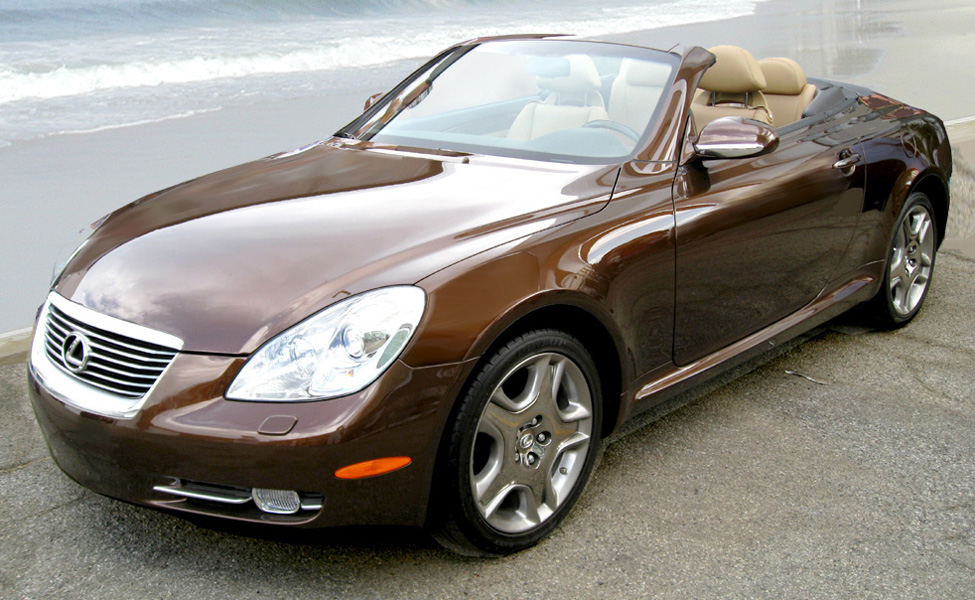
7. Lexus SC 430 (Supercharged)
The Lexus SC 430 with a supercharger combines luxury and performance without overwhelming complexity. The supercharger gives it a smooth power delivery that drivers appreciate, and the engine design helps keep maintenance accessible. Compared with many turbocharged sports cars, this simplicity often shows up as lower repair charges.
Service technicians often note that routine access for inspections and replacements on the SC 430’s engine involves steps they are familiar with. This avoids the extra time and expense that can accompany turbocharged engines with multiple intercoolers and extended plumbing. Replacing a belt or adjusting an accessory is a known task.
Parts for the SC 430 are widely available, both as OEM and high quality aftermarket options. This makes pricing competitive for common replacement items. Whether done at a dealer or independent shop, parts costs tend to stay reasonable relative to some high end turbo platforms.
Diagnostics on the SC 430 rarely require elaborate procedures because the supercharger functions in a straightforward manner. Mechanics can often identify issues with standard tools rather than specialized interfaces. This familiarity helps keep service times shorter.
The supercharger’s lower dependency on extreme exhaust heat further protects the engine. The reduced thermal strain often leads to fewer heat‑related failures. This translates to fewer unexpected visits to the shop and a smoother ownership experience.
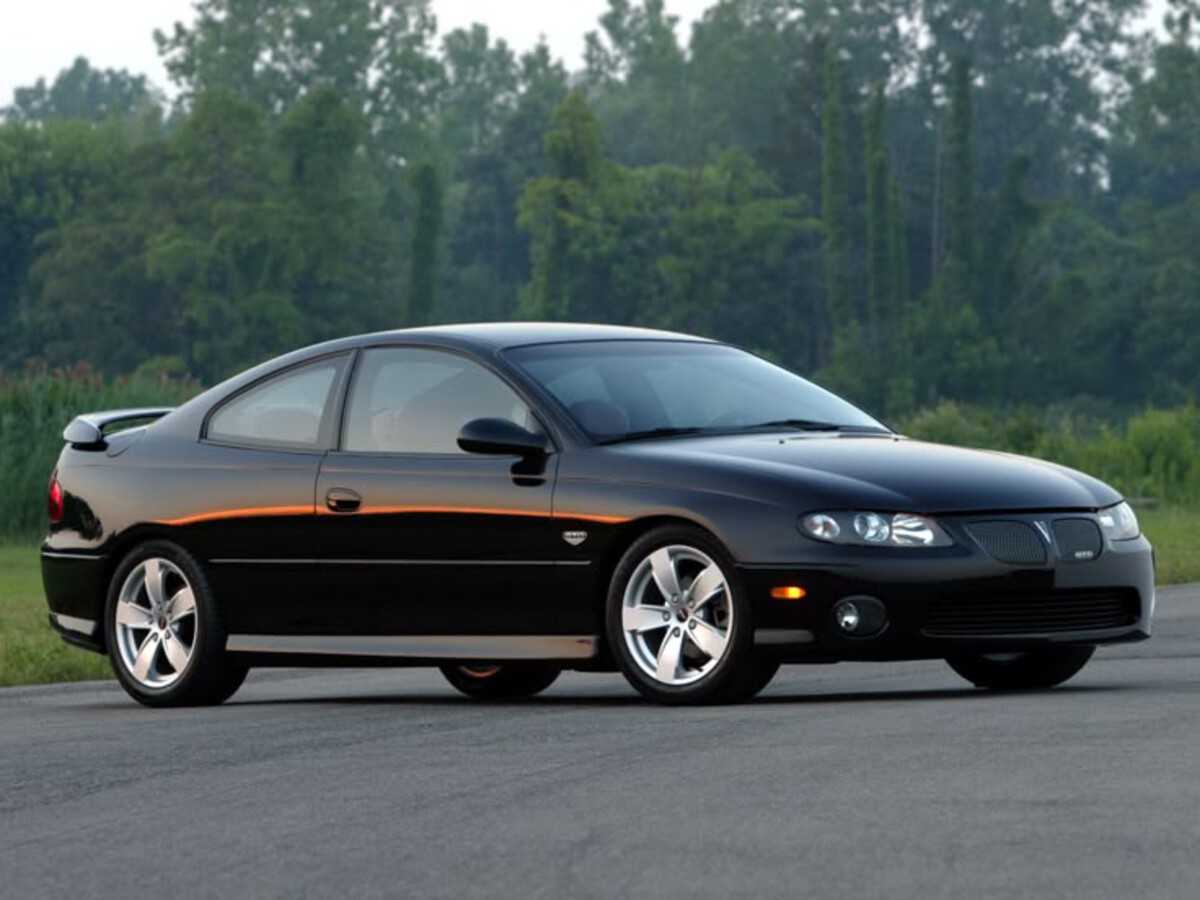
8. Pontiac GTO (Supercharged Variants)
The Pontiac GTO equipped with a supercharger became a favorite among muscle car fans because it offered substantial power with accessible maintenance. The roots style supercharger helps deliver torque across the rpm range without the complexity of turbochargers. This can make owning and fixing the car more approachable.
Routine service tasks such as oil changes, belt inspections, and spark plug access do not require dismantling extensive turbo hardware. Mechanics often appreciate this simplicity because it reduces both time and potential error. This advantage tends to show up as lower labor costs for the owner.
Parts availability for the supercharged GTO remains strong, even years after the model stopped production. Enthusiasts and suppliers keep these cars alive with replacement parts and upgrades. This reduces waiting times and keeps prices in line with expectations for a performance car.
Diagnostic checks are usually straightforward due to the engine’s mechanical design. Technicians can often isolate problems quickly without specialized scanning tools exclusive to a turbocharger control setup. Rapid diagnosis directly affects the total repair cost.
Without turbo heat cycles, the supercharged GTO’s engine avoids stress related to extreme exhaust conditions. This durability contributes to fewer unexpected failures. Owners often remark that the car’s mechanical simplicity makes it easy to maintain even as mileage increases.

9. Chrysler 300C SRT8 Supercharged
The Chrysler 300C SRT8 with a supercharger blends big sedan comfort with strong performance. The supercharged V8 makes a deep, powerful note and delivers torque instantly without waiting for a turbo to build boost. Owners often find that repair costs on this setup are lower than on many turbocharged performance sedans.
Routine maintenance on the 300C’s engine often involves service tasks that technicians know well. The supercharger remains accessible and the engine design avoids extensive plumbing that could complicate repairs. This means less labor and fewer surprises during service visits.
Parts for the 300C SRT8 supercharged engine remain plentiful because of strong enthusiast interest. This supports healthy competition among suppliers and helps keep prices reasonable. Whether ordering from a dealer or third party, many replacement items are easier to source.
Diagnostics on the engine are also typically familiar for performance minded mechanics. Because the supercharger is mechanically driven, there are fewer complex controls to evaluate when compared with turbocharged systems. This often results in quicker problem identification and repair.
The long term durability of the 300C’s supercharger system can help reduce major repair needs over the years. By avoiding stress from hot exhaust gases, bearings and related components tend to last longer. This translates to a more predictable ownership experience.
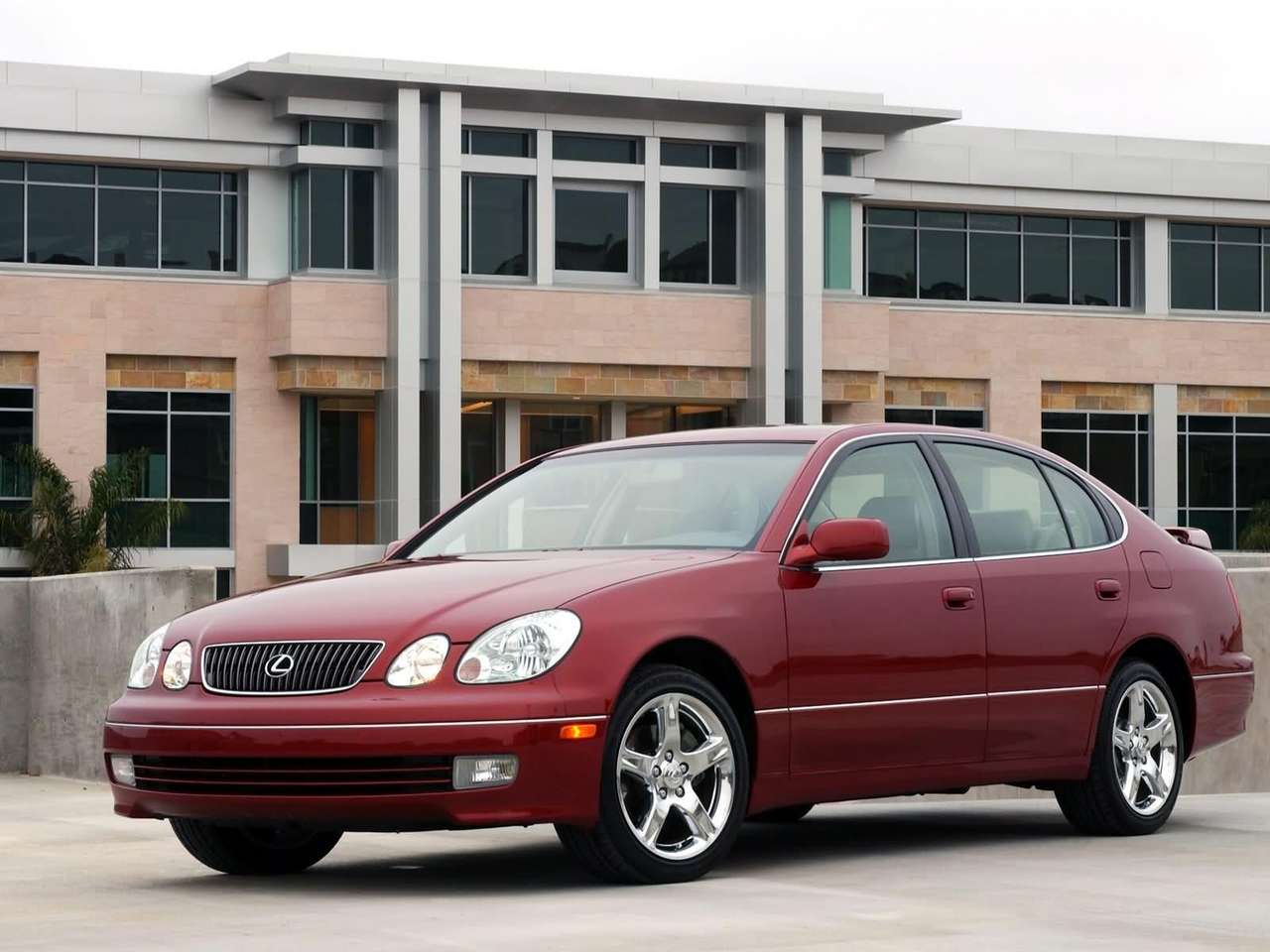
10. Lexus GS 430 Supercharged Models
The Lexus GS 430 when fitted with a supercharger delivers a refined and powerful driving experience. The engine’s smooth delivery and mechanical reliability often contribute to lower ownership costs than many turbocharged executive sedans. This combination of performance and simplicity appeals to drivers who want both.
Servicing the GS 430’s supercharged engine typically does not involve deep disassembly. Technicians are familiar with the engine layout and can perform common tasks efficiently. This reduces labor time and keeps repair bills from escalating unnecessarily.
Parts availability for the supercharged GS 430 remains solid due to the model’s popularity and the strong Lexus aftermarket. This means owners can choose from multiple sources when replacing worn items. Competition among suppliers helps sustain reasonable pricing for components.
Diagnostic work rarely requires obscure tools or procedures because the engine and supercharger operate in a straightforward fashion. Mechanics can quickly focus on the core issues without chasing complex turbo logic and controls. This clarity often shortens service visits.
Finally, the supercharged system avoids the extreme thermal load that can affect some turbocharged engines. This translates to a longer life for related hardware and reduces the frequency of unexpected failures. For owners who want peace of mind and performance, this reliability factor matters.
