
Rotary engines have always been a source of fascination and frustration for car enthusiasts. Unlike traditional piston engines, they operate with a triangular rotor spinning inside an oval-like housing.
This unique design allows them to produce high power from a relatively small displacement, which makes them appealing to drivers who want both performance and a lightweight engine.
However, this innovation comes with its own set of challenges. Rotary engines tend to consume more oil and fuel, and their apex seals require careful maintenance to prevent failure. Many owners accept these quirks because the driving experience is unlike any other.
The way a rotary engine revs smoothly and responds instantly to throttle input creates a feeling of connection between the car and driver that is difficult to replicate with conventional engines.
Over the years, manufacturers experimented with rotary engines in various forms, from small sports cars to limited-production performance vehicles.
Some models have become legends, attracting devoted fanbases who are willing to invest in upkeep.
Despite their reputation for high maintenance costs, rotary cars often retain a cult status among collectors and enthusiasts. The combination of compact size, lightweight design, and distinctive sound makes them stand out on the road.
Their presence at car shows and track events draws attention, and enthusiasts frequently swap stories about the peculiarities and joys of owning a rotary. For some, the challenge is part of the appeal, offering a unique sense of accomplishment when the engine performs flawlessly.
Rotary engines may not be the most practical choice for daily commuting, but they offer a rewarding experience for those who understand their demands.
From the thrill of high-revving acceleration to the aesthetics of sleek body designs paired with these engines, rotary cars occupy a special place in automotive history.
Their legacy is intertwined with innovation, risk, and the passion of engineers and drivers who believed that driving should be exhilarating. Collectors and enthusiasts often seek specific models, and some rare examples have appreciated in value over time.
Despite the quirks and challenges, rotary engine cars continue to inspire devotion, making them worth considering for anyone interested in a unique automotive experience. Understanding the history, performance characteristics, and care requirements of these cars helps potential owners prepare for the realities of ownership.
The balance between excitement and responsibility is central to the appeal, creating a niche but enthusiastic community around these vehicles. Whether driven on a track, displayed at shows, or simply enjoyed on winding roads, rotary engine cars remain a testament to engineering creativity and the pursuit of driving pleasure.
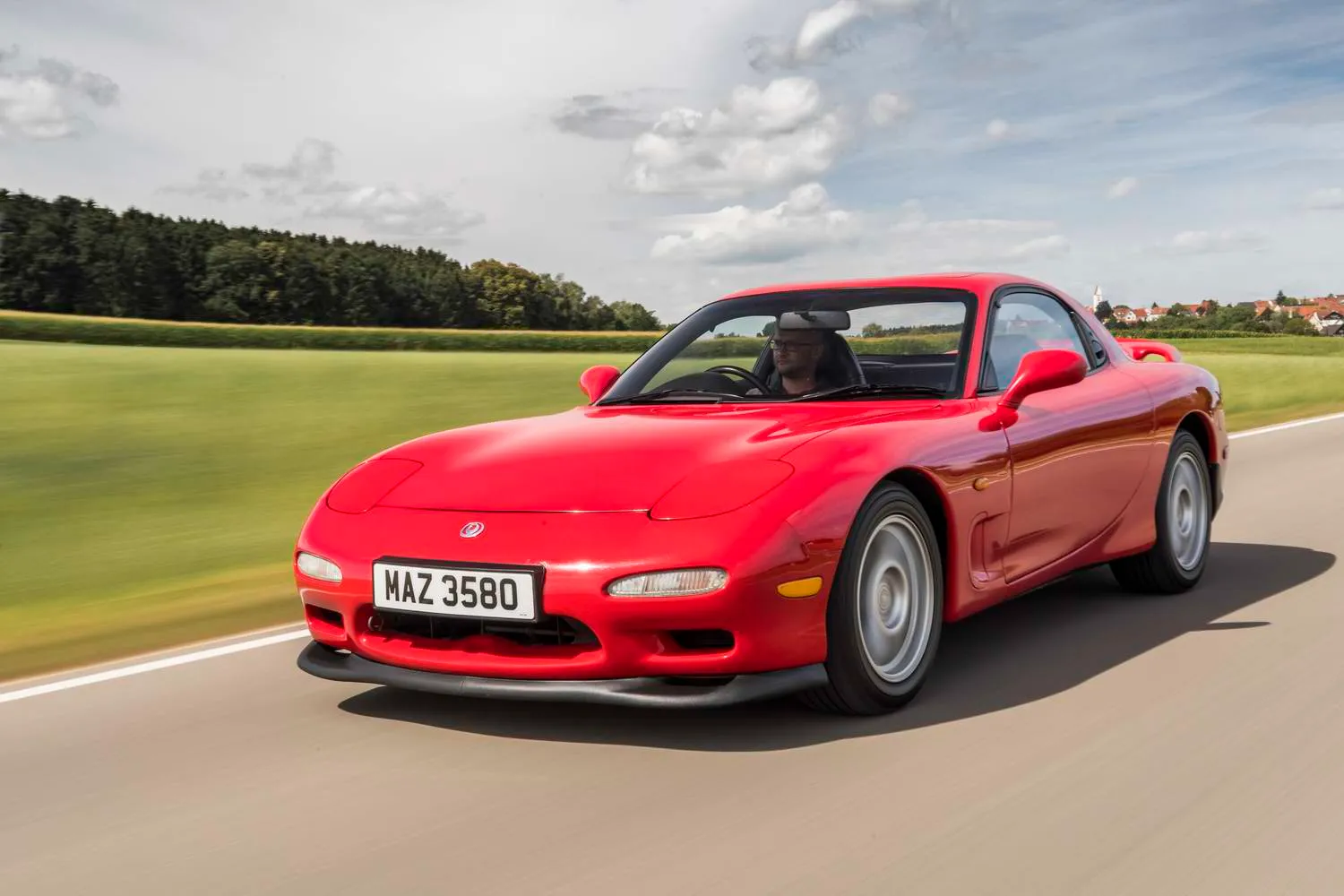
1. Mazda RX-7 (FD3S)
The Mazda RX-7 FD3S is often considered the pinnacle of rotary sports cars. Its lightweight chassis and balanced handling make it a favorite for both street and track enthusiasts. The twin-rotor engine delivers smooth power and a high-revving experience that few conventional cars can match. Owners praise its responsiveness, which gives the sensation of being connected directly to the road.
The design of the RX-7 FD3S was revolutionary in its era. Its sleek lines and pop-up headlights contribute to an iconic appearance that has aged gracefully. Inside, the cabin offers driver-focused ergonomics and a snug fit for spirited driving.
The rotary engine is compact, allowing a low center of gravity that enhances cornering and stability. Each turn feels precise, making the car highly engaging on winding roads and racetracks alike.
Maintenance for the RX-7 FD3S requires dedication. Apex seals are prone to wear if neglected, and regular inspections of the engine’s components are essential. Oil consumption is higher than in piston engines, but the rewards often outweigh the inconvenience.
Enthusiasts report that careful attention and timely servicing ensure long-term reliability. Many also take pride in performing modifications and upgrades that further enhance performance.
The aftermarket support for the RX-7 is substantial. Performance parts, turbo kits, and suspension upgrades allow owners to tailor the car to their preferences. Track enthusiasts appreciate the ability to tune the engine for higher power outputs while maintaining reliability.
Community forums and clubs provide guidance and shared knowledge for proper maintenance. This network ensures that even challenging repairs are manageable with the right resources.
Despite its quirks, the RX-7 FD3S remains a symbol of rotary engineering excellence. Its unique combination of speed, handling, and engine character continues to attract collectors.
Driving one is often described as an emotional experience, combining technical mastery with pure enjoyment. Those willing to accept its maintenance demands are rewarded with a vehicle that is unforgettable in both performance and personality.
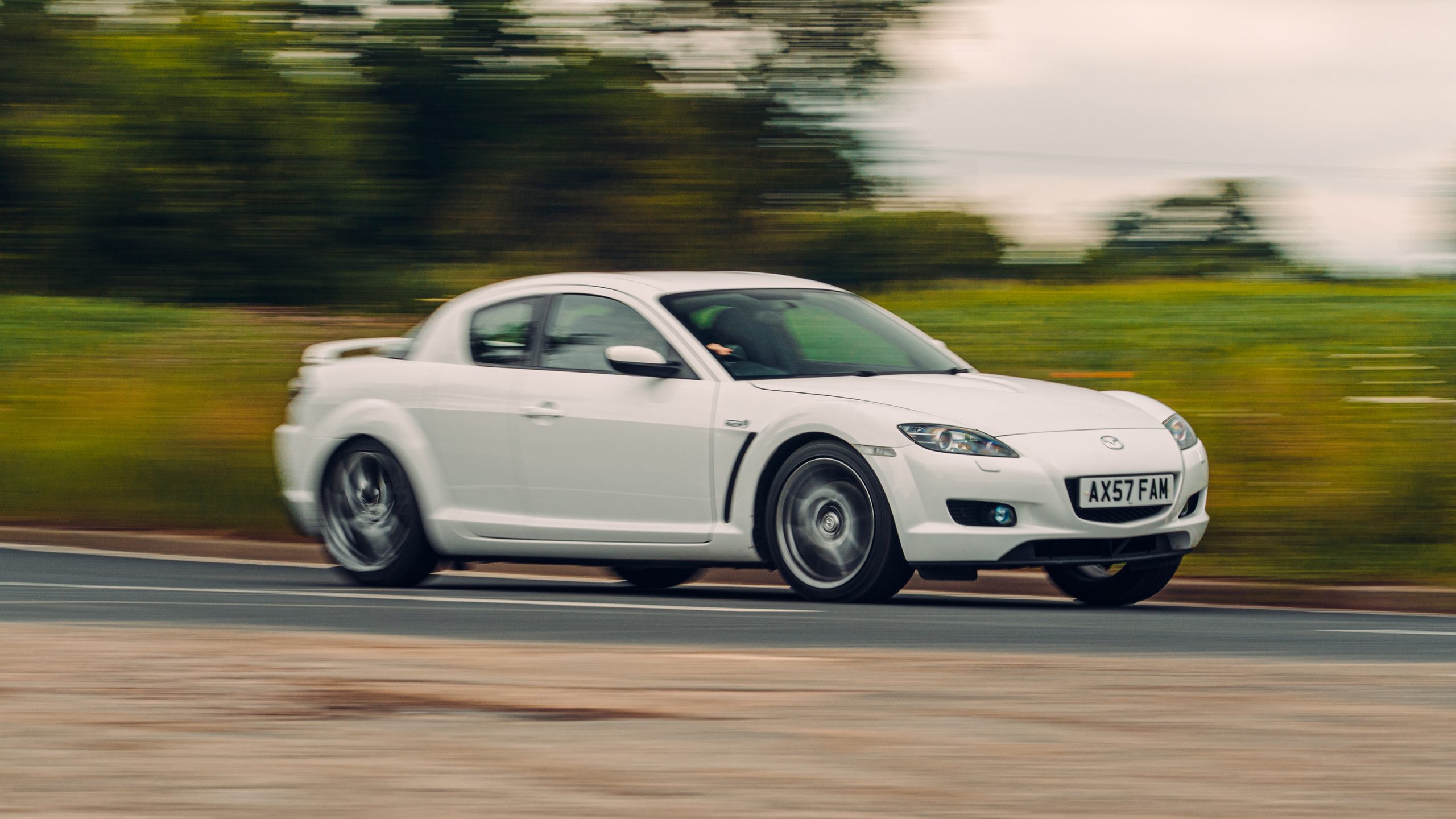
2. Mazda RX-8
The Mazda RX-8 brought the rotary engine into the modern era with practical usability. Unlike the RX-7, it offered four doors and a more spacious interior, making it suitable for daily driving.
The Renesis rotary engine produced high-revving power without a turbocharger, resulting in smooth, linear acceleration. Its unique sound and performance profile immediately identify it as a rotary car.
Handling and balance were key strengths of the RX-8. The car features near-perfect weight distribution and a low center of gravity. Suspension tuning allows for agile cornering while maintaining comfort during daily use.
The lightweight design contributes to responsive steering, giving drivers a connected feel on all types of roads. Sports enthusiasts appreciated its ability to combine practicality with performance.
Ownership of an RX-8 requires awareness of maintenance requirements. Engine flooding, high oil consumption, and sensitivity to overheating are common concerns.
Regular monitoring of oil levels and proper warm-up routines can mitigate potential damage. Some owners report long-term reliability with conscientious care. Service intervals are shorter than those of conventional cars, but preventive measures help avoid costly repairs.
The RX-8 also benefits from a supportive aftermarket community. Performance enthusiasts can install superchargers, intake and exhaust upgrades, and suspension improvements.
Parts availability, while more limited than some piston engines, remains sufficient for common maintenance and upgrades. Owners often enjoy hands-on involvement with their vehicles, embracing the mechanical connection the rotary provides.
Despite its challenges, the RX-8 remains highly sought after. Its combination of practicality, high-revving engine, and distinctive design makes it appealing to enthusiasts. Many owners describe the driving experience as addictive, with a reward that outweighs routine maintenance. The car continues to inspire loyalty among fans of rotary technology.
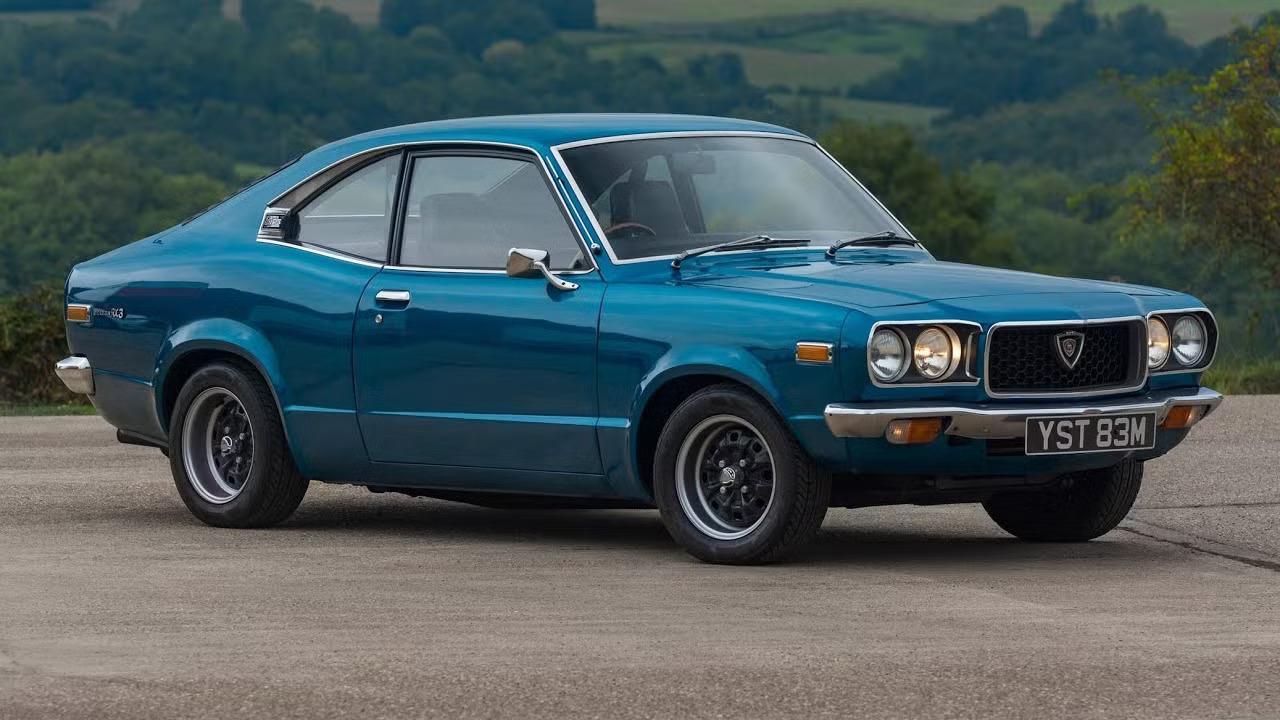
3. Mazda RX-3
The Mazda RX-3 is a classic rotary car that laid the groundwork for Mazda’s later sports cars. Its small, nimble body combined with a rotary engine offered a thrilling driving experience for its era. The engine produced smooth, high-revving power that made the car lively on winding roads. Enthusiasts appreciated how the lightweight design enhanced cornering and acceleration, making it a driver’s favorite.
One of the defining features of the RX-3 was its versatility. It was available as a coupe, sedan, and even a wagon, giving drivers options for performance and practicality. The compact engine allowed for better weight distribution, and the car felt agile even at higher speeds. Handling was precise for its time, and its suspension design contributed to confidence-inspiring road manners.
Maintenance on the RX-3 required care, as with all rotary engines. Owners needed to monitor oil levels and engine seals closely. Overheating could lead to severe issues, and fuel efficiency was relatively low. However, the joy of driving a responsive, high-revving rotary made the trade-offs acceptable for many. Long-term reliability depended heavily on proper upkeep and attention to detail.
The RX-3 has a dedicated following today. Collectors often seek original examples for restoration projects, and aftermarket parts are available for both performance and cosmetic upgrades. Classic car shows frequently feature RX-3s, showcasing their enduring appeal. Clubs and forums provide advice for maintenance, modifications, and sourcing hard-to-find components.
Driving an RX-3 today is a blend of nostalgia and excitement. Its rotary engine delivers a character that modern cars rarely replicate. Enthusiasts appreciate the combination of historical significance and mechanical engagement. Despite the challenges, the RX-3 remains a rewarding choice for those willing to embrace its quirks and maintain it properly.

4. Mazda Cosmo Sport (110S)
The Mazda Cosmo Sport, also known as the 110S, is a historic icon and one of the first production cars to feature a rotary engine. Its sleek, futuristic design captured attention at the time, and its engineering represented a bold step into uncharted territory.
The twin-rotor engine offered smooth, high-revving performance that was unmatched by contemporaries. Owning a Cosmo Sport was a statement of innovation and style.
Performance characteristics of the Cosmo Sport were exceptional for the era. The engine’s compact size allowed for a low center of gravity, enhancing handling. Its light weight, combined with responsive steering, gave drivers a sense of control and confidence.
Acceleration was lively, and the car could maintain composure at higher speeds. This made it a joy on both city streets and open roads.
Maintenance of the Cosmo Sport was critical, as early rotary engines were still experimental. Apex seals required careful attention, and overheating could damage components quickly. Fuel and oil consumption were higher than those of conventional engines, and parts were rare. Despite these challenges, owners who maintained the engine meticulously experienced unparalleled performance. The car rewarded patience and skill with unmatched rotary character.
Cosmo Sport owners often participate in classic car communities, where shared knowledge is invaluable. Restoration and maintenance projects can be intensive, but the results are rewarding. Original examples have become highly collectible, fetching significant prices at auctions. The unique design and history make it a centerpiece of any collection.
The Cosmo Sport remains an enduring symbol of Mazda’s rotary engineering vision. Its combination of rarity, performance, and design makes it a standout among vintage sports cars. Driving one today is a mix of excitement and nostalgia, as the rotary engine continues to inspire admiration. For enthusiasts willing to accept its demanding nature, it is an unforgettable experience.
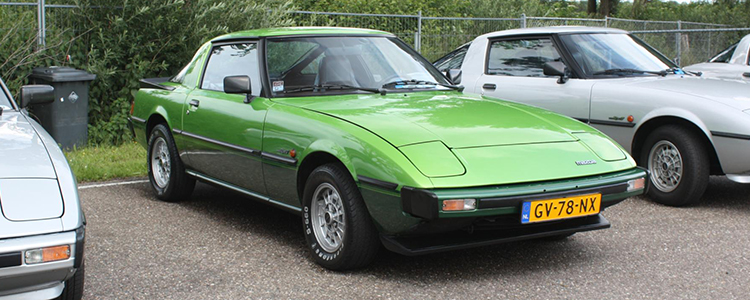
5. Mazda RX-7 (SA22C/FB)
The first-generation Mazda RX-7, known as the SA22C or FB, introduced the world to affordable rotary sports cars. It combined lightweight construction with a high-revving engine, offering performance that exceeded expectations.
Its responsive handling and smooth rotary operation created a connection between driver and machine. Many enthusiasts credit it with defining the appeal of rotary sports cars.
Design elements of the RX-7 SA22C emphasized simplicity and function. Its compact size, pop-up headlights, and long hood gave it a classic sports car silhouette. The rotary engine’s small footprint allowed for a low hood line, improving aerodynamics. Inside, the driver-focused cockpit provided clear sightlines and easy access to controls, enhancing the driving experience.
Maintenance demands for the early RX-7 required attention. The rotary engine’s apex seals needed periodic inspection, and overheating could be problematic. Fuel consumption was higher than that of comparable piston engines, but enthusiasts were willing to trade efficiency for performance. Careful maintenance and regular servicing could preserve reliability over long periods.
The RX-7 SA22C also benefited from a growing aftermarket and community. Enthusiasts could upgrade engine performance, suspension, and brakes to suit their driving style.
Classic car events and rotary-specific gatherings reinforced a sense of community. Knowledge sharing about maintenance and modifications made owning one less daunting for newcomers.
Driving an RX-7 SA22C remains an exhilarating experience. Its nimble handling, responsive engine, and lightweight body make it engaging on every road. The first-generation RX-7 helped establish Mazda as a rotary pioneer and retains a devoted fanbase.
For those seeking a classic rotary experience, it is a highly rewarding choice despite its maintenance requirements.
6. Mazda RX-4
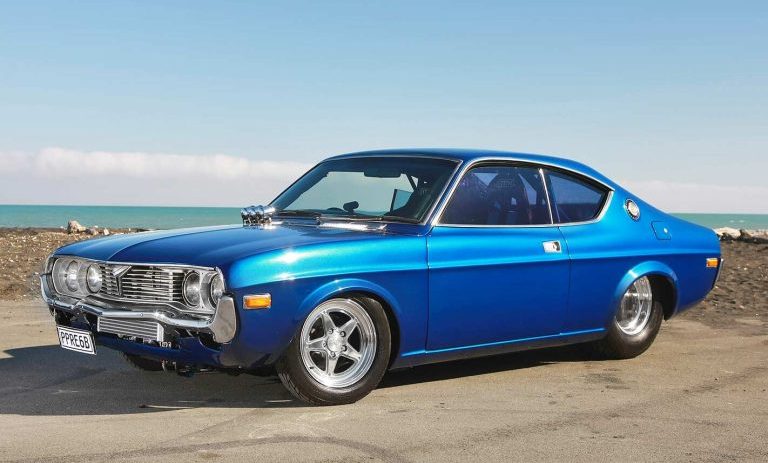
The Mazda RX-4 was an evolution of Mazda’s rotary lineup in the early 1970s, designed to offer more space and comfort without sacrificing performance. Unlike the RX-3, the RX-4 featured a larger body, making it suitable for those seeking a grand touring experience.
Its 12A or optional 13B rotary engine allowed for lively acceleration while keeping the car lighter than comparable piston-powered sedans. Drivers often describe the RX-4 as surprisingly agile for its size, with a responsive chassis that made cornering both predictable and fun.
Exterior styling reflected the muscle and elegance trends of the era, with long hoods, subtle fender flares, and a wide stance that exuded confidence. Chrome accents and trim added a touch of sophistication to its sporty lines.
The RX-4’s proportions contributed not only to aesthetics but also to performance, balancing front and rear weight for improved handling. Pop-up headlights, while not standard on all models, became an iconic feature for later variants. The combination of design and engineering made it a distinctive presence on the road.
The rotary engine in the RX-4 required diligence in care, with apex seals and rotor housing being particularly sensitive to neglect. Proper oiling and frequent checks were essential for longevity. Despite these demands, the engine rewarded attentive owners with a smooth power delivery and high-revving capability.
Many enthusiasts find the experience of driving an RX-4 engaging because it feels more connected to the road than heavier, piston-powered alternatives. The engine’s compact size allowed for a relatively spacious cabin without compromising performance.
Inside, the RX-4 offered more space than earlier models, making it a practical sports coupe or family car for enthusiasts. The seating provided comfort over longer journeys, while driver-oriented instrumentation maintained the sporty focus.
Controls were simple yet functional, emphasizing the joy of driving rather than luxury features. Passengers often remarked on the quietness of the cabin at moderate speeds, with the rotary engine’s hum becoming noticeable only under spirited acceleration.
The RX-4 is appreciated today by collectors for its combination of style, rarity, and rotary heritage. Well-maintained models can attract considerable attention at car shows and enthusiast gatherings. Its versatility as both a daily driver and a sporty cruiser adds to its appeal.
For anyone looking for a classic rotary experience that offers more comfort without losing the unique engine character, the RX-4 remains an excellent choice.
7. Mazda Luce/929 Rotary
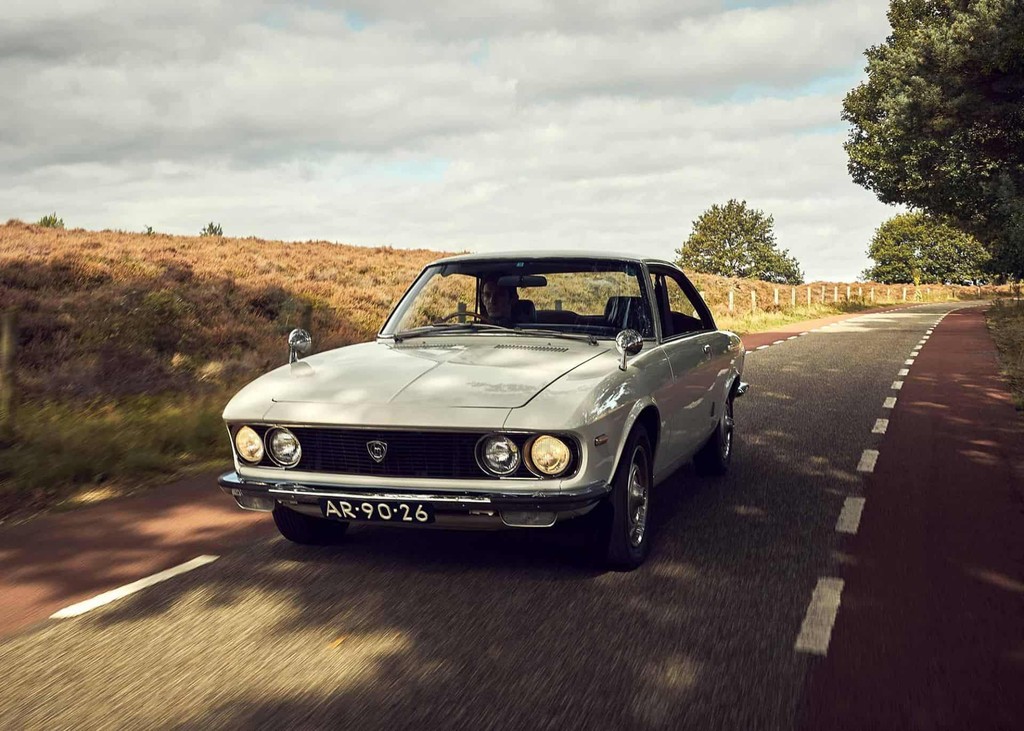
The Mazda Luce, later marketed in some regions as the 929, included a rotary variant that showcased the engine’s potential in luxury applications. The Luce rotary combined refinement with the excitement of high-revving power, bridging the gap between comfort and performance.
The 13B rotary engine, while compact, allowed the car to deliver respectable acceleration for its size, giving it the presence of a true grand tourer. Driving a Luce rotary feels composed, with smooth handling and predictable steering, making long trips enjoyable while retaining a sporty character.
Exterior styling emphasized elegance and sophistication, with clean lines, large windows, and understated chrome trim. Its sedan proportions were slightly more conservative than sportier coupes, but the rotary engine gave it a lively edge.
The combination of subtle luxury and performance made it appealing to buyers who wanted a practical car with an engaging driving experience. Its design remained timeless, with details that still attract attention from classic car enthusiasts.
The rotary engine in the Luce required attentive care, particularly in monitoring oil levels and engine seals. Long-term durability depended on proper maintenance, but the compact engine layout allowed for easier servicing than some larger piston engines.
Owners who maintained their cars diligently often enjoyed years of trouble-free driving. The high-revving nature of the engine offered a unique experience, particularly in a car that felt more like a luxury sedan than a traditional sports car.
Inside, the Luce prioritized comfort without neglecting driver engagement. Seats were supportive, materials were of higher quality than in earlier rotary models, and the dashboard layout allowed easy access to essential controls.
Passengers appreciated the roomy interior and quiet ride, while drivers could still feel the engine’s unique character through the controls. It struck a rare balance between relaxation and exhilaration in a single package.
Today, the Luce/929 rotary is a rare find, especially in well-preserved condition. Its combination of smooth rotary power, elegant design, and relative rarity makes it highly collectible. Enthusiasts who value a less common rotary experience often seek it out for its understated charm. Owning one provides a glimpse into Mazda’s ambition to integrate rotary engines beyond pure sports cars, proving that excitement can coexist with refinement.
8. NSU Ro 80
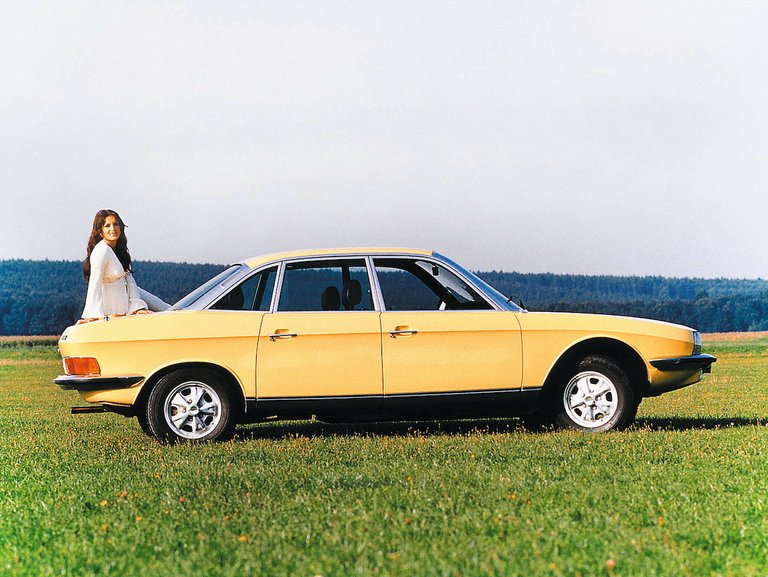
The NSU Ro 80 is a unique entry in the rotary engine legacy, representing German innovation combined with rotary technology. It featured a twin-rotor Wankel engine, which provided smooth, high-revving performance uncommon in sedans of its time.
The car’s design focused on aerodynamics and efficiency, with the rotary engine allowing for a low hood and sleek silhouette. Despite early reliability concerns, the Ro 80 gained admiration for its engineering ambition and forward-thinking design.
Exterior styling was bold and futuristic for the late 1960s, with wedge-like lines and a broad stance. Its aerodynamic profile reduced drag and contributed to fuel efficiency, unusual for a car of its size. The Ro 80’s presence on the road was distinctive, drawing attention with its understated but modern appearance. Its design philosophy influenced later European cars that emphasized form and function.
The rotary engine required careful attention, particularly with the early models prone to seal wear. Nevertheless, the Ro 80 delivered a smooth and refined driving experience, with minimal vibration and a quiet cabin at moderate speeds. Acceleration was linear, making it comfortable for city and highway driving alike. The compact engine layout also improved weight distribution and handling characteristics.
Interior features reflected NSU’s commitment to comfort and innovation. The cabin was spacious and ergonomic, with a minimalist design that emphasized functionality. Controls were simple and intuitive, while seating accommodated four adults comfortably. The car offered an unusual blend of luxury and sportiness, allowing drivers to experience rotary performance without a dedicated sports car.
Collectors view the NSU Ro 80 as a milestone in rotary history, though surviving examples are rare. Its combination of engineering innovation, sleek design, and historical significance makes it highly desirable. Enthusiasts willing to address maintenance challenges find it a rewarding experience, appreciating a car that embodies creativity and courage in automotive design.
9. Mazda RX-5 Cosmo
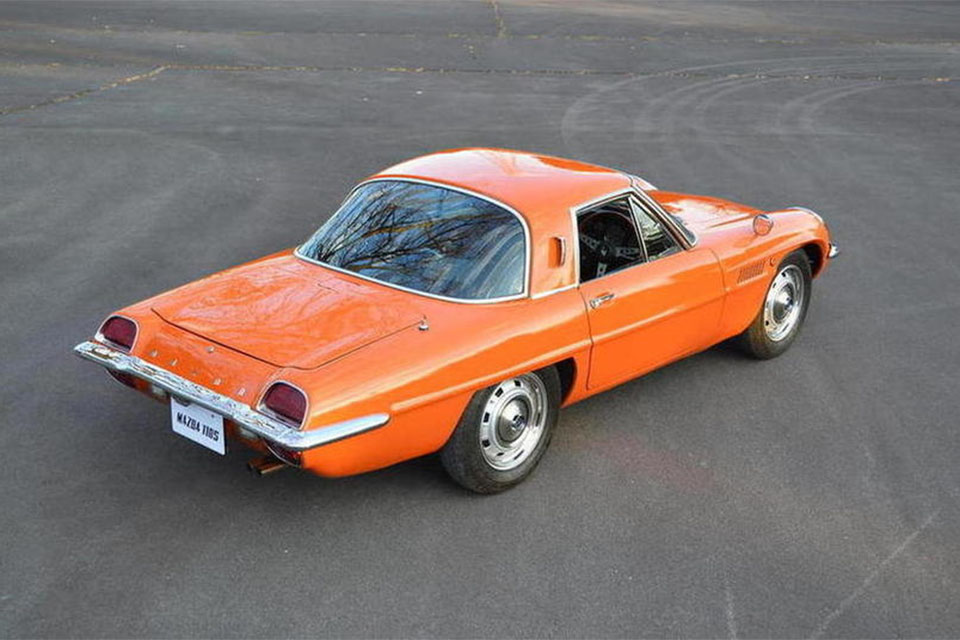
The Mazda RX-5 Cosmo built upon the brand’s early rotary experimentation and expanded into a more modern performance coupe. With a 13B rotary engine, it offered a higher output and smoother power delivery than earlier models.
Its lightweight chassis and well-balanced suspension created an engaging driving experience that made the car competitive against larger, piston-powered competitors. The RX-5 Cosmo demonstrated Mazda’s commitment to refining rotary engines while producing a stylish, accessible sports coupe.
Exterior styling was bold, combining sharp angles with flowing curves for a futuristic appearance. Its aerodynamic profile contributed to handling stability and high-speed performance. Distinctive features like retractable headlights added to its appeal. The RX-5 Cosmo stood out in traffic, reflecting both performance and design ambition.
The rotary engine demanded careful monitoring, particularly regarding oil and cooling systems. Owners who maintained it carefully were rewarded with high-revving performance and responsive throttle control.
Many enthusiasts appreciated the engine’s smooth operation, which made spirited driving particularly enjoyable. Despite the need for diligence, the RX-5 Cosmo’s combination of style and performance made it an attractive proposition for enthusiasts.
Inside, the car offered a driver-focused cockpit with supportive seating and functional controls. Ergonomics were designed for engagement, with instruments clearly positioned. The cabin allowed passengers to enjoy a comfortable ride without compromising the sporty character. Attention to detail in materials and layout reflected Mazda’s dedication to a complete driving experience.
Today, the RX-5 Cosmo is cherished by collectors for its rarity and engineering. Its combination of a high-revving rotary engine, sleek styling, and enjoyable driving dynamics makes it a standout in the Mazda lineup. Owning one represents a connection to a unique era of automotive innovation, balancing character, performance, and style.
10. Mazda RX-Vision Concept (Rotary Revival)
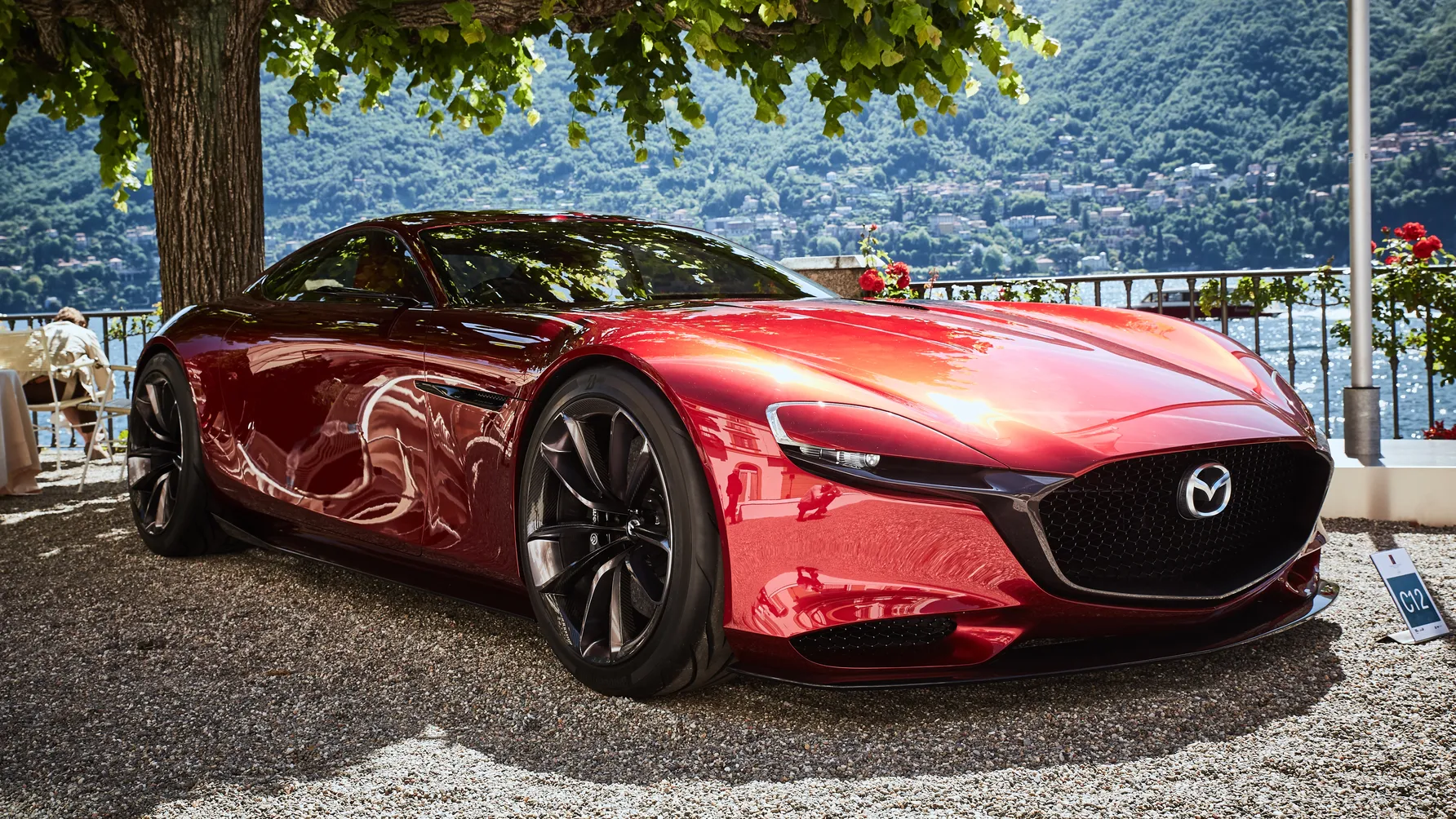
The Mazda RX-Vision is a modern concept car that embodies the future potential of the rotary engine. Although not mass-produced, it highlights Mazda’s vision for combining rotary power with cutting-edge design. The rotary engine offers compact, lightweight performance, allowing for ideal weight distribution and precise handling. Its smooth and high-revving nature remains the heart of the driving experience, even in a futuristic concept format.
The RX-Vision’s exterior is a showcase of Mazda’s Kodo design philosophy, with flowing lines, long hood, and minimal overhangs. Its low, wide stance communicates speed and agility even at a standstill. Every curve and panel is designed for aerodynamic efficiency while maintaining visual harmony. The car’s appearance captures the essence of rotary performance in a modern aesthetic.
Rotary engines in modern concepts promise reliability improvements over earlier designs, including better sealing materials and optimized cooling. The RX-Vision illustrates the potential of rotary engines to coexist with contemporary automotive standards.
It remains a symbol of innovation, showing enthusiasts the possibilities of combining lightweight engines with advanced chassis engineering. The concept provides insight into Mazda’s continued commitment to the rotary legacy.
Inside, the RX-Vision focuses on driver engagement and minimal distraction. The cockpit is ergonomic, with controls designed for intuitive access and enjoyment. High-quality materials and clean design emphasize a futuristic yet driver-focused environment. It shows how a rotary-powered sports car can blend excitement and refinement seamlessly.
Even as a concept, the RX-Vision excites enthusiasts worldwide. Its promise of a revived rotary engine demonstrates the enduring appeal of this unique technology.
While production may still be uncertain, the RX-Vision represents hope for those who appreciate the distinctive character, sound, and high-revving performance of rotary-powered vehicles. It embodies the essence of what makes these cars worth the effort.
