
The automotive period often called the Malaise Era refers to the mid 1970s through the late 1980s, a time when tightening emissions rules, fuel crises, and insurance pressures reshaped the American car industry. Performance numbers dropped, compression ratios fell, and once mighty nameplates struggled to adapt to new realities.
Enthusiasts long criticized these years for heavy bodies paired with modest horsepower, vinyl roofs, opera windows, and design excess that could not fully hide declining output. For decades, many of these cars were dismissed as relics from an uninspired chapter in automotive history.
Yet time has a way of reshaping perception. Vehicles once considered slow, awkward, or compromised now carry a distinct charm rooted in authenticity. Their styling reflects a bold confidence that manufacturers expressed even while engineering departments faced constraints.
These cars were not trying to imitate earlier muscle legends or predict a high tech future. Instead, they embodied their era honestly, with plush interiors, dramatic lines, and a focus on comfort over outright speed. That authenticity has become part of their appeal.
Collectors and younger enthusiasts have also begun to reassess value differently. Rather than chasing only the fastest or rarest machines, many appreciate unusual trims, personal luxury coupes, and forgotten performance experiments. Cars from this era often remain affordable compared to earlier muscle cars, making them accessible entry points into classic ownership.
They also stand out at shows precisely because fewer were preserved, and fewer people expected them to become desirable. Nostalgia plays a powerful role as well, especially for those who grew up riding in these cars during family trips or seeing them in television and film.
As restoration culture matures, appreciation grows for vehicles that once sat overlooked in used car lots. The Malaise Era represents a fascinating crossroads between old school American excess and the efficiency driven future that followed.
Many models from this time now feel refreshingly analog and unmistakably bold. Here are ten Malaise Era cars that have earned a new level of respect and admiration among enthusiasts today.
1. Pontiac Trans Am
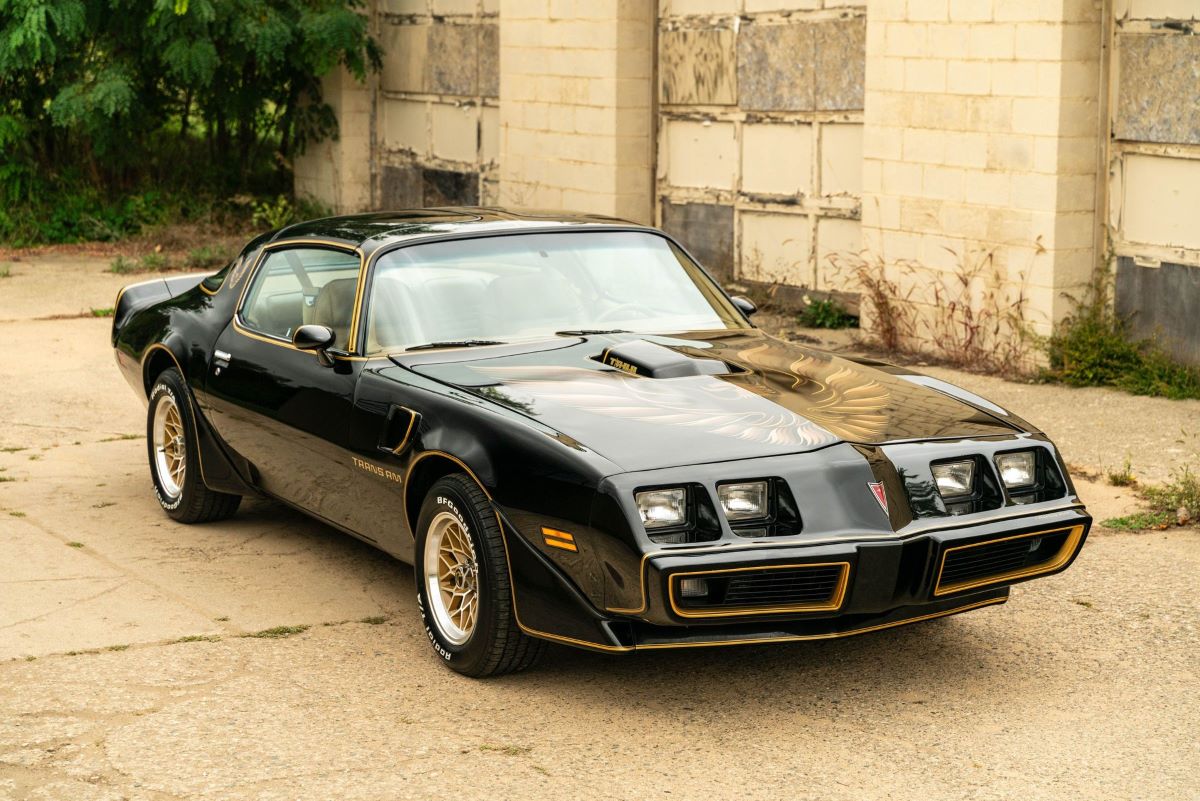
The second‑generation Trans Am emerged as Pontiac’s flagship performance coupe during the Malaise Era, and it carried an impressive legacy from its very first introduction in 1970. This version of the Trans Am was part of the larger Firebird lineup and was often seen with dramatic graphics, shaker hood scoops, and performance‑oriented suspension options.
Early cars could be equipped with potent Ram Air III and rare Ram Air IV engines that delivered robust power for the era, while later years transitioned through 400 and 455 V8s before ending with the turbocharged 301 option in 1980–81. The long production run and variety of engines created a broad spectrum of Trans Ams that appeal to many different types of collectors and enthusiasts today.
One of the reasons these cars are interesting now is how they reflect the transition in American performance thinking. In the early 1970s, Trans Ams could still be ordered with high‑output V8s that, despite tightening emissions rules, still delivered respectable acceleration and torque that enthusiasts appreciated.
As regulations became stricter, Pontiac continued to innovate by tuning available engines and adding performance packages like the WS6 handling option in the late 1970s, which enhanced chassis response and reinvigorated the car’s road manners. It’s that blend of muscle heritage and adaptability to the decade’s constraints that helps modern collectors value these vehicles beyond mere nostalgia.
Culturally, this Trans Am generation gained much of its fame through media, perhaps most notably from its starring role in popular films that captured the public’s imagination about speed and freedom. Images of dark paint and bold hood graphics racing down open highways helped define its identity more than horsepower numbers once did.
Today, restorers and fans see those visual cues as icons of 1970s American automotive design, and that presence on the road or at car shows turns heads more reliably than the car’s original quarter‑mile performance ever could. The strong visual identity outweighs mere statistics in modern appreciation.
What was once seen as a compromised performance car now reads as a fascinating chapter in automotive evolution. These Trans Ams represent an era in which style and engineering responded to real economic and regulatory challenges, and they did so with confidence and distinct personality.
Today, that blend of performance heritage and unmistakable design elements has earned the second‑generation Trans Am a well‑deserved cool factor among a broad audience of collectors and enthusiasts, not just those who chase peak horsepower.
2. Chevrolet Monte Carlo
The fourth‑generation Monte Carlo, produced from the early 1980s through 1988, refined the personal luxury coupe formula that Chevrolet had pursued for years. It featured a sleeker and more aerodynamic body style compared to earlier versions, aligning the Monte Carlo with other GM mid‑size coupes of the time.
While base models often came with V6 engines for efficiency, buyers could still specify V8 power and even a turbo‑charged V6 that provided spirited acceleration for its day. The blend of comfort and optional performance made it a flexible choice for drivers who liked a mix of style and capability without sacrificing everyday usability.
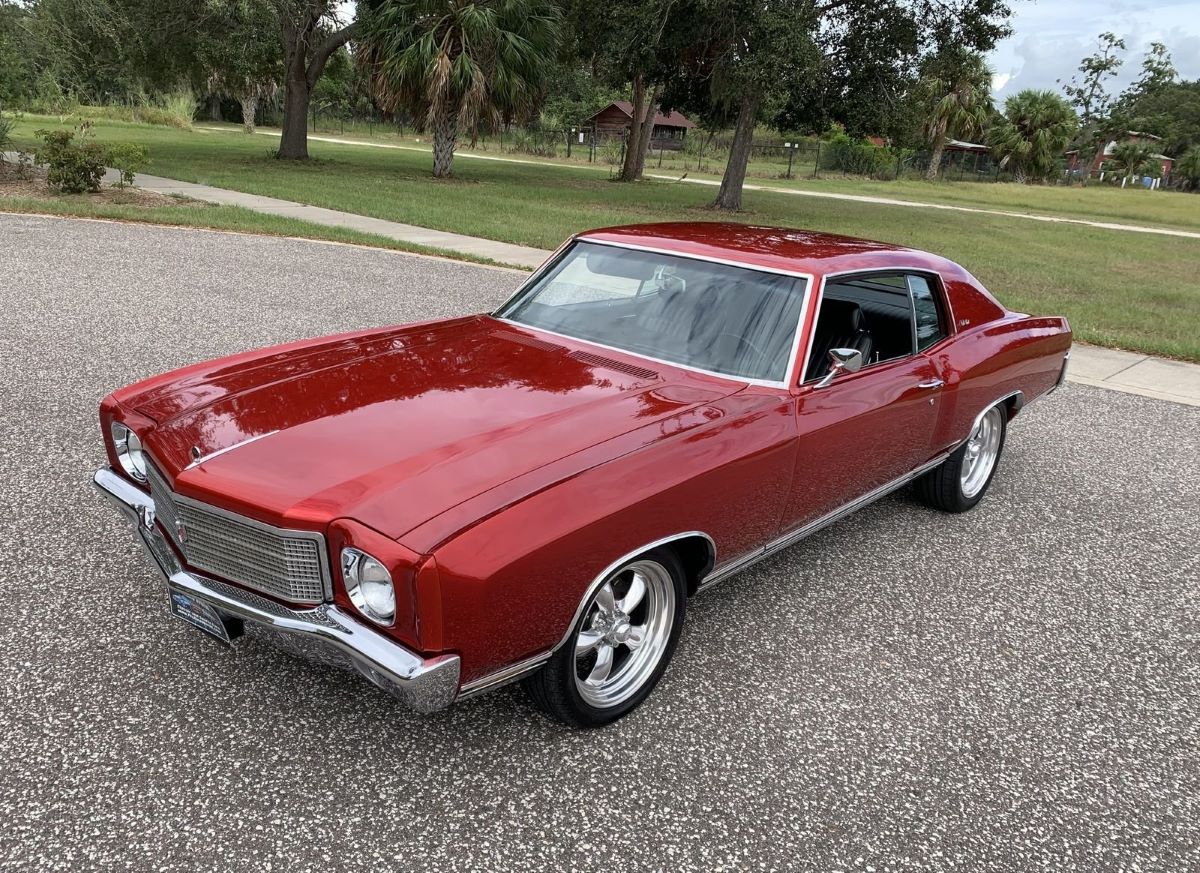
Styling played a big role in how this Monte Carlo is viewed today. The long hood, formal roof, and flowing lines created a presence that was both assertive and graceful, a combination that many enthusiasts now find charming rather than dated.
The interior was trimmed for comfort, and features like automatic transmission, power steering, and disc brakes were standard fare that helped the car feel well‑equipped on highways and suburban streets alike. That luxury‑oriented approach set it apart from more spartan coupes of the era.
Performance variants like the SS or turbo V6 models contributed to its appeal by offering more spirited driving dynamics. While not earth‑shattering in acceleration compared to true sports cars, these options provided responsive throttle feel and a satisfying sense of speed within the constraints of the period’s regulations.
The Monte Carlo’s handling was balanced and predictable, making it competitive against peers from other brands and granting drivers confidence on twisty roads as well as highways.
Collectors and restorers now view the fourth‑generation Monte Carlo as a distinctive example of 1980s American automotive design. It often appears at cruiser events and classic car meetups where its bold profile stands out among sedans and hatchbacks from the same era.
Because it was well‑sold when new and many survived into later decades, there are ample examples for restoration projects and shows. This accessibility helps broaden its appeal to a wider range of enthusiasts.
In modern contexts, this Monte Carlo is appreciated not only for what it was in its own time but also for how it represents a balance between performance, comfort, and everyday usability. One can see striking examples with restored paint and chrome that highlight subtle details often overlooked in contemporary reviews.
As a result, what once seemed like a middling coupe now feels like a compelling representation of 1980s automotive style with a distinctive personality all its own.
3. Ford Mustang II
The Ford Mustang arrived at a time of seismic change in auto design when the oil crisis and strict emissions rules forced manufacturers to reconsider powerful V8s in favor of efficiency and lighter weight.
Launched for the 1974 model year, the Mustang II was derived from Ford’s smaller platforms and featured both two‑door coupe and three‑door “2+2” hatchback body styles. It marked a dramatic departure from the earlier Mustang’s larger, more powerful formats, reducing size and weight substantially to cope with high fuel prices and changing consumer demands.
This model drew significant controversy upon release because it prioritized fuel efficiency and ride comfort over outright performance. Early versions came with modest four‑cylinder or V6 engines, and although a V8 returned in 1975, it offered significantly lower power than typical earlier Mustangs.
Despite this, it won Motor Trend’s Car of the Year award in 1974 and proved to be commercially successful, selling over a million units across its production run. The sales figures underscored how well it matched the needs of the era even if it disappointed some traditional performance enthusiasts.
Beyond the powertrain, the Mustang II introduced features that felt modern for its era, including rack‑and‑pinion steering and comfortable interior appointments with real gauges rather than purely economy‑focused trim.
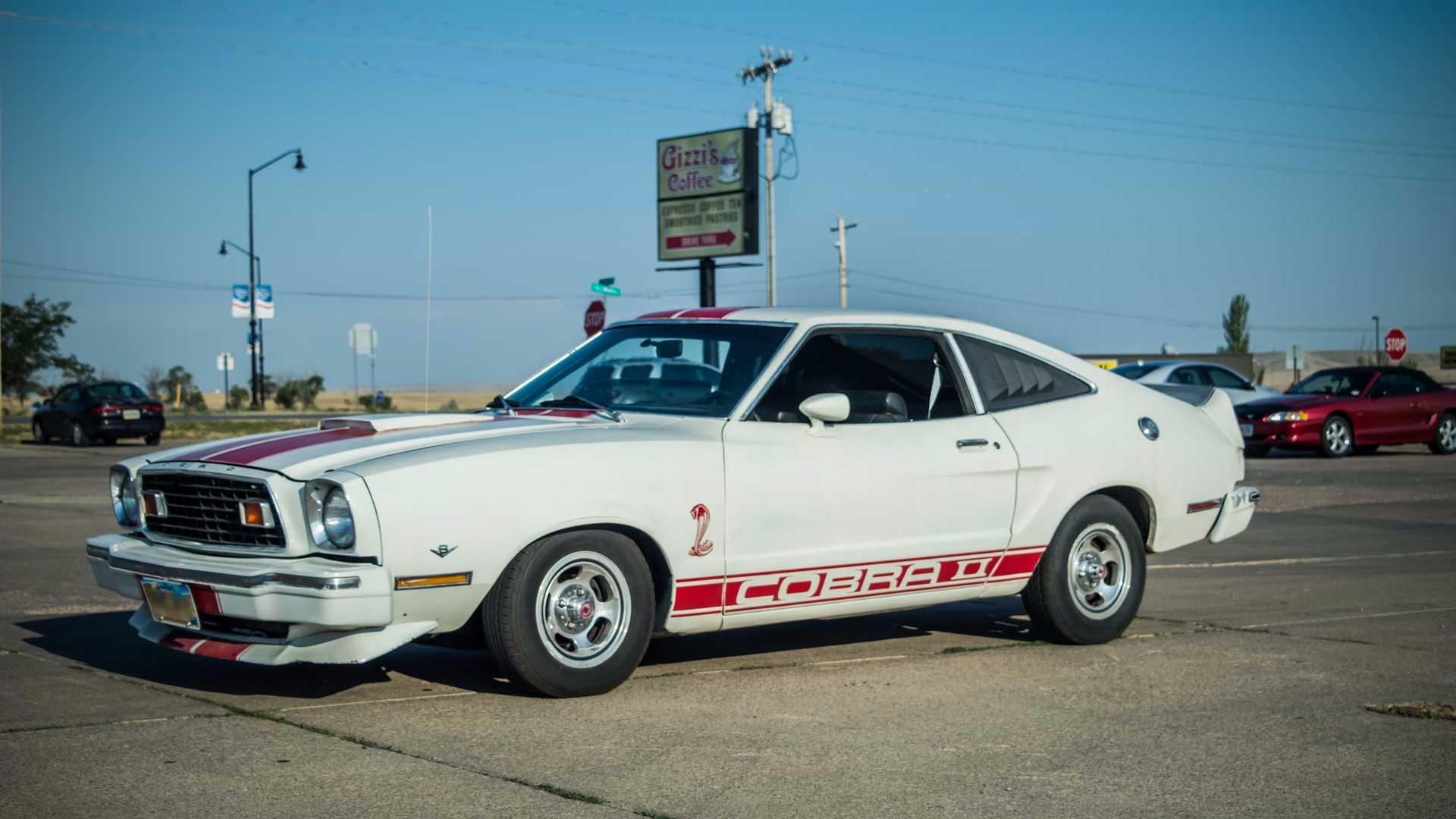
It offered a mix of practicality and style, combining familiar Mustang cues with a more efficient drivetrain. Special trims like the Cobra II and King Cobra added visual flair with stripes, spoilers, and distinctive emblems that appealed to buyers who wanted sportier looks without the heavy power output of previous generations.
Over the years, enthusiasts began to appreciate the Mustang II’s role in keeping the Mustang name alive during tough industry conditions. Without this model’s strong sales and relative efficiency, the Mustang line might have faded permanently.
Instead, it carried the brand through a transitional era until newer performance‑oriented Mustangs returned in the late 1970s and early 1980s. That narrative of survival adds depth to its current reputation.
Today, Mustang II models often draw respect for their honest reflection of mid‑1970s automotive priorities, efficient, lighter weight, and styled in ways that feel distinct from other Mustangs. While they don’t match earlier muscle cars in performance, they illustrate how a beloved nameplate adapted to economic challenges.
The result is a car that now elicits fond nostalgia and collector interest for its place in Mustang history and its evolution during a defining moment for American cars.
4. Chevrolet El Camino
The fifth‑generation El Camino combined the comfort of a coupe with the utility expected from a pickup, a blend that made it uniquely versatile in the Malaise Era context.
Built on General Motors platforms, the El Camino carried many of the same trims and styling cues as contemporary coupes but translated them into a car‑based truck layout that appealed to owners who needed practicality without giving up style. Even as engines were downsized and tuned for emissions compliance, many El Caminos offered robust torque and usable power for everyday tasks.
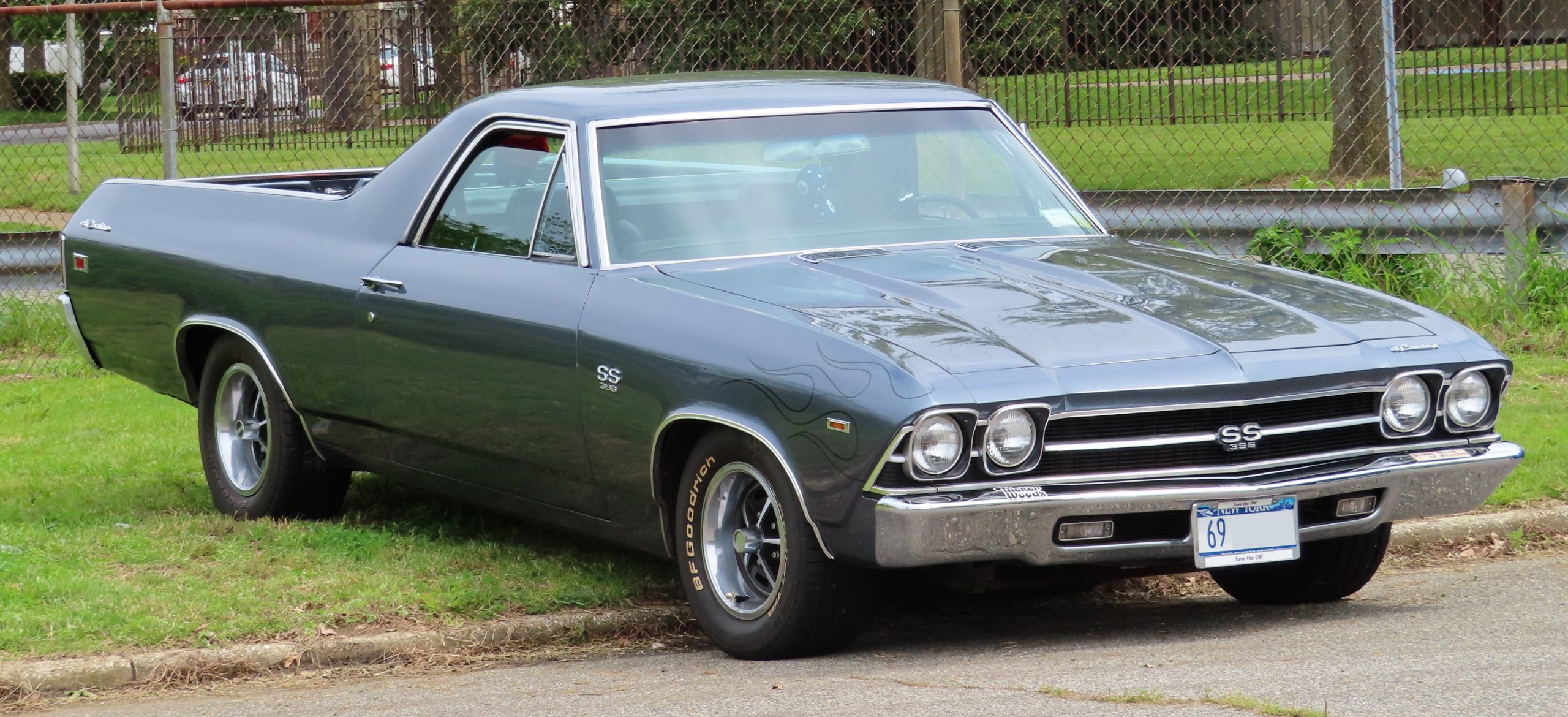
SS trims and V8 options helped retain performance credibility through much of its production span, providing drivers with spirited throttle response and the classic rumble associated with American V8 engines.
Even when horsepower numbers tightened due to regulatory shifts, the platform’s torque and handling kept the El Camino engaging on the road. Collectors now see this combination as a strength that underlines the vehicle’s character.
At shows and cruise nights today, the El Camino attracts attention for its bold stance and unique silhouette that bridges the gap between truck and car. Whether restored to original spec or customized with modern upgrades, these models often serve as conversation pieces that highlight the creativity of American automotive design during a challenging era.
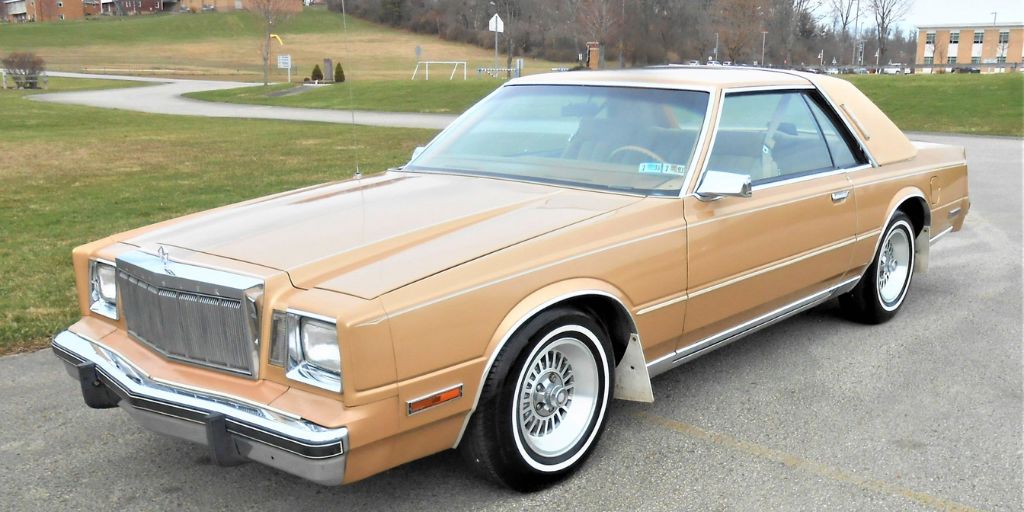
5. Chrysler Cordoba
The first‑generation Chrysler Cordoba was Chrysler’s answer to the personal luxury coupe trend that swept the American market in the 1970s. With plush interior appointments, bold exterior lines, and distinctive trim elements like opera windows and prominent grille treatments, the Cordoba emphasized comfort and image over raw performance.
It catered to drivers who valued presence and isolation from road noise over acceleration figures, reflecting the decade’s broader shift toward refined cruising experiences.
Marketing for the Cordoba leaned heavily into lifestyle imagery, with campaigns that focused on sophistication and exclusivity. Catchphrases referencing its luxurious leather seats became touchstones of pop culture and helped the model stand out in a crowded field of mid‑size coupes. This brand identity contributed heavily to its lasting impression among collectors and enthusiasts.
Ride quality was a central priority, and the Cordoba delivered a smooth and composed driving experience that contrasted with more performance‑charged vehicles of earlier years. With an emphasis on ergonomics and interior luxury materials, it offered a touring experience rather than a brute force driving feel. This focus on comfort now reads as a distinct and appealing characteristic in a classic coupe.
Today, restored Cordobas often draw admiration for their unapologetically 1970s aesthetic. The blend of plush seating, rich color options, and prominent styling details makes them stand out in a crowd of more familiar classic coupes. What was once seen as overly indulgent now feels evocative of a unique design moment in American car history.
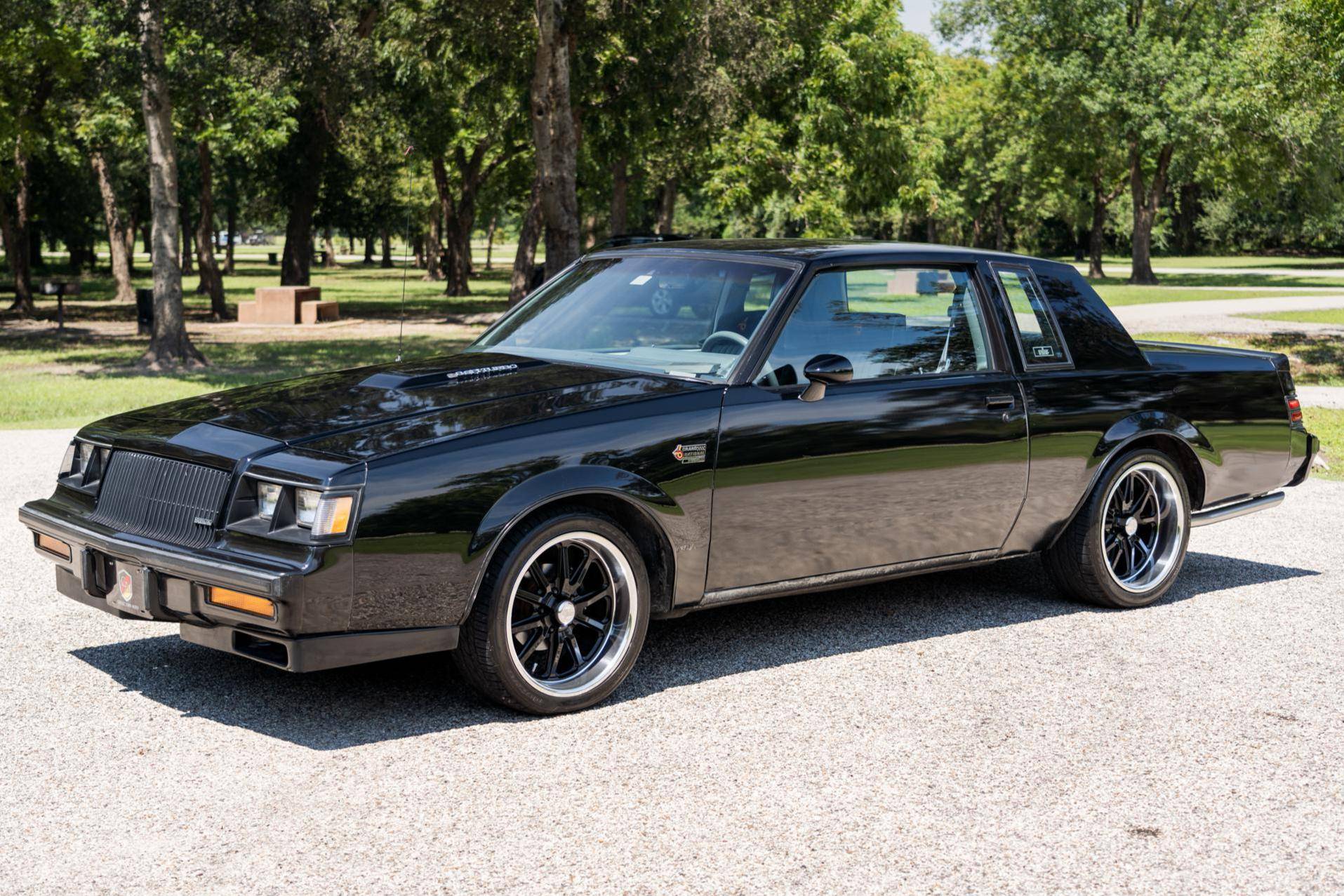
6. Buick Regal Grand National
The Buick Regal Grand National became one of the most surprising success stories of the Malaise Era when Buick revived the Regal nameplate with performance intentions. When it returned in 1984, the Grand National was exclusively painted black, featured a turbocharged 3.8‑liter V6 engine with sequential fuel injection, and stood out sharply among its contemporaries.
The first turbo Grand Nationals made around 200 horsepower and about 300 lb‑ft of torque, figures impressive for the time and far above typical V8 outputs in some competitors. This combination of forced induction and rear‑wheel drive quickly earned a reputation for being faster than many expected given the period’s regulatory limitations.
The visual identity of the Grand National also played a key role in its appeal. The all‑black exterior, matched with black trim, wheels, and minimalist brightwork, gave the car a bold, purposeful look that contrasted sharply with the colorful palette of many Malaise Era vehicles.
While other coupes of the period often wore more decorative treatments, the GN’s serious demeanor suggested speed and attitude with no apologies. This helped the model maintain emotional appeal even for drivers who had little interest in technical specifications.
Today, the Regal Grand National is widely acknowledged as one of the coolest performance cars of the 1980s, a machine that defied expectations and carved out its own legend. Enthusiasts appreciate it not only for its straight‑line pace but also for how it represents a turning point when turbocharging became a viable performance tool for domestic vehicles.
What once was perceived as a niche performance oddity now stands proudly alongside more celebrated muscle cars, recognized for its unique contribution to automotive history.
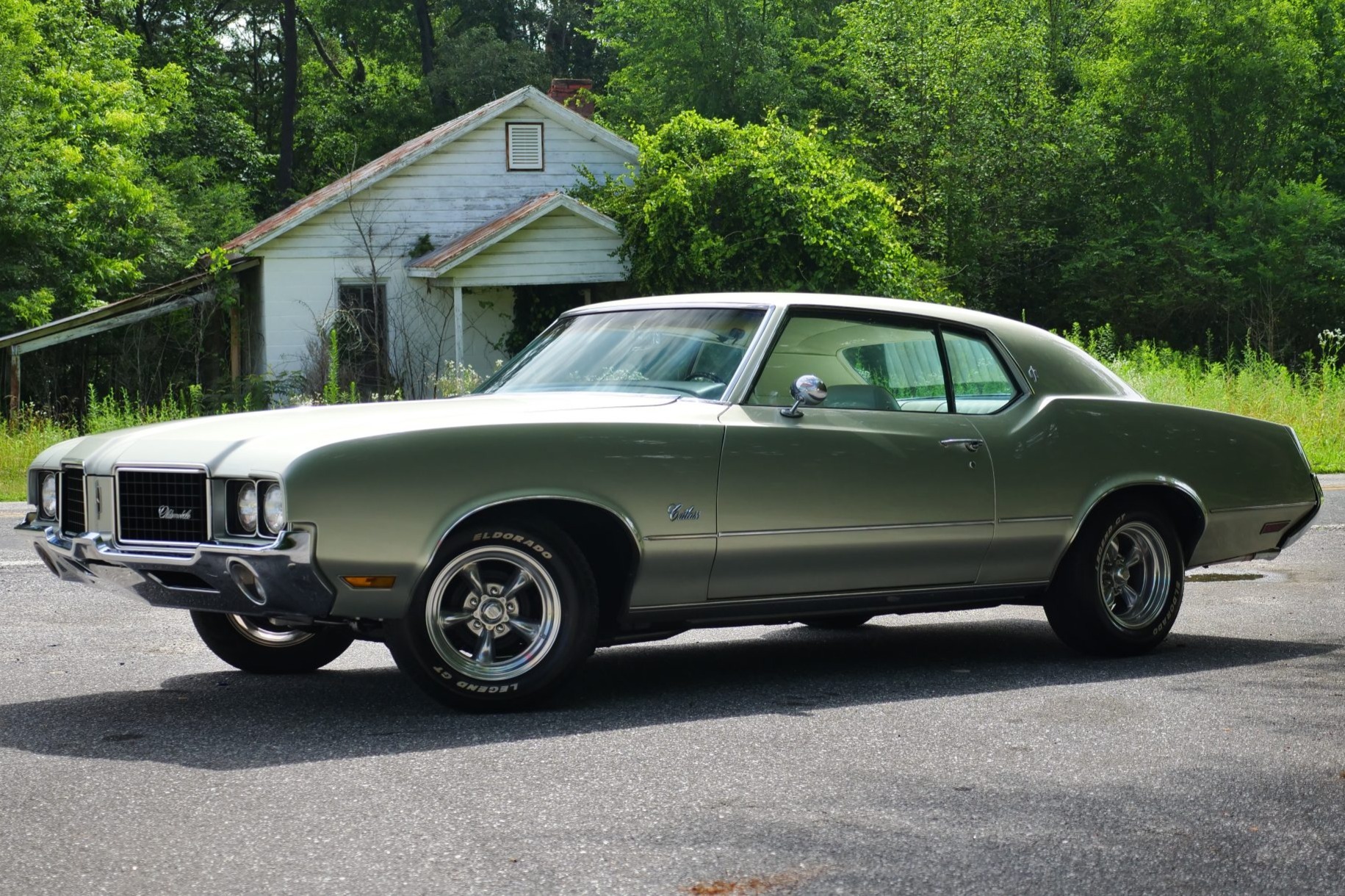
7. Oldsmobile Cutlass Supreme
The Oldsmobile Cutlass Supreme was a defining model for its brand through the late Malaise Era and became one of the most recognized nameplates of the decade. Built on GM’s rear‑wheel‑drive G‑body platform during much of this period, it offered comfortable seating, smooth ride quality, and a commanding presence on the road.
While not always the fastest in a straight line, the Cutlass Supreme balanced refinement and performance in a way that made it appealing to a broad range of buyers.
Its styling reflects the era’s tastes with long, sleek profiles and understated ornamentation, making the cutlass stand out in a way that feels classic rather than overly decorative. T‑tops were an especially desirable option for those seeking a more open cruising experience, and interior comfort was often praised for its supportive seats and well‑appointed cabin.
This blend of everyday usability and tasteful design made the Cutlass Supreme a common choice for families and casual drivers alike.
Collectors today enjoy the Cutlass Supreme for its variety of configurations and the nostalgia it evokes. Well‑preserved models showcase how automakers attempted to balance performance, comfort, and emissions compliance during a period of rapid change in automotive engineering.
The relatively large number of surviving examples also means that enthusiasts can find a wide range of trims and years to suit different interests, from restored stock cars to lightly modified cruisers.
Although it never commanded the same halo status as performance icons like the Grand National or GNX, the Cutlass Supreme’s strong sales, broad appeal, and flexible platform have helped it earn a growing level of respect. Its resurgence among collectors exemplifies how models once dismissed as “plain” have become treasured for their representation of a distinct era in American automotive history.
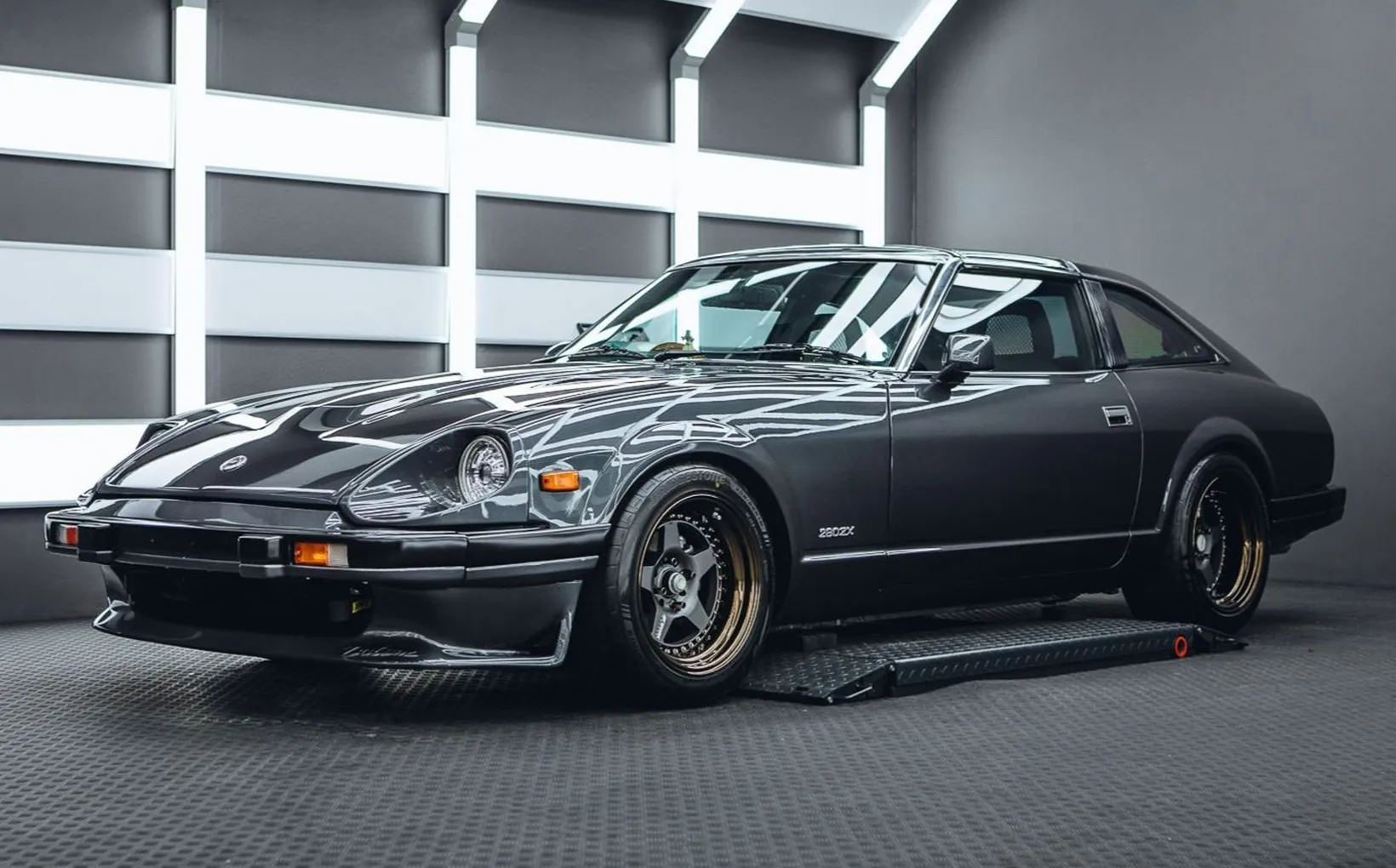
8. Datsun 280ZX
The Datsun 280ZX marked an important evolution in Nissan’s celebrated Z‑car lineage, moving toward greater refinement and comfort while retaining the sporting character that had made earlier Z models iconic.
It was introduced as the successor to the 280Z and emphasized improved road manners, better noise insulation, and more features aimed at grand touring rather than raw competition. The 280ZX maintained the classic long‑hood, short‑deck proportions that defined the Z series, making it immediately recognizable worldwide.
Inside, the 280ZX offered technological touches that were advanced for the time, such as better instrumentation, improved seating, and optional creature comforts that elevated it above simpler sports cars. These features helped bridge the gap between pure sportiness and everyday usability, making it a more practical choice for drivers who valued both performance and refinement.
The 280ZX holds a special place for many collectors today because it represents a transitional phase in Japanese sports car design, combining the pure enthusiast focus of early Z cars with the comfort demands of a broader global market. Enthusiasts who grew up with these cars often recall their smooth handling, distinctive sound, and balanced character fondly.
As interest in Japanese classics continues to rise, the 280ZX’s reputation has grown accordingly. Availability of parts, active enthusiast communities, and the car’s distinct design compared to later models all contribute to its appeal. Many collectors now value it as a key piece in the timeline of sports car evolution rather than just a footnote between generations.
9. Lincoln Continental Mark V
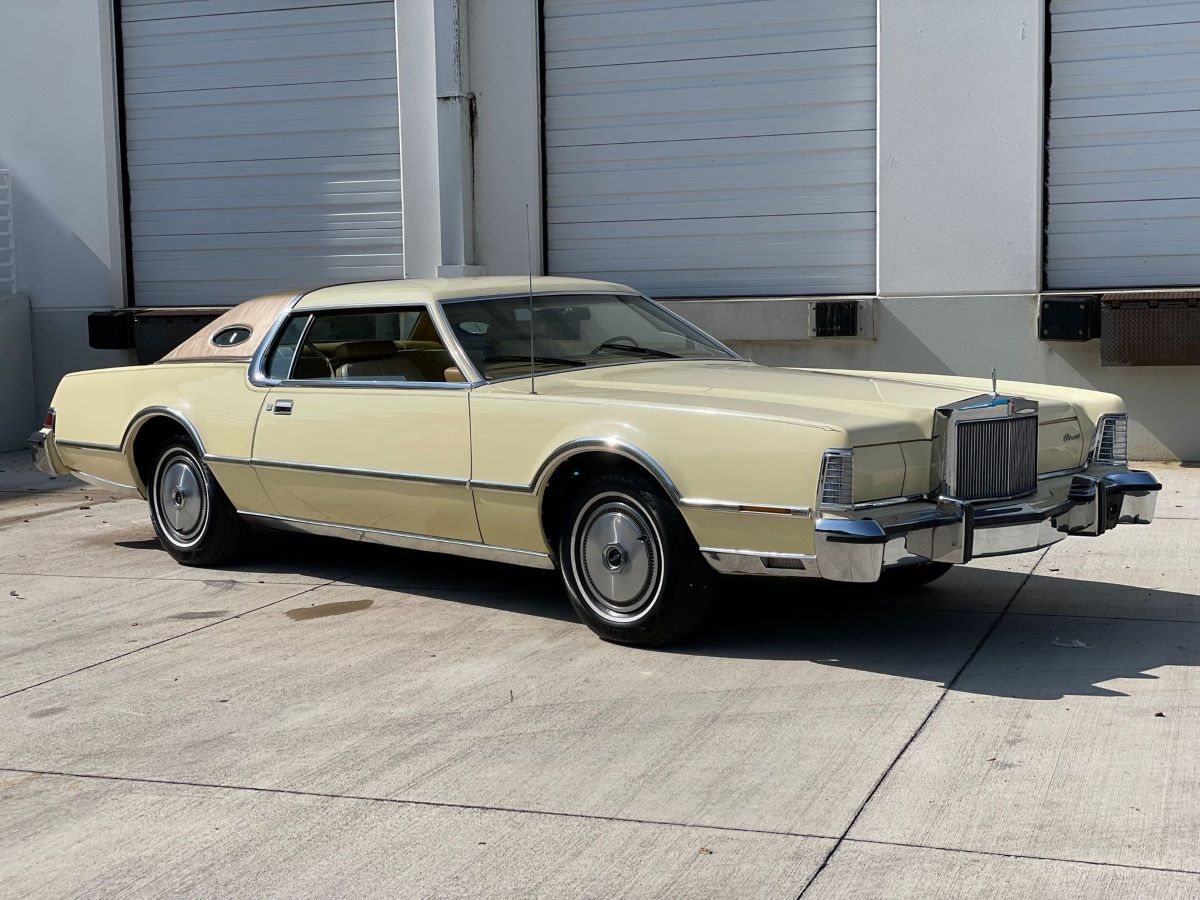
The Lincoln Continental Mark V is one of the most recognizable personal luxury coupes of the late 1970s, offering a blend of opulent comfort and distinctive styling that defines the Malaise Era’s luxury aspirations.
It was the longest two‑door coupe ever marketed by Ford, featuring a formal roofline, plush interior, and an imposing presence on the road that rivaled land yachts of previous decades. With options like the Diamond Jubilee Edition and designer collaborations, the Mark V emphasized luxury as its core identity.
Power came from large V8 engines typical of the time, including 400 and 460 cubic‑inch units that delivered smooth, effortless torque well suited to relaxed cruising.
These engines were paired with automatic transmissions that prioritized ease of use over performance, reflecting the car’s emphasis on comfort rather than sportiness. Ride quality was cushioned and quiet, creating an experience more like sitting in a living room than driving a traditional performance vehicle.
Design details such as hidden headlights, opera windows, and expansive chrome accents gave the Mark V a distinctive presence that still resonates with collectors today. Its long hood and sweeping rear end make it unmistakable on the highway or at classic car events, where its sheer scale often draws attention and admiration.
Many of these cars were sold with plush, richly trimmed interiors that included power seats, climate control, and premium sound systems.
Today, enthusiasts prize the Mark V for its unapologetic grandeur and character. Rather than merely historical curiosities, well‑kept examples now reflect a bygone era of American automotive luxury that embraced size, flair, and comfort in ways few modern cars replicate. The Mark V’s revival among collectors underscores how perspective on luxury and design can shift over time.
10. Chevrolet Camaro
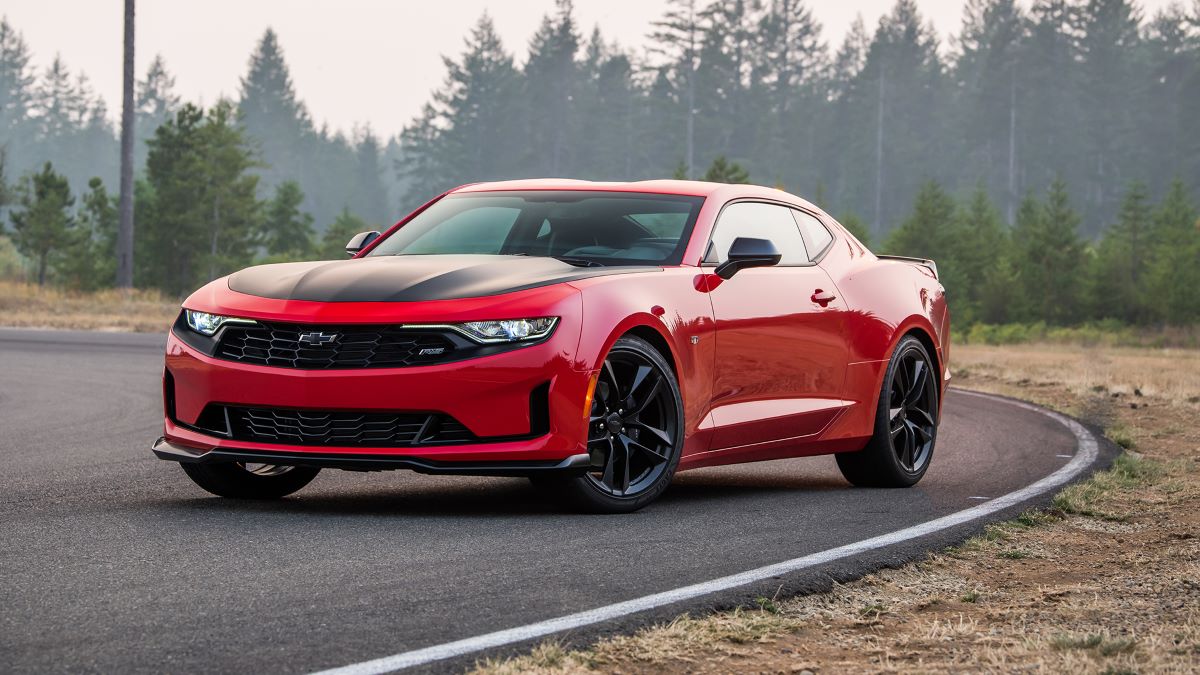
The second‑generation Chevrolet Camaro continued the Camaro legacy with refined styling, a range of trims, and a focus on balancing performance and efficiency. Released in 1978, this generation introduced body‑colored urethane bumpers, updated front and rear styling, and options like the Rally Sport and Type LT that allowed buyers to choose levels of equipment and aesthetics to match their tastes.
The sporty Z28 package remained a performance highlight, featuring V8 power and distinctive striping that helped maintain Camaro’s muscle car image even as horsepower fluctuated.
Camaro performance in this generation reflected its era, with engines tuned for smooth torque delivery in daily driving while still offering spirited acceleration when equipped with higher‑output V8s. The Z28 in particular balanced performance with traction and handling that made it competitive against many contemporary coupes despite regulatory constraints.
Enthusiasts appreciated how the suspension and chassis felt confident in corners and on open roads, making the car enjoyable beyond straight‑line runs.
The introduction of T‑tops, optional on many Camaros, added a distinctive open‑air experience that enhanced the car’s appeal without compromising structural integrity. Interiors offered comfortable seating and instruments that felt purposeful rather than purely utilitarian, helping make longer drives enjoyable.
The combination of styling details, available options, and performance packages provided many ways for owners to personalize their Camaro to suit individual expressions of taste and driving priorities.
Collectors and tuners alike have kept the second‑generation Camaro relevant by combining period‑correct performance upgrades with tasteful restoration projects.
Whether seen as a nostalgic cruiser or a platform for mild modifications, this generation’s Camaro stands as a testament to how thoughtful design and flexibility can create lasting appeal even during challenging automotive eras.
