
The 1990s produced some of the most memorable driver focused cars ever built, standing at the crossroads between mechanical purity and the rise of digital intervention. This era delivered machines that relied on cable throttles, hydraulic steering racks, naturally aspirated engines, and manual transmissions that demanded skill rather than assistance.
Before stability systems became dominant and large infotainment screens took over dashboards, these cars connected drivers directly to the road through vibration, sound, and steering feel.
The result was an experience that felt alive in a way that many modern vehicles struggle to replicate. Enthusiasts often look back at the 1990s as a golden age because engineers prioritized feedback and balance rather than outright electronic optimization.
What defines an analog driving experience is not simply the absence of technology, but the presence of communication. A light chassis that responds instantly to steering input, a clutch that requires careful modulation, and an engine that builds power progressively all contribute to a sense of partnership between human and machine.
In the 1990s, manufacturers from Japan, Europe, and America each approached this philosophy differently. Some focused on high revving precision, others on raw torque and chassis balance, and a few emphasized minimal weight above all else. Despite their differences, they share a common trait: they reward skill and attention.
Many of these cars have since become icons, appreciating in value and reputation. Models such as the Mazda MX-5 Miata NA and the Porsche 911 Carrera 993 are praised for their steering feel and mechanical engagement. Japanese performance legends like the Honda NSX and the Toyota Supra MK4 continue to attract loyal followings.
Even American muscle saw a renaissance in analog character through machines like the Dodge Viper RT/10, which prioritized raw performance over comfort. These cars represent a time when driving demanded involvement.
This article highlights ten standout 1990s cars that deliver the most authentic analog driving experience. Each offers a unique perspective on what makes a car engaging, from featherweight roadsters to high revving supercars and torque heavy muscle machines.
They may differ in layout, power output, and philosophy, but all share a dedication to mechanical honesty. For drivers who value feedback over filters and precision over automation, these machines continue to set the benchmark for what an engaging car should feel like on the road.
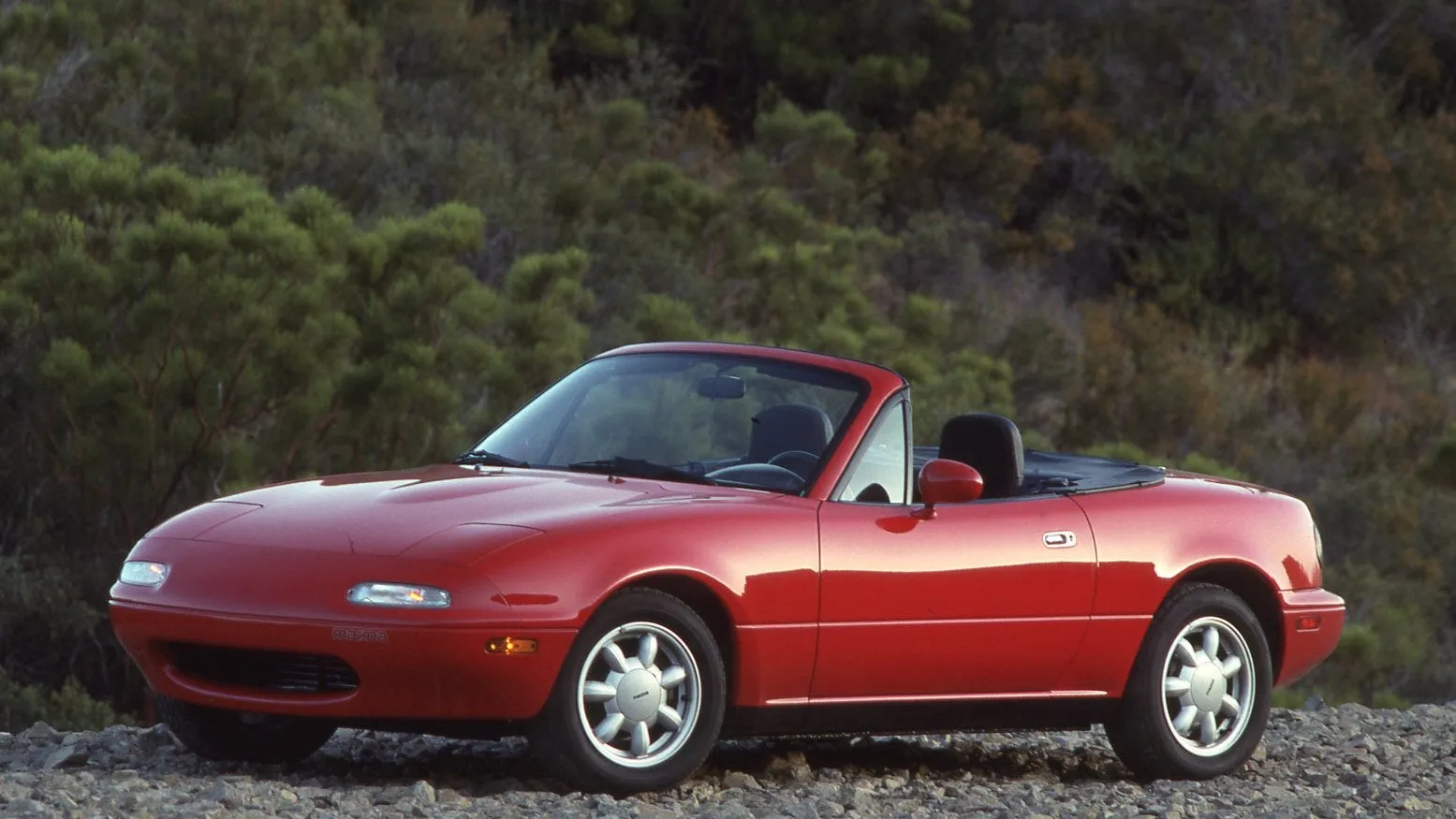
Mazda MX-5 Miata NA
The original NA Miata set the standard for lightweight sports cars in the 1990s. Its compact dimensions and modest power forced drivers to focus on momentum and clean lines rather than brute acceleration.
The steering was quick and full of texture, transmitting every ripple in the pavement through the wheel. With a simple cabin and minimal driver aids, it felt honest and approachable.
Its naturally aspirated four cylinder engine encouraged high revs without overwhelming the chassis. Because the power output was modest, drivers could use full throttle frequently without fear. The five speed manual gearbox delivered crisp shifts and rewarded smooth inputs. This made it ideal for learning the fundamentals of car control.
Balance was the Miata’s defining trait, with near perfect weight distribution. Turn in was predictable, and mid corner corrections felt intuitive rather than dramatic. The rear wheel drive layout allowed gentle oversteer when provoked, adding character without intimidation. It delivered fun at legal speeds, which remains rare.
The suspension design emphasized communication rather than isolation. Body roll was present, yet progressive and easy to manage. Instead of masking feedback, the chassis translated it directly to the driver’s hands and seat. This transparency built confidence and encouraged spirited driving.
Affordability and reliability helped the NA Miata become a global favorite. It proved that engaging driving did not require excessive horsepower. Even decades later, it remains one of the purest expressions of analog motoring. Few cars demonstrate the joy of simplicity so clearly.
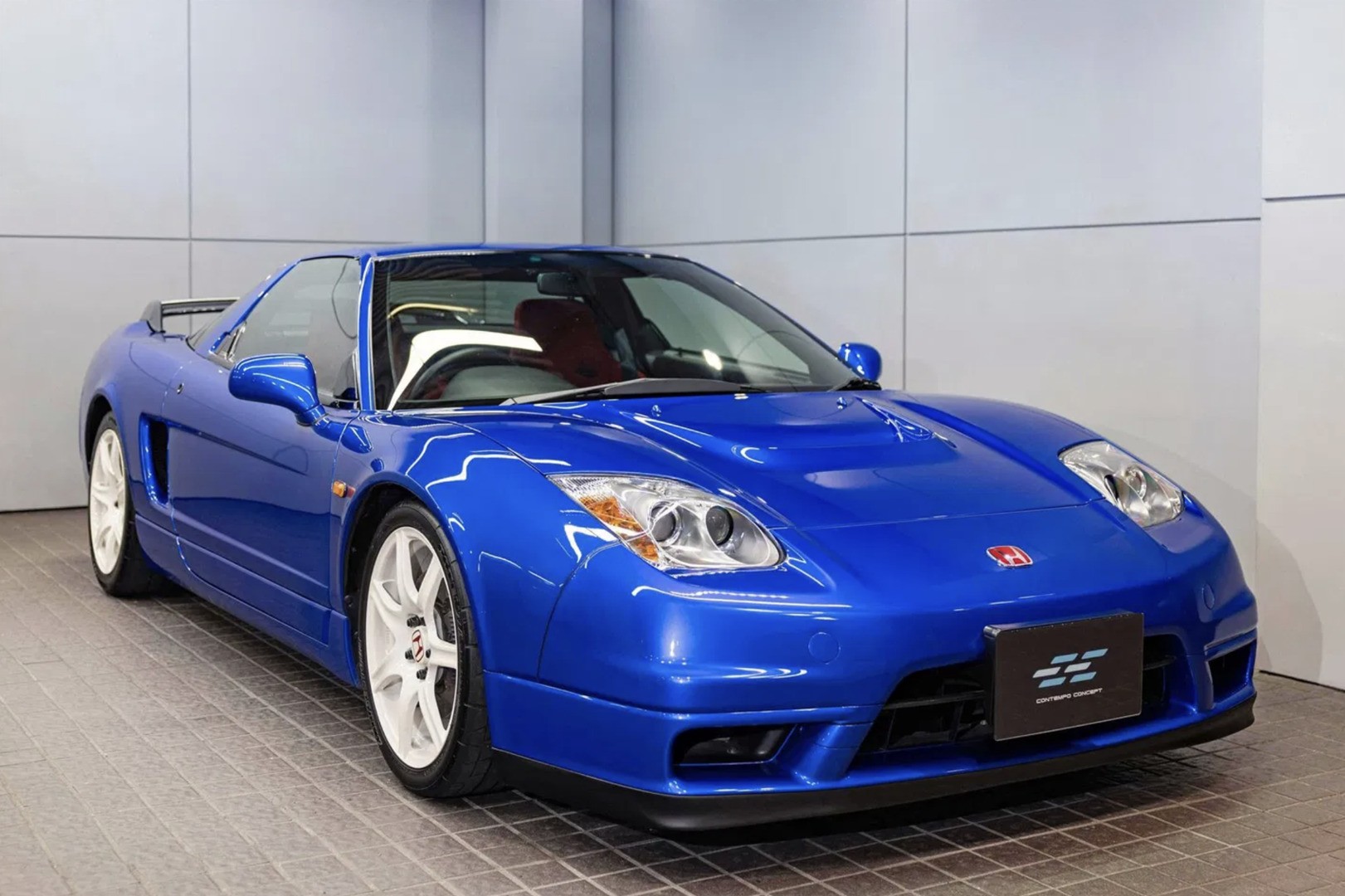
Honda NSX
The Honda NSX challenged established European supercars with precision engineering. Built with an aluminum chassis and mid engine layout, it combined balance with everyday usability. Steering feel was razor sharp, and inputs were met with immediate response. It felt engineered around the driver rather than the badge.
Its V6 engine delivered smooth, linear power all the way to redline. The soundtrack intensified as revs climbed, encouraging drivers to explore the upper range. A perfectly weighted manual transmission enhanced engagement. Each shift felt deliberate and mechanical.
Unlike many supercars of the time, the NSX inspired confidence. Visibility was excellent, and ergonomics were carefully considered. This made it accessible without diluting performance. Drivers could push harder because the car communicated clearly.
Chassis tuning reflected lessons from racing, resulting in exceptional composure. Mid corner balance was stable, yet responsive to throttle adjustments. The car reacted to driver input rather than correcting it artificially. It rewarded skillful technique.
The NSX proved that analog engagement could coexist with reliability. It combined high performance with durability rarely seen in exotic cars. Its purity and precision continue to influence sports car design. Even today, it stands as a benchmark for driver focused engineering.
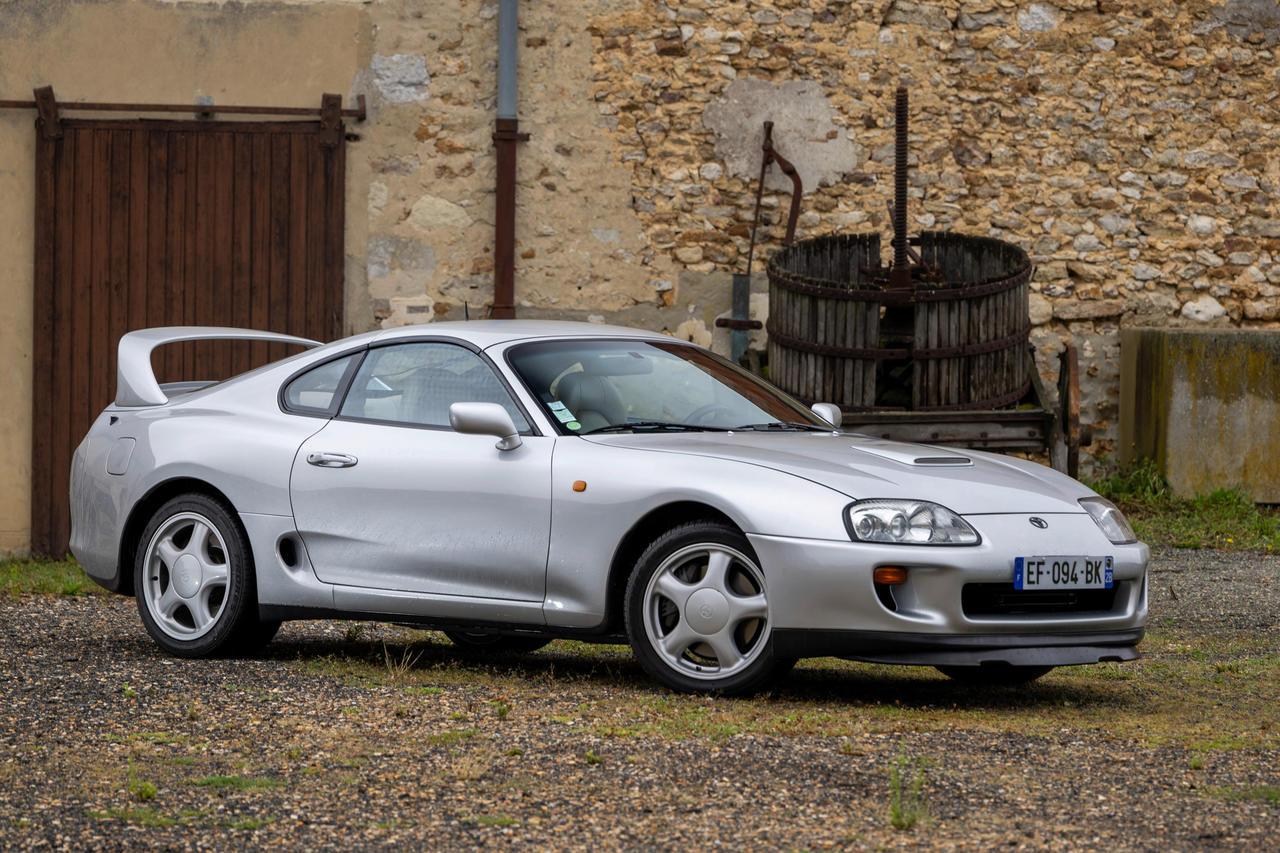
Toyota Supra MK4
The MK4 Supra became legendary for its robust engineering. Its inline six engine produced strong, smooth power with immense tuning potential. Even in stock form, throttle response felt immediate and mechanical. The rear wheel drive layout emphasized driver involvement.
The six speed manual gearbox required firm, confident shifts. Turbocharged acceleration built progressively, rewarding patience before unleashing power. Steering feel remained communicative despite the car’s weight. It balanced refinement with raw capability.
On winding roads, the Supra displayed surprising agility. The chassis maintained stability under heavy throttle. Drivers could adjust the car’s attitude with careful inputs. It felt planted yet lively.
Braking performance matched its straight line speed. Pedal feedback allowed precise modulation during aggressive driving. The suspension setup prioritized grip without excessive harshness. This created a composed yet engaging ride.
Cultural significance further elevated the Supra’s reputation. It symbolized 1990s Japanese performance at its peak. Beyond horsepower numbers, it offered tactile control and mechanical authenticity. That combination keeps enthusiasts returning to it.
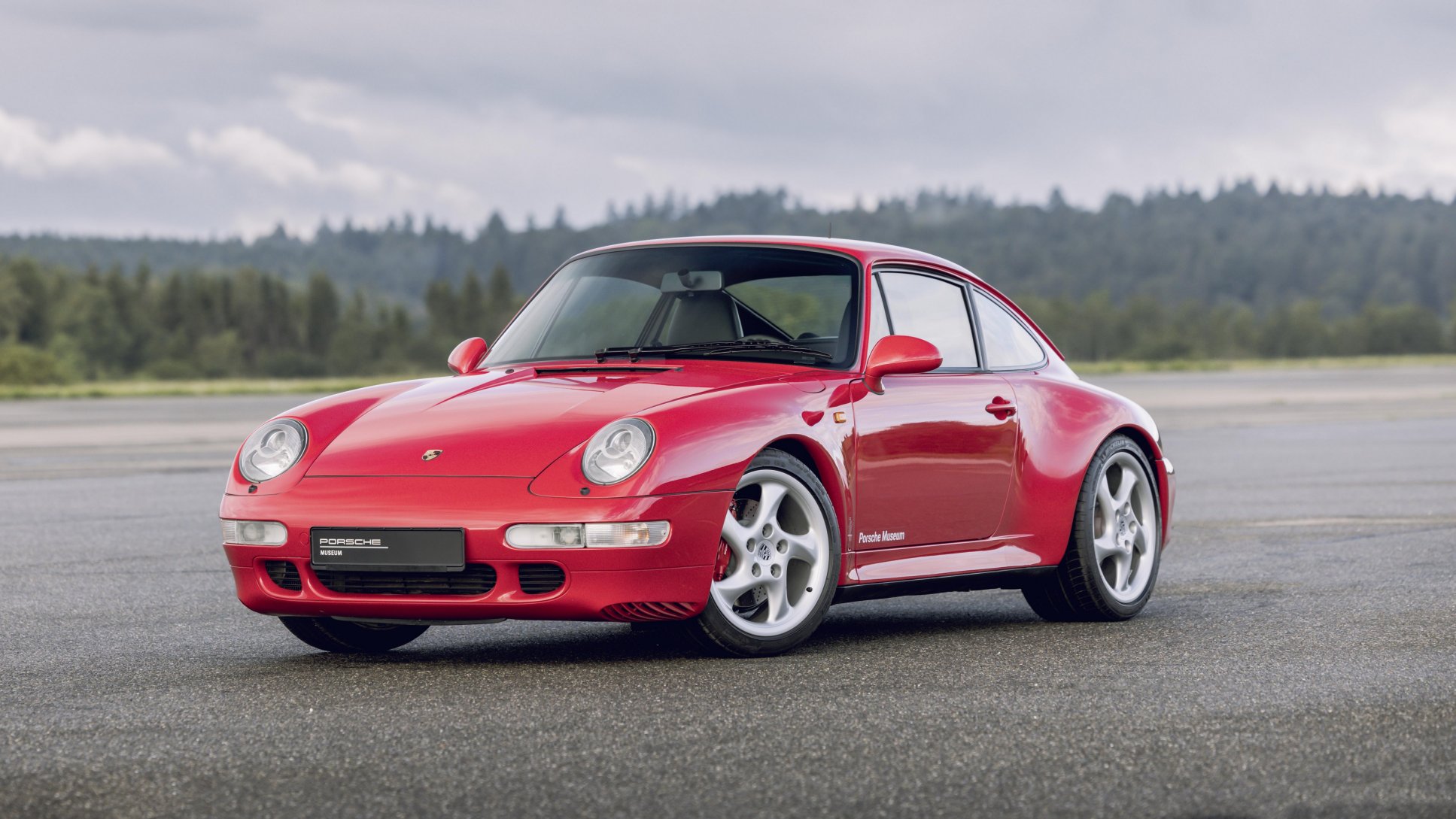
Porsche 911 Carrera 993
The 993 generation represents the final air cooled chapter of the 911 lineage. Its flat six engine produced a distinctive mechanical soundtrack. Power delivery felt linear and connected to throttle input. This created a uniquely engaging driving rhythm.
Steering was hydraulic and exceptionally detailed. Drivers could sense front tire grip with clarity. The rear engine layout demanded respect but rewarded skill. It felt alive under hard cornering.
The manual gearbox complemented the engine’s character. Each shift required intention and precision. Chassis feedback remained constant through high speed bends. The car communicated weight transfer transparently.
Braking and suspension systems emphasized control. Rather than isolating the driver, they conveyed surface conditions honestly. This fostered trust at elevated speeds. Mastery required attention and finesse.
As the last air cooled 911, the 993 carries historical significance. It captures the essence of traditional Porsche engineering. Mechanical sound and feel define its appeal. For many, it marks the end of a pure era.
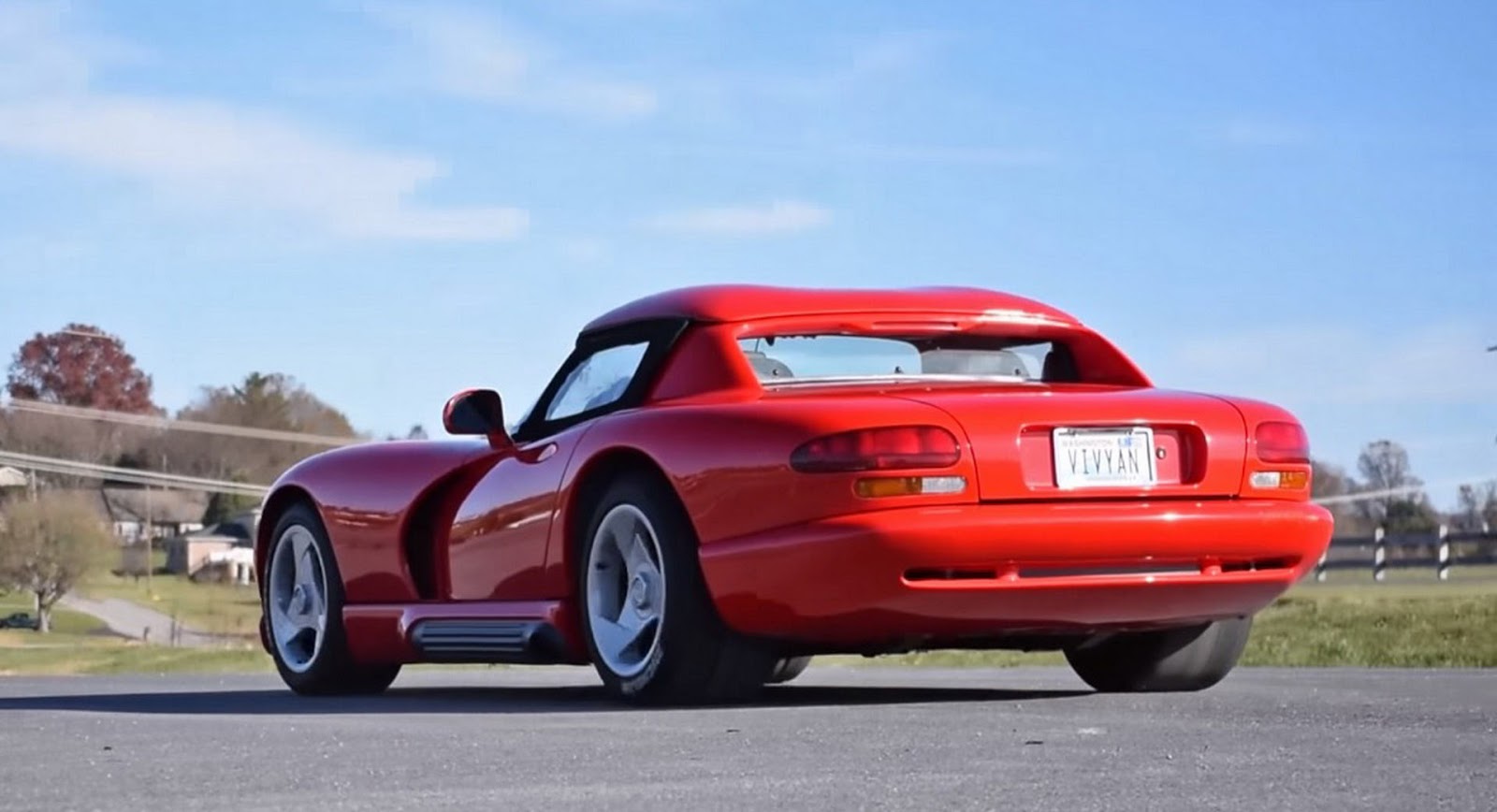
Dodge Viper RT/10
The Viper RT/10 embodied raw American performance. Its massive V10 engine produced immense torque. There were few electronic aids to temper its character. Drivers faced a machine that demanded respect.
Acceleration felt forceful and immediate. Throttle inputs translated directly into rear wheel movement. The six speed manual gearbox required strength and commitment. It reinforced the car’s uncompromising nature.
Handling was challenging yet rewarding. Wide tires provided grip, but balance required careful modulation. Oversteer was always within reach. Skill separated smooth driving from chaos.
The interior was sparse and focused. Comfort features were secondary to performance. This minimalism heightened the sense of purpose. Every drive felt intense.
The Viper stood apart from refined competitors. It prioritized sensation over sophistication. For those seeking an unfiltered experience, it delivered. Few cars feel as unapologetically mechanical.
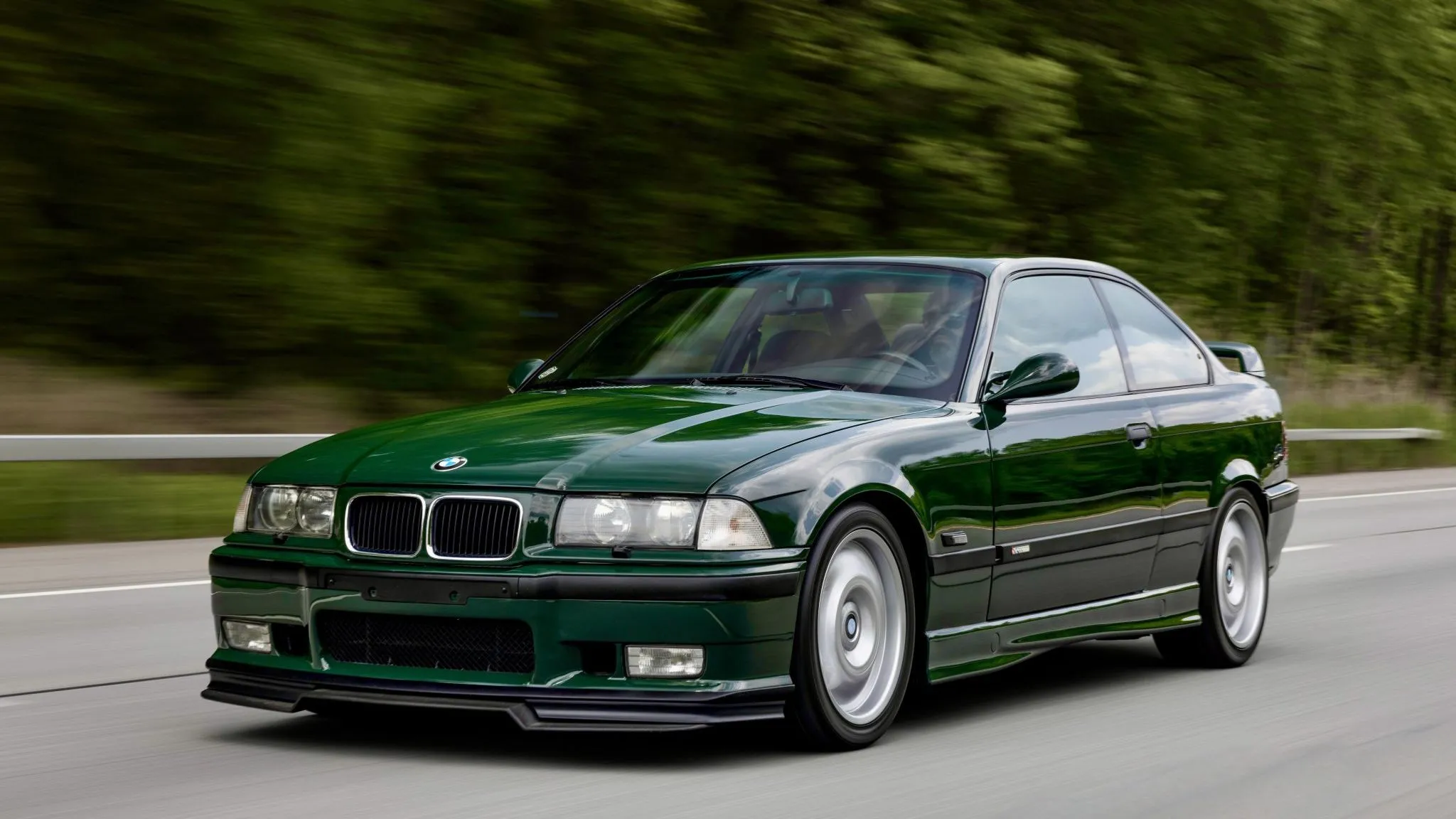
BMW E36 M3
The BMW E36 M3 is often celebrated as a driver’s car with a perfect blend of agility and power. Its naturally aspirated inline-six engine delivered smooth, linear acceleration that required thoughtful use of the throttle. With rear wheel drive, it provided engaging oversteer while remaining controllable for skilled drivers. The steering was precise and communicative, offering a direct connection to the road surface without digital intervention.
The chassis of the E36 M3 was finely tuned to reward momentum and balance. Cornering felt natural, and weight transfer was predictable during spirited maneuvers. Suspension geometry allowed the tires to stay planted, giving confidence in high-speed turns. Even on uneven surfaces, the car transmitted subtle feedback through the steering and seat, creating a fully immersive experience.
Inside, the cockpit emphasized the driver’s involvement. Manual gearboxes were crisp, requiring deliberate shifts that felt mechanical and satisfying. Pedals were well-placed, encouraging proper heel-toe techniques during spirited driving. Visibility was excellent, enhancing awareness and further connecting the driver to the car’s behavior in dynamic situations.
Braking performance was another strong point of the E36 M3. The brakes offered strong initial bite and predictable fade characteristics. Combined with a balanced chassis, this allowed controlled entry and exit in fast corners. Drivers could confidently push limits while feeling fully in command of the car’s responses.
The E36 M3 stands out as a 1990s car that balanced performance with accessibility. It combined the analog virtues of manual control and feedback-rich dynamics with everyday usability. This duality has cemented its reputation among enthusiasts who value the purity of driver engagement over electronic aids. Its driving essence remains unmatched for many enthusiasts today.
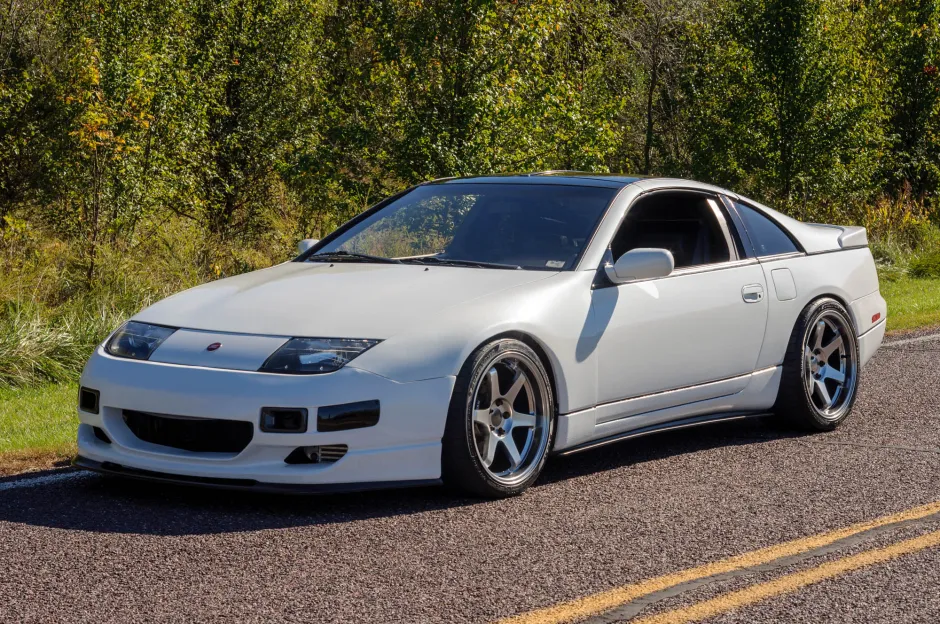
Nissan 300ZX Z32
The Nissan 300ZX Z32 introduced a combination of performance and refinement rare for its time. Its twin turbocharged V6 engine produced impressive power while maintaining smooth and linear throttle response. Steering was communicative and precise, giving drivers immediate feedback from the tires. The car retained a naturally engaging feel, despite its technological sophistication.
Suspension tuning balanced ride quality with sporty dynamics. Body roll was controlled, and corners could be approached with confidence. Rear wheel drive allowed drivers to feel the chassis reacting to throttle modulation. The combination of mechanical grip and responsive handling contributed to an analog driving connection.
The interior supported driver focus without unnecessary distractions. Gear shifts required precise footwork, and clutch engagement was rewarding to master. Ergonomics ensured that controls were intuitive and within reach. This setup emphasized skill over electronic correction, reinforcing the car’s mechanical nature.
Cornering stability remained one of the Z32’s defining traits. The chassis responded faithfully to input without artificial assistance. Traction remained predictable, encouraging confidence during spirited driving. The car rewarded anticipation and control, creating a strong sense of partnership between driver and machine.
The 300ZX Z32 combined performance, style, and mechanical engagement. While contemporary cars of its class were increasingly electronically mediated, this Nissan delivered an analog experience that required thought and skill. Its enduring appeal lies in the way it engages the senses while offering high-speed capability.
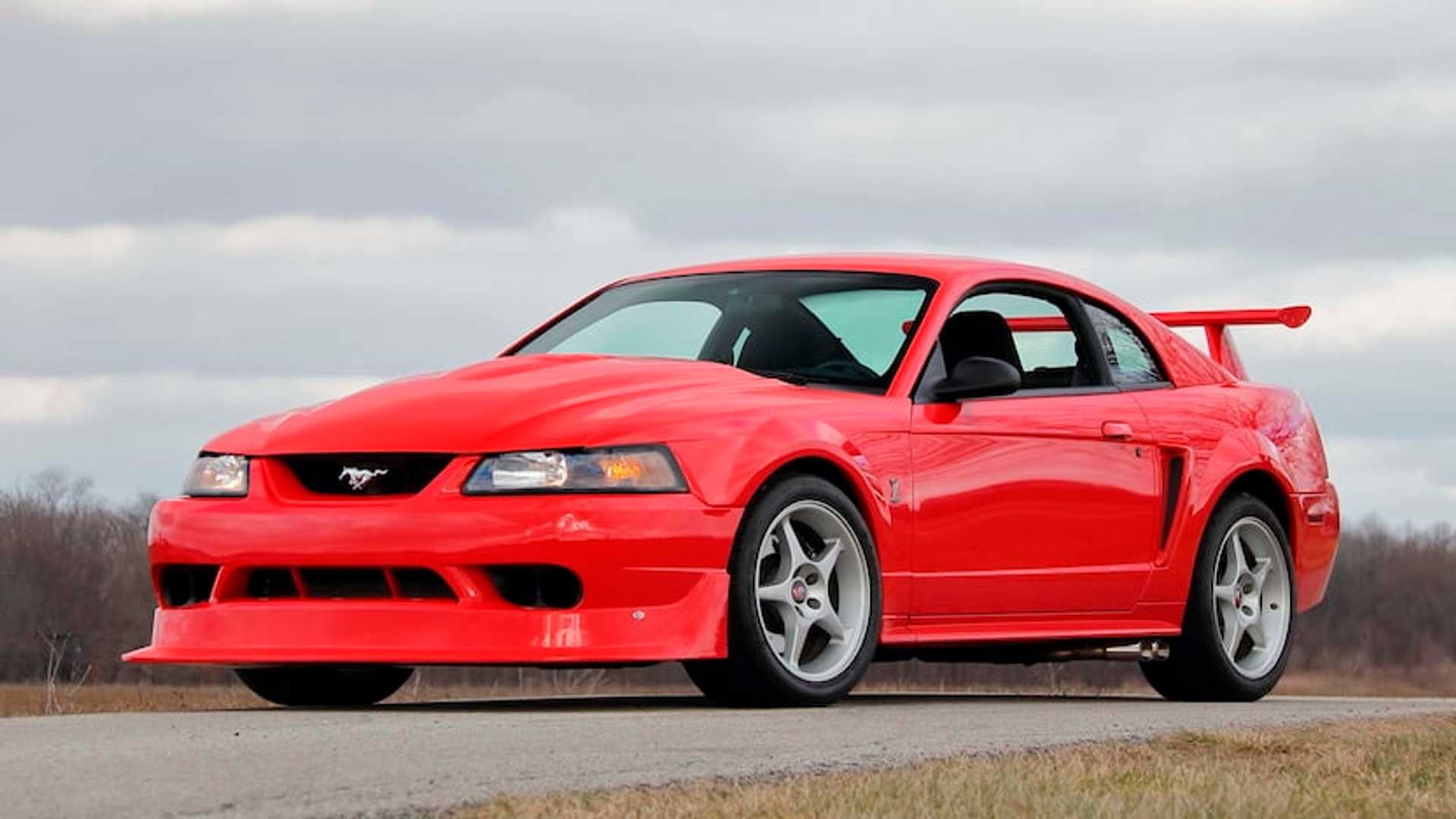
Ford Mustang SVT Cobra
The Ford Mustang SVT Cobra represented the peak of analog American muscle in the 1990s. Its naturally aspirated V8 produced immediate and raw power. Throttle inputs translated directly into acceleration, with minimal intervention from traction aids. Drivers experienced the full intensity of torque through the rear wheels.
Handling was balanced for its weight class, with suspension tuned to minimize excessive body roll. Steering feedback, though heavier than lighter sports cars, provided sufficient information for confident cornering. The car could be controlled with careful modulation of throttle and steering inputs, rewarding skillful driving. The analog character was evident in every bend.
Inside, the Cobra emphasized functionality over luxury. The manual gearbox required strong and deliberate shifts, adding to the mechanical engagement. Pedal spacing encouraged precise heel-toe coordination, and driver focus was paramount. The simple cabin reinforced the car’s purpose-driven design.
Braking performance was robust, with strong initial bite and predictable fade during spirited runs. The car required active input to manage weight transfer in corners, emphasizing driver involvement. This ensured that even at higher speeds, the vehicle communicated effectively through the chassis. Drivers had to earn performance with attention and skill.
The SVT Cobra remains a symbol of unfiltered driving from the 1990s. It combined raw power, mechanical feedback, and driver involvement. Unlike modern muscle, which often relies on electronics, the Cobra demanded connection and awareness. Its analog essence continues to appeal to enthusiasts who value hands-on performance.
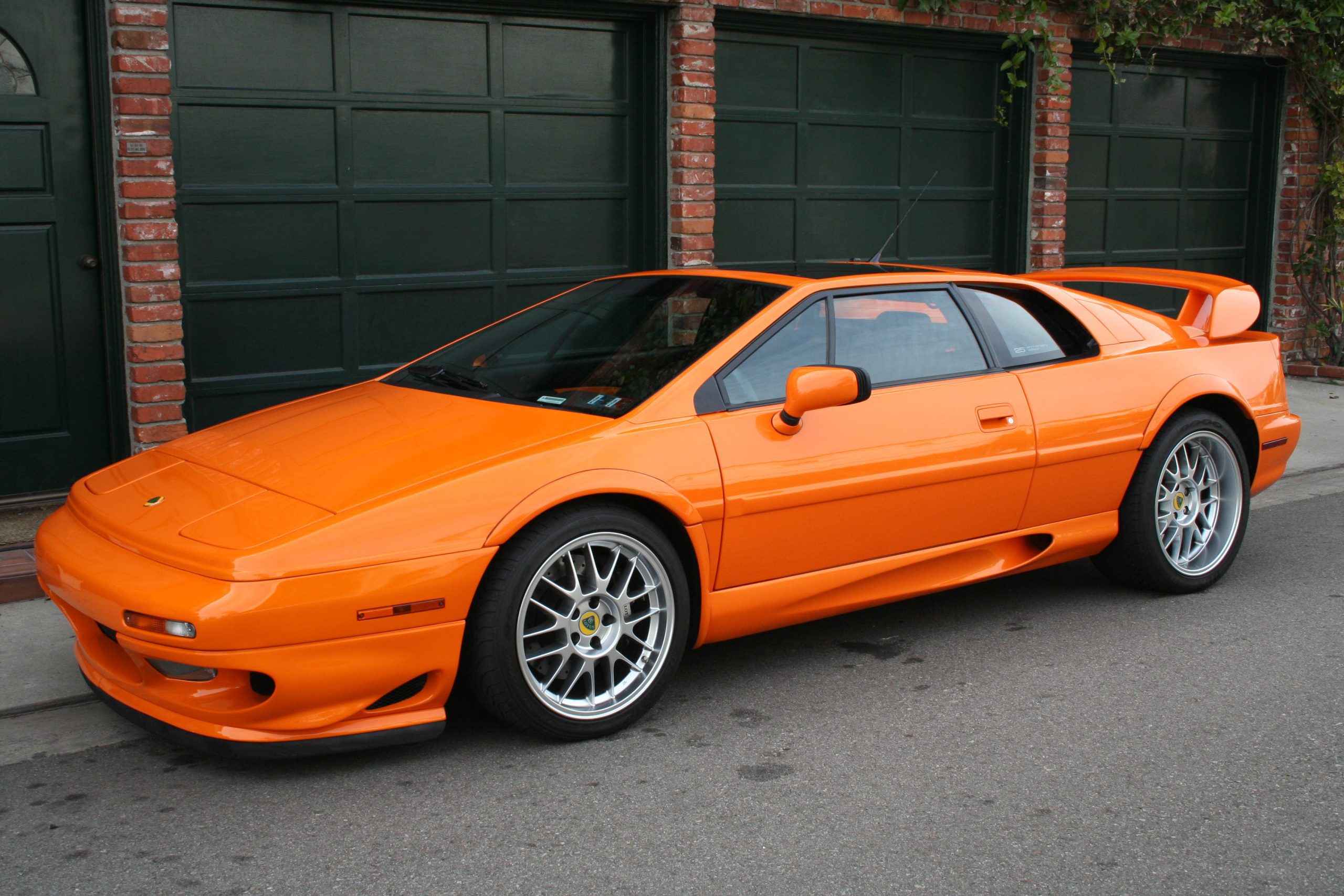
Lotus Esprit V8
The Lotus Esprit V8 delivered high-performance handling with unmistakable analog feedback. Its mid-mounted V8 engine produced linear, responsive power while maintaining excellent weight balance. Steering was direct and weighted, providing immediate information about tire grip. Drivers experienced a connected feel that few supercars of the era could match.
Chassis dynamics were a standout feature. The suspension was firm yet controlled, allowing precise placement through corners. The car could rotate with throttle modulation, rewarding subtle adjustments. Weight distribution enhanced stability and allowed drivers to feel the car’s intentions, creating a mechanical dialogue during spirited driving.
The cockpit design promoted focus on driving. Gear changes were deliberate, with a precise gated manual gearbox. Pedal feel encouraged confident modulation, especially during aggressive maneuvers. Visibility, rare for mid-engine cars, allowed clear awareness of the road and corner entries.
Handling characteristics required attention and skill. Oversteer could be induced deliberately, and understeer remained manageable with proper input. The car did not mask its behavior with electronics, emphasizing the driver’s role in maintaining balance. This transparency elevated the driving experience to a rewarding level.
The Esprit V8 remains a testament to analog sports car design. Its combination of responsive engine, precise chassis, and unfiltered feedback made it one of the most engaging cars of the 1990s. Enthusiasts remember it for the connection it provides, the kind that digital aids cannot replicate.
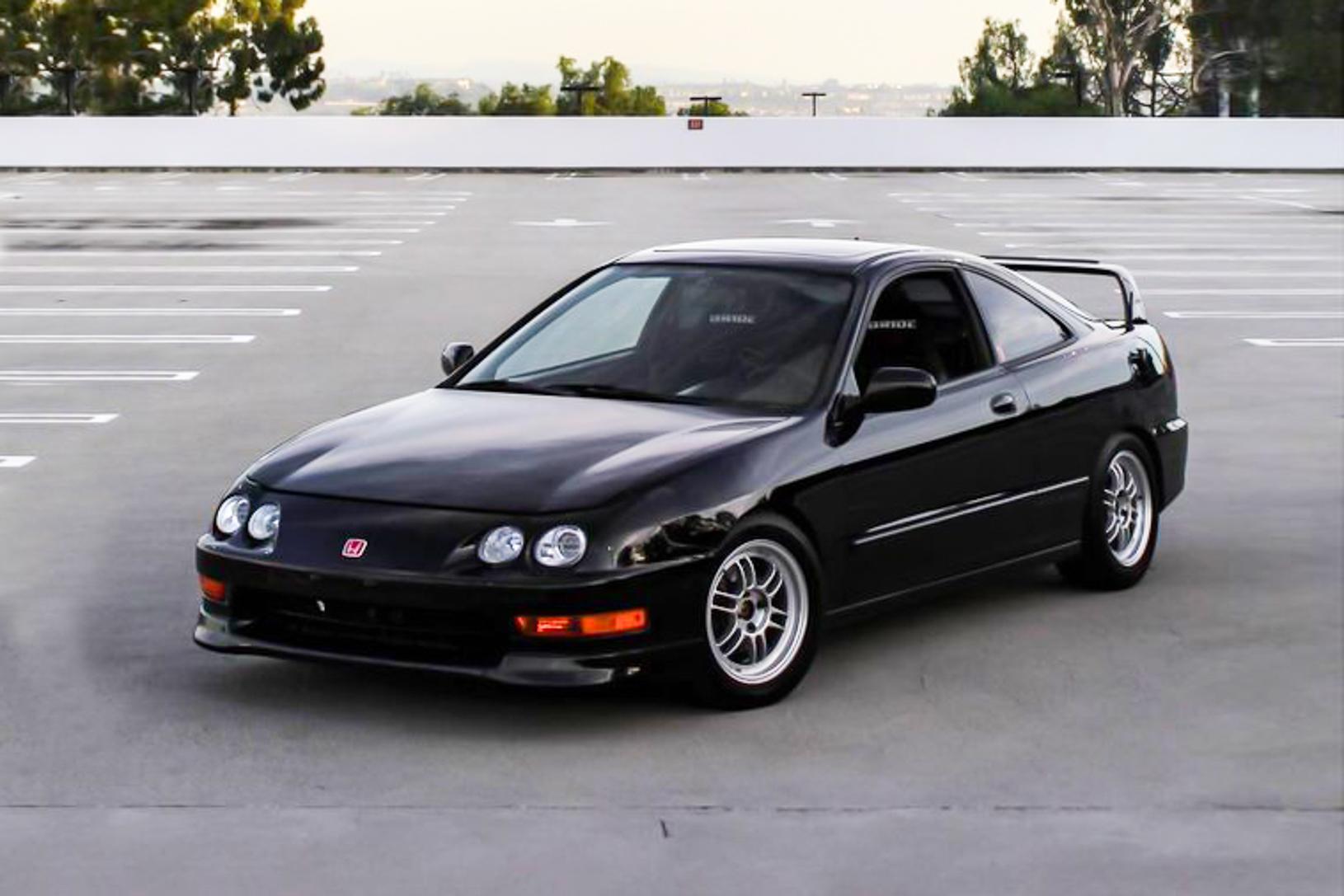
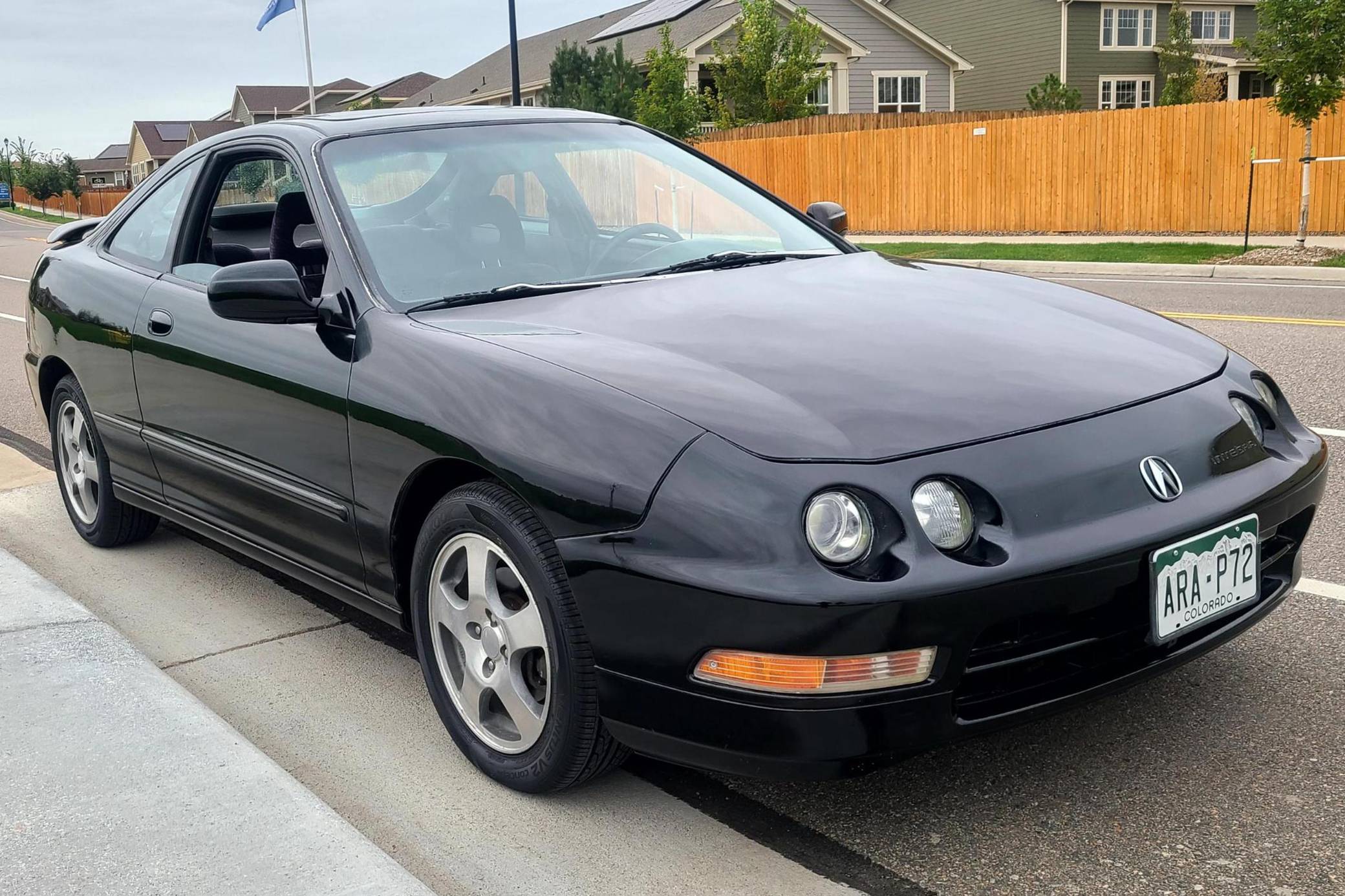
Acura Integra GS-R
The Acura Integra GS-R combined practicality with a lively analog driving experience. Its naturally aspirated four cylinder engine delivered high revs and immediate throttle response. Steering was precise and communicative, with minimal electronic filtering. The car rewarded smooth inputs and careful attention to momentum.
Suspension tuning emphasized cornering balance. Body movement was controlled, and grip was predictable even at high speeds. The front wheel drive layout did not compromise engagement, and the car encouraged thoughtful throttle modulation. Drivers could feel weight transfer in each maneuver.
The interior was driver-focused, with a precise manual gearbox requiring clean shifts. Pedal placement allowed confident heel-toe work, promoting skillful driving habits. Controls were intuitive and reachable, enhancing concentration on driving. The cabin encouraged focus without distraction.
Handling was lively, yet manageable. The chassis could rotate under power with correct input, and braking was direct and reliable. Steering and suspension feedback were consistent, giving confidence in dynamic situations. Each drive demanded attention and rewarded skill.
The Integra GS-R represents an accessible analog sports car from the 1990s. Its combination of rev-happy engine, responsive chassis, and driver engagement makes it memorable. Enthusiasts value it for its purity and connection, proving that analog pleasure does not require extreme performance.
