
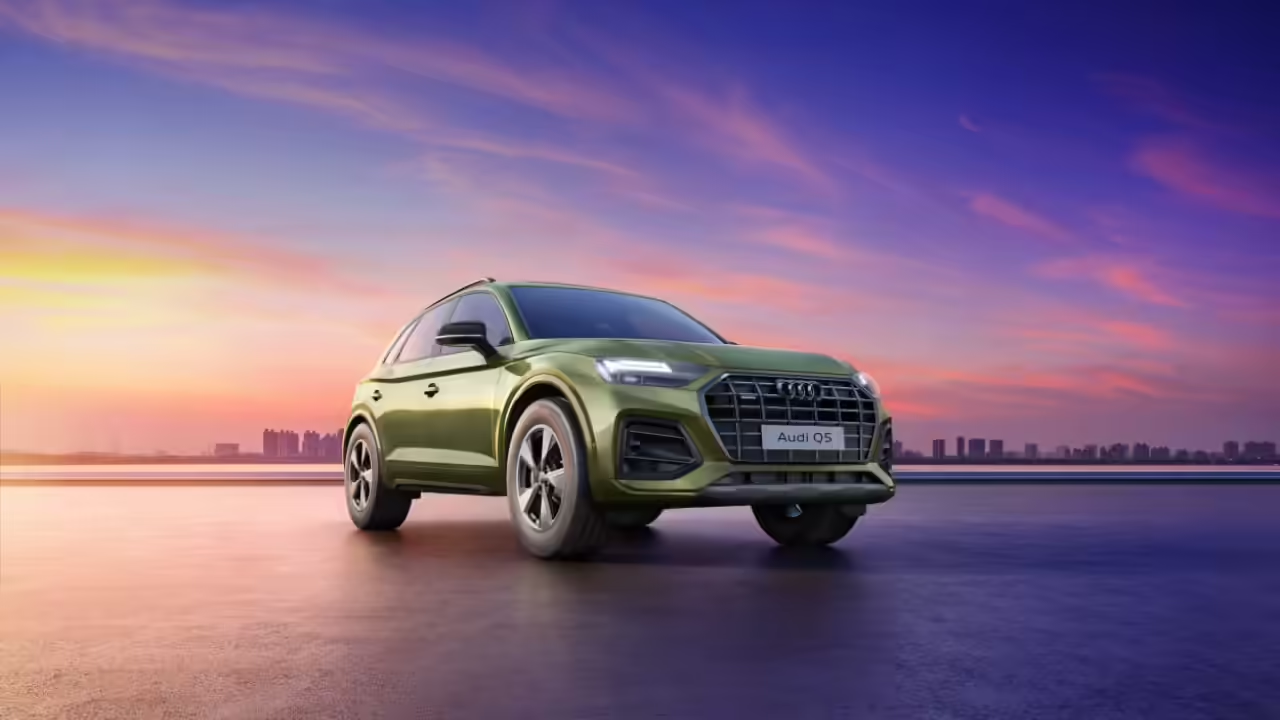
Vehicle safety has become one of the most critical aspects of automotive design, especially with the rise of advanced driver-assistance technologies. Among these technologies, emergency braking systems play a crucial role in preventing accidents and reducing the severity of collisions.
Emergency braking systems, sometimes referred to as automatic emergency braking or collision mitigation systems, are designed to detect imminent collisions with other vehicles, pedestrians, or obstacles, and apply the brakes automatically if the driver fails to respond in time.
These systems combine sensors, cameras, radar, and advanced algorithms to make real-time decisions, allowing vehicles to react faster than a human could under sudden circumstances.
The importance of reliable emergency braking cannot be overstated. In urban environments, where traffic congestion is frequent and pedestrians are numerous, the ability to stop quickly can mean the difference between a minor incident and a life-threatening accident.
For drivers traveling on highways, emergency braking systems offer an additional layer of security against high-speed collisions. Insurance studies have consistently shown that vehicles equipped with dependable emergency braking systems tend to experience fewer rear-end collisions and significantly lower repair costs.
Manufacturers continue to invest heavily in refining these systems, enhancing their detection capabilities and reducing false alarms.
Modern emergency braking systems are not uniform; they vary widely in performance depending on the vehicle’s sensors, software, and calibration.
Some vehicles feature forward collision warning combined with automatic braking, while others integrate adaptive cruise control and pedestrian detection for a more comprehensive safety suite.
Evaluating reliability requires considering factors such as response time, braking strength, sensor accuracy in different lighting or weather conditions, and the system’s ability to avoid unnecessary braking.
Consumer safety organizations conduct rigorous testing to provide insight into which vehicles perform best under real-world conditions, helping drivers make informed choices.
Beyond technical performance, driver confidence plays a key role in the adoption of emergency braking systems.
Drivers are more likely to trust and consistently use a system that responds smoothly, accurately, and predictably. Systems that trigger sudden or overly aggressive braking can reduce trust and may even create new hazards.
Therefore, manufacturers must strike a delicate balance between responsiveness and subtlety, ensuring that the emergency braking system activates only when necessary and complements the driver’s control of the vehicle.
This article highlights ten vehicles that stand out for their reliable emergency braking systems. Each of these vehicles has been recognized by safety organizations and automotive reviewers for exceptional performance in preventing accidents, responding quickly to hazards, and maintaining consistency across diverse driving conditions.
By examining the specific technologies and features employed in these vehicles, we can better understand what makes an emergency braking system trustworthy, effective, and essential for modern driving safety.
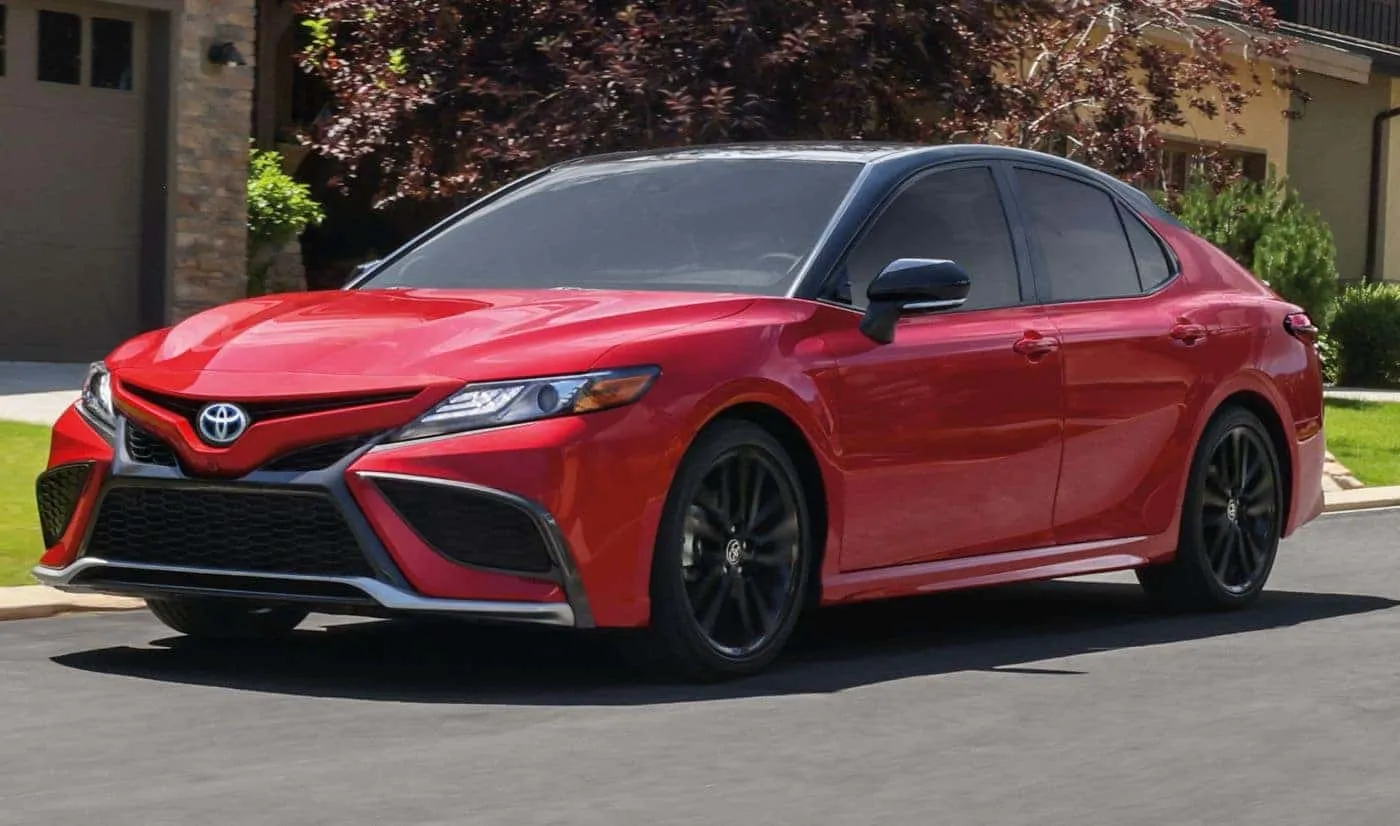
1. Toyota Camry
The Toyota Camry has long been regarded as a benchmark for reliability, and its emergency braking system is no exception. Equipped with Toyota Safety Sense, the system combines radar and camera technology to monitor traffic and detect potential collisions.
When an imminent threat is detected, the system can apply brakes with precise force, often preventing accidents entirely. The Camry’s sensors perform well under different lighting conditions, from bright sunlight to dusk.
Pedestrian detection adds another layer of protection, alerting drivers and braking automatically when pedestrians are detected in the vehicle’s path. This feature is particularly useful in urban environments with frequent foot traffic.
The system also integrates lane departure alerts and adaptive cruise control, creating a holistic approach to safety. Its reliability is consistently rated highly in safety evaluations.
Drivers report that the emergency braking system in the Camry is responsive but not overly sensitive, reducing unnecessary interruptions during daily driving.
The smooth integration with braking and steering systems ensures that the vehicle remains stable while responding to hazards. Regular software updates from Toyota enhance performance over time, improving sensor calibration and threat detection.
Additionally, the Camry’s braking system is designed to work in coordination with traction and stability control.
This coordination allows emergency braking to be effective even on slippery roads or in sudden maneuvers. By factoring in vehicle speed, weight distribution, and road conditions, the system maintains control while maximizing stopping power.
The combination of advanced sensors, user-friendly interface, and adaptive algorithms makes the Toyota Camry one of the most reliable vehicles for emergency braking. Drivers can feel confident that the vehicle will act quickly and accurately in critical moments, which is reflected in its high safety ratings.
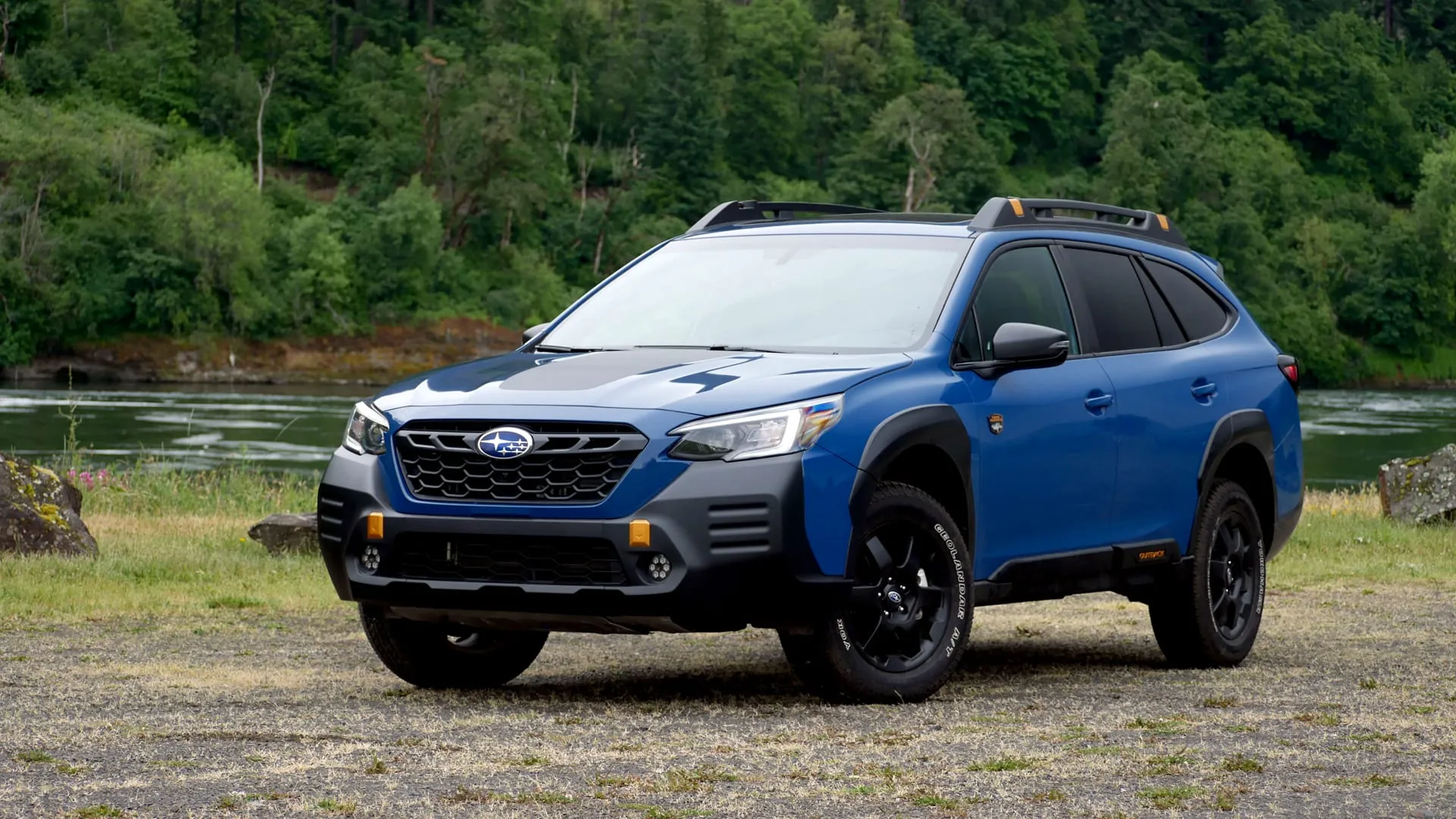
2. Subaru Outback
The Subaru Outback is widely praised for its safety features, particularly its EyeSight Driver Assist system, which includes emergency braking.
EyeSight uses stereo cameras to monitor traffic movement, maintaining a precise understanding of the vehicle’s surroundings. The system reacts to slower vehicles and sudden obstacles, automatically applying brakes when necessary to prevent collisions.
In addition to vehicle detection, the Outback’s system can detect pedestrians and bicyclists, making it effective in mixed-traffic environments.
Alerts are provided before braking, allowing drivers to respond, but automatic braking activates if they do not. The system is particularly useful in suburban areas, where unexpected pedestrians and cyclists can appear suddenly.
Subaru’s focus on reliability ensures that the system maintains consistent performance even in challenging conditions, including light rain and varying light levels.
Its calibration is tested rigorously, allowing the vehicle to respond proportionally to threats rather than overreacting. This consistency has contributed to the Outback’s high safety ratings from consumer organizations.
The emergency braking system works seamlessly with adaptive cruise control, reducing driver stress during long highway drives.
By automatically slowing the vehicle in traffic and preventing collisions, the system contributes to both safety and convenience. The integration with lane-keeping assist further enhances confidence, ensuring the vehicle remains centered in its lane while braking.
The Subaru Outback demonstrates how a well-designed emergency braking system can improve driver safety across a wide range of scenarios.
Its combination of reliable sensors, smooth braking, and comprehensive detection makes it a top choice for families and safety-conscious drivers.
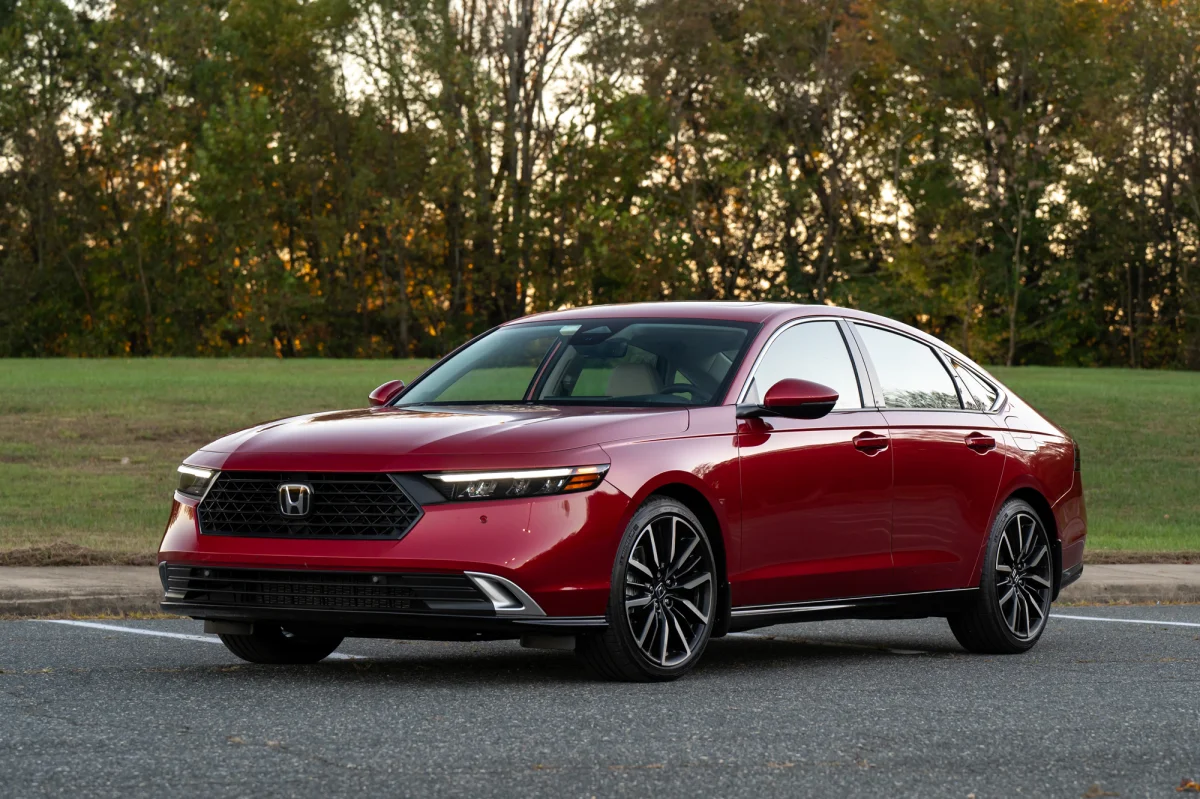
3. Honda Accord
The Honda Accord has established itself as a leader in midsize sedan safety, featuring the Honda Sensing suite, which includes an advanced emergency braking system. This system relies on a combination of radar and monocular cameras to identify potential collisions with vehicles, pedestrians, and cyclists.
When a hazard is detected, the system can initiate braking automatically, often reducing speed before the driver even reacts. Its precise calculations minimize false alarms while maintaining high responsiveness.
Honda’s emergency braking system is particularly effective in urban stop-and-go traffic, where sudden stops and unpredictable movements are common. The system integrates forward collision warning, which alerts drivers audibly and visually before braking is applied.
This two-stage approach ensures that drivers remain in control while still receiving the added protection of automatic intervention. Over time, the system’s algorithms adapt to different driving styles and traffic conditions, enhancing reliability.
Weather conditions and lighting variations can challenge many braking systems, but the Accord’s sensors are designed to maintain performance under light rain, low sun glare, and night driving. This reliability makes the vehicle suitable for a wide range of climates and ensures that drivers can depend on the system consistently.
Its adaptive nature helps prevent both collisions and unnecessary braking events, which can otherwise be disruptive or dangerous in traffic.
The emergency braking system is closely integrated with lane-keeping assist and adaptive cruise control. These systems work together to maintain a safe distance from other vehicles while keeping the Accord centered in its lane.
When an imminent collision is detected, emergency braking engages smoothly, often preventing accidents entirely. This coordination contributes to driver confidence and reduces fatigue on long trips.
Consumer safety tests consistently rate the Honda Accord highly, particularly for emergency braking performance. Drivers appreciate the balance between sensitivity and restraint, allowing the vehicle to act decisively without overreacting.
The Accord demonstrates how a well-engineered system can enhance safety without compromising comfort, making it a top choice among sedans for families and safety-conscious individuals.
4. Volvo XC90
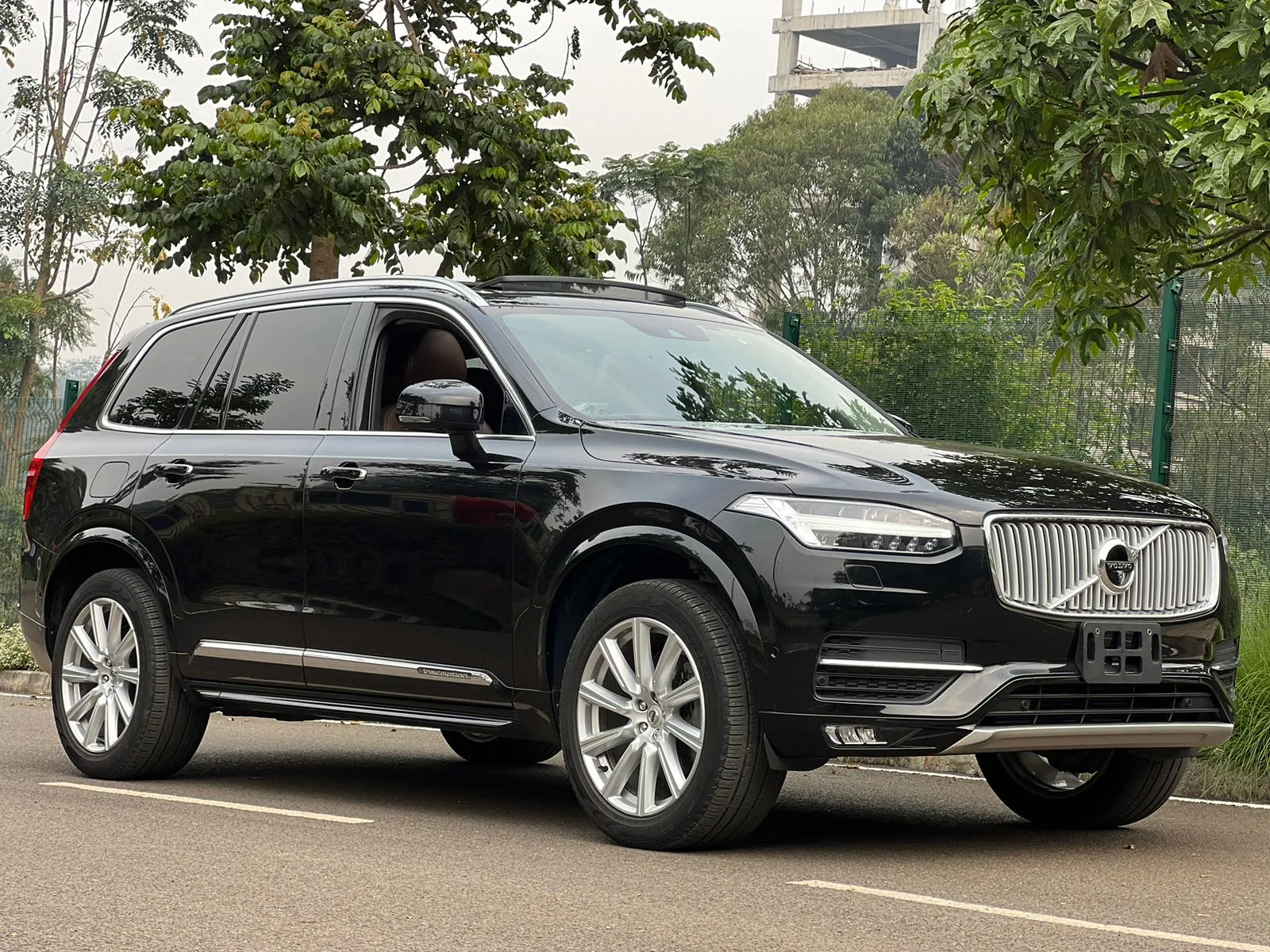
The Volvo XC90 has long been synonymous with safety, and its emergency braking system exemplifies the company’s commitment to protecting drivers and passengers. Known as City Safety, the system uses lidar and radar in addition to cameras to detect vehicles, pedestrians, and large animals.
The system can automatically apply brakes if a collision is imminent, often preventing accidents or significantly reducing impact severity. Its precision and responsiveness have earned high marks in both regulatory and independent safety evaluations.
Volvo’s approach prioritizes proactive safety, alerting drivers with visual and auditory cues before engaging brakes automatically.
The XC90 is particularly effective in urban and suburban environments, where pedestrians and cyclists may appear unexpectedly. The system’s ability to detect large animals on highways adds an extra layer of protection, especially in rural areas where collisions with wildlife are common.
The emergency braking system is designed to function under diverse driving conditions, including low-light situations, rain, and icy roads.
Volvo engineers have focused on creating a system that responds consistently without overreacting, providing both driver reassurance and real-world effectiveness. The smooth integration with electronic stability control ensures that braking interventions do not compromise vehicle stability or control.
Integration with adaptive cruise control and lane centering enhances the safety package of the XC90. In situations where traffic slows suddenly, the system automatically adjusts speed and can bring the vehicle to a complete stop if necessary. This capability reduces the likelihood of rear-end collisions and improves driver confidence in heavy traffic or congested city streets.
The Volvo XC90’s combination of advanced sensors, careful calibration, and intelligent braking algorithms makes it one of the most reliable SUVs for emergency braking.
Its performance reflects Volvo’s longstanding reputation for safety, offering drivers peace of mind that the vehicle will act decisively in critical moments without compromising comfort or handling.
5. Mercedes-Benz E-Class
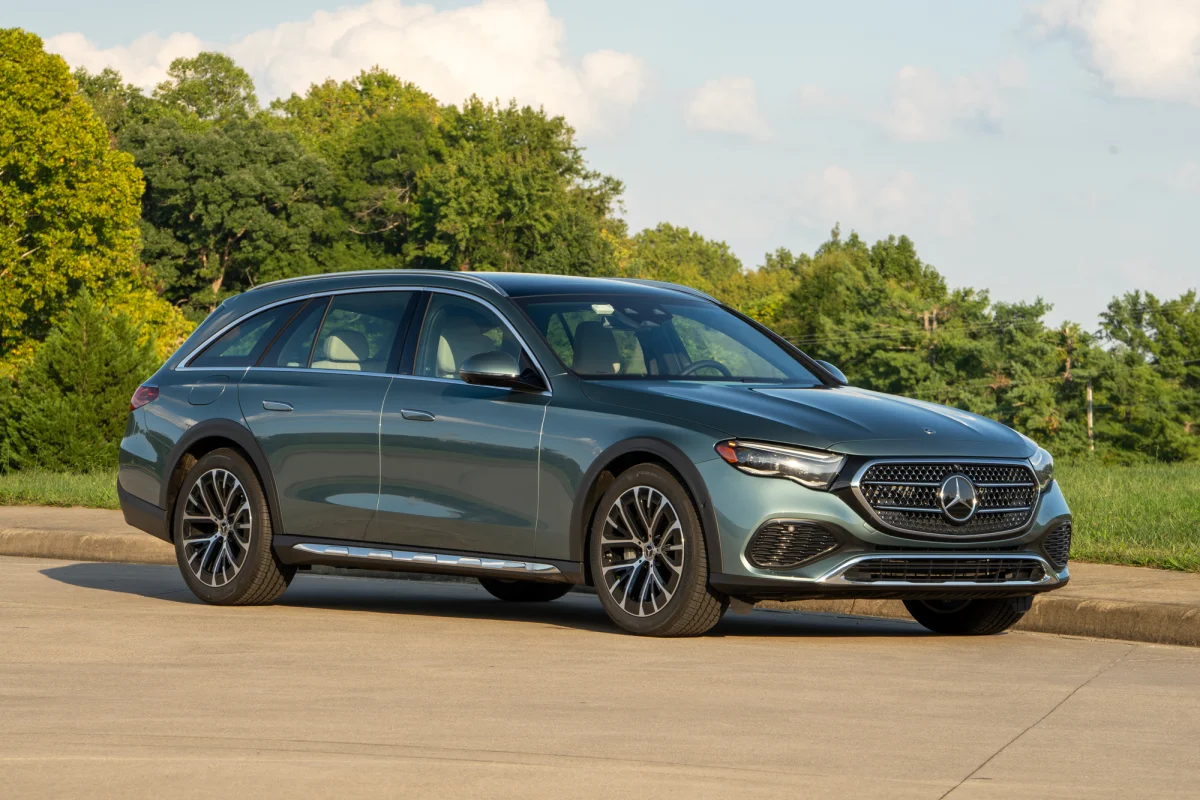
The Mercedes-Benz E-Class features an advanced emergency braking system that is part of the brand’s Driving Assistance Package. Combining radar, stereo cameras, and predictive algorithms, the system detects potential collisions with vehicles, pedestrians, and stationary obstacles.
In addition to automatic braking, it can provide anticipatory braking by evaluating the speed and trajectory of surrounding traffic. This proactive approach allows the vehicle to respond before a collision becomes imminent.
The system’s pedestrian and cyclist detection is highly accurate, reducing the likelihood of accidents in city environments. Audible and visual warnings precede braking, giving the driver a chance to react while ensuring the system intervenes if necessary.
This balance between driver engagement and automation is central to the E-Class’s safety philosophy. Braking performance is smooth, maintaining vehicle stability while reducing the severity of potential impacts.
Mercedes engineers have designed the system to operate reliably across a wide range of environmental conditions. Whether navigating in bright sunlight, rain, fog, or at night, sensors maintain accurate detection and effective response.
The system also accounts for vehicle speed and road conditions, adjusting braking force accordingly. This ensures that interventions are safe, effective, and predictable.
Integration with other assistance systems, such as lane-keeping assist, blind spot monitoring, and adaptive cruise control, creates a cohesive safety network.
The E-Class can anticipate traffic behavior and respond to hazards in multiple ways simultaneously, improving collision prevention. Drivers experience a sense of security knowing that the system is continuously monitoring for potential threats.
Independent safety organizations consistently recognize the Mercedes-Benz E-Class for superior emergency braking performance.
Its combination of sophisticated sensors, refined software, and smooth braking responses makes it one of the most reliable luxury sedans on the road. The system enhances both active and passive safety, reducing accident risk and increasing driver confidence.
6. Tesla Model 3
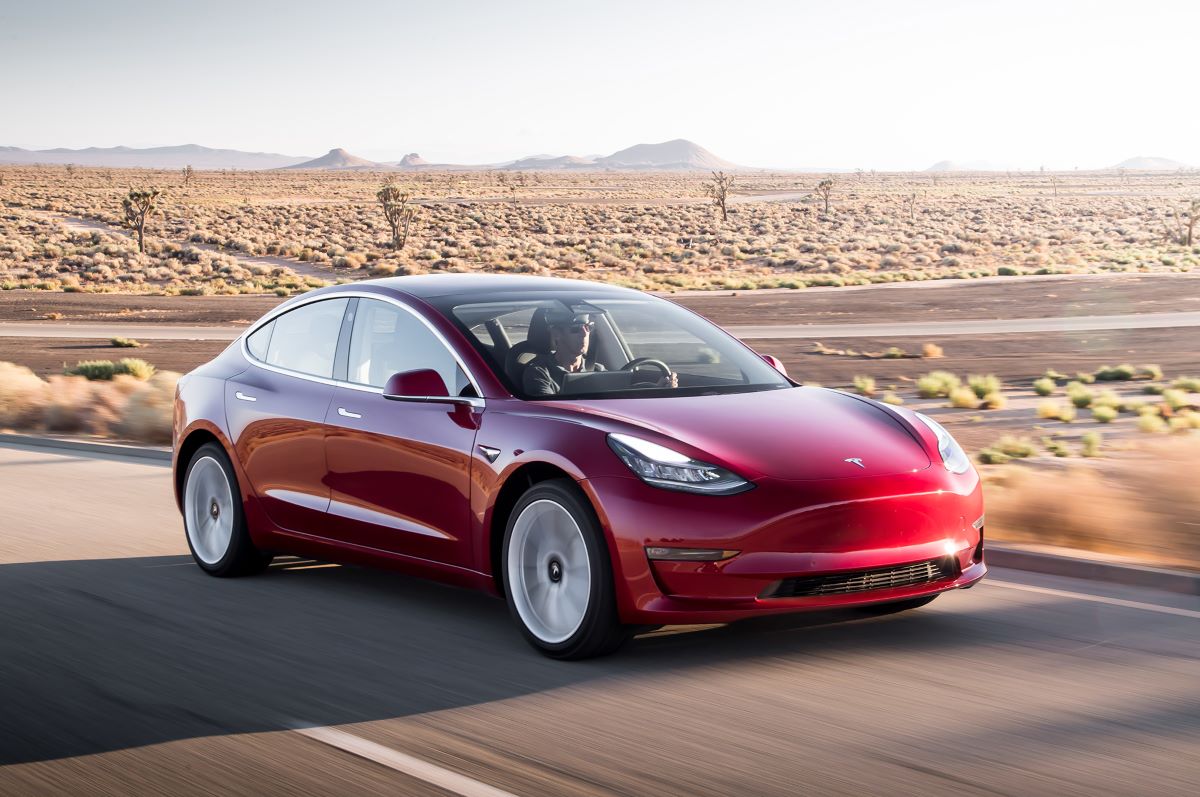
The Tesla Model 3 is equipped with a comprehensive emergency braking system as part of its Autopilot suite. Utilizing a combination of radar, cameras, and ultrasonic sensors, the system monitors the vehicle’s surroundings in real time.
When a potential collision is detected, the Model 3 can apply brakes automatically, often reducing speed sufficiently to prevent impact. Its high-frequency sensor updates allow for precise and timely interventions.
Tesla’s system is particularly effective in highway scenarios, where high speeds demand rapid reaction times. The system can distinguish between stationary and moving objects, adjusting braking force accordingly.
In urban environments, pedestrian detection ensures that collisions are minimized, with alerts and automatic braking engaging seamlessly. Continuous software updates enhance performance over time, refining algorithms based on real-world driving data.
The integration of emergency braking with Autopilot allows the vehicle to maintain safe distances while traveling in traffic. Adaptive cruise control works in tandem with the braking system, slowing or stopping the car when traffic conditions change. Lane keeping and collision avoidance measures add additional layers of protection, making the Model 3’s safety systems highly reliable.
Tesla’s system is also designed to function under challenging weather conditions, including rain, fog, and nighttime driving. Sensor fusion techniques improve detection accuracy even in reduced visibility. The automatic braking response is smooth and controlled, avoiding sudden jerks that could unsettle passengers or other drivers.
Independent tests confirm the Tesla Model 3’s high ranking in emergency braking performance. Its combination of advanced sensors, real-time computing, and continuous software refinement ensures a dependable system. The Model 3 demonstrates how electric vehicles can integrate automated safety technology effectively to prevent accidents and enhance driver confidence.
7. Ford Explorer
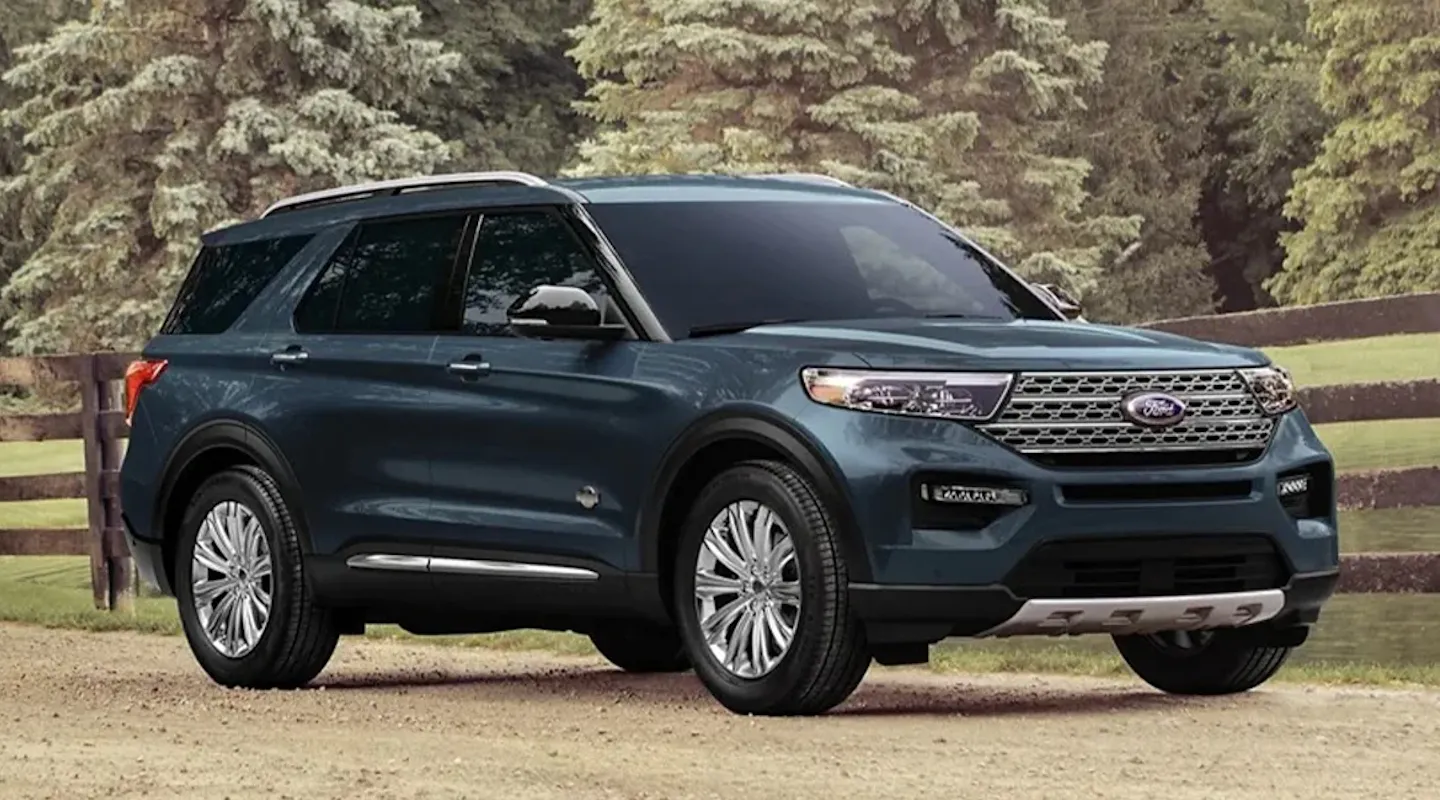
The Ford Explorer features the Co-Pilot360 Assist system, which includes an advanced emergency braking feature designed to prevent collisions and protect both drivers and passengers. This system combines radar and camera inputs to detect potential obstacles, vehicles, and pedestrians in the Explorer’s path.
When it identifies a threat, the system automatically applies brakes with calibrated force, often preventing collisions entirely or significantly reducing impact severity. Its responsiveness is particularly valuable in urban traffic conditions.
One of the Explorer’s strengths lies in its pedestrian detection and low-speed maneuvering capabilities. The emergency braking system is effective in crowded areas such as parking lots or intersections, where sudden obstacles can appear without warning.
Visual and auditory alerts precede braking, giving drivers a chance to intervene. However, when a collision is imminent, automatic braking activates quickly, reflecting the system’s reliability and precision.
Ford engineers have tested the emergency braking system across a range of conditions, including rain, dusk, and nighttime driving.
The sensors maintain accurate detection under challenging circumstances, while the system’s software evaluates both speed and distance to ensure a safe response. This combination of hardware and software creates a dependable and consistent braking experience.
Integration with adaptive cruise control and lane-keeping assist enhances the Explorer’s safety profile.
The vehicle can automatically adjust speed in traffic while staying centered in its lane, and emergency braking intervenes seamlessly when necessary. Drivers experience a smoother and safer drive, particularly on highways or during stop-and-go traffic situations.
Consumer reviews and safety ratings consistently highlight the Explorer’s emergency braking as a reliable feature. Its combination of sensor accuracy, software intelligence, and smooth braking response contributes to accident prevention.
The Ford Explorer demonstrates how a midsize SUV can combine everyday practicality with cutting-edge safety technology.
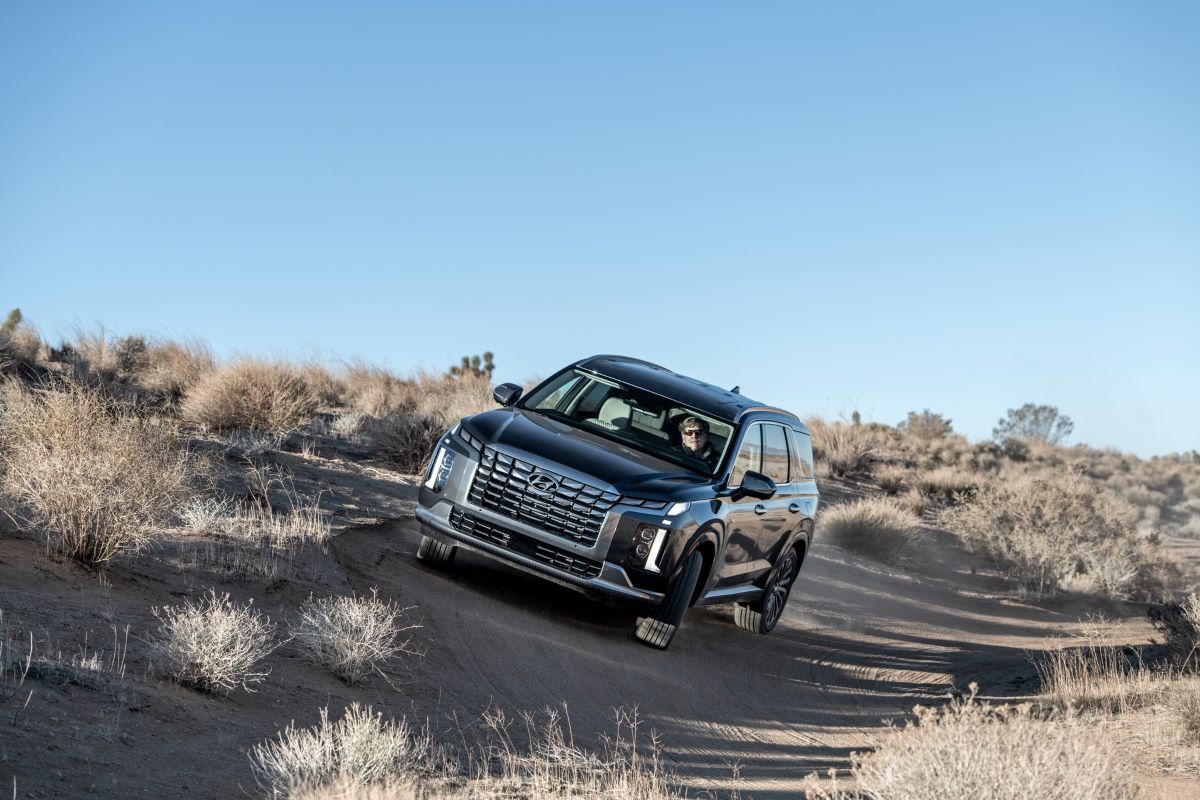
8. Hyundai Palisade
The Hyundai Palisade offers a sophisticated Forward Collision-Avoidance Assist system, which provides emergency braking functionality to protect occupants and prevent accidents. This system uses radar and cameras to monitor traffic ahead, detecting vehicles, pedestrians, and other potential hazards.
When the system determines that a collision is likely, it automatically applies braking force to either avoid or lessen the impact. Its precision allows for a confident response in both city and highway environments.
Palisade’s emergency braking system works effectively in combination with its lane-keeping assist and blind-spot monitoring features. These systems allow the vehicle to detect surrounding traffic while maintaining lane stability.
When an imminent collision is identified, emergency braking engages smoothly without startling the driver. This integration helps reduce accident risk in complex traffic scenarios, making the Palisade suitable for families and long-distance travel.
The system also demonstrates consistent performance under varying environmental conditions. Low-light situations, rain, and moderate fog do not diminish the system’s ability to detect hazards or respond appropriately.
The calibrated braking algorithm ensures that the vehicle stops in a controlled manner, preserving passenger comfort while maintaining safety. Drivers report a high level of trust in the system because it acts decisively only when necessary.
Forward Collision-Avoidance Assist is particularly useful during highway driving, where reaction times must be extremely fast.
The Palisade automatically adjusts speed in response to slower traffic or sudden stops, reducing the likelihood of rear-end collisions. Coupled with adaptive cruise control, the emergency braking system ensures that the vehicle maintains safe spacing from other cars, even in heavy traffic.
Independent safety organizations have consistently recognized the Hyundai Palisade for its strong emergency braking performance.
Its combination of responsive sensors, intelligent software, and smooth braking creates a reliable system that enhances safety. Drivers benefit from reduced collision risk, greater confidence behind the wheel, and protection for both occupants and pedestrians.
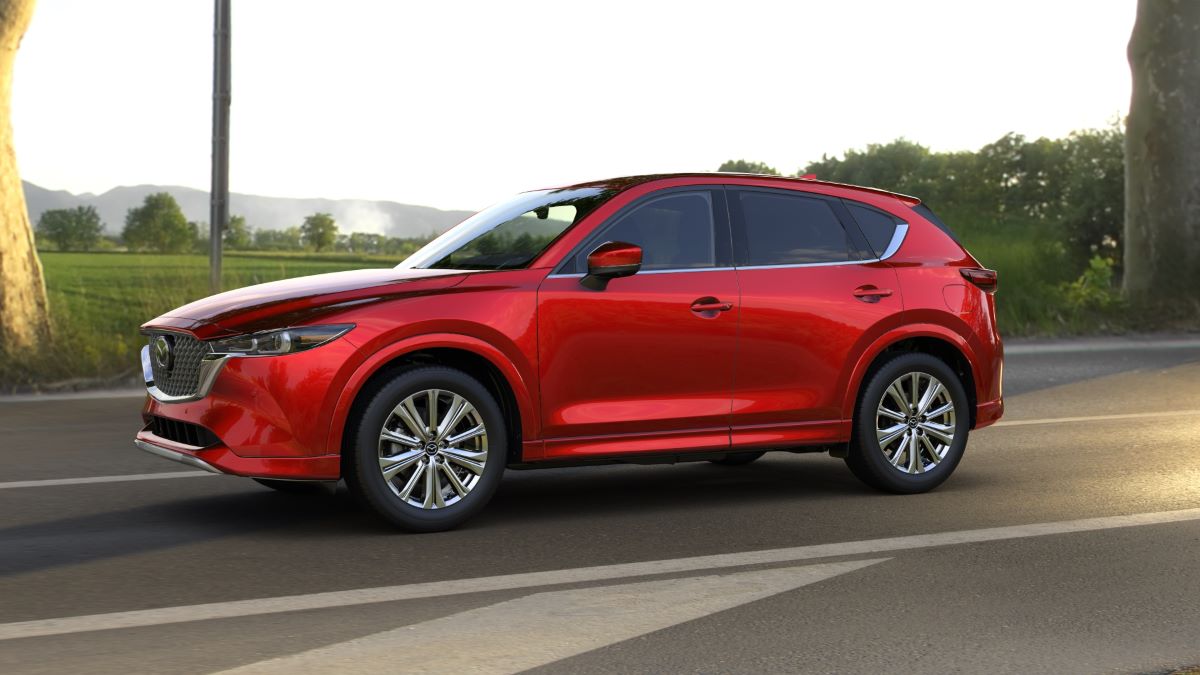
9. Mazda CX-5
The Mazda CX-5 is equipped with Smart Brake Support, an emergency braking system designed to prevent collisions with vehicles and pedestrians.
The system uses forward-facing radar and cameras to monitor traffic ahead, detecting hazards with high accuracy.
If the driver does not respond to a potential collision, the CX-5 automatically applies braking force to mitigate or avoid the impact. Its measured and precise interventions have earned high praise from safety testers.
Mazda has engineered the CX-5’s emergency braking system to operate reliably in both urban and highway settings. Low-speed braking is particularly effective in stop-and-go traffic, while high-speed braking on highways can significantly reduce collision severity.
The system also prioritizes pedestrian detection in densely populated areas, enhancing safety for all road users. Visual and audible alerts accompany braking to ensure drivers remain informed and engaged.
Environmental factors such as rain, low light, and glare do not significantly affect the system’s performance. The Smart Brake Support integrates with the vehicle’s stability and traction control systems, allowing braking interventions without compromising control or causing skidding. The software evaluates speed, distance, and obstacle size to provide smooth and consistent braking.
Integration with adaptive cruise control and lane-keeping assist enhances the CX-5’s safety capabilities. The vehicle maintains safe distances from other cars, adjusts speed in response to traffic, and applies emergency braking when necessary. This combination of technologies ensures that the CX-5 not only prevents collisions but also maintains a confident driving experience.
Consumer feedback and safety evaluations consistently highlight the Mazda CX-5’s emergency braking as both reliable and user-friendly.
Its effectiveness across multiple scenarios and conditions makes it a top contender among compact SUVs. Drivers can trust the system to respond quickly while maintaining smooth and controlled braking, increasing road safety.

10. Audi Q5
The Audi Q5 includes a highly capable emergency braking system as part of its Audi Pre Sense suite. Utilizing radar, cameras, and predictive algorithms, the system detects potential collisions with vehicles, pedestrians, and large obstacles.
When a hazard is detected, the system applies automatic braking with controlled force, often preventing accidents or reducing their severity. Its responsiveness and accuracy are consistently recognized in both industry and consumer safety ratings.
The Q5’s system excels in city environments, where sudden stops and unpredictable obstacles are common. Pedestrian and cyclist detection are integrated to ensure that automatic braking engages when necessary.
Audible and visual warnings are delivered before braking, providing drivers an opportunity to respond. However, in imminent collision scenarios, the system intervenes decisively, reflecting its reliability and advanced engineering.
Audi has designed the emergency braking system to maintain consistent performance in various weather and lighting conditions. Low light, rain, and glare do not compromise the sensors’ detection capabilities.
The braking system also coordinates with stability control and traction management to ensure smooth interventions, maintaining vehicle control and comfort for all passengers.
Integration with adaptive cruise control, lane-keeping assist, and traffic sign recognition enhances the Q5’s safety package. The vehicle can anticipate potential hazards, adjust speed, and apply emergency braking while keeping the vehicle centered in its lane. This coordination allows drivers to rely on the system without feeling a loss of control or experiencing abrupt maneuvers.
The Audi Q5’s emergency braking system demonstrates how luxury SUVs can combine comfort, performance, and safety.
Its advanced sensors, predictive algorithms, and smooth braking response create a dependable system. Drivers can trust the Q5 to respond quickly and appropriately, protecting both vehicle occupants and other road users while improving driving confidence.
