
Classic cars have always carried a sense of nostalgia, history, and craftsmanship that modern vehicles often lack. Enthusiasts treasure the tactile feel of metal and leather, the distinctive engine sounds, and the uniqueness of each design. However, owning a classic car comes with challenges, and perhaps the most daunting of these is maintaining it.
As cars age, some parts become extremely rare or even impossible to locate, making restoration or repair a true test of dedication. This scarcity of parts often stems from discontinued production, specialized manufacturing processes, or the original components being custom-made for a particular model.
Collectors face not only high costs but also significant frustration when sourcing these elusive elements, which can sometimes take years of searching across continents. Each vehicle tells a story not only of its era but also of the struggle to keep it running today.
Certain parts are more than mere mechanical components; they are pieces of automotive history, and without them, a classic car may lose authenticity. Restorers may resort to fabricating replicas, yet nothing quite matches the precision and integrity of the original items.
Some classic cars are renowned for their rarity, and their parts are so scarce that even seasoned collectors find themselves at a loss. Moreover, modern manufacturing standards cannot always replicate the specific materials, finishes, or tolerances of older components.
In this industry of limited availability, owning a rare vehicle becomes a delicate balance between passion and patience. For enthusiasts, the pursuit of these elusive parts is as much a part of the experience as driving the car itself.
Stories of owners waiting years for a specific carburetor or tail light are common, and the thrill of finally securing such pieces becomes part of the car’s legacy.
This article presents ten classic cars with parts that are nearly impossible to find, highlighting the challenges, history, and significance of each vehicle. From rare European sports cars to iconic American muscle machines, the scarcity of parts has shaped the preservation and value of these automobiles.
Understanding these difficulties not only illustrates the uniqueness of these cars but also sheds light on the dedication required by owners and collectors. The rarity of components reflects both the passage of time and the evolution of automotive technology, making these classic cars enduring symbols of their eras.
As we examine each vehicle, it becomes clear that these challenges enhance the allure, mystique, and reverence surrounding them in the automotive community.
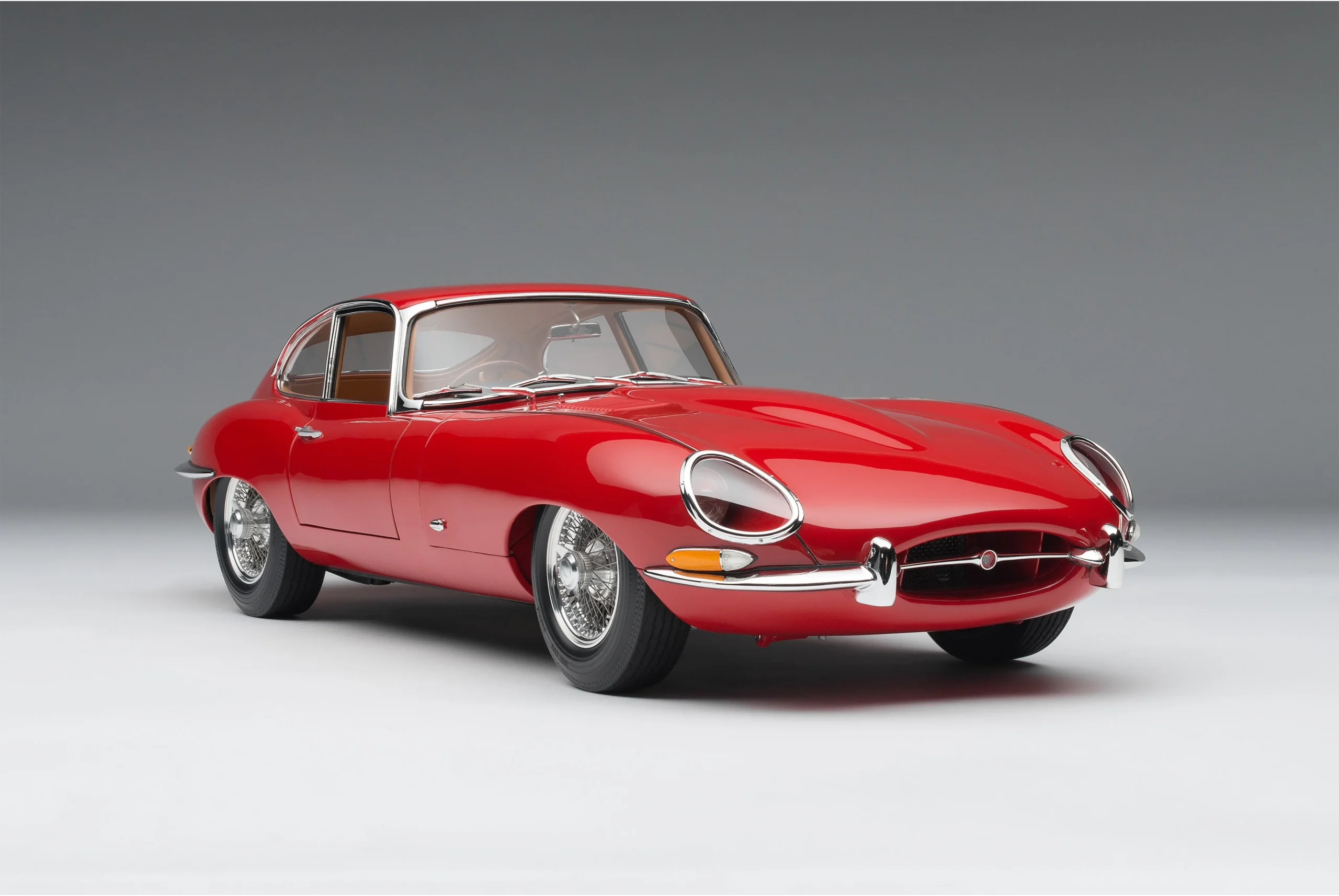
1. Jaguar E-Type
The Jaguar E-Type is one of the most iconic sports cars of the 1960s. Its sleek design and impressive performance made it a favorite among enthusiasts, yet restoring one today can be a monumental task. Certain mechanical components, such as the original carburetors and gear linkage assemblies, are extremely difficult to locate.
Even cosmetic parts like the unique dashboard switches and badges are rare, often requiring specialists to produce reproductions. Owners frequently spend years sourcing authentic elements, with some parts only available through private collectors.
The original wire wheels are a prime example of parts that challenge restorers. They require precise dimensions and materials that are no longer standard, making replacements expensive and time-consuming to find. Similarly, the body panels on early models demand exacting craftsmanship to maintain structural integrity and appearance.
Minor differences in sheet metal from later models cannot substitute without compromising authenticity. Enthusiasts often seek original parts not only for function but also to preserve historical accuracy.
Another scarce component is the camshaft, which was engineered specifically for the E-Type’s straight-six engine. Replacement camshafts from aftermarket sources rarely match the original specifications, potentially affecting engine performance.
Additionally, certain early electrical wiring harnesses were unique to this model, and modern equivalents may not fit correctly. Maintaining the car’s originality is crucial for both performance and collector value.
Interior features also pose challenges. The leather seats, dashboards, and wooden steering wheels require specialized restoration techniques. Materials must match the original in color, grain, and finish, making sourcing nearly impossible without contacting a few expert suppliers worldwide. Even minor trim pieces often need to be custom-fabricated.
Owning a Jaguar E-Type is a commitment to both preservation and patience. Each elusive part carries historical and functional significance, and finding them often involves navigating a complex network of suppliers, auctions, and fellow collectors. The rarity of components ensures that restored E-Types remain highly prized in the classic car market.
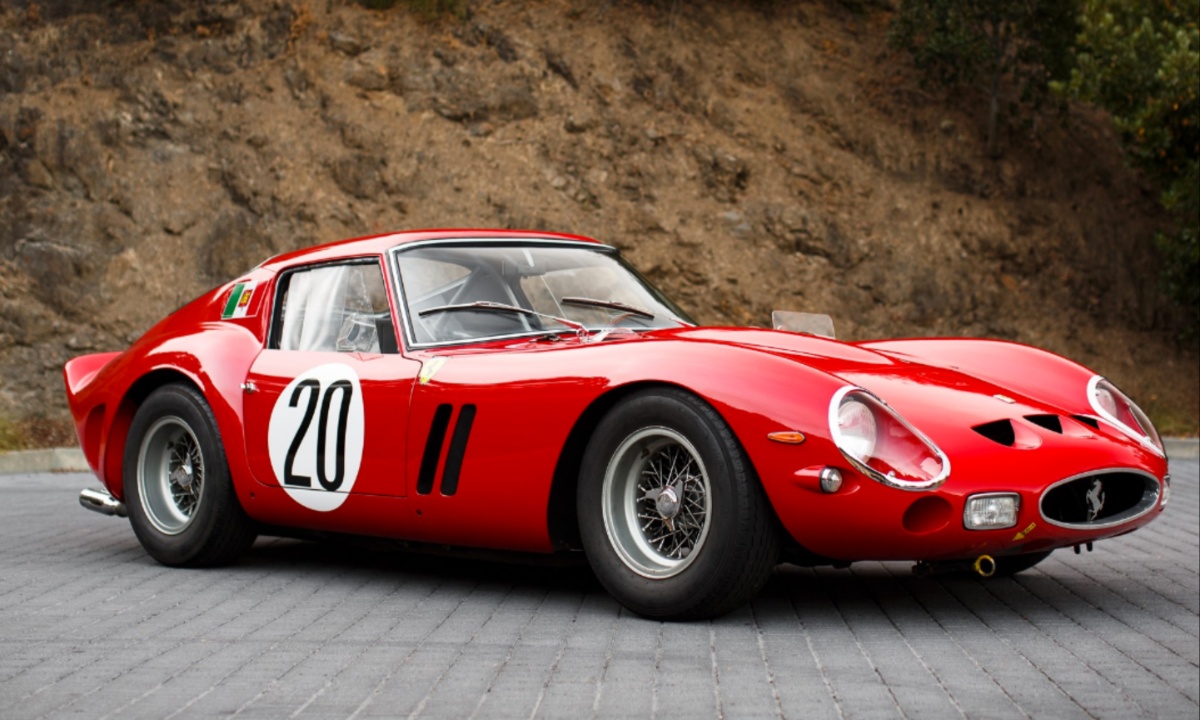
2. Ferrari 250 GTO
The Ferrari 250 GTO is widely regarded as one of the most valuable and rare cars ever produced. With only 36 units made, the scarcity extends far beyond the vehicle itself to its components.
Original body panels, for instance, are nearly impossible to find, as they were handcrafted and tailored to each car. Replacing a panel with anything less precise can dramatically reduce the car’s value. Collectors often rely on highly specialized restorers to repair or reproduce these parts.
Engine components, including the camshaft, carburetors, and exhaust systems, are another source of difficulty. Ferrari designed these engines with extreme precision, and any deviation can affect performance and reliability.
Modern manufacturing techniques cannot replicate the exact tolerances or metallurgy used in the 1960s. As a result, original parts are highly coveted and command prices that rival those of complete classic cars.
Suspension and chassis elements also pose challenges. The 250 GTO featured custom geometry and materials that differ from later models, making replacements rare. Even seemingly minor components like shock absorbers or bushings must match original specifications. Enthusiasts seeking authenticity must avoid generic substitutes.
Interior pieces are equally rare, with original gauges, knobs, and trim requiring significant effort to locate. The leather upholstery, often supplied by specialized Italian craftsmen, is difficult to source in the same colors and textures used in the original production. Even minor details contribute to the car’s value.
Owning a Ferrari 250 GTO is a testament to dedication and financial commitment. The scarcity of parts has made restoration a highly specialized industry. Collectors often form networks to track down original components, ensuring the vehicles maintain their historical accuracy and exceptional performance standards. The challenges involved only enhance the car’s allure.
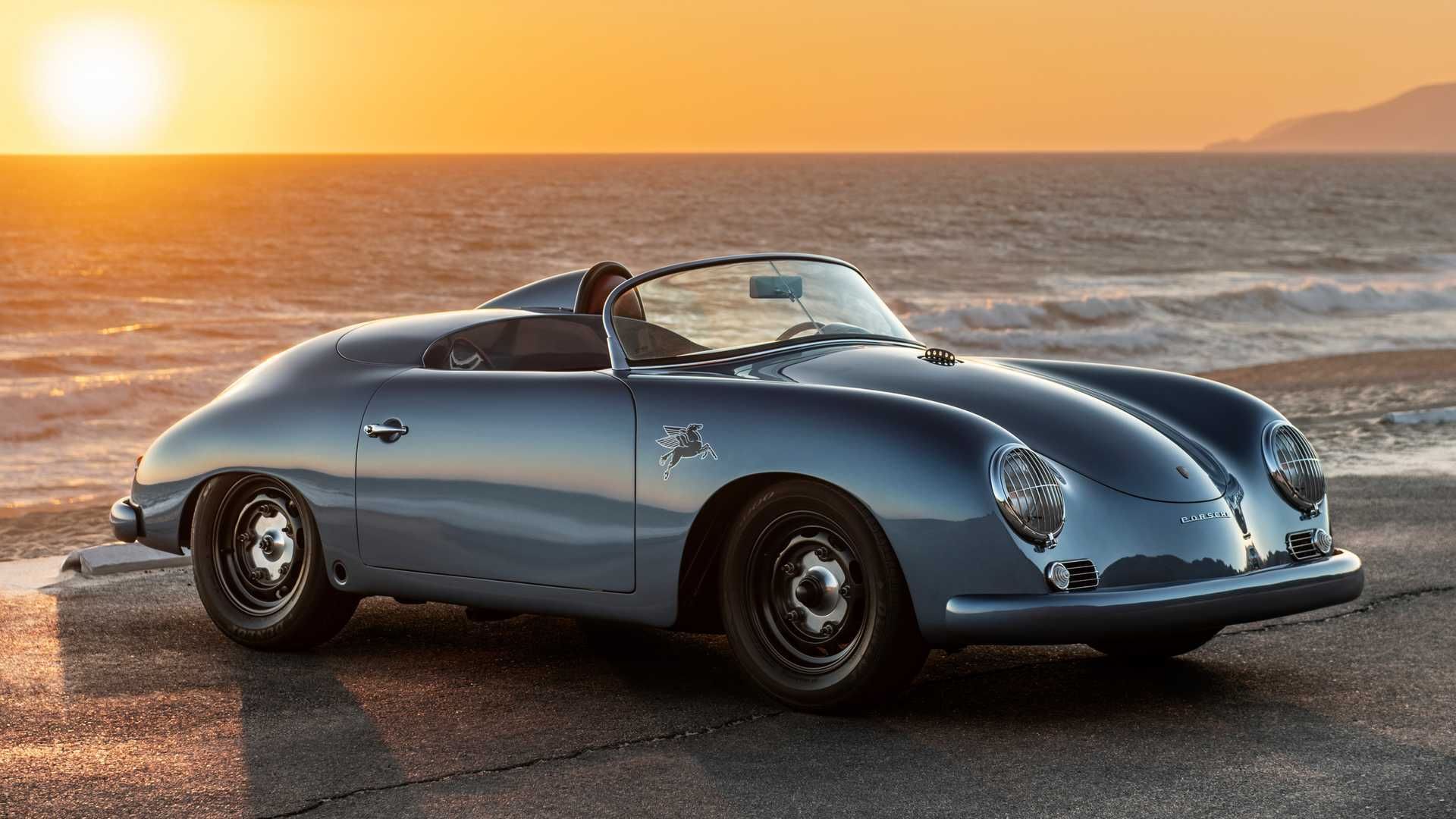
3. Porsche 356 Speedster
The Porsche 356 Speedster remains a favorite among collectors for its lightweight design and nimble handling. Despite its popularity, finding original parts for early models is a persistent challenge. Items such as the early suspension components, steering boxes, and engine parts are particularly scarce. Many replacements have been fabricated, but few match the quality and specifications of the originals.
The Speedster’s bodywork presents another challenge. Aluminum panels and specific trim elements were often handcrafted, leading to variations that are difficult to reproduce. Even small body components like fender mirrors or door handles require extensive searching. Maintaining original finishes adds another layer of complexity.
Electrical systems in the 356 Speedster are also unique. Original wiring harnesses, switches, and connectors were designed for specific configurations that changed between model years. Modern replacements may fit physically but fail to function correctly. Preserving originality is essential to both safety and value.
Engine restoration can be particularly difficult. The air-cooled flat-four engine requires original carburetors, camshafts, and exhaust manifolds to function at peak performance. Reproductions exist, but they often lack the precise tolerances and materials used in the 1950s. Restorers must pay close attention to ensure reliability.
Finally, interior components like the dashboard, seats, and steering wheels must reflect the original craftsmanship. Leather, metal trim, and wooden steering wheels require sourcing specialized materials. Even minor details such as badges and gear knobs are important to collectors, adding to the challenge of fully restoring a Porsche 356 Speedster to its original state.
4. Aston Martin DB5
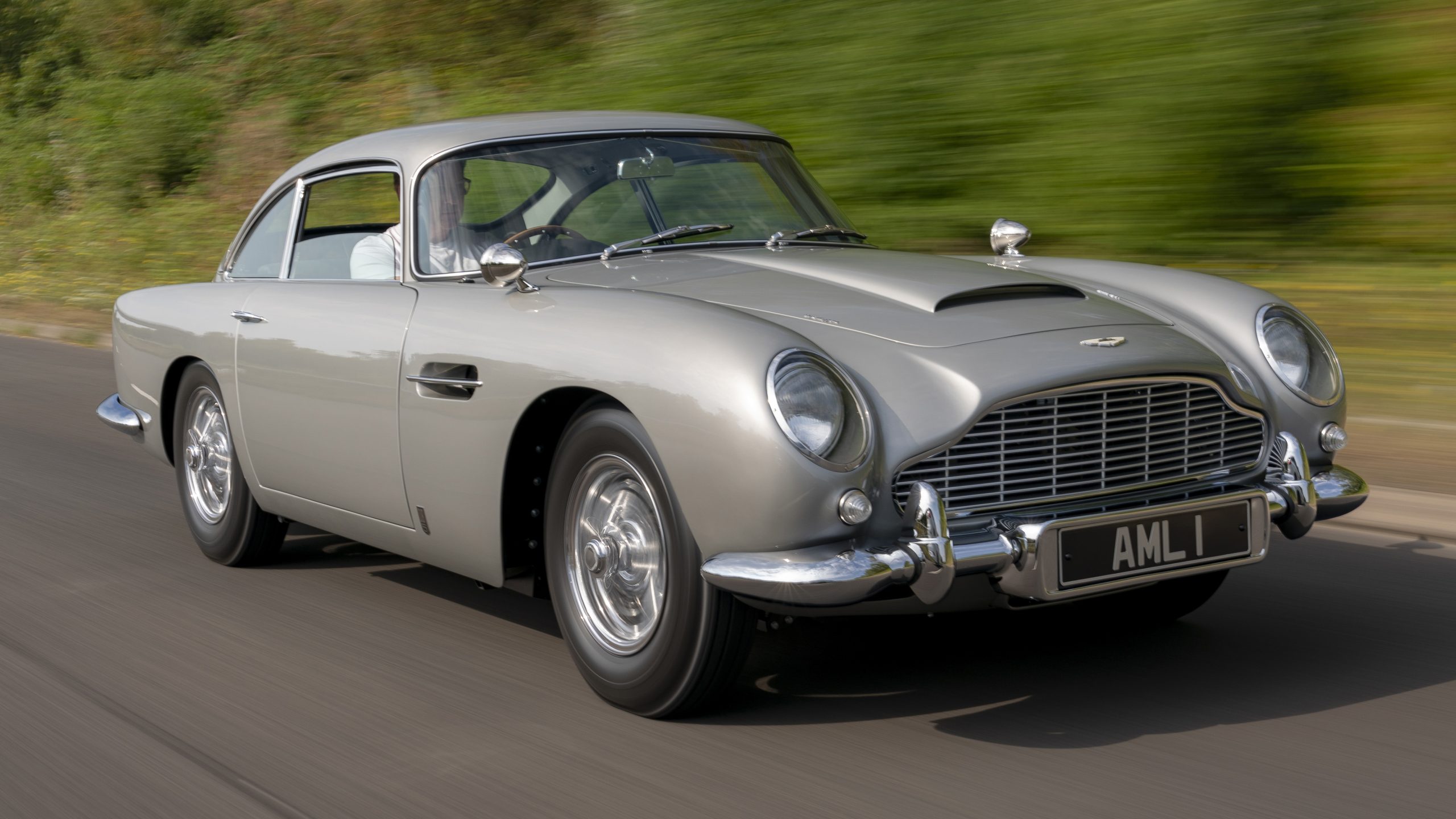
The Aston Martin DB5 is perhaps most famous for its association with James Bond, yet behind its cinematic fame lies a challenge for collectors: sourcing authentic parts. Original body panels, especially the aluminum doors and boot lid, were handcrafted in the 1960s, making replacements exceptionally rare.
The precise fit and finish are difficult to replicate, and even minor discrepancies can reduce both aesthetic appeal and value. Collectors often rely on a network of specialty suppliers who understand the nuances of Aston Martin craftsmanship.
The engine and transmission components are also highly sought after. The original 4.0-liter inline-six engine featured bespoke carburetors, manifolds, and camshafts that modern replacements cannot perfectly match.
Gearboxes from this era are no longer manufactured, and even refurbishing original units requires expert attention. Many owners find themselves tracking parts across continents, often through private auctions or specialized forums.
Interior restoration presents another layer of complexity. Leather seats, hand-stitched door panels, and wooden dashboards require exact matches in both materials and color.
Minor components such as chrome toggles, instrument bezels, and switches are particularly scarce. These elements were often supplied by small workshops in England, many of which no longer exist. Reproductions are available but rarely meet the standards collectors demand.
The DB5’s suspension and braking systems also require original parts for full authenticity. Components like the rear torsion bars, aluminum suspension arms, and brake callipers were engineered with specific tolerances.
Modern equivalents may function, but they often compromise the driving experience and historical integrity. Owners committed to originality must invest significant effort to maintain or refurbish these elements.
Owning an Aston Martin DB5 is a testament to dedication, patience, and financial commitment. The scarcity of parts has created a niche ecosystem of restorers, suppliers, and collectors dedicated to preserving the authenticity of these vehicles. Every component sourced represents both a piece of history and a labor of love, ensuring that the DB5 remains an icon of automotive excellence.
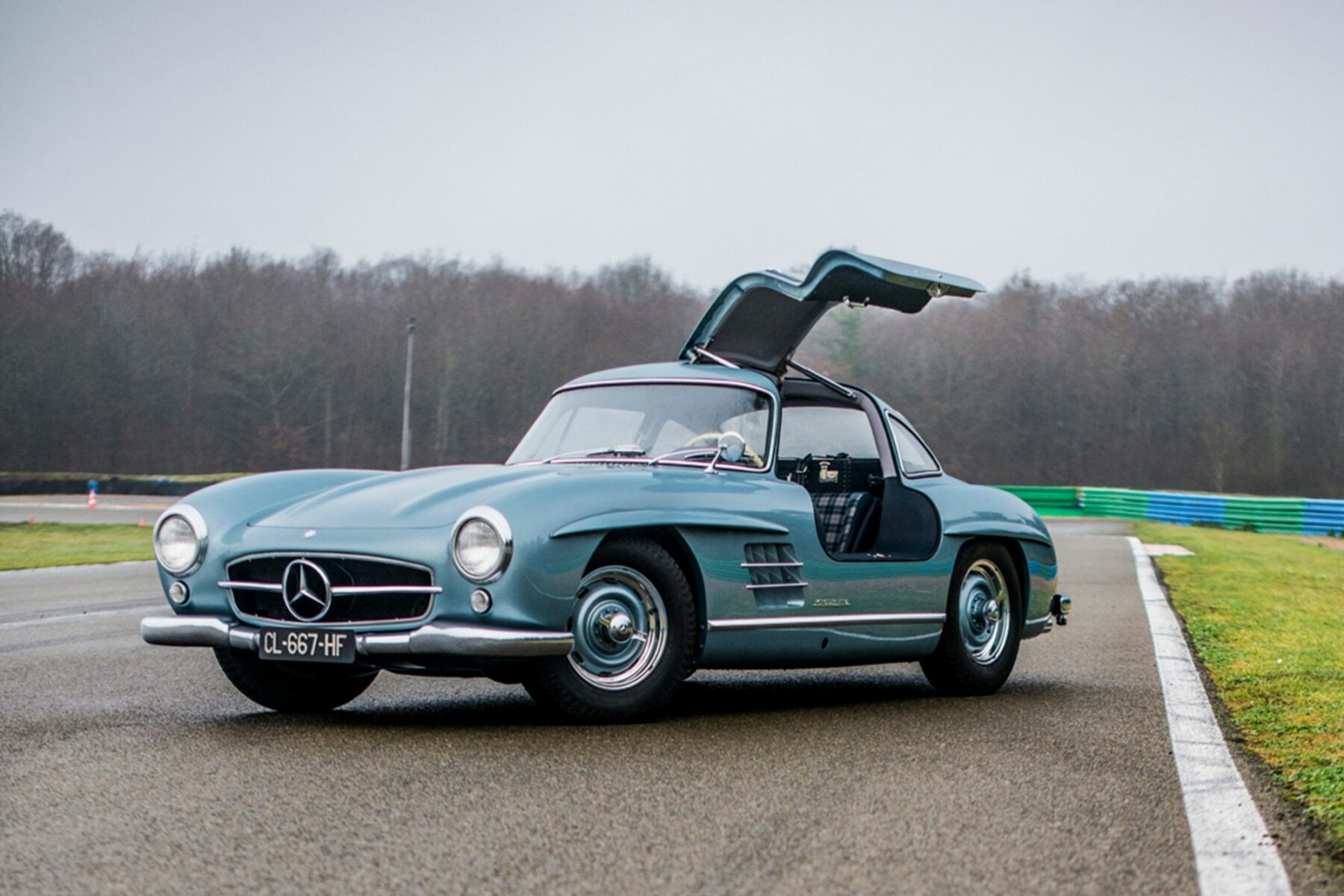
5. Mercedes-Benz 300SL Gullwing
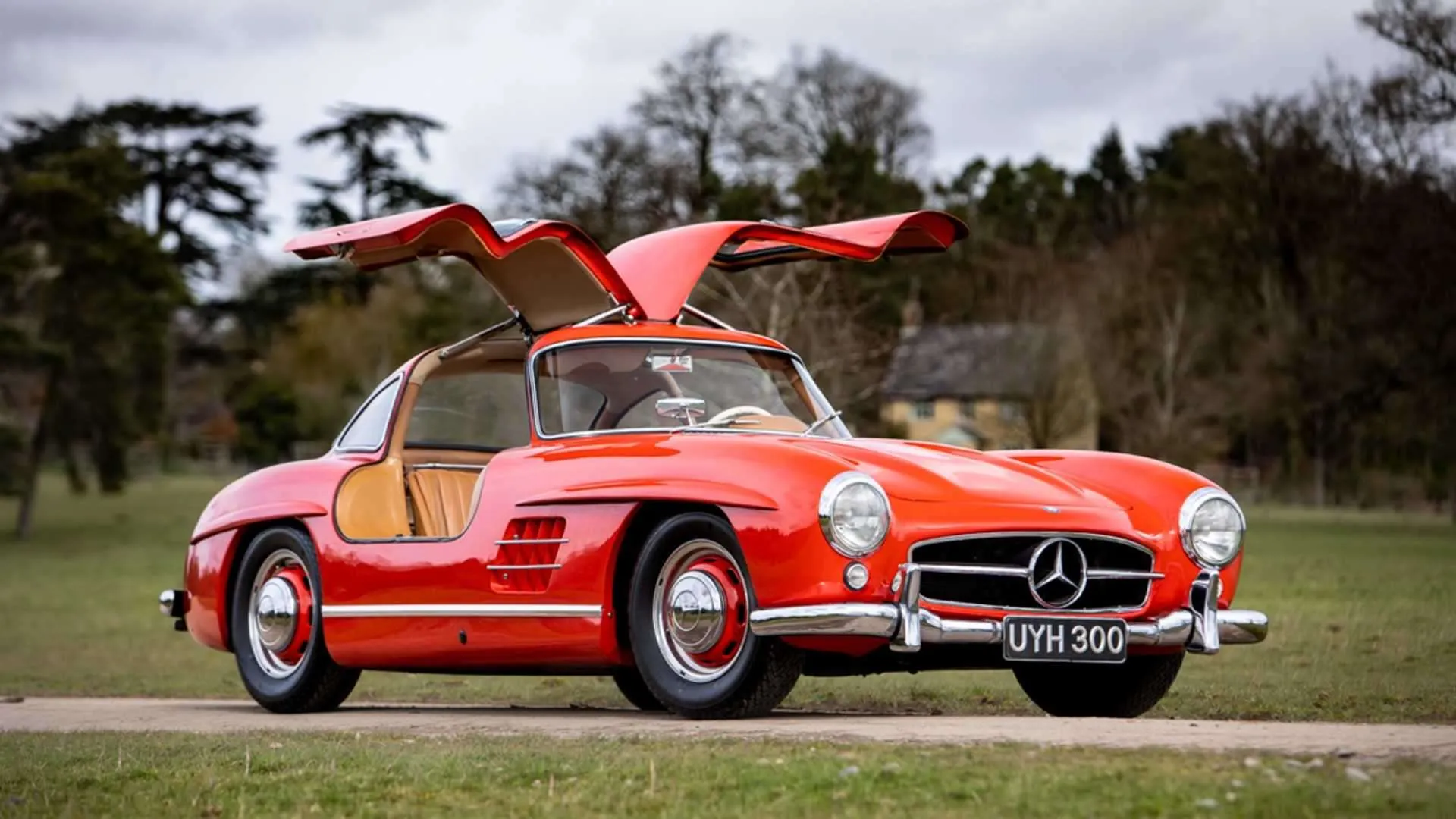
The Mercedes-Benz 300SL Gullwing is legendary for its distinctive doors and racing pedigree, but restoring one comes with severe challenges. Original body panels, particularly the roof and doors, are nearly impossible to replace without extensive fabrication.
Each panel required precise aluminum shaping and welding techniques that modern factories rarely reproduce. Maintaining the iconic gullwing shape is critical, as even small deviations can compromise the car’s value.
Engine parts are another major hurdle. The 3.0-liter inline-six featured mechanical fuel injection, which was advanced for its time but exceedingly rare today.
Components such as injection pumps, intake manifolds, and camshafts are difficult to source, with original examples often only available through specialized dealers or auctions. Reproduction parts are sometimes used but rarely meet original specifications.
The suspension system of the 300SL is equally challenging. Unique coil-over setups, rear swing axles, and custom shock absorbers were designed specifically for this model. Even minor differences in geometry or material can affect handling, making authentic parts essential for collectors seeking a fully functional restoration.
Interior components add to the complexity. Leather upholstery, dashboard gauges, and aluminum trim were made with extreme attention to detail. Many early models also featured optional features like wood-rimmed steering wheels or specialized switches, which are nearly impossible to locate in original condition. Preserving these elements is critical for maintaining historical accuracy.
Owning a Mercedes-Benz 300SL Gullwing is a commitment to both preservation and authenticity. Each elusive part tells a story of craftsmanship and innovation from the 1950s. Collectors often invest years in sourcing the correct components, ensuring that the car not only runs but embodies the engineering excellence that made it legendary. The scarcity of original parts has only increased the model’s allure and value.

6. Shelby Cobra 427
The Shelby Cobra 427 is a symbol of raw American muscle, yet restoring one is complicated by the rarity of original components. The chassis, built for racing performance, requires precise dimensions and welding quality that modern equivalents rarely replicate.
Even minor deviations in frame construction can affect handling and safety. Collectors often need to track down original chassis sections or commission expert fabricators to achieve authenticity.
Engine components are among the most sought-after items. The 427 cubic-inch V8 featured specialized crankshafts, aluminum heads, and fuel systems that are no longer manufactured. Replacement parts exist but rarely achieve the same performance or durability as the originals. Some owners even source NOS (new old stock) components that are decades old but retain original specifications.
Body panels pose another significant challenge. Fiberglass was used extensively in the Cobra, and each panel had subtle variations to fit the tubular frame. Original pieces are extremely scarce, and reproductions often lack the correct finish or dimensions. Ensuring proper alignment and structural integrity is essential, as even minor mismatches can reduce both performance and value.
Interior elements also require attention. Aluminum dashboards, wood-rimmed steering wheels, and custom instrumentation were integral to the original design. Restoring these components demands sourcing materials that match the 1960s aesthetics and craftsmanship. Minor details like badges, seat frames, and trim pieces are rare and difficult to find.
Owning a Shelby Cobra 427 is both thrilling and demanding. Each scarce part represents a link to the car’s racing heritage and 1960s engineering excellence. The effort to locate and restore original components enhances the allure of the vehicle, creating a reward that goes beyond driving to encompass history, craftsmanship, and prestige.
7. Alfa Romeo 8C 2900
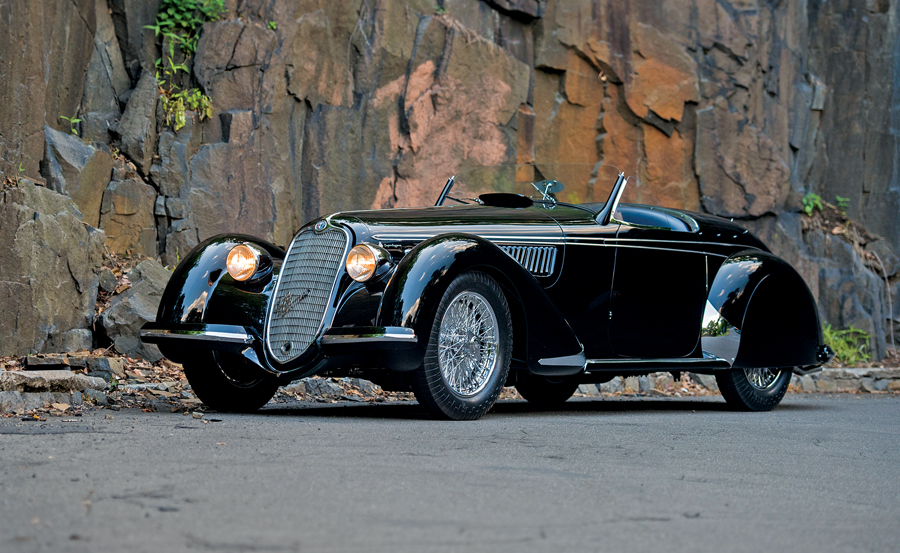
The Alfa Romeo 8C 2900 is an extremely rare pre-war sports car, with surviving examples among the most valuable in the world. Its original engine components, including the supercharger, carburetors, and crankshafts, are almost impossible to find.
Many restorers rely on careful refurbishment of original pieces rather than seeking replacements. Modern reproductions cannot match the precision or historical integrity of the original components.
Bodywork represents another significant challenge. Aluminum panels were hand-shaped for each car, resulting in subtle variations that are difficult to reproduce. Replacements require artisan craftsmanship and extensive knowledge of period techniques. Even small elements like trim, fenders, or bonnet latches can be extremely rare.
The suspension and braking systems also require original components for full authenticity. Many of these elements were bespoke, designed to handle both road and track conditions. Reproducing these parts involves specialized materials and engineering expertise. Minor deviations may affect performance and safety.
Interior components further add to restoration complexity. Leather upholstery, wooden dashboards, and early instrumentation were all made to exacting standards. Original switches, knobs, and badges are almost impossible to find and often require sourcing through auctions or private collectors. Even the smallest elements contribute significantly to authenticity.
Owning an Alfa Romeo 8C 2900 is an endeavor reserved for the most dedicated collectors. The rarity of parts not only defines the restoration process but also enhances the car’s mystique and value. Every component represents a piece of automotive history, and tracking down original elements is part of the experience that makes this classic truly remarkable.
8. Duesenberg Model J
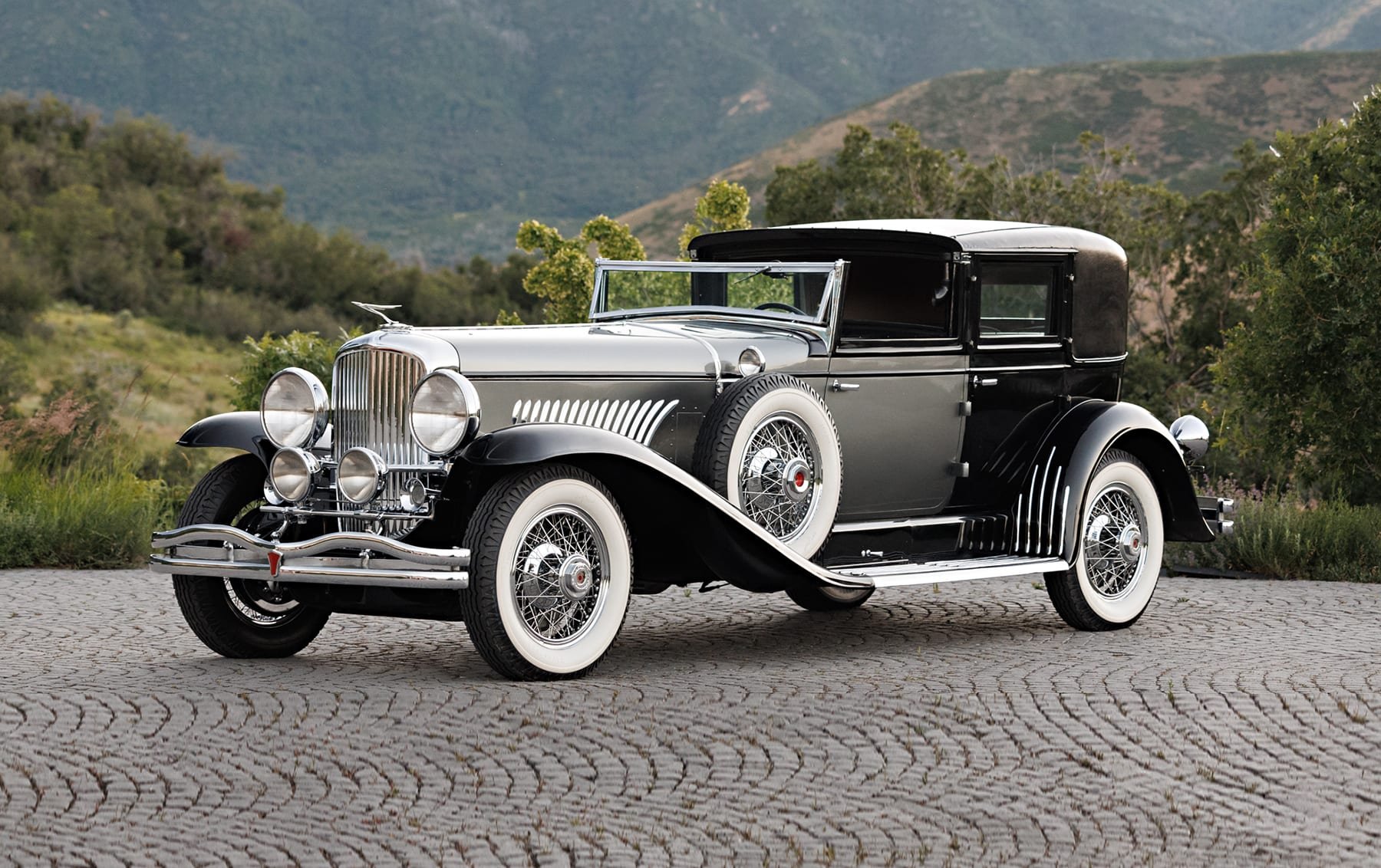
The Duesenberg Model J is a symbol of pre-war American luxury and engineering, yet finding replacement parts is nearly impossible. Its original engines, known for their straight-eight configuration and supercharged performance, have parts that were custom-made for each car.
Components such as crankshafts, camshafts, and carburetors are extremely rare, often requiring years of networking with collectors to locate. Fabricating parts without compromising authenticity is a complex process, reserved for specialists.
Body panels and chassis elements present additional challenges. Each Model J was often coach-built, meaning the bodywork was unique to the owner’s specifications. Aluminum fenders, hood panels, and intricate trim are rarely available, and reproductions cannot replicate the hand-crafted details of the originals. Even minor differences in metal thickness or curve can significantly reduce value and authenticity.
The suspension and brake systems are equally difficult to source. Original shock absorbers, leaf springs, and hydraulic brake components were custom-engineered and are no longer produced.
Restorers often need to repair or refurbish original units to maintain correct handling and historical accuracy. Modern substitutes rarely provide the same performance or visual authenticity.
Interior components add another layer of complexity. Leather upholstery, wooden dashboards, and chrome-plated instrument panels were made with meticulous craftsmanship. Finding original switches, knobs, or decorative elements is nearly impossible, as many suppliers from the 1920s and 1930s no longer exist. Even replicating the color and grain of the materials demands expert attention.
Owning a Duesenberg Model J is a demonstration of dedication to automotive history. The extreme rarity of parts makes restoration a highly specialized field, and each component secured represents decades of preservation effort. Collectors view every original element as a connection to a bygone era of craftsmanship, elegance, and engineering excellence.
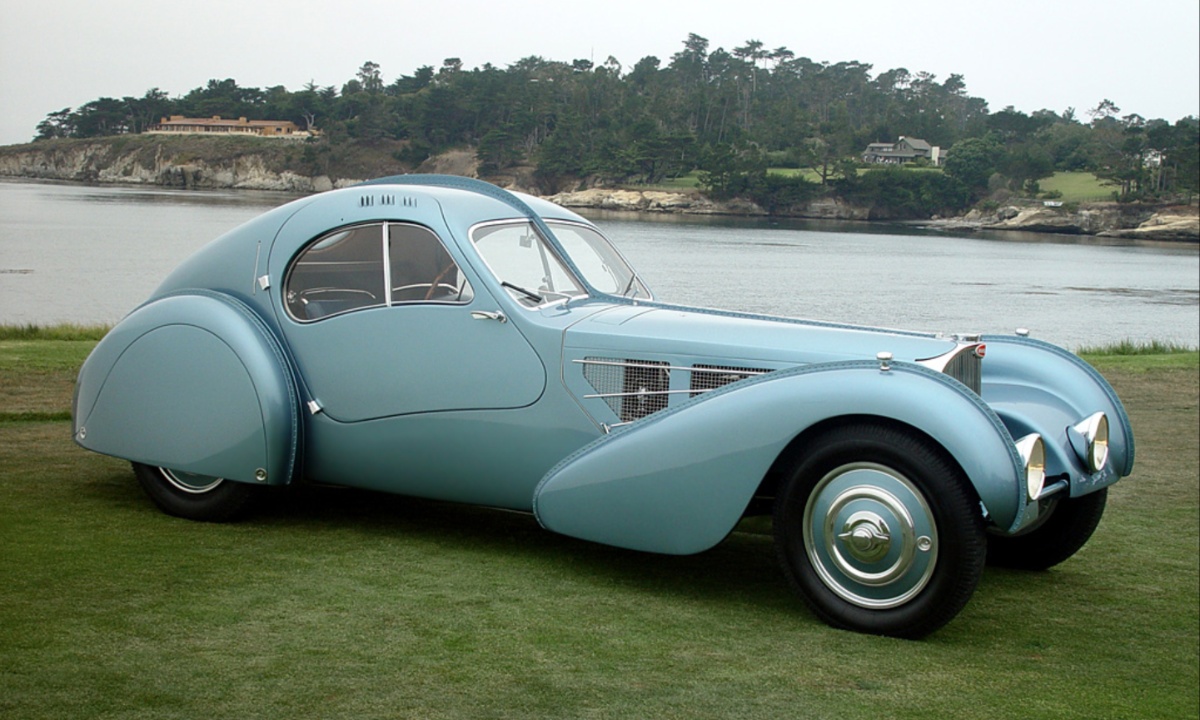
9. Bugatti Type 57SC Atlantic
The Bugatti Type 57SC Atlantic is among the rarest cars in the world, with only four ever produced. Its body panels, made from hand-formed aluminum with riveted seams, are impossible to replicate perfectly.
Even minute variations in thickness or curvature can destroy the authenticity and collector value of the vehicle. Restoring or sourcing replacement panels often involves bespoke metalwork from only a handful of expert artisans worldwide.
The engine of the Type 57SC Atlantic is another source of rarity. Original supercharged inline-eight engines have components like crankshafts, camshafts, and cylinder heads that are no longer manufactured.
Aftermarket reproductions rarely meet the original specifications, and performance can be severely impacted if replacements are not authentic. Collectors rely on NOS parts or painstakingly refurbished originals.
Suspension and braking components were highly advanced for the 1930s and designed uniquely for each car.
Original leaf springs, shock absorbers, and drum brakes are scarce, and modern substitutes fail to replicate both function and appearance. Even minor deviations can alter the driving experience and reduce historical fidelity, which is critical for collectors.
Interior elements also challenge restorers. Custom leather upholstery, handcrafted dashboards, and unique instrument panels were tailored for each Atlantic. Components such as steering wheels, knobs, and trim pieces are nearly impossible to find and often require private networks or bespoke craftsmen to reproduce accurately. Authenticity is paramount for maintaining both historical and monetary value.
Owning a Bugatti Type 57SC Atlantic is a testament to dedication, patience, and extraordinary resources. Each rare part is a link to automotive history, representing the pinnacle of 1930s engineering and design. The scarcity of components enhances the mystique of the vehicle, and collectors treat every piece as a precious artifact rather than a mere mechanical item.
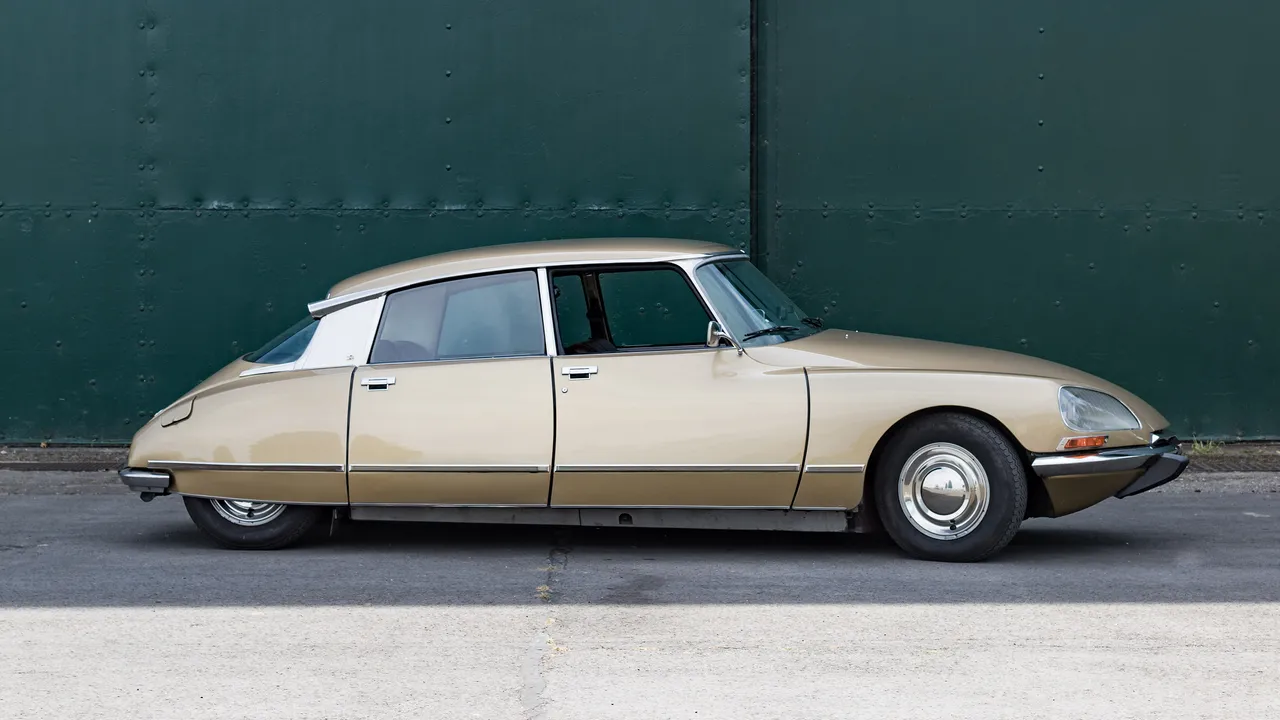
10. Citroën DS
The Citroën DS revolutionized automotive design with its hydropneumatic suspension and futuristic body, yet maintaining one today is a challenge due to scarce parts. Original suspension spheres, hydraulic pumps, and brake components were specific to this model and are extremely rare.
Modern reproductions are often functional but do not match the original specifications, which can affect ride quality and handling. Collectors must carefully source or refurbish original components to preserve authenticity.
Body panels and trim present another set of difficulties. The DS’s unique aerodynamic styling relied on hand-shaped steel panels, which were often repaired rather than replaced during its production life. Reproductions exist, but subtle differences in curvature, panel thickness, and finishing can dramatically affect value. Even chrome trim, badges, and interior moldings are hard to locate.
The DS’s electrical and interior systems also require attention. Original wiring harnesses, switches, and dashboard components were model-specific, and modern equivalents rarely fit without modification. Seats, upholstery, and dashboards must match the original design, using authentic materials and patterns. Minor details contribute significantly to the car’s authenticity and collector value.
Engine components are similarly rare. Early DS models had unique carburetors, ignition systems, and engine mounts designed exclusively for the vehicle.
Replacement parts may exist in reproduction form, but they often lack precision and longevity compared to original elements. For collectors, maintaining the original drivetrain is essential for both historical and functional purposes.
Owning a Citroën DS is a labor of dedication and appreciation for automotive innovation. Each hard-to-find component preserves the originality and legacy of the vehicle.
The scarcity of parts turns restoration into both an art and a science, reinforcing the DS’s status as one of the most celebrated and technically advanced classic cars ever produced.
