
Owning an SUV brings a sense of freedom and practicality that few other vehicles can match. These vehicles are designed to handle a variety of driving conditions, from city streets to rugged terrain, making them popular among families and adventure seekers alike.
One aspect of vehicle maintenance that is often overlooked but crucial is the timing belt. The timing belt plays a vital role in synchronizing the engine’s camshaft and crankshaft, ensuring that the engine runs smoothly and efficiently.
When a timing belt fails, it can lead to severe engine damage, which can be costly to repair. For SUV owners who enjoy performing their own maintenance, choosing a vehicle with a timing belt that is relatively simple to replace at home can save both time and money.
Many modern SUVs have shifted to timing chains, which tend to last longer but are more complex to service. Timing belts, on the other hand, generally require replacement at regular intervals, usually between sixty thousand and one hundred thousand miles.
While some belts are difficult to access due to engine layout, others are positioned in a way that makes DIY replacement achievable for an enthusiast with basic mechanical skills. The ease of replacement is influenced by factors such as engine compartment design, availability of replacement parts, and the simplicity of the engine layout.
A well-chosen SUV with a timing belt can allow owners to maintain peak engine performance without relying heavily on professional mechanics.
Choosing an SUV with a timing belt also involves understanding the benefits and challenges of belt replacement. Unlike chains, belts are quieter and lighter, which can improve fuel efficiency and reduce engine noise. However, belts are subject to wear and tear from heat, oil, and other environmental factors, which makes timely replacement crucial.
The cost of a timing belt replacement varies depending on the make and model, but performing the task at home can drastically reduce labor expenses. Additionally, some SUVs have engines designed with easily accessible timing covers, clear markings, and user-friendly replacement procedures, making them ideal candidates for home maintenance.
For those new to DIY automotive work, it is important to familiarize oneself with tools such as torque wrenches, pulley holders, and camshaft alignment tools. Understanding the specific engine layout and consulting service manuals ensures that the replacement is done correctly.
Even though replacing a timing belt may seem daunting at first, following step-by-step instructions can make the process manageable and rewarding. Proper maintenance not only extends the life of the engine but also enhances vehicle reliability.
Home replacement can also instill a sense of pride and confidence in handling vehicle repairs, which many SUV owners appreciate.
In this article, we focus on ten SUVs that feature timing belts and are known for their relatively straightforward replacement process. These vehicles have been selected based on engine accessibility, parts availability, and user feedback regarding home maintenance.
Each SUV offers a combination of performance, reliability, and DIY-friendly engineering that allows owners to perform timing belt replacements with minimal difficulty. By considering these options, SUV enthusiasts can make informed choices that balance practicality, longevity, and the satisfaction of hands-on maintenance. This guide provides insights into the benefits of each model, what makes their timing belts easier to replace, and tips for successful at-home replacement.

1. Honda CR-V
The Honda CR-V has long been a favorite among SUV buyers for its reliability and ease of maintenance. The 2.4-liter four-cylinder engine, common in many CR-V models, features a timing belt that is accessible from the side of the engine.
Replacement typically involves removing the accessory belts and a few covers, making it manageable for a home mechanic. Honda’s clear engine layout allows for visual alignment of timing marks, which simplifies the process and reduces the chance of mistakes.
Another advantage of the CR-V is the abundance of available parts and instructional guides. Timing belt kits often come with tensioners and water pumps, allowing for comprehensive maintenance in a single session.
The engine’s straightforward design ensures that homeowners do not need to remove major components, which is often a barrier in other SUVs. Many enthusiasts report that a complete replacement can be completed in a few hours with basic hand tools. Accessibility and detailed manuals make this SUV a top choice for DIY timing belt replacement.
The engine layout in the CR-V also helps minimize risk during the replacement process. With visible timing marks and well-marked pulleys, alignment errors are less likely. This clarity is particularly useful for first-time DIY mechanics, providing confidence that the belt is installed correctly.
Honda’s engineering prioritizes serviceability, which is why this vehicle is often recommended in automotive forums for at-home maintenance. Consistent maintenance contributes to the vehicle’s long-lasting reputation and resale value.
Additionally, the CR-V’s size and weight do not complicate engine work. Engine covers and surrounding components are relatively easy to remove, and there is ample room to maneuver tools without special lifts or jacks. This makes belt replacement less stressful and reduces the chance of damaging nearby components.
Home mechanics often praise this SUV for allowing repairs without professional equipment, which makes it an efficient choice for cost-conscious owners. The combination of engine accessibility and well-documented procedures enhances the appeal for DIY enthusiasts.
Finally, the timing belt replacement process is further simplified by Honda’s attention to part compatibility. Replacement belts, pulleys, and tensioners are widely available and often come in complete kits. This ensures that owners can source all necessary parts quickly without concerns about fitment issues.
Following manufacturer instructions and using proper tools allows a home mechanic to restore the engine to its original performance. The CR-V remains one of the most user-friendly SUVs for those seeking hands-on timing belt maintenance.
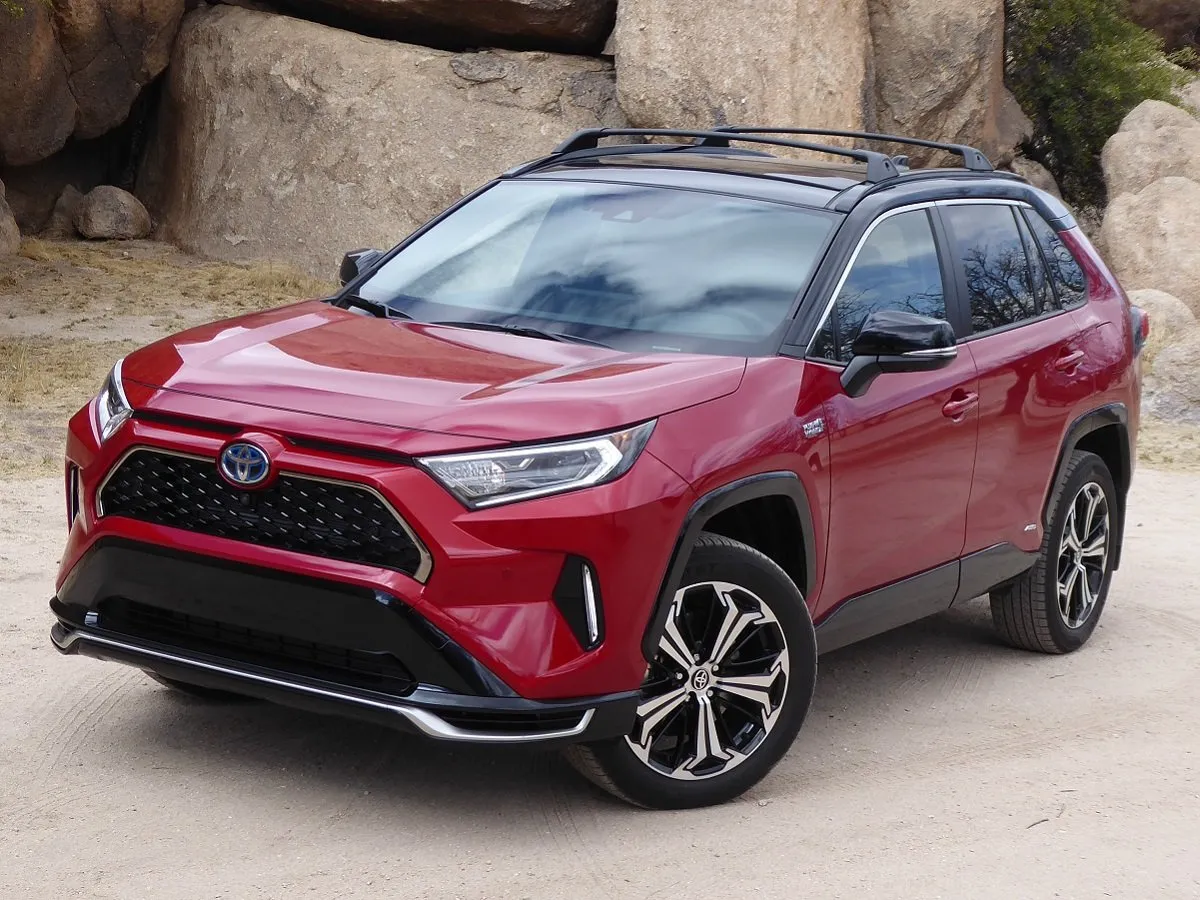
2. Toyota RAV4
The Toyota RAV4 is another SUV known for reliability and maintenance-friendly design. Models with the 2.0 and 2.4-liter engines feature timing belts that are accessible without dismantling major engine components. Toyota’s engineering emphasizes straightforward service procedures, making the RAV4 a practical choice for home mechanics. Replacement typically requires removal of the serpentine belt, timing cover, and pulley components, all of which are easy to access.
One reason the RAV4 is favored by DIY enthusiasts is the clarity of timing marks on the camshaft and crankshaft. The markings allow precise alignment during replacement, reducing the risk of engine damage.
Many service manuals include step-by-step diagrams and torque specifications, enabling homeowners to perform the procedure confidently. The belt itself is relatively short and easy to handle, which further simplifies the task.
In addition to accessibility, parts availability is excellent. Replacement kits often include tensioners, idler pulleys, and water pumps, allowing for full preventive maintenance. The engines are designed in a way that does not require removal of engine mounts or other heavy components, which can complicate belt replacement in other SUVs. This approach minimizes labor time and makes it feasible to complete the job in a standard garage setting.
Toyota also prioritizes engine durability, so timing belts in the RAV4 are engineered for predictable wear. Home mechanics can rely on replacement schedules provided in manuals, typically ranging between sixty to ninety thousand miles.
Performing the replacement on time prevents catastrophic engine failures and keeps the vehicle running efficiently. The combination of predictable maintenance intervals and DIY-friendly access makes the RAV4 an attractive choice for self-service owners.
Finally, the RAV4’s compact engine bay does not hinder movement or tool access. Mechanics can work comfortably without specialized lifts, and there is enough space to replace components without removing surrounding systems.
Many SUV owners report that the replacement process is straightforward and manageable, even for those with minimal mechanical experience. The RAV4 balances reliability, accessibility, and parts availability, which makes timing belt replacement approachable for home enthusiasts.
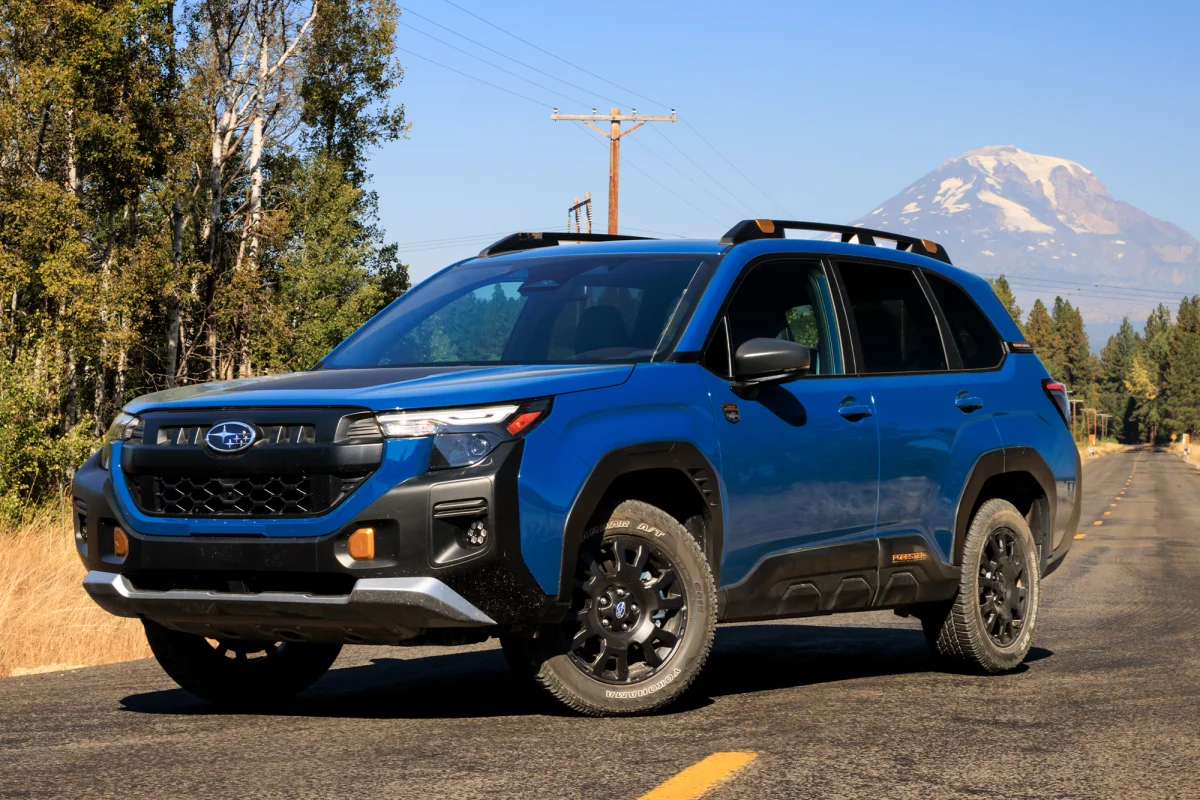
3. Subaru Forester
The Subaru Forester is highly regarded for its all-wheel-drive capability and reliable engine design. Many Forester models, particularly those with the 2.5-liter four-cylinder engines, use a timing belt that is accessible without removing the entire engine. The layout places the belt on the side of the engine, allowing mechanics to work comfortably from a standing position with basic tools. This design choice makes it practical for SUV owners who prefer home maintenance.
A key factor in the Forester’s timing belt accessibility is Subaru’s use of visible alignment marks on the camshaft and crankshaft. These marks simplify installation and help avoid costly errors that can occur if the belt is misaligned.
Manuals and online guides provide detailed instructions specific to each model year, which gives DIY enthusiasts a clear roadmap. Many home mechanics find that a well-prepared workspace and patience are all that’s needed to complete the replacement safely.
The availability of parts further supports at-home timing belt replacement. Kits often include not only the belt but also tensioners, idler pulleys, and water pumps. This allows owners to perform comprehensive maintenance in one session rather than multiple visits to a shop. Subaru’s consistent engineering across different model years ensures that parts are interchangeable in most cases, reducing confusion and making sourcing easier for home repairs.
Subaru engines are designed with serviceability in mind, which is why the belt replacement process does not require extreme disassembly. In most cases, removing the accessory belts, timing cover, and a few minor components is sufficient to access the timing belt.
This approach reduces labor time and prevents accidental damage to surrounding systems. Many Forester owners report that the replacement can be completed in a weekend, even by those with limited mechanical experience.
Finally, preventive maintenance using the timing belt schedule helps maintain the Forester’s long-term performance. By following the recommended intervals, SUV owners can avoid engine damage and costly repairs.
The combination of accessible engine layout, visible timing marks, and comprehensive replacement kits makes the Forester one of the most DIY-friendly SUVs for timing belt maintenance. Home mechanics can approach this task with confidence, knowing that the engine was designed to accommodate practical servicing.

4. Mitsubishi Outlander
The Mitsubishi Outlander is another SUV with a reputation for reliability and maintenance simplicity. Certain 2.4-liter four-cylinder engines use a timing belt that is relatively easy to access from the side of the engine compartment. The design allows mechanics to work with basic hand tools without needing to remove major engine mounts. This makes it appealing to SUV owners who enjoy performing their own repairs.
Timing marks on the Outlander’s engine are clearly defined, which helps ensure precise alignment during replacement. Proper alignment is critical to prevent engine damage, and Mitsubishi provides service manuals with step-by-step diagrams to guide DIY mechanics.
Many owners note that following the instructions carefully and labeling parts during disassembly significantly reduces the risk of mistakes. This level of clarity is a key reason why the Outlander is considered home-friendly for timing belt replacement.
Replacement parts for the Outlander are widely available, including complete timing belt kits with tensioners and idler pulleys. Water pumps are often replaced at the same time as the belt, which reduces future labor and ensures comprehensive engine maintenance.
The straightforward layout and consistent engineering make it easier to source the correct components, even for older model years. This availability allows homeowners to perform the replacement efficiently and cost-effectively.
The engine bay of the Outlander provides sufficient space to maneuver tools and remove necessary components. Unlike some SUVs where belts are buried deep within the engine, the Outlander allows easy access without specialized lifts.
Mechanics can reach pulleys, covers, and tensioners without excessive strain, which minimizes the chance of damaging surrounding parts. This accessibility is particularly important for those who perform maintenance in a home garage.
Finally, completing the timing belt replacement on the Outlander ensures long-term engine reliability. Consistently replacing the belt at recommended intervals prevents premature wear and catastrophic engine failure. The combination of accessible engine design, clear timing marks, and readily available replacement kits makes this SUV ideal for owners who prefer a hands-on approach to maintenance. It strikes a balance between performance, reliability, and practicality for DIY enthusiasts.

5. Ford Escape
The Ford Escape, particularly models with the 2.5-liter four-cylinder engine, features a timing belt that is approachable for home mechanics. The engine layout is compact but accessible, with the belt positioned near the front of the engine. This allows mechanics to remove the timing cover and accessory components without requiring professional lifts or advanced tools, making it feasible for DIY replacement.
Timing alignment in the Escape is straightforward, with visible marks on the camshaft and crankshaft pulleys. Ford provides service manuals that outline step-by-step procedures, including torque specifications for bolts and proper belt tensioning. Following these instructions reduces the risk of misalignment, which is essential for avoiding serious engine damage. Home mechanics benefit from the clarity and predictability of the Escape’s engine design.
Replacement parts for the Escape are widely available, including full timing belt kits with tensioners and idler pulleys. Water pump replacement during the same service is recommended, which helps extend engine life. These kits ensure that all necessary components are on hand, reducing multiple trips to parts stores and allowing for a smoother replacement process. Availability and compatibility make the Escape an attractive option for home maintenance.
The Escape’s engine bay provides sufficient space to perform the replacement without excessive disassembly. Most tasks involve removing accessory belts, the timing cover, and a few small components, keeping the process manageable. The design avoids the need to remove the engine or major systems, which can be intimidating to home mechanics. This ease of access is one reason the Escape is often recommended for DIY maintenance.
Finally, following the recommended timing belt intervals on the Escape protects the engine from failure and maintains optimal performance. Home mechanics can complete the replacement over a weekend, saving significant labor costs. The combination of accessible design, clear alignment marks, and widely available parts makes the Escape a reliable choice for SUV owners who wish to perform their own maintenance while ensuring engine longevity.
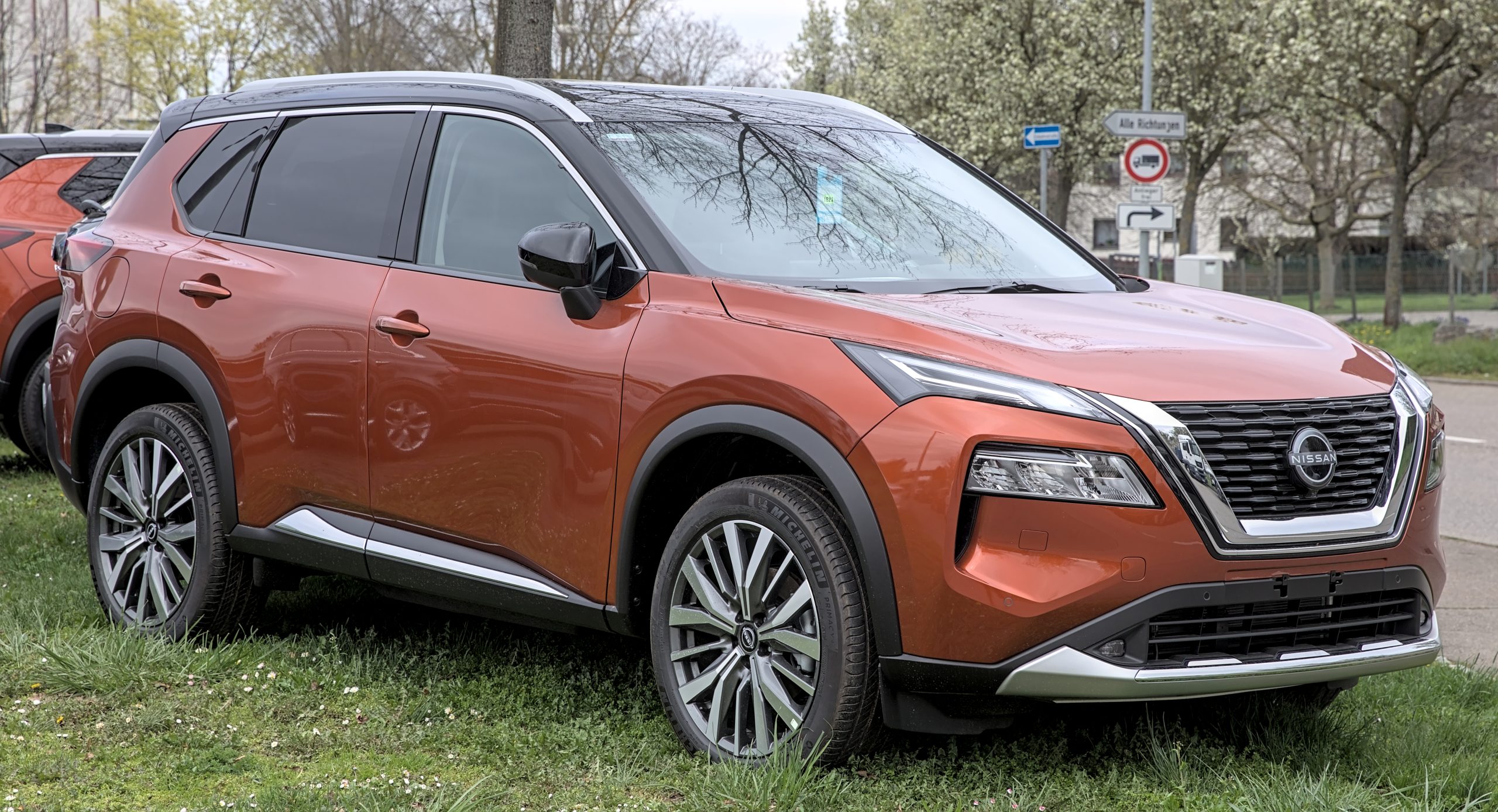
6. Nissan X-Trail
The Nissan X-Trail is known for its versatility and engine reliability, particularly the 2.0- and 2.5-liter four-cylinder engines with timing belts. The belt is accessible from the side of the engine, which makes it easier for home mechanics to reach without removing the engine or major components. This layout allows for practical, hands-on maintenance in a standard garage setting.
Timing marks on the X-Trail’s engine are well-defined and visible once the timing cover is removed. This allows for precise alignment during replacement, minimizing the risk of engine damage. Detailed service manuals provide step-by-step instructions, including the proper torque for bolts and the recommended belt tension. The clarity of the engine layout and manuals makes the X-Trail approachable even for those attempting their first timing belt replacement.
Replacement parts are widely available, including complete timing belt kits with tensioners, pulleys, and water pumps. Performing a full kit replacement is recommended to prevent future issues and to maintain engine reliability. The widespread availability of parts for the X-Trail makes it convenient for home mechanics to gather all necessary components before beginning the task. This preparation helps ensure a smooth and successful replacement process.
The engine bay design provides enough space to maneuver tools and access pulleys, covers, and tensioners comfortably. Unlike more compact engines, the X-Trail allows mechanics to work without contorting or removing additional systems. This practical accessibility reduces the likelihood of accidental damage and speeds up the replacement process. Home mechanics often note that working on this SUV is straightforward when following the proper procedures.
Finally, timely replacement of the timing belt in the X-Trail helps maintain engine performance and prevent catastrophic failure. Home mechanics can complete the replacement in a day or two, depending on experience and preparation. The combination of accessible engine design, visible timing marks, and complete replacement kits makes the X-Trail an excellent choice for SUV owners who prefer a DIY approach to vehicle maintenance.
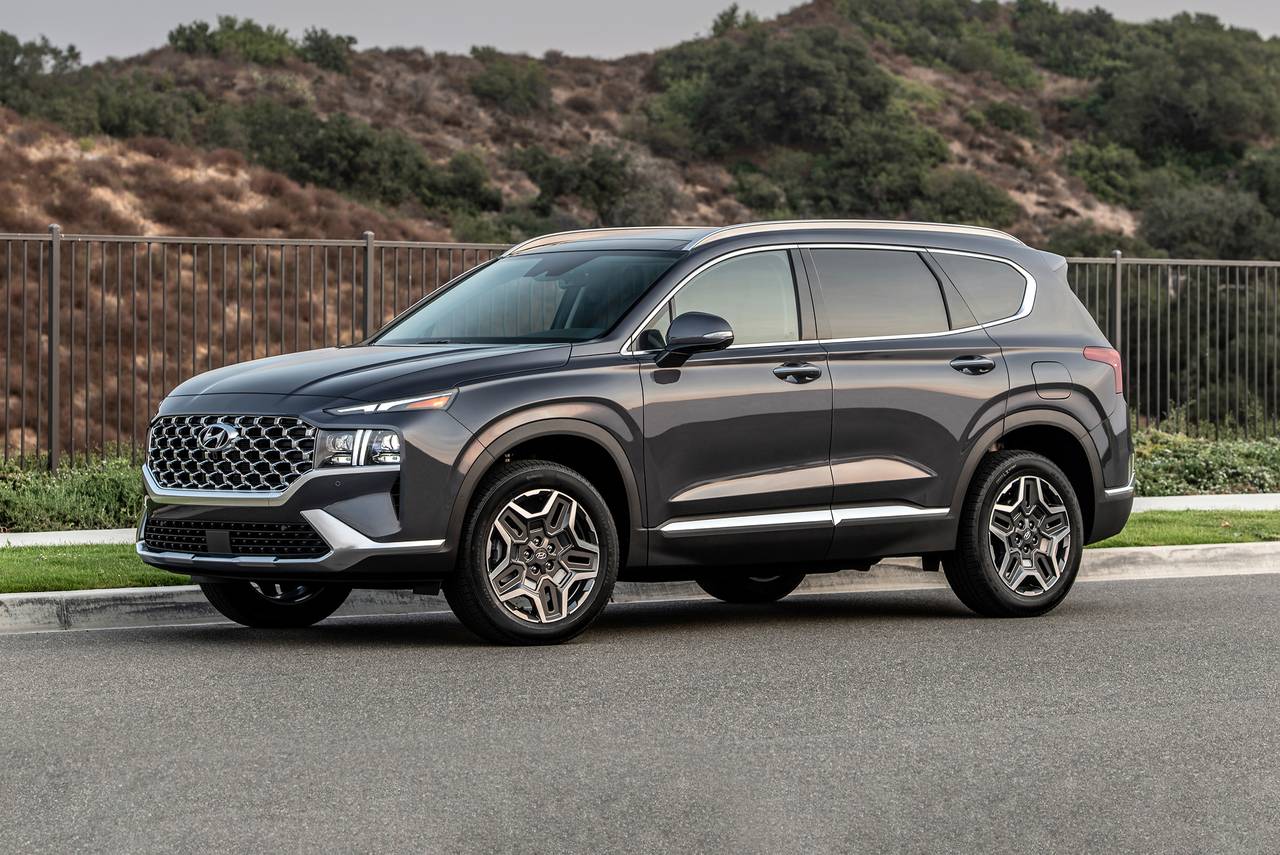
7. Hyundai Santa Fe
The Hyundai Santa Fe offers a balance of reliability, comfort, and maintenance-friendly design. Models with four-cylinder engines often use timing belts that are accessible without major engine removal. This positioning allows home mechanics to remove the timing cover and accessory components without specialized tools, making DIY replacement achievable.
Timing marks are clearly visible on the camshaft and crankshaft pulleys, helping ensure correct alignment during installation. Hyundai provides comprehensive service manuals with detailed diagrams, torque specifications, and step-by-step guidance.
Following these instructions reduces the likelihood of errors, even for home mechanics with limited experience. The clarity and predictability of the engine layout make the Santa Fe a practical choice for self-performed maintenance.
Replacement kits are widely available for the Santa Fe, including belts, tensioners, pulleys, and often water pumps. Performing a full kit replacement is recommended to avoid future problems and extend engine life.
Parts are easy to source from local suppliers or online retailers, which saves time and allows home mechanics to complete the task without multiple trips to the store. This accessibility enhances the DIY maintenance experience.
The engine bay design allows mechanics to work comfortably around the timing belt. With accessory belts removed and the timing cover off, there is enough space to install the new belt and align timing marks accurately. This prevents unnecessary strain and reduces the risk of damaging surrounding components. Many SUV owners report that the replacement is straightforward when approached methodically and with patience.
Replacing the timing belt at recommended intervals ensures the Santa Fe maintains consistent performance and avoids engine damage. By following the manual and using the correct tools, home mechanics can restore the engine’s functionality without professional assistance. The combination of an accessible layout, clear timing marks, and readily available parts makes the Santa Fe a DIY-friendly SUV for timing belt maintenance.

8. Kia Sorento
The Kia Sorento is popular for its combination of size, comfort, and reliable engines. Four-cylinder models with timing belts are designed so the belt is reachable from the side of the engine, which simplifies at-home replacement. Mechanics can remove the timing cover and accessories without dismantling the entire engine, making it feasible for DIY maintenance.
Timing marks on the Sorento’s engine are clearly defined and easy to align. Hyundai-Kia manuals provide detailed diagrams and torque specifications, helping home mechanics avoid costly errors. Clear instructions and visible marks ensure that even first-time DIYers can perform the replacement with confidence. The predictable layout enhances the feasibility of self-servicing this SUV.
Replacement kits for the Sorento are easily accessible and include the timing belt, tensioners, pulleys, and water pumps. Replacing the full kit is recommended to maximize engine longevity and prevent future failures. Parts availability from local dealers and online sources makes it practical for home mechanics to prepare ahead of time, reducing stress during the replacement process.
The Sorento’s engine bay provides ample space for working with tools and handling components. With careful organization, mechanics can reach the timing belt, pulleys, and tensioners without removing major systems.
This space reduces the risk of damage and ensures a smoother replacement process. Many SUV owners note that the Sorento’s design allows for a manageable and efficient DIY replacement.
Completing the timing belt replacement on schedule maintains the Sorento’s engine performance and prevents serious damage. With proper planning, the job can be done in a single day, saving significant labor costs. The combination of an accessible layout, clear timing marks, and available replacement kits makes the Sorento ideal for owners who prefer hands-on maintenance of their vehicle.

9. Suzuki Vitara
The Suzuki Vitara is a compact SUV known for reliability and efficient engine design. Certain models with four-cylinder engines use timing belts that are easily accessible from the side of the engine. This layout allows home mechanics to replace the belt without removing major components, making it a practical choice for DIY enthusiasts.
Timing marks are clearly visible, and Suzuki provides detailed service manuals outlining the replacement procedure. Proper alignment is critical to prevent engine damage, and the clear markings simplify this process. Home mechanics find that careful planning, patience, and following the manual step by step make the replacement manageable and safe.
Replacement kits are widely available for the Vitara, including belts, tensioners, pulleys, and often water pumps. Performing a full kit replacement is recommended to avoid future issues and ensure comprehensive maintenance. Parts availability and affordability make it feasible for home mechanics to complete the replacement efficiently. This combination of accessibility and resources increases the SUV’s appeal for DIY maintenance.
The engine bay design allows for practical work around the timing belt. Accessing the belt, tensioners, and pulleys does not require removal of the engine or other major systems, which simplifies the process. Mechanics can work comfortably, reducing the risk of mistakes and making the replacement process faster and safer. This approach enhances the appeal for home maintenance enthusiasts.
Replacing the timing belt on schedule ensures the Vitara maintains consistent engine performance. Completing the job at home saves labor costs and provides a sense of accomplishment for DIY enthusiasts. The combination of accessible engine design, clear timing marks, and readily available parts makes the Suzuki Vitara a reliable and practical choice for SUV owners interested in hands-on maintenance.
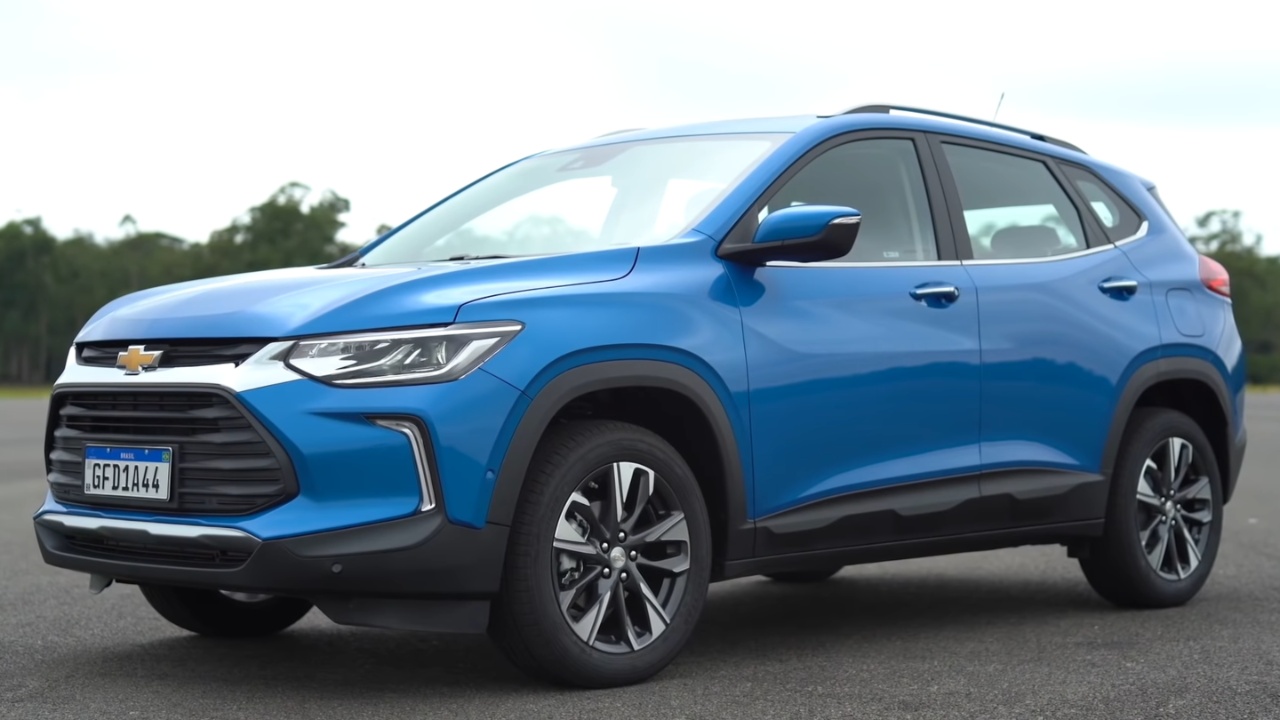
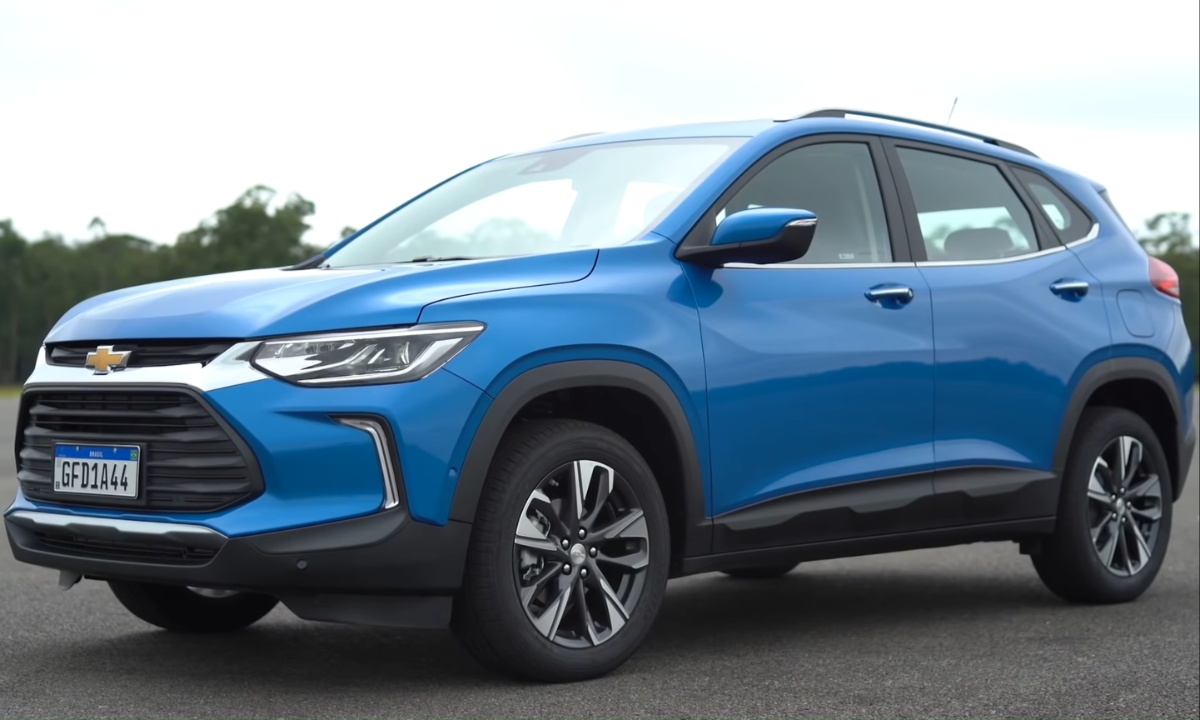
10. Chevrolet Tracker
The Chevrolet Tracker is a compact SUV with a timing belt that is reachable from the side of the engine. This layout allows home mechanics to replace the belt without dismantling the engine or removing extensive components. The design prioritizes accessibility, which is ideal for DIY enthusiasts.
Timing marks on the Tracker’s engine are clearly visible and well-defined, making alignment straightforward during replacement. Manuals provide detailed instructions, including bolt torque specifications and tensioner procedures. Following these guides ensures that home mechanics can perform the replacement safely and accurately, reducing the risk of engine damage.
Replacement kits are widely available, including the timing belt, tensioners, pulleys, and water pumps. Completing a full kit replacement is recommended to ensure long-term reliability. Parts can be sourced from dealerships or online suppliers, making it convenient for home mechanics to gather everything needed in advance. Preparedness simplifies the replacement process and ensures efficiency.
The engine bay design allows mechanics to access the belt and components without excessive disassembly. With the timing cover removed and accessory belts out of the way, there is ample space to work comfortably. This reduces the risk of accidental damage and speeds up the replacement process. Many owners find the Tracker approachable for DIY maintenance due to its practical layout.
Completing the timing belt replacement on schedule preserves the engine’s performance and prevents severe damage. Home mechanics can perform the job efficiently with the proper tools and parts. The combination of accessible layout, clear timing marks, and comprehensive replacement kits makes the Chevrolet Tracker a practical choice for SUV owners who prefer to handle their own vehicle maintenance.
