
Modern vehicles have become more reliable and efficient than ever before, thanks to continuous advancements in automotive engineering. One area where significant improvements are evident is in transmissions. Transmissions are crucial for a vehicle’s performance, connecting the engine to the wheels and determining how power is delivered.
They come in various types, including automatic, manual, and continuously variable systems. While older transmissions were prone to wear and frequent repairs, many contemporary models have been designed to withstand long-term use without major issues. Choosing a vehicle with a durable transmission can save owners thousands of dollars in repairs and reduce the stress of unexpected breakdowns.
Engineers now focus on high-quality materials, precise assembly, and advanced computer controls to ensure transmissions operate smoothly under different driving conditions. Manufacturers often test these components for hundreds of thousands of miles, identifying weak points and improving designs.
As a result, some modern vehicles can maintain optimal performance with little intervention for the lifetime of the car. Regular maintenance, such as fluid changes and inspections, remains important, but the likelihood of needing a complete transmission overhaul is considerably lower in these models.
Beyond reliability, modern transmissions contribute to fuel efficiency and driving comfort. Many automatic systems feature multiple gears, allowing engines to run at ideal speeds more consistently.
Continuously variable transmissions provide seamless acceleration without noticeable shifts, and manual gearboxes have become more precise and smoother than previous generations. These improvements not only enhance the driving experience but also reduce wear on the transmission components, further extending their lifespan.
Vehicle owners also benefit from warranties and extended coverage on many newer models. Automakers recognize the importance of reliability in consumer trust and brand reputation, which has driven efforts to create robust transmission systems.
Consumer reports, automotive reviews, and long-term ownership data often highlight certain vehicles for their low repair rates and high transmission durability. These insights help buyers make informed decisions when selecting a car that will offer long-term value without frequent service interventions.
This article highlights ten modern vehicles with transmissions that rarely require major repairs. The list focuses on a mix of sedans, SUVs, and trucks, emphasizing models that have proven reliable in real-world conditions.
By understanding which vehicles are built with durable transmissions, potential buyers can choose cars that combine performance, efficiency, and low long-term maintenance costs. This guide is particularly useful for drivers seeking dependable daily transportation and those who wish to avoid the stress and expense of unexpected transmission failures.
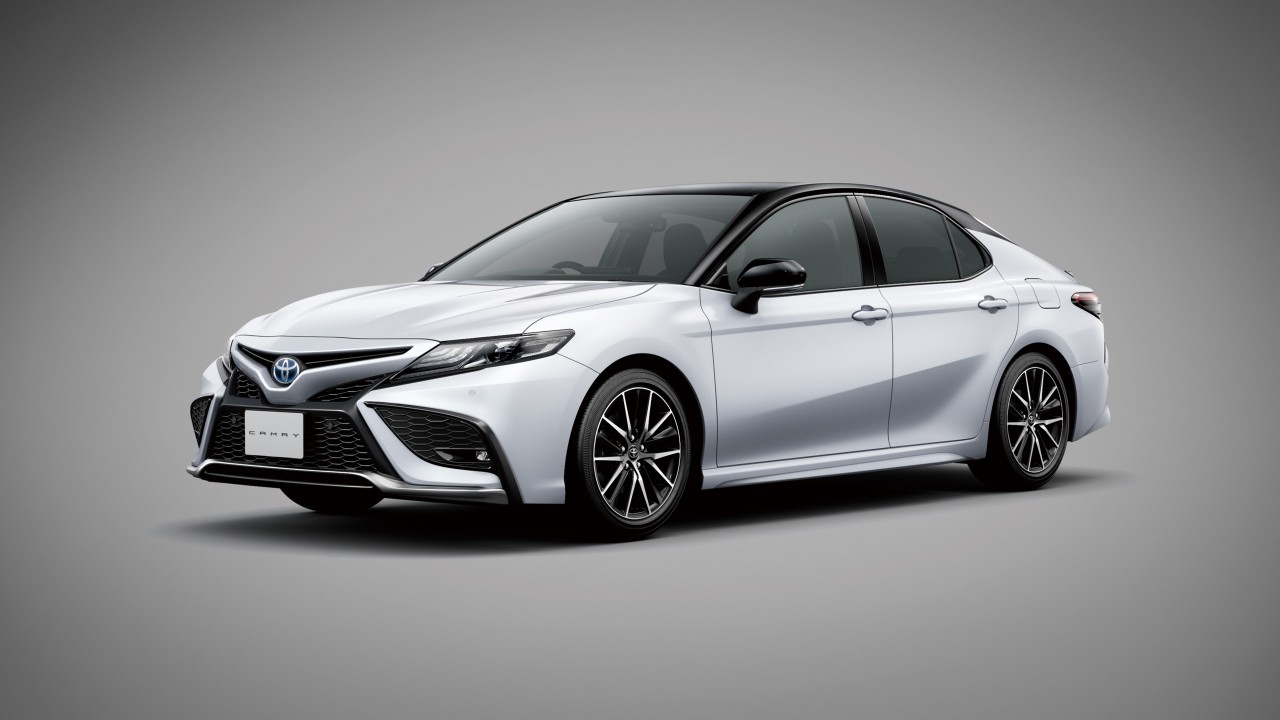
1. Toyota Camry
The Toyota Camry is widely recognized for its reliability and strong engineering. Its automatic transmission is designed for smooth performance and minimal wear over time. Owners report that many models reach over 200,000 miles without requiring major transmission repairs. Regular maintenance such as fluid changes can further extend the life of the transmission.
The Camry offers both a conventional automatic and a hybrid variant, each optimized for longevity. The automatic system uses durable components and precise shifting logic. The hybrid model features a continuously variable transmission that has also proven reliable under normal driving conditions. This makes the Camry a practical choice for those seeking a stress-free ownership experience.
In addition to reliability, the Camry’s transmission provides efficient power delivery. Gear ratios are well-balanced, which reduces strain on engine components. Smooth shifts contribute to fuel efficiency and a comfortable ride. Many owners highlight that even high-mileage Camrys maintain consistent transmission performance.
Toyota’s engineering focus extends to ensuring replacement parts are accessible and affordable. Should minor repairs become necessary, service costs are generally lower compared to other brands. This reduces the financial burden of maintaining a vehicle over its lifetime. The Camry demonstrates that a balance of durability and performance is possible in a mainstream sedan.
The reputation of the Camry’s transmission is reinforced by extensive real-world data. Consumer surveys and repair records consistently show low incidences of transmission failure. The vehicle’s proven track record has contributed to its continued popularity among drivers seeking dependable and long-lasting transportation.
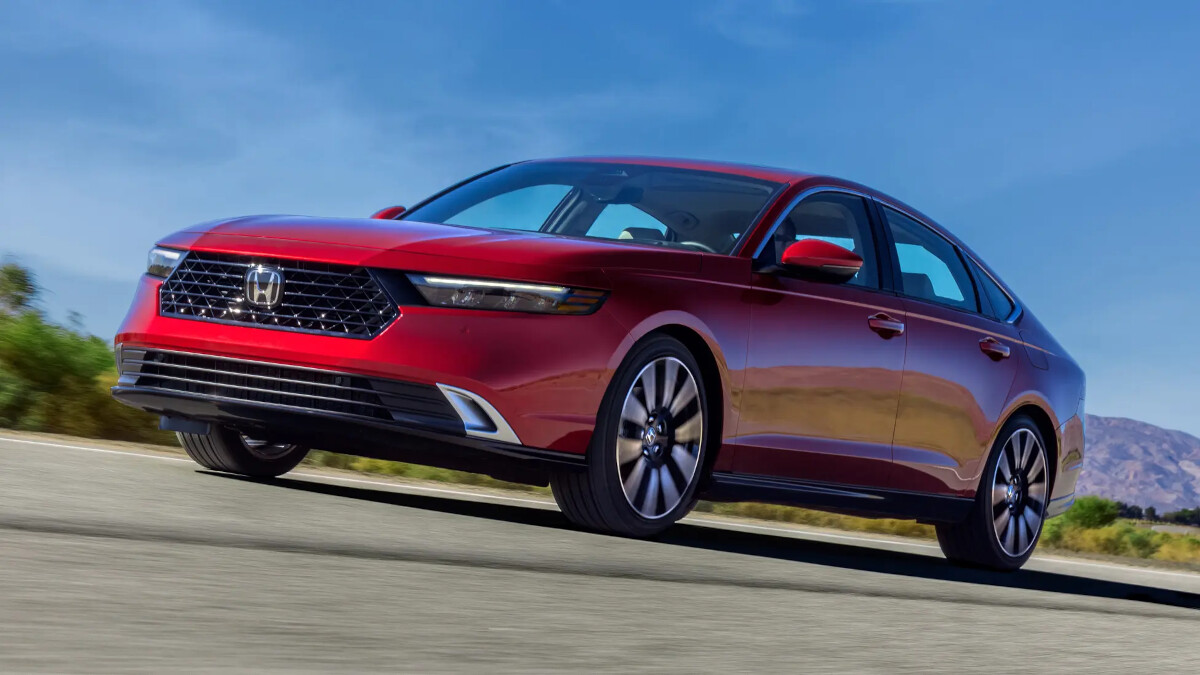
2. Honda Accord
The Honda Accord is another sedan praised for transmission durability. Its automatic transmissions are designed to handle high mileage without frequent issues. Many Accord owners report trouble-free performance well past 150,000 miles. The manual transmission option is also well-built, with precise shifting and strong internal components.
Honda has refined the Accord’s transmission systems through multiple generations. Each update includes improvements in materials, hydraulic systems, and electronic controls. This attention to detail ensures that the transmission can operate efficiently under a variety of driving conditions. The design reduces stress on moving parts, extending operational life.
Owners appreciate the smooth performance and consistent reliability of the Accord’s transmission. The automatic transmission shifts seamlessly, which contributes to both driving comfort and fuel efficiency. Even in city traffic, the transmission maintains its responsiveness without signs of early wear. Long-term data indicate that major repairs are rare compared to competitors in the same class.
Routine maintenance is still recommended, including periodic fluid replacement and inspections. However, the design of the Accord transmission minimizes the likelihood of catastrophic failure. Honda’s commitment to quality engineering and testing ensures that these components meet high durability standards. Replacement parts are widely available and relatively affordable, making maintenance easier.
The Accord’s reputation is backed by numerous automotive publications and consumer feedback. Many owners report more than a decade of use without any major transmission problems. This track record has made the Accord a benchmark for reliability in the midsize sedan segment.
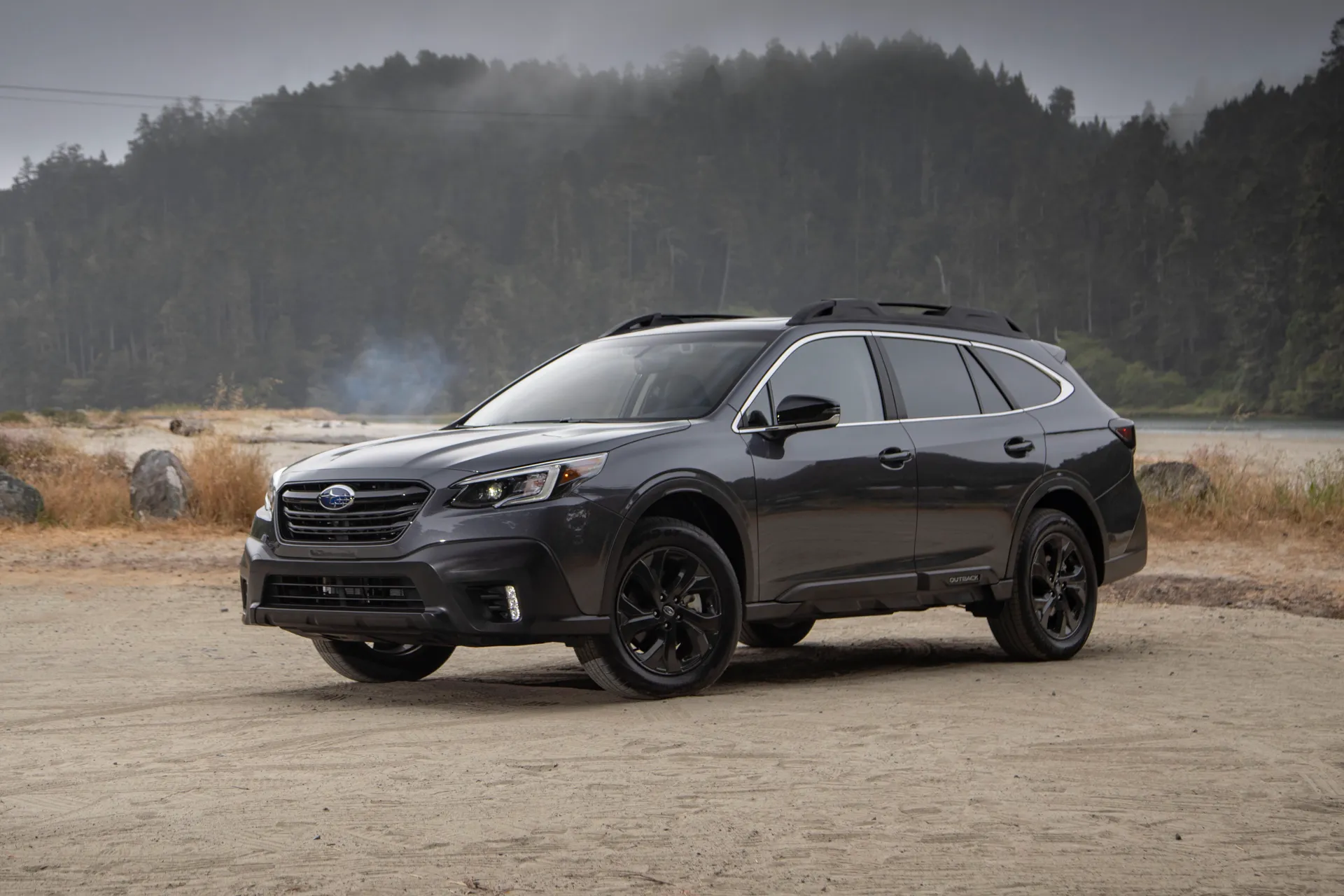
3. Subaru Outback
The Subaru Outback stands out for its all-wheel-drive system paired with a durable transmission. Its continuously variable transmission provides smooth power delivery and reduces mechanical stress. Many Outback owners note that their vehicles exceed 200,000 miles with minimal transmission concerns. Subaru’s engineering emphasizes longevity, making it suitable for drivers in diverse conditions.
Subaru uses high-quality materials in both the transmission and drivetrain components. Gear systems and belts are designed for efficiency and durability, ensuring the vehicle can handle heavy use without failure. The combination of a strong transmission and all-wheel-drive system makes the Outback ideal for both urban and rural driving environments.
Drivers benefit from consistent performance, even under demanding conditions. The transmission adapts well to different terrain types, including gravel, snow, and highways. This versatility reduces wear and contributes to a long operational lifespan. Owners consistently highlight smooth acceleration and reliable shifting as standout features.
Routine maintenance, including periodic fluid checks, helps preserve the transmission’s health. Subaru’s approach to engineering ensures that these systems are resilient to neglect or extreme conditions. Replacement costs, if ever required, are manageable due to standardized components. The Outback demonstrates how a well-designed transmission can complement the vehicle’s durability.
The Outback’s reliability is validated by both consumer surveys and professional evaluations. It has consistently ranked high for long-term ownership satisfaction. Drivers seeking dependable all-wheel-drive performance find the Outback’s transmission a key advantage in maintaining vehicle longevity.
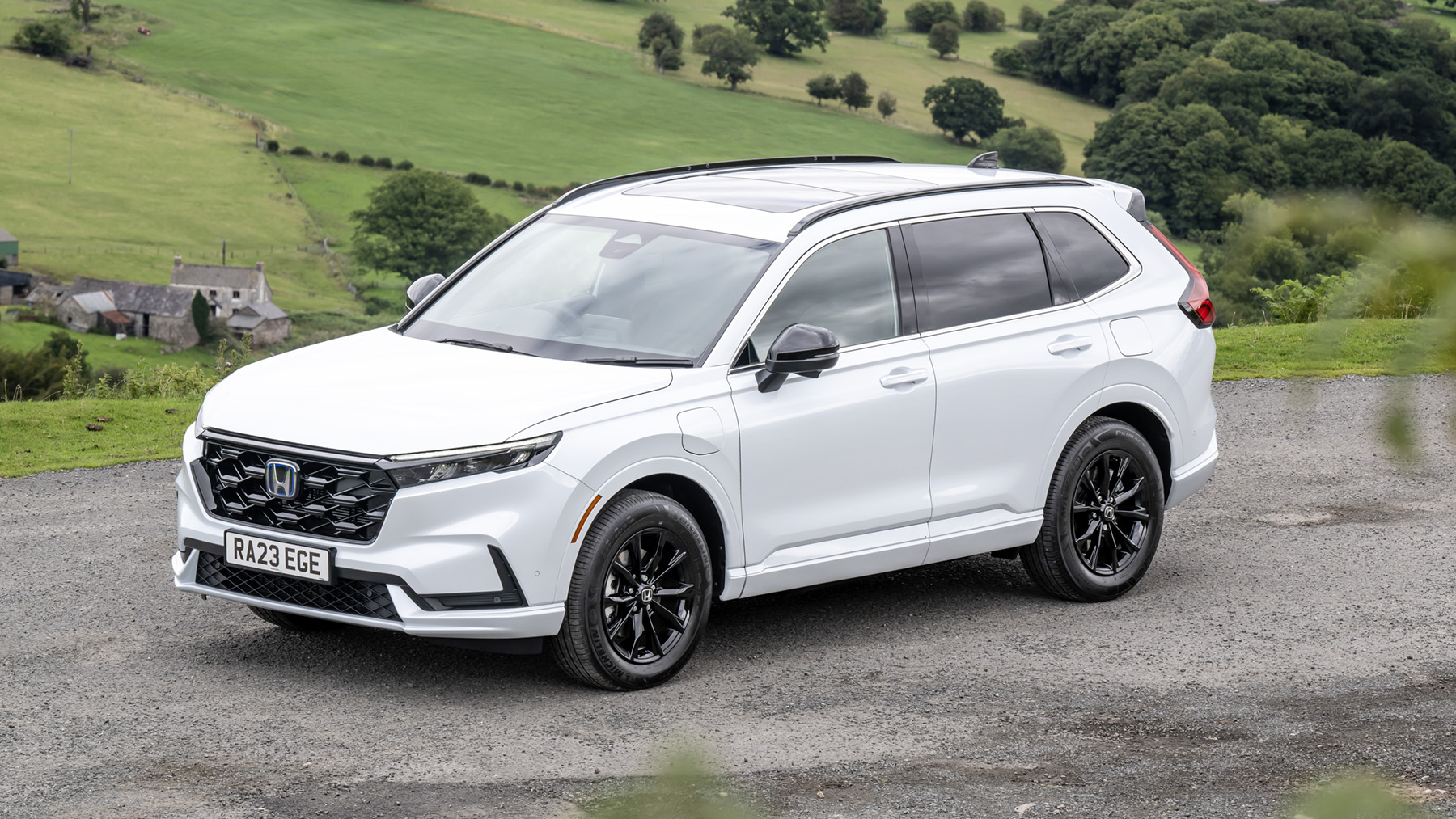
4. Honda CR-V
The Honda CR-V has earned a reputation for reliable transmissions and strong performance. Its continuously variable transmission, designed to balance efficiency and power delivery, rarely experiences major issues when properly maintained.
Many CR-V owners report reaching 200,000 miles without transmission replacement, highlighting the robustness of Honda’s engineering. The smooth shifts provided by the CVT reduce wear on engine components, which contributes to the longevity of the drivetrain.
Honda has consistently refined the CR-V’s transmission over multiple generations. Modern models incorporate advanced hydraulic systems and electronic controls that optimize gear ratios for various driving conditions. These refinements reduce the risk of overheating, slipping, or other common transmission problems.
Even with heavy use in urban commuting or frequent highway driving, the CR-V’s transmission continues to perform reliably. The manufacturer’s focus on durability ensures that even high-mileage vehicles remain dependable.
The CR-V’s transmission also contributes to fuel efficiency without compromising power. The CVT adjusts seamlessly to engine load, maintaining consistent performance and reducing strain on internal components. Drivers notice smooth acceleration and responsive handling, which is particularly helpful during stop-and-go traffic.
Because the transmission reduces harsh gear shifts, wear on mechanical parts is minimized, extending the life of the vehicle’s drivetrain and decreasing maintenance concerns.
Routine care is essential but uncomplicated for the CR-V. Periodic fluid inspections and replacements are recommended to maintain optimal transmission health. Honda designs these systems to tolerate a wide range of operating conditions, so minor lapses in maintenance rarely result in catastrophic failure.
Replacement components are generally accessible and affordable, ensuring that even older models can remain reliable without excessive repair costs.
Consumer satisfaction with the CR-V’s transmission is consistently high. Reports from owners and automotive reviews indicate minimal issues even with extended ownership periods. Its combination of smooth performance, long-term reliability, and low maintenance requirements make the CR-V a practical choice for those seeking a dependable SUV. The transmission is widely considered one of the most resilient in its class, reinforcing the vehicle’s reputation for longevity.
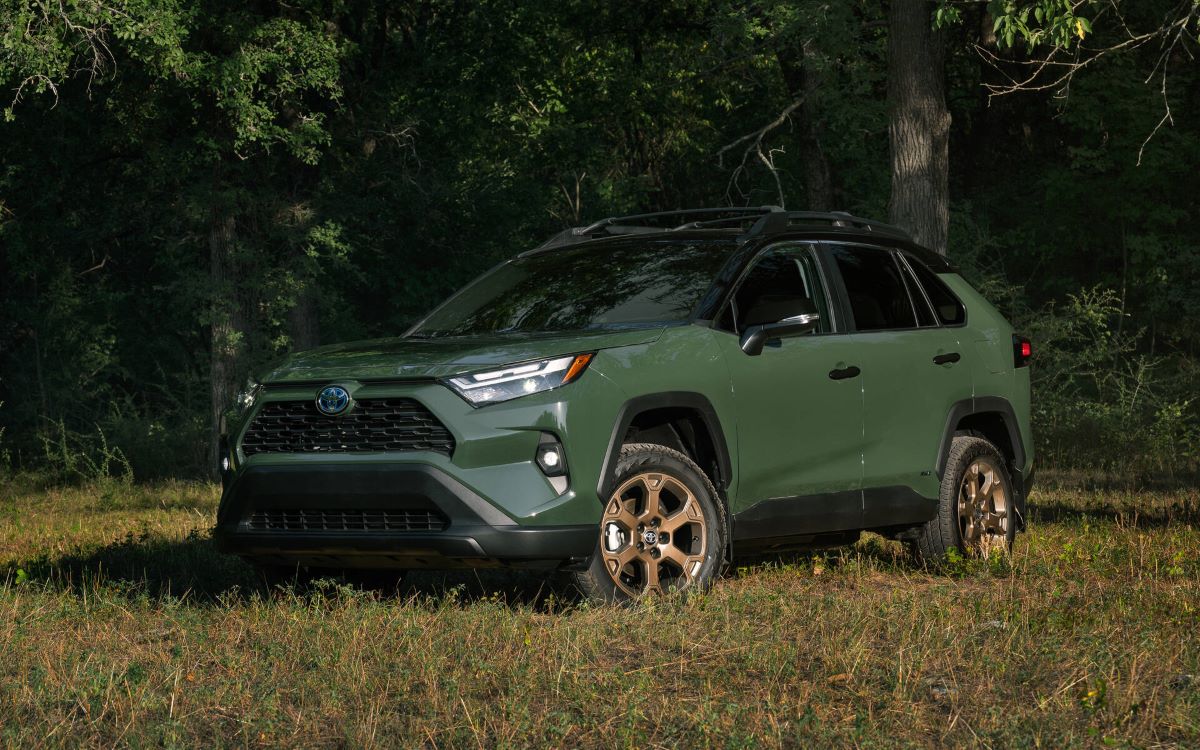
5. Toyota RAV4
The Toyota RAV4 features a transmission system known for its durability and efficient performance. Most models use an automatic transmission or a hybrid CVT, both of which are engineered to minimize wear over time.
Owners often report reaching well over 200,000 miles without needing major repairs, a testament to Toyota’s focus on long-term reliability. This consistency provides peace of mind for daily commuters and long-distance travelers alike, making it a preferred choice among compact SUVs.
Toyota emphasizes precision engineering in the RAV4’s transmission components. Gearsets are manufactured to exact tolerances, and electronic control systems ensure smooth shifting under varying loads. These features reduce heat buildup and mechanical stress, preventing common causes of transmission failure. The result is a vehicle capable of handling both city streets and rugged terrain while maintaining optimal drivetrain health.
The hybrid variants of the RAV4 utilize continuously variable transmissions that are carefully calibrated for efficiency and durability. These systems reduce friction and manage torque effectively, which extends the lifespan of critical components.
Drivers benefit from quiet operation, smooth acceleration, and consistent fuel efficiency, even under demanding conditions. The combination of mechanical reliability and electronic precision ensures minimal intervention is required over the vehicle’s lifetime.
Maintenance of the RAV4’s transmission is straightforward, involving periodic fluid replacement and system inspections. Toyota designs these systems with long-term usability in mind, which means minor lapses in maintenance seldom lead to significant problems.
Parts availability is widespread, and repairs, if needed, are generally cost-effective. This approach enhances the value of the vehicle and supports its reputation for long-lasting performance.
The RAV4’s transmission reliability is reinforced by consumer data and independent automotive reports. Owners consistently highlight its durability and minimal repair requirements, even for vehicles with high mileage. Its combination of smooth performance, efficiency, and resilience has contributed to its status as one of the most dependable compact SUVs on the market, making it a solid investment for long-term ownership.
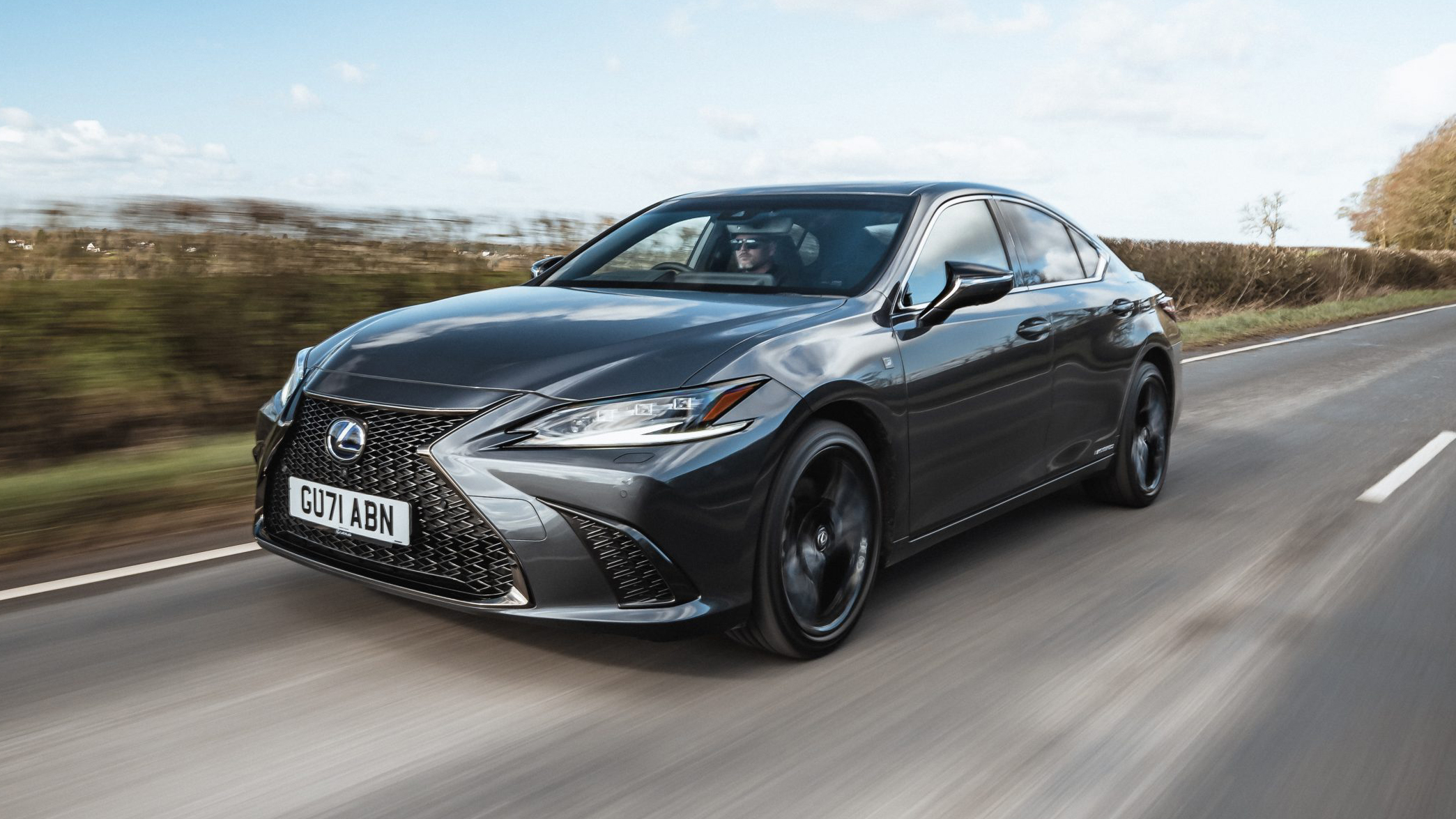
6. Lexus ES
The Lexus ES offers a luxury experience while maintaining impressive transmission reliability. Its automatic transmissions are engineered for durability, providing smooth gear shifts and consistent performance under various driving conditions. Many owners report minimal transmission issues, even after hundreds of thousands of miles, showcasing Lexus’s commitment to long-term vehicle reliability. The combination of refined engineering and high-quality materials makes the ES a standout among luxury sedans.
Lexus places great emphasis on the design and assembly of its transmission systems. Precision components, reinforced gears, and advanced electronic controls work together to prevent overheating and minimize wear.
Each transmission undergoes rigorous testing to ensure that it can endure extended use without requiring major repairs. This careful engineering contributes to the smooth and responsive driving experience that Lexus vehicles are known for.
The ES’s transmission also enhances fuel efficiency without sacrificing performance. Gear ratios are optimized to allow the engine to operate efficiently at various speeds.
Drivers enjoy seamless acceleration and quiet operation, which adds to the comfort and luxury appeal. By maintaining smooth power delivery, the transmission reduces strain on both the engine and drivetrain, further extending vehicle longevity.
Routine maintenance, such as fluid changes and inspections, is straightforward for the ES. Lexus designs these systems to withstand extended use with minimal intervention, meaning that most owners rarely encounter significant problems.
Replacement parts are widely available, and service costs are generally lower than expected for a luxury vehicle. This combination of durability and ease of maintenance makes the ES particularly appealing to long-term owners.
The reputation of the Lexus ES is reinforced by consumer reports and long-term ownership surveys. High reliability ratings consistently reflect the vehicle’s resilient transmission and durability. Drivers seeking a luxury sedan that combines comfort, smooth performance, and low repair likelihood often choose the ES for its proven engineering and dependable drivetrain systems.
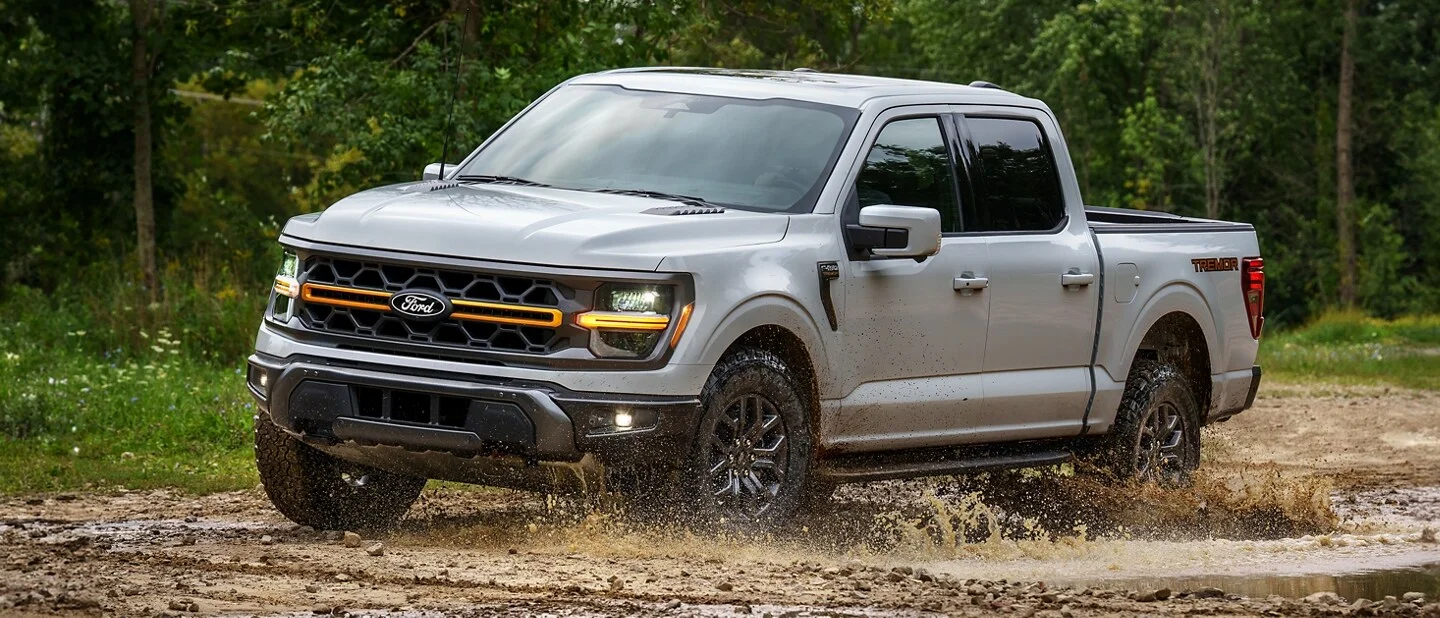
7. Ford F-150
The Ford F-150 is a full-size pickup celebrated for its durable transmissions and rugged design. Its automatic transmissions are engineered to handle heavy towing, off-road use, and long-term driving demands.
Many F-150 owners report reaching well over 200,000 miles without experiencing major transmission issues. The robust design ensures the vehicle can meet both professional and personal needs with minimal service interruptions.
Ford continually refines its transmission systems to improve longevity and reliability. Modern F-150 models feature electronically controlled automatics that provide smooth and consistent shifts. Reinforced internal components and advanced cooling systems reduce heat and mechanical stress, helping prevent common failures. The combination of heavy-duty construction and precision engineering makes the F-150 well-suited for demanding workloads.
The transmission also contributes to efficient power management for towing and hauling. Gear ratios are optimized to balance performance, fuel efficiency, and drivetrain durability. Drivers notice smooth transitions between gears, even under load, which reduces wear on internal components. This design focus ensures that the vehicle maintains reliability over extended periods of high-intensity use.
Routine maintenance of the F-150’s transmission is straightforward, involving fluid inspections and periodic replacements. Ford designs these systems to tolerate tough conditions, so minor lapses rarely result in catastrophic failure. Parts are widely available, and repairs, if necessary, are generally cost-effective compared to similar trucks, making it a practical choice for long-term ownership.
The F-150’s transmission durability is supported by real-world data and long-term owner experiences. High-mileage examples rarely require major interventions, and consumer reviews frequently cite its reliability as a key strength. For buyers seeking a pickup capable of heavy use without frequent transmission problems, the F-150 remains a leading option.

8. Chevrolet Tahoe
The Chevrolet Tahoe offers a combination of large SUV utility and reliable transmission performance. Its automatic transmissions are built to handle substantial loads, including towing and off-road driving.
Owners frequently report minimal transmission issues even after extensive use, demonstrating Chevrolet’s commitment to robust engineering. The Tahoe’s drivetrain is designed to endure the demands of both city driving and rugged terrain without major repairs.
Chevrolet has invested in refining the Tahoe’s transmission components over several model years. Modern systems include electronically controlled automatics that manage power delivery efficiently. High-quality gears, durable clutches, and reinforced internal parts work together to reduce wear and extend operational life. These features ensure that the transmission maintains smooth performance over hundreds of thousands of miles.
The Tahoe’s transmission also enhances fuel efficiency and vehicle responsiveness. Gear ratios are calibrated to balance engine output and driving demands, resulting in smooth acceleration and consistent handling. Drivers benefit from reduced strain on internal components, which contributes to the vehicle’s longevity. The combination of durability and performance makes it a dependable choice for family and work use.
Routine maintenance is important but uncomplicated. Periodic transmission fluid changes and inspections help ensure consistent operation, though major repairs remain rare. Parts are widely available, and service costs are reasonable for a full-size SUV. Chevrolet’s engineering prioritizes reliability, making the Tahoe a practical option for long-term ownership without transmission concerns.
Consumer data and owner feedback consistently highlight the Tahoe’s transmission reliability. Many vehicles achieve high mileage without significant problems, reinforcing the model’s reputation for durability. For buyers seeking a large SUV that balances performance, comfort, and low transmission maintenance needs, the Chevrolet Tahoe is a strong contender.
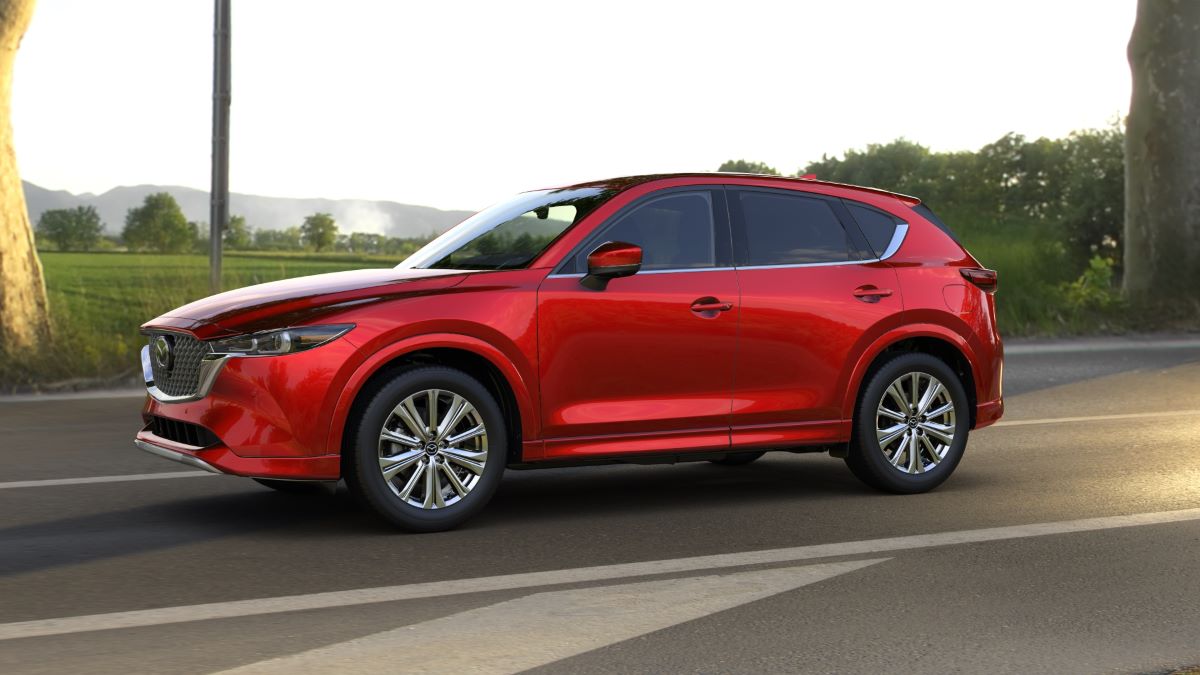
9. Mazda CX-5
The Mazda CX-5 is a compact SUV praised for its smooth and reliable transmissions. Its automatic transmission features well-designed components and advanced electronic controls, resulting in consistent performance over time.
Many owners report long-term reliability and minimal need for major transmission repairs. The CX-5’s drivetrain is engineered to provide responsive acceleration while reducing wear on internal components.
Mazda emphasizes precision engineering in the CX-5’s transmission system. Components are manufactured to high standards, and shift logic is finely tuned for both efficiency and smooth operation. These design elements reduce stress on gears and other critical parts, helping to prevent early failure. The system performs well under both city traffic and highway conditions, making it versatile and dependable.
The transmission contributes to fuel efficiency and enjoyable driving dynamics. Gear ratios are optimized for smooth acceleration, allowing the engine to operate efficiently across various speeds. Drivers notice precise and seamless shifts, which enhances the driving experience. Reduced internal strain also contributes to long-term durability and minimal repair needs.
Routine maintenance is simple, requiring periodic fluid changes and inspections. Mazda designs these transmissions to withstand normal wear and tear, so the likelihood of major repairs is low. Replacement parts are accessible, and service is generally straightforward, making the CX-5 a practical choice for long-term ownership. The vehicle’s reliability has been validated through years of real-world performance.
Owner surveys and automotive reviews consistently rate the CX-5 highly for transmission reliability. Many vehicles reach high mileage with little to no intervention, reflecting Mazda’s commitment to quality and durability. Its combination of smooth performance, low maintenance, and proven longevity makes the CX-5 a standout option in the compact SUV segment.
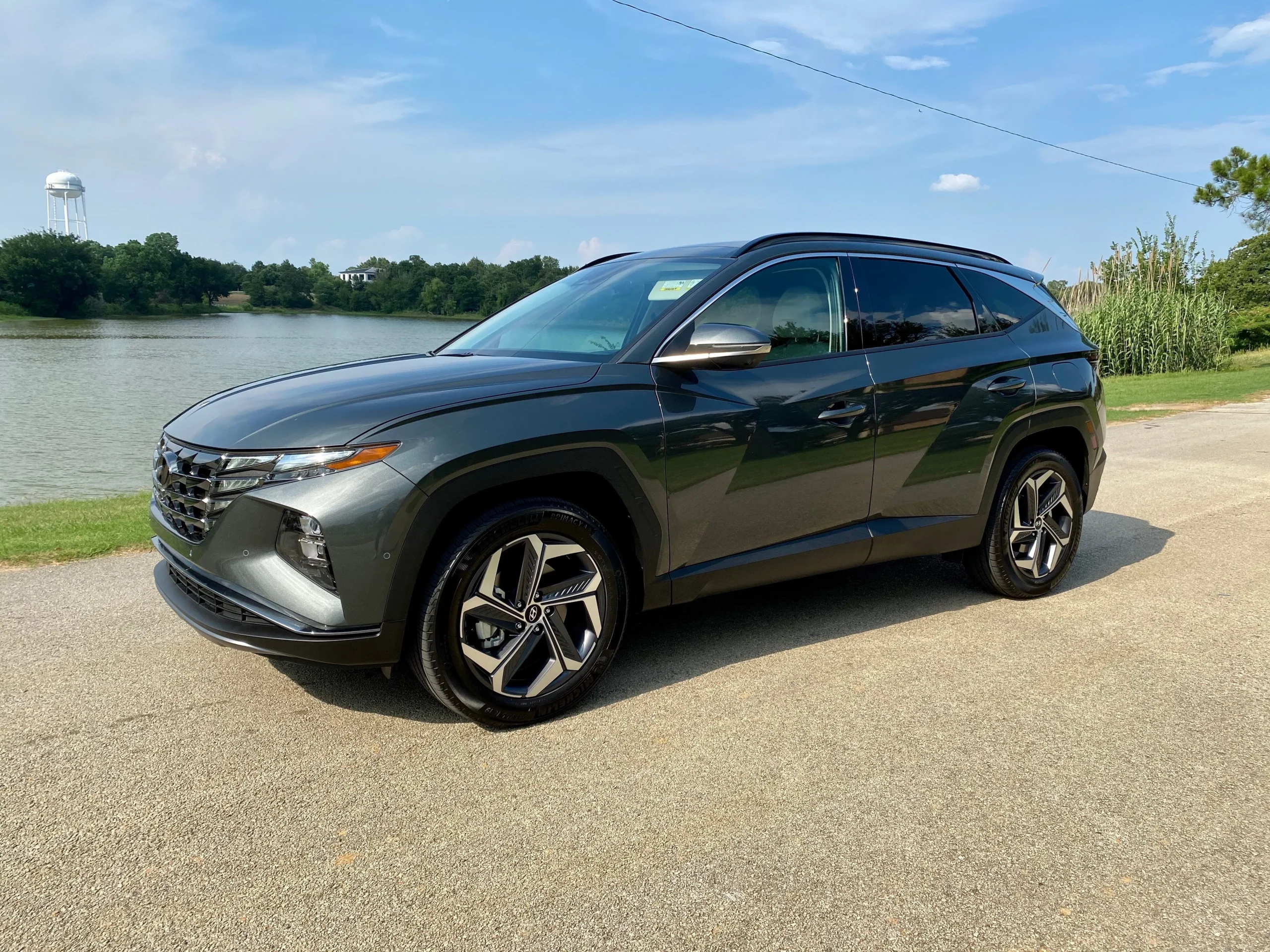
10. Hyundai Tucson
The Hyundai Tucson is a compact SUV recognized for its reliable transmissions and smooth driving experience. Its automatic transmission is engineered with durability in mind, allowing drivers to travel extensive distances without major issues.
Owners often report vehicles surpassing 150,000 to 200,000 miles while maintaining optimal transmission performance. The combination of efficient power delivery and low mechanical stress makes it a dependable choice for daily commuting and long trips.
Hyundai has refined the Tucson’s transmission across multiple generations to enhance longevity. High-quality components, precise electronic controls, and optimized gear ratios work together to reduce wear and overheating. These engineering improvements allow the transmission to handle both city stop-and-go traffic and highway cruising without strain. The result is a vehicle that maintains smooth and consistent shifts over many years.
The Tucson’s transmission also contributes to fuel efficiency and driving comfort. Shifts occur seamlessly, providing a quiet and responsive driving experience. By reducing mechanical friction and stress, the transmission extends the lifespan of other drivetrain components. Drivers benefit from a reliable system that combines performance and durability, ensuring minimal intervention is needed over the vehicle’s lifetime.
Routine maintenance is simple yet effective in preserving the Tucson’s transmission health. Regular fluid changes and inspections help maintain optimal operation, but even minor lapses rarely lead to major failures. Hyundai designs these systems to withstand a variety of driving conditions, and replacement parts are widely available and affordable. This makes the Tucson a practical option for long-term ownership.
Consumer feedback and automotive reviews consistently highlight the Tucson’s transmission reliability. Many owners report high mileage and minimal repair costs, emphasizing the durability of Hyundai’s engineering. Its combination of smooth performance, efficient operation, and low maintenance needs make the Tucson a strong contender for anyone seeking a compact SUV with a resilient transmission.
