
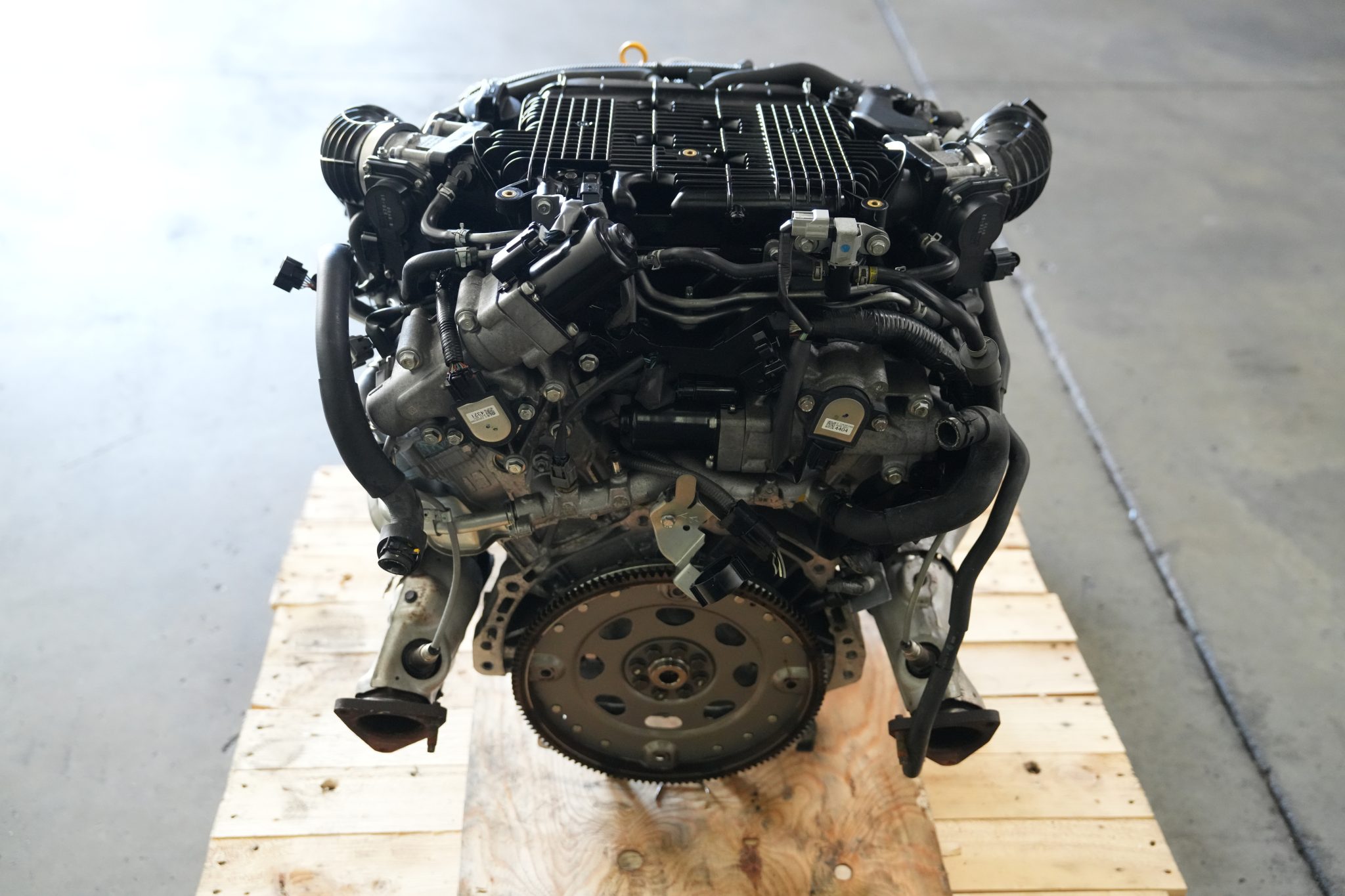
The V6 engine has long been celebrated for providing a solid compromise between performance and efficiency. Unlike larger V8 engines that often sacrifice fuel economy for raw power, a well-designed V6 can deliver both impressive acceleration and reasonable consumption.
Automakers have invested decades refining these engines, using technologies such as turbocharging, direct injection, and variable valve timing to optimize output and efficiency simultaneously. This evolution has made modern V6 engines capable of producing horsepower figures once thought possible only in larger powertrains, while still maintaining acceptable mileage.
In addition to performance metrics, smoothness and refinement are key characteristics that make V6 engines appealing. The natural balance of a 60-degree or 90-degree V6 configuration reduces vibration and ensures a more comfortable driving experience.
Drivers often notice a seamless delivery of torque across the rev range, which allows vehicles to accelerate effortlessly under varying load conditions. This combination of responsiveness and comfort has made V6 engines a staple in sedans, SUVs, and light trucks around the world.
Fuel efficiency has become a major selling point in recent years, and many V6 engines have adapted accordingly. Modern engineering techniques, including cylinder deactivation, turbocharging, and start-stop systems, allow these engines to conserve fuel during low-demand conditions without compromising the ability to perform when required.
Automakers have also focused on reducing internal friction and optimizing combustion to achieve better thermal efficiency. These advancements have blurred the line between economy and performance, giving consumers more flexibility in choosing vehicles that can handle both city commuting and spirited highway driving.
Another important aspect is the versatility of the V6 engine in terms of vehicle applications. From midsize sedans to large SUVs and performance coupes, the V6 provides a reliable power source that can adapt to different vehicle weights and driving demands.
Its size allows it to fit in engine bays where larger V8s might be impractical, while still providing sufficient torque for towing or carrying heavier loads. This adaptability has ensured that the V6 remains relevant even as hybrid and electrified powertrains continue to grow in popularity.
The best V6 engines strike a balance between reliability, power, and fuel economy. Enthusiasts and everyday drivers alike appreciate engines that deliver strong acceleration without excessive maintenance costs or poor fuel performance.
A careful blend of engineering precision, technological innovation, and testing ensures that these engines perform well over long periods while meeting modern environmental and efficiency standards. Understanding the top V6 options available today requires examining both their technical specifications and real-world performance across a range of driving scenarios.
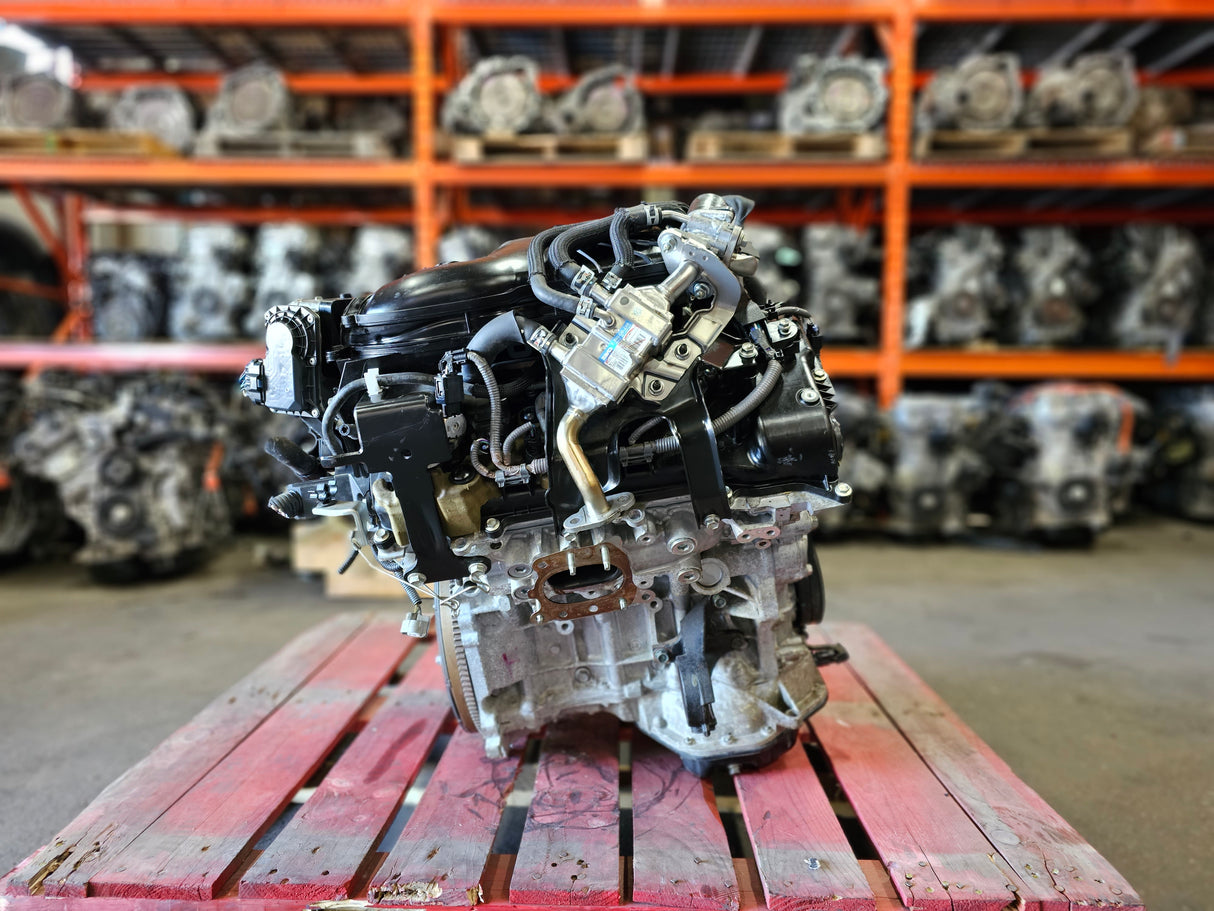
1. Toyota 3.5L V6 (2GR-FE)
The Toyota 3.5L V6, known as the 2GR-FE, is one of the most recognized engines in modern vehicles. It powers a wide range of models, including sedans, SUVs, and minivans, delivering consistent performance with respectable fuel economy.
With an output around 268 to 306 horsepower depending on the configuration, it offers sufficient acceleration for both city and highway driving. Reliability is a hallmark of this engine, as it maintains performance over hundreds of thousands of miles with proper maintenance.
Fuel efficiency is enhanced through Toyota’s dual VVT-i system, which adjusts valve timing for optimal combustion. This feature allows the engine to maximize power when demanded while conserving fuel during lighter driving.
The aluminum alloy block reduces weight, improving vehicle handling and efficiency. Owners also benefit from the quiet and smooth operation, which enhances comfort during long drives.
This engine’s design also incorporates an impressive balance between torque and horsepower. It delivers strong low-end torque, making it suitable for towing and carrying heavier payloads. At the same time, it maintains high-end power for highway cruising and overtaking. The combination of these traits makes the 2GR-FE one of the most versatile V6 engines available today.
Maintenance and durability are other strong points of the 2GR-FE engine. Regular oil changes and occasional timing chain inspections ensure long-term reliability. Parts are widely available, and mechanics are familiar with the engine, making repairs straightforward. Its proven track record has earned it a reputation as one of the most dependable V6 options on the market.
The 3.5L V6 also provides an excellent foundation for hybrid applications. In Toyota’s hybrid models, it pairs efficiently with electric motors to provide better fuel economy without sacrificing acceleration.
This flexibility has helped Toyota maintain its competitive edge in both conventional and hybrid segments. The 2GR-FE demonstrates that a V6 can offer both strong performance and respectable efficiency in a broad array of vehicles.
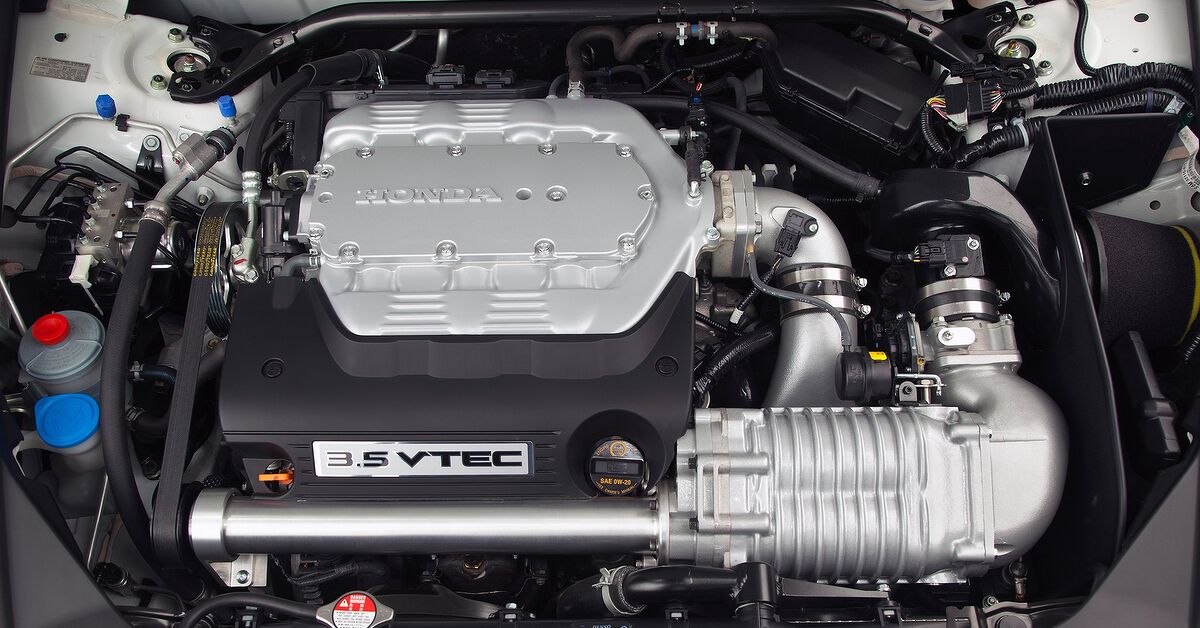
2. Honda 3.5L V6 (J35 Series)
Honda’s J35 V6 engine has been a staple in the brand’s lineup for decades. Found in vehicles like the Accord, Pilot, and Odyssey, it combines smooth power delivery with solid efficiency. Producing between 280 and 310 horsepower depending on the variant, it offers ample acceleration without feeling heavy. Its reputation for reliability ensures that owners experience minimal issues over the long term.
The engine utilizes Honda’s VTEC system to optimize valve timing for performance and economy. This allows for a more efficient combustion process, especially at higher engine speeds.
Fuel consumption remains competitive for its class, making it a suitable choice for larger sedans and crossovers. The J35 also maintains a balanced torque curve that provides consistent performance across different driving conditions.
Build quality is another area where the J35 excels. Honda has engineered it with lightweight materials, minimizing vehicle weight while maintaining durability. Its smooth operation and low NVH (noise, vibration, harshness) levels contribute to a comfortable driving experience. Regular maintenance is simple, and the engine responds well to routine service schedules.
The V6 also offers a versatile platform for modifications or performance upgrades. Enthusiasts appreciate its ability to handle mild forced induction or tuning without compromising reliability. This has made the J35 popular among both everyday drivers and those seeking enhanced performance. Despite these possibilities, the factory configuration provides an excellent balance between power and fuel efficiency.
Finally, the J35 engine benefits from Honda’s global presence and engineering expertise. Its wide adoption across multiple vehicle models ensures the availability of parts and service knowledge.
This makes it a practical choice for drivers who want performance, dependability, and a strong resale value. The engine demonstrates how a V6 can meet both performance expectations and fuel economy goals in everyday applications.
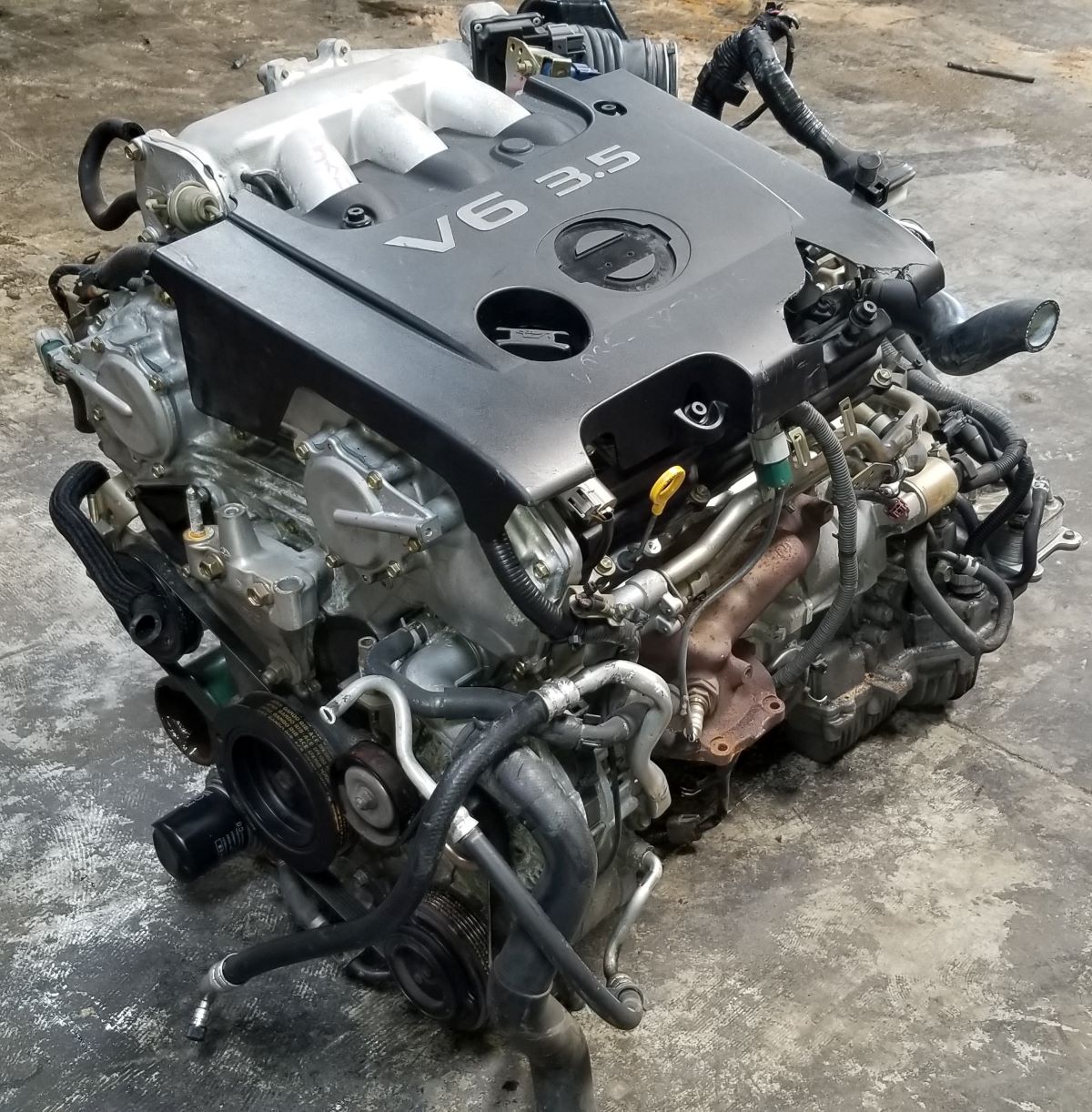
3. Nissan 3.5L V6 (VQ35DE)
Nissan’s VQ35DE engine has long been regarded as one of the most refined V6 engines in its class. It powers vehicles like the Maxima, Altima, and 350Z, delivering smooth acceleration with efficiency.
Producing around 287 to 306 horsepower depending on the model, it combines sportiness with practicality. Its aluminum construction reduces weight, enhancing vehicle handling and fuel economy.
The VQ35DE employs a variable valve timing system to optimize power and efficiency. This system allows the engine to provide strong low-end torque while maintaining high-end power. Fuel efficiency remains competitive for a naturally aspirated V6, especially when combined with modern transmissions. Owners also benefit from a responsive throttle and linear power delivery.
Reliability is one of the engine’s strongest attributes. Well-maintained examples often exceed 200,000 miles without major issues. Routine maintenance is straightforward, with widespread parts availability. This combination of performance and dependability has kept the VQ35DE popular even years after its initial release.
The engine’s design also allows for a smooth and quiet operation. Noise and vibration are minimized through balanced internal components.
This ensures that driving remains comfortable even under heavier loads or longer trips. Performance enthusiasts also appreciate the engine’s responsiveness in sport-oriented applications.
Nissan’s engineering of the VQ35DE balances technology and simplicity. While it incorporates modern efficiency features, it avoids overly complex systems that could compromise long-term reliability. The engine’s adaptability across sedans, coupes, and light SUVs highlights its versatility. It remains a benchmark for combining V6 performance with fuel-conscious design.
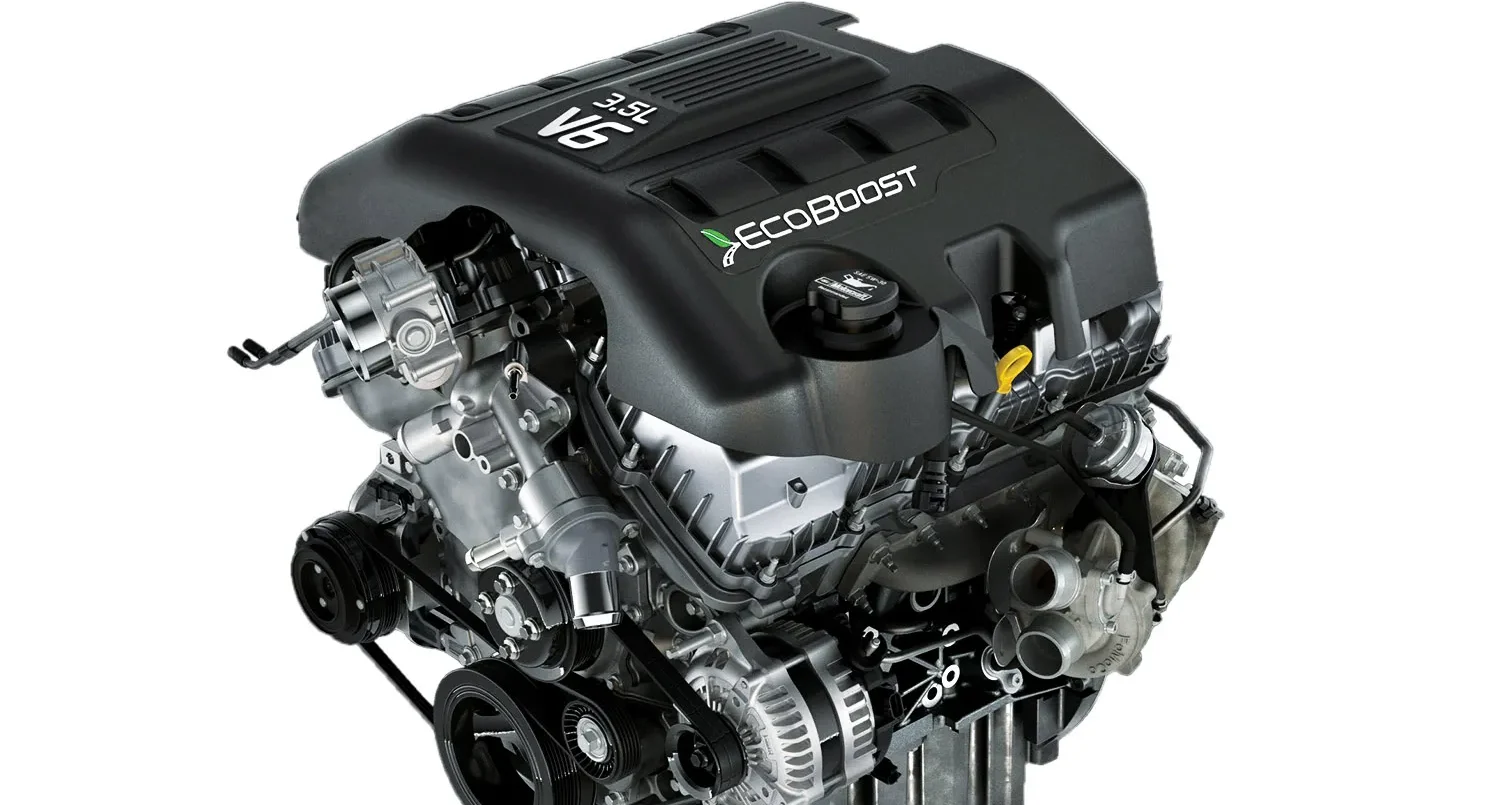
4. Ford 3.5L EcoBoost V6 (Twin-Turbo)
The Ford 3.5L EcoBoost V6 is a powerful yet efficient engine that has transformed Ford’s approach to performance and economy. Found in vehicles like the F-150, Explorer, and Lincoln Aviator, this twin-turbocharged V6 produces up to 400 horsepower in some configurations.
Its combination of forced induction and direct injection allows it to deliver significant low-end torque without the fuel penalties of a larger engine. This makes it particularly well-suited for towing, hauling, and everyday driving, offering a level of versatility few other engines can match.
Fuel economy is enhanced by advanced features such as start-stop technology, variable cam timing, and precise fuel mapping. These systems allow the engine to conserve fuel during light loads while maintaining the ability to generate high power when needed.
Despite its aggressive output, it achieves respectable mileage for its class, making it suitable for both commercial and personal use. Its design ensures that drivers can enjoy powerful acceleration without constant concern for excessive fuel consumption.
The EcoBoost V6’s reliability has been impressive, considering the complexity of forced induction. While turbocharged engines can sometimes be prone to heat-related wear, Ford’s engineering incorporates high-strength components and efficient cooling systems.
Owners benefit from modern sensors and monitoring systems that maintain safe operating conditions, which enhances long-term durability. Maintenance requirements are straightforward, with routine oil changes and inspections ensuring consistent performance.
This engine is also for its responsiveness and smooth power delivery. The twin turbos minimize lag, providing immediate torque when accelerating from a stop or overtaking.
Combined with modern automatic transmissions, the EcoBoost V6 delivers a driving experience that balances thrill with practicality. Its engineering allows it to fit comfortably in a wide range of vehicle platforms without compromising space or handling.
The 3.5L EcoBoost also demonstrates the potential for a V6 to rival traditional V8 engines in both power and towing capability. Many trucks and SUVs equipped with this engine outperform larger, naturally aspirated engines while consuming less fuel.
This balance of strength and efficiency has made it a benchmark for modern turbocharged V6 powertrains. It showcases how careful engineering can allow a smaller displacement engine to achieve remarkable versatility without sacrificing reliability.
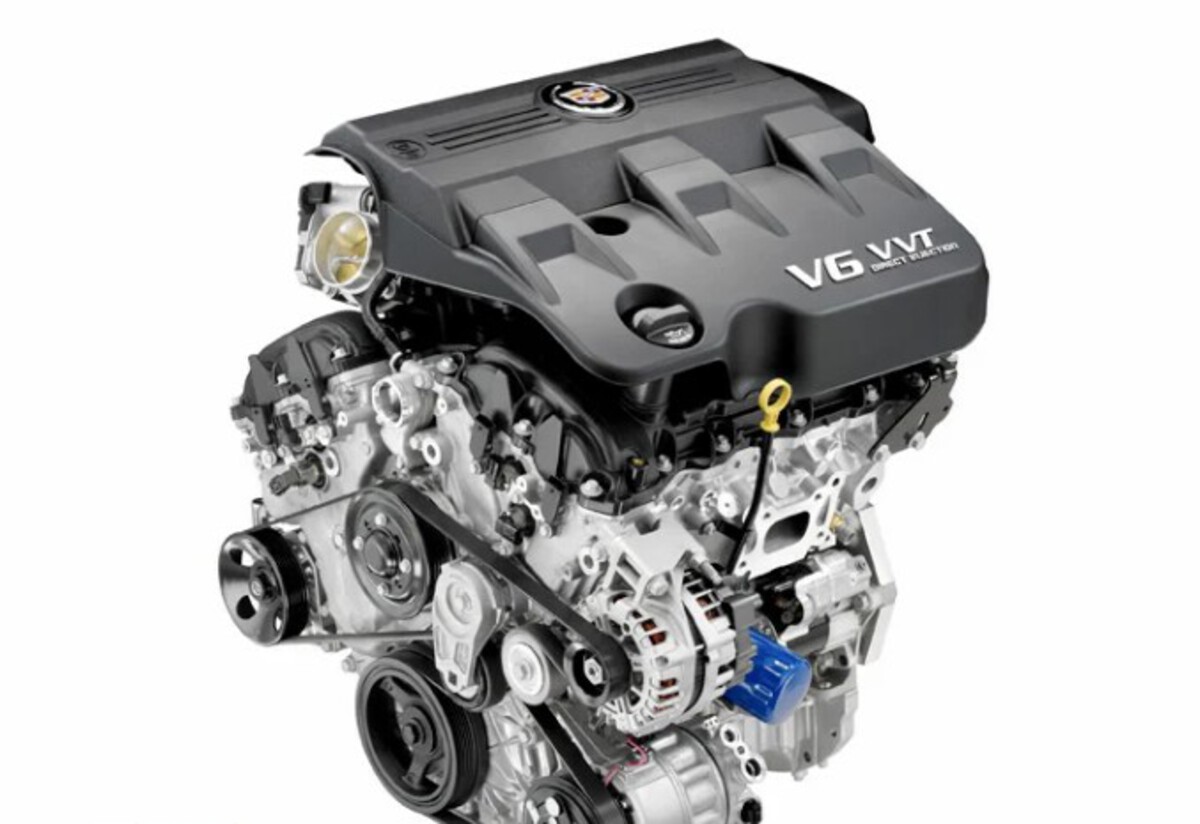
5. Chevrolet 3.6L V6 (LGX / LFX)
Chevrolet’s 3.6L V6, found in the LGX and LFX variants, has earned a reputation for combining smooth performance with efficient operation. Used in vehicles such as the Chevrolet Traverse, Camaro, and Impala, it produces between 305 and 335 horsepower depending on the model.
The engine’s design features direct injection, variable valve timing, and an aluminum block, all of which contribute to its balanced power and fuel economy. Its adaptability allows it to handle both high-performance applications and family-oriented vehicles with equal competence.
Fuel efficiency benefits from the engine’s cylinder deactivation technology, which shuts down three cylinders when full power is unnecessary. This feature allows the V6 to consume less fuel during light-load conditions, such as highway cruising or city driving at steady speeds. The engine’s smooth and quiet operation further improves driving comfort. Combined with an advanced automatic transmission, it delivers a driving experience that feels refined yet responsive.
The LGX and LFX engines are engineered for long-term durability. High-quality components and meticulous assembly standards ensure consistent performance over many miles.
Owners appreciate the low maintenance costs and straightforward service procedures. Regular oil changes, coolant checks, and occasional spark plug replacements are generally sufficient to maintain reliability over the engine’s life.
Performance enthusiasts value this V6 for its strong mid-range torque, which allows for confident overtaking and spirited driving. The engine’s responsive throttle mapping and smooth power delivery make it feel lively in sportier vehicles like the Camaro.
At the same time, in larger SUVs and sedans, it provides sufficient acceleration without excessive fuel consumption. This versatility makes it one of Chevrolet’s most well-rounded engines.
Finally, the Chevrolet 3.6L V6 demonstrates a thoughtful balance of modern technology and practical reliability. Its combination of direct injection, cylinder deactivation, and refined design allows it to meet strict emissions and efficiency standards while delivering strong power.
Drivers enjoy a reliable and capable engine across a wide range of models. Its continued use in multiple Chevrolet platforms reflects its success in meeting both performance and economy goals.
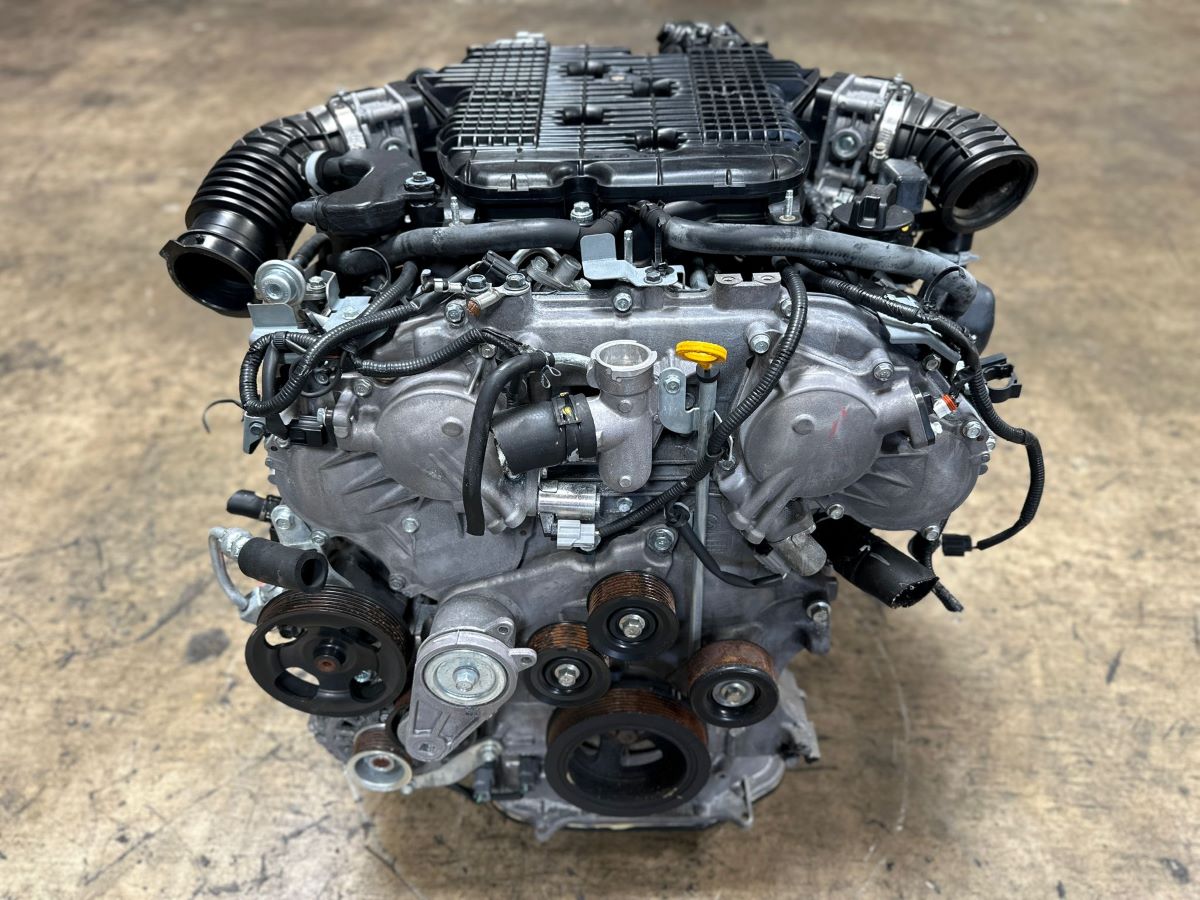
6. Infiniti 3.7L V6 (VQ37VHR)
Infiniti’s VQ37VHR is a high-performance V6 that balances aggressive output with refined operation. Found in models such as the Q50, Q60, and EX37, this engine produces up to 330 horsepower and features Nissan’s VVEL system for precise valve control.
The VVEL technology allows the engine to adjust intake valve lift and timing dynamically, which improves both efficiency and throttle response. Drivers notice a consistent, smooth acceleration curve and a willingness to deliver power across the rev range.
Fuel economy remains competitive due to advanced combustion control and efficient airflow design. While tuned for performance, the engine can operate efficiently under normal driving conditions, conserving fuel during light acceleration and highway cruising.
Its design reduces internal friction and optimizes thermal efficiency, contributing to lower emissions and better fuel consumption. This makes the VQ37VHR suitable for luxury performance sedans that require both excitement and practicality.
The V6 is also for its durability and engineering sophistication. Infiniti’s build quality ensures that the engine performs reliably over long distances, and it handles high revs without significant wear. Routine maintenance is straightforward, with the engine designed to be accessible for servicing key components. Its engineering pedigree contributes to a sense of confidence and longevity for owners.
This engine excels in combining performance with refinement. Noise, vibration, and harshness are minimized through precise balancing and sound insulation. Drivers benefit from a refined driving experience while still enjoying the thrill of a V6 capable of high-output performance. It remains smooth and responsive whether in city traffic or on open highways.
Finally, the VQ37VHR represents a perfect example of a luxury-oriented V6 that does not compromise efficiency. It shows that with careful design and advanced valve technology, a naturally aspirated V6 can achieve high horsepower, low emissions, and reliable operation.
Its blend of excitement, smoothness, and fuel-conscious performance makes it a standout among modern V6 engines. Infiniti continues to refine this platform, maintaining its relevance in both performance and daily driving applications.
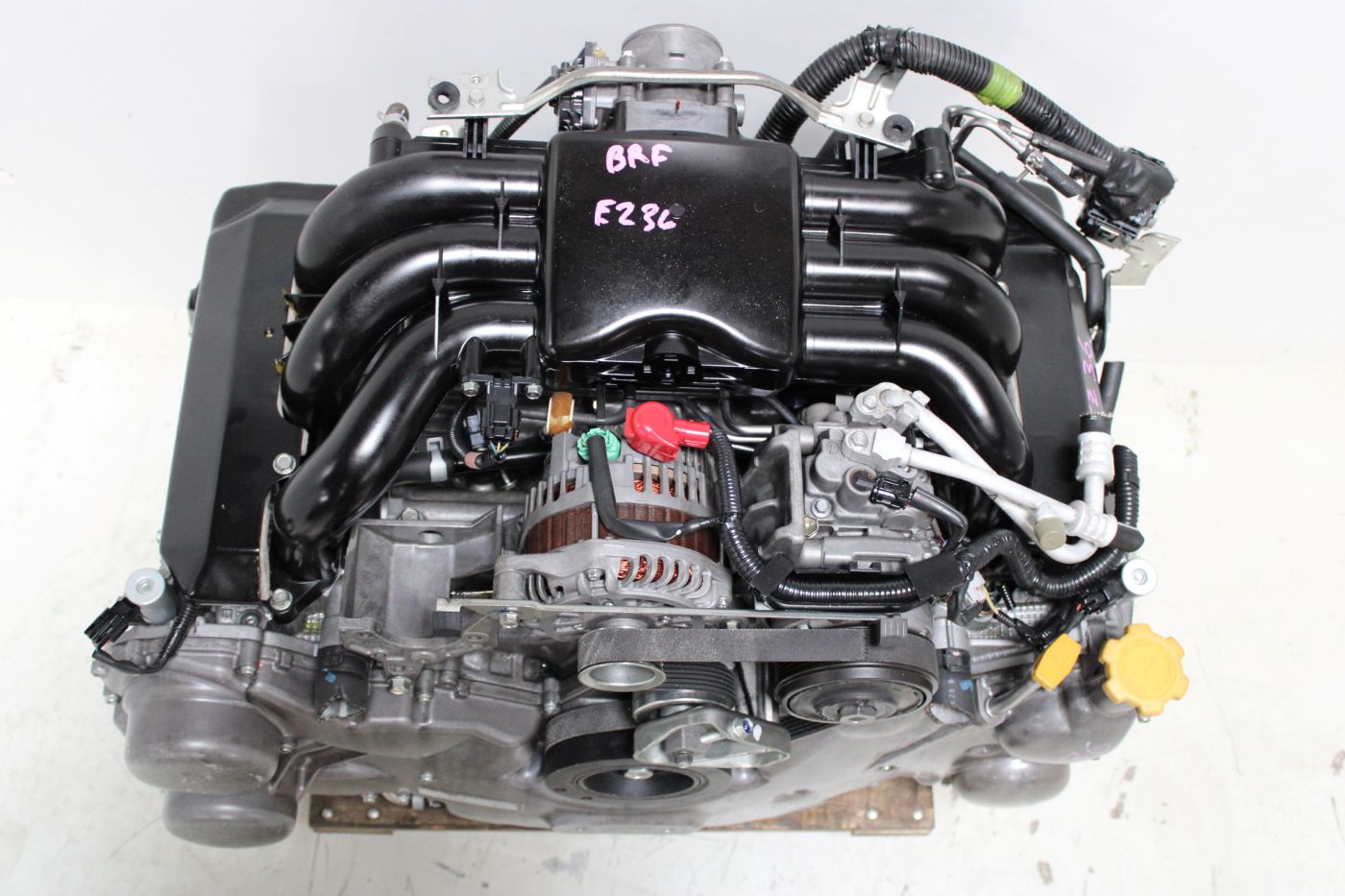
7. Subaru 3.6L V6 (EZ36)
Subaru’s 3.6L EZ36 V6 powers vehicles such as the Outback, Legacy, and Tribeca, offering a balance of smoothness, reliability, and moderate power. It produces roughly 256 horsepower, which allows it to handle daily commuting and light towing duties without feeling underpowered.
The engine features Subaru’s horizontally opposed “Boxer” layout, which lowers the center of gravity and improves vehicle stability. This design also contributes to a smooth, vibration-free driving experience that enhances comfort over long trips.
Fuel efficiency is enhanced through precise fuel injection and modern combustion techniques. Although larger than some four-cylinder engines, it remains competitive for midsize SUVs and crossovers.
Subaru’s engineering prioritizes efficiency without sacrificing the usable torque needed for climbing hills or highway merging. Drivers often note the engine’s ability to maintain steady mileage under varying conditions.
Reliability and long-term durability are hallmarks of the EZ36. Regular oil changes and maintenance allow the engine to surpass 200,000 miles in many cases. Subaru’s robust engineering ensures that wear-prone components like timing belts and head gaskets are durable and accessible for service. This makes the EZ36 a dependable option for both family and adventure-oriented vehicles.
Performance is enhanced by the boxer design, which keeps weight low and improves handling. The engine’s torque is available at low rpm, which provides confident acceleration without the need for constant downshifting. Its balanced power delivery makes it suitable for a variety of driving situations, from city traffic to mountain roads. The combination of smoothness, power, and reliability ensures a well-rounded driving experience.
Finally, the Subaru EZ36 demonstrates that a naturally aspirated V6 can remain relevant in modern vehicles. Its focus on stability, comfort, and efficient performance complements Subaru’s all-wheel-drive system perfectly.
Drivers gain both versatility and peace of mind with a V6 capable of consistent operation. The engine’s unique design and practical output make it a noteworthy entry in the list of balanced V6 powertrains.
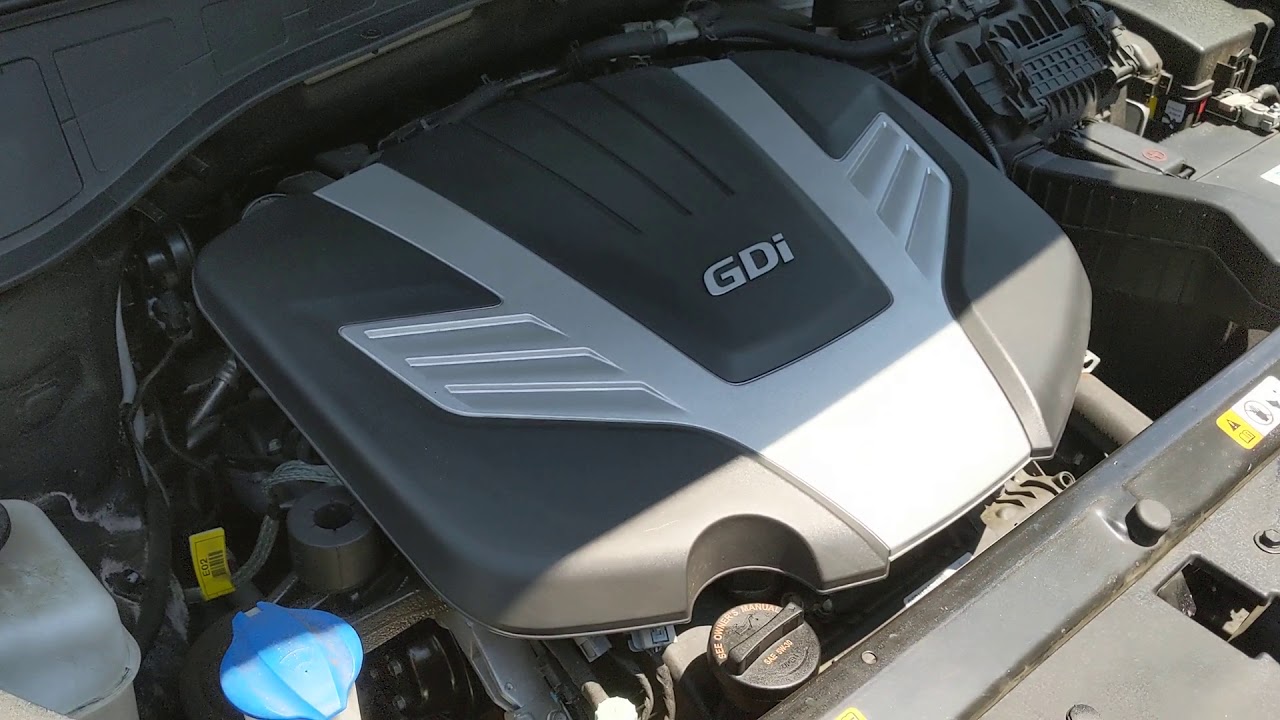
8. Hyundai/Kia 3.3L V6 (Lambda II)
The Hyundai and Kia 3.3L Lambda II V6 powers mid-size sedans and SUVs like the Hyundai Sonata, Santa Fe, and Kia Sorento. Producing approximately 290 horsepower, it provides enough performance for comfortable highway driving and city maneuvering.
Advanced features such as dual continuously variable valve timing and direct injection enhance fuel efficiency while maintaining responsive power delivery. Its lightweight aluminum construction also contributes to improved handling and vehicle efficiency.
Fuel economy benefits from the engine’s smart airflow and precise timing systems. Cylinder deactivation in some variants reduces consumption during low-demand conditions, helping drivers save fuel on longer trips. Its moderate torque output ensures vehicles feel capable without compromising the engine’s efficiency.
The Lambda II engine strikes a balance between power and economy, which has helped it gain popularity in both sedans and SUVs.
The engine’s reliability has improved over multiple generations, with careful engineering focused on durability. Hyundai and Kia offer long-term warranties that reflect confidence in the engine’s performance. Routine maintenance, such as oil changes and timing chain inspections, is simple and ensures the engine continues running smoothly. Owners also benefit from widely available parts and service knowledge, making ownership convenient and cost-effective.
Performance is smooth and linear, providing a comfortable driving experience for families and daily commuters. The engine responds well to throttle input and handles full loads efficiently, making it suitable for towing moderate trailers or carrying passengers.
Its quiet operation contributes to a refined cabin environment, which enhances the appeal of the vehicle. The Lambda II demonstrates that modern V6 engines can combine usability, power, and efficiency without compromise.
Finally, the 3.3L V6 has positioned Hyundai and Kia as strong contenders in the mid-size vehicle segment. By offering sufficient horsepower, dependable operation, and reasonable fuel economy, the engine appeals to a wide range of drivers.
Its versatility across different vehicle platforms underscores the importance of well-engineered V6 powertrains. The Lambda II proves that thoughtful design can create an engine that delivers both performance and practicality.

9. Volkswagen 3.0L V6 TSI (Turbocharged)
Volkswagen’s 3.0L TSI V6 engine is a turbocharged unit that delivers strong performance without excessive fuel consumption. Found in models like the Touareg, Atlas, and certain Passat variants, it produces between 335 and 355 horsepower depending on the configuration.
The engine uses forced induction, direct injection, and variable valve timing to maximize both power and efficiency. Its lightweight design also improves handling and allows vehicles to feel more agile than their size would suggest.
Fuel economy is impressive for a turbocharged V6, as the engine operates efficiently under light load conditions. Cylinder deactivation and precise fuel delivery help reduce waste, especially during steady highway driving.
Combined with smooth automatic transmissions, the TSI engine maintains competitive mileage figures while delivering responsive acceleration. Its advanced engineering ensures that the engine remains efficient without compromising its performance credentials.
Reliability is reinforced through robust materials and precision assembly. Despite the higher pressures associated with turbocharging, Volkswagen has engineered the 3.0L TSI to manage heat and stress effectively.
Regular maintenance, including oil changes and inspections of turbo components, keeps the engine performing consistently over long periods. Its strong construction provides both peace of mind and sustained performance.
Performance characteristics make the TSI V6 a driver-friendly engine. Low-end torque is abundant, which improves acceleration from a stop and enhances towing capacity. Turbocharged power delivery is smooth and predictable, reducing sudden surges or lag. The engine’s balance of efficiency, power, and refinement makes it a solid choice for drivers seeking a spirited yet economical vehicle.
Finally, the 3.0L TSI V6 represents Volkswagen’s approach to combining modern technology with traditional V6 appeal. Its turbocharged design ensures higher horsepower without increasing displacement, demonstrating that smaller engines can meet performance needs.
The engine is equally capable in daily commuting or long-distance driving, providing a reliable and enjoyable experience. Volkswagen’s TSI V6 proves that forced induction can enhance power while maintaining practicality and efficiency.
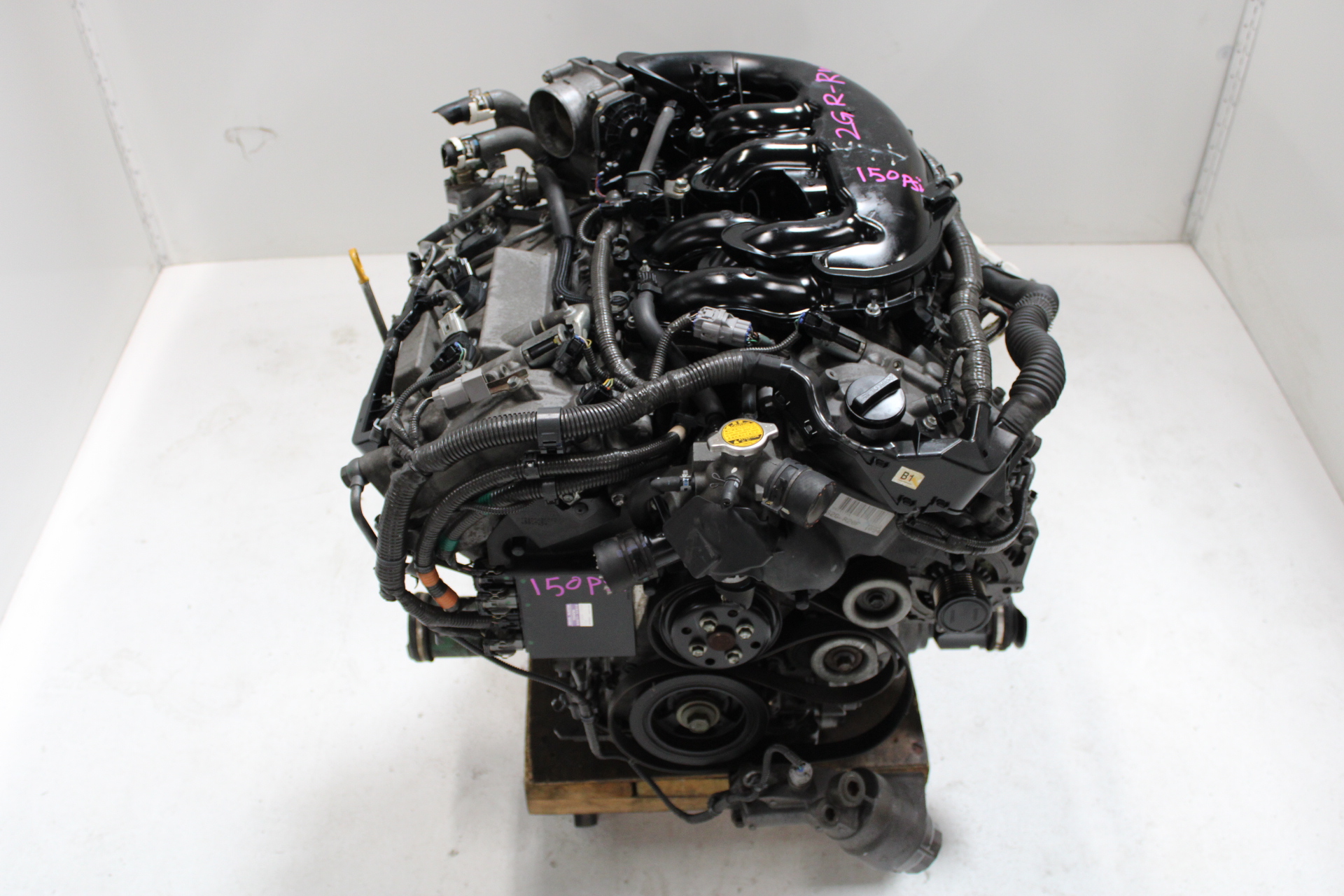
10. Lexus 3.5L V6 (V6 2GR-FSE)
The Lexus 3.5L V6, known as the 2GR-FSE, is a premium engine that combines refinement, reliability, and performance. Used in models such as the ES 350, RX 350, and GS 350, it produces up to 306 horsepower while maintaining smooth and quiet operation.
Its advanced D-4S direct injection system improves fuel efficiency while maximizing combustion efficiency. The engine’s lightweight design and precise engineering allow it to provide a premium driving experience without excessive fuel consumption.
Fuel economy is achieved through technologies like variable valve timing, dual injection, and precise airflow management. These features optimize combustion in real-time, providing power when needed and conserving fuel during light driving.
Its thermal efficiency and cylinder management help meet modern emission standards without sacrificing performance. Drivers benefit from a balanced engine that is responsive yet economical over typical daily routes.
The 2GR-FSE is known for its long-term durability and low maintenance requirements. Lexus has engineered the engine with high-quality components that resist wear over extended mileage.
Regular service is straightforward, and parts availability ensures owners can maintain peak performance easily. The combination of premium engineering and reliability contributes to Lexus’ reputation for long-lasting vehicles.
Performance is smooth, linear, and refined, making the engine ideal for luxury sedans and crossovers. Torque delivery is predictable across the rpm range, enhancing both comfort and confidence while driving.
Its responsiveness and quiet operation contribute to a relaxed cabin environment, which aligns with Lexus’ focus on refinement. The engine demonstrates that a V6 can meet the highest expectations for both performance and comfort.
Finally, the Lexus 3.5L V6 exemplifies how careful design and advanced technology can produce an engine that balances power, efficiency, and longevity. It meets the demands of luxury performance while remaining practical for everyday use.
Its widespread adoption across Lexus vehicles highlights its versatility and engineering excellence. This engine remains a benchmark for premium V6 designs that prioritize balance, refinement, and reliability.
