
Automobile safety has always been a crucial factor for both manufacturers and consumers. Among various types of crashes, side impacts are particularly dangerous because the distance between the occupant and the point of impact is minimal.
Unlike front or rear collisions, where crumple zones absorb energy, side collisions rely heavily on the strength of the vehicle’s structural reinforcement. Manufacturers have made significant advancements in this area over the past decades, using high-strength steel, reinforced door beams, and innovative frame designs to reduce the risk of injury.
Safety organizations and crash test agencies emphasize the importance of side-impact protection, prompting automakers to invest heavily in research and development. Choosing a vehicle with excellent side-impact protection can significantly reduce the likelihood of severe injuries or fatalities in real-world crashes.
Structural reinforcement in side panels, doors, and pillars contributes to the rigidity of the vehicle and ensures that occupants remain as protected as possible. Innovations such as side airbags, curtain airbags, and reinforced seat frames complement the strength of the exterior shell, providing a multi-layered approach to safety.
Car buyers today are increasingly aware of these features and often consider side-impact crash ratings as a major factor in their purchasing decisions. Insurance companies also evaluate side-impact safety when determining premiums, further highlighting the importance of strong structural designs.
Even in compact or mid-sized vehicles, engineers have found ways to balance weight and strength without compromising performance or fuel efficiency. This has been achieved through selective use of ultra-high-strength steel, aluminum reinforcements, and advanced welding techniques.
Many of the top-rated cars incorporate a combination of materials that enhance durability while distributing crash energy away from occupants. The effectiveness of these reinforcements is often demonstrated in real-life crash tests, where the deformation of doors and side panels is minimal.
Consumers looking for family vehicles, daily commuters, or luxury models now have multiple options that provide exceptional side-impact protection.
Manufacturers have also started integrating active safety features, such as automatic braking and collision warning systems, that can prevent or lessen the severity of side collisions. However, structural integrity remains the most critical factor, as passive safety systems cannot always compensate for physical weakness.
Understanding the differences between models, trims, and body types can help buyers make informed decisions. Cars with superior side-impact reinforcement provide peace of mind, combining engineering excellence with practical safety features.
Selecting such a vehicle ensures that occupants receive maximum protection even in unexpected side collisions, making safety a top priority for modern drivers.
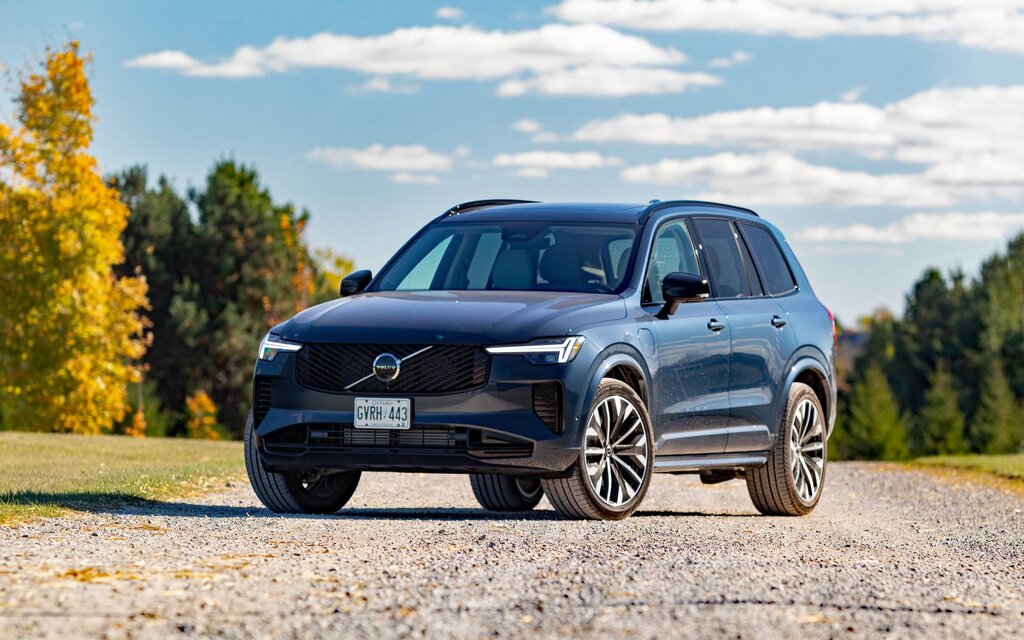
1. Volvo XC90
The Volvo XC90 has consistently been a benchmark for safety in the SUV segment. Its side-impact protection is enhanced by a reinforced steel frame that distributes crash energy away from the cabin.
The combination of side airbags and curtain airbags ensures that both front and rear passengers are shielded effectively. Volvo’s meticulous approach to testing allows the XC90 to achieve some of the highest safety ratings worldwide.
Reinforced B-pillars provide additional strength to the passenger compartment, resisting intrusion during high-speed side impacts. Door beams made from ultra-high-strength steel absorb significant energy while maintaining structural integrity.
The side panels are designed to deform in a controlled manner, minimizing injury to occupants. Volvo’s focus on side safety also extends to the roof and floor, creating a protective cage around passengers.
The XC90’s cabin is engineered with energy-absorbing materials that reduce forces transmitted to occupants. Its seating structure incorporates side bolsters and reinforced frames to further enhance protection.
Advanced sensors monitor potential collisions and deploy airbags precisely when needed. This combination of passive and active safety systems ensures optimal outcomes during side impacts. Volvo’s consistent investment in crash safety research is reflected in the XC90’s performance.
In real-world testing, the XC90 has demonstrated minimal intrusion in side collisions, protecting both adults and children. The vehicle’s side curtain airbags extend along the entire length of the cabin, cushioning occupants from direct impact.
Reinforcements in the doors and chassis prevent excessive deformation, which is critical in urban accidents. The SUV’s height and weight distribution also contribute to stability, reducing the likelihood of rollover during side collisions.
The XC90 remains a top choice for families and safety-conscious buyers due to its robust structural design. It successfully combines luxury, comfort, and safety without compromising on performance. Volvo’s commitment to sustainability also integrates lightweight materials without reducing strength. Drivers can feel confident knowing that the XC90 provides comprehensive protection in side-impact scenarios.
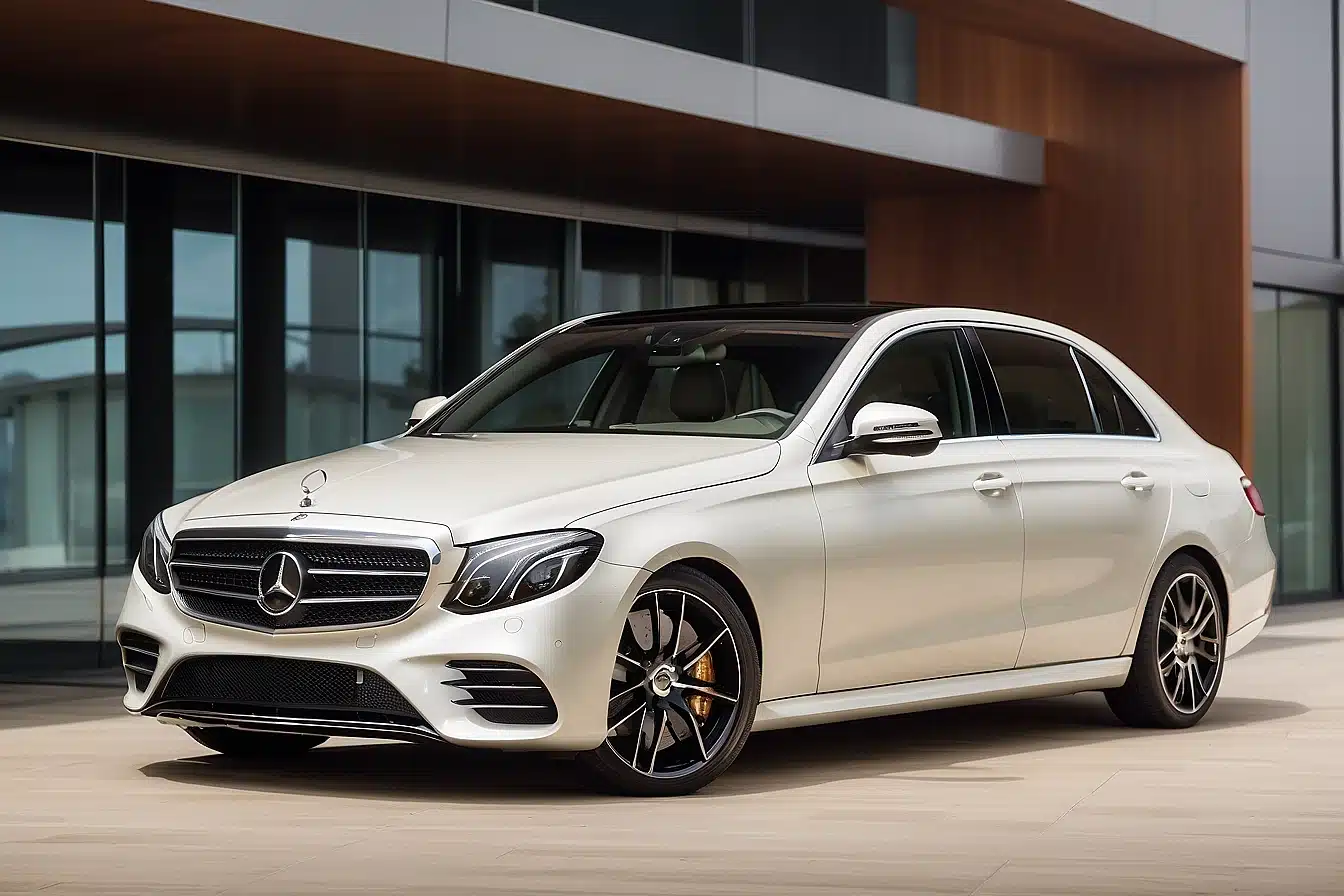
2. Mercedes-Benz E-Class
The Mercedes-Benz E-Class has a long-standing reputation for combining elegance with advanced safety engineering. Its side-impact protection relies on reinforced steel frames and strategically placed energy-absorbing zones.
Side airbags are integrated seamlessly into seats and doors, providing a layered defense system. The E-Class consistently receives high ratings in side-impact crash tests conducted by independent agencies.
Door beams are constructed from high-strength steel, designed to absorb energy and prevent intrusion. The B-pillars are reinforced, ensuring passenger survival space remains intact during severe impacts. The side panels feature crumple zones that deform strategically to reduce force transmission. Mercedes engineers also focus on the roof and floor reinforcements, providing a holistic safety approach.
The cabin includes cushioned panels that distribute energy evenly in side collisions. Seat frames are reinforced to prevent bending or collapse, safeguarding occupants. Advanced sensors detect imminent side collisions and trigger airbags in milliseconds. These safety measures, combined with electronic stability systems, enhance the E-Class’s protective capabilities.
In testing scenarios, the E-Class shows minimal deformation during side impacts. Curtain airbags cover the full length of windows, reducing head injuries. Reinforced structures ensure that even at higher speeds, passengers are shielded from intrusion. This approach reflects Mercedes’ dedication to occupant protection and engineering excellence.
The E-Class maintains a balance between safety, performance, and luxury. Its side-impact reinforcements complement the driving experience. Buyers seeking a safe, reliable, and sophisticated sedan often turn to the E-Class. The vehicle’s strong structural design ensures protection in critical side-impact scenarios.
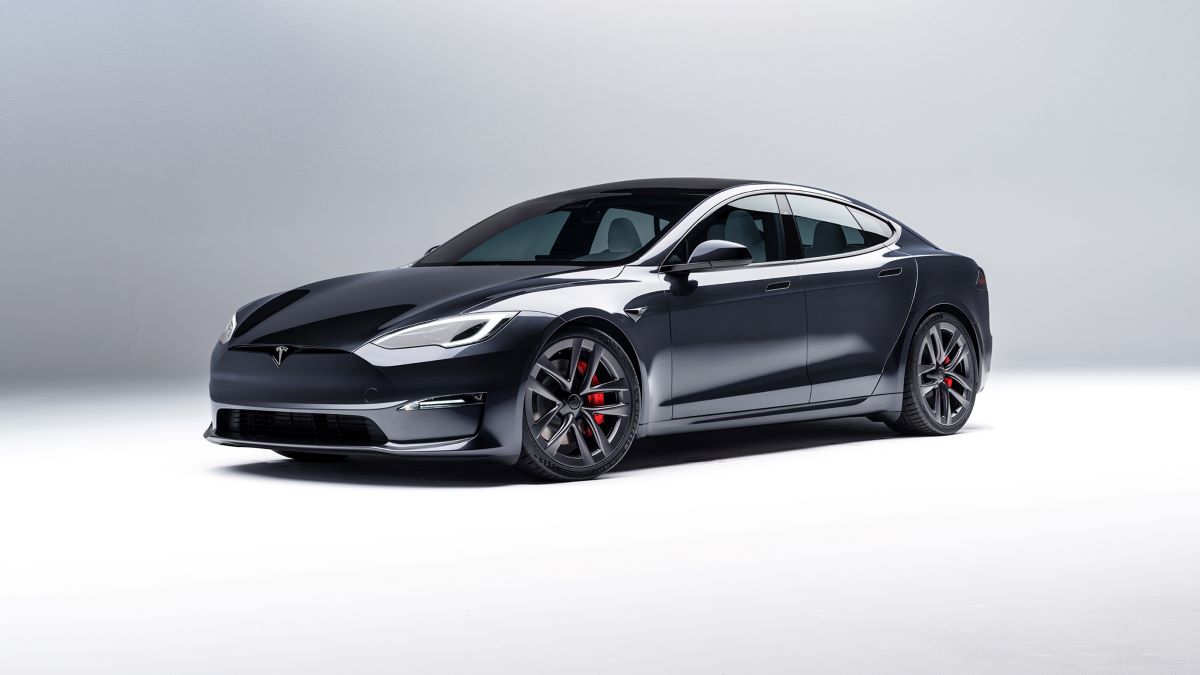
3. Tesla Model S
The Tesla Model S is recognized for its combination of electric performance and safety innovations. Its side-impact protection benefits from a rigid aluminum and steel frame that enhances crash energy absorption. Side airbags, including curtain and torso variants, provide additional protection for occupants. Tesla’s extensive testing ensures high scores in side-impact crash assessments.
The Model S features reinforced door beams and a robust B-pillar structure. This ensures that passenger compartments remain largely intact during collisions. Strategic crumple zones in the side panels dissipate energy effectively. Engineers also focus on reinforcing the floor and battery pack to maintain structural integrity.
Occupant safety is further supported by energy-absorbing cabin materials. Seats are designed with reinforced frames to resist deformation in collisions. Sensors continuously monitor potential crash scenarios and deploy safety measures automatically. Tesla integrates active and passive systems to maximize protection in side impacts.
Real-world testing demonstrates the Model S’s ability to protect passengers from intrusion and severe injury. Side curtain airbags provide head protection for all occupants. Reinforced doors and panels prevent significant deformation, even at high speeds. Tesla’s engineering philosophy emphasizes structural safety without compromising electric performance.
The Model S offers drivers a combination of innovation, luxury, and high safety standards. Side-impact reinforcements are integrated into a sleek design that does not compromise aesthetics. Buyers benefit from confidence in both technology and physical protection. Tesla’s Model S remains a top contender for safety-conscious electric vehicle enthusiasts.
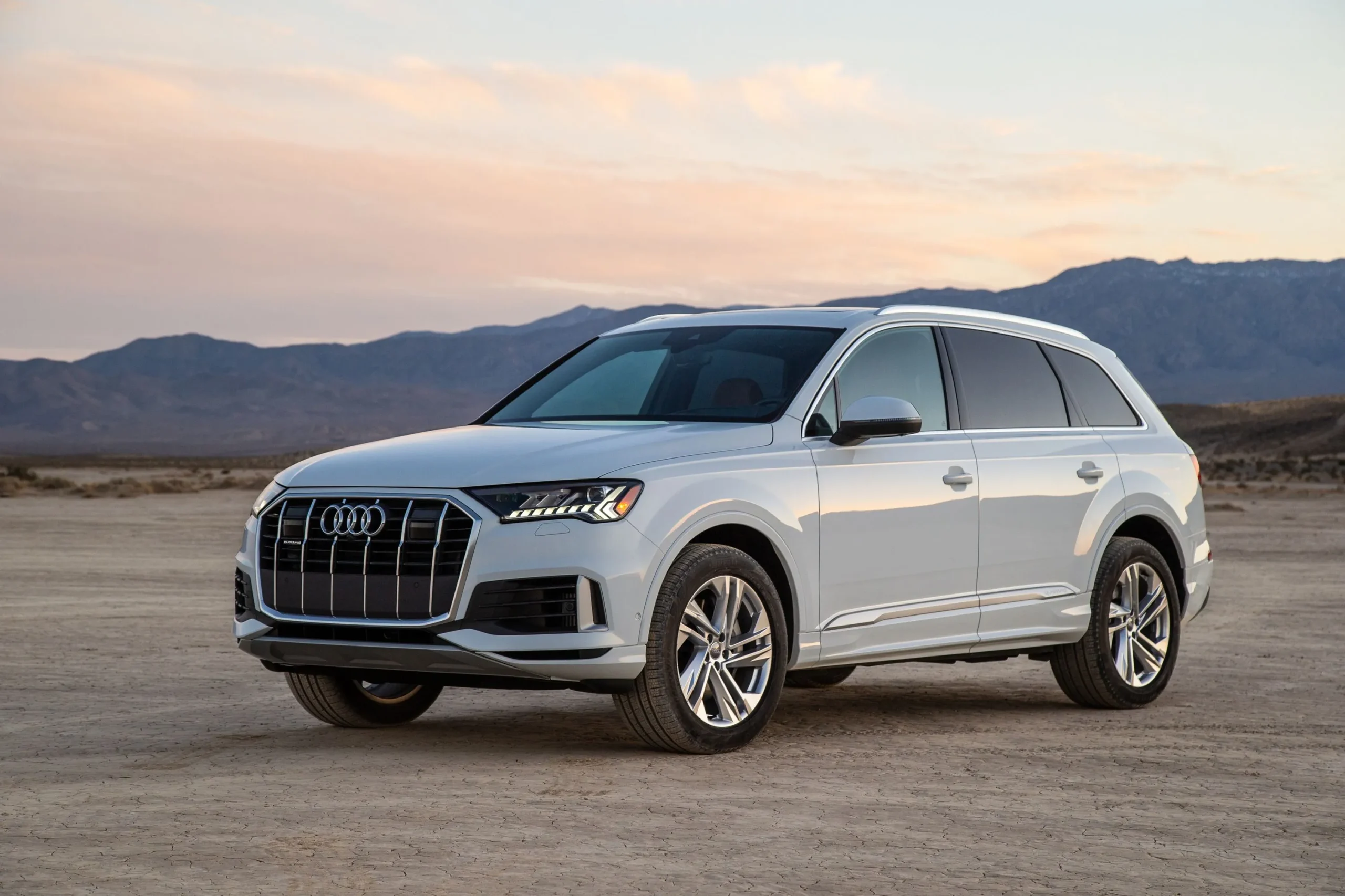
4. Audi Q7
The Audi Q7 combines luxury, performance, and advanced structural safety to offer superior protection in side collisions. Its body utilizes high-strength steel in critical areas, ensuring that crash energy is distributed evenly.
Reinforced B-pillars and door frames protect occupants from intrusion during severe side impacts. Curtain and side airbags complement the reinforced structure, cushioning both front and rear passengers effectively. The Q7 consistently achieves top safety ratings, highlighting Audi’s commitment to side-impact protection.
Engineers designed the Q7’s doors with multiple layers of high-strength steel to resist deformation. Side panels feature strategic crumple zones that absorb and redirect impact forces.
The floor and roof structure are reinforced to maintain a protective cabin even in high-speed collisions. Every element of the Q7’s frame is tested extensively, ensuring maximum occupant survival space during side impacts. This meticulous attention to structural design enhances passenger safety across all seating positions.
Occupant protection is further enhanced by the Q7’s advanced seat design. Seats include reinforced frames and energy-absorbing cushions that reduce the risk of injury during collisions. Side airbags deploy in precise timing to minimize impact forces on the head, chest, and pelvis.
In addition, Audi incorporates sensors that detect the severity of side collisions and adjust airbag deployment accordingly. The integration of these features ensures a comprehensive safety net for every passenger.
In crash testing, the Q7 demonstrates minimal cabin intrusion and excellent energy absorption. Its reinforced side structures maintain the integrity of the passenger compartment, while curtain airbags shield the head and neck.
Side-impact forces are transferred to reinforced frame sections, protecting critical areas of the body. The combination of mechanical strength and electronic monitoring systems ensures optimal protection in various collision scenarios.
The Audi Q7 provides a balance of structural strength, comfort, and modern technology. Passengers benefit from a secure cabin reinforced against side impacts without sacrificing luxury features. Audi’s careful engineering prioritizes safety while maintaining dynamic driving performance. This makes the Q7 a reliable choice for families and safety-focused drivers seeking both protection and sophistication.

5. BMW X5
The BMW X5 integrates strong side-impact protection within a refined and sporty SUV framework. Its reinforced steel and aluminum body structure ensures that crash forces are absorbed without compromising the passenger cabin. B-pillars and side door beams are designed to maintain their shape even in high-speed collisions.
Side curtain airbags and thorax airbags work in unison with structural reinforcements to provide full coverage for all occupants. BMW’s stringent crash testing confirms the X5’s capability in extreme scenarios.
The X5’s side doors incorporate multi-layered reinforcements to resist bending or penetration. The side panels and lower sills are engineered to dissipate energy along predetermined paths.
Roof and floor reinforcements add another layer of protection, maintaining the vehicle’s structural integrity. BMW applies advanced welding and bonding techniques to maximize strength while minimizing weight, ensuring both safety and driving efficiency.
Inside, the X5’s seats feature reinforced frames designed to absorb collision energy. Headrests, bolsters, and cushions work with airbags to reduce injury risk during side impacts. Advanced sensor systems detect side collisions and deploy airbags with precise timing and force. The combination of passive structural strength and active safety monitoring ensures the highest possible protection for every passenger.
In independent crash tests, the X5 demonstrates exceptional side-impact resistance. Its reinforced B-pillars and energy-absorbing doors limit intrusion, protecting the head, chest, and pelvis. Curtain airbags shield occupants from broken glass and direct side force. The chassis design helps distribute collision energy evenly, enhancing both safety and vehicle stability during impact.
BMW maintains the X5’s reputation as a safe and engaging SUV. Side-impact reinforcements are integrated seamlessly into a stylish design, preserving both aesthetics and functionality. The X5 provides drivers and passengers with confidence, knowing the vehicle’s structure is engineered to withstand extreme side collisions. Its combination of luxury, performance, and reinforced safety makes it a top choice for cautious buyers.
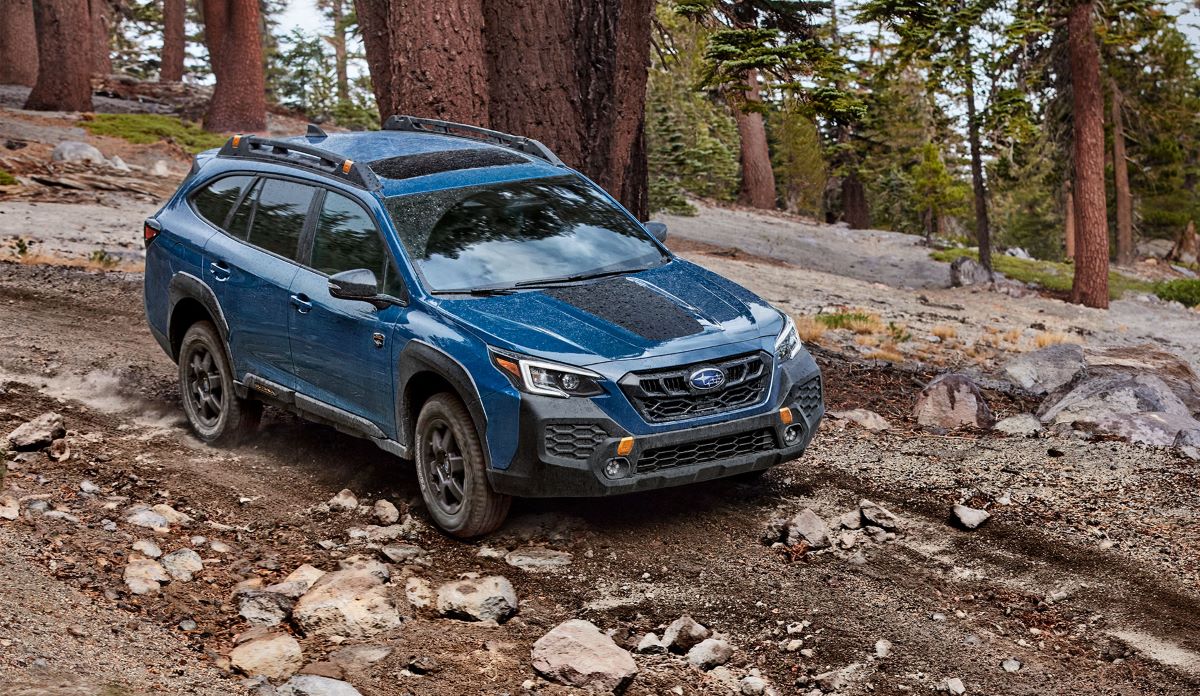
6. Subaru Outback
The Subaru Outback offers impressive side-impact protection while maintaining rugged versatility for everyday driving. Its frame uses high-strength steel strategically in doors, B-pillars, and side sills to resist intrusion. Side curtain airbags and seat-mounted thorax airbags complement the reinforced body structure. Subaru prioritizes side-impact safety in its design, which contributes to consistently high safety ratings in national tests.
Door beams and side panels are reinforced to absorb and redirect energy away from passengers. The Outback’s roof and floor also contribute to a strong passenger cage, preventing collapse during severe side collisions. Crumple zones deform in controlled ways to reduce the force experienced by occupants. Subaru’s careful material selection balances strength and weight for both safety and fuel efficiency.
Occupant safety is enhanced through reinforced seat frames and energy-absorbing cushions. Side airbags deploy precisely to shield the head and chest. Sensors detect the angle and force of collisions to ensure optimal airbag deployment. Subaru integrates structural strength with electronic monitoring to reduce injury risk during side impacts.
Testing demonstrates the Outback’s ability to limit intrusion during side collisions. Reinforced B-pillars, doors, and floor structure maintain survival space. Curtain airbags shield occupants’ heads from windows and debris. Strategic frame design ensures that side forces are dispersed away from critical passenger areas.
The Outback combines safety with practicality and all-weather capability. Its reinforced side structure ensures confidence on highways and off-road conditions. Drivers can rely on the vehicle’s durability and protective features in real-world side-impact scenarios. Subaru’s consistent focus on structural integrity makes the Outback a dependable choice for families and adventurers alike.
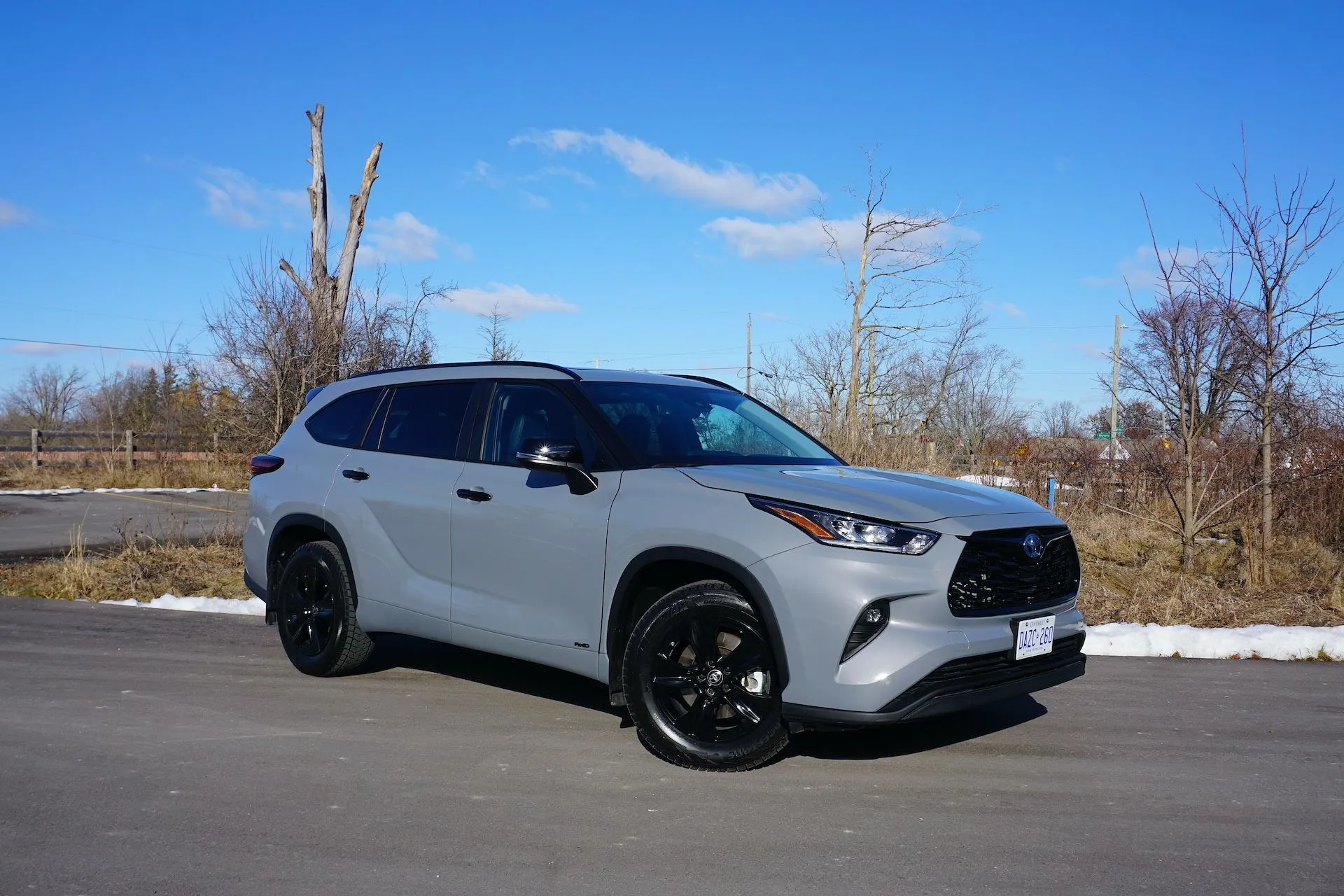
7. Toyota Highlander
The Toyota Highlander integrates advanced structural reinforcement to enhance side-impact safety for all passengers. High-strength steel is used in B-pillars, door beams, and side panels to resist intrusion. Side curtain and thorax airbags provide layered protection. Toyota designs the Highlander to minimize injury risk during side collisions while maintaining interior comfort and cargo space.
Reinforced doors and side panels absorb and redirect energy in the event of a side impact. The roof, floor, and sills are designed to maintain a protective cabin. Crumple zones deform strategically to reduce occupant force. Toyota applies rigorous testing to ensure that the Highlander performs well in both low- and high-speed side-impact scenarios.
Seats are reinforced with strong frames to absorb crash energy. Cushions and headrests are designed to reduce whiplash and chest injuries. Side airbags deploy at precise timing and force to maximize protection. Sensor systems detect collisions and activate restraints efficiently.
Testing shows minimal intrusion during side impacts, preserving the integrity of passenger space. Curtain airbags extend the full length of windows to protect heads. Side reinforcements distribute impact forces, limiting pressure on critical areas. The Highlander combines structural safety with comfort and versatility.
Toyota prioritizes reliability and safety in the Highlander’s design. Passengers benefit from reinforced structural components and advanced airbags. The vehicle maintains high ratings in crash tests and provides peace of mind to drivers. Its combination of durability, comfort, and protection makes the Highlander a preferred choice for families.
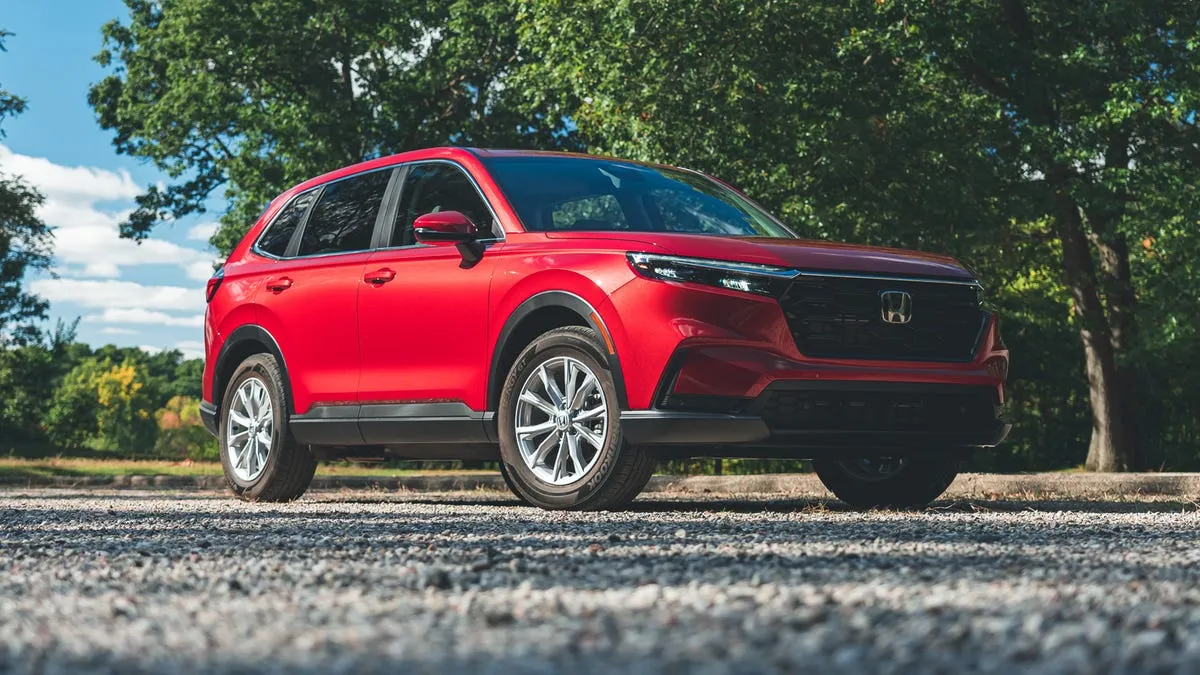
8. Honda CR-V
The Honda CR-V has earned a strong reputation for side-impact safety due to its reinforced body structure. High-strength steel is integrated into the B-pillars, door beams, and side sills to resist intrusion during collisions.
Side curtain airbags and thorax airbags provide additional layers of protection for all passengers. Honda’s design emphasizes both crash safety and occupant comfort, ensuring that the cabin remains stable during side impacts.
Door frames and side panels are engineered to absorb and redistribute impact energy efficiently. The roof and floor structures are reinforced to prevent collapse in severe collisions. Crumple zones in the doors and side panels deform in controlled ways to protect occupants from direct force. Honda combines material strength with strategic design to maintain the integrity of the passenger compartment.
Inside the cabin, seats are reinforced to reduce the risk of injury to the spine and pelvis. Cushions and bolsters work alongside side airbags to absorb energy from collisions. Sensors detect side impacts and trigger airbags with precise timing and force. This combination of passive and active protection ensures comprehensive safety in various accident scenarios.
Crash tests demonstrate that the CR-V maintains minimal intrusion into the passenger space during side impacts. Curtain airbags shield occupants’ heads from windows and debris.
Side reinforcements distribute collision energy across multiple frame points, protecting critical areas. Honda’s attention to detail ensures that occupants are well-protected even in high-speed side collisions.
The CR-V balances structural safety, efficiency, and versatility for family use. Its reinforced side structures provide confidence for both city driving and highway travel. Honda’s design philosophy ensures that safety features are integrated seamlessly without compromising comfort. The CR-V remains a reliable choice for safety-conscious drivers.
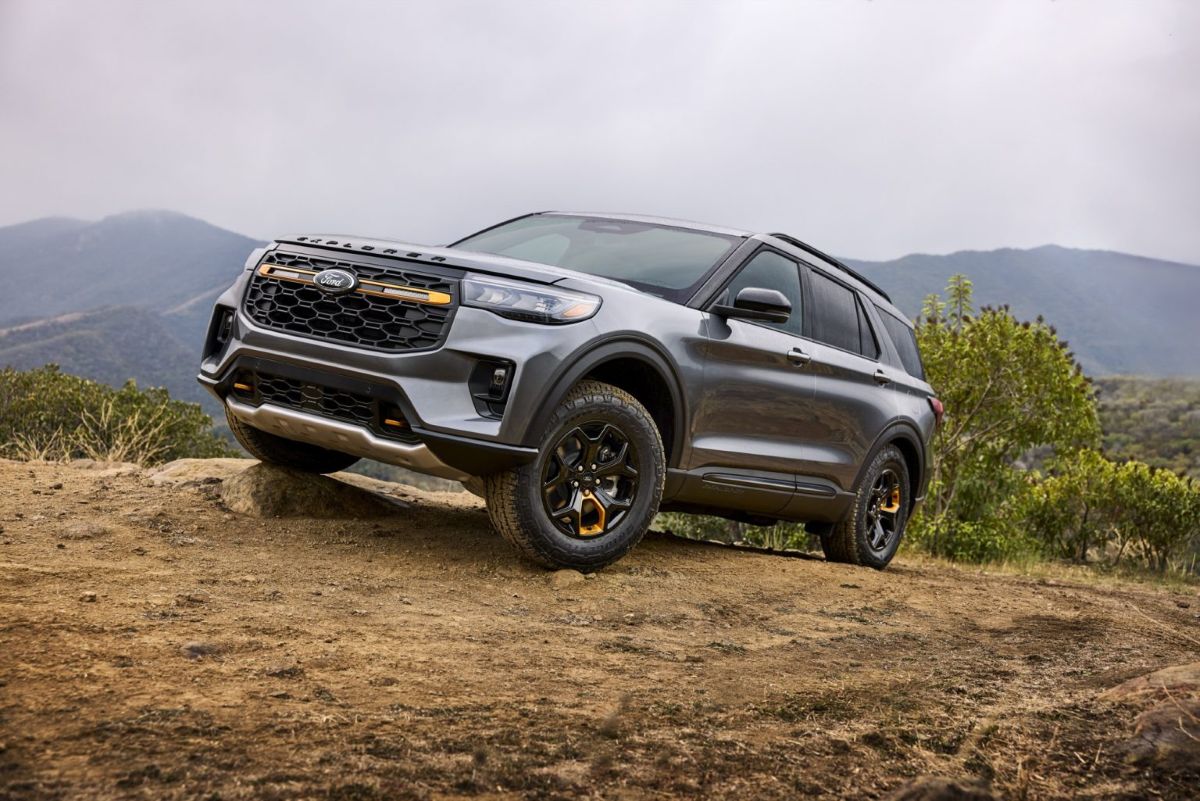
9. Ford Explorer
The Ford Explorer emphasizes side-impact protection through a combination of reinforced structural elements and advanced safety systems. High-strength steel is used in B-pillars, doors, and side sills to prevent intrusion during collisions.
Side curtain airbags extend along the full length of the cabin, while seat-mounted airbags protect the torso. Ford designs the Explorer to absorb and redirect impact energy efficiently, ensuring maximum occupant protection.
Reinforced doors and side panels distribute forces away from the passenger compartment. The roof and floor structures add rigidity to maintain survival space during severe side impacts. Crumple zones are carefully designed to deform in a controlled manner. These features work together to provide a strong defensive barrier around occupants.
The Explorer’s seats include reinforced frames and energy-absorbing materials. Cushions and headrests reduce the risk of neck and chest injuries during collisions. Sensors monitor potential side impacts and deploy airbags with precise timing. Ford integrates both structural and electronic safety systems for complete occupant protection.
In testing scenarios, the Explorer shows minimal cabin intrusion, with reinforced doors and pillars preserving the integrity of the passenger space. Curtain airbags provide head protection, and side beams prevent bending or collapse. Collision energy is directed away from occupants through multiple reinforced zones. These features combine to provide a highly protective SUV for families and everyday drivers.
The Ford Explorer delivers robust side-impact protection while maintaining practicality and comfort. Its structural reinforcements provide confidence during urban and highway driving. Passengers benefit from an integrated safety system that addresses both force absorption and airbag deployment. The Explorer is a strong choice for drivers seeking reliable protection.
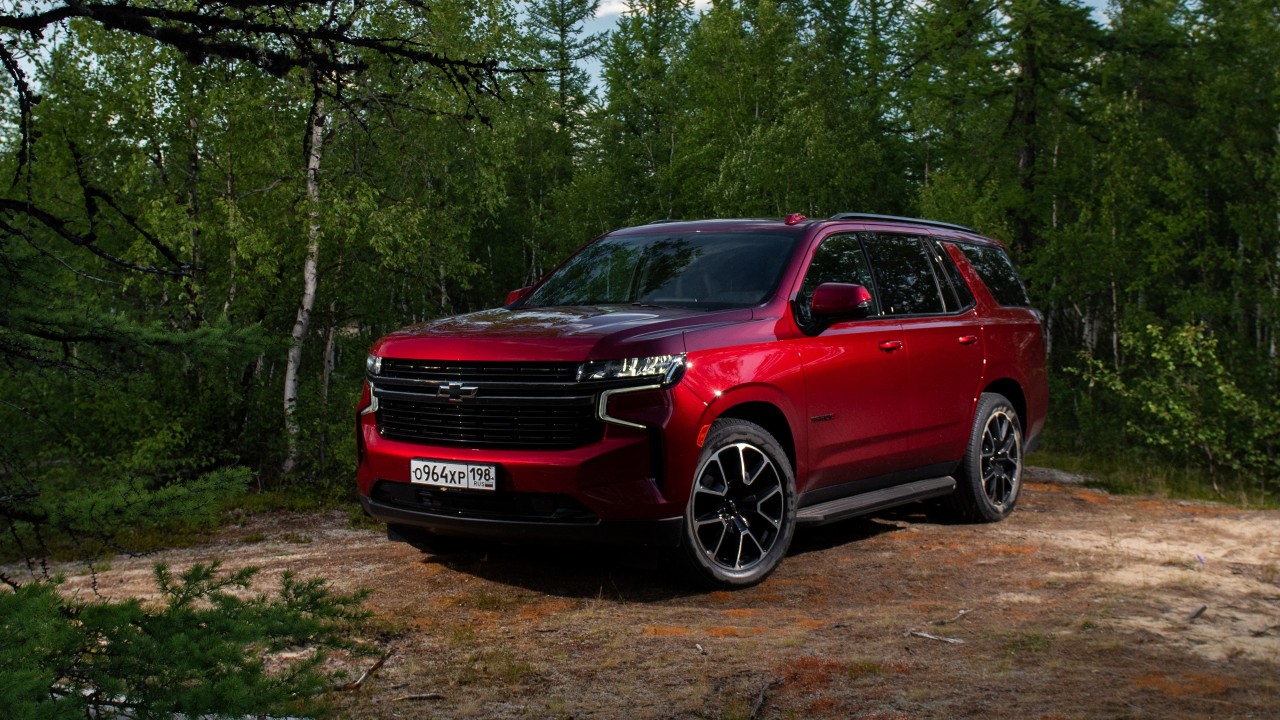
10. Chevrolet Tahoe
The Chevrolet Tahoe is a full-size SUV designed with strong side-impact protection in mind. Its frame incorporates high-strength steel in B-pillars, door beams, and side panels. Side curtain airbags and seat-mounted thorax airbags provide additional safety layers for all passengers. Chevrolet engineers focus on maintaining a protective passenger compartment even during severe side collisions.
Doors and side panels are reinforced to resist bending or penetration. The roof and floor structure contribute to a rigid passenger cage that prevents collapse. Crumple zones in the doors absorb energy in a controlled manner, reducing force on occupants. The Tahoe balances structural strength with vehicle durability and performance.
The seats are reinforced to reduce risk to the spine and pelvis during collisions. Cushions, bolsters, and headrests are designed to work with airbags for maximum occupant protection. Sensors detect side impacts and trigger airbags with precision. Chevrolet integrates these features to provide both passive and active safety in all driving conditions.
In crash tests, the Tahoe demonstrates minimal intrusion into the cabin during side collisions. Reinforced doors, pillars, and sills protect the head and chest, while curtain airbags shield occupants from glass and debris.
The distribution of impact forces through multiple structural zones enhances safety. The Tahoe is consistently recognized for its occupant protection in side-impact tests.
The Chevrolet Tahoe offers passengers a combination of space, comfort, and reinforced safety. Its structural design ensures confidence during highway, city, and off-road driving.
Side-impact reinforcements are integrated seamlessly with modern features and technology. The Tahoe remains a top choice for buyers seeking a large SUV with exceptional crash protection.
