
Luxury cars are often seen as the pinnacle of automotive engineering, combining performance, comfort, and technological innovation. In recent years, the industry has shifted heavily toward touchscreen interfaces, replacing traditional buttons and knobs with large digital displays.
While touchscreens can provide a futuristic aesthetic and multifunctional capabilities, many drivers find them less intuitive during everyday driving. The tactile feedback of physical buttons provides immediate recognition without the need to glance away from the road.
Physical controls offer a sense of reassurance, letting drivers operate climate systems, audio settings, and navigation with confidence and precision.
This preference for physical buttons is not just about nostalgia; it is deeply tied to ergonomics and safety. Drivers can manipulate controls by feel, which reduces distraction and allows more focus on the road. In high-performance scenarios, where every second counts, tactile feedback can make a significant difference in control and response.
The market has noticed this demand, and some luxury brands continue to offer cars with comprehensive physical controls. While they still include modern infotainment systems, many combine touchscreens with strategically placed buttons to balance technology with usability.
This trend is particularly popular among drivers who prioritize driving dynamics over gadgetry. Certain manufacturers have intentionally maintained classic control layouts, allowing users to adjust settings intuitively without needing to consult manuals or menus. As a result, a unique segment of the luxury automotive market remains committed to providing tactile, responsive controls.
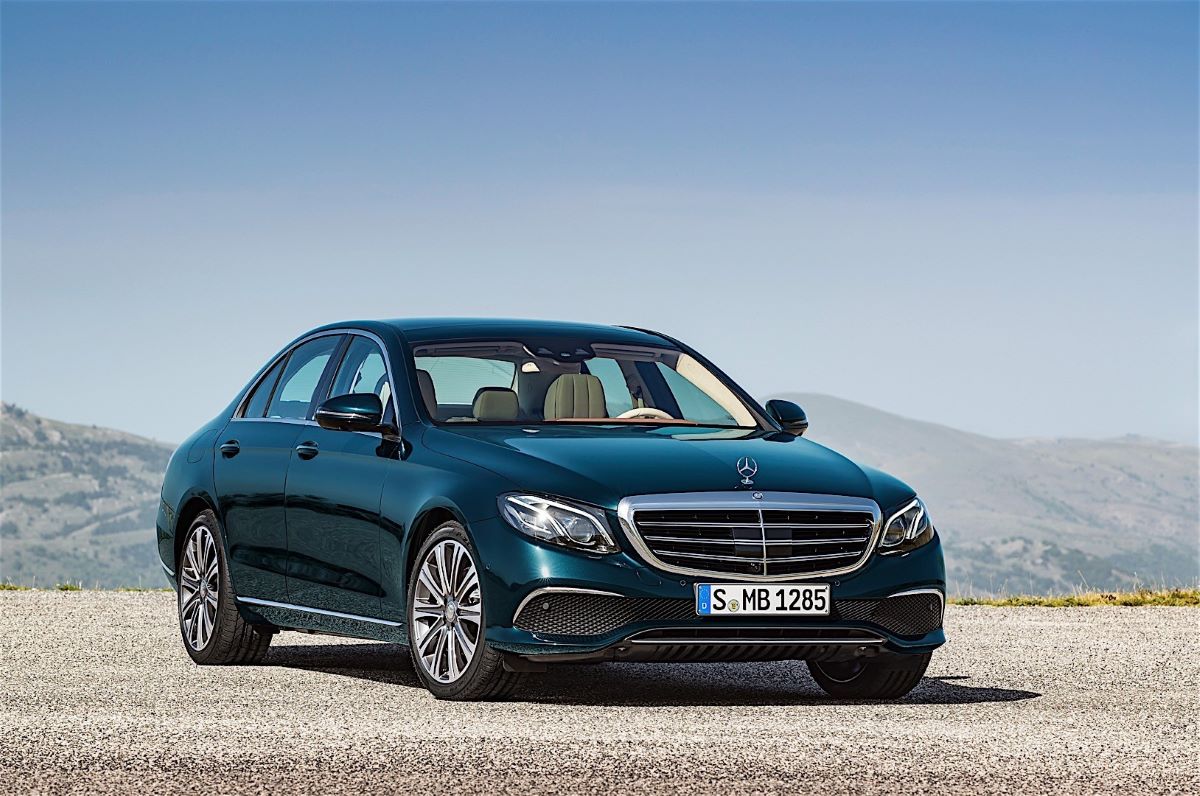
1. Mercedes-Benz E-Class (W213)
The Mercedes-Benz E-Class is a benchmark for executive luxury sedans. Its interior strikes a balance between modernity and tradition, maintaining a familiar control layout. Climate, audio, and seat adjustments are all accessible via well-positioned physical buttons. These controls provide tactile confirmation, giving drivers confidence during complex maneuvers or traffic conditions.
The center console is elegantly organized, with distinct buttons for drive modes, hazard lights, and infotainment shortcuts. Unlike fully digital systems, these buttons require no menu navigation, allowing immediate operation.
Drivers can change temperature settings or audio volume without taking their eyes off the road. The steering wheel also includes multifunction buttons, ensuring that essential functions remain within thumb’s reach.
Mercedes-Benz engineers have focused on ergonomics, placing frequently used buttons in natural hand positions. The audio and media controls are particularly intuitive, reducing the learning curve for new owners. Physical switches also complement the car’s luxurious materials, including brushed aluminum and leather trim. The combination of textures enhances the tactile experience, making the interior feel both modern and timeless.
Even in the facelifted models, Mercedes retained a mixture of buttons alongside the digital display. While the dual screens provide visual information, critical functions are always backed by mechanical switches. This approach ensures that drivers do not have to rely solely on touch input, which can be distracting in motion. The result is a cockpit that is functional, safe, and user-friendly.
The E-Class appeals to buyers who value driving comfort and intuitive operation. Physical buttons contribute to a sense of control and reliability.
Drivers report less frustration compared to touchscreen-heavy competitors, particularly in colder climates where gloves may hinder touchscreen use. This model demonstrates how luxury and practicality can coexist without compromising either.
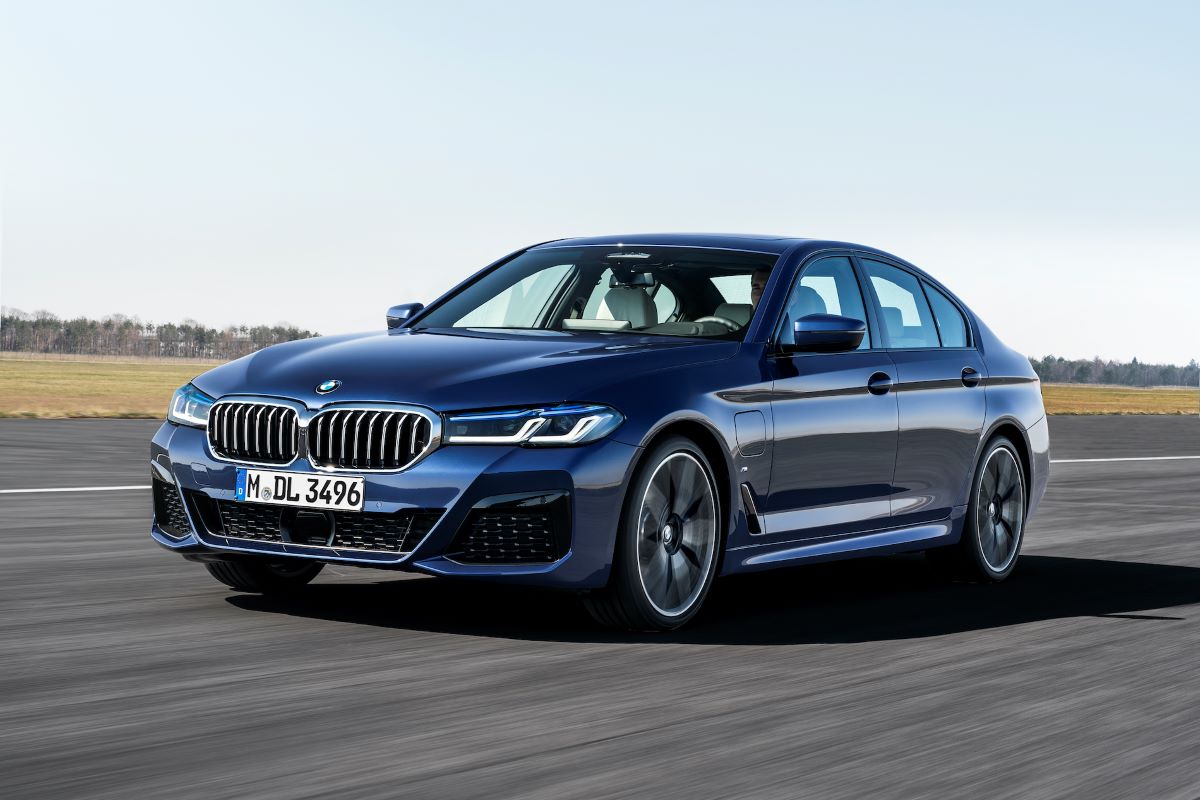
2. BMW 5 Series (G30)
The BMW 5 Series has long been synonymous with sporty luxury and driver-focused design. In the G30 generation, the cabin continues to provide an excellent balance between technology and physical controls. Essential functions such as climate control, volume adjustment, and driving modes remain tactile, allowing drivers to operate the car with minimal distraction.
BMW’s iDrive controller is blending traditional rotary input with touchscreen options. Despite the presence of a central display, buttons for media, navigation, and car settings provide a quick and precise interface. Drivers appreciate that they can make adjustments while keeping their eyes on the road. This setup maintains BMW’s reputation for ergonomically optimized interiors.
Physical buttons are placed logically, often clustered according to function. Climate controls are separated from infotainment shortcuts, reducing the likelihood of accidental activation. The steering wheel adds another layer of convenience, with dedicated buttons for cruise control, phone, and audio. These design choices reflect BMW’s commitment to intuitive operation and driving pleasure.
Material quality enhances the tactile experience. Soft-touch plastics, metal accents, and leather-wrapped knobs give physical controls a satisfying feel. The combination of weight, resistance, and position makes each button easy to identify by touch. These sensory qualities reinforce the sense of precision expected from a luxury car.
The 5 Series demonstrates that a modern luxury sedan can integrate advanced technology without abandoning physical interfaces. Drivers who prioritize control and usability over minimalistic touchscreens will find this approach appealing. BMW successfully merges performance, comfort, and practicality while maintaining tactile engagement.
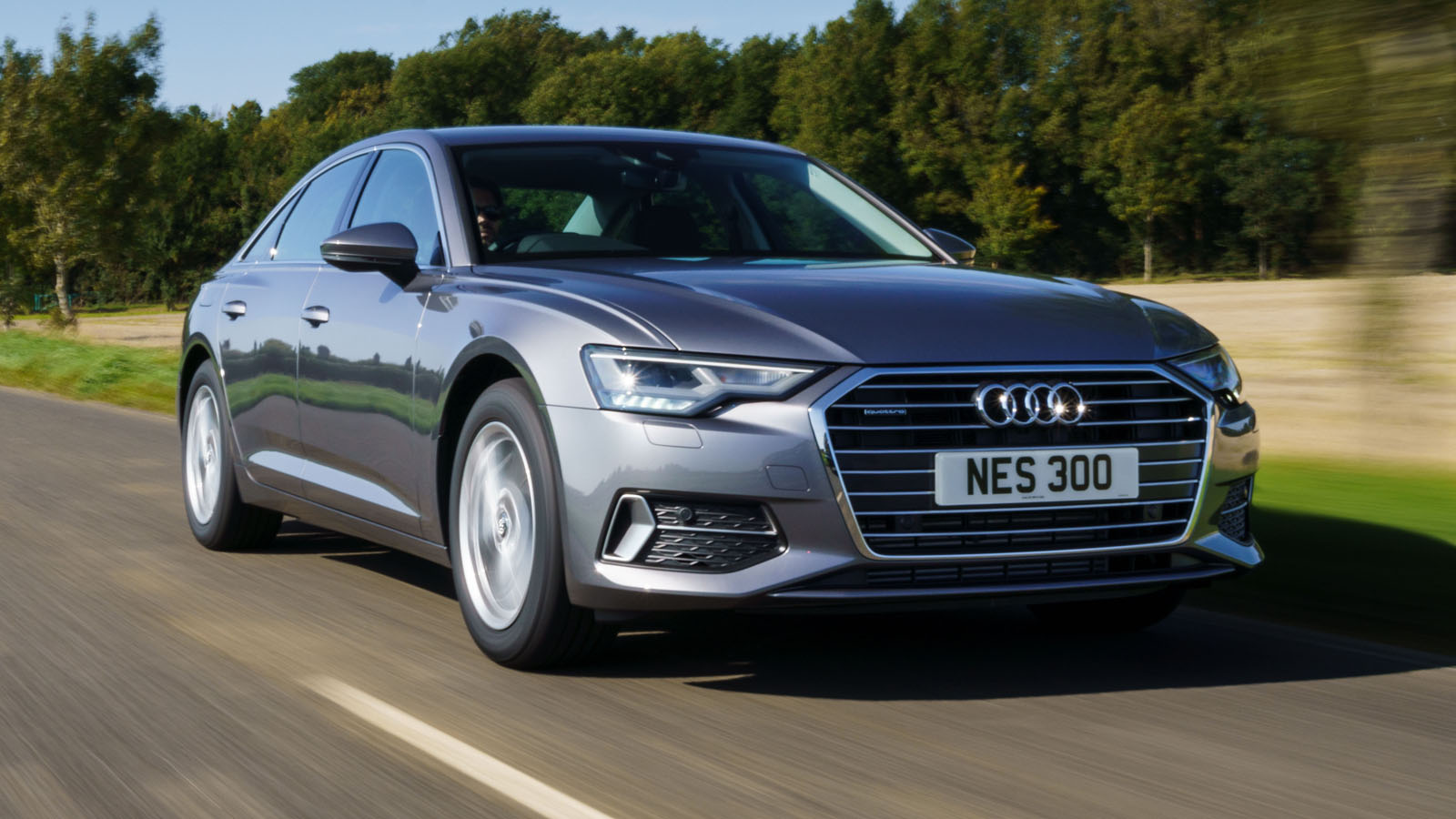
3. Audi A6 (C8)
The Audi A6 C8 manages to maintain an upscale interior with a strong emphasis on tactile control. While Audi introduced dual touchscreens in the infotainment setup, core functions remain under physical buttons. Climate controls, volume adjustment, and drive mode selectors are all accessible via mechanical switches. This allows precise operation even while driving at higher speeds.
Audi’s design philosophy emphasizes simplicity and driver orientation. Physical buttons are well-lit, logically arranged, and clearly labeled. Drivers can instantly adjust temperature zones, fan speed, or seat heating without navigating menus. The tactile response ensures minimal distraction and maximum confidence in operation. The steering wheel integrates additional buttons for audio, navigation, and voice commands.
The central console and dashboard blend premium materials with functional buttons. Aluminum, leather, and soft-touch surfaces frame the controls, adding sophistication and clarity. Audi’s engineers have designed buttons to provide firm feedback without being stiff or difficult to press. This reinforces the perception of quality while enhancing usability.
Even with growing reliance on touchscreens, Audi prioritized redundancy through buttons. Functions critical to comfort and safety are always within reach, minimizing reliance on touch-sensitive controls. Drivers can trust that adjustments will register immediately, without software lag or misinterpretation. The result is a cockpit that combines modernity with practicality.
Owners of the A6 appreciate the balance between tactile interaction and digital sophistication. Physical buttons add reliability and familiarity, making long journeys more comfortable. Audi demonstrates that a high-tech interior does not have to sacrifice the tactile satisfaction of traditional controls.
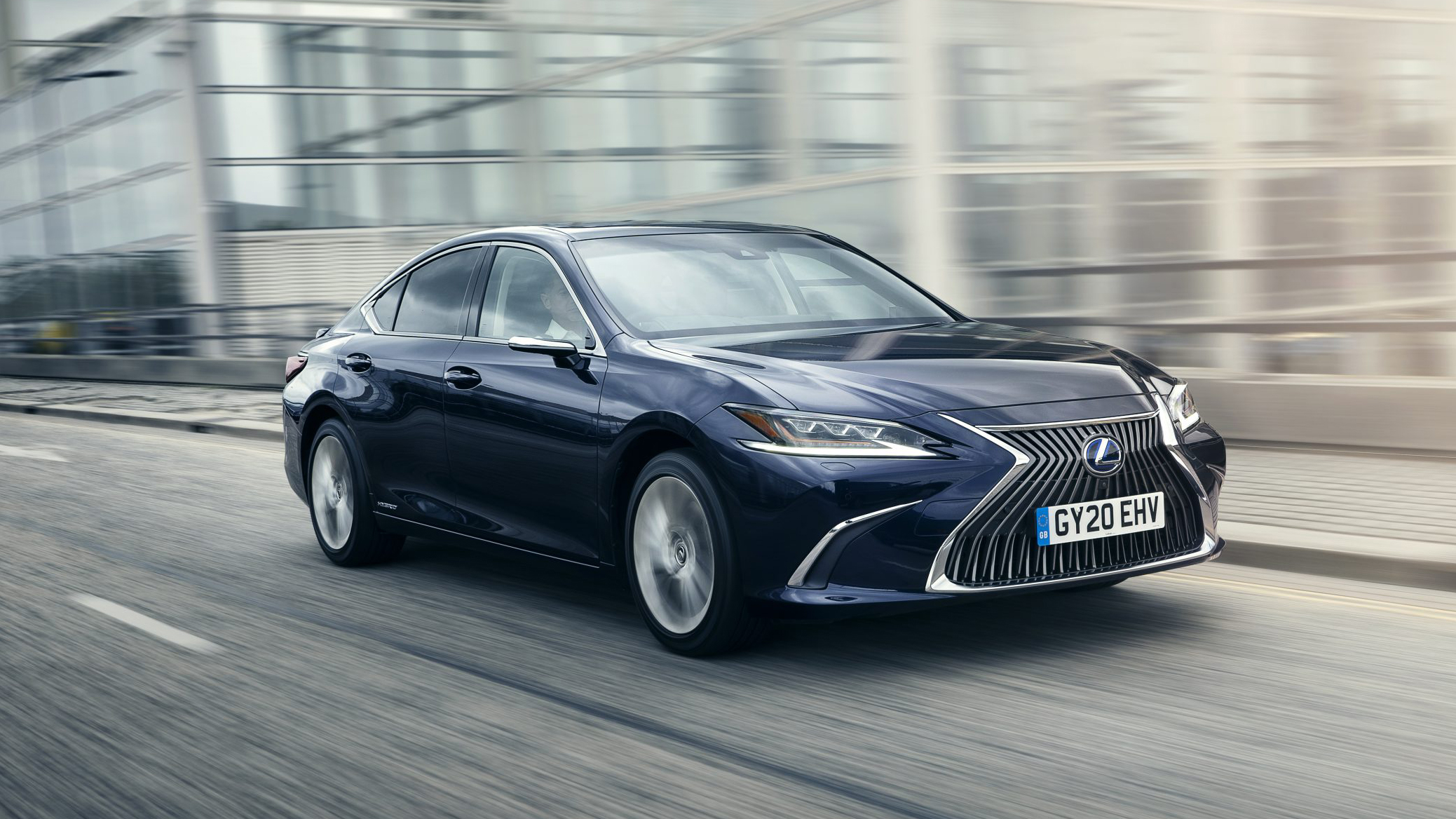
4. Lexus ES
The Lexus ES exemplifies refinement and driver comfort, offering a cabin that prioritizes tactile engagement. Physical buttons control climate, audio, and driving aids, providing reliable operation without unnecessary complexity. The layout allows drivers to make adjustments instinctively, a feature often praised in long-distance travel scenarios.
The center console combines traditional buttons with a touchscreen for supplemental functions. Audio, fan speed, and temperature are managed via physical switches, reducing the need for menu navigation. Lexus designers have positioned buttons to align with natural hand movement, increasing both efficiency and comfort. The steering wheel features additional tactile controls, allowing easy access to essential functions.
Materials reinforce the premium experience. Soft leather, metallic accents, and sculpted buttons create a sense of solidity and precision. Each press delivers a predictable tactile response, enhancing confidence in operation. This attention to detail is consistent with Lexus’ reputation for high-quality interiors.
Reliability is another key advantage. Physical buttons are less susceptible to software glitches compared to touchscreen systems. Lexus owners often cite the simplicity and dependability of these controls as a reason for long-term satisfaction. Drivers can focus on the road rather than troubleshooting digital interfaces.
The ES demonstrates that luxury interiors can combine advanced features with classic control methods. Tactile buttons contribute to a calming and practical cabin environment. For drivers who value reliability, comfort, and ease of use, the Lexus ES remains an attractive choice in the luxury sedan market.
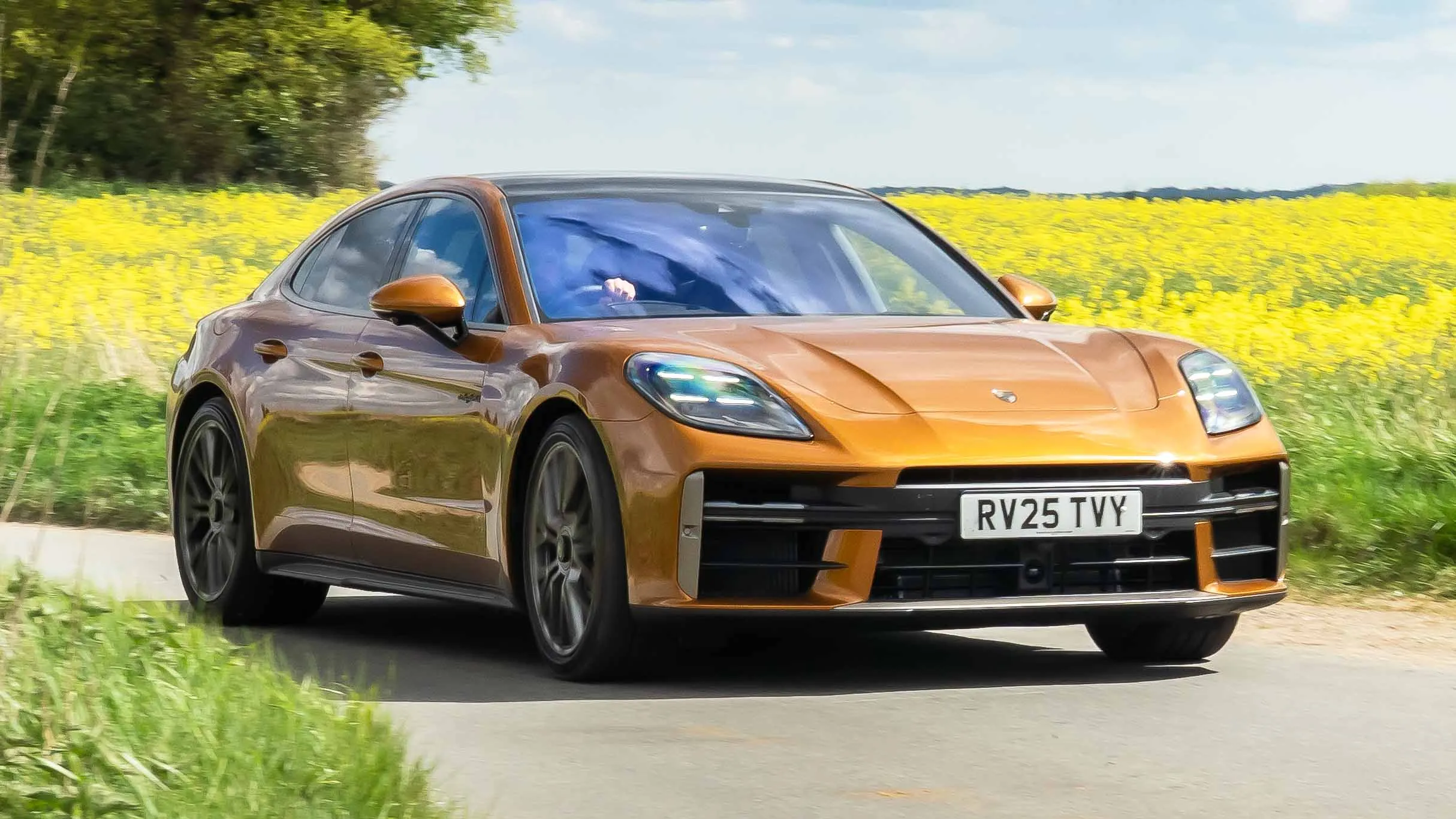
5. Porsche Panamera
The Porsche Panamera delivers a high-performance experience while retaining driver-focused physical controls. The car combines speed, handling, and luxury, yet maintains intuitive access to essential functions through buttons. Climate, drive mode selection, and audio controls are directly manipulable, reinforcing Porsche’s commitment to usability.
The center console is well-organized, with clearly separated buttons for each system. Drivers can activate sport settings, suspension adjustments, and infotainment shortcuts quickly. This reduces distraction and enhances responsiveness during spirited driving. The tactile feedback provides assurance that inputs are registered immediately.
Steering wheel controls supplement the cockpit design, offering additional access to key functions. Paddle shifters, audio, and cruise control are all easily reachable without changing hand position. This design reinforces Porsche’s philosophy of driver engagement and control.
Materials and construction are premium, with metal switches, leather accents, and high-quality plastics. Buttons have weight and resistance, contributing to a luxurious tactile sensation. The interior is both functional and aesthetically pleasing, merging sportiness with refinement.
The Panamera shows that physical buttons can coexist with digital displays without compromising modern styling. Porsche maintains usability, precision, and driver satisfaction. Physical controls allow for quick adjustments during dynamic driving, emphasizing Porsche’s commitment to performance and control.
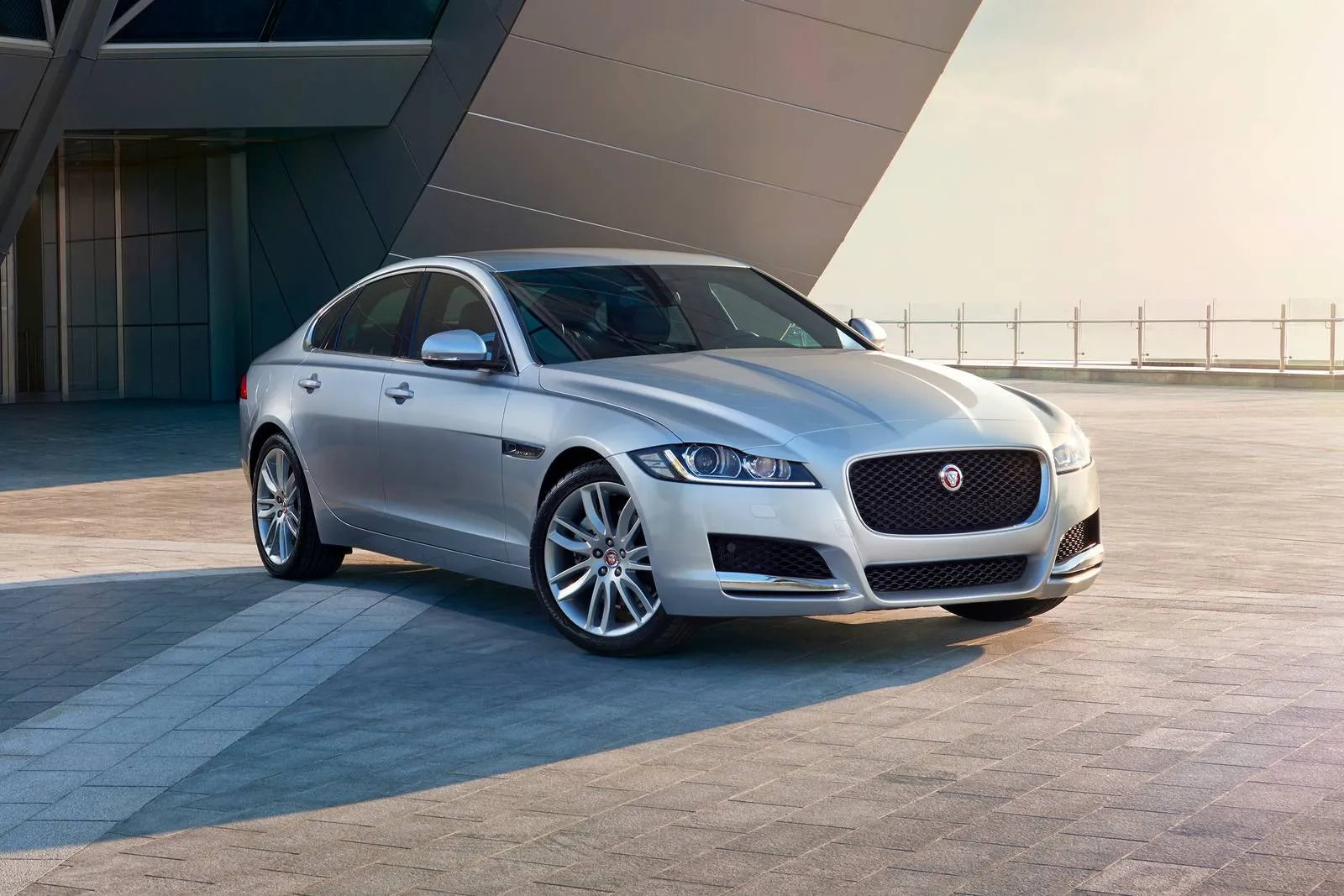
6. Jaguar XF
The Jaguar XF offers a blend of British elegance and driver-centric design, with interiors that emphasize tactile controls. Unlike touchscreen-heavy rivals, the XF keeps essential functions accessible via physical buttons, allowing drivers to operate the car instinctively.
Temperature, fan speed, and audio controls are all clearly separated and positioned within easy reach. The tactile feel of each switch provides reassurance, especially during longer drives or urban traffic.
Jaguar engineers focused on logical grouping of buttons, ensuring that related functions are clustered together. This design reduces errors and allows adjustments without looking away from the road. The center console includes well-spaced switches for driving modes, traction control, and parking assistance, making the driving experience more intuitive. Steering wheel buttons further enhance accessibility, covering phone, audio, and cruise control functions.
The interior materials contribute to a sense of luxury and precision. Soft-touch surfaces, brushed aluminum trim, and leather-wrapped knobs create a visually and tactilely satisfying environment. The weight and resistance of each button have been designed to balance responsiveness with ease of use, reflecting Jaguar’s attention to detail in crafting a refined interior.
Even as Jaguar incorporates digital displays for navigation and media, physical buttons remain central for frequently used features. This approach ensures drivers can quickly adjust key settings without interrupting the flow of driving. The combination of mechanical switches and digital interfaces provides the best of both worlds, combining modern aesthetics with practical usability.
Owners of the XF consistently praise its balance between luxury, performance, and functional design. Physical buttons not only simplify control but also enhance the sense of engagement between driver and car. The tactile feedback makes adjustments predictable and satisfying, reinforcing the experience of a sophisticated British luxury sedan.
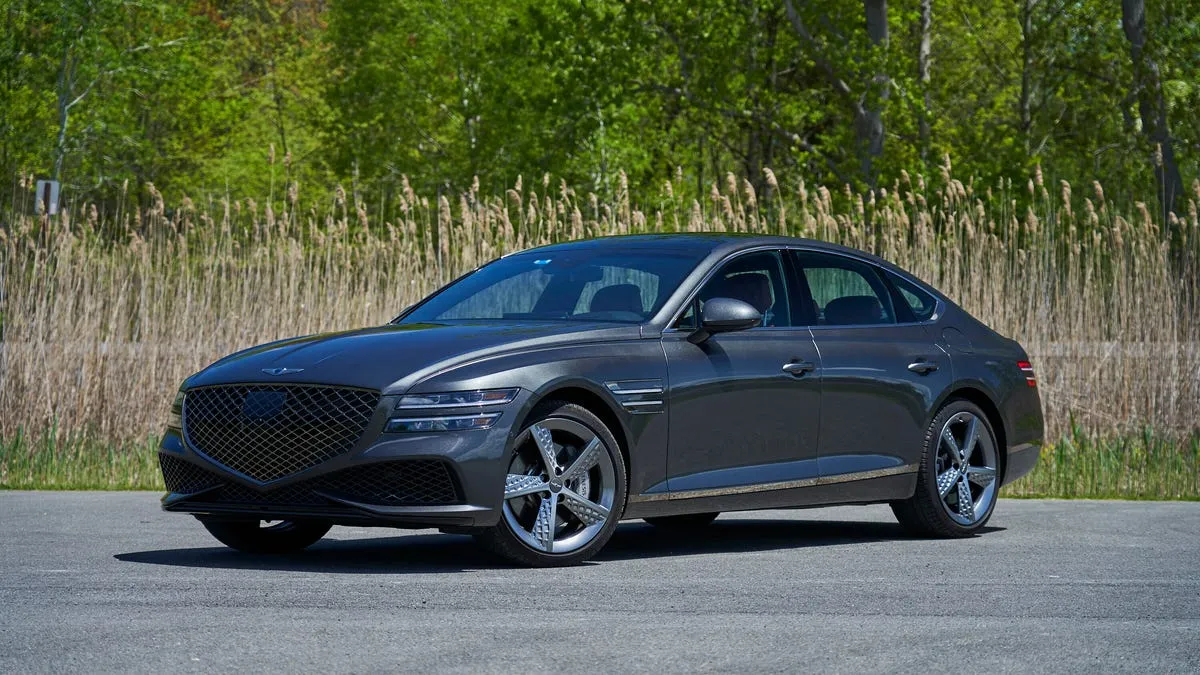
7. Genesis G80
The Genesis G80 delivers a luxurious driving environment with an emphasis on practicality and comfort. While modern infotainment systems are included, the G80 maintains a generous array of physical buttons for essential functions. Climate control, audio settings, and drive mode selectors can be manipulated intuitively, reducing driver distraction and improving usability during daily commuting.
Button placement in the G80 is ergonomically designed, allowing natural hand movement across the dashboard and center console. The driver can adjust temperature, fan speed, and audio volume without taking eyes off the road.
The steering wheel features additional tactile controls for phone and cruise control, ensuring frequently used functions remain accessible. The arrangement emphasizes simplicity while retaining a premium feel.
The interior materials enhance the tactile experience. Soft leather surfaces, metallic buttons, and subtle textures create a sense of quality and reliability. Each press delivers satisfying resistance, reinforcing confidence in control. These elements contribute to an interior that feels carefully designed and thoughtfully executed.
Genesis also prioritizes redundancy in function, providing physical buttons for critical adjustments alongside the touchscreen. This approach increases usability and reliability, particularly during high-demand scenarios. Drivers can trust that adjustments will register immediately, providing reassurance that is often absent in touchscreen-only designs.
The G80 is a practical luxury sedan that values driver experience above flashy technology. Physical buttons enhance safety, control, and comfort. For buyers seeking a balance between modern luxury and tactile operation, the Genesis G80 offers an appealing solution that demonstrates thoughtful interior design and careful engineering.
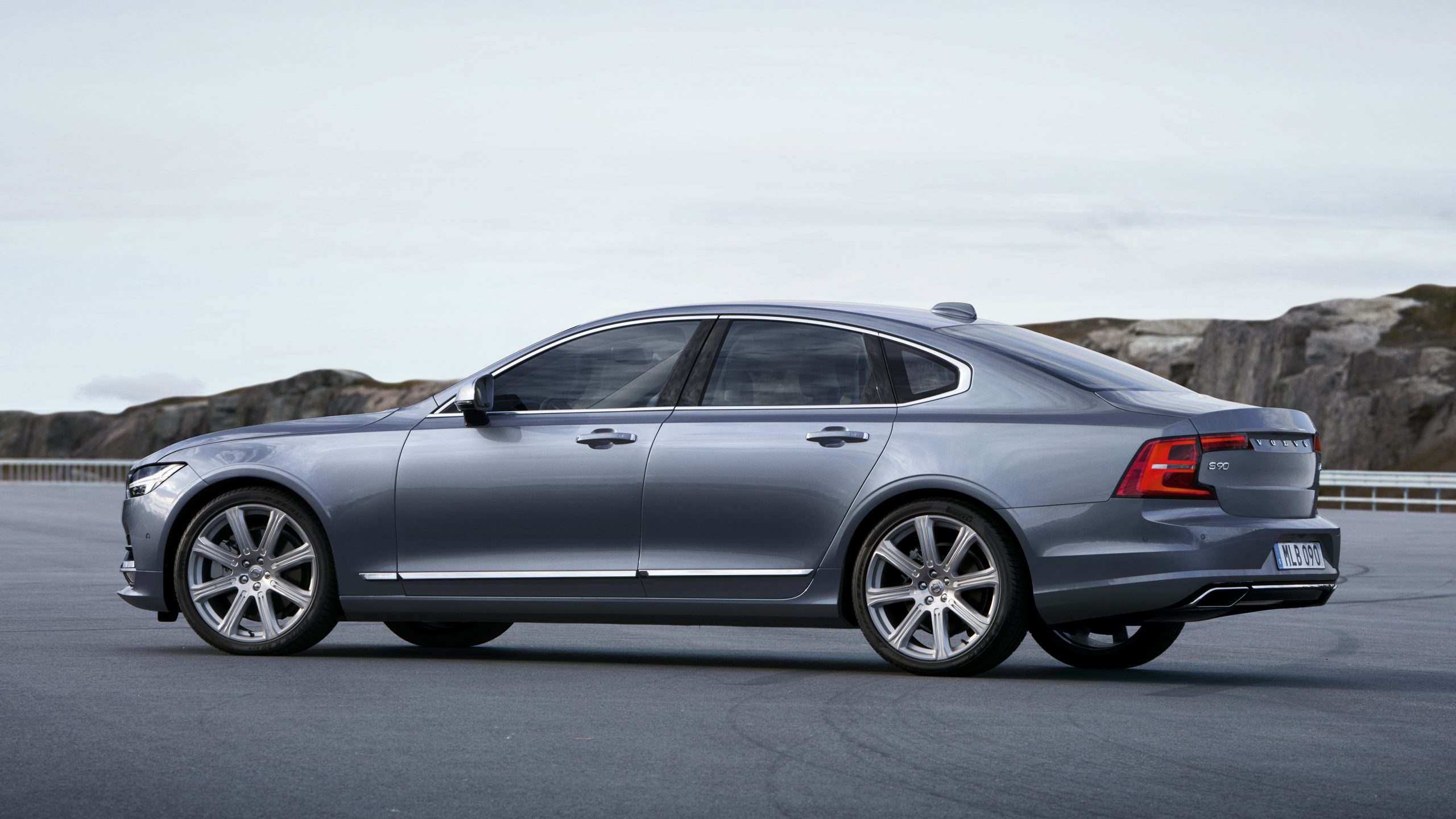
8. Volvo S90
Volvo’s S90 combines Scandinavian minimalism with a strong emphasis on driver-centered functionality. While it features a modern touchscreen infotainment system, physical buttons remain in critical areas for climate, audio, and essential driving controls.
These switches are strategically placed to allow adjustment without diverting attention from the road. The tactile response provides predictable operation, enhancing driver confidence and safety.
Volvo designers grouped controls logically, separating climate, media, and driving assistance buttons into distinct zones. This clear layout reduces the chance of mistakes during operation. Steering wheel buttons allow immediate access to volume, phone, and adaptive cruise functions. Each button is designed with sufficient spacing to prevent accidental activation, reflecting Volvo’s focus on ergonomic design.
Materials and design details contribute to the luxury experience. Leather, polished metal, and subtle textures create a tactilely engaging environment. Buttons provide a satisfying resistance and feedback, reinforcing their presence as intentional and precise. The combination of visual simplicity and tactile clarity enhances driver interaction with the interior.
Even as digital systems expand functionality, Volvo continues to rely on physical switches for core features. This redundancy ensures reliability and intuitiveness, particularly for features that must be accessed quickly. Drivers can operate the vehicle confidently in all conditions, including extreme weather or when wearing gloves.
The S90 demonstrates that a luxury sedan can retain tactile engagement without sacrificing modern design. Physical buttons enhance control, safety, and user experience. Drivers appreciate the intuitive layout and satisfying feedback, making the S90 a strong contender for those who value traditional interfaces within a contemporary cabin.
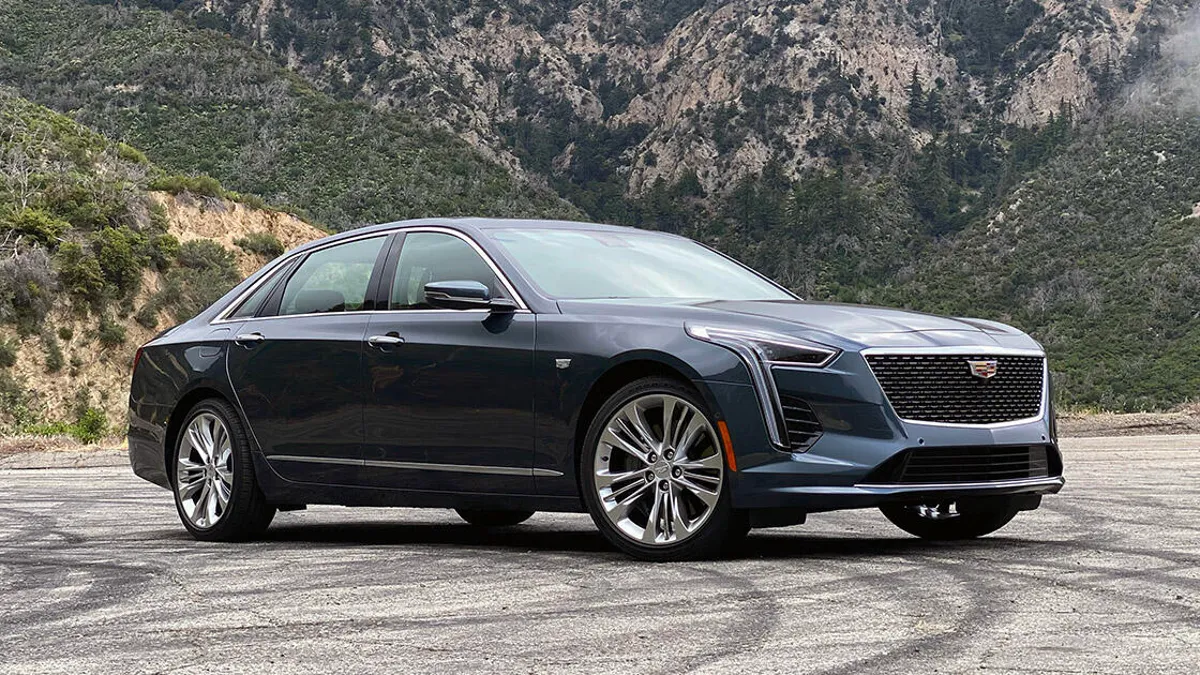
9. Cadillac CT6
The Cadillac CT6 combines American luxury with driver-focused ergonomics, incorporating physical buttons for essential functions. Climate control, audio, and driving modes are all accessible through well-designed mechanical switches. The layout allows drivers to operate the car instinctively, without relying exclusively on touchscreen navigation. This preserves focus and reduces distraction during daily use.
Cadillac engineers arranged buttons in logical clusters, separating media, temperature, and vehicle settings. Steering wheel controls extend functionality, providing access to volume, cruise, and phone systems. The tactile feedback ensures that each command is registered immediately, giving drivers a clear sense of control and precision. The interior design integrates these buttons seamlessly with high-end materials.
The CT6’s cabin uses premium leather, metal accents, and soft-touch surfaces to enhance both appearance and tactile experience. Buttons have carefully calibrated resistance, offering a sense of solidity and quality. This attention to detail reinforces the perception of luxury and careful craftsmanship.
Even with an advanced infotainment system, Cadillac preserved physical buttons for functions that are most frequently accessed. Drivers can adjust critical features quickly and confidently, maintaining attention on driving conditions. The combination of mechanical controls and digital displays balances innovation with usability.
The CT6 illustrates that luxury does not require a touchscreen-dominated interior. Physical buttons add practicality, reliability, and engagement. Buyers who value intuitive operation and tactile feedback will find the CT6 appealing, as it delivers comfort, performance, and user-focused design simultaneously.
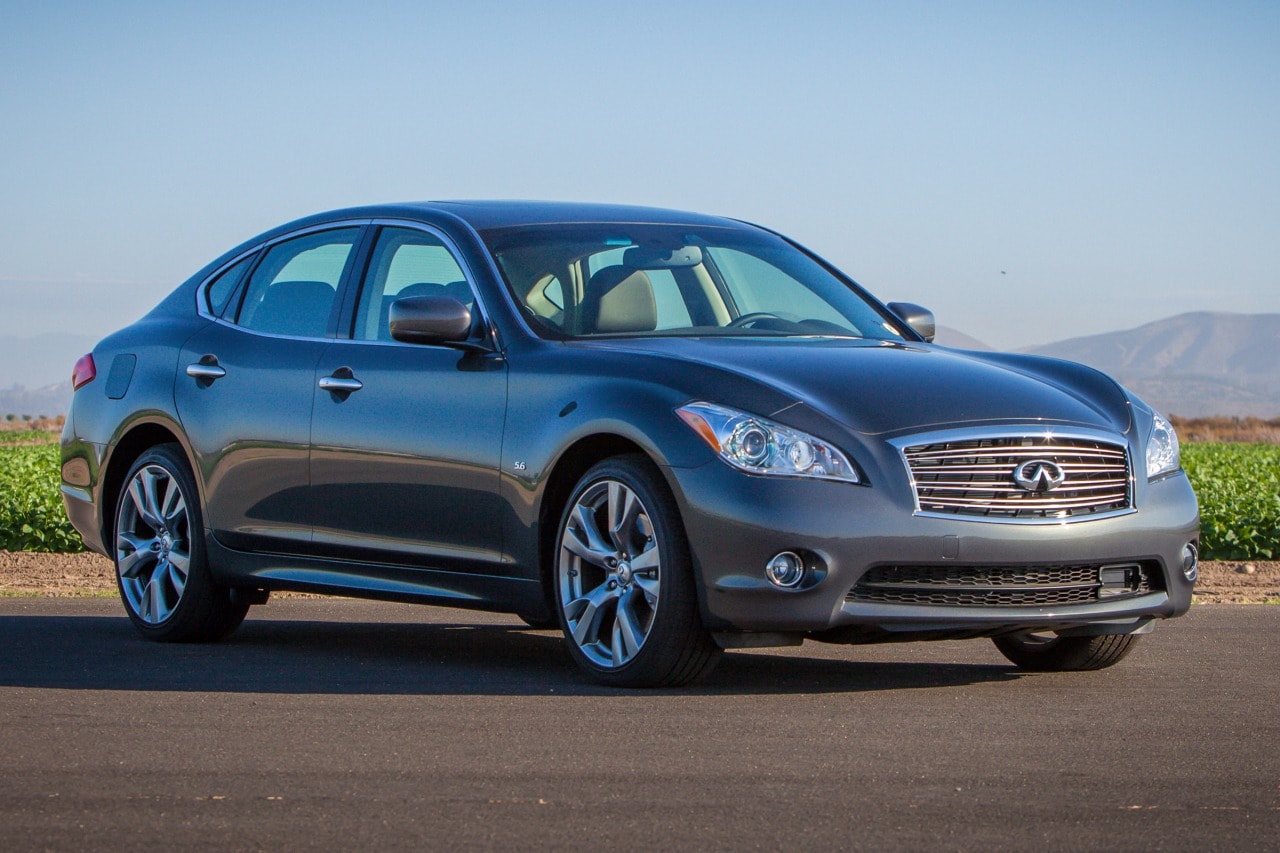
10. Infiniti Q70
The Infiniti Q70 maintains a traditional approach to interior controls while offering modern luxury features. Physical buttons govern climate, audio, and vehicle settings, allowing drivers to make adjustments confidently and efficiently. The design prioritizes ergonomics, ensuring that each control is within comfortable reach and identifiable by touch alone. This enhances safety and convenience.
Button clusters are logically arranged on the center console, separating climate, media, and driving functions. Steering wheel controls provide additional tactile access to phone, audio, and cruise control features. This layout supports intuitive operation, making the Q70 easy to handle in both city and highway driving conditions. Physical feedback ensures that each adjustment is clear and precise.
Premium materials complement the functional design. Leather surfaces, metallic accents, and soft-touch plastics create a refined interior environment. Buttons are engineered with satisfying resistance, enhancing confidence in operation and conveying a sense of quality. Every detail contributes to an elevated driving experience that feels deliberate and controlled.
Infiniti retained physical controls even as touchscreen systems became more common. Redundancy in input methods ensures reliability and reduces distraction. Drivers can focus on driving rather than navigating menus, an advantage in dynamic driving situations. The combination of mechanical switches and digital technology delivers practicality alongside sophistication.
The Q70 demonstrates that luxury sedans can retain classic tactile elements without appearing outdated. Physical buttons provide safety, usability, and comfort. For those who prefer hands-on control, the Q70 offers an interior that is both practical and elegant, making it a strong choice among tactile-focused luxury vehicles.
