
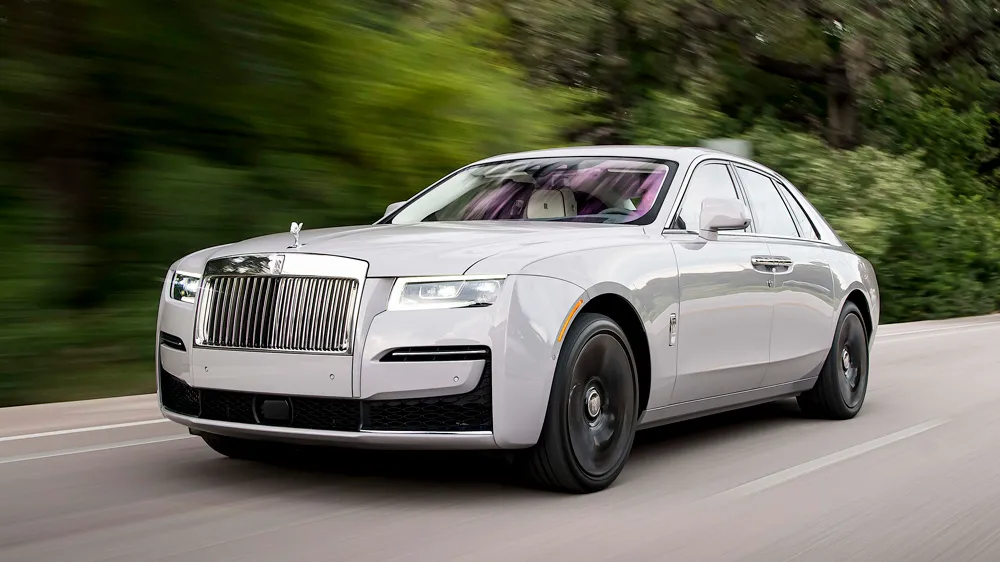
Cars with rear hinged doors, sometimes called “suicide doors,” have often been considered a design choice for luxury vehicles or concept cars, with a focus on style rather than functionality. Despite their unusual appearance, these doors can offer real practical benefits when used thoughtfully.
Rear hinged doors open in the opposite direction of standard front doors, which can make entry and exit much easier, particularly in tight parking spaces or for passengers with limited mobility. They allow passengers to step out without having to maneuver around the front door, creating a more accessible and user-friendly experience.
Historically, rear hinged doors were more common in the early 20th century, appearing on classic sedans and limousines. Over time, they became less popular due to safety concerns and modern manufacturing practices. However, modern engineering has addressed these issues, incorporating strong latch mechanisms and reinforced frames to prevent accidents.
These modern implementations not only preserve the unique aesthetic but also provide added convenience for families, executives, and anyone who frequently needs to load or unload passengers.
While many people associate rear hinged doors with high-end or niche vehicles, some mainstream models have successfully incorporated them in a practical way. Automakers have found clever solutions to integrate the doors without sacrificing safety or structural integrity.
This has allowed drivers to enjoy both the visual appeal and functional advantages of a design once considered unconventional. The combination of heritage, style, and innovation gives these vehicles a distinct personality while still serving everyday needs.
Another advantage of rear hinged doors is the ease of installing child seats or assisting older adults. Traditional doors can make this process awkward, especially in tight parking lots, but rear hinged doors provide a clear, unobstructed opening.
This feature is particularly appreciated in vehicles designed for families, where accessibility is a high priority. The design also allows for a more spacious feeling when entering or exiting the car, contributing to comfort and user satisfaction.
In addition to practicality, rear hinged doors often enhance the interior experience. They can create a welcoming, grand entrance that feels more elegant than standard doors. This sense of space and openness makes everyday use more enjoyable, whether commuting in the city or traveling longer distances.
The combination of style, functionality, and thoughtful engineering is why some automakers continue to experiment with rear hinged doors, keeping them relevant in modern vehicle design. The following sections highlight ten vehicles where this design choice has proven surprisingly practical, blending aesthetics with usability in a way that exceeds expectations.
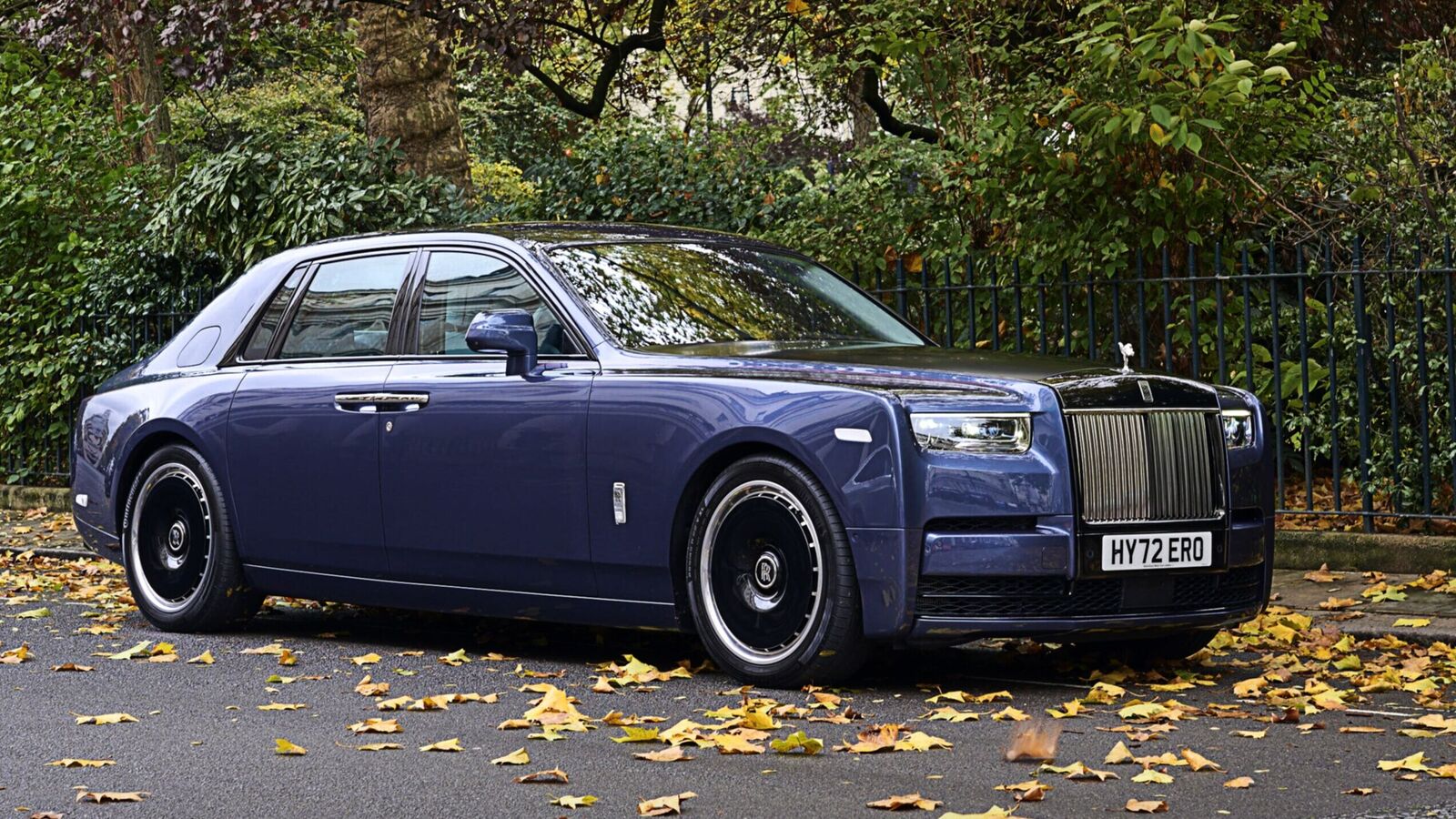
1. Rolls-Royce Phantom
The Rolls-Royce Phantom is renowned for its luxurious interior, and rear hinged doors add to its sense of elegance. Passengers can enter and exit with minimal effort, especially when paired with the vehicle’s automatic door function. These doors open widely, giving unobstructed access to the spacious rear seats. This feature is particularly useful when attending formal events or when chauffeur-driven.
Inside, the Phantom’s rear cabin is equipped with plush seating and ample legroom, making the rear hinged doors more than just a stylistic choice. The design ensures comfort and convenience for every passenger.
Assistance in and out of the vehicle feels seamless, reducing the chance of awkward movements or accidental contact with the front doors. The doors complement the vehicle’s emphasis on luxury and refined functionality.
The safety mechanisms in the Phantom are designed to prevent accidental opening while the car is in motion. Modern sensors and locking systems reinforce the structural integrity of the rear hinged doors. This combination of safety and design allows owners to enjoy the dramatic opening style without concern. It is a blend of innovation and tradition, keeping the classic appeal alive.
Maintenance and accessibility are also improved by these doors. Loading luggage or large items is easier due to the wider opening and lack of obstruction from a conventional hinge layout. Chauffeurs and personal drivers find the doors convenient for assisting passengers without awkward maneuvers. This practical aspect supports the user-friendly design of the car.
The rear hinged doors further enhance the vehicle’s aesthetic presence. They create a sense of occasion every time someone enters or exits, reinforcing the exclusivity of the brand. While initially a visual statement, they are genuinely practical for anyone using the car frequently. The combination of elegance and functionality is why the Rolls-Royce Phantom remains a benchmark for rear hinged door designs.
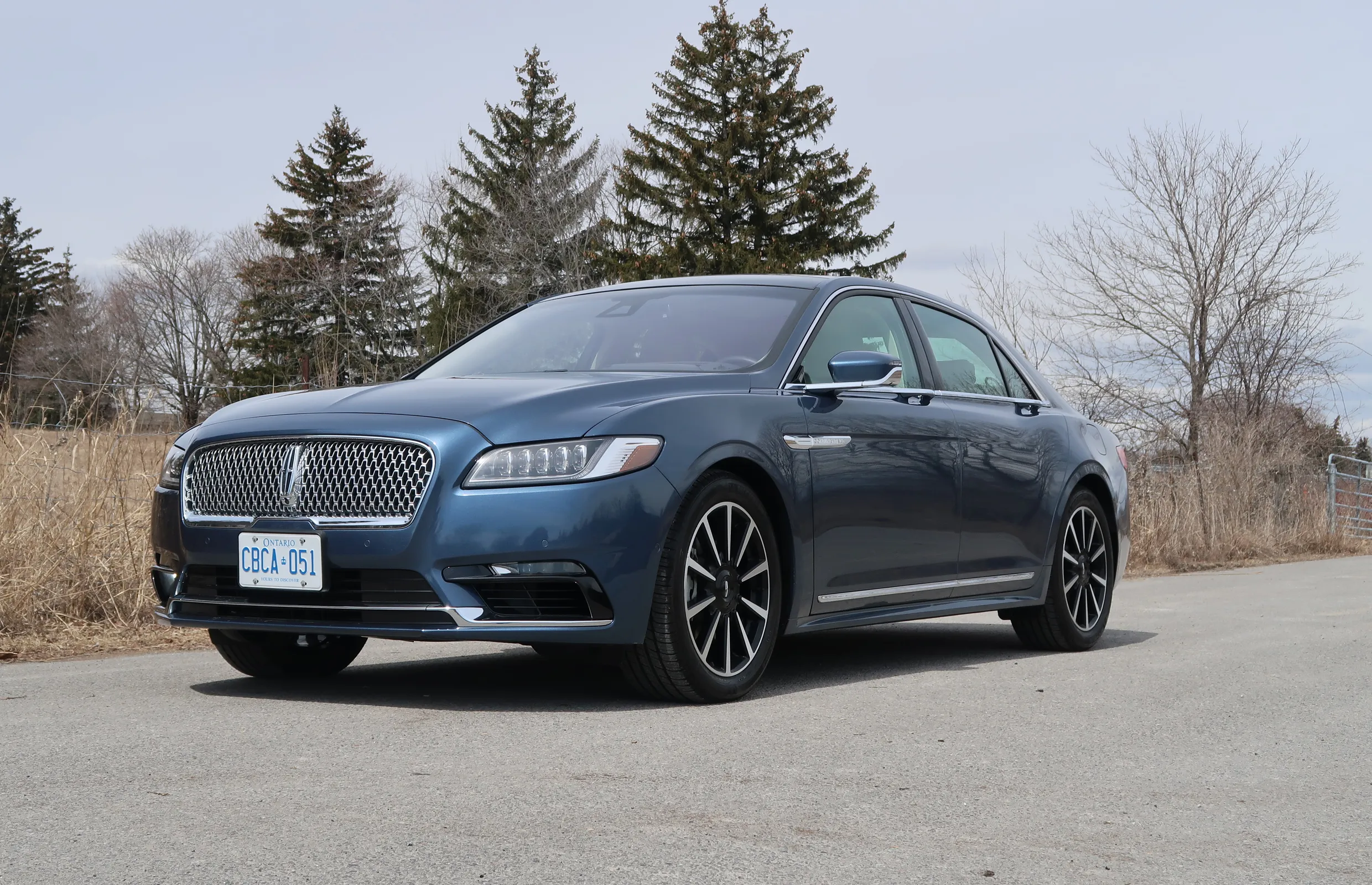
2. Lincoln Continental (2017–2020)
Lincoln revived rear hinged doors with the 2017–2020 Continental, combining retro style with modern practicality. The doors allow easier access to the rear seats, particularly in parking lots where space is limited. Lincoln incorporated safety features like dual latches and sensors to prevent accidental openings. This makes the design accessible without compromising modern safety standards.
Families benefit from the Continental’s rear hinged doors when securing child seats. The wide opening provides a direct path to the back seat, making installation simple. There is no need to contort bodies or struggle with traditional doors that swing inward. These doors also reduce the risk of bumping adjacent cars during entry or exit.
The luxury cabin is another area where rear hinged doors shine. Passengers can step into a spacious interior with a flat floor and generous headroom. The doors enhance the feeling of roominess, allowing for a comfortable seating experience. They also make it easier to reach storage compartments or center consoles without obstruction.
On the exterior, the rear hinged doors add a nostalgic charm. The design recalls classic cars of the 1960s while using modern engineering for durability and reliability. This blend of old and new gives the Continental a distinctive presence on the road. Customers often appreciate this unique combination of style and usability.
Finally, daily practicality is a key advantage. Entering and exiting in busy urban areas is easier, while larger passengers can move comfortably without crouching. Luggage loading and unloading are more straightforward thanks to the wide opening. Lincoln successfully demonstrates that rear hinged doors can be stylish, functional, and family-friendly in a contemporary sedan.

3. Mazda RX-8
The Mazda RX-8 sports car uses small rear hinged doors to complement its sporty design while adding practicality. Although compact, the doors provide access to the rear seats, which are otherwise difficult to reach. This solution allows the RX-8 to maintain a sleek coupe silhouette without sacrificing functionality. Passengers can enter with minimal effort despite the car’s low height.
Rear passengers benefit from these doors when stepping into tight spaces, such as crowded parking lots. The small, unobtrusive doors prevent scraping the front doors against obstacles. Mazda designed them to fold in a way that maximizes clearance, demonstrating attention to user convenience. This makes the RX-8 surprisingly practical for everyday use.
Safety features are carefully integrated. The doors lock automatically when the vehicle is in motion, reducing the risk of accidental opening. Latches are reinforced to maintain structural strength, allowing the car to retain its sporty feel. Drivers enjoy peace of mind knowing the design does not compromise safety.
Despite the smaller rear seating area, the doors allow easy access to child seats or occasional passengers. The RX-8’s layout accommodates both performance enthusiasts and those who need functional seating. Mazda effectively balances practicality with its signature driving-focused design.
The doors also enhance the visual flow of the car. They maintain the coupe’s streamlined appearance while adding a clever functional twist. For enthusiasts seeking style and usability, the RX-8’s rear hinged doors offer a rare combination of both. The innovative approach makes it a standout among small sports cars.

4. BMW i3
The BMW i3 electric vehicle features rear hinged doors that align with its compact, urban-friendly design. The doors are small but allow clear access to the rear seating area, ideal for city driving. The unique door layout eliminates the need for conventional rear doors that might interfere with tight parking spaces. This makes the car practical for families and commuters alike.
Rear hinged doors facilitate easier entry for passengers, particularly in congested streets or narrow garages. The wide opening and thoughtful hinge placement reduce awkward maneuvering. Loading groceries, small furniture, or passengers is simplified, reflecting BMW’s commitment to urban usability.
The electric drivetrain benefits from the car’s lightweight design, ensuring that the doors do not add unnecessary weight or complexity. Sensors and reinforced frames maintain safety standards while preserving structural integrity. BMW successfully merges style with modern technology in the i3.
Children and older passengers also gain from the design. Rear hinged doors create a clear path to the seats, allowing caregivers to assist passengers comfortably. Accessibility is enhanced without compromising the car’s compact dimensions or efficiency.
Additionally, the doors contribute to the i3’s futuristic aesthetic. The combination of forward-thinking design and practical functionality gives the vehicle a unique identity. BMW proves that even small electric cars can employ unconventional doors in a smart, useful manner.
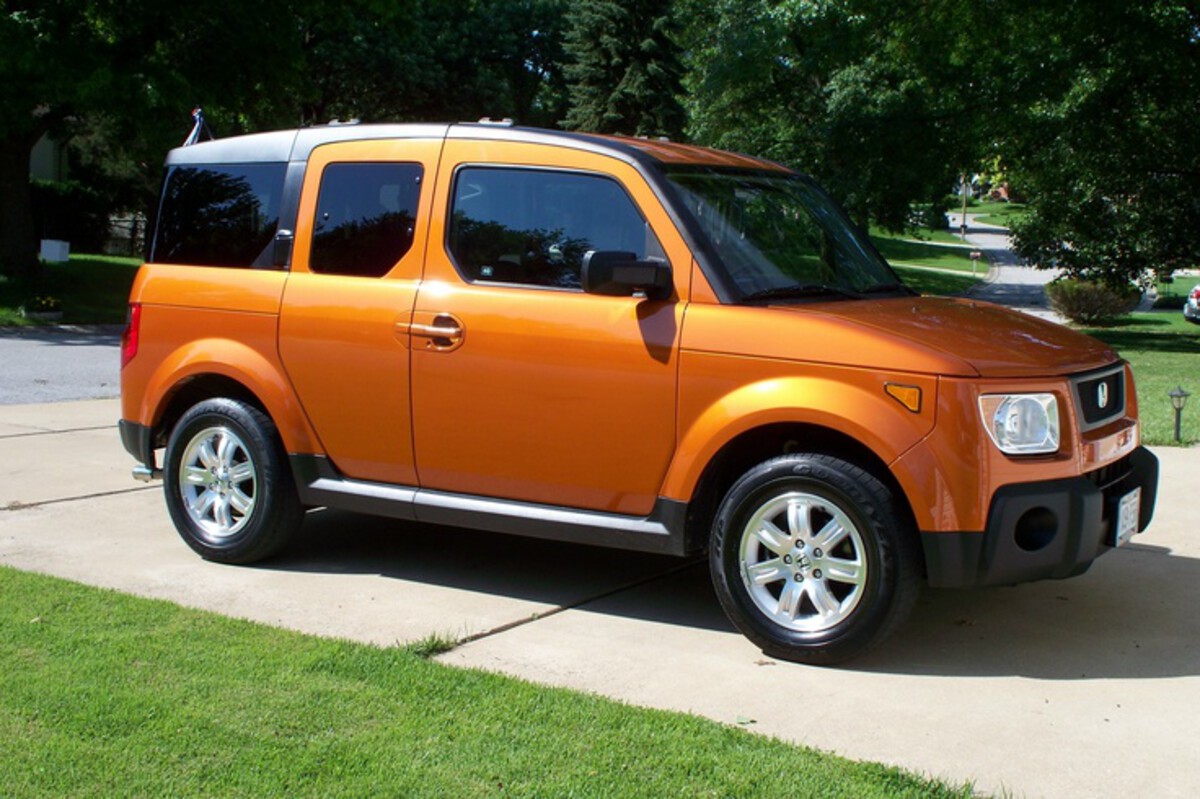
5. Honda Element
The Honda Element uses rear hinged doors to maximize its boxy, utilitarian design. These doors allow passengers to enter and exit without interference from front doors, making the vehicle especially practical in tight parking spaces. The wide opening also simplifies loading and unloading cargo, a priority for a versatile SUV. The design complements the car’s focus on functionality over luxury.
Families appreciate the rear hinged doors for everyday convenience. Children can get in and out easily, and adults can assist them without awkward maneuvers. The doors provide a flat, open entry space that eliminates the common frustration of cramped rear seating. Honda’s approach demonstrates that thoughtful design improves usability.
The Element’s interior is highly adaptable, with foldable and removable rear seats. Rear hinged doors make rearranging the cabin easier, allowing for quick access when loading large items. Outdoor enthusiasts often find this feature convenient when transporting bicycles, camping gear, or sports equipment. The doors support the vehicle’s lifestyle-friendly ethos.
Safety was also a key consideration in the Element’s design. Latches are reinforced, and the doors lock securely when the vehicle is in motion. This ensures passengers can use the doors confidently, without worry. Honda successfully blends practicality and safety in a unique, accessible way.
Aesthetic appeal is subtle but present. While the Element’s boxy shape dominates its visual identity, rear hinged doors add a distinctive charm that sets it apart from typical SUVs. The combination of style, ease of access, and versatile functionality makes the Element a standout for those prioritizing practicality.
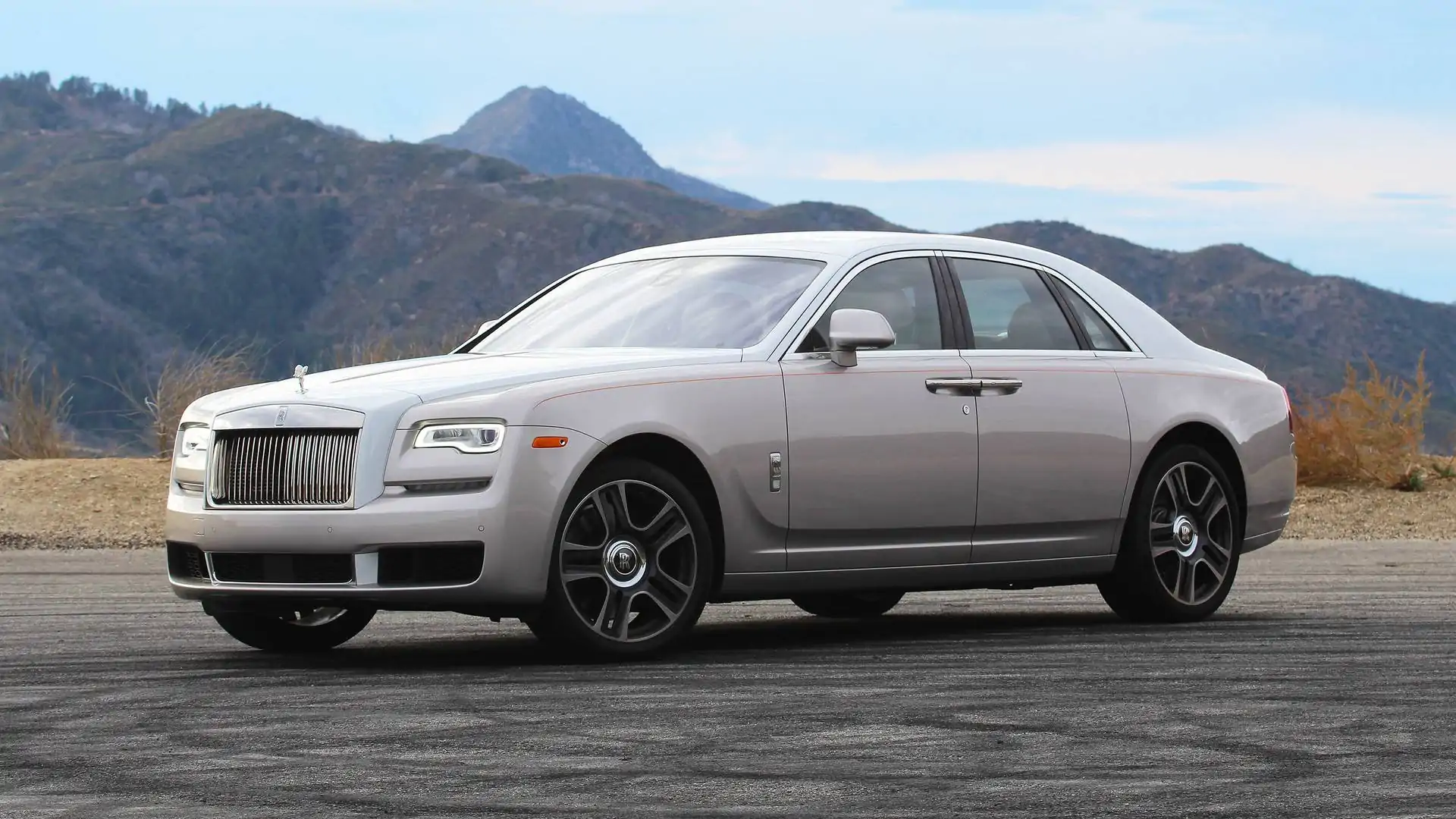
6. Rolls-Royce Ghost
The Rolls-Royce Ghost carries forward the brand’s tradition of rear hinged doors with elegance and precision. These doors allow seamless access to the rear cabin, emphasizing passenger comfort and luxury. The wide, unobstructed openings are ideal for chauffeured passengers, providing easy entry without maneuvering around conventional hinges. This ensures every trip feels sophisticated and effortless.
The interior of the Ghost is designed to maximize space and comfort. Rear hinged doors complement features like reclining seats, built-in screens, and adjustable ambient lighting. Passengers can step inside without disturbing others, a subtle but meaningful improvement for long journeys. The combination of technology and design is enhanced by the door layout.
Safety systems are integrated with the door design. Sensors prevent accidental openings while the car is in motion, and latches are reinforced to maintain structural integrity. These modern improvements allow owners to enjoy a classic feature without compromise. Rolls-Royce carefully balances tradition with contemporary standards.
Practicality extends to everyday usability. Loading luggage or assisting passengers is simplified due to the clear path created by the rear hinged doors. Despite its grand appearance, the Ghost accommodates real-world needs, making it more than a purely aesthetic choice. Chauffeurs and passengers alike benefit from the thoughtful layout.
The aesthetic impact is significant. Opening a Ghost’s rear hinged doors creates a sense of ceremony, transforming even routine travel into a refined experience. The combination of accessibility, safety, and grandeur demonstrates why the Ghost continues to embrace this uncommon door design.

7. Jaguar XJ (2010–2019)
The Jaguar XJ sedan incorporated rear hinged doors to complement its sleek luxury design while providing practical access to rear seats. The doors open backward, creating a spacious entryway that is ideal for chauffeur-driven situations or passenger comfort. This design also makes loading briefcases or personal items easier, enhancing convenience.
The rear cabin of the XJ is crafted for comfort, with ample legroom and reclining seats. Rear hinged doors improve accessibility, allowing passengers to enter without obstruction from front doors. Jaguar focused on delivering a high-end experience where every detail, including door functionality, serves practical purposes.
Safety in the XJ includes reinforced hinges and electronic locks that prevent accidental openings. Structural integrity is maintained without compromising the stylish exterior. These safety measures ensure the doors provide convenience without risk, an important balance in modern luxury cars.
Everyday usability benefits from the doors. They simplify assisting children, older adults, or passengers with mobility concerns. The wide access makes managing luggage, shopping bags, or travel items easier, demonstrating that Jaguar considered real-world needs alongside aesthetics.
The XJ’s visual presence is enhanced by rear hinged doors. They create an elegant, commanding impression while remaining functional. Jaguar successfully shows that rear hinged doors can be both a distinctive stylistic feature and a practical solution for modern luxury sedans.
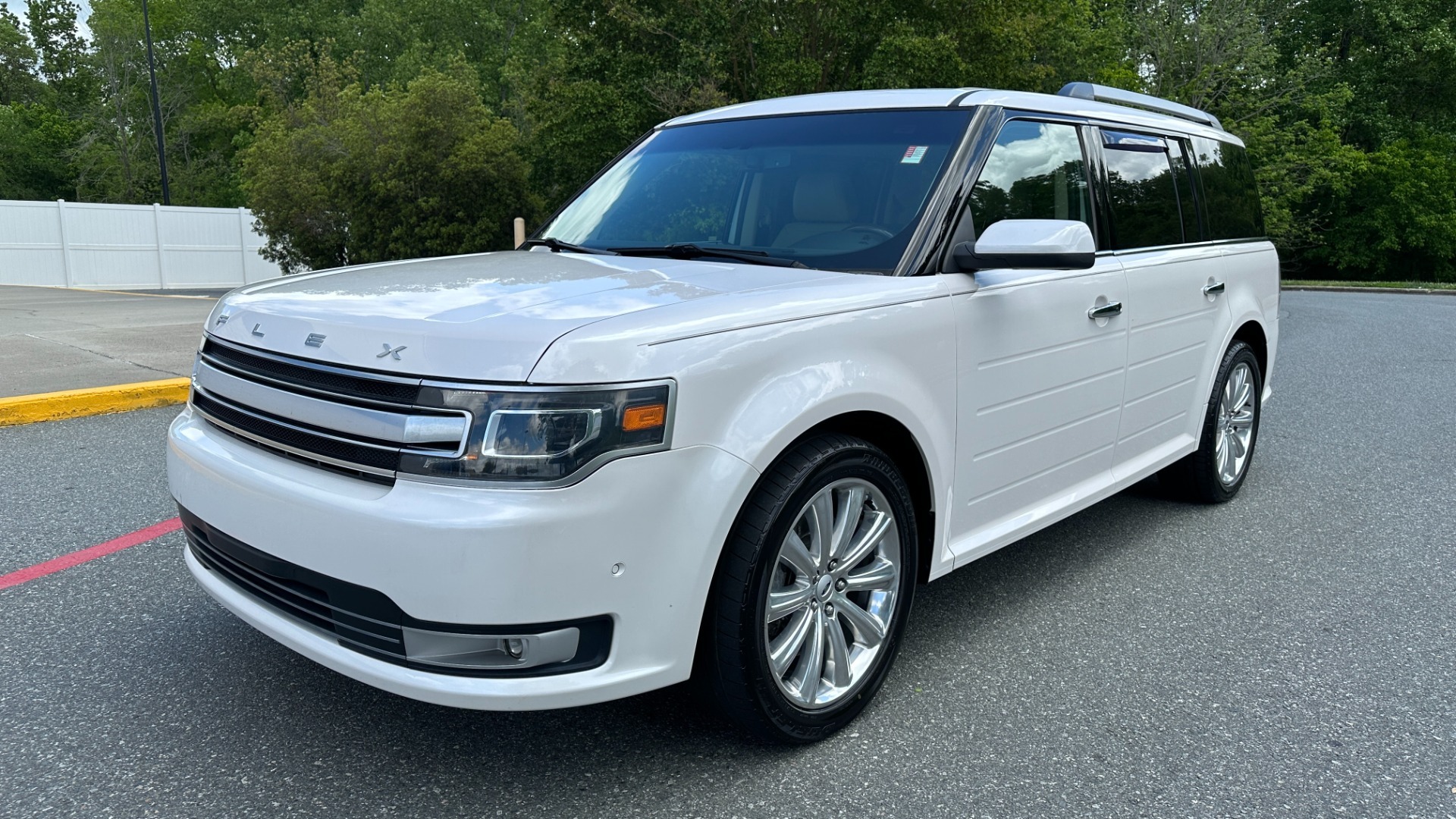
8. Ford Flex
The Ford Flex employs rear hinged doors to enhance its family-friendly design. The doors make accessing the second-row seats effortless, especially in confined parking spaces or crowded garages. This layout reduces the risk of hitting neighboring vehicles, an advantage for families managing multiple passengers. It also increases the vehicle’s usability for daily tasks.
Rear passengers benefit from a clear, unobstructed opening when entering or exiting the vehicle. Installing child seats becomes simpler, and adults can assist children without awkward bending or maneuvering. The doors contribute to the Flex’s reputation as a practical, functional crossover that suits family life.
The Flex interior features flexible seating arrangements and storage options. Rear hinged doors complement these features by providing easy access for folding or rearranging seats. Carrying larger items like strollers or sports equipment is more straightforward due to the design. Convenience is a key focus in the vehicle’s engineering.
Safety features include reinforced hinges and automatic locking systems. The doors are secure while driving, preventing accidental openings. This ensures passengers can benefit from the design without concerns for safety, highlighting the thoughtful engineering behind the Flex.
From a style perspective, rear hinged doors give the Flex a distinctive appearance. The design maintains the car’s boxy aesthetic while adding an unexpected functional element. It shows that practical features can be integrated creatively without sacrificing visual identity.

9. Toyota FJ Cruiser
The Toyota FJ Cruiser uses rear hinged doors in a compact SUV format to provide easy access to rear seats. The doors open backward, creating more usable space in tight environments. This is particularly useful for outdoor activities where quick access to gear or passengers is necessary. The design enhances the vehicle’s adventurous, utilitarian character.
Rear passengers benefit from wider openings and improved visibility when entering the vehicle. The doors facilitate loading equipment, backpacks, or camping gear, which aligns with the FJ Cruiser’s off-road focus. Toyota designed the layout to prioritize functionality in real-world scenarios.
The interior is rugged yet practical, with durable materials and easy-to-clean surfaces. Rear hinged doors make reaching the back row or folding seats more convenient. They also reduce the awkward angles that traditional doors create in tight spaces, making everyday use more comfortable.
Safety is integrated with reinforced hinges and locks, ensuring doors remain secure during travel. This allows users to enjoy the unique design without concerns about durability or passenger protection. Toyota balanced innovative design with practical safety measures.
Aesthetically, the rear hinged doors complement the FJ Cruiser’s retro-modern styling. They add a distinctive flair while serving a functional purpose, demonstrating that practical design choices can also enhance a vehicle’s personality. Adventure and usability are seamlessly combined.
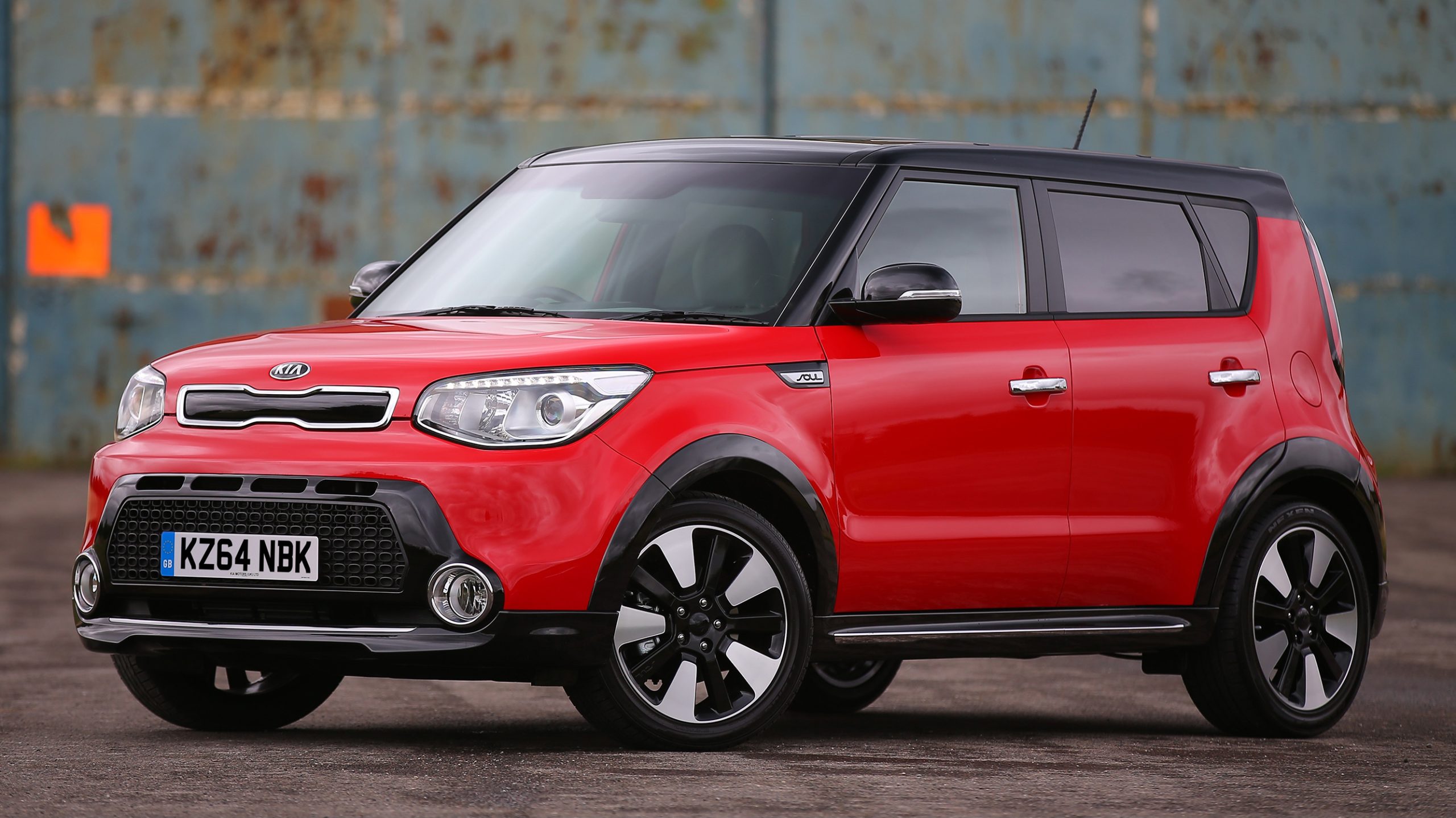
10. Kia Soul
The first-generation Kia Soul used rear hinged doors to maximize accessibility while maintaining a compact design. These doors help passengers enter and exit comfortably in urban environments where space is limited. The doors open backward, creating a clear path to rear seating without interference from front doors. This improves everyday practicality for families and commuters.
Rear passengers appreciate the straightforward access when navigating tight parking lots. The doors allow for quick loading of groceries, backpacks, or small cargo. The Soul’s urban-oriented design emphasizes usability, and rear hinged doors enhance this feature. Kia combined clever engineering with a unique visual approach.
Inside, the Soul’s cabin is spacious for its class, with flexible seating and storage solutions. Rear hinged doors allow for easier installation of child seats or assistance for elderly passengers. The doors make managing interior space simple, highlighting the thoughtful design of the vehicle.
Safety measures include reinforced hinges and secure locking mechanisms. This ensures passengers can use the doors confidently, even in everyday urban driving situations. Kia successfully integrates unconventional doors with practical and reliable safety standards.
Visually, the doors contribute to the Soul’s distinctive look. They create a modern, quirky personality that matches the car’s reputation for style and functionality. By combining practicality, safety, and individuality, the Soul demonstrates that rear hinged doors can serve real-world needs in small, affordable vehicles.
