
Safety and technology are two major aspects that buyers think about when selecting a family SUV.
Families want vehicles that protect their loved ones, with strong crash test scores, reliable safety systems, and thoughtful design that minimizes risks. At the same time technology inside a SUV can affect comfort, convenience, and long‑term satisfaction.
Some SUVs have kept up with advancements and provide up‑to‑date safety and tech features.
Others still rely on older systems that feel dated compared to what competitors now offer. For families who plan to spend years with their vehicle, this contrast matters for both everyday life and peace of mind.
Vehicles with high safety ratings often come with advanced driver assistance systems. These can include automatic emergency braking, lane keeping assistance, blind spot monitoring, adaptive cruise control, and high quality crash test results from recognized institutions.
Each of these features can help reduce crash risk and protect passengers when unexpected events occur. Families appreciate how these systems work together to support the driver and enhance protection.
They deliver a sense of confidence and reassurance, knowing the vehicle is designed to actively help rather than simply meet minimum legal standards.
At the same time, technology inside the cabin affects how enjoyable and convenient daily travel can be.
Modern systems often include touchscreen infotainment, smartphone connectivity, digital gauges, voice control, navigation, and over the air updates. These features make commutes, errands, and road trips more pleasant and less stressful.
They also allow parents to stay connected while keeping attention on the road. When technology is outdated, it can feel slow, unresponsive, and frustrating, especially when trying to pair new phones or find routes quickly.
Some family SUVs still use old screens, hard to use menus, and limited connectivity. These systems can make simple tasks like adjusting climate settings or accessing media feel like a chore.
Even if a vehicle is safe in a crash, the lack of current technology can affect how families feel about traveling in it every day.
The balance between safety and the in‑cab experience matters. Families who spend a lot of time in their SUV notice these differences quickly, and that satisfaction can shape how they feel about their vehicle over years of ownership.
In this article, we will look at five family SUVs that have strong safety ratings and current technology features, and five that provide outdated technology despite still being used as family vehicles.
This comparison is not meant to shame any specific vehicle, but to highlight how choices can differ. Knowing what to expect helps families make more informed decisions when shopping for a SUV that fits both safety needs and tech expectations.
Five Family SUVs With High Safety Ratings
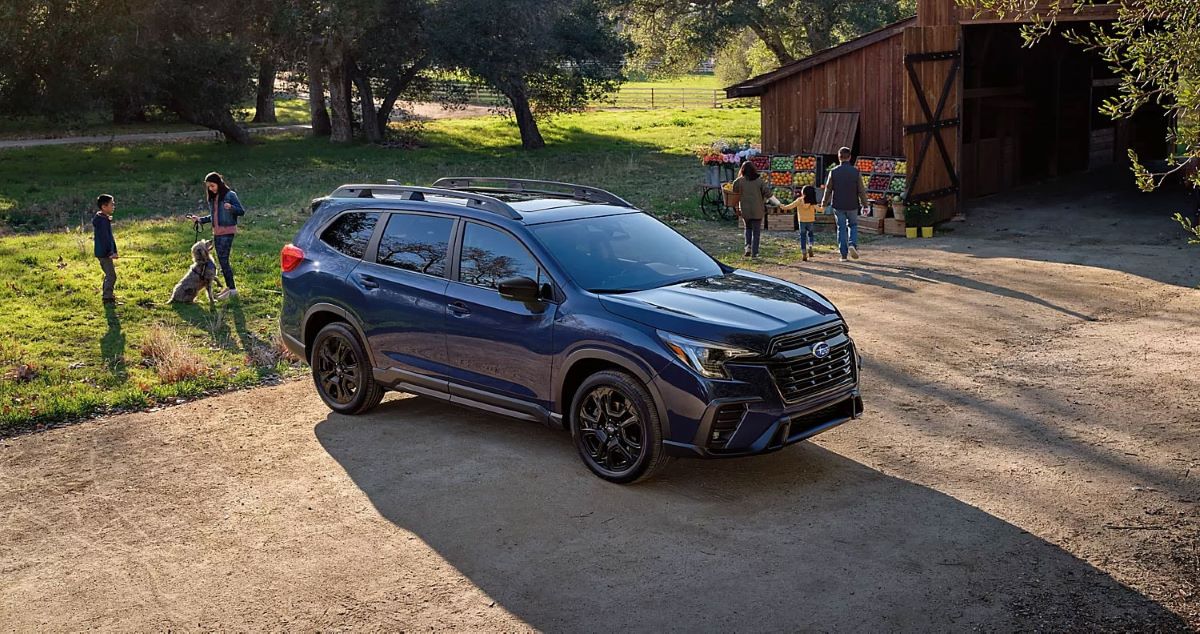
Subaru Ascent
The Subaru Ascent has been recognized for strong crash test performance and family friendly features. Its standard safety suite includes advanced driver assist systems that stay active at all times.
Families find value in consistent protection without requiring expensive options to unlock key features. The spacious cabin and thoughtful interior layout also boost comfort and utility for daily life.
In testing, the Ascent earned top scores from reputable safety organizations. These results reflect how well the SUV manages impact energy and protects occupants in common crash scenarios.
Visibility and handling help reduce the chance of collisions before they occur. Subaru also reinforces structural integrity in ways that give parents confidence behind the wheel.
Standard technology enhances safety awareness with alerts and automated braking. Lane departure warnings, adaptive cruise, and blind spot detection help reduce stress on long trips.
These systems are well integrated and intuitive for new drivers to use. Over time, families come to rely on these features as helpful teammates on busy roads and highways.
The seats and seating positions contribute to security inside the cabin. Child seat anchors are easy to access and located in positions that support secure installation. The interior space adapts to passengers and gear without adding complexity or hazards. For practical family use, this SUV combines safety with daily ease.
Ascent’s reputation is built on real world reliability and safety focus. Owners appreciate that the vehicle encourages good driving habits with consistent alerts that remain active.
Insurance groups often reward owners with lower premiums for strong safety ratings. This makes the Ascent a sensible choice for families who weigh both safety and cost long term.
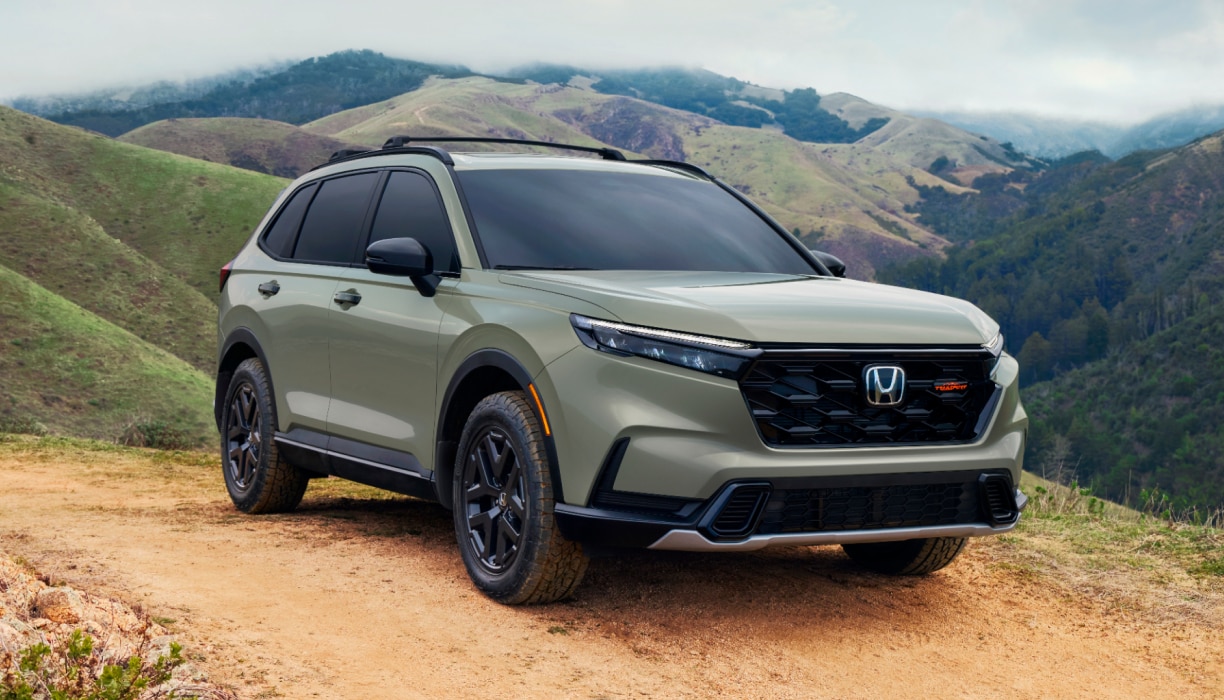
Honda CR‑V
The Honda CR‑V consistently earns positive scores in safety testing thanks to strong design and effective restraint systems. Collision avoidance assist technologies are active and responsive. Families find these systems help with unexpected stops and heavy traffic situations. The CR‑V also includes structural protections that manage impacts well from multiple directions.
A suite of driver assist features comes standard across most trims. Automatic braking, lane keep systems, and adaptive cruise help maintain control and awareness. These functions work smoothly and without distraction, reinforcing good driving behavior. Families appreciate that these technologies help reduce risk on daily drives and lengthy vacations.
The cabin layout emphasizes clarity and ease of use for all occupants. Controls are intuitive and within easy reach. Visibility from the driver seat remains strong, reducing blind spots and encouraging confident lane changes. Children and adults alike feel secure in the seating positions and space.
Honda’s attention to safety extends to pedestrian detection and alert functions that help in urban settings. These features complement the physical protections during crashes with systems designed to avoid emergencies. The CR‑V offers peace of mind through both technology and thoughtful engineering.
The CR‑V blends dependable structural performance with consistent driver support systems. Families who want a SUV that feels safe in a variety of conditions often turn to the CR‑V. Its reputation for reliability and comfort adds to the appeal.
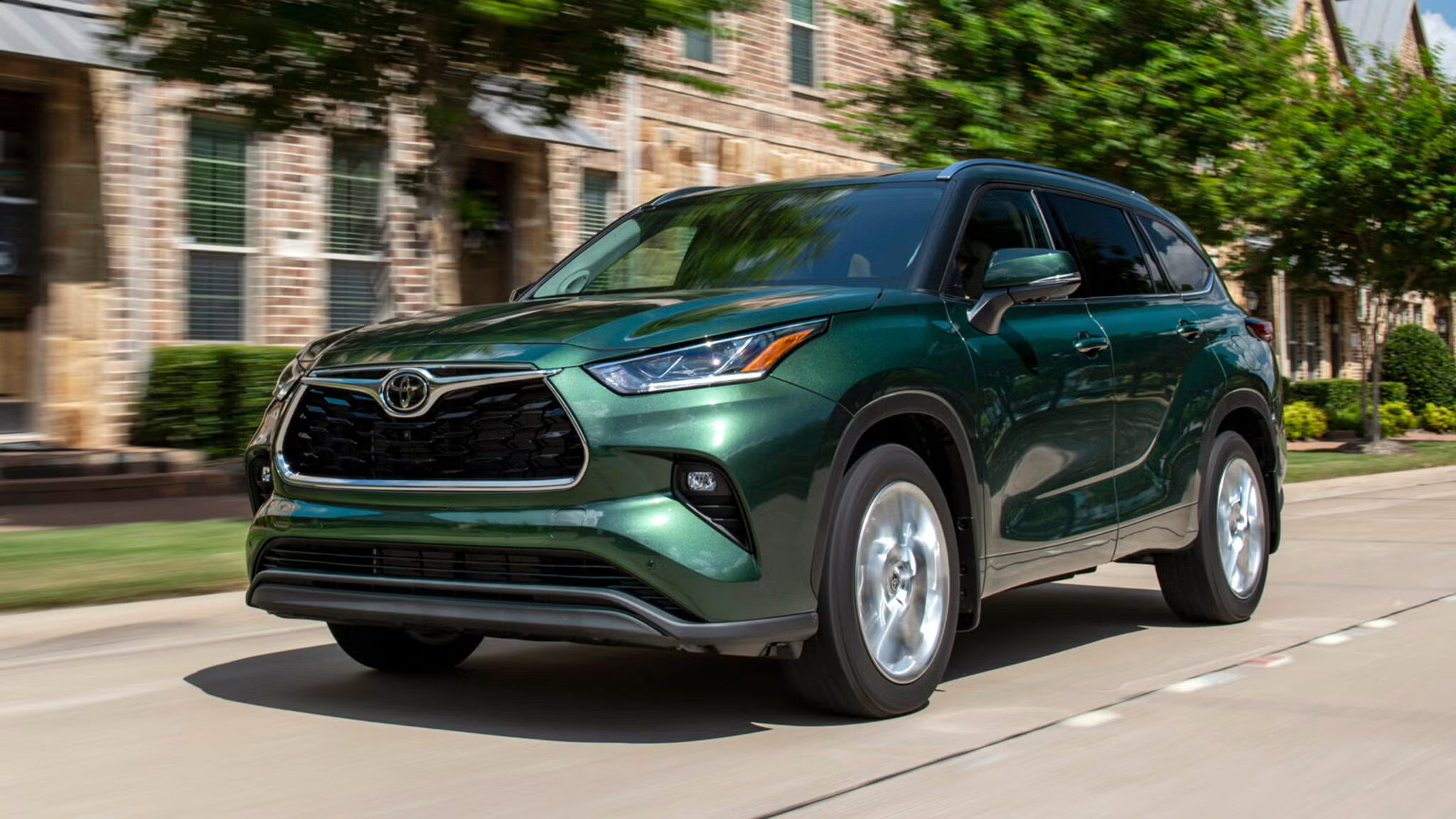
Toyota Highlander
The Toyota Highlander combines family friendly space with highly rated safety systems. Toyota’s comprehensive safety package includes proactive systems designed to help avoid collisions. Emergency braking with pedestrian detection and lane assist features are part of the standard offering. This SUV also provides strong results in crashworthiness tests.
Parents often choose the Highlander for its balance of size and control. It offers room for passengers and cargo while remaining easy to handle in everyday traffic. Stability control and traction systems contribute to steady performance in varying weather conditions. Together, these systems enhance both active and passive safety.
Technology in the Highlander supports driver awareness with clear displays and responsive controls. Alerts and assistance features are displayed in intuitive formats. Navigation and connectivity remain available without distracting from the primary focus on driving. Rear seat entertainment can also help keep families comfortable on long trips.
Child seat installation is straightforward, with accessible anchor points and secure mounting. The interior layout considers the needs of busy families with ample storage and logical placements for devices. Safety features pair well with thoughtful interior design to create a secure environment.
Highlander’s strong safety reputation comes from both independent testing and user experience. Families often report confidence in the vehicle’s ability to handle unexpected hazards. This combination of performance and practicality makes it a contender for anyone seeking safety focused family transport.
Volvo XC90
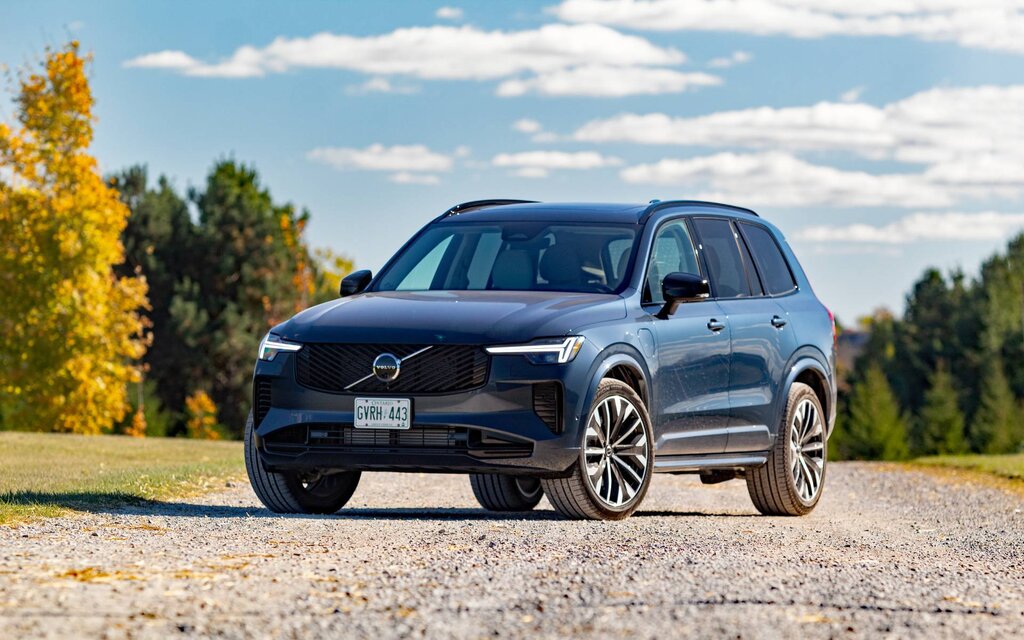
The Volvo XC90 is known for its safety innovations and solid structure. Crash test results consistently place it among top performers in its class. Volvo’s design philosophy centers on protecting occupants and minimizing injury risk. High strength materials and carefully designed crumple zones help manage impact forces effectively.
Standard advanced systems support drivers with early hazard recognition. This includes alerts for nearby vehicles, automatic steering input when appropriate, and braking assistance. The SUV’s safety technology is sophisticated without feeling overwhelming or intrusive. These systems help families feel supported in both city traffic and long highway journeys.
Inside the XC90, seats are designed for comfort and safety in long durations. Ergonomics prioritize posture and support for all passengers. Child seat attachments are prominent and simple to use. Visibility from the driver position remains strong despite the SUV’s size.
Digital interfaces display safety information clearly and allow for quick adjustments. The balance between convenience and focus supports attentive driving. Real time alerts and clear feedback help drivers stay aware of evolving road conditions. This makes the experience reassuring for families.
Volvo’s long standing commitment to family safety reinforces the XC90’s appeal. Many buyers choose this SUV because of a track record built over years of development. The combination of technology and structural strength provides a level of assurance that resonates with parents.
Mazda CX‑5
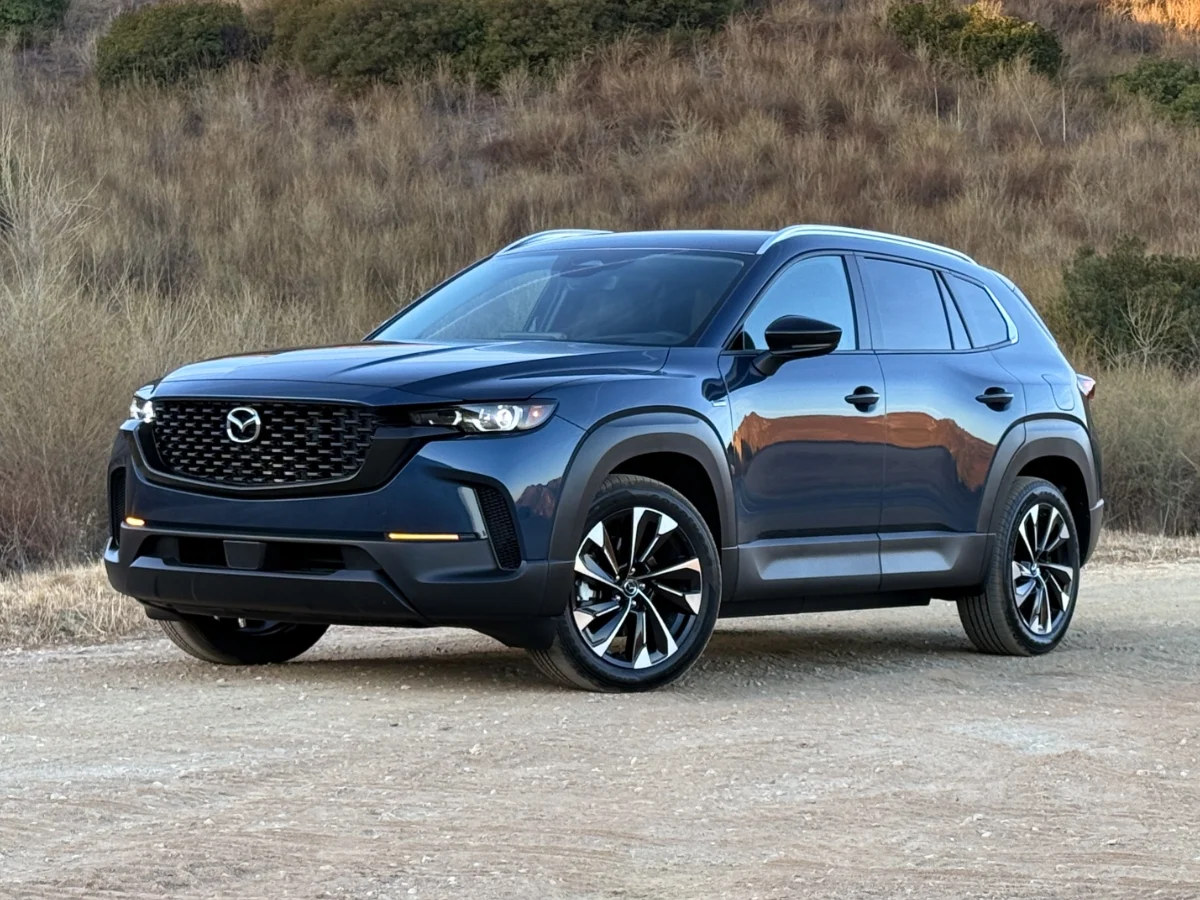
The Mazda CX‑5 has earned admiration for its solid safety scores and driving dynamics. Independent crash testing rates it highly for occupant protection in multiple scenarios. Mazda’s engineering emphasis on structure and restraint systems contributes to these strong results. Families benefit from a design focused on preventing and mitigating harm.
Driver assistance systems are standard and help reinforce safe driving. These include emergency braking, smart cruise control, and lane assist. Each function works smoothly with the SUV’s handling. These supportive tools help reduce stress during traffic and improve confidence on winding roads.
Inside, the CX‑5 prioritizes driver focus and ergonomic controls. The seating position encourages awareness with clear sight lines and minimal distraction. Infotainment and connectivity features are integrated without cluttering the cabin. Families find the interior both comfortable and practical.
Child seat anchors and seating layout support secure installations. Rear passengers benefit from adequate space and accessible controls. The balance between refinement and utility makes the SUV appealing for daily errands and longer journeys alike. Safety does not feel like an afterthought but part of the whole design.
Owners often describe the CX‑5 as a vehicle that makes daily driving more pleasant because it feels composed and confident. These attributes pair well with safety systems that reinforce secure behavior. Families who want engaging driving along with protection find the CX‑5 satisfying.
Five Family SUVs With Outdated Technology
Ford Explorer
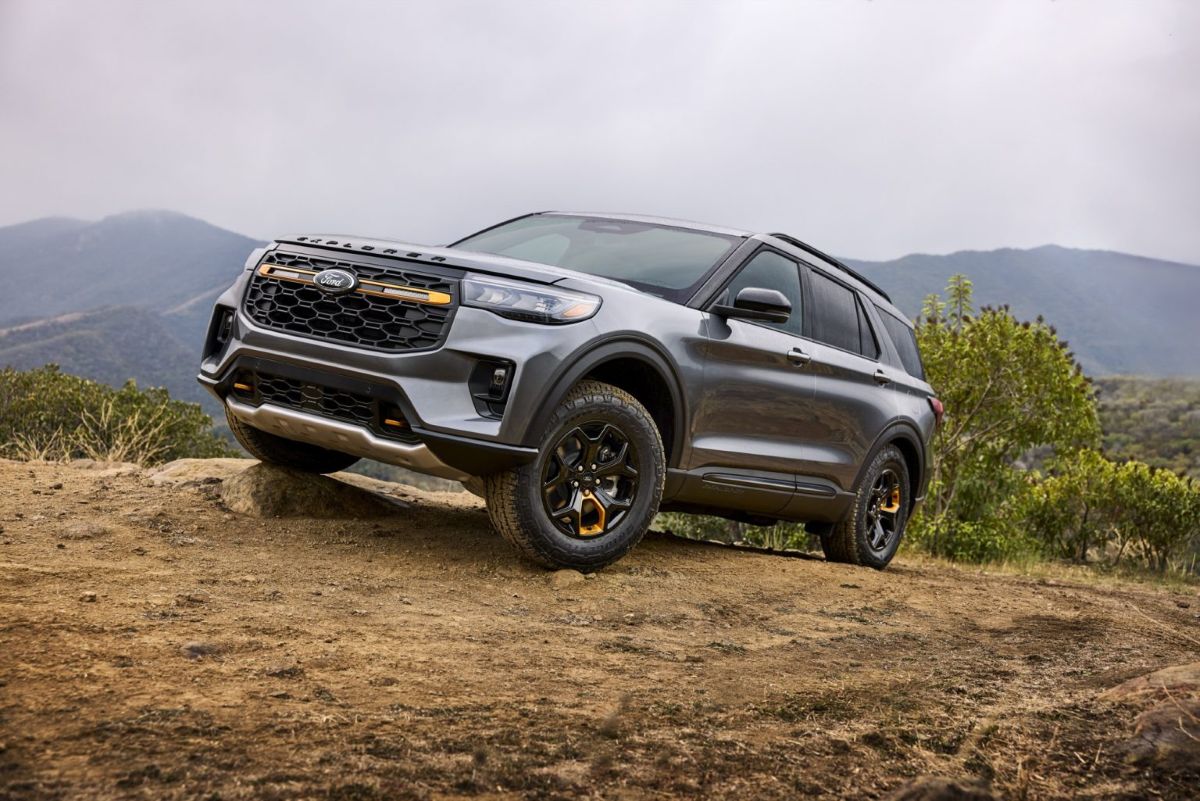
Some older Ford Explorer models lack modern connectivity features that families now expect. Their infotainment systems may feel slow and unresponsive compared to current designs.
Limited smartphone integration can make simple tasks like accessing maps or music more frustrating. These tech limitations can make daily use feel dated.
Even though crash test scores for certain years remain acceptable, the lack of current driver assist systems reduces safety support.
Features now common in other SUVs, such as automatic emergency braking or adaptive cruise control, were not standard.
Families upgrading phones may feel constraints when pairing devices to older systems. This gap becomes more noticeable on long trips.
Screens may be small, hard to navigate, and require multiple steps to reach simple features. Controls lack the fluid responsiveness seen in newer alternatives.
Voice commands can be inaccurate or limited in function. For parents who prioritize tech ease of use, these systems may feel outpaced.
Physical buttons and menus might seem familiar, yet they do not compensate for lack of connectivity options. Rear passengers may also find fewer charging ports and less flexibility for entertainment. In a time where connected experiences are expected, these shortfalls stand out.
The outdated tech inside some Explorer models affects how families experience everyday travel. While not inherently unsafe, the lack of modern convenience features can make the vehicle feel less friendly and supportive compared to its newest rivals.
Chevrolet Equinox
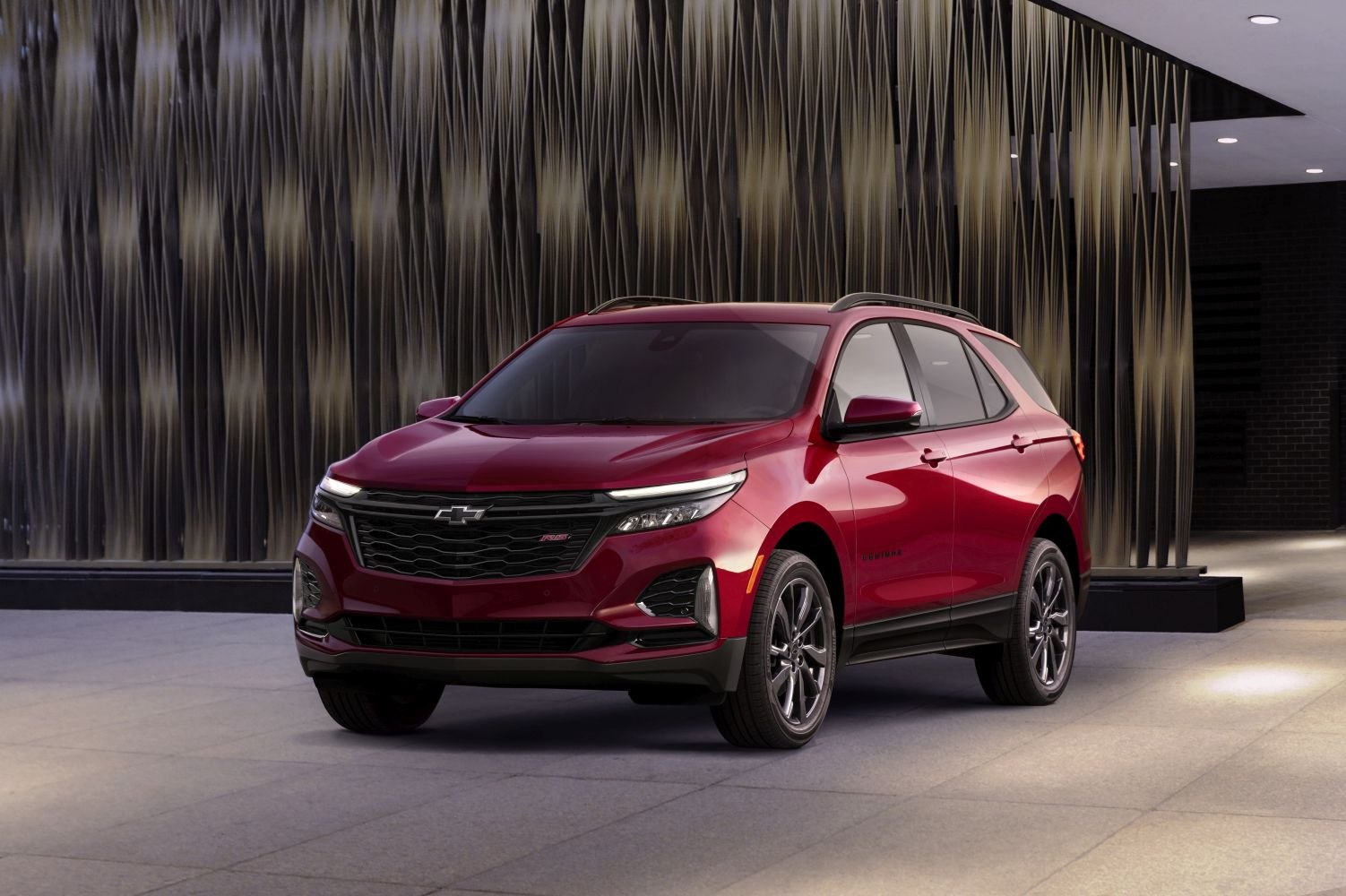
Earlier trims of the Chevrolet Equinox often came with outdated infotainment and limited connectivity.
The screens were not as responsive, and menus felt slow to navigate. Smartphone pairing could lag or disconnect, leaving passengers frustrated on longer journeys. These shortcomings affected daily usability.
Safety features that many competitors make standard were sometimes unavailable or offered only in higher trims.
Systems like lane assistance or automatic braking were not always included, limiting support for busy parents. Families who want both safety and modern tech may find these omissions disappointing. Over time, these gaps become more obvious.
Older audio systems may lack intuitive controls and require frequent attention to manage simple functions.
Drivers might need to toggle through multiple screens to adjust climate or media. This extra mental load distracts from the driving experience and adds stress on long trips. Parents juggling kids and navigation prefer simpler interfaces.
Charging ports and USB options were more limited in earlier versions, which can make keeping devices ready for use a challenge. Rear passengers might struggle to find convenient power outlets for tablets or phones. In today’s connected environment, this feels like a drawback.
Though the Equinox remains solid in basic transport duties, the dated tech affects how families interact with their vehicle every day. The lack of modern conveniences can make routines feel more cumbersome than necessary.
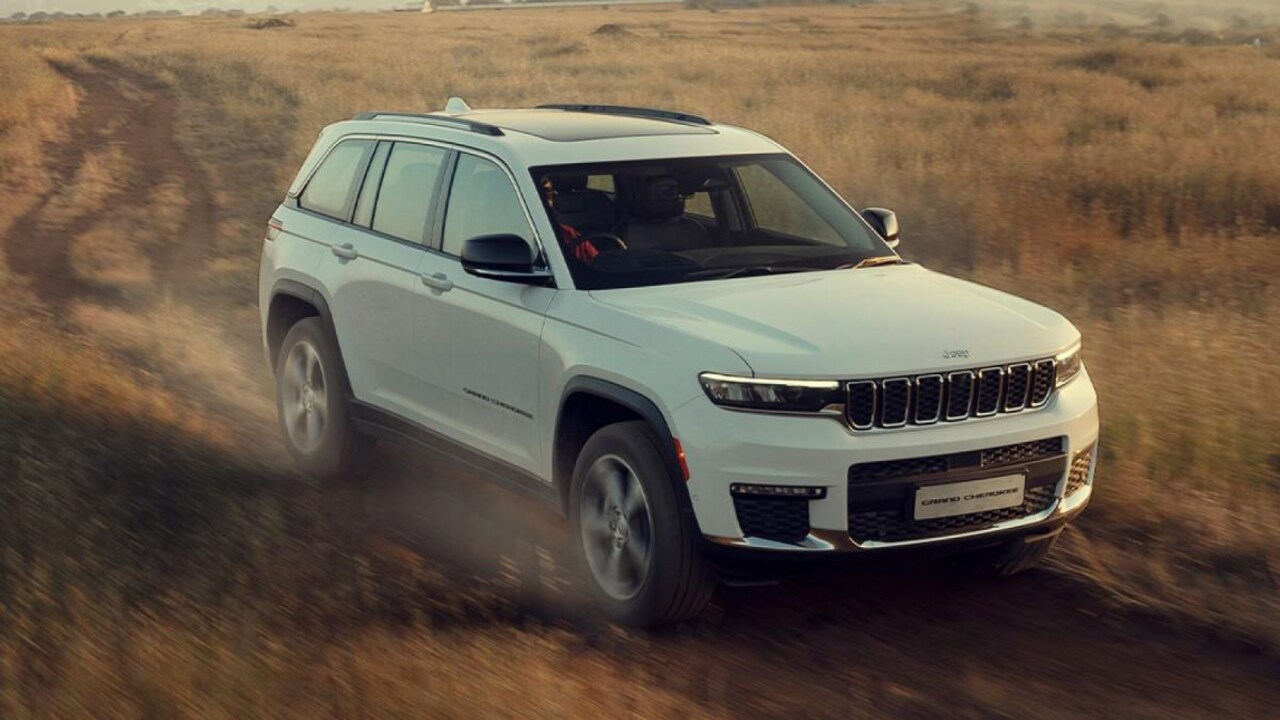
Jeep Grand Cherokee
Older Jeep Grand Cherokee models often included outdated entertainment systems. Touchscreens could lack crisp graphics and lag behind expectations for responsiveness.
Smartphone integration was less seamless, making tasks such as managing playlists less smooth. These tech limits can feel old fashioned compared to current offerings.
While rugged and capable in many conditions, earlier Grand Cherokees did not always offer the latest driver assist features. Families seeking supportive technology for busy roads might find this lacking.
Blind spot monitoring or pedestrian detection could be optional or absent in some trims. The absence of these systems makes a difference for everyday peace of mind.
The interface design in older models often feels cluttered, with multiple submenus to reach basic settings.
Controls take effort to master and may require repeated focus away from the road. This adds cognitive load, especially for drivers managing distractions. Parents want intuitive tech that works without extensive attention.
Charging options and rear connectivity were less abundant than in newer SUVs. Tablet use in the back often required separate adapters or planning. Families who rely on connected devices for trips could find this limiting. The lack of integrated modern conveniences stands out over time.
Despite strong qualities in other areas, the dated technology inside older Grand Cherokees can affect satisfaction. Vehicles with limited connectivity and basic infotainment systems feel less aligned with modern family needs.
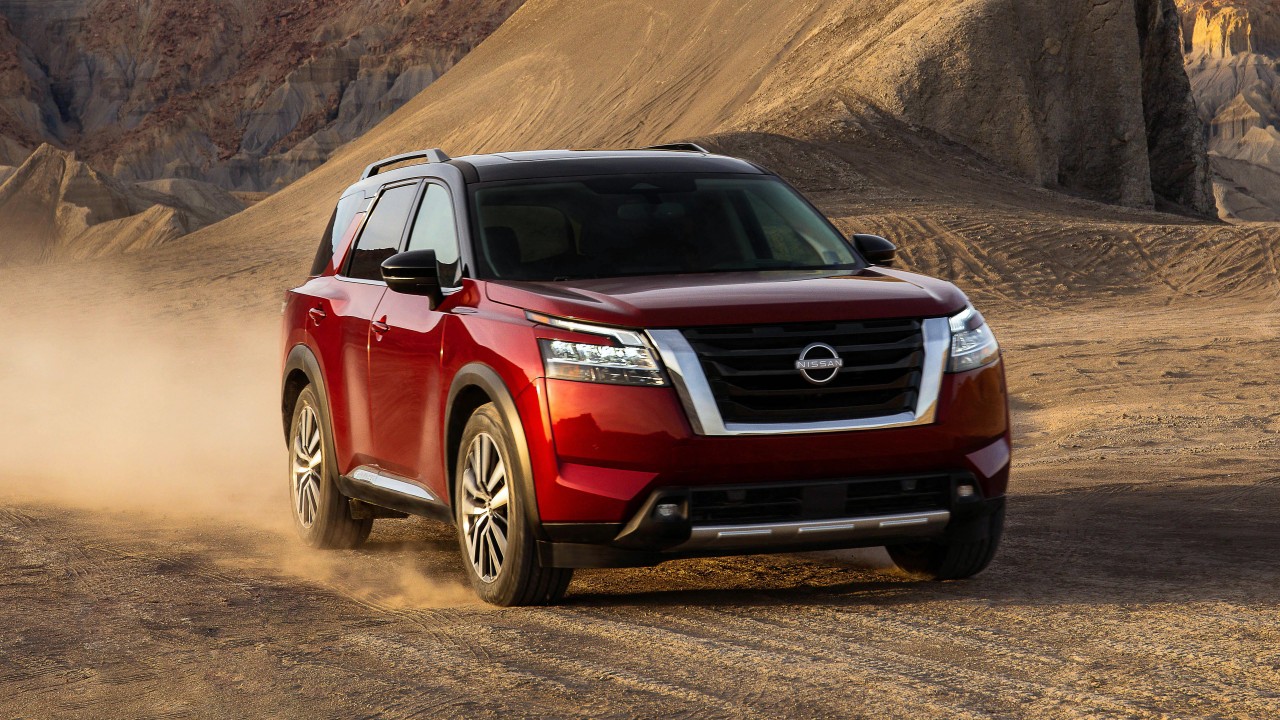
Nissan Pathfinder
Previous generations of the Nissan Pathfinder included infotainment systems that now feel outdated. Screens could be small and menus confusing, requiring numerous steps to access basic functions. Smartphone connectivity options were limited in capability. This affects how families interact with navigation and media.
Safety technology was not as advanced as in more recent competitors. Features now considered standard, like lane depart assist or automated braking, were not consistently available. Families who wanted extra support systems had to choose costly options. In everyday driving, these gaps become more noticeable.
Older systems relied more on physical buttons and less on intuitive touchscreen design. While some drivers appreciate buttons, the tech experience lacked refinement and speed. Simple tasks like adjusting audio sources could require menu navigation that feels outdated. Smaller screens also made maps harder to read.
Charging ports and device support were less extensive than expected today. Multiple devices in the car often meant juggling adapters or sharing limited plugs. Rear seat entertainment was basic or unavailable in many trims. Tech‑savvy families now expect more seamless connectivity for all occupants.
Though the Pathfinder remains capable as a family SUV in basic transport, its older technology makes daily use feel less fluid. As other SUVs upgrade systems rapidly, these older tech experiences stand out in comparison.
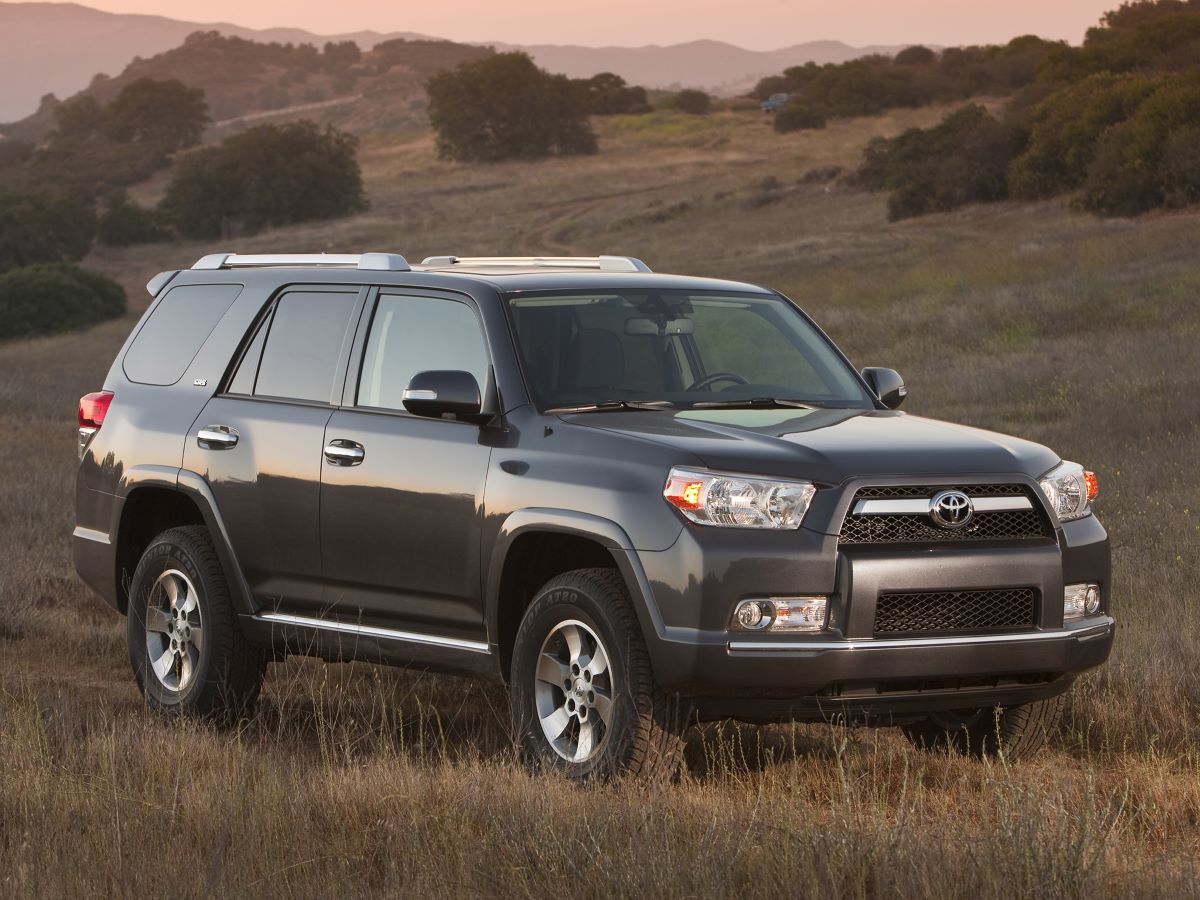
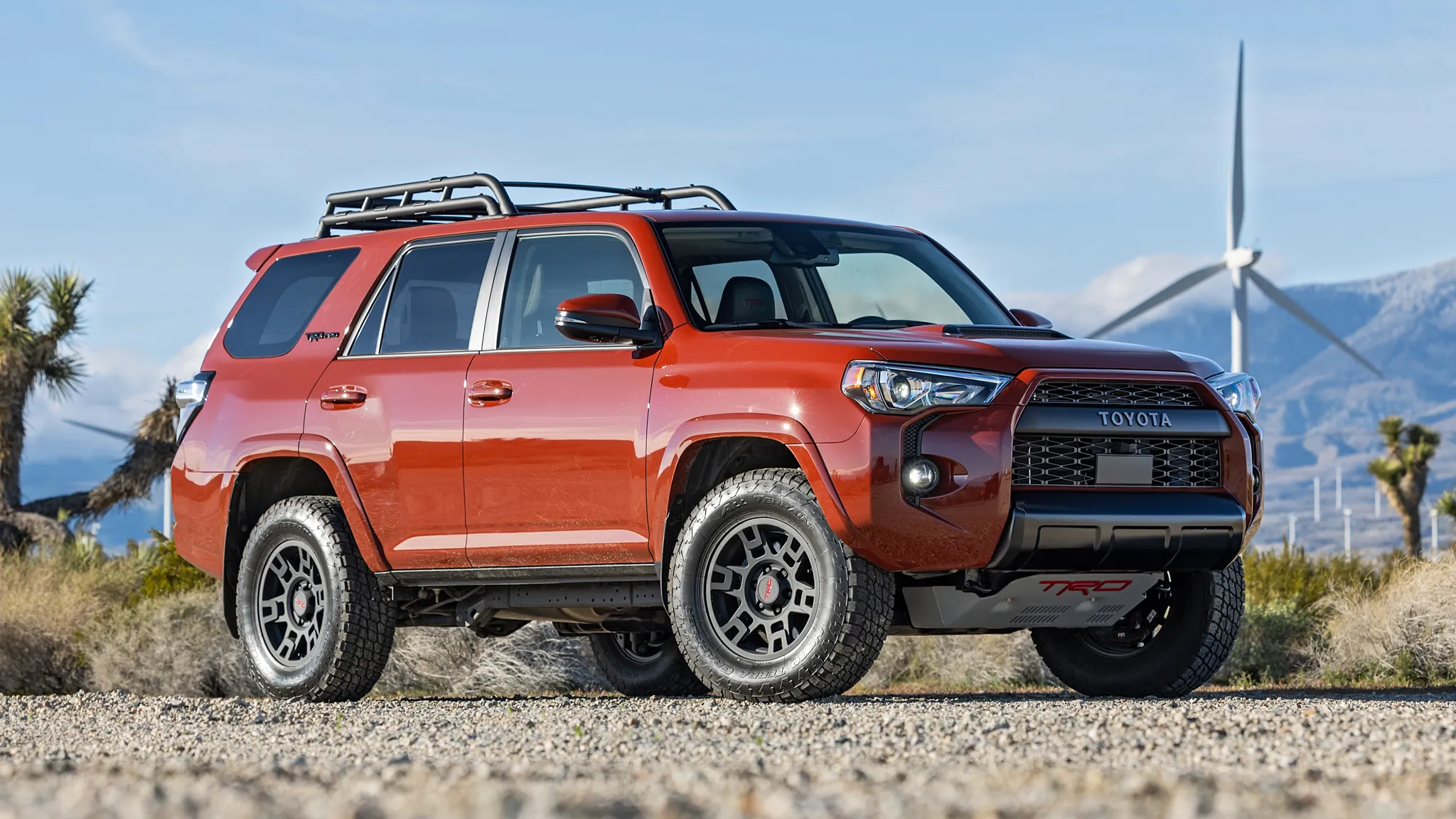
Toyota 4Runner
The Toyota 4Runner, especially in older model years, often came with basic infotainment systems. These lacked modern touchscreen responsiveness and up‑to‑date connectivity options.
Pairing phones could be frustrating or limited to basic features. For families who depend on media and navigation integration, this shortfall can be felt each day.
Driver assist technology was also limited in older trims. Features that reduce risk, such as active emergency braking, were not always included.
While the 4Runner’s rugged nature offered confidence off road, its assistance systems felt dated for everyday highway driving. Parents used to more tech support noticed this quickly.
User interfaces in these older models were simple, sometimes to a fault. Reaching key features often required multiple steps, and displays remained small and slow. This created an experience that felt outpaced by competitors. Daily life in traffic exposed these limitations more clearly.
Charging outlets and connectivity options were basic compared to modern SUVs. Few devices could be powered simultaneously, reducing convenience. Rear passengers often lacked adequate tech support for tablets or games. For families with multiple connected devices, limitations added planning hassles.
Even though the 4Runner performs well in certain areas, its older technology continues to influence family experiences. Vehicles that do not evolve with tech trends can feel less engaging and supportive over time.
