
Cars are often seen as tools of convenience, carrying us from one place to another while shaping the way we live and work. Most vehicles have a finite lifespan, with their engines, transmissions, and other mechanical parts eventually wearing out over time.
Yet, there are exceptional examples where cars have defied the usual limits, achieving mileage figures that seem almost impossible.
These vehicles are a testament to quality engineering, diligent maintenance, and sometimes the passion of their owners who treat them as more than just machines.
Studying these high-mileage vehicles provides insight into automotive durability, offering lessons for car manufacturers, enthusiasts, and everyday drivers alike. Certain brands and models have gained recognition for their reliability, often becoming symbols of longevity in a market where planned obsolescence is common.
The owners of these cars often have remarkable stories to share, detailing how careful driving habits, regular servicing, and attention to detail can extend the life of a vehicle far beyond average expectations. Beyond the numbers, these cars hold a sentimental value, representing decades of experiences, travels, and memories.
While modern vehicles benefit from technological advances, such as computerized engine management and stronger materials, the high-mileage cars of the past often relied solely on robust mechanical design and routine maintenance.
The commitment of owners to maintain these vehicles reflects a level of dedication that goes beyond simple necessity, emphasizing pride in mechanical stewardship.
Furthermore, high-mileage cars challenge conventional thinking about depreciation, as their value sometimes increases due to the stories they carry and the rarity of reaching such extraordinary distances.
They also encourage a discussion on sustainability, as extending the life of a car reduces the demand for new manufacturing and the environmental costs associated with producing vehicles.
Understanding what allows certain cars to achieve hundreds of thousands or even millions of miles can inspire better design choices, smarter maintenance habits, and more informed purchasing decisions. For collectors, these vehicles represent a combination of historical significance and mechanical achievement.
Meanwhile, for the average driver, they offer hope that with careful care, a vehicle can remain a reliable companion for decades.
This article will present ten cars that hold records for their exceptional mileage, examining what makes them remarkable, the history behind each, and the lessons they provide.
Each car listed has achieved something truly extraordinary, showing that with attention and dedication, a car can go far beyond its intended limits.
From engines that never quit to owners who refuse to give up, these vehicles demonstrate resilience, endurance, and the enduring appeal of well-built automobiles.
They are reminders that cars are not just transportation machines but extensions of human effort, patience, and ingenuity.
The following list captures some of the most impressive mileage records ever achieved, highlighting the vehicles, their owners, and the milestones that have cemented their place in automotive history.
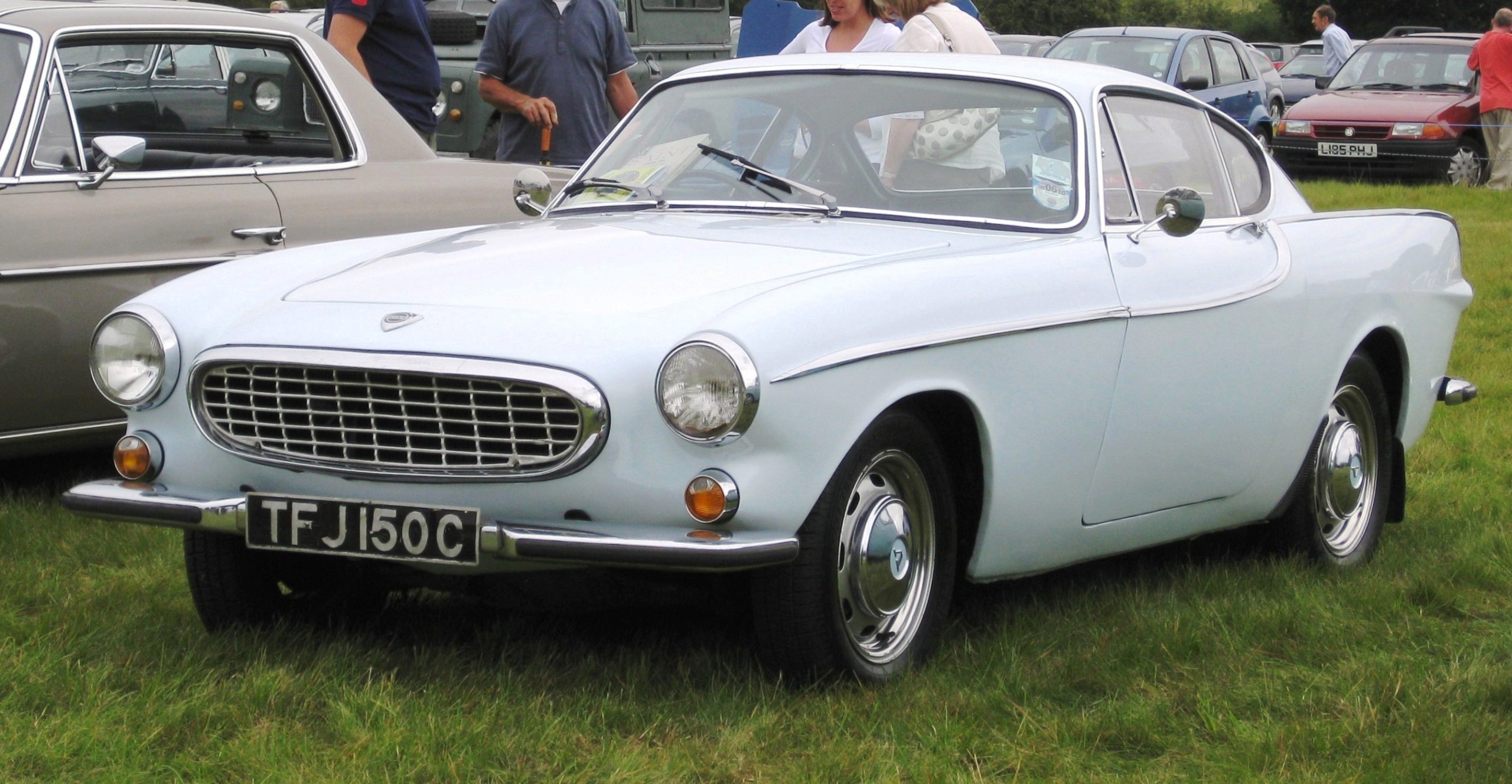
1. 1966 Volvo P1800 – 3 Million Miles
The 1966 Volvo P1800 is one of the most famous high-mileage cars in history. Its owner, Irv Gordon, achieved over 3 million miles with careful maintenance.
The car became a symbol of Volvo’s reliability and durable engineering, earning widespread recognition. Regular oil changes, timely part replacements, and attentive driving habits were key to this milestone.
Irv Gordon’s dedication went beyond routine checks; he personally oversaw repairs and ensured only quality components were used. The P1800’s engine, known for its simplicity and resilience, contributed greatly to its longevity.
Every journey, whether short commutes or long road trips, added to the car’s remarkable story. The vehicle not only survived decades of use but also retained impressive performance throughout its life.
This record-breaking mileage has inspired other Volvo owners to prioritize long-term maintenance. Gordon often shared his experience, highlighting how small, consistent efforts prevent major failures.
The P1800 serves as a case study in durability, demonstrating that careful ownership can dramatically extend a car’s lifespan. It remains an iconic example for automotive enthusiasts worldwide.
Beyond the mechanical achievement, the P1800 has cultural significance as a representation of commitment and passion.
Gordon’s car frequently appeared in media and automotive events, attracting attention from collectors and enthusiasts. Its journey of over 3 million miles is more than a statistic; it reflects decades of personal dedication and a deep appreciation for mechanical craftsmanship.
The 1966 Volvo P1800 proves that high mileage is not purely a result of luck. Engineering excellence, routine maintenance, and conscientious driving converge to create a machine capable of surpassing expectations. Its record still stands as a benchmark for vehicles aiming to achieve extraordinary longevity.
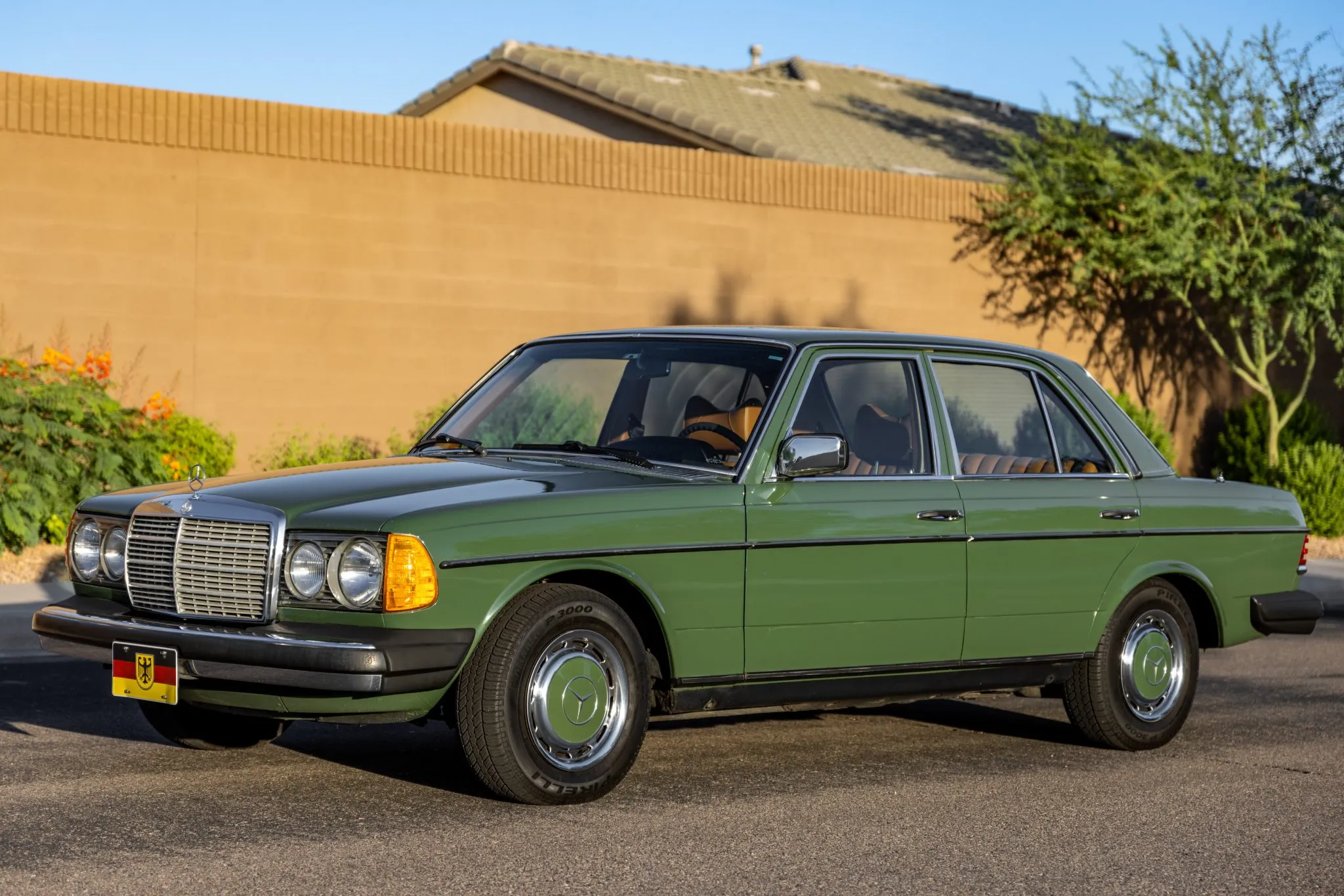
2. 1989 Mercedes-Benz 300D – 2.8 Million Miles
The 1989 Mercedes-Benz 300D, owned by a long-time driver, exemplifies diesel engine endurance. Its 3.0-liter five-cylinder engine allowed for extended operation with minimal issues.
Diesel engines, known for torque and durability, contribute significantly to high mileage potential. Regular maintenance and careful monitoring of engine components were crucial for its success.
The 300D remained reliable even under heavy use, often traveling long distances without major repairs. The owner followed a strict maintenance schedule, including oil changes, filter replacements, and periodic engine inspections.
Mercedes-Benz engineering, coupled with routine care, ensured consistent performance over millions of miles. The car demonstrated that European engineering from the late 20th century could produce vehicles with extraordinary longevity.
One aspect of the 300D’s journey is its ability to maintain fuel efficiency despite high mileage. Diesel engines often handle wear better than gasoline engines, which helped preserve engine integrity.
The car’s transmission and suspension components were also carefully serviced to maintain smooth operation. Such attention to detail was essential to prevent failures and keep the car running reliably.
The vehicle also illustrates how design simplicity can enhance durability. While modern cars rely on complex electronics, the 300D relied on mechanical systems that were easier to service and repair.
This allowed the owner to maintain control over the car’s performance without excessive reliance on specialized tools or technology.
The 1989 Mercedes-Benz 300D shows that longevity is achievable with the right combination of engineering and maintenance.
Its remarkable mileage record serves as an inspiration to car owners seeking to extend the life of their vehicles. It highlights the potential of diesel engines and thoughtful care to defy conventional expectations about car lifespan.
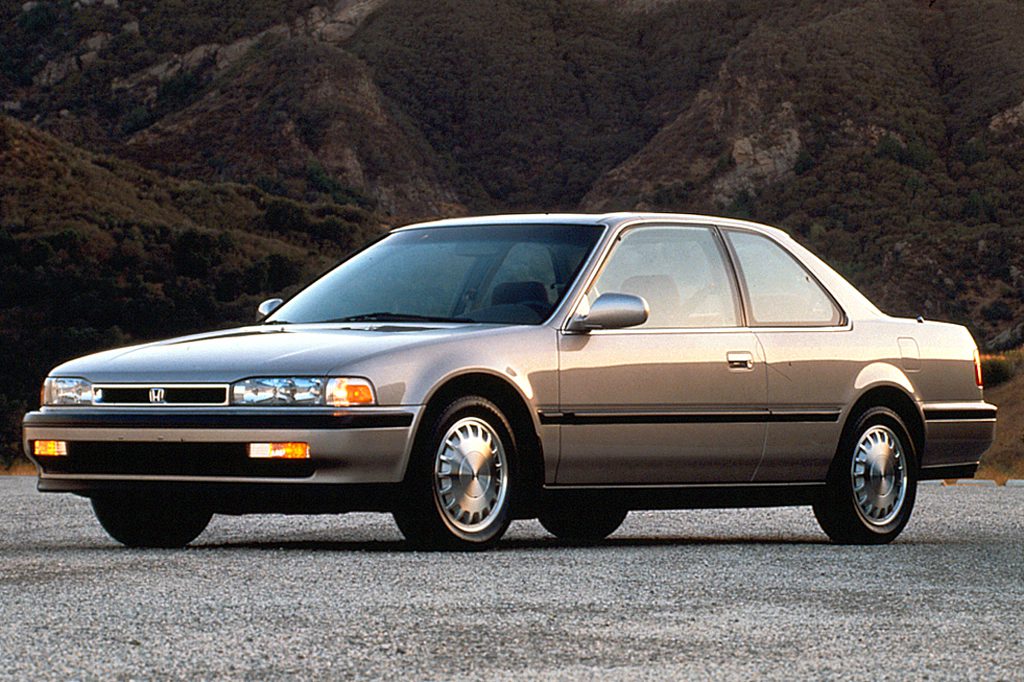
3. 1990 Honda Accord – 1.6 Million Miles
The 1990 Honda Accord stands out as a symbol of Japanese engineering reliability. Known for a balance of performance and simplicity, the Accord’s 2.2-liter engine proved capable of extraordinary endurance.
Its owner meticulously followed maintenance schedules, replacing worn parts and fluids regularly. The car remained mechanically sound even after decades of driving across varied conditions.
This Accord was primarily used for daily commuting and family trips, demonstrating that high mileage is achievable without extreme or unusual driving.
Attention to oil quality, cooling systems, and brake components allowed the vehicle to avoid major mechanical failures.
Honda’s reputation for reliability is reinforced by this example, emphasizing that modest engines with simple designs often outlast complex counterparts. Consistent care made it possible to achieve over 1.6 million miles.
Beyond mechanics, the owner’s approach involved careful driving habits such as avoiding aggressive acceleration and high-speed stress on the engine. Regular tire rotations, alignment checks, and suspension maintenance helped preserve ride quality over the years.
Each minor repair contributed to the longevity of the car, proving that small actions accumulate into remarkable results. The vehicle’s sustained performance illustrates how preventive care surpasses reactive repairs.
The Accord’s interior and body were also maintained, reflecting a holistic approach to vehicle longevity. While high mileage is often measured in engine revolutions, the condition of the car reflects the owner’s diligence.
Maintaining the cabin, exterior paint, and corrosion protection helped ensure that the vehicle remained functional and comfortable despite heavy use. This attention to both mechanical and aesthetic aspects contributed to the car’s enduring appeal.
The 1990 Honda Accord demonstrates that high mileage is attainable for vehicles with careful stewardship. Its record is a combination of Honda’s engineering foresight and responsible ownership.
It shows that ordinary vehicles, when treated properly, can surpass expectations and serve their owners reliably for decades. Its story encourages drivers to value routine maintenance and conscientious use.
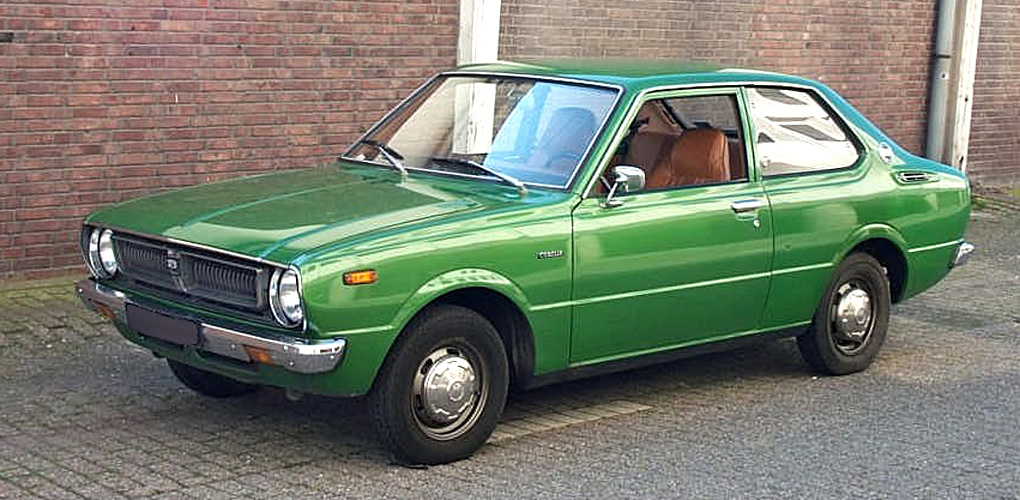
4. 1976 Toyota Corolla – 1.2 Million Miles
The 1976 Toyota Corolla is another example of Japanese reliability standing the test of time. With a small but robust engine and simple mechanical systems, it proved capable of exceeding one million miles.
The Corolla’s lightweight design and efficient fuel consumption allowed for long-term durability. The owner’s regular servicing and attention to preventive maintenance were key factors in its longevity.
This car primarily operated under everyday conditions, including city commuting and highway driving. Regular oil changes, timing belt replacements, and brake inspections ensured the engine and essential components stayed in top condition.
Toyota’s engineering philosophy of simplicity and reliability created a platform where careful ownership could yield unprecedented mileage. The Corolla’s sturdy construction contributed to its resilience.
The owner emphasized using quality replacement parts and keeping the vehicle clean, both mechanically and externally. Rust prevention, proper tire care, and suspension maintenance were essential to sustaining its structural integrity.
Every minor repair was an investment in the car’s long-term performance. Attention to these details allowed the Corolla to maintain both functionality and safety despite extensive use.
This high-mileage record also highlights the role of consistent driving behavior. Avoiding sudden stops, high engine stress, and harsh environmental conditions extended the life of the engine and transmission.
Even after reaching hundreds of thousands of miles, the Corolla remained reliable, demonstrating that disciplined use is as important as engineering. Its journey offers a blueprint for maximizing the lifespan of compact cars.
The 1976 Toyota Corolla exemplifies how simplicity, engineering quality, and responsible ownership can create a vehicle capable of extraordinary longevity. This car continues to inspire enthusiasts and everyday drivers alike.
It shows that achieving over one million miles is not only possible but sustainable for vehicles designed with durability in mind. The Corolla’s story celebrates the value of care and consistency.
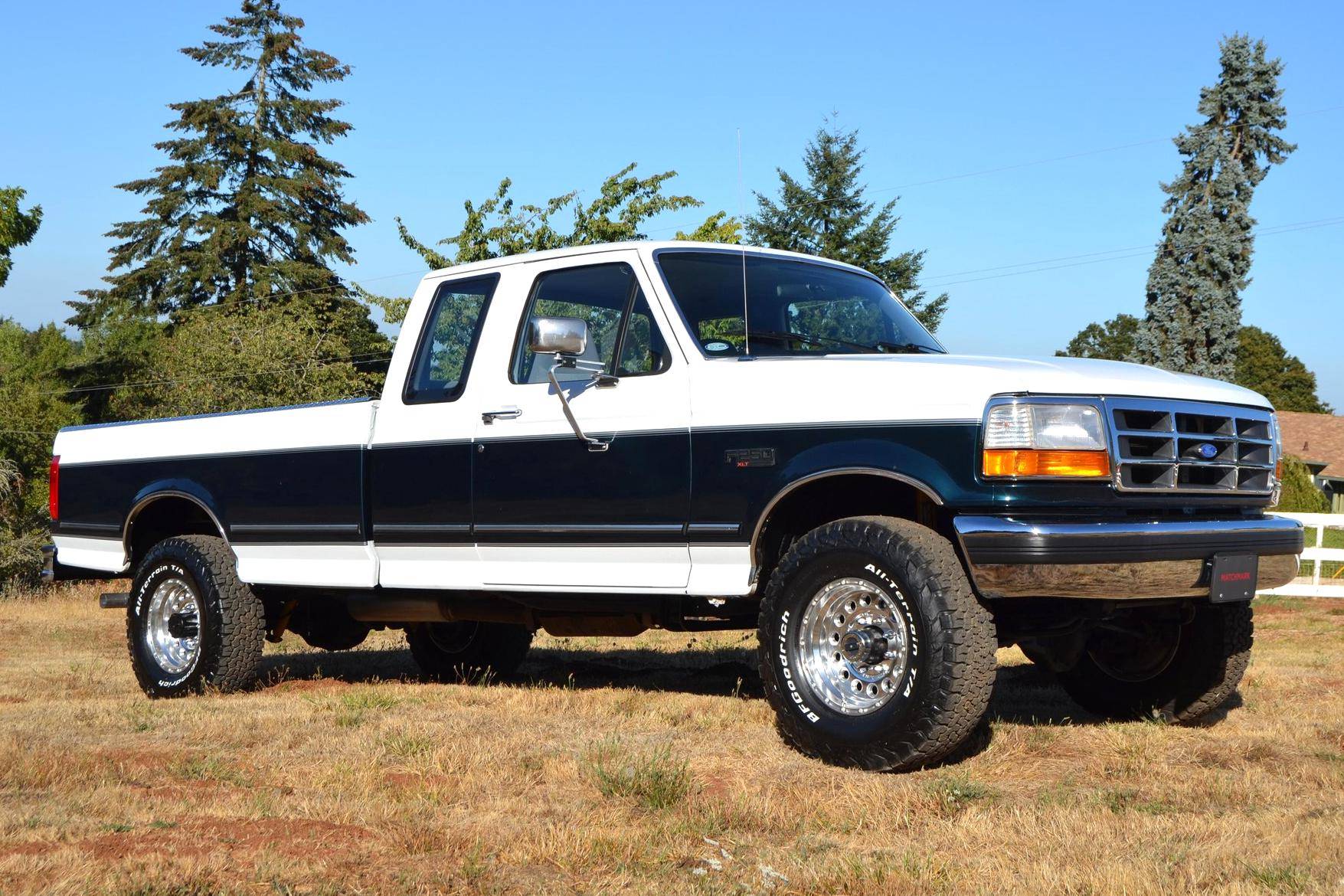
5. 1995 Ford F-250 – 1.1 Million Miles
The 1995 Ford F-250 demonstrates that heavy-duty trucks can achieve remarkable mileage with proper care. Its large 7.3-liter diesel engine offered high torque and longevity, making it suitable for towing and long-distance hauling.
The owner ensured regular oil changes, fuel system maintenance, and transmission servicing. Consistent attention to mechanical details allowed the truck to withstand demanding workloads over decades.
Primarily used for farm and work-related travel, the F-250 accumulated miles under conditions many cars would struggle with. The owner replaced worn suspension components, brakes, and tires on schedule, preserving both safety and functionality.
Ford’s durable design, combined with diesel engine reliability, enabled the truck to reach over one million miles. Its record illustrates how commercial-grade vehicles often surpass consumer vehicles in long-term endurance.
Maintenance extended beyond the engine and drivetrain, including attention to cooling systems and structural integrity. The owner regularly inspected the chassis for corrosion, lubricated moving parts, and ensured the exhaust system remained effective.
Preventive care avoided catastrophic failures and contributed to a smooth, reliable ride throughout its life. The truck’s performance remained consistent even under heavy loads.
Driving practices also played a crucial role, with careful acceleration and avoiding overloading ensuring that the engine and transmission were not overstressed.
Maintaining steady speeds and allowing the engine to warm up properly contributed to its long lifespan. These habits reinforced the importance of thoughtful operation in addition to mechanical maintenance.
The 1995 Ford F-250 is a testament to the durability of heavy-duty vehicles and the impact of dedicated ownership.
Its story reflects how trucks designed for work can endure extreme usage when maintained responsibly. With over 1.1 million miles, it remains a benchmark for long-lasting performance in the pickup segment.
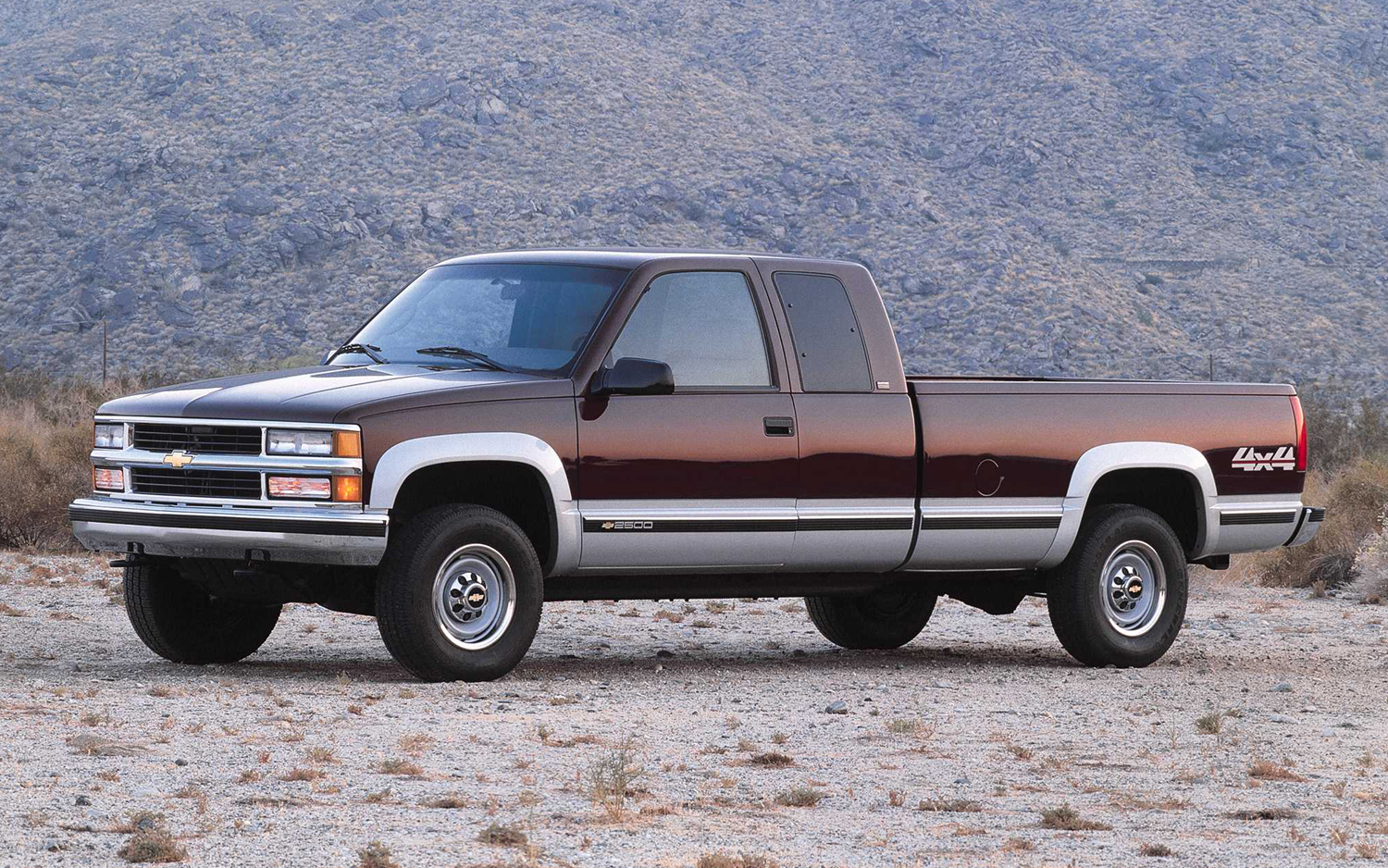
6. 1987 Chevrolet C/K 2500 – 1 Million Miles
The 1987 Chevrolet C/K 2500 is an example of a full-size pickup that reached impressive mileage. Its 5.7-liter V8 engine offered durability and simplicity, allowing the truck to handle heavy loads and long-distance driving.
The owner followed a strict maintenance routine, changing oil, inspecting the drivetrain, and servicing the brakes regularly. This consistent care ensured the vehicle remained reliable throughout decades of use.
Used both for work and personal travel, the C/K 2500 was subjected to demanding conditions, yet it consistently performed. Timely replacement of worn suspension parts and periodic engine tune-ups prevented breakdowns.
Chevrolet’s rugged design and focus on mechanical reliability provided a solid foundation for long-term use. The truck’s longevity is a combination of sturdy engineering and responsible ownership.
Preventive measures extended to the electrical and cooling systems, ensuring that overheating and component failure did not occur. The owner paid attention to minor warning signs, replacing belts, hoses, and other critical parts before failure.
These small steps avoided costly repairs and preserved the vehicle’s operational integrity. The C/K 2500 maintained smooth performance even after crossing one million miles.
Another factor contributing to its mileage was careful driving habits. Avoiding over-revving, towing within safe limits, and gradual braking minimized stress on the engine and transmission.
This disciplined approach protected both mechanical and structural components, allowing the truck to sustain years of service without major issues. The result was a truck that could reliably meet the demands of its owner.
The 1987 Chevrolet C/K 2500 demonstrates how classic American trucks can achieve high mileage when paired with proper maintenance and conscientious driving.
It serves as an example for other truck owners seeking to extend their vehicle’s lifespan. Its durability, simplicity, and practicality have earned it a place among the most reliable high-mileage vehicles in history.
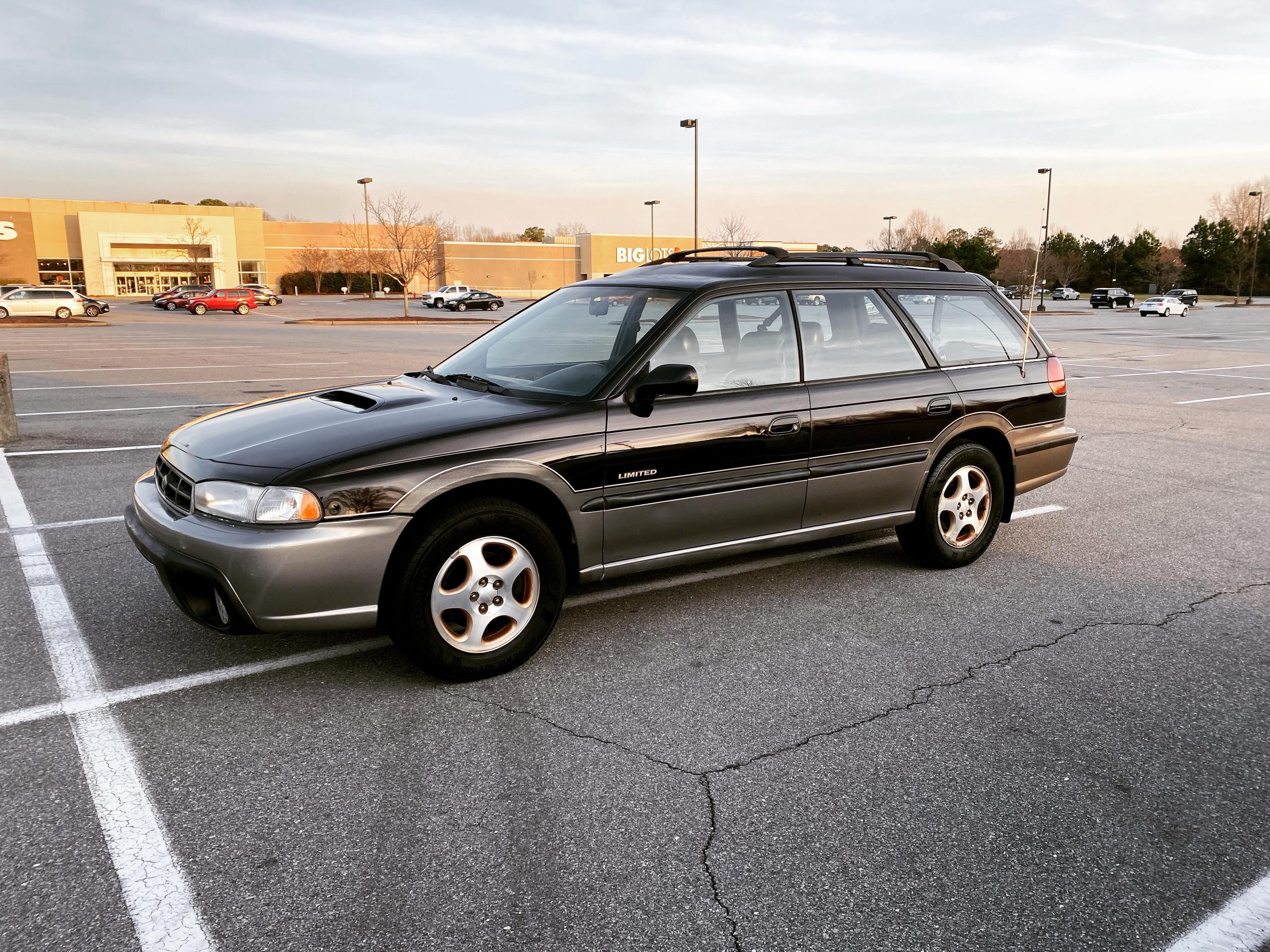
7. 2000 Subaru Outback – 950,000 Miles
The 2000 Subaru Outback showcases the durability of all-wheel-drive wagons designed for versatility. Its horizontally opposed engine, or “boxer” layout, contributed to balanced performance and reduced stress on the drivetrain.
The owner prioritized regular maintenance, including frequent oil changes, coolant flushes, and careful monitoring of timing belts. These steps helped the vehicle reach nearly one million miles.
The Outback handled both urban commuting and long road trips, proving capable across diverse driving conditions. Suspension and wheel alignment were regularly checked to prevent uneven tire wear, and brake components were replaced before significant wear occurred.
Subaru’s engineering philosophy emphasized reliability and simplicity, supporting the high-mileage record. The car remained mechanically stable and safe over decades of operation.
Attention was also given to environmental factors, such as corrosion prevention and interior care. The owner cleaned and inspected the vehicle regularly, addressing minor rust spots and ensuring body integrity.
Small, proactive measures contributed significantly to its long-term endurance. The Outback maintained both functionality and comfort, reflecting a comprehensive approach to vehicle care.
Driving style further enhanced longevity, with smooth acceleration, careful gear management, and moderate speeds. The owner avoided pushing the car to extreme limits, allowing the engine and transmission to operate within safe ranges.
Such habits minimized wear and tear, demonstrating that operational discipline is as important as mechanical maintenance in achieving high mileage.
The 2000 Subaru Outback proves that compact, versatile vehicles can endure extensive use with thoughtful care. Its near-million-mile achievement reflects a combination of robust engineering, preventive maintenance, and careful driving.
The vehicle remains a testament to Subaru’s commitment to reliability and its ability to produce cars that serve owners faithfully for decades.
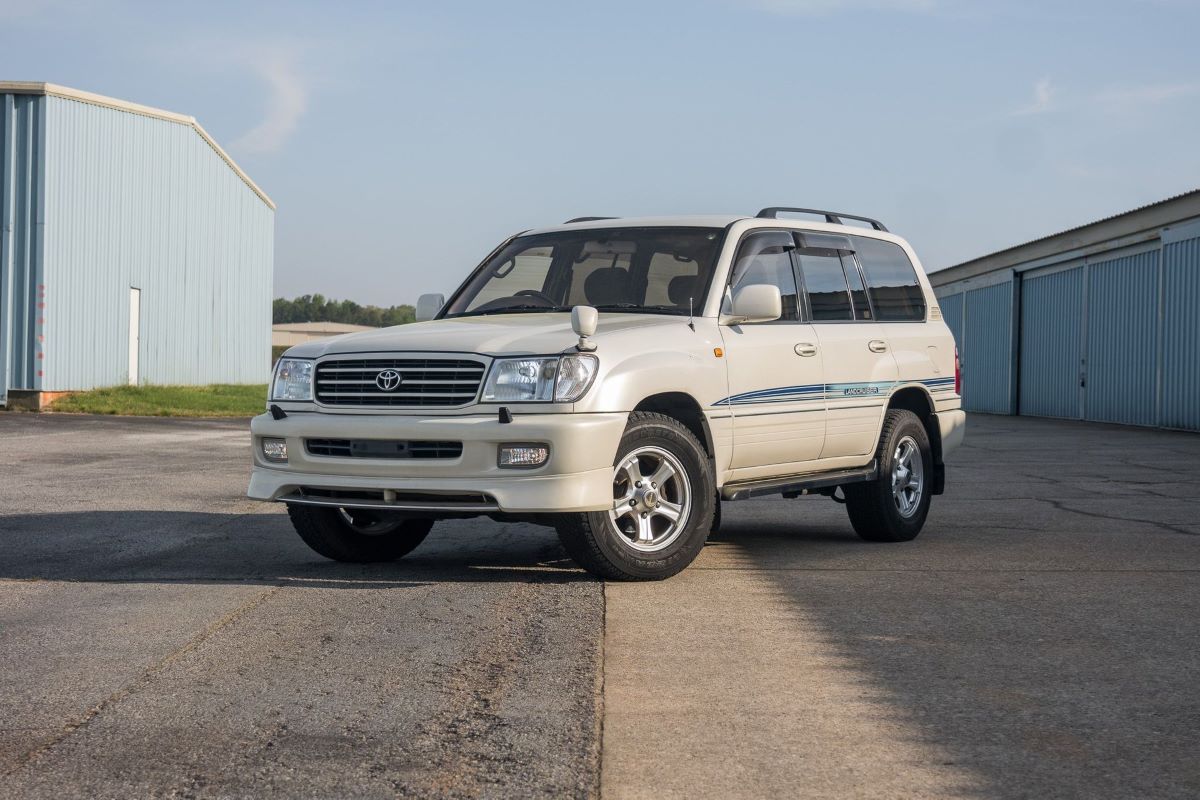
8. 1998 Toyota Land Cruiser – 900,000 Miles
The 1998 Toyota Land Cruiser is a vehicle renowned for durability and off-road capability. Its 4.5-liter inline-six engine and strong chassis provided a foundation for long-term endurance.
The owner adhered to strict maintenance, replacing fluids, filters, and worn components regularly. Such diligence allowed the Land Cruiser to achieve close to a million miles without major issues.
Often driven in challenging terrain, the Land Cruiser proved capable of handling rugged conditions without sacrificing engine performance. Suspension components were inspected and serviced frequently, and tire rotations helped maintain stability.
Toyota’s emphasis on reliability, combined with attention to preventive care, allowed the vehicle to endure harsh use. Its construction supported both mechanical resilience and passenger safety.
Routine engine and transmission care was essential, with oil changes, timing belt replacements, and transmission inspections performed on schedule. The vehicle’s cooling system was monitored to avoid overheating during long drives.
Even small measures, such as cleaning air filters and checking seals, contributed to its sustained performance. Each action ensured the vehicle remained operational and safe for high-mileage driving.
Driving habits were equally important, with gradual acceleration, careful load management, and avoidance of harsh terrain whenever possible. These practices minimized stress on the engine, suspension, and drivetrain.
They also prevented premature wear, allowing the Land Cruiser to maintain consistent performance despite extensive mileage accumulation.
The 1998 Toyota Land Cruiser demonstrates the extraordinary potential of vehicles designed for durability and reliability. Its near-million-mile record is a testament to Toyota’s engineering, preventive maintenance, and conscientious driving.
The Land Cruiser continues to be a symbol of mechanical resilience and owner dedication in the high-mileage community.
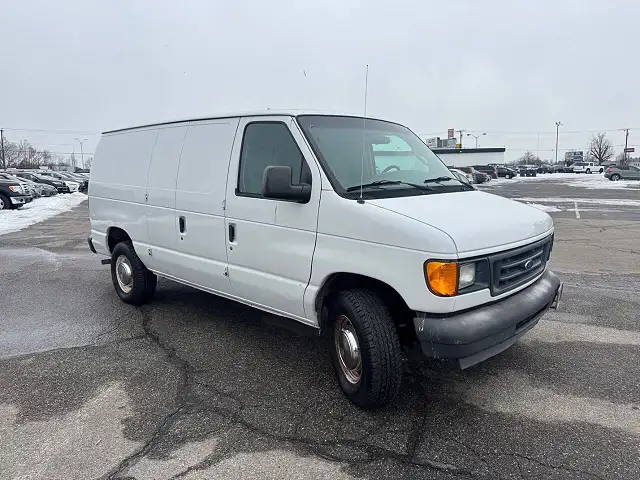
9. 2003 Ford E-250 Van – 850,000 Miles
The 2003 Ford E-250 van represents the potential of commercial vehicles to achieve high mileage with consistent care. Its 5.4-liter V8 engine and robust transmission supported heavy use for deliveries and long-haul travel.
The owner maintained a strict schedule of oil changes, fluid inspections, and brake servicing. Such careful attention allowed the van to surpass 850,000 miles.
The E-250’s role as a workhorse required frequent operation under load, yet its mechanical reliability remained intact. Suspension inspections, tire replacements, and drivetrain checks were performed regularly to sustain performance.
Ford’s engineering allowed for both durability and ease of repair, making it possible to keep the van operational over decades of demanding use. The vehicle proved capable of handling the stress of consistent work without major failures.
Maintenance extended beyond the engine, including attention to the cooling system, electrical components, and exhaust system.
Preventive measures ensured that small issues did not become catastrophic problems. By addressing potential failure points early, the van remained functional and safe throughout its service life. Routine inspections were key to long-term durability.
Driving techniques also contributed to its mileage, with gradual acceleration, careful braking, and adherence to load limits reducing wear.
Avoiding overloading and stress on mechanical components ensured the van remained reliable under heavy usage. Such practices are crucial in maintaining the longevity of commercial vehicles that experience daily, rigorous operation.
The 2003 Ford E-250 demonstrates that with consistent maintenance and careful handling, even work-focused vehicles can achieve remarkable mileage.
Its 850,000-mile achievement emphasizes the importance of preventive care and highlights Ford’s reputation for durability in the commercial segment. The van’s story illustrates the value of reliability and responsible ownership.
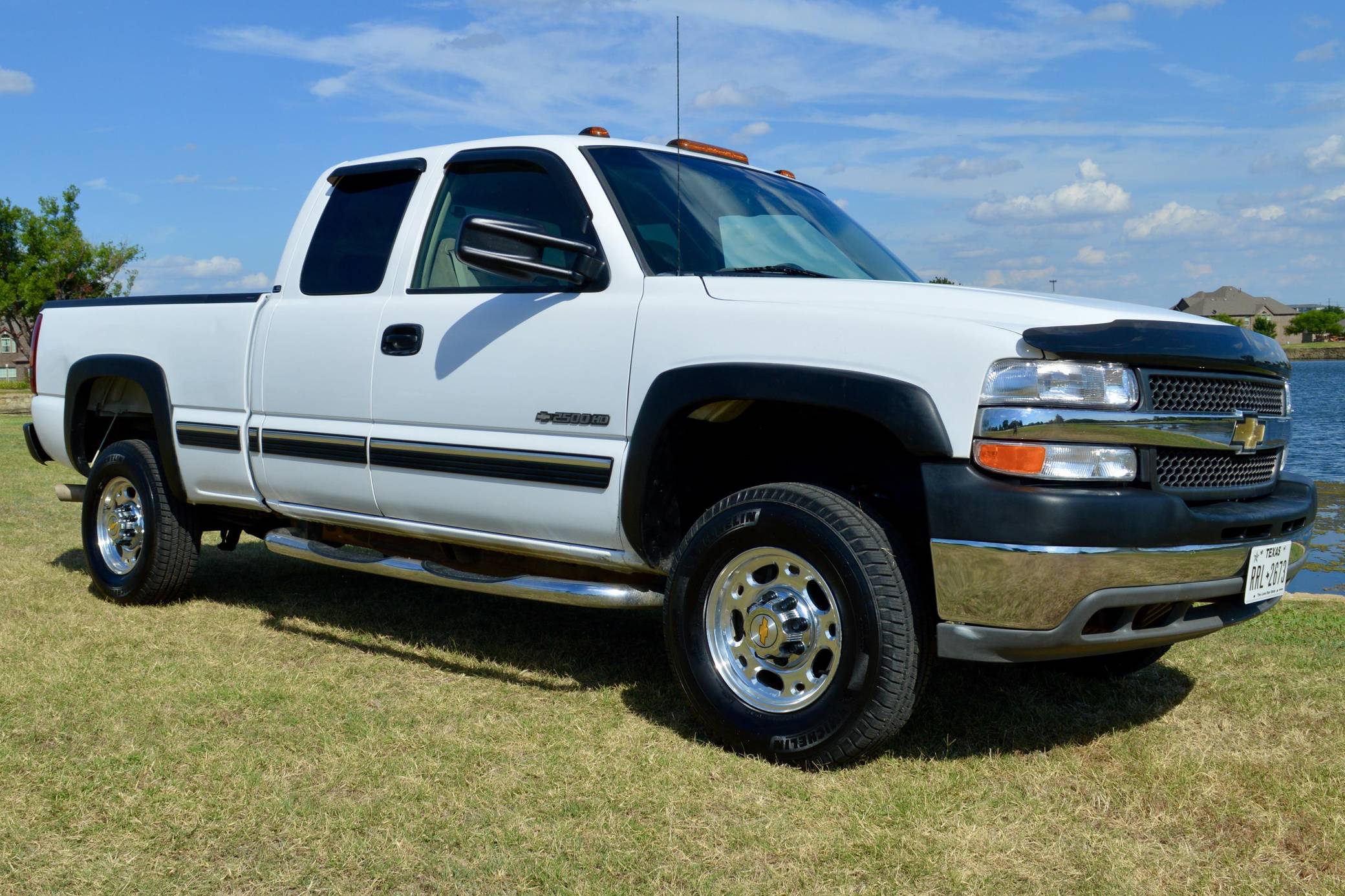
10. 2001 Chevrolet Silverado 2500 – 800,000 Miles
The 2001 Chevrolet Silverado 2500 is an example of a heavy-duty pickup achieving impressive longevity. Its 6.0-liter V8 engine, combined with a strong frame and durable drivetrain, supported long-term performance.
The owner prioritized regular maintenance, including oil changes, filter replacements, and suspension servicing. Consistent care allowed the Silverado to endure extensive daily use without major mechanical failure.
The Silverado was frequently used for towing and hauling, placing stress on the engine and transmission. Timely servicing of brakes, differential, and drivetrain components ensured reliable operation.
Chevrolet’s focus on durability, coupled with the owner’s preventive measures, enabled the truck to reach over 800,000 miles. It demonstrated that heavy-duty pickups can exceed expected lifespans with proper care.
Mechanical longevity extended to the cooling system, exhaust, and electrical components, which were monitored and serviced regularly.
Addressing minor issues before they became serious prevented costly repairs and downtime. Each preventive step contributed to the Silverado’s continued performance, reflecting a comprehensive approach to vehicle maintenance.
Driving behavior also played a key role, with moderate speeds, gradual acceleration, and careful load management reducing stress on mechanical systems.
The owner’s conscious effort to avoid harsh conditions prolonged the life of the engine, transmission, and suspension. These habits emphasized that human choices are as crucial as engineering quality in achieving high mileage.
The 2001 Chevrolet Silverado 2500 exemplifies the potential of well-built trucks to achieve remarkable mileage. Its 800,000-mile record highlights the importance of durability, preventive maintenance, and conscientious driving.
The truck remains a symbol of longevity and practical engineering, inspiring confidence in the long-term reliability of American pickups.
