

The history of the automotive industry is filled with brands that once commanded attention, innovation, and admiration but eventually vanished due to mergers, bankruptcies, or shifting market dynamics.
Despite their disappearance, many of these brands continue to inspire devotion from enthusiasts and collectors who remember their craftsmanship and unique identity.
Cars are not merely vehicles; they represent freedom, personal expression, and technical achievement, which is why certain brands leave a lasting impression long after production ends.
People who owned these cars often formed communities based on shared experiences, attending car shows, maintaining vehicles, or exchanging stories of past adventures.
The loyalty to these brands is rooted not only in nostalgia but also in respect for the engineering, design, and cultural significance they represented. Even today, the sight of a classic model on the road can evoke admiration, admiration that newer brands rarely match.
The vanished brands often carried an aura of exclusivity or uniqueness, making them highly sought after among collectors and automotive historians.
They also reflect different eras of innovation, trends, and societal preferences, allowing fans to trace the evolution of technology, aesthetics, and driving culture.
For enthusiasts, a defunct brand represents both a connection to history and a tangible way to express individuality. Many of these brands fostered strong identities through marketing, racing heritage, or distinctive styling, ensuring their place in the memory of automotive culture.
The continued popularity of these cars demonstrates how emotional attachment and historical significance can outweigh practical considerations like availability of parts or modern convenience. Across the globe, fans of these brands form clubs, host gatherings, and share restoration tips, keeping the spirit alive.
These vehicles become symbols of pride, craftsmanship, and heritage, rather than simply modes of transportation.
The top ten car brands discussed here exemplify the lasting impact of design, engineering, and cultural influence. While their corporate histories may have ended, their legacy thrives in loyal communities and ongoing admiration.
Understanding why these brands retain such devoted followings offers insight into human behavior, passion for design, and the unique relationship between people and machines.
Each of these brands represents a story of innovation, ambition, and cultural resonance that continues to captivate enthusiasts around the world.
Even decades after production ceased, they remain more than just cars; they are cherished icons that continue to inspire admiration and loyalty.
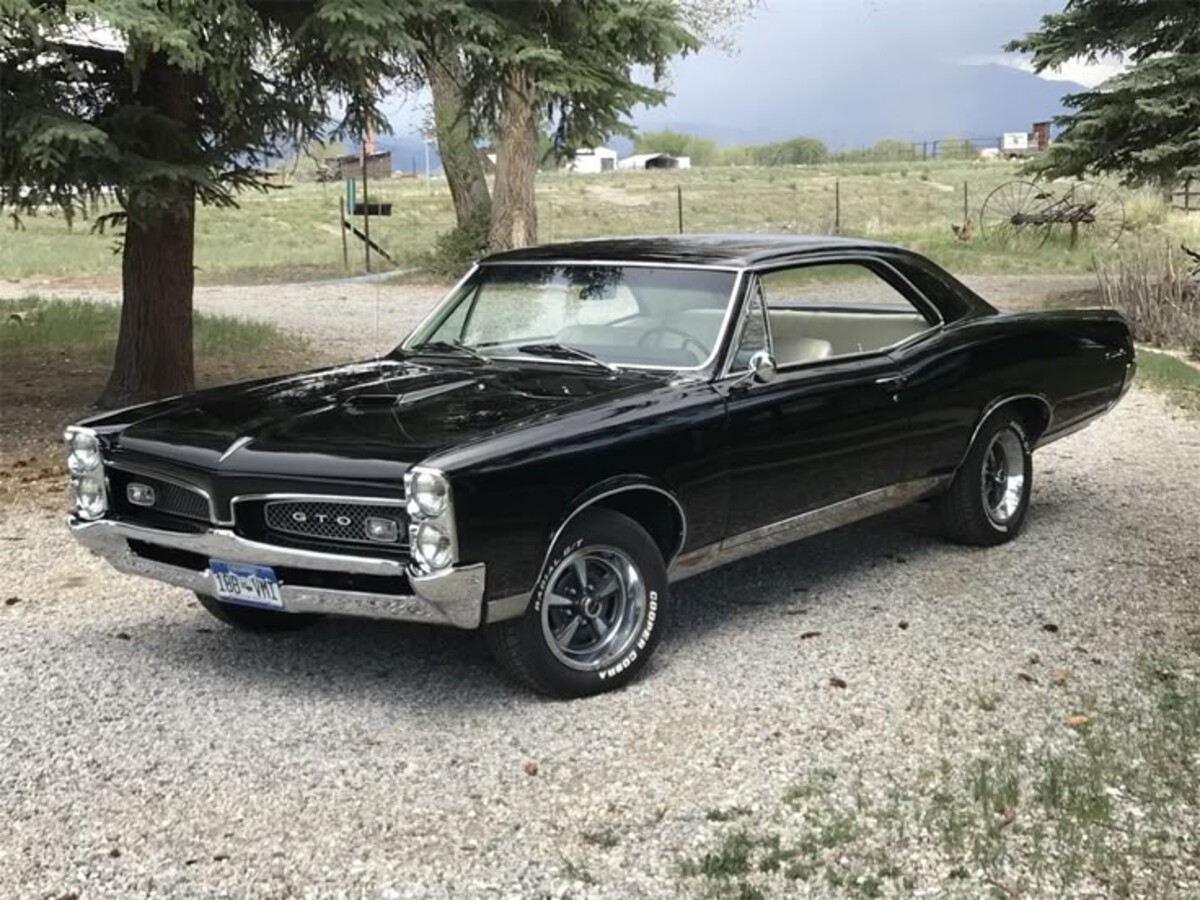
1. Pontiac
Pontiac was a division of General Motors that became a symbol of performance and style in North America. Known for models like the GTO and Firebird, Pontiac combined power with distinctive design.
It appealed to drivers seeking excitement and individuality, building a strong identity among car enthusiasts. Its vehicles often balanced affordability with sporty aesthetics, attracting a wide audience.
The brand’s marketing emphasized youthful energy, speed, and innovation. Campaigns like “We Build Excitement” highlighted its focus on thrilling driving experiences.
Pontiac cars were a cultural statement, appearing in movies, television, and music. Fans still recall the emotional impact of driving or owning one of these vehicles. The combination of performance, style, and accessibility cemented Pontiac’s reputation.
Even after General Motors discontinued Pontiac in 2010, loyal communities emerged. Owners restore vintage models, organize meetups, and share stories about classic cars.
Car shows often feature Pontiac vehicles, reflecting ongoing admiration for the brand. Social media platforms are filled with nostalgia, images, and restoration tips. These activities demonstrate how brand loyalty can persist long after corporate decisions end production.
Collectors prize rare Pontiac models for both performance and historical significance. Limited editions and muscle cars command high prices at auctions. Enthusiasts appreciate the engineering, sound, and driving experience unique to Pontiac.
Maintaining these vehicles requires dedication, but the passion of fans keeps the brand alive. The vehicles themselves serve as living monuments to a bygone era of American muscle cars.
Pontiac represents a legacy of innovation and cultural relevance. Its disappearance only strengthened fan devotion, highlighting the emotional connection people have with iconic vehicles.
Even decades later, the brand inspires admiration, gatherings, and restoration projects. Pontiac continues to remind enthusiasts that cars can carry identity, excitement, and history in equal measure.
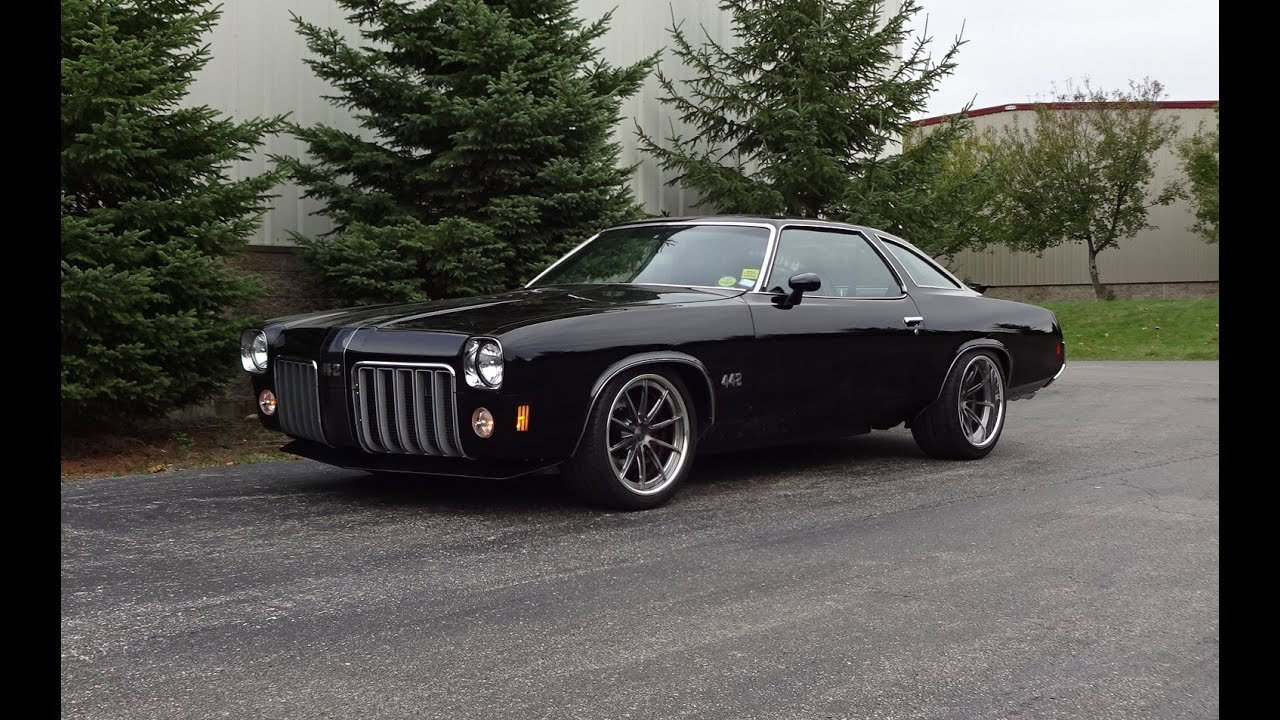
2. Oldsmobile
Oldsmobile was among the oldest car brands in the United States, founded in 1897. It gained a reputation for reliability, innovative engineering, and comfort-oriented vehicles.
Over the decades, it introduced technological advancements like automatic transmissions and turbocharged engines. Its wide range of models catered to diverse drivers, making it a staple of American motoring.
The brand emphasized craftsmanship, quality, and practicality. Cars like the Cutlass and 88 series became symbols of suburban life and family transportation.
Advertising focused on trust, durability, and technological innovation. Many drivers grew up with Oldsmobile vehicles, associating them with milestones like first cars, road trips, and family vacations.
Even after its discontinuation in 2004, Oldsmobile maintains a devoted following. Clubs and online forums are dedicated to preservation, restoration, and historical discussion.
Enthusiasts share technical knowledge, original parts, and repair tips to keep vehicles functional. Classic car shows frequently feature Oldsmobile models, showcasing their timeless design. This ongoing activity illustrates the depth of loyalty fans have to the brand.
Collectors prize rare models, particularly muscle cars and limited editions. The brand’s historical significance and engineering achievements add value to these vehicles.
Owners often restore cars to original condition, preserving details like badges, trim, and interiors. This attention to authenticity highlights the reverence enthusiasts hold for Oldsmobile.
Oldsmobile’s legacy lies in innovation and consistent quality. While production has ceased, the vehicles remain a source of pride and enjoyment.
Fans continue to celebrate the brand through restoration, driving, and community engagement. Oldsmobile demonstrates how dedication and shared history can maintain relevance even after a company disappears.
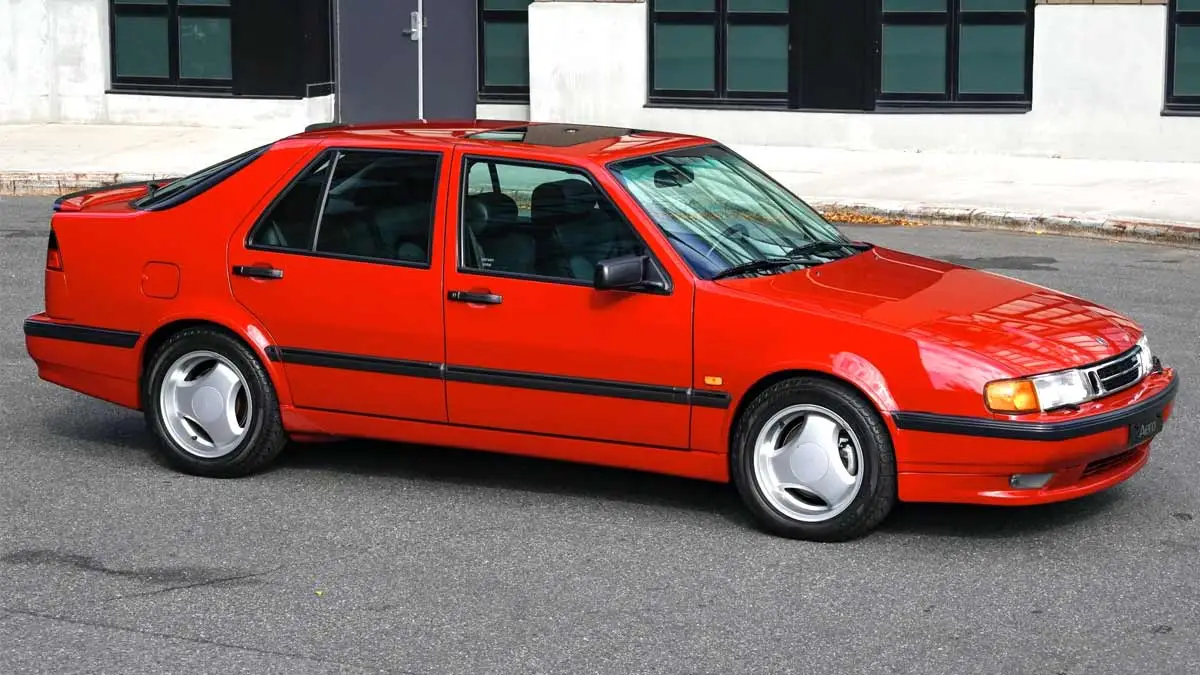
3. Saab
Saab, the Swedish automotive manufacturer, was recognized for safety, aerodynamics, and engineering ingenuity. Its cars were distinctive in appearance and design, often incorporating aircraft-inspired elements.
Models like the 900 and 9-3 became cult favorites for drivers who valued innovation and style. Saab created a unique identity among global car enthusiasts.
The brand focused on technological advancements, including turbocharged engines and safety innovations. Saab owners appreciated the combination of performance, practicality, and forward-thinking design.
The company cultivated a strong community of fans through enthusiast clubs and promotional events. Its approach to engineering was unconventional, appealing to those who preferred individuality over conformity.
Although production ended in 2011 after bankruptcy, Saab still has devoted followers. Clubs, online forums, and social media groups maintain a vibrant presence.
Enthusiasts exchange maintenance advice, source rare parts, and organize gatherings to celebrate the brand. Saab’s cultural impact continues through these communities, which preserve both knowledge and appreciation.
Collectors prize models like the 900 Turbo and limited editions, valuing performance and uniqueness. These cars are often meticulously restored to maintain originality.
Ownership involves dedication due to limited parts availability, but the brand loyalty motivates fans to overcome challenges. Saab’s distinct design and engineering keep it highly desirable in the collector market.
Saab represents a blend of creativity, engineering, and safety that resonates with enthusiasts. Its vehicles remain symbols of ingenuity and individuality.
Despite financial collapse, the brand lives on through loyal owners who honor its spirit. Saab exemplifies how design philosophy and cultural identity can sustain a brand’s relevance long after production ceases.
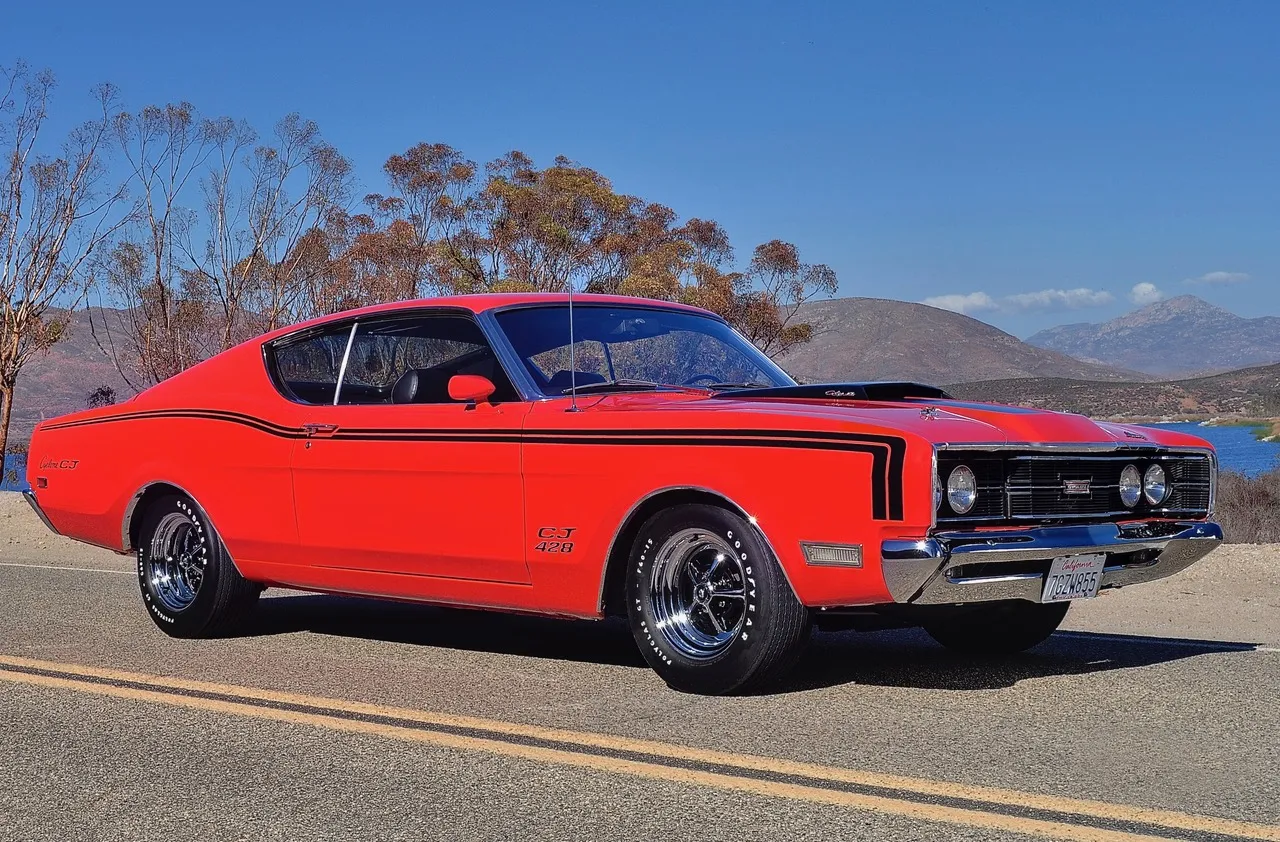
4. Mercury
Mercury, a division of Ford, aimed to bridge the gap between mainstream and luxury vehicles. Launched in 1938, it was designed to offer the refinement of high-end cars at a more accessible price.
The brand became known for stylish sedans, coupes, and performance models that appealed to drivers seeking individuality. Mercury vehicles balanced comfort and sophistication, earning a loyal fan base across decades.
The brand often experimented with design elements and features that later influenced the broader Ford lineup. Mercury cars were recognizable for their sleek lines, chrome accents, and attention to detail.
Their marketing emphasized elegance, innovation, and prestige without excessive cost. Many owners remember Mercury as a brand that represented aspiration, blending reliability with a sense of personal pride.
After Ford discontinued Mercury in 2010, enthusiasts maintained devotion through clubs, forums, and restoration projects. The Mercury Cougar, Grand Marquis, and Marauder are particularly cherished among collectors.
Social media communities frequently share photographs, repair advice, and nostalgic stories. These ongoing efforts reflect how enthusiasts keep the brand alive despite its absence in dealerships.
Collectors and fans value Mercury for both historical significance and craftsmanship. Limited editions and performance models often command premium prices at auctions.
Restoring a Mercury requires patience and dedication, as parts may be rare or expensive. The satisfaction of maintaining these vehicles preserves a tangible connection to the brand’s legacy.
Mercury’s disappearance did not diminish its influence. Its cars continue to represent a blend of style, comfort, and American engineering.
Fans celebrate Mercury not only for its design but also for the memories and identity it provided. The brand serves as an enduring symbol of mid-century automotive aspiration and innovation.
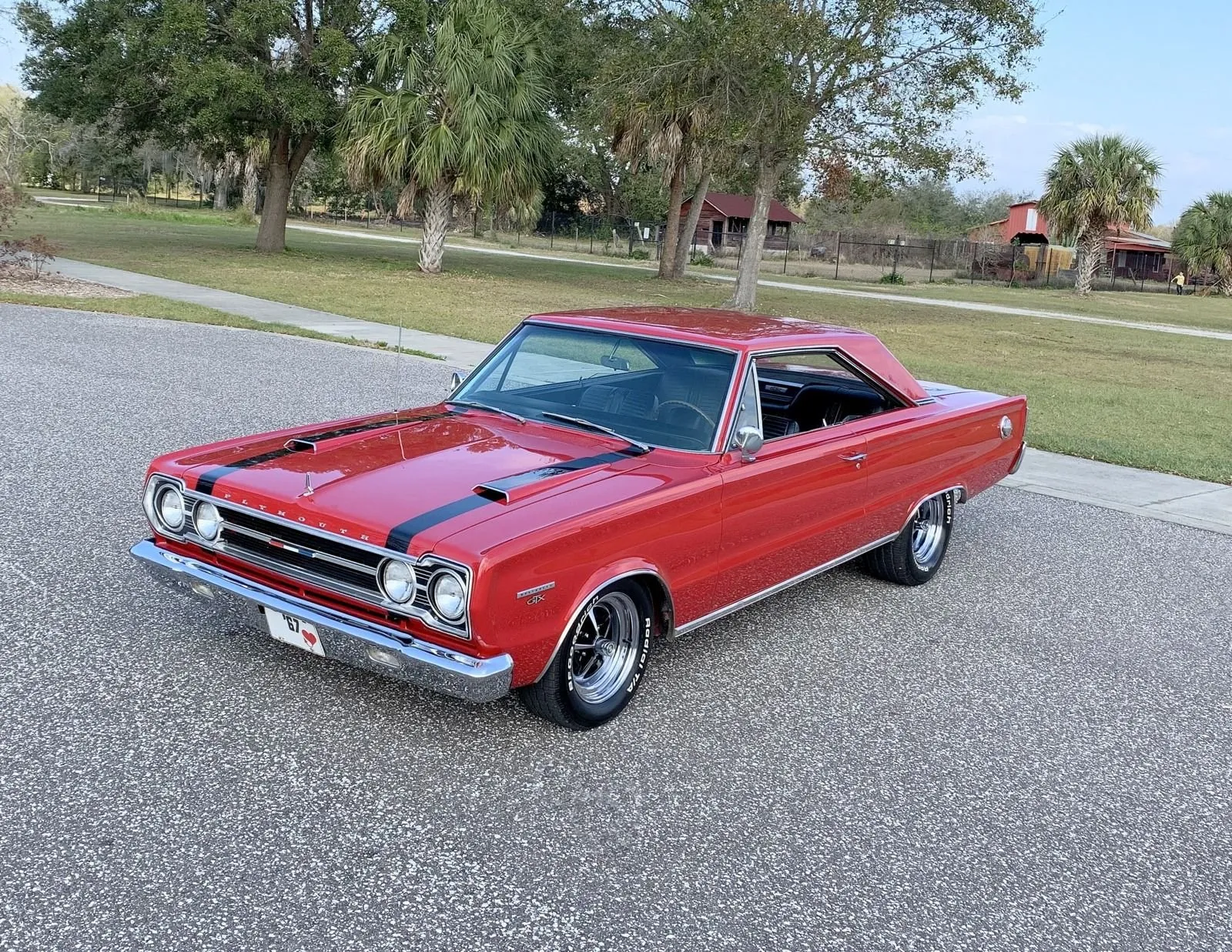
5. Plymouth
Plymouth, part of Chrysler, was once a staple of American families seeking reliable and affordable vehicles. Founded in 1928, the brand grew popular for its economy cars while also offering performance-oriented models.
From the Valiant to the Barracuda, Plymouth covered a range of styles and purposes. It became synonymous with practicality, versatility, and accessibility for the everyday driver.
The brand focused on creating vehicles that were dependable yet stylish, incorporating design trends without sacrificing affordability.
Plymouth often introduced innovations like compact cars and efficient engines before competitors. Its advertising highlighted family values, dependability, and straightforward engineering.
Many drivers grew up seeing Plymouth vehicles as trustworthy companions for work, leisure, and travel.
Even after Chrysler discontinued Plymouth in 2001, loyal enthusiasts continue to honor the brand. Classic car shows frequently feature Plymouth models, especially muscle cars from the 1960s and 70s.
Restoration communities thrive online, sharing advice, rare parts, and historical information. Fans often recount stories of their first cars or family road trips, demonstrating emotional attachment.
Collectors prize Plymouth vehicles for both performance and heritage. Muscle car models like the Hemi Cuda and Road Runner are highly sought after, commanding top auction prices.
Restoring these vehicles requires careful attention to authenticity, from paint colors to badges and trim. Plymouth’s combination of affordability, performance, and historical value ensures ongoing admiration.
Plymouth represents a brand that balanced practicality with excitement, creating memories for generations of drivers.
Its absence left a void in the automotive market, but fans maintain enthusiasm through preservation and storytelling. The brand remains a testament to American innovation and the cultural significance of accessible yet stylish automobiles.
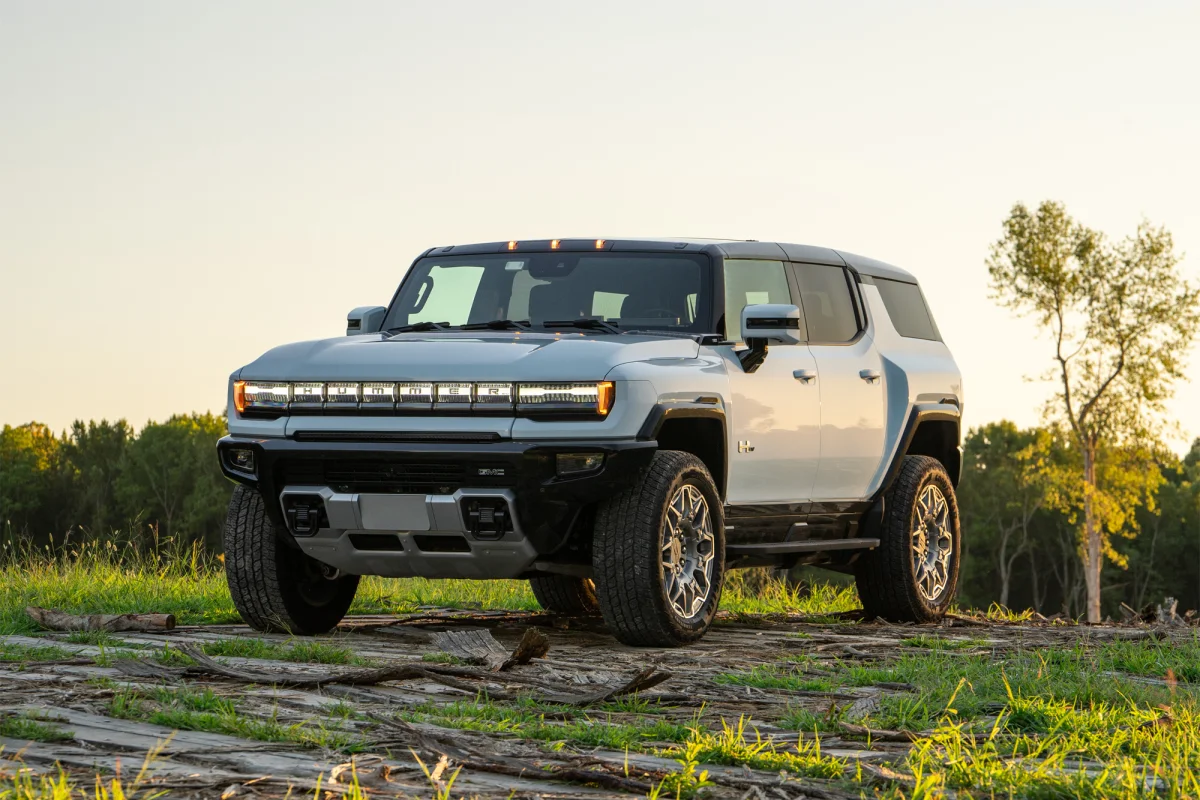
6. Hummer
Hummer was originally designed for military vehicles but later adapted for civilian use, becoming a symbol of ruggedness and power. Its distinctive boxy design and off-road capabilities made it instantly recognizable.
Hummer appealed to drivers who wanted adventure, strength, and a commanding presence on the road. The vehicles became cultural icons, representing boldness and individuality.
The brand emphasized durability, performance, and unique style. Hummer vehicles were capable of navigating challenging terrain while providing comfort and reliability.
Their marketing portrayed a spirit of adventure, independence, and resilience. Owners often viewed Hummer as more than a car, it was a lifestyle statement, reflecting confidence and daring.
Although General Motors discontinued Hummer in 2010, enthusiasts remain dedicated. Owners maintain vehicles meticulously, participate in off-road events, and showcase their Hummers at exhibitions.
Online communities provide forums for advice, modifications, and social connection. Fans continue to celebrate the brand’s identity, emphasizing both practicality and symbolic power.
Collectors value older Hummer models for their military roots and distinctive aesthetics. The vehicles require commitment for upkeep, but their durability and iconic design reward the effort.
Limited editions and rare variants are highly sought after, preserving their legacy in the collector market. Hummer’s unique combination of engineering and presence ensures continued admiration.
Hummer remains a symbol of adventure, individuality, and rugged ingenuity. Its legacy survives through loyal fans who maintain vehicles, share experiences, and celebrate the brand.
Despite market shifts and discontinuation, Hummer exemplifies the emotional connection that vehicles can inspire beyond their functional purpose.
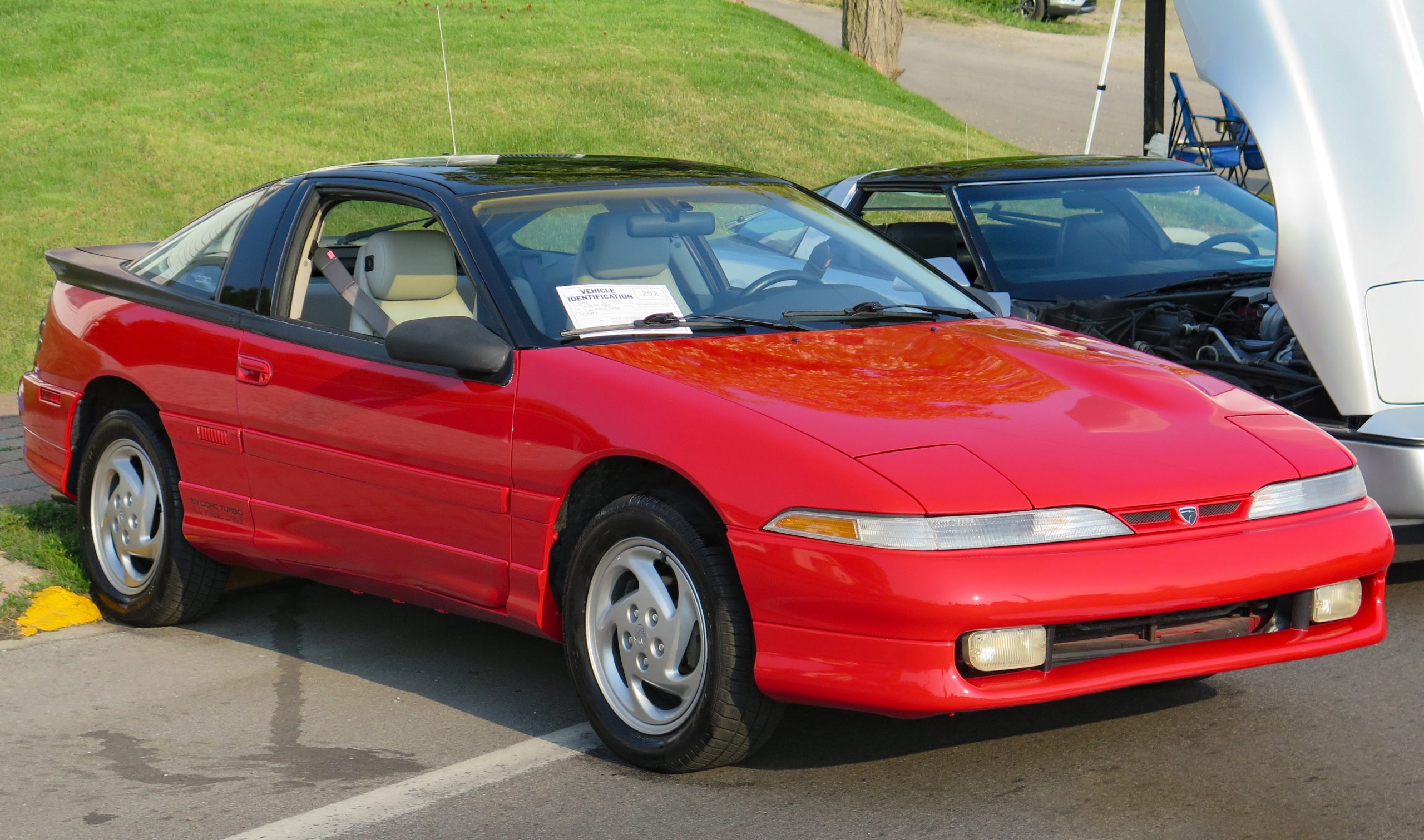
07. Eagle
Eagle was a niche brand launched by Chrysler in the late 1980s, aiming to offer a sportier, European-inspired alternative to mainstream American vehicles.
It was designed to combine performance, versatility, and unique styling, targeting drivers who wanted something different from the typical sedans or SUVs. Despite its short lifespan, Eagle developed a loyal following due to its distinctive approach.
The brand emphasized innovation and individuality in both design and marketing. Vehicles like the Eagle Talon and Summit offered sleek styling, responsive handling, and turbocharged engines that appealed to enthusiasts.
Eagle marketed itself as an adventurous choice for drivers seeking something rare and dynamic. Its cars often provided features that competitors lacked, creating a memorable driving experience.
Even after Chrysler discontinued Eagle in 1998, enthusiasts continue to celebrate the brand. Online forums and enthusiast clubs exist to share maintenance tips, source rare parts, and discuss performance upgrades.
Car shows occasionally feature Eagle models, and owners take pride in maintaining these vehicles despite their scarcity. The community keeps the spirit alive for fans who value the brand’s unique identity.
Collectors prize Eagle vehicles for rarity, design, and performance potential. Limited production numbers and distinctive styling make models like the Talon highly sought after.
Restoring these cars is a challenge, yet owners consider it worthwhile to preserve a piece of automotive history that stands apart from mass-market brands. Eagle’s combination of uniqueness and capability ensures continued admiration.
Eagle represents a brand that dared to be different in a competitive market. Its disappearance did not diminish fan loyalty, which persists through preservation, storytelling, and appreciation of engineering.
The brand remains a symbol of creativity and individuality in the automotive industry, proving that even niche manufacturers can leave a lasting legacy.
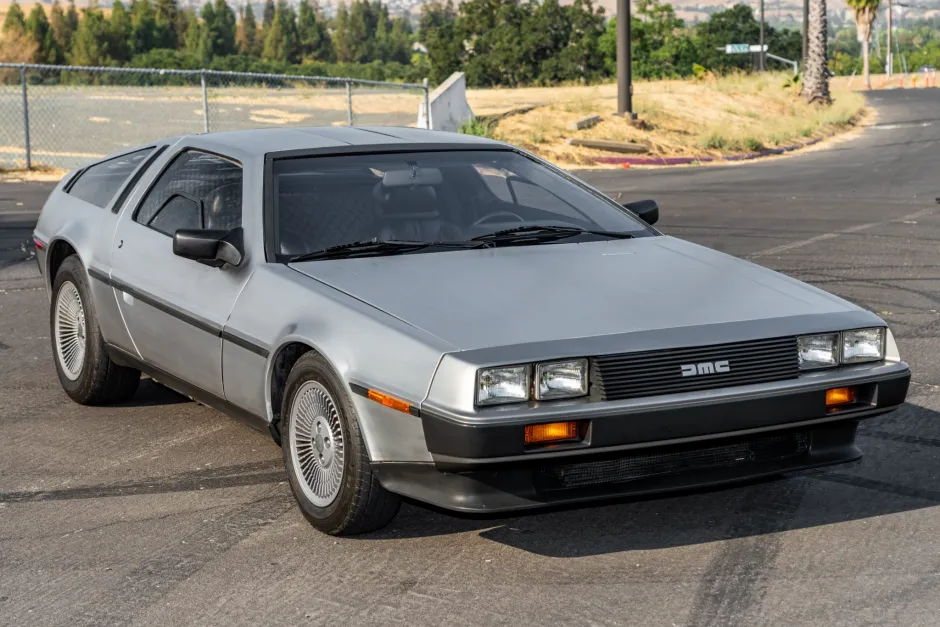
8. DeLorean
DeLorean Motor Company produced the DMC-12, instantly recognizable for its gull-wing doors and stainless steel exterior.
The brand became iconic, both for its futuristic design and its role in popular culture. Though short-lived, DeLorean captured imaginations with bold styling and innovation, leaving a lasting impression on fans worldwide.
The car’s design combined aesthetics with engineering curiosity. Its doors, unique bodywork, and limited production made it highly distinctive.
Enthusiasts were drawn to the audacity of the vehicle, which reflected a forward-looking approach to automotive design. The DeLorean quickly became a symbol of aspiration and individuality, elevating it beyond mere transportation.
Despite the company’s financial collapse in 1982, a loyal following emerged. Owners and collectors maintain DMC-12 vehicles meticulously, showcasing them at car shows and conventions.
The brand’s popularity surged with its appearance in movies, cementing its place in popular culture. Fan communities actively discuss restoration, sourcing parts, and maintaining the car’s distinctive features.
Collectors prize the DeLorean for rarity and design excellence. The combination of unique doors, brushed metal finish, and limited production enhances desirability.
Restoring one requires care, but the outcome preserves a tangible piece of automotive history. The vehicle serves as both a collector’s item and cultural icon.
DeLorean remains synonymous with bold design and lasting impact. Its short-lived production did not prevent enduring fandom, which thrives through restoration, exhibitions, and cultural nostalgia.
The car exemplifies how design vision and distinctiveness can foster loyalty long after commercial success ends.
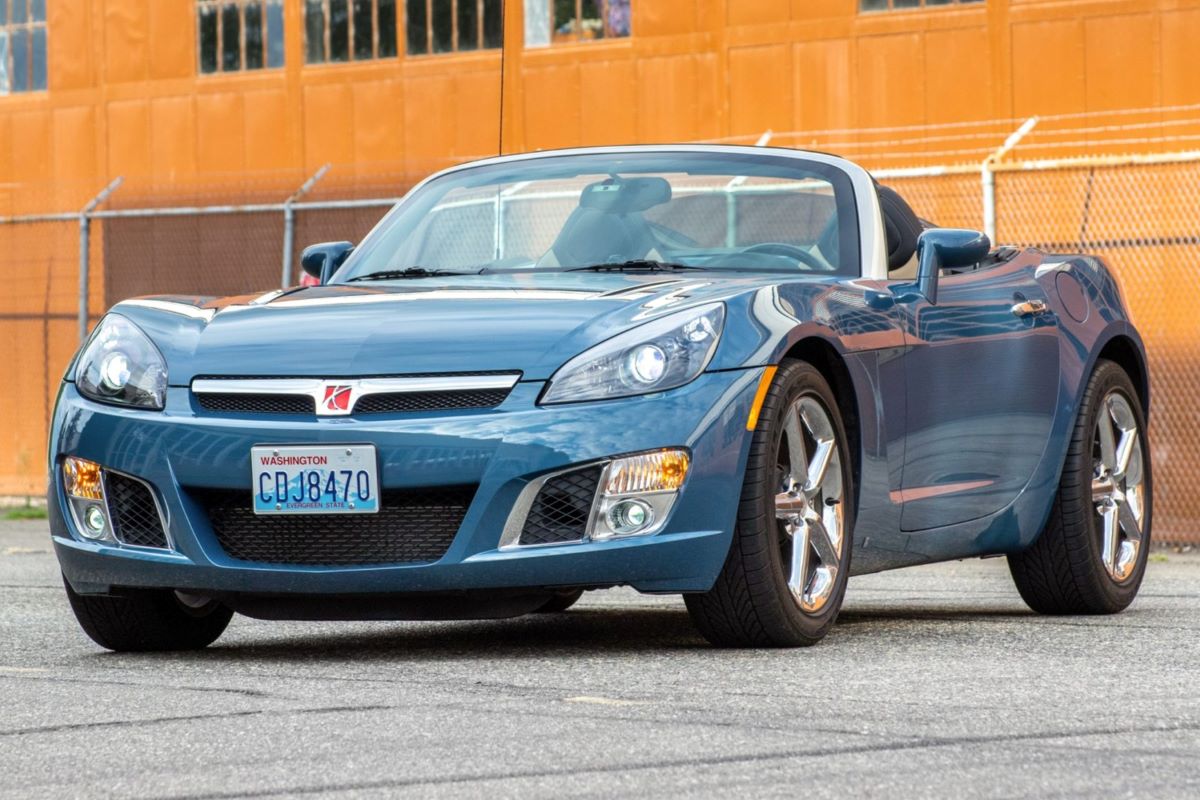
9. Saturn
Saturn, a division of General Motors, was launched in the 1980s to challenge Japanese imports and offer a unique buying experience. Its cars were known for reliability, innovation, and customer-focused service.
Saturn aimed to create a brand identity that combined quality with affordability, appealing to both families and individual drivers.
The brand emphasized innovation in design, materials, and dealership experience. Saturn vehicles often featured corrosion-resistant panels and straightforward engineering.
The company prioritized customer satisfaction, creating a sense of trust and loyalty. Many owners associate Saturn with simplicity, practicality, and a positive buying experience.
Even after the brand was discontinued in 2010, Saturn maintains a dedicated fan base. Owners preserve vehicles, participate in enthusiast clubs, and share knowledge online.
Social media groups celebrate models such as the S-Series, Vue, and Ion. Saturn fans maintain emotional attachment through storytelling, restoration, and community engagement.
Collectors appreciate Saturn vehicles for reliability, historical relevance, and unique branding. While not as exotic as some luxury or performance brands, Saturn’s commitment to quality and identity makes it appealing to enthusiasts. Restoring and maintaining vehicles keeps the brand alive in the automotive industry.
Saturn’s legacy is rooted in practical innovation and customer focus. Its disappearance did not erase admiration, as enthusiasts continue to honor the brand’s principles and vehicles. Saturn demonstrates how loyalty can persist even when a brand exits the market.
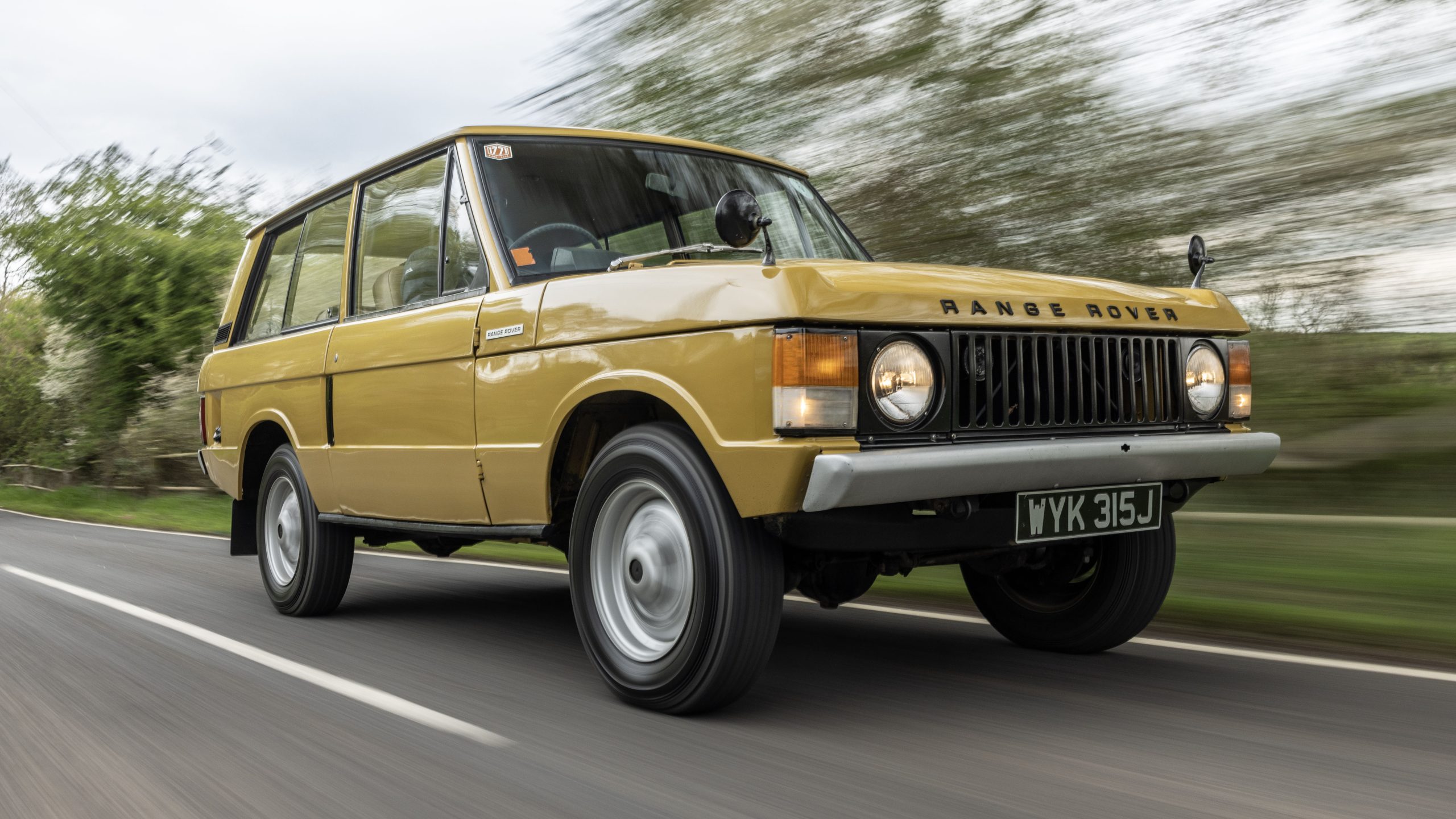
10. Rover
Rover, a British automotive manufacturer, was synonymous with classic elegance, engineering refinement, and luxury driving experience.
From the Land Rover series to the 200 and 800 models, Rover offered vehicles with style, comfort, and British craftsmanship. It attracted drivers seeking sophistication combined with functionality.
The brand focused on quality, durability, and premium features. Rover cars were known for comfortable interiors, smooth handling, and engineering consistency.
Many drivers valued the blend of traditional luxury with modern performance. Rover cultivated loyalty through decades of consistent quality and attention to detail.
Even after the company ceased production in the early 2000s, Rover enthusiasts remain passionate. Restoration clubs, online forums, and classic car exhibitions continue to celebrate the brand.
Owners maintain vehicles meticulously, preserving originality and historical value. The brand’s legacy is sustained through active participation by devoted fans.
Collectors prize Rover vehicles for elegance, engineering, and rarity. Classic models like the Rover P5 and P6 are highly sought after.
Restoring a Rover often involves sourcing specialized parts, but the effort reflects the value placed on authenticity and heritage. The vehicles continue to represent refinement and British automotive tradition.
Rover embodies a blend of luxury, reliability, and heritage that resonates with enthusiasts worldwide.
Its disappearance from the market has not diminished admiration, as loyal fans celebrate craftsmanship and history. Rover remains an enduring symbol of British automotive excellence.
