
The appeal of naturally aspirated engines has never diminished, even as turbocharging and forced induction technologies dominate modern automotive engineering. These engines rely purely on atmospheric pressure to draw air into the combustion chamber, creating a driving experience that feels immediate, linear, and authentic.
While turbocharged engines can achieve remarkable peak power, they often introduce lag, complex tuning, and additional weight, which can affect performance and responsiveness. For many enthusiasts, naturally aspirated engines offer an unmatched connection between the driver and the machine, providing an audible and tactile feedback that turbo systems rarely replicate.
From high-revving sports cars to muscle cars with monumental torque delivery, the design of these engines emphasizes precision engineering and mechanical harmony. The sound alone, the orchestration of pistons, valves, and crankshafts, can evoke a sense of excitement and purity that modern turbo engines sometimes lack.
What makes naturally aspirated engines particularly remarkable is their ability to deliver performance without relying on forced air induction. Engineers have mastered methods to increase airflow, optimize combustion efficiency, and maintain high rev limits, resulting in engines that can outperform turbocharged rivals in terms of throttle response, reliability, and sustained high-end performance.
The absence of forced induction components reduces mechanical complexity, minimizing potential failure points and maintenance requirements. Enthusiasts appreciate the predictability of power delivery, as the response is directly proportional to engine speed rather than the buildup of boost pressure.
These engines can also foster greater driver skill, as maintaining momentum through precise gear selection, rev management, and throttle modulation becomes essential for extracting maximum performance. The purity of design and engagement is what continues to attract collectors, racers, and driving enthusiasts to naturally aspirated powerplants.
Many of the engines highlighted in this list demonstrate that sheer engineering innovation and dedication to performance can produce results that challenge or even exceed turbocharged counterparts. These powerplants have set benchmarks in racing, track performance, and road-going applications, creating legacies that influence car culture worldwide.
Each engine has unique characteristics that contribute to its superiority over forced induction alternatives, whether through higher revving capabilities, linear torque delivery, or raw mechanical sound. They exemplify the philosophy that performance is not solely about numbers on a dyno sheet but also about balance, control, and driver satisfaction.
For those seeking a driving experience that prioritizes connection and responsiveness, naturally aspirated engines remain a benchmark in automotive history.
The upcoming sections will cover ten engines that stand out in this regard, each delivering extraordinary performance while retaining the purity and character of natural aspiration. From classic legends to modern marvels, the selection highlights diverse approaches to engineering excellence, illustrating that speed and power are achievable without turbocharging.
This exploration emphasizes mechanical ingenuity, craftsmanship, and the enduring appeal of engines that respond directly to the driver’s input. By comparing these engines to their turbocharged rivals, the discussion will highlight why naturally aspirated designs still hold a place of reverence in a market dominated by forced induction technology.
For enthusiasts and professionals alike, this list serves as both inspiration and technical reference. It underscores the idea that power delivery, driving engagement, and engineering sophistication are not confined to turbocharged designs.
Naturally aspirated engines continue to shape the way cars perform on tracks, streets, and in the hearts of drivers who value immediate feedback and mechanical precision. By examining each of these ten engines, we can understand why they outperform turbo rivals in specific contexts, balancing speed, reliability, and the emotional experience of driving.
The fascination with naturally aspirated engines persists because they embody a pure form of automotive artistry, a celebration of speed, sound, and mechanical harmony.
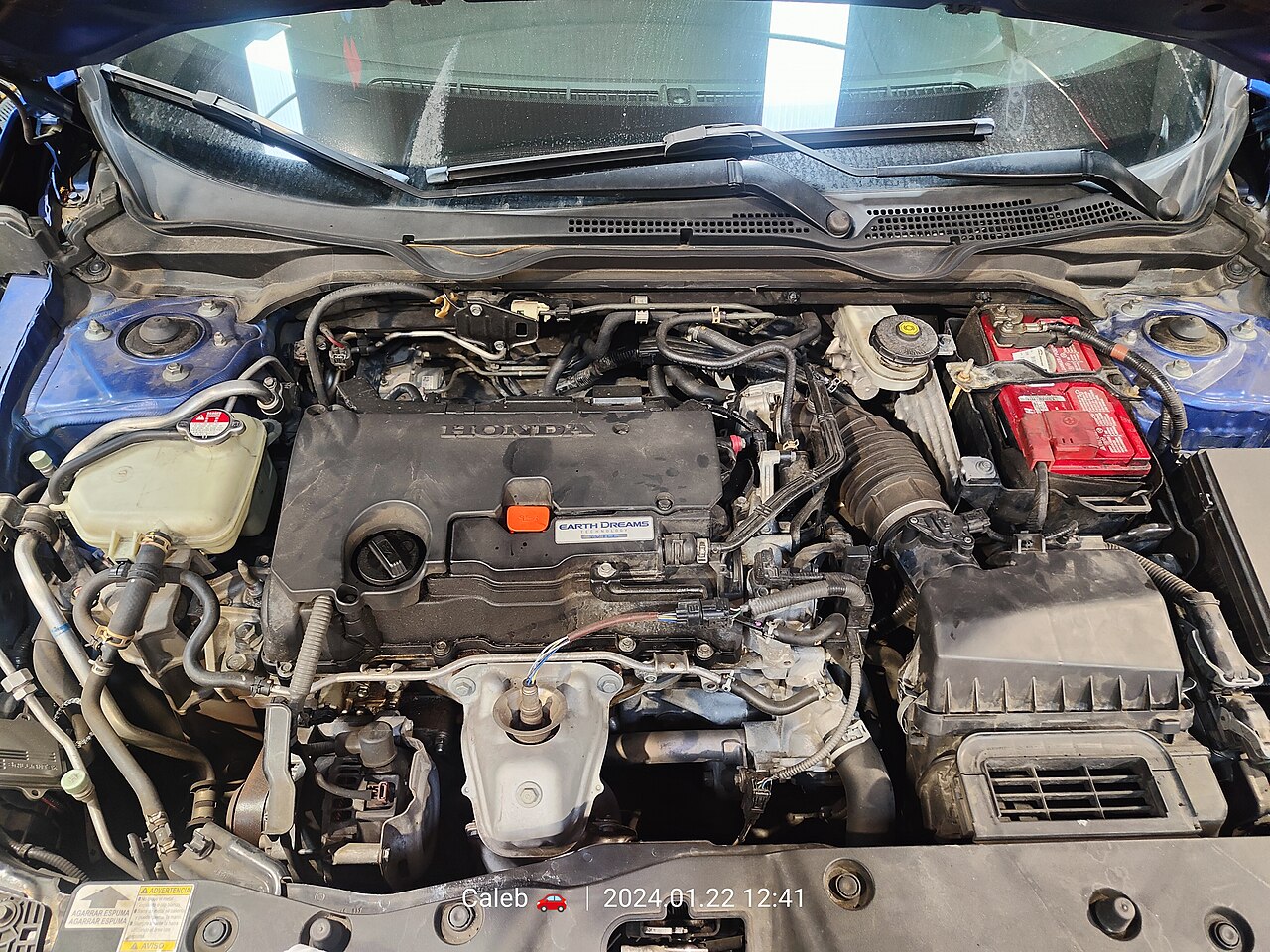
1. Honda K20C2
The Honda K20C2 has earned acclaim for its balance of performance, efficiency, and reliability. This engine achieves high revs without the need for turbocharging, allowing for instantaneous throttle response.
Its design emphasizes airflow optimization, lightweight internals, and precise fuel delivery to maximize combustion efficiency. The result is an engine that delivers excitement at high RPMs while maintaining smooth operation at lower speeds.
Engineers focused on variable valve timing and lift systems to create a powerband that feels broad and linear. Unlike turbocharged competitors, the K20C2 produces power directly proportional to engine speed, eliminating lag.
This makes it highly effective in track conditions, where precision and responsiveness are paramount. Drivers appreciate the predictability and control offered by the naturally aspirated design. It exemplifies engineering that prioritizes driver engagement over sheer peak output.
One of the K20C2’s strongest traits is its rev-happy nature, with a redline that encourages spirited driving. Turbo engines can struggle to maintain performance at extremely high RPMs due to heat and boost limitations.
The naturally aspirated setup avoids these constraints, allowing the driver to explore the full engine potential. Its mechanical simplicity enhances longevity and reduces maintenance compared to more complex forced induction systems. This reliability factor makes it a favorite among enthusiasts who push their cars hard.
The K20C2 also excels in terms of weight and balance. Without turbo hardware, intercoolers, and additional plumbing, the engine contributes to a lighter front end and better chassis dynamics. Cars equipped with this engine demonstrate agile handling, sharper turn-in, and improved feedback through the steering.
These attributes translate into a more rewarding driving experience. Naturally aspirated powerplants like the K20C2 often outperform turbo rivals in sustained cornering and track performance.
Sound is another dimension where the K20C2 shines. The engine produces a high-pitched, aggressive note that rises naturally with engine speed. This auditory feedback enhances driver satisfaction and creates a visceral connection to the machine.
Turbo engines often muffle these sensations due to intake piping and turbo noise characteristics. For enthusiasts seeking pure engagement, the K20C2 embodies why naturally aspirated designs remain relevant and exhilarating.
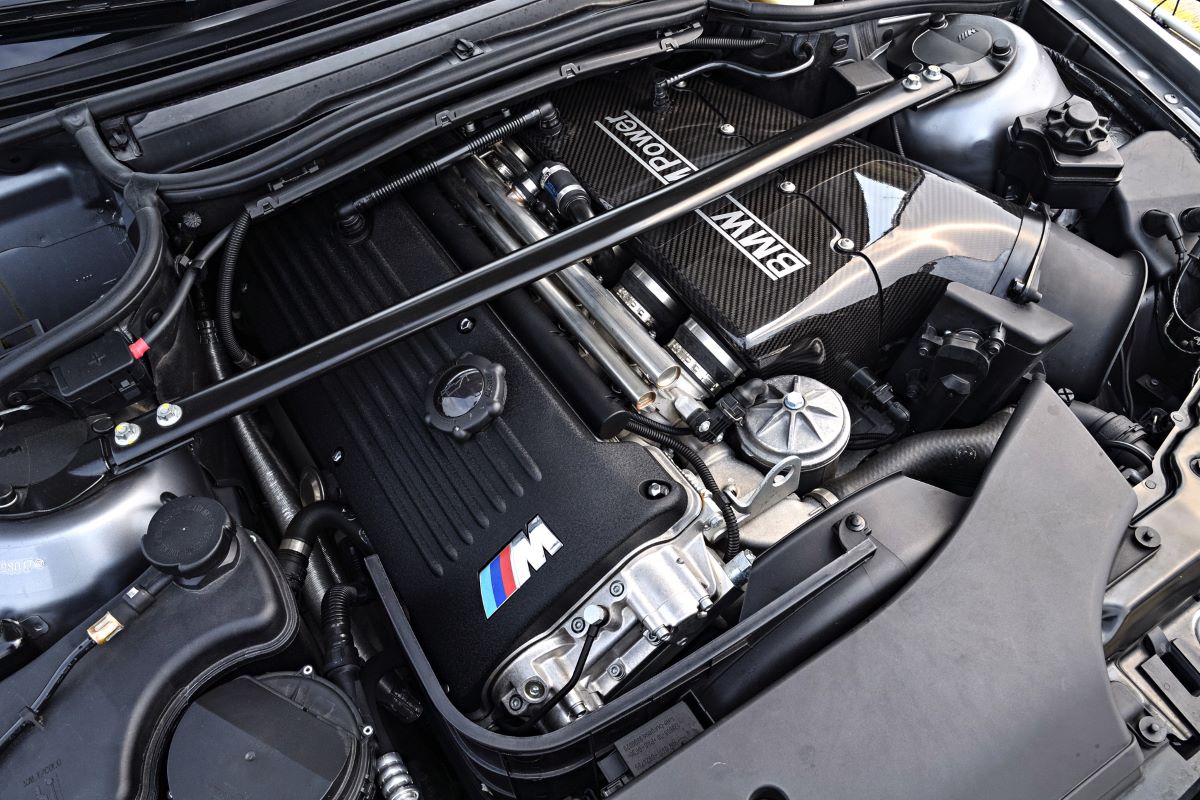
2. BMW S54
The BMW S54 engine is widely regarded as one of the finest naturally aspirated inline-six designs in automotive history. Its combination of high-revving capabilities, precise engineering, and linear power delivery allows it to compete with modern turbo engines.
With a redline near 8,000 RPM, the S54 produces an exhilarating performance that emphasizes responsiveness over sheer peak torque. Drivers praise its ability to maintain consistent output without lag or turbo spool delay.
This engine benefits from BMW’s meticulous focus on airflow and combustion efficiency. Individual throttle bodies and variable valve timing systems ensure that every drop of fuel-air mixture contributes to smooth and predictable power.
Compared to turbocharged rivals, the S54’s response feels immediate, making it easier to control in spirited driving conditions. Its balance of torque and horsepower makes it versatile for both road and track applications.
Longevity is another feature of the S54. Its naturally aspirated configuration reduces stress on engine components that often limit turbocharged engines. There are fewer heat-related failures, no turbocharger wear, and minimal risk of pressure-induced damage.
This reliability, combined with high performance, contributes to the engine’s lasting reputation among enthusiasts and collectors. The S54 also rewards skilled driving, as maintaining momentum through gear selection and rev management is key to maximizing its potential.
Weight distribution and chassis integration make the S54 particularly impressive. Without heavy turbo components, the engine sits more naturally in the vehicle’s frame, enhancing handling and balance. BMW’s engineering ensures that the car reacts predictably to driver inputs, giving a sense of control that turbo rivals can struggle to replicate. This allows the S54 to outperform forced induction competitors on tracks with tight corners and demanding handling sections.
Finally, the sound of the S54 has become legendary. Its high-pitched, rising note resonates with every rev, creating an emotional connection that turbo engines cannot mimic.
This auditory feedback, combined with instantaneous throttle response, reinforces the pure driving experience that defines naturally aspirated power. It is a perfect example of engineering precision meeting driver enjoyment, proving that performance can thrive without forced induction.
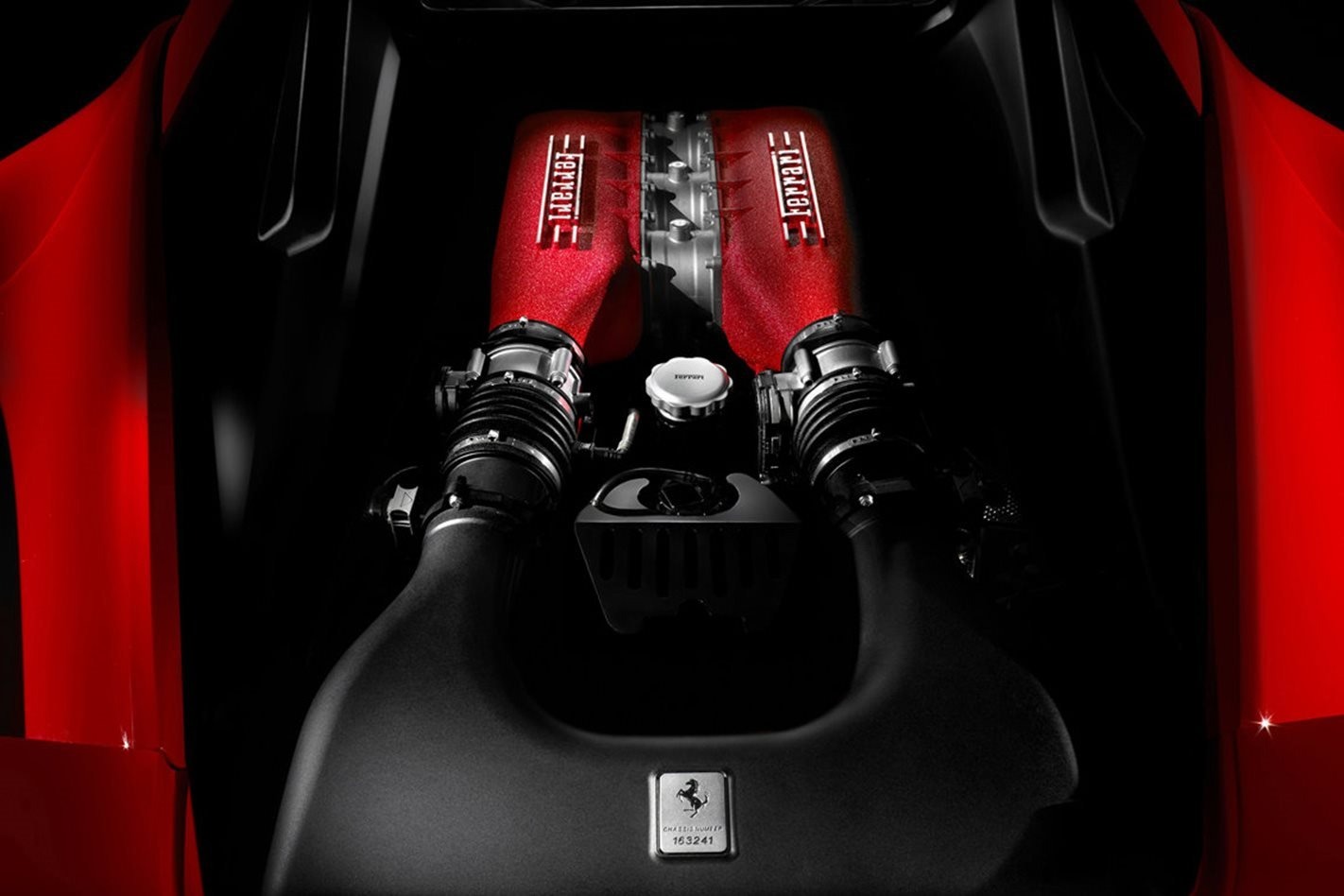
3. Ferrari F136
The Ferrari F136 engine embodies the essence of high-performance naturally aspirated design, delivering a visceral driving experience that turbocharged engines rarely match. With its distinctive V8 layout, this engine balances smooth operation with aggressive power delivery. Ferrari engineers focused on high-rev characteristics, precise fuel mapping, and lightweight components to achieve exceptional performance. The result is an engine that encourages spirited driving at every RPM.
Variable valve timing and intake design are crucial elements of the F136. These systems optimize airflow across the rev range, ensuring that torque is available at low speeds while horsepower peaks at high RPM.
Turbocharged alternatives often struggle to maintain such linearity, as boost can introduce spikes or flat spots in the powerband. The naturally aspirated V8 maintains control, responsiveness, and predictability that track enthusiasts value above raw peak output.
Another strength of the F136 is its thermal efficiency and reliability. Without forced induction, the engine avoids high internal pressures and temperatures associated with turbocharging.
This reduces component stress and enhances longevity, allowing drivers to extract sustained performance without compromising reliability. Ferrari’s attention to detail in cooling, lubrication, and internal balancing ensures the engine remains stable under extreme conditions.
Chassis dynamics also benefit from the naturally aspirated F136. Its lighter setup allows for superior weight distribution and improved vehicle balance. Cars equipped with this engine demonstrate agility in corners, precise steering feedback, and confidence-inspiring handling characteristics. The combination of mechanical simplicity and refined design ensures that the engine integrates seamlessly with the vehicle’s driving dynamics.
The exhaust note is an iconic element of the F136 experience. Its high-pitched, melodic tone rises naturally with engine speed, creating a sensory connection that turbocharged alternatives cannot replicate.
The auditory feedback is paired with immediate power response, making acceleration thrilling at all speeds. The Ferrari F136 exemplifies how naturally aspirated engineering can outperform forced induction rivals in terms of driving engagement, control, and emotion.
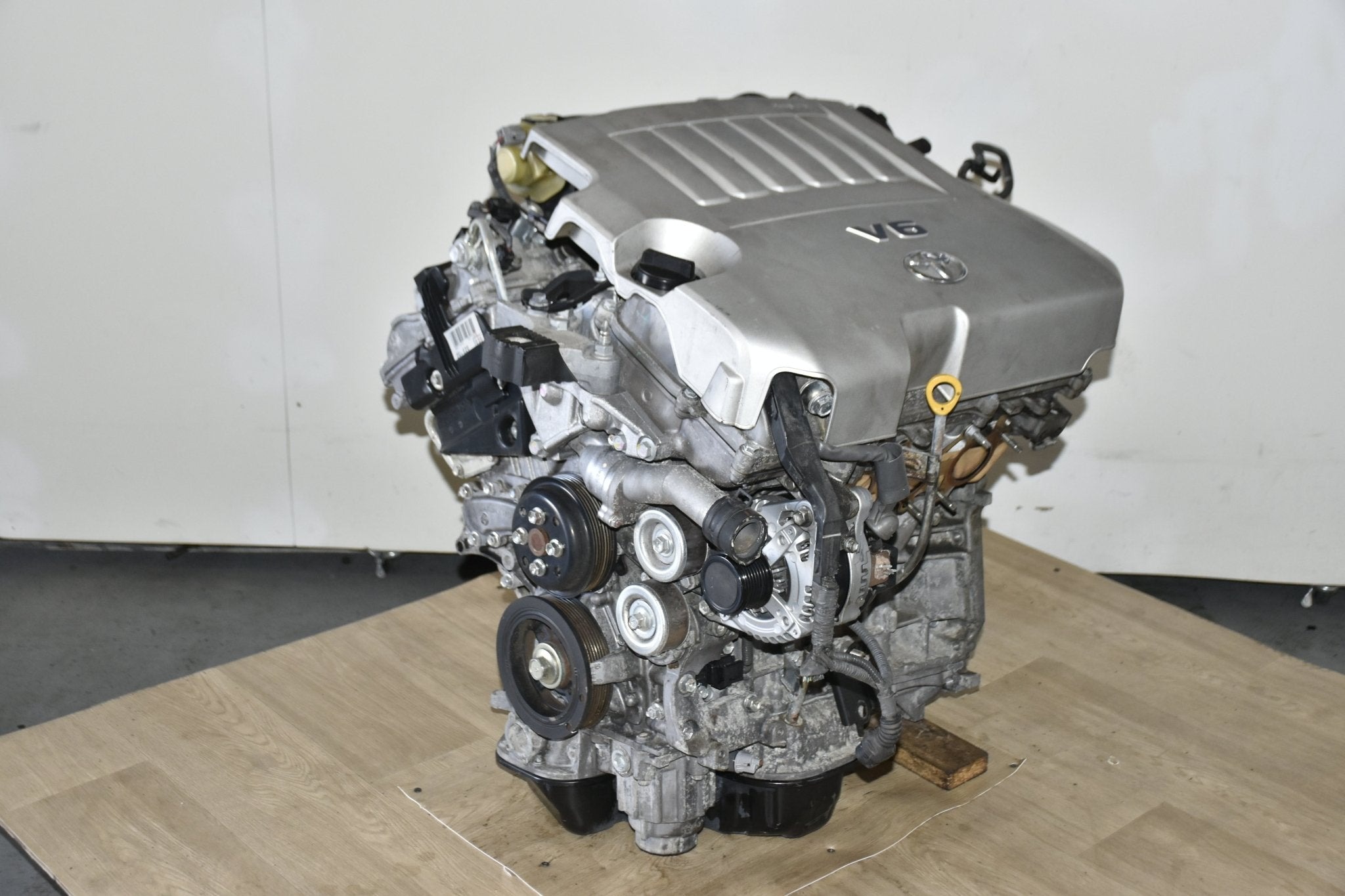
4. Toyota 2GR-FE
Toyota’s 2GR-FE V6 engine demonstrates that naturally aspirated engines can deliver balanced performance for both street and track applications.
This engine emphasizes smooth power delivery, reliability, and fuel efficiency, combining engineering precision with practical usability. With variable valve timing on both intake and exhaust, the 2GR-FE maximizes combustion efficiency across a wide range of RPMs. Drivers experience a linear torque curve that turbo engines often cannot replicate.
The 2GR-FE benefits from robust construction and lightweight internals, allowing for sustained high-speed performance. Unlike turbocharged engines, which require extensive cooling systems and complex plumbing, this naturally aspirated V6 maintains simplicity without sacrificing output.
It encourages drivers to maintain momentum and engage with the car, rather than relying on forced boost to achieve acceleration. This results in a more connected and skill-dependent driving experience.
Reliability is a major factor in the engine’s appeal. The absence of forced induction reduces wear on pistons, valves, and crankshafts, making the 2GR-FE highly durable even under spirited driving conditions. Toyota’s meticulous quality standards further enhance the longevity and predictability of this engine. It performs consistently over time, giving drivers confidence when pushing performance limits.
Weight and balance also contribute to the 2GR-FE’s advantages. Without turbo components, the engine integrates efficiently into the chassis, optimizing front-to-rear weight distribution. This allows the vehicle to handle more predictably, with sharper turn-in, better traction, and improved cornering stability. Compared to turbo rivals, the 2GR-FE offers a more intuitive and enjoyable driving experience.
Finally, the engine delivers an engaging sound that complements its performance. The naturally aspirated V6 emits a refined, rising tone that encourages the driver to explore the rev range. Unlike turbocharged engines, which often mask mechanical noises, the 2GR-FE communicates directly with the driver. This sensory connection enhances satisfaction and demonstrates the enduring appeal of naturally aspirated engineering.
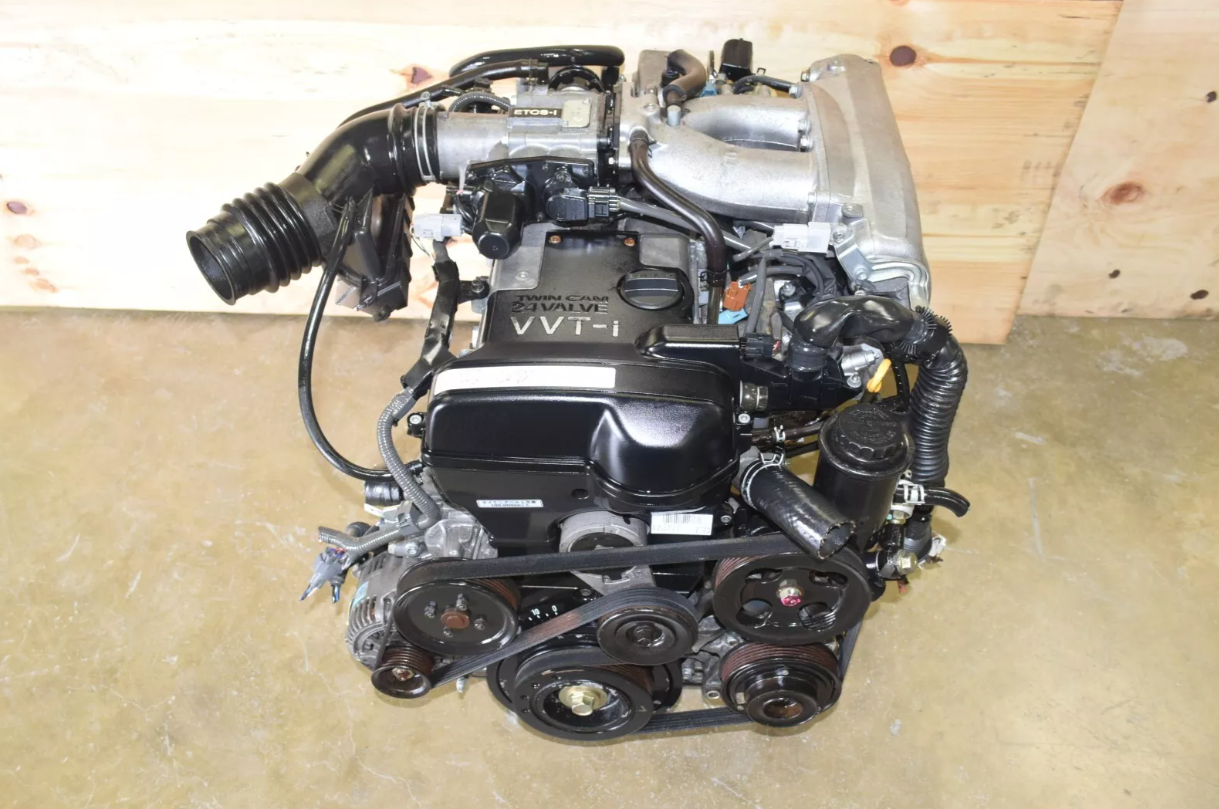
5. Lexus 2JZ-GE
The Lexus 2JZ-GE is renowned for its robust construction and smooth, high-revving nature, proving that performance does not require forced induction. This naturally aspirated inline-six delivers linear power across the RPM range, offering precise throttle response and predictable behavior under acceleration.
Its forged internals, high-flow cylinder head, and lightweight components enable the engine to maintain performance at high revs. Drivers often appreciate the reliability and controllability that this design provides compared to turbocharged alternatives.
Engine balance and tuning are key strengths of the 2JZ-GE. The camshaft profiles and valve timing allow for consistent torque delivery, creating a sensation of immediate response when accelerating. Unlike turbo engines, where boost pressure can fluctuate and delay throttle reaction, the 2JZ-GE reacts directly to driver input. This provides superior feel and control, particularly in scenarios requiring precise modulation of power on track or winding roads.
Durability is another major advantage. Naturally aspirated engines like the 2JZ-GE are less prone to heat-related stress, turbocharger wear, and complex plumbing failures. Toyota and Lexus engineers ensured that this engine could handle high mileage and spirited driving without significant risk of mechanical failure. This makes it a favored choice among enthusiasts who prioritize reliability while seeking engaging performance.
The 2JZ-GE’s design also contributes to ideal chassis balance. Without heavy turbo components, the engine’s placement in the engine bay improves weight distribution and vehicle handling. This allows the car to feel more responsive in corners, with better front-end grip and steering feedback.
Drivers often note that naturally aspirated setups like this provide a more connected experience compared to turbocharged rivals, which can feel detached at higher speeds.
Finally, the sound of the 2JZ-GE reinforces its performance character. The smooth, rising intake roar and mechanical resonance give auditory cues that mirror engine speed, engaging the senses during acceleration. Turbocharged engines often muffle these sounds due to intake and exhaust restrictions. The 2JZ-GE’s naturally aspirated design delivers pure, unfiltered feedback, creating an emotional connection that defines enthusiast driving.
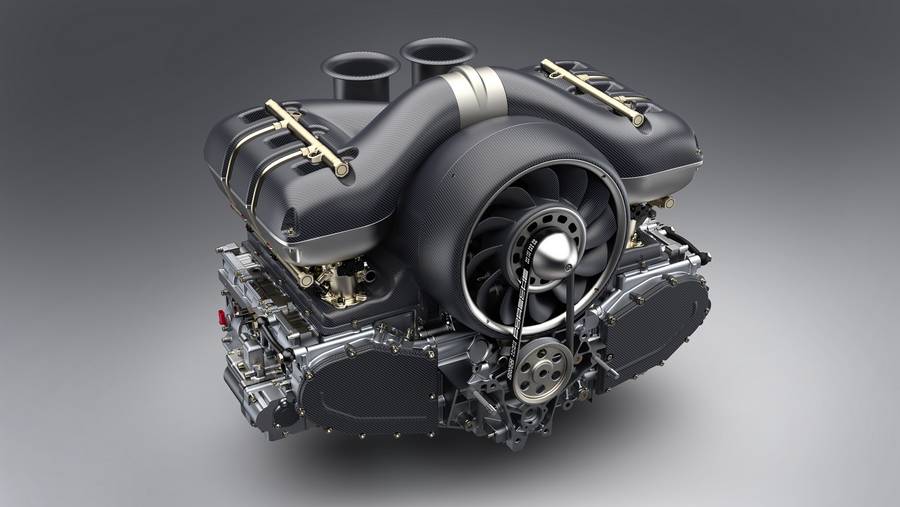
6. Porsche 4.0L Flat-Six
The Porsche 4.0-liter flat-six, used in the 911 GT3, exemplifies the synergy between naturally aspirated performance and engineering precision. Its horizontally opposed cylinder design lowers the car’s center of gravity, enhancing handling while maintaining exceptional engine responsiveness.
With a high redline exceeding 9,000 RPM, this engine rewards high-speed driving and precise gear changes. Turbocharged rivals often struggle to match the immediacy and rev-happy nature of this powerplant.
Airflow optimization is a hallmark of the GT3 engine. Dual overhead camshafts and variable valve timing ensure consistent torque delivery across the rev range. Its lightweight internals and precise balancing reduce vibration and mechanical stress, enabling sustained performance at extreme speeds.
Drivers benefit from a predictable, linear power curve, allowing maximum confidence when pushing the car to its limits on track or road.
Reliability is another key advantage. Without forced induction, the 4.0L flat-six avoids turbo-related heat and pressure issues. Components are engineered for endurance, making the engine capable of repeated high-RPM operation without degradation. This allows drivers to focus on skill and control, rather than compensating for turbo lag or mechanical limits that can interfere with performance consistency.
Chassis integration benefits greatly from the naturally aspirated design. The engine’s low mass and compact profile contribute to superior weight distribution, improving agility, cornering stability, and steering precision. These factors combine to provide a driving experience that is both thrilling and reassuring, highlighting why the GT3 engine often outperforms turbocharged alternatives on technical tracks.
The flat-six produces an unmistakable exhaust note that rises naturally with engine speed, further enhancing the visceral connection between car and driver. Unlike turbo engines, which can muffle mechanical feedback, this engine communicates its intentions audibly and mechanically. The combination of responsiveness, balance, and sound makes it a standout example of naturally aspirated engineering excellence.
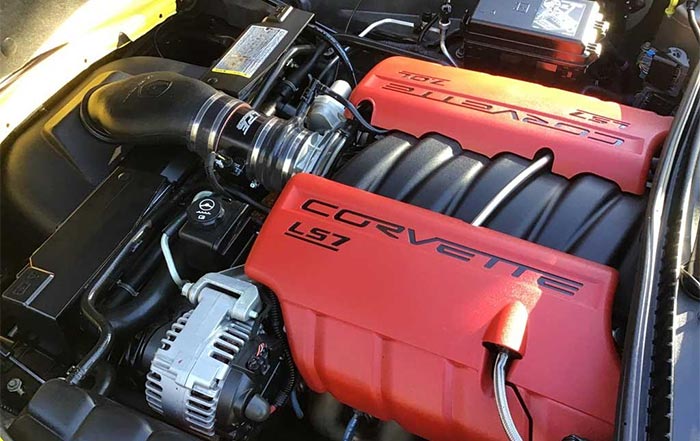
7. Chevrolet LS7
The Chevrolet LS7 is a 7.0-liter V8 that demonstrates the brute force and mechanical simplicity of naturally aspirated American performance. Its large displacement allows for massive torque delivery without the need for turbocharging, creating immediate, raw acceleration.
Engineers designed the engine with lightweight internals, a high-flow cylinder head, and precise fuel mapping to extract maximum power. Drivers experience a sensation of unrestrained energy that turbocharged rivals often struggle to replicate due to boost constraints.
The LS7’s linear power delivery is a defining feature. Unlike turbo engines, where peak torque arrives abruptly, this V8 offers consistent acceleration across the RPM range. Gear shifts and throttle inputs feel more intuitive, enhancing driver confidence on both street and track. The engine encourages full engagement, making each drive a mechanical experience rather than a digital simulation of power.
Durability is another strength of the LS7. Without forced induction, stress on pistons, rods, and cylinder heads is minimized, enhancing longevity and reliability. High-performance operation remains sustainable under demanding conditions, including track days and extended spirited driving.
Enthusiasts favor this engine for its combination of raw output and mechanical dependability, demonstrating why displacement can rival forced induction.
Chassis performance is improved by the LS7’s relatively compact setup. Despite its size, it integrates efficiently, maintaining balance and weight distribution in sports cars like the Corvette Z06. Drivers enjoy sharper handling, predictable cornering, and direct steering feedback, characteristics often compromised in turbocharged designs with additional mass and complexity.
The LS7’s sound completes the experience. Its naturally aspirated V8 emits a rich, muscular roar that grows with RPM, creating an emotional and sensory connection with the driver. Turbocharged engines often dilute this effect through piping and intercooler noise. This engine delivers pure, mechanical excitement, demonstrating the continued relevance of naturally aspirated performance in high-powered vehicles.
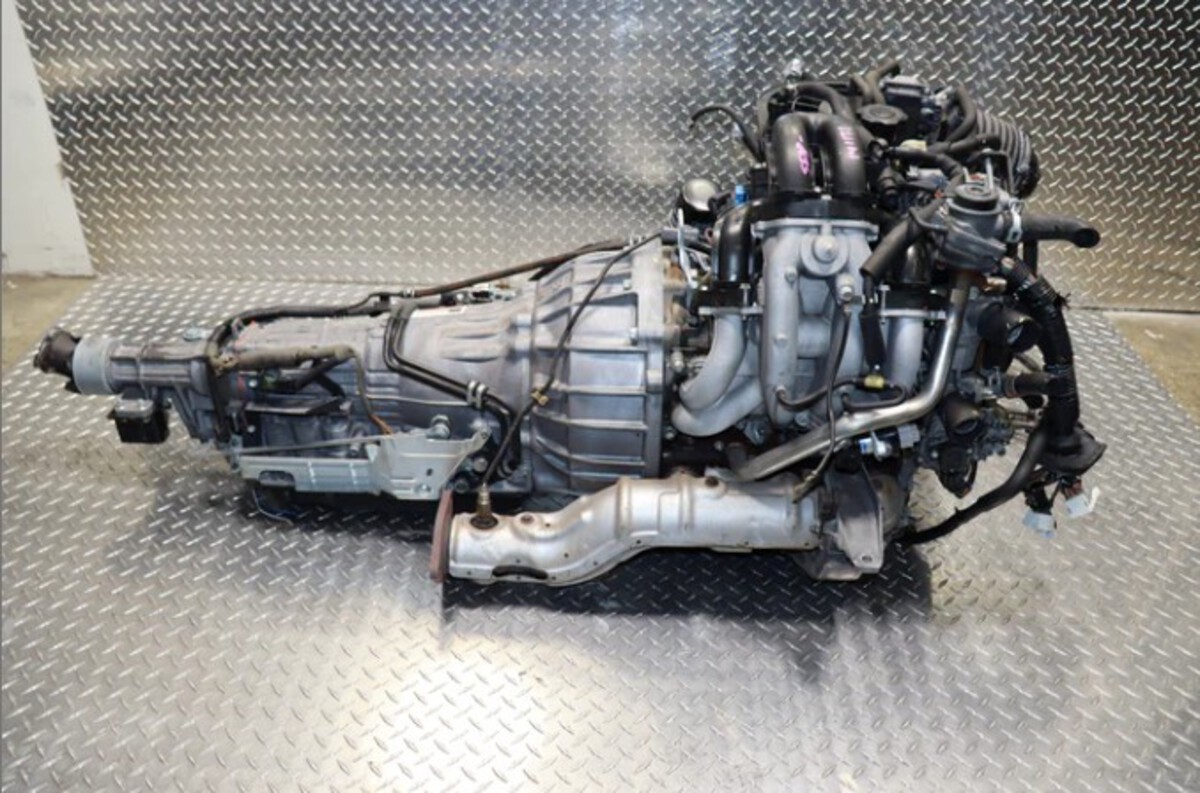
8. Mazda Renesis
The Mazda Renesis rotary engine stands out for its unique approach to naturally aspirated performance. Unlike conventional piston engines, it relies on a rotary design to generate smooth, high-revving power with minimal reciprocating mass.
Its compact architecture allows for high RPM operation, delivering linear torque and a responsive driving feel. Drivers often praise its immediacy and agility, which surpass many turbocharged inline or V-configured rivals.
Airflow and combustion efficiency are central to the Renesis design. Optimized intake and exhaust ports, combined with precise fuel injection, ensure consistent torque delivery across the rev range. Turbo alternatives may struggle with lag and uneven response, whereas the rotary engine reacts directly to throttle input, creating a connected and engaging experience. Its high-rev capability allows for spirited performance without relying on forced induction.
Durability has historically been a challenge for rotary engines, but the Renesis demonstrates a refined approach. Improved materials, cooling systems, and engineering precision reduce wear and allow reliable high-RPM operation.
Drivers can enjoy sustained performance without experiencing the mechanical fragility traditionally associated with rotary designs. Its simplicity compared to turbocharged setups also eliminates the complexity of additional plumbing and heat management.
Chassis integration benefits from the engine’s compact size. Its low weight and small footprint allow for better balance and handling in vehicles like the RX-8. The result is a car that feels nimble, responsive, and highly engaging, qualities that turbocharged rivals often achieve with heavier and more complex setups.
The Renesis proves that innovative naturally aspirated designs can outperform forced induction through unique engineering.
Finally, the engine produces a distinctive high-pitched whine that rises naturally with engine speed. Unlike turbocharged engines, which can mask mechanical feedback, the Renesis communicates power directly through sound and vibration. This sensory connection enhances the driving experience, making the Mazda rotary an enduring symbol of naturally aspirated ingenuity.
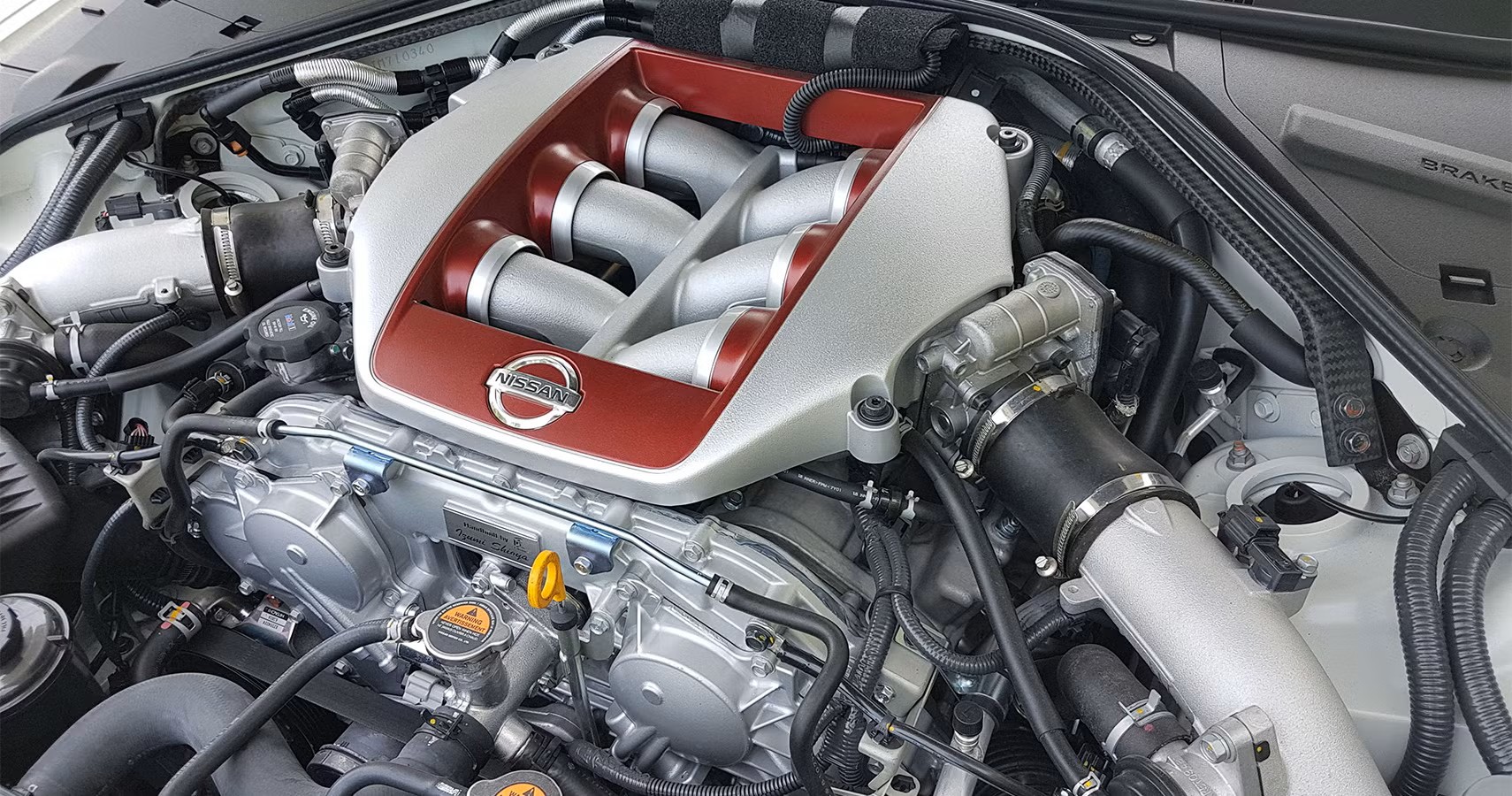
9. Nissan VR38DETT N/A Concept
Although the VR38DETT is typically turbocharged in production, conceptual naturally aspirated variants have showcased the potential of Nissan’s engineering in pure NA form. Stripped of turbochargers, the engine maintains its high-revving character, delivering linear and instantaneous throttle response.
Engineering modifications such as larger intake valves, lightweight internals, and optimized exhaust systems allow it to rival or surpass turbo competitors in terms of responsiveness and sustained high-speed performance.
Airflow management is a central feature of this naturally aspirated adaptation. Variable valve timing and precise fuel delivery enable the engine to maximize efficiency across its operating range.
Drivers can access consistent power throughout the rev band without waiting for boost pressure to build, creating a more predictable and controllable experience. Its naturally aspirated design emphasizes driver skill and engagement over forced mechanical advantage.
Durability and reliability also benefit from the absence of turbocharging. With fewer high-pressure components and reduced heat stress, the engine can sustain prolonged high-RPM operation. Turbocharged counterparts often require extensive cooling and maintenance, whereas a naturally aspirated VR38 variant can achieve similar performance with a simpler mechanical setup, providing confidence to drivers on the track or open road.
Chassis dynamics are enhanced by reduced weight and complexity. The NA configuration allows better weight distribution, enhancing cornering precision, handling balance, and steering feedback.
Vehicles equipped with this engine feel sharper and more responsive, outperforming some turbocharged rivals in scenarios requiring agility and control. This illustrates that raw numbers do not always equate to better driving performance.
Finally, the exhaust note is a highlight. The naturally aspirated variant delivers an unfiltered, rising scream that directly reflects engine speed and driver input. Unlike turbocharged versions, where intake and exhaust restrictions can muffle sound, this setup provides a visceral connection between driver and machine, proving the continuing appeal of naturally aspirated performance in high-output modern engines.
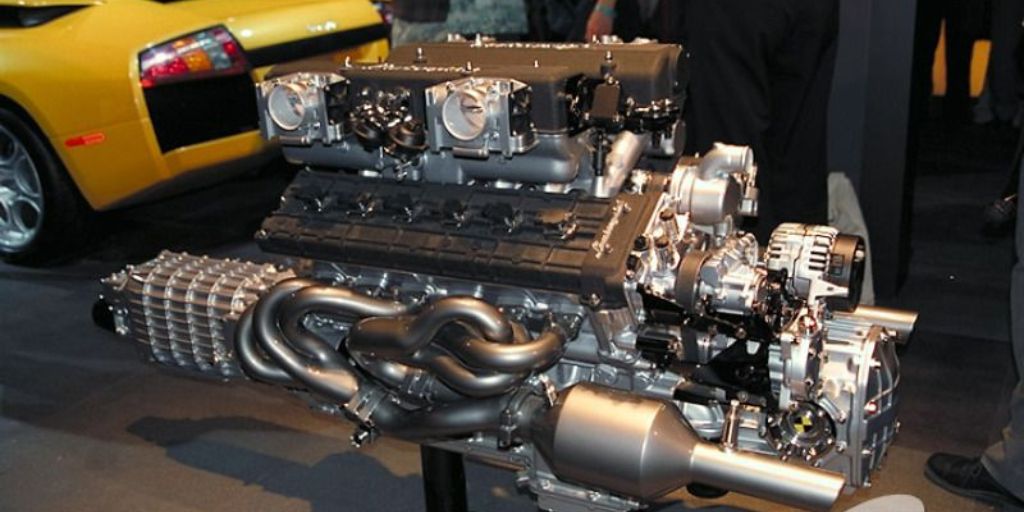
10. Lamborghini V12
The Lamborghini V12 engine represents the pinnacle of naturally aspirated performance, combining immense displacement, high-revving capability, and engineering mastery. Its large cylinder capacity produces massive torque without turbocharging, enabling instantaneous acceleration and a linear power curve.
Drivers feel a direct, raw connection to the engine, with every gear change and throttle input translating to immediate response. The V12’s design prioritizes driver engagement above all else.
Airflow optimization and mechanical precision are central to the engine’s performance. Variable valve timing, lightweight pistons, and carefully designed intake manifolds allow the V12 to sustain high RPM operation with minimal loss of efficiency. Turbocharged rivals often face heat and boost management limitations at these extreme revs, whereas the naturally aspirated Lamborghini V12 maintains consistency, power, and predictability.
Durability and reliability are achieved through meticulous material selection and engineering. Forged internals, high-strength crankshafts, and advanced lubrication systems enable the engine to withstand extended high-RPM operation without degradation. This longevity allows drivers to explore the full performance envelope without concern for turbo-related stress or failure, ensuring a rewarding driving experience.
Chassis integration benefits from the engine’s configuration. Its placement and compact layout optimize weight distribution, enhancing handling, cornering stability, and steering feedback. Cars equipped with this V12 demonstrate precision, confidence, and balance even at extreme speeds, often outperforming forced induction rivals in driver engagement, agility, and control.
Finally, the V12 produces a signature exhaust note that rises and evolves with RPM, creating a visceral auditory experience. Unlike turbo engines, which often muffle sound with intercoolers and piping, this naturally aspirated powerhouse communicates raw performance directly to the senses.
It epitomizes the pinnacle of mechanical engineering, sound design, and driver-focused performance, demonstrating why naturally aspirated engines remain revered in modern high-performance vehicles.
