
Finding a car that feels calm inside has become as important as finding one that performs well on the road. People spend hours driving to work, taking road trips, and running errands, and the last thing anyone wants is to feel surrounded by noise and distraction.
A quiet cabin is more than just a comfort feature, it changes how a vehicle feels, how conversations flow, and how stress levels stay low during daily travel. When engineers design vehicles with quiet interiors they focus on sound insulation, engine vibration control, tire noise suppression, and aerodynamic shaping so that wind noise does not intrude at highway speeds.
Most premium vehicles come with excellent noise control, but many shoppers want peace without spending a fortune. That is where well‑designed mainstream cars step in, offering cabin serenity at prices that do not surpass forty thousand dollars.
Over multiple recent model years manufacturers have improved how doors seal, how engines are mounted, and how materials absorb sound so that even base models feel like a retreat from outside commotion. In this article we look at ten cars that stand out for how quiet they are inside, ranked from ten to one, each priced with starting figures under forty thousand dollars.
We include a range of sedans, crossovers, and compact SUVs that are known for their calm environments. Some have earned praise from testers for their ability to suppress tire roar on coarse pavement, others for how little wind noise enters around the mirrors, and a few for how smooth the powertrain feels at cruising speeds.
What unites them is a focus on keeping the cabin serene so drivers and passengers can enjoy music, conversation, or simple silence without constant intrusion from engine or road.
While objective measurements vary, and real‑world noise can change with tires and options, the sense of quiet is something many owners report again and again. These rankings are based on how well the vehicle isolates occupants from ambient sound across different speeds, how refined the interior materials feel, and how little vibration or resonance enters the cabin during normal driving.
Whether you are looking for commuter comfort or a family vehicle that does not wear you down on longer trips this list gives a clear sense of what to expect when you demand peace inside your next car.
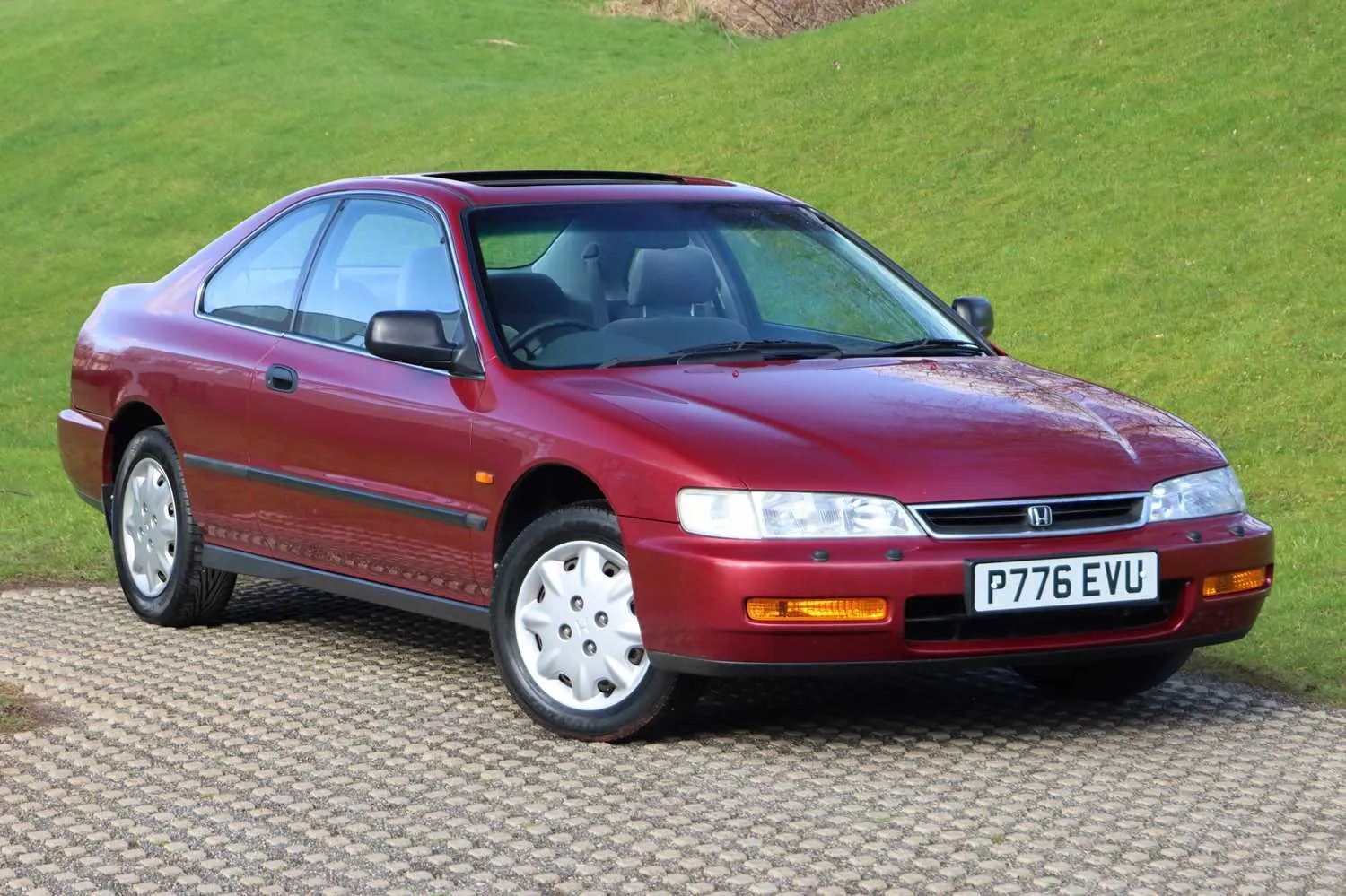
10. Honda Accord (Recent Model Years)
The Honda Accord has long been celebrated for its balanced combination of comfort and performance. In the cabin of the Accord, engineers have focused on reducing noise from multiple sources so that occupants feel insulated from the outside world. Thicker door seals and careful attention to panel fitment mean that wind noise at highway speeds becomes less intrusive. Even its base engines run with a hushed quality at cruising speeds that makes long trips more pleasant.
Inside, the Accord uses sound‑absorbing materials on the floor and firewall to limit the transmission of engine and drivetrain sound. Tires on most trims are chosen with a focus on reducing road roar, and the suspension setup helps dampen harshness from rough surfaces.
Conversation between front and rear passengers remains clear without the need to raise voices even on open highways. Drivers often comment on how the Accord’s cabin feels more expensive than its price tag suggests.
At lower speeds in urban traffic the Accord’s engine and transmission transitions are smooth, helping to keep sudden noise spikes in check. The use of acoustic glass on higher trims adds an extra layer of noise control that is noticeable during door‑closing and window reflection.
Even when the wind picks up at higher speeds, the aerodynamic shape of the Accord plays a role in minimizing buffeting. For many buyers who spend significant time on interstates, this quietness is not just a comfort, it becomes part of why they choose this car.
The seating design also contributes indirectly to the sense of quiet by providing a snug but not restrictive space that helps block external sounds. Passengers report that road noise seldom penetrates to the back seats in distracting ways, and aggressive acceleration does not cause harsh resonance.
The balance between engine refinement and structural quietness makes the Accord a strong contender among mainstream sedans. For those who value calm behind the wheel without spending more than necessary this model remains a solid choice.
The combination of thoughtful engineering and quality materials in the Accord results in a cabin that stands out in its class. Its placement at number ten reflects not only its quiet nature but also how consistently it delivers on comfort and practicality. While there are quieter vehicles in this list, the Accord’s excellence and accessible price make it worthy of inclusion among the top ten.
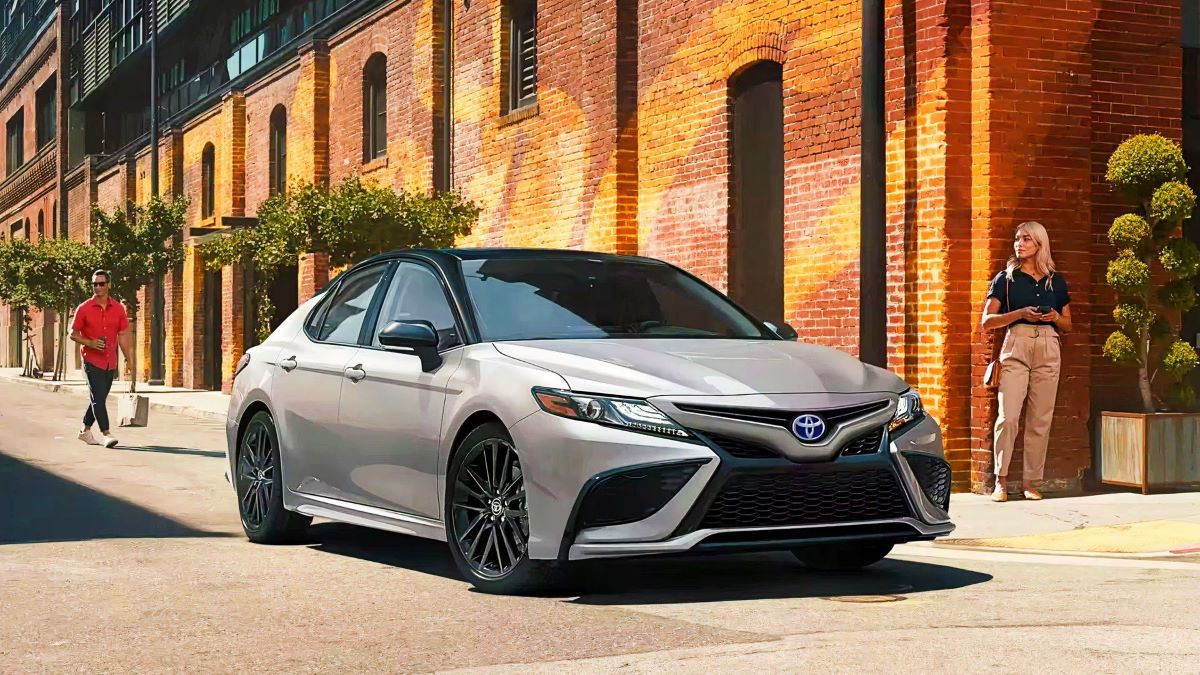
9. Toyota Camry (Recent Model Years)
The Toyota Camry has earned praise for its well‑rounded performance and calm cabin environment. Designers paid special attention to isolating the engine and reducing vibration that could translate into noise.
Aerodynamic refinement around the mirrors and windshield helps cut down on wind disturbances at highway speeds. Even as the car picks up speed the cabin remains composed, making it easier to enjoy music or conversation.
Inside the Camry, absorptive materials and strategic insulation work together to limit intrusion from road and tire noise. Toyota’s long history with refinement shows in how engine notes are shaped and dampened before they reach occupants.
The result is a consistent quietness that reviewers often highlight in their evaluations. This sense of calm is not just at low speeds but carries through to sustained travel on well‑worn highways.
The Camry’s suspension choices help with noise control by limiting harsh impacts that can otherwise transmit through the chassis.
Combined with the tires selected for this model, road energy is absorbed before it becomes audible chatter in the cabin. Passengers seated in the rear often comment on how subdued noise feels back there compared to competing sedans. Even when accelerating briskly the Camry manages to keep its voice low.
Toyota also engineers the door seals and body panels to fit with minimal gaps, which reduces places where wind could create whistling or buffeting. Drivers notice this especially when passing large trucks or driving on open rural highways. The interior layout and materials further contribute by preventing rattles that can occur as a car ages. For many buyers the Camry’s balance of performance, reliability, and quiet interior makes it an easy pick.
At its price point the Camry stands out for how little it demands in return for its serenity. While it may not claim the very top spot among the quietest cabins, it earns its ranking through consistent performance across multiple conditions. Those who want a calm environment for daily commutes or longer journeys will find the Camry’s approach to quietness both effective and satisfying.
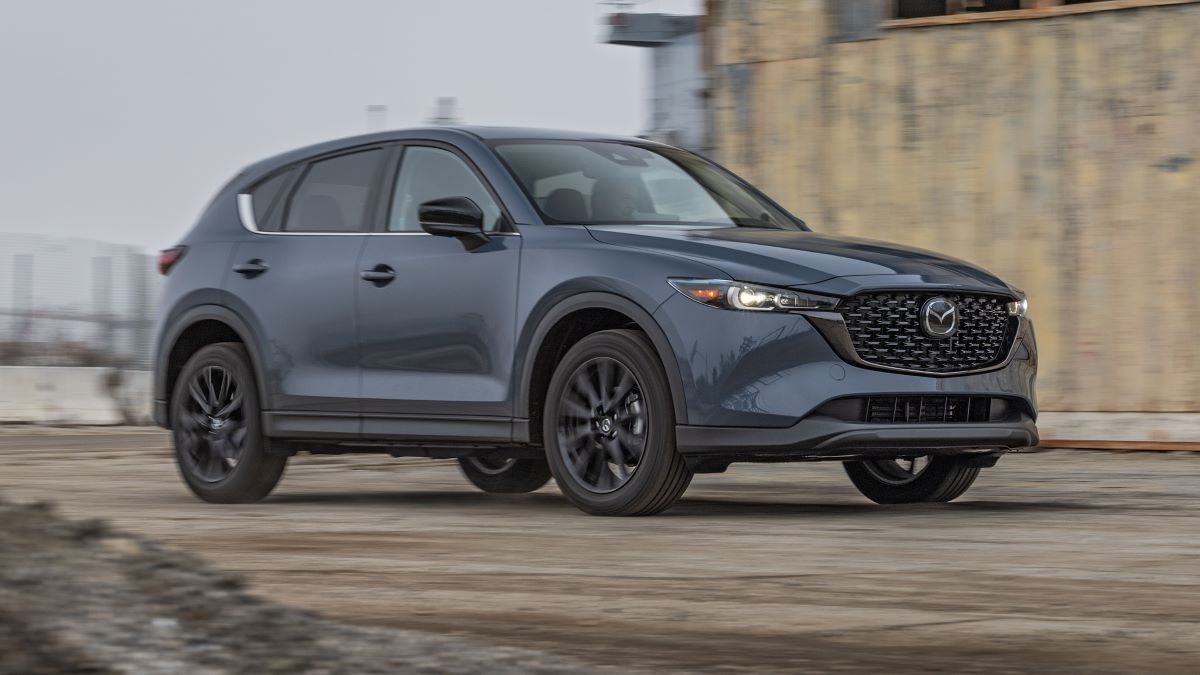
8. Mazda CX‑5 (Recent Model Years)
The Mazda CX‑5 has long been considered one of the more refined compact SUVs, and its cabin quietness plays a significant role in that reputation. Mazda engineers took care to treat noise sources early in the design process, making sure that vibrations from the engine and drivetrain were managed before they could be felt or heard inside.
The aerodynamic shape of the CX‑5 also helps limit wind intrusion even at higher speeds. Many drivers report that conversations remain easy without needing to raise their voices on highways.
Inside the CX‑5, sound‑deadening materials are applied generously around the firewall, doors, and floor areas to reduce the transmission of external noise. The choice of tires on most trims favors reduced road roar, and the suspension system helps absorb irregularities in pavement before they become audible thumps.
The seats and interior surfaces work together to create a cocoon‑like effect that keeps passengers comfortable. With these elements combined, the CX‑5 feels more composed than some rivals under similar conditions.
At slower speeds and in urban environments the CX‑5’s engine operates smoothly with minimal harshness, helping to keep stress levels down during stop‑and‑go traffic. Mazda’s attention to how gears shift and how the engine responds aids in preventing sudden noise spikes that can otherwise distract drivers. Road texture feedback is present in a controlled way that informs without annoying. For many buyers, this balance makes the CX‑5 feel like a premium choice without the premium price.
The roofline and window seals are designed to work in harmony with the body to discourage wind noise, a feature that becomes noticeable on open roads exposed to gusty conditions. Even on rougher pavement the interior stays composed, with only muted hints of texture reaching those inside.
This quiet performance contributes to a sense of cohesion between driver and vehicle that enthusiasts appreciate. While not the absolute quietest, the CX‑5’s serenity is impressive for a compact SUV.
Taken together, these characteristics earn the CX‑5 a place among the top ten cars with quiet cabins under forty thousand dollars. Its blend of engineering, material quality, and thoughtful design make it a standout choice for drivers who want comfort without sacrificing style or capability.
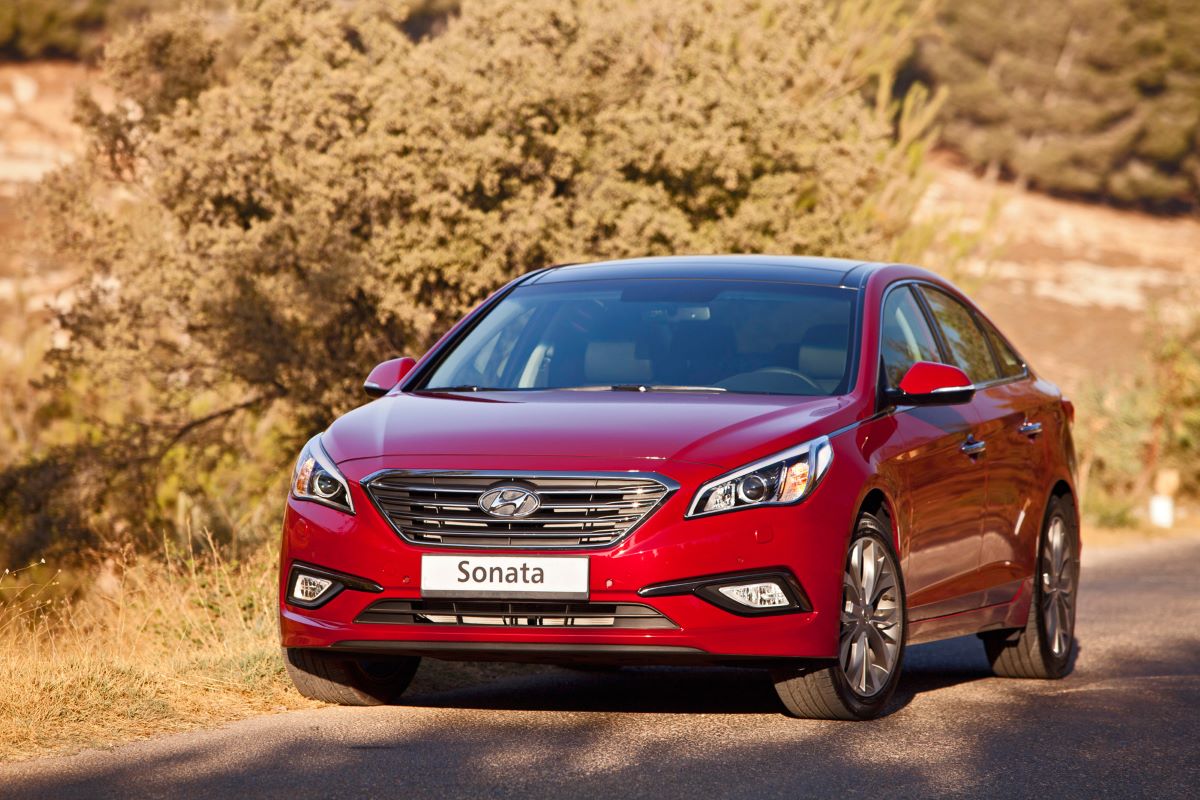
7. Hyundai Sonata (Recent Model Years)
The Hyundai Sonata stands as a strong option in the mid‑size sedan segment thanks to its blend of style, features, and cabin calm. Engineers focused on tuning the suspension and body panels so that road and engine noise are kept in check even during spirited driving.
Wind noise is minimized through careful attention to mirror shape and windshield angle. In everyday situations the Sonata’s interior provides a peaceful backdrop for conversations and media.
Sound‑absorbing materials are used extensively within the Sonata’s structure to dampen vibrations from the engine bay and the road surface. The firewall and floor panels receive insulation that helps reduce noise transmission, creating a more controlled atmosphere inside. Tires chosen for most trims also emphasize reduced noise generation, contributing to a hushed feel on paved roads. Passengers often remark on how the Sonata manages to remain relaxed on longer drives.
The Sonata’s suspension system strikes a balance between handling and comfort, absorbing bumps in a way that keeps noise from becoming intrusive. The drivetrain operates with a smoothness that prevents abrupt sound changes when accelerating from a stop or merging onto freeways.
Aerodynamic enhancements to the exterior further limit wind intrusion at higher speeds. These elements work together to make the driving experience less fatiguing over time.
Hyundai also pays attention to small sources of noise that can accumulate, such as door fitment and interior trim pieces. By tightening tolerances around these areas, rattles and squeaks are less likely to appear as the car ages.
This attention to detail adds up to a cabin that feels refined and thoughtfully composed. For drivers who value interior calm as part of comfort, the Sonata delivers reliably.
The Hyundai Sonata’s quiet cabin quality earns it a solid spot in this ranking. Its combination of noise control, interior design, and value under forty thousand dollars makes it a worthy contender in the list of cars that truly allow passengers to relax behind the wheel.
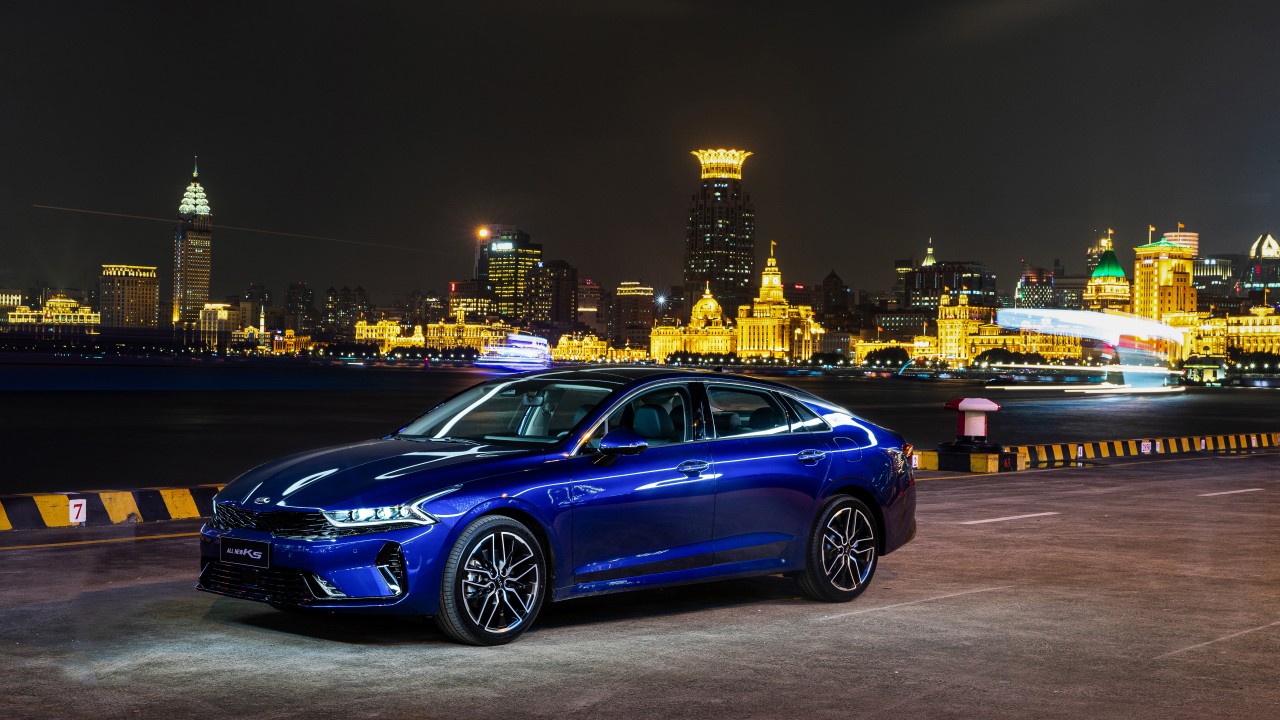
6. Kia K5 (Recent Model Years)
The Kia K5 has emerged as a contender in the mid‑size sedan class because of its dynamic styling and refined cabin environment. Kia engineers prioritized noise reduction by enhancing door seals and using acoustic materials around key areas where sound typically intrudes.
Aerodynamic tuning helps limit wind noise as the vehicle increases speed on open roads. These efforts result in a cabin that feels calm and controlled during most driving conditions.
Inside the K5, the combination of sound‑absorbing insulation and carefully selected tires works to reduce road roar. The firewall and floor areas receive attention to block engine and drivetrain noise from reaching passengers. Suspension tuning also plays a role, absorbing irregularities that might otherwise transmit into the cabin as harsh thumps. Together these features help create a serene environment for drivers and passengers alike.
At lower speeds in city traffic the K5’s engine remains composed, and transmission shifts are smooth, reducing sudden sound spikes that can stress occupants. Hyundai‑Kia’s broader engineering philosophy emphasizes refinement, and that shows in how the K5 handles noise sources with discipline. The seats and interior trim further contribute by creating a sense of enclosure that absorbs residual noise. Many owners comment that their daily commute feels relaxed regardless of traffic conditions.
Wind noise is managed effectively through careful design around the mirrors and roofline, which helps keep air turbulence quiet even on longer highway stretches. The result is an interior ambience that supports clear conversation without forcing occupants to raise their voices.
Road texture noise, while present, tends to be subdued and does not intrude aggressively. For buyers who want a calm ride and engaging dynamics, the K5 strikes an appealing balance.
Altogether, the Kia K5 earns its place in this ranking through a combination of thoughtful noise control and driving refinement. Its cabin atmosphere feels composed and comfortable, making it a strong choice for those seeking peace and value under forty thousand dollars.
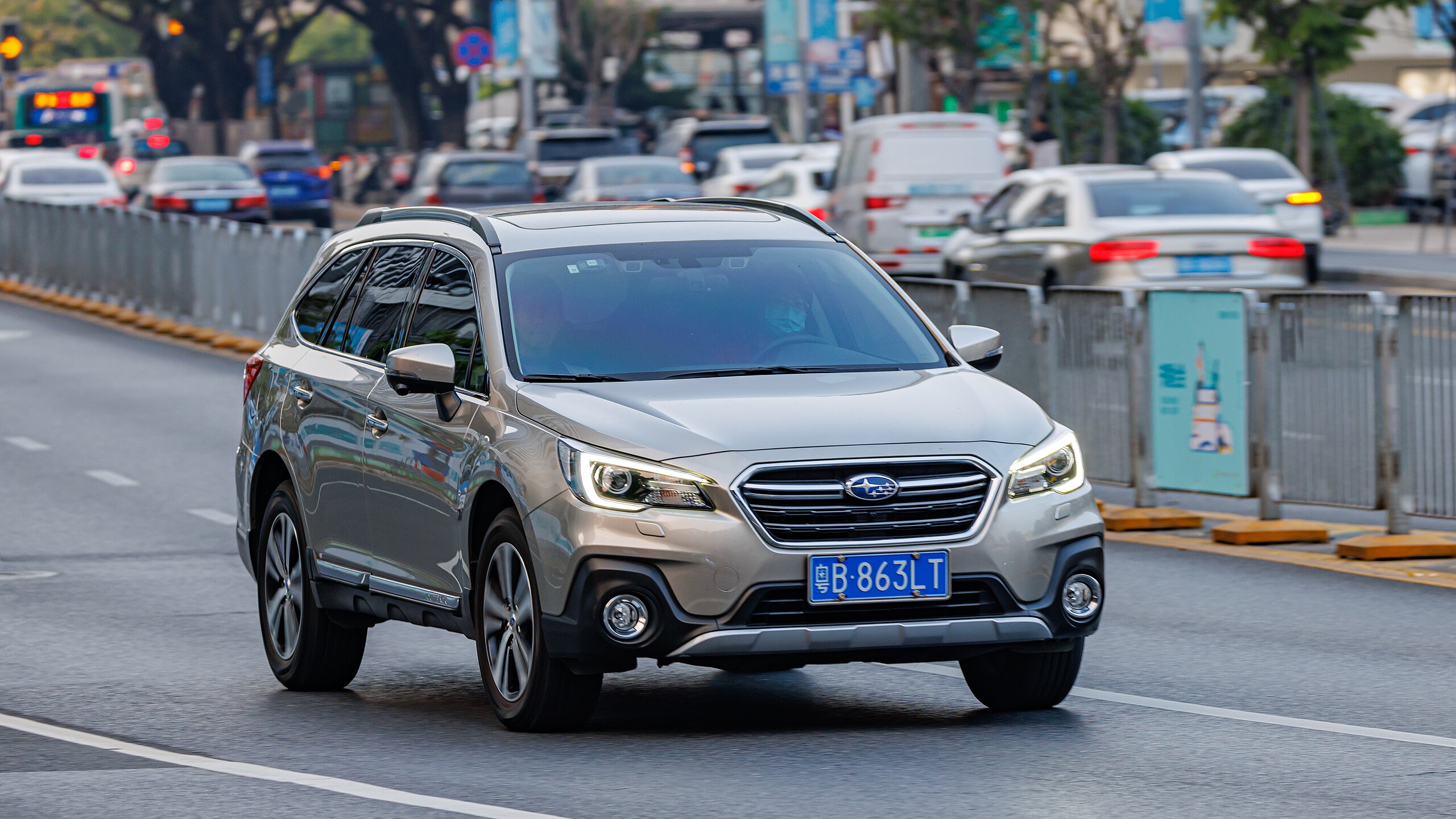
5. Subaru Legacy (Recent Model Years)
The Subaru Legacy delivers a quiet driving experience that often surprises buyers familiar with the brand’s all-wheel-drive focus. Engineers worked to isolate the cabin from both engine vibration and road irregularities.
The symmetrical all-wheel-drive system operates smoothly, and the flat-four engine layout helps reduce resonance that could otherwise be heard in the interior. These technical choices make highway travel less fatiguing and more comfortable for passengers.
Inside, sound-deadening materials line the floor, firewall, and doors, absorbing much of the engine and tire noise before it reaches the cabin. Subaru also uses acoustic glass on most trim levels, further diminishing wind intrusion during faster travel.
Passengers notice how little exterior sound penetrates even at speeds over seventy miles per hour, making music and conversation much more enjoyable. The balance between structural insulation and dynamic refinement contributes to an feeling of sophistication within the mid-size sedan category.
The suspension system absorbs irregularities from pavement while maintaining composure in corners, which keeps both noise and vibration low. Tires are selected to limit road roar, and the interior trim reduces rattles as the vehicle ages.
Even in urban stop-and-go traffic, the Legacy’s cabin remains calm, demonstrating that quietness is not only for open-road cruising but also for everyday commuting. Drivers often praise the serenity they experience on longer journeys where sustained quietness can prevent fatigue and elevate focus.
Aerodynamic refinements to mirrors, roofline, and windshield edges help suppress wind noise that can disrupt cabin calm on highways or exposed roads. This careful attention to design means gusty conditions and crosswinds are far less intrusive compared to competitors.
Additionally, interior design elements, including plush seating and strategic panel placement, reinforce the insulated feel, further enhancing the sense of privacy and calm. The Legacy shows how combining material quality and engineering can create a serene interior without pushing the price past forty thousand dollars.
The Subaru Legacy earns a strong mid-ranking position for how effectively it combines all-wheel-drive capability with a quiet and composed interior. The sense of isolation from road and wind noise, along with refined material selection, makes it appealing to drivers who prioritize a peaceful cabin environment while still wanting traction and stability in varying conditions.
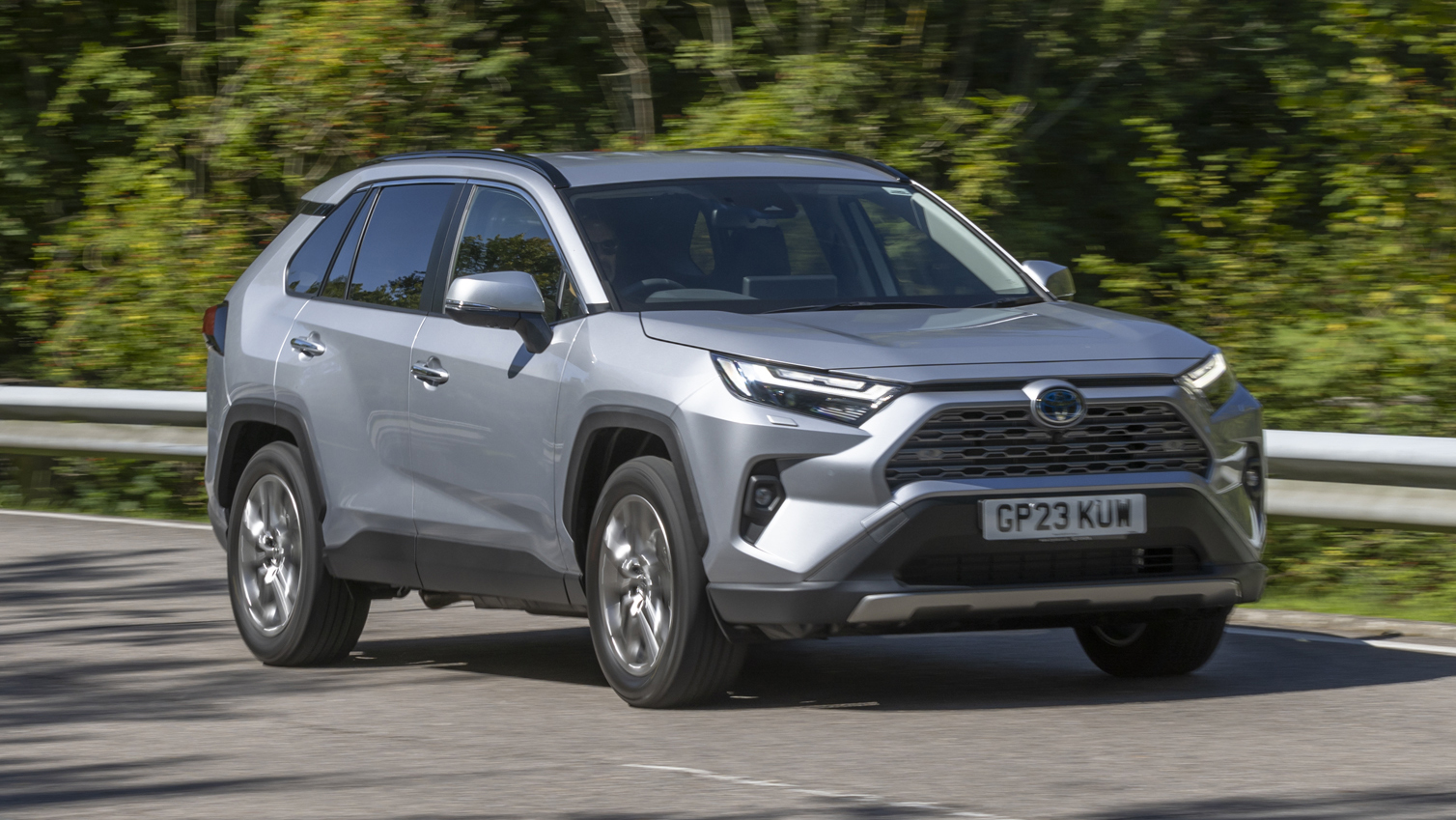
4. Toyota RAV4 (Recent Model Years)
The Toyota RAV4 stands out in the compact SUV segment for combining utility with a quiet cabin. Designers focused on reducing noise transmission from the engine, tires, and wind, resulting in a well-insulated interior. Its aerodynamic design limits buffeting, and careful attention to door and window seals prevents excessive air intrusion. Even at highway speeds, the cabin remains remarkably calm for a vehicle in this category.
Soundproofing materials are applied extensively to the floor, firewall, and door panels, while acoustic glass on selected trims helps prevent wind noise. Tires and suspension tuning work in tandem to minimize vibrations and road roar.
The result is a cabin where conversation is easy, music sounds clear, and the engine’s presence is subdued, even during moderate acceleration. Passengers frequently comment on how relaxed they feel compared to other compact SUVs in the same price range.
The suspension system balances ride comfort and handling to limit the transmission of road imperfections into the interior. Engine and transmission refinement ensures that shifts are smooth and power delivery is quiet, preventing abrupt sound spikes during acceleration.
In urban traffic, the RAV4 continues to feel calm, demonstrating that its noise-control efforts are not limited to high-speed driving but extend to everyday use. The interior experience feels intentional, providing a sanctuary from external disturbances.
Aerodynamic tuning around mirrors and roof edges contributes further by reducing turbulence and whistling sounds at elevated speeds. Cabin layout and quality materials work together to prevent rattles and minimize interior resonance.
Even under crosswinds or passing trucks, the RAV4 maintains composure, making long drives less tiring for both drivers and passengers. Its careful engineering demonstrates how a compact SUV can be both practical and serene.
Altogether, the Toyota RAV4 earns a top-five position for quietness thanks to its thoughtful combination of insulation, material quality, and aerodynamic refinement. Its interior calm supports a comfortable ride for daily commuting and extended trips, proving that utility and serenity can coexist under forty thousand dollars.
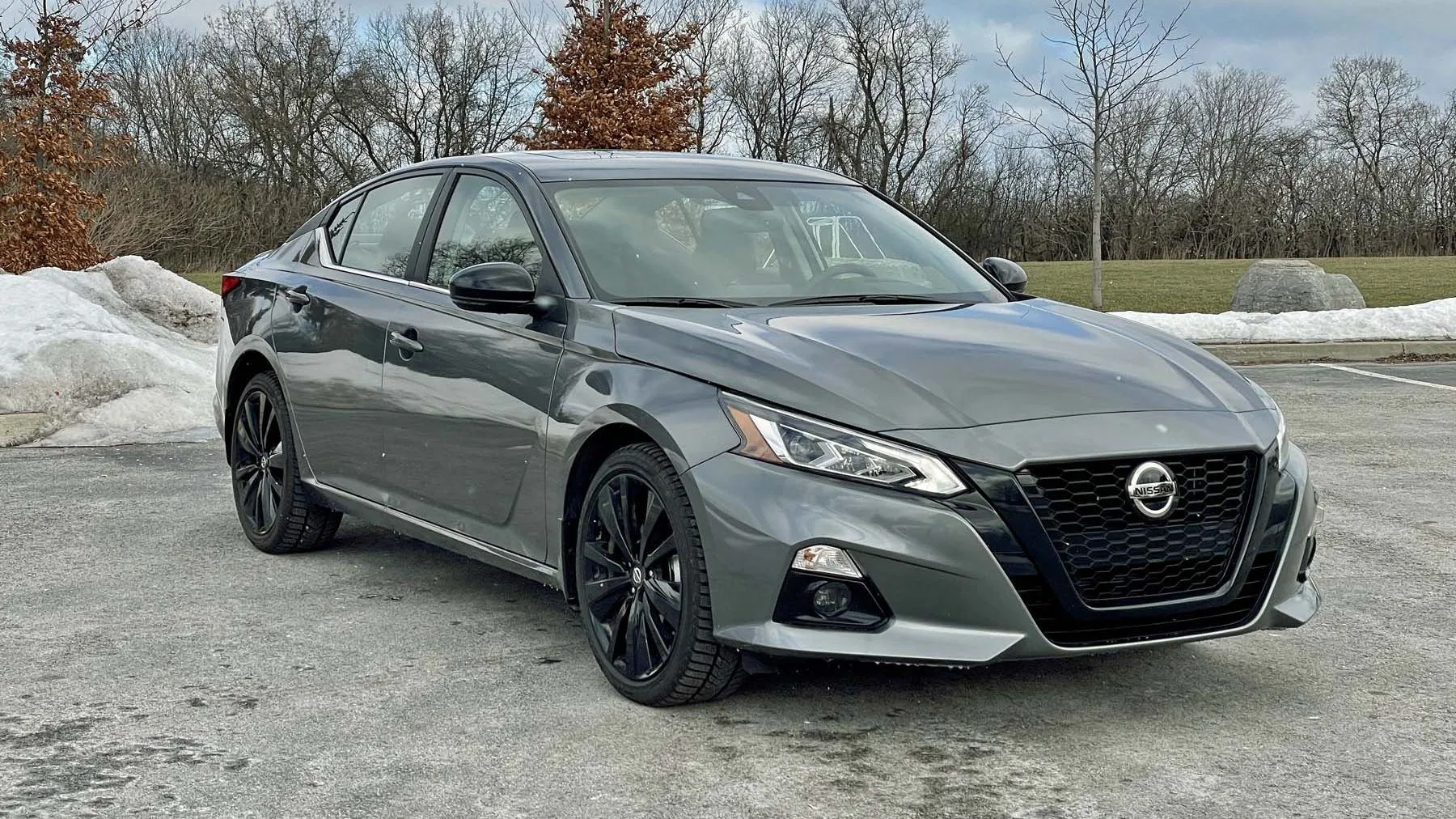
3. Nissan Altima (Recent Model Years)
The Nissan Altima has long been recognized for its refined mid-size sedan experience, particularly when it comes to cabin quietness. Nissan engineers focused on isolating the cabin from the engine and drivetrain, as well as dampening road noise from tires and pavement.
Its smooth, aerodynamic shape limits wind intrusion at highway speeds, contributing to a consistently serene environment. Even in brisk acceleration, the Altima maintains an understated engine note that enhances comfort rather than distracting the driver.
Within the cabin, sound-absorbing materials line key areas such as the firewall, floor, and doors, creating a sense of separation from the outside world. Acoustic glass on most trims further diminishes wind noise, while attention to door fitment reduces rattles and vibrations over time.
Tires were chosen with quiet rolling characteristics in mind, further controlling road noise. The combination of these elements produces an environment where music, conversation, or silence can be enjoyed without interference.
The Altima’s suspension system is tuned to absorb imperfections in pavement, helping prevent shocks from becoming audible inside. Engine and transmission refinement contribute to a smooth, low-vibration experience, particularly noticeable during highway driving.
Urban commutes are also pleasant because stop-and-go engine sounds remain controlled and predictable. Passengers often highlight the Altima’s ability to stay composed in a variety of driving situations as one of its most appealing attributes.
Aerodynamic design further suppresses wind intrusion, making crosswinds and highway gusts less noticeable in the cabin. Interior layout, soft-touch materials, and well-placed panels enhance this sense of serenity. As the car ages, the attention to fit and finish helps prevent squeaks and rattles, maintaining long-term quietness. This consistency adds to the Altima’s reputation as one of the more refined sedans in its class under forty thousand dollars.
The Nissan Altima earns its position in the top three thanks to a balanced combination of engineering, materials, and thoughtful design. It offers a calming experience for drivers and passengers alike, making it an excellent choice for anyone who values a quiet cabin without exceeding budget constraints.
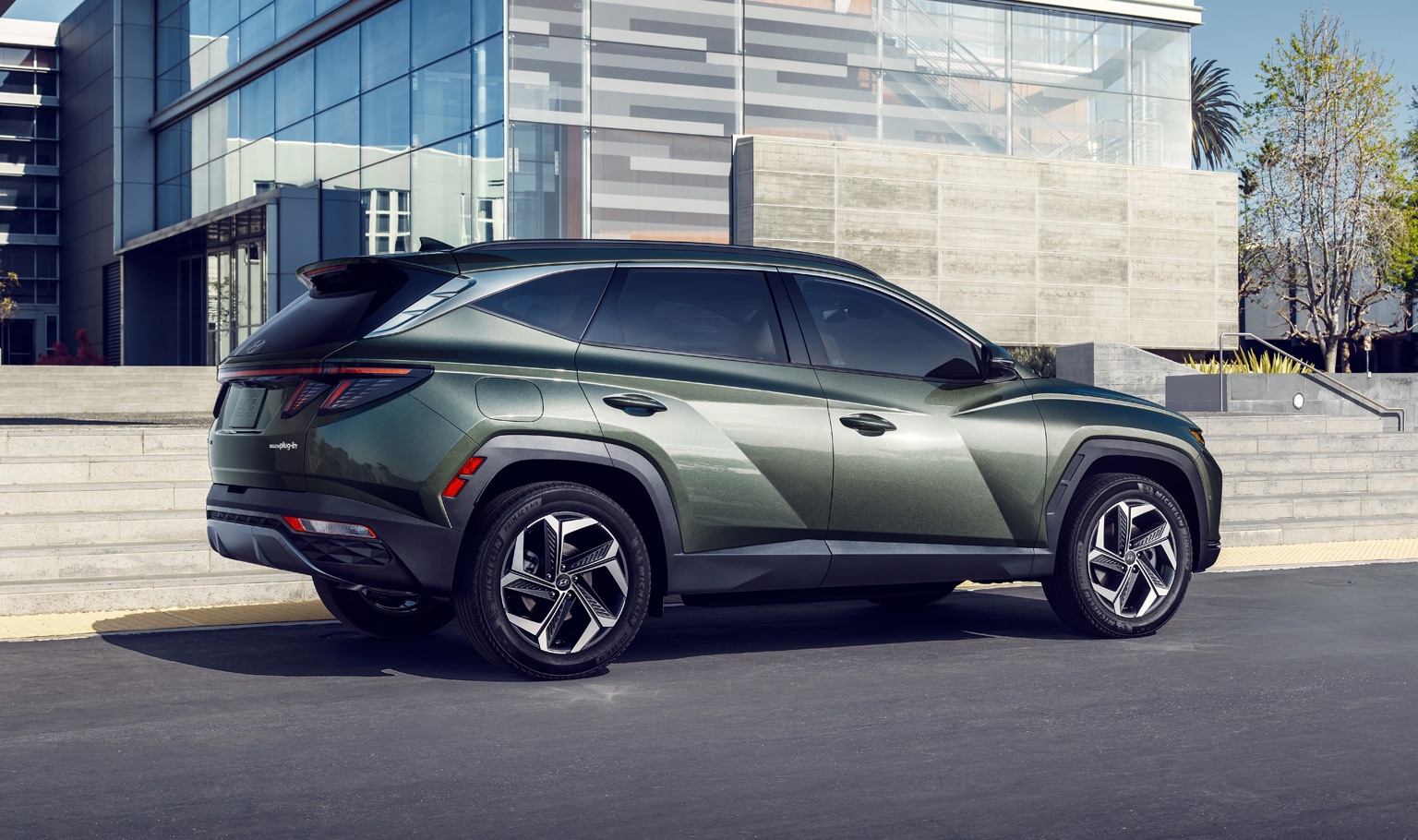
2. Hyundai Tucson (Recent Model Years)
The Hyundai Tucson has emerged as a leader among compact SUVs when it comes to cabin quietness under forty thousand dollars. Hyundai engineers emphasized structural integrity and sound insulation, limiting noise intrusion from the engine, tires, and road surfaces.
The aerodynamic profile minimizes wind turbulence, and attention to door and window seals reduces whistling sounds, creating a serene interior. Passengers notice that even at highway speeds, the cabin maintains a sense of calm that rivals premium competitors.
Inside the Tucson, extensive use of sound-absorbing materials throughout the doors, firewall, and floor helps keep the cabin isolated from exterior noise. Acoustic glass on higher trims further reduces wind sound, while careful tire selection limits road roar. Suspension tuning also absorbs pavement irregularities, maintaining low vibration levels inside. Together, these factors create a quiet environment conducive to conversation and relaxation.
Engine and transmission refinement complement the Tucson’s insulation efforts, preventing abrupt noise spikes during acceleration. The suspension softens urban bumps and maintains composure over uneven surfaces, making daily commuting less stressful.
Passengers often describe the interior as feeling insulated from the outside world, which enhances enjoyment of music and spoken audio. The sense of serenity is consistent across multiple model years, making it a reliable choice.
Aerodynamic adjustments around mirrors, roofline, and edges reduce buffeting and whistling at higher speeds. Interior trim, panel placement, and material quality further suppress rattles, contributing to long-term durability of cabin quietness.
Even under gusty or noisy driving conditions, the Tucson retains composure, demonstrating that noise management was a priority in its design. The combination of thoughtful engineering and careful material selection creates a standout SUV experience.
The Hyundai Tucson’s placement at number two reflects its ability to combine refinement, comfort, and practical utility. Its cabin remains calm in a variety of conditions, offering a premium-like sense of quietness at a price that does not surpass forty thousand dollars, making it an excellent option for families and commuters alike.
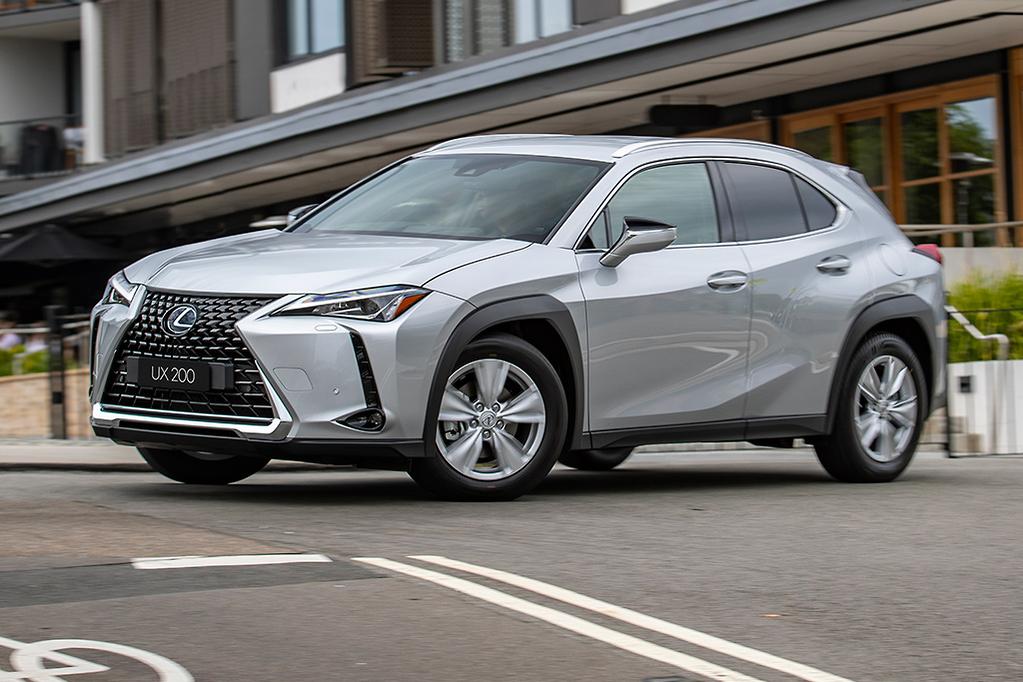
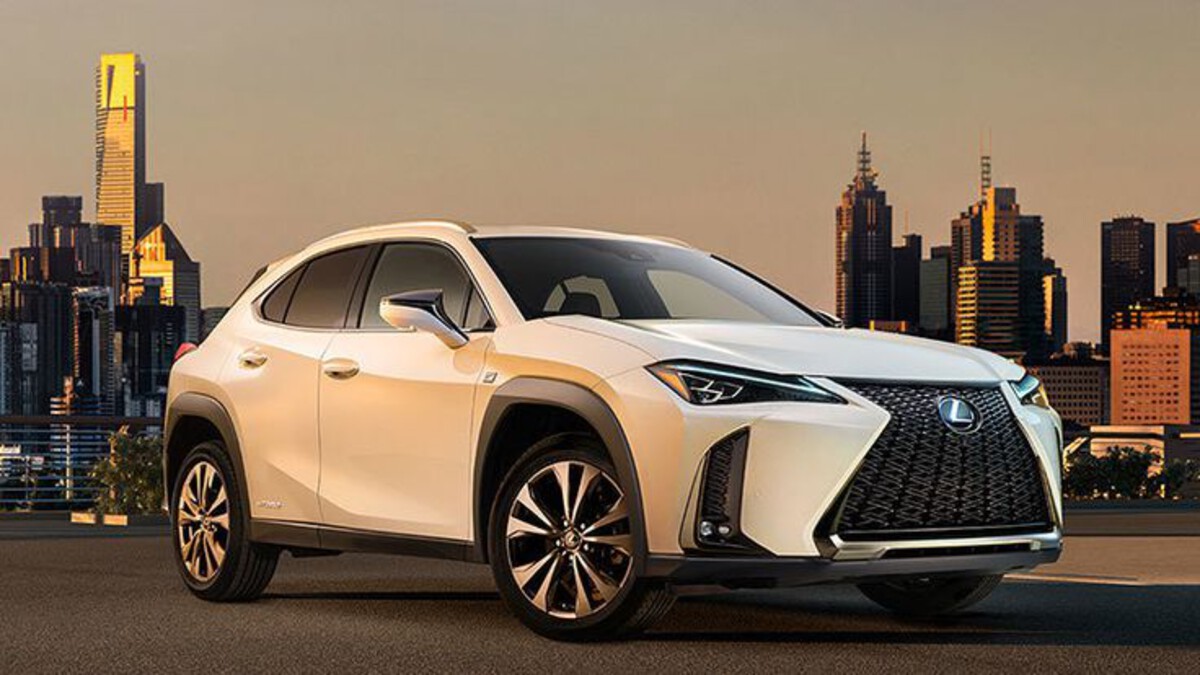
1. Lexus UX 200 (Recent Model Years)
The Lexus UX 200 earns the top spot for cabin quietness under forty thousand dollars due to its combination of engineering sophistication and material quality. The powertrain is finely tuned to minimize vibration and engine noise, while the body is structured to reduce road and wind intrusion.
Aerodynamic shaping around mirrors and the roofline further limits buffeting and turbulence at higher speeds. The cabin feels insulated and composed, creating a premium experience for drivers and passengers.
Inside, extensive use of sound-absorbing materials along the firewall, doors, and floor dampens vibrations and external sounds. Acoustic glass on most trims enhances wind noise suppression, and suspension tuning absorbs road imperfections without transmitting harshness to occupants.
Tires are chosen to limit road roar, further improving serenity. The result is an interior environment where conversation, music, or simple quiet can be enjoyed without distraction.
The UX 200 also benefits from Lexus’ attention to fit and finish, with panels and trim pieces tightly fitted to prevent rattles as the car ages. Engine and transmission operations are quiet and refined, even under moderate acceleration, while suspension choices maintain composure on both smooth and uneven roads. Urban and highway driving alike reveal a cabin that feels insulated, comfortable, and remarkably calm.
Aerodynamic considerations and quality interior materials combine to suppress wind, road, and engine noise effectively. The cabin’s design supports clarity in communication and enjoyment of media, creating an environment more often associated with luxury sedans priced well above forty thousand dollars. Passengers consistently note the UX 200’s serene experience as a highlight.
The Lexus UX 200 takes the number one position due to its consistent performance, material refinement, and noise-reducing engineering. It offers a premium-like quiet cabin experience for under forty thousand dollars, making it the top choice for anyone who values serenity, quality, and comfort in their daily driving.
