
The automotive industry has always been a balance of innovation and practicality. Among the many factors that influence a car’s longevity and owner satisfaction, the ability to use interchangeable parts across different model years plays a critical role.
Vehicles that maintain consistent designs for components such as engines, transmissions, brakes, and electrical systems allow owners and mechanics to repair, restore, or upgrade without facing the frustration of unavailable parts. This characteristic has made certain cars favorites for enthusiasts, collectors, and DIY mechanics who seek reliability and ease of maintenance.
Cars with high parts interchangeability often reflect thoughtful engineering and design foresight. Manufacturers who maintain compatibility across model years not only help reduce production costs but also strengthen brand loyalty, as consumers feel more confident that their investment will remain serviceable for many years.
For mechanics and restoration specialists, interchangeable parts simplify inventory management, making it easier to source components from earlier or later models. The benefits are not limited to repairs. Performance modifications and upgrades become more feasible, allowing owners to customize vehicles with parts that might have been introduced in later iterations.
Historically, some car brands have consistently prioritized this approach. Japanese manufacturers, for example, have a reputation for producing vehicles with highly compatible components across generations. Their designs often include standardized mounting points, similar engine layouts, and modular systems that reduce the need for unique parts each year.
American muscle cars and certain European vehicles also feature high interchangeability, particularly for models produced before rapid technological advancements made electronics and safety systems more complex. These cars stand out in the eyes of collectors and hobbyists because they offer flexibility and reduce the risk of obsolescence.
The rise of aftermarket parts further amplifies the value of cars with interchangeable components. Popular models with large production runs tend to have a wealth of third-party parts available, ensuring that even discontinued models remain serviceable.
Enthusiasts often appreciate vehicles where parts from a slightly newer or older model can seamlessly replace damaged or worn components, minimizing downtime and cost. The practicality of such designs is especially evident in classic car communities, where swapping parts between different years of the same model is a common practice.
In this article, we will examine ten cars known for their remarkable parts interchangeability across multiple years. Each entry highlights the reasons why these vehicles have earned a reputation for flexibility, reliability, and ease of maintenance. From engines to body panels, these cars demonstrate how smart engineering allows components to remain compatible over time, benefiting owners, mechanics, and collectors alike.
Understanding these vehicles provides insight not only into practical automotive design but also into the historical choices that shaped the industry’s approach to longevity and serviceability. By the end of this guide, readers will have a clear sense of which models offer the greatest convenience and long-term value in terms of part interchangeability.
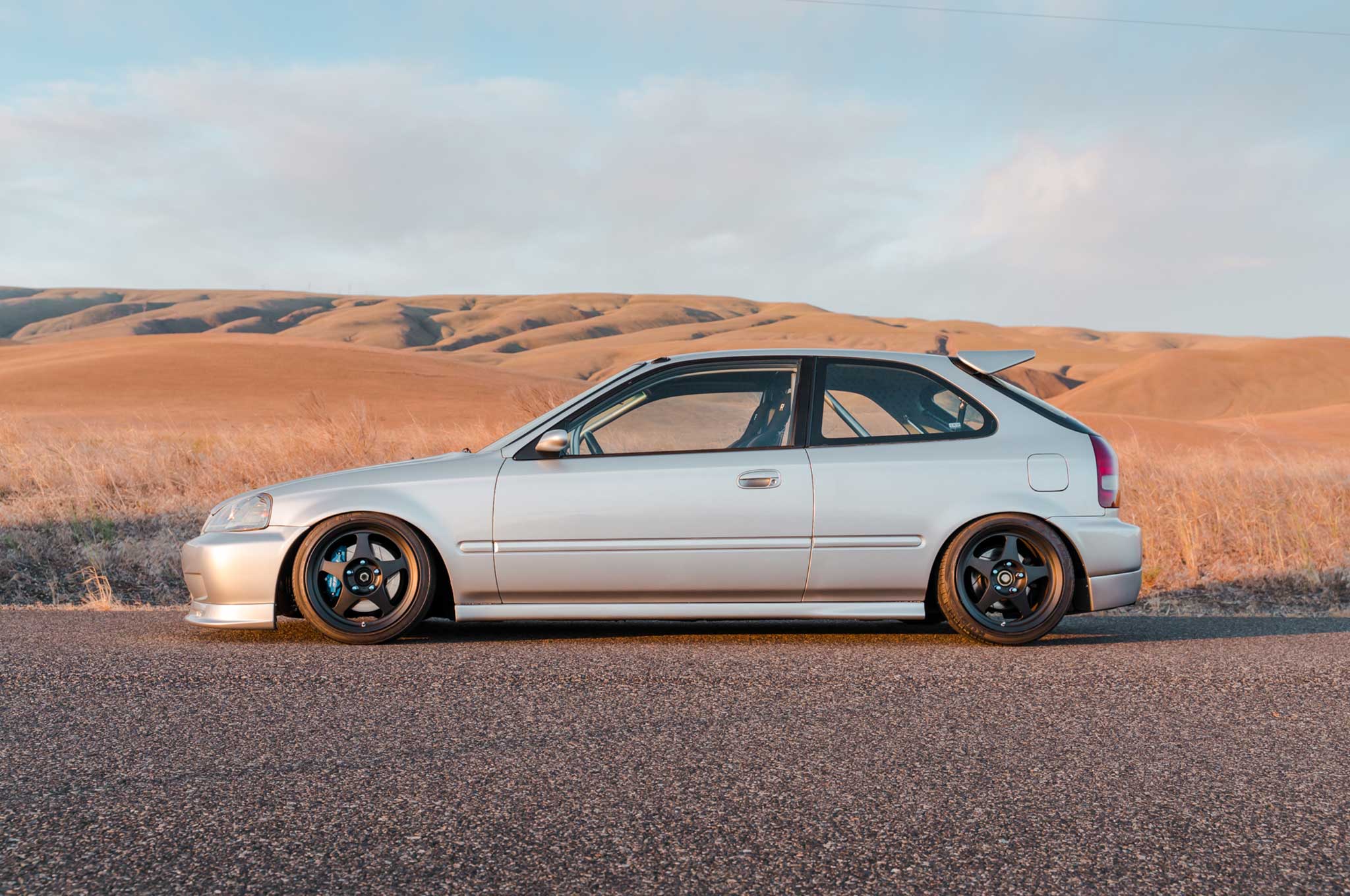
1. Honda Civic (1972–2000)
The Honda Civic has long been a benchmark for reliability and affordability. Across multiple generations, Honda maintained consistent engineering standards that allowed engines, transmissions, and even suspension components to be swapped between certain years.
Early Civics used simple, compact engine designs, which were highly modular. This modularity made them a favorite among DIY mechanics seeking practical upgrades or replacements.
Another aspect of the Civic’s interchangeability lies in its braking system. While later models adopted more advanced braking technologies, many components remained compatible within the same generation series.
Brake calipers, rotors, and even some master cylinders could be interchanged with minimal modification. The consistent design of mounting points played a significant role in this flexibility. Owners could access parts from slightly newer models without worrying about fitting issues or performance compromises.
The electrical systems of the Civic also benefited from standardized design choices. Wiring harnesses, switches, and lights often carried over from one model year to the next, reducing the challenges associated with electrical repairs.
Honda’s decision to maintain this consistency allowed older Civics to remain functional and upgradeable for decades. This approach contributed to the Civic’s reputation as a reliable and economical vehicle.
Suspension components, such as struts and control arms, also demonstrated remarkable interchangeability. Many Civic models used similar suspension geometries across several generations, allowing components from newer or older models to be reused. This not only simplified repairs but also enabled enthusiasts to enhance performance by swapping in stronger or better-handling parts. Honda’s design foresight made the Civic a versatile platform for both daily driving and hobbyist customization.
Finally, the engine lineup itself showcased Honda’s commitment to modularity. Engines from different years could often be swapped into other models with minor adjustments.
The ability to use carburetors, manifolds, and other engine components interchangeably made it easier to maintain performance and reduce costs. This flexibility helped cement the Civic as one of the most practical and enduring cars in automotive history.

2. Toyota Corolla (1974–2002)
The Toyota Corolla is widely regarded as one of the most dependable vehicles ever produced. One key factor contributing to this reputation is its parts interchangeability across multiple generations.
Engines, transmissions, and drivetrain components were often designed with backward compatibility in mind. This made older models easier to repair, even decades after production ended.
Corolla suspensions often retained similar layouts for several generations, allowing control arms, bushings, and struts to be reused. Mechanics and enthusiasts appreciated the ability to upgrade or replace worn parts without searching for year-specific components.
The standardized mounting points also simplified repairs, reducing labor time and cost. This approach reflected Toyota’s commitment to practicality and long-term serviceability.
Brake systems on the Corolla were another area of high interchangeability. Many models shared calipers, rotors, and pads across a wide range of years. This standardization meant that replacement parts were abundant and affordable. Owners could source parts from multiple model years without worrying about fitment issues, ensuring safety and reliability for decades.
The Corolla’s electrical systems also benefited from uniform design principles. Simple wiring harnesses, lighting components, and switches were often compatible across several years.
This made DIY electrical work more accessible and reduced the need for costly dealership repairs. Toyota’s careful planning in this area contributed to the Corolla’s status as a favorite among budget-conscious drivers and collectors.
Finally, the engine variants themselves offered interchangeability. Inline-four engines from one generation often fit earlier or later models with minimal modification.
This compatibility allowed enthusiasts to swap engines for performance improvements or restorations. Collectively, these design decisions made the Corolla a model that remained serviceable, reliable, and easy to maintain over decades.
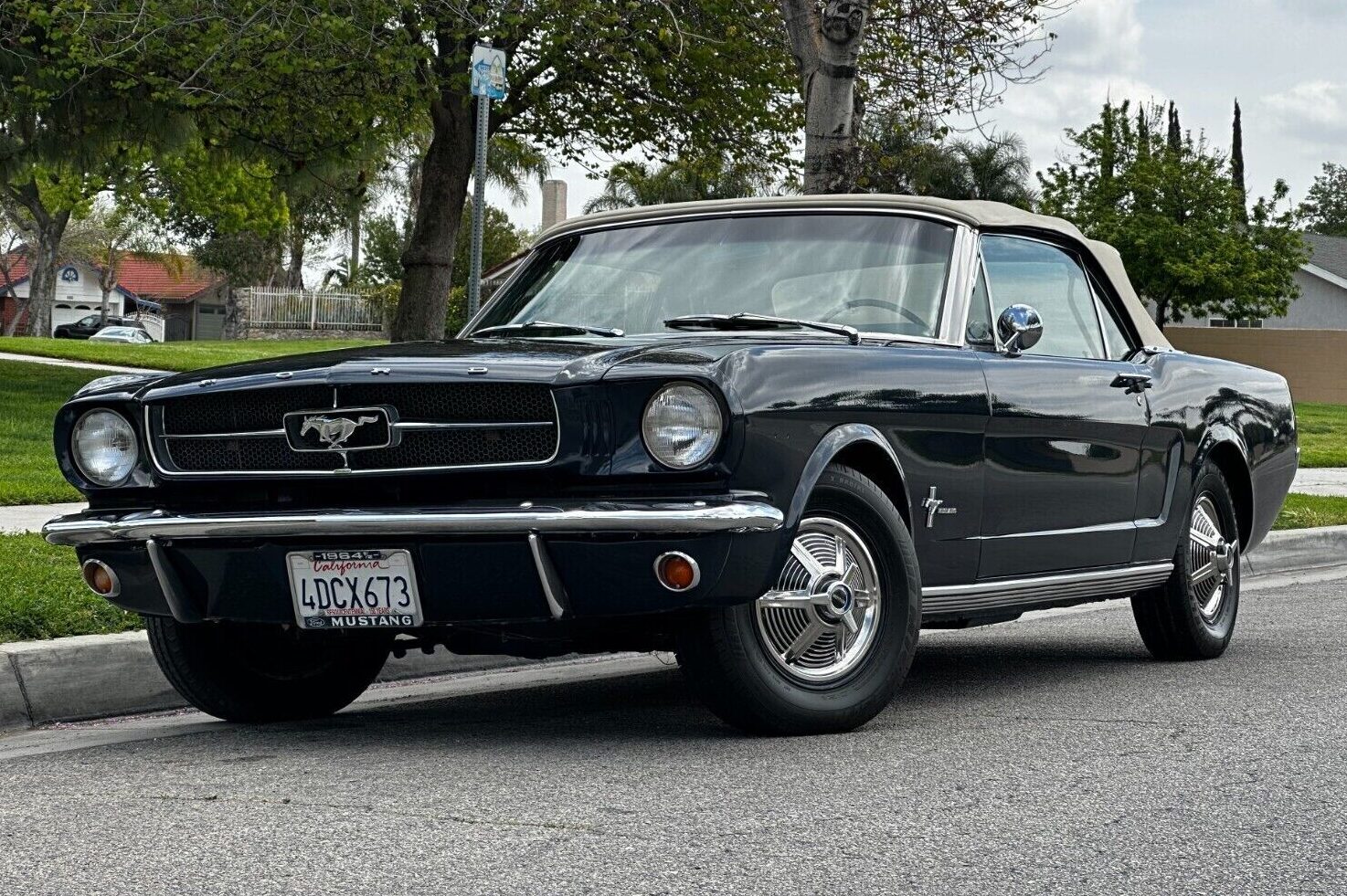
3. Ford Mustang (1964–1973)
The Ford Mustang from the first generation remains a classic American muscle car icon. One reason it continues to enjoy popularity among collectors is the ease of parts interchangeability across its early model years.
Engines, transmissions, and suspension components were designed with modularity in mind. This allowed owners to maintain or upgrade vehicles with parts from different years.
Brake components in these Mustangs also demonstrated compatibility. Many models shared calipers, drums, and rotors, simplifying maintenance and restoration.
Enthusiasts could source parts from a variety of vehicles without compromising performance or safety. This level of interchangeability was rare in contemporary vehicles, giving the Mustang a distinct advantage for restoration projects.
The electrical systems were simple yet robust, allowing lights, switches, and wiring harnesses to be replaced across multiple years. Owners found it easier to maintain older Mustangs without relying on scarce parts. This contributed to the car’s reputation for reliability and long-term value among collectors and hobbyists.
Suspension systems were another strong point. Many first-generation Mustangs used similar control arms, springs, and shock absorbers, making swaps between model years feasible. Owners could improve handling or repair damaged components without sourcing hard-to-find parts. Ford’s approach to consistent suspension design contributed to the Mustang’s enduring appeal.
Finally, the engine lineup allowed for extensive interchangeability. Inline-six and V8 engines could often be replaced or upgraded using parts from other years. This flexibility made restoration projects more practical and reduced costs for enthusiasts. The combination of strong design and thoughtful engineering cemented the early Mustang’s status as a highly versatile and serviceable vehicle.
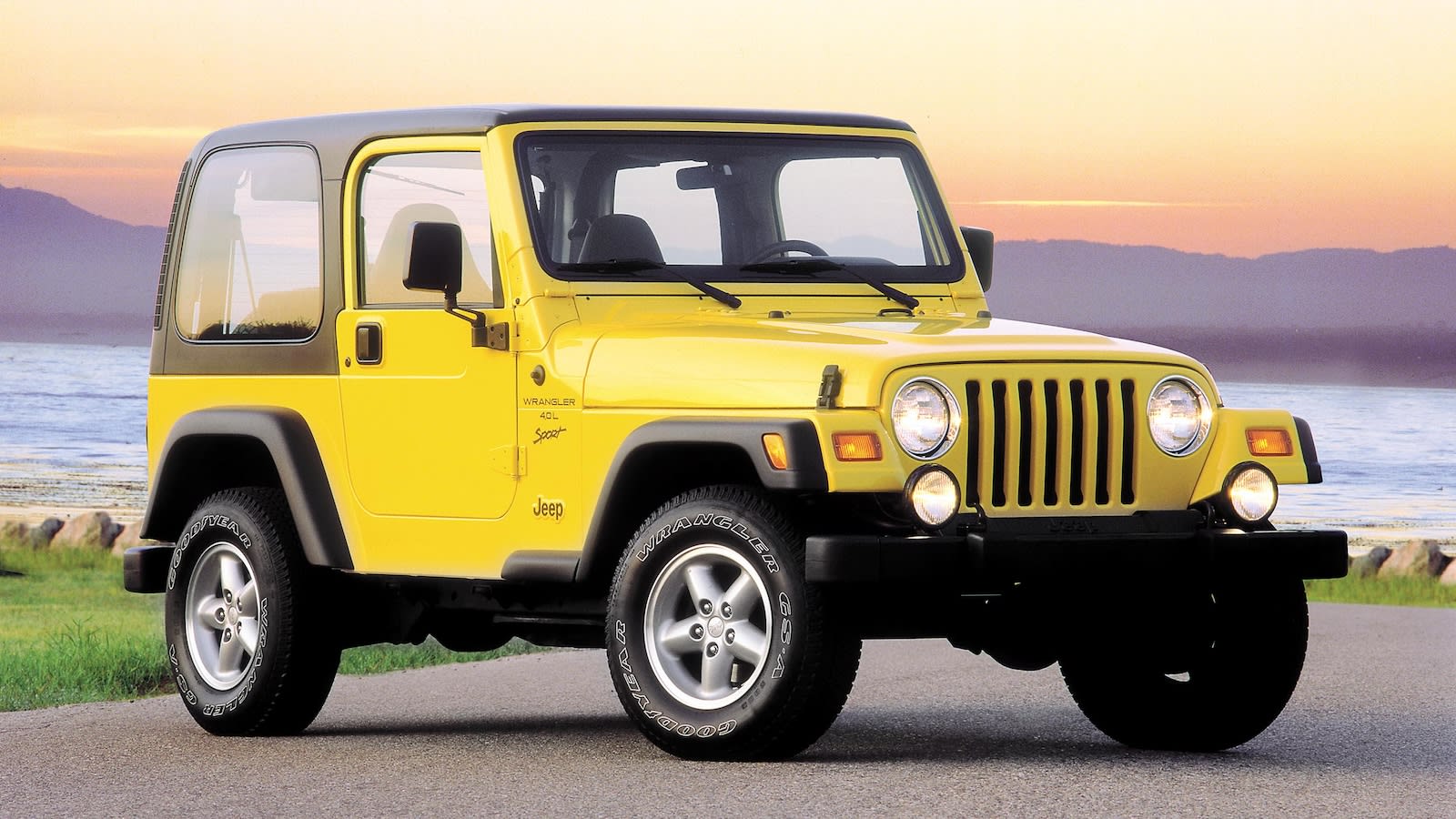
4. Jeep Wrangler (1987–2006)
The Jeep Wrangler, particularly the YJ and TJ generations, is known for its rugged design and off-road capability. One defining feature is its parts interchangeability across multiple years.
Engines, transfer cases, and drivetrain components often remained compatible, allowing owners to maintain vehicles over long periods. This flexibility contributed to the Wrangler’s reputation for durability and practicality.
Suspension components such as leaf springs, control arms, and shock absorbers were often shared across several model years. Mechanics and off-road enthusiasts appreciated this standardization, as it simplified repairs and upgrades. The availability of compatible parts reduced downtime and allowed owners to tackle modifications with confidence.
Braking systems were similarly designed for consistency. Many models shared calipers, rotors, and drums, making it easier to maintain braking performance. Standardized mounting points allowed components from later or earlier years to fit without modification. This approach enhanced both safety and convenience for owners.
Electrical systems were simple, with headlights, wiring harnesses, and switches designed for cross-year compatibility. This design choice minimized the challenges associated with electrical repairs and allowed DIY enthusiasts to handle installations and upgrades efficiently. The Wrangler’s straightforward electrical design further enhanced its practicality.
Finally, the engine and drivetrain layout allowed for significant interchangeability. Engines, transmissions, and transfer cases could be swapped between model years with minimal adjustments.
This made restoration projects and performance upgrades more accessible. Collectively, the Wrangler’s modular design and long-term component compatibility contributed to its iconic status among off-road enthusiasts.
5. Chevrolet Camaro (1967–1981)
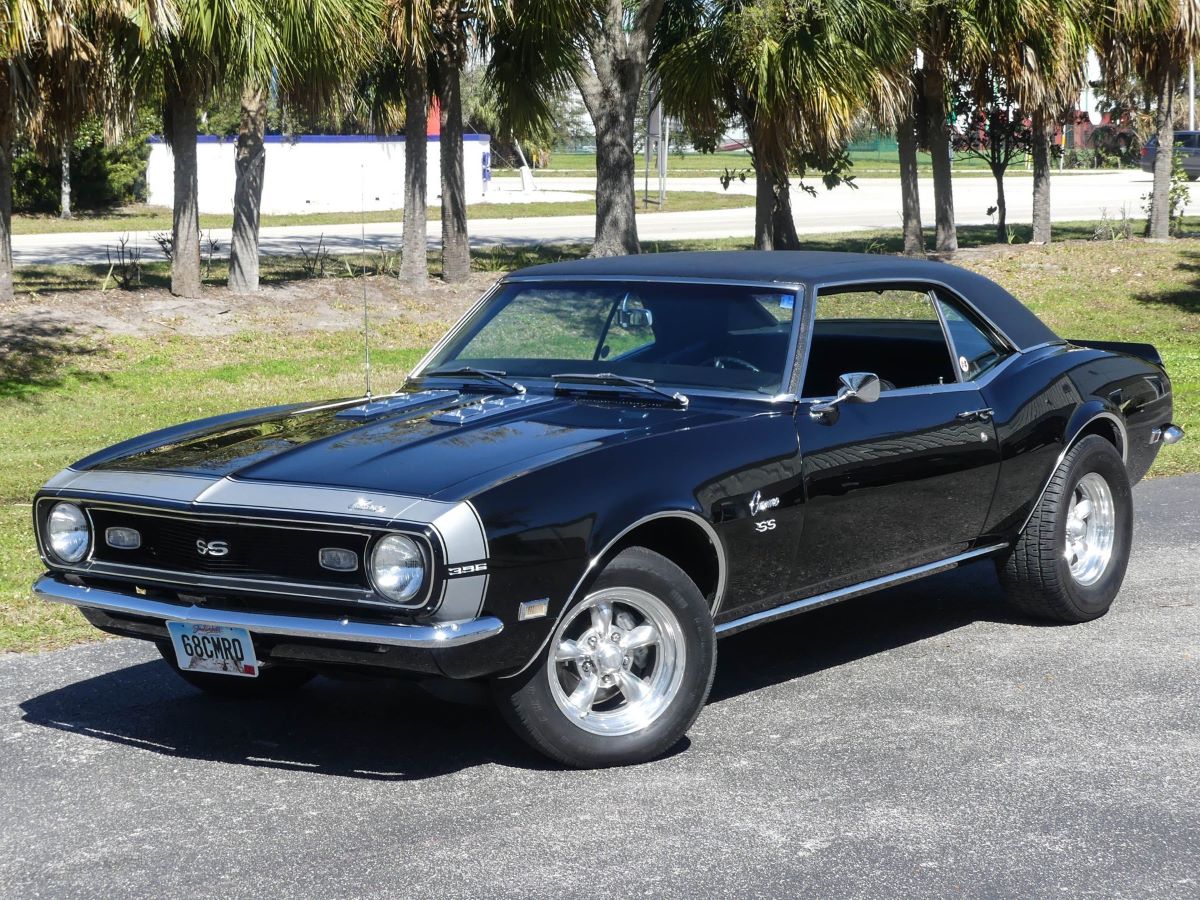
The Chevrolet Camaro, especially the first and second generations, is celebrated for its performance and design flexibility. Part of its enduring popularity comes from the interchangeability of components across multiple years. Engines, transmissions, and suspension parts could often be swapped between model years. This versatility made maintenance and restoration projects simpler for owners.
Brake components were shared among several model years, including rotors, drums, and calipers. Standardized designs reduced the need for year-specific replacements and made maintenance less complicated. Enthusiasts could source parts from a range of vehicles without sacrificing performance or reliability.
Suspension systems on the Camaro were another area of compatibility. Control arms, springs, and shock absorbers were often interchangeable within the same generation. This design consistency allowed for easier repairs and enabled performance enhancements through the use of upgraded components from different model years.
Electrical components, such as wiring harnesses, lights, and switches, maintained continuity across many years. The simplicity of these systems allowed for repairs and restorations without excessive complexity. This practical approach made the Camaro more accessible to collectors and hobbyists alike.
Finally, the engine configurations themselves reflected modular design principles. V6 and V8 engines could be replaced or upgraded using components from other years. This interchangeability supported both performance enhancements and restoration efforts. The Camaro’s combination of design foresight and practicality made it a favorite for enthusiasts and collectors alike.
6. Toyota Supra (1986–1993)
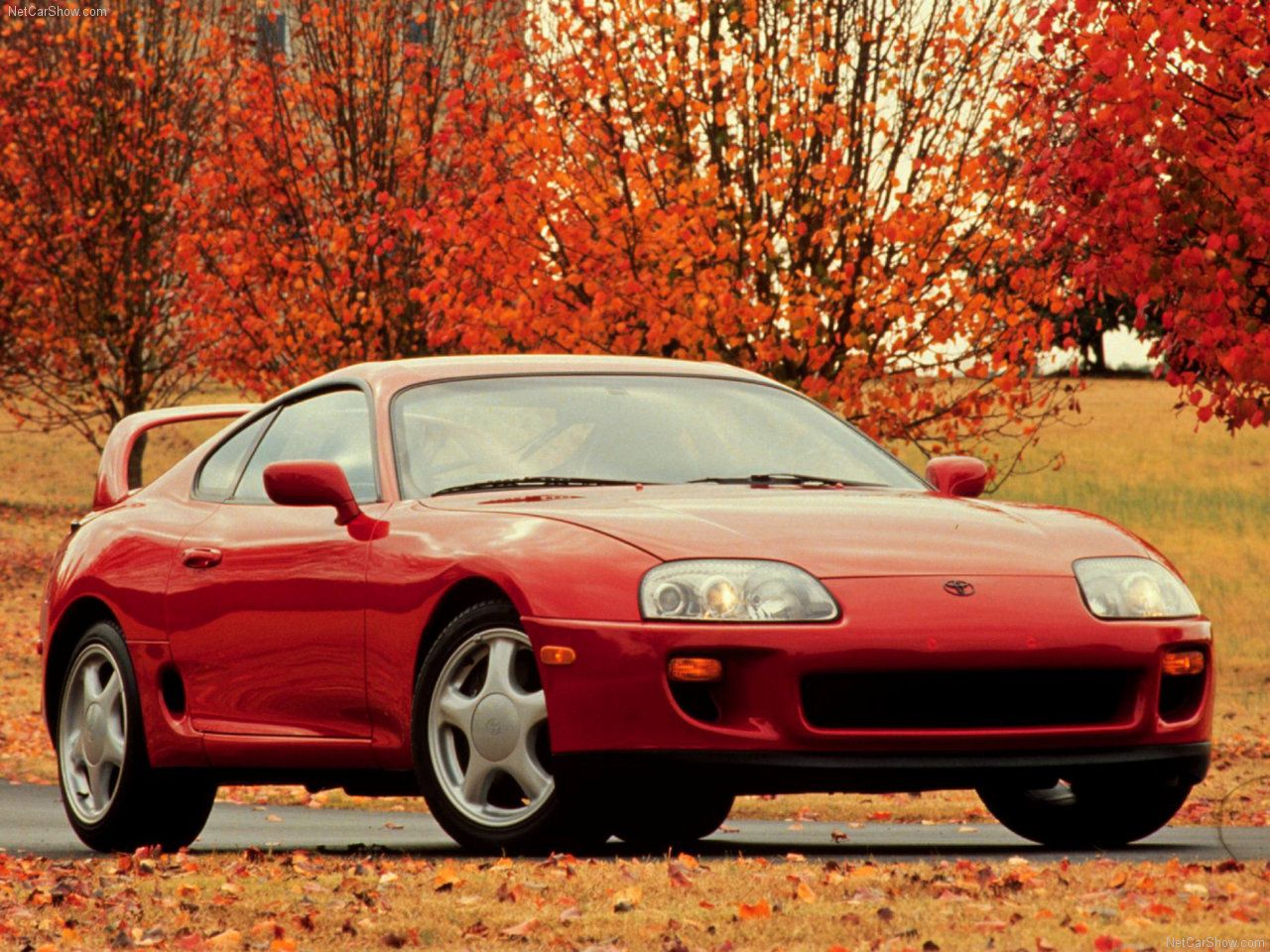
The Toyota Supra, especially the A70 generation, is renowned for its reliability and performance. One of its key strengths is the interchangeability of parts across different years.
Engines, particularly the 7M-GTE and 7M-GE, maintained similar mounts and accessory layouts, which allowed enthusiasts to swap components between model years with minimal modification. This made maintenance and upgrades more manageable.
Suspension components on the Supra demonstrated remarkable consistency. Control arms, struts, and bushings were designed to fit across multiple production years.
Owners could source these parts from older or newer models without worrying about compatibility issues, simplifying repairs and performance upgrades. This uniformity contributed to the Supra’s reputation as a vehicle that could be maintained long after production ceased.
Brake systems were also highly standardized. Rotors, calipers, and pads shared similar mounting points across several model years. This not only facilitated easier replacements but also ensured consistent braking performance for both stock and upgraded setups. Collectors and drivers appreciated this, as sourcing parts was relatively straightforward compared to other sports cars of the era.
The electrical system, while more sophisticated than earlier Toyota models, still maintained a high degree of compatibility. Wiring harnesses, relays, and switches could often be swapped between different model years, making restoration projects and repairs more practical. This attention to modular design reinforced the Supra’s reliability, giving owners confidence in the longevity of their vehicles.
Finally, the drivetrain allowed for significant interchangeability. Transmissions from one year could often be mated with engines from another, and differential components were similarly modular.
This flexibility enabled enthusiasts to perform engine swaps, upgrade transmissions, or maintain older Supras without relying solely on hard-to-find parts. Toyota’s thoughtful engineering ensured the Supra was both a performance icon and a practical vehicle for long-term ownership.
7. Nissan 240SX (1989–1998)
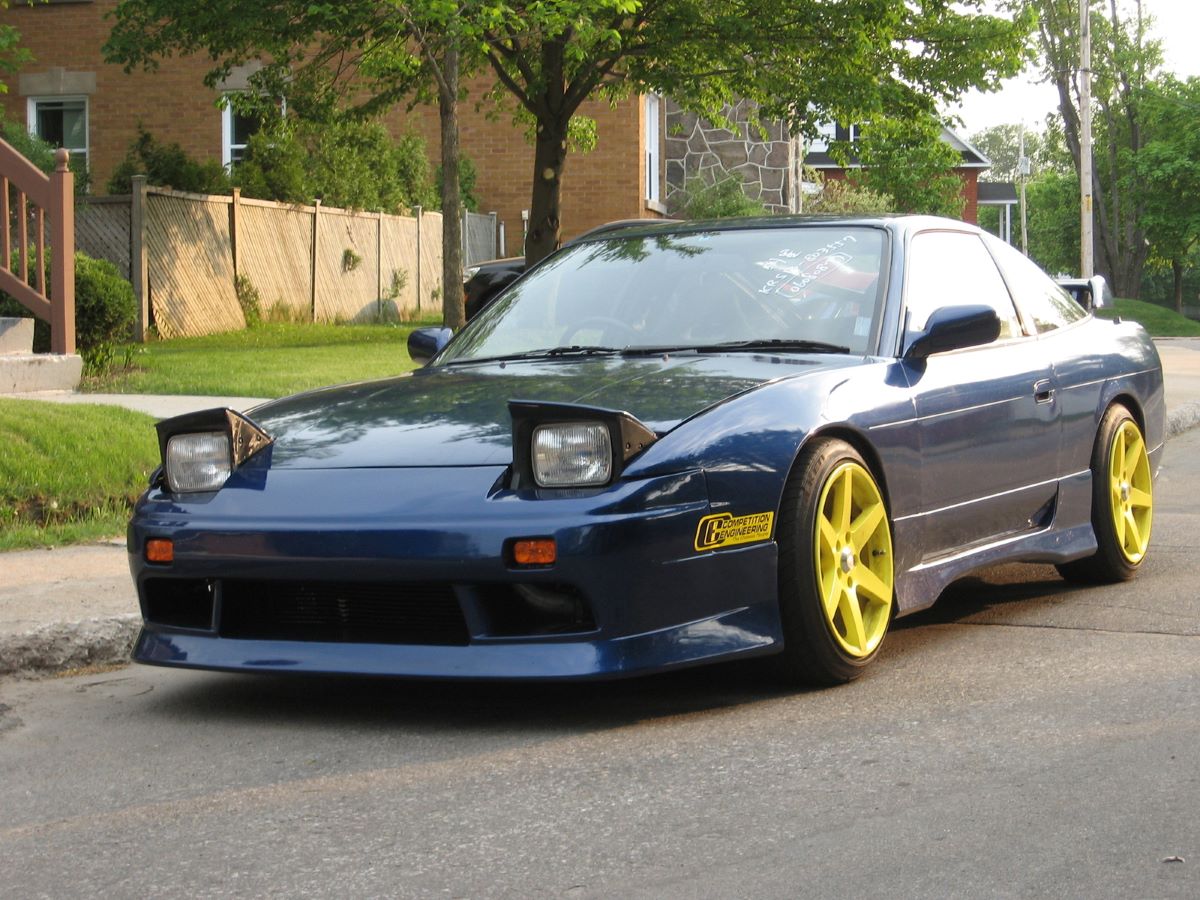
The Nissan 240SX is widely celebrated among car enthusiasts for its simple engineering and highly interchangeable parts. Many models shared engines, transmissions, and suspension components across multiple production years.
This modularity allowed mechanics and hobbyists to repair or upgrade vehicles using parts from a wide range of years, reducing maintenance costs and simplifying restoration projects.
Suspension design played a critical role in the 240SX’s versatility. Struts, control arms, and sway bars often fit multiple model years, allowing owners to upgrade handling or replace worn components without difficulty. Enthusiasts could also combine parts from S13 and S14 models in certain cases, taking advantage of the car’s shared dimensions and mounting points.
Brake systems were standardized across generations, making it easy to replace rotors, calipers, and pads. This consistency enhanced both safety and practicality, ensuring that repair parts were plentiful and affordable. Collectors and racers appreciated the availability of compatible components, which reduced downtime for performance upgrades or routine maintenance.
The 240SX’s electrical components were similarly uniform. Lights, switches, and wiring harnesses often remained compatible across model years. T
his made troubleshooting and repairs more accessible for DIY mechanics, who could source functional parts from a variety of vehicles without facing incompatibility challenges. This approach reflected Nissan’s focus on reliability and long-term usability.
Finally, the engine and transmission lineup offered extensive interchangeability. The KA24E and KA24DE engines shared mounting points, and many transmission options were compatible across years.
This allowed enthusiasts to perform engine upgrades, swap transmissions, or restore older vehicles without needing highly specialized components. The 240SX became a favorite platform for both drifting and restoration communities due to its practical engineering and parts availability.
8. BMW 3 Series E30/E36 (1982–1999)
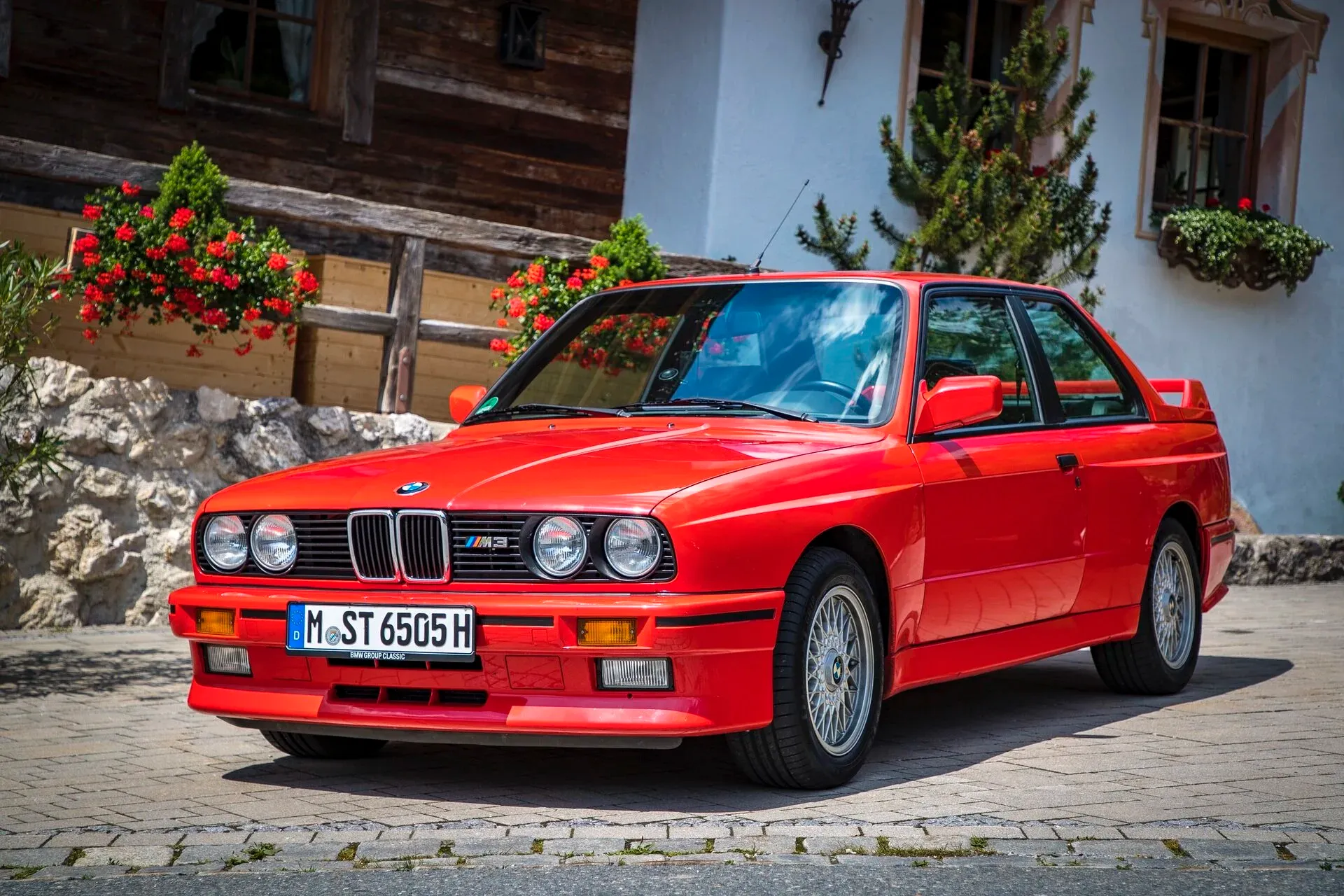
The BMW 3 Series, particularly the E30 and E36 generations, is highly regarded for its engineering precision and modularity. Many parts, including engines, transmissions, and suspension components, were designed to remain compatible across multiple years.
This allowed owners to maintain or upgrade vehicles without facing difficulties sourcing rare parts. Collectors particularly valued this feature.
Suspension systems on these BMW models were carefully standardized. Struts, control arms, and bushings often fit several years of production, enabling owners to repair or enhance handling without difficulty.
The consistency of mounting points and geometries made it possible to mix components from different years, a feature that contributed to the car’s popularity among enthusiasts.
Brake components were similarly interchangeable. Rotors, calipers, and pads shared designs across E30 and some E36 models. This made repairs easier and helped ensure consistent braking performance even after decades of use. Enthusiasts and restorers appreciated the abundance of parts, which made maintaining these vehicles practical.
Electrical systems, while slightly more complex than earlier models, retained a high degree of standardization. Wiring harnesses, switches, and relays could often be swapped between model years, facilitating repairs and upgrades. BMW’s attention to modular electrical design ensured that owners could address issues without complete system overhauls, making these cars more user-friendly.
Engine and transmission components further enhanced interchangeability. Inline-four and six-cylinder engines shared many mounting points, and manual or automatic transmissions could often be swapped between certain model years.
This modularity allowed enthusiasts to perform upgrades, restore vehicles, and maintain performance without relying on rare or expensive parts. The combination of durability and compatibility made the 3 Series a favorite among collectors.
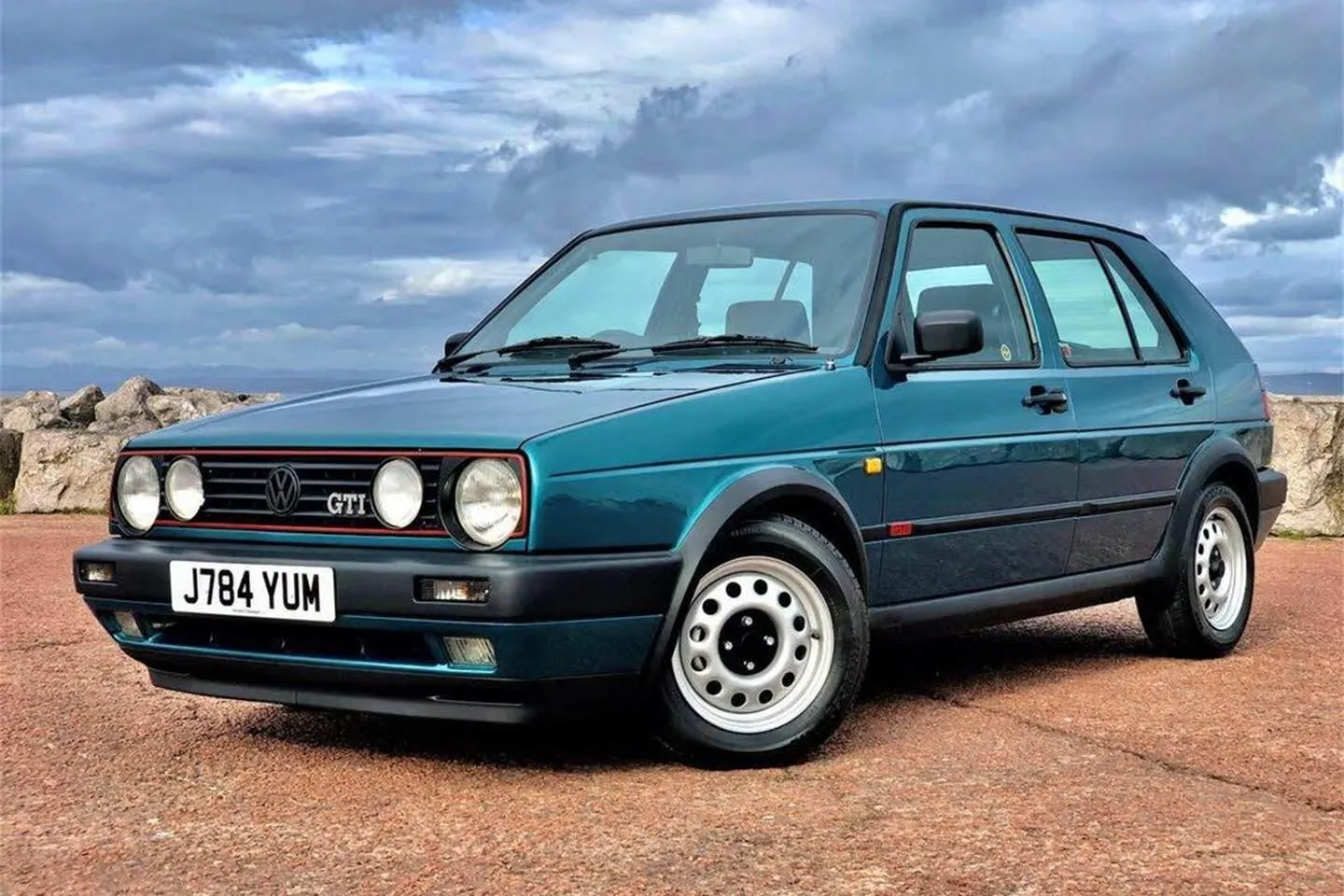
9. Volkswagen Golf MK2/MK3 (1983–1999)
The Volkswagen Golf MK2 and MK3 are recognized for their practicality, reliability, and modular design. Many engines, transmissions, and suspension components were designed to be compatible across multiple production years.
This feature made repairs and upgrades simpler, allowing owners to maintain older vehicles without difficulty. Mechanics valued the ability to source parts from various years, reducing wait times and cost.
Suspension components demonstrated a high level of interchangeability. Struts, springs, and control arms shared similar designs across several model years. This made it possible to replace or upgrade worn components without sourcing unique parts, improving both performance and longevity. Enthusiasts often relied on these shared designs for modifications or maintenance.
Brake systems were also standardized. Rotors, calipers, and drums often fit multiple model years, allowing owners to replace components without worrying about compatibility. This consistent design improved safety and reduced costs for collectors, hobbyists, and everyday drivers. Volkswagen’s focus on interchangeability extended to several systems, emphasizing durability and practicality.
Electrical systems on these Golfs maintained a degree of uniformity. Wiring harnesses, lights, and switches were often compatible across model years. This made it easier to troubleshoot issues or install upgrades without requiring specialized parts. The practical design allowed owners to maintain functionality even decades after production ended, enhancing the vehicle’s value.
Finally, the drivetrain benefited from modular design. Engines, transmissions, and differentials could often be swapped across years, simplifying restoration and upgrade projects. This interchangeability, combined with reliable engineering, made the Golf a favorite among enthusiasts who valued durability, performance, and long-term serviceability. Collectors appreciated the flexibility of using parts from multiple model years to keep vehicles roadworthy.
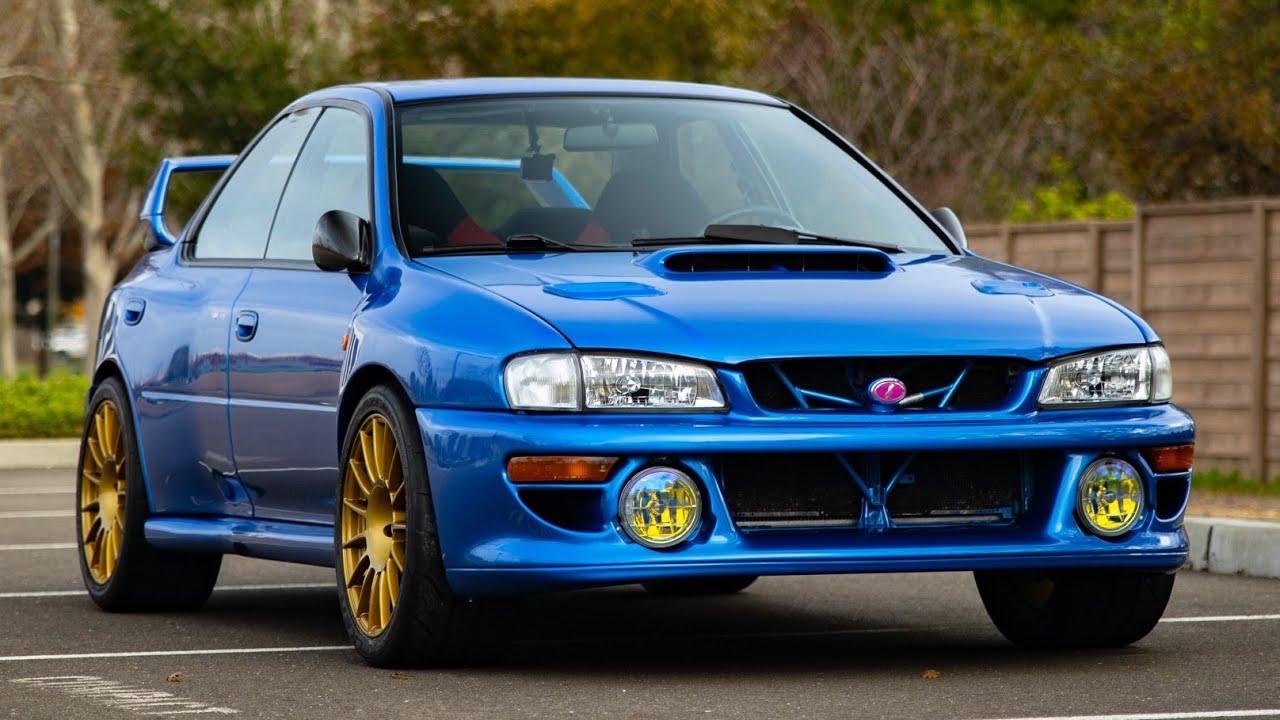
10. Subaru Impreza (1992–2007)
The Subaru Impreza is celebrated for its durability, AWD system, and practical engineering. One of its strengths is parts interchangeability across multiple generations.
Engines, transmissions, and suspension components often share mounting points, allowing repairs and upgrades to be performed using parts from different years. This consistency has contributed to the Impreza’s reputation as a reliable, long-lasting vehicle.
Suspension systems on the Impreza, including struts, control arms, and bushings, often remained compatible across generations. Owners could replace worn components or enhance handling with parts from newer or older models. This flexibility made repairs more practical and allowed enthusiasts to improve performance without specialized parts, a feature particularly valuable for rally and performance versions.
Brake systems demonstrated similar interchangeability. Rotors, calipers, and pads shared designs across multiple production years, simplifying maintenance and replacement. This uniformity allowed owners to maintain safety and reliability over long periods, while also making performance upgrades more accessible for enthusiasts who sought better stopping power.
Electrical components were designed with modularity in mind. Wiring harnesses, switches, and lighting systems often remained compatible across years. This consistency reduced the complexity of repairs and upgrades, allowing owners to maintain older models without needing hard-to-find components. Subaru’s approach balanced advanced technology with practical serviceability.
Finally, the engine and drivetrain layout allowed for significant flexibility. Boxer engines and AWD systems maintained consistent designs across generations, enabling swaps and upgrades without major modifications.
This interchangeability enhanced restoration projects, performance modifications, and everyday maintenance. Collectively, the Impreza’s modular design, reliable engineering, and long-term serviceability make it one of the most practical vehicles for enthusiasts and long-term owners alike.
