
Allergies can make time spent in a vehicle uncomfortable and even difficult for many drivers. When pollen, dust, and other airborne irritants enter a cabin, sneezes, itchy eyes, and congestion often follow. For people sensitive to airborne particles, choosing a vehicle with excellent air filtration can transform daily drives from an ordeal into a more peaceful experience.
Modern vehicles now offer advanced cabin air filtration systems designed to reduce the presence of allergens and improve air quality. These systems often include higher efficiency filters with activated carbon, multi‑stage filtration, and settings that limit outside air intake at high pollen times.
Many drivers mistakenly think that all cabin filters perform equally, but there can be substantial differences in how effectively each one captures fine pollen, mold spores, dust mites and similar irritants. Vehicles with superior filtration can make a noticeable difference during allergy season, especially for people who spend long commutes in heavy traffic or live in areas with high allergen counts.
Manufacturers now emphasize improved air quality to enhance comfort, and some go further by incorporating sensor‑based systems that automatically adjust airflow when air quality decreases outside. These capabilities help reduce drivers’ and passengers’ exposure to triggers that worsen allergic responses while traveling.
Choosing a vehicle that performs well in this area requires examining not just the filter media, but how the entire ventilation system operates. Some systems use larger filters with more surface area enabling finer filtration without sacrificing airflow, while others add activated carbon layers that capture fumes and odors as well as particles.
In addition to factory equipment, many vehicles allow owners to upgrade to premium cabin filters that further enhance protection against allergens. Understanding which vehicles provide the best stock air filtration helps drivers narrow their search and identify options that will keep their cabin air cleaner and more tolerable for sensitive individuals.
This article highlights ten vehicles known for strong air filtration systems for drivers with allergies. Each section describes features that set these vehicles apart, along with why they may be a good choice for allergy sufferers.
Whether a driver wants a compact car, a family SUV, or something more luxurious, plenty of options exist that provide cleaner, more comfortable air during every journey. This list emphasizes real capabilities rather than marketing claims, offering useful insights for anyone who needs better cabin air quality.
Now let’s look at the ten vehicles that stand out for drivers seeking the best air filtration in their daily travels.
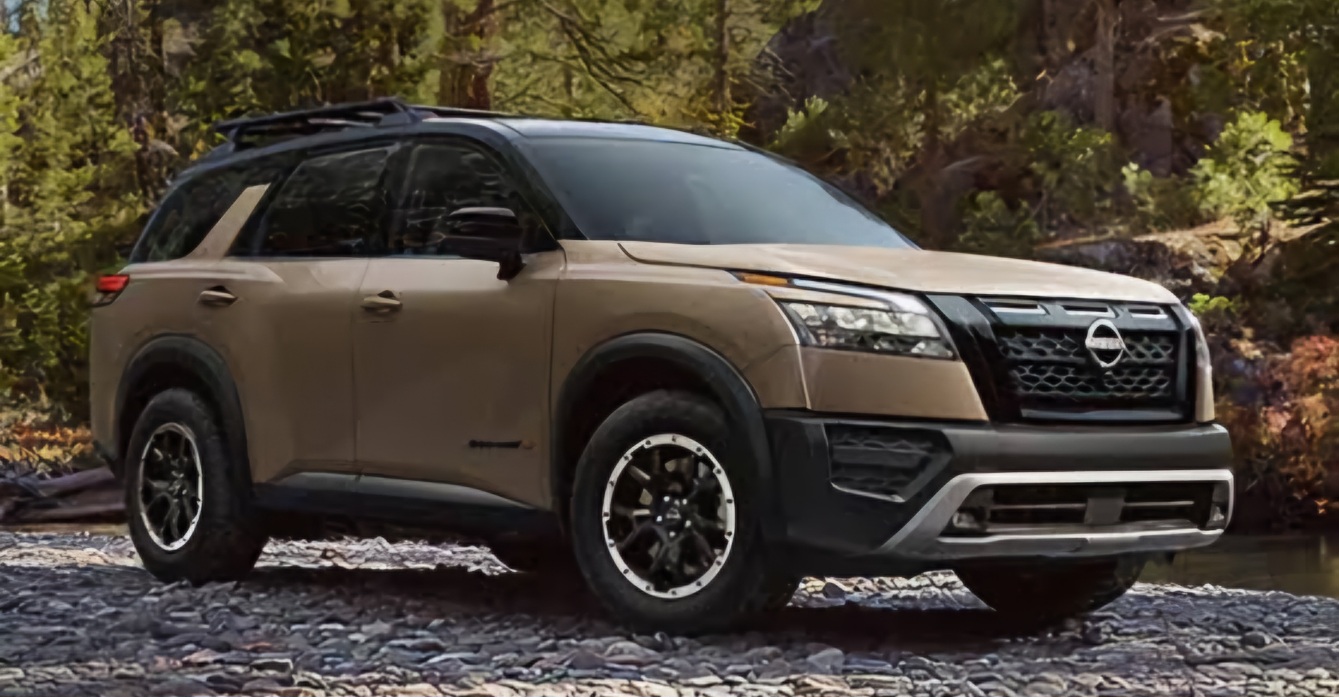
1. Toyota Highlander
The Toyota Highlander is a midsize SUV that blends comfort, utility, and excellent cabin air quality for drivers with allergies. Its available multi‑stage cabin air filtration is designed to capture pollen and smaller airborne particles and hold them until the filter is changed.
The system keeps more allergens from entering through the ventilation system, making every drive more pleasant for sensitive passengers.
Owners of Highlanders often praise the vehicle’s ability to maintain fresh air even in dusty conditions or heavy traffic. The SUV’s filters are relatively easy to access and replace, which encourages maintaining peak performance throughout the year. Regular maintenance and timely filter changes make a noticeable difference for people with chronic allergies or respiratory sensitivities.
In addition to the filtration hardware, the Highlander’s HVAC system allows drivers to select settings that reduce outside air intake. This feature can help minimize exposure to pollen during peak seasons while maintaining comfortable cabin conditions. The thoughtful integration of air quality features into the driver’s controls makes it easier to manage comfort without distraction.
The cabin itself feels spacious and inviting, which contributes to lower stress levels on longer drives. For allergy sufferers, the combination of roomy interior and trusted filtration helps make time on the road more relaxing. The Highlander remains a strong contender among vehicles that aim to protect occupants from airborne irritants.
Finally, Toyota’s reputation for long‑term reliability means drivers can be confident their filtration system will continue performing over years of use. For families, frequent commuters, and people who value extra care in interior air quality, this SUV provides dependable comfort.

2. Honda CR‑V
The Honda CR‑V is a compact SUV recognized for its practicality and strong comfort features that appeal to drivers with allergies. Its standard cabin air filter works to trap airborne pollen, dust, and other rough particulates that can trigger discomfort. For many allergy sufferers, this basic level of filtration already represents an improvement over older or lower‑end vehicles.
CR‑V models come equipped with a ventilation system that integrates well with the cabin filter, ensuring consistent airflow while keeping out as many irritants as possible. The cabin’s quiet nature and well‑designed airflow paths also help maintain a calmer, less irritating environment during daily use. Many drivers appreciate the balance of filtration efficiency and interior comfort.
Accessing and replacing the cabin filter in the CR‑V is straightforward, which helps ensure that busy owners won’t skip regular filter changes. A clean, well‑maintained filter significantly improves air quality over time, making this SUV a practical choice for those who want sustained benefit from their vehicle’s comfort systems.
Comfort isn’t limited to air quality. The CR‑V’s interior feels thoughtfully designed with supportive seating and intuitive controls that help reduce stress on longer drives. These elements contribute to a more pleasant driving experience, especially for people sensitive to airborne sources of irritation.
With its combination of affordable price point, solid filtration system, and reliable performance, the Honda CR‑V stands out as a smart choice for allergy‑conscious drivers. It offers a strong balance of everyday usability and enhanced comfort that makes regular driving easier.
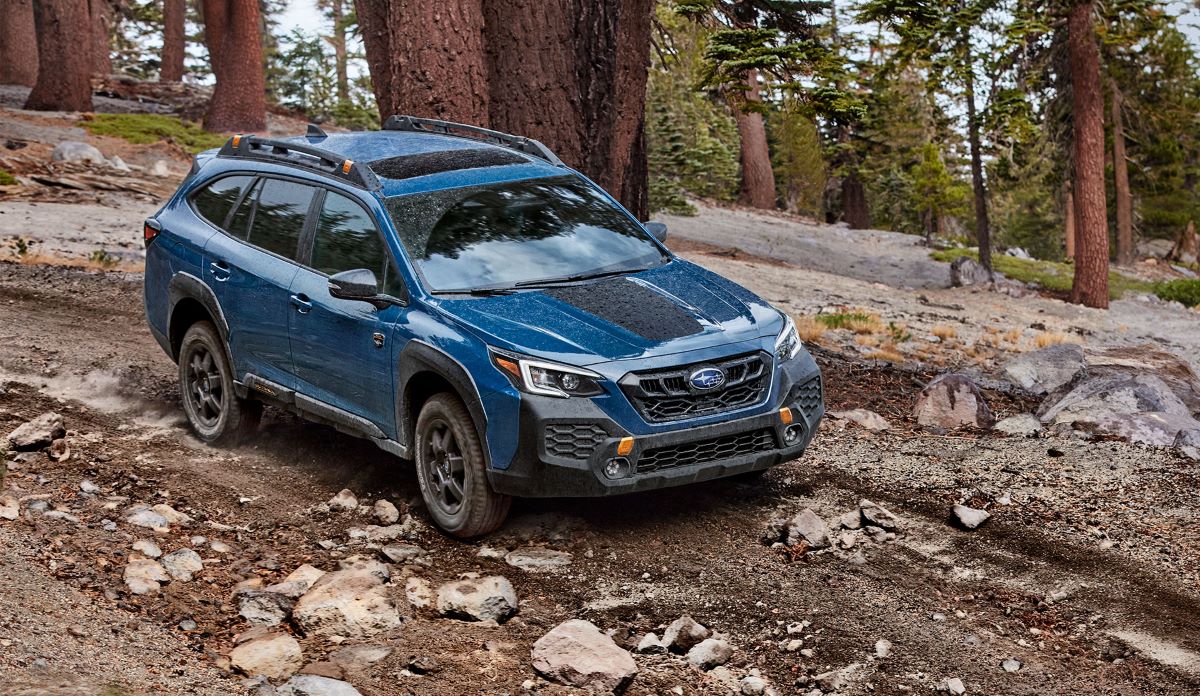
3. Subaru Outback
The Subaru Outback has built a reputation as a rugged yet refined vehicle that suits both adventure seekers and everyday drivers looking for comfort. For people with allergies, the Outback’s HVAC system and cabin air filter work together to reduce the amount of pollen and microscopic irritants that make their way into the interior. This makes it easier to breathe freely inside the vehicle.
One of the reasons the Outback is well‑liked by sensitive drivers is its dual‑stage filtration that helps trap a broad range of particles. By capturing larger debris and smaller particles alike, the system helps maintain cleaner air over long distances. The cabin stays more comfortable when traveling through areas with high pollen counts or dusty roads.
Subaru’s ventilation controls allow users to optimize airflow based on their needs, including settings that focus on recirculating air rather than pulling in outside air. This capability is especially helpful when entering environments with higher allergen concentrations. The vehicle’s design supports effective circulation, which complements the filtering process.
In addition, the Outback’s interior provides a peaceful and comfortable space that complements its filtration system. Soft materials, well‑placed vents, and responsive climate controls help create a pleasant cabin environment. Drivers and passengers alike often comment on the level of comfort even during long drives.
Thanks to its combination of advanced filtration, thoughtful ventilation design, and comfortable cabin, the Subaru Outback remains a strong option for individuals who need cleaner air while driving. The vehicle’s value and reliability add to its appeal for those who prioritize interior air quality.
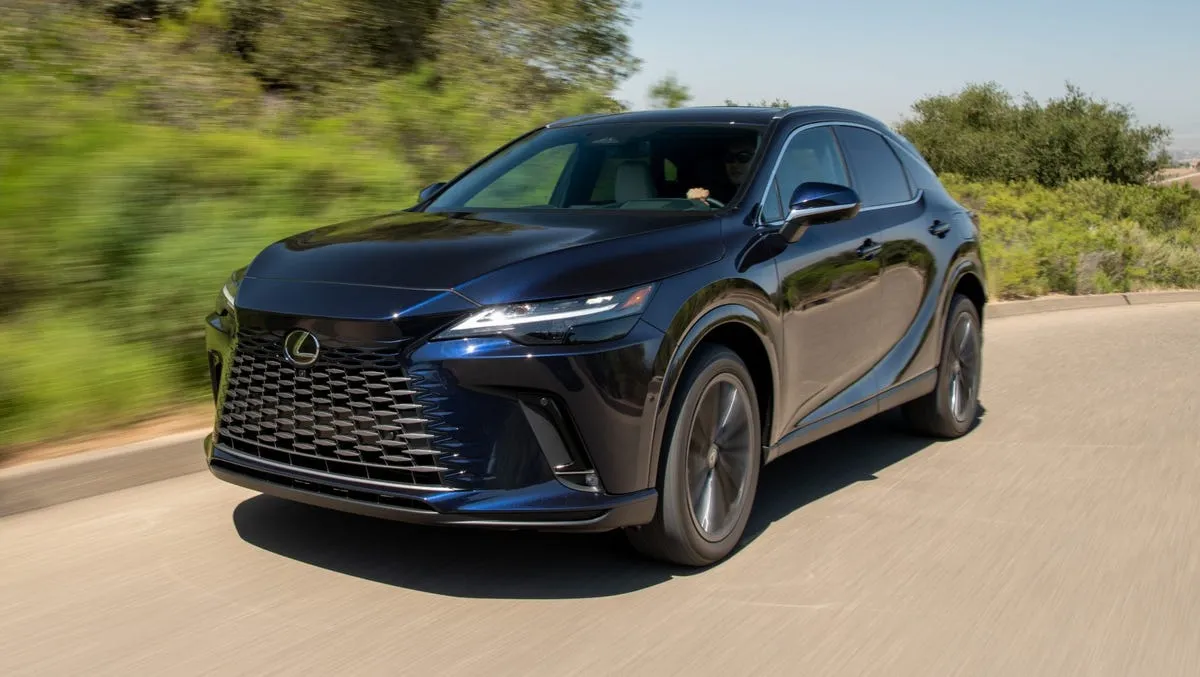
4. Lexus RX
The Lexus RX is a luxury SUV that offers drivers a premium experience along with high‑performing cabin air filtration. Lexus equips the RX with an advanced filtration system that includes a fine‑mesh filter designed to catch smaller particles, pollen, and soot that many standard filters might miss. For allergy sufferers, this makes a noticeable difference in how fresh and comfortable the interior feels.
An additional benefit of the RX’s air system is its integration with the vehicle’s climate control and sensor technology. The system may adjust airflow automatically when outside air quality changes, helping to reduce the amount of irritants entering the cabin. This means drivers can focus more on their journey and less on managing discomfort.
The quality of interior materials and attention to cabin comfort also contribute to a better experience for people with allergies. Soft‑touch surfaces, high‑grade upholstery, and quiet operation help maintain a soothing environment that complements the filtered air. Those sensitive to irritants often find the RX’s cabin to be a respite from harsher outdoor conditions.
Replacing the cabin filter in the Lexus RX is relatively simple for service technicians, and genuine filters are designed to provide consistent performance over their service life. Regular maintenance ensures that the air purification capabilities remain strong and consistent over years of use.
Because of its focus on refinement and quality, the Lexus RX stands out as a great option for drivers who want both a comfortable ride and enhanced protection from airborne allergens. The combination of luxury and practical filtration performance makes this SUV a compelling choice.
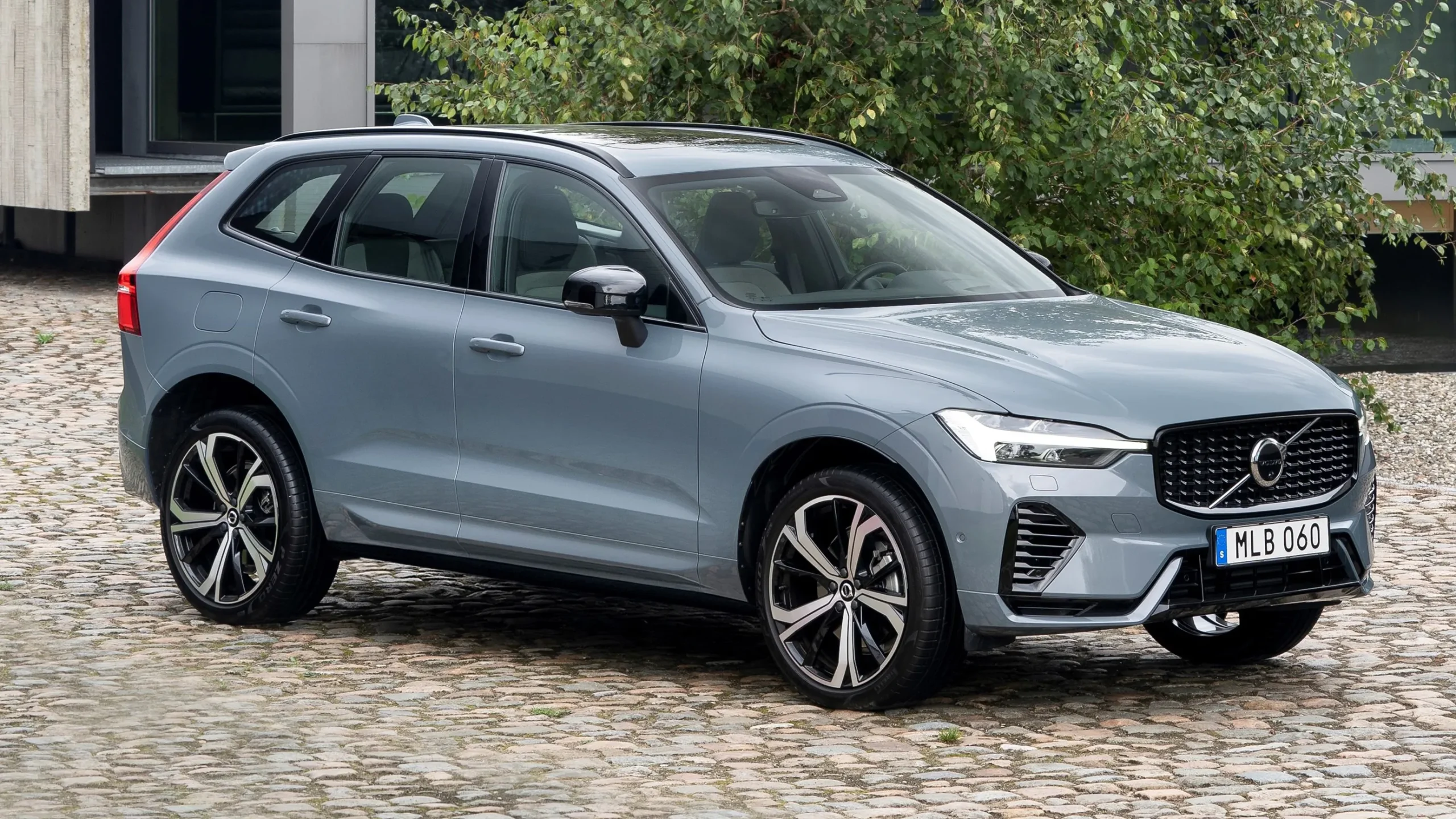
5. Volvo XC60
The Volvo XC60 stands out for its commitment to safety and comfort, which naturally extends to air quality inside the vehicle. Its cabin air filtration system has gained positive feedback from drivers seeking relief from pollen and airborne irritants. Volvo incorporates generous filter media and layers that help trap fine particles before they reach passengers.
One particular strength of the XC60’s filtration is its focus on capturing a wide range of contaminants, including small dust particles that can worsen allergy symptoms. This means drivers often notice a difference in how clean the interior feels, especially on long trips or during heavy pollen seasons. The HVAC system’s balancing of airflow and filtration creates a quieter, calmer cabin.
Volvo also pays attention to how air moves through the cabin, placing vents strategically to ensure even distribution of clean, filtered air. This helps avoid stagnant pockets where allergens could accumulate and helps make the entire space more comfortable for everyone inside the vehicle.
The interior design of the XC60 supports its filtration system by using materials that do not trap or release irritants easily. Smooth, high‑quality fabrics and trim resist holding onto dust, making regular cleaning easier and more effective. For allergy sufferers, this can make a real difference in everyday use.
With its strong focus on health and comfort, the Volvo XC60 provides an appealing choice for drivers who need dependable air quality performance along with a stylish, well‑built vehicle. The combination of thoughtful engineering and user‑friendly features makes it a reliable option in this category.
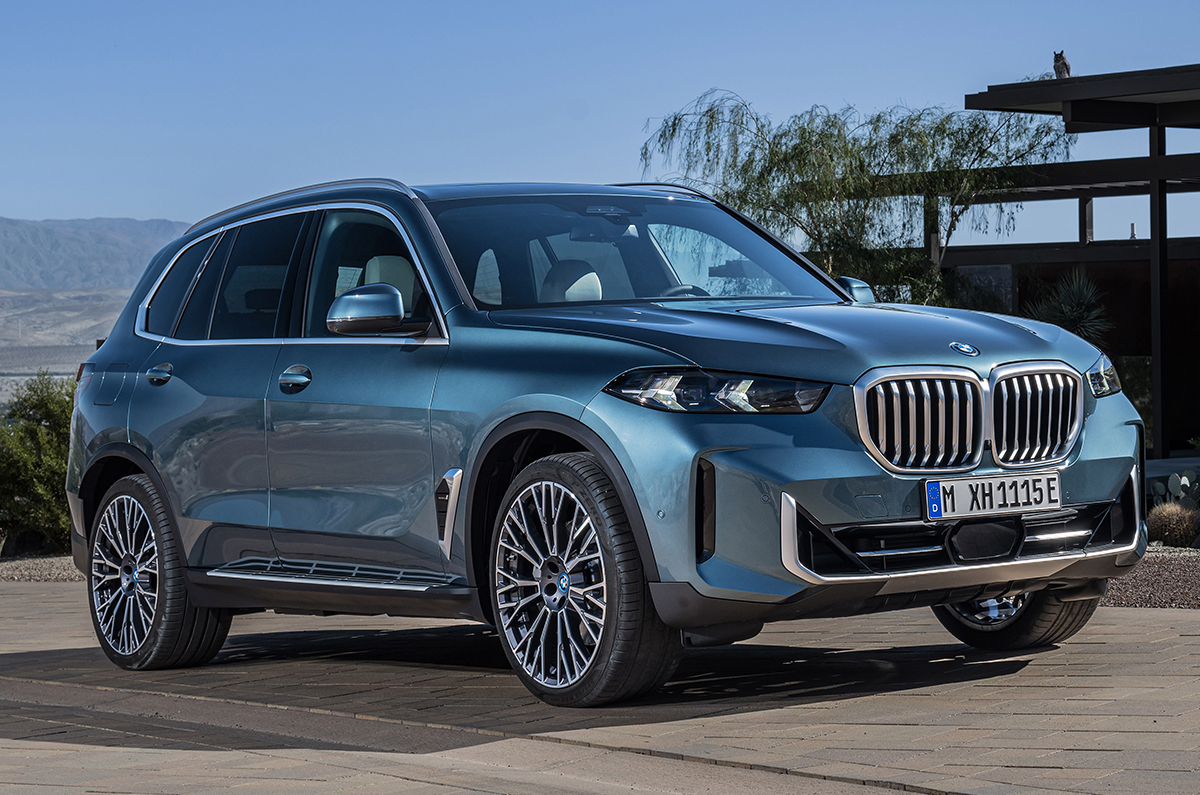
6. BMW X5
The BMW X5 is a luxury midsize SUV that provides refined driving dynamics and a strong cabin environment for drivers with allergies. Its advanced air filtration system goes beyond simple particle capture by incorporating large surface‑area filters that trap finer irritants and hold them securely until serviced. For many allergy sufferers, this comprehensive filtration makes the cabin noticeably more tolerable.
BMW’s ventilation and climate management system work together seamlessly with the filter to provide consistent air quality. Adjustable airflow modes allow drivers to put emphasis on recirculating cabin air when outside conditions are poor, reducing exposure to pollen and pollution peaks. This feature proves useful in urban areas with heavy traffic exposure.
The interior of the X5 is designed to feel both open and serene, with materials that complement its air quality efforts. Ventilated and heated seats further enhance comfort while maintaining a calming driver environment. For people prone to reactions from airborne irritants, the feeling of fresh, filtered air supports longer, more relaxed drives.
Maintaining the filtration system is made simple with clear service intervals and relatively easy access to cabin filters. Keeping filters clean and effective ensures that the SUV performs consistently over time, preserving its ability to mitigate allergens in the air. Owners who stay on top of maintenance tend to appreciate the long‑term benefits.
Given its blend of performance, comfort, and filtration capability, the BMW X5 appeals to drivers who want strong all‑around air quality in a luxury package. The system’s thoughtful design and execution make it a premium choice for allergy‑sensitive individuals.

7. Audi Q5
The Audi Q5 brings together refined design and effective air filtration that makes it a strong choice for drivers bothered by airborne allergens. Audi equips the Q5 with a multi‑stage cabin air filter that works to trap pollen and other small particles. This level of filtration helps maintain a cleaner breathing environment for drivers and passengers alike during every season.
In everyday driving, the Q5’s climate system responds quickly to changes in outside air conditions, allowing drivers to adjust airflow and recirculation settings easily. This responsiveness matters during high pollen days or when crossing environments with dust or pollens drifting into the cabin. Such flexibility in controls gives drivers confidence in managing air quality on the go.
The interior’s balance of supportive seating, quiet operation, and thoughtful air distribution makes longer trips more comfortable for sensitive individuals. Audi’s attention to detail ensures that filtered air reaches occupants efficiently without creating drafts or uneven temperatures in different parts of the cabin.
Serviceability is another positive aspect for Audi Q5 owners. Cabin filters are designed to be straightforward to inspect and replace during routine maintenance. This makes it easier for drivers to keep the air filtration system functioning at peak performance year after year.
For those who prioritize comfort and filtering performance in a premium crossover, the Audi Q5 delivers on multiple fronts. Its combination of advanced filter design and effective climate control contributes to an interior that feels calm and protected from external irritants.

8. Mercedes‑Benz GLE
The Mercedes‑Benz GLE is a luxury SUV offering a refined driving environment with air filtration that supports drivers with allergies. Mercedes‑Benz equips this model with cabin air filters that capture fine particles, pollen, and other airborne irritants. These filters help keep breathing air inside the vehicle cleaner and more comfortable for passengers sensitive to allergens.
In addition to its robust filter media, the GLE’s climate control system allows drivers to manage air intake and recirculation easily. Drivers can adjust settings to limit outside air entry when conditions are unfavorable, reducing potential allergen exposure during peak periods. The thoughtful design of controls makes this process intuitive and effective.
Inside, the GLE maintains a cabin that feels serene even during longer drives, with attention paid to noise reduction and airflow distribution. These elements complement the filtration system, making it easier for allergy sufferers to enjoy travel without constant irritation from airborne triggers.
Service and maintenance for the GLE’s filtration system are straightforward, allowing drivers to replace filters at recommended intervals to sustain performance. Keeping the system in good condition enhances its ability to trap particles and maintain high air quality.
For drivers who want a high level of comfort alongside dependable air filtration, the Mercedes‑Benz GLE stands out as a compelling luxury SUV. Its blend of performance, refinement, and interior comfort helps reduce the impact of allergens while on the road.
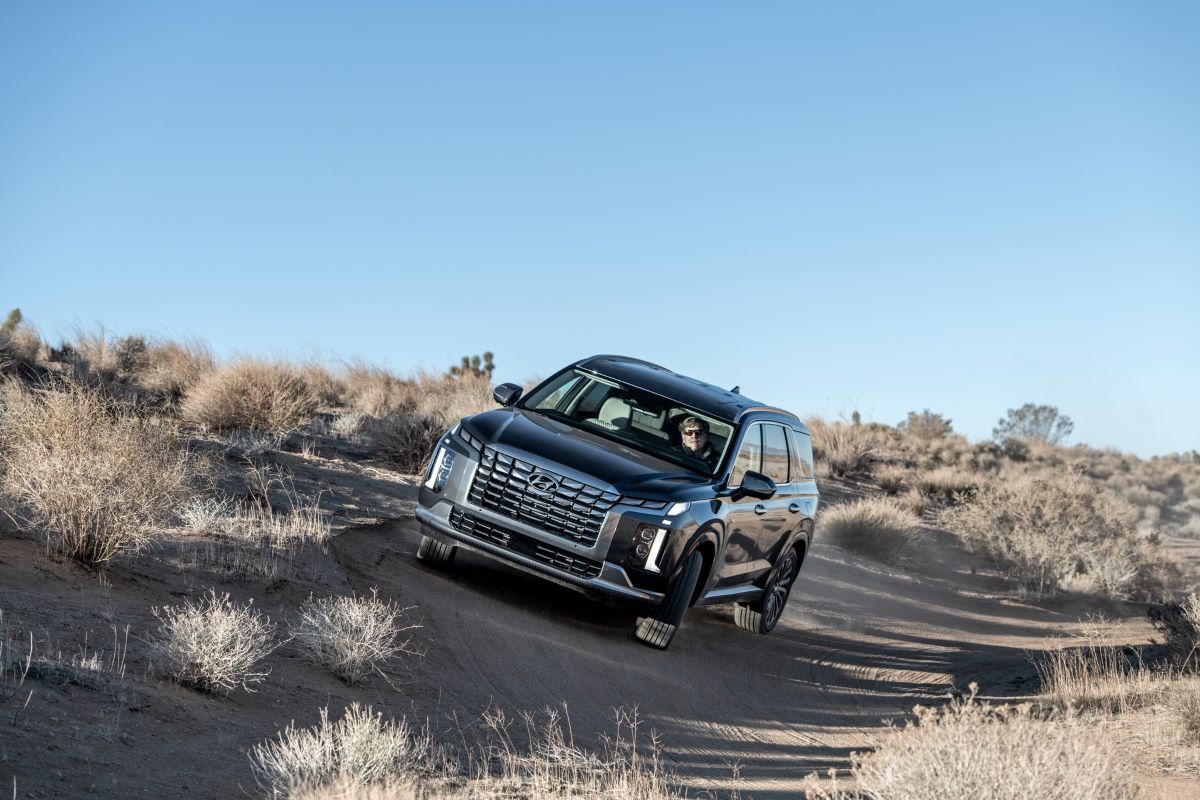
9. Hyundai Palisade
The Hyundai Palisade is a large SUV designed for families and drivers who value comfort and convenience. Part of its appeal for allergy sufferers is the effective cabin air filter, which works to trap pollen, dust, and other airborne irritants. This filtering ability helps create a more comfortable interior environment, especially on longer family trips.
Palisade’s HVAC system integrates well with its cabin filter, allowing drivers to recirculate air when outside conditions are unfavorable. This feature is particularly helpful during high pollen seasons or when traveling through areas known for blowing dust or allergens. The result is a calmer, clearer breathing space for everyone inside.
The SUV’s cabin feels spacious and well‑appointed, with thoughtful air distribution through the vents to ensure even circulation. This contributes to a more comfortable experience for sensitive drivers and passengers alike. Comfortable seating and intuitive climate controls further enhance the interior environment.
Maintaining the cabin filter in the Palisade is straightforward, with service intervals recommended in the owner’s guide to ensure long‑term effectiveness. Regular filter replacement maintains the system’s ability to trap allergens and provide cleaner air. Drivers who follow maintenance schedules find consistent comfort over the years.
The Hyundai Palisade combines practical family‑friendly features with strong air quality performance, making it a solid consideration for allergy‑sensitive drivers who want a comfortable and capable SUV.
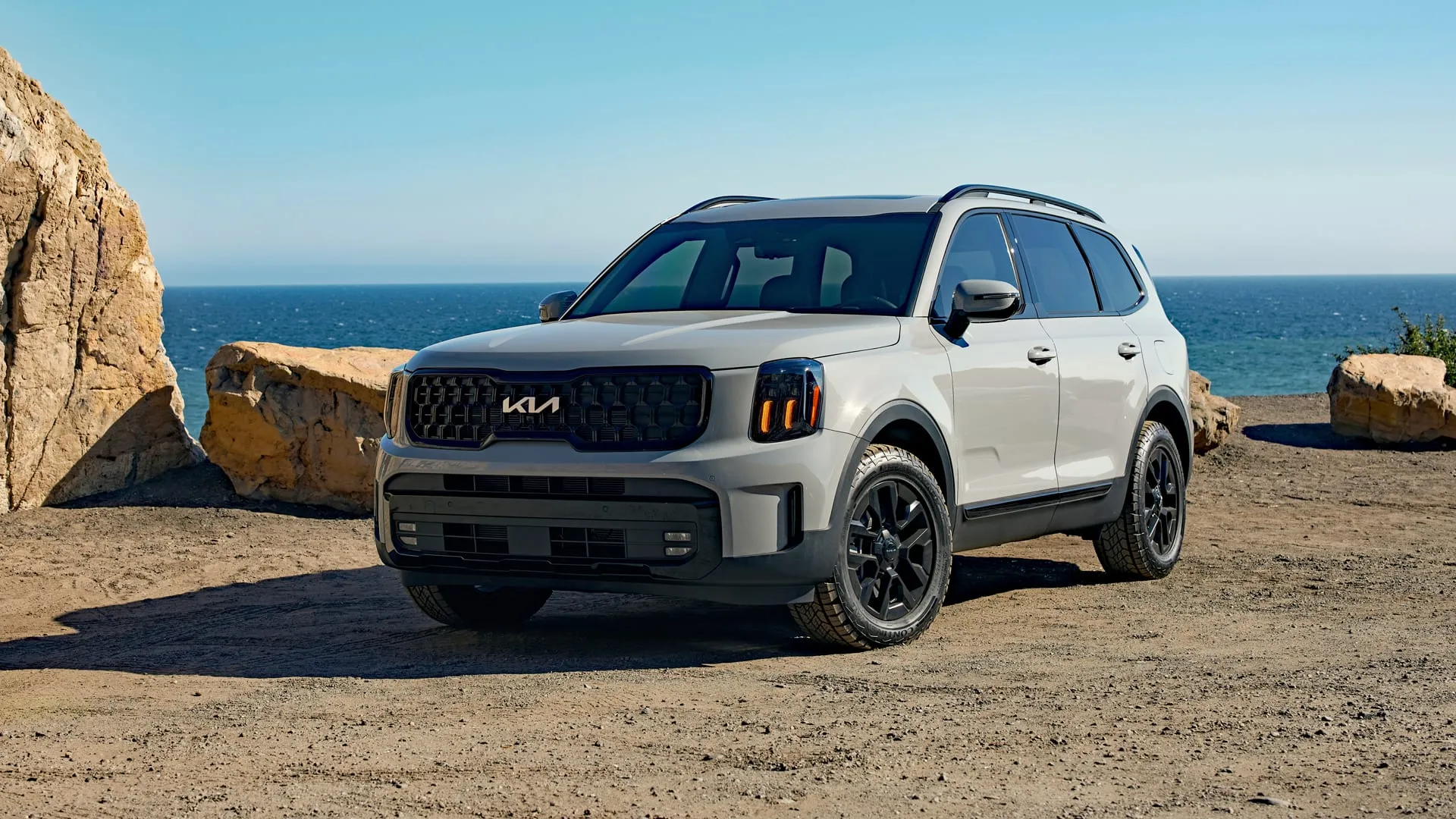
10. Kia Telluride
The Kia Telluride is another large SUV that combines modern design with features that appeal to drivers concerned about their interior environment. Its cabin air filtration system captures pollen and microscopic particulates that can aggravate allergies, helping maintain a more breathable atmosphere inside the vehicle.
The Telluride’s HVAC system works in concert with its cabin filter to ensure smooth and consistent airflow. Drivers can select recirculation modes to reduce outside air intrusion when conditions are poor, improving comfort during peak allergy periods. This adaptability helps make each drive more manageable for sensitive occupants.
Inside, the cabin feels roomy and thoughtfully laid out, with control placement that makes adjusting air settings easy. This contributes to a sense of control over one’s environment, which is important for people who want to tailor interior conditions to their needs.
Maintaining the filtration system is made easier by accessible service panels and clear filter change intervals. Keeping the cabin filter clean preserves its ability to trap irritants and support healthy air inside the SUV. Owners who follow recommended service routines notice a difference in interior comfort.
Given its family‑oriented design, strong feature set, and effective filtration system, the Kia Telluride stands as a competitive choice for drivers who want cleaner cabin air along with everyday utility and comfort.
