
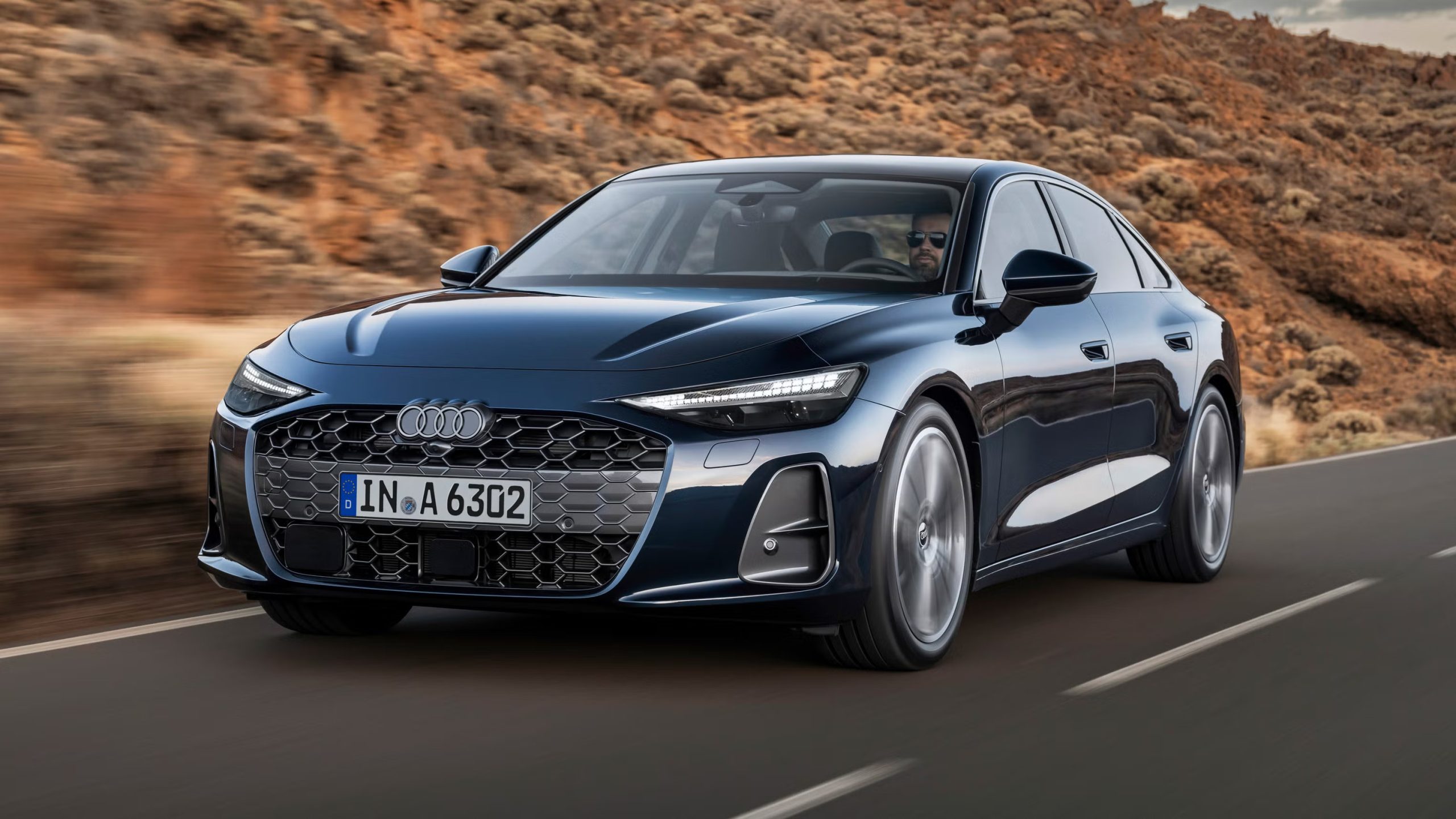
Automobile safety has become one of the most important considerations for drivers and families around the world. People who shop for a sedan often look at crash test ratings to understand how well vehicles protect occupants in different kinds of collisions.
One specific type of crash test that has gained attention from safety advocates and testers is the small overlap crash. This test simulates a collision where only a small portion of the front corner of the vehicle strikes an object such as a tree or utility pole.
Because the impact affects a limited part of the frame, many vehicles once struggled to manage energy and protect occupants in these events. In response to that challenge, safety organizations across the world including the Insurance Institute for Highway Safety, the National Highway Traffic Safety Administration, Euro NCAP, ANCAP and others have developed protocols to assess how well cars cope with this demanding scenario.
Modern sedans that earn top marks in these tests demonstrate strong structural design, effective restraint systems, and advanced safety technology.
In the ranking of the best performing sedans for small overlap crashes, one factor that must be recognized is the global perspective. Crash test organizations vary in their protocols but share a common goal of evaluating protection for people inside the vehicle.
A sedan that receives excellent scores from multiple agencies reflects consistent performance under varied testing conditions. Some sedans achieve that distinction due to robust engineering, thoughtful safety features, and rigorous quality control.
For drivers who prioritize crash protection, studying the results from multiple test programs can provide assurance that the vehicle will help reduce the risk of serious injury in an accident. While no car can eliminate danger entirely, those that perform well in small overlap tests show they can manage severe forces and maintain a survivable passenger cabin.
Consumers around the world also weigh factors such as cost, fuel efficiency, comfort and reliability. However, when it comes to safety in real world crashes, top rated sedans in small overlap assessments can offer peace of mind.
Families transporting children, commuters sharing busy highways, and anyone who values resilience in a collision find value in comprehensive safety evaluations. In the list that follows, the focus will be on specific, well known sedans that consistently earned outstanding small overlap crash ratings from trusted agencies.
These models represent a range of sizes from compact to midsize and include choices across domestic, Asian and European manufacturers. By highlighting the qualities of each, readers can better understand why they stand out and how they contribute to occupant protection in a demanding test scenario.
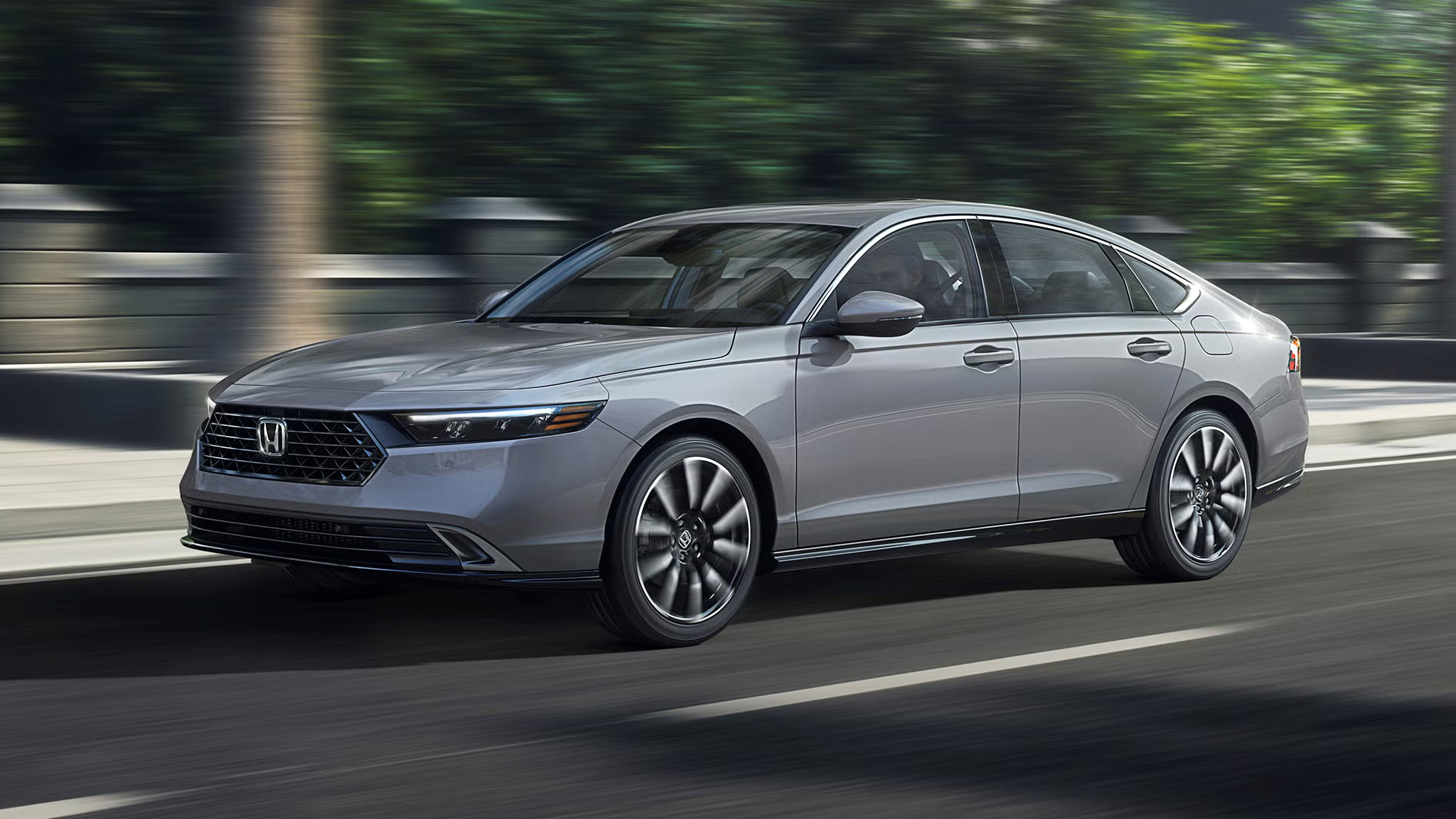
1. Honda Accord
The Honda Accord has long been a benchmark in the midsize sedan category for safety and performance. In small overlap crash assessments by several programs, the Accord’s structure has shown excellent ability to absorb impact forces.
Its front end design channels energy away from the passenger cell effectively to reduce intrusion. The cabin remains stable and restraint systems work smoothly to protect occupants.
Passenger protection in the Accord is supported by advanced airbag systems and seatbelt technologies. During tests, chest, head, and leg injury measures often remain within favorable ranges. The Accord’s safety suite also includes features that help avoid or mitigate collisions in the first place. Such active safety technologies contribute to its reputation beyond structural test results.
Global organizations consider occupant protection from multiple directions and at varied speeds. The Accord’s consistent scores indicate strength in frontal, side, and small overlap impacts. In European evaluations, it has also earned commendable ratings for pedestrian protection. This broader performance aligns with its design philosophy centered on comprehensive occupant care.
Drivers often praise the Accord not only for crash performance but also for its reliable build quality. The vehicle’s engineering focus includes both rigid structures and energy absorbing components. Combined with diligent testing by manufacturers and safety organizations, this yields a sedan that appeals to safety conscious buyers.
The Honda Accord remains a top choice for those who want proven performance in demanding crash scenarios. Its consistent recognition in small overlap tests from around the globe makes it a standout among midsize sedans. Families and individual drivers alike can consider it a strong contender when safety is high on the priority list.
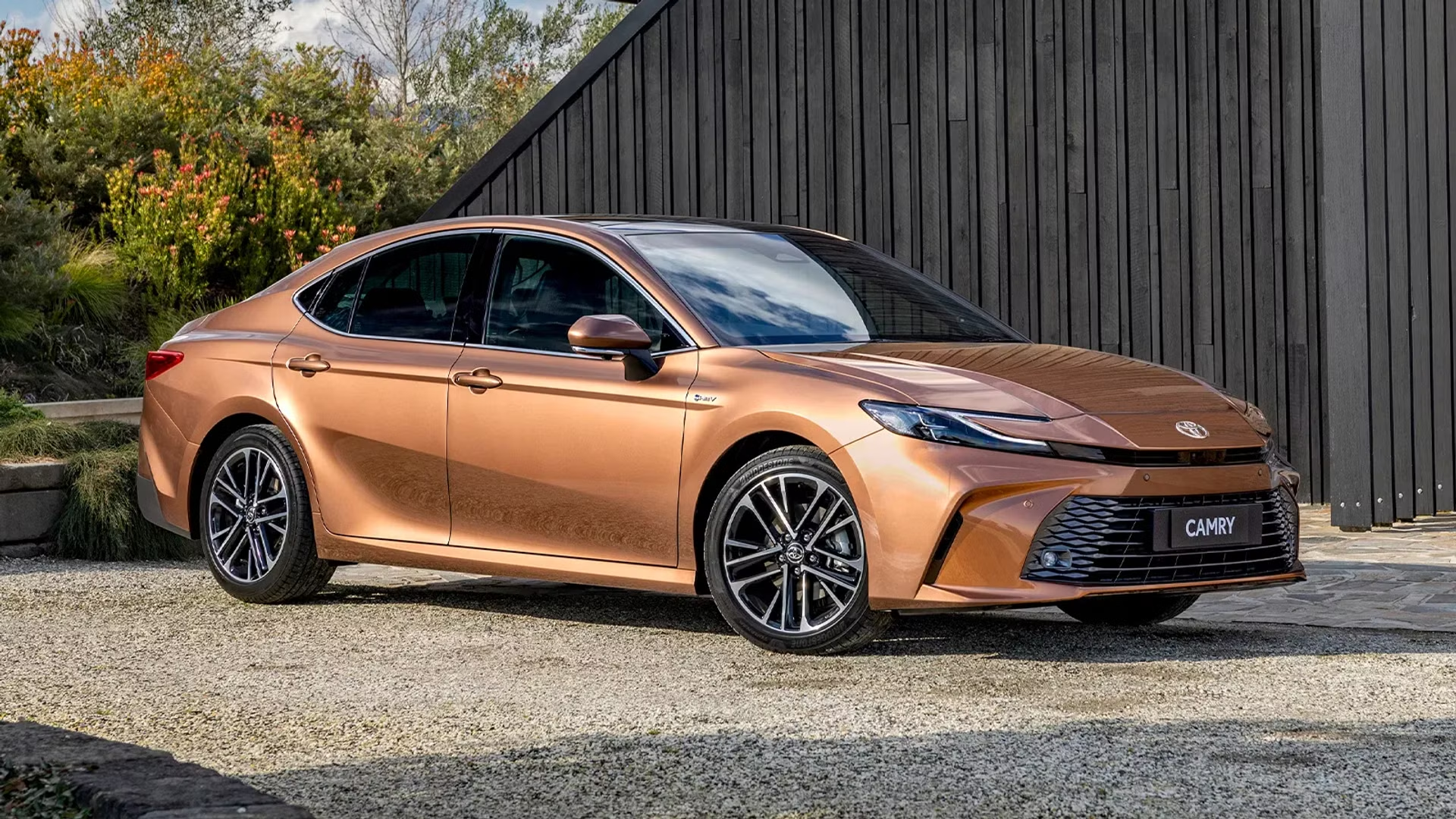
2. Toyota Camry
The Toyota Camry has a long held reputation for reliability and value, and safety is a key part of that identity. In small overlap crash evaluations, the Camry often shows strong structural performance that protects the passenger compartment. Test results reveal minimal intrusion into critical areas, which helps maintain survival space for occupants. Reinforcements in the body and robust door frames play a major role in these outcomes.
Airbag systems in the Camry are designed to work in concert with the vehicle’s structure to cushion impact forces. Data from crash testing frequently highlights favorable readings for head and chest protection. The Camry also incorporates active safety features that help prevent collisions, which complements its passive crashworthiness.
When evaluated under different global protocols, the Camry’s protective measures are well regarded across regions. Whether it is a crash at high speed or a small overlap event, the family oriented sedan tends to maintain its protective integrity. Euro NCAP and other agencies recognize its broader safety performance as part of comprehensive scoring criteria.
Consumers who choose the Camry often cite its blend of fuel efficiency, comfort and safety. A top rating for small overlap crashes boosts confidence for buyers concerned about real world crash scenarios. Combined with Toyota’s commitment to continuous improvement, the Camry remains a strong safety contender.
In addition to occupant protection, the Camry’s design often earns praise for pedestrian safety systems and driver assistance technologies. These contribute to a balance of safety features that look beyond structural strength alone. As a result, the Camry stands among sedans recognized for protecting people inside and outside the vehicle.
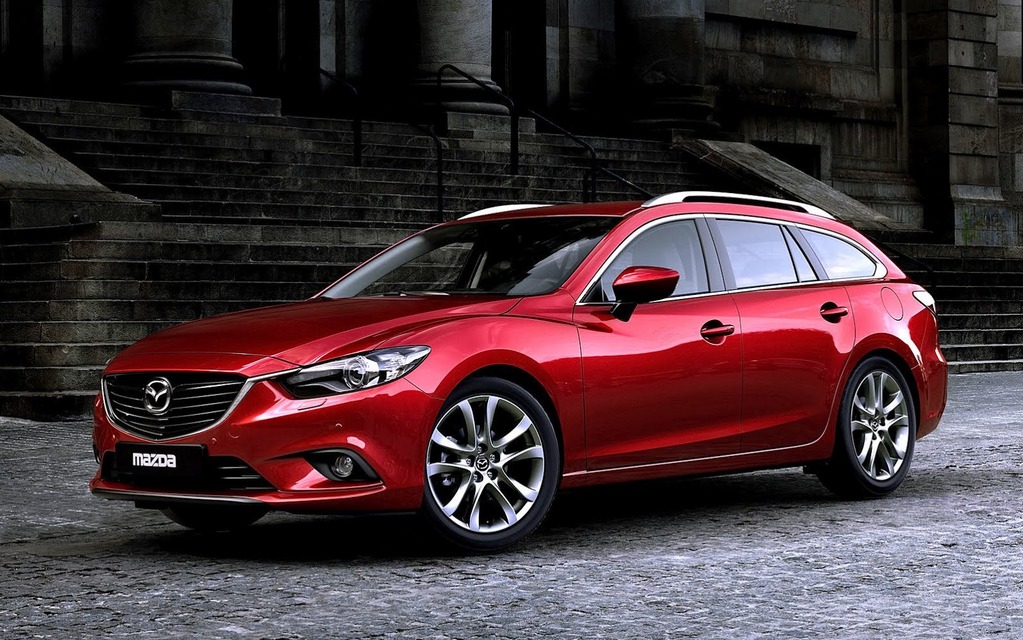
3. Mazda6
The Mazda6 distinguishes itself with a driving experience that appeals to enthusiasts, without sacrificing safety performance. In crash assessments covering small overlap impacts, the Mazda6’s rigid body structure takes the brunt of forces while shielding the passenger area. Engineers focus on what they call a “driver centric” approach that blends dynamics with strength.
Crash test results frequently show the Mazda6 maintaining low levels of intrusion into occupant space. Seatbelt pretensioners and advanced airbag deployment strategies are part of the safety design. These elements work in harmony to reduce the risk of serious injury during a severe collision event. Evaluators consistently note its favorable outcomes.
When global safety agencies assess the Mazda6, they consider multiple impact scenarios. The sedan earns praise for frontal and side impact performance in addition to small overlap scenarios. The high structural integrity contributes to its protection ratings, which are key factors for safety aware buyers.
The Mazda6 also integrates a suite of active safety technologies that help drivers avoid accidents. Features such as automatic braking, lane keeping alerts and adaptive cruise functions augment its passive safety strengths. This comprehensive approach is part of why it earns recognition in global testing.
For drivers seeking a midsize sedan that feels engaging yet prioritizes safety, the Mazda6 often emerges near the top of the list. Its consistent performance in small overlap crash tests reflects thoughtful design and manufacturing quality. Families and daily commuters can take confidence in these attributes.
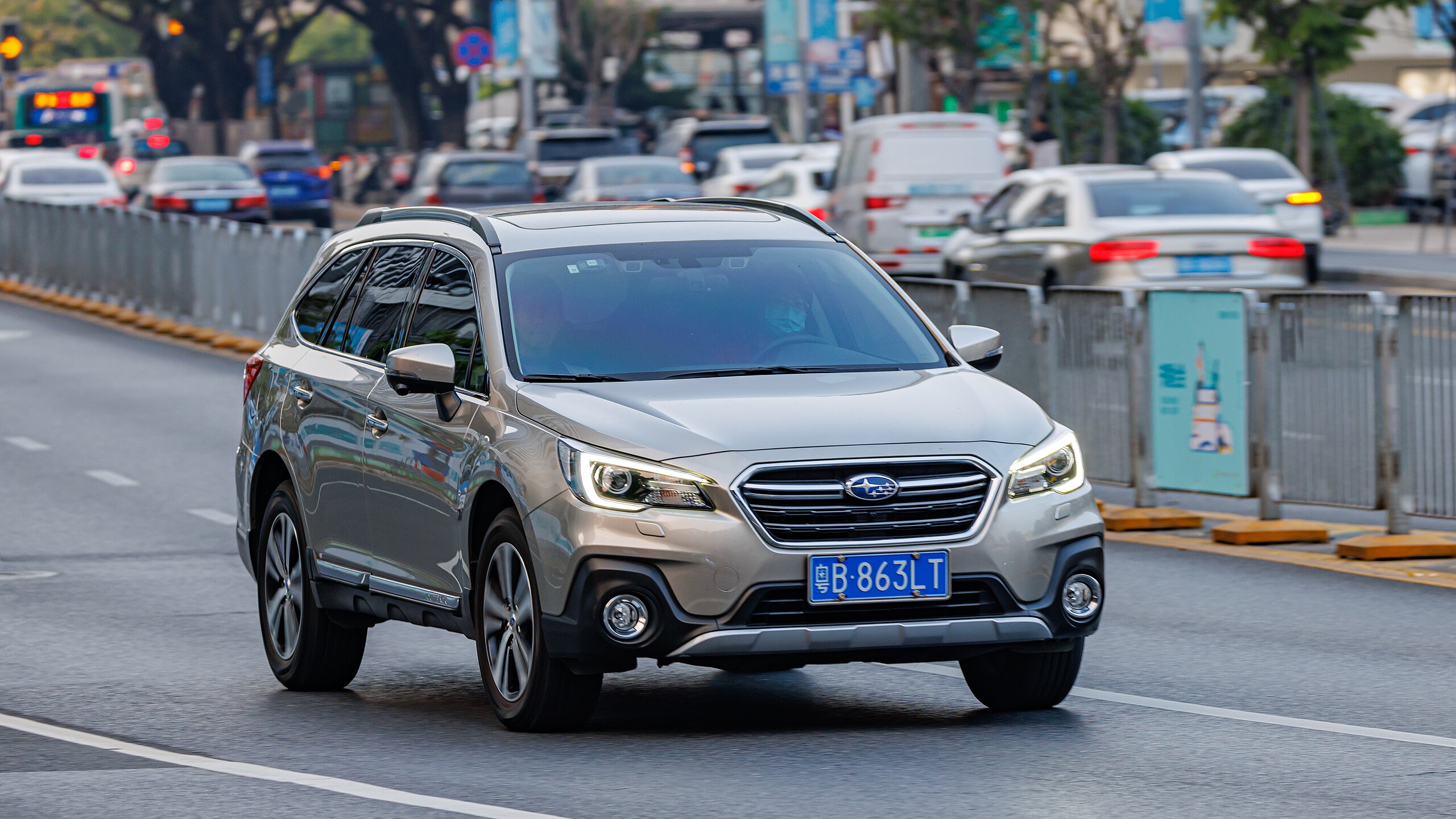
4. Subaru Legacy
Subaru has built a reputation around all wheel drive capability and strong safety performance, and the Legacy sedan exemplifies that focus. In small overlap crash evaluations, the Legacy’s symmetrical all wheel drive platform and reinforced frame deliver impressive results. Cabin integrity remains intact and restraint systems help reduce the risk of severe injury.
Crash test evaluations indicate that the Legacy manages crash energy effectively, pushing forces away from the occupant area. Head and chest protection measurements typically fall within favorable ranges. Subaru’s engineering emphasizes balance and stability, which contributes to predictable outcomes in collision assessments.
Global crash safety programs also take into account additional impact types beyond the small overlap scenario. In these, the Legacy continues to perform well, earning attention for its side impact resilience and rollover protection. Such balanced performance makes it attractive to those who prioritize safety.
Active safety features in the Legacy work to prevent accident situations before they occur. Systems including automatic emergency braking and lane departure alerts are part of the standard safety suite in many trims. Combined with strong passive crashworthiness, these help the Legacy remain a noteworthy safety sedan.
Drivers who appreciate all wheel drive and safety will find the Legacy aligns with their needs. Its consistent recognition for small overlap crash performance globally enhances its appeal. The combination of structural strength and driver assistance technologies positions it as a dependable choice.
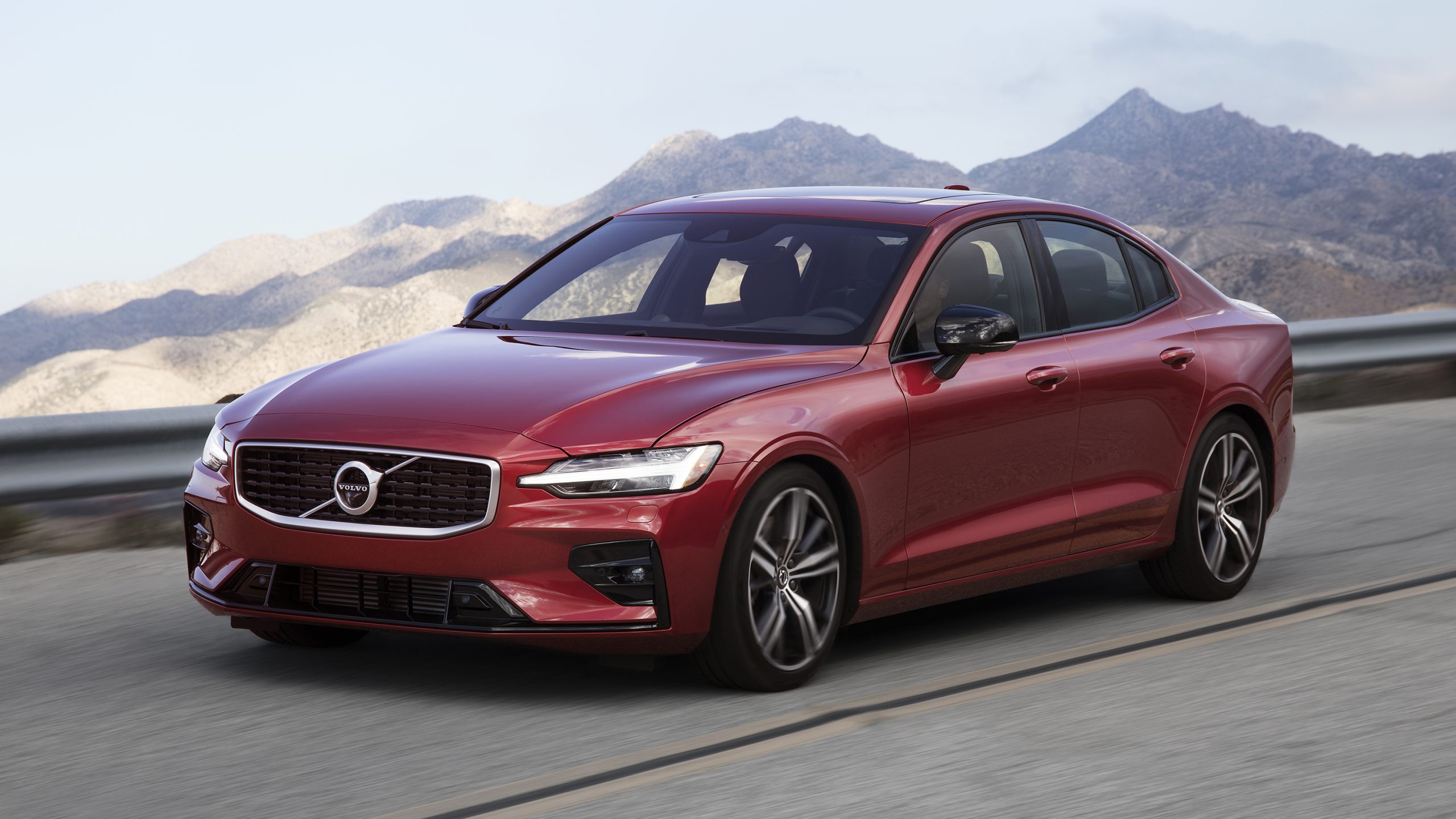
5. Volvo S60
Volvo has long been associated with safety leadership among automobile manufacturers, and the S60 sedan is no exception. In small overlap crash tests around the world, Volvo’s focus on occupant protection results in outstanding outcomes. The brand’s engineering philosophy emphasizes crumple zones, high strength steel and restraint systems that work together.
Crash assessment data often shows the S60 maintaining a protective shell around the occupant area. Head and neck protection readings are strong due to well designed seat and airbag configurations. The body structure absorbs and redistributes energy effectively, which is critical in small overlap impacts.
Global safety organizations recognize Volvo’s comprehensive safety approach, not only for frontal tests but also for side and rear impacts. The S60 also often earns high marks for pedestrian protection and active crash avoidance technologies. These results support the sedan’s reputation for holistic safety performance.
Volvo includes a wide range of driver assistance features as standard, such as automatic braking, blind spot monitoring and adaptive steering aids. These systems help reduce the likelihood of collisions, and complement the vehicle’s excellent structural protectiveness. This integration makes the S60 a strong safety sedan.
For those who want premium design along with top tier safety, the Volvo S60 stands out. Its performance in small overlap crash scenarios is consistent with the company’s long history of prioritizing human protection. Buyers seeking both comfort and confidence often consider this sedan.
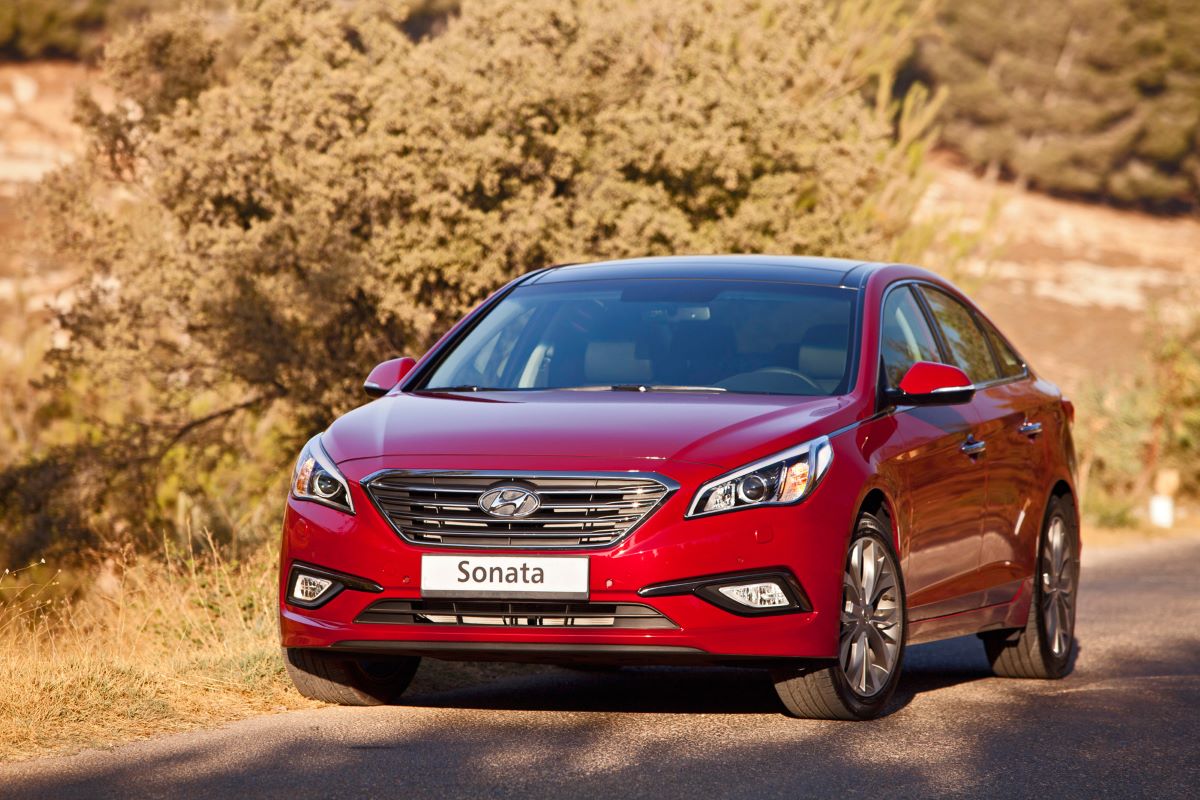
6. Hyundai Sonata
The Hyundai Sonata is a midsize sedan known for its value proposition, and safety ratings are a part of that appeal. In small overlap crash tests conducted by multiple programs, the Sonata’s structure shows solid performance. The vehicle’s design includes reinforced frames and energy absorbing elements that help manage impact forces.
Detailed evaluations of crash results reveal that protection for critical body regions often remains in acceptable ranges. The Sonata’s airbags and seatbelt systems contribute to minimizing injury risk. Testers note that the combination of structure and restraint performance works cohesively.
Under global crash test protocols, the Sonata earns favorable results not only for small overlap impacts but also for other common scenarios. These broad evaluations help consumers understand the sedan’s crash resilience. When a vehicle performs well across diverse tests, it strengthens confidence in its safety qualities.
In addition to robust passive safety features, the Sonata offers a comprehensive suite of active assistance systems. Features like forward collision alerts, lane keeping support and automated braking enhance its ability to avoid dangerous situations. This well rounded approach complements the structural safety achievements.
Drivers seeking a balance of affordability, comfort, and safety often find the Sonata compelling. Its strong results in small overlap crash assessments reflect Hyundai’s commitment to occupant protection. When safety is paired with modern design and technology, the Sonata earns high regard among midsize sedans.
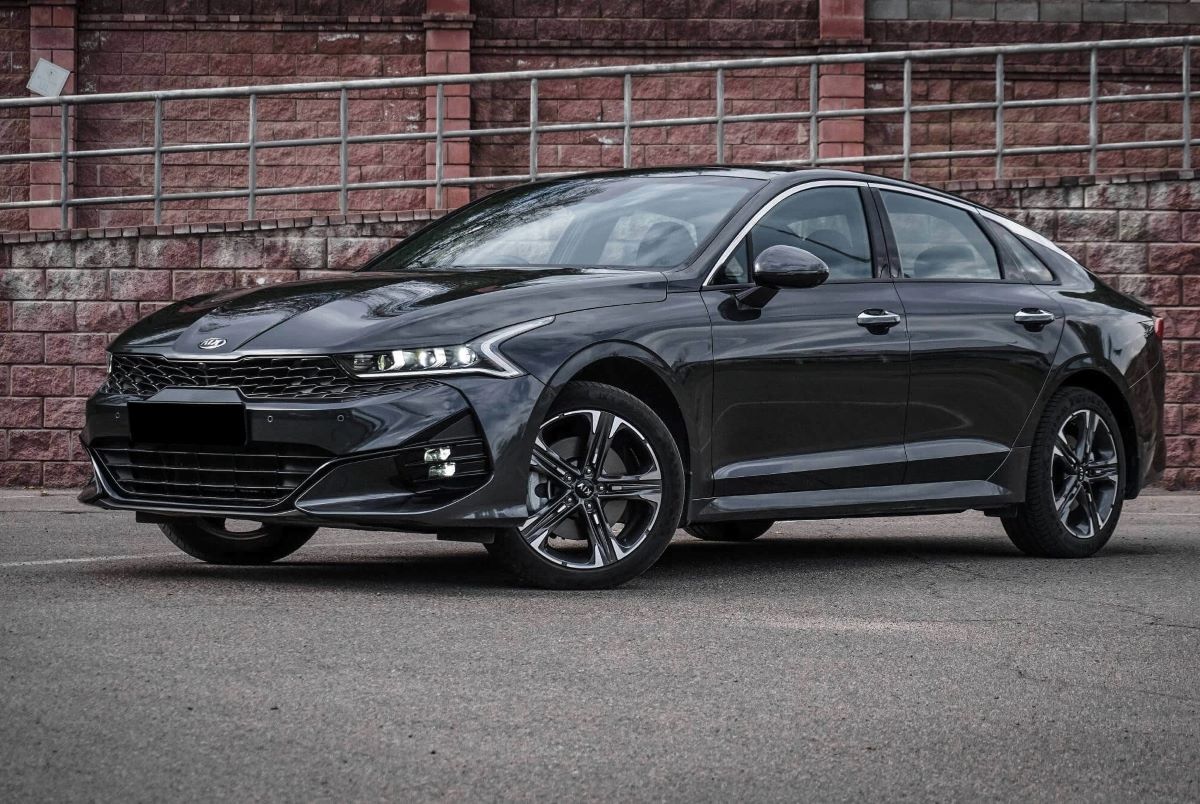
7. Kia K5
The Kia K5, a stylish midsize sedan, often makes lists of top safety performers due to its engineering focus on occupant protection. In small overlap crash evaluations, the K5’s body structure shows ability to manage collision forces. Rigid zones and controlled deformation patterns help preserve the passenger compartment.
Crash test readings for the K5 commonly show good head, chest and leg protection for front seat occupants. The vehicle’s restraint systems and supplemental airbags contribute to these outcomes. Protection levels in tests often meet or exceed the criteria set by safety agencies across regions.
Global safety organizations also consider metrics beyond the small overlap test when evaluating the K5. Side impact, roof strength, and whiplash protection assessments complement the frontal crash performance. Results in these areas help establish the K5 as a well rounded safety contender.
Active safety technologies are a key part of the K5’s defensive strategy. Standard systems often include automatic emergency braking, blind spot warnings and lane keeping aids. These features work to alert drivers and prevent collisions from occurring in the first place.
Buyers who want a modern sedan with strong safety performance frequently consider the Kia K5. Its consistent recognition in small overlap crash tests reflects a thoughtful approach to protecting people inside the vehicle. When combined with comfort and technology, it stands high among its peers.
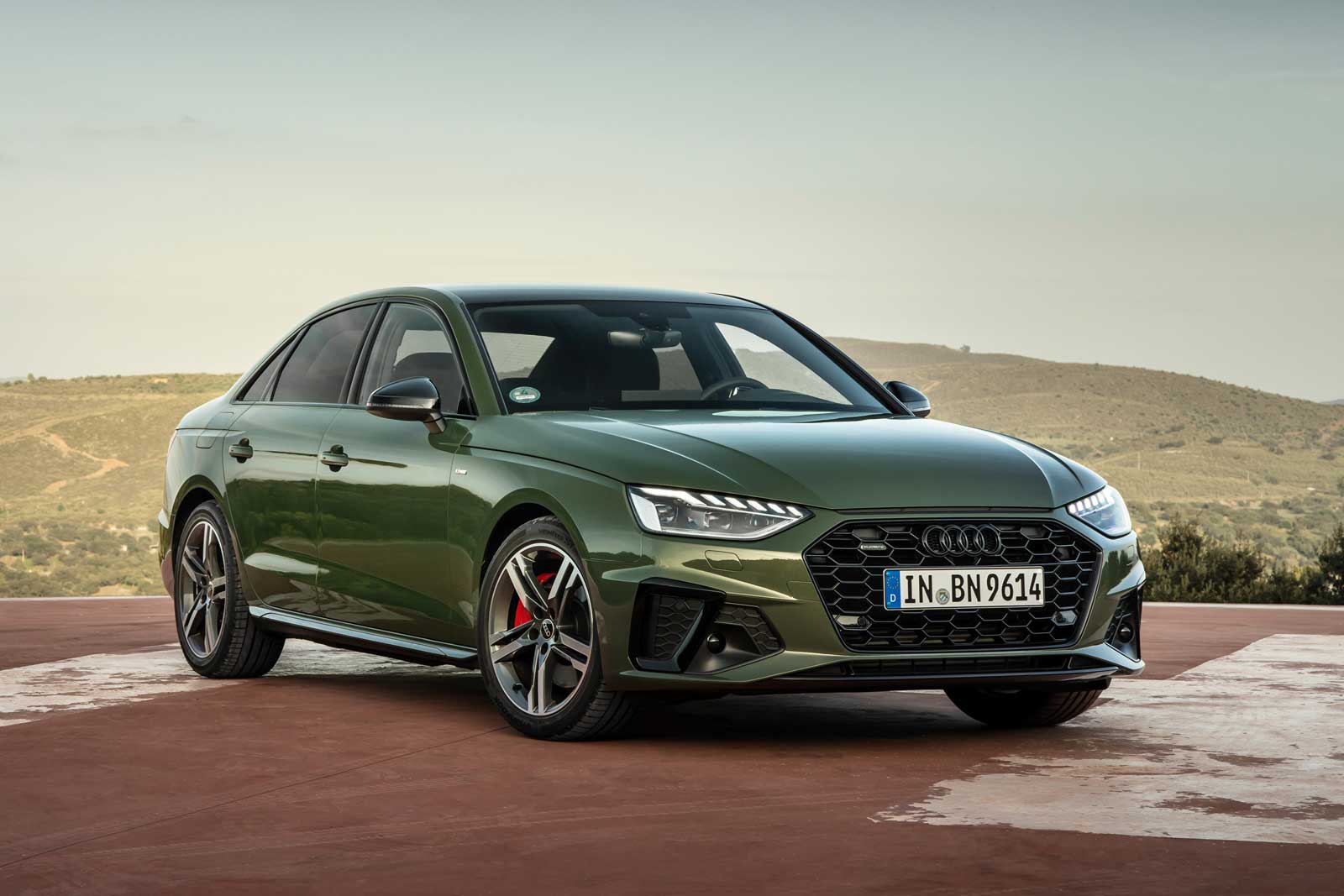
8. Audi A4
The Audi A4 represents premium engineering and design, and safety is central to its appeal. In small overlap crash assessments, the A4’s lightweight yet strong body structure performs well. Stress distributing panels and high strength materials help control crash energy flow.
Occupant protection measures in the A4 earn favorable readings in crash tests for critical body regions. Front seat occupants benefit from well calibrated airbags and restraint systems. The combination of precision engineering and safety design results in strong outcomes in impact scenarios.
Under global crash test criteria, the A4 often earns high marks for a variety of safety aspects. Frontal, side and small overlap impacts are only part of the evaluation, as pedestrian protection and avoidance technology also factor into assessments. This broad view helps place the A4 among leading safety sedans.
Audi includes a suite of driver assistance systems that help reduce accident risk. Systems such as adaptive cruise support, lane guidance alerts and automated braking contribute to safer driving. These active features complement the car’s passive safety design elements.
For drivers who seek a blend of performance, luxury and safety, the Audi A4 remains a compelling choice. Its consistent crash performance reflects a commitment to quality and occupant protection. Those who prioritize confidence in safety as well as driving experience often look to this sedan.
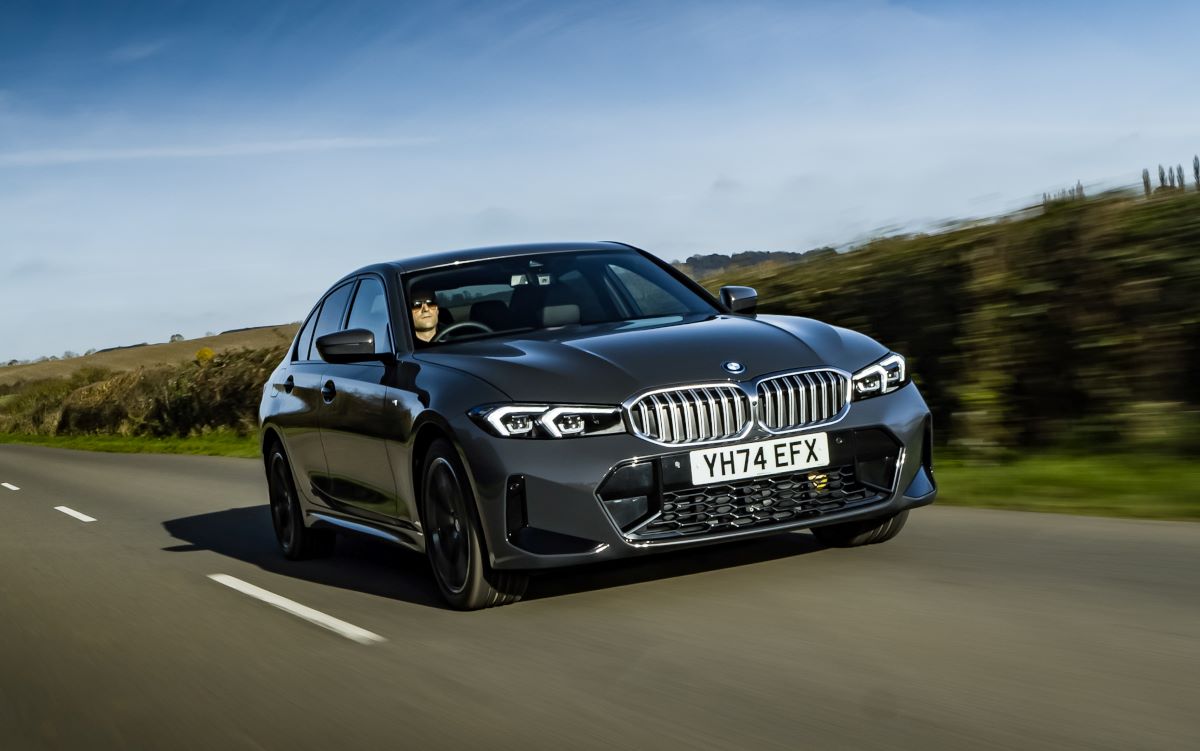
9. BMW 3 Series
The BMW 3 Series is renowned for driving dynamics and engineering excellence, and safety is part of that package. In small overlap crash evaluations, the 3 Series shows strong performance in maintaining cabin integrity. Strategic reinforcement and energy controlling zones help absorb impacts.
Crash test data often reveals favorable occupant protection levels for the 3 Series. Airbags, seatbelts and structural design work together to reduce the risk of severe injury in demanding scenarios. Testers frequently note the balance between rigidity and energy absorption.
Global safety assessments take into account varied crash situations, and the 3 Series often performs well across them. Frontal, side and smaller offset impacts are part of the evaluations that show its structural competence. Additional considerations like pedestrian protection contribute to its safety profile.
BMW’s active safety technologies further help drivers avoid collisions. Features such as lane departure alerts, forward collision warnings and braking support help mitigate risk. These systems add to the sedan’s defensive strategy.
For those who want a sedan with spirited performance without forgoing safety, the BMW 3 Series delivers. Its consistent recognition in small overlap crash assessments adds to its appeal. Along with dynamic handling and refinement, it stands out as a well rounded choice.
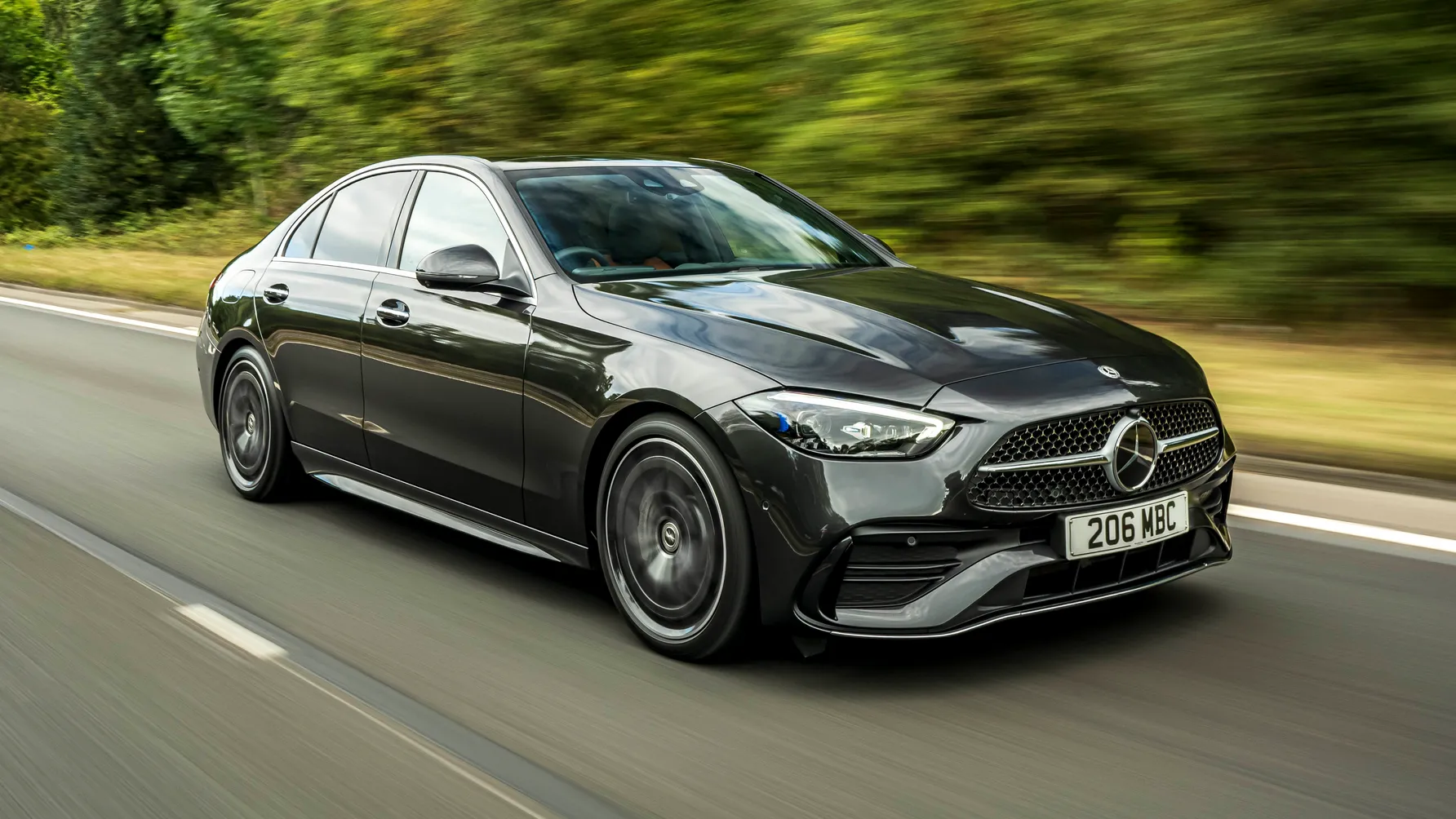
10. Mercedes C‑Class
The Mercedes C‑Class blends premium comfort with advanced safety engineering that shows up in global crash assessments. In small overlap crash tests, its reinforced frame and crumple structures handle forces effectively. The passenger cell remains stable and restraint systems work to protect occupants.
Occupant protection measures in the C‑Class result in strong readings for vital body regions during crash evaluations. Airbags and belt systems are tuned to work in harmony with the vehicle’s structure. These elements help maintain survivable space in severe impacts.
When tested under varied global protocols, the C‑Class often earns commendable performance in multiple crash types. Side impact, rollover and frontal evaluations support its broad safety profile. Pedestrian safety and avoidance technology also contribute to ratings.
Mercedes equips the C‑Class with a comprehensive suite of driver assistance systems. Technologies such as automatic braking, lane tracking assist and collision warnings help prevent accidents. These systems work alongside passive safety measures to form a complete defensive package.
For buyers who want a blend of luxury and safety, the Mercedes C‑Class is a strong contender. Its consistent performance in small overlap crash tests reflects thoughtful engineering and quality. Those who value a premium experience without compromising on safety may find it appealing.
