
The 1960s marked a period of bold innovation and design in the automotive industry, a decade when car manufacturers were experimenting with both performance and aesthetics. Among the most distinctive features of vehicles from this era were their headlights, often framed with intricate bezels or hidden behind elegant covers that added character and personality to each model.
These headlight designs were more than functional; they were statements of style, signaling the brand’s identity and the car’s position within the market. Unlike today’s standardized lighting systems, 1960s headlight designs often reflected the designer’s creativity and the cultural trends of the time. Chrome, glass, and sometimes even intricate shapes were employed to make vehicles stand out while emphasizing their aerodynamic lines.
Some of the most memorable headlight designs were those that integrated covers to create a smoother, more futuristic look. These covered headlights were often used on sports cars and luxury models, giving them a sense of speed even when parked.
The use of bezels, ranging from simple chrome rings to more elaborate, multi-tiered structures, framed the headlights with a sense of refinement. Each automaker had its own approach: some preferred circular headlights with minimalist bezels, while others experimented with hidden or partially recessed lights that added mystery and intrigue to the car’s front end.
Collectors today still prize these designs for their aesthetic appeal and historical significance, and many restored cars carefully preserve the original bezels and covers to maintain authenticity.
The influence of pop culture also played a significant role in how headlights were designed during this decade. Movies, television, and advertising often highlighted cars as symbols of status, freedom, and modernity, and the headlight design was a subtle but important way to convey those qualities.
Some headlights even became the defining feature of a car’s face, recognizable across continents without seeing the rest of the body. Automotive magazines of the time often praised these details, and enthusiasts would debate which designs were the most striking or innovative.
Today, these features are studied not only for their artistic value but also for their mechanical ingenuity, as designers had to balance aesthetics with proper light output and safety regulations.
This list focuses on ten cars from the 1960s that exemplified the creativity and elegance of headlight covers and bezels. Each vehicle was chosen not just for its popularity or performance but for how the front-end design elevated the car’s appeal.
From sports cars that used sleek, aerodynamic covers to luxury sedans with bold, chrome-framed headlights, the 1960s offered a variety of designs that continue to influence modern automotive styling. These cars serve as historical milestones, showcasing how a simple component like a headlight can define an era and make a lasting impression.
The combination of engineering, art, and culture embedded in these designs ensures their place in automotive history as some of the most iconic of all time.
Collectors, enthusiasts, and historians alike continue to admire the ingenuity of these headlight designs. Preserving and restoring the original covers and bezels is a labor of love, reflecting the dedication to maintaining the aesthetic integrity of these cars.
While modern headlights prioritize efficiency and technology, there is a nostalgic charm in the tactile and visual appeal of the 1960s designs. Chrome trim, intricate patterns, and recessed or hidden elements all added to the drama, creating a memorable impression with every glance. For many, these headlights represent the perfect balance of beauty and function, a design principle that remains relevant even today.
1. Jaguar E-Type
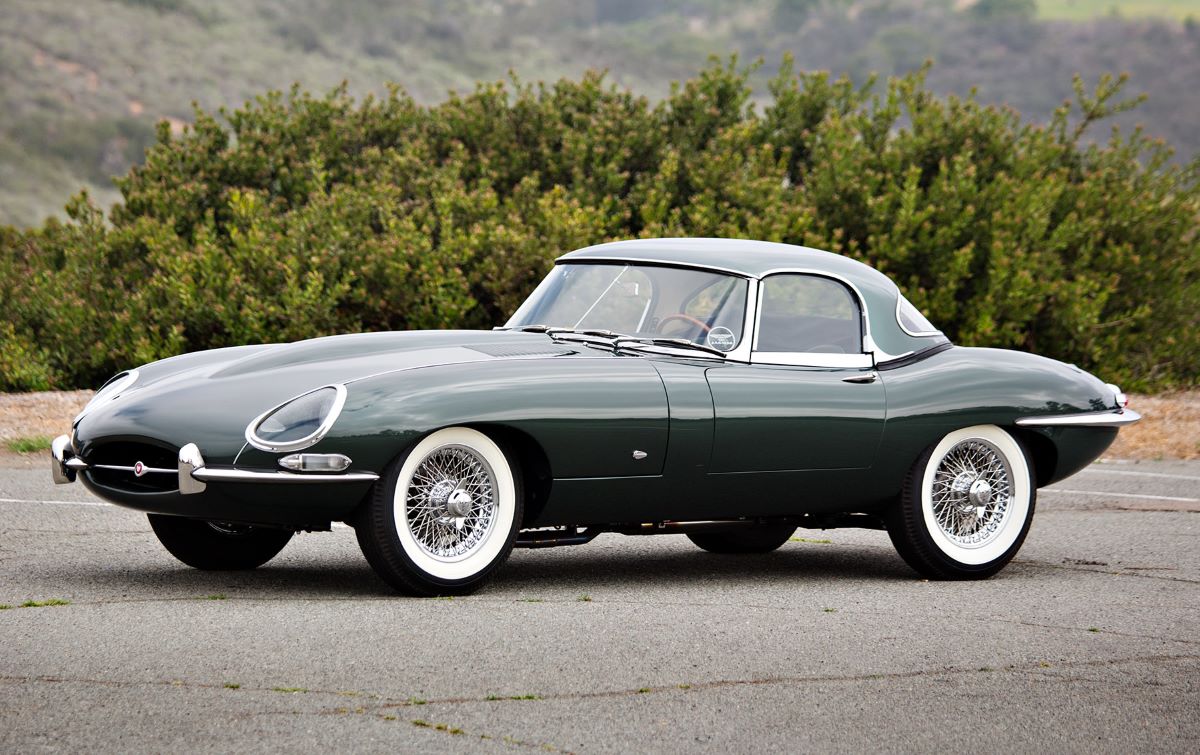
The Jaguar E-Type is widely celebrated for its flowing lines and performance, but its headlight design contributed just as much to its legendary status. Covered headlights provided a smooth, aerodynamic front that enhanced the car’s sleek profile.
The glass covers were slightly curved, blending seamlessly with the elongated hood, and they created an impression of movement even when the car was stationary.
Chrome bezels surrounded the lights themselves, accentuating the delicate curvature of the headlight and providing a contrast to the painted body. This combination of cover and bezel was both stylish and functional, reducing wind resistance while framing the lights in a subtle, elegant way.
The E-Type’s headlights were slightly recessed into the body, giving the front a sense of depth and sophistication. Unlike many contemporaries, the integration was flawless, demonstrating the British manufacturer’s attention to detail. The effect was both futuristic and timeless, a hallmark of Jaguar’s design philosophy.
Collectors often note that the E-Type’s headlight design influenced other European sports cars of the late 1960s. Designers aimed to replicate the sense of speed and grace achieved by the combination of curved glass and chrome framing. The car’s appeal is enhanced by these elements, making it one of the most photographed vehicles from the era.
Even today, the E-Type remains a standard of beauty in automotive design. Enthusiasts seek original headlight covers and bezels during restoration, knowing that this small detail makes a significant difference in the car’s authenticity.
The interplay of form and function is evident in every angle, proving that headlights were more than mere illumination, they were a central part of the car’s personality.
2. Chevrolet Corvette Sting Ray
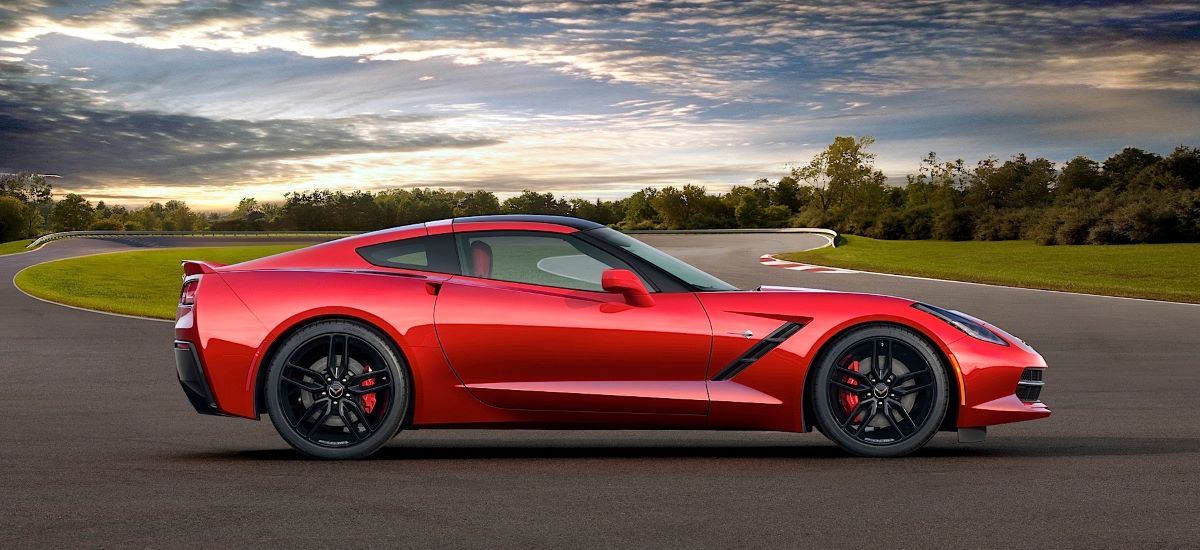
The Chevrolet Corvette Sting Ray from the 1960s was known for its hidden headlight covers that popped up when needed. These covers allowed the car to maintain a clean, uninterrupted front end, emphasizing its aggressive stance. The pop-up design was innovative at the time and became an iconic element of the Corvette’s identity.
When closed, the headlights created a smooth surface that enhanced the aerodynamic lines of the hood. Chrome bezels inside the covers added detail without drawing attention away from the car’s shape. This combination provided a balance of elegance and performance-focused design.
The retractable nature of the headlights required precise engineering to ensure reliability. Mechanisms had to maintain alignment while resisting wear and vibration, a technical achievement that added to the car’s appeal. The seamless integration of covers and bezels demonstrated Chevrolet’s commitment to design innovation.
The Sting Ray’s headlight design became a signature feature that distinguished it from other American sports cars. Fans and collectors recognize the importance of these elements when restoring or maintaining original models, as the covers and bezels define the car’s character.
The visual impact of the Corvette’s front end is still remarkable today. The hidden headlights convey both elegance and aggression, a combination that continues to influence sports car design. The careful use of bezels and covers ensured that the headlights contributed to the aesthetic rather than detracting from it.
3. Ford Mustang Fastback
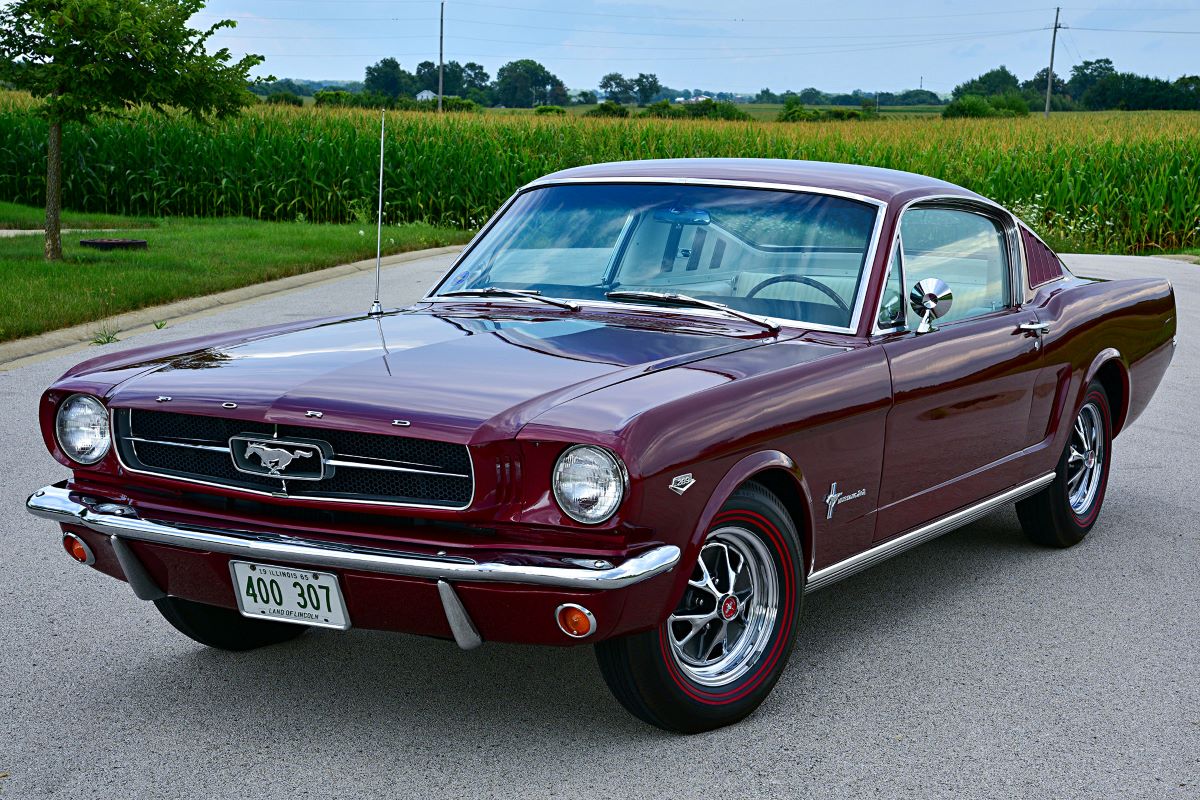
The 1960s Ford Mustang Fastback was one of the first American muscle cars to emphasize style as much as performance. Its headlight design contributed to the car’s aggressive, forward-leaning stance, which became synonymous with the Mustang’s persona.
Rather than hidden lights, the Mustang featured round headlights encased in thick chrome bezels that contrasted sharply with the car’s bold grille. The bezels framed the headlights in a way that highlighted the car’s width while giving the front a confident, assertive look.
These bezels were more than decorative; they provided structural protection for the glass while maintaining the car’s sharp styling. The combination of chrome and glass created a reflective quality that added brightness and elegance to the headlights.
The round shape of the lights, paired with the deep-set bezels, offered a visual symmetry that balanced the car’s long hood and short rear deck. This design choice influenced other American automakers, who sought to replicate the Mustang’s commanding front-end appearance.
The Mustang’s headlight arrangement also emphasized accessibility for maintenance. Unlike more complex covered systems, the exposed lights allowed owners to replace bulbs easily while maintaining their aesthetic appeal. This practical consideration made the Mustang a popular choice among enthusiasts who valued both style and convenience. The chrome bezels ensured the lights remained secure while emphasizing the car’s polished, professional finish.
Automotive enthusiasts often praise the Fastback’s headlights for their combination of function and visual impact. The circular lights framed in chrome drew attention to the car’s front end while reinforcing the sporty nature of the vehicle.
The Mustang’s headlight design demonstrated that even a mass-market muscle car could maintain elegance and sophistication without compromising its performance-driven image.
Today, restored Mustangs maintain their original headlight bezels as a key element of authenticity. Collectors recognize that these chrome frames are as important to the car’s visual identity as the body lines or the grille.
The front-end design continues to influence modern Mustang iterations, proving that effective headlight styling can create lasting impressions and define a vehicle’s character.
4. Porsche 911
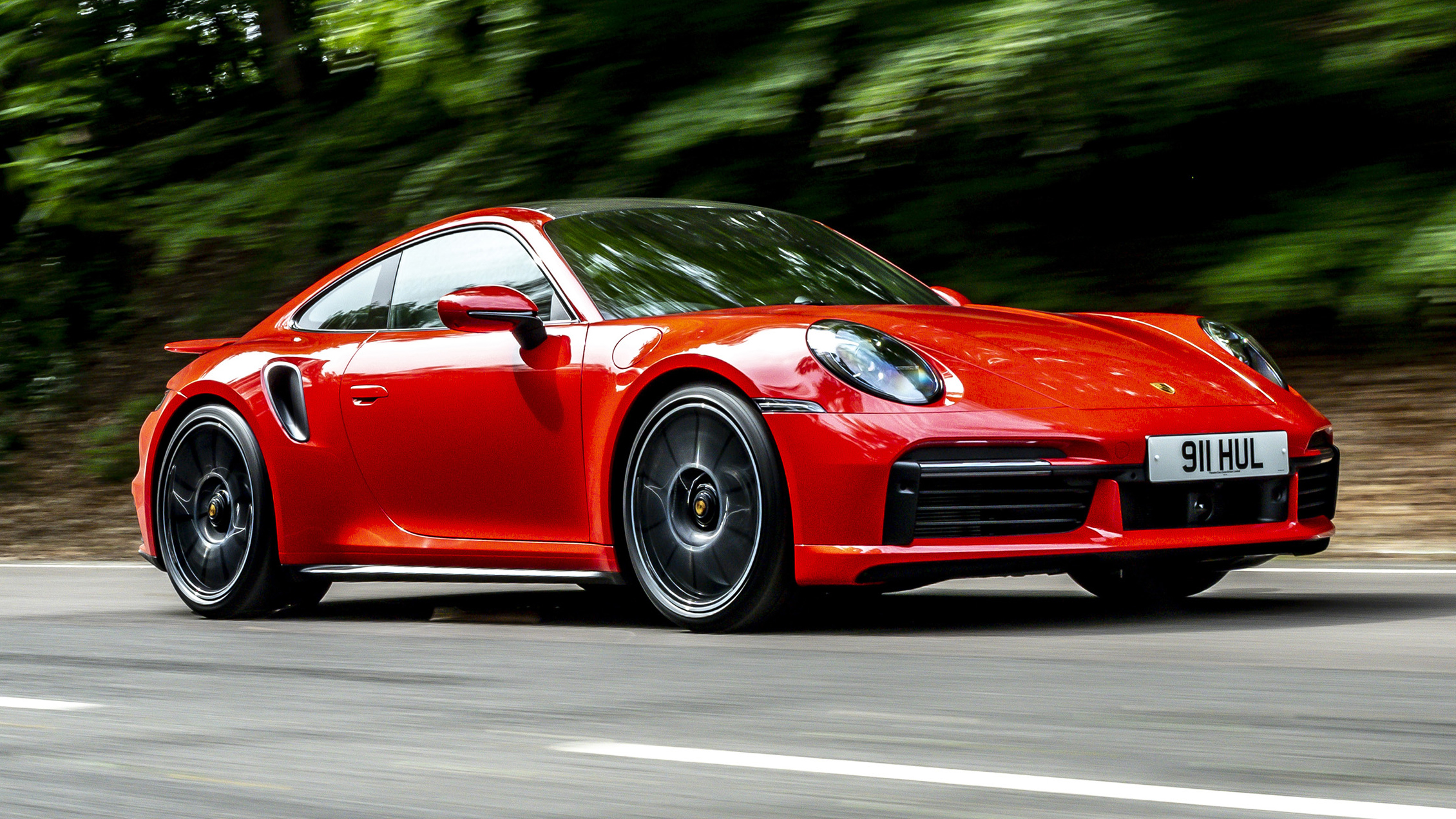
The Porsche 911 of the 1960s featured round headlights that protruded slightly from the hood, creating a distinct silhouette recognized around the world. Chrome bezels highlighted the lights, drawing attention to their placement while complementing the car’s minimalist design.
These headlights contributed to the 911’s iconic face, combining simplicity and precision in a way that reflected Porsche’s engineering philosophy.
The design provided more than aesthetics; the slightly elevated lights improved illumination angles and helped make the 911 more visible in low-light conditions.
The chrome bezels framed the headlights with subtle elegance, offering a contrast to the car’s smooth curves without overwhelming the design. The balance between the lights and the hood’s curvature created an aerodynamic yet purposeful appearance that remained timeless.
Maintenance of these headlights was straightforward due to their exposed design, and Porsche carefully considered ease of access when creating the assembly. The chrome bezels also served a protective function, shielding the glass from minor impacts and preserving the headlights’ clarity.
Over time, the combination of bezels and exposed lights became a hallmark of Porsche’s design identity, setting the 911 apart from competitors.
Collectors frequently cite the 1960s 911 headlights as a perfect example of how function and style can coexist. The lights are immediately recognizable and contribute significantly to the car’s character, influencing subsequent generations of Porsche models. Each bezel, curve, and placement choice was deliberate, ensuring that the headlights reinforced the car’s elegance.
Even decades later, the Porsche 911’s headlight design remains iconic. Restorers focus on preserving the original bezels and glass to maintain authenticity, knowing that these elements define the 911’s front-end appeal. The design demonstrates that understated elegance can achieve the same lasting impact as more flamboyant or covered headlight designs, cementing the 911’s status as a timeless classic.
5. Chevrolet Camaro
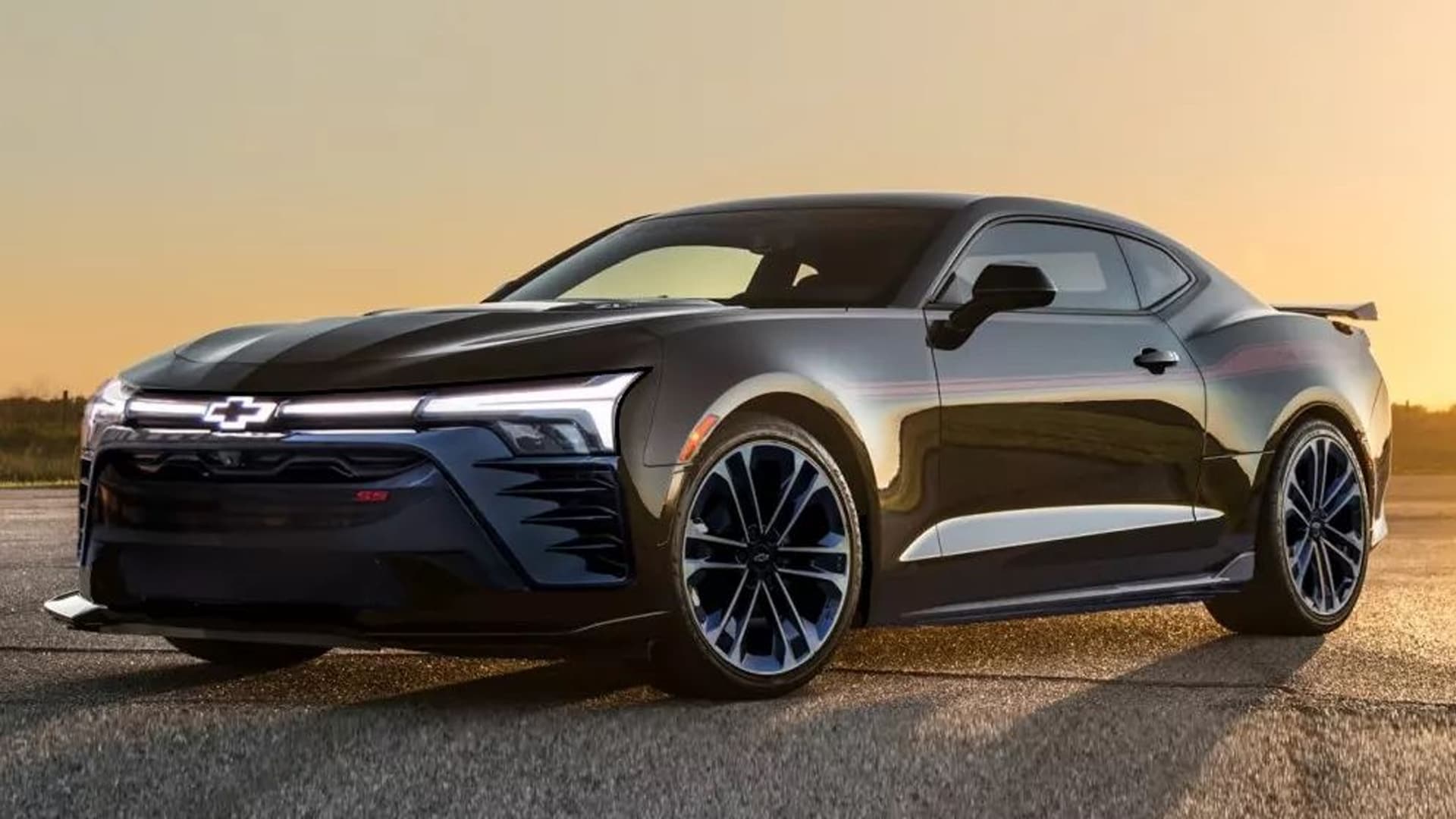
The 1967 Chevrolet Camaro introduced a headlight design that combined aggressive styling with practical visibility. Its round headlights were encased in chrome bezels that enhanced the car’s wide, low stance. The bezels provided definition, framing the lights against the blacked-out grille or painted panels, depending on the trim, and establishing the Camaro’s muscular presence.
Chrome bezels not only added shine and contrast but also reflected the design trends of the late 1960s, when bold chrome accents were synonymous with performance and luxury. The Camaro’s headlights were designed to maintain symmetry with the front fenders and hood lines, reinforcing the visual flow from the grille outward. This careful attention to detail ensured that the car looked cohesive from every angle.
Functionality played a role in the design as well. The bezels helped secure the headlights firmly while allowing for easy bulb replacement, a practical necessity for drivers who wanted both style and reliability. The circular shape of the lights, framed by the chrome trim, contributed to the Camaro’s distinctive face and aggressive look without overwhelming other design elements.
Collectors and automotive historians often note that the Camaro’s headlights helped establish its identity within the American muscle car scene. While many cars of the era focused on engine power alone, the front-end design added an extra layer of character. The bezels ensured that the headlights remained prominent, contributing to the car’s bold, confident personality and signaling its performance potential.
Even today, restored Camaros retain their original bezels as essential details. Enthusiasts know that replacing or polishing the chrome correctly preserves the car’s authenticity and appeal. The headlights remain a critical element of the Camaro’s visual impact, demonstrating that even subtle design elements can define a car’s style for decades.
6. Mercedes-Benz 230SL Pagoda
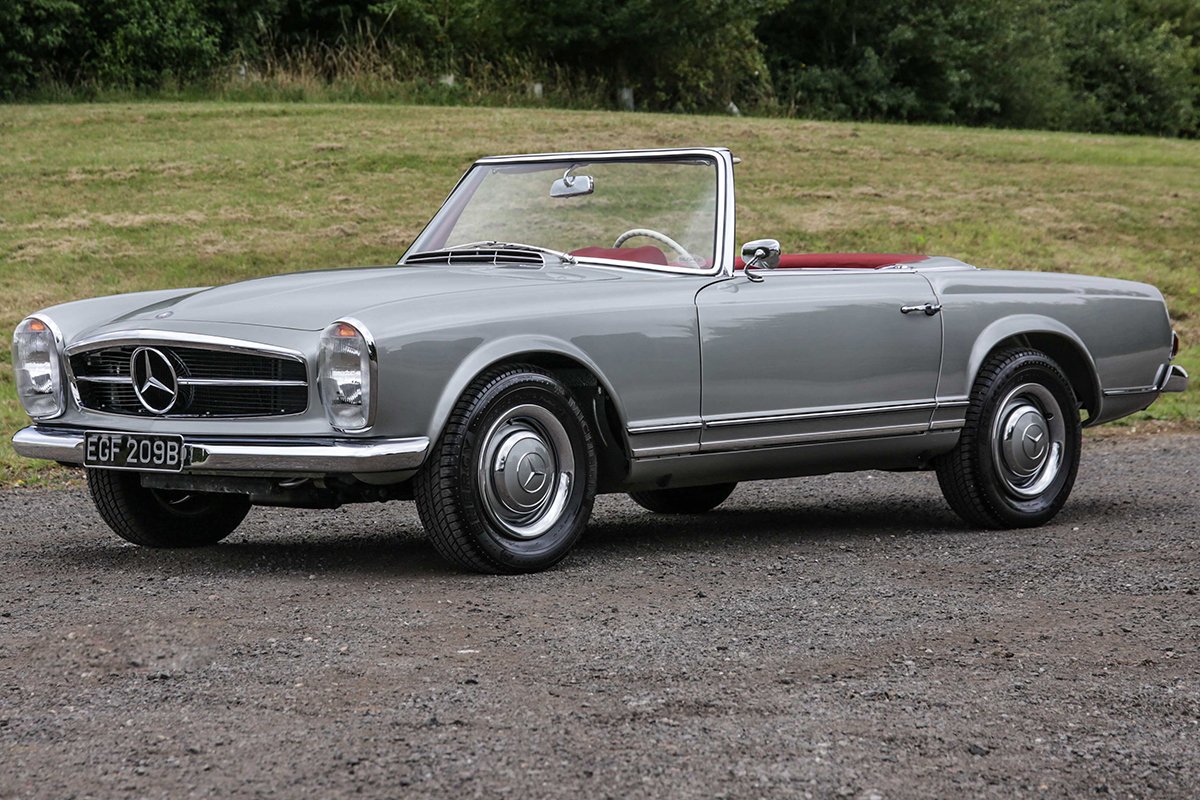
The Mercedes-Benz 230SL, often called the Pagoda for its distinctive roofline, featured headlights that were elegantly simple yet highly refined. Round in shape, they were encased in chrome bezels that harmonized with the car’s polished lines.
Unlike the exaggerated styling of some American vehicles, the 230SL emphasized understated elegance, with the bezels enhancing the lights without dominating the design. This careful balance reinforced the car’s reputation as a luxury roadster.
The headlights protruded slightly from the hood, improving visibility while maintaining aerodynamic efficiency. Chrome bezels framed the glass lenses perfectly, reflecting light and adding subtle visual interest. The combination of smooth bodywork and precise trim details created a front-end composition that felt cohesive and balanced, a hallmark of Mercedes-Benz design philosophy during the 1960s.
Functionality was as important as aesthetics in the 230SL. The bezels not only secured the lights but also protected the glass from minor impacts and environmental wear.
These practical considerations complemented the luxurious character of the car, ensuring reliability without sacrificing style. The design allowed easy maintenance, which was important for buyers who wanted both beauty and practicality in a performance-oriented vehicle.
Collectors today place a high value on the 230SL’s original headlights and bezels. Restoring the chrome trim to its original finish is a common priority because it preserves the car’s authentic appearance. The headlights contribute to the Pagoda’s iconic status, reflecting the blend of elegance and precision that defined German automotive design in the 1960s.
The Pagoda’s headlights remain influential in modern automotive styling. The design shows how a restrained approach, focusing on proportion and refinement rather than flamboyance, can achieve lasting visual impact. Enthusiasts admire the way the bezels enhance the lights while blending seamlessly with the car’s aesthetic, proving that subtlety can be just as striking as boldness.
7. Maserati Ghibli
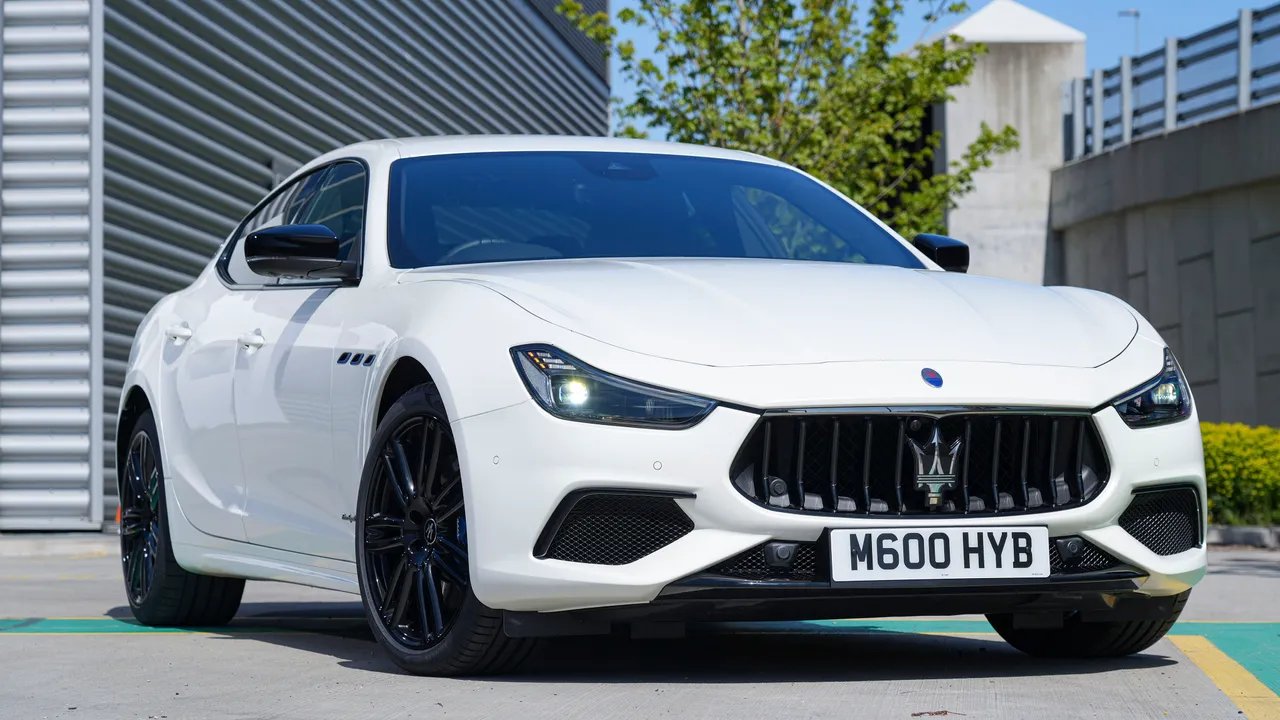
The Maserati Ghibli of the late 1960s offered one of the most elegant headlight designs of its era. Hidden beneath clear covers, the headlights could remain flush with the front end, contributing to the car’s aerodynamic silhouette. Chrome bezels framed the lights within the covers, adding depth and sophistication while drawing attention to the Maserati’s luxurious character.
The design of the Ghibli’s headlights emphasized sleekness and speed. The covers allowed for a smooth hood surface, reducing air resistance while highlighting the car’s flowing lines.
The chrome bezels added contrast, creating a subtle focal point that accentuated the car’s aggressive stance without detracting from its elegance. This balance of performance and beauty was central to Italian automotive design.
Technical precision was required to ensure that the pop-up or covered headlights operated reliably. Mechanisms had to align perfectly with the bezels to maintain flush positioning, and the covers needed to remain secure under high speeds. Maserati’s engineers succeeded in combining practicality with aesthetics, producing a headlight system that was as functional as it was visually striking.
Collectors highly value the Ghibli’s headlight design, as it represents a perfect combination of Italian flair and mechanical ingenuity. Maintaining the original chrome bezels is essential for authenticity, and restored examples often highlight the elegance of the covers and frames. The headlights reflect the brand’s focus on creating vehicles that were as visually beautiful as they were exhilarating to drive.
The Ghibli’s front-end design continues to influence sports car styling today. Its hidden headlights, framed by chrome bezels, illustrate how thoughtful design can transform even functional elements into statements of style. Enthusiasts regard these details as central to the car’s identity, cementing the Ghibli as a timeless icon of 1960s automotive artistry.
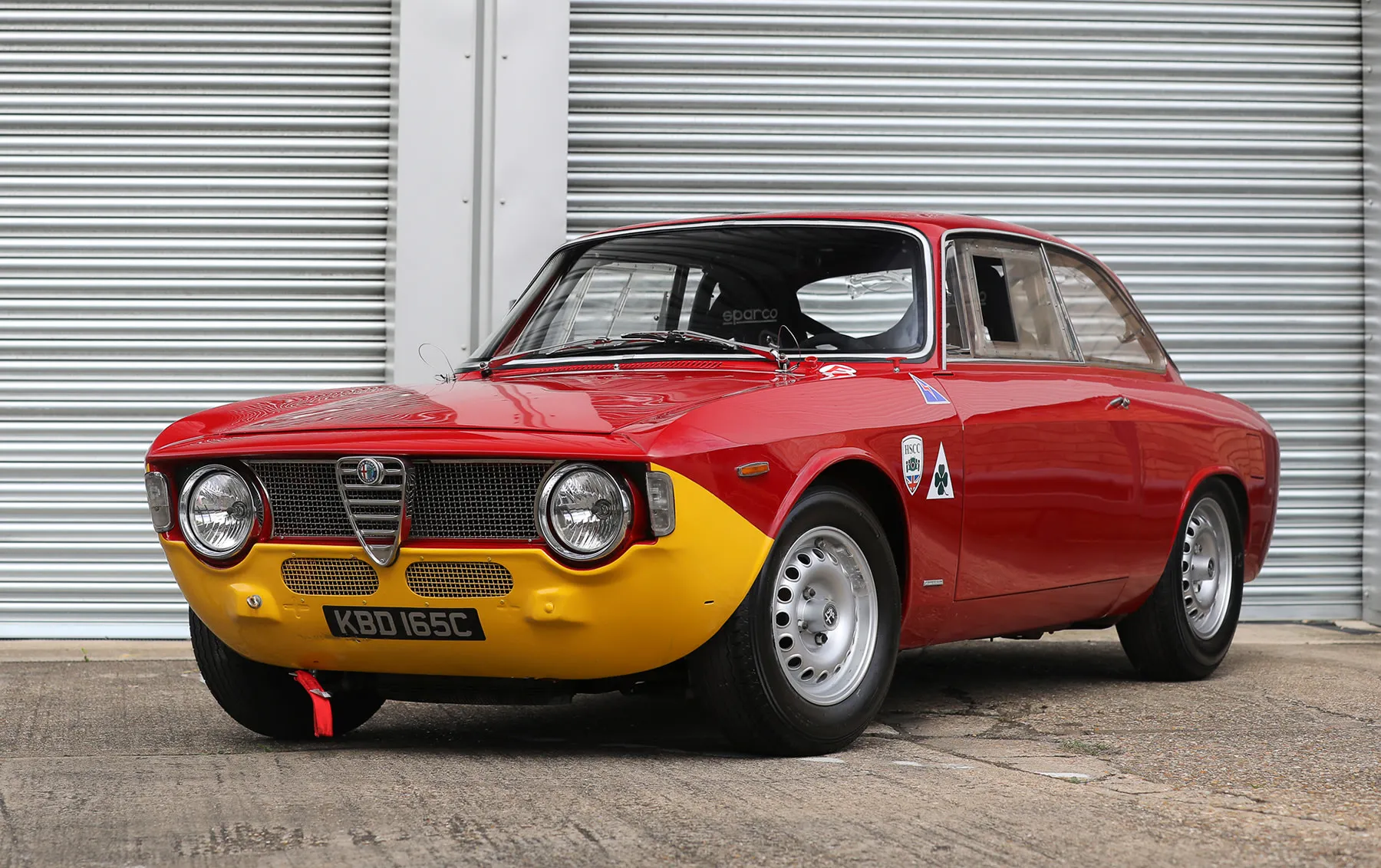
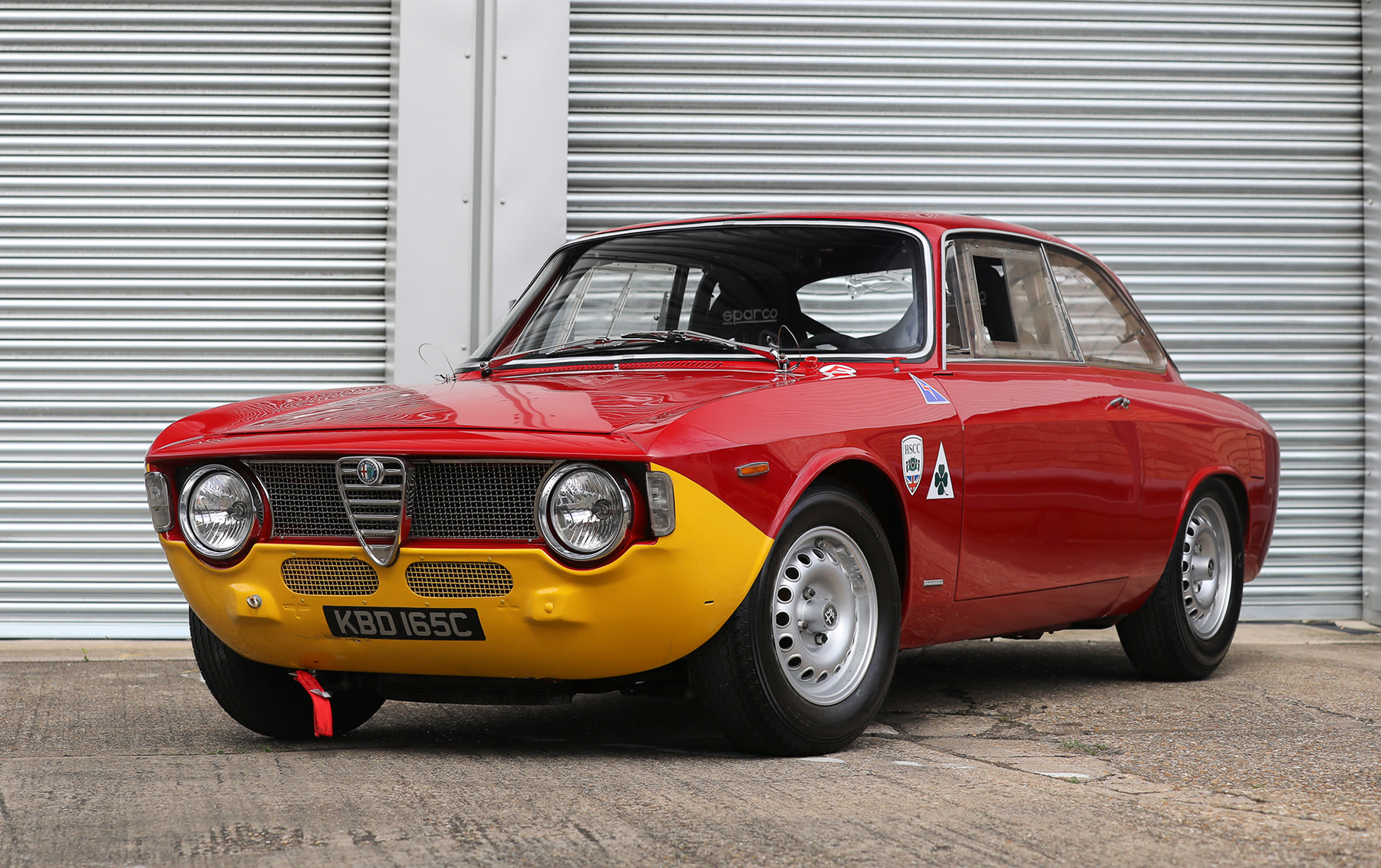
8. Alfa Romeo Giulia Sprint GTA
The Alfa Romeo Giulia Sprint GTA from the 1960s showcased headlights that combined simplicity with precision. Circular lights were encased in chrome bezels that enhanced the car’s sporty character while harmonizing with its compact dimensions.
Unlike larger vehicles, the Giulia’s bezels were modest in size but highly polished, providing a refined frame for the lights that elevated the car’s aggressive yet elegant front end.
These headlights were designed to complement the Giulia’s aerodynamic form, improving visibility without compromising style. The bezels added a visual highlight, reflecting light and emphasizing the circular shape of the lamps. Their integration into the car’s front fenders created a cohesive appearance, maintaining balance between functional design and aesthetic appeal.
Practicality was important in the Giulia Sprint GTA. The chrome bezels allowed for easy removal and replacement of the glass and bulbs, making maintenance straightforward. Despite their simplicity, the bezels were durable and resistant to corrosion, reflecting Alfa Romeo’s focus on producing vehicles that were both stylish and reliable.
Collectors recognize the Giulia’s headlight design as an essential element of its charm. The chrome framing enhances the visual impact of the front end, contributing to the car’s status as one of the most attractive compact sports cars of its era. Enthusiasts prioritize preserving the original bezels during restoration, knowing that these details are integral to the car’s identity.
The Giulia Sprint GTA’s headlights remain influential in automotive design today. Their combination of minimalism, functionality, and elegance serves as a reminder that even the smallest elements can define a car’s character. The chrome bezels demonstrate that thoughtful design enhances both aesthetics and performance perception, ensuring the Giulia’s place in automotive history.
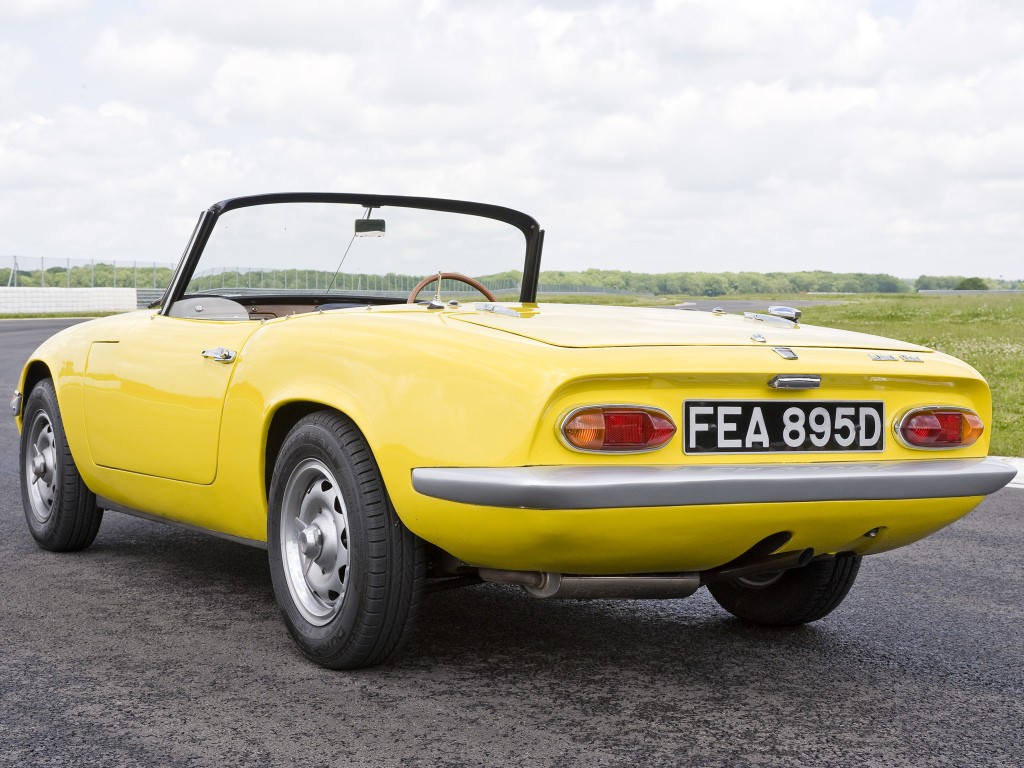
9. Lotus Elan
The Lotus Elan was a lightweight sports car that relied on both performance and distinctive styling to make an impression. Its round headlights were framed by slim chrome bezels that emphasized the car’s compact, aerodynamic front end. The design conveyed both elegance and precision, reflecting Lotus’s philosophy of blending engineering efficiency with aesthetic appeal.
The bezels highlighted the curvature of the glass while complementing the Elan’s sculpted body lines. Chrome trim added subtle contrast to the painted surface, drawing attention to the headlights without overpowering the car’s minimalist design. This careful framing enhanced the front-end composition, giving the Elan a balanced, purposeful appearance that was instantly recognizable.
Engineering considerations played a significant role in the headlight design. The bezels provided secure mounting for the glass, protecting it from vibration and minor impacts. The Elan’s low weight meant that every component had to be efficient yet visually coherent, and the headlight assembly reflected this balance between form and function.
Collectors often highlight the Lotus Elan’s headlights as key to its charm. The chrome bezels remain a vital element during restoration, preserving the car’s authentic appearance and understated elegance. Enthusiasts value the combination of simplicity and refinement, which set the Elan apart from heavier or more ostentatious sports cars of the same era.
The Elan’s headlights continue to inspire sports car design today. Their modest size, combined with polished bezels, demonstrates how subtle detailing can elevate the character of a vehicle. This approach proves that even a small sports car can achieve a distinctive, memorable presence through carefully considered headlight design.
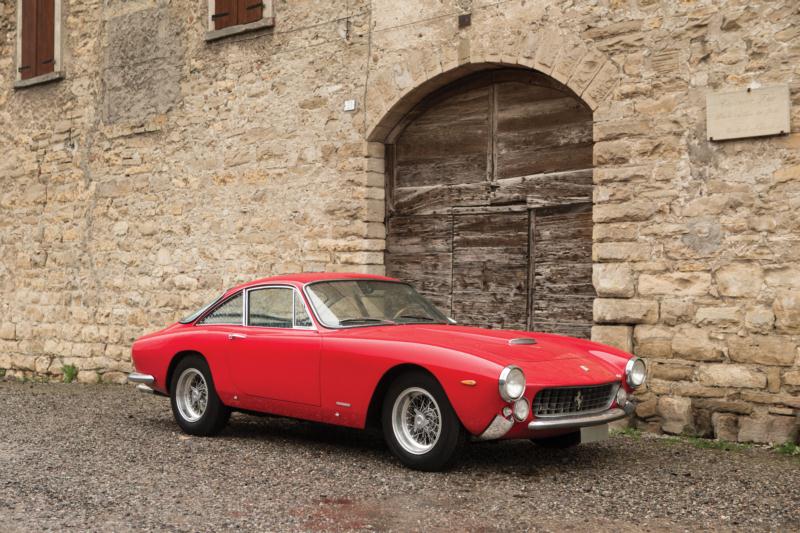
10. Ferrari 250 GT Lusso
The Ferrari 250 GT Lusso of the 1960s featured headlights that combined elegance, luxury, and sportiness in a single design. Covered headlights were set flush with the body, accented by chrome bezels that emphasized their shape while blending seamlessly with the car’s flowing front end. The design created a sophisticated, aerodynamic appearance that highlighted Ferrari’s mastery of form.
These headlights provided a perfect balance between function and aesthetics. The chrome bezels added contrast and definition, framing the glass to create a focal point on the car’s hood. The flush covers reduced air resistance while maintaining the car’s signature curves, demonstrating Ferrari’s commitment to marrying performance with beauty.
The mechanical design of the headlight assembly ensured durability and precise alignment. Covers needed to operate smoothly, and bezels had to maintain their luster over time. Ferrari’s attention to these details reinforced the car’s premium status, showing that even minor components were treated with care and design intelligence.
Collectors prize the 250 GT Lusso for its design, with the headlight covers and bezels considered essential to authenticity. Restorations often focus on preserving the original chrome trim and glass, ensuring that the front end retains the elegance that made the Lusso iconic. These details underscore the importance of thoughtful headlight design in establishing a vehicle’s character.
Even decades later, the Ferrari 250 GT Lusso’s headlights remain a benchmark in automotive styling. Their combination of covered lenses and chrome bezels demonstrates how carefully considered detailing can elevate a car’s presence.
Enthusiasts and historians recognize that these elements contribute as much to the Lusso’s legacy as its engine and chassis, cementing its place among the most iconic cars of the 1960s.
