
Driving used to be a mechanical experience that relied heavily on the connection between the driver and the machine. Older cars were built with simple engineering, fewer electronic aids, and controls that delivered direct feedback through the steering wheel, pedals, and gear lever. When a driver pressed the throttle or turned the wheel in a classic sports car, the response was immediate and often raw.
The feeling of the road transmitted through hydraulic steering, lightweight chassis design, and manual gearboxes created a driving experience that required skill and attention. This kind of engagement made driving memorable and emotional rather than simply convenient transportation.
Modern cars have changed significantly due to technological progress and strict safety regulations. Electronic stability systems, adaptive driving modes, and digital interfaces have improved safety and comfort for everyday use. Many vehicles now rely heavily on software to manage traction, steering assistance, and power delivery.
While these features are helpful for commuting and long journeys, they can also remove some of the mechanical character that enthusiasts value. Drivers who grew up with classic sports cars often say that many new vehicles feel too filtered and distant from the road.
Despite these changes, a number of modern manufacturers still produce cars that emphasize driver involvement. These vehicles aim to recreate the sensation of older performance machines while still meeting modern standards for reliability and safety.
Engineers achieve this by focusing on lightweight construction, balanced chassis design, and manual transmissions. Rear wheel drive layouts and naturally responsive engines also contribute to the sensation that the car is working directly with the driver instead of relying entirely on computers.
These modern driver focused cars often avoid excessive automation and instead prioritize feedback. The steering systems are tuned to communicate what the tires are doing on the road surface. The gearboxes encourage active shifting rather than automatic control. Suspension setups are designed to provide agility rather than pure comfort. Each of these elements helps recreate the feeling that made classic sports cars so memorable to drive.
Another reason enthusiasts appreciate these cars is that they offer a bridge between past and present. They provide modern reliability, improved safety structures, and updated technology while preserving the spirit of older performance machines. This balance allows drivers to experience something that feels authentic without giving up everyday usability.
The following list highlights ten modern cars that manage to capture that classic analog driving experience. Each model focuses on driver engagement, mechanical feedback, and simplicity compared with many modern vehicles. These cars prove that even in a highly digital automotive era, the feeling of a true driver’s machine can still exist.
1. Porsche 911
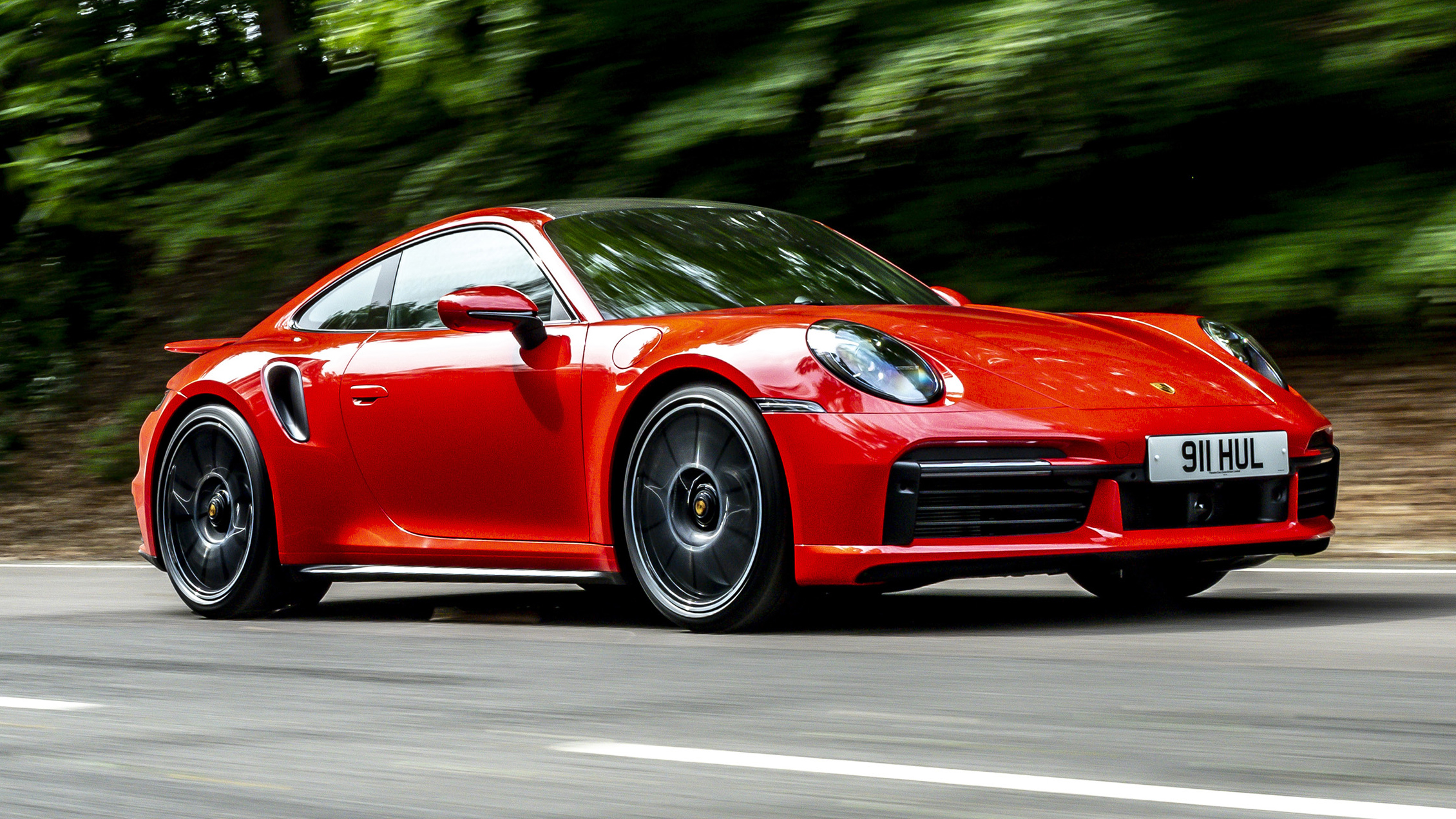
The Porsche 911 remains one of the clearest examples of a modern sports car that still feels rooted in traditional driving philosophy. For decades, the 911 has followed the same fundamental layout, with a rear mounted engine and rear wheel drive balance that creates a distinctive driving character.
Even in modern versions, the car continues to emphasize steering feedback and driver involvement. The layout gives the driver a sense of connection that few other vehicles can replicate.
Modern generations such as the Porsche 911 (992) retain visual and mechanical links to earlier models. The dashboard still features a central analog style tachometer, which keeps the driver focused on engine speed and gear selection rather than digital distractions. The design intentionally references classic 911 interiors while incorporating modern materials and safety systems.
Driving the 911 feels precise because of its balanced suspension and responsive steering. Even though electric power steering is now used, engineers have tuned it carefully to maintain road feedback. The driver can sense subtle changes in grip while cornering, which helps maintain control during spirited driving.
The availability of manual transmissions also keeps the 911 close to its analog roots. Many enthusiasts prefer shifting gears themselves because it creates a more immersive driving experience. Each shift becomes a deliberate action rather than something handled automatically by a computer.
This combination of heritage, engineering precision, and driver focus allows the 911 to maintain its reputation as a modern sports car that still feels like a classic machine.
2. Mazda MX-5 Miata
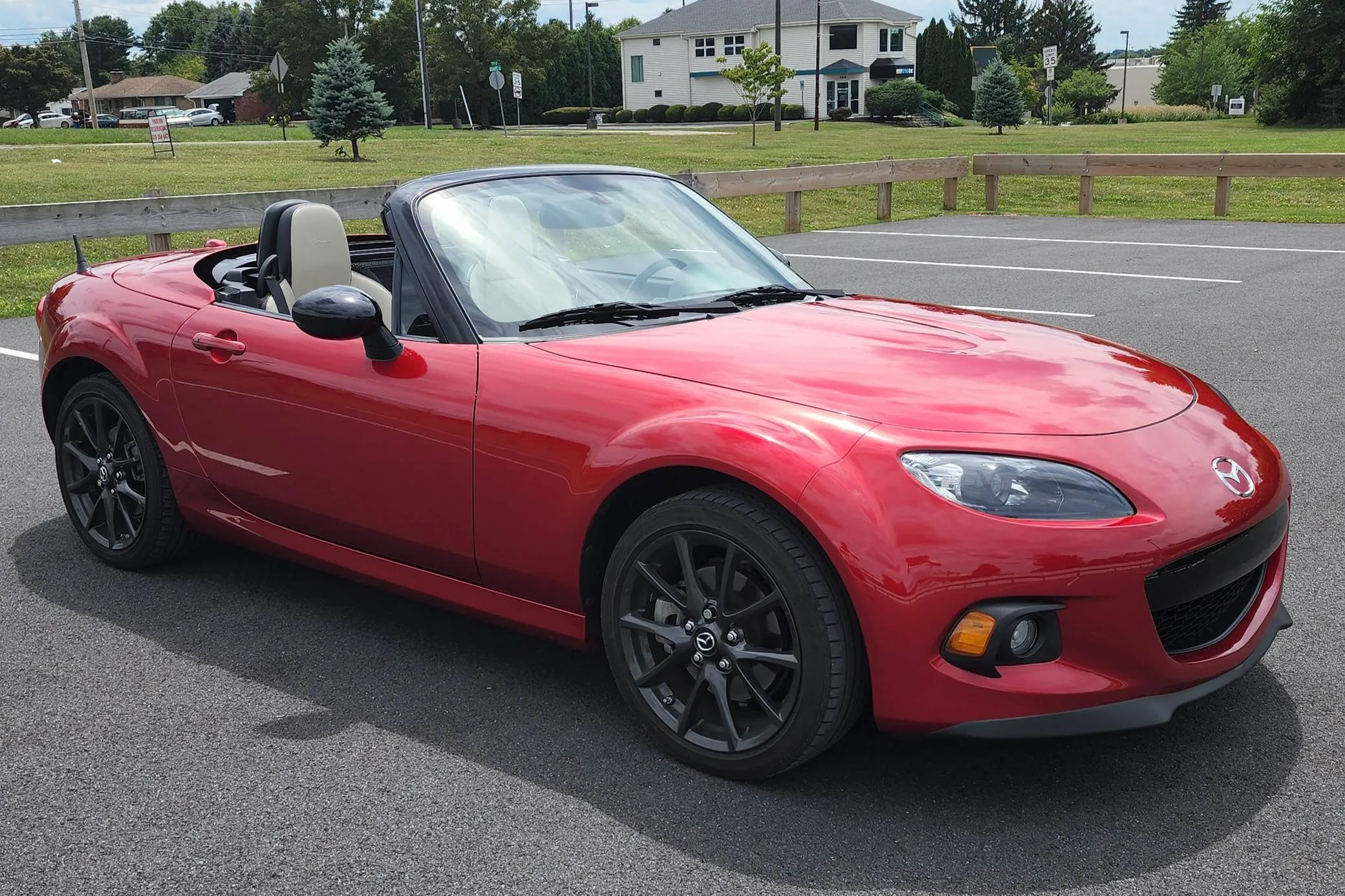
The Mazda MX-5 Miata has long been praised for delivering one of the most engaging driving experiences available in an affordable sports car. From its earliest generation to the modern version, the Miata has focused on simplicity and balance. Its lightweight construction and small size allow drivers to feel every movement of the car.
One reason the Miata feels so analog is its commitment to traditional sports car principles. It uses a front engine and rear wheel drive layout, which creates a natural balance when cornering. This configuration allows the driver to manage weight transfer easily through steering and throttle input.
The manual transmission is another major part of the experience. The gear lever is short and precise, giving the driver the sensation of mechanical interaction with the car. Each shift feels deliberate, encouraging drivers to remain fully engaged during acceleration and cornering.
The Miata also keeps electronic interference to a minimum compared with many modern cars. While safety systems are present, they rarely interfere with the natural behavior of the chassis. This allows drivers to experience the car’s handling characteristics without excessive digital correction.
Because of these qualities, the Miata is often described as a modern roadster with the spirit of classic lightweight sports cars from earlier decades.
3. Toyota GR86
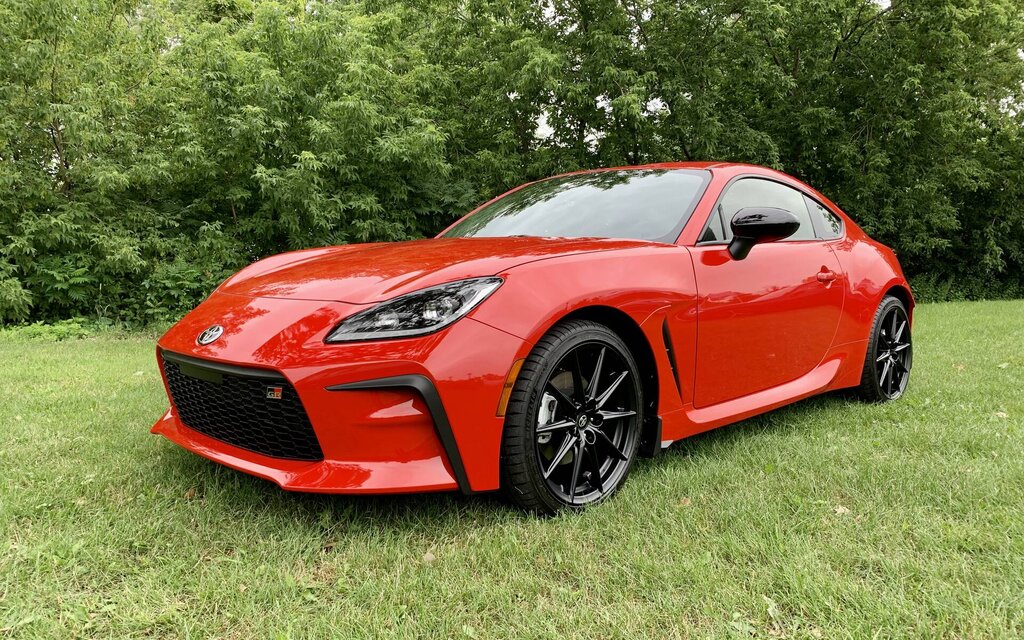
The Toyota GR86 represents a modern sports coupe built specifically for driving enjoyment. Toyota designed this car with a focus on balance, responsiveness, and simplicity. Instead of chasing extreme horsepower numbers, engineers prioritized handling and driver feedback.
The car features a naturally aspirated engine paired with a manual transmission option. This setup gives drivers a linear power delivery that feels predictable and controllable. Without turbo lag or complex power management systems, the engine responds immediately to throttle inputs.
The low center of gravity contributes significantly to the analog feeling. By placing the engine lower in the chassis, the car becomes more stable during aggressive cornering. Drivers can sense how weight shifts through the suspension when entering and exiting turns.
Steering feedback is another key feature that connects the driver to the car. The wheel communicates information about grip levels and road texture. This feedback helps drivers adjust their inputs in real time while pushing the car through corners.
The GR86 succeeds because it focuses on driving fundamentals rather than overwhelming the driver with digital systems.
4. Nissan Z
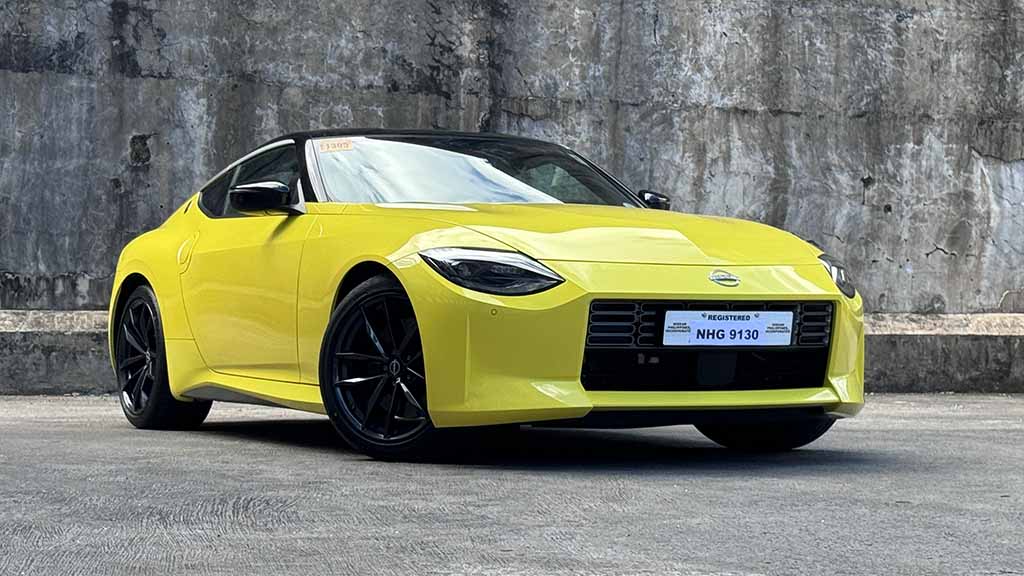
The Nissan Z carries forward a sports car lineage that dates back to the late 1960s. Modern versions blend retro styling with modern performance, but the driving philosophy remains similar to the original models.
One of the defining features of the Nissan Z is its twin turbo V6 engine paired with a six speed manual transmission option. This combination produces strong acceleration while still allowing drivers to control how the power is delivered. Manual shifting encourages active participation during spirited driving.
The car’s design also draws inspiration from classic Z models such as the early 240Z. Elements like the long hood and short rear deck maintain the visual identity that enthusiasts recognize. This nostalgic design contributes to the analog appeal.
Inside the cabin, the driver focused layout keeps important controls within easy reach. The instrument cluster combines digital displays with traditional gauges to maintain a classic feel while offering modern information.
The Nissan Z demonstrates that a modern sports car can still maintain the character of its heritage while delivering contemporary performance.
5. Porsche Cayman GTS
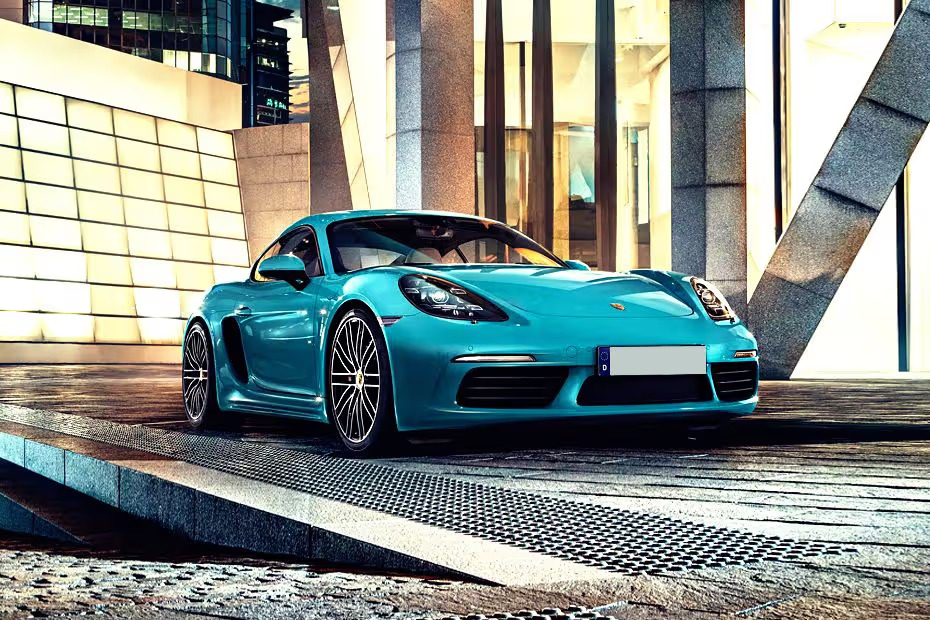
The Porsche 718 Cayman GTS is widely considered one of the most balanced sports cars currently available. Its mid engine layout places the engine between the driver and the rear axle, which creates excellent weight distribution.
This configuration improves handling because the car remains stable during rapid changes in direction. Drivers often describe the steering as precise and responsive, allowing them to place the car exactly where they want on the road.
Manual transmission availability also contributes to the analog driving feel. Enthusiasts appreciate the tactile feedback from the gear lever and clutch pedal. Each shift becomes part of the driving rhythm rather than something handled automatically.
The Cayman’s chassis tuning focuses on agility rather than luxury. Suspension settings prioritize road feedback and cornering stability. Drivers can feel how the tires interact with the pavement, which enhances confidence when driving quickly.
Many enthusiasts believe the Cayman represents one of the last modern sports cars that still prioritizes pure driving experience above all else.
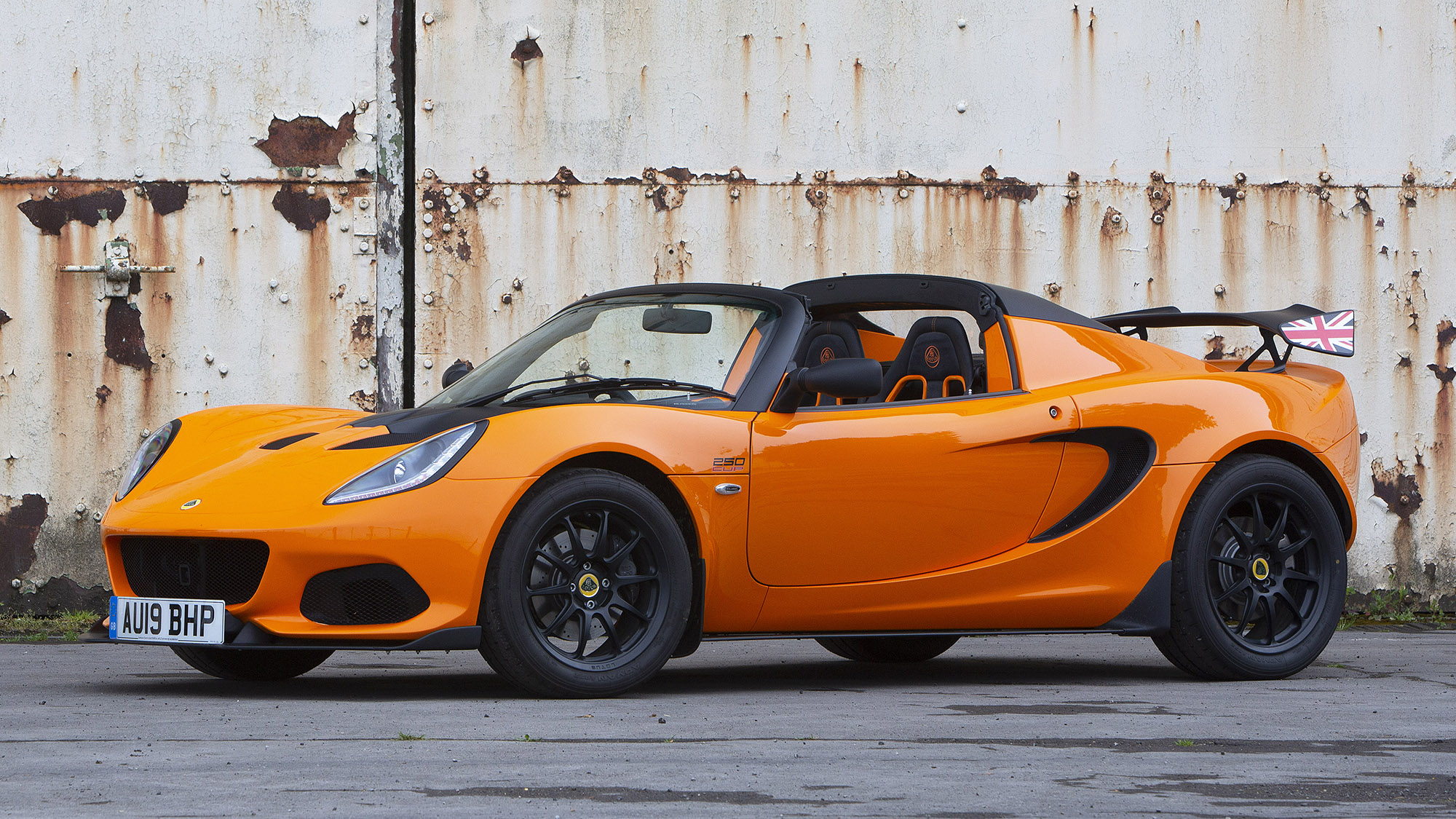
6. Lotus Elise
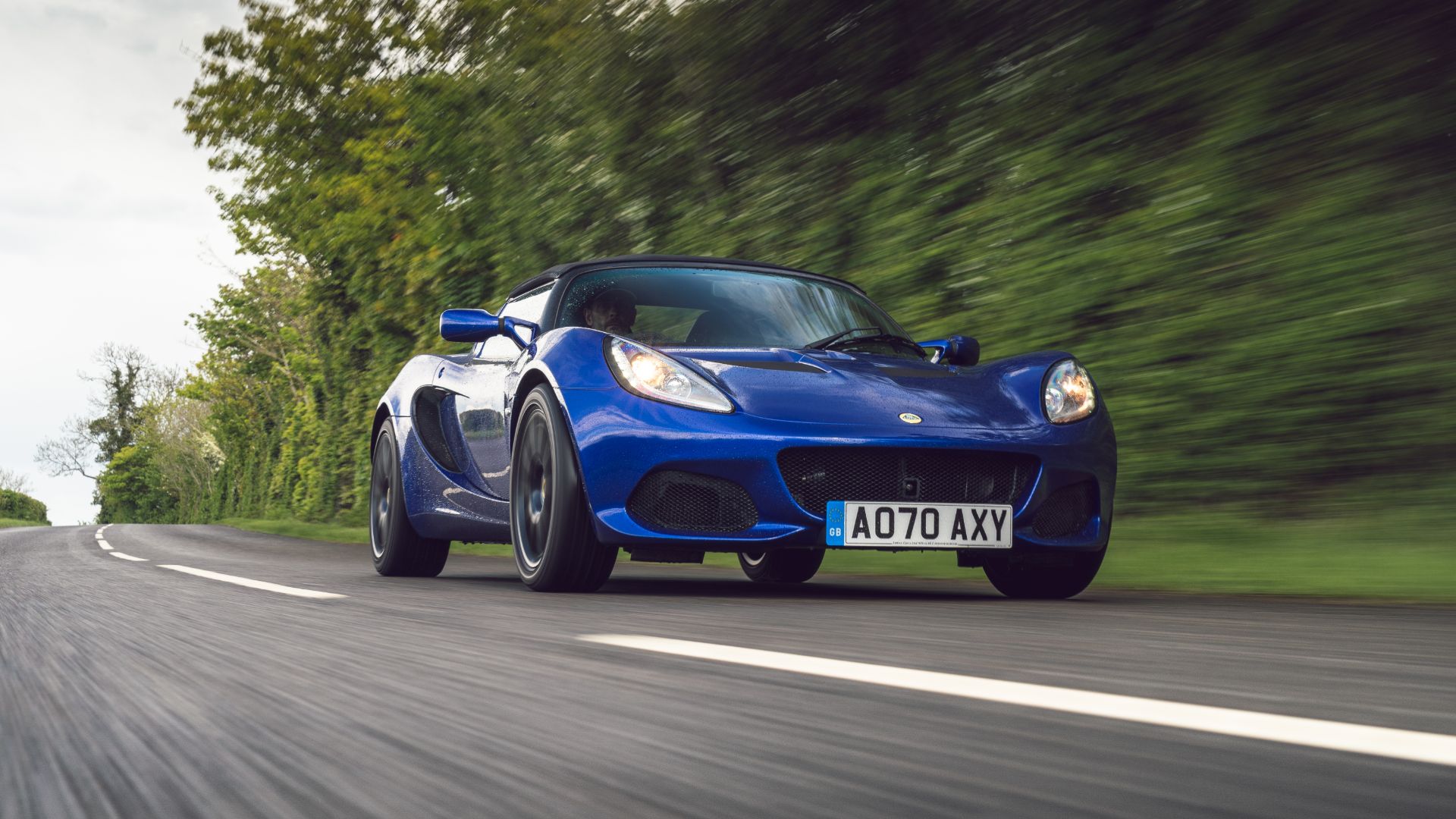
The Lotus Elise has become legendary among driving enthusiasts for its simplicity and focus on lightweight design. Lotus engineers followed a philosophy of reducing weight rather than adding more power.
The result is a sports car that weighs significantly less than most modern vehicles. This low weight improves acceleration, braking, and cornering responsiveness. Drivers can feel every movement of the chassis during aggressive driving.
The Elise also features minimal interior distractions. The cabin focuses primarily on driving controls rather than luxury features. This simplicity keeps the driver’s attention on the road and the car’s behavior.
Steering feedback is another highlight of the Elise experience. The car communicates clearly through the steering wheel, allowing drivers to sense tire grip and road texture. This level of communication is rare in modern vehicles.
Because of its purity and simplicity, the Elise is often considered one of the closest modern cars to classic analog sports machines.
7. Aston Martin V12 Vantage
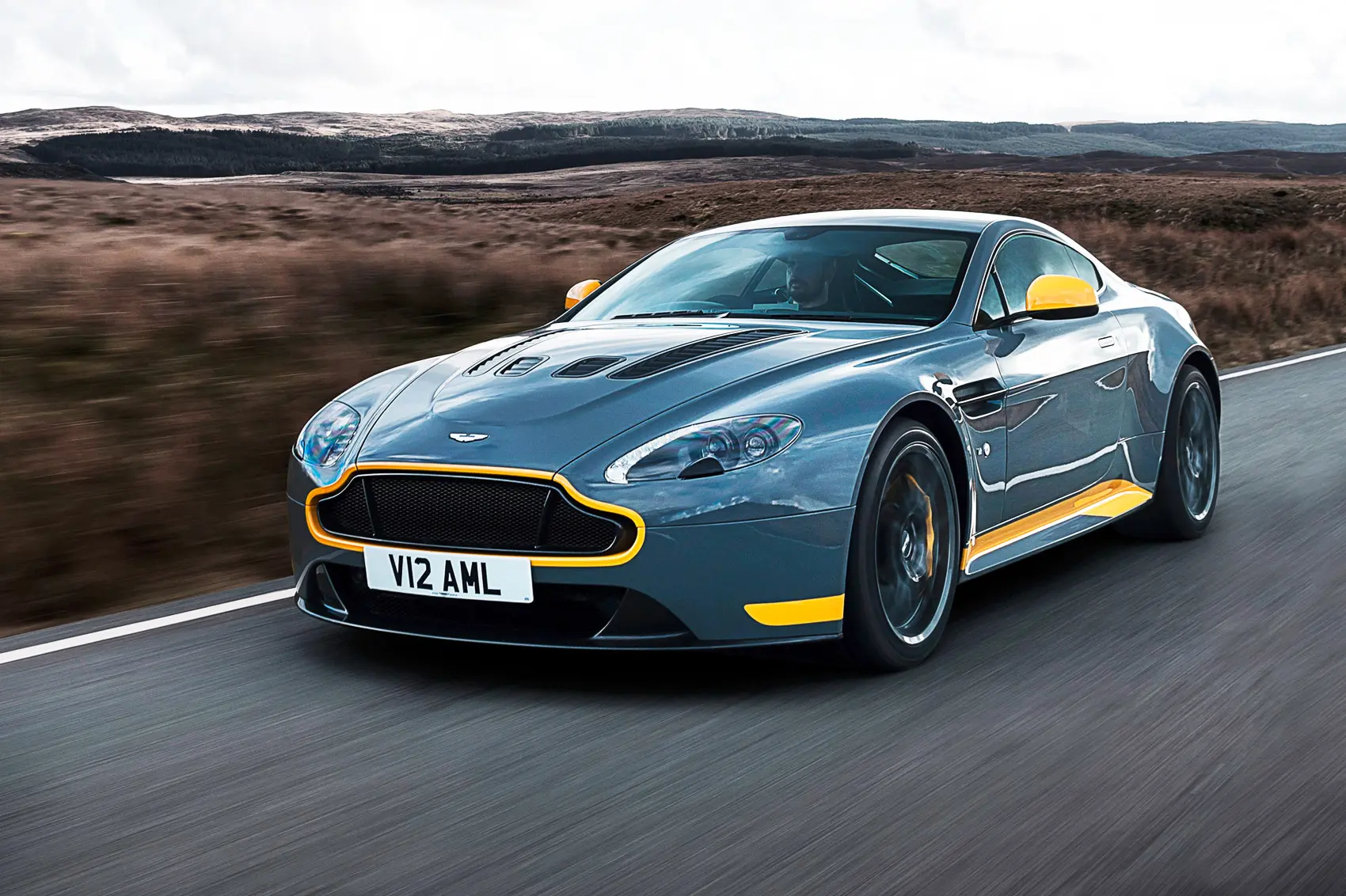
The Aston Martin V12 Vantage combines luxury craftsmanship with raw performance. Unlike many modern supercars that rely heavily on automation, this model offers a traditional manual gearbox paired with a naturally aspirated V12 engine.
The engine produces immense power while maintaining a linear response to throttle inputs. Drivers can feel the engine’s character through the sound and vibration of the car. This sensory experience contributes to the analog driving sensation.
The short wheelbase and rear wheel drive layout make the car agile despite its powerful engine. Drivers must carefully manage throttle and steering inputs to maintain control during aggressive driving.
Manual shifting adds another layer of involvement. Each gear change requires precision and timing, which enhances the connection between driver and machine.
This combination of traditional mechanics and modern engineering allows the V12 Vantage to deliver a unique driving experience that feels both classic and contemporary.
8. Noble M500
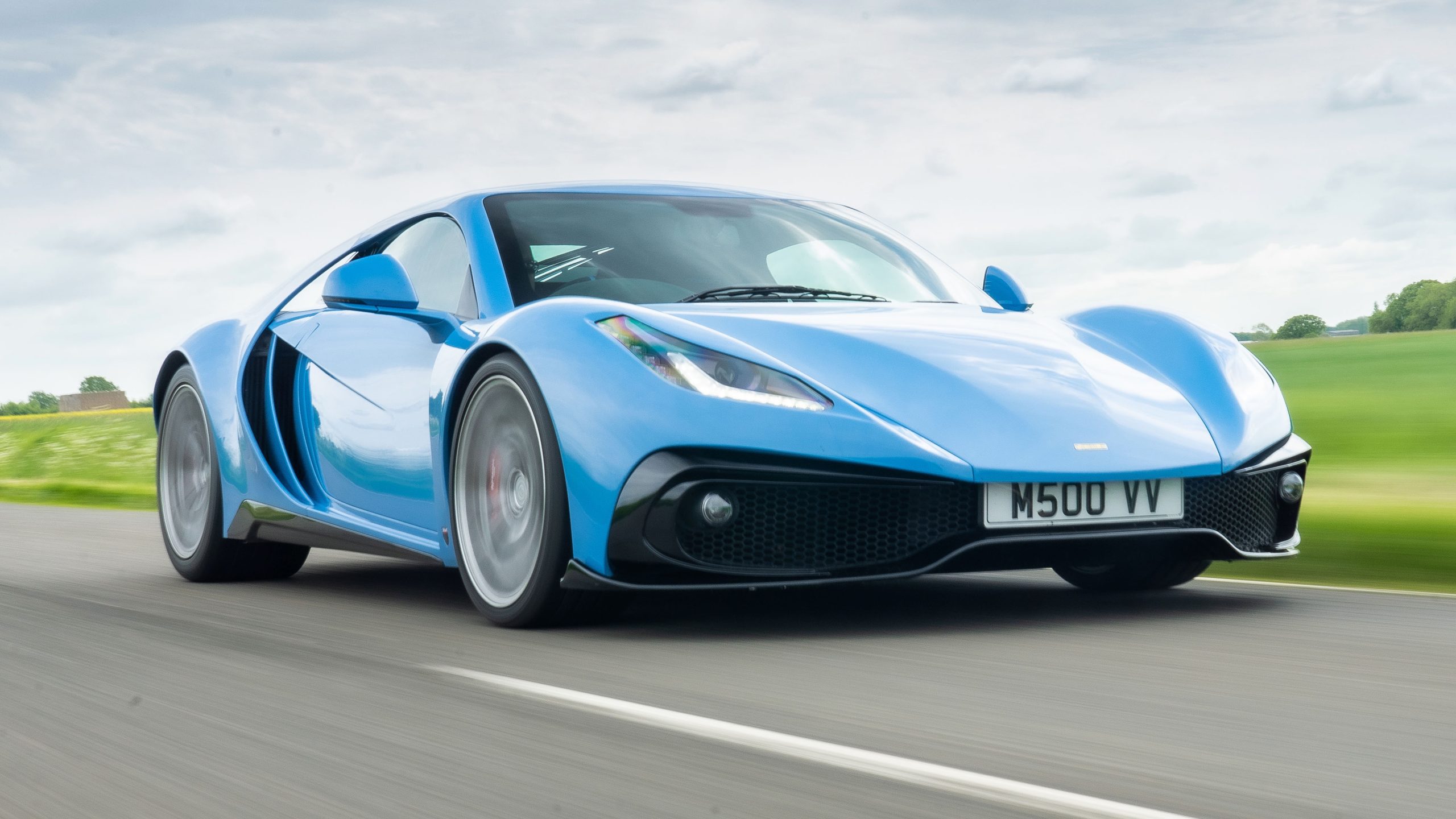
The Noble M500 is a low volume supercar designed with simplicity and driver involvement as priorities. Unlike many high performance cars that rely on complex electronic systems, the M500 focuses on mechanical engagement.
The car features a twin turbo V6 engine producing around 550 horsepower paired with a six speed manual transmission. This setup provides significant performance while keeping the driving experience focused on the driver’s input.
Its lightweight construction also contributes to the analog sensation. Carbon fiber body panels reduce weight and improve structural rigidity. The result is a responsive chassis that reacts quickly to steering and throttle adjustments.
The interior design remains minimal compared with many supercars. While some screens are present, the layout emphasizes driving controls rather than digital entertainment features.
Because of its simplicity and mechanical focus, the Noble M500 is often described as a modern supercar with a classic driving spirit.
9. Dallara Stradale
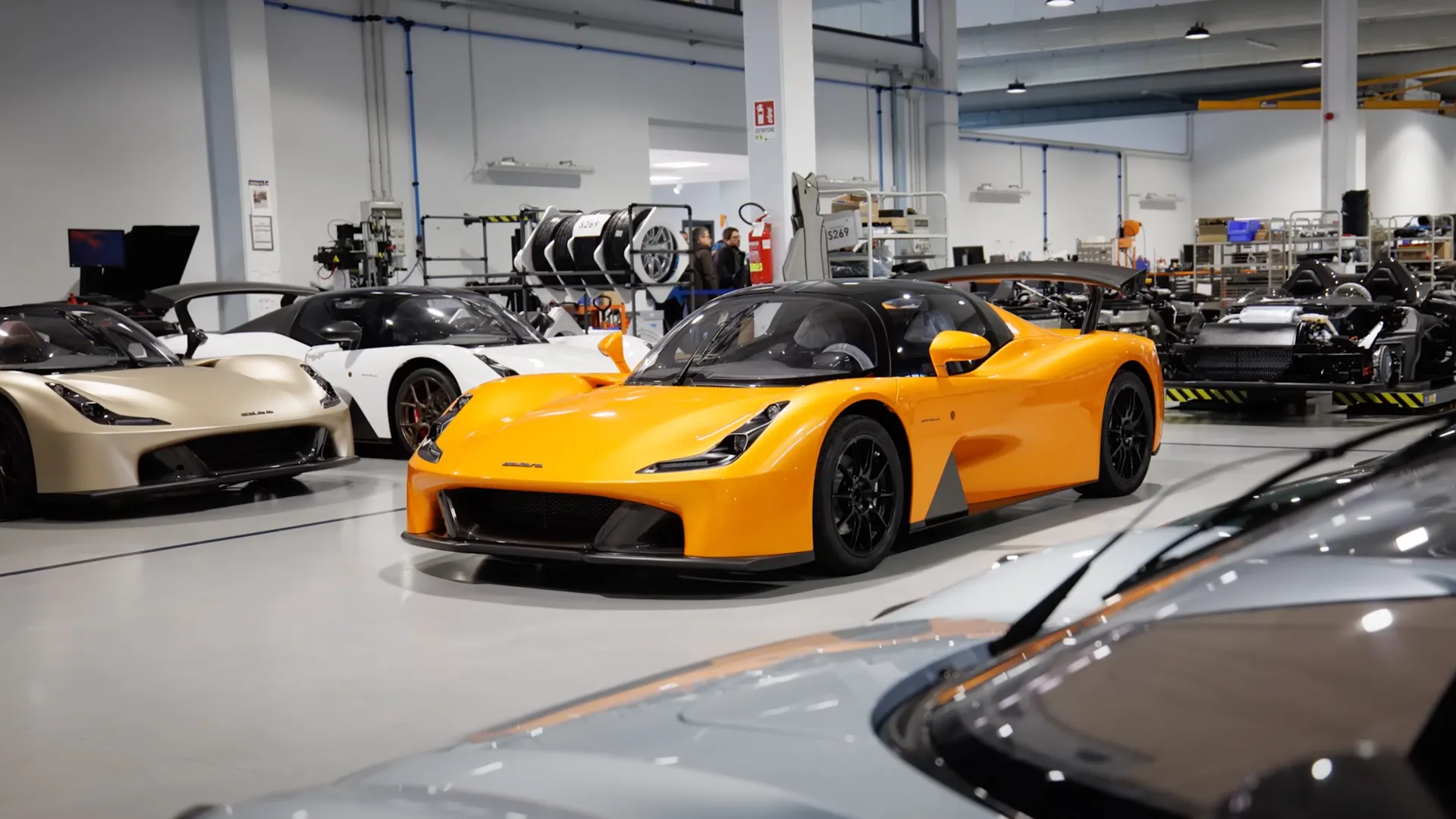
The Dallara Stradale is one of the most extreme driver focused cars currently available. Developed by a company known for building race car chassis, it prioritizes performance and driver engagement above comfort.
The car’s extremely low weight plays a major role in its driving dynamics. At under 900 kilograms dry weight, the Stradale feels incredibly responsive during acceleration and cornering.
Its open cockpit design and minimal bodywork further enhance the sense of connection with the road. Drivers experience wind, engine noise, and tire grip more directly than in typical sports cars.
The manual transmission ensures that gear changes remain part of the driving experience rather than something handled electronically. This reinforces the feeling that the driver is in full control of the car.
The Stradale essentially brings race car engineering to public roads while maintaining a mechanical and analog character.
10. De Tomaso P72
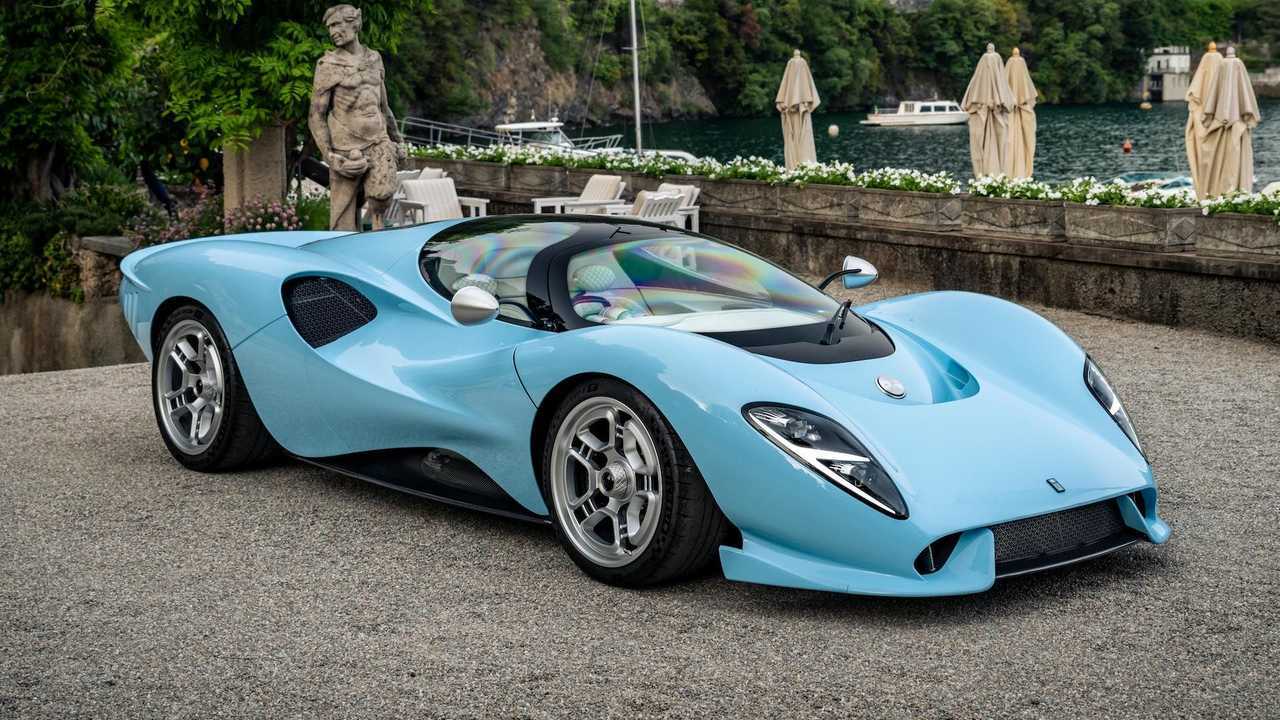
The De Tomaso P72 stands out not only for its design but also for its philosophy. Unlike many modern hypercars filled with screens and digital systems, the P72 intentionally focuses on analog driving.
The car features a supercharged V8 engine paired with a six speed manual transmission. This setup encourages drivers to manage power delivery themselves rather than relying on automated systems.
The interior design emphasizes mechanical beauty. Instead of large digital displays, the cabin includes exposed metal components and traditional gauges. This aesthetic reinforces the idea that the car is a machine built for driving rather than technology.
Its design also pays tribute to classic racing cars from the 1960s. The shape and details evoke a time when performance cars were simpler and more mechanical in nature.
With limited production and a strong focus on driver engagement, the P72 represents one of the most modern interpretations of an analog supercar.
