
When it comes to buying a hatchback, most people think about fuel efficiency, cargo space, and affordability. These are all important factors, but there is one element that should never be overlooked: safety.
Specifically, the safety of rear seat passengers is often underestimated, even though children, friends, or even colleagues might spend more time in the back seats than in the front. A car that performs well in front-seat crash tests does not always guarantee that rear occupants will be equally protected in the event of an accident.
This is why safety ratings and crash-test evaluations for the back seats have become a crucial consideration for modern drivers. Families, ride-share drivers, and anyone who often carries passengers in the rear will want to make sure they choose a hatchback that offers not just comfort but excellent protection.
Rear seat safety involves a combination of features, including seatbelt design, airbag coverage, and the structural integrity of the car. Some hatchbacks now come with side curtain airbags that extend over the rear doors, while others have advanced seatbelt pre-tensioners and load limiters to minimize injury during collisions.
Crash-test organizations, such as the Insurance Institute for Highway Safety and the National Highway Traffic Safety Administration, provide detailed safety ratings that focus specifically on rear seat protection.
These ratings give prospective buyers insight into which models will offer the best protection in real-world crashes, whether it’s a side-impact collision, a rear-end accident, or even a rollover. Understanding these ratings can make the difference between a car that is simply stylish and convenient and one that is genuinely safe for everyone on board.
Beyond the physical safety features, comfort also plays a role in rear seat security. A cramped seat can affect how effectively a passenger is restrained during sudden braking or collision scenarios. Hatchbacks with spacious back seats often allow better seatbelt positioning and reduce the likelihood of passengers slouching or leaning awkwardly.
Modern designs are increasingly paying attention to the ergonomics of rear seating, making longer journeys not just safer but more enjoyable. Parents looking for a car that fits a child seat easily will find that some hatchbacks excel in this area, offering LATCH systems and reinforced anchoring points. Safety and comfort in the rear seats are no longer separate concerns, they work together to provide a protective environment.
It is also important to consider advanced driver-assist technologies that indirectly improve rear seat safety. Features like automatic emergency braking, lane-keeping assist, and blind-spot monitoring reduce the chances of accidents in the first place, which naturally benefits passengers in the back.
While these features may often be highlighted as front-seat perks, they affect the vehicle as a whole. A hatchback with proactive safety technologies can prevent collisions entirely, ensuring that passengers in the rear are rarely exposed to risk.
Even simple features like rear cross-traffic alert can make a significant difference when backing out of parking spaces, where visibility is limited, and rear seat occupants are vulnerable to sudden impacts.
Finally, choosing a hatchback with top-notch rear seat safety involves research, comparison, and sometimes prioritizing safety over style or speed. Many drivers find that they are willing to compromise on sporty performance or flashy looks if it means their passengers are better protected.
The following list highlights eight hatchbacks that have earned the best safety ratings for rear seat passengers, combining comfort, modern safety technologies, and structural integrity. These cars represent a balance between practicality and protection, showing that safety does not have to be sacrificed for everyday convenience.
Whether you drive a family, commute with friends, or simply want peace of mind while carrying passengers, these hatchbacks provide reassurance that everyone in the car is traveling as safely as possible.
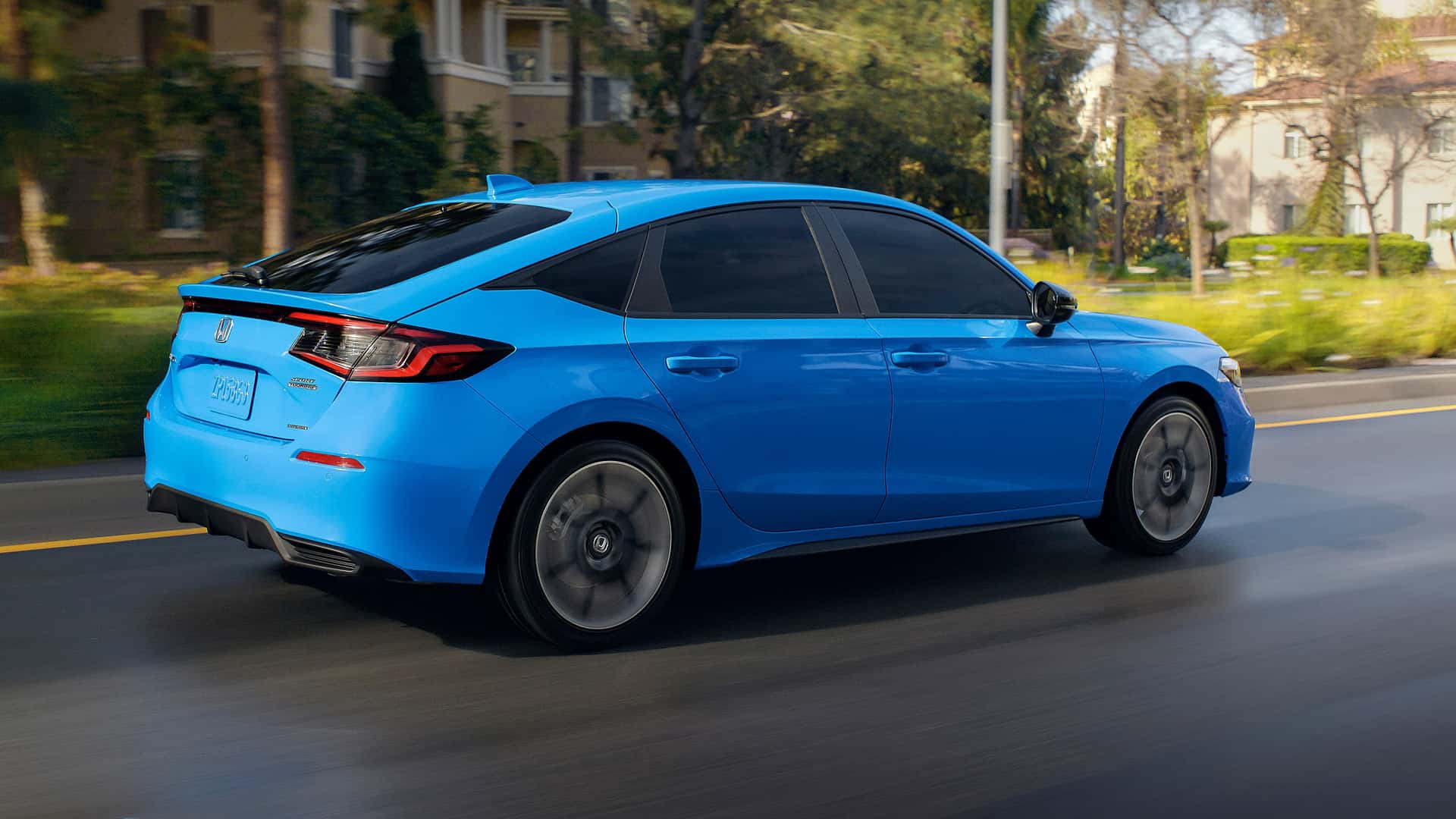
1. Honda Civic Hatchback
The Honda Civic Hatchback has long been recognized for its reliability and value, but its rear seat safety is equally impressive. The latest models feature side curtain airbags that cover both rows of seating, providing excellent protection in side-impact collisions.
Additionally, the rear seats are reinforced with high-strength steel, which enhances the car’s structural integrity and minimizes intrusion during crashes.
Passengers will notice that the back seats offer generous legroom and headroom, allowing proper seatbelt positioning. This is essential for safety, especially for taller passengers or growing children. The rear seats also have clearly marked LATCH points, making the installation of child seats straightforward and secure, a feature many parents greatly appreciate.
Another important aspect of the Civic Hatchback’s rear seat safety is the inclusion of smart seatbelt technology. The system automatically adjusts tension to reduce forward movement in case of a collision. Combined with the car’s advanced airbag layout, this ensures that rear passengers are protected from both frontal and side impacts. Many crash-test evaluations have given it high scores in rear occupant protection categories.
The Civic also comes equipped with Honda Sensing, a suite of driver-assist technologies. Features like automatic emergency braking, lane-keeping assist, and collision mitigation help prevent accidents from occurring, indirectly enhancing the safety of rear passengers. This proactive approach reduces the chances of rear occupants being exposed to collision forces.
The Honda Civic Hatchback blends practicality with safety, making it a strong choice for those who frequently carry passengers. The rear seat comfort and protection features demonstrate that Honda places as much importance on the back row as the front. Families and commuters alike can appreciate the thoughtful design and solid safety reputation of this hatchback.
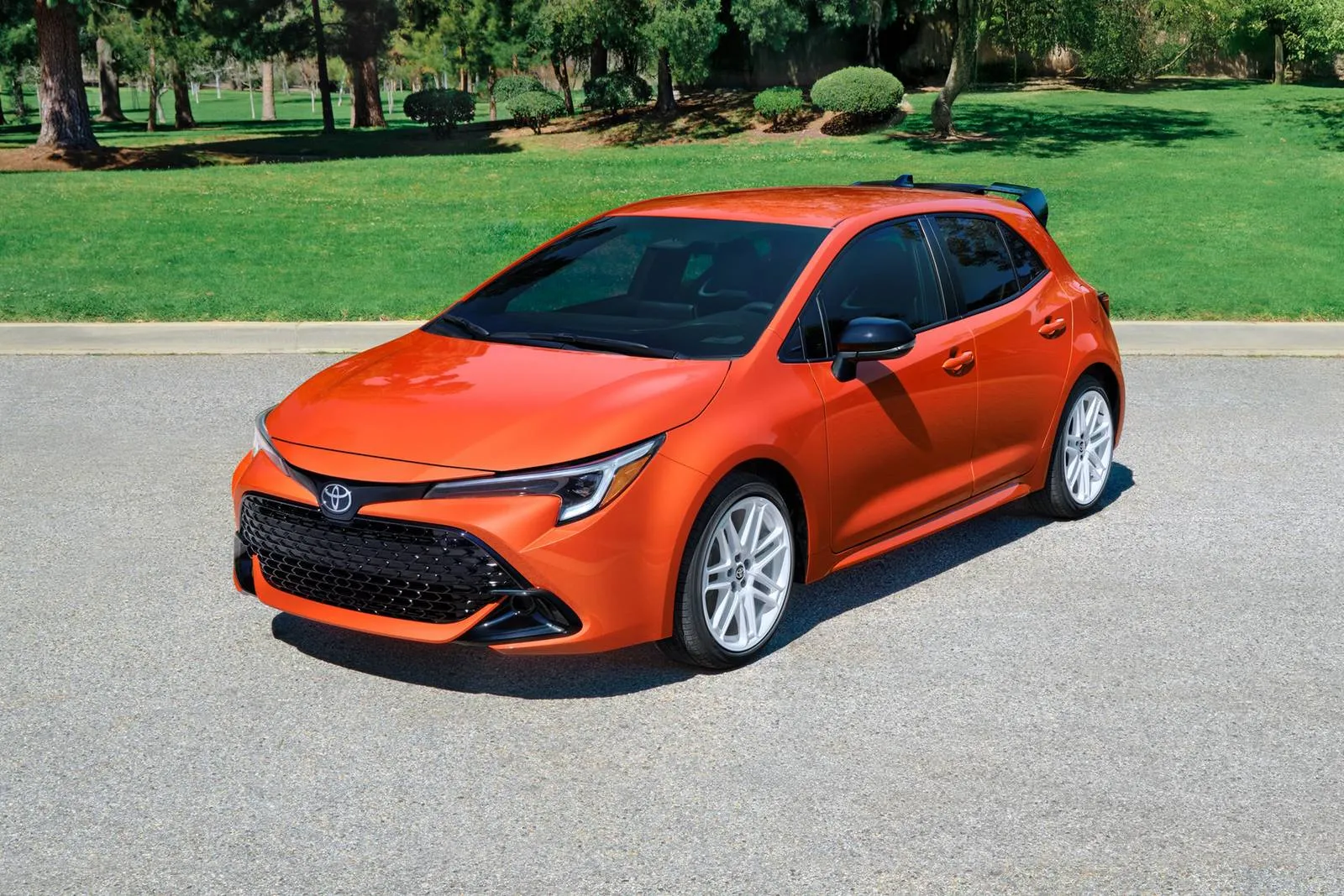
2. Toyota Corolla Hatchback
The Toyota Corolla Hatchback is widely praised for its dependability and fuel efficiency, but its commitment to passenger safety is equally important. The rear seats are equipped with side curtain airbags and reinforced door beams that significantly reduce injury risk during side-impact collisions. The seat design ensures that seatbelts fit snugly and securely across the torso and lap.
Space in the rear is another advantage. Passengers will find sufficient legroom and headroom, even for longer trips. The layout also accommodates child seats with ease, and the inclusion of LATCH anchors ensures that installation is both simple and reliable. This combination of space and safety makes it a practical option for families.
Toyota has also integrated advanced safety features in the Corolla Hatchback. The vehicle includes automatic emergency braking, blind-spot monitoring, and rear cross-traffic alert. While these systems are designed to assist the driver, they play a critical role in protecting rear passengers by preventing collisions before they happen.
The car’s structure itself contributes to rear seat protection. High-strength steel is used in critical areas, and energy-absorbing zones help minimize force transfer during impacts. This structural integrity complements the airbag system to create a safer environment for everyone on board.
Comfort is not sacrificed for safety. The rear seats are cushioned adequately, and the upright seating position helps maintain proper posture during travel. This ergonomic design supports the effectiveness of seatbelts and keeps passengers in a secure position, highlighting Toyota’s attention to detail in ensuring rear seat safety.
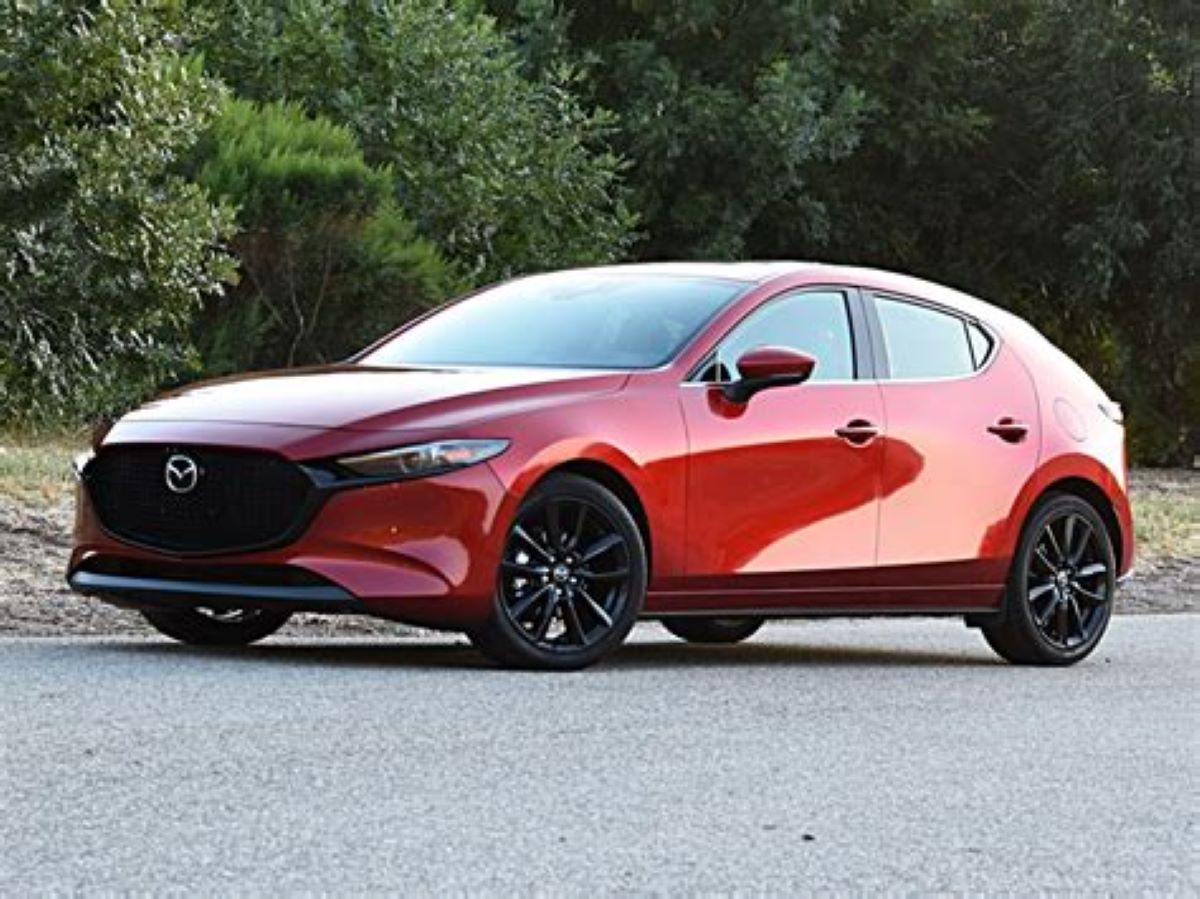
3. Mazda3 Hatchback
The Mazda3 Hatchback combines sporty styling with thoughtful safety design, particularly in the rear seats. Side curtain airbags extend across the back row, and seatbelt pretensioners help secure passengers in the event of sudden stops or collisions. The cabin structure includes reinforced panels that reduce deformation during impacts.
Rear passengers enjoy ample space for legs and shoulders, which contributes to both comfort and safety. A proper seating position ensures that the seatbelt and airbag systems function as intended. Installing child seats is straightforward thanks to clearly marked LATCH anchors and a well-designed rear seat layout.
Mazda has also prioritized advanced safety technologies. Standard features like automatic emergency braking, lane departure warning, and adaptive cruise control enhance safety, reducing the likelihood of accidents that could affect rear passengers. These systems work continuously to maintain awareness of surrounding vehicles.
The vehicle’s crash-test performance highlights strong rear seat protection. Side-impact tests show minimal intrusion into the cabin, and rear passengers are shielded by a combination of airbags and reinforced door structures. The hatchback’s design balances performance with safety without compromising interior space.
The Mazda3 Hatchback is a versatile option for drivers who want a sporty ride with excellent rear seat protection. The combination of structural integrity, thoughtful seat design, and modern safety technology ensures that passengers in the back are well cared for, making it an ideal choice for families and daily commuters alike.
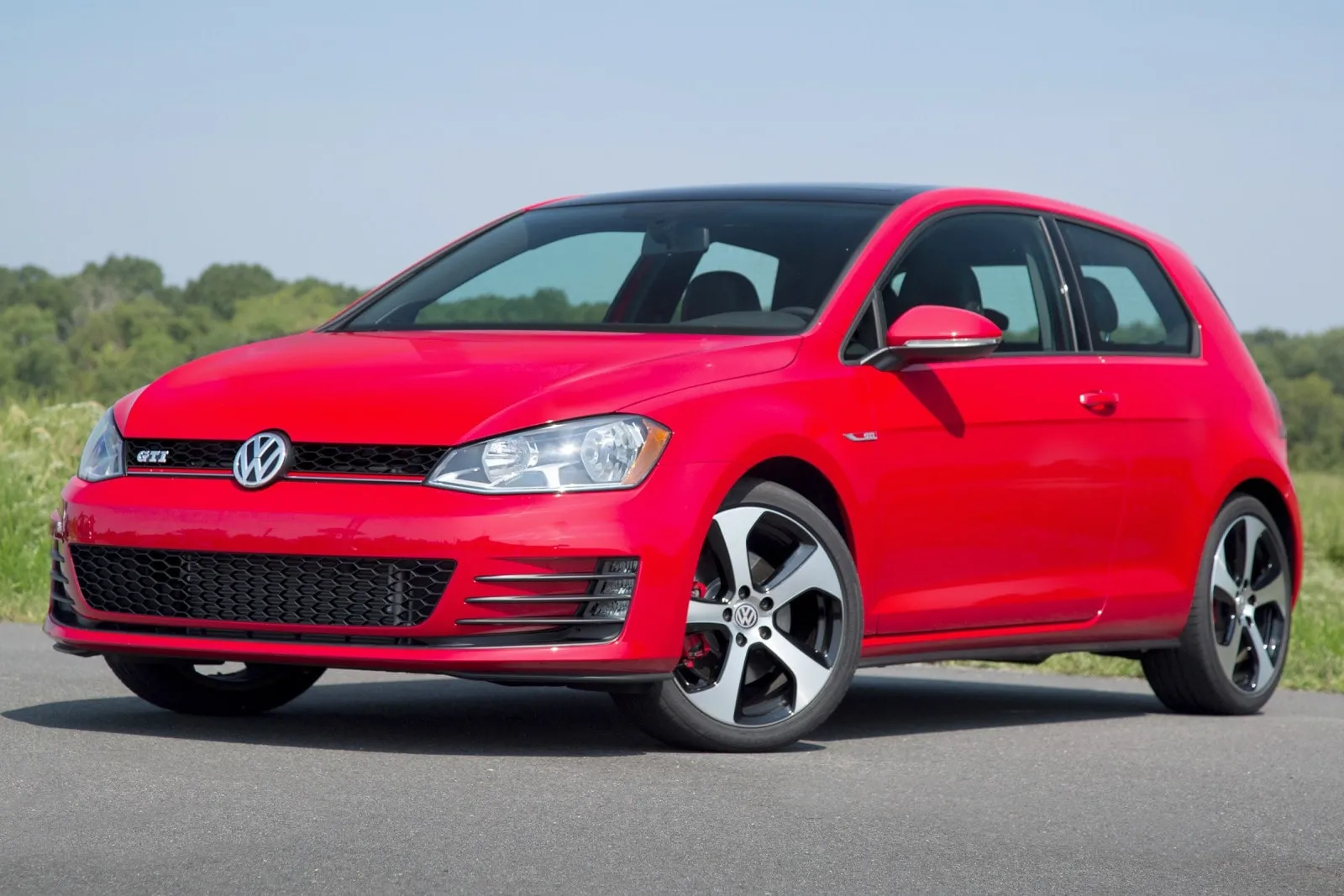
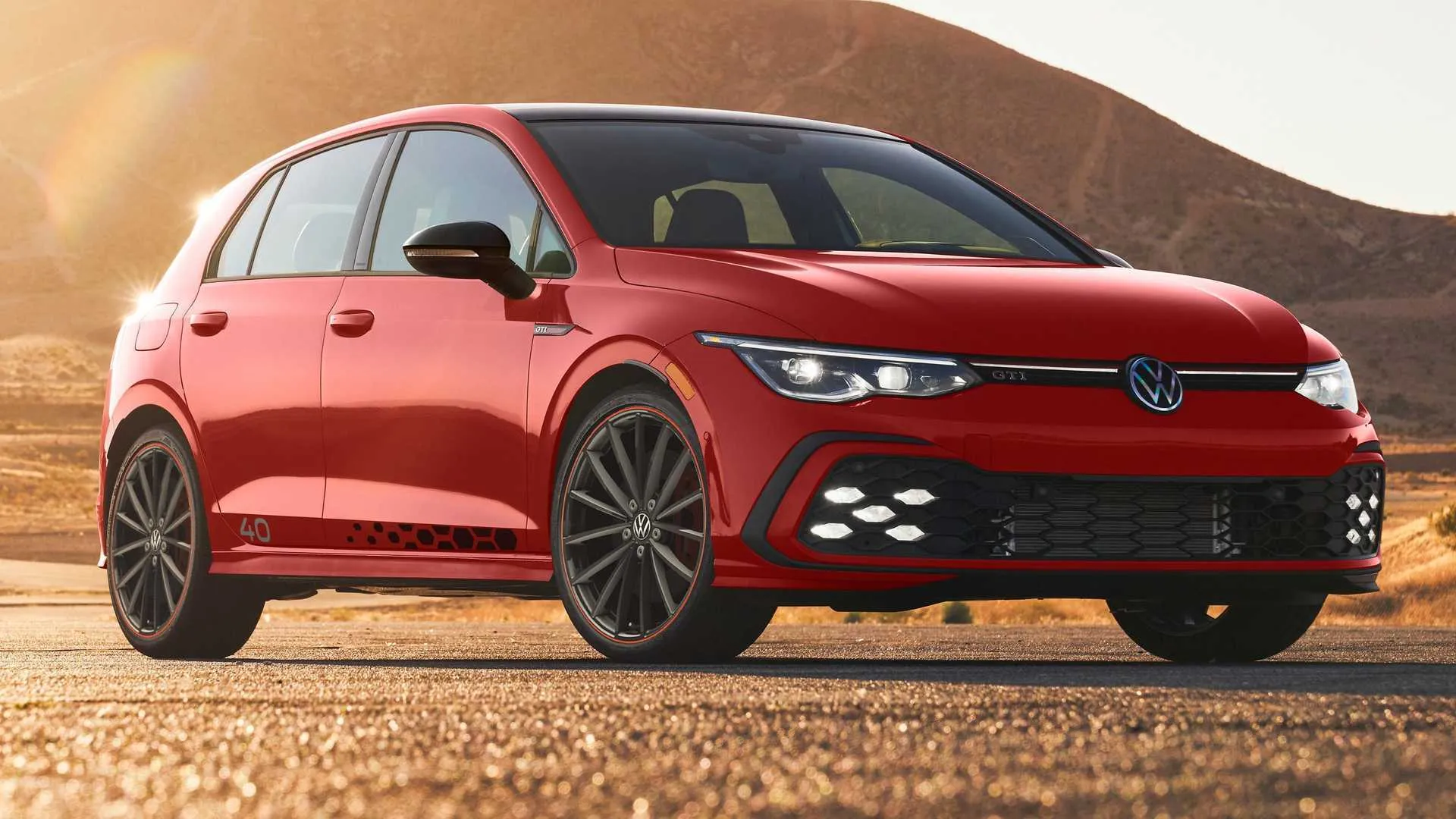
4. Volkswagen Golf
The Volkswagen Golf has earned a reputation for offering a safe and comfortable ride, especially for rear seat passengers. Its side curtain airbags cover the full length of the cabin, protecting both front and rear occupants in side-impact collisions. Strong door beams and crumple zones add another layer of protection.
The rear seating area provides sufficient room for adults and children alike. Proper seatbelt positioning and generous headroom contribute to passenger safety. Child seat installation is made simple with integrated LATCH points and clear labeling, which parents often find convenient and reassuring.
Volkswagen also includes driver-assist technologies that indirectly protect rear passengers. Forward collision warning, automatic emergency braking, and blind-spot monitoring help prevent accidents before they occur. These systems reduce the risk of sudden impacts that could endanger those seated in the back.
The car’s structural design is engineered for energy absorption, minimizing the force transferred to passengers during crashes. This complements the airbag system, creating a safer environment for all occupants. Rear seat passengers benefit from a combination of passive and active safety measures.
Comfort and convenience do not take a back seat. The rear seats are well-cushioned, support proper posture, and offer adjustable headrests. This thoughtful design enhances the effectiveness of restraint systems and adds to the peace of mind for anyone riding in the back.
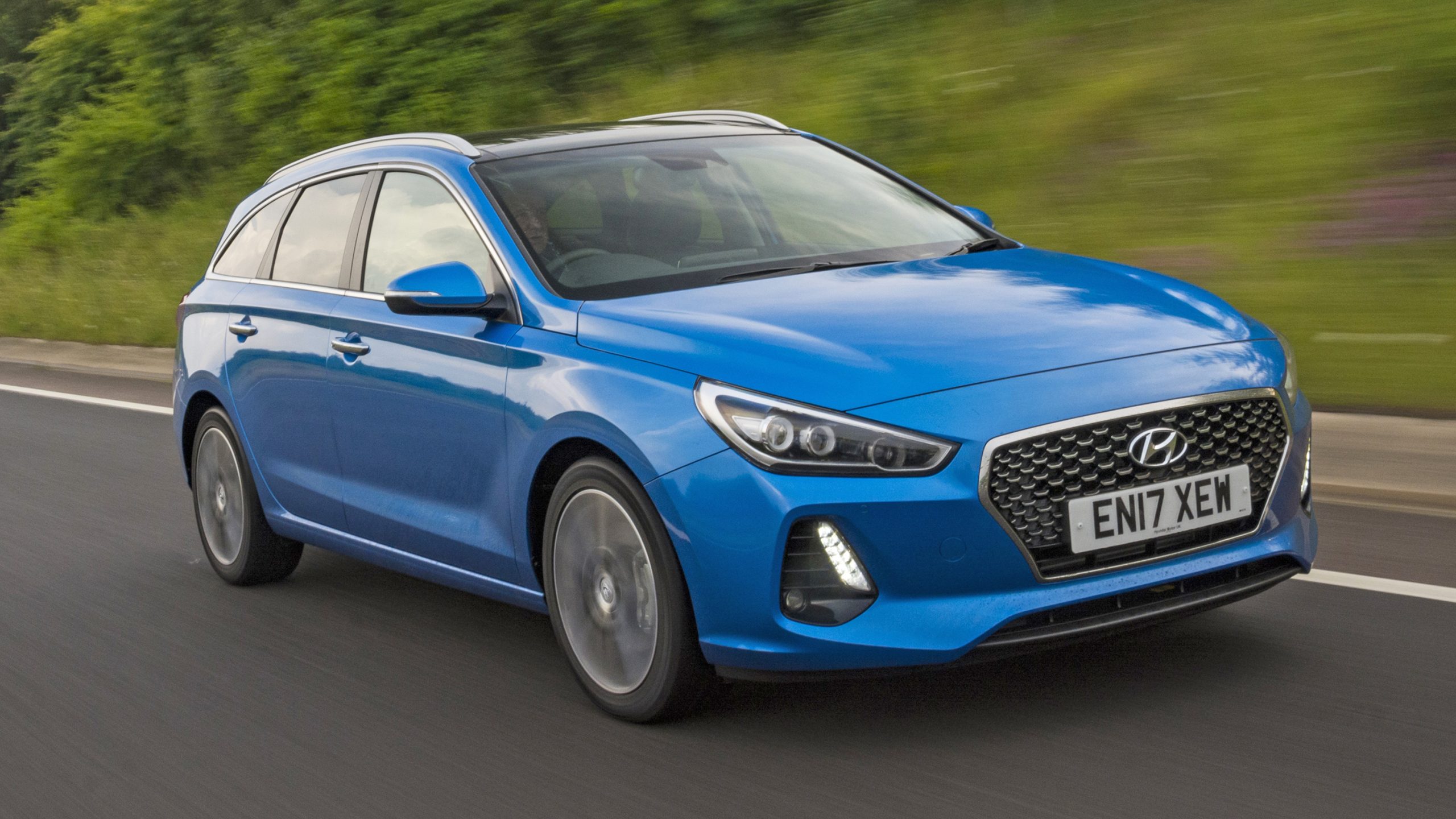
5. Hyundai i30 / Elantra GT Hatchback
The Hyundai i30, also known in some markets as the Elantra GT, is a compact hatchback that prioritizes rear passenger safety without compromising style or performance. Its cabin features side curtain airbags that stretch across both rows, ensuring that passengers in the back are well protected from side collisions. The door structures are reinforced with high-strength steel, absorbing impact energy and reducing intrusion into the cabin.
Rear seating is designed with comfort and security in mind. Passengers have ample legroom, headroom, and shoulder space, making longer journeys more comfortable while maintaining proper seatbelt alignment. The inclusion of clearly marked LATCH anchors for child seats demonstrates Hyundai’s attention to families and rear passenger protection, making it easy to safely install car seats.
Hyundai’s commitment to safety extends to its advanced driver-assist technologies. Automatic emergency braking, lane-keeping assist, and blind-spot collision warning systems all work to prevent accidents before they occur. For rear passengers, this proactive approach means a significantly lower risk of exposure to collision forces, ensuring a safer ride.
The i30’s structural integrity contributes to its strong crash-test performance. Energy-absorbing zones and reinforced door frames help redirect impact forces away from the cabin, minimizing injury potential. Paired with a well-calibrated airbag system, these features create a protective cocoon for everyone on board, particularly those seated in the back.
Comfort is another standout feature. The rear seats are ergonomically shaped, with adequate cushioning and upright support to enhance posture during travel. This not only improves comfort but also increases the effectiveness of seatbelts and airbags during sudden stops or collisions. Hyundai has successfully balanced style, performance, and rear passenger safety in this hatchback.
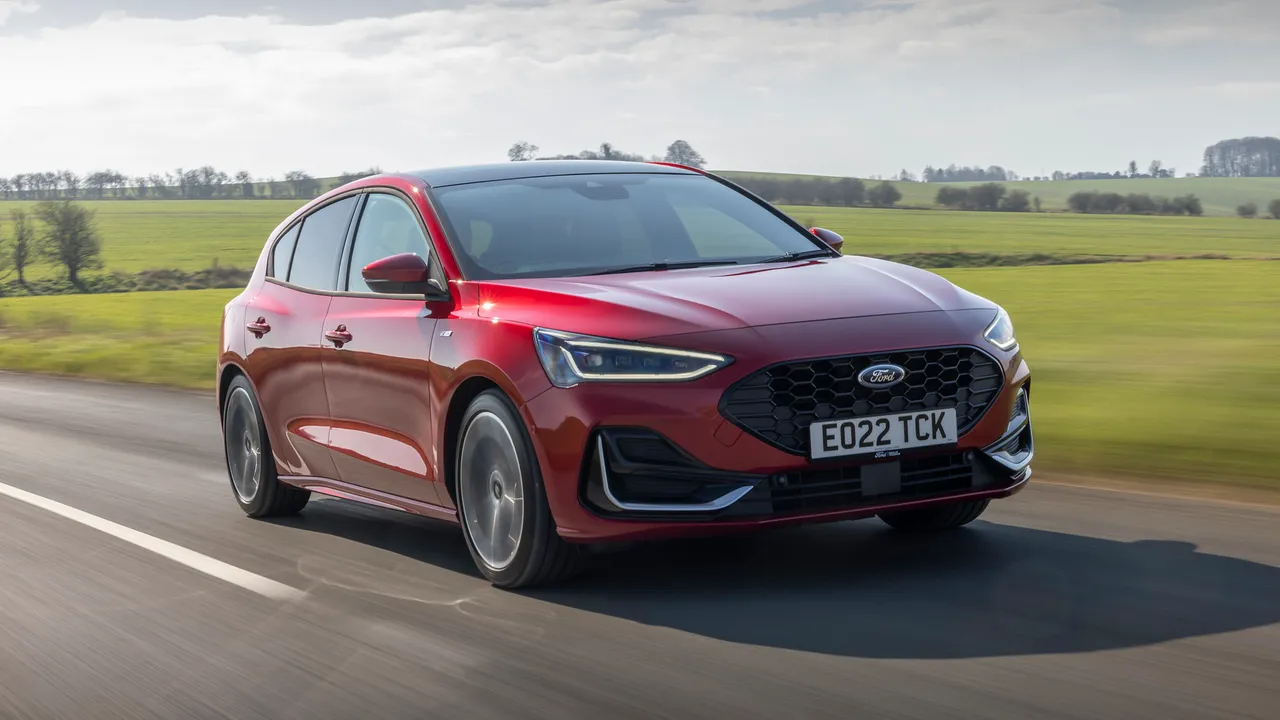
6. Ford Focus Hatchback
The Ford Focus Hatchback continues to be a popular choice among drivers seeking a compact car with high safety standards. Its rear seat safety is good, thanks to side curtain airbags, reinforced door panels, and strong roof structures that protect passengers in both side-impact and rollover scenarios. The focus on safety ensures that rear occupants are shielded even in unexpected events.
Space in the back is practical and thoughtful. Adults and children alike benefit from sufficient legroom and headroom, which allows for proper seatbelt positioning and reduces the likelihood of slouching. For families, the inclusion of LATCH anchors for child seats makes it straightforward to secure car seats properly, adding another layer of protection.
Driver-assist technologies further enhance rear passenger safety. Forward collision warning, lane departure warning, and adaptive cruise control reduce the risk of accidents, indirectly protecting those in the back. Even during low-speed urban driving, these features can prevent rear-end collisions that often affect rear seat occupants the most.
The Focus Hatchback also performs strongly in crash tests, with reinforced steel and crumple zones designed to absorb impact energy effectively. Side-impact protection is particularly robust, ensuring that rear passengers are shielded from door intrusion. This combination of structural integrity and active restraint systems contributes to the car’s strong safety reputation.
Comfort is not overlooked in the rear cabin. Adjustable headrests, supportive seat cushions, and sufficient shoulder space all enhance the passenger experience while improving safety. The careful design of the rear seat area shows Ford’s commitment to protecting all occupants, proving that safety can coexist with comfort and driving enjoyment.
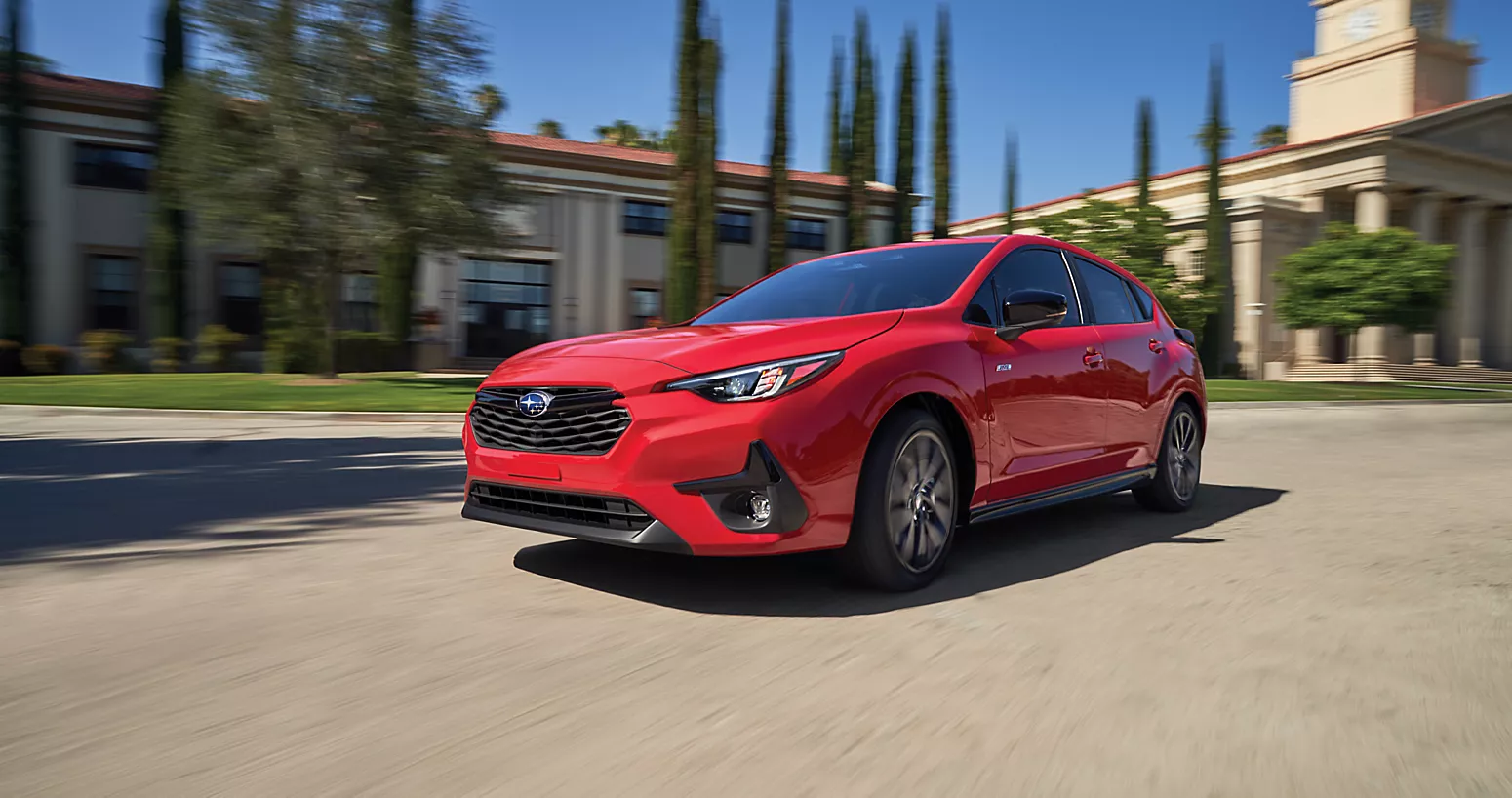
7. Subaru Impreza Hatchback
The Subaru Impreza Hatchback is well-known for its all-wheel-drive capability, but its rear seat safety features are equally impressive. Side curtain airbags extend across both rows, and reinforced door panels provide solid protection during side-impact collisions. Subaru’s focus on structural integrity ensures that rear passengers are shielded from significant intrusion during crashes.
Rear passenger space is both practical and comfortable. Legroom and headroom are sufficient even for taller adults, and seatbelts are positioned to maximize safety effectiveness. LATCH anchors make installing child seats easy and secure, allowing parents to ensure their children are properly restrained during every trip.
Subaru has integrated several proactive safety technologies that help prevent accidents from occurring. Features such as EyeSight driver-assist, which includes automatic braking and lane-keeping assist, reduce collision risks significantly. These systems benefit rear passengers by keeping the vehicle on track and alerting drivers to potential hazards in time.
Crash-test results consistently highlight the Impreza’s strong rear passenger protection. Side-impact testing shows minimal intrusion into the cabin, and energy-absorbing structures around the rear seats help mitigate forces during accidents. Airbags work in tandem with the reinforced structure to keep passengers as safe as possible.
Rear seat comfort is thoughtfully designed with ergonomic contours and supportive cushioning. Proper seating posture ensures that restraint systems perform optimally in case of a sudden stop or collision. The combination of advanced safety technology, structural reinforcement, and comfort makes the Subaru Impreza Hatchback an excellent choice for those prioritizing rear passenger safety.
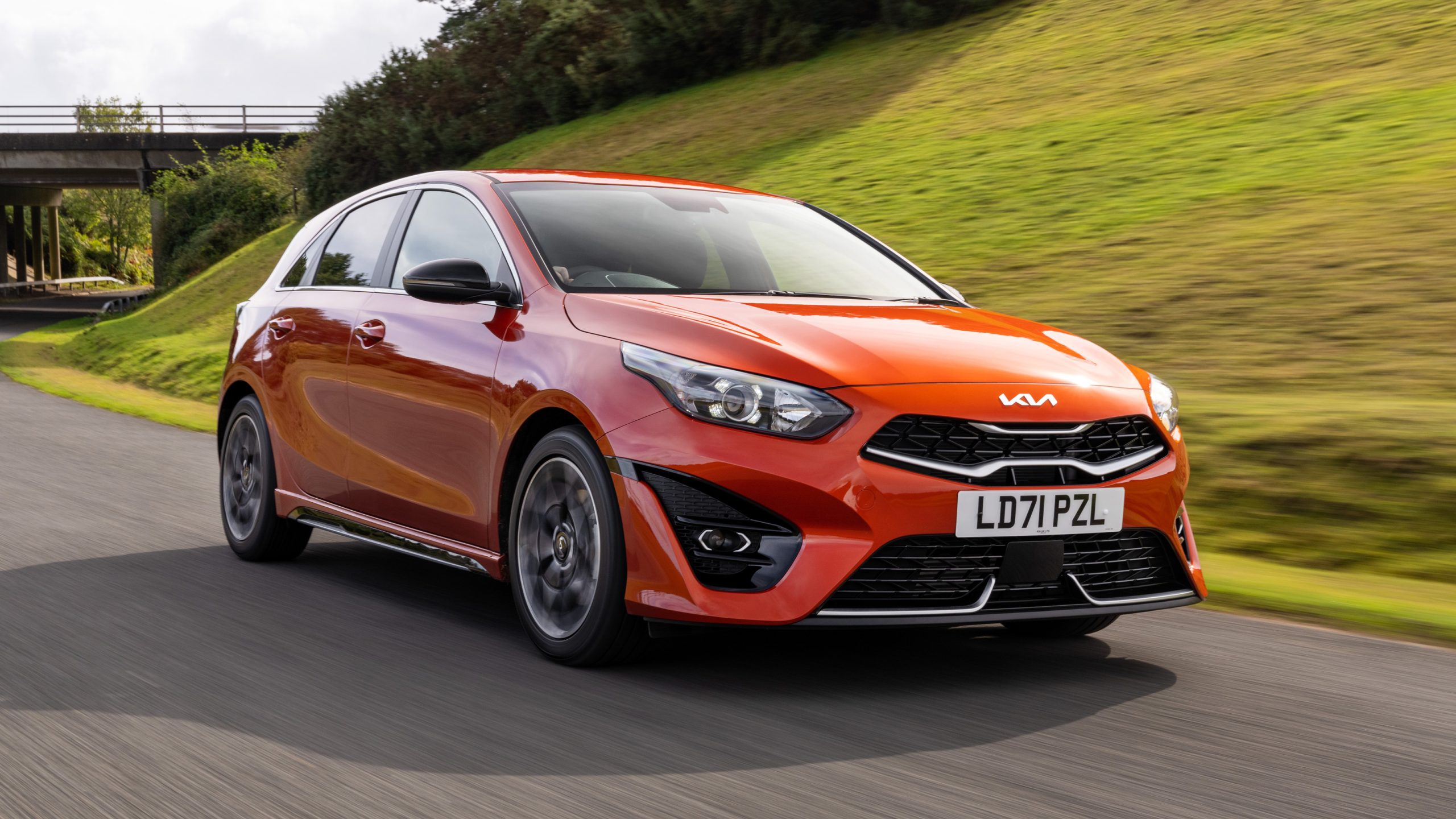
8. Kia Ceed Hatchback
The Kia Ceed Hatchback offers a compelling mix of style, performance, and strong rear seat safety features. Its cabin includes side curtain airbags for both front and rear passengers, while reinforced side doors and high-strength steel elements absorb impact forces during collisions. The car’s structural design emphasizes passenger protection, especially for the back seats.
Rear seating is spacious, with sufficient legroom, headroom, and shoulder room to accommodate adults comfortably. Seatbelt placement is optimized for safety, and the inclusion of LATCH anchors simplifies the installation of child seats. Families can rely on the Ceed for both comfort and protection during longer trips or daily commutes.
Advanced safety technologies further improve rear passenger security. Autonomous emergency braking, blind-spot detection, and lane-keeping assist work to prevent accidents from occurring, keeping rear occupants safer even when the driver may be distracted. These features highlight Kia’s proactive approach to vehicle safety.
The Ceed performs well in crash tests, with reinforced structures around the rear passenger area to reduce intrusion during side or rear collisions. Energy-absorbing crumple zones help redirect force away from occupants, while airbags provide an additional layer of protection. Rear passengers benefit from both passive and active safety systems.
Comfort is also a key consideration. The rear seats are well-cushioned and ergonomically designed to support proper posture, which ensures that seatbelts and airbags work effectively. The combination of structural integrity, safety features, and comfort makes the Kia Ceed Hatchback a reliable choice for anyone concerned about rear passenger protection.
