
The 1990s were a remarkable decade for Japanese automotive engineering, producing cars that combined performance, style, and technology in ways that have left a lasting impact on car enthusiasts worldwide. Many vehicles from this period are now considered classics, not only for their driving experience but also for their influence on automotive culture.
These cars represented a time when Japanese manufacturers were pushing boundaries, introducing turbocharged engines, advanced suspension systems, and lightweight designs that appealed to both everyday drivers and performance enthusiasts.
As these vehicles age, they have gained value as collector items, often sought after for restoration projects or maintained in pristine condition by enthusiasts who appreciate their historical significance.
During this era, brands such as Toyota, Nissan, Honda, and Mazda were at the forefront of creating cars that were accessible yet exhilarating to drive. Performance models like the Nissan Skyline, Honda NSX, and Toyota Supra offered high-revving engines and handling characteristics that could rival European sports cars while often remaining more affordable.
Meanwhile, cars like the Mazda RX-7 and Mitsubishi 3000GT showcased innovative engineering, such as rotary engines and all-wheel-drive systems, highlighting Japan’s commitment to experimentation and refinement. Beyond performance, many everyday cars from the 1990s have also achieved classic status due to their distinctive designs, reliability, and cultural impact, cementing Japan’s reputation as a leader in automotive innovation.
Collectors and enthusiasts often seek these 1990s Japanese cars not only for their performance but also for the nostalgia they evoke. Many of these vehicles carry memories of a simpler era in car culture, when manual transmissions were standard, digital dashboards were a novelty, and aerodynamics were becoming an essential aspect of design.
The combination of these features made driving more engaging, allowing owners to feel a direct connection with the car. Over 25 years later, these cars have become symbols of an important period in automotive history, attracting interest from collectors, restorers, and enthusiasts around the globe. Their timeless appeal demonstrates that good design and engineering do not fade with age.
This article examines ten Japanese cars from the 1990s that are now over 25 years old, highlighting their significance, performance, and the reasons they have achieved classic status. Each model is remembered for its unique contribution to automotive history and continues to influence modern cars.
From high-performance sports cars to reliable daily drivers, these vehicles represent the ingenuity, style, and engineering excellence of Japanese automakers during a decade of innovation. Understanding these classics helps preserve the legacy of Japanese automotive history and inspires future generations to appreciate the artistry and technology of the past.
By exploring these ten vehicles, readers can appreciate the innovation, design, and performance that defined Japanese automotive culture in the 1990s. The cars on this list remain highly regarded for their craftsmanship, driving experience, and enduring popularity among collectors.
They serve as a reminder of a time when Japanese manufacturers set new standards for performance, reliability, and style, creating vehicles that continue to captivate enthusiasts more than two decades after their debut.
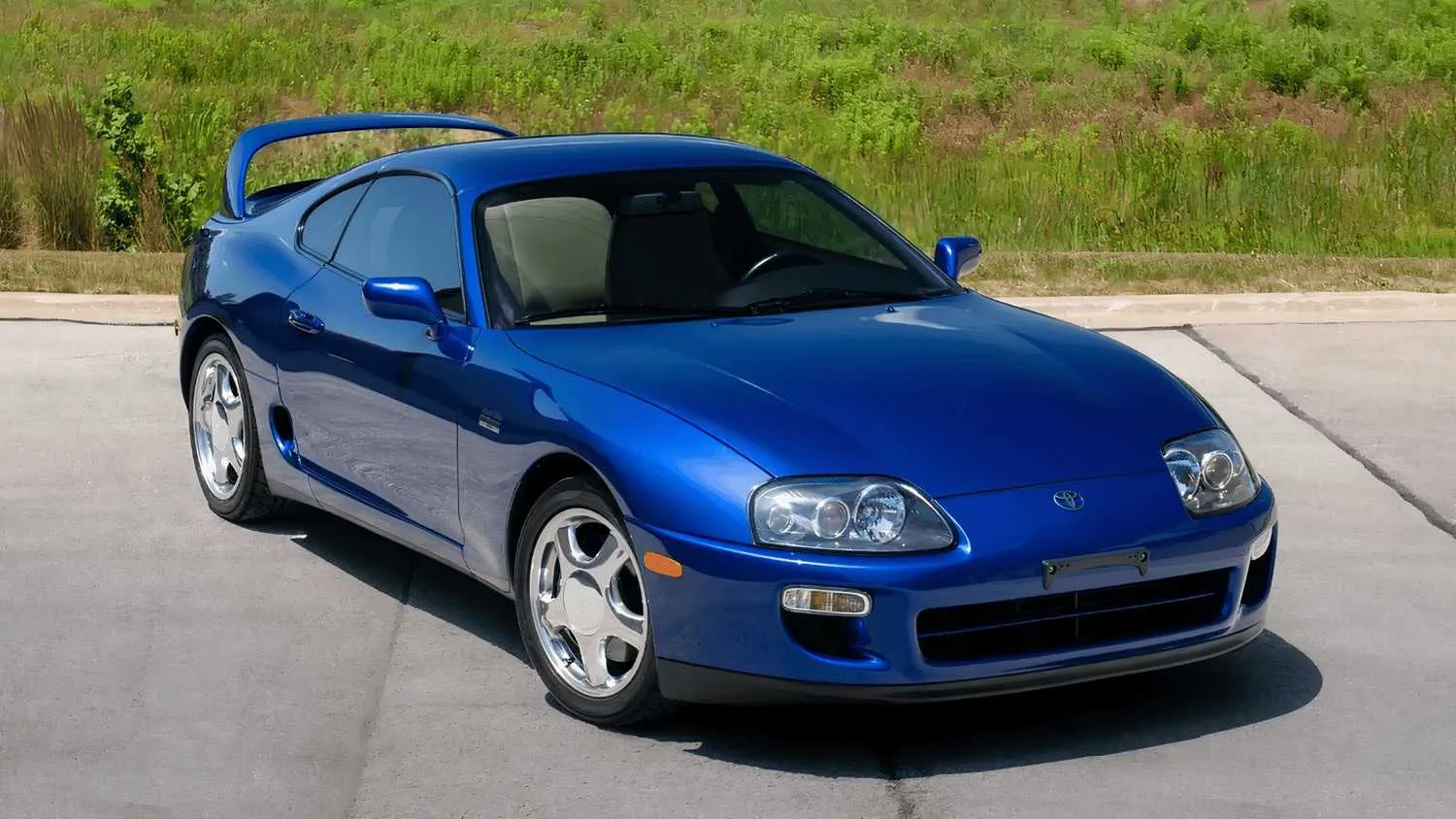
1. Toyota Supra MK4 (A80)
The Toyota Supra MK4 is perhaps the most iconic Japanese sports car of the 1990s. Released in 1993, it became instantly recognizable for its sleek body lines, large rear spoiler, and powerful engine options. The Supra offered a combination of style and performance that appealed to both street drivers and racing enthusiasts alike.
Its 2JZ-GTE engine, a twin-turbocharged inline-six, delivered extraordinary power and reliability. The engine’s strength and tuning potential made it a favorite among performance enthusiasts seeking high horsepower. Even today, the Supra MK4 is considered a benchmark for tuning and modification culture worldwide.
The Supra’s handling was equally impressive, with a balanced chassis and rear-wheel-drive layout that allowed precise cornering and driving excitement. Its suspension and weight distribution made it competitive on both the track and street. Drivers often praised the car’s ability to feel agile while maintaining stability at high speeds.
Interior comfort was a blend of sportiness and functionality. The driver-focused cockpit provided intuitive controls and supportive seats, making long drives enjoyable. While performance-oriented, it still offered a refined experience for daily driving, which added to its broad appeal.
The Supra MK4 has cemented its status as a cultural icon, appearing in movies, video games, and car shows. Its combination of performance, tuning potential, and timeless design ensures it remains a highly coveted classic among collectors and enthusiasts alike.
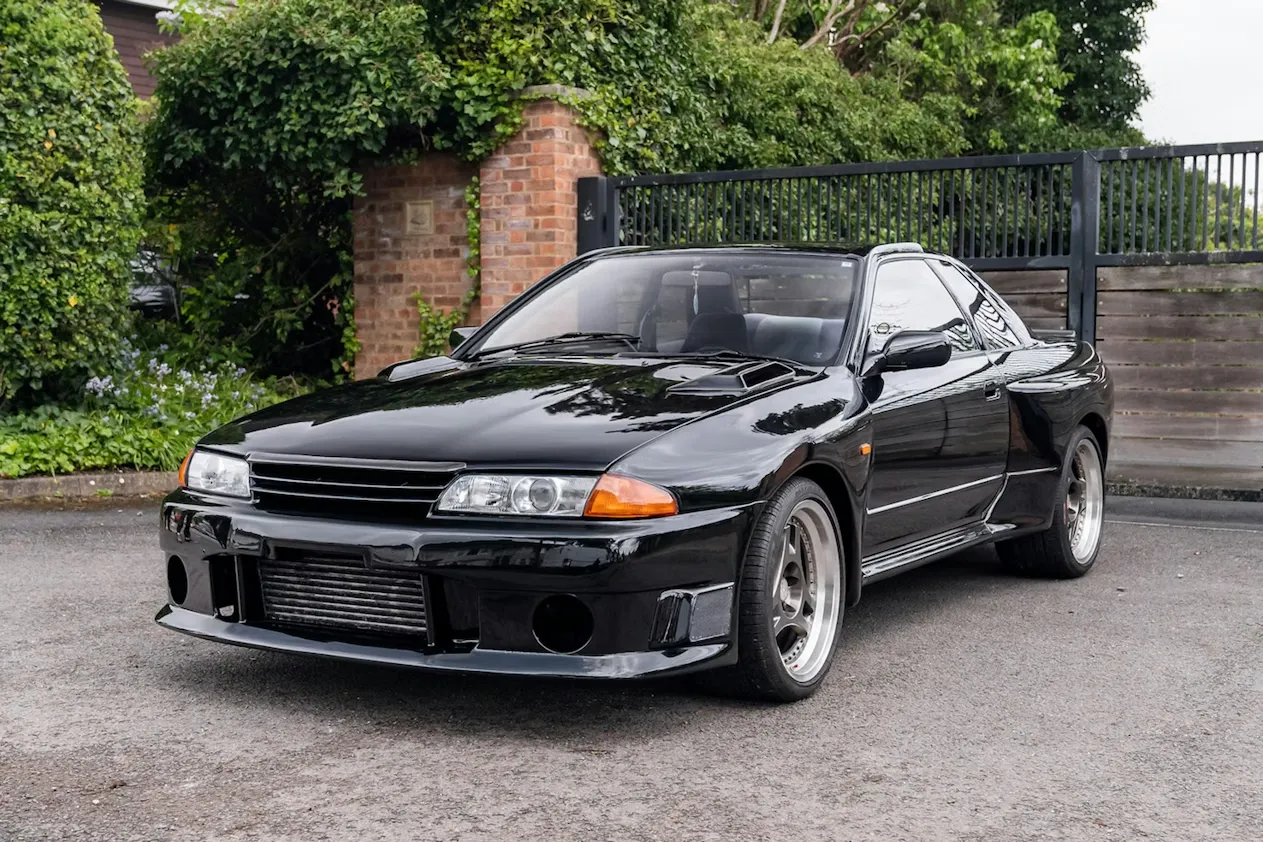
2. Nissan Skyline GT-R R32
The Nissan Skyline GT-R R32 is legendary for its racing pedigree and technological innovations. Introduced in 1989 but widely popularized in the early 1990s, it earned the nickname “Godzilla” due to its dominance in motorsports. Its advanced all-wheel-drive system set it apart from competitors.
Powered by the RB26DETT inline-six twin-turbo engine, the R32 delivered exceptional performance. The engine’s balance of power and durability made it a favorite for tuning and racing applications. Its engineering allowed drivers to exploit high horsepower with confidence.
The R32’s handling was revolutionary for its time, thanks to the ATTESA E-TS all-wheel-drive system. This technology distributed torque efficiently, ensuring stability and cornering precision. Its sophisticated suspension made it competitive both on the track and during spirited road driving.
Design-wise, the R32 combined aggressive styling with aerodynamic efficiency. Its sharp lines, flared fenders, and quad taillights created a recognizable silhouette. The aesthetic appeal of the R32 has contributed significantly to its collector value today.
Enthusiasts cherish the Skyline GT-R R32 for its motorsport legacy and engineering excellence. It remains a sought-after classic, representing a golden era of Japanese performance cars. Its influence continues to inspire modern sports car development and tuning culture.
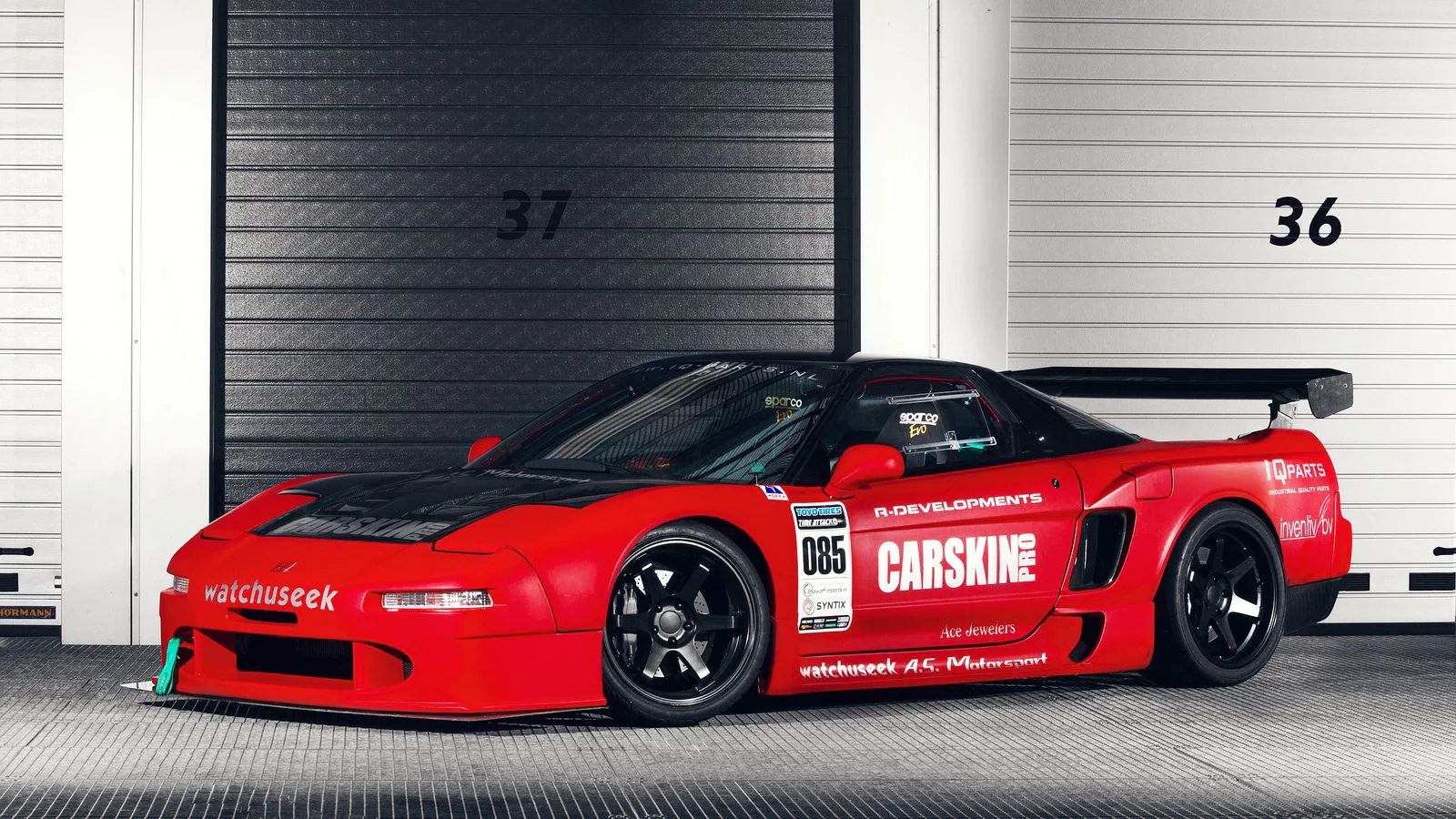
3. Honda NSX
The Honda NSX was a groundbreaking sports car, combining precision engineering with everyday usability. Introduced in 1990, it challenged European supercars with a focus on reliability, handling, and innovation. Its aluminum body and mid-engine layout set new standards.
The NSX’s V6 engine featured VTEC technology, producing impressive power across a wide RPM range. Drivers appreciated its responsiveness, smoothness, and reliability. It offered a different type of performance compared to turbocharged competitors.
Handling was exceptional, with a mid-engine, rear-wheel-drive configuration that provided balance and agility. Its suspension and chassis design allowed confident cornering while remaining approachable for non-professional drivers. The NSX demonstrated how advanced engineering could create a forgiving yet thrilling sports car.
Inside, the NSX was designed with comfort and ergonomics in mind. The cabin provided a sense of control without sacrificing refinement. Honda emphasized usability, ensuring that the NSX could be driven daily without compromise.
The NSX remains a symbol of Honda’s engineering prowess and design philosophy. Its innovation, reliability, and driving experience have made it a classic that continues to influence sports car development worldwide.
4. Mazda RX-7 FD
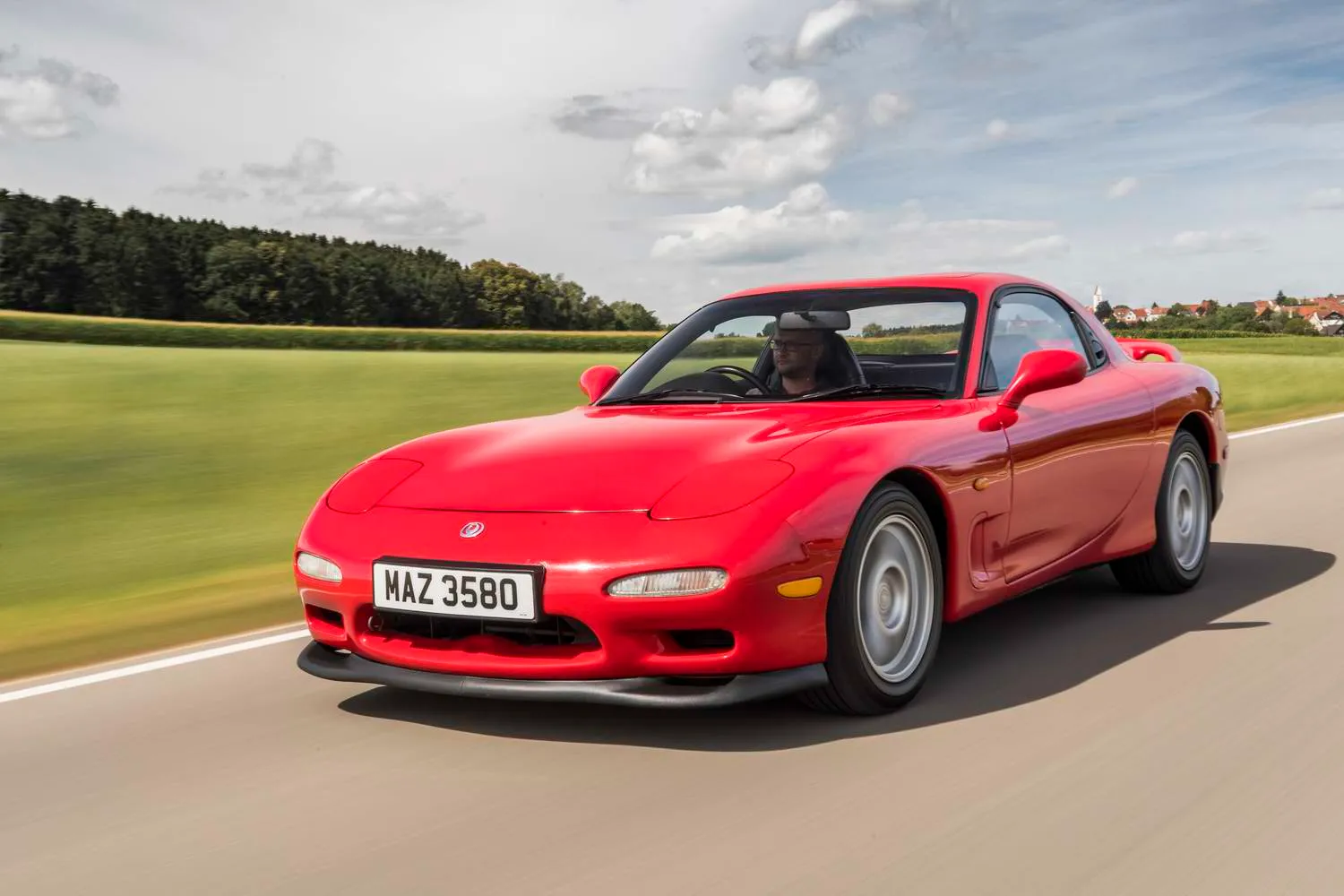
The Mazda RX-7 FD is revered for its lightweight design and rotary engine performance. Launched in 1992, it represented the pinnacle of Mazda’s rotary technology. Its sleek, aerodynamic body and distinctive styling made it stand out among 1990s sports cars.
The twin-rotor 13B-REW engine offered a unique driving experience. Its high-revving nature and smooth power delivery set it apart from traditional piston engines. Tuners and enthusiasts often praise its modifiability and potential for extreme performance.
Handling was a defining characteristic of the RX-7 FD. Its low weight, perfect balance, and responsive steering made it an agile and fun car to drive. Cornering felt precise, allowing drivers to push the car to its limits safely.
Mazda focused on driver engagement, creating a cockpit that enhanced feedback and control. The interior balanced comfort with functionality, ensuring the car was enjoyable for both spirited driving and longer trips.
Today, the RX-7 FD remains highly sought after by collectors and enthusiasts. Its combination of engineering ingenuity, unique engine design, and dynamic performance ensures it remains a standout classic from the 1990s.
5. Mitsubishi 3000GT VR-4
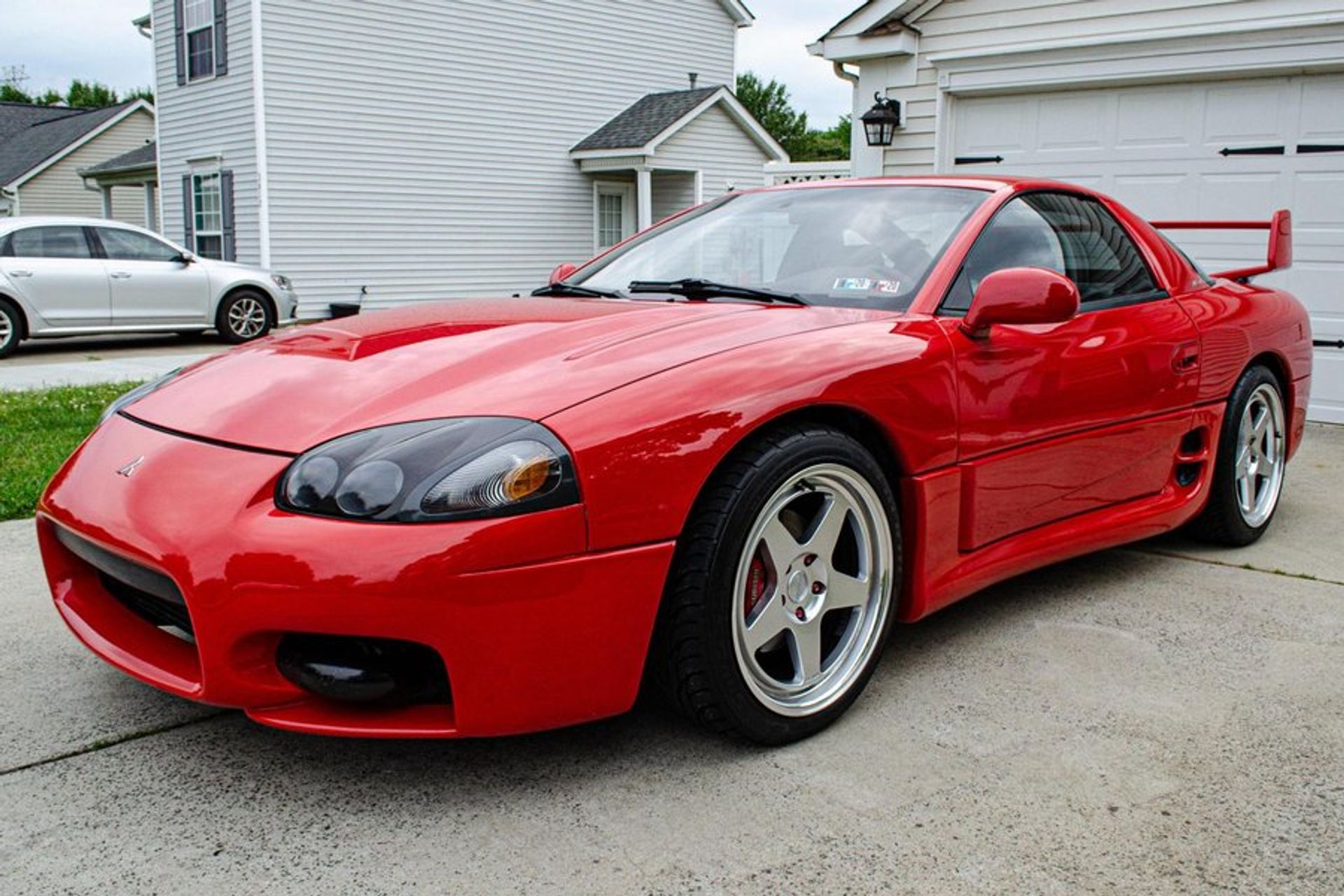
The Mitsubishi 3000GT VR-4 was a technological tour de force during the 1990s. With features such as all-wheel-drive, active aerodynamics, and a twin-turbo V6 engine, it represented Mitsubishi’s ambition to create a high-performance grand tourer.
Its engine produced strong acceleration and top-end power, making it competitive with other Japanese sports cars of the era. The VR-4’s combination of turbocharging and advanced electronics allowed for controlled, responsive performance.
Handling was enhanced by all-wheel-drive and active suspension systems. These innovations improved stability and cornering capabilities, allowing the car to perform well in a variety of conditions. It provided a balance between comfort and sportiness rarely seen at the time.
The 3000GT VR-4 featured a spacious, well-appointed interior. Advanced electronics, including electronically adjustable seats and climate controls, added luxury to the performance experience. It was a blend of sport and technology that appealed to enthusiasts seeking innovation.
As a classic, the 3000GT VR-4 is remembered for pushing the boundaries of automotive technology. Its combination of features, performance, and styling ensures that it remains a respected and collectible vehicle today.
6. Nissan 300ZX (Z32)
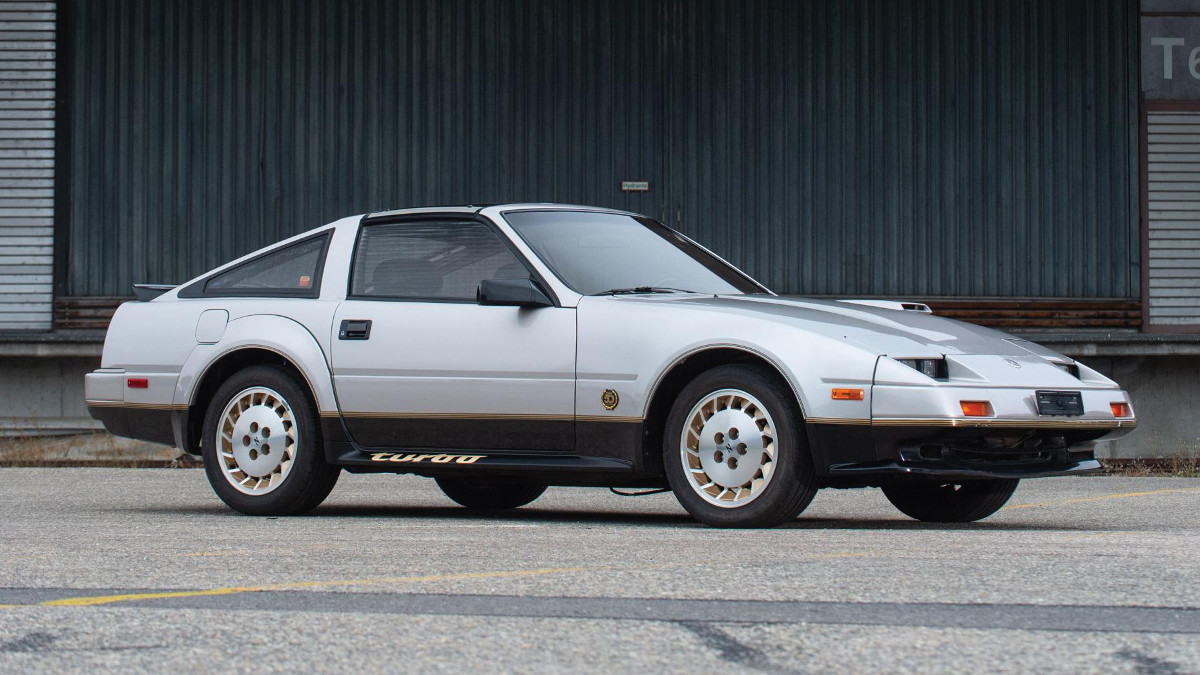
The Nissan 300ZX Z32, launched in 1989 and thriving in the early 1990s, was an impressive blend of power, style, and innovation. It marked a significant evolution from its predecessors with a wider, more aerodynamic body, improved suspension geometry, and a focus on driver engagement.
The Z32 was designed to compete with high-end European sports cars, offering advanced technology while remaining more affordable. Its twin-turbo V6 engine in the 300ZX Twin Turbo model provided excellent acceleration, smooth power delivery, and remarkable reliability, making it one of the most respected Japanese sports cars of its era.
One of the key features of the Z32 was its handling precision. Nissan engineers implemented a multi-link rear suspension system that greatly improved stability and cornering capability. The car’s weight distribution and low center of gravity allowed it to maintain composure through sharp turns, while the responsive steering gave drivers confidence during spirited driving sessions. Enthusiasts often praise the Z32 for its balance between performance and comfort, allowing it to serve as both a weekend track car and a daily driver.
Aerodynamically, the 300ZX was ahead of its time. Its smooth, flowing lines reduced drag while improving stability at high speeds. The hidden headlights, low-slung nose, and wide stance not only enhanced its performance characteristics but also created a visually striking sports car that remains recognizable today. Nissan’s attention to both function and aesthetics ensured that the Z32 retained timeless appeal, making it a favorite among collectors and fans of classic Japanese cars.
Inside the cabin, the 300ZX offered a driver-centric experience. The seats provided ample support, the dashboard layout was intuitive, and the controls were ergonomically designed to keep the driver focused. Luxury touches like leather upholstery, climate control, and advanced audio systems in higher trims demonstrated that Nissan was intent on providing a full driving experience that combined comfort with sporty character. This balance contributed to the car’s strong following and continued desirability.
Today, the Nissan 300ZX Z32 is celebrated for its combination of performance, technology, and enduring design. The car remains a benchmark for enthusiasts seeking a Japanese sports car with strong tuning potential and collectible status.
Its twin-turbo models, in particular, have become highly sought-after, representing one of the finest achievements of 1990s Japanese automotive engineering.
7. Toyota MR2 SW20
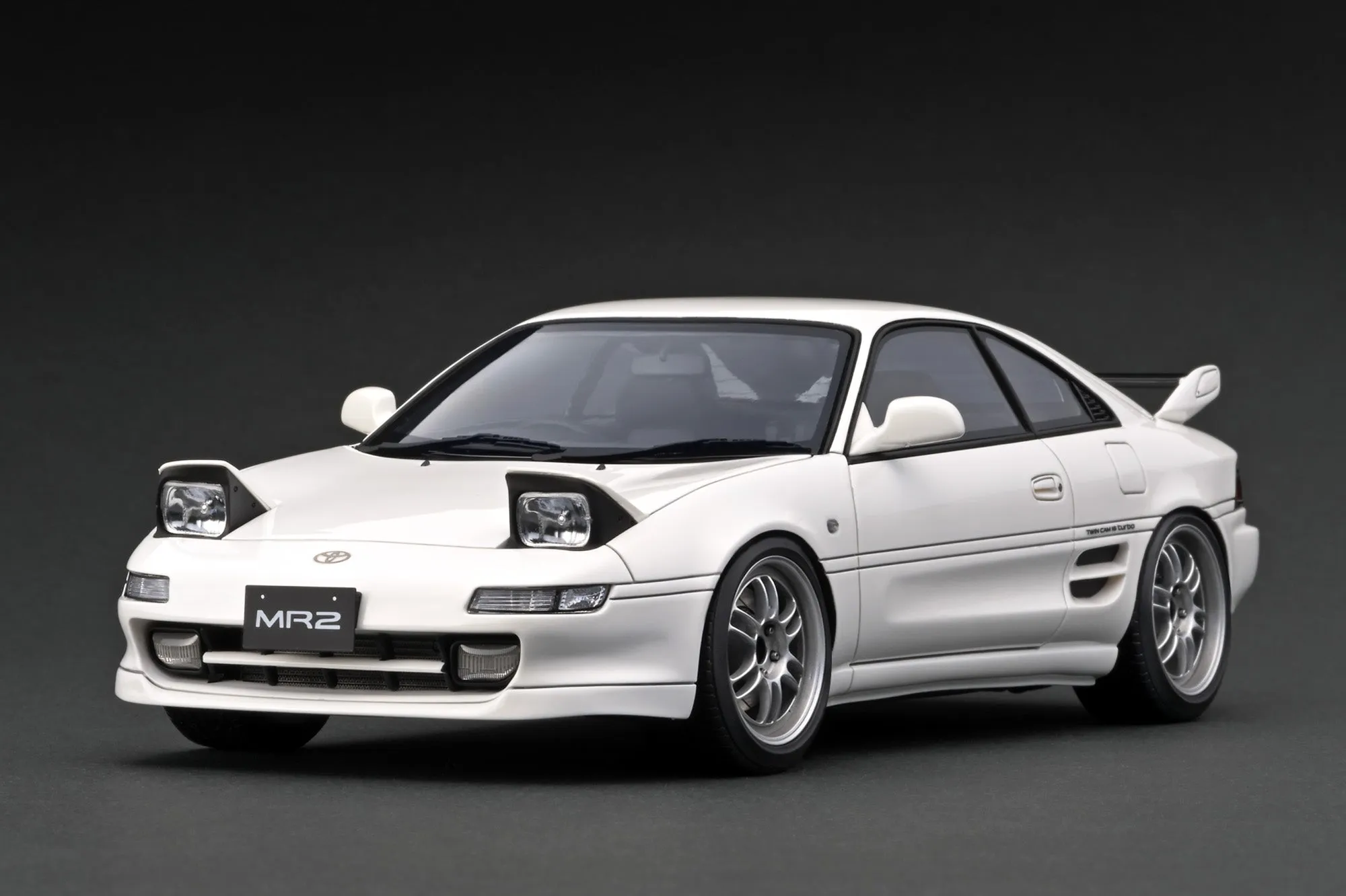
The Toyota MR2 SW20, introduced in 1989 and popular throughout the early 1990s, was a mid-engine sports car that prioritized agility, driver engagement, and playful handling.
Unlike larger performance cars, the MR2 was lightweight and compact, providing a nimble driving experience that rewarded precision. Its design, featuring pop-up headlights and a distinctive wedge shape, gave it a futuristic yet approachable aesthetic that appealed to younger enthusiasts seeking excitement on a budget.
The MR2’s turbocharged versions delivered a surprising amount of power for such a small car, making it competitive against larger sports cars in its segment. Its mid-engine layout contributed to exceptional balance and cornering capabilities, though it required respect and skill from the driver due to the car’s tendency for snap oversteer if mishandled. Despite this, the MR2 was praised for its responsiveness and connection to the road, making it a rewarding vehicle for those who mastered its dynamics.
Suspension tuning on the SW20 was designed to maximize handling performance. Its double-wishbone setup allowed for precise feedback and control, enabling the car to tackle corners with confidence. Toyota also offered improvements in aerodynamics with a smooth underbody and rear spoiler, enhancing stability at high speeds. The MR2 proved that lightweight, well-engineered cars could deliver thrilling performance without relying solely on engine power.
Inside, the MR2 was compact but thoughtfully designed. The cockpit offered clear visibility, supportive seats, and controls that were within easy reach, creating an immersive driving experience. While not as luxurious as larger sports cars, the interior was functional, driver-focused, and comfortable enough for longer drives. The combination of practicality and performance contributed to its enduring appeal.
The Toyota MR2 SW20 has maintained a strong presence among enthusiasts due to its unique driving dynamics, distinctive styling, and potential for tuning. Its status as a 1990s Japanese classic is well-earned, representing a period when small, agile sports cars could challenge larger, more powerful competitors while providing a genuinely engaging driving experience.
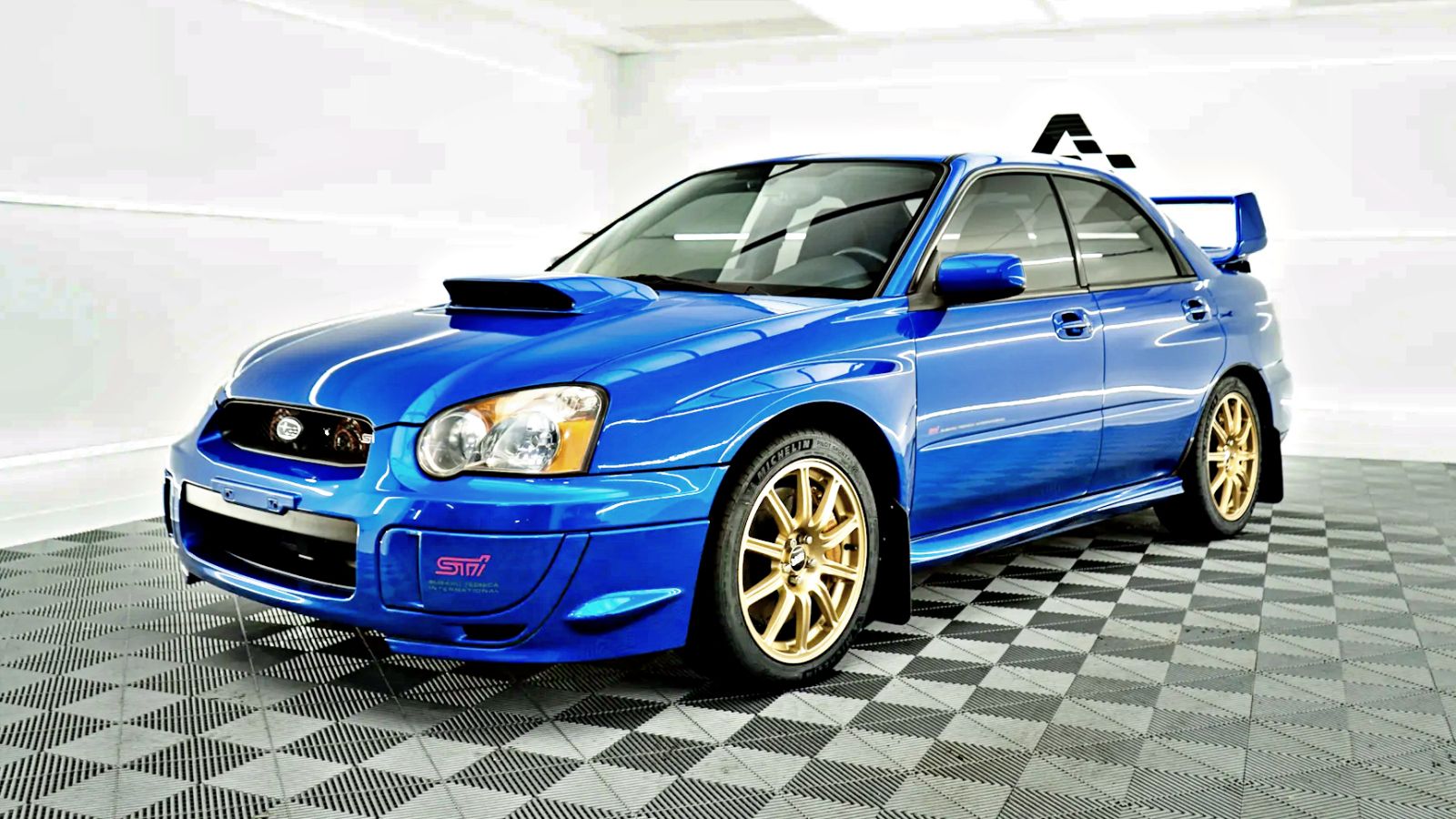
8. Subaru Impreza WRX (GC8)
The Subaru Impreza WRX GC8, introduced in the early 1990s, redefined the compact performance sedan with rally-inspired engineering and all-wheel-drive capability. Unlike traditional sports cars, the WRX offered practicality alongside thrilling performance. Its turbocharged flat-four engine, combined with a sophisticated symmetrical all-wheel-drive system, provided exceptional traction and acceleration in all conditions, making it a favorite for both enthusiasts and rally fans.
Handling was one of the WRX’s strongest attributes. The combination of all-wheel drive, low center of gravity from the boxer engine, and well-tuned suspension provided confidence during aggressive driving. Cornering felt stable and precise, allowing drivers to exploit its full potential on winding roads or tracks. This level of engineering made the GC8 a standout among compact sports cars of the 1990s.
The car’s design was simple yet purposeful. Its aerodynamic lines, hood scoop for intercooler cooling, and functional rear wing gave the WRX a sporty appearance without sacrificing practicality. The interior balanced driver-focused controls with daily usability, offering space for passengers and cargo. Enthusiasts appreciated that it was both a performance vehicle and a practical car for everyday life.
The GC8 also carried a strong motorsport legacy. Subaru’s success in World Rally Championship events helped cement the WRX’s reputation as a capable and durable performance machine. This connection to racing added cultural significance, making the WRX not only a desirable car for collectors but also a symbol of 1990s Japanese automotive ingenuity.
Collectors value the WRX GC8 today for its rally heritage, all-wheel-drive performance, and tunable engine. Its combination of practicality, capability, and driving excitement ensures that it remains a sought-after classic, celebrated for its role in shaping Japanese sports sedans and inspiring modern performance cars.
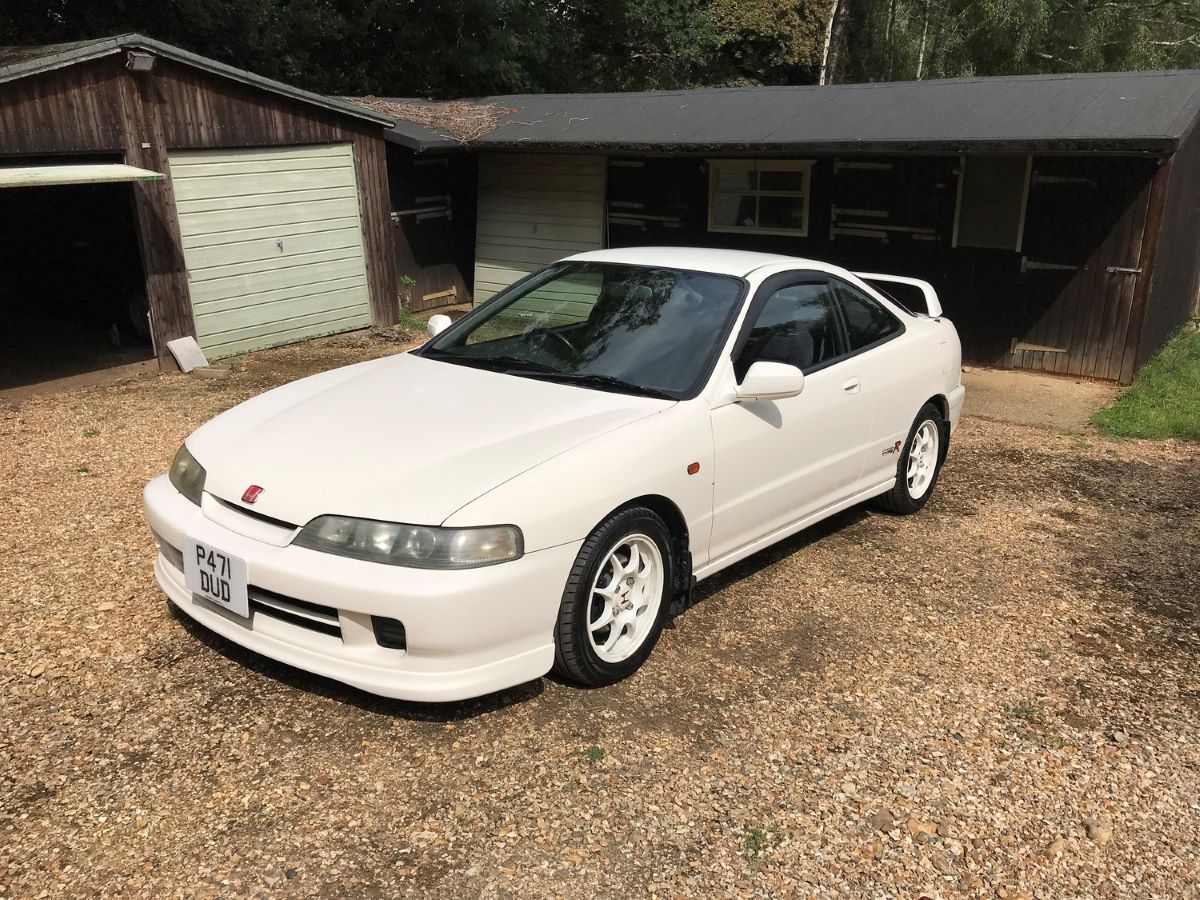
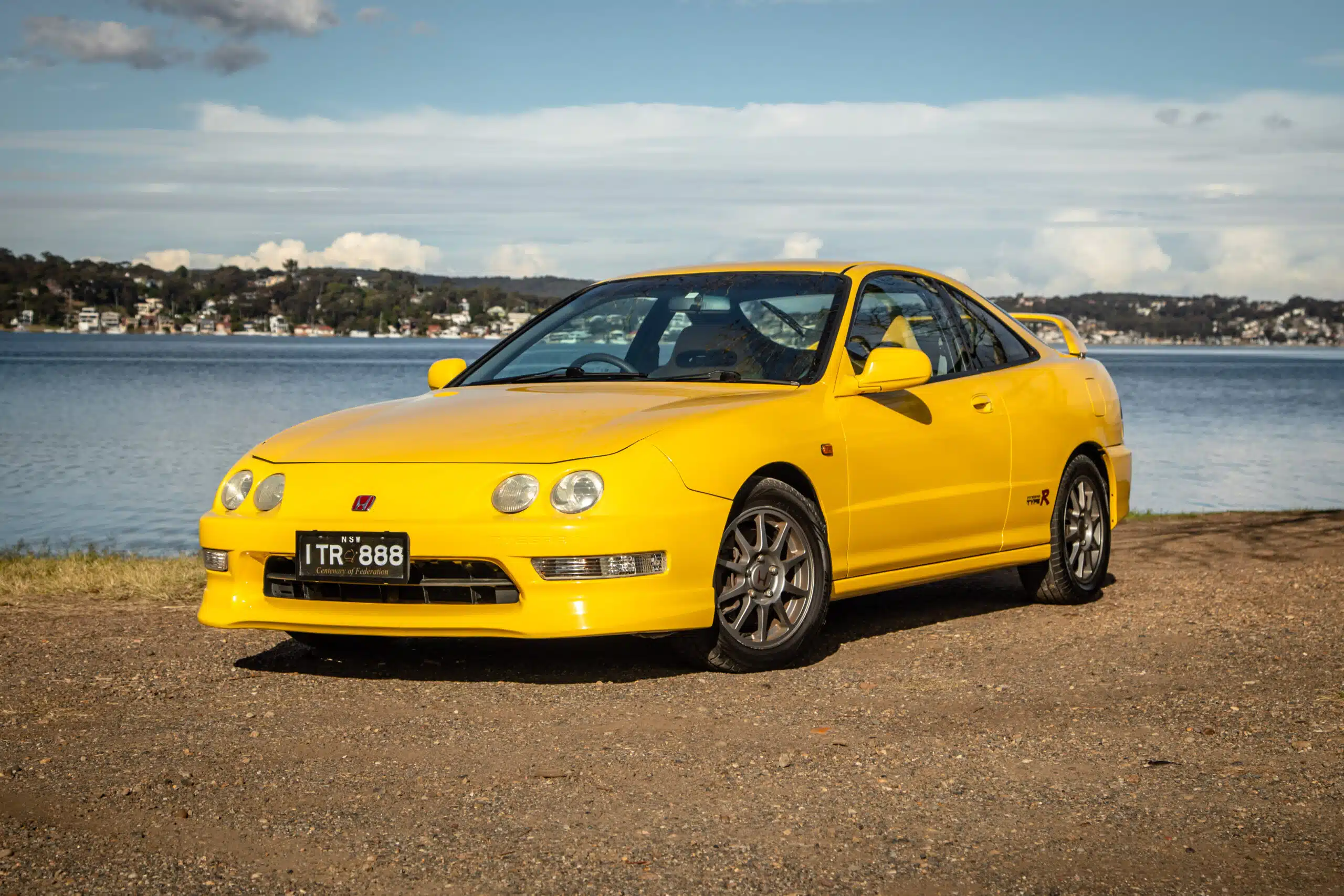
9. Honda Integra Type R (DC2)
The Honda Integra Type R DC2 is often regarded as one of the finest front-wheel-drive performance cars of its era. Introduced in 1995, it combined high-revving engine performance, precise handling, and lightweight construction to create a car that felt incredibly responsive and connected to the driver.
The Type R was developed with track performance in mind, yet remained suitable for street driving, highlighting Honda’s engineering precision.
Under the hood, the Integra Type R featured the B18C engine, which utilized VTEC technology to produce impressive power in a lightweight package. Its high-revving character allowed drivers to extract maximum performance without turbocharging, relying instead on natural aspiration and precision engineering. This engine remains highly respected among enthusiasts for its reliability and tuning potential.
Handling was a defining characteristic of the DC2 Type R. Honda’s engineers focused on reducing weight, stiffening the chassis, and fine-tuning suspension geometry.
The result was a car that cornered with exceptional precision and balance, providing feedback and engagement that few front-wheel-drive vehicles could match at the time. Drivers praised the Type R for its ability to maintain composure during spirited driving.
The exterior design was functional and purposeful, with subtle aerodynamic enhancements, a rear spoiler, and lightweight components that improved performance. The interior was minimalistic, emphasizing control and driver focus. Seats and instrumentation were designed for comfort during performance driving while keeping weight to a minimum.
The Honda Integra Type R DC2 remains a highly sought-after classic for enthusiasts. Its combination of naturally aspirated performance, handling excellence, and lightweight design has ensured that it retains a legendary status among Japanese 1990s performance cars. Its influence on later Honda and performance models is still evident today.
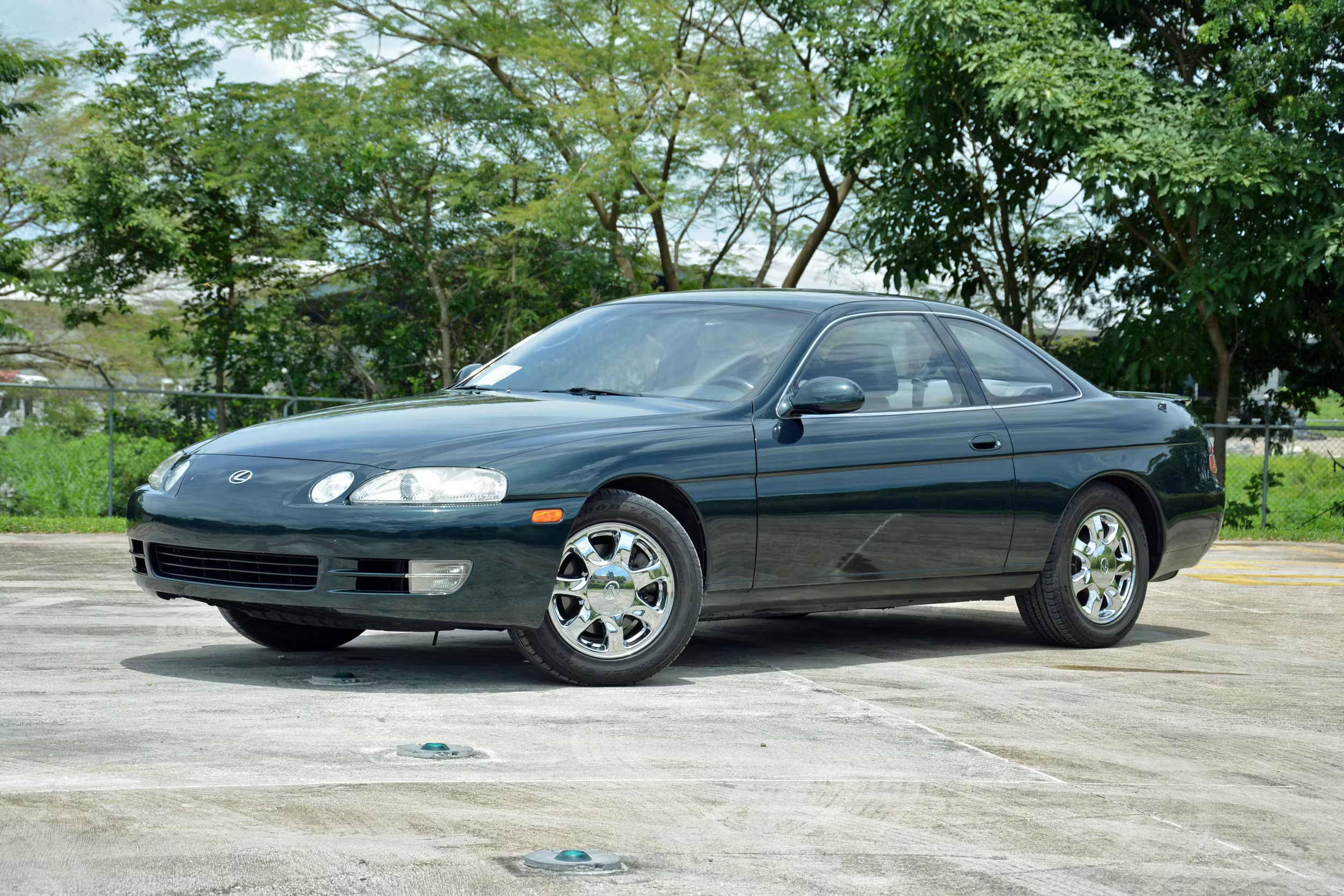
10. Lexus SC300/SC400
The Lexus SC series, including the SC300 and SC400, offered a different type of Japanese classic experience in the 1990s. Launched in 1991, these luxury coupes focused on refinement, smooth performance, and comfort, while still providing a sporty driving experience. The SC series demonstrated that Japanese automakers could compete with European luxury cars on both design and technology.
The SC300 featured a naturally aspirated inline-six engine, while the SC400 offered a V8 for more power. Both engines were smooth, reliable, and capable of providing effortless acceleration. These vehicles prioritized comfort without sacrificing enjoyable performance, making them appealing to drivers seeking a sophisticated yet engaging car.
Handling and ride quality were carefully balanced. The SC series employed independent suspension and refined chassis tuning, offering stability and precision while maintaining a supple ride. It could navigate twisty roads with confidence while remaining composed on highways, providing versatility for daily driving and long-distance travel.
Design played a key role in the SC series’ appeal. Its sleek, aerodynamic coupe body, flush headlights, and clean lines gave it an elegant and timeless appearance. Inside, the cabins offered luxury appointments, comfortable seating, and advanced features for the time, reflecting Lexus’s focus on quality and refinement.
The Lexus SC300 and SC400 have aged gracefully and are now appreciated as classic Japanese luxury cars. Their combination of comfort, performance, and style has earned them a place among 1990s classics. Enthusiasts and collectors recognize the SC series as a well-crafted vehicle that exemplifies Japanese innovation in both engineering and design.
