
The 1960s was a decade of remarkable innovation and excitement in the British automotive industry. Sports cars from this period were designed with the driver in mind, emphasizing connection, balance, and simplicity over sheer power or modern technology.
The roadsters produced in Britain during this era became icons because they offered an experience that went beyond mere transportation. Every curve, every gear change, and every acceleration felt deliberate, providing a sense of control that is rare in modern vehicles.
Unlike the heavier and more insulated cars of later decades, these roadsters were lightweight and agile, giving drivers a sense of freedom on both winding country roads and city streets. They were designed to respond directly to human input, with little intervention from electronics or aids, which made the driving experience tactile and deeply rewarding.
British roadsters from the 1960s also represented a period when craftsmanship and engineering came together seamlessly. Many were hand-assembled, featuring precise engineering and attention to detail that created vehicles both beautiful and functional.
Designers focused on creating cars that were not only fast but also engaging, encouraging drivers to be part of the experience rather than passive observers. The combination of low weight, rear-wheel drive, and well-tuned suspension allowed these cars to communicate the road to the driver in a way that modern machines often struggle to match.
Every vibration, every shift of weight, and every change in road texture could be felt through the steering wheel and pedals, heightening awareness and enjoyment.
Another factor contributing to the allure of 1960s British roadsters was their aesthetic design. Sleek lines, compact proportions, and purposeful curves combined with functional engineering to produce cars that were equally appealing parked as they were in motion.
Many of these vehicles became symbols of style, freedom, and youthful enthusiasm, representing an era when the joy of driving was as important as speed or luxury. Beyond aesthetics, the mechanical simplicity meant owners could maintain and even modify their vehicles with relative ease, further connecting them to the machine. Each roadster became more than a car; it became a partner for driving, a machine that invited engagement and rewarded skill.
The popularity of these vehicles was also fueled by the racing culture of the time. Many roadsters were derived from or inspired by successful track cars, ensuring that performance and handling were paramount. They were capable of spirited drives on narrow, winding roads, offering a sense of exhilaration that was both immediate and intimate.
Drivers often felt in complete harmony with the car, a quality that remains sought after among enthusiasts today. Whether on public roads or private tracks, these cars demonstrated that pure driving pleasure did not require massive engines or electronic aids, but rather thoughtful design and precise execution.
In this article, we will examine ten of the most celebrated British roadsters from the 1960s, vehicles that have earned a reputation for delivering unmatched driving enjoyment. Each one is known for its handling, responsiveness, and connection between driver and machine.
From iconic names to hidden gems, these roadsters exemplify an era when motoring was defined by the joy of steering, braking, and accelerating in perfect harmony with the road. By reviewing their design, performance, and enduring appeal, we aim to capture why these cars remain benchmarks of driving purity decades after their creation.
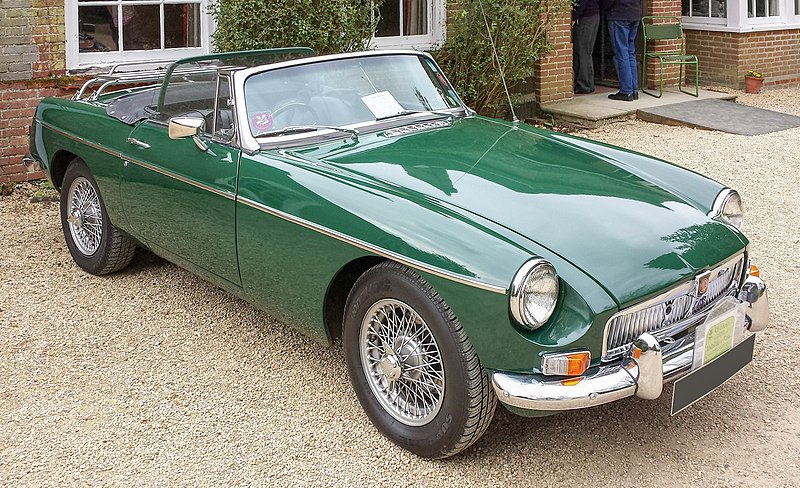
1. MG MGB
The MG MGB was introduced in 1962 and quickly became a symbol of affordable British sports cars. Its lightweight body and responsive steering made it a favorite among enthusiasts seeking a pure driving experience. The car combined elegance with simplicity, offering a design that was both functional and attractive. Drivers could feel every nuance of the road through its direct and communicative controls.
Mechanically, the MGB used a four-cylinder engine paired with a smooth manual transmission. This setup allowed for lively acceleration and spirited drives without overwhelming the driver. The car’s suspension was tuned to balance comfort and handling, making it versatile for different road conditions. Its reliability and ease of maintenance also contributed to its widespread popularity.
The MGB’s bodywork featured a long, low hood and a short rear deck, providing excellent visibility and a connected feel. Its soft-top roof could be folded down in seconds, enhancing the sense of freedom on open roads. Even in its simplest form, the car felt engaging, giving drivers an intuitive understanding of its dynamics. The steering feedback remained precise, allowing cornering with confidence.
Owners often praised the MGB for its balance of performance and accessibility. Unlike some higher-priced sports cars of the era, it was approachable for new enthusiasts while still offering enough engagement for experienced drivers. Its modest power encouraged skillful driving, rewarding careful throttle control and smooth cornering. The car became a staple for weekend touring and club events alike.
Over time, the MGB earned a reputation as one of the quintessential British roadsters. Its blend of lightness, mechanical simplicity, and responsive handling created a sense of connection between driver and machine. Even today, it remains a beloved classic, sought after by collectors and enthusiasts who value the tactile driving experience that defined the 1960s sports car era.
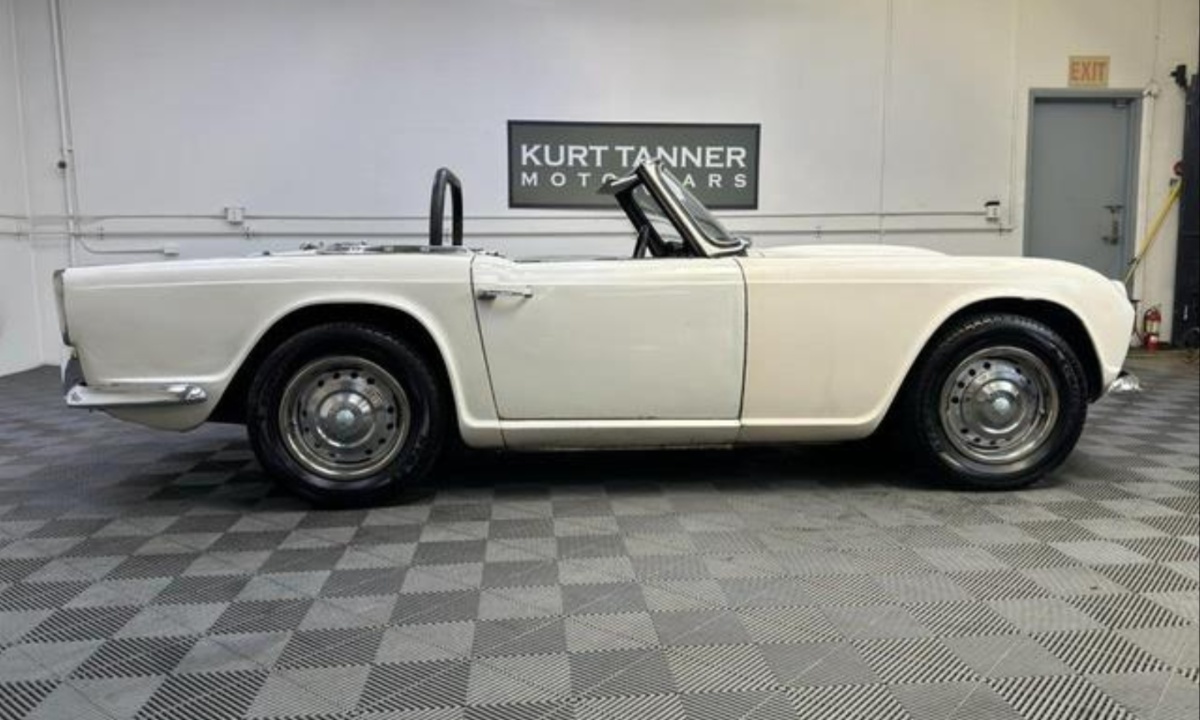
2. Triumph TR4
The Triumph TR4 arrived in 1961, offering a more modern approach to British sports cars. Its distinctive body, designed by Italian coachbuilder Giovanni Michelotti, combined elegance with aerodynamic efficiency. The car’s lines were bold yet refined, reflecting a commitment to both style and performance. Drivers immediately noticed the direct steering and responsive chassis.
Under the hood, the TR4 featured a four-cylinder engine capable of spirited acceleration. Its manual gearbox allowed precise gear selection, contributing to a connected driving feel. The suspension design, incorporating independent front and rear components, provided stability without compromising agility. This balance made the car ideal for both winding roads and relaxed cruising.
The interior was straightforward but comfortable, emphasizing driver control. Instruments were clearly laid out, allowing quick reading of speed, rpm, and other critical information. The seating positioned the driver close to the road, enhancing the sensory connection during driving. Visibility was excellent, encouraging confidence behind the wheel.
Triumph promoted the TR4 as a car that could be enjoyed in all conditions. Its lightweight construction and responsive engine allowed it to handle tight corners with grace. Drivers could sense the road through the steering and suspension, making every maneuver deliberate and rewarding. The car’s handling balance contributed to a reputation for predictability and trustworthiness.
Enthusiasts continue to regard the TR4 as one of the era’s most engaging British roadsters. Its combination of styling, performance, and mechanical clarity made it a standout choice for those seeking the pure joy of driving. Collectors value its ability to deliver a visceral connection to the road, a quality that defines the appeal of 1960s sports cars.
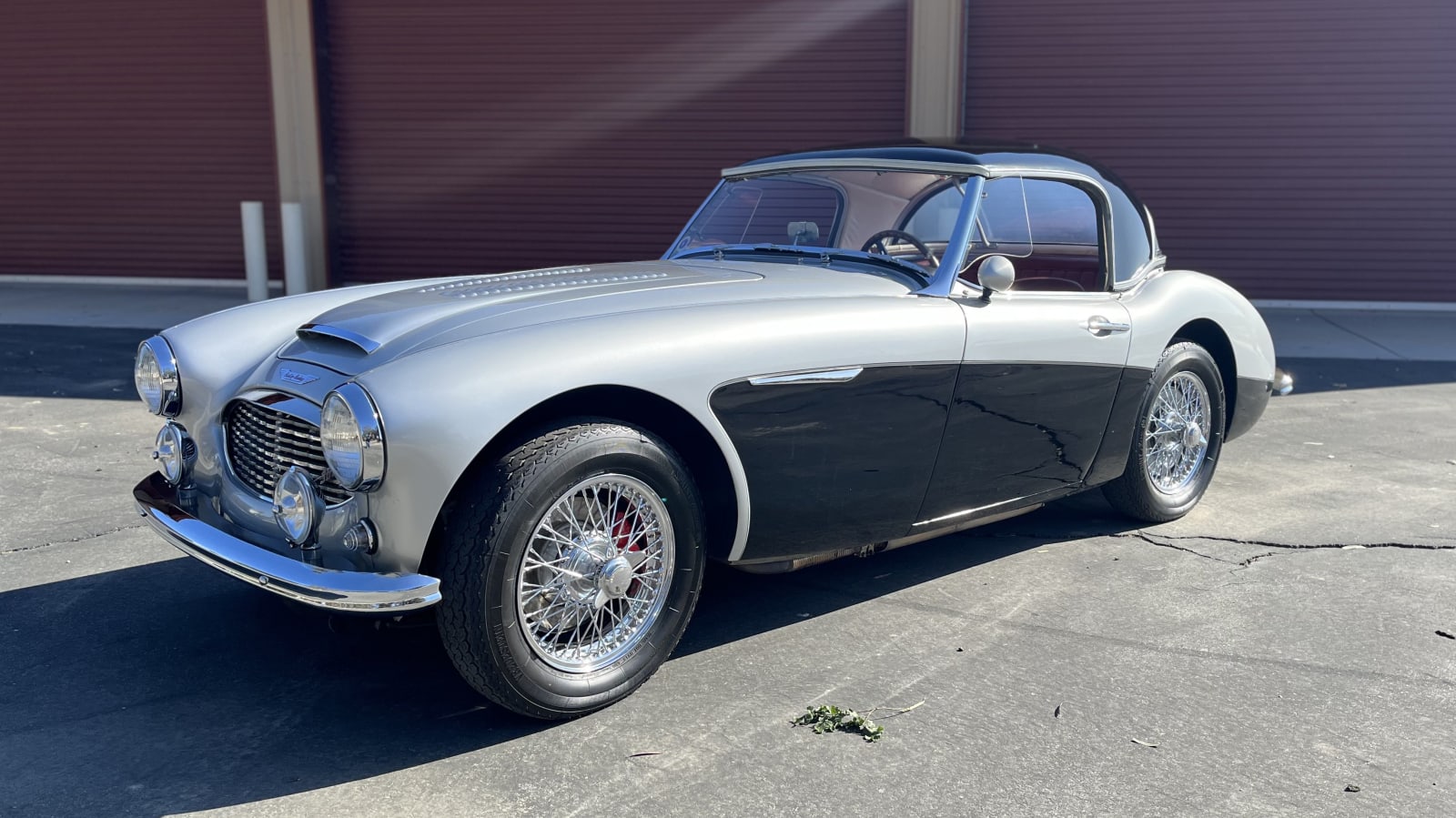
3. Austin-Healey 3000
The Austin-Healey 3000, introduced in 1959 but reaching peak popularity in the 1960s, was a larger roadster designed for both speed and comfort. Its straight-six engine provided robust acceleration while maintaining smooth operation. The combination of engine, chassis, and suspension produced a car capable of high-speed touring with responsive handling.
The car’s long bonnet and low-slung body gave it a commanding presence on the road. Inside, drivers enjoyed a cockpit designed for engagement and control. Instruments were placed for clarity, and seating allowed a comfortable yet connected position. Visibility and control made spirited drives both enjoyable and safe.
Mechanically, the Austin-Healey 3000 featured independent front suspension and a live rear axle with leaf springs. This setup created a responsive feel, particularly when cornering, while maintaining stability at higher speeds. Braking and steering were direct, allowing drivers to anticipate and respond to the road naturally.
Many enthusiasts appreciated the car for its touring ability. While lighter roadsters excelled on twisty roads, the 3000 combined performance with endurance, making it suitable for long drives. Its engine produced smooth power, encouraging drivers to maintain momentum rather than relying on abrupt acceleration.
Over time, the Austin-Healey 3000 became a classic of British motoring. Its combination of performance, style, and driver connection made it an enduring favorite. Collectors value it not just for its power or design but for the way it communicates the road to those who drive it, a hallmark of 1960s British roadsters.
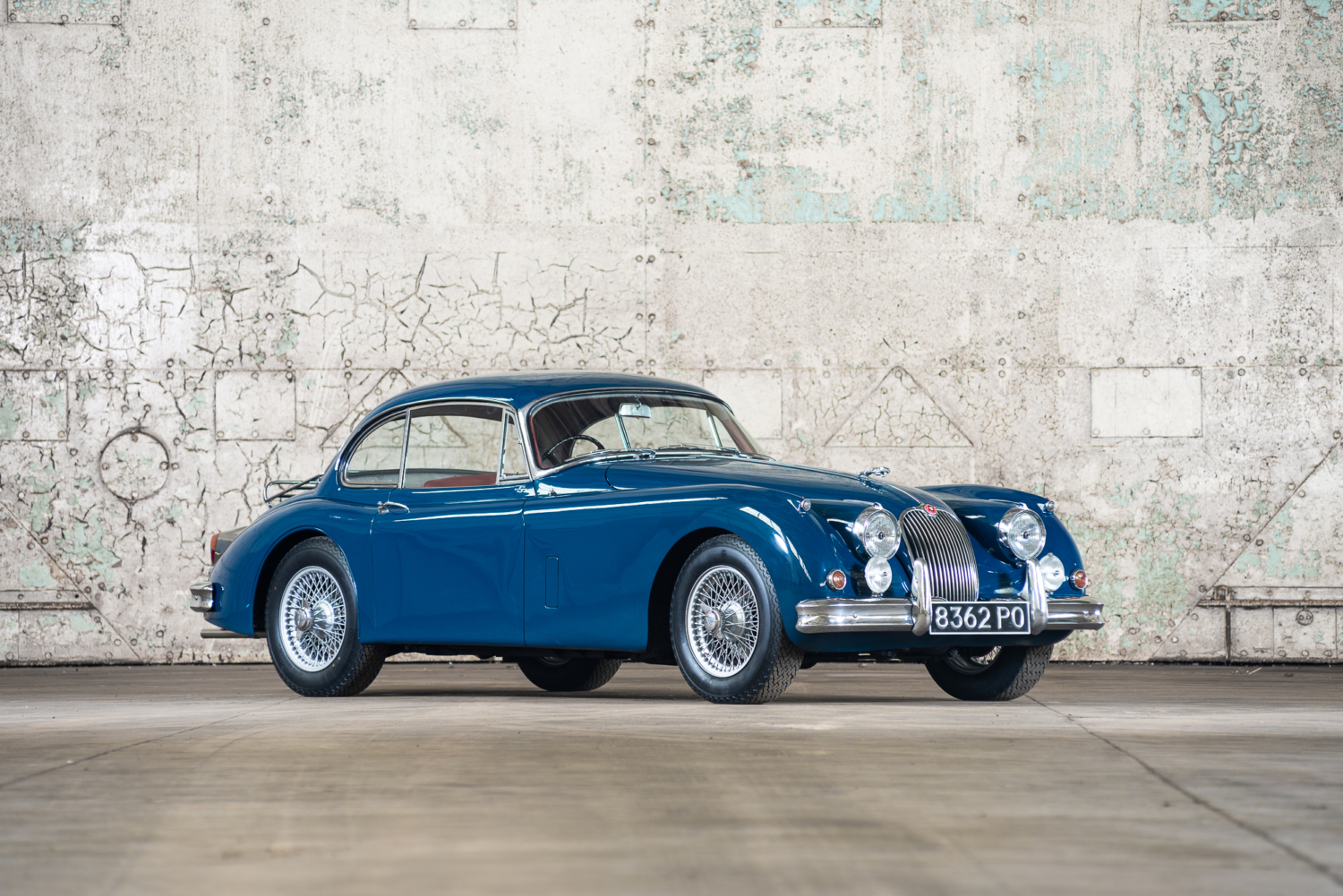
4. Jaguar XK150
The Jaguar XK150, produced from 1957 into the early 1960s, combined British elegance with substantial performance. Its six-cylinder engine offered smooth and powerful acceleration, allowing drivers to experience effortless speed on open roads. The car’s long, flowing lines gave it a commanding presence, with a hood that hinted at the engine’s capability and rear curves that balanced the aesthetic.
Handling in the XK150 was precise for a vehicle of its size. The steering was weighted and communicative, delivering a sense of connection that few larger roadsters managed. Braking was responsive, and suspension tuning allowed the car to handle twisty roads with grace. Drivers quickly learned that momentum and gentle inputs were rewarded with a controlled, predictable ride.
Inside, the XK150 offered a cockpit focused on driver engagement. Instruments were clearly positioned, and the seating allowed the driver to feel intimately connected with the chassis. While slightly larger than some smaller British roadsters, the Jaguar still offered that direct, responsive feel that characterized the best cars of the era. Every acceleration and turn felt deliberate, rewarding attention and skill.
The roadster was also suitable for extended journeys, combining sportiness with touring capability. Its engine produced smooth, continuous power rather than abrupt bursts, encouraging drivers to maintain flow through curves. The combination of style, performance, and driver engagement made it a standout choice for those seeking both comfort and connection behind the wheel.
The Jaguar XK150 remains a highly respected classic. Its combination of mechanical excellence, design sophistication, and rewarding driving dynamics has allowed it to endure as an icon of 1960s British motoring. Collectors and enthusiasts alike appreciate the way it communicates the road, making every drive a tactile and memorable experience.
5. Lotus Elan
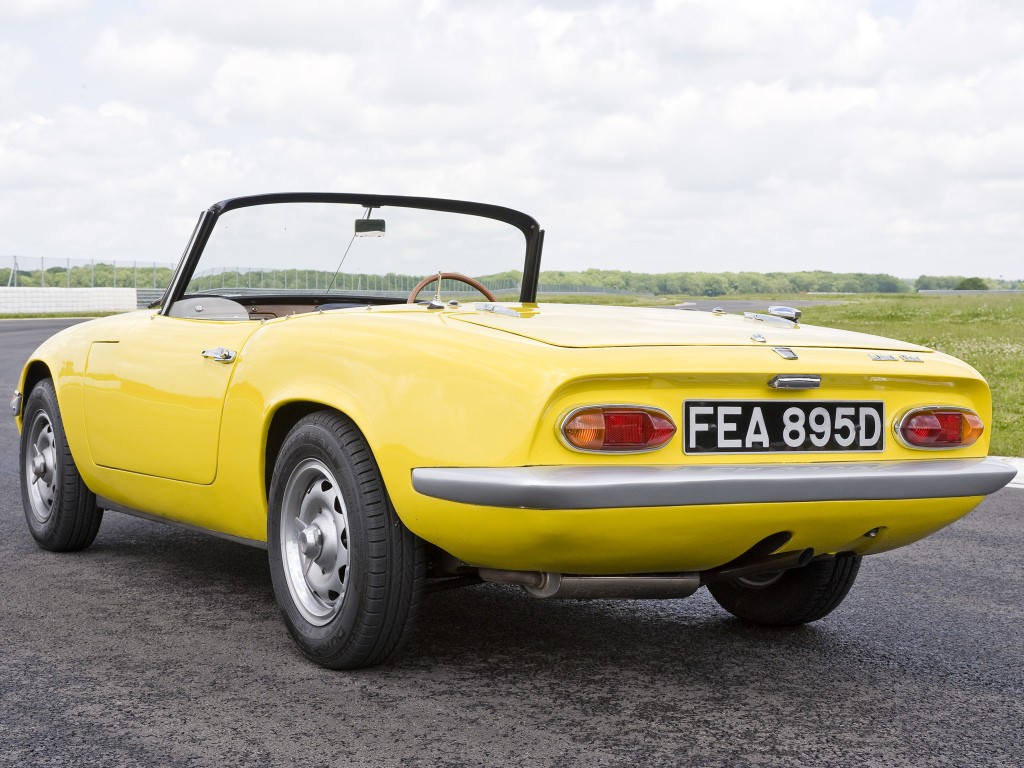
The Lotus Elan, introduced in 1962, became a benchmark for lightweight British sports cars. With its small size and low weight, it was incredibly nimble, offering instantaneous response to steering inputs. Its four-cylinder engine delivered modest power but remarkable efficiency, allowing drivers to exploit handling rather than brute strength to enjoy spirited drives.
The Elan’s chassis was revolutionary for its time, using a backbone frame combined with a fiberglass body to reduce weight. Suspension geometry was carefully designed to balance agility and comfort, giving drivers confidence even in fast corners. The car felt lively and communicative, with every bump and curve transmitted clearly to the steering and seat.
Interior design emphasized simplicity and functionality. Controls were within easy reach, and the low seating position immersed the driver in the experience. Visibility was excellent, allowing precise maneuvering on narrow roads. Even long drives remained engaging without fatigue, as the car encouraged active, skillful driving.
The Elan rewarded smooth and deliberate inputs. Sudden movements were less effective than careful modulation of throttle and steering, making each cornering effort feel like a dialogue between car and driver. The result was a pure driving experience, with the car feeling more like an extension of the body than a separate machine.
Today, the Lotus Elan is celebrated as a classic that redefined British roadster dynamics. Its lightweight construction, precise handling, and responsive feel make it a touchstone for enthusiasts who value connection over raw horsepower. Driving an Elan remains a lesson in how balance, finesse, and engineering clarity create pure joy on the road.
6. Triumph Spitfire
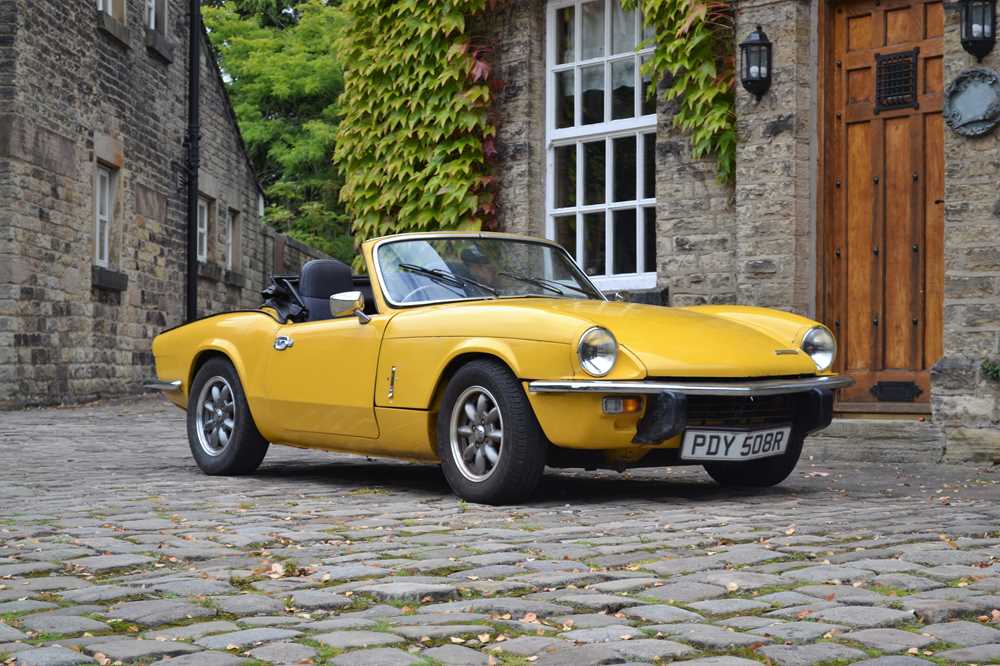
The Triumph Spitfire, introduced in 1962, was designed to offer sporty driving at an affordable price. Its compact size and low weight made it nimble and responsive, while the four-cylinder engine delivered adequate acceleration for spirited outings. Steering was direct, allowing drivers to feel every nuance of the road, a hallmark of 1960s British engineering.
Suspension tuning gave the Spitfire a predictable yet lively character. Corners could be approached with confidence, as the car responded accurately to inputs without unpleasant surprises. The lightweight body and rear-wheel-drive configuration enhanced agility, rewarding smooth and calculated driving.
Inside, the Spitfire offered a minimalistic cockpit. Instruments were clearly arranged, and seating placed the driver close to the road. The convertible top enhanced the sense of freedom, giving the driver and passenger a sensory connection to the environment and road conditions. Every movement was perceptible, reinforcing engagement.
The Spitfire’s performance encouraged skillful driving rather than brute force. Its modest engine demanded attention to momentum, gear selection, and steering finesse. Enthusiasts found it satisfying because it required them to participate actively, rather than relying on raw power or technological aids.
Over time, the Triumph Spitfire gained recognition as a quintessential British roadster. Its combination of lightweight agility, direct steering, and simplicity created a car that remained fun, approachable, and engaging. Collectors value it not only for nostalgia but for the driving purity that defines 1960s motoring.
7. Austin-Healey Sprite
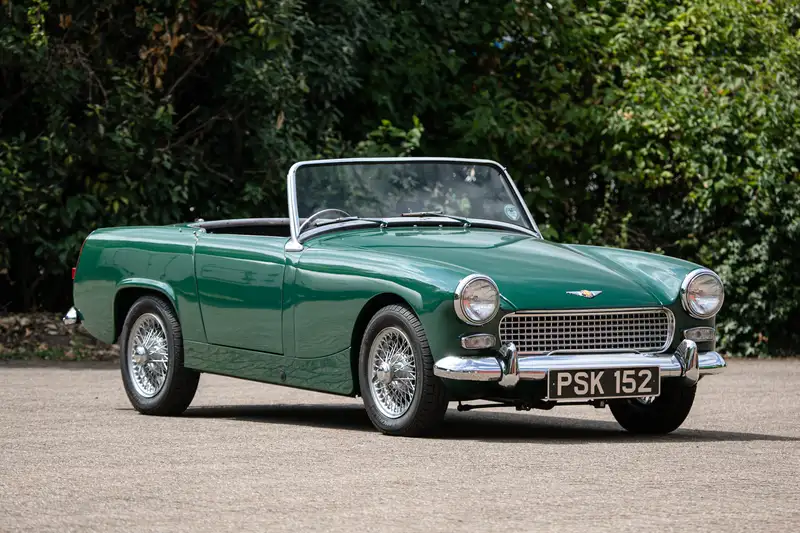
The Austin-Healey Sprite, famously nicknamed the “Frogeye,” was introduced in 1958 and remained popular through the 1960s. Its small, compact frame and simple mechanical layout made it agile and responsive. Drivers could experience a highly tactile connection to the road, feeling subtle changes in surface and weight transfer.
Mechanically, the Sprite used a straightforward four-cylinder engine paired with a light chassis. This combination allowed quick acceleration in a small package while maintaining control at higher speeds. Steering was direct, providing immediate feedback, which enhanced confidence when tackling corners or winding roads.
The car’s design focused on functionality and simplicity. The minimal interior placed the driver close to controls, encouraging engagement with the car’s mechanics. The convertible top allowed open-air driving, further intensifying the sensation of speed and connection with the surroundings.
Its lightweight nature made the Sprite forgiving yet responsive. Drivers could experiment with handling dynamics safely, learning to balance throttle and steering to maximize performance. Its lively character rewarded attentiveness and skill, creating a driving experience that felt personal and immersive.
Today, the Austin-Healey Sprite is celebrated for its charm and pure engagement. Its ability to translate every input into motion, combined with low weight and responsive controls, makes it a timeless example of the 1960s British roadster ethos. Enthusiasts appreciate its playful yet honest driving character.
8. Sunbeam Alpine
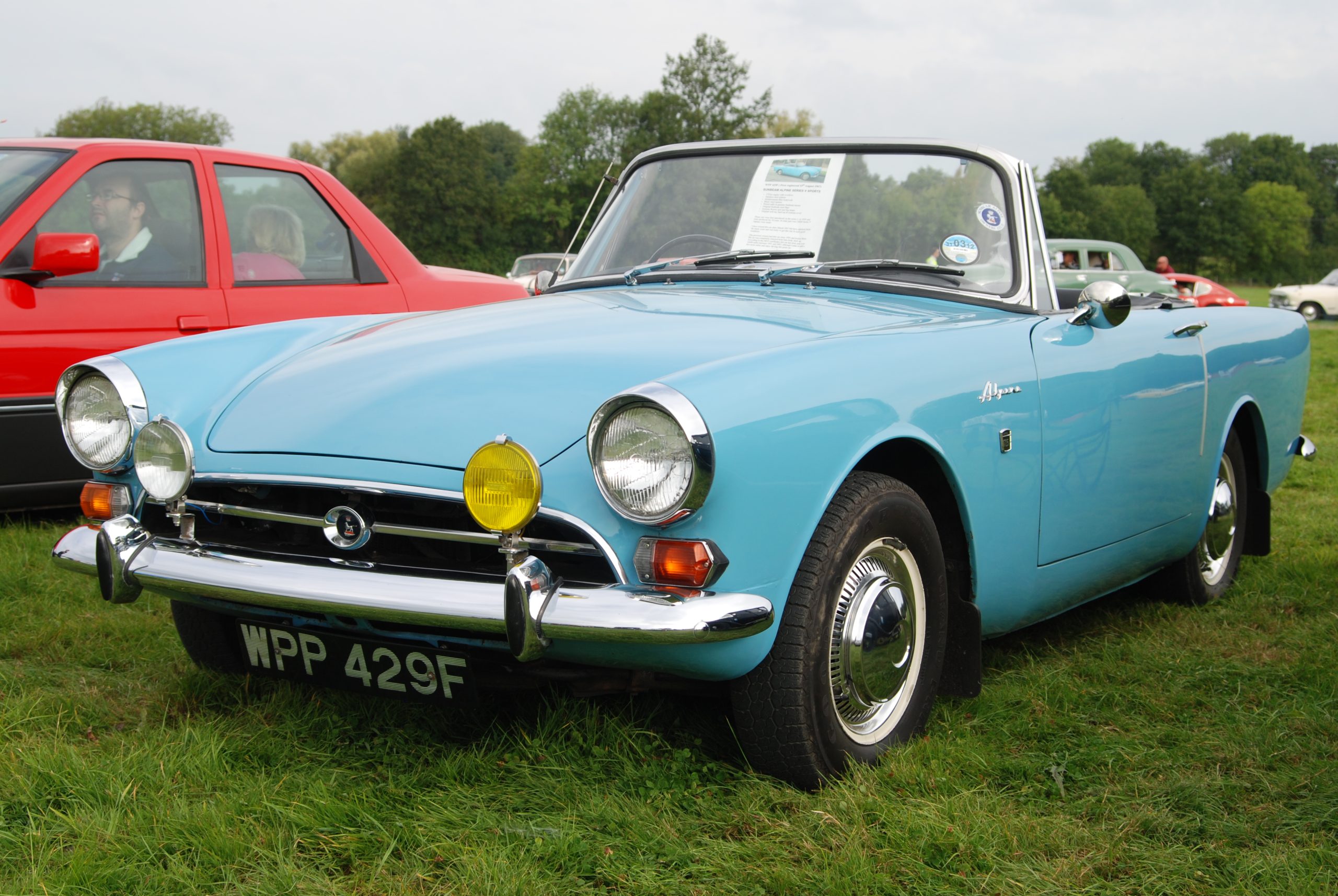
The Sunbeam Alpine, launched in 1959 and refined through the 1960s, was a compact roadster that combined approachable performance with stylish British design. Its small four-cylinder engine provided adequate power for spirited drives while keeping the car light and nimble.
Drivers immediately noticed the balance between responsiveness and composure, making the Alpine enjoyable on both twisty roads and longer tours.
Handling was one of the Alpine’s strong points. The car’s suspension was tuned to offer firm but forgiving feedback, giving the driver a sense of confidence in cornering. The steering was direct, with noticeable road feel, allowing subtle adjustments to be executed precisely. This created a connection that made even modest speeds feel engaging and rewarding.
Inside, the Alpine’s cabin was minimalist but functional. Instruments were laid out clearly, and the seating positioned the driver close to the road, reinforcing the sense of control. The soft-top roof could be lowered quickly, transforming the driving experience and heightening sensory awareness. Drivers reported feeling fully immersed, as though the car was responding to their intentions rather than following programmed behavior.
The engine and transmission combination encouraged deliberate driving. Acceleration was smooth, requiring careful gear selection and throttle control to maintain speed efficiently. This mechanical clarity meant that drivers felt intimately connected to the car’s performance, making each journey feel like a dialogue between driver and machine.
Collectors value the Sunbeam Alpine today not only for its classic styling but also for its engaging dynamics. Its light weight, responsive chassis, and tactile controls create an experience that embodies the 1960s British roadster philosophy. Every curve of the road became an opportunity to interact with the car, making it a timeless symbol of driving purity.
9. AC Cobra
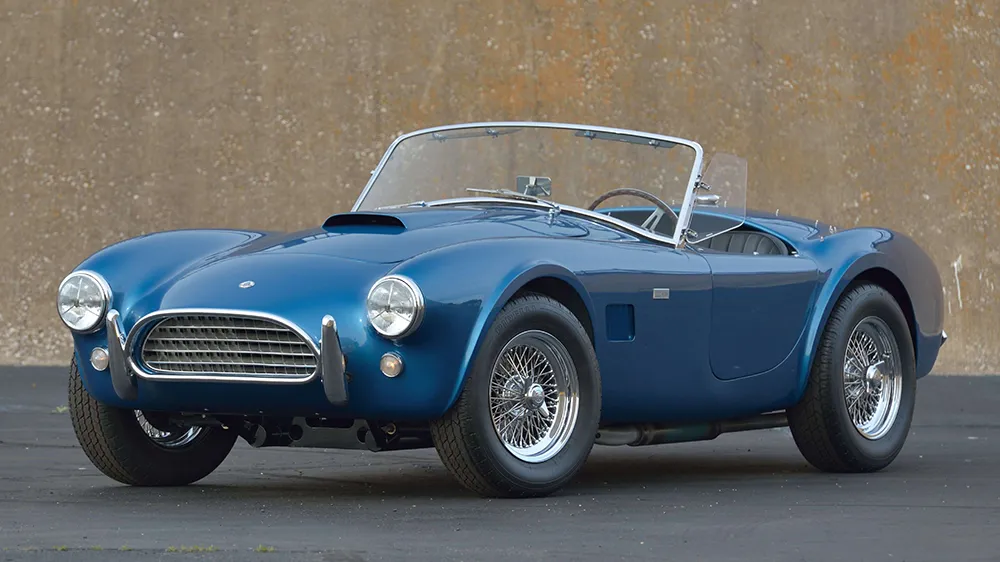
The AC Cobra, introduced in the early 1960s, was the most extreme example of a British roadster designed for pure driving excitement. Originally fitted with a lightweight AC chassis and body, it became legendary after pairing with a powerful American V8 engine. This combination produced explosive acceleration while maintaining a raw, connected feel for the driver.
Despite its significant power, the Cobra’s handling remained remarkable due to careful weight distribution and responsive suspension design. Steering feedback was precise, giving confidence even at high speeds or when approaching tight corners. Drivers quickly learned to balance throttle and brake to exploit the car’s potential, as abrupt inputs could upset its dynamic equilibrium.
Inside, the cockpit of the AC Cobra was Spartan but functional. The driver sat low, surrounded by essential instruments and controls, emphasizing engagement over comfort. Every movement of the car, from suspension articulation to engine vibrations, could be felt through the seat, pedals, and wheel, creating an intense, visceral driving experience.
The Cobra’s acceleration and speed demanded respect, encouraging attentive and skilled driving. Its large engine allowed breathtaking straight-line performance, yet the tactile steering and chassis balance ensured that drivers were never disconnected. This combination of raw power and mechanical feedback made it one of the most thrilling roadsters of the decade.
Over the years, the AC Cobra has become a legend among collectors and enthusiasts. Its aggressive performance, combined with responsive handling and pure mechanical engagement, exemplifies the extreme end of 1960s British roadster design. Driving one remains a deeply rewarding experience, reminding enthusiasts why simplicity and connection often outweigh raw technology.
10. Lotus Seven
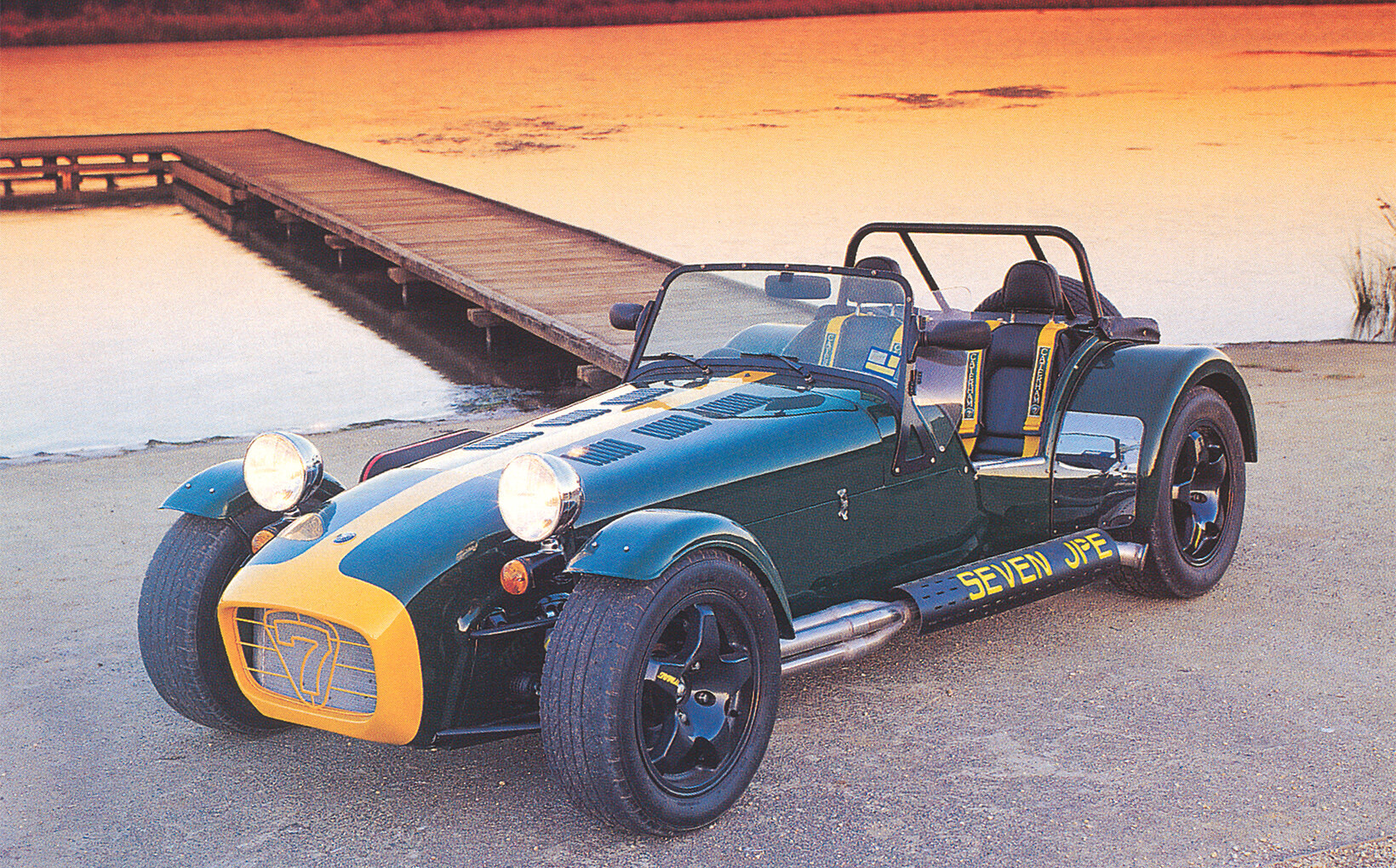
The Lotus Seven, introduced in 1957 but reaching its prime in the 1960s, was perhaps the expression of lightweight driving pleasure. Designed by Colin Chapman, it embodied the principle of “adding lightness” to create unmatched handling and responsiveness. Every aspect of the car emphasized driver engagement, from its tiny frame to the direct steering.
The Seven’s chassis and suspension were engineered for precision. Its low weight allowed nimble cornering, while the responsive steering transmitted even minor changes in road surface directly to the driver. Acceleration was quick relative to its size, and the car’s simplicity encouraged a highly interactive driving style that rewarded skillful inputs.
Interior space was minimalistic, focusing entirely on function. Seats were low and snug, instruments were basic but clear, and the driver’s hands were constantly in contact with controls that responded faithfully. The open-top design amplified the sensory connection, ensuring that every gust of wind, bump, and engine vibration contributed to the experience.
Drivers needed to be attentive when piloting the Seven, as its lightweight frame amplified changes in speed, direction, and surface texture. The car encouraged learning and skill development, as smoothness and precision directly improved performance.
The tactile feedback made every journey a lesson in control and engagement, offering a type of connection rarely found in larger, more insulated vehicles.
The Lotus Seven remains an icon of British motoring, symbolizing the essence of driving purity. Its extreme lightness, direct steering, and mechanical honesty provide an unmatched sense of involvement. Even decades later, it continues to demonstrate that the best roadsters are not defined by horsepower alone, but by how naturally they translate the driver’s intentions into motion.
