
Japanese sports cars have always held a unique position in the automotive industry, combining performance, precision engineering, and distinctive design elements that appeal to enthusiasts around the world. Among these innovations, all-wheel steering stands out as a technical advancement that has changed the way sports coupes handle both everyday roads and racetracks.
All-wheel steering allows the rear wheels to turn in coordination with the front wheels, which improves maneuverability at low speeds and stability at high speeds. For drivers, this system transforms the experience of cornering, making tight turns smoother and reducing understeer, which is often a challenge in high-performance cars.
Japanese manufacturers embraced this technology during the late 1980s and early 1990s, a period when automakers were experimenting with electronics and mechanical systems to enhance driving dynamics.
Models equipped with all-wheel steering became benchmarks for engineering sophistication, blending traditional Japanese reliability with cutting-edge automotive innovation. Beyond pure performance, these cars also represented a cultural phenomenon, symbolizing a period when Japan’s domestic sports car market was at its peak.
Collectors today highly prize these coupes not only for their technical attributes but also for their aesthetic appeal and nostalgic value. The combination of power, balance, and precise handling created vehicles that remain iconic decades later.
This article highlights ten of the Japanese sports coupes featuring all-wheel steering, showcasing how each contributed to automotive development and continues to inspire car enthusiasts worldwide. From naturally aspirated engines to turbocharged setups, each model demonstrates a commitment to performance and engineering creativity that defines the era.
By examining their specifications, design, and driving characteristics, we can appreciate why these vehicles earned a place in automotive history. Furthermore, the inclusion of all-wheel steering elevated the driving experience beyond what standard rear-wheel or front-wheel drive systems could provide.
The vehicles discussed in this article combine technical innovation with the timeless appeal of Japanese sports car design, making them fascinating subjects for collectors, enthusiasts, and anyone interested in automotive history. Their influence extends to modern sports cars, with many contemporary vehicles drawing inspiration from the handling dynamics perfected in these models.
Each car offers a unique combination of features, performance, and style, representing the peak of Japanese automotive engineering during its golden era. By understanding the role of all-wheel steering in these iconic coupes, readers gain insight into how subtle engineering decisions can dramatically affect driving performance and vehicle personality.
This introduction sets the stage for a detailed examination of ten Japanese sports coupes that successfully integrated all-wheel steering into their design, achieving a rare balance of agility, control, and excitement on the road. These vehicles remain a testament to Japan’s innovative spirit in automotive design, where technical sophistication met driver-focused performance.
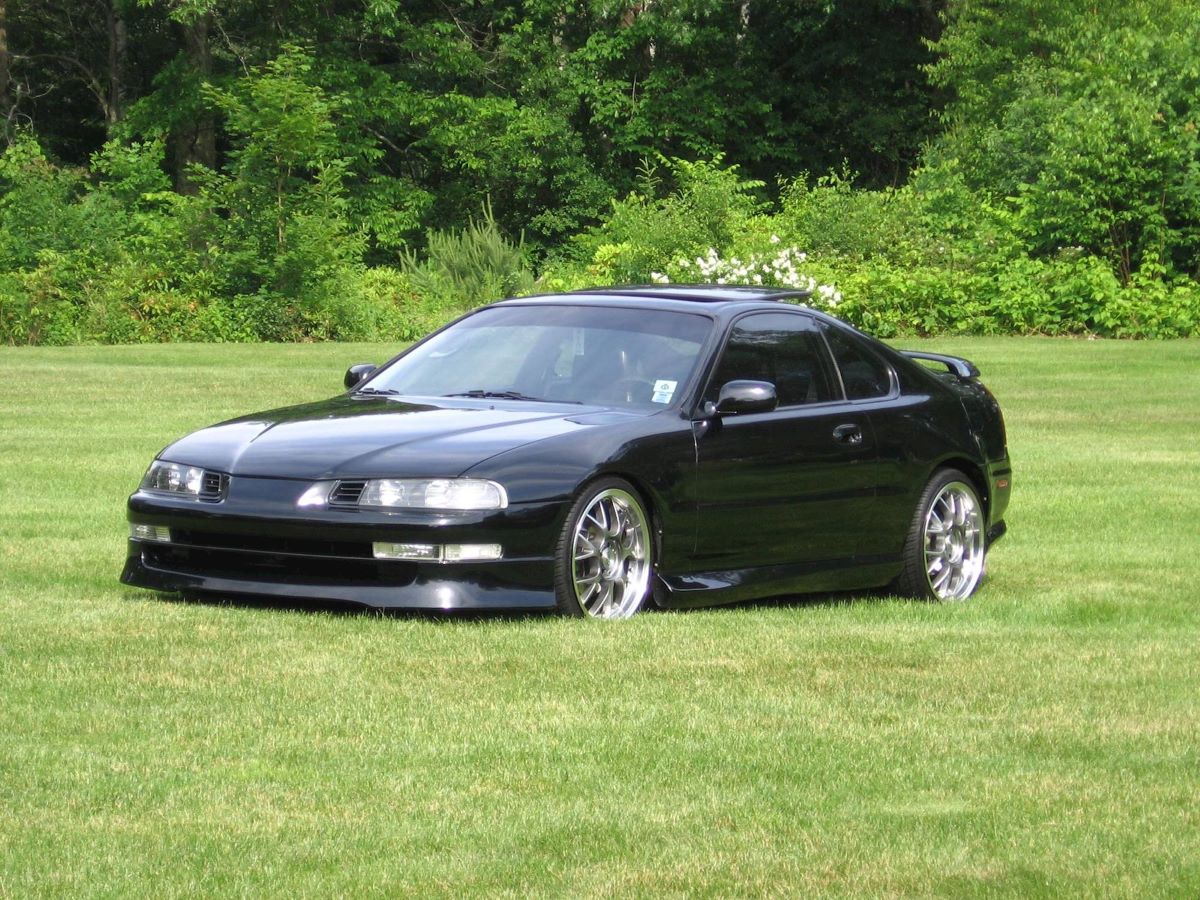
1. Honda Prelude VTEC 4WS
The Honda Prelude was a pioneering sports coupe that combined advanced engineering with stylish design. The fifth-generation model introduced all-wheel steering to enhance its already precise handling.
Drivers experienced sharper turns and increased responsiveness, making it competitive in both street and track settings. Its VTEC engine provided high-revving performance, complementing the dynamic chassis for a balanced driving experience.
All-wheel steering allowed the Prelude to reduce turning radius at low speeds while improving stability during fast cornering. This system gave drivers a feeling of confidence, especially in urban environments where maneuverability is critical.
The mechanical setup was coupled with a lightweight chassis, resulting in a car that responded instantly to driver input. Handling was further refined with double-wishbone suspension on both axles, ensuring that every turn felt controlled.
The Prelude’s interior combined driver-focused ergonomics with modern conveniences. Controls were positioned for accessibility, allowing the driver to concentrate on road conditions. Seats provided support during spirited driving while maintaining comfort for longer journeys. The dashboard displayed essential information clearly, reinforcing the car’s sporty but practical nature.
The combination of all-wheel steering and VTEC technology made the Prelude appealing to enthusiasts seeking a versatile sports coupe. Its reputation for reliability allowed owners to enjoy performance without constant maintenance concerns. The blend of technology, design, and performance cemented its status as one of the most iconic coupes of its era.
Even today, the Prelude VTEC 4WS is celebrated for its balance of agility and power. Collectors value models in good condition, appreciating the sophistication of a car that remains enjoyable to drive. Its influence is seen in later Honda sports models that prioritize both handling and driver engagement. The Prelude stands as a testament to Honda’s commitment to technical excellence.
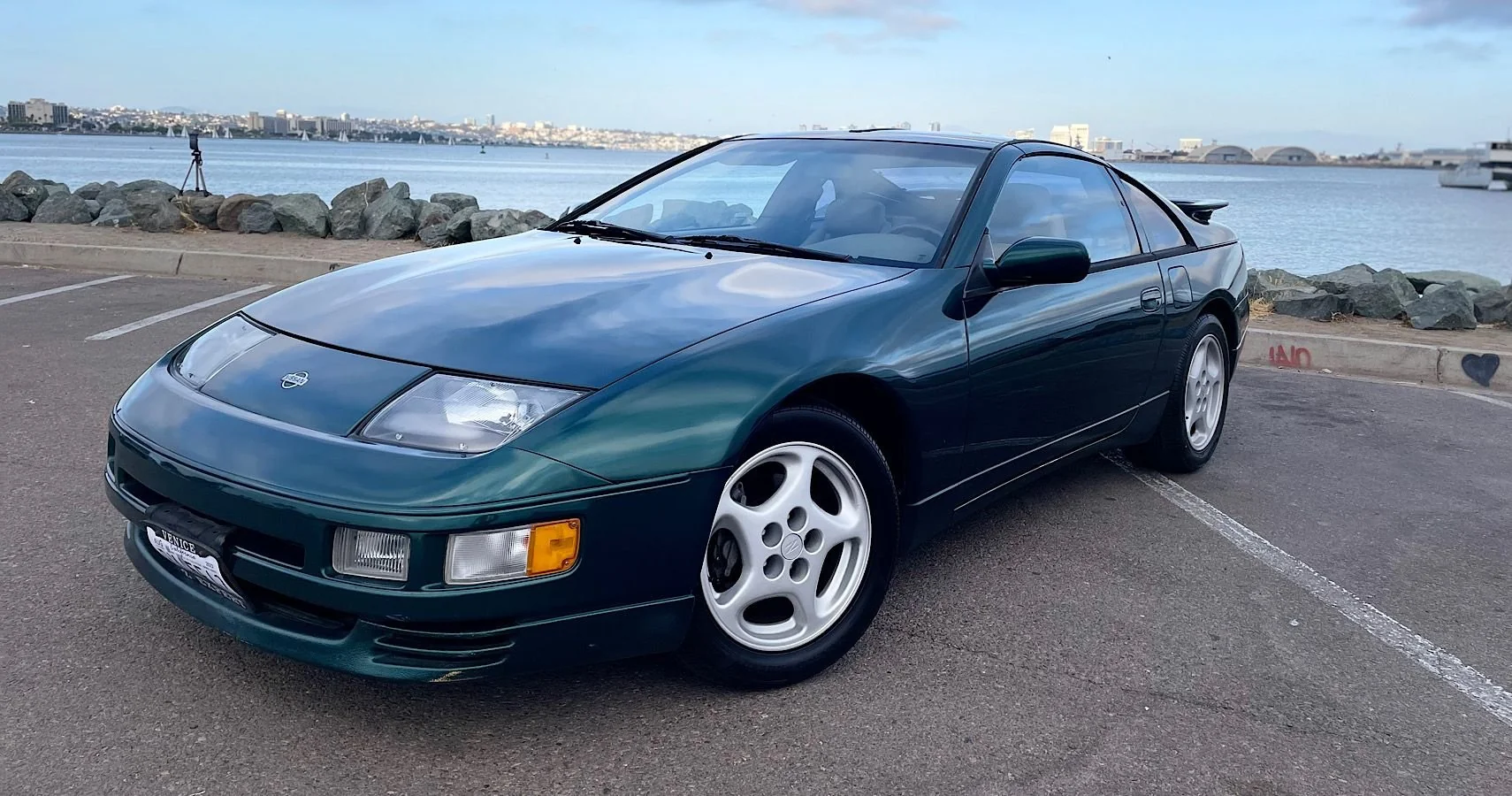
2. Nissan 300ZX Z32 4WS
The Nissan 300ZX Z32 represents a milestone in Japanese sports coupe design. Known for its sleek, aerodynamic body, the Z32 also featured all-wheel steering to enhance stability at high speeds.
This innovation allowed the rear wheels to pivot slightly, complementing front-wheel movements and providing sharper cornering control. Turbocharged engine options delivered impressive acceleration, pairing well with the responsive chassis.
The 300ZX’s handling benefited significantly from its 4WS system, particularly during high-speed curves. Drivers could feel the difference in how the car rotated through corners with minimal understeer. This system was tuned for both precision and predictability, making it suitable for enthusiasts who demanded performance without compromising safety. The balance between front and rear axle responsiveness gave the car a sense of composure on challenging roads.
Inside, the Z32 offered a driver-centric layout with supportive seats and clear instrumentation. Controls were intuitive, allowing the driver to focus on performance. Luxury touches were integrated without compromising the sporty character, making the car comfortable for long drives. Ergonomics were considered in every detail, enhancing the driving experience.
The combination of turbocharged power and all-wheel steering made the 300ZX a benchmark for Japanese engineering in the 1990s. Its dual appeal as a high-performance vehicle and a reliable daily driver contributed to its enduring popularity. Performance enthusiasts praised the car for its ability to handle both technical tracks and everyday commuting with ease.
Today, the 300ZX Z32 4WS remains a symbol of innovation. It is recognized not only for its speed and style but also for the engineering solutions that defined a generation of sports coupes. Its all-wheel steering system remains a feature that influenced future Nissan models, leaving a lasting impact on the industry.

3. Toyota Soarer Z30 4WS
The Toyota Soarer Z30 was a luxury sports coupe that combined refinement with technical sophistication. Its all-wheel steering system provided both low-speed agility and high-speed stability. The car’s inline-six engine offered smooth power delivery, complementing the responsive chassis. This combination created a car that excelled in performance while maintaining a comfortable ride.
The Soarer’s rear-wheel steering contributed to a smaller turning circle at low speeds, improving urban drivability. At higher speeds, the system enhanced stability through sweeping corners, giving the driver a sense of control. Suspension tuning was carefully executed, balancing comfort and precision. Steering feedback was direct, enhancing confidence during spirited driving.
Interior design focused on driver comfort and technological innovation. Soft-touch materials, adjustable seating, and advanced instrumentation provided a sense of luxury. Controls were positioned to reduce distraction, allowing drivers to fully engage with the vehicle’s performance. Cabin noise was minimized, contributing to an enjoyable driving environment.
The combination of style, comfort, and handling made the Soarer Z30 stand out among sports coupes of its time. Its all-wheel steering system distinguished it from competitors, adding a unique driving dynamic that enhanced cornering performance. The car appealed to drivers who valued sophistication alongside capability.
Collectors today recognize the Z30 Soarer for its blend of luxury and technology. The car represents an era when Japanese manufacturers pushed boundaries to deliver performance, comfort, and innovation in a single package. Its all-wheel steering remains one of its defining features.
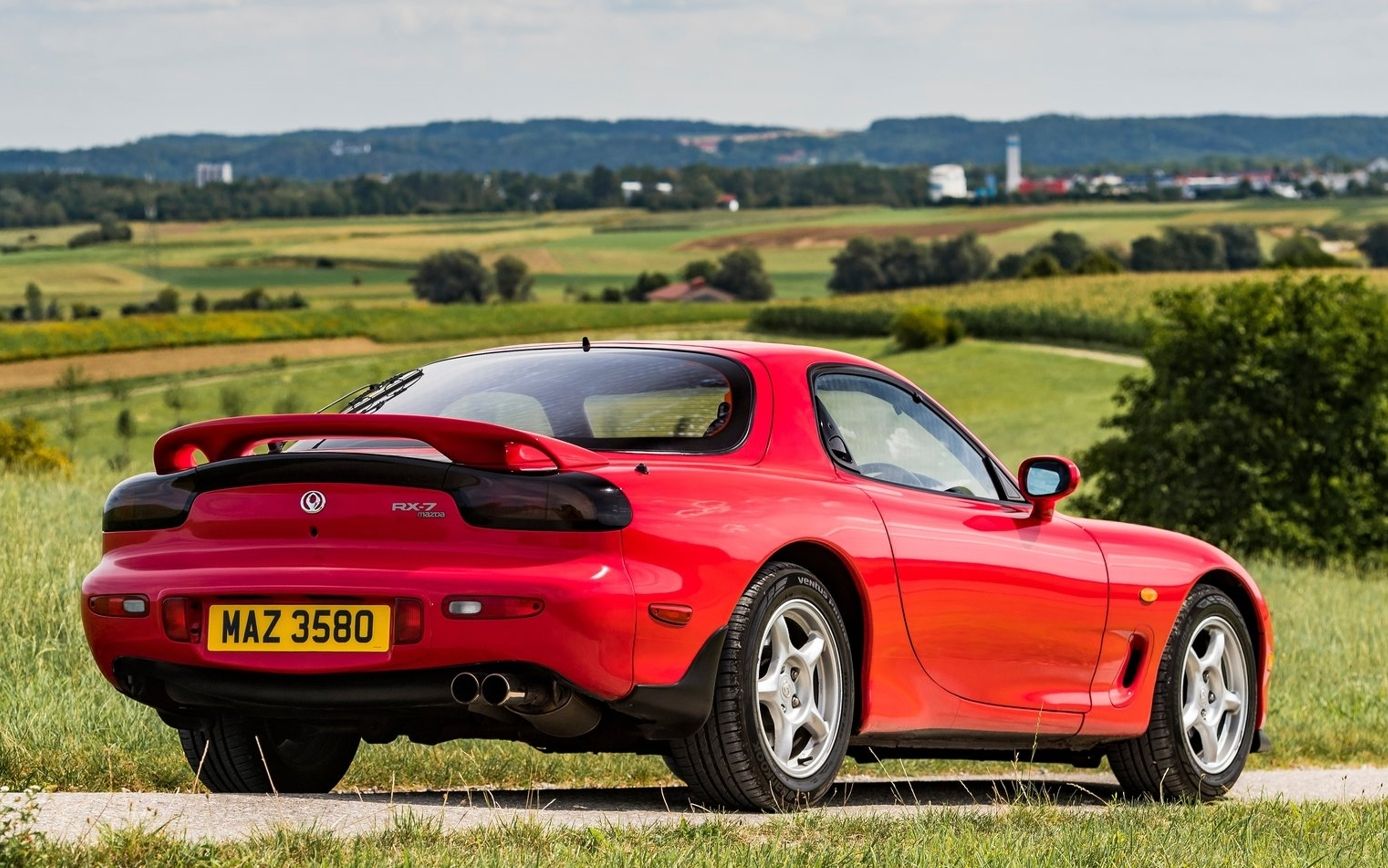
4. Mazda RX-7 FD 4WS
The Mazda RX-7 FD is renowned for its lightweight design, rotary engine, and sharp handling. All-wheel steering in this coupe enhanced its reputation as a driver-focused sports car. The system improved low-speed maneuverability and high-speed cornering stability, allowing the FD to handle tight turns with ease. The combination of balanced weight distribution and responsive suspension made it a favorite among enthusiasts.
The FD’s all-wheel steering worked in harmony with its rear-wheel drive platform. At low speeds, the rear wheels turned opposite to the front, reducing turning radius. At higher speeds, they turned in the same direction as the front, stabilizing the vehicle through fast corners. This dual functionality enhanced driver confidence and expanded the car’s versatility.
Mazda’s interior design prioritized functionality without sacrificing style. Seats supported the driver during aggressive driving, while instrumentation remained easy to read. Controls were intuitively placed to maintain focus on the road. Cabin materials were selected for durability and comfort, reinforcing the car’s sporty identity.
The RX-7 FD’s lightweight rotary engine allowed for high-revving performance and a unique driving feel. Coupled with all-wheel steering, it became one of the most engaging sports coupes of the 1990s. Its agility and response set benchmarks for competitors, influencing subsequent sports car designs.
Even decades later, the RX-7 FD remains highly sought after by collectors and enthusiasts. Its combination of innovative engineering, driver-focused handling, and iconic design ensures its place among the most celebrated Japanese sports coupes.
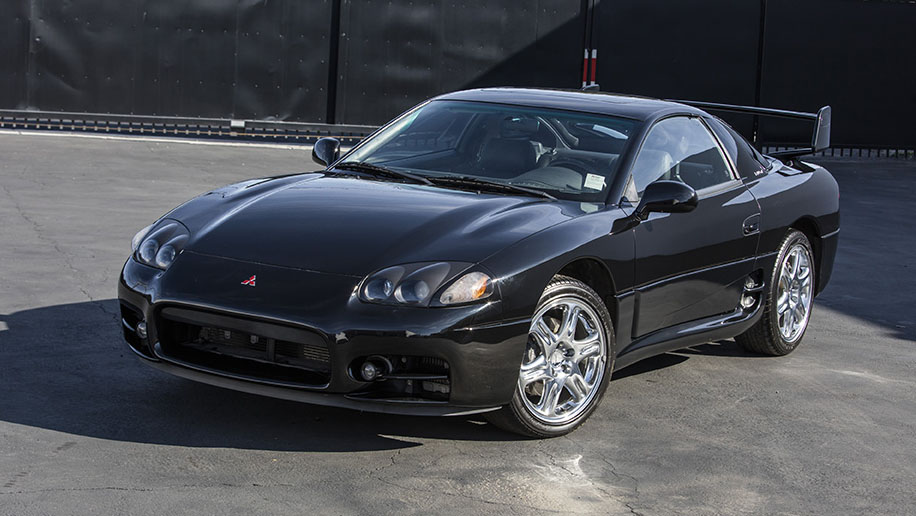
5. Mitsubishi GTO (3000GT) 4WS
The Mitsubishi GTO, known as the 3000GT in many markets, was a showcase of Japanese engineering in the early 1990s. Its all-wheel steering system worked alongside active aerodynamics and four-wheel drive technology to deliver exceptional handling for a large coupe.
The rear wheels turned in response to front-wheel input, improving cornering at both low and high speeds. Turbocharged variants produced impressive horsepower, making the car competitive against European sports cars of its era. The combination of power, stability, and cutting-edge electronics positioned the GTO as a technological leader.
At lower speeds, the GTO’s all-wheel steering reduced its turning radius, making it surprisingly nimble for its size. City driving and parking maneuvers became much easier, which was especially useful given the car’s relatively wide stance.
At higher speeds, the system enhanced stability, allowing drivers to navigate sweeping curves with confidence. The integration of electronic control and mechanical precision ensured the GTO felt both responsive and planted, giving a dynamic driving experience without compromising safety.
The interior of the GTO balanced technology with comfort. Controls for the various electronic systems were arranged within easy reach, including adjustments for suspension stiffness and active aerodynamics. Seats were supportive and comfortable for both spirited drives and longer trips, with an ergonomically designed cockpit that emphasized driver engagement. Instrumentation was clear and informative, displaying essential details about engine performance, speed, and steering behavior.
Driving the GTO with all-wheel steering felt intuitive, with the system complementing the car’s already well-balanced chassis. Power delivery from the twin-turbocharged engine was smooth yet aggressive, giving a sense of urgency without overwhelming control.
The steering feedback was precise, allowing drivers to feel connected to the road, while the rear wheels subtly assisted in cornering to reduce understeer. This synergy of systems made the GTO a benchmark in Japanese sports coupe engineering.
Even today, the Mitsubishi GTO 4WS is appreciated for its ambitious design and technological sophistication. Collectors value its combination of turbocharged power, all-wheel steering, and electronic features that were ahead of their time. The car’s blend of performance, comfort, and innovation ensures it remains an iconic representation of Japan’s automotive capabilities during the 1990s.
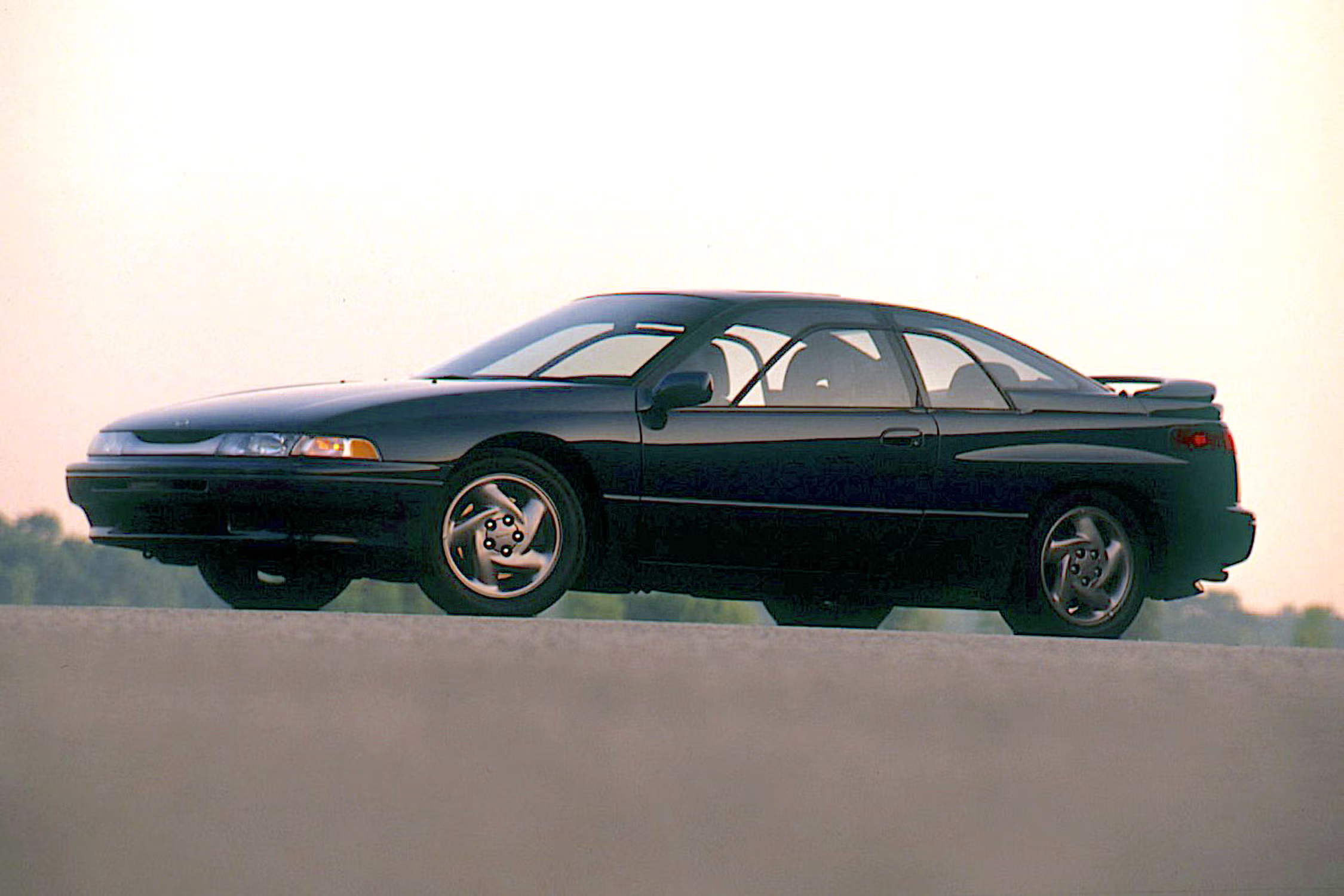
6. Subaru SVX 4WS
The Subaru SVX was an unusual sports coupe that combined distinctive styling with advanced technology. Its all-wheel steering system enhanced cornering precision and high-speed stability. The car’s boxer engine provided a low center of gravity, which complemented the rear-wheel steering system to create a balanced driving experience.
While it was less aggressive than some turbocharged coupes, the SVX excelled in offering smooth handling with confidence-inspiring road manners. The combination of technical innovation and unique design made it stand out among its peers.
At low speeds, the SVX’s all-wheel steering reduced the turning circle, making the relatively long coupe easier to maneuver. Tight city streets and parking situations became more manageable, and drivers noticed a more agile feel compared to standard rear-wheel drive vehicles.
At highway speeds, the system improved stability in curves, giving the SVX a planted and predictable cornering behavior. The integration of all-wheel steering with Subaru’s symmetrical all-wheel drive enhanced safety and handling simultaneously, producing a coupe that was fun to drive while maintaining composure.
The interior of the SVX reflected Subaru’s attention to ergonomic design and comfort. Controls were placed intuitively, allowing the driver to focus on the road without distraction.
Leather-trimmed seats provided support while maintaining a relaxed seating position, and the cabin layout emphasized openness and visibility. Instrumentation was precise, with clear gauges that allowed for monitoring of engine and vehicle performance without overwhelming the driver with unnecessary information.
Driving the SVX was an exercise in refinement. The boxer engine delivered smooth power while the all-wheel steering responded subtly to inputs, creating a sense of harmony between man and machine. Suspension tuning complemented the steering system, ensuring a comfortable ride while still offering sportiness. Drivers often remarked on how predictable and responsive the SVX felt, even in challenging curves, which was a rare quality for coupes of its size during the early 1990s.
Today, the Subaru SVX 4WS is admired for its combination of unusual design, technical innovation, and practical handling. Collectors appreciate the car’s forward-thinking technology, particularly the integration of all-wheel steering and symmetrical all-wheel drive.
Its reputation as a stable, comfortable, and distinctive coupe continues to attract enthusiasts who value unique Japanese sports cars with intelligent engineering.
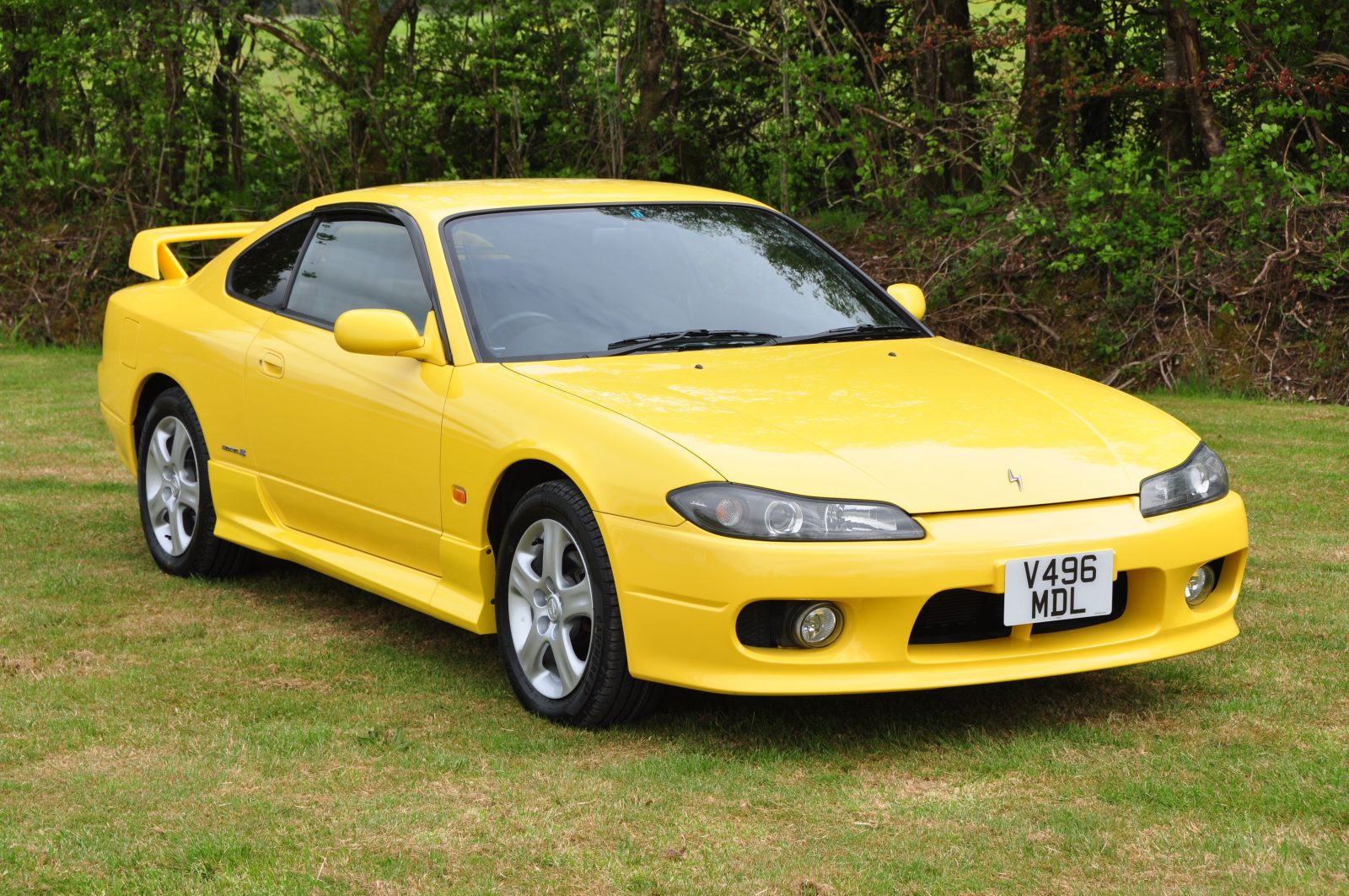
7. Nissan Silvia S15 4WS
The Nissan Silvia S15 is widely celebrated among enthusiasts for its balance of lightweight design, responsive handling, and turbocharged performance. Its all-wheel steering system enhanced maneuverability, particularly at lower speeds, while providing extra stability during high-speed cornering.
The system allowed the rear wheels to react to front-wheel movements, reducing understeer and improving control. Coupled with the S15’s refined chassis, this made the car a favorite for drivers seeking a responsive, driver-focused sports coupe.
At lower speeds, the S15’s rear-wheel steering produced a nimble feel that made sharp corners and urban driving effortless. The system allowed the car to pivot with precision, making it more agile than many competitors in its class.
At higher speeds, the rear wheels turned slightly in coordination with the front, enhancing stability and minimizing oversteer. This dual characteristic gave the S15 a versatile driving character that could satisfy both daily driving needs and spirited track sessions.
Inside, the Silvia S15 focused on driver engagement. Seats provided lateral support for spirited driving while maintaining comfort for longer journeys. Instrumentation was clear and performance-oriented, displaying critical information about turbo boost, engine RPM, and vehicle speed. The cockpit layout emphasized ergonomics, keeping essential controls within easy reach, which reinforced the car’s reputation as a driver-focused machine.
The turbocharged engine complemented the all-wheel steering, delivering quick acceleration and smooth power delivery. Drivers reported a strong connection between the vehicle and the road, with the steering system adding subtle but noticeable stability benefits. Cornering felt precise, and the car responded predictably even in demanding conditions, which contributed to its popularity among enthusiasts and amateur racers alike.
The Nissan Silvia S15 4WS remains a celebrated example of Japanese sports coupe engineering. Its combination of lightweight agility, turbocharged performance, and innovative all-wheel steering creates a vehicle that continues to influence tuning culture and track enthusiasts. Collectors prize its handling precision and technical sophistication, making it a true icon in the world of Japanese sports cars.
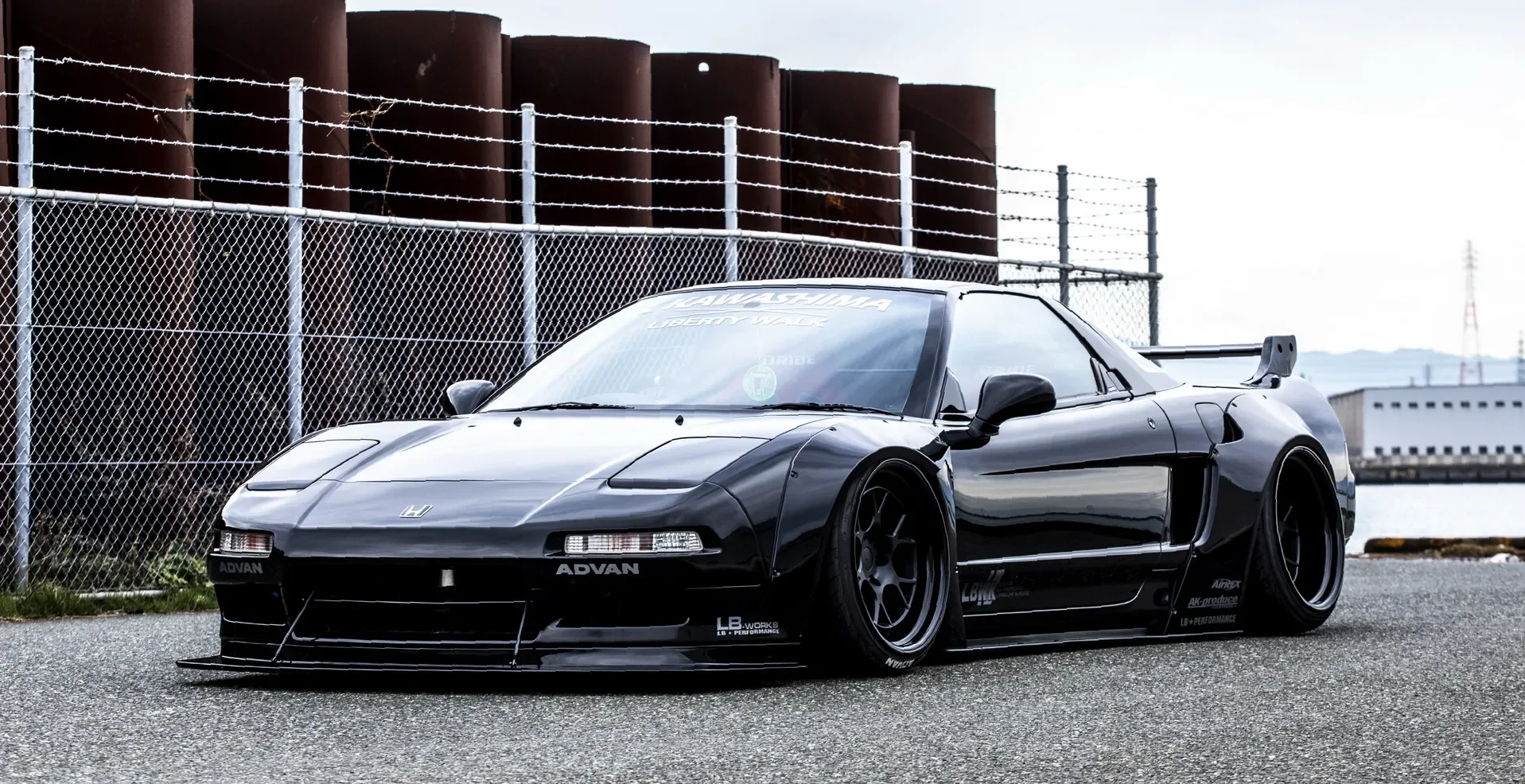
8. Honda NSX 4WS
The Honda NSX is renowned for its revolutionary approach to sports car design, blending high-revving V6 power with balanced mid-engine layout. All-wheel steering in the NSX enhanced cornering stability and agility, allowing the car to perform precisely under a variety of conditions.
The rear wheels reacted subtly to front-wheel input, providing tighter turning and improved control at higher speeds. Its lightweight chassis and advanced aerodynamics worked in harmony with the steering system to produce a remarkably connected driving experience.
At low speeds, the NSX’s rear-wheel steering made tight turns easier, which was especially useful in urban areas or on narrow roads. At higher speeds, the rear wheels contributed to a sense of composure in corners, reducing the tendency to oversteer and allowing the driver to maintain optimal lines.
The system’s responsiveness enhanced confidence without being intrusive, creating a smooth yet engaging driving dynamic. This was particularly important for a mid-engine vehicle, which can be prone to abrupt weight shifts in corners.
Inside the NSX, ergonomics and simplicity were prioritized. The cockpit emphasized visibility and control, with seating designed for support during aggressive driving. Controls were arranged to minimize distraction, and instrumentation displayed essential performance information in a clean, legible manner. Luxury features were present but did not detract from the car’s primary focus on driving engagement.
The NSX’s engine provided a linear powerband, complementing the all-wheel steering’s precise handling. Drivers could push the car confidently, knowing that the chassis and steering would respond predictably. The combination of mid-engine balance, lightweight construction, and rear-wheel steering allowed the NSX to corner with a fluidity rarely seen in other sports coupes of its era.
Today, the Honda NSX 4WS is considered a milestone in automotive engineering. Its integration of rear-wheel steering, mid-engine balance, and precise handling has inspired countless modern sports cars. Collectors value it for both its performance capabilities and the engineering ingenuity that set it apart from contemporaries, solidifying its status as an iconic Japanese sports coupe.
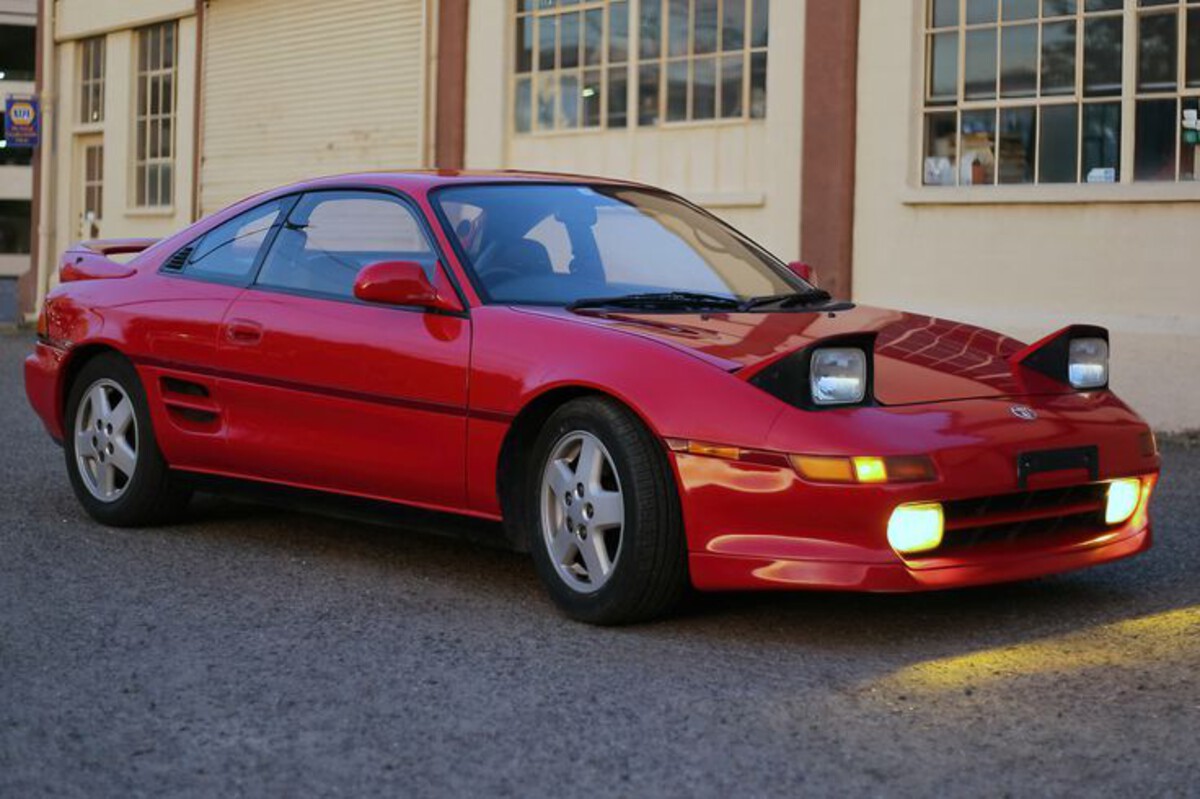
9. Toyota MR2 SW20 4WS
The Toyota MR2 SW20 is a mid-engine sports coupe that combined compact size with agile handling. Its all-wheel steering system enhanced low-speed maneuverability and high-speed stability, particularly important given the car’s mid-engine layout.
By allowing the rear wheels to pivot in response to front steering input, Toyota reduced understeer while improving cornering precision. This combination of technology and chassis balance made the MR2 a dynamic, driver-oriented vehicle that rewarded careful handling and attention to road conditions.
At low speeds, the MR2’s all-wheel steering produced a tighter turning circle, allowing the car to navigate narrow streets and sharp corners with ease. The system’s subtle adjustments at higher speeds enhanced stability through curves, allowing drivers to maintain control without aggressive counter-steering.
Suspension tuning complemented the rear-wheel steering, ensuring a responsive yet comfortable ride. This balance of agility and composure made the SW20 a favorite for both enthusiasts and weekend track drivers.
Inside, the MR2 emphasized driver focus. Seats provided lateral support during cornering, and controls were logically placed to minimize distraction. Instrumentation displayed essential information, including speed, RPM, and vehicle systems. The cabin layout was straightforward, reinforcing the car’s focus on performance without unnecessary complexity. Visibility was optimized to enhance driver confidence in tight corners.
The MR2’s mid-engine layout, combined with all-wheel steering, delivered a unique driving sensation. Weight distribution allowed for precise handling, while the rear wheels enhanced rotation in turns. Drivers reported a connected feel to the road, with the system responding intuitively to steering inputs. The MR2’s responsive behavior made it one of the most engaging Japanese coupes of its era.
Even today, the Toyota MR2 SW20 4WS is regarded as a highly desirable sports coupe. Collectors and enthusiasts appreciate its compact agility, mid-engine balance, and the clever integration of rear-wheel steering. Its combination of fun-to-drive dynamics, reliable engineering, and distinctive style ensures it remains an iconic example of Japanese sports car innovation.

10. Lexus SC400 4WS
The Lexus SC400 is a luxury sports coupe that brought refinement and performance together with subtle technology. Its all-wheel steering system provided enhanced stability at high speeds and improved turning responsiveness at lower speeds.
Unlike more aggressive sports coupes, the SC400 emphasized smoothness and comfort while still benefiting from precise handling. The car’s V8 engine offered strong performance without sacrificing the elegance expected of a Lexus model, creating a unique balance between luxury and driver engagement.
At low speeds, the SC400’s rear-wheel steering allowed for easier parking and maneuvering. The system made city driving more convenient, especially for a car of its size. At higher speeds, the rear wheels subtly assisted in cornering, producing a sense of stability and composure through turns.
Steering feedback was refined, prioritizing smooth transitions over aggressive response, which matched the car’s luxurious character while still providing confidence during spirited driving.
The interior of the SC400 reflected Lexus’ focus on comfort and craftsmanship. High-quality materials, supportive seating, and attention to ergonomics created a refined driving environment. Controls were thoughtfully arranged for ease of use, and the dashboard displayed essential information in a clear, elegant format. Cabin isolation and soundproofing enhanced the sense of luxury, making long journeys enjoyable.
Driving the SC400 with all-wheel steering offered an understated but noticeable benefit. While not a track-focused machine, the car felt poised and balanced in corners, and the rear-wheel steering contributed to a smoother experience.
Engine performance was linear and responsive, allowing drivers to accelerate confidently while enjoying a composed ride. The synergy between power, handling, and comfort created a distinctive driving character.
Today, the Lexus SC400 4WS is valued for its combination of luxury, performance, and technological refinement. Enthusiasts and collectors appreciate its understated handling advantages, comfort, and classic design. As one of the few luxury Japanese coupes to integrate all-wheel steering, the SC400 remains an elegant example of engineering that blends innovation with refined driving experience.
