
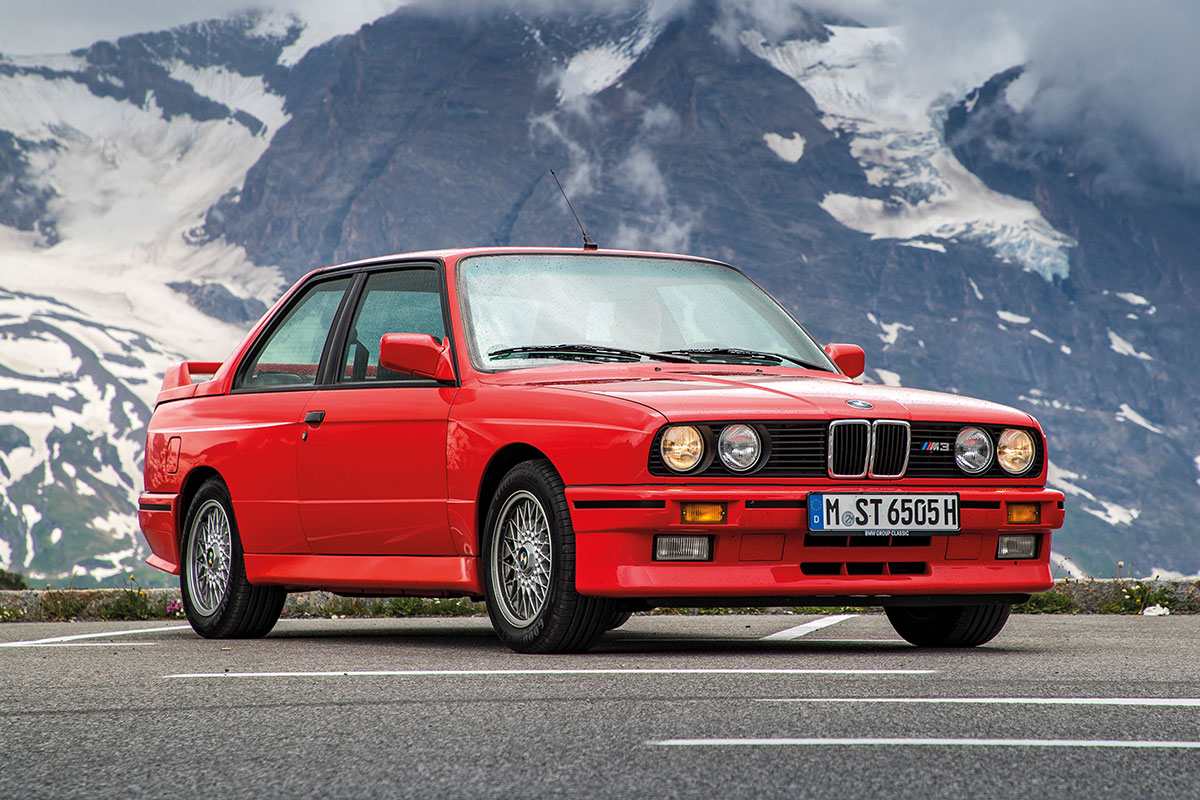
The 1980s were a transformative decade for the automotive world, especially in Europe. During this period, manufacturers began experimenting with compact cars that offered not just practicality but also exciting performance. Small, nimble, and fun to drive, hot hatches became the dream cars for enthusiasts who wanted speed without sacrificing everyday usability.
These cars offered a perfect balance of power, handling, and affordability, allowing a wider audience to experience performance driving. Many of these models were equipped with turbocharged engines, sporty suspensions, and distinctive styling that made them stand out from ordinary hatchbacks.
European brands were particularly successful in producing hot hatches that still resonate with car enthusiasts today. Companies like Volkswagen, Peugeot, Ford, and Renault pushed the boundaries of what a small car could achieve.
They focused on lightweight construction, responsive engines, and engaging driving dynamics, making their vehicles competitive even against larger sports cars. These cars often became icons, not just for their speed but also for their impact on car culture, inspiring future generations of engineers and designers. Collectors now seek them out, appreciating both their historical significance and their ability to deliver a thrilling driving experience decades later.
What makes these cars fascinating is how they have aged in terms of performance. While technology has advanced tremendously since the 1980s, many of these hot hatches remain impressively fast. Their lightweight frames allow them to accelerate quickly, and their mechanical simplicity gives them a raw, unfiltered driving experience that modern cars often lack.
Enthusiasts enjoy tuning them to extract even more performance, demonstrating the enduring appeal of these vehicles. Beyond speed, they continue to deliver fun handling, responsive steering, and a level of driver engagement that is increasingly rare in contemporary cars.
The cultural impact of these European hot hatches cannot be understated. They represented an era where driving was more than just a commute; it was an experience. With distinctive designs, loud colors, and sporty trims, these cars captured the imagination of a generation.
Fans of motorsport often gravitated toward them, as many of these models had homologation versions for rallying and racing. Their presence on roads today is a reminder of a time when automakers focused on driving enjoyment alongside performance.
In this article, we will look at ten European hot hatches from the 1980s that are still fast today. Each car represents a unique approach to combining practicality and performance, highlighting the innovation and creativity of European manufacturers during this era.
From turbocharged thrillers to naturally aspirated classics, these vehicles have stood the test of time. They continue to inspire both drivers and collectors, proving that the best hot hatches do not just belong to the past; they remain exciting machines capable of delivering speed, excitement, and enduring charm.
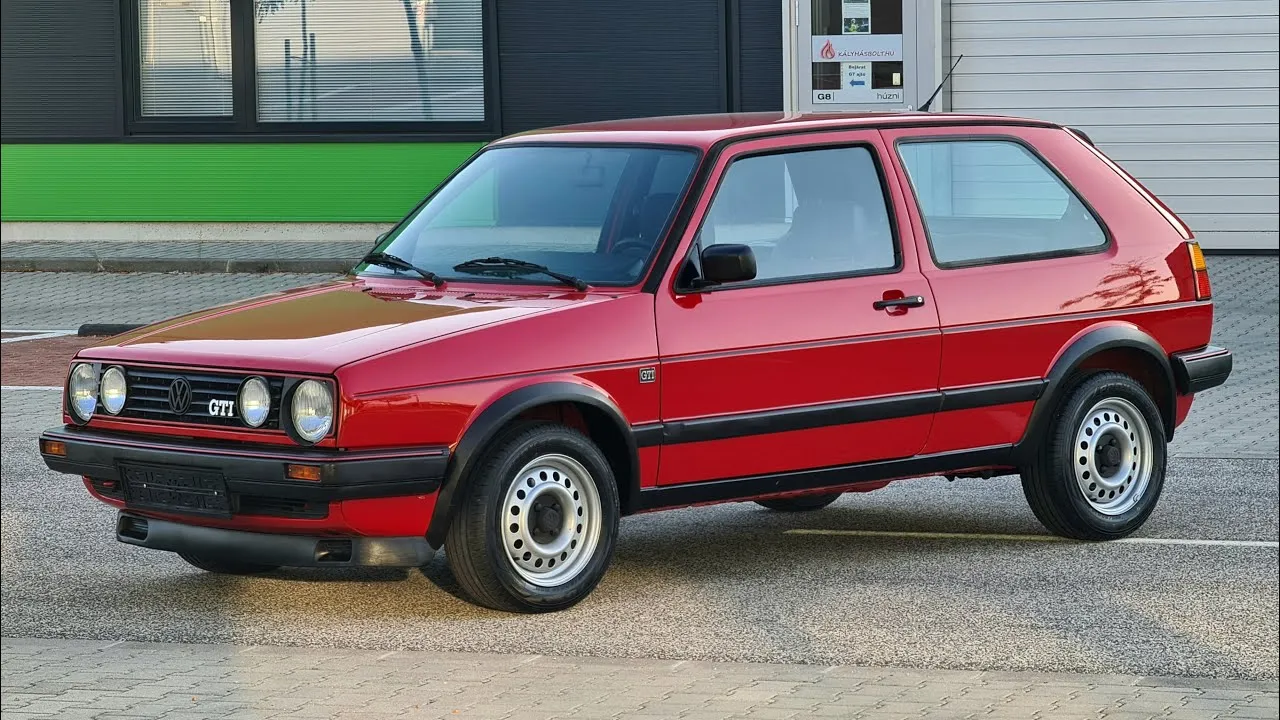
1. Volkswagen Golf GTI Mk2
The Volkswagen Golf GTI Mk2 built on the success of the original GTI while adding more power and refinement. It featured a larger, more modern chassis and a more robust engine, making it a favorite among enthusiasts. Its 1.8-liter fuel-injected engine produced impressive horsepower for its size. The car was also known for its excellent handling, which made cornering a real joy.
One of the standout features of the Mk2 GTI was its lightweight design. Despite improvements over the Mk1, it remained relatively light, enhancing acceleration and agility. Drivers appreciated the responsive steering that allowed precise control at higher speeds. The suspension was tuned for sportiness without compromising daily comfort. This balance of performance and practicality made it a versatile choice for many buyers.
The GTI Mk2 also offered manual gearbox options that contributed to a connected driving experience. Enthusiasts often praise the crisp gear shifts that complemented the peppy engine. It had a distinctive design with flared wheel arches, a sporty front grille, and GTI badging. Its visual appeal matched its performance, reinforcing its status as a fun, fast hatch.
Turbocharging was not present on all Mk2 models, but the naturally aspirated engines were still quick. Modified versions could push the car beyond its factory capabilities. This potential for tuning has kept the GTI Mk2 relevant among car enthusiasts. Owners often upgrade exhausts, intercoolers, and suspension to extract additional speed and handling precision.
Even decades later, the Golf GTI Mk2 is a benchmark for driving enjoyment in a small car. Its combination of performance, handling, and practicality set the template for modern hot hatches. Collectors continue to seek well-maintained examples, recognizing the car’s enduring speed and timeless appeal.
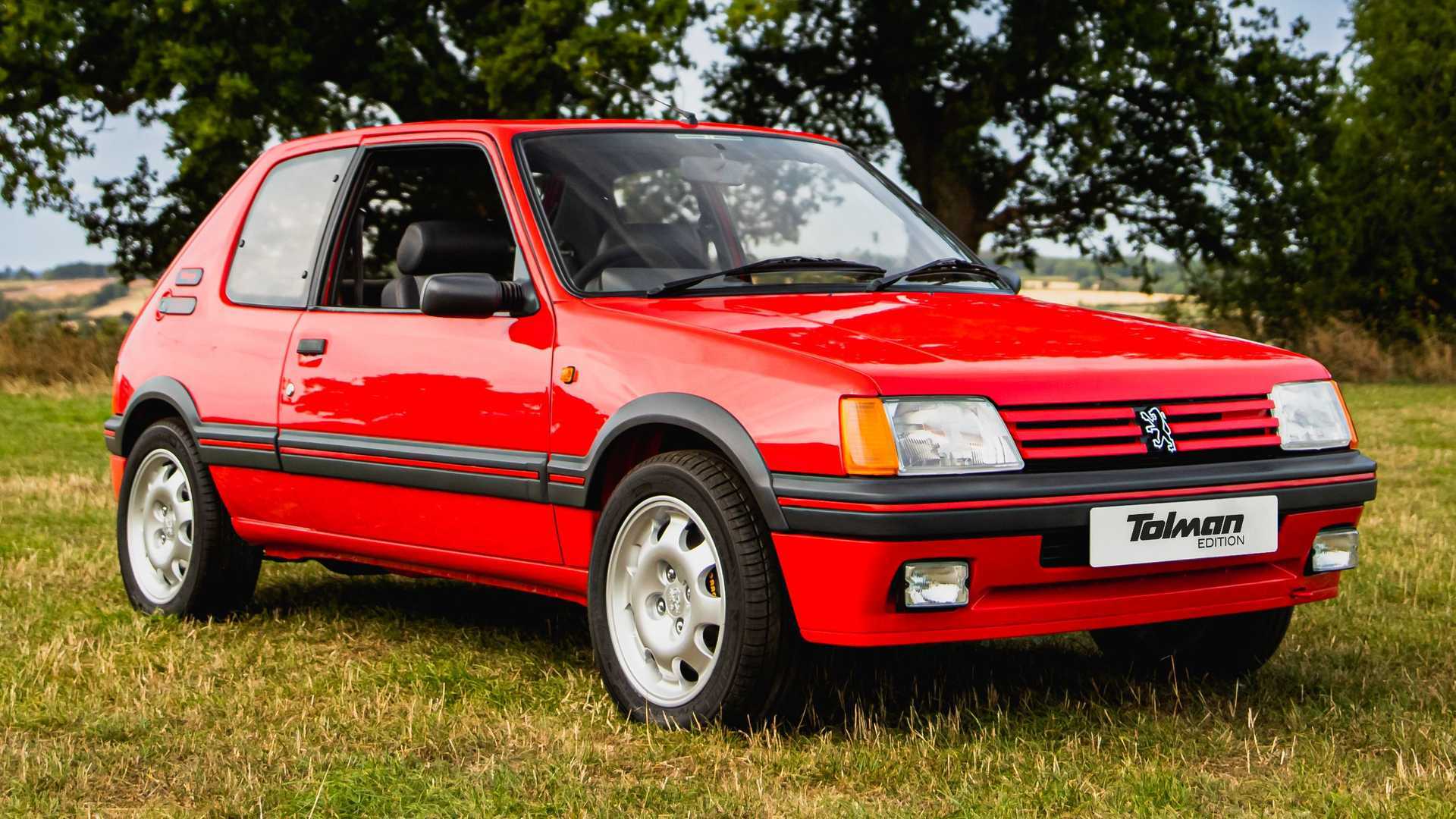
2. Peugeot 205 GTI
The Peugeot 205 GTI is widely regarded as one of the most thrilling small cars of the 1980s. Its lightweight chassis and responsive steering made it a joy to drive on twisty roads. Powered by a 1.6 or 1.9-liter engine, it delivered lively performance in a compact package. The suspension was stiff enough to improve handling but forgiving enough for daily use.
The design of the 205 GTI remains iconic. Its angular shape, subtle spoilers, and bold color options made it stand out in traffic. Inside, the cabin focused on driver engagement with a snug seating position and intuitive controls. Every detail emphasized sportiness without overcomplicating the experience. The car felt connected to the road in a way many modern hatchbacks cannot match.
Performance was not just about straight-line speed. The 205 GTI excelled in cornering, thanks to a short wheelbase and precise steering. Drivers could push the car hard, confident in its ability to respond predictably. Its braking system was equally competent, allowing for confident deceleration into tight turns. These qualities made it competitive in club racing and rallying circles.
Tuning potential has kept the Peugeot 205 GTI relevant today. Many owners have added turbochargers, upgraded suspensions, or lightweight components to enhance its performance. Despite its age, the car can still outperform some modern small cars in terms of handling and driver engagement. This lasting performance appeal has cemented its status as a legend among hot hatches.
The 205 GTI’s charm lies in its simplicity and focus on fun. It is a car that rewards skillful driving rather than relying on electronics. Its enduring popularity among enthusiasts highlights how thoughtful design and responsive engineering can create a vehicle that remains exciting decades after its release.
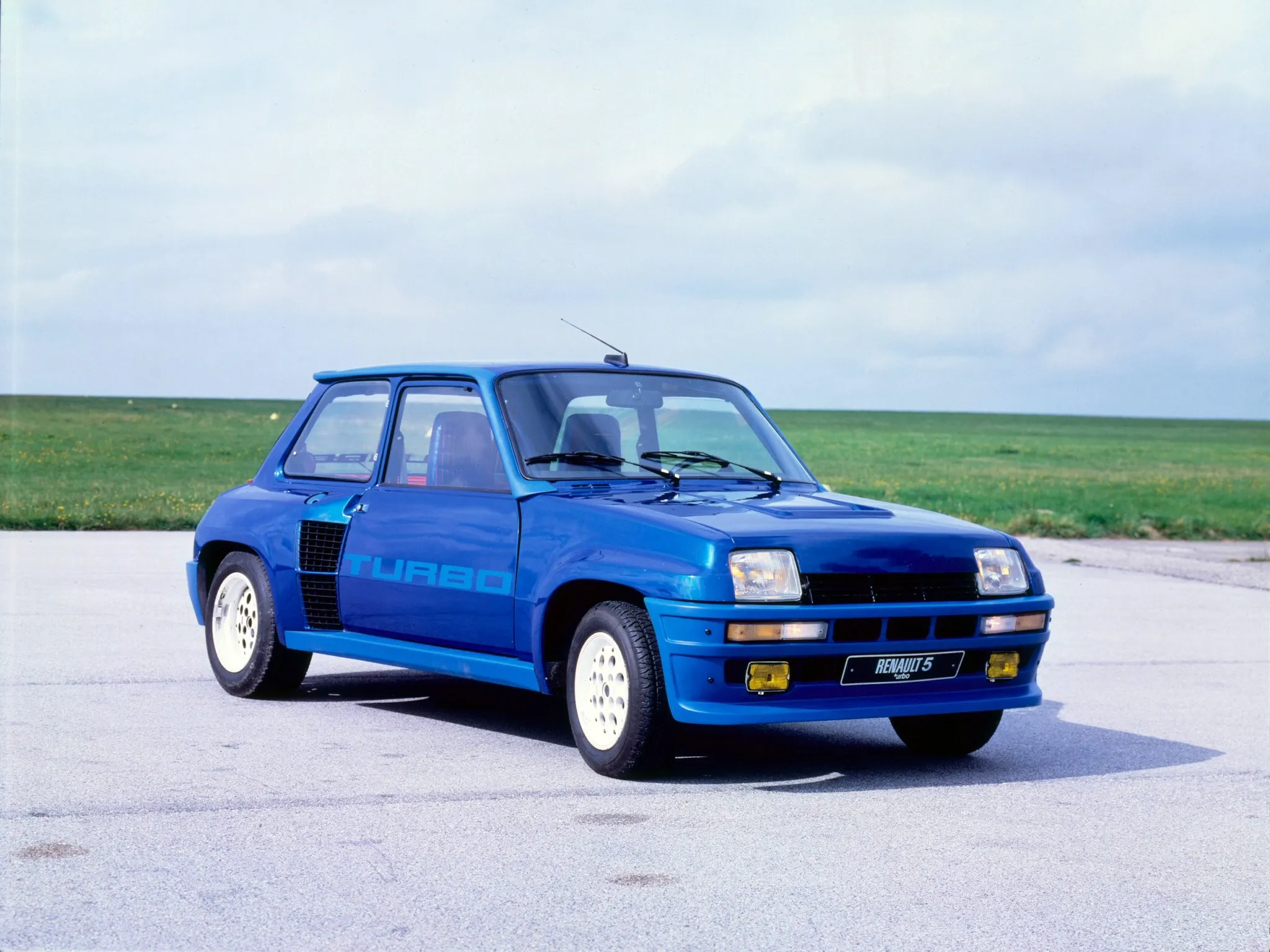
3. Renault 5 Turbo
The Renault 5 Turbo was a radical departure from the standard 5 hatchback, turning a small car into a mid-engine rocket. Its turbocharged engine delivered explosive acceleration that could rival sports cars twice its price. The wide body and flared wheel arches signaled its performance credentials. This car was built to excite, offering an intense driving experience for its size.
Its mid-engine layout improved balance and handling, providing exceptional cornering stability. Drivers could attack tight turns with confidence, knowing the weight distribution worked in their favor. The suspension was tuned to minimize body roll and keep the car planted. These features made it a rally-inspired machine that was rare among regular hatchbacks.
Performance came with distinctive sounds and sensations. The turbocharged engine produced a pronounced whine and exhilarating boost when pushed. The throttle response was sharp, and the gearbox allowed precise gear changes. Every drive felt purposeful and engaging, emphasizing driver involvement at every turn.
The Renault 5 Turbo also had a striking appearance that matched its performance. Large fenders, rear air intakes, and bold color options made it stand out instantly. It was not just a fast car; it was a statement. Enthusiasts today still admire its daring design and rally pedigree.
Even now, the Renault 5 Turbo remains fast and thrilling. Its combination of turbocharged power, mid-engine layout, and compact dimensions creates an experience few modern hot hatches can replicate. It is a benchmark for extreme performance in a small car, proving that 1980s engineering could push the boundaries of speed.
4. Ford Escort RS Turbo
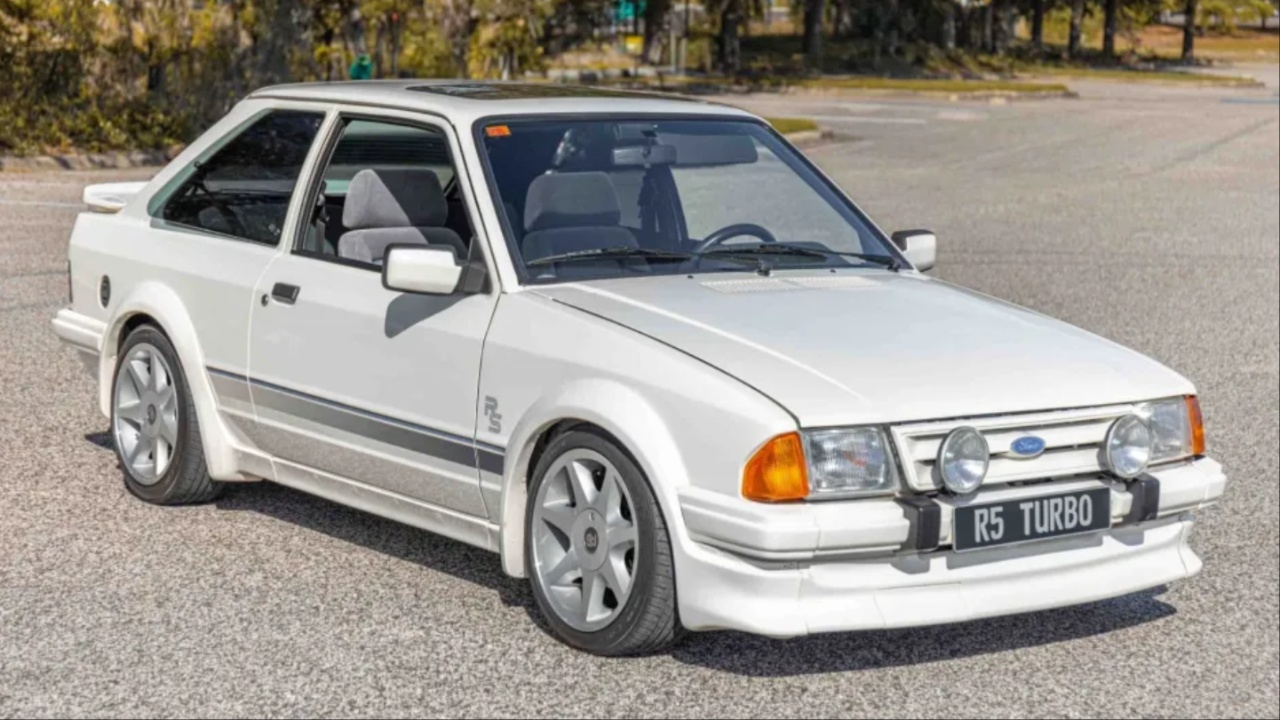
The Ford Escort RS Turbo was Ford’s answer to the growing demand for compact, fast hatches in the 1980s. With a turbocharged 1.6-liter engine, it offered a surprising amount of power for its size. The car’s lightweight body amplified its performance, making acceleration sharp and immediate. It was designed for enthusiasts who wanted both speed and everyday usability without compromise.
Handling was a strong point for the Escort RS Turbo. The suspension was tuned to minimize understeer while allowing drivers to push hard through corners. Its responsive steering helped drivers feel connected to the road at all times. Compared to rivals, it offered a balance between agility and stability, especially on winding roads and country lanes.
The car’s exterior design reflected its sporty intent. Large wheels, flared arches, and distinctive RS badging gave it an aggressive appearance. Its functional vents and scoops were not just for show, contributing to cooling and aerodynamics. Inside, the cockpit was driver-focused, with clear gauges and supportive seats that held occupants during spirited driving.
Performance upgrades were common among owners even during its production years. Turbocharging made it possible to extract more power without major engine modifications. Many enthusiasts upgraded suspension components and brakes to complement the engine, creating a package that remained competitive on both roads and track. Its tunability has helped the Escort RS Turbo retain its reputation as a fun and fast hatch.
Today, the Ford Escort RS Turbo is admired for its combination of speed, handling, and classic 1980s charm. Its compact size and responsive nature make it a favorite for enthusiasts looking for a vintage driving experience. Despite being over three decades old, it still delivers excitement and performance that can challenge some modern cars.
5. Lancia Delta HF Integrale
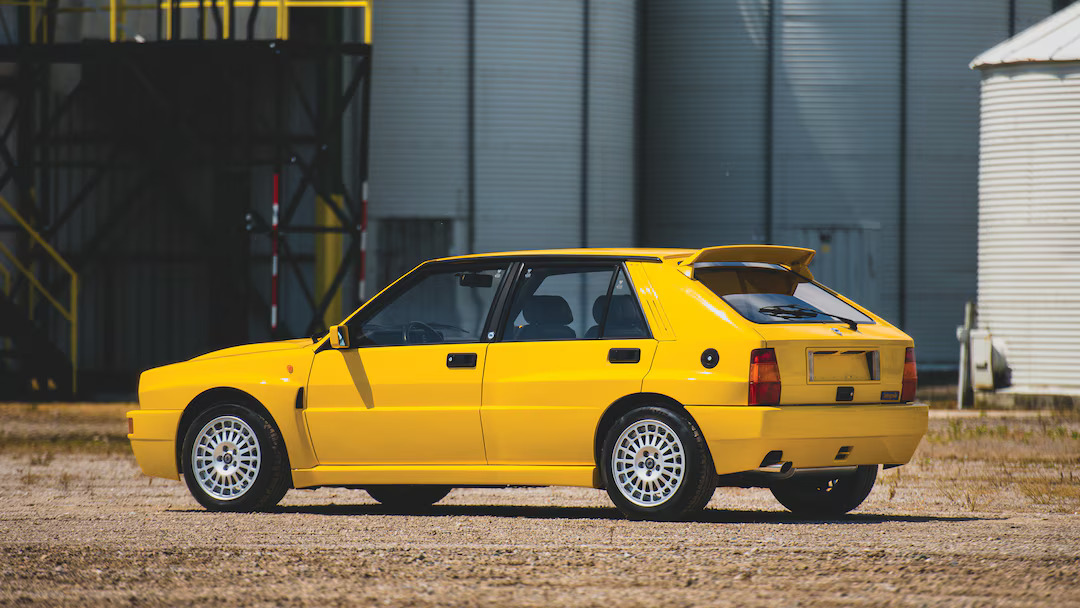
The Lancia Delta HF Integrale was a rally legend that transitioned perfectly to the road. Its turbocharged four-cylinder engine and all-wheel-drive system made it both fast and exceptionally stable. Enthusiasts could push it to limits without losing control, making it a benchmark for hot hatch performance. The Delta HF Integrale was not just quick in a straight line but also precise in corners, earning respect from drivers and critics alike.
Its turbocharged engine produced impressive horsepower for its class. This allowed rapid acceleration and confident overtaking on highways. The car’s gearbox offered smooth yet purposeful shifts, complementing the high-revving engine. Its responsive throttle made every movement deliberate, creating a rewarding driving experience.
Handling was enhanced by a sophisticated suspension setup. The all-wheel-drive system provided traction in nearly all conditions, allowing drivers to exploit its full potential. Road holding was exceptional, with minimal body roll and accurate steering. Drivers could feel every nuance of the surface beneath, which contributed to its reputation as a driver-focused hatchback.
Design played a role in its enduring appeal. Wide fenders, aggressive front grille, and functional spoilers conveyed speed even when stationary. The interior was sporty and ergonomic, with seats that held occupants firmly during fast cornering. Every design element reflected Lancia’s intent to create a rally-bred road car capable of thrilling drivers.
Even decades later, the Lancia Delta HF Integrale is still fast and engaging. Its combination of turbo power, AWD stability, and sharp handling remains competitive. Collectors and enthusiasts continue to prize it, not just for its rally heritage but for its ability to deliver an authentic driving experience that few modern hatches can match.
6. BMW E30 M3
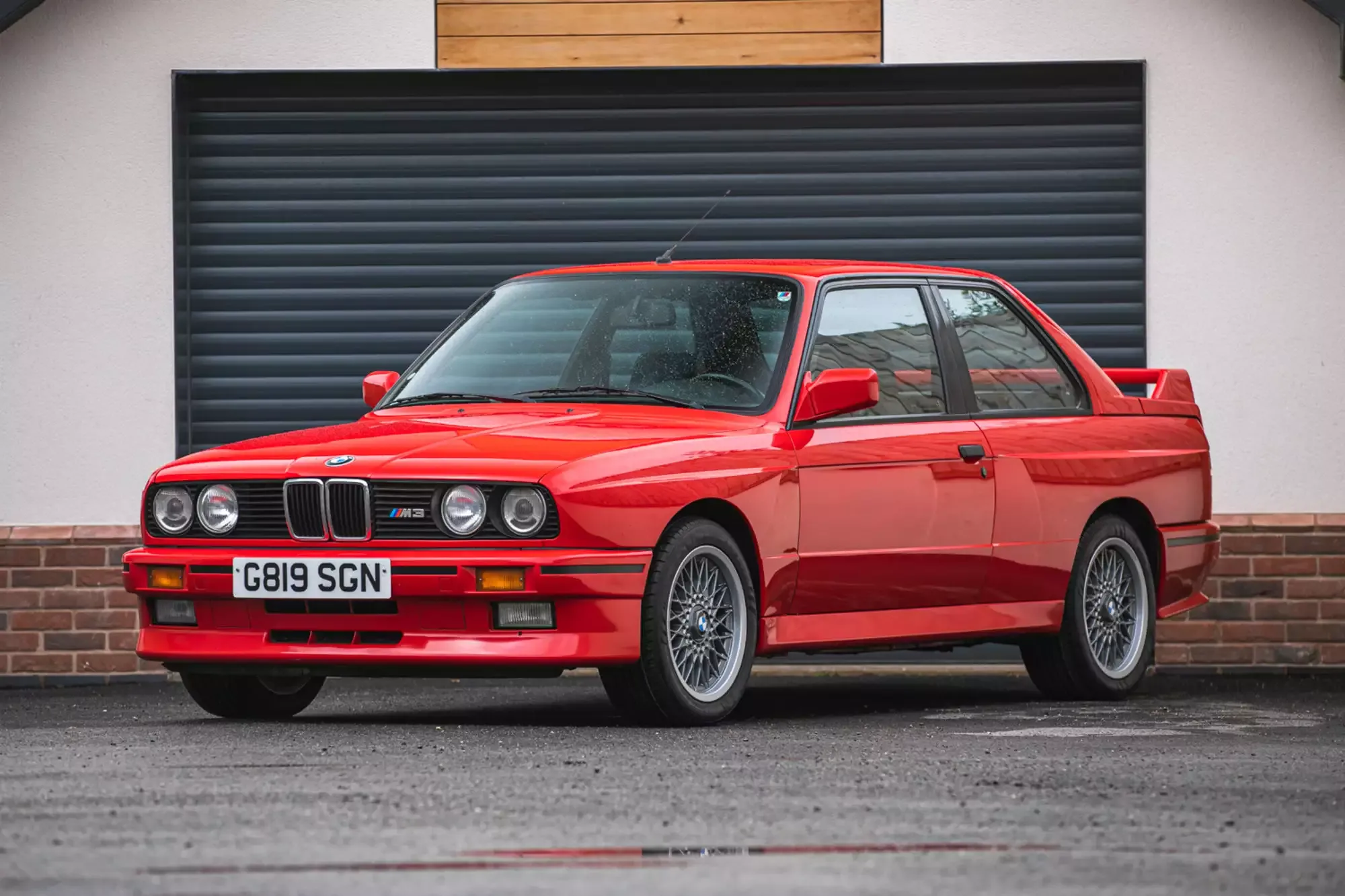
Although often associated with sedan versions, the BMW E30 M3 hatchback variants were known for their balance and agility. The naturally aspirated four-cylinder engine provided spirited performance, making acceleration lively and enjoyable. Its chassis was finely tuned, giving a precise and communicative driving experience. The car rewarded skillful driving and remained approachable for everyday use.
Performance was balanced with excellent handling. The suspension was tuned to reduce body roll, while steering feedback remained sharp. Cornering at speed was predictable, instilling confidence in the driver. Its braking system was capable, allowing smooth yet firm stops from high speeds. The E30 M3’s driving dynamics made it a favorite among enthusiasts who valued control over sheer power.
The design of the E30 M3 reflected subtle aggression. Wider wheel arches, flared bumpers, and sporty wheels hinted at its performance potential. Inside, the cabin focused on ergonomics, providing a comfortable yet driver-focused environment. Gauges and controls were clearly arranged, reinforcing the car’s performance-oriented nature without unnecessary complexity.
Many E30 M3 owners upgraded their cars for track use. Suspension tweaks, lightweight components, and engine tuning enhanced performance further. These modifications allowed the hatchback variants to remain competitive against more modern small performance cars. Its adaptability helped secure its status as a timeless hot hatch.
Even today, the BMW E30 M3 hatchback delivers driving enjoyment that feels connected and raw. Its blend of responsive handling, precise steering, and lively engine keeps it relevant. Collectors and driving enthusiasts continue to appreciate its combination of speed, control, and classic BMW engineering.
7. Fiat Uno Turbo
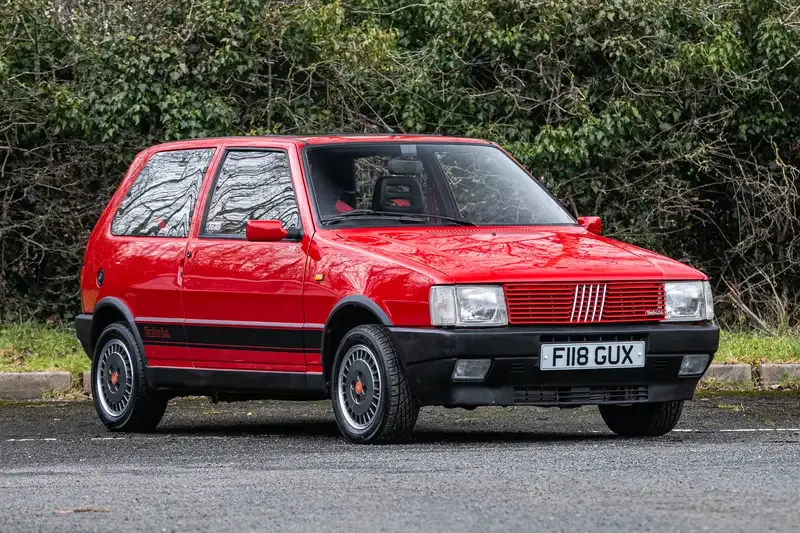
The Fiat Uno Turbo was a small but potent hot hatch that surprised many with its performance. Equipped with a turbocharged 1.3 or 1.4-liter engine, it offered impressive acceleration relative to its lightweight body. Its compact size made it agile in city traffic and twisty roads. Despite its modest appearance, it delivered an engaging driving experience for its class.
Handling was enhanced by a tuned suspension system. The Uno Turbo responded well to steering inputs, giving drivers confidence when pushing into corners. Its lightweight frame contributed to nimble maneuvering. Braking was sufficient for spirited driving, allowing for smooth deceleration while maintaining control at higher speeds.
The car’s exterior was practical yet sporty. Subtle spoilers, alloy wheels, and color accents hinted at its performance without being ostentatious. Inside, the cockpit was straightforward, with functional controls and supportive seating. Every detail emphasized practicality while allowing for an enjoyable driving experience.
Performance upgrades were common among enthusiasts. Turbocharging allowed for aftermarket improvements, such as enhanced intercoolers or exhaust systems. These modifications increased power and responsiveness, keeping the Uno Turbo relevant among vintage hot hatch fans. Its potential for tuning has contributed to its lasting appeal.
Today, the Fiat Uno Turbo remains fast and enjoyable for driving enthusiasts. Its lightweight frame, turbocharged engine, and responsive handling continue to deliver excitement. It serves as a reminder that even small, practical cars from the 1980s could offer thrilling performance without compromise.
8. Opel Kadett GSi
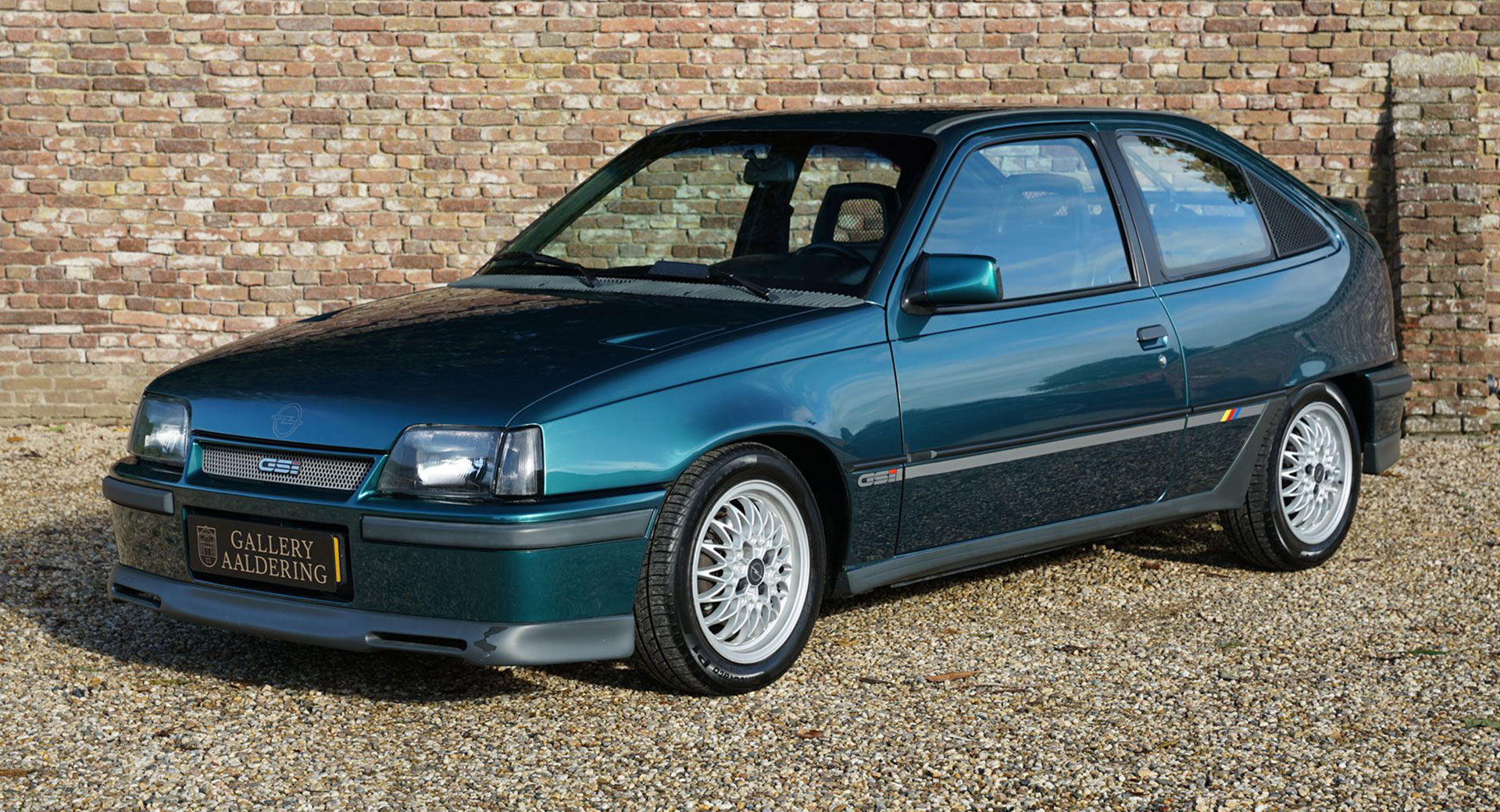
The Opel Kadett GSi combined practicality with spirited performance, making it one of the standout hot hatches of the 1980s. Its 1.8-liter engine offered lively acceleration and a smooth power delivery, keeping the driving experience engaging. Despite being a compact car, it could hold its own on twisty roads and highways. Enthusiasts appreciated how accessible it was for both daily driving and spirited outings.
Handling was precise and responsive, aided by a well-tuned suspension. The Kadett GSi managed corners with confidence, reducing body roll and improving stability. Its steering feedback was communicative, giving the driver a sense of control that many larger sports cars lacked. Braking performance was strong for its class, complementing the car’s balance.
The exterior design emphasized sportiness without being flashy. Alloy wheels, subtle spoilers, and GSi badging hinted at performance capabilities. The hatchback shape remained practical, offering ample cargo space while maintaining a dynamic silhouette. Its understated yet athletic look helped it appeal to both young drivers and enthusiasts seeking a usable performance car.
Inside, the Kadett GSi was driver-focused but comfortable. Supportive seats kept occupants secure during spirited driving, while the dashboard provided clear, easily readable gauges. The cabin balanced ergonomics with simplicity, allowing the driver to concentrate on performance. Functional controls and a straightforward layout reinforced its focus on driving enjoyment rather than luxury.
The Opel Kadett GSi remains a respected hot hatch today. Its combination of responsive handling, practical design, and enduring performance makes it a collectible among enthusiasts. Well-maintained examples still offer lively acceleration and cornering, demonstrating how 1980s engineering created vehicles that can remain fast and fun decades later.
9. Volkswagen Polo GT G40
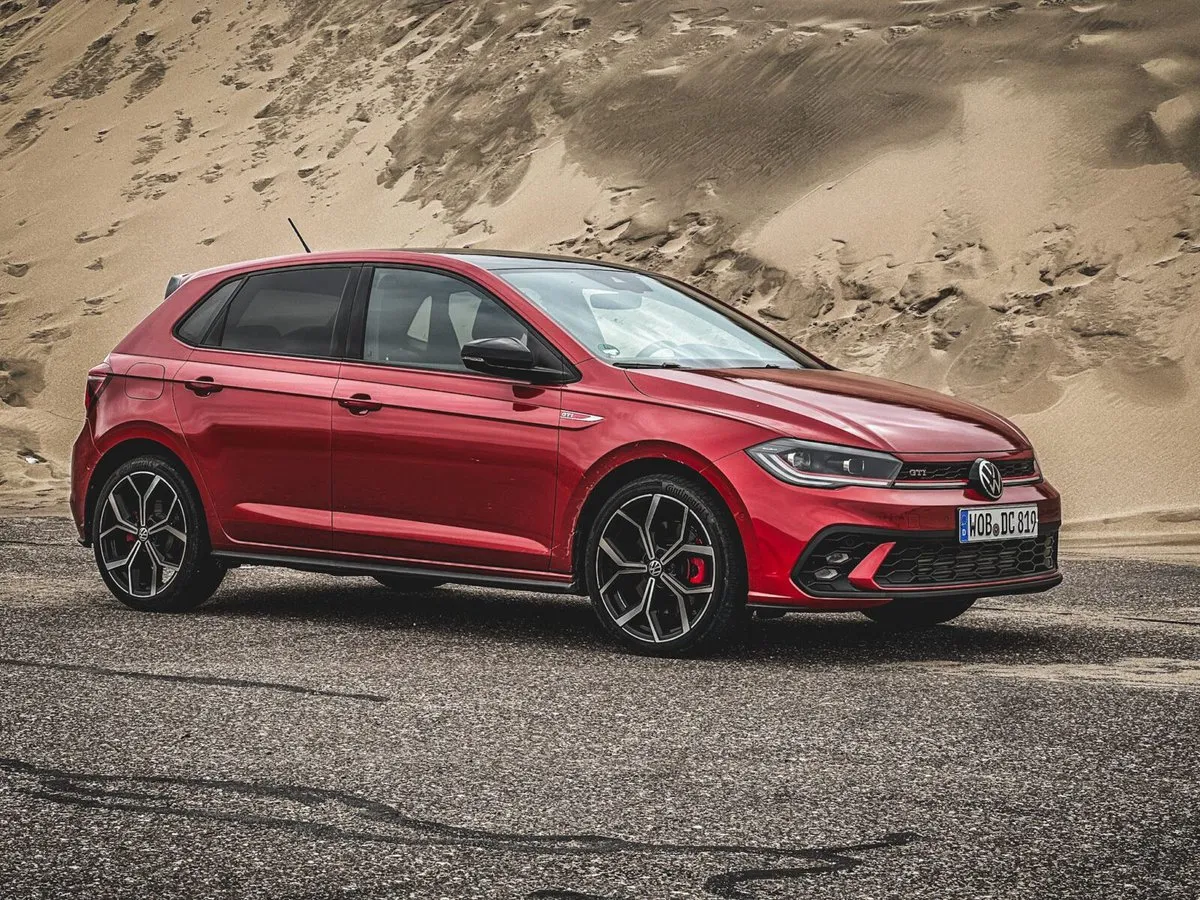
The Volkswagen Polo GT G40 was a compact powerhouse with a supercharged engine, giving it surprisingly brisk performance for its size. The 1.3-liter G-Lader engine delivered immediate throttle response and enjoyable acceleration.
Despite its small dimensions, it felt planted and composed at higher speeds. This model was proof that small cars could be thrilling to drive while remaining practical.
Handling was sharp and balanced, with a suspension setup designed for agility. The Polo GT G40 responded quickly to steering inputs, allowing confident maneuvering through tight corners. Its brakes were effective and consistent, enabling precise control when driving aggressively. The combination of power, lightness, and handling made it a true driver-focused machine.
The exterior styling reflected its sporty character. Wider wheel arches, alloy wheels, and GT G40 badges highlighted its performance potential. Functional design elements, such as vents and scoops, were integrated to enhance cooling and stability. The hatchback maintained practicality, with usable cargo space and compact dimensions perfect for urban driving.
Inside, the Polo GT G40 offered a simple but engaging cockpit. The seats were supportive, holding occupants firmly during spirited cornering. Instrumentation was clear and easy to read, emphasizing functionality over luxury. Drivers felt connected to the car, making every drive more interactive and enjoyable.
The Polo GT G40 continues to impress enthusiasts today. Its supercharged engine, responsive chassis, and lightweight body create a driving experience that remains relevant. Collectors seek out well-maintained examples for their unique combination of speed, handling, and practicality in a classic 1980s hot hatch.
10. Citroën BX 16V
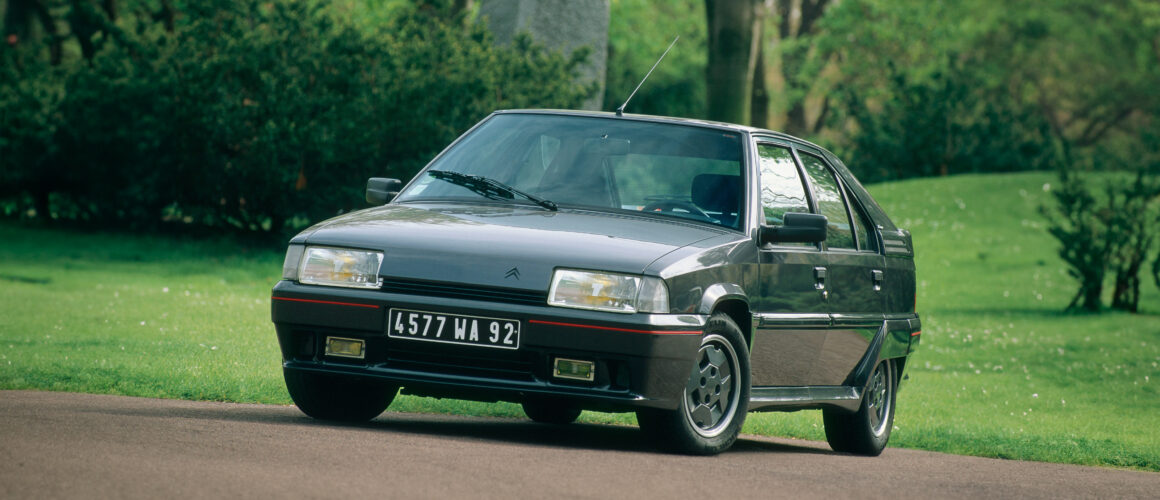
The Citroën BX 16V was a surprising hot hatch that balanced comfort with performance. Its 1.6-liter 16-valve engine offered lively power, allowing it to accelerate briskly despite its relatively large dimensions. The car’s hydropneumatic suspension delivered both ride comfort and handling precision, a unique feature among 1980s hot hatches. Drivers could enjoy speed without sacrificing smoothness on uneven roads.
Handling was precise, aided by responsive steering and the advanced suspension system. The BX 16V minimized body roll, providing stability through corners. The combination of chassis balance and light steering created a confident driving experience. Its braking system was effective, ensuring controlled deceleration from higher speeds.
Design played an important role in its appeal. The BX 16V retained Citroën’s distinctive angular styling, with subtle aerodynamic enhancements to reflect its performance capabilities. Its hatchback shape offered practicality, with ample cargo space and versatile interior layouts. The exterior hinted at speed while remaining practical for daily use.
Inside, the cabin focused on comfort and ergonomics without sacrificing driver engagement. Supportive seats and well-placed controls allowed occupants to remain comfortable during longer drives. The dashboard displayed essential information clearly, maintaining a balance between simplicity and functionality. The BX 16V made performance accessible without overwhelming the driver.
Even today, the Citroën BX 16V is fast and engaging. Its combination of a responsive engine, advanced suspension, and lightweight body ensures a driving experience that can rival many modern small cars. Enthusiasts continue to appreciate its unique blend of speed, comfort, and practicality, making it a distinctive example of 1980s European hot hatch design.
