
The 1960s produced some of the most iconic and influential automobiles in history, shaping the way people viewed cars for decades to come. These vehicles were not just modes of transportation but symbols of freedom, style, and engineering innovation.
Many of these classic cars featured sleek lines, simple mechanical designs, and engines that offered a balance of performance and reliability. While some 1960s classics have become prohibitively expensive, there remains a selection of models that are surprisingly affordable and still relatively easy to find.
For enthusiasts, these vehicles represent an opportunity to own a piece of automotive history without spending the fortune required for a rare exotic car. Their affordability does not imply a compromise in style or character; rather, it reflects their production volume, enduring popularity, and the market’s recognition of their practicality.
Restoring or maintaining these cars is often straightforward because parts are more accessible, and communities of collectors and hobbyists provide support for repairs and advice. Classic cars from this era also provide a unique driving experience, emphasizing mechanical feedback, sound, and simplicity that modern vehicles often lack.
Owning one of these vehicles allows drivers to experience the connection between man and machine, feel the road beneath them, and appreciate design aesthetics that focused on elegance and function. The appeal extends beyond the mechanics; these cars are conversation starters, statements of personality, and sources of nostalgia for those who grew up seeing them on streets and in films.
Collectors appreciate models that maintain their original charm while offering an attainable entry point into the world of classic car ownership. Many of the vehicles from the 1960s retain their timeless design cues, from long hoods and short decks to chrome trim and rounded headlights, making them instantly recognizable and admired even decades later.
Choosing an affordable classic from this era allows enthusiasts to enjoy the aesthetics, engineering, and community surrounding these cars without the financial pressure that comes with highly sought-after rarities.
The following list highlights ten classic cars from the 1960s that combine accessibility, affordability, and historical significance, offering a chance for collectors to embrace vintage motoring with a manageable investment. These vehicles continue to capture the imagination of enthusiasts and offer a practical gateway into classic car culture.
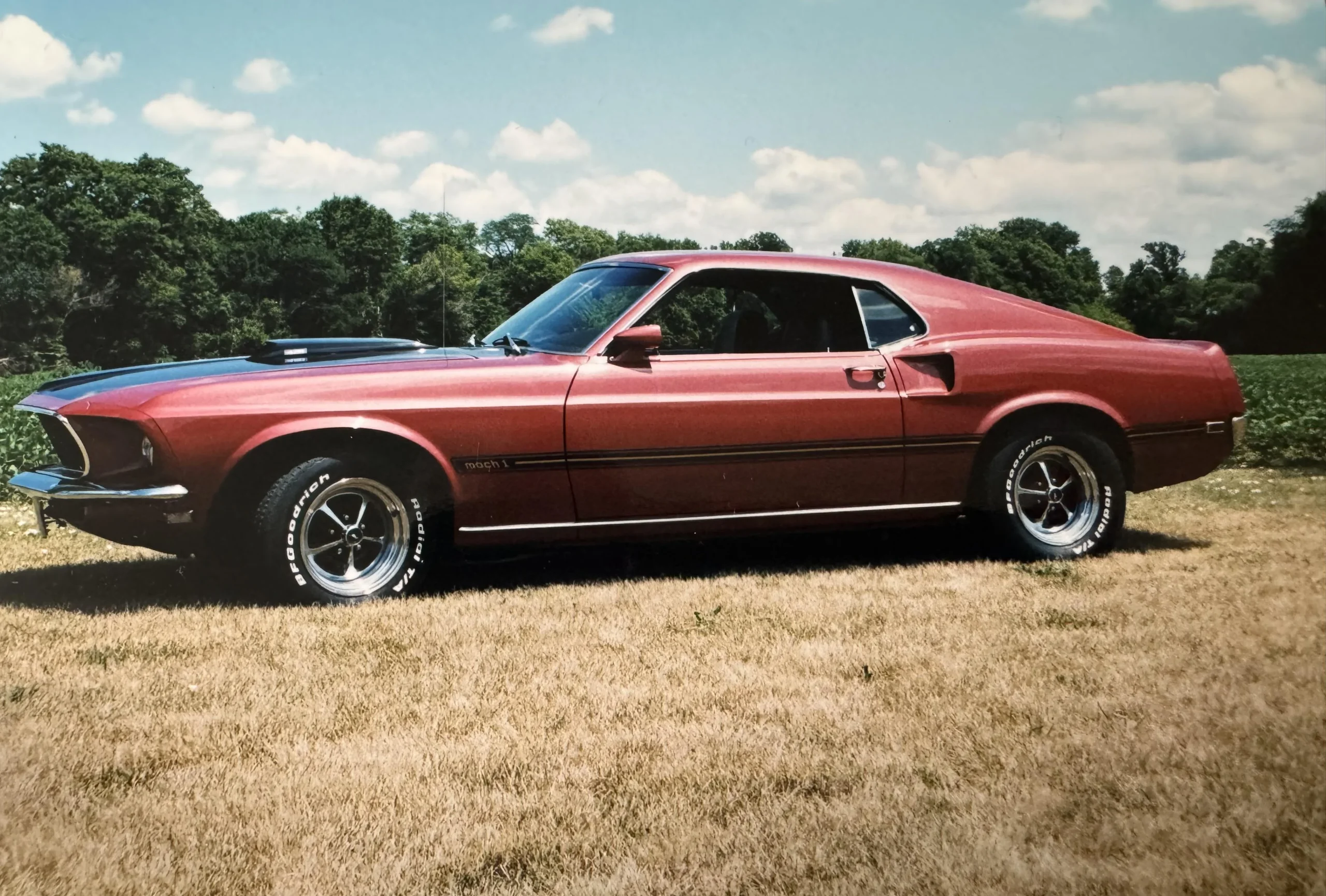
1. Ford Mustang (1964–1966)
The Ford Mustang is widely regarded as the car that launched the pony car segment and captured the imagination of American drivers. Its introduction in 1964 created a new market category defined by affordability, style, and performance.
Early Mustangs featured a compact design, long hood, and short rear deck that became an iconic silhouette. Many enthusiasts appreciate the simplicity of the mechanical components, making maintenance and restoration achievable for first-time collectors.
The Mustang’s engine options provided a wide range of performance levels, from economical six-cylinder models to more powerful V8s. This flexibility allowed buyers to tailor the car to their needs and budgets without sacrificing style. The interior offered a driver-focused layout that emphasized comfort and ergonomics. The combination of performance, design, and affordability made it an instant classic, and its popularity has endured for decades.
Another reason the early Mustang remains accessible is the sheer number produced during its initial years. Thousands of units still exist in various conditions, allowing buyers to choose between a project car or one that is mostly restored. Aftermarket support is extensive, with replacement parts, trim, and mechanical components widely available. Enthusiasts benefit from a strong community and plentiful resources for learning about maintenance, modifications, and restoration.
Owning a first-generation Mustang provides more than a driving experience; it represents a connection to an era when cars were celebrated for individuality and style. Many collectors seek out these early models because they embody the essence of the American automotive revolution in the 1960s. Its classic lines and performance options ensure it remains a favorite among new and seasoned enthusiasts alike.
Even in today’s market, the Mustang from the mid-1960s can be acquired without extreme expense compared to other vintage vehicles. While pristine, rare versions command higher prices, a well-maintained example provides the aesthetic and driving pleasure of a classic car without excessive financial strain. Its combination of affordability, availability, and cultural impact makes it a top choice for anyone looking to enter classic car ownership.
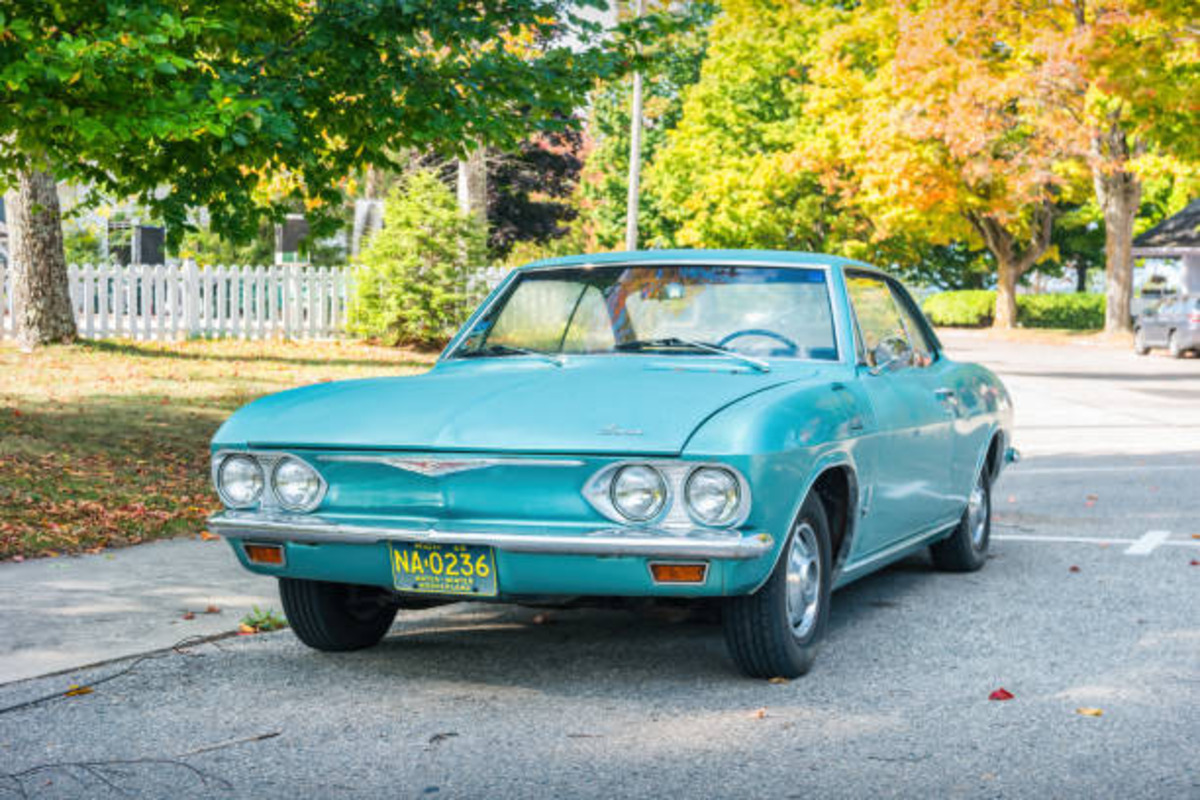
2. Chevrolet Corvair (1960–1969)
The Chevrolet Corvair is unique among 1960s classics due to its rear-engine layout and unconventional design. It stood out from other American cars with a compact body and air-cooled engine, offering a different driving experience. Many enthusiasts value the Corvair for its handling characteristics, engineering creativity, and distinct appearance. It remains an affordable entry point for collectors interested in something less common.
Corvairs were produced in multiple body styles, including sedans, coupes, and convertibles, allowing buyers to select the model that suits their taste. Engine options ranged from modest inline-six units to more powerful turbocharged versions, providing versatility for different driving preferences. The simplicity of the air-cooled engine makes it easier to maintain without the complex cooling systems found in other vehicles.
The availability of parts is another factor that keeps the Corvair accessible. While not as plentiful as some mainstream models, aftermarket suppliers and dedicated enthusiast networks have ensured that replacement parts are obtainable. This makes restoration projects manageable and keeps maintenance costs reasonable. Classic car events and communities often feature Corvair enthusiasts who share knowledge and support.
Owning a Corvair is appealing to collectors who appreciate engineering experimentation and want a car that stands out from more conventional options. Its distinctive styling and rear-engine layout create a unique driving sensation that is unlike most other 1960s vehicles. This combination of innovation, affordability, and community support makes the Corvair a solid choice for collectors.
The Corvair’s relatively low market value compared to other vintage cars from the same era allows enthusiasts to experience a classic vehicle without the high costs associated with rare American muscle cars. Its charm lies in being both unusual and practical, with many well-preserved examples still circulating today.
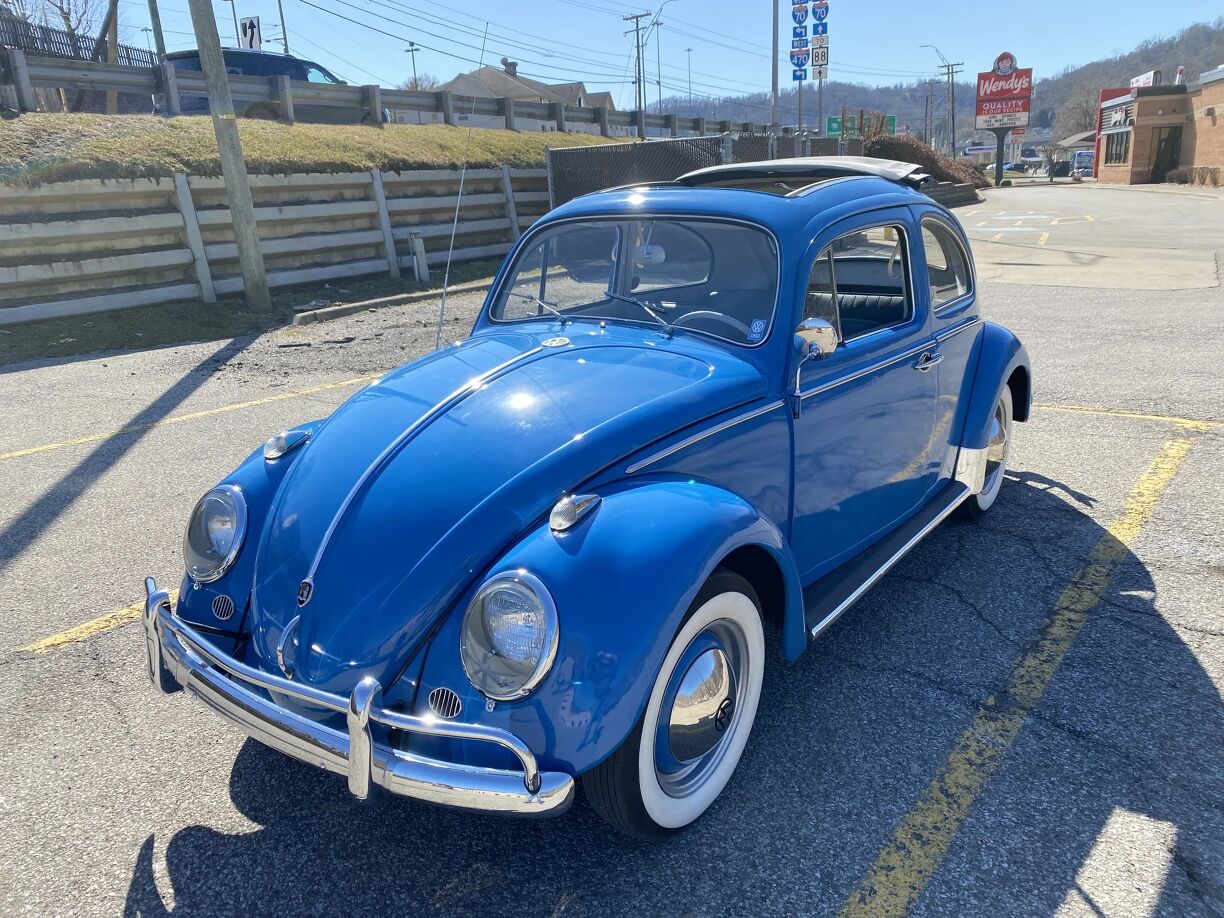
3. Volkswagen Beetle (1960s)
The Volkswagen Beetle of the 1960s remains one of the most recognizable and enduring classic cars worldwide. Its rounded silhouette, simple mechanical design, and rear-engine layout created a compact and efficient vehicle that appealed to a wide audience.
The Beetle’s straightforward engineering allowed mechanics to understand and repair it easily, which contributed to its lasting presence on roads for decades. Its reliability, simplicity, and affordability have kept it within reach of collectors seeking a classic car with low maintenance requirements.
One of the key reasons the Beetle is still accessible is its massive production volume. Millions were made during the 1960s, meaning that finding one in good condition is relatively easy compared to rarer classics. Enthusiasts can choose between a range of models, including sedans, convertibles, and even vans adapted for recreational use. Its compact size and durable construction allowed it to remain functional even after years of use, making restoration projects feasible and cost-effective.
The Beetle’s popularity also fostered a strong network of enthusiasts, clubs, and aftermarket suppliers. Replacement parts for both mechanical components and bodywork are abundant, making it easier for collectors to maintain authenticity or customize the vehicle.
Many hobbyists enjoy upgrading their Beetles while keeping the original charm intact, and communities worldwide share tips and resources for ongoing care. This combination of accessibility and community support has helped the Beetle remain relevant in classic car circles.
Driving a 1960s Beetle is a distinctive experience. Unlike modern cars with complex electronics and heavy controls, the Beetle offers direct feedback from the road. Its manual gearbox, simple suspension, and lightweight body provide an engaging driving experience that emphasizes connection rather than raw power. Collectors often appreciate this tactile involvement, which creates a sense of nostalgia and appreciation for a bygone era of automobile design.
Finally, the Volkswagen Beetle’s enduring appeal lies in its versatility and iconic design. While many other classics from the 1960s are expensive or rare, the Beetle remains approachable for new collectors.
It allows people to own a piece of automotive history without excessive financial commitment while providing a reliable, stylish, and practical classic car experience. Its accessibility, charm, and cultural significance ensure it continues to be a favorite among vintage car enthusiasts worldwide.
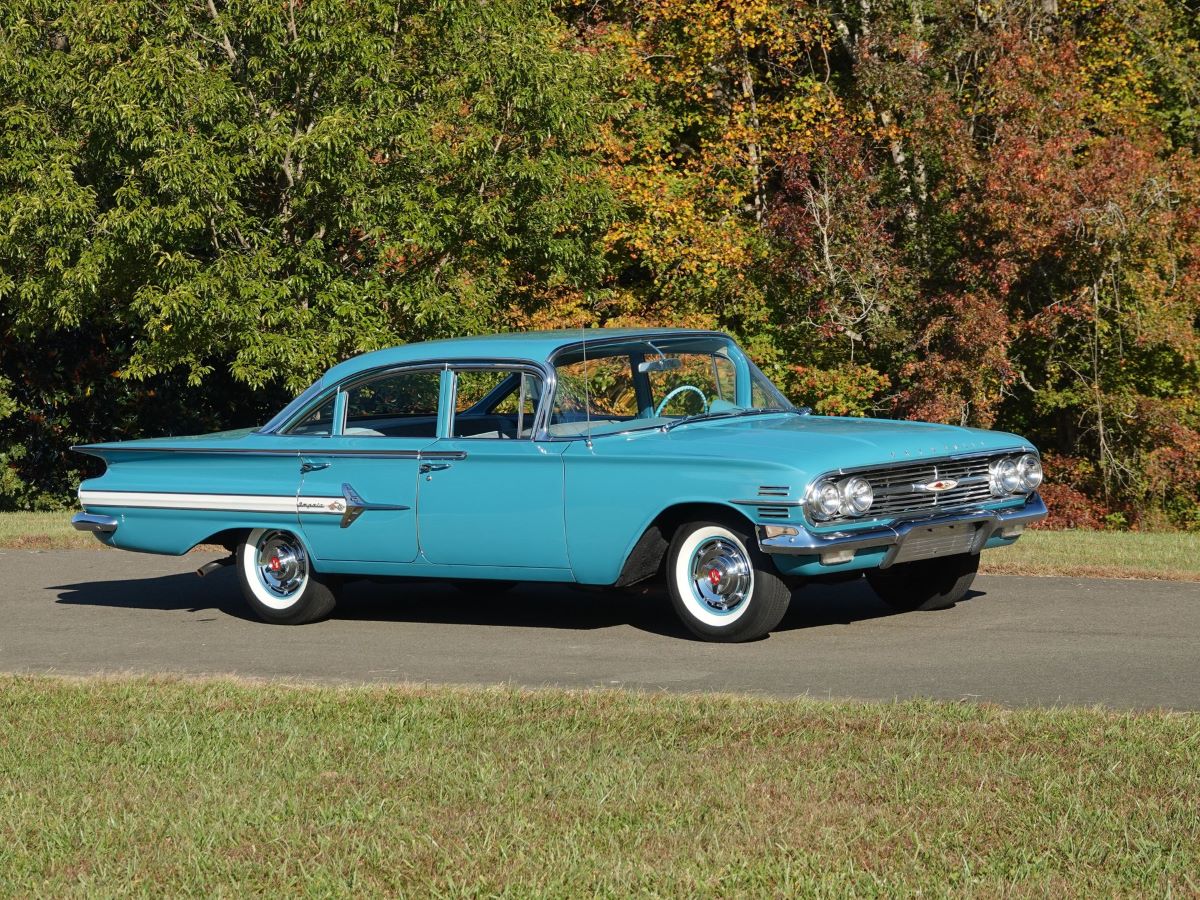
4. Chevrolet Impala (1960–1966)
The Chevrolet Impala from the early 1960s is a large, stylish vehicle that combined American design flair with practical engineering. Known for its elongated body, sweeping lines, and prominent chrome accents, the Impala captured the essence of 1960s luxury and comfort.
Despite its size and sophistication, many models remain surprisingly affordable today, making it a viable classic for collectors on a budget. Its strong build quality allows well-maintained examples to survive decades without major issues.
Engine options for the Impala were varied, ranging from six-cylinder units to V8s capable of impressive performance for the era. Buyers could select a model that balanced fuel economy with power, making the car appealing to a broad audience.
Interior options were also extensive, offering features such as bench seats, stylish dashboards, and optional air conditioning. These elements made the Impala both a daily driver and a statement of personal taste.
The production numbers of the Impala also contribute to its accessibility. Tens of thousands of these cars were built annually, leaving a plentiful supply for collectors today. The combination of quantity and the continued interest in restoration has ensured that parts remain available and that technical knowledge is widely shared among enthusiasts. This accessibility makes it easier to maintain a classic Impala without excessive investment or frustration.
Restoring an early 1960s Impala provides both satisfaction and practicality. Its body panels are relatively straightforward to work with, and mechanical systems use conventional technology that does not require specialized skills.
Many collectors enjoy personalizing their Impalas with period-correct accessories, engine upgrades, or interior refurbishments while preserving the original charm of the car. Community support and parts availability make such projects manageable.
Owning a Chevrolet Impala from the 1960s offers a glimpse into a period of automotive history when style, comfort, and performance were balanced thoughtfully.
The car’s distinctive appearance and reliable construction ensure it remains a popular choice for collectors who want a large, comfortable, and historically significant vehicle without paying the high prices of rarer models. Its enduring presence on roads and in collections confirms its reputation as a classic that combines accessibility with character.
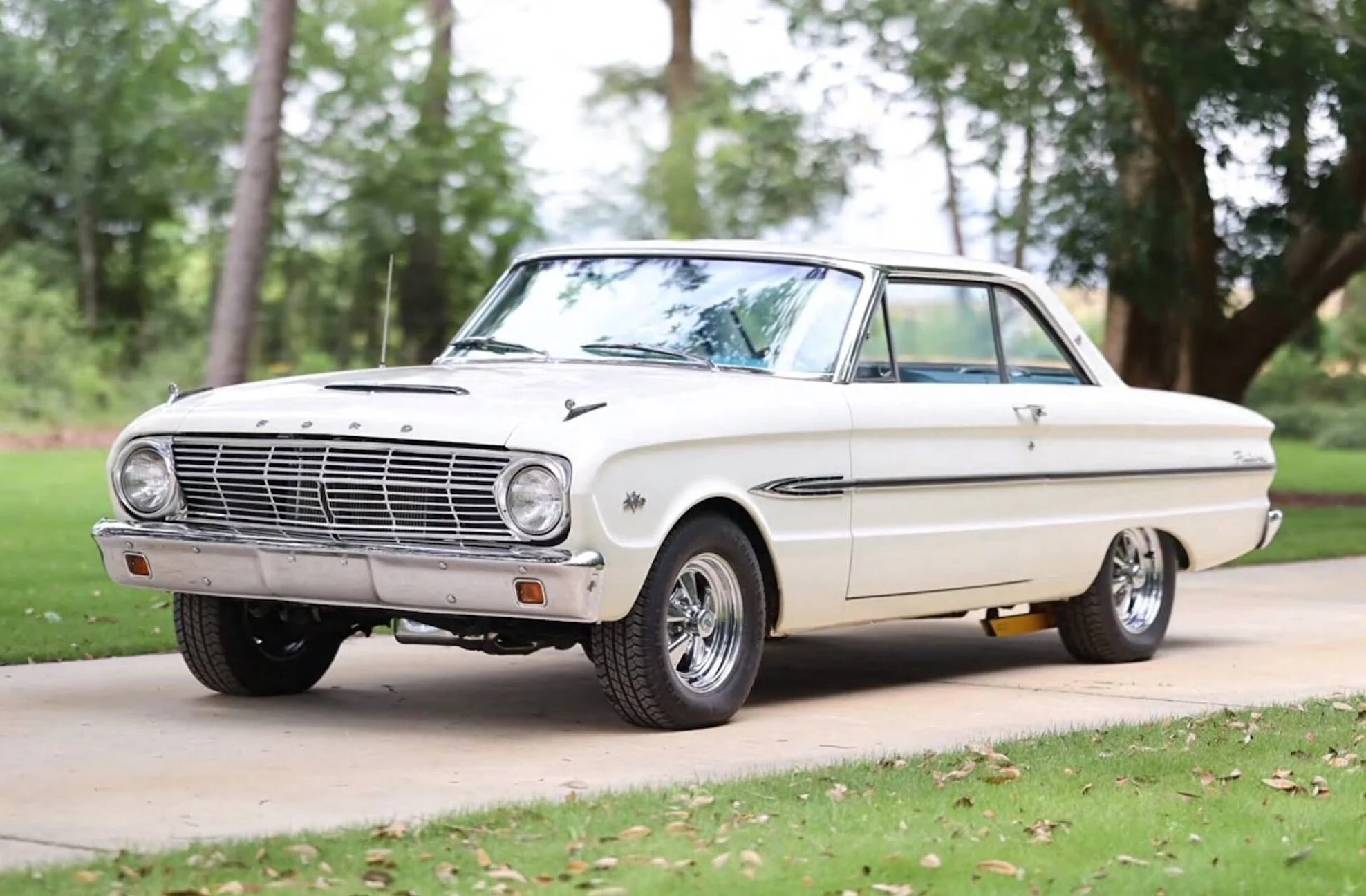
5. Ford Falcon (1960–1965)
The Ford Falcon was designed as a compact and affordable alternative to larger American sedans, quickly gaining popularity during the early 1960s. Its simple, straightforward design and economical engines made it attractive to both new drivers and those seeking low-cost transportation.
Despite being a modest vehicle in its day, the Falcon has become a desirable classic due to its reliability, ease of maintenance, and the nostalgic appeal of its clean lines. Collectors often seek Falcons for restoration projects or as daily drivers that showcase classic styling without high costs.
The Falcon’s engine options were practical and versatile. Most models came with inline-four or inline-six engines, which offered sufficient power for daily use while maintaining fuel efficiency. Some later models included V8 options for buyers seeking enhanced performance. The mechanical simplicity of these engines means that repairs are straightforward, parts are widely available, and even novice restorers can work on the car with confidence.
Body styles varied between sedans, station wagons, and convertibles, offering buyers options depending on their needs and tastes. The interior was functional but stylish for its time, emphasizing durability and comfort.
Many Falcons were built with standard features that prioritized utility, making them ideal for collectors looking for cars that are practical as well as classic. This combination of simplicity and reliability has helped the Falcon remain an accessible classic car.
Parts availability is one of the Falcon’s strongest selling points today. Many aftermarket suppliers and specialty shops provide mechanical components, trim pieces, and accessories, keeping restoration projects manageable and affordable.
Enthusiast communities also provide guidance, making it easier for new collectors to learn the intricacies of maintaining or upgrading a Falcon. The widespread knowledge base ensures that ownership is both enjoyable and sustainable.
Driving a 1960s Ford Falcon offers a nostalgic yet practical experience. Its compact size and light handling make it easy to maneuver, while its simple mechanical systems allow the driver to feel connected to the car.
This blend of nostalgia, accessibility, and practicality makes the Falcon an excellent entry point into classic car ownership, offering collectors the chance to own a piece of automotive history without the premium cost of more exotic or rare models.
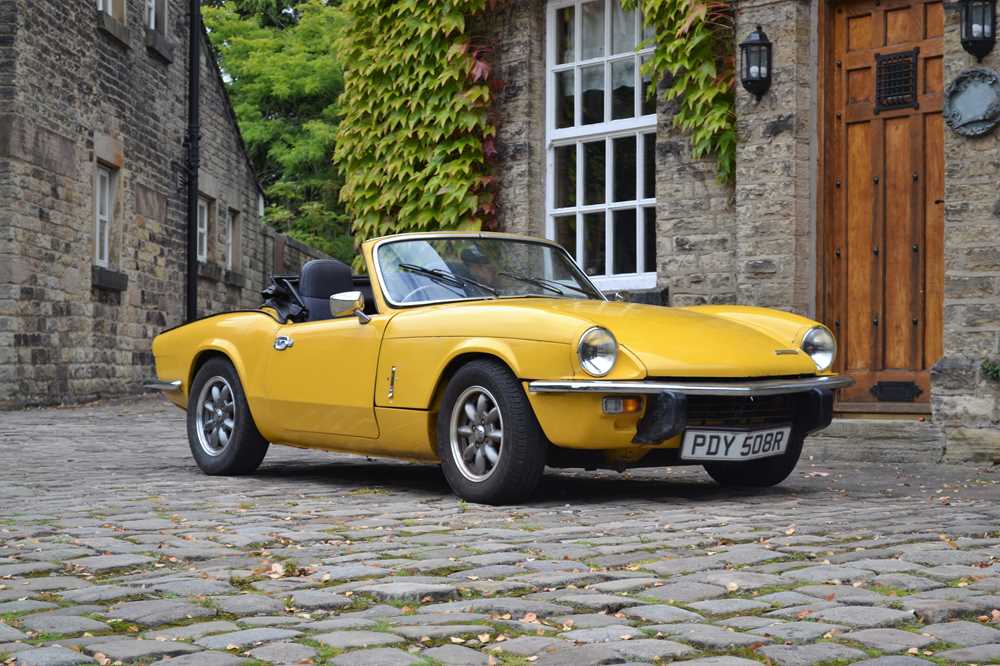
6. Triumph Spitfire (1962–1969)
The Triumph Spitfire is a small British roadster that quickly gained attention for its sporty appearance and enjoyable driving dynamics. Its low-slung body, sleek lines, and open-top design made it a standout among European cars of the 1960s.
Many enthusiasts are drawn to the Spitfire because it offers the thrill of a sports car without the high cost associated with luxury models. Its simplicity and mechanical accessibility make it an ideal candidate for restoration projects.
Under the hood, the Spitfire featured a modest inline-four engine, which provided enough power to make the car lively on winding roads. Its lightweight construction and rear-wheel-drive layout allowed for nimble handling, giving drivers a sense of precision and connection to the road. While not a powerhouse, the car’s balanced performance made it enjoyable for both weekend drives and spirited outings on country roads.
The Spitfire was produced in large numbers throughout the 1960s, ensuring that finding an example today is relatively straightforward. Multiple generations, including the Mk I through Mk IV, offer collectors options depending on budget and preference.
Early models tend to be the most desirable for purists, while later examples may provide slightly better reliability or comfort. This range of availability helps maintain affordability and accessibility.
Parts support and community networks further enhance the Spitfire’s appeal. Replacement mechanical components, trim pieces, and body panels are widely available from both official suppliers and aftermarket specialists. Enthusiasts’ clubs offer guidance on maintenance, upgrades, and restoration techniques, creating a supportive environment for both novice and experienced owners. These resources make ownership less intimidating and more enjoyable.
Driving a Triumph Spitfire delivers a sense of freedom that larger vehicles rarely match. Its compact size, responsive steering, and open-air experience capture the essence of classic British motoring. Collectors often appreciate the car’s balance of affordability, charm, and historic significance, making it an excellent choice for those looking to enjoy a genuine 1960s sports car without breaking the bank.
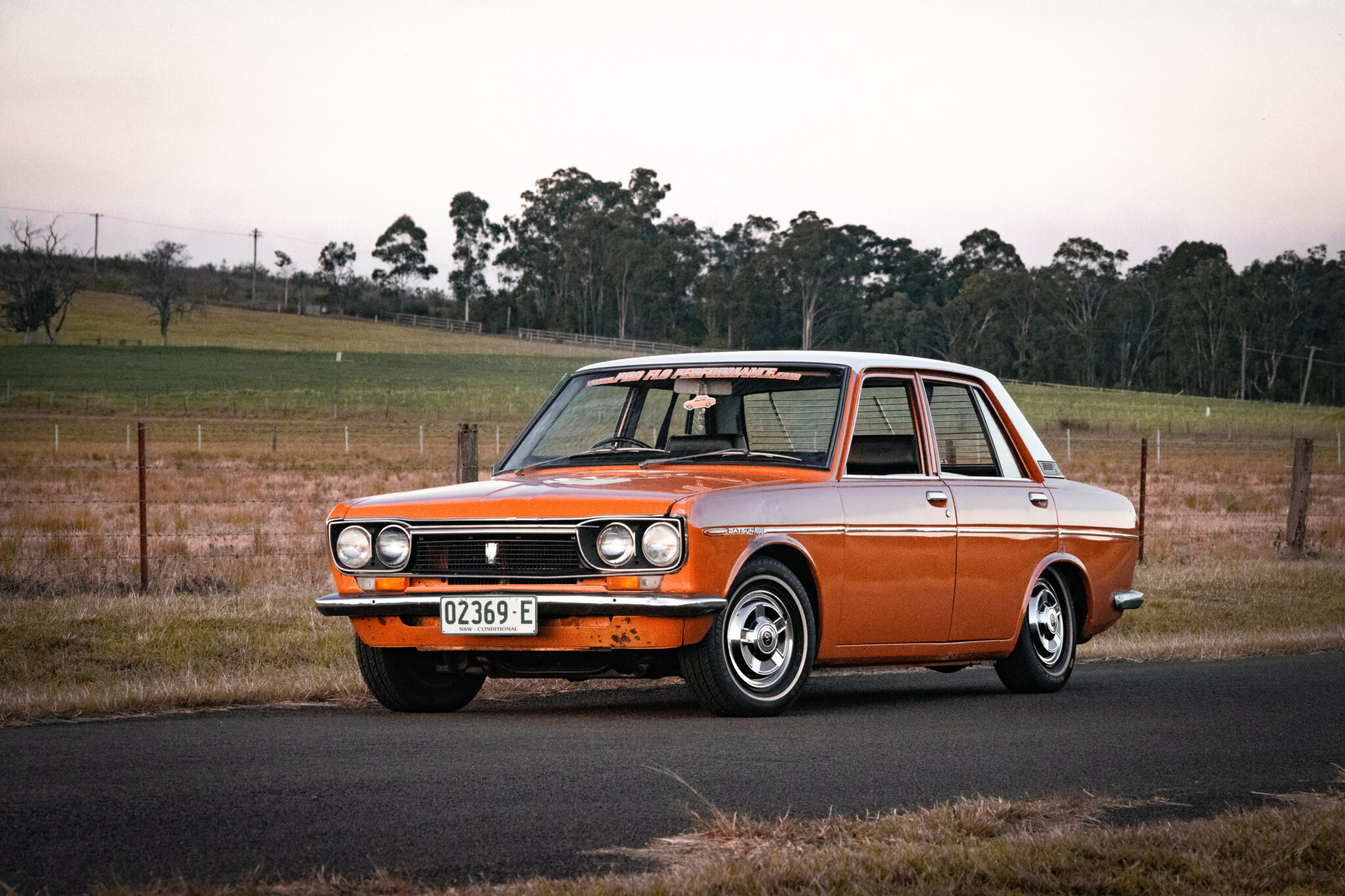
7. Datsun 1600/2000 Roadster (1967–1969)
The Datsun roadsters from the late 1960s marked Japan’s entry into the affordable sports car market, offering reliability, style, and performance at a price that undercut European competitors.
These small, two-seat convertibles featured a clean design and straightforward mechanics, making them appealing to enthusiasts looking for a budget-friendly classic sports car. Many collectors appreciate the Datsun for its reliability, which contrasts with the often temperamental European alternatives of the same era.
The engine options in these Datsun roadsters provided a lively driving experience without excessive complexity. Early models featured a 1.6-liter engine, while the later 2000 included a larger 2.0-liter engine capable of delivering spirited performance on highways or winding roads. Combined with the car’s lightweight chassis, the roadster offered nimble handling and responsive feedback, making it ideal for both casual drives and more enthusiastic motoring.
These cars are still relatively easy to find, especially in North America, due to their popularity when first imported and the strong collector interest in Japanese classics today.
Their simplicity and durable engineering have allowed many examples to survive, and the relative abundance keeps prices manageable. The Datsun roadsters provide an accessible entry point into classic sports cars without demanding excessive investment.
Parts availability is excellent for both routine maintenance and full restoration projects. Enthusiast networks, forums, and specialist suppliers have ensured that replacement engines, body panels, and interior components remain obtainable. Collectors benefit from the combination of community knowledge and plentiful resources, which reduces the challenges often associated with restoring older vehicles.
Owning a Datsun roadster provides the joy of open-air motoring combined with reliability and practicality. Its modest size, simple mechanicals, and balanced performance create a classic driving experience reminiscent of European sports cars, but with fewer headaches and a lower price tag. This combination makes the Datsun a standout option for anyone seeking a 1960s classic that is both affordable and enjoyable.
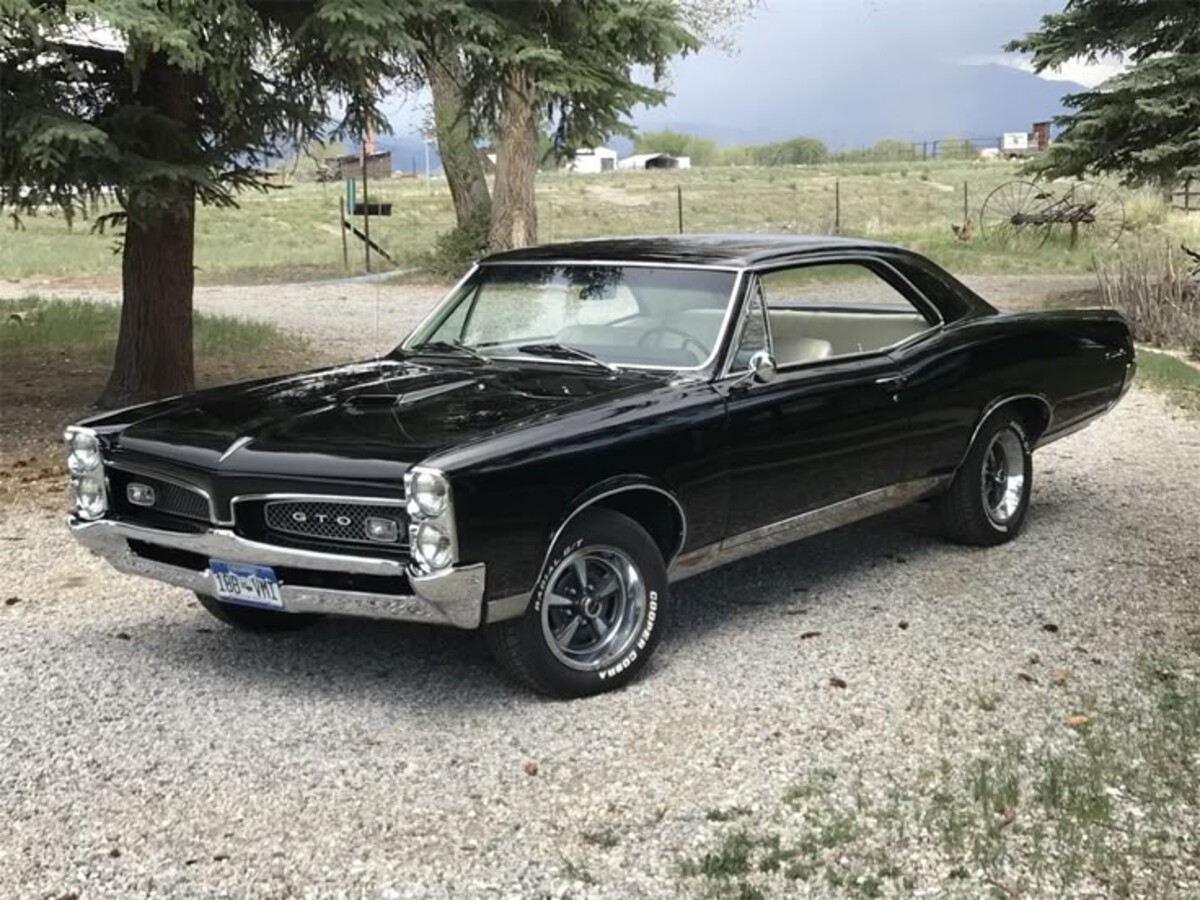
8. Pontiac GTO (1964–1967)
The Pontiac GTO is widely regarded as one of the first true American muscle cars, combining aggressive styling, powerful engines, and relatively affordable pricing during the 1960s. Its bold lines, dual headlights, and distinctive grille set it apart on the road, while its V8 engines offered exhilarating acceleration.
The GTO’s impact on American automotive culture remains significant, making it a sought-after classic that is surprisingly accessible for many collectors today.
Engine choices ranged from moderate six-cylinders in earlier models to high-performance V8s that defined the muscle car era. Buyers could select configurations suited for cruising or more spirited driving, giving the car versatility without compromising its iconic appearance. Even standard V8 models offered strong performance, which helped cement the GTO’s reputation for speed and style.
The availability of early GTOs contributes to their affordability. While pristine, rare versions may command premium prices, many examples in good condition can still be found at reasonable costs. The production numbers during the 1960s were substantial, and enthusiasts continue to maintain, restore, and trade these cars, ensuring a steady supply for collectors interested in joining the muscle car community.
Parts support for the GTO is robust, with aftermarket suppliers providing everything from mechanical components to body panels and interior trim. This extensive support network simplifies restoration and maintenance, making it feasible for enthusiasts to preserve or enhance their vehicles. Car clubs and online communities also offer guidance, further supporting ownership.
Driving a Pontiac GTO evokes the raw energy and excitement of the 1960s muscle car era. Its powerful V8 engines, responsive handling, and classic styling create a driving experience that is both thrilling and nostalgic. Collectors appreciate the GTO not only for its performance but also for its cultural significance, making it a highly desirable yet attainable classic car.
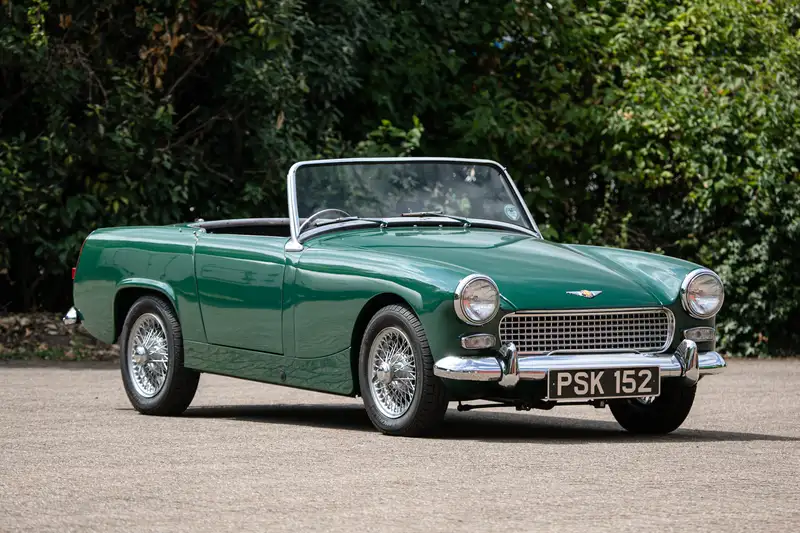
9. Austin-Healey Sprite (1961–1969)
The Austin-Healey Sprite, often referred to as the “Frogeye” or “Bugeye” due to its unique headlight design, is a charming British roadster from the 1960s. Its small size, lightweight construction, and open-top design made it highly enjoyable to drive, while the affordability and simplicity of its engineering have kept it accessible to collectors.
The Sprite remains a beloved example of British motoring, offering classic style and spirited performance in a manageable package.
The Sprite was equipped with a modest inline-four engine, which provided adequate power for a fun, agile driving experience. Its light weight and nimble handling allowed drivers to enjoy responsive cornering and precise control, qualities that continue to attract enthusiasts today.
While it was never a high-performance vehicle, the Sprite’s balance and driving feel made it a favorite among young drivers and sports car fans of the era.
Production numbers and surviving examples contribute to the Sprite’s accessibility. Many units remain on the road or in restoration, allowing buyers to find cars in varying conditions depending on budget. Its simplicity and British mechanical design make repairs and restoration achievable without extensive expertise, which further enhances its appeal to first-time classic car collectors.
Parts support for the Austin-Healey Sprite is strong, with specialist suppliers offering replacement mechanical components, body panels, and trim pieces. Enthusiast clubs and online forums provide advice and community support, ensuring that even those new to classic car ownership can maintain or restore a Sprite successfully. This extensive network makes the car an approachable and enjoyable classic.
Owning an Austin-Healey Sprite delivers both style and driving enjoyment. Its distinctive appearance, compact size, and responsive handling create a unique motoring experience that captures the essence of 1960s British sports cars. Collectors are drawn to its charm, affordability, and historical significance, making it a rewarding choice for anyone seeking a classic roadster that is both fun and practical.
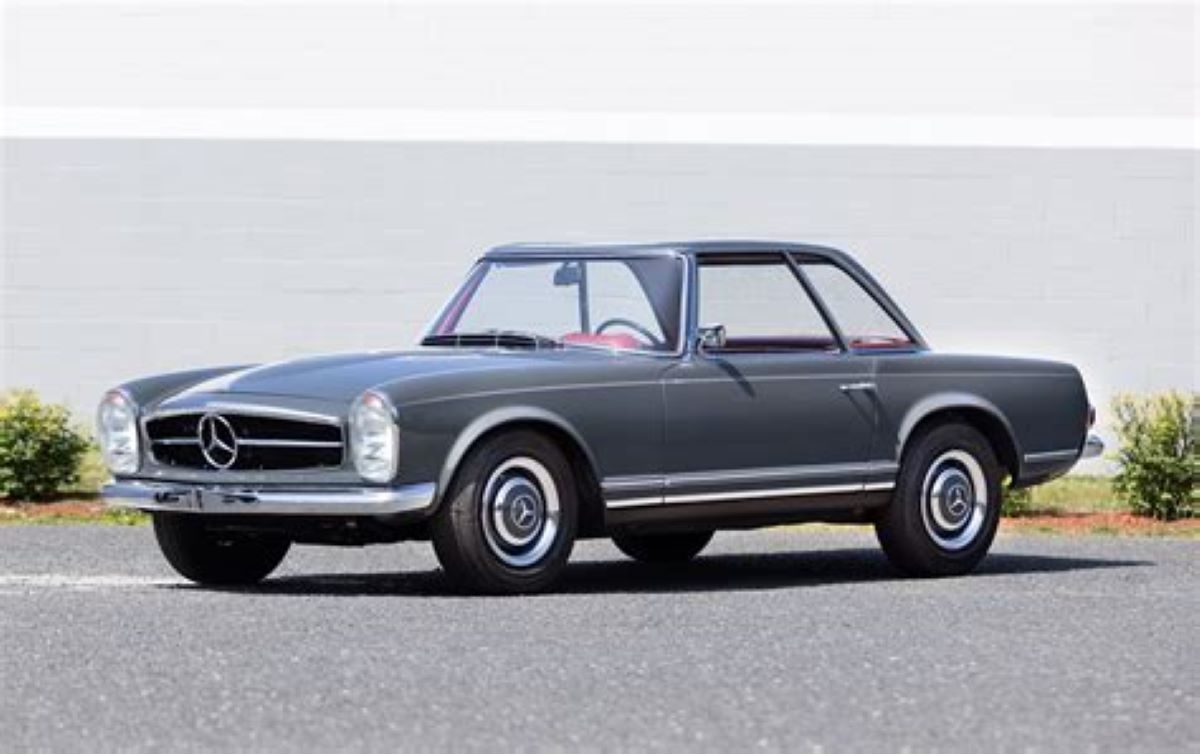
10. Mercedes-Benz 230SL “Pagoda” (1963–1967)
The Mercedes-Benz 230SL, often nicknamed the “Pagoda” for its slightly concave roofline, is a classic European sports car with a timeless design. Its combination of elegance, engineering quality, and performance makes it highly desirable, yet early models still offer attainable pricing compared to rarer vintage European cars. The 230SL blends luxury with drivability, giving collectors a taste of high-end motoring without extreme financial commitment.
Under the hood, the 230SL featured a reliable inline-six engine, which delivered smooth, consistent performance for spirited driving or long-distance cruising.
The mechanical systems were designed with longevity in mind, and the car’s engineering excellence has allowed many examples to survive in good condition. Its combination of refined power and lightweight construction created a balanced driving experience appreciated by enthusiasts of all levels.
The 230SL was produced in sufficient numbers that well-maintained examples remain accessible to collectors. While mint-condition or fully restored cars may command higher prices, many vehicles are available in restorable condition for those willing to invest effort and care. Its iconic styling and distinctive roofline ensure that it stands out even among other classic cars from the 1960s.
Parts availability is relatively strong, with specialist suppliers offering mechanical components, trim, and body panels. Mercedes-Benz enthusiast networks provide extensive support for restoration, maintenance, and sourcing original or reproduction parts. This infrastructure makes owning a 230SL feasible, even for first-time collectors who desire a classic European car experience.
Driving the Mercedes-Benz 230SL provides an unmatched combination of elegance, comfort, and mechanical precision. Its responsive handling, smooth engine, and refined styling make it a rewarding vehicle for both everyday enjoyment and special occasions.
Collectors are attracted by its historical significance, driving pleasure, and the prestige associated with owning a classic Mercedes, making the 230SL a standout final entry in a list of affordable 1960s classics.
