
Driving on icy roads requires not just skill but a vehicle that can respond quickly and safely to changing conditions. Vehicles with advanced stability control systems offer drivers a higher level of confidence and protection, especially when traction is limited.
These systems use a combination of sensors, brakes, and engine management to prevent skidding and maintain control. They can detect when a wheel is slipping and adjust power or brake pressure to stabilize the vehicle. In ice-prone regions, this technology can make the difference between maintaining control and sliding into a hazardous situation.
Modern stability control systems integrate with anti-lock braking systems and traction control, creating a comprehensive approach to handling slippery surfaces. Automakers have increasingly prioritized these features, often designing them to work seamlessly with all-wheel drive and other drivetrain technologies.
Some systems are tuned for sporty handling, while others focus on predictable and safe performance. Each vehicle may use different algorithms and hardware setups, but the goal is the same: to reduce the risk of losing control on low-friction surfaces.
In addition to the electronic systems, the design of the vehicle itself can influence how it behaves on ice. Weight distribution, suspension geometry, and tire compatibility all play a role in how effective the stability control system will be.
A balanced chassis allows the system to make more precise corrections without causing oversteer or understeer. Tires optimized for winter conditions further enhance the system’s ability to keep the vehicle planted, giving drivers more confidence when accelerating, braking, or cornering.
For drivers living in regions with frequent snow and ice, selecting a vehicle with a strong stability control system is a proactive safety choice. These vehicles not only help prevent accidents but can also reduce stress and fatigue during challenging winter commutes.
While no system can replace careful driving, the best stability control systems provide a noticeable improvement in safety margins. Manufacturers have invested heavily in sensors, software, and integration with other vehicle systems to create cars that are more forgiving when conditions turn hazardous.
This article highlights ten vehicles renowned for their stability control systems and winter performance. Each model is selected based on its ability to maintain traction, respond to skidding, and assist drivers in maintaining control on ice. By considering these vehicles, buyers can prioritize safety and confidence in adverse weather.
From luxury SUVs to dependable crossovers and sporty sedans, these models demonstrate how advanced technology can enhance winter driving. Understanding the features and performance of each vehicle will help prospective buyers make informed choices for icy conditions.
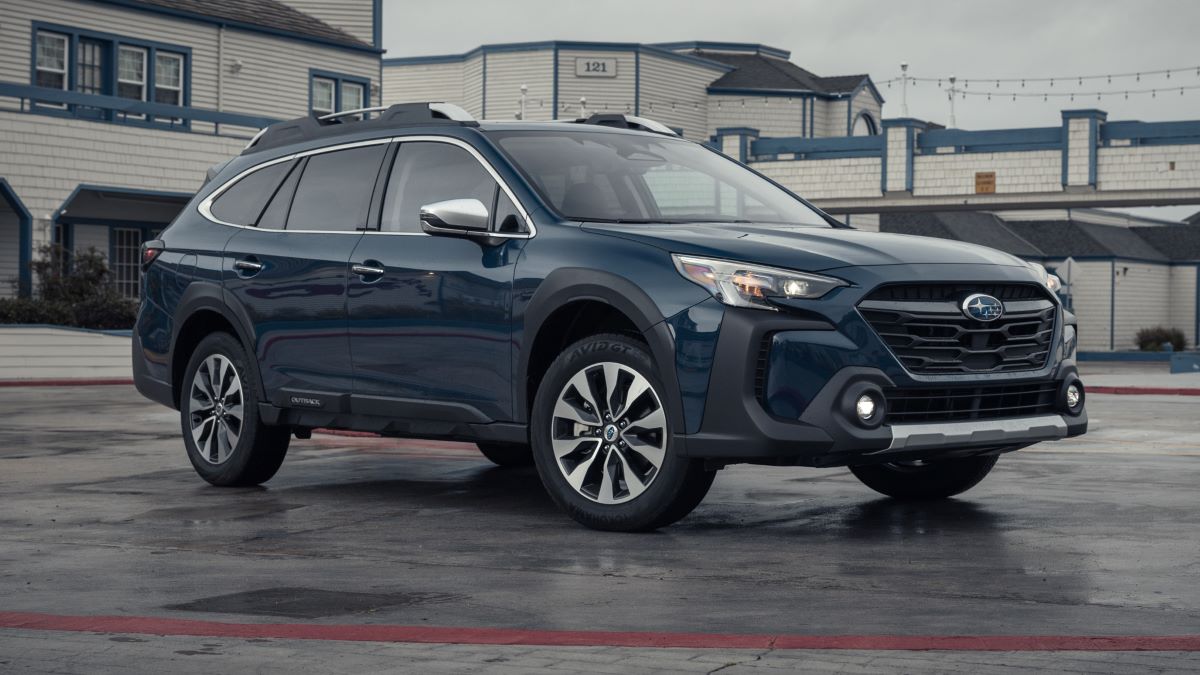
1. Subaru Outback
The Subaru Outback is widely recognized for its combination of all-wheel drive and advanced stability control systems. Its Symmetrical All-Wheel Drive provides constant power to all wheels, improving traction on slippery surfaces. The vehicle’s EyeSight system also works in tandem with stability control to monitor road conditions and assist the driver when needed.
The Outback’s vehicle dynamics control system actively adjusts braking pressure to prevent wheel slip. During icy conditions, the system can reduce engine output to maintain stability without compromising momentum.
Drivers often notice smoother handling and fewer unexpected slides when accelerating or turning. The Outback’s stability control is particularly effective on gradual curves and uphill surfaces, where maintaining grip is essential.
Subaru engineers have tuned the suspension and chassis to complement the stability control system. This balance allows the car to react predictably when sensors detect traction loss. The Outback also benefits from higher ground clearance compared to most sedans, giving additional stability when encountering snow-covered patches or uneven ice.
Winter tires further enhance the vehicle’s capabilities, but even on all-season tires, the Outback remains one of the most reliable options for icy roads. The combination of electronic intervention and mechanical design ensures the driver feels in command at all times. Many safety experts recommend the Outback for families and commuters in northern climates where ice is a frequent hazard.
The Outback’s stability control system integrates smoothly with other safety features like traction control, hill descent assist, and anti-lock braking. Together, these systems allow drivers to maintain control in situations where less-equipped vehicles might slide or fishtail. This comprehensive approach makes it a standout choice for drivers who prioritize confidence on ice.
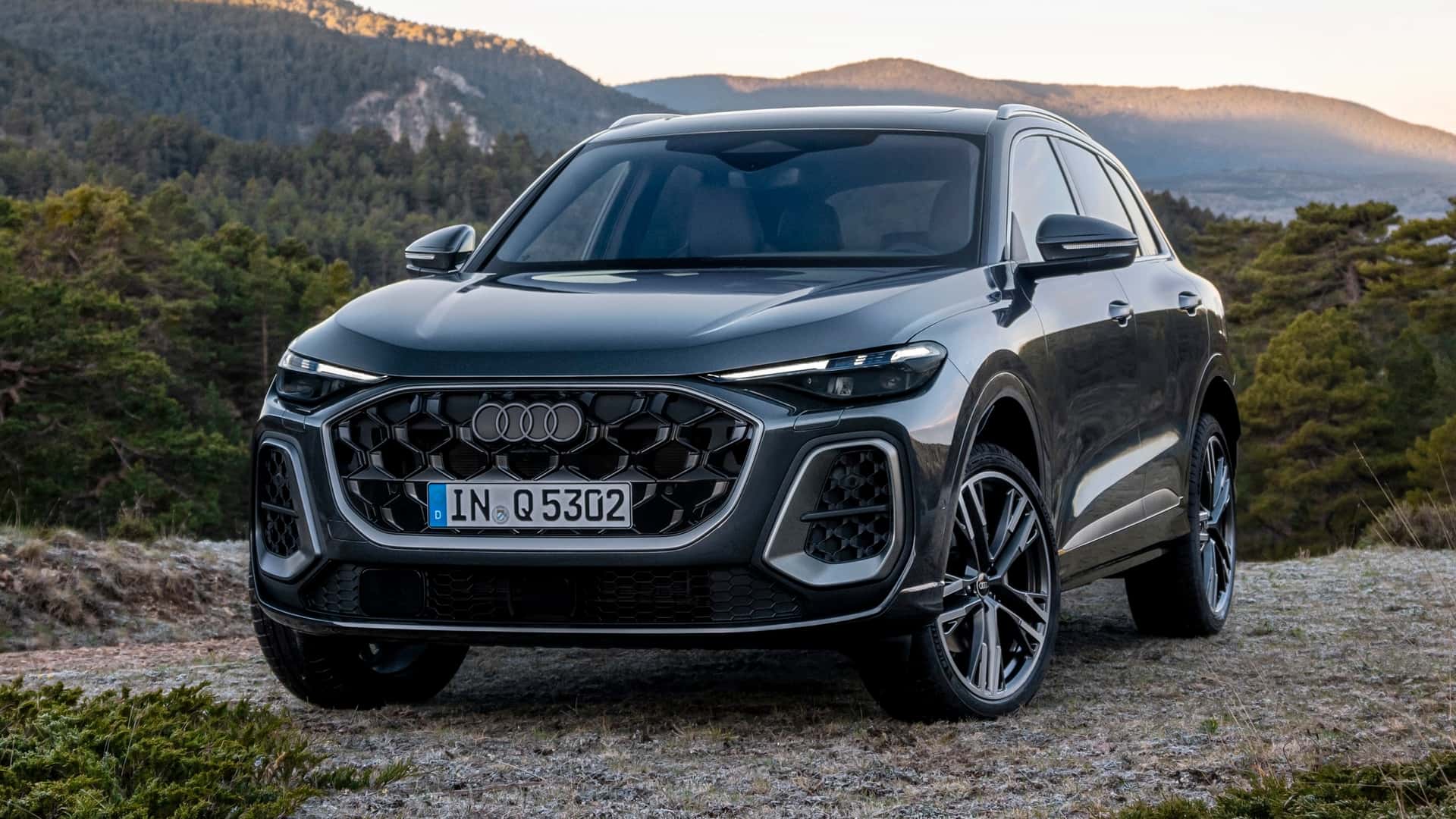
2. Audi Q5
The Audi Q5 pairs its quattro all-wheel-drive system with a highly responsive electronic stability program. This combination ensures that torque is distributed intelligently to prevent wheel spin, even on slippery surfaces. Drivers often report that the Q5 maintains composure when navigating icy curves and steep inclines.
The Q5’s electronic stability control monitors individual wheel speeds and steering angles, automatically adjusting brakes to correct understeer or oversteer. The system is designed to be subtle, allowing the driver to feel in control without abrupt interruptions. It reacts to sudden changes in road conditions, such as hidden ice patches, with minimal delay.
Suspension tuning contributes to the vehicle’s balanced handling. The Q5 features adaptive dampers that soften or stiffen according to road conditions. This feature works in conjunction with the stability control system, allowing the SUV to maintain traction while minimizing body roll. Passengers experience a stable ride without sacrificing responsiveness.
Winter performance is further enhanced by Audi’s hill descent control and traction assist. These technologies allow the vehicle to start on icy inclines and prevent slipping when stopping. Many Q5 drivers in snowy regions note the system’s reliability during both city commuting and long highway drives.
The Q5’s stability control system also interacts with electronic braking and engine management. By moderating power delivery and adjusting brake force to each wheel, it provides a coordinated approach to handling ice. Audi’s integration of hardware and software ensures the Q5 remains one of the safest options for drivers navigating winter conditions.
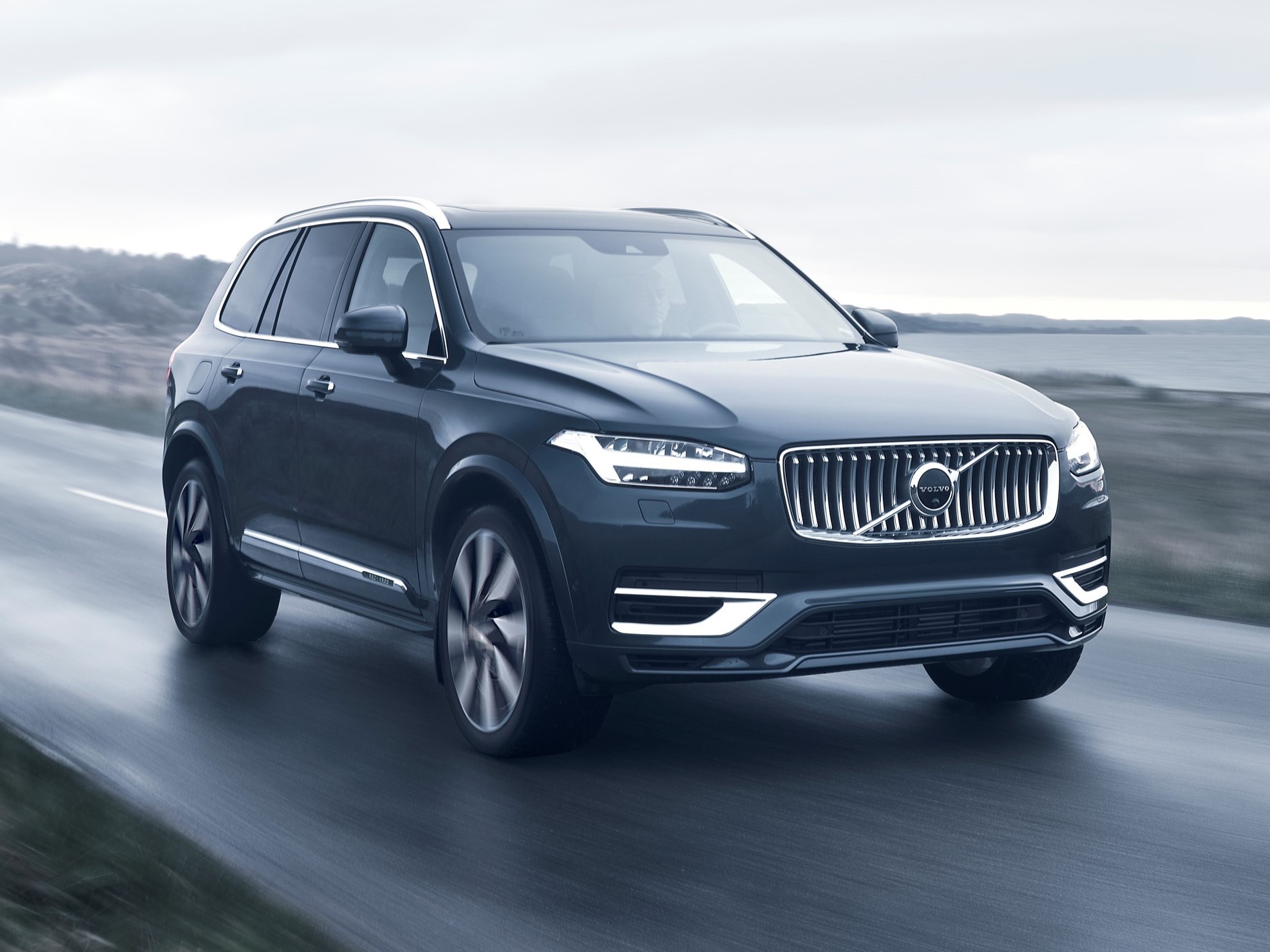
3. Volvo XC90
Volvo’s XC90 is known for its commitment to safety, and the stability control system is no exception. Equipped with all-wheel drive and a suite of electronic aids, it helps drivers maintain control on ice. The system works continuously to monitor traction, braking, and steering inputs.
The XC90 uses electronic stability control to prevent skids before they occur. If the system senses a wheel losing grip, it modulates brake pressure and engine output to correct the vehicle’s path. This proactive approach reduces the likelihood of sudden slips or uncontrolled slides. Drivers report confidence even in challenging winter conditions.
Volvo pairs its stability control with a carefully tuned suspension that promotes balance. The SUV maintains a level stance on slippery surfaces, reducing the chance of oversteer or fishtailing. Combined with wide winter tires, the XC90 can navigate icy roads safely while maintaining comfort for passengers.
Traction control and hill start assist complement the stability system, especially on uphill starts in snowy environments. The vehicle’s sensors continually adjust to changing conditions, ensuring power is delivered where it is needed most. Volvo’s attention to detail makes the XC90 a reliable choice for icy roads.
Additionally, the XC90 integrates safety features like collision mitigation and lane assist with stability control. This coordination allows the vehicle to respond automatically if the driver overcorrects or encounters unexpected patches of ice. The system’s responsiveness and refinement make it one of the most trusted SUVs for winter driving.
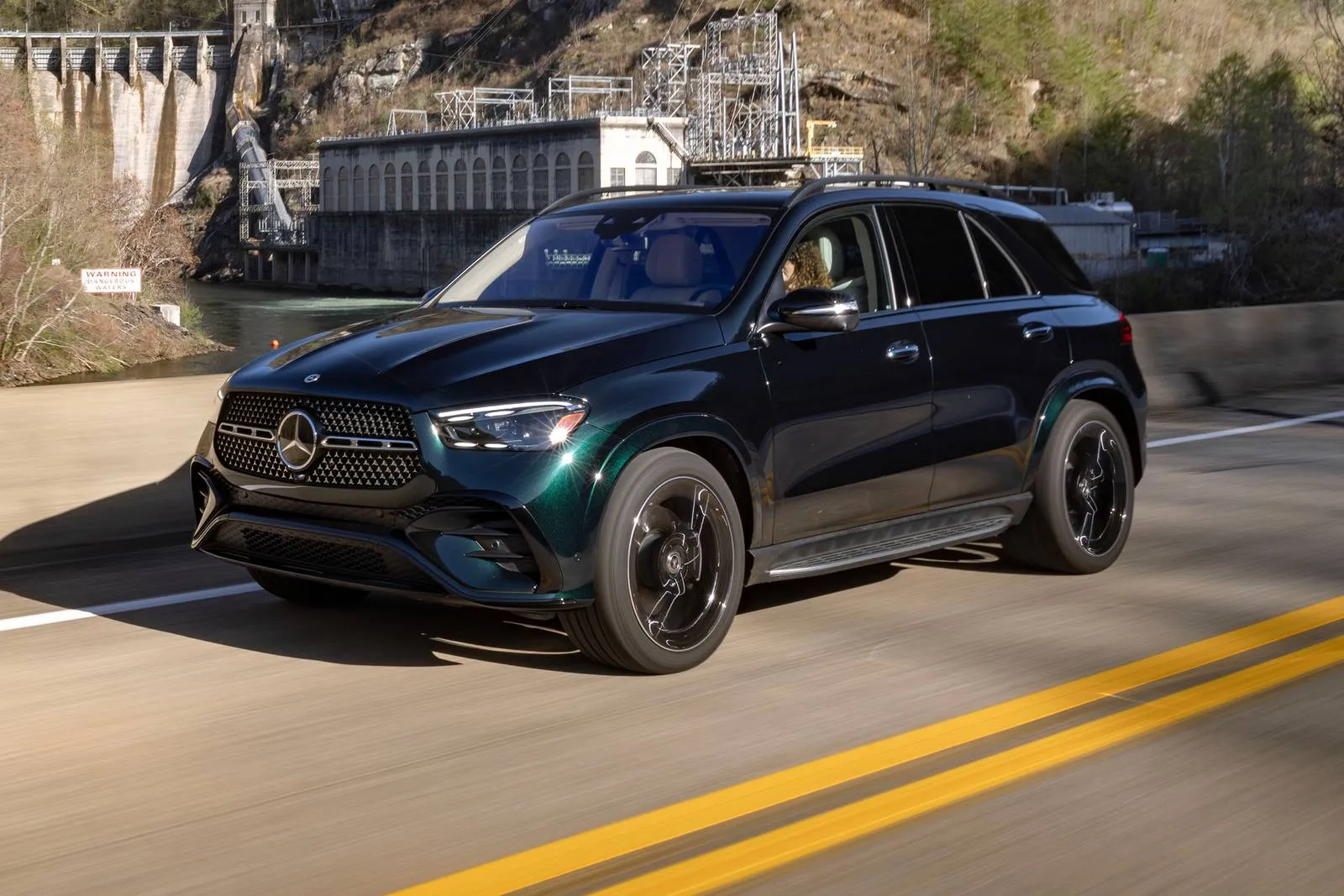
4. Mercedes-Benz GLE
The Mercedes-Benz GLE combines 4MATIC all-wheel drive with advanced stability control software to offer exceptional traction. The SUV continuously monitors wheel slip and vehicle dynamics, adjusting braking and engine torque as needed to maintain control.
Its electronic stability program reacts to both subtle and severe traction loss. During cornering on icy roads, the system applies targeted braking to individual wheels to maintain the desired trajectory. Drivers experience smoother handling without harsh interruptions.
The GLE’s adaptive suspension enhances stability by adjusting stiffness according to road conditions. This allows the SUV to remain composed over uneven or slippery surfaces. The combination of mechanical and electronic systems ensures precise control in winter environments.
Additional aids, such as hill start assist and trailer stability assist, improve confidence when driving on ice or snow. The vehicle can detect subtle changes in traction, automatically redistributing power to maintain balance. Passengers enjoy a comfortable, stable ride even in challenging weather.
The integration of stability control with other safety systems makes the GLE one of the most reliable options for icy roads. Its intelligent software, combined with mechanical refinement, provides predictable responses to traction loss. Drivers can navigate slippery terrain with confidence and minimal effort.
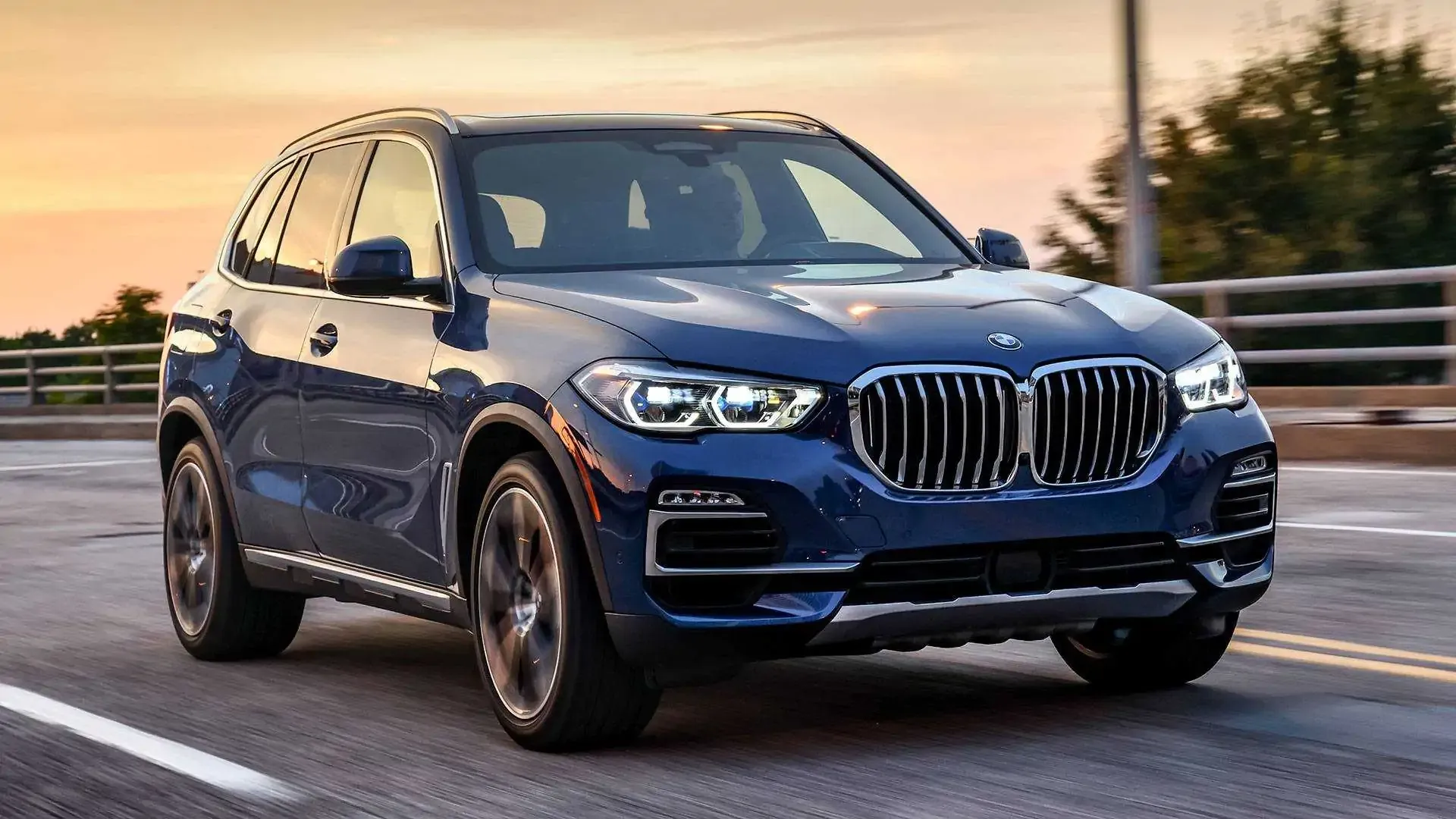
5. BMW X5
The BMW X5 combines xDrive all-wheel-drive technology with a highly sophisticated stability control system, creating one of the most capable SUVs for icy conditions. Its dynamic stability control constantly monitors wheel speed, steering angle, and lateral acceleration to detect potential slips.
When sensors identify even a minor loss of traction, the system intervenes by modulating brake pressure and redistributing engine torque. This proactive approach helps maintain vehicle direction even during sudden maneuvers on ice-covered roads.
Drivers appreciate the seamless integration between the X5’s stability control and its adaptive suspension system. The electronically controlled dampers adjust stiffness in real time, responding to road irregularities and varying traction.
This ensures that the tires maintain contact with the road surface, preventing the vehicle from skidding. On icy curves, the system can reduce understeer or oversteer tendencies, giving the driver predictable handling and confidence even at moderate speeds.
The X5 also includes features such as hill start assist and traction-enhancing modes that work in conjunction with the stability system. On steep inclines or slippery driveways, the vehicle prevents wheel spin during acceleration, making starts safer and more controlled.
The combination of electronic and mechanical systems allows the X5 to balance power delivery, suspension, and braking precisely. Winter tires further enhance performance, though the SUV performs admirably even with high-quality all-season tires in icy conditions.
Passenger safety is further enhanced by the X5’s integration of advanced driver assistance systems. Lane-keeping assist, collision warning, and automatic emergency braking complement the stability control system.
In icy situations, if the driver overcorrects or encounters hidden ice, the X5 can adjust braking and torque to maintain stability while mitigating potential hazards. This layered safety approach makes the X5 one of the most reliable choices for winter driving.
The combination of hardware and software engineering in the X5 reflects BMW’s commitment to both performance and safety. Stability control, when paired with xDrive and adaptive suspension, ensures that the SUV maintains composure on unpredictable ice patches. Drivers benefit from confident handling and precise response in slippery conditions, reinforcing the X5’s reputation as a capable winter vehicle.
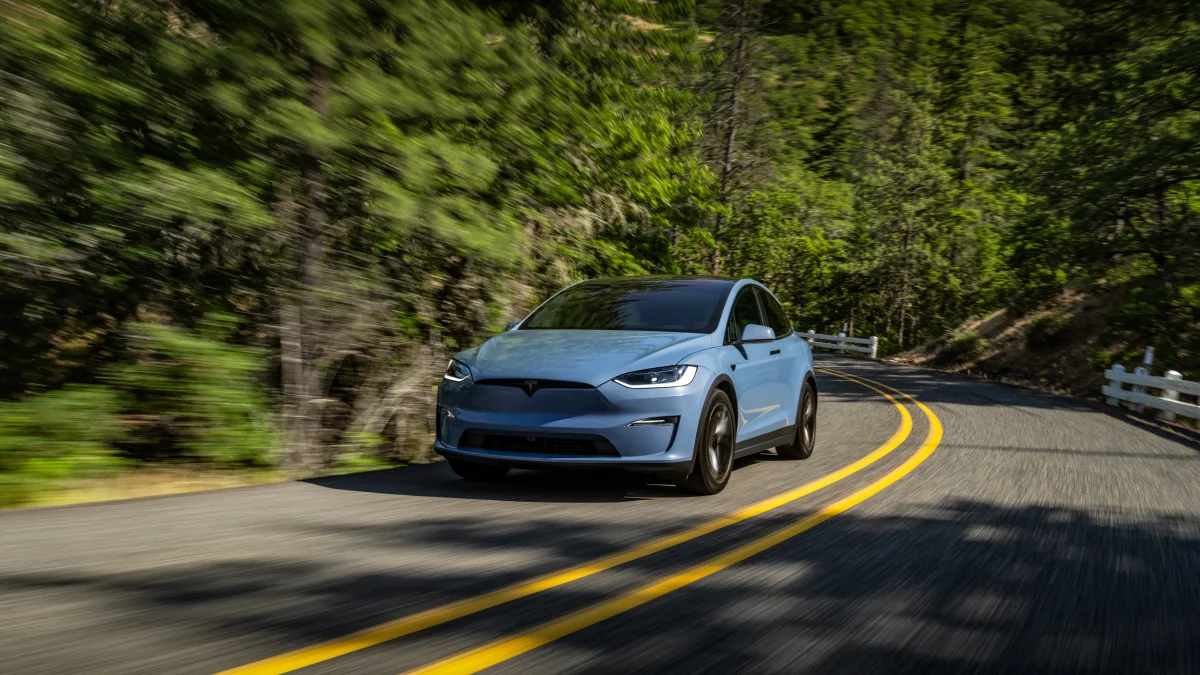
6. Tesla Model X
The Tesla Model X offers unique stability control capabilities thanks to its electric powertrain and advanced electronic systems. Unlike traditional vehicles, the Model X can modulate torque to individual wheels almost instantaneously.
Its traction control and electronic stability system work with the all-wheel-drive motors to prevent slippage and maintain optimal traction on icy surfaces. The electric motors’ rapid response provides highly precise control over wheel torque, which is especially useful when accelerating or cornering on ice.
The Model X also benefits from its low center of gravity, thanks to the battery pack located under the floor. This reduces body roll and enhances stability during turns, making it easier for the electronic system to correct potential slides.
The combination of low weight distribution and stability control allows the vehicle to feel planted, even in sudden changes of road friction caused by ice or snow. Drivers often report that the system’s interventions feel natural and non-intrusive.
In addition to standard stability features, the Model X includes various drive modes that influence traction control behavior. Snow and winter modes adjust torque distribution between the front and rear motors, enhancing grip and providing smoother starts in icy conditions. The regenerative braking system also works with stability control, allowing controlled deceleration without locking the wheels. This helps maintain traction while descending slippery slopes or stopping suddenly.
Tesla’s advanced software also enables real-time monitoring and updates for its stability systems. The Model X can receive over-the-air adjustments to optimize traction and control as technology improves.
This ongoing improvement ensures that drivers benefit from the latest enhancements in stability control. When combined with optional winter tires, the Model X becomes a highly capable electric vehicle for challenging icy roads.
Passenger and driver confidence is further strengthened by Tesla’s integrated safety suite. Automatic emergency braking, collision warning, and lane-keeping assist all function in conjunction with the stability control system. On icy roads, these systems provide a coordinated approach to maintaining vehicle stability, preventing skids, and reducing the risk of accidents. This integration makes the Model X a standout choice among electric vehicles for winter driving conditions.
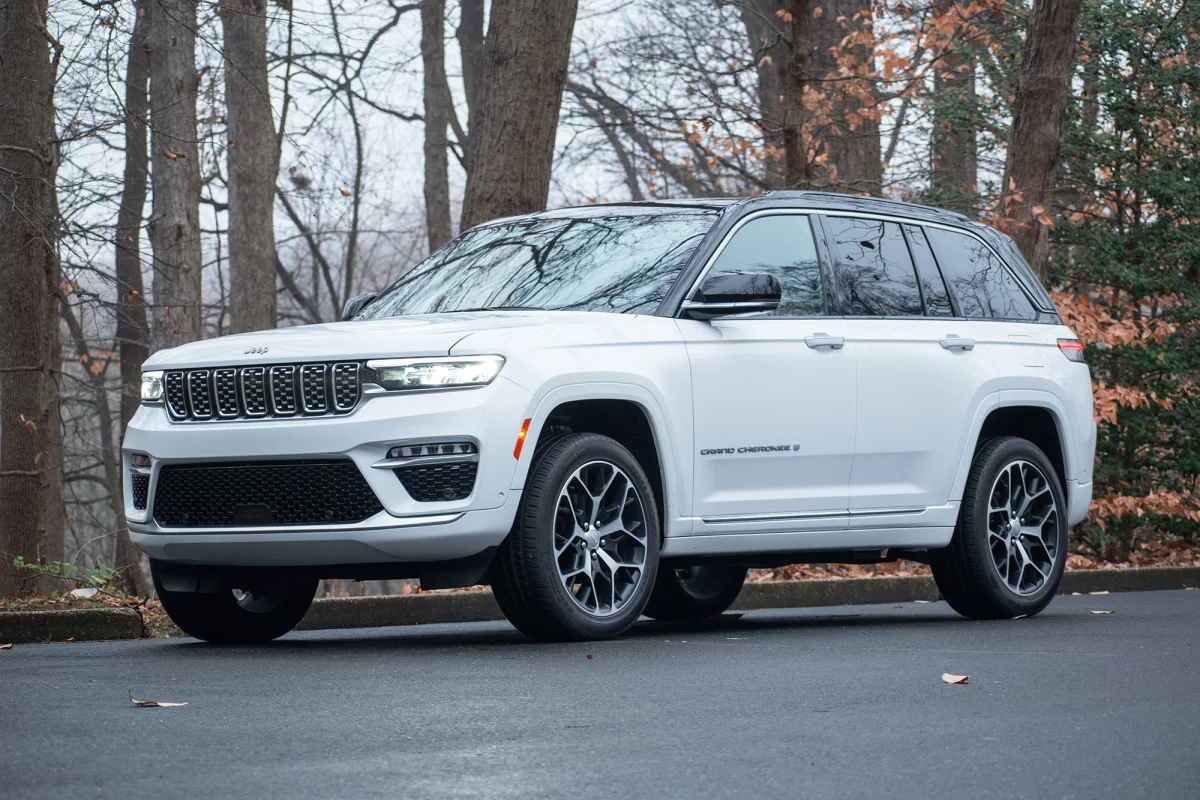
7. Jeep Grand Cherokee
The Jeep Grand Cherokee has long been recognized for its off-road capabilities, and its stability control system contributes significantly to performance on icy roads. The Quadra-Trac and Quadra-Drive all-wheel-drive systems continuously monitor wheel traction, adjusting torque to prevent slips. When combined with electronic stability control, the SUV remains stable during acceleration, cornering, or sudden directional changes on ice-covered surfaces.
The Grand Cherokee’s adaptive suspension allows for real-time adjustments to damping, which enhances stability on uneven icy terrain. By keeping the vehicle level and minimizing body roll, the suspension complements the electronic systems to prevent loss of control. Drivers experience a balanced ride that maintains tire contact, which is critical for safe winter driving.
In addition, the vehicle includes features such as hill start assist and hill descent control. These systems work in harmony with the stability control to manage traction during uphill starts or controlled descents on icy inclines.
Brake force distribution to individual wheels helps reduce the risk of sliding, while the torque control prevents excessive wheel spin. These systems provide drivers with confidence in a variety of icy driving scenarios.
Passenger safety is enhanced through the integration of advanced airbags and driver-assistance technologies with the stability system. If the vehicle senses abrupt maneuvers on ice, it coordinates braking and torque adjustments to maintain trajectory. This reduces the likelihood of skidding and helps mitigate potential collisions, particularly in emergency situations.
The Grand Cherokee’s combination of electronic aids, mechanical design, and driver-assist features makes it one of the most capable SUVs for ice conditions. Its stability control system is finely tuned to maintain traction and control, whether on city roads or remote icy trails. Drivers can rely on the vehicle’s predictable handling, giving peace of mind in winter driving environments.
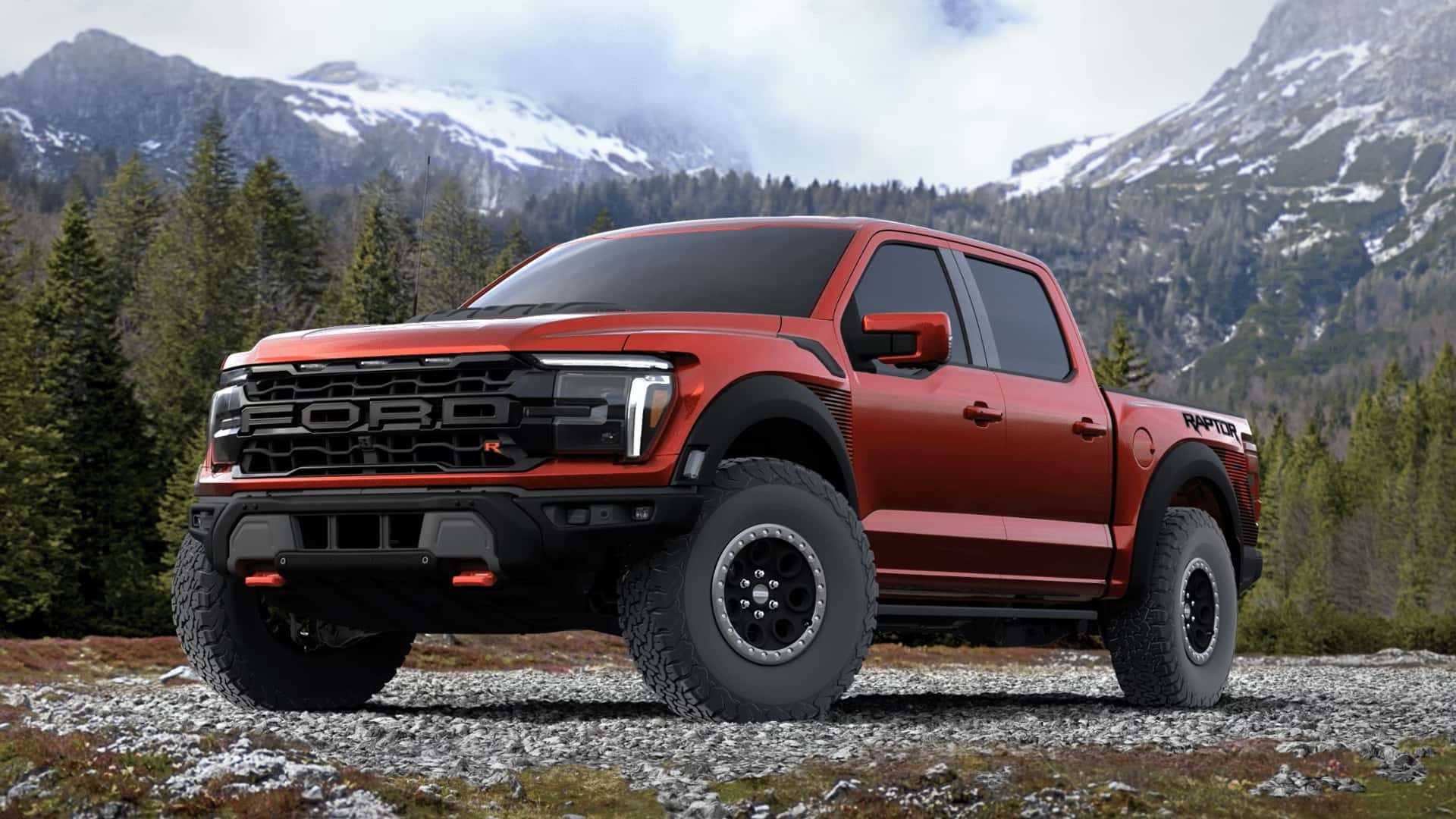
8. Ford F-150
The Ford F-150, equipped with 4×4 drivetrain and advanced electronic stability control, excels in maintaining traction on ice. The system monitors wheel speed, steering input, and vehicle dynamics, adjusting braking and engine power when a wheel loses grip. This prevents the truck from sliding during starts, turns, or sudden stops on icy roads. Drivers find the system highly responsive, offering predictable control in challenging winter conditions.
The F-150 also benefits from a rugged suspension and weight distribution designed for stability. The combination of high-strength frame and electronic stability interventions reduces body roll and enhances control. On icy curves or uneven surfaces, the truck maintains tire contact, allowing the system to correct potential slides efficiently. This ensures both driver confidence and passenger comfort.
Features like hill start assist, trailer sway control, and selectable drive modes improve traction on slippery inclines or when towing. These systems work with the stability control to provide coordinated braking and torque adjustments, ensuring the F-150 remains manageable even in extreme winter conditions. Drivers notice a significant difference compared with vehicles lacking such integrated systems.
Winter tires further enhance performance, but even standard all-season tires perform well when paired with the F-150’s stability controls. The truck’s size and weight distribution provide additional momentum and stability, helping prevent skids during acceleration. Electronic systems react instantly to any loss of traction, making ice-covered roads more manageable.
Ford integrates the stability system with driver-assist technologies, including automatic emergency braking and lane-keeping assistance. This allows the truck to maintain control while assisting the driver in potentially hazardous situations. The F-150’s combination of electronic precision and mechanical strength makes it a highly capable choice for icy road conditions.
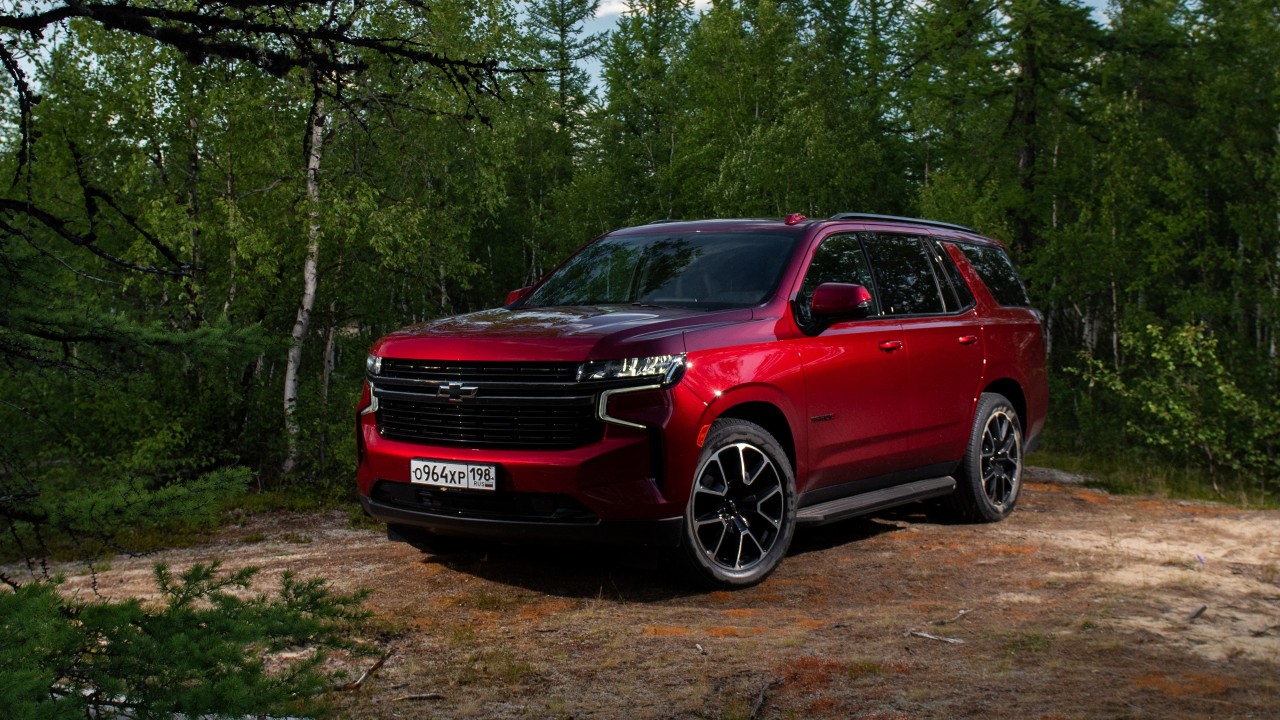
9. Chevrolet Tahoe
The Chevrolet Tahoe combines full-time four-wheel drive with electronic stability control to provide confident handling on icy roads. The system monitors wheel speed, lateral movement, and steering input, automatically adjusting brakes and engine output to prevent sliding. This proactive approach keeps the large SUV stable during acceleration, cornering, or sudden directional changes.
The Tahoe’s suspension and chassis design enhance stability, ensuring that weight is distributed evenly during winter maneuvers. The vehicle’s higher mass can be an advantage, as it helps maintain momentum, while the stability system prevents oversteer or fishtailing. On icy roads, the SUV remains predictable and responsive, giving drivers confidence in difficult conditions.
In addition to stability control, features like hill start assist, traction control, and brake assist work together to manage icy terrain. The system coordinates torque and brake application to individual wheels, improving grip and reducing the likelihood of skidding. These systems make starts and stops smoother and safer, particularly on slippery inclines or driveways.
The Tahoe’s electronic aids also integrate with driver assistance systems, such as collision alert and lane departure warnings. If a driver overcorrects on ice, the stability control works with these systems to maintain a safe trajectory. This layered approach ensures both occupant safety and vehicle control in winter conditions.
Winter tires or premium all-season tires further enhance the SUV’s capabilities. When combined with the Tahoe’s electronic and mechanical systems, the vehicle offers one of the most dependable stability experiences in its class. Drivers can confidently navigate snowy highways, icy city streets, or rural roads.
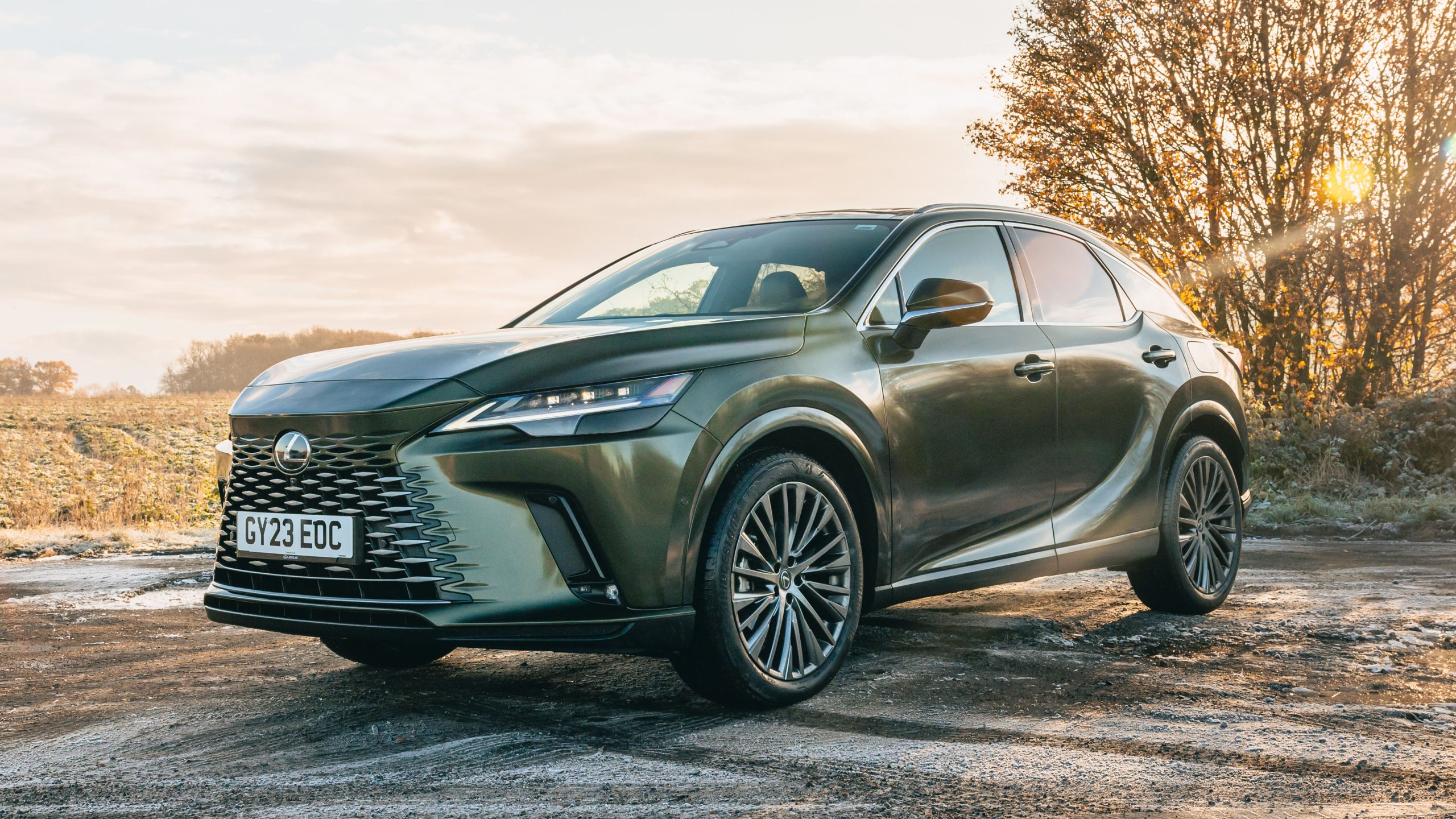
10. Lexus RX
The Lexus RX offers a combination of all-wheel drive and advanced vehicle stability control, making it an excellent choice for icy conditions. Its traction control system constantly monitors wheel slip, adjusting brake pressure and engine output to maintain grip. This ensures that the luxury SUV remains stable during acceleration, cornering, or emergency maneuvers on ice-covered roads.
The RX’s suspension is tuned for both comfort and control, with electronic damping adjusting to changes in road surface. This allows the stability system to operate more effectively, keeping tires in contact with the road. On icy surfaces, the vehicle maintains predictable handling, which improves driver confidence.
Hill start assist, downhill assist control, and multiple driving modes work with the stability system to manage traction in winter conditions. When starting on inclines or descending slippery slopes, the RX maintains composure, allowing drivers to focus on steering. The combination of electronic and mechanical features ensures smooth operation.
The vehicle’s stability system is integrated with advanced safety features, such as pre-collision warning and adaptive cruise control. In icy conditions, these systems complement stability control to prevent skids and help maintain safe distances. Drivers experience a coordinated response that enhances safety.
Lexus engineers designed the RX to provide a reliable and predictable winter driving experience. Its combination of electronic stability aids, mechanical balance, and luxury features makes it suitable for both urban commutes and long highway trips. Ice-covered roads are handled with confidence, offering drivers peace of mind and stability.
