
The 1990s marked a golden period for Japanese automotive engineering, particularly when it came to performance sedans that could combine practicality with thrilling speed. Japanese Domestic Market (JDM) sedans from this era were not only reliable daily drivers but also offered engines capable of reaching extraordinarily high revolutions per minute, something that enthusiasts cherished deeply.
Unlike many European or American counterparts, which emphasized raw torque and weighty power delivery, these JDM sedans specialized in rev-happy engines that encouraged driving at high RPMs, rewarding skilled drivers with exhilarating performance.
This era produced machines that were finely balanced between everyday usability and track-capable excitement, creating a lasting legacy in automotive circles worldwide. The appeal of these sedans stemmed not just from speed, but also from precision engineering, lightweight chassis, and advanced suspension setups, which allowed them to carve corners with confidence while maintaining composure at high speeds.
Many of these vehicles featured engines that were naturally aspirated or turbocharged, designed for longevity even under spirited driving conditions, making them desirable for enthusiasts seeking an engaging driving experience without sacrificing reliability.
Beyond performance, the styling of these sedans reflected the 1990s sensibilities, with sharp lines, subtle aerodynamic features, and a functional, driver-focused interior. The blend of aesthetics and performance created vehicles that remain iconic decades later.
Enthusiasts around the globe still admire this era for producing sedans that could outperform heavier sports cars while retaining practicality for daily life. Each model on this list embodies a unique combination of engineering excellence, performance potential, and cultural significance, highlighting why the 1990s JDM era remains celebrated among car enthusiasts.
The following ten sedans represent some of the highest revving, most exciting machines of their time, offering a glimpse into an era where Japanese automakers pushed the boundaries of engine technology and driving enjoyment.
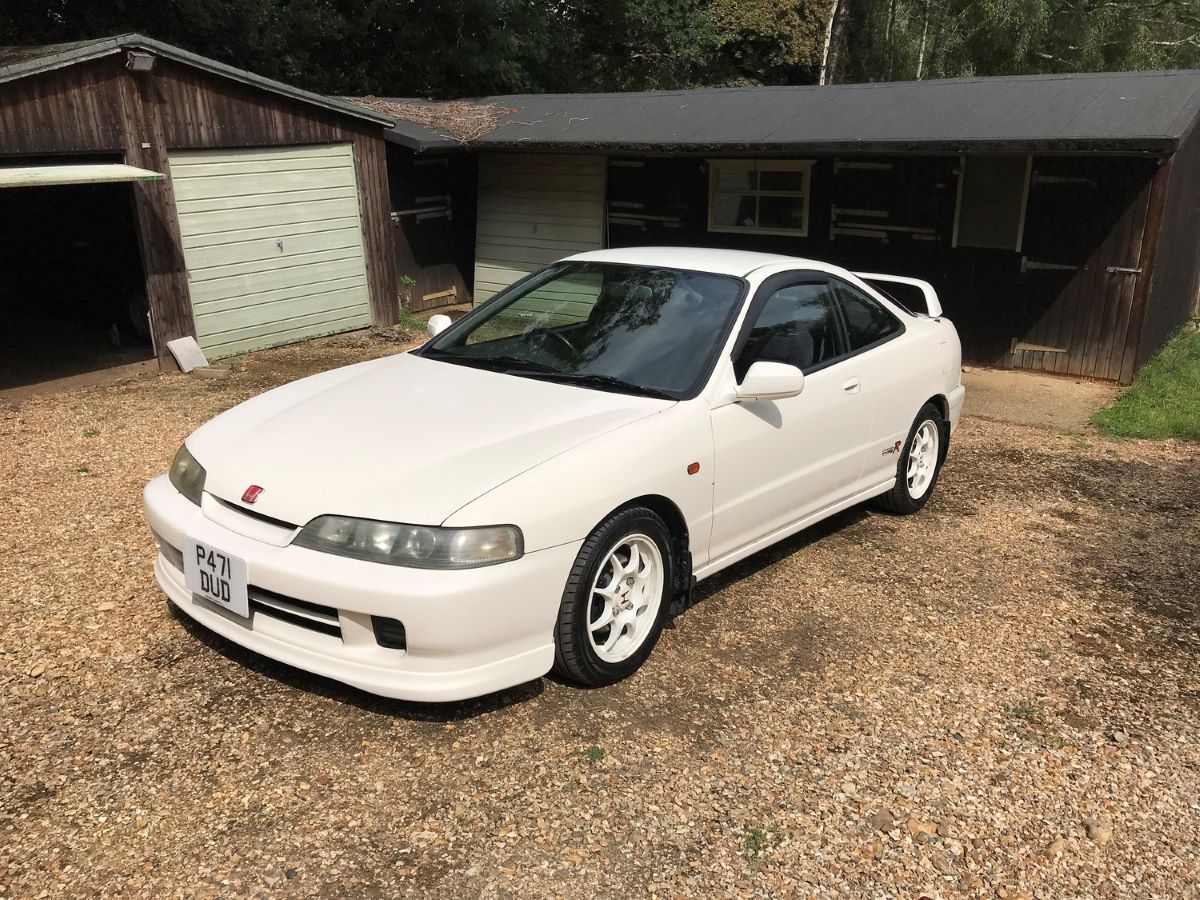
1. Honda Integra Type R (DC2)
The Honda Integra Type R (DC2) was a benchmark for high-revving naturally aspirated engines. Its B18C engine produced around 197 horsepower, which may seem modest today, but the real excitement came from its ability to rev to 8,200 RPM without hesitation.
The engine’s VTEC system allowed for a dramatic change in cam profile, providing a surge of power at high RPMs that made it a thrill to drive on winding roads. Lightweight construction and precise suspension tuning allowed the Type R to maintain composure through corners while delivering an incredibly direct steering feel.
Its limited-slip differential added confidence during aggressive driving, ensuring that the car remained planted even when the driver pushed it to its limits. The interior, though minimalist, emphasized driver focus, with bolstered seats and a clear gauge cluster that made high-speed driving more intuitive and responsive.
The Type R’s chassis was stiffened significantly compared to the standard Integra, reducing body roll and improving feedback. Its braking system was upgraded with larger discs and performance pads, ensuring that stopping power matched the car’s lively performance.
The gearbox was famously short and precise, allowing for rapid shifts that complemented the high-revving engine perfectly. Enthusiasts often praised the combination of lightweight agility and responsive power, which made the DC2 a favorite on track days.
Under the hood, the B18C engine was revered for its mechanical simplicity and reliability, encouraging aftermarket tuning for those seeking even higher output. The engine’s redline at 8,200 RPM rewarded drivers who kept the revs high, offering a linear and engaging power curve.
Honda’s commitment to reducing weight in every area of the car meant that performance felt instantaneous, even without forced induction. Many enthusiasts still consider this model the gold standard for naturally aspirated, high-revving sedans of the JDM era.
The combination of precise steering, rev-happy engine, and balanced chassis created a vehicle that was equally at home on the street or the racetrack. Each component was designed with performance in mind, making the Integra Type R a holistic package rather than just an engine with wheels. Its enduring appeal is a testament to the quality of Honda’s engineering philosophy during the 1990s.
The exterior styling of the DC2 emphasized function over flash, with subtle aerodynamic enhancements that improved stability at speed. Its lightweight alloy wheels and low-profile tires improved responsiveness and handling precision. The car’s compact dimensions allowed it to feel agile in tight corners while maintaining stability on highways.
Inside, ergonomics were carefully considered, with every control positioned to minimize distraction during spirited driving. The Type R remained a halo car for Honda, inspiring a generation of enthusiasts to prioritize rev-happy performance and precision handling. Its influence extended beyond Japan, as many imported models found their way into international enthusiast communities, cementing its status as a legendary JDM sedan.
Ownership of the Integra Type R also meant being part of a passionate community that valued mechanical purity and driver skill. The car’s reputation for reliability allowed owners to enjoy aggressive driving without fear of catastrophic failure.
Performance upgrades were widely available, ranging from intake and exhaust modifications to suspension tuning, further enhancing the driving experience. Collectors and enthusiasts alike continue to prize the DC2 for its balanced combination of speed, handling, and engagement.
Even decades later, it remains a reference point for what a high-revving sedan can achieve when engineered with focus and precision. The car’s enduring popularity highlights the timeless appeal of high-revving engines and lightweight, driver-focused chassis.
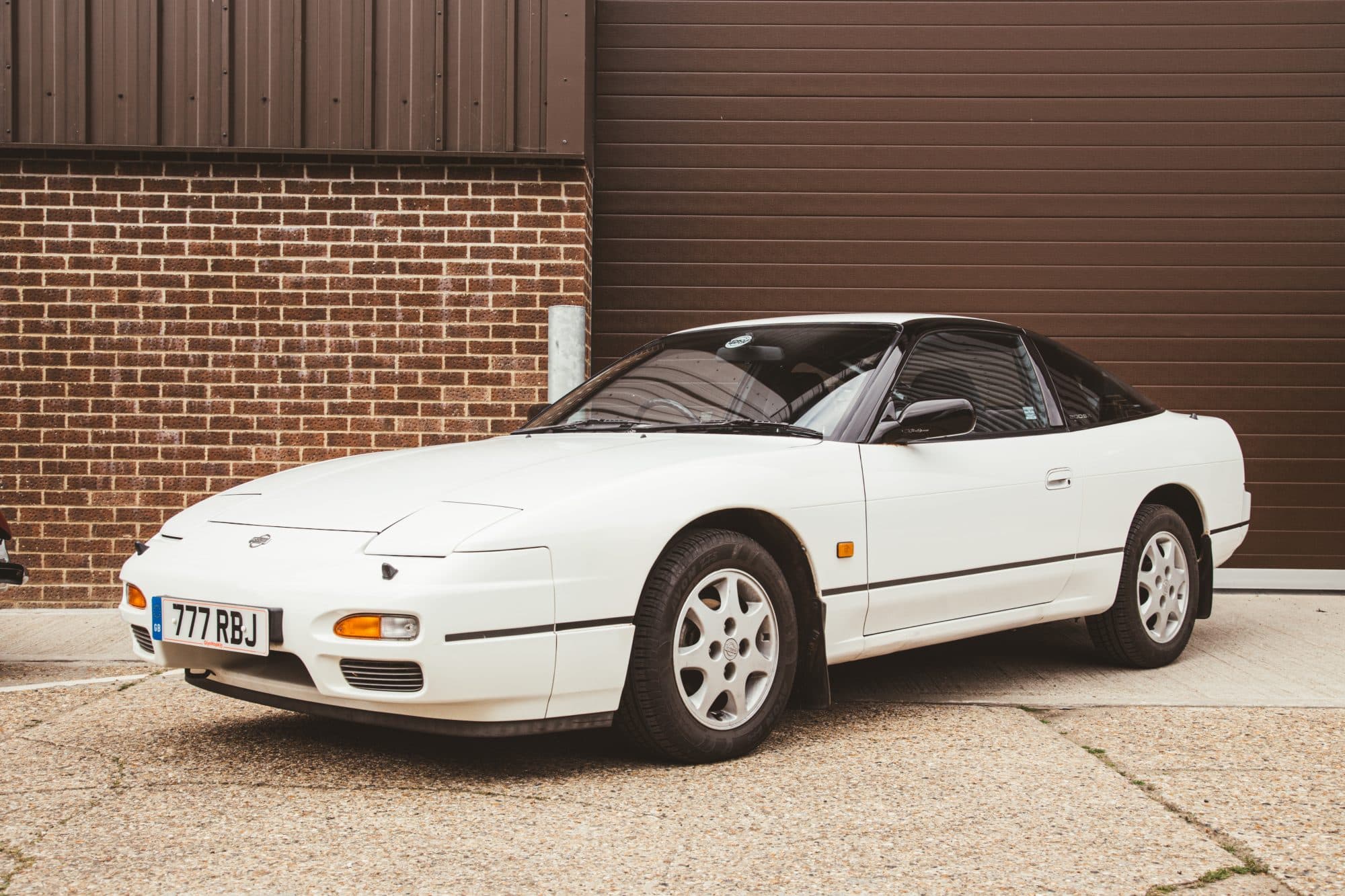
2. Nissan Primera 200SX (SR20DET)
The Nissan Primera 200SX became a favorite among JDM enthusiasts for its turbocharged SR20DET engine, which was capable of reaching high revs while producing strong mid-range power. Unlike many sedans of the era, the 200SX offered a balanced mix of comfort and performance, making it a versatile choice for spirited driving or daily use.
Its lightweight chassis contributed to sharp handling and quick responses in corners, while the turbocharged engine provided a punchy acceleration that could compete with heavier sports sedans. The car’s manual transmission offered precise gear changes, allowing drivers to keep the engine in its optimal powerband and enjoy the turbo’s characteristic whine as it spooled.
Interior features were simple yet functional, emphasizing control and driver focus over luxury, which reflected Nissan’s commitment to performance over unnecessary frills.
The SR20DET engine was widely praised for its reliability and tuning potential, becoming a popular choice for enthusiasts who wanted high-revving turbo performance. With careful maintenance, the engine could exceed its factory output, allowing for higher boost levels without compromising longevity.
Suspension tuning was designed to balance comfort with performance, providing a firm yet compliant ride that absorbed road imperfections while maintaining stability through corners. Braking performance was adequate for spirited driving, and many owners upgraded components to match the car’s increased power levels.
The Primera 200SX stood out as a high-revving turbo sedan that could be enjoyed daily or on the track, offering a rare combination of usability and excitement.
On the road, the 200SX rewarded drivers who explored the upper end of the rev range, with a responsive throttle and minimal turbo lag. Its lightweight design meant that the engine felt energetic even at moderate speeds, and its turbocharger spooled quickly, creating an engaging driving experience.
The car’s chassis allowed for precise cornering, with predictable handling characteristics that built driver confidence. Steering feedback was direct and communicative, making it feel connected to the road. The combination of high-revving engine and balanced suspension made it a popular choice for enthusiasts seeking a sedan that offered more than just straight-line speed.
Nissan engineers focused on durability, ensuring the SR20DET engine could endure high RPMs without excessive wear. This made it suitable for track use, where sustained high revs are common, and it gave owners confidence that their investment could handle aggressive driving.
The turbo system was complemented by an intercooler and efficient intake setup, ensuring that the engine could breathe freely at high speeds. The Primera’s drivetrain layout, combined with rear-wheel-drive characteristics, allowed skilled drivers to explore advanced driving techniques like throttle control in corners. These features contributed to its reputation as a versatile and rev-happy sedan.
The 200SX also gained popularity due to its potential for customization, both visually and mechanically. Enthusiasts often added performance exhausts, turbo upgrades, and suspension kits, enhancing the car’s already impressive capabilities. Its understated styling allowed it to blend in on city streets while concealing its track-oriented performance.
Despite being a practical four-door sedan, it captured the spirit of Japanese performance engineering, emphasizing agility, rev-happy engines, and a rewarding driving experience. Today, the Primera 200SX remains a beloved choice among collectors and tuners who appreciate the high-revving turbocharged era of 1990s JDM sedans.
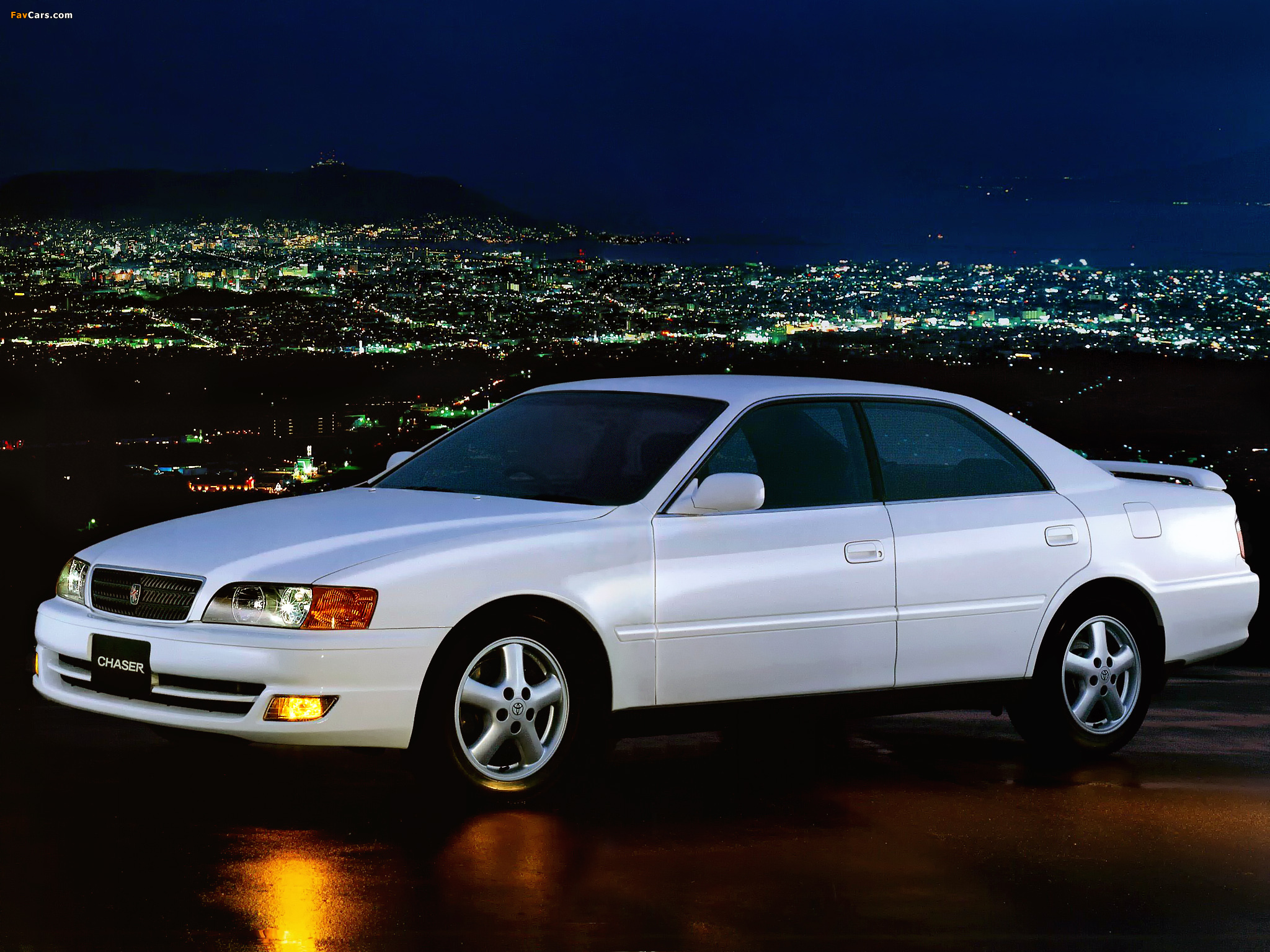
3. Toyota Chaser Tourer V (JZX100)
The Toyota Chaser Tourer V, particularly the JZX100 model, became iconic for its smooth 1JZ-GTE turbocharged engine, capable of spinning to very high RPMs while delivering exceptional mid-to-high range power. Unlike sports coupes, this sedan combined a large, comfortable body with serious performance potential, making it suitable for both daily driving and spirited runs.
Performance in the Chaser Tourer V was not just about raw horsepower; its handling capabilities were equally impressive. The car’s chassis had been stiffened, with reinforced suspension points, ensuring predictable body movement under acceleration or cornering.
Steering feedback was precise for a sedan of its size, allowing confident navigation through winding roads. The brakes were capable, providing consistent stopping power even during prolonged spirited sessions.
Enthusiasts praised the balance between engine responsiveness and chassis dynamics, which offered an engaging experience without sacrificing comfort or practicality. This balance contributed to the Chaser’s reputation as a high-revving, competent sedan that could excel in multiple driving environments.
Toyota’s attention to detail extended to the suspension and chassis design, providing a sedan capable of handling tight corners while maintaining composure at high speeds. Front and rear suspension setups were optimized for stability and predictability, allowing drivers to push the car without fear of sudden instability.
Weight distribution and low center of gravity contributed to a connected, planted feel, further enhancing driver confidence. Steering was light yet communicative, giving immediate feedback and making the car responsive to subtle inputs. This combination made the Chaser a favorite in enthusiast communities, especially among those seeking a high-revving sedan capable of handling spirited driving or track use.
The Chaser Tourer V’s reputation grew due to its strong aftermarket support, offering options for turbo upgrades, suspension enhancements, and performance tuning. Its understated appearance allowed it to be a sleeper car, hiding impressive power under a standard sedan body.
Reliability, ease of maintenance, and performance potential combined to make it an enduring icon of the 1990s JDM era. Today, the JZX100 Chaser remains a symbol of high-revving engineering, showcasing Toyota’s ability to combine practicality with thrilling performance in a large, comfortable package.
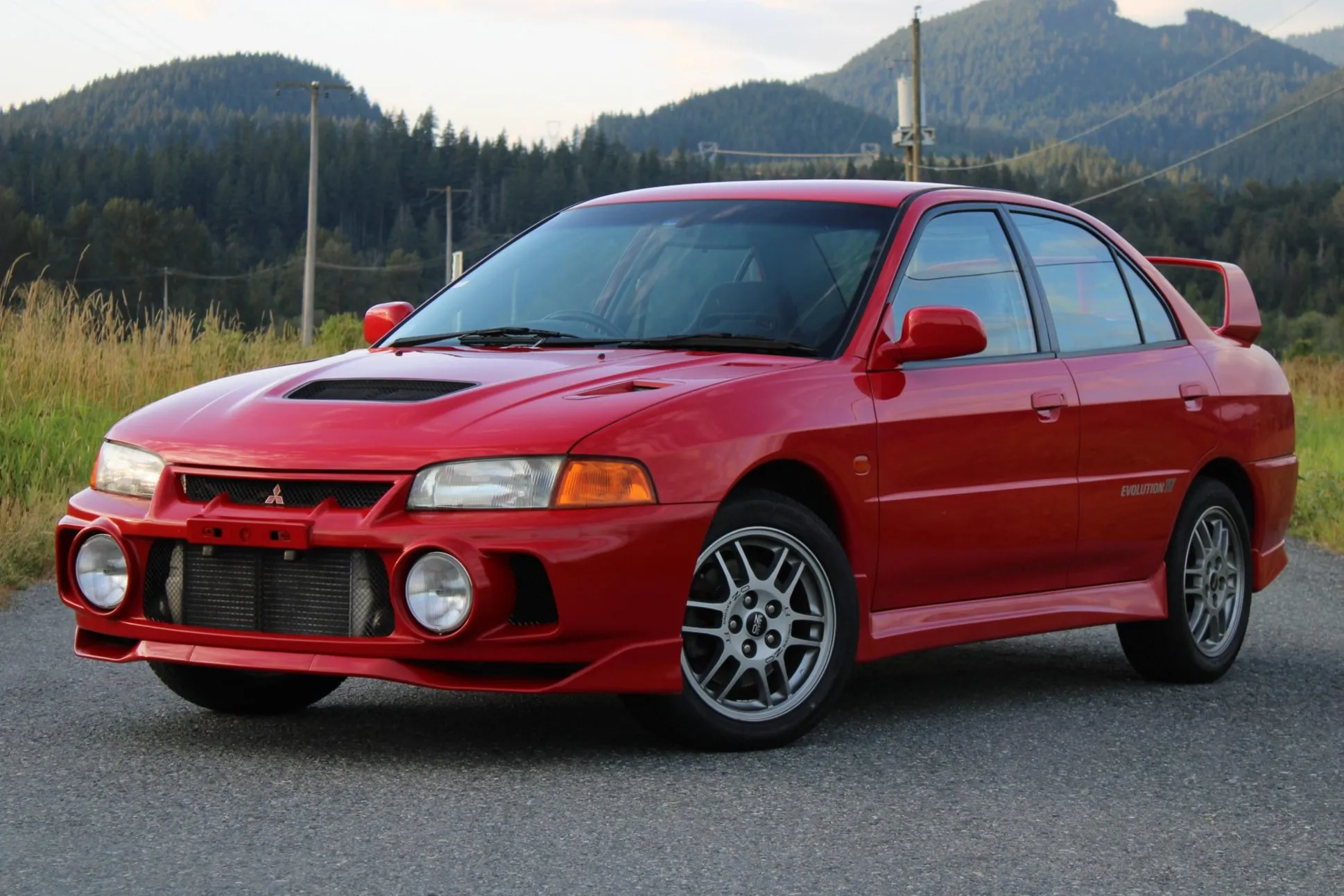
4. Mitsubishi Lancer Evolution IV (CP9A)
The Mitsubishi Lancer Evolution IV established itself as a legend for high-revving performance with its turbocharged 4G63T engine, delivering power with exceptional responsiveness. Unlike typical sedans, the Evo IV combined rally-inspired handling with a stiff, compact chassis that made it agile in corners and composed at high speeds.
Its all-wheel-drive system offered tremendous traction, allowing the engine to exploit its high RPM potential without excessive wheel spin. Suspension tuning emphasized both control and comfort, absorbing road irregularities while maintaining sharp handling characteristics. The interior, although practical, focused on driver engagement, featuring supportive seats and a layout that prioritized essential driving inputs.
The 4G63T engine was revered for its durability and adaptability, capable of handling high boost levels and sustained high RPM operation. Its turbocharger spooled quickly, giving an immediate response that complemented the precise manual transmission.
Gear ratios were carefully chosen to keep the engine within the optimal powerband, rewarding drivers who maintained higher revs. The chassis rigidity and all-wheel-drive system ensured that power delivery translated into confident acceleration and cornering.
Braking performance matched the car’s energetic personality, with ventilated discs and strong pedal feel ensuring reliable stopping in spirited driving conditions. Enthusiasts admired the Evo IV for providing track-capable performance in a sedan form factor, bridging the gap between street usability and racing prowess.
Handling dynamics were a core strength of the Lancer Evolution IV, as its suspension and drivetrain worked together to create predictable, responsive behavior. The front MacPherson strut and rear multi-link suspension provided both stability and agility, making the car capable of high-speed maneuvering without losing composure.
Cooling and oil systems were optimized to maintain performance during aggressive sessions, ensuring reliability was never compromised. This balance of power and durability contributed to the Evo IV’s legendary status, as owners could consistently push the car without fear of mechanical failure. Its ability to sustain high revs without strain made it a favorite for track enthusiasts and street tuners alike.
The Lancer Evolution IV’s combination of performance, handling, and durability made it a standout in the 1990s JDM sedan scene. Its understated styling concealed immense capability, making it a sleeper favorite for those who understood its engineering potential.
The car’s strong aftermarket support further enhanced its appeal, with options for turbo upgrades, suspension modifications, and drivetrain improvements readily available. Today, the Evo IV remains celebrated among collectors and driving enthusiasts for its high-revving engine, all-wheel-drive prowess, and precise handling, representing the pinnacle of Japanese performance engineering in a practical sedan package.

5. Subaru Legacy GT-B (BC/BH)
The Subaru Legacy GT-B distinguished itself with its turbocharged EJ20 engine, producing high-revving performance within a practical, four-door sedan. Its horizontally opposed layout allowed for a low center of gravity, contributing to stable handling and predictable behavior in corners.
All-wheel-drive traction complemented the turbocharged power, ensuring that acceleration was smooth and controllable even when pushing the engine near redline. Suspension tuning balanced comfort with precision, providing a firm yet compliant ride suitable for spirited driving. Inside, the cabin focused on driver ergonomics, with easily readable gauges and supportive seating that encouraged engagement behind the wheel.
The EJ20 engine in the Legacy GT-B was capable of sustaining high RPMs, making the car thrilling to drive on twisty roads or during track sessions. Turbo response was sharp, allowing drivers to exploit power across a wide rev range, while the manual transmission provided precise gear selection to match engine characteristics.
Suspension geometry allowed for controlled body movement, and steering feedback remained consistent under various driving loads. These characteristics contributed to the Legacy GT-B’s reputation as a balanced high-revving sedan that could be driven both comfortably in daily life and aggressively on winding roads.
Handling precision was a key advantage of the Legacy GT-B, with a low center of gravity minimizing body roll during cornering. The all-wheel-drive system distributed power efficiently, providing confidence-inspiring traction in both dry and wet conditions.
Drivers experienced direct connection to the road, with predictable responses to throttle, brake, and steering inputs. Its chassis and suspension setup allowed the car to maintain composure at high speeds while encouraging spirited cornering, which aligned perfectly with the high-revving nature of its turbocharged engine. This combination made the Legacy GT-B a favorite for enthusiasts seeking both performance and practicality in a sedan.
The Legacy GT-B also gained acclaim for its tuning potential, allowing enthusiasts to increase boost levels and enhance performance without compromising reliability. Its understated appearance belied its turbocharged capabilities, making it a practical yet potent option for JDM enthusiasts.
With a high-revving engine, balanced chassis, and all-wheel-drive traction, the Subaru Legacy GT-B continues to hold a respected place in the 1990s JDM high-performance sedan community. Its combination of power, control, and comfort remains influential in modern performance sedan design philosophies.
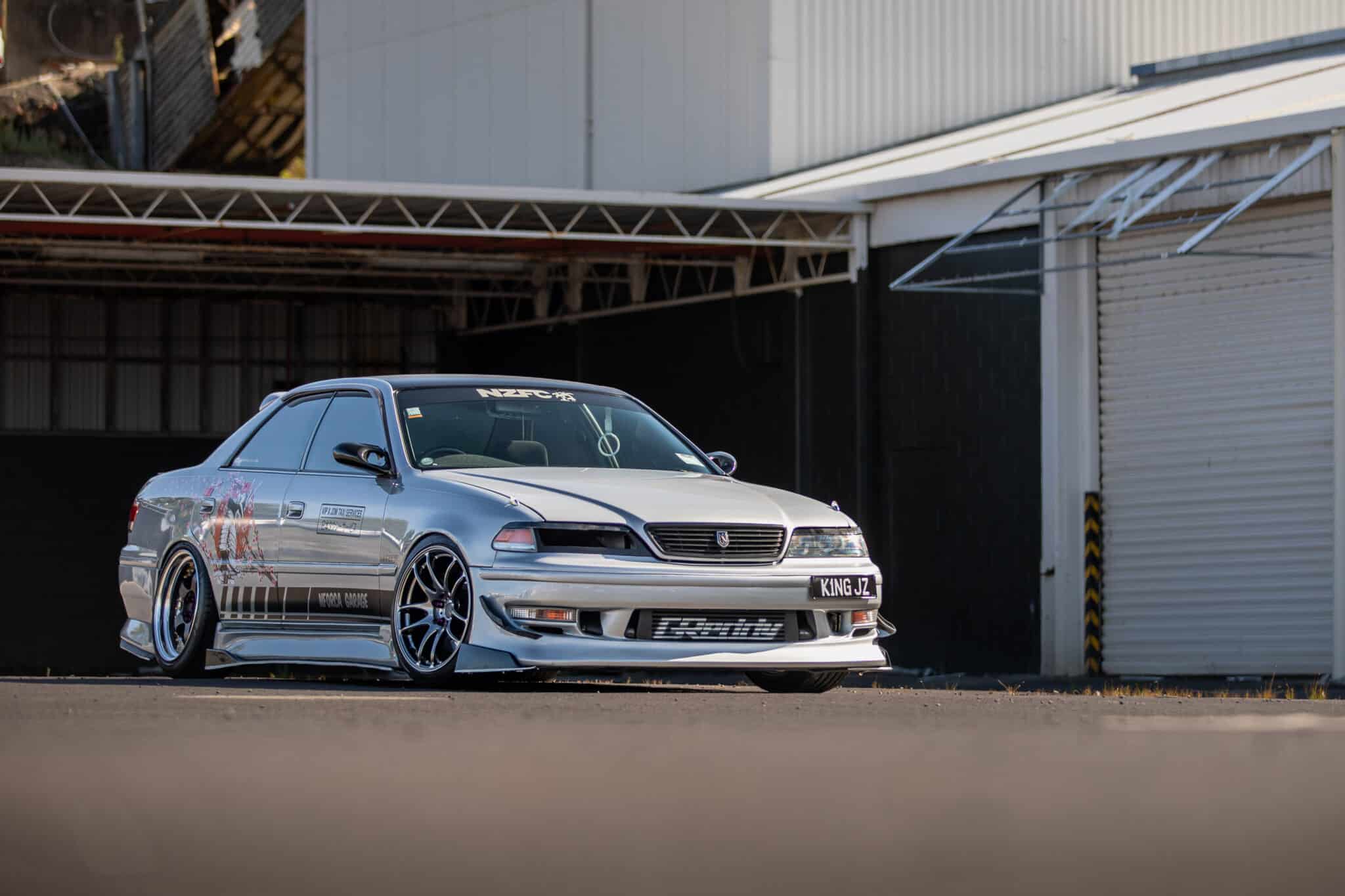
6. Toyota Mark II Tourer V (JZX90/JZX100)
The Toyota Mark II Tourer V was one of the most revered high-revving sedans of the 1990s, equipped with the turbocharged 1JZ-GTE engine. Its engine was capable of producing smooth, linear power across a high RPM range, making it both exhilarating and manageable for drivers.
Unlike smaller sedans, the Mark II offered a spacious interior and comfortable ride, yet its chassis remained surprisingly agile, allowing it to handle corners with confidence. Rear-wheel-drive dynamics paired with a limited-slip differential provided excellent control, particularly when the driver pushed the engine toward its redline.
The interior maintained a balance between comfort and functionality, with driver-focused gauges and seating designed to minimize fatigue during spirited driving sessions.
The 1JZ-GTE engine was robust and durable, allowing owners to maintain high RPM operation without concern for mechanical strain. Turbochargers spooled quickly, providing immediate acceleration that complemented the precise manual or automatic transmissions.
The Mark II’s handling characteristics were often compared to smaller sports sedans due to its balanced weight distribution and rear-wheel-drive layout. The car maintained stability even when cornering at high speeds, and the engine’s rev-happy nature rewarded skilled drivers who kept it in the upper powerband.
Throttle response was consistent and predictable, allowing precise modulation of power during aggressive driving. Steering feedback was direct, giving the driver a sense of connection to the road that many sedans of the era lacked. The combination of high-revving power and chassis balance made the Tourer V a favorite for enthusiasts seeking understated performance.
Toyota paid special attention to durability in the Mark II, reinforcing critical engine components and drivetrain elements to withstand sustained high RPMs. Cooling and lubrication systems were designed to support extended spirited driving without degradation.
The suspension geometry and damping rates were tuned to ensure predictable handling, while the limited-slip differential enhanced traction during acceleration or cornering. These engineering considerations made the Mark II a sedan that could combine luxury and comfort with track-capable performance. It offered a unique experience: a high-revving engine inside a mature, refined body.
The Mark II Tourer V continues to be celebrated for its blend of performance and comfort, offering a high-revving engine within a practical sedan platform. Enthusiasts value its tuning potential, particularly for the 1JZ-GTE engine, which can be modified for higher boost and power output without compromising reliability.
Its understated styling, coupled with precise handling and engaging performance, makes it a lasting symbol of 1990s JDM engineering excellence. Collectors and tuners alike continue to seek out well-maintained examples, preserving the reputation of a sedan that balanced refinement with rev-happy thrills.
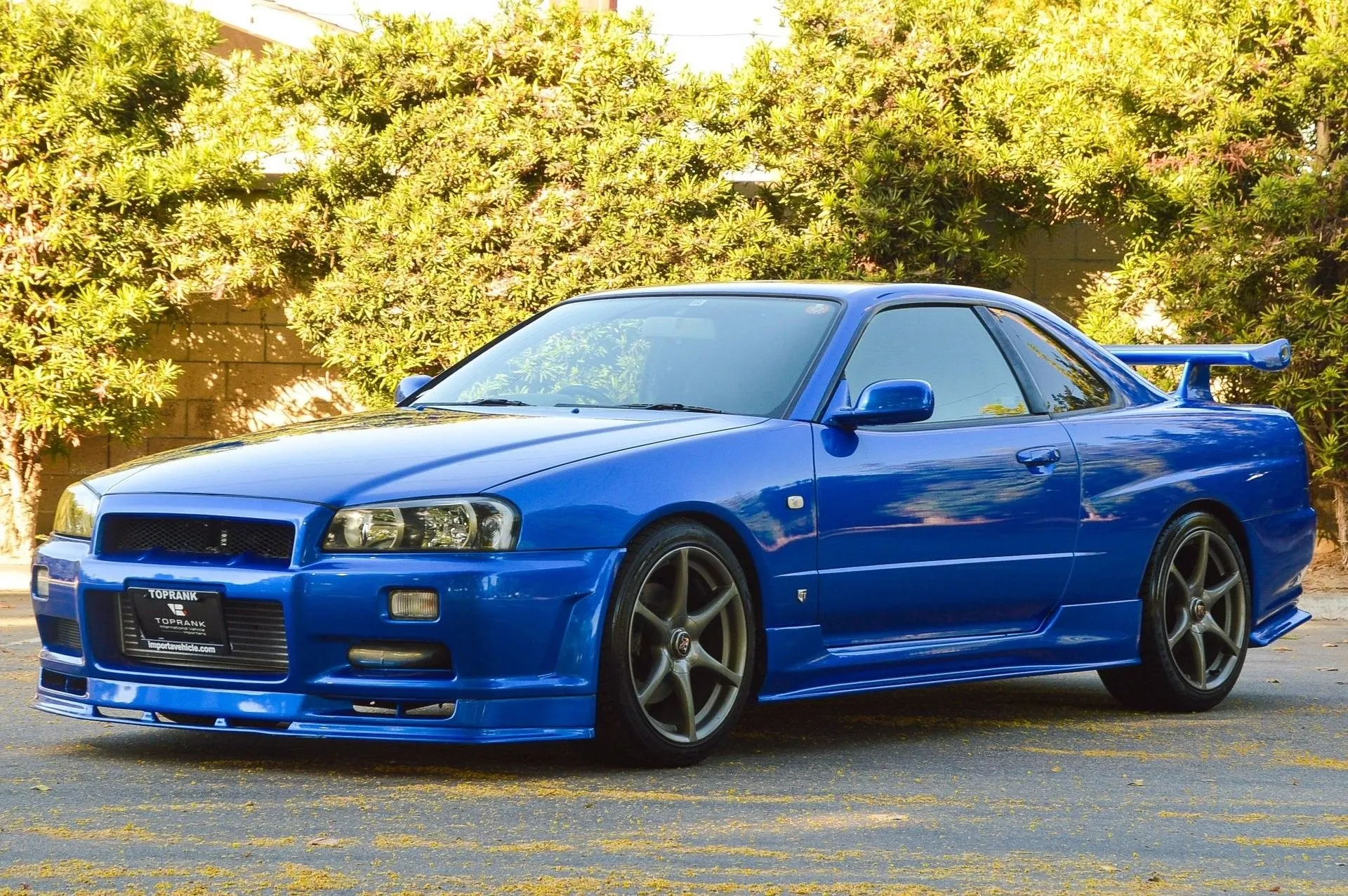
7. Nissan Skyline GT-R (R33 Sedan Variant)
Though primarily known as a coupe, certain Skyline GT-R variants and modified sedans carried the RB26DETT engine into four-door formats, showcasing extraordinary high-revving performance.
The twin-turbo straight-six engine delivered exceptional power across a wide RPM range, rewarding drivers who maintained higher revs. Its all-wheel-drive system, inspired by rally technology, provided exceptional traction and stability at speed.
Suspension components were engineered for performance, ensuring precise handling while remaining comfortable enough for daily driving. The interior emphasized driver focus, with instrumentation clearly displaying engine behavior and allowing full control during spirited driving sessions.
The RB26DETT engine was legendary for its ability to handle sustained high RPM operation, with twin turbochargers reducing lag and maintaining smooth power delivery. Its robust internals, including forged pistons and reinforced rods, allowed modifications to increase output substantially.
Gear ratios were optimized to exploit the rev range, and the precise manual gearbox contributed to an engaging driving experience. Braking and chassis systems ensured that this high-powered sedan maintained composure, even under aggressive conditions. The Skyline GT-R sedans embodied a rare combination of engineering sophistication, high-revving excitement, and practical usability.
Handling in the R33-derived sedans was a key differentiator, with advanced suspension geometry and all-wheel-drive dynamics providing predictable cornering behavior. Weight distribution was carefully managed to allow balance and stability, even at high speeds.
The car’s responsive steering, combined with high-rev engine characteristics, allowed drivers to modulate power through turns, delivering a thrilling experience that was consistent across a variety of road conditions. This engineering made the Skyline sedan a favorite for enthusiasts seeking the thrill of the RB26DETT without sacrificing four-door practicality.
Collectors today regard the Skyline GT-R sedans as rare and highly desirable, particularly due to their high-revving RB26DETT engines and four-door practicality. Enthusiasts continue to maintain and modify these sedans for both track use and street enjoyment.
The combination of advanced engineering, turbocharged performance, and balanced chassis design illustrates why Nissan’s high-revving sedan variants from the 1990s remain legendary. They demonstrate how a performance-focused engine and robust handling can transform a conventional sedan into a driver’s machine.
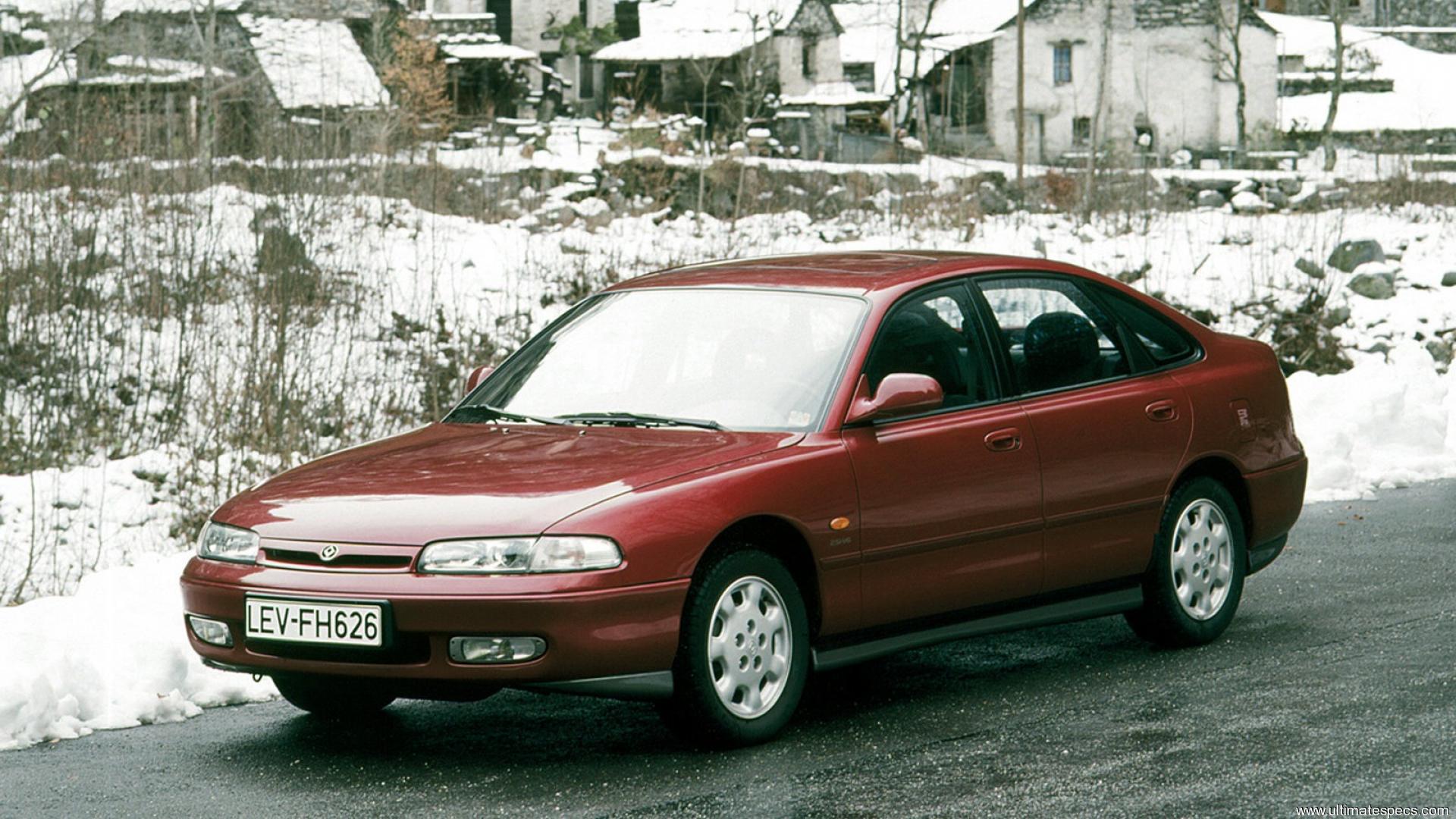
8. Mazda 626 V6 DOHC
The Mazda 626 in its V6 DOHC form was one of the understated high-revving sedans of the 1990s, showcasing smooth and responsive naturally aspirated performance. Its 2.5-liter V6 engine could spin to high RPMs without strain, producing a refined, linear power delivery.
While not as aggressively tuned as some turbocharged rivals, the 626 balanced high-revving fun with everyday usability. Suspension geometry emphasized comfort and stability, allowing precise cornering without excessive body roll. The interior offered ergonomic controls, emphasizing driver engagement with clear instrumentation and supportive seating.
The V6 engine was designed with a focus on reliability at high RPMs, featuring durable internals and precise valve timing. Its naturally aspirated layout allowed a predictable power curve, rewarding drivers who kept the engine near its upper rev range. Handling was precise for a mid-sized sedan, with a well-tuned suspension that encouraged confidence in turns.
Steering feedback was communicative and direct, giving a sense of connection often absent in sedans of this class. The combination of high-revving engine performance and balanced chassis dynamics made it appealing to enthusiasts who valued smooth, consistent power delivery.
Suspension components absorbed minor road imperfections while remaining firm enough to maintain precision. The result was a sedan that delivered enjoyable high-revving performance without sacrificing practicality or comfort, appealing to a broad spectrum of drivers.
The high-revving V6 engine encouraged a style of driving that emphasized momentum and engine responsiveness. Its linear nature made throttle control intuitive, while the well-matched transmission allowed drivers to maximize power delivery efficiently.
Steering and chassis responses provided clear feedback during spirited driving, reinforcing the sense of engagement. Mazda’s focus on refinement and durability ensured that high-rev operation did not come at the cost of mechanical reliability. This combination contributed to the 626’s reputation as a dependable yet exciting high-revving sedan.
The Mazda 626 V6 DOHC remains a reminder of Japanese engineering that balanced practicality and performance. Its smooth, rev-happy engine and well-balanced chassis made it a standout among mid-sized sedans.
Enthusiasts appreciate its understated appeal, reliability, and enjoyable driving characteristics, which allow spirited driving without compromising daily usability. The 626’s blend of refinement and high-RPM excitement exemplifies why 1990s JDM sedans continue to be celebrated today.
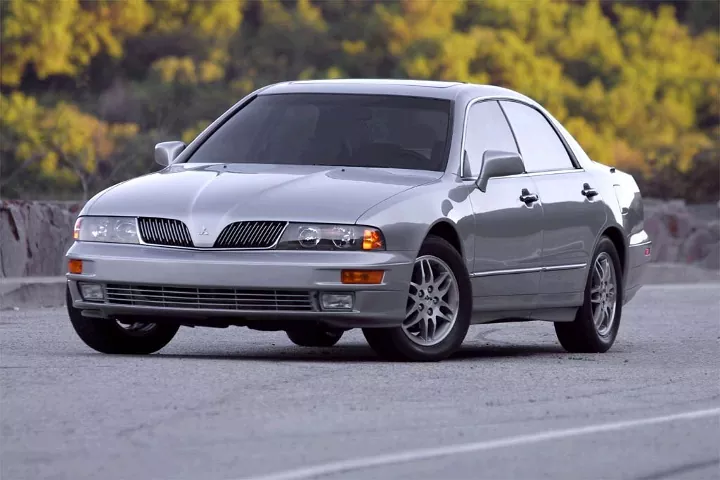
9. Mitsubishi Diamante VR-4
The Mitsubishi Diamante VR-4 was a technologically advanced sedan of the 1990s, offering a twin-turbocharged V6 engine capable of high-revving performance. Unlike many large sedans, the Diamante combined luxury features with rally-inspired all-wheel-drive dynamics, creating a unique performance sedan experience.
Its engine produced strong power throughout the rev range, rewarding drivers who maintained higher RPMs. Suspension tuning provided both comfort and control, allowing the car to remain stable during spirited driving. Inside, the cabin emphasized driver comfort with a well-laid-out dashboard, yet retained a sporty feel with bolstered seats and driver-centric controls.
The twin-turbo V6 engine was engineered to endure high RPM operation, with precise turbochargers spooling efficiently to reduce lag. The manual or automatic transmission options were responsive, allowing effective utilization of the rev-happy powerplant.
Chassis rigidity, combined with advanced suspension design, allowed for predictable cornering and high-speed stability. Braking performance was strong, ensuring that the sedan could confidently handle both everyday driving and spirited sessions. Enthusiasts admired the Diamante VR-4 for combining luxury, technology, and high-revving excitement in a single package.
Handling and dynamics were central to the Diamante VR-4’s performance character. All-wheel-drive traction enabled confident cornering even at high speeds, while suspension tuning minimized body roll and provided consistent feedback. Steering was communicative, delivering precise input response that rewarded careful driving.
The combination of high-revving engine, balanced chassis, and AWD grip made the Diamante VR-4 an enjoyable performance sedan despite its larger dimensions. It bridged the gap between comfort and excitement in a way few sedans of the era could match.
Engine durability was a hallmark of Mitsubishi engineering, ensuring the twin-turbo V6 could sustain high RPMs without failure. Cooling systems, turbo efficiency, and reinforced internals contributed to long-lasting performance.
Drivers could exploit the high-rev range confidently, enjoying both acceleration and engine responsiveness. This engineering balance made the Diamante VR-4 a desirable option for enthusiasts seeking a high-revving sedan with luxury appeal. It was capable of spirited driving without compromising refinement.
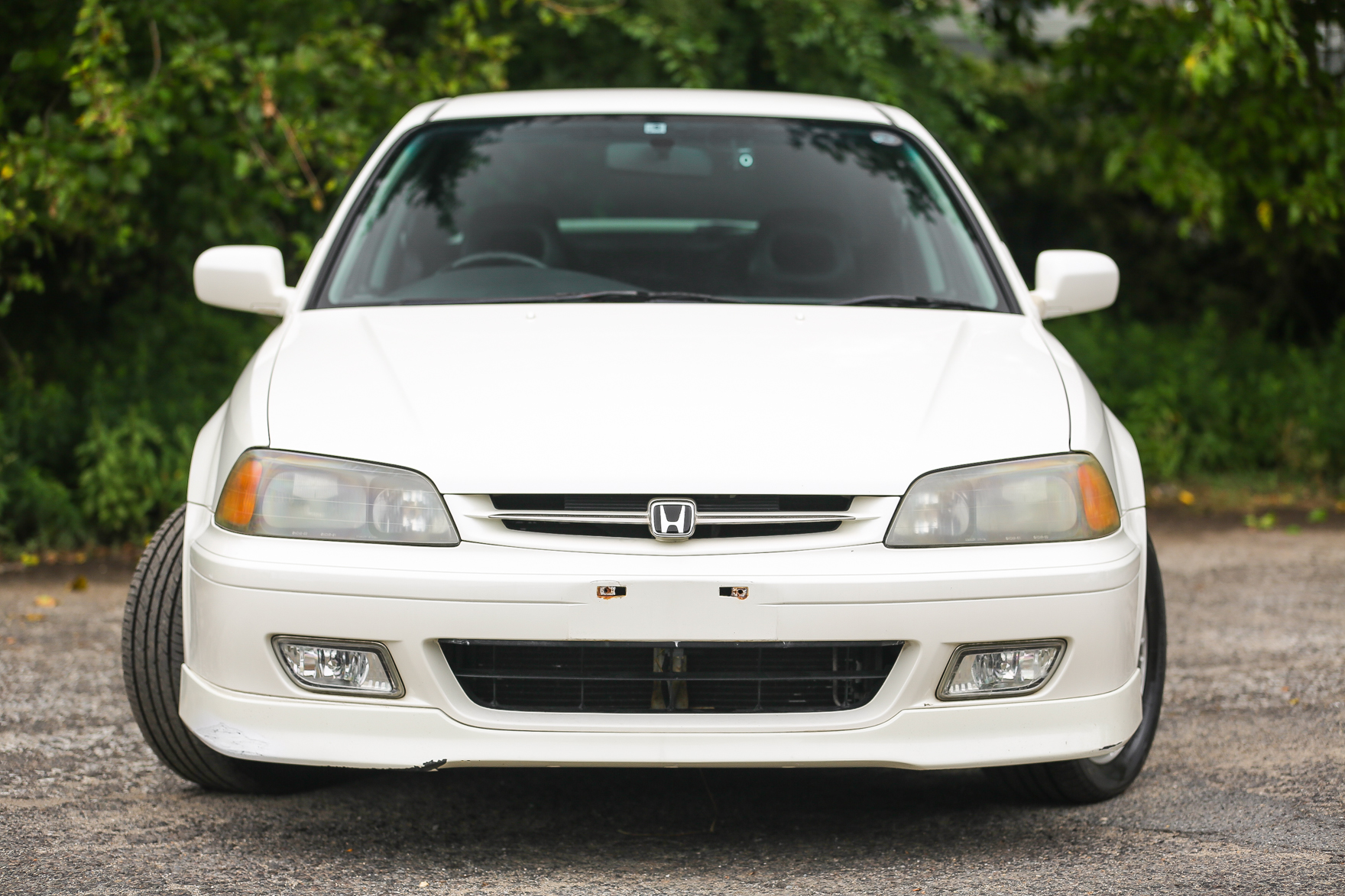
10. Honda Accord SiR (CD5/6/7 Series)
The Honda Accord SiR represented one of the most accessible high-revving sedans of the 1990s, featuring the B-series engines capable of spinning past 8,000 RPM. Its lightweight chassis, coupled with a naturally aspirated engine, delivered responsive performance that emphasized rev-happy driving over raw torque.
The SiR balanced practicality with excitement, providing a comfortable interior and smooth ride while still rewarding spirited drivers. Suspension tuning offered precise handling, and steering feedback remained direct and communicative. Inside, the cabin focused on ergonomics, with controls and instrumentation positioned for driver convenience and engagement.
The B-series engine was engineered for high-rev durability, with VTEC technology providing a surge of power when approaching the upper rev range. Gear ratios were short and precise, encouraging drivers to maintain momentum through high RPMs.
Braking performance matched the car’s nimble nature, ensuring reliable stopping power under aggressive conditions. Chassis rigidity enhanced handling predictability, giving drivers confidence during spirited cornering. The Accord SiR demonstrated that high-revving excitement could exist in a family-friendly sedan without sacrificing comfort or reliability.
Honda’s engineering emphasized reliability under high-rev conditions, with reinforced engine internals and efficient cooling systems. The VTEC system provided a linear yet exciting power delivery, rewarding drivers who maintained the engine in its upper RPM band.
Suspension and braking systems were tuned to complement the engine’s characteristics, ensuring a harmonious driving experience. The Accord SiR became a favorite among enthusiasts seeking an affordable, high-revving sedan with practical usability.
Today, the Honda Accord SiR is celebrated as a quintessential 1990s JDM high-revving sedan. Its naturally aspirated engine, precise chassis, and driver-focused design make it a timeless example of Honda engineering. Collectors and enthusiasts value its accessibility, rev-happy performance, and balance between practicality and engagement. The Accord SiR demonstrates that even widely available sedans can provide exhilarating, high-RPM driving experiences that endure decades later.
