
European sedans have long been celebrated for their exceptional blend of performance, luxury, and comfort, especially on highways where sustained driving demands stability and refinement. From the smooth power delivery to the ergonomically designed interiors, these vehicles were engineered to provide a travel experience that balanced precision with ease.
Over decades, automakers across Germany, Italy, Sweden, and the United Kingdom refined their approach to highway comfort, crafting sedans that could absorb long journeys without tiring passengers or drivers. The attention to detail extended to suspension systems, chassis design, and interior features, creating cars that made long trips feel effortless.
Drivers often praised the way these vehicles handled both high speeds and tight curves, ensuring that control and relaxation were never mutually exclusive. European sedans frequently incorporated advanced technology for their time, including adaptive suspensions, noise insulation, and climate control systems that enhanced the journey regardless of external conditions.
Seating ergonomics were meticulously developed, offering lumbar support and adjustable features to reduce fatigue on extended drives. Many of these vehicles also came equipped with high-quality materials such as fine leather, polished wood trims, and precision-fitted metal accents, which contributed to a sense of serenity and luxury while traveling.
The smooth transmission systems, whether automatic or manual, offered seamless power shifts that complemented the engine performance, maintaining a constant sense of effortlessness on highways. Soundproofing and aerodynamics were also prioritized, reducing road and wind noise to create a cabin environment suitable for conversation or reflection during long stretches.
Beyond the physical comfort, the driving dynamics of European sedans instilled confidence in their operators. The steering was precise yet forgiving, giving a sense of connectedness without imposing strain. Brake systems were engineered to offer controlled stopping power, which was reassuring on fast-moving roads.
Many models incorporated safety features well ahead of their time, such as anti-lock braking systems and traction control, further enhancing comfort by reducing anxiety during sudden maneuvers. These cars were not just vehicles for transportation; they were statements of sophistication and engineering excellence.
The balance of power, stability, and refinement made European sedans an ideal choice for drivers who valued both efficiency and enjoyment during highway travel. Even as automotive technology has advanced, these classic sedans remain benchmarks for what it means to combine comfort, elegance, and reliable performance on long-distance drives.
Their enduring reputation is a testament to the skill and vision of the engineers who designed them and the enthusiasts who continue to admire them today.
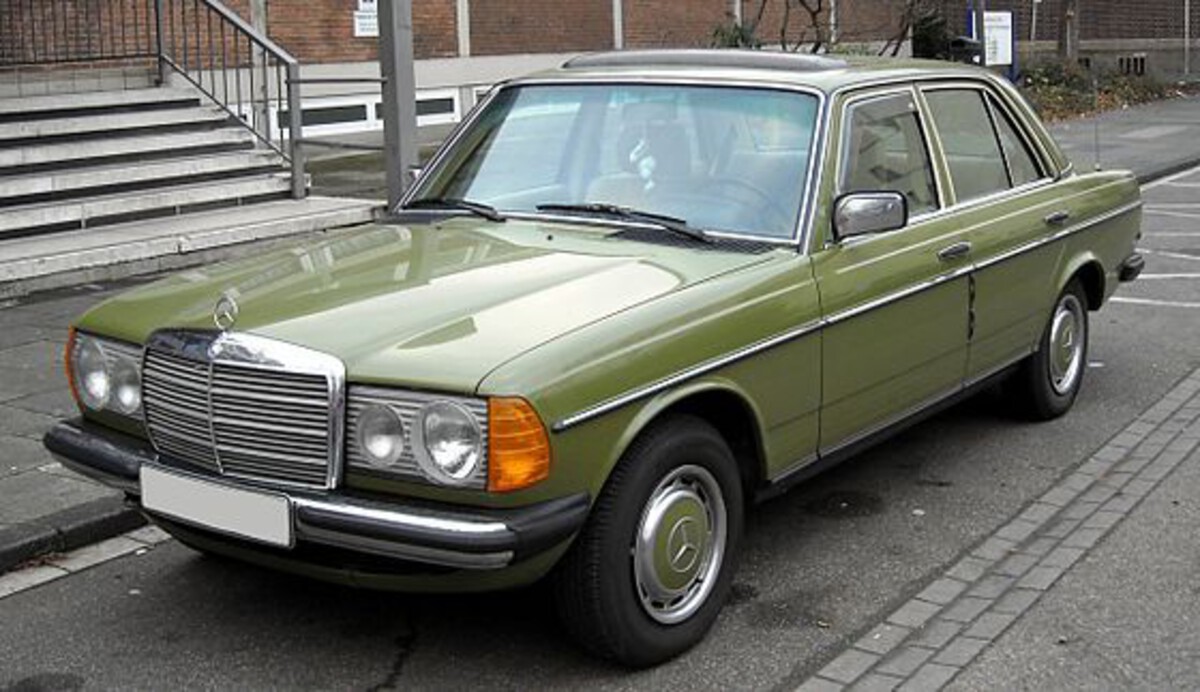
1. Mercedes-Benz W123
The Mercedes-Benz W123 remains one of the most revered sedans for highway comfort. Introduced in the late 1970s, this model combined rugged reliability with smooth driving characteristics. Its suspension system was finely tuned to absorb uneven surfaces while maintaining composure at high speeds. Drivers appreciated the quiet cabin and minimal vibration, which contributed to long-distance comfort.
Inside the W123, seats were thoughtfully designed to provide support for extended trips. The interior used durable yet high-quality materials that maintained their look and feel over time. Climate control options allowed passengers to remain comfortable regardless of the weather. Noise insulation prevented road sounds from intruding, giving the feeling of a serene cocoon during long drives.
Under the hood, the engine options offered both efficiency and steady power delivery. Diesel versions were particularly renowned for their longevity and smooth cruising ability. Transmission systems were designed for effortless shifts, complementing the sedan’s relaxed highway performance. Acceleration was measured, yet it allowed safe merging and overtaking at speed.
The W123 also prioritized safety without compromising comfort. Features such as reinforced chassis structures and dependable braking systems ensured that passengers felt secure. Steering response was predictable, giving the driver confidence on highways. Even after decades, the W123 retains a reputation for combining engineering integrity with enduring comfort.
Ownership experience extended beyond driving. Maintenance was straightforward compared to more complex models, which contributed to the sedan’s reputation as a dependable long-distance vehicle. The combination of build quality, comfort, and reliability made the W123 a symbol of classic European sedans designed for leisurely highway travel.
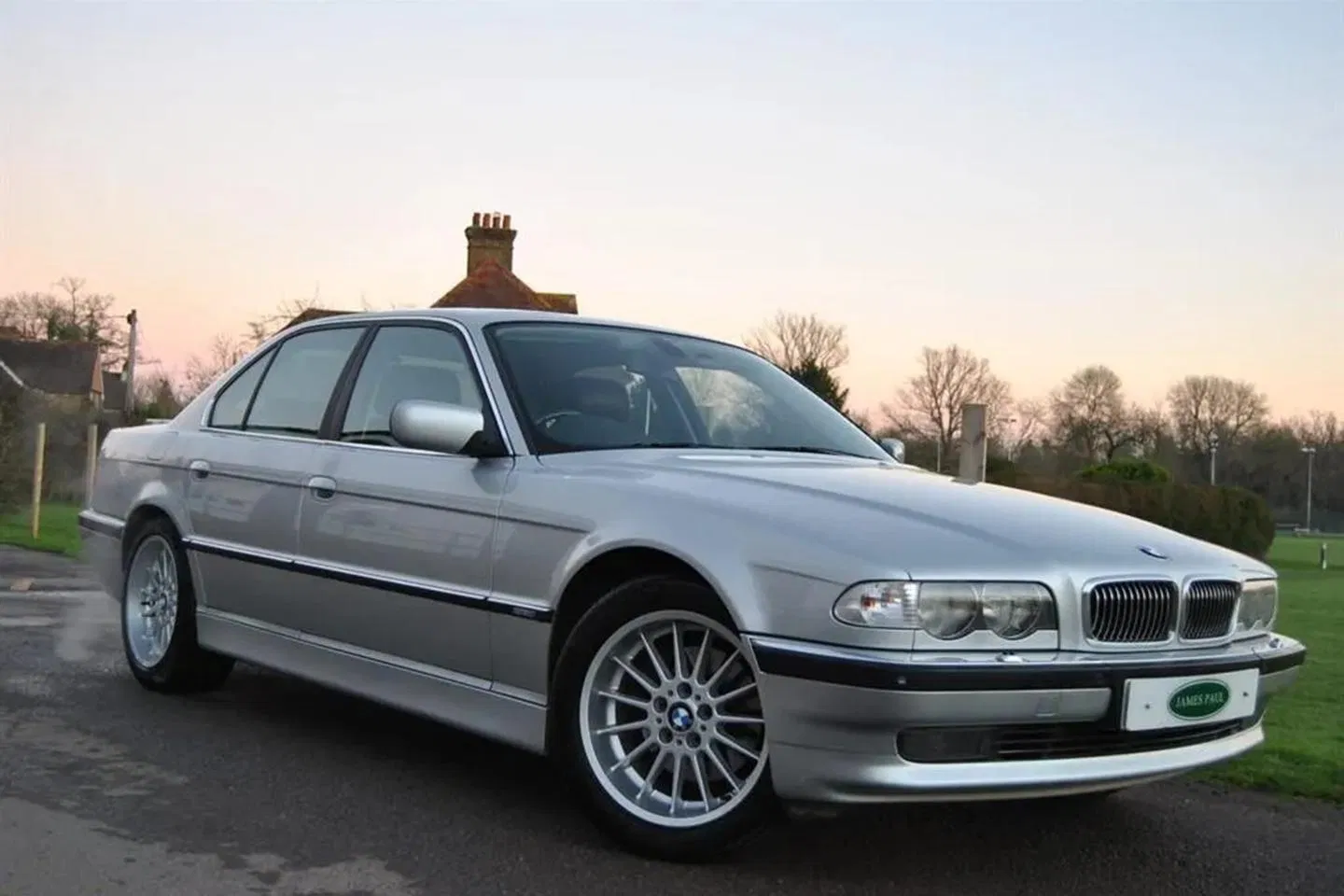
2. BMW E38 7 Series
The BMW E38 7 Series, introduced in the 1990s, became a standard for luxury sedans on highways. With its balanced suspension and weight distribution, the E38 provided a smooth, controlled ride even at high speeds. Passengers experienced minimal body roll, while the precise steering kept drivers engaged yet relaxed. Its ride quality was ideal for long-distance journeys, offering both comfort and dynamic handling.
The cabin emphasized refinement, with plush leather seating and wood trim accents. Every surface was meticulously finished to create a cohesive, high-quality environment. Front and rear passengers enjoyed generous legroom, and seats were designed to reduce fatigue during extended drives. Advanced climate systems and cabin acoustics enhanced comfort further.
Performance was versatile, with engine options ranging from straight-six to V12 configurations. Smooth power delivery ensured that acceleration was steady, reducing stress during highway maneuvers. Automatic transmission models provided effortless cruising, while manual enthusiasts appreciated the precise gear engagement. Soundproofing allowed conversations or quiet reflection without interference from road noise.
Safety and driver assistance systems contributed to confidence on long trips. Anti-lock brakes, traction control, and stability systems ensured predictable handling. Steering feedback was consistent, helping drivers maintain control at all speeds. Highway stability was a highlight, making the E38 both comfortable and reassuring in demanding conditions.
The E38 also represented technological sophistication. Infotainment systems and navigation tools were advanced for their time, supporting convenience and reducing stress on longer journeys. The sedan’s presence combined performance, elegance, and comfort, solidifying its place as a benchmark for European highway sedans.
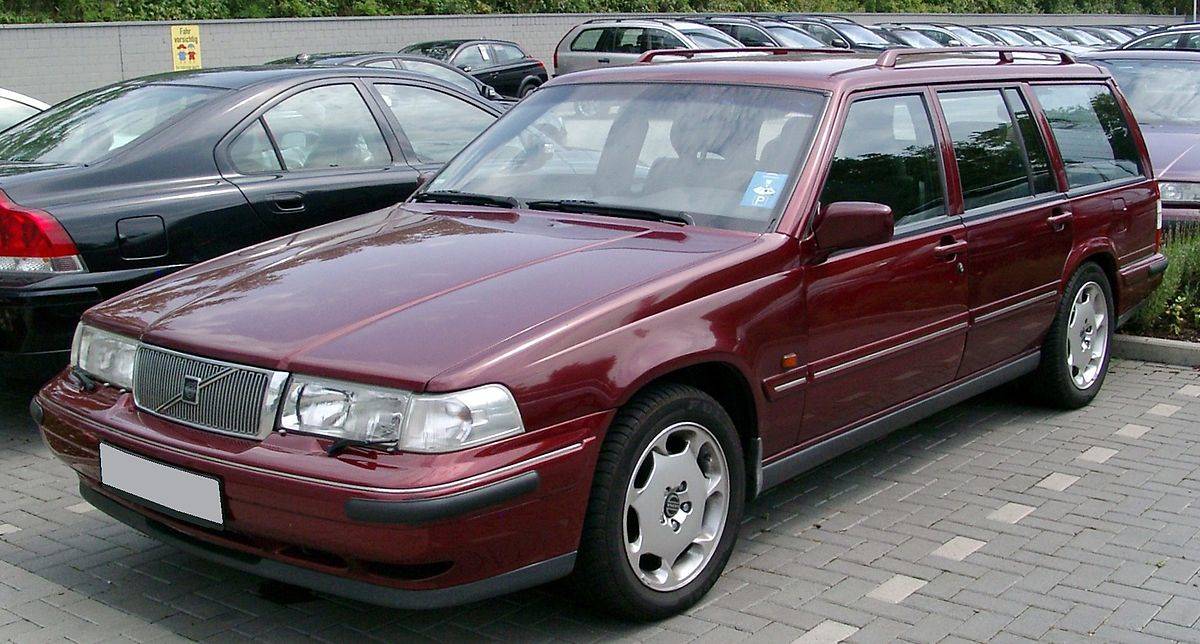
3. Volvo 960
The Volvo 960 exemplified Swedish engineering focused on passenger comfort and safety. Known for its smooth ride and supportive seating, the sedan was ideal for long-distance highway drives. The suspension absorbed road imperfections with minimal disruption, allowing passengers to remain relaxed even on rougher surfaces. Noise reduction and cabin quietness were integral, adding to the comfort experience.
Inside, ergonomics were a central focus. Adjustable seats with ample cushioning provided lumbar support, ensuring reduced fatigue on extended trips.
Materials were durable but refined, reflecting Volvo’s dedication to quality. Climate systems and ventilation options ensured consistent comfort, while cabin space allowed passengers to stretch and relax. Every detail contributed to a serene travel experience.
Engine performance emphasized reliable power rather than high-octane acceleration. Inline-six engines delivered smooth, linear output suitable for consistent highway speeds. Automatic transmission models complemented this approach, allowing effortless cruising without frequent gear changes. Fuel efficiency was adequate for long drives, further enhancing practicality.
Safety was a defining feature of the Volvo 960. The sedan included advanced restraint systems, side impact protection, and well-designed crumple zones. These elements allowed passengers to feel secure without sacrificing comfort. Steering and braking were composed, providing confidence during extended highway use.
The 960’s design philosophy reflected a harmonious blend of luxury, reliability, and passenger well-being. Long after production ended, enthusiasts continue to value its ability to make extended highway journeys both safe and comfortable. Its combination of Scandinavian design and mechanical integrity established a legacy of sedans focused on the comfort of every occupant.
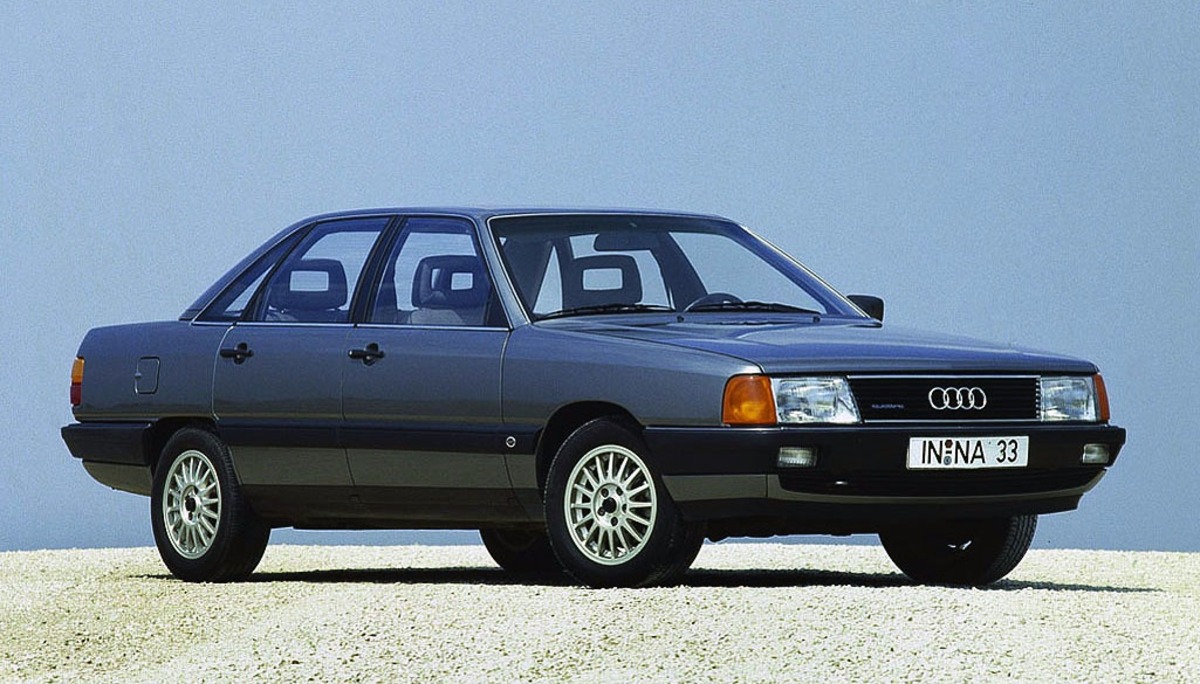
4. Audi 100 C4
The Audi 100 C4 introduced a new standard for German sedan comfort in the early 1990s. The car’s aerodynamic design and suspension tuning provided remarkable highway stability. Body control was precise, and the cabin experienced minimal vibration even at higher speeds. Passengers enjoyed a sense of refinement, with smooth handling complementing extended travel.
Interior quality reflected meticulous craftsmanship. Seats were supportive and designed to minimize fatigue on long journeys. Dashboard layout and controls emphasized user-friendliness, allowing drivers to maintain focus on the road. Materials, including leather and soft-touch plastics, created a sophisticated atmosphere conducive to relaxation.
The C4 offered a range of engines that balanced power and efficiency. Inline-five and V6 configurations delivered smooth, responsive performance ideal for highway cruising. Transmission options allowed seamless acceleration and gear changes, contributing to a relaxed driving experience. Noise reduction technologies kept the cabin quiet, even at highway speeds.
Safety considerations were evident in engineering decisions. Reinforced structures and reliable braking systems enhanced passenger protection. Steering response was direct yet forgiving, providing drivers with confidence over long distances. Suspension geometry ensured a stable ride without compromising comfort or control.
The Audi 100 C4 combined technology, comfort, and precision in a manner that appealed to discerning European sedan buyers. Its reputation endures for highway journeys that demand both stability and a high level of occupant comfort. Even decades later, the model is admired for engineering that balanced performance and relaxation effectively.

5. Jaguar XJ (X300)
The Jaguar XJ X300 represented the pinnacle of British luxury sedans in the 1990s, combining elegance with remarkable highway comfort. Its suspension system was expertly tuned to absorb irregularities in the road, giving passengers a sensation of floating over surfaces.
Even at sustained high speeds, the sedan remained composed, with minimal body movement, offering a serene driving environment that few competitors matched at the time. Precision steering complemented this, providing a balance between responsive handling and relaxed cruising, essential for long-distance highway journeys.
Inside, the XJ featured seats upholstered in supple leather with thick cushioning and deep support for both the lumbar region and thighs. Rear passengers particularly benefited from generous legroom and soft materials that absorbed vibrations.
The dashboard layout was elegant yet functional, ensuring that controls were easily accessible without distracting the driver. Wood veneers and chrome accents enhanced the sense of refinement, creating a cabin where passengers felt cocooned in luxury.
Engine options ranged from smooth inline-six engines to more powerful V12s, all tuned for effortless highway cruising. Acceleration was smooth rather than abrupt, giving a sense of steady confidence when merging or overtaking.
Automatic transmissions were precise and adaptive, further reducing the effort required on extended trips. Even with the larger engines, noise insulation maintained a quiet cabin, allowing conversation or contemplation without interference.
Safety and composure were integral to the XJ’s design philosophy. Robust chassis engineering, coupled with effective braking systems, ensured predictable and controlled stopping power. Steering feedback allowed for confidence at high speeds, while the suspension maintained stability without compromising comfort. The combination of these features meant that drivers could enjoy extended highway drives without feeling fatigued or stressed.
Ownership of the XJ X300 was not only about driving but also about experiencing refinement on every level. The quality of materials, the smoothness of the ride, and the engineered precision in handling created a sedan that felt both indulgent and purposeful. Even decades after its production, the XJ remains a benchmark for sedans that prioritize passenger comfort, especially during extended high-speed journeys.
6. Saab 9000
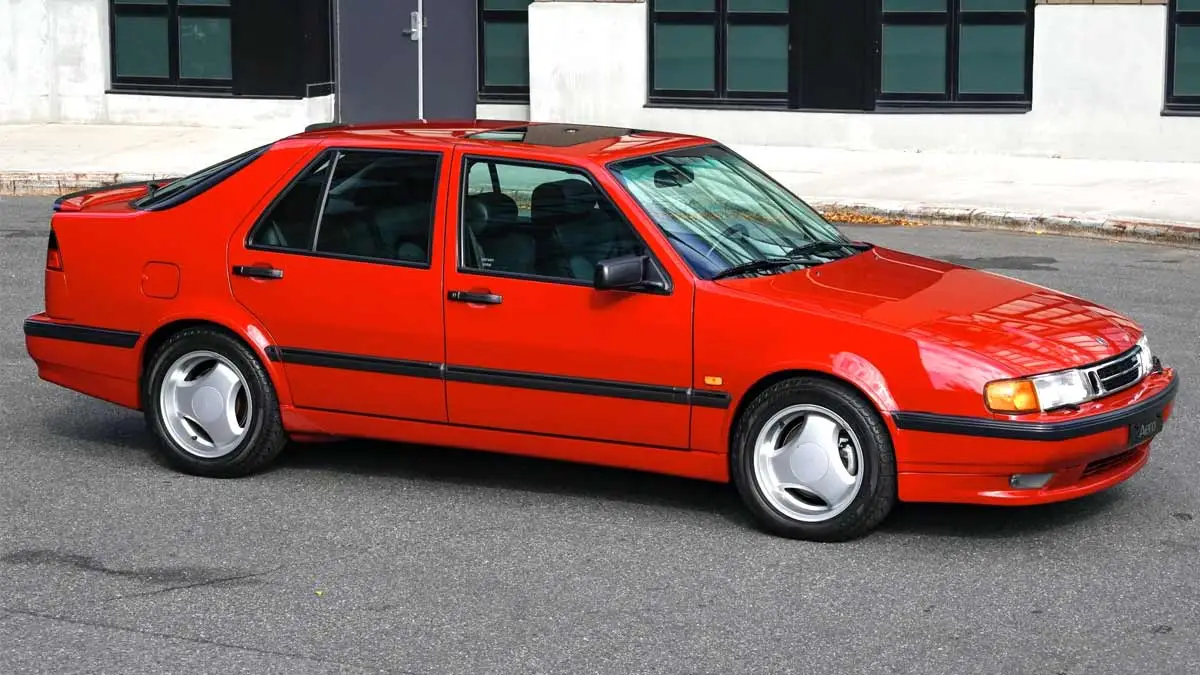
The Saab 9000, introduced in the 1980s, was a unique Scandinavian approach to highway comfort. Its design focused on ergonomic excellence, ensuring that both drivers and passengers could travel long distances without strain. The suspension was soft enough to absorb road imperfections yet precise enough to maintain stability at speed. This combination allowed the 9000 to handle highways with composure, providing a smooth and predictable ride even on less-than-perfect surfaces.
The cabin emphasized functionality without sacrificing refinement. Seats were designed with pronounced support and multiple adjustments to accommodate different body types.
The interior used durable materials with an understated luxury, focusing on passenger well-being rather than ostentation. Noise insulation and climate control contributed to a comfortable environment, making long trips enjoyable for all occupants.
Engine options were varied, ranging from efficient four-cylinder units to turbocharged variants that offered both smooth power delivery and strong highway performance. Gearboxes were responsive and designed to provide effortless cruising without frequent shifting. The combination of engine and transmission created a sedan that felt capable yet refined, ensuring extended highway journeys remained stress-free.
Safety was a core value in Saab engineering, with the 9000 incorporating early advances in crash protection and restraint systems. Steering response was linear and predictable, which allowed the driver to maintain control with minimal effort. Braking systems were reliable and provided consistent stopping power, enhancing confidence during long stretches of highway travel.
The Saab 9000’s enduring appeal lies in its thoughtful combination of comfort, reliability, and safety. It remains a model remembered for its driver-centric approach, where every aspect of the sedan contributed to a relaxed and secure highway experience. Its emphasis on practical luxury and long-distance composure set it apart from contemporaries, making it a classic European highway sedan.
7. Mercedes-Benz W140 S-Class
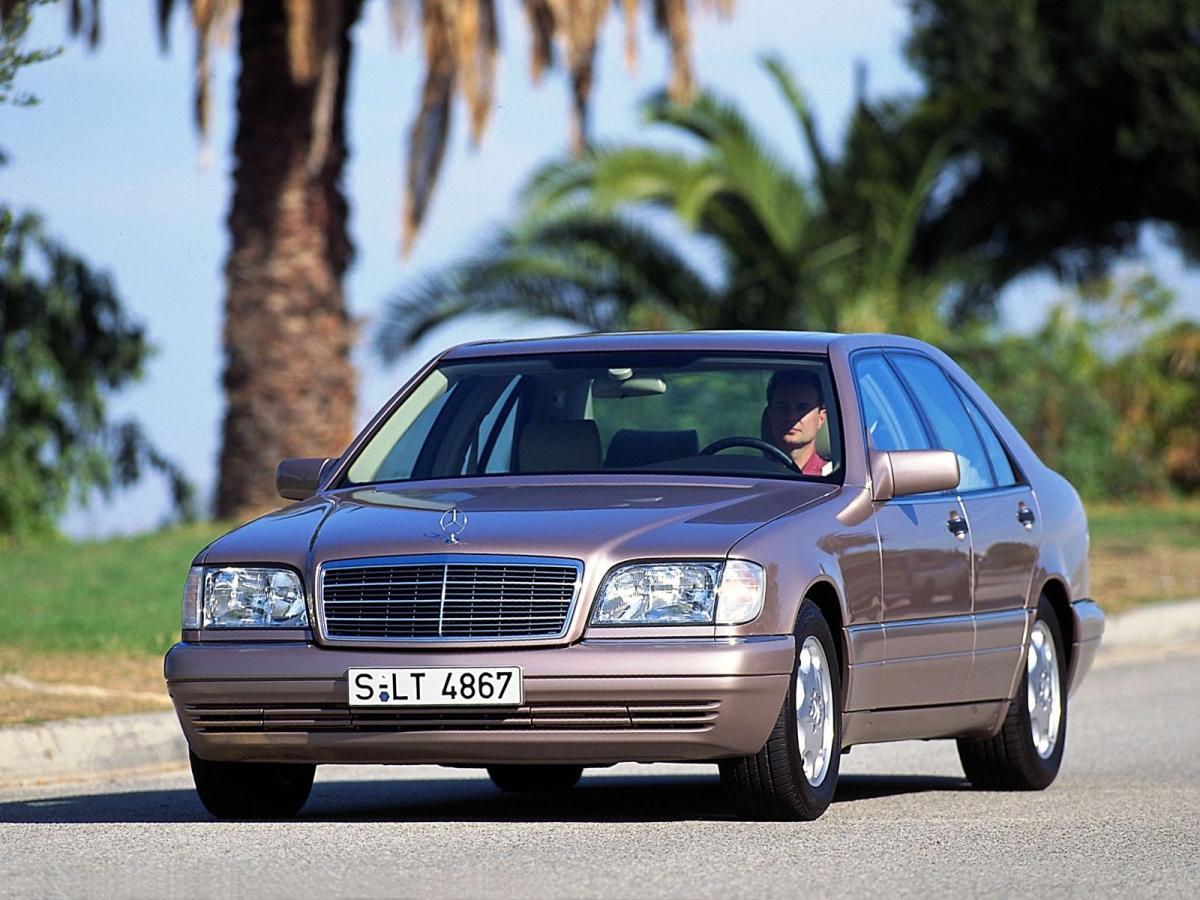
The Mercedes-Benz W140 S-Class set a new standard for large sedans in the early 1990s. Its focus on highway comfort was evident in every aspect, from the double-wishbone suspension to the noise-insulating body panels. Drivers and passengers experienced minimal vibrations, and the car remained stable at high speeds, making it ideal for long journeys. Even when fully loaded, the W140 maintained composure, blending performance with tranquility.
Inside, the W140 offered some of the most luxurious seating of its era. Seats were deeply cushioned, fully adjustable, and designed to provide support on extended drives. Rear passengers enjoyed exceptional space, with features such as reclining chairs and heated seating options. The interior materials, including high-grade leather and polished wood, reinforced a sense of opulence while retaining durability for daily use.
Engine options were extensive, ranging from smooth six-cylinder units to powerful V12s that delivered effortless acceleration. Transmission systems were designed for seamless gear changes, ensuring that the ride remained relaxed at all times. Even under highway stress, the W140’s cabin stayed quiet, allowing passengers to converse or enjoy entertainment without disturbance.
Safety was integrated without compromise, with innovations including multiple airbags, stability control, and reinforced crumple zones. Steering was precise yet forgiving, giving drivers confidence in all conditions. Suspension tuning provided an ideal balance between absorbing irregularities and maintaining a composed stance on curves, making it a comfortable choice for high-speed travel.
The W140 S-Class became an icon of long-distance luxury, praised for its engineering and attention to passenger comfort. It combined mechanical reliability with indulgent features, creating a sedan that could transform any highway journey into a smooth, enjoyable experience. The W140’s reputation continues to influence perceptions of what a classic European luxury sedan should deliver.
8. BMW E39 5 Series
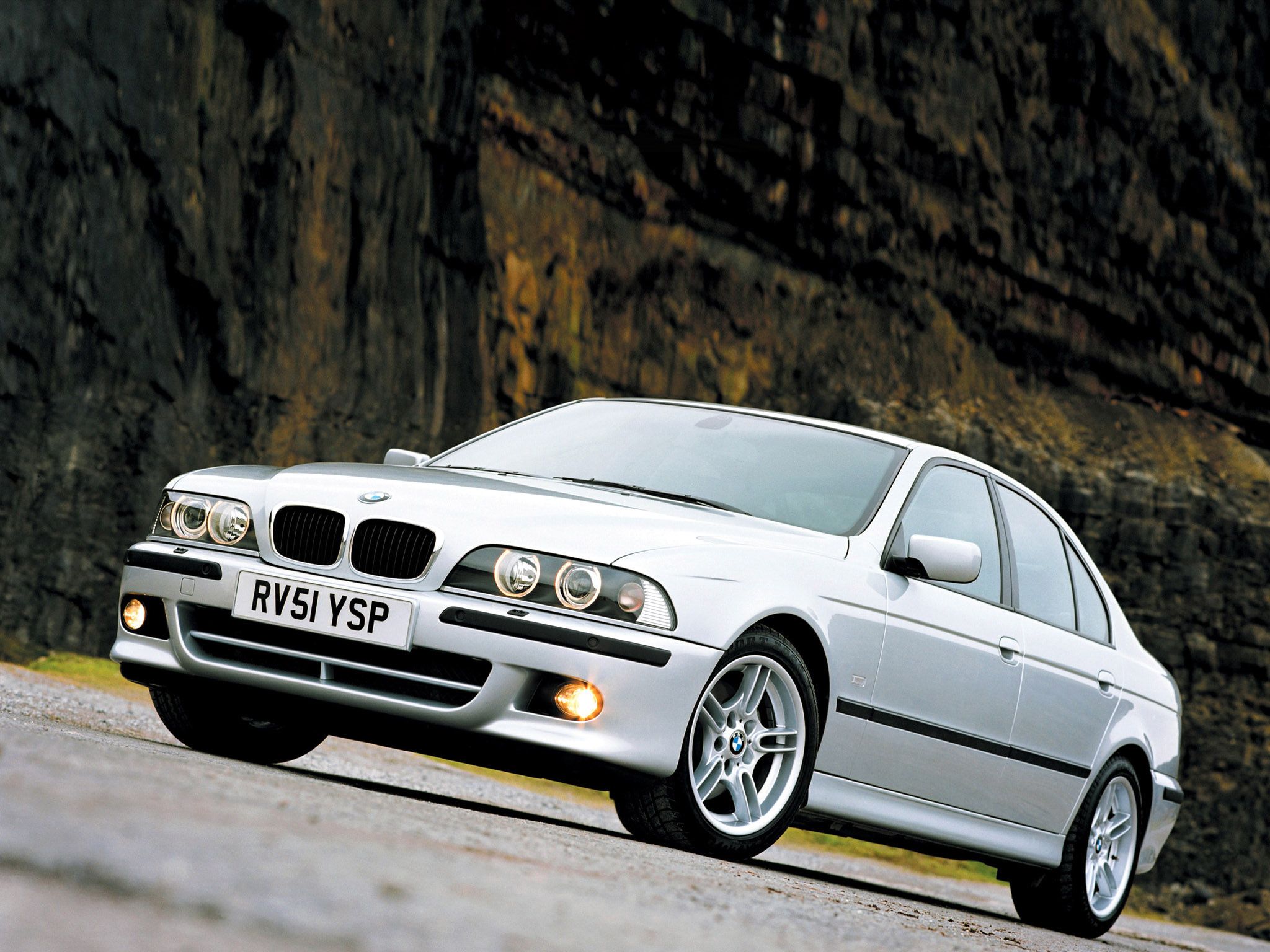
The BMW E39 5 Series, produced in the late 1990s and early 2000s, was celebrated for its highway composure and dynamic handling. The suspension was tuned to absorb rough surfaces while maintaining precise body control, allowing both driver and passengers to enjoy long journeys without fatigue.
Steering was responsive yet balanced, giving a sense of connection to the road without introducing harshness. Highway stability and road grip were exceptional, making the E39 a favorite among enthusiasts and professionals alike.
Cabin comfort was a priority, with well-contoured seats offering ample lumbar and thigh support. Materials were high-quality, with leather, wood, and soft-touch plastics contributing to a luxurious feel.
Rear seat space accommodated adults comfortably, while climate control systems ensured a consistent, pleasant environment for all passengers. The E39’s layout combined functionality with refinement, offering intuitive controls and an inviting atmosphere for long-distance travel.
Engine performance ranged from smooth inline-sixes to powerful V8 options, all providing steady, effortless acceleration. Automatic transmissions were responsive and refined, allowing for easy cruising. Sound insulation minimized external noise, and vibrations were dampened effectively, giving a serene experience at highway speeds. The combination of engine, suspension, and cabin comfort made the E39 a benchmark for extended travel.
Safety was a key feature, with advanced systems including anti-lock brakes, stability control, and side-impact protection. Braking performance was precise, while steering provided consistent feedback. The car’s dynamics ensured that passengers remained secure and comfortable under all conditions, reinforcing its reputation as a reliable highway sedan.
The E39 5 Series balanced driving enjoyment with passenger comfort, making it a versatile choice for both spirited driving and extended highway journeys. Its engineering legacy continues to influence modern sedan design, highlighting the importance of combining precise handling with comfort over long distances.
9. Audi A8 D2
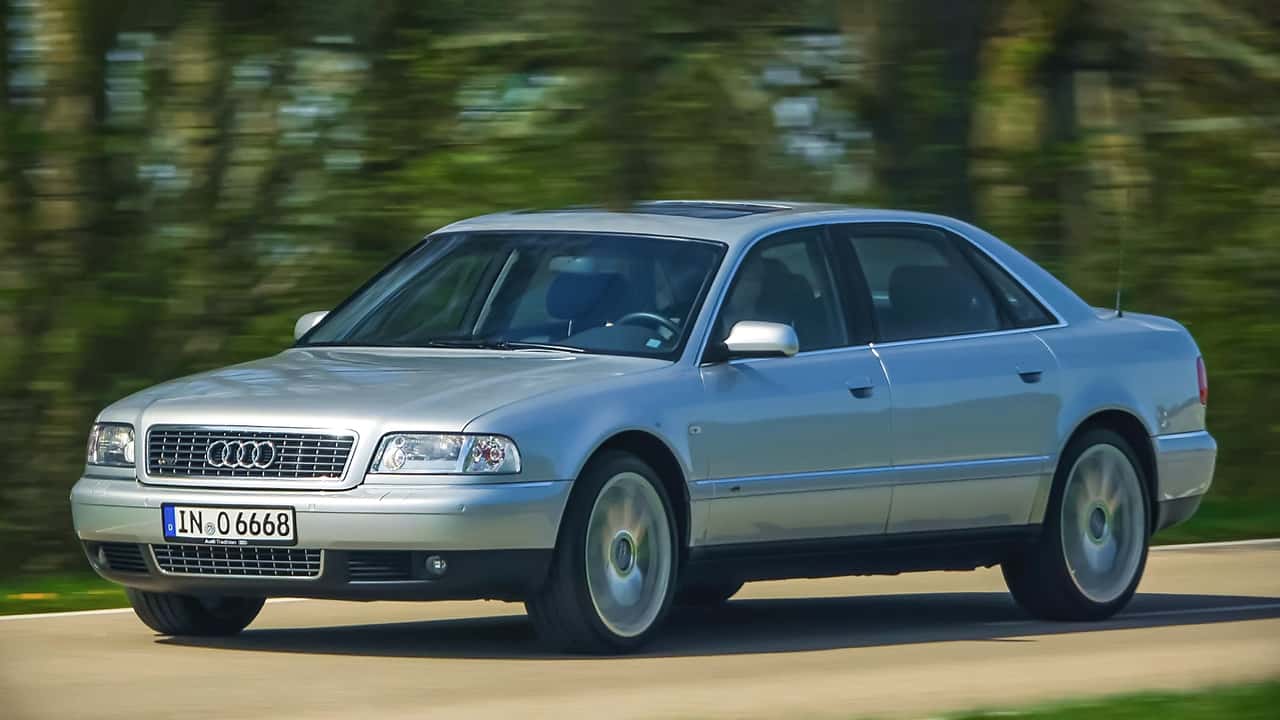
The Audi A8 D2 introduced a new approach to highway comfort with its aluminum space frame and advanced suspension technology. Its ride quality combined stability with smoothness, allowing passengers to travel long distances with minimal fatigue. High-speed stability was exceptional, and the car remained composed even on uneven surfaces. The precision of the steering and responsiveness of the brakes contributed to a sense of effortless control.
Interior appointments emphasized luxury and ergonomics. Seats were well-cushioned, with adjustments for optimal lumbar support and long-distance comfort. Rear seating was spacious, and attention to detail in materials and finishes created a refined atmosphere. Noise reduction and climate systems enhanced comfort, making extended highway drives enjoyable and relaxing for all occupants.
Engine options included smooth V6 and V8 units that provided steady and predictable power delivery. Transmission systems were engineered for effortless cruising, with seamless gear shifts that complemented the sedan’s focus on comfort. Even during extended high-speed travel, the cabin remained quiet, and vibrations were minimal, further enhancing passenger relaxation.
Safety and reliability were key elements of the A8 D2’s design. Anti-lock braking systems, traction control, and reinforced structural components ensured that passengers felt secure. Steering was precise but forgiving, and suspension geometry maintained stability while absorbing road irregularities. These features made the A8 an ideal choice for highway driving.
The Audi A8 D2 demonstrated how technological innovation could improve highway comfort without sacrificing refinement. Its combination of advanced engineering, luxurious interior appointments, and reliable performance established it as a benchmark for European sedans designed for effortless long-distance travel.
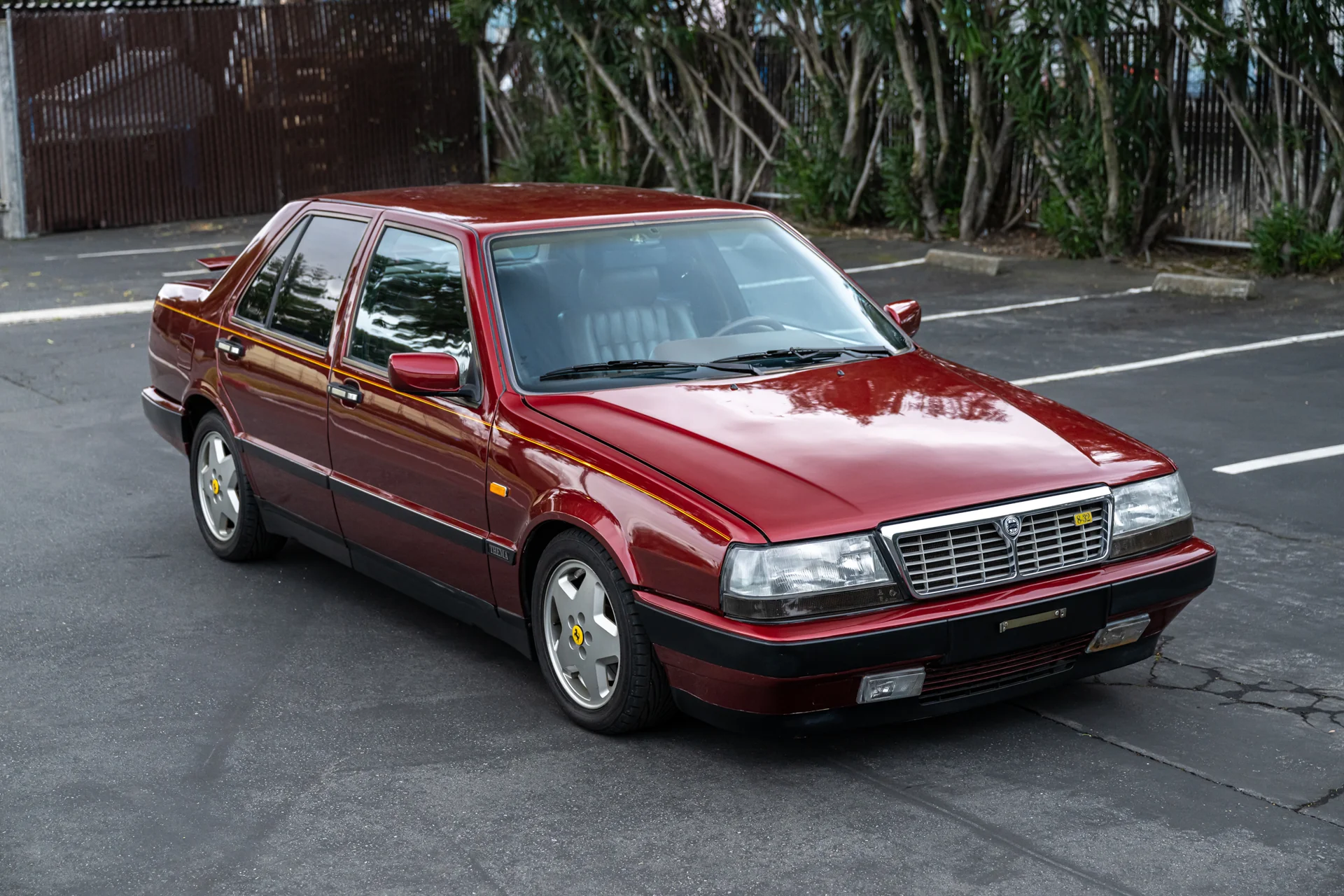
10. Lancia Thema 8.32
The Lancia Thema 8.32, though less well-known, offered remarkable highway comfort with a focus on Italian craftsmanship and performance. Its suspension absorbed road irregularities while maintaining composure, providing a smooth and comfortable ride even at high speeds. The chassis was tuned to balance stability with comfort, allowing long journeys to feel effortless. Steering precision offered confidence while navigating highways, complementing the sedan’s refined ride.
Interior design combined functionality with luxury. Seats were supportive and upholstered in high-quality materials, offering comfort for extended drives. Space was generous, and the layout emphasized both driver and passenger well-being. Dashboard controls were logically arranged, and finishes such as leather and wood enhanced the premium feel of the cabin.
Engine performance was known for its Ferrari-derived V8, which provided smooth power delivery and effortless highway cruising. Automatic and manual transmissions were precise, making acceleration and overtaking simple and stress-free. Noise insulation and ride quality combined to create a serene cabin environment ideal for long-distance travel.
Safety and composure were integral, with effective braking systems and suspension tuning that maintained stability at speed. Steering feedback was balanced, allowing drivers to feel connected to the road without exerting excessive effort. Passengers benefited from both smooth ride quality and a sense of security during extended journeys.
The Lancia Thema 8.32 exemplified a unique combination of Italian engineering, luxury, and highway comfort. Its thoughtful design and performance capabilities made it a standout among European sedans, providing a travel experience that prioritized passenger comfort without sacrificing driving enjoyment.
