
The 1980s marked a transformative period for the automotive industry, with technological advancements and shifting consumer demands driving manufacturers to create engines that balanced performance, reliability, and longevity.
Among these manufacturers, Toyota and Honda emerged as leaders, producing engines that became legendary for their durability. Vehicles powered by these engines were not only dependable on daily commutes but also capable of withstanding years of rigorous use.
Their engineering philosophies emphasized simplicity, precision, and high-quality materials, which laid the foundation for decades of trust among car owners. During this era, both companies focused on creating compact yet robust engines that could deliver strong fuel efficiency without compromising reliability.
The designs often incorporated features such as overhead camshafts, efficient cooling systems, and lightweight yet resilient components, which contributed to reduced wear and tear over time. These engines were designed to run smoothly even under demanding conditions, making them popular among enthusiasts who valued both performance and longevity.
Another key factor in their enduring reputation was the meticulous attention to assembly and manufacturing processes, ensuring consistency and minimal defects. Many engines from this period achieved mileage records that few competitors could match, with examples still running reliably in today’s market.
In addition, these engines became popular choices for modifications, swaps, and restorations, demonstrating their versatility and lasting appeal. They were not only practical for everyday use but also offered strong aftermarket support, which allowed drivers to maintain and upgrade them over decades.
The simplicity of these engines also meant that repairs were straightforward, parts were widely available, and maintenance could be conducted without specialized equipment. For collectors and vintage car enthusiasts, owning a vehicle with one of these engines represents both a connection to an era in automotive history and a testament to engineering excellence.
While modern engines offer advanced electronics and efficiency, the engines of the 1980s from Toyota and Honda continue to inspire admiration for their mechanical integrity, resilience, and straightforward design. This article presents a detailed account of the ten most durable engines produced by Toyota and Honda during the 1980s, highlighting the reasons behind their legendary reliability and lasting performance.
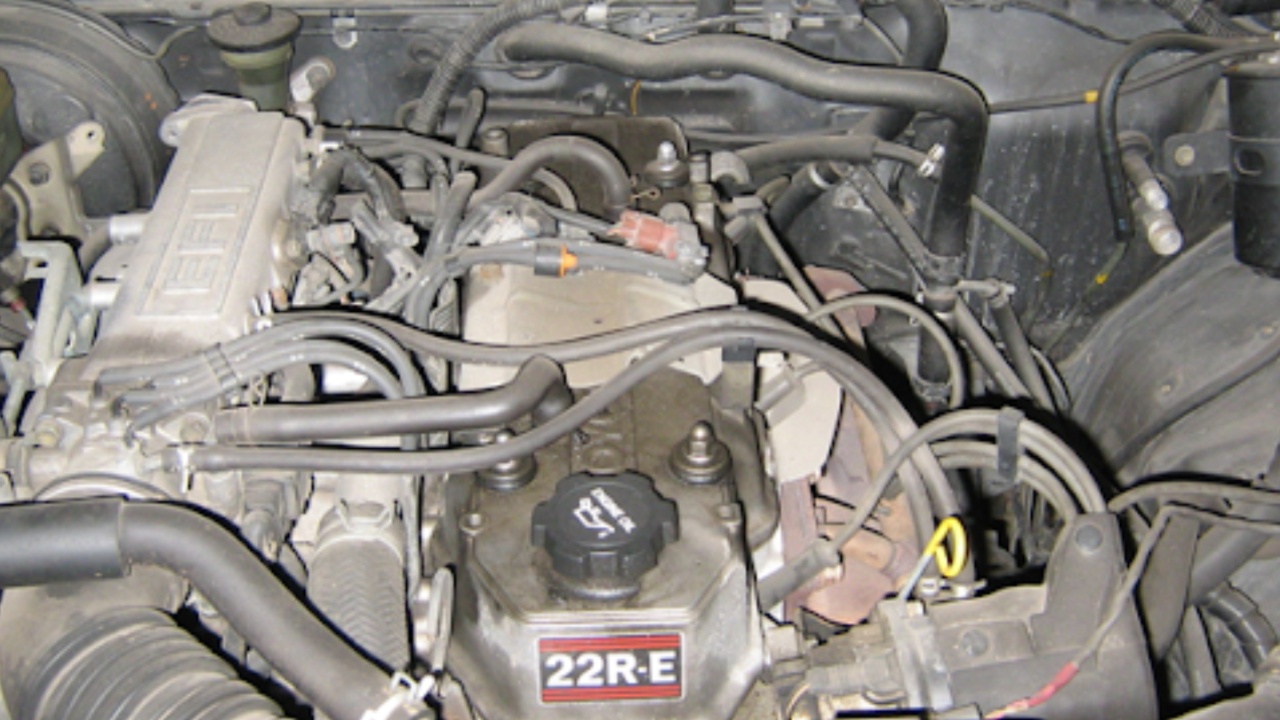
1. Toyota 22R
The Toyota 22R engine, introduced in the late 1970s and popular throughout the 1980s, became one of the most reliable engines for trucks and SUVs. It is a four-cylinder, naturally aspirated engine that delivers modest power while excelling in long-term durability.
The simplicity of its design contributed to minimal mechanical failures, making it a favorite among off-road enthusiasts. Maintenance was straightforward, allowing owners to keep these engines running for hundreds of thousands of miles without major issues.
This engine’s robust iron block and aluminum head were capable of withstanding heavy loads and rough driving conditions. Its carbureted fuel system, while less efficient than modern fuel injection, was easy to tune and repair. Many owners report that 22R engines could exceed 300,000 miles with consistent maintenance.
The engine’s valve train design minimized wear, providing smooth performance even in high-mileage applications. Its strong aftermarket support ensured that replacement parts remained available decades after production ended.
In addition to trucks, the 22R found its way into compact SUVs, including early Toyota 4Runners, which benefited from its reliability. Drivers appreciated that it could handle towing and off-road challenges without overheating or premature wear.
The combination of mechanical simplicity and rugged materials gave it a reputation for toughness unmatched by many contemporaries. Enthusiasts often praised its ability to run on lower-quality fuel without serious damage, further adding to its longevity.
The 22R’s cooling system was designed to maintain stable engine temperatures even under heavy load. This contributed to extended engine life and prevented common issues like warped heads or gasket failures. Regular oil changes and valve adjustments were sufficient to maintain peak performance for decades. The engine’s torque delivery made it ideal for daily driving and utility applications, ensuring smooth acceleration and load-bearing capacity.
Even today, the Toyota 22R remains highly sought after in the used truck market. Vehicles equipped with this engine are valued for their dependability, and many examples continue to operate reliably after more than 30 years. Its legacy helped cement Toyota’s reputation for building durable and trustworthy powertrains during the 1980s, influencing design philosophy for future engine generations.

2. Toyota 4A-GE
The Toyota 4A-GE engine gained fame for combining performance with remarkable durability, earning a reputation among sports car enthusiasts. Introduced in the early 1980s, this 1.6-liter inline-four engine featured dual overhead cams and fuel injection in later versions.
Its high-revving nature made it a favorite for the Toyota AE86, a car that has become iconic for both enthusiasts and racers. Reliability was a key focus, and the engine’s components were engineered to endure consistent high RPM operation.
The aluminum cylinder head and iron block combination provided an excellent balance of weight savings and structural strength. The engine’s smooth operation resulted from precise machining and high-quality materials, reducing the likelihood of premature wear.
Many 4A-GE engines have recorded over 200,000 miles without major rebuilds, which is impressive given their performance-oriented design. The engine’s timing belt system was easy to maintain, and routine replacement schedules ensured continued reliability.
Fuel injection in later models improved both efficiency and drivability, while the original carbureted versions remained simple to repair. The intake and exhaust ports were optimized for airflow, which increased efficiency without compromising longevity. Valve clearances could be adjusted to maintain performance, contributing to its lifespan. Enthusiasts often praise the engine for its resilience, even when used in racing or spirited driving conditions.
Toyota paid careful attention to the cooling system in the 4A-GE, ensuring consistent temperatures even under extended operation. This prevented issues such as overheating, which can significantly reduce engine life. The oiling system was robust, providing reliable lubrication to critical components. Owners who followed maintenance schedules often experienced engines that ran reliably for decades.
The 4A-GE set a benchmark for high-revving engines in compact sports cars. Its combination of precision engineering, lightweight design, and solid construction contributed to both performance and durability. Even in modern times, these engines remain popular in tuning communities and continue to be celebrated as one of Toyota’s most enduring powerplants from the 1980s.
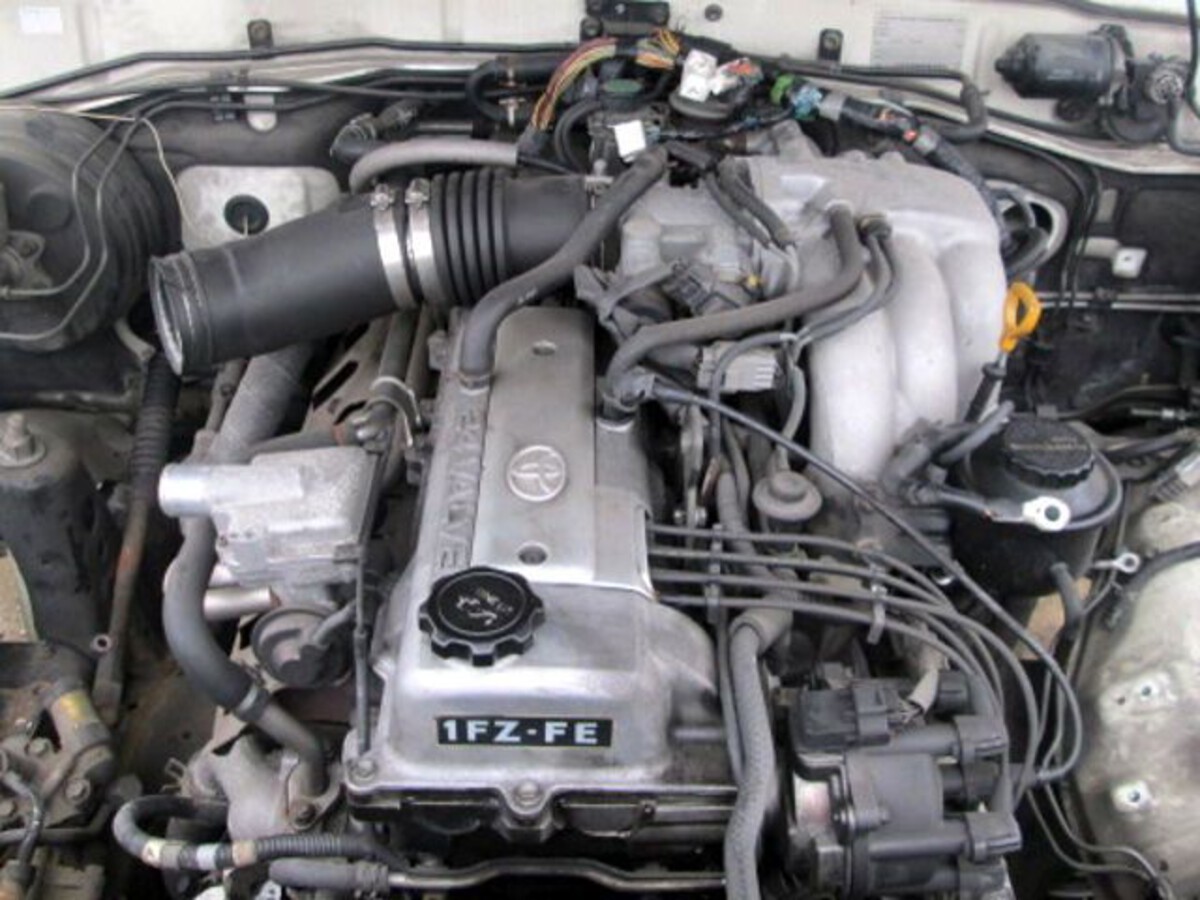
3. Toyota 1UZ-FE
The Toyota 1UZ-FE engine, introduced in the late 1980s, became a milestone in V8 reliability. This 4.0-liter aluminum V8 combined smooth performance with long-term durability, which was uncommon for engines of its displacement at the time.
Its design emphasized low friction and strong internal components, making it capable of handling high mileage without major repairs. Luxury sedans like the Toyota Celsior and the early Lexus LS models benefited from this engine, showcasing both refinement and robustness.
One of the key factors contributing to its longevity was the use of forged steel crankshafts and high-strength connecting rods. The aluminum block and heads reduced weight while resisting corrosion, allowing the engine to maintain structural integrity over decades.
Its belt-driven timing system was straightforward to service, and maintenance intervals were manageable for most owners. The valvetrain was carefully engineered to provide consistent lift and timing, preventing premature wear even under regular high-speed driving.
Cooling and lubrication were central to the 1UZ-FE’s reliability. The engine featured efficient oil circulation and a cooling system that minimized hotspots in the cylinder heads. This helped prevent common issues such as warping or gasket failure.
Regular oil changes and use of proper coolant ensured that the engine could achieve over 300,000 miles without major internal failures. Many owners report engines still performing well after 400,000 miles when maintained carefully.
Another strength of the 1UZ-FE was its smooth torque delivery and fuel efficiency for a V8. This balance made it suitable for both luxury applications and long-distance driving.
Unlike some V8 engines of the era, it avoided the common pitfall of excessive heat buildup or premature bearing wear. Enthusiasts have used this engine in swaps, further demonstrating its adaptability and enduring strength.
Today, the 1UZ-FE is celebrated not only for its performance but also for its resilience. It remains one of the most sought-after engines for classic Toyota and Lexus restorations. Its reputation for combining refinement with mechanical reliability helped solidify Toyota’s image as a manufacturer capable of producing world-class engines during the 1980s, with design principles still relevant in modern V8 applications.
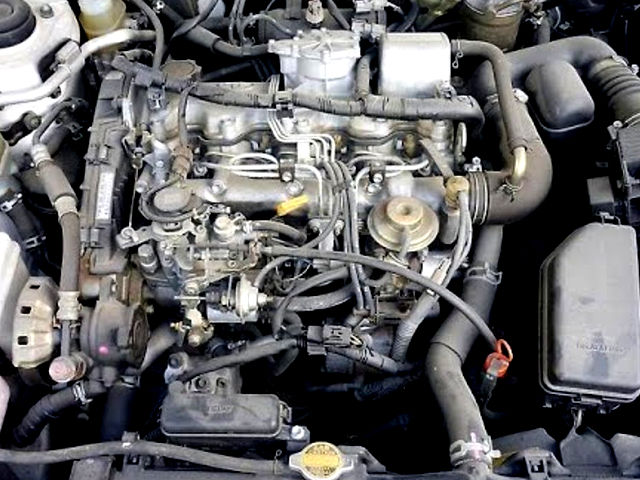
4. Toyota 2C
The Toyota 2C engine was a staple of compact and mid-sized sedans in the 1980s, known for its diesel efficiency and mechanical toughness. As a 2.0-liter inline-four diesel, it emphasized longevity and fuel economy over outright power.
Vehicles like the Toyota Corona and Carina often utilized this engine, which earned a reputation for reaching extraordinary mileages with minimal repairs. The simplicity of the diesel design contributed heavily to its reputation as one of Toyota’s most durable engines.
A robust cast-iron block and strong crankshaft design allowed the 2C to endure constant use under heavy loads. Diesel engines operate under higher compression, which would typically accelerate wear, yet the 2C was engineered to withstand these stresses.
Routine maintenance such as timing belt replacement, valve adjustments, and injector cleaning was straightforward, further contributing to its longevity. Many examples are still operational today, demonstrating the engine’s enduring capabilities.
Fuel delivery on the 2C was managed through a mechanical injection pump, which, while simple, allowed for precise control and reliability. Unlike early electronic systems, it was easy to service and repair without specialized diagnostic tools. The engine tolerated varied fuel qualities, a key advantage in regions where diesel quality fluctuated. This resilience contributed to its long-standing use in both domestic and export markets.
The 2C’s cooling system was straightforward yet effective, maintaining stable temperatures even under continuous operation. This prevented common issues like head gasket failures or overheating, which can be fatal to diesel engines.
The engine’s torque characteristics made it suitable for heavy-duty applications, including small trucks and taxis, where reliability was paramount. Owners often praised its consistency and low maintenance costs.
Because of its durability and ease of maintenance, the 2C diesel became a benchmark for long-lasting engines in the Toyota lineup. Even modern diesel enthusiasts recognize its simplicity and robustness as reasons for its longevity. Its reputation during the 1980s reinforced Toyota’s commitment to building engines that could last decades with consistent care, further enhancing the brand’s trustworthiness.
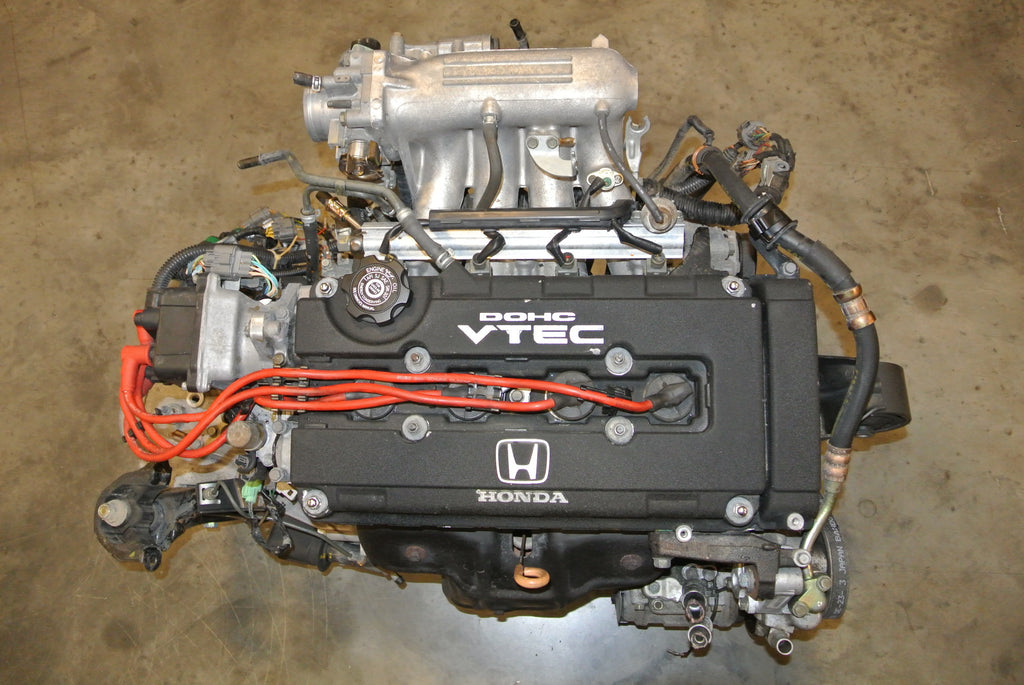
5. Honda B16A
The Honda B16A engine, launched in the late 1980s, became a defining powerplant for Honda’s performance-oriented compact cars. This 1.6-liter inline-four featured dual overhead cams and VTEC technology in later iterations, allowing for high-revving performance without sacrificing durability.
Vehicles like the Honda Civic Si and CR-X integrated the B16A, offering spirited driving while maintaining long-term reliability. The engineering focus was on lightweight, precise components that could endure sustained high RPM operation.
The aluminum block and head combination reduced engine weight while ensuring rigidity. Honda’s precise machining of internal components minimized friction and wear, resulting in a durable engine capable of exceeding 200,000 miles with proper maintenance.
The valvetrain design allowed for efficient airflow and minimal stress on timing components. Regular timing belt replacement and valve adjustments were sufficient to maintain performance for decades.
Fuel delivery in the B16A evolved from carbureted to fuel-injected systems, improving efficiency and reliability. The VTEC system, introduced in later variants, operated smoothly and was engineered to prevent premature wear on the cam lobes. Owners appreciated the engine’s ability to handle both city commuting and high-speed driving without excessive maintenance requirements. The lightweight pistons and high-strength connecting rods further contributed to longevity.
Honda also emphasized a robust cooling and lubrication system in the B16A. Efficient oil flow and stable coolant circulation prevented overheating and reduced the likelihood of bearing or gasket issues.
Combined with high-quality materials and assembly precision, these factors ensured that the engine could operate reliably over decades. Even under spirited driving conditions, the B16A maintained mechanical integrity.
Today, the B16A continues to be revered among enthusiasts and collectors. Its combination of high-revving performance, lightweight engineering, and long-term durability sets it apart from many engines of its era. The B16A is not only a testament to Honda’s engineering philosophy but also a clear example of how careful design and quality materials can result in an engine that continues to perform decades after its initial production.
6. Toyota 3S-GE
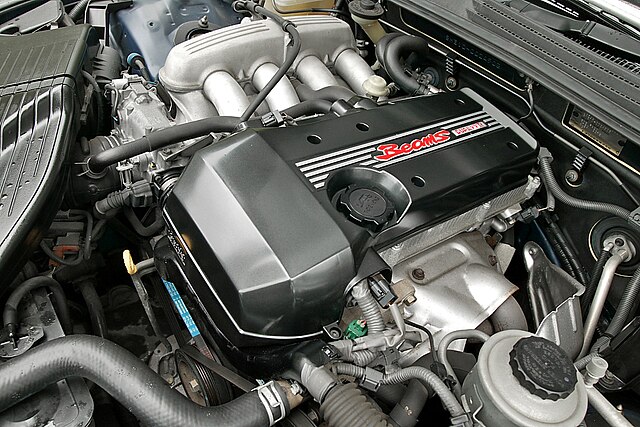
The Toyota 3S-GE engine, introduced in the mid-1980s, quickly became known for combining performance with longevity. This 2.0-liter inline-four engine featured dual overhead cams and a strong iron block with an aluminum head.
Designed for sporty sedans like the Toyota Celica GT, it provided high-revving capabilities without sacrificing durability. The careful engineering ensured the engine could sustain prolonged operation at higher RPMs, making it a favorite for enthusiasts and daily drivers alike.
Internal components were crafted from high-strength materials, including forged connecting rods and precision-machined pistons. These elements reduced friction and wear over time, allowing the engine to maintain efficiency even after extensive use.
The valvetrain was designed for smooth operation, and timing belts were easily serviceable, contributing to long-term reliability. Owners frequently reported engines exceeding 250,000 miles with minimal repairs, showcasing its robust design.
Fuel management was handled initially with carburetors and later with electronic fuel injection, both engineered for consistent performance. The airflow and combustion design were optimized to balance power and longevity, allowing the 3S-GE to deliver spirited performance without overstressing components. Cooling and lubrication systems were efficient, preventing overheating and ensuring stable engine operation under varying conditions.
Maintenance on the 3S-GE remained straightforward, with parts widely available and easy to replace. Routine oil changes, timing belt replacements, and valve adjustments were sufficient to preserve long-term performance. The engine’s reliability extended beyond performance driving, proving itself equally competent in daily commuting, long-distance travel, and spirited driving scenarios.
Even decades after production, the 3S-GE continues to be sought after by tuners and collectors. Its reputation for a strong, reliable block combined with high-revving characteristics demonstrates Toyota’s focus on engineering engines that offer both performance and longevity. This balance has solidified its status as one of the most durable Toyota engines of the 1980s.
7. Honda D16Z6
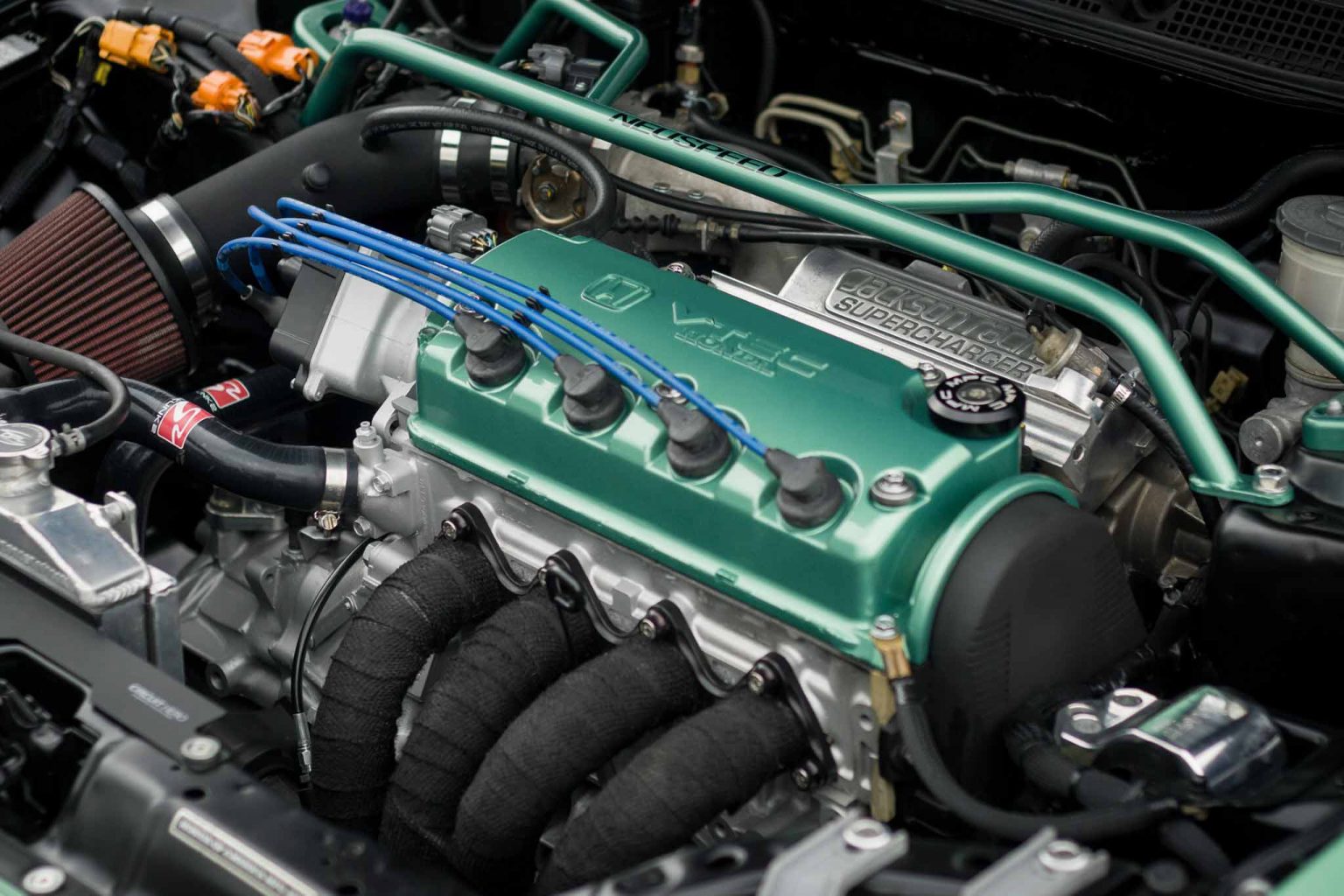
The Honda D16Z6 engine, popularized in the late 1980s, became a benchmark for compact and efficient engines with remarkable longevity. This 1.6-liter SOHC inline-four engine was widely used in Honda Civics, offering a balance of reliability and fuel efficiency. Its simplicity in design contributed to ease of maintenance and low failure rates, making it ideal for commuters and enthusiasts who valued durability alongside modest performance.
The engine’s aluminum head and iron block provided strength without adding excessive weight. Precision engineering reduced internal friction, allowing the engine to sustain long-term operation with minimal wear.
Many examples have been documented to exceed 200,000 miles, often without major repairs. Its timing belt system was straightforward to replace, and the engine could withstand regular high-speed operation without significant stress.
Fuel delivery relied on carburetors in early models and transitioned to fuel injection in later versions. Both systems were engineered for reliability and consistent performance. The intake and exhaust designs optimized airflow while maintaining durability, ensuring combustion efficiency without overstressing components. Honda’s attention to the cooling system also prevented overheating, a common cause of engine failure in this class.
Routine maintenance for the D16Z6 was simple, with widely available parts and minimal specialized tools required. Valve adjustments and periodic inspections were sufficient to ensure longevity. The engine’s lightweight components and efficient design allowed it to perform reliably in urban driving, highway conditions, and even moderate spirited driving without compromising integrity.
Even today, the D16Z6 is recognized as one of Honda’s most durable engines from the 1980s. Its combination of efficiency, reliability, and simplicity ensures that vehicles equipped with this engine remain dependable decades after their initial release. Collectors and Honda enthusiasts often regard it as a classic example of Honda’s engineering excellence.
8. Honda F20A
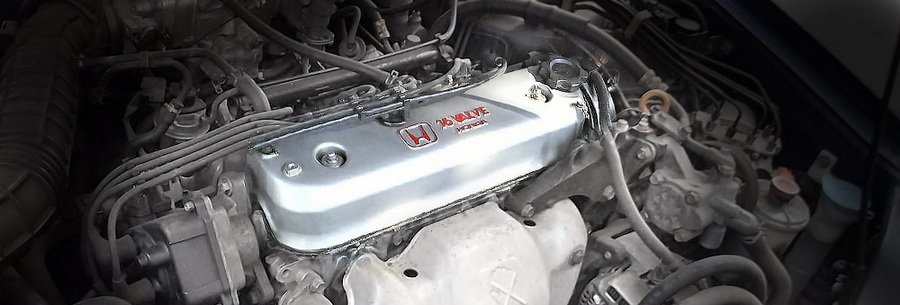
The Honda F20A engine, introduced in the mid-1980s, became a cornerstone of Honda’s performance and reliability reputation. This 2.0-liter inline-four SOHC engine was primarily used in Honda Accord models, offering strong torque, smooth operation, and exceptional durability.
The design emphasized simplicity and robustness, allowing the engine to handle high mileage without frequent repairs. Its combination of aluminum head and cast-iron block ensured both lightness and structural strength.
Internal components, including forged connecting rods and durable pistons, reduced wear over time. The engine’s timing belt was easily serviceable, and regular maintenance allowed the F20A to exceed 250,000 miles reliably.
Its cylinder head and valve train were designed to withstand extended operation under a variety of driving conditions. Cooling and lubrication were engineered to maintain consistent temperature and oil flow, preventing premature failure of critical components.
Fuel delivery systems evolved from carburetors to fuel injection, improving both efficiency and reliability. Honda focused on ensuring the intake and exhaust designs allowed smooth airflow while minimizing stress on components. The engine could handle daily driving, highway use, and moderate spirited driving with minimal mechanical issues. Owners frequently praised its balance of performance and endurance.
Maintenance was straightforward, with parts widely available and minimal need for specialized tools. Regular oil changes, timing belt replacements, and valve adjustments ensured that the engine continued performing at peak efficiency. The F20A’s combination of reliability and mechanical simplicity allowed it to remain a dependable choice for decades.
Today, the F20A remains a respected engine among Honda enthusiasts and restorers. Its long lifespan, efficiency, and durability exemplify Honda’s engineering philosophy during the 1980s, proving that thoughtful design and quality components can produce engines that last for decades without major intervention.
9. Honda B18C
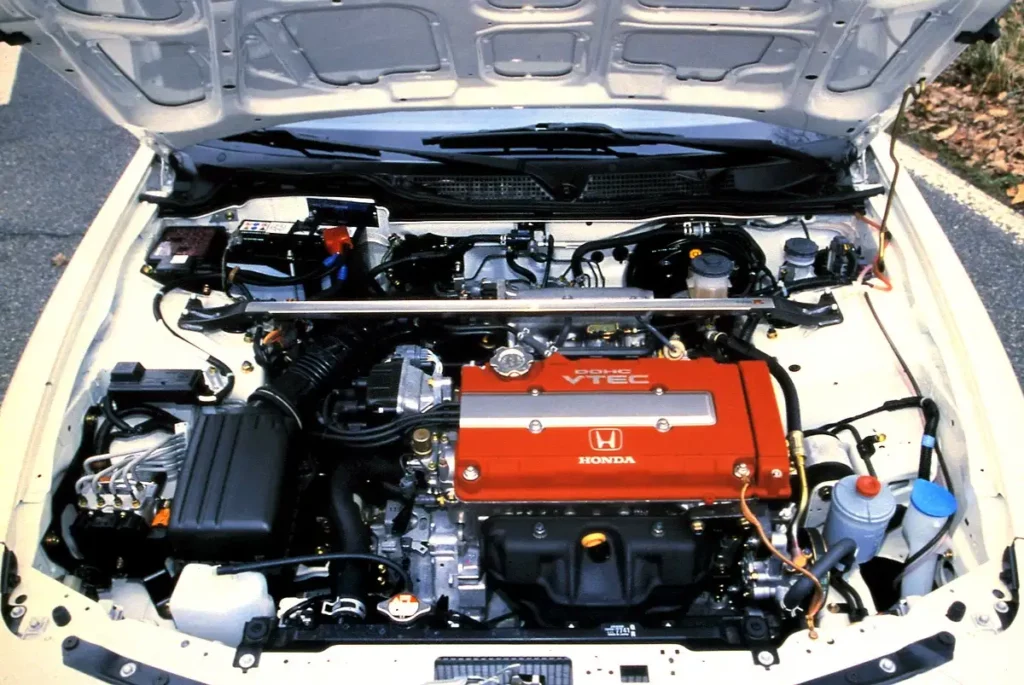
The Honda B18C engine, introduced in the late 1980s, became an icon of high-performance yet durable engines. This 1.8-liter DOHC inline-four featured VTEC in some variants, allowing the engine to achieve high RPMs while maintaining mechanical integrity.
Used in vehicles like the Honda Integra, it provided spirited driving capabilities without compromising long-term reliability. Honda’s focus on precision engineering made this engine both responsive and long-lasting.
The aluminum head and block reduced weight while maintaining structural integrity. The engine’s internals, including lightweight pistons and reinforced connecting rods, were engineered to resist wear over prolonged use. With proper maintenance, B18C engines have been documented to exceed 200,000 miles, even in vehicles driven enthusiastically. Timing belt and valve adjustments were simple, making it easy for owners to preserve the engine’s longevity.
Fuel delivery systems transitioned to electronic fuel injection in later models, improving consistency and reliability. Airflow design and combustion efficiency were optimized for performance without overstressing components. Cooling and lubrication systems were engineered for stability, preventing overheating and minimizing wear on bearings and valve train components.
Maintenance remained straightforward, with replacement parts widely available and service intervals manageable. Routine inspections, oil changes, and valve adjustments allowed the engine to sustain high-revving performance over decades. The B18C’s durability, combined with its performance capabilities, made it a favorite among both enthusiasts and daily drivers.
Even in modern automotive communities, the B18C is celebrated as one of Honda’s most reliable high-performance engines of the 1980s. Its combination of lightweight design, strong materials, and meticulous engineering allowed it to maintain performance and reliability, cementing its place among Honda’s legendary powerplants.
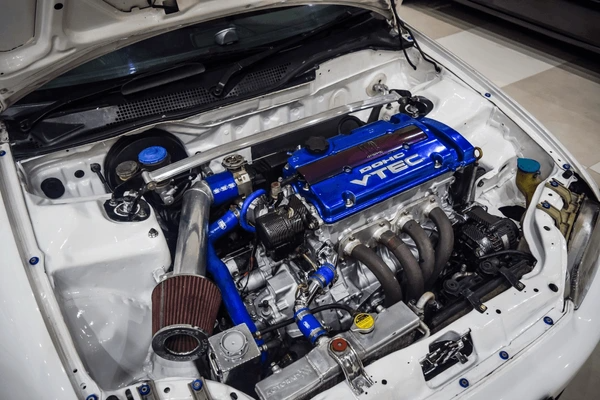
10. Honda H22A
The Honda H22A engine, introduced in the late 1980s, rounded out the list of the most durable engines from Honda and Toyota in this era. This 2.2-liter DOHC inline-four engine was designed for performance applications, particularly in Honda Prelude models.
Despite its focus on high output, the H22A was engineered for reliability, with reinforced components and robust cooling and lubrication systems. It became known for its ability to deliver strong performance while maintaining longevity.
The engine’s aluminum block and head reduced weight and improved heat dissipation. Internal components were crafted from high-strength materials, including forged pistons and durable connecting rods, allowing the engine to sustain high mileage without significant wear.
Timing belt maintenance and routine valve adjustments were sufficient to preserve long-term performance. Many H22A engines have surpassed 250,000 miles with careful care.
Fuel delivery systems were designed to optimize combustion efficiency, while airflow and intake designs ensured consistent performance without overstressing mechanical parts. The VTEC system, present in later variants, was carefully engineered to switch cams without causing premature wear. Cooling and lubrication systems prevented overheating and maintained stable operating conditions, ensuring longevity even under spirited driving conditions.
Maintenance was relatively simple, with replacement parts widely available and service intervals reasonable. Owners could maintain peak performance through regular oil changes, timing belt replacements, and valve adjustments. The H22A balanced high performance with mechanical reliability, making it a favorite for both enthusiasts and long-term drivers.
Even today, the H22A continues to be admired for its durability and engineering excellence. Vehicles equipped with this engine remain reliable decades later, demonstrating Honda’s commitment to producing high-performance engines capable of sustaining long-term operation. Its place among the top ten durable engines of the 1980s is a testament to thoughtful design, strong materials, and attention to detail.
