
Toyota is a brand that many drivers regard as synonymous with reliability and durability, yet reliability does not always guarantee low insurance costs for every model sold in the United States.
Insurance rates are influenced by a variety of factors beyond basic dependability, including repair costs, safety ratings, theft rates, horsepower, and the typical demographics of drivers who choose specific vehicles.
A Toyota can hold up well over time and require fewer unscheduled trips to the mechanic, but that same model might feature a high purchase price, advanced technology, or a performance oriented engine that drives premiums upward.
Understanding why certain Toyota vehicles cost more to insure requires a closer look at how insurers assess risk, and the specific characteristics that place some models in higher risk categories.
For example, many midsize and full size SUVs, even from trusted brands like Toyota, can attract higher insurance premiums because of their greater replacement parts costs and the increased potential for costly claims after collisions.
Similarly, sporty models or vehicles with more powerful engines often lead to higher premiums because they are statistically more likely to be involved in high speed collisions or be driven by younger, high risk drivers. Another important factor is theft rates, as vehicles that are popular targets for thieves may see insurance companies charging more to cover that risk.
Additionally, if a particular model has expensive safety systems or cutting edge electronics, the cost to repair or replace those systems can be significant, driving up the insured value of the vehicle.
In the United States today, drivers who select a Toyota because of its reputation for longevity may still be surprised when they receive insurance quotes that are higher than expected, especially for vehicles in certain segments or with certain options.
Even among reliable models there is significant variation in insurance costs because of differences in trim levels, performance packages, and targeted markets. When prospective buyers choose a Toyota vehicle, it is wise to consider not just fuel efficiency and predicted durability but also insurance considerations, since the cost to maintain coverage can add substantially to the total cost of ownership over the years.
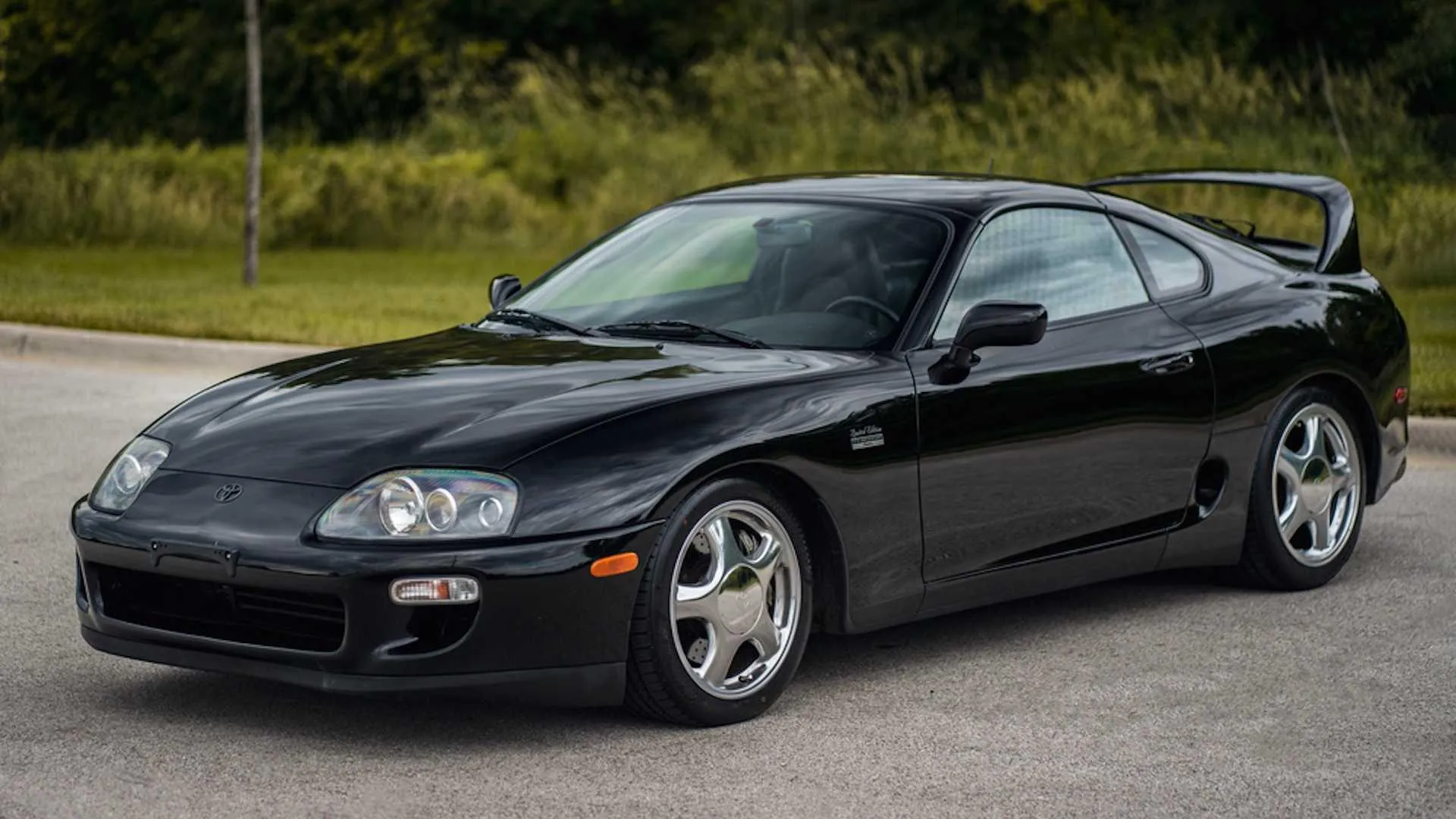
Toyota Supra
The Toyota Supra is a sports car that has long been admired for its performance capabilities and engaging driving experience. It boasts a powerful engine and agile handling that appeal to driving enthusiasts and those who appreciate spirited acceleration.
Although its reliability record is commendable, these same performance traits can lead insurance companies to assign higher risk scores compared with more modest Toyota models. Drivers of the Supra may find that higher premiums are influenced by both the potential for aggressive driving and the elevated cost of replacing performance parts.
In addition, the Supra’s status as a premium sports coupe adds to its insurance profile. Its sticker price is significantly higher than many standard Toyota sedans or crossovers, and insurers often base coverage costs in part on the vehicle’s value.
When repair costs after an accident include specialized components or high-end materials, the insurer’s payout expectations go up, and those costs are transferred to policyholders. This dynamic affects both collision and comprehensive coverage premiums.
Safety ratings for the Supra are solid, but performance orientation sometimes outweighs safety considerations in insurance formulas. The Supra is designed to maximize driving pleasure, not primarily to mitigate risk through bulk or larger crumple zones typical of family-oriented vehicles.
Younger or performance-focused drivers may also be drawn to this model, which can be factored into risk assessments by insurance underwriters. These demographic considerations affect rates independently of reliability.
The cost of theft and vandalism is another element that insurers watch closely. Sports cars, especially recognizable ones like the Supra, may be more attractive targets for theft or sustained damage, which increases comprehensive insurance costs.
Even with modern anti-theft systems and tracking technology, the potential loss value is a risk that insurers consider. Owners should expect this when evaluating the Supra’s total cost of ownership.
Drivers who prioritize spirited driving and premium features must balance those desires with the financial reality of higher insurance costs. Understanding this balance before purchase can prevent surprises at renewal time. Prospective owners should obtain multiple quotes to find the most competitive coverage for their circumstances.
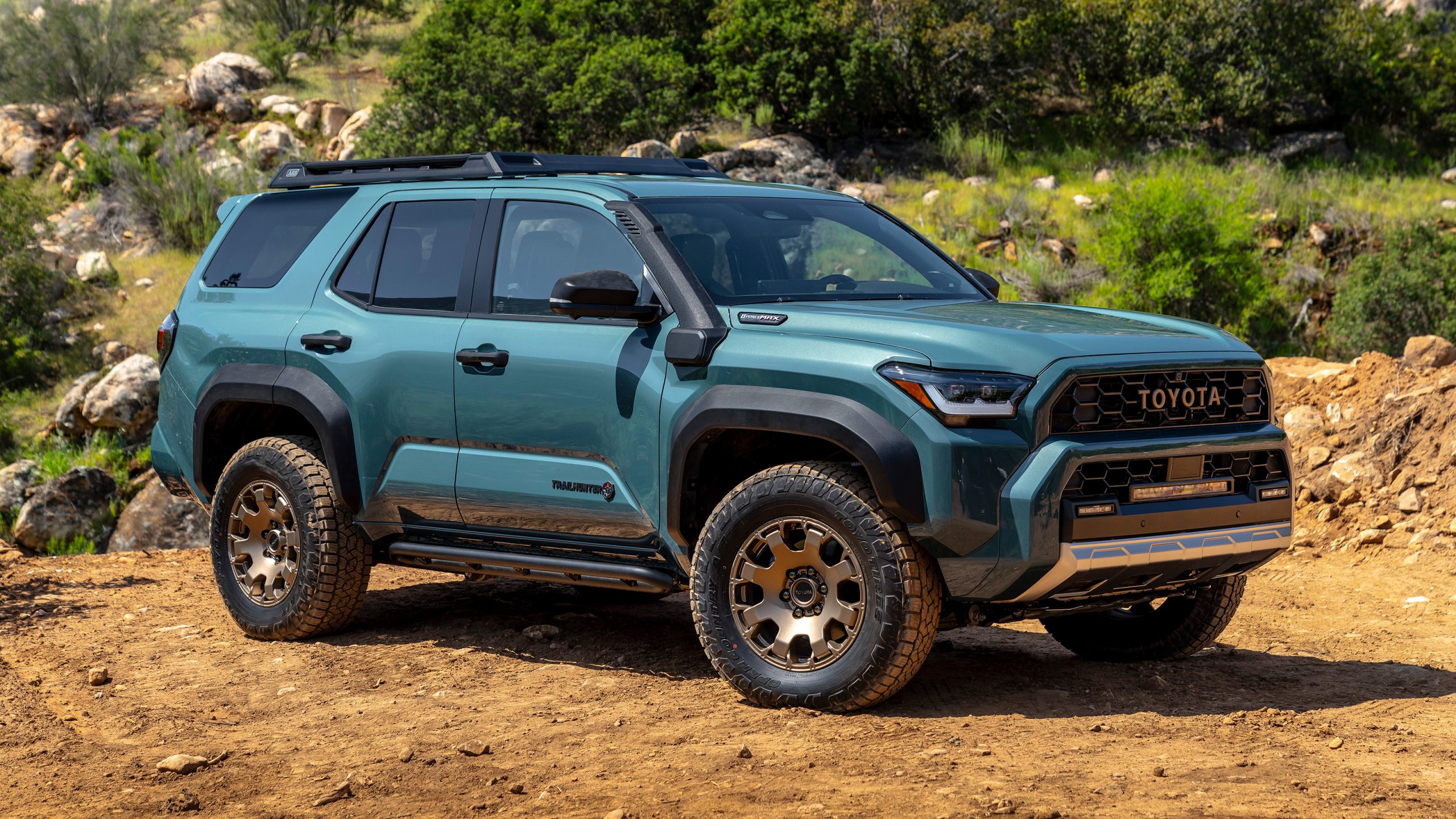
Toyota 4Runner
The Toyota 4Runner is a rugged sport utility vehicle known for its durability and off-road prowess, traits that make it a favorite among adventurers and families alike. Despite its reputation for long-lasting mechanics and dependable performance in challenging environments, insuring a 4Runner can be costly relative to other Toyota models.
This higher cost arises in part because its size, weight, and design increase repair costs after an accident compared with smaller, more economy-oriented vehicles. Additionally, SUVs in general tend to have higher insurance premiums because they can incur more structural damage in collisions.
Another reason for elevated insurance rates on the 4Runner involves its typical usage pattern. Many owners take these vehicles on off-road trails, camping excursions, or other activities where the risk of damage increases due to uneven terrain or remote driving conditions.
Insurers may adjust premiums upward when they view a vehicle as more likely to be involved in claims that include physical damage. Even though reliability ensures fewer mechanical breakdowns, the scenario of collision or body damage remains a factor.
The 4Runner’s market value is also relatively high among Toyota’s lineup, reflecting its long-lasting reputation and desirability among used car buyers. A higher replacement cost in the event of a total loss equates to more money insurers must pay, which in turn influences higher policy rates.
Comprehensive coverage intended to protect against theft, weather events, and vandalism is also priced based on the vehicle’s value and repair cost estimates. This affects the cost for owners who want full coverage protections.
Safety features on the 4Runner are robust, but its off-road-centric design sometimes sacrifices advanced driver-assist technology found on newer crossover designs. From the insurer’s perspective, a lack of the latest collision-avoidance systems might equate to increased risk. While Toyota’s reliability means fewer mechanical failures, it does not directly reduce premiums if collision statistics remain high.
Prospective buyers should consider insurance quotes alongside these safety-related factors. Comparing quotes from different insurers can help mitigate some of these expenses. Understanding how usage and market value affect insurance will lead to smarter decisions before purchasing.
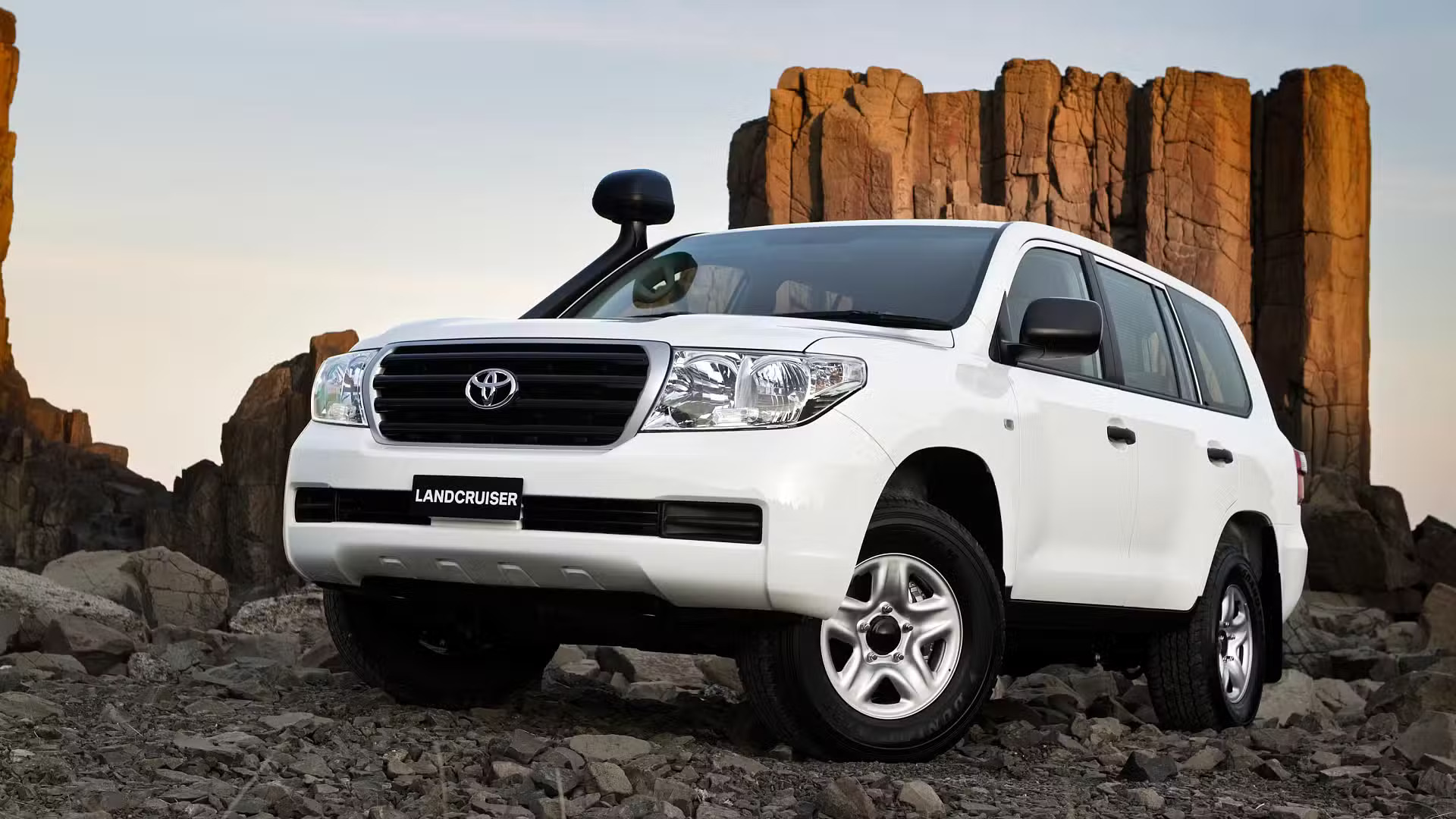
Toyota Land Cruiser
The Toyota Land Cruiser is a luxury-oriented full-size SUV with a history of remarkable longevity and off-road competence. It has earned strong loyalty among drivers who appreciate its robust build quality and ability to handle demanding terrain without frequent mechanical issues.
Despite these positive attributes, insurance companies often price coverage for the Land Cruiser at a premium rate compared with more modest vehicles in the Toyota lineup. Several key factors contribute to this, starting with its high initial purchase price and the resulting elevated cost of replacement parts.
Because the Land Cruiser sits near the top of Toyota’s SUV offerings in terms of price and capability, insurers view it as a higher financial risk when calculating premiums.
Substantial payouts may be required in the event of a total loss, and specialized parts can demand expensive repairs after collisions. This combination of high value and complex engineering pushes insurers to charge more for both collision and comprehensive coverage. Owners should expect these influences to be reflected in their insurance bills.
The size and weight of the Land Cruiser also play a role in how insurers assess risk. While its mass can offer protective benefits in certain collision scenarios, it can also lead to more extensive damage to both itself and other vehicles.
Insurers account for this possibility in their risk models, which can translate to increased premiums. Additionally, the advanced technology and luxury features of the Land Cruiser may require specialized service technicians and parts, further raising expected claim costs.
Land Cruisers are often used for long-distance travel, exploration, and hauling passengers or gear, which can correlate with higher mileage and greater exposure to potential collisions.
Insurance underwriters consider usage patterns in their pricing structures, and vehicles with higher annual mileage typically face steeper premiums. Even if the Land Cruiser remains mechanically reliable, its frequent road use contributes to the probability of claims and therefore impacts insurance cost.
For drivers prioritizing reliability, comfort, and capability in diverse terrain, the Land Cruiser remains an appealing choice despite cost considerations. However, it is important to recognize that insurance expenses form a significant part of ownership over the life of the vehicle.
Prospective buyers should gather insurance quotes before purchase to understand the long-term financial commitment. Balancing premium quality with realistic cost expectations will help ensure satisfaction with this venerable Toyota SUV.
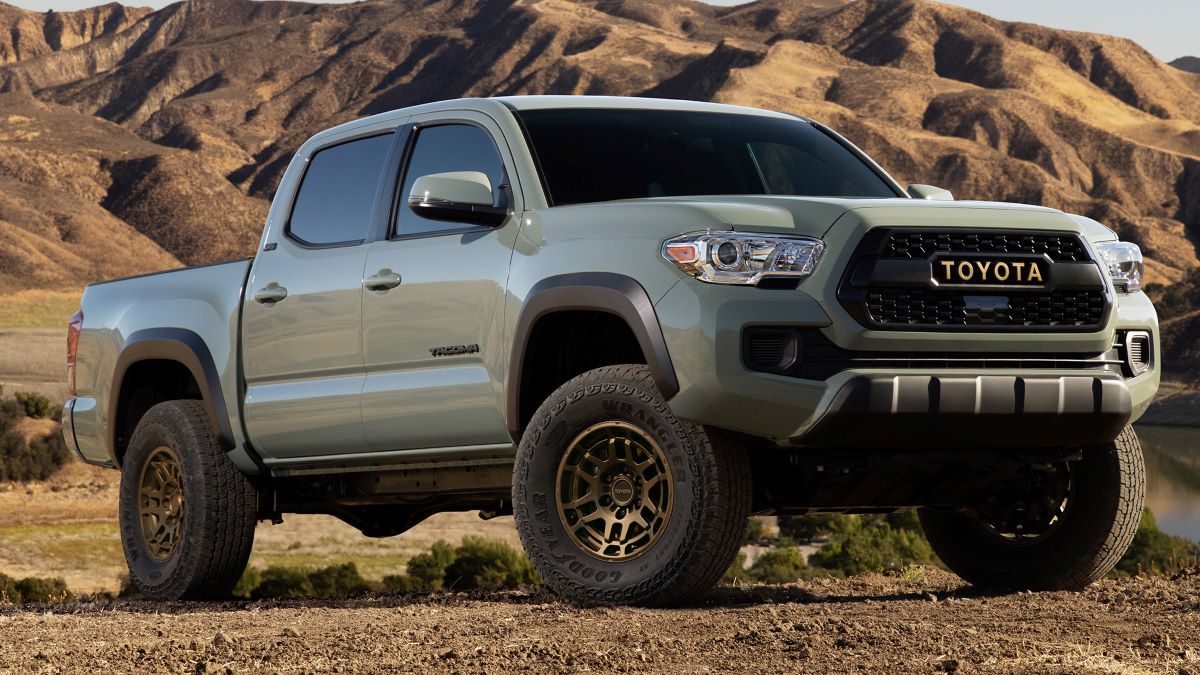
Toyota Tacoma
The Toyota Tacoma has a reputation for toughness and longevity that few compact pickup trucks can match. Its strong resale value and ability to withstand heavy use make it a popular choice among those needing a dependable work or recreational vehicle.
Despite these advantages, the Tacoma often carries higher insurance costs than many other Toyota models, influenced by factors beyond its mechanical reliability. Insurance companies consider more than just breakdown frequencies when pricing coverage, and for a midsize pickup truck like the Tacoma, those considerations can drive premiums upward.
One reason Tacoma insurance can be costly relates to its popularity among a variety of drivers who may use it in demanding conditions. Work sites, rural roads, and trailheads are common environments for Tacoma owners, and these usage patterns raise the likelihood of collision or body damage claims.
Even though the truck’s engine and drivetrain might remain durable, the risk of physical damage affects how insurers assess potential claims. As a result, premiums for collision and comprehensive coverage can be higher than expected.
The Tacoma’s resale value tends to be strong, which reflects both its reliability and desirability in the used market. However, this high value also means that in the event of a total loss, insurers may face significant payout obligations. Higher replacement values correlate with higher insurance costs because the insurer’s exposure increases. Drivers should take this into account when estimating the full cost of ownership.
Safety ratings and features are generally favorable on the Tacoma, yet its pickup truck configuration can sometimes lag behind passenger cars in advanced driver-assist systems.
Since cutting-edge safety systems can reduce the severity of collisions, their absence or limited availability can lead to higher insurance rates. Even with Toyota’s solid build quality, insurers focus heavily on historical collision data and the presence of technology that mitigates risk. This affects premiums in ways that reliability figures alone do not capture.
Another element that may raise insurance costs for the Tacoma is the availability of more powerful engine options and aftermarket upgrades. Some owners choose to enhance performance or modify their trucks for off-road capabilities, and such customization can increase the cost of repairs.
Insurers may adjust premiums accordingly when modifications deviate from factory specifications. Understanding these influences helps buyers anticipate insurance costs when choosing a Tacoma.
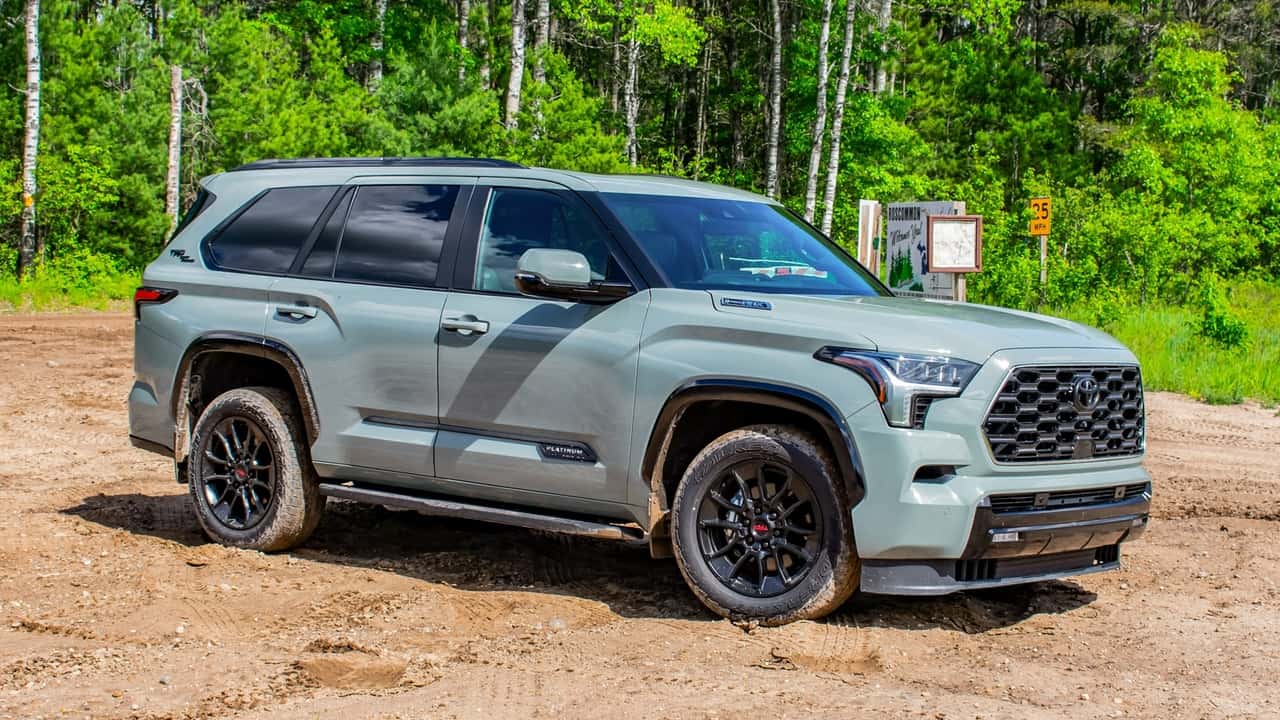
Toyota Sequoia
The Toyota Sequoia is a large SUV that combines ample passenger space with powerful performance suitable for families and towing tasks. Its reputation for reliability and solid construction has made it a choice for drivers who need room and capability without sacrificing long-term durability.
Nevertheless, the Sequoia often comes with higher insurance premiums compared with many smaller Toyota models. Insurance cost factors include its size, weight, and the elevated expenses associated with repairing or replacing larger components after an accident.
A significant contributor to the Sequoia’s insurance costs is the expected repair bill when it sustains damage. Large SUVs often have pricey body panels, suspension components, and intricate electronic systems, all of which can be expensive to fix.
Insurers take these potential costs into account when estimating how much they might have to pay out on a claim. Consequently, premiums for collision coverage may be more than what owners of smaller, less complex vehicles pay.
The Sequoia’s towing capacity and engine power are strengths from a utility perspective, but they also signal higher risk to some insurance underwriters. Vehicles capable of hauling heavy loads may be involved in collisions that cause extensive damage to both the SUV and whatever it towed.
Even though reliability means fewer breakdown-related claims, the severity and expense of collision claims carry significant weight in insurance formulas. Drivers should recognize this dynamic when evaluating Sequoia ownership.
Safety ratings on large SUVs like the Sequoia are generally strong, with robust frames and protective design elements. However, their sheer size can create challenges in urban environments or tight traffic, leading to greater potential for parking lot dents and low-speed collisions.
Insurers monitor historical data on claim frequencies, and when a model shows higher claim counts for minor incidents, premiums reflect that trend. Reliability in mechanical terms does not offset these real-world usage risks in insurance models.
Finally, the Sequoia’s market value and desirability contribute to its insurance profile. Higher-end trims with luxury features command more money, and if drivers choose advanced technology packages, repair costs after damage can rise.
Insurance companies factor vehicle value and component complexity into their pricing, leading to higher comprehensive and collision premiums. Prospective owners should weigh these considerations against the Sequoia’s many positive qualities before purchase.
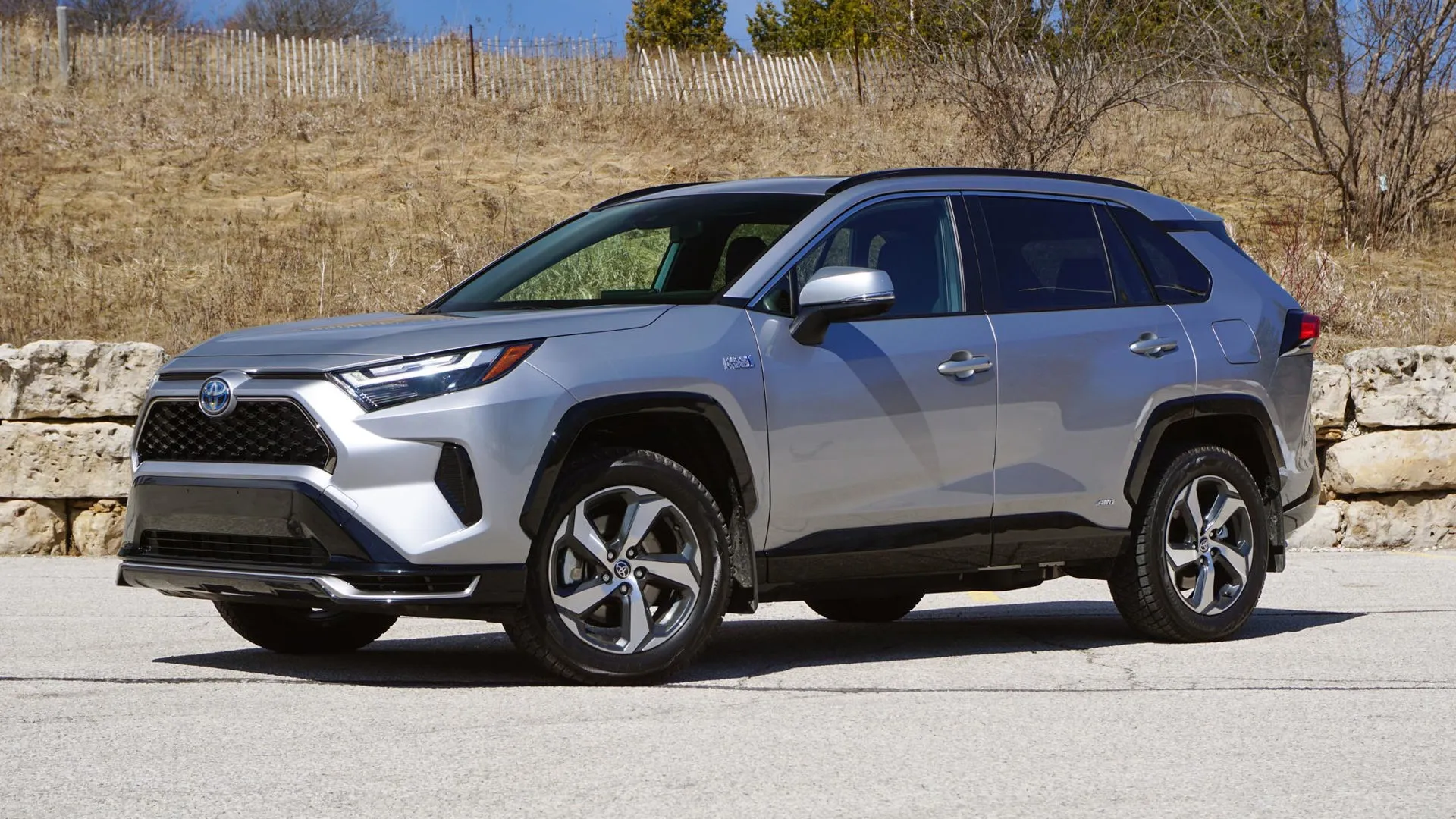
Toyota RAV4 Prime
The Toyota RAV4 Prime combines the practicality of a compact SUV with plug-in hybrid efficiency and strong performance numbers. As one of Toyota’s most advanced electrified models, it delivers fuel savings and brisk acceleration that appeal to a wide range of buyers.
Despite its reliability and technological advancements, the RAV4 Prime often carries higher insurance rates than its conventional RAV4 counterparts. Several elements contribute to this, starting with its higher purchase price and the complexity of its hybrid powertrain.
Because the RAV4 Prime features both an internal combustion engine and electric drive components, repair costs after a collision can be more expensive than on a standard gasoline model.
Batteries, electric motors, and related control systems require specialized service and parts that are not inexpensive. Insurance companies anticipate these increased repair costs, and premiums are adjusted accordingly. Owners should be prepared for higher comprehensive and collision coverage rates due to this complexity.
The RAV4 Prime has strong acceleration that rivals many non-electrified compact SUVs, which can be attractive for drivers who enjoy responsive performance. However, insurance providers consider higher performance metrics when evaluating risk. If a vehicle has the potential for faster speeds and more dynamic driving, this factor may raise premiums even if reliability is not at issue. This situation highlights how performance capabilities can influence insurance pricing beyond dependability.
Electric and plug-in hybrid vehicles like the RAV4 Prime often receive government incentives at the time of purchase, but these incentives do not lower insurance costs. In fact, the advanced technologies that qualify for incentives often require expensive repairs after damage, which insurers incorporate into their pricing models.
Even though Toyota has a reputation for dependable hybrid systems, the cost to service these systems after impact remains higher than for simpler gasoline vehicles. Drivers should consider this when budgeting for long-term ownership costs.
Safety ratings and features are strong on the RAV4 Prime, with numerous driver-assist systems designed to reduce collision risk. Yet the presence of advanced technology does not always yield lower premiums if the associated repair costs are substantial.
Insurers weigh both the potential to prevent collisions and the expense of fixing high-tech systems after one occurs. This balance often results in higher insurance costs for the RAV4 Prime compared with less complex models.
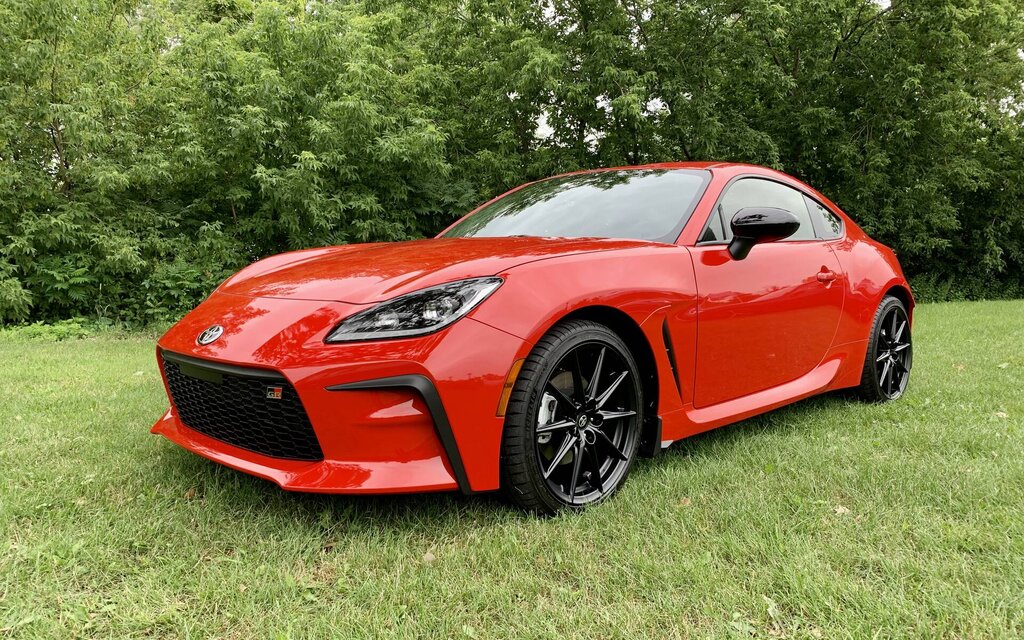
Toyota GR86
The Toyota GR86 is a compact sports coupe that emphasizes driving enjoyment, precise handling, and accessible performance for enthusiasts. It shares its playful character with a lightweight chassis and responsive engine that make it fun to drive on both twisty roads and daily commutes.
Despite its dependable Toyota engineering and solid track record for reliability, the GR86 tends to be more expensive to insure than many other Toyota cars. Insurance companies factor in the sporty nature of the vehicle, which correlates with higher risk in statistical models.
Because the GR86 offers a more engaging driving experience with greater potential for speed and dynamic handling, insurers may classify it in a higher-risk category compared with economy sedans and crossovers.
This classification influences both liability and comprehensive coverage costs. Statistics show that sporty vehicles experience more high-speed or aggressive driving-related claims, which affects premiums. Drivers who enjoy performance may find that insurance is one of the trade-offs they must accept.
Another factor affecting insurance is the typical driver demographic for the GR86. This car often attracts younger buyers who may lack extensive driving experience, and younger drivers statistically file more claims.
Insurance companies adjust premiums upward for vehicles popular with these demographics. Even though the car itself is mechanically reliable, the profile of its owners can lead to higher rates.
Repair costs for the GR86 can also be higher than for more common Toyota models, particularly if performance-oriented parts are damaged in an accident. Wheels, suspension components, and sport-tuned brakes can cost more to replace than standard parts. Insurance underwriters consider these higher potential costs when calculating premiums.
Finally, the GR86’s compact size and lower weight, while beneficial for handling, can result in more damage in collisions with larger vehicles. Insurance models consider the odds of damage severity in various crash scenarios, and smaller vehicles can show higher claim severity when they are struck by larger ones.
This becomes another reason why premiums may be higher, despite Toyota’s reliable mechanical reputation. Prospective owners should factor insurance into their decision process for this engaging sports coupe.
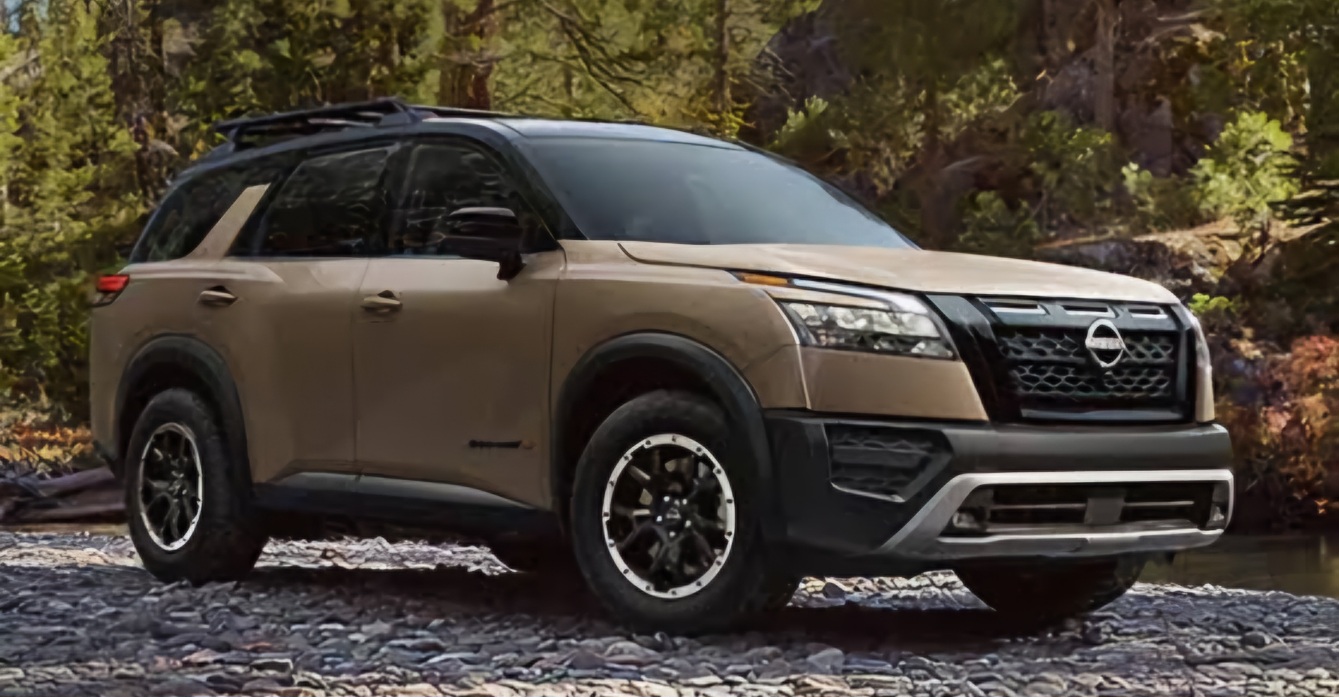
Toyota Highlander Hybrid
The Toyota Highlander Hybrid is a midsize SUV that combines roomy seating, fuel-efficient hybrid technology, and smooth driving dynamics. Its reputation for reliability makes it a strong choice for families seeking long-lasting performance and lower fuel costs.
However, insurance premiums for the Highlander Hybrid can be higher than those for standard Highlander models and other Toyota SUVs without hybrid systems. This is due in part to the complexity and cost of repairing hybrid components after collisions.
Hybrid vehicles require specialized knowledge and parts when repairs are needed, particularly for the battery and electric drive components. These systems are expensive to replace, and insurers anticipate significant expenses if a hybrid is damaged. Because of this, premiums for collision and comprehensive coverage are often higher than for non-hybrid vehicles with simpler mechanical layouts. Owners should consider these costs in addition to their fuel savings.
The Highlander Hybrid’s elevated purchase price compared with non-hybrid versions also contributes to its higher insurance costs. A higher initial value means that insurers may face greater payouts in the event of a total loss. Insurance companies factor this increased exposure into their rate calculations. Consequently, drivers can expect to pay more to insure the hybrid variant over its lifespan.
Safety ratings are typically favorable for the Highlander Hybrid, with many driver-assistance features included as standard. These safety elements can help reduce the frequency and severity of collisions, which is beneficial from an insurer’s viewpoint.
However, even with strong safety scores, the cost to repair or replace advanced systems and hybrid components offsets some of the insurer’s risk reduction. The result is a balance of high value and high potential repair cost that keeps premiums elevated.
Another influence on insurance cost is the buyer demographic, as families with multiple drivers and higher annual mileage can face higher rates.
Insurers take usage patterns into account, and vehicles used extensively for commuting or family travel can see increased premiums. While reliability remains a strong selling point for the Highlander Hybrid, these other factors shape its insurance profile and make it one of the pricier Toyota options to insure.
Toyota Avalon
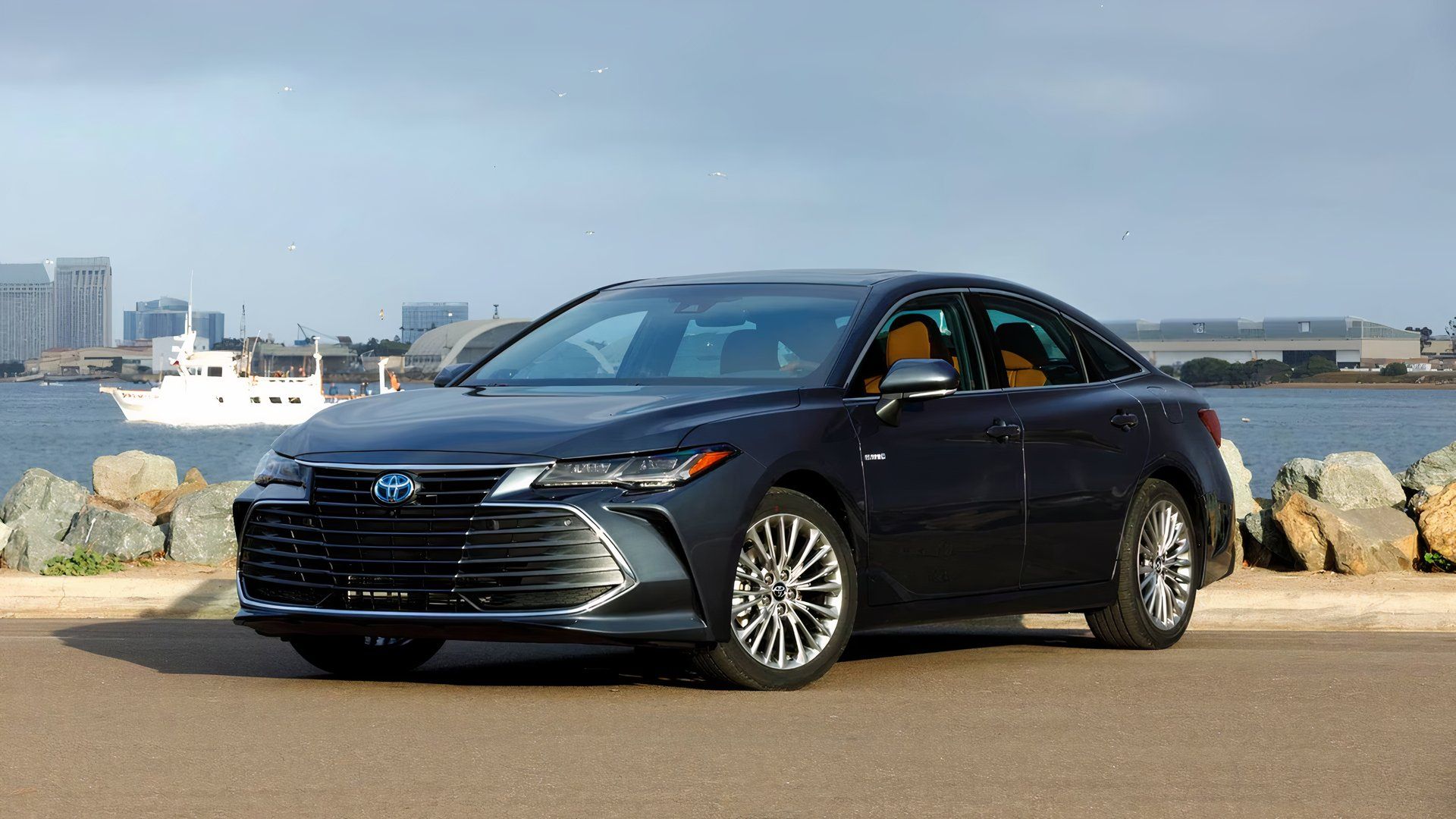
The Toyota Avalon is a full-size sedan that offers a refined ride, spacious interior, and a reputation for long-lasting performance. It appeals to buyers looking for comfort, quietness, and reliability in a car that feels more luxurious than many of its peers.
Despite its many positive attributes and strong dependability ratings, the Avalon often carries higher insurance premiums than smaller sedans like the Corolla or Camry. Insurance cost factors include its size, features, and the cost of repairs after collisions.
As a full-size sedan with a relatively high base price, the Avalon has a greater replacement cost if it is totaled. Insurers use market value as a baseline for how much they might owe in such events, and higher-value cars frequently come with higher premiums. This affects both collision coverage and comprehensive plans. Drivers should consider the financial implications of this when evaluating the Avalon.
The Avalon also offers numerous comfort and technology features that contribute to its higher price tag. While these features enhance the driving experience, they also increase the cost of repairs after damage.
Infotainment systems, premium materials, and advanced sensors are all more expensive to service or replace compared with simpler setups. Insurance companies incorporate these higher expected costs into their pricing models.
Safety ratings for the Avalon are strong, yet even excellent safety performance does not always reduce premiums sufficiently to offset high repair costs. Insurers balance safety benefits with the expense of fixing a sophisticated vehicle.
In addition, the Avalon’s larger size means that it may sustain more visible damage in collisions that would cause less noticeable issues on smaller cars. This dynamic influences premium calculations.
Finally, the demographics of Avalon buyers often include more experienced drivers who appreciate comfort and reliability. While older, experienced drivers may qualify for lower-risk categories, the insurance cost benefits can be tempered by the factors outlined above.
Toyota Prius Prime
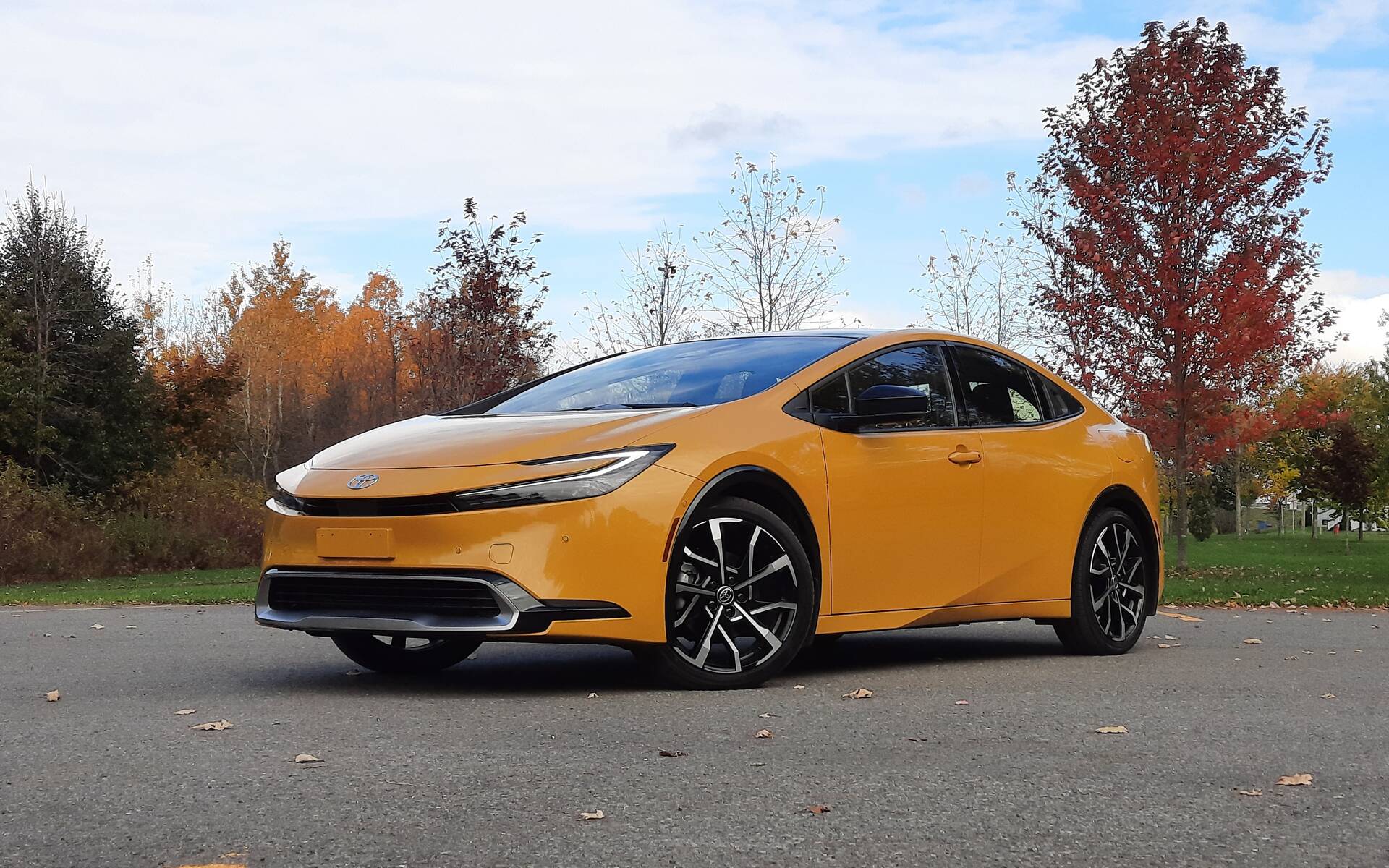
The Toyota Prius Prime is a plug-in hybrid variant of the popular Prius lineup, offering electric-only range and excellent fuel economy. Its reputation for reliability and low operating costs attracts environmentally conscious drivers and commuters who want to minimize fuel expenses.
Despite these advantages, the Prius Prime can be more expensive to insure than standard Prius models and many other non-electrified Toyota cars. The reasons for this relate to its technological complexity, higher purchase price, and repair cost expectations after collisions.
Because the Prius Prime includes both a gasoline engine and electric drive systems, it has additional components that require specialized knowledge and parts when servicing is necessary.
Battery packs, power electronics, and charging systems are more expensive to replace than conventional mechanical parts. Insurance companies consider these potential costs when calculating premiums, resulting in higher rates for this plug-in hybrid variant.
The Prius Prime’s higher sticker price compared with non–plug-in models also contributes to elevated insurance costs. When a vehicle has greater market value, insurers often charge more because their financial exposure increases. This is particularly relevant in the case of a total loss, as the insurer may need to compensate for a higher-valued vehicle. Drivers should weigh this factor alongside potential fuel savings.
Safety systems on the Prius Prime are generally strong, with numerous driver-assist features intended to reduce collision likelihood and severity. However, when electronic components related to these systems are damaged, repair costs can be high due to their complexity.
Insurance underwriters factor in both safety benefits and repair costs, and in this case the latter often outweighs the former. This dynamic keeps premiums higher than for more basic models.
In addition, the Prius Prime may attract drivers with specific commuting patterns or higher annual mileage, both of which can influence insurance pricing. Insurers view higher usage as greater exposure to potential claims.
Even though reliability ensures fewer mechanical breakdown claims, collision exposure remains a major factor in premium determination. Prospective buyers should obtain insurance quotes before purchasing to understand the full cost picture.
Toyota Sienna
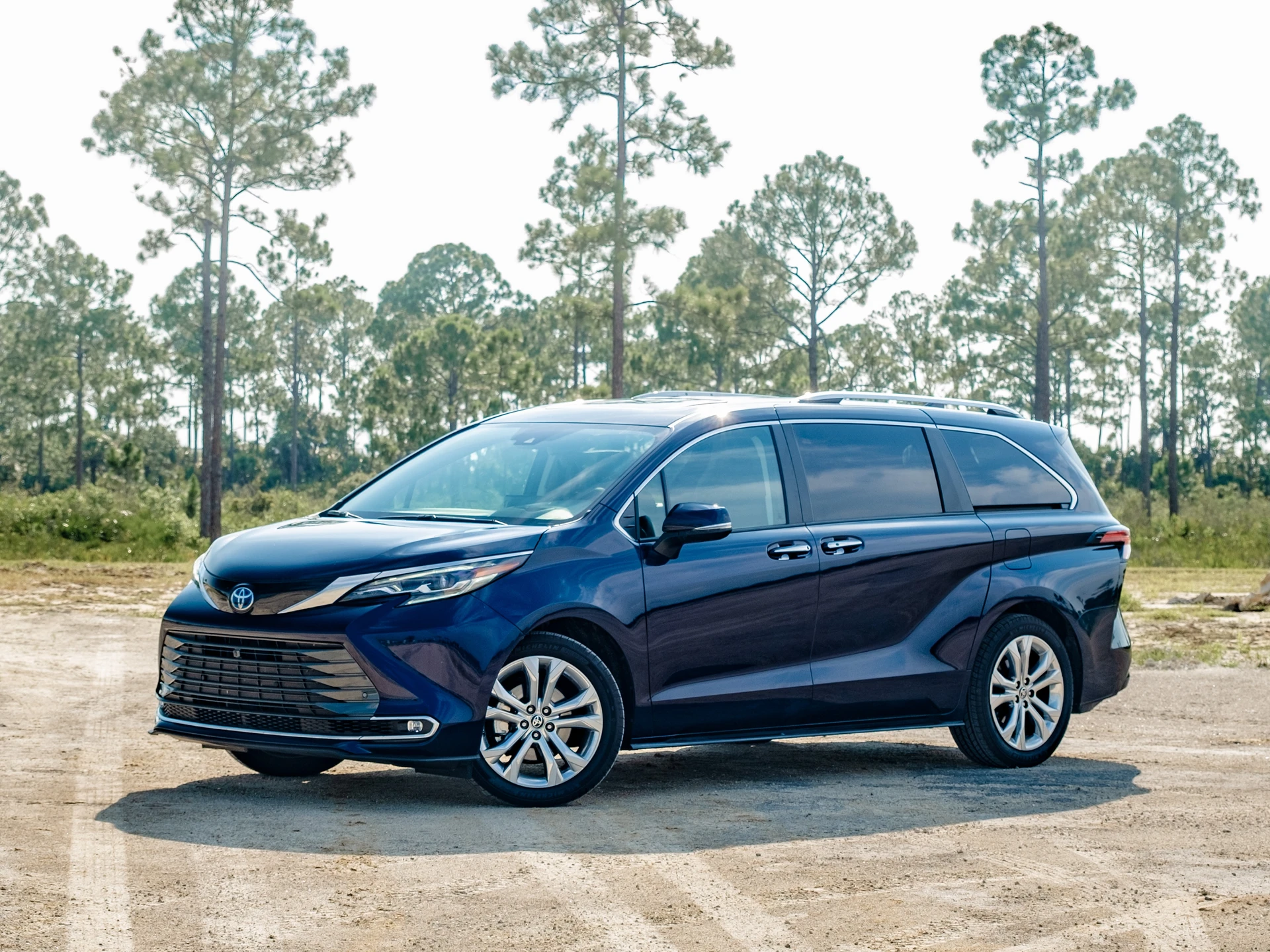
The Toyota Sienna is a minivan that combines family-friendly space with reliability and an available hybrid powertrain for improved fuel efficiency. Its reputation for durability and comfort makes it a popular choice among families and those needing versatile cargo and seating arrangements.
Despite these strengths, the Sienna can command higher insurance premiums compared with smaller Toyota models. This is due in part to its size, repair costs, and usage patterns common among minivan owners.
Minivans like the Sienna are often driven by families with multiple passengers and high annual mileage for school, errands, and trips. Insurance companies consider usage and exposure when assessing risk, and vehicles that spend significant time on the road may face higher premiums.
Even though the Sienna is reliable mechanically, the frequency of miles driven increases the likelihood of collisions in statistical models. This contributes to elevated insurance costs.
The Sienna’s size also means that in collisions, repair costs can be substantial because of larger body panels, complex suspension systems, and integrated safety technology. These potential expenses are part of how insurers calculate premiums. Large vehicles with roomy interiors may also require more materials and labor to fix after collisions. This reality influences insurance cost.
Hybrid variants of the Sienna add another layer of complexity because of their additional electrical components and battery systems. These parts are expensive to service or replace, and insurers adjust their pricing to account for the possibility of costly claims. Even with reliability ratings that suggest fewer mechanical failures, the cost of repairs remains a key factor. Drivers should consider this in their budgeting.
Safety ratings for the Sienna are typically strong, and numerous driver-assist features help reduce collision risk. However, the benefits of these systems in lowering insurance may be offset by the higher cost to fix or replace them after damage. Insurance companies balance these considerations when determining rates. The result can be more expensive insurance than one might expect based solely on reliability.
