
Honda has earned a reputation for building engines that are both efficient and durable, attracting enthusiasts and everyday drivers alike. However, not all Honda engines share the same track record when it comes to reliability.
While some powertrains have become legends for their ability to withstand extreme mileage with minimal maintenance, others have exhibited specific issues that can affect longevity and performance. Among the concerns that have surfaced in certain Honda engines, oil dilution stands out as a recurring problem in some newer models.
Oil dilution occurs when fuel mixes with engine oil, reducing lubrication efficiency and increasing wear on internal components. This issue can be subtle at first but may lead to long-term damage if left unchecked, particularly in colder climates or under short-trip driving conditions where the engine may not reach optimal operating temperatures.
Understanding which engines are prone to this problem can help owners and buyers make informed decisions. On the other hand, Honda also produces engines that are widely regarded as nearly indestructible, capable of surviving hundreds of thousands of miles with proper care.
These engines often combine robust design, proven materials, and reliable fuel and cooling systems, making them a favorite among enthusiasts seeking low-maintenance performance. The contrast between engines with oil dilution issues and those considered unkillable illustrates the diversity in Honda’s engineering philosophy.
Some engines prioritize efficiency and emissions compliance, occasionally at the cost of oil integrity, while others prioritize simplicity and reliability, often achieving legendary status in the automotive community. In this article, we will examine five Honda engines that are known to experience oil dilution issues, discussing their characteristics, common symptoms, and contributing factors.
Following that, we will highlight five Honda engines that have earned a reputation for exceptional durability, explaining why they continue to be trusted in high-mileage applications. By comparing these two categories, readers can gain a deeper understanding of Honda engine engineering, the importance of maintenance practices, and the practical implications of owning vehicles with different types of powertrains.
Whether you are considering buying a used Honda or simply want to understand which engines are more forgiving over time, this guide provides detailed insight into Honda’s strengths and weaknesses.
5 Honda Engines Known for Oil Dilution Issues
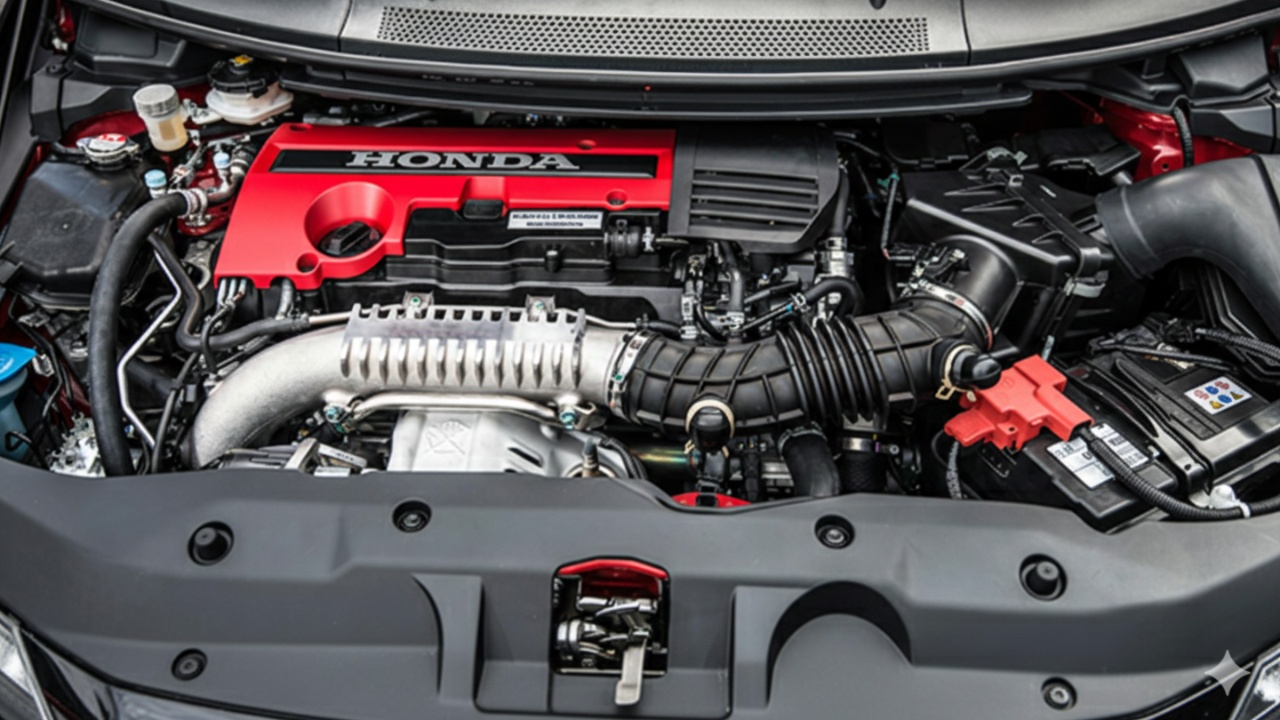
1. Honda K20C1 (2016+ Civic Type R)
The K20C1 engine is a turbocharged 2.0-liter four-cylinder found in the Civic Type R. While it produces impressive power for its size, the direct injection system can contribute to oil dilution, especially in short-trip commuting conditions. Fuel sometimes remains in the cylinders after shutdown, seeping past piston rings into the oil pan.
Owners have reported noticing a sweet smell from the engine or milky oil on dipsticks after periods of cold driving. If ignored, this can accelerate wear on bearings and valve components. Regular oil changes at shorter intervals can reduce the risk but do not completely eliminate it. Honda has acknowledged these concerns in forums but has not issued widespread recalls.
The high compression ratio of the K20C1 contributes to its performance but also exacerbates the fuel mixing problem. Enthusiasts who push this engine hard on the track may experience less dilution because high temperatures burn off residual fuel. However, everyday drivers, particularly in colder climates, may see persistent oil contamination.
Some aftermarket solutions include extended warm-up routines or oil catch tanks, but these only mitigate the symptoms rather than solve the root cause. Understanding the K20C1’s strengths and limitations is important for owners who want both performance and reliability.
Despite the oil dilution concern, the K20C1 is still a respected engine for its durability under proper maintenance. Tracking oil levels, watching for unusual consumption, and following Honda’s recommended service schedule are essential to prolonging its life.
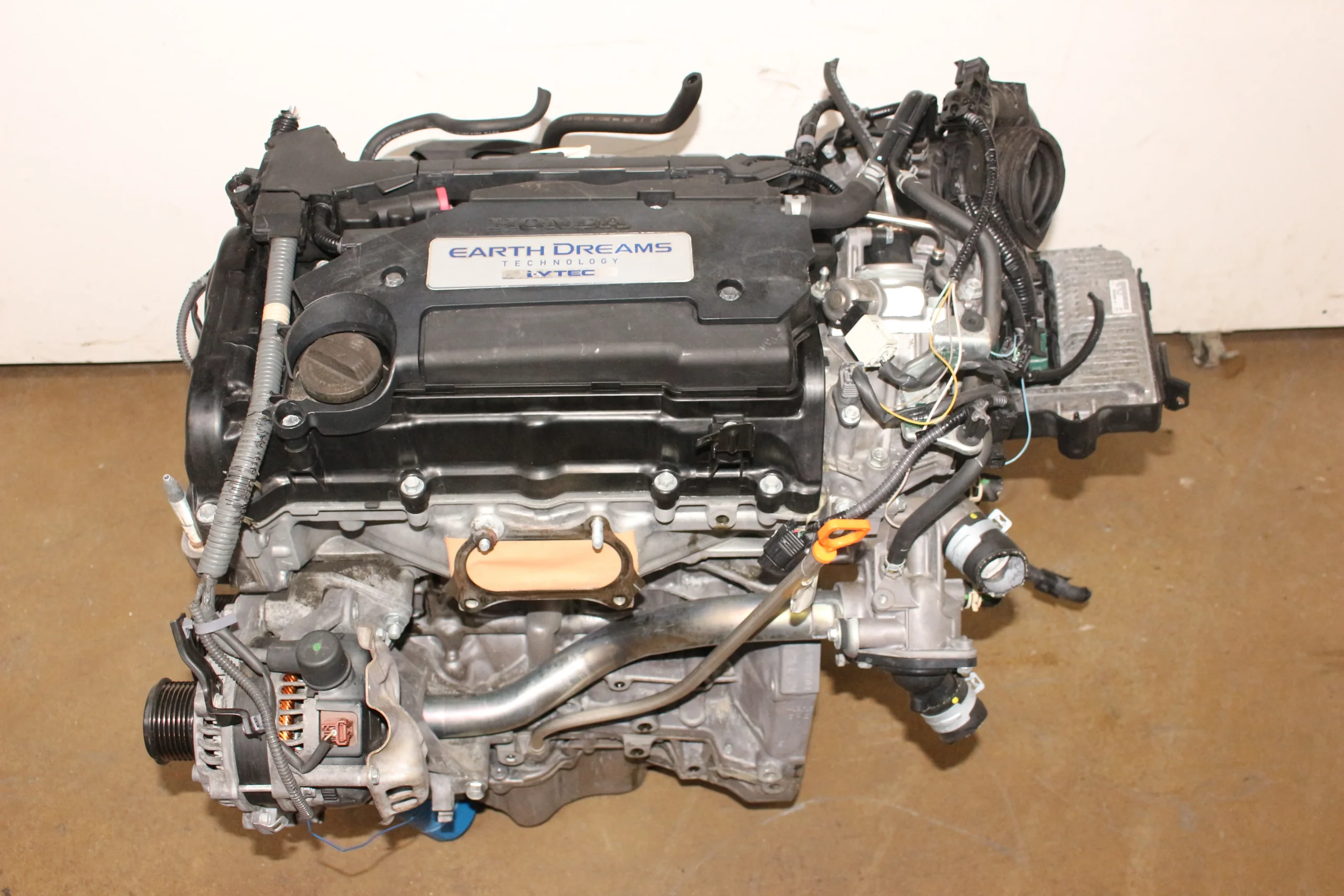
2. Honda K24W (2015+ Accord, CR-V)
The K24W engine, commonly found in the ninth-generation Accord and late CR-V models, features direct injection and turbocharging on some trims. Oil dilution has been reported primarily in cold weather conditions or during repeated short trips where the engine does not reach optimal operating temperature.
Fuel can enter the oil during start-stop cycles, especially with modern turbo engines designed for efficiency. Over time, this contamination reduces oil viscosity and accelerates wear on critical moving parts like camshafts and crankshaft bearings.
Owners have noticed slight increases in oil level between changes and occasional engine misfires linked to the fuel in the oil. While Honda claims the problem is within tolerances, enthusiasts often recommend monitoring oil more closely than the standard interval.
Preventive strategies include using higher-quality synthetic oil and performing longer drives periodically to evaporate residual fuel. Dealers sometimes recommend software updates for fuel injection calibration to reduce excess fuel during cold starts.
The K24W offers strong performance and excellent fuel economy, but like other direct injection engines, it requires careful attention to oil quality and interval management. Ignoring these factors can shorten the engine’s lifespan despite Honda’s robust engineering.
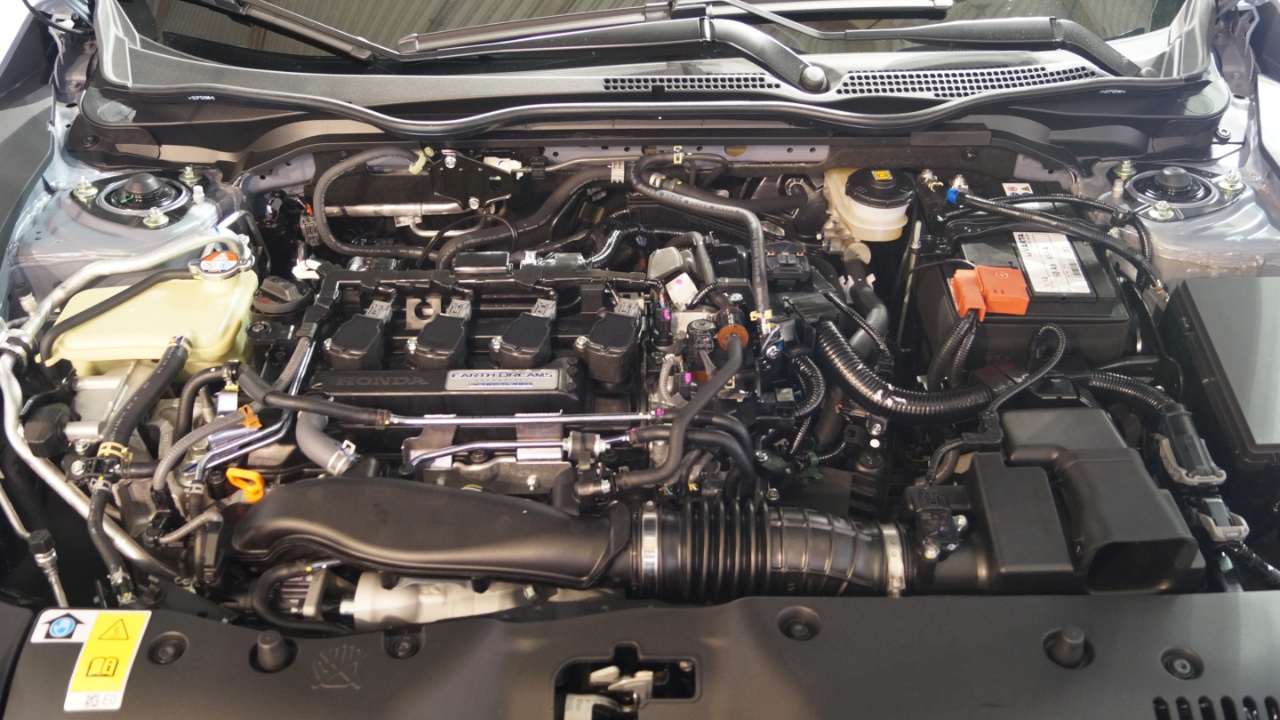
3. Honda L15B7 (2017+ Civic)
The 1.5-liter turbocharged L15B7 is a small, efficient engine used in the Civic and other compact models. Its turbocharged direct injection design makes it prone to fuel mixing into the oil during low-speed commuting. Short trips and cold starts exacerbate this problem.
Some owners report that after only a few thousand miles, the oil may smell sweet or appear darker than normal. While it does not immediately harm engine performance, prolonged exposure can erode cylinder walls and affect piston rings.
This engine benefits from synthetic oil and regular monitoring. Many enthusiasts perform mid-interval oil changes to ensure the engine stays healthy. Software updates from Honda occasionally adjust fuel delivery to mitigate excessive dilution.
The L15B7’s compact design and turbocharging provide excellent power-to-weight performance. However, the efficiency gains come with trade-offs that demand more frequent oil checks and awareness of driving patterns.
Despite these concerns, careful maintenance allows the L15B7 to remain reliable. Owners who combine short trips with occasional highway driving tend to see fewer issues with oil dilution over time.
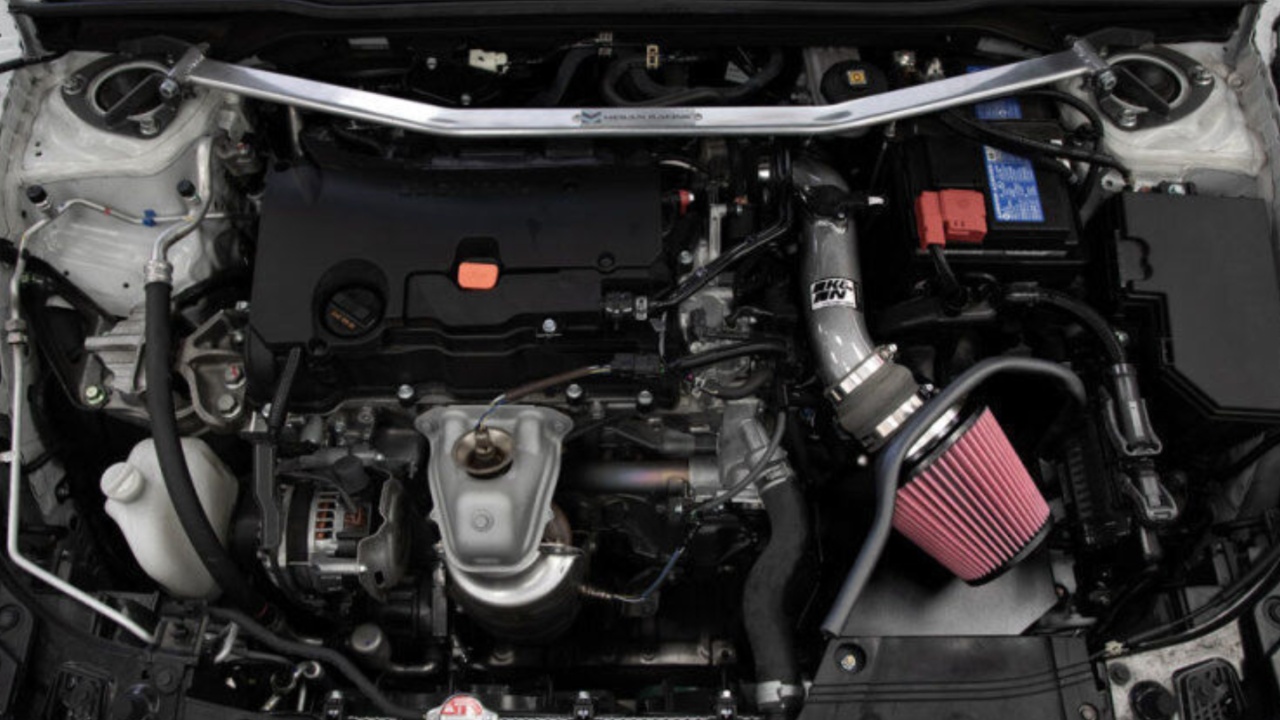
4. Honda K20C2 (Civic Si 2017+)
The K20C2 engine is a naturally aspirated turbo four-cylinder in the Civic Si. Similar to other turbocharged engines, it has a direct injection system that can allow fuel to seep into the crankcase during cold starts or low-temperature operation.
While not as extreme as some other turbo engines, oil dilution remains a concern for drivers who mostly commute short distances. Signs include increased oil level, slight smoke on startup, and unusual smells from the engine bay.
Honda recommends periodic oil changes at 5,000-mile intervals for these engines under normal driving. However, enthusiasts in colder climates often adopt 3,000–4,000-mile changes to prevent long-term wear.
The K20C2 balances performance and efficiency, delivering strong output while maintaining reliability with proper care. Owners who maintain the engine correctly report minimal long-term issues.
Despite the oil dilution tendency, the engine has a loyal following due to its durability, rev-happiness, and tuning potential. Routine monitoring of oil condition is key to preserving its longevity.
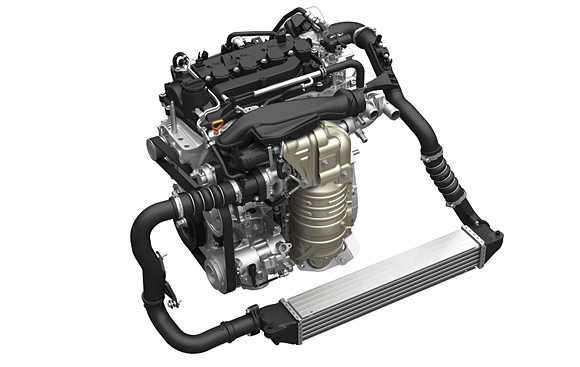
5. Honda 1.0L VTEC Turbo (FK7/FK8 Fit/Jazz Variants)
Honda’s 1.0L turbo three-cylinder engine, found in European and some Asian markets, offers impressive efficiency but has experienced oil dilution issues similar to larger turbo engines. Fuel often condenses in the crankcase during short trips or cold mornings.
The engine’s small displacement and high turbo boost make it sensitive to oil quality. Regular synthetic oil changes and proper warm-up routines help maintain reliability.
Owners sometimes report minor knocking noises or increased oil consumption if dilution is left unchecked. While not catastrophic, these symptoms indicate the engine is working with compromised lubrication.
Honda’s engineering allows the engine to function well under normal conditions, but awareness and preventative maintenance are essential to avoid accelerated wear.
For drivers seeking excellent fuel economy, this engine is effective, but monitoring oil and adjusting driving patterns can make the difference between long-term durability and premature issues.
5 Honda Engines Considered Unkillable
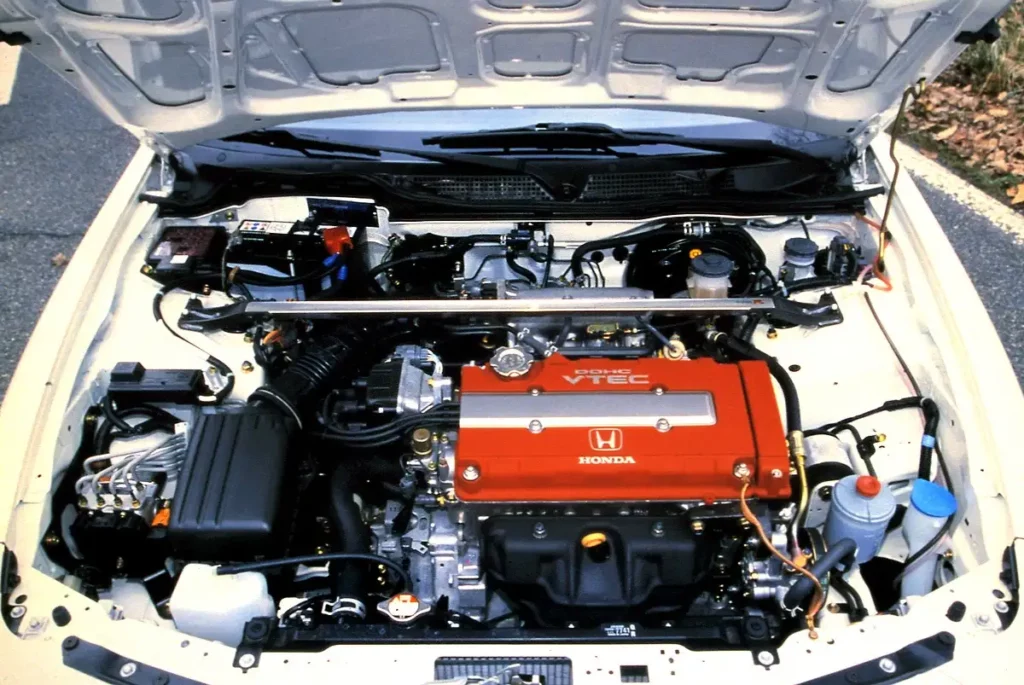
1. Honda B18C (Integra Type R 1995–2001)
The B18C is a legendary naturally aspirated four-cylinder engine found in the Integra Type R. Its high-revving VTEC design provides both performance and exceptional durability.
Owners routinely report B18C engines surviving 250,000 to 300,000 miles with minimal internal wear when properly maintained. Its simple fuel delivery system reduces the risk of oil contamination and mechanical issues.
The B18C’s iron block and robust aluminum head resist warping, and the VTEC system has proven reliable over decades. Routine oil changes and proper valve adjustments are the main maintenance requirements.
Even in motorsport applications, the B18C has survived high stress due to its solid internal components and well-engineered lubrication system.
For enthusiasts seeking an engine with both character and longevity, the B18C remains a benchmark in reliability and performance, often described as nearly indestructible when respected.
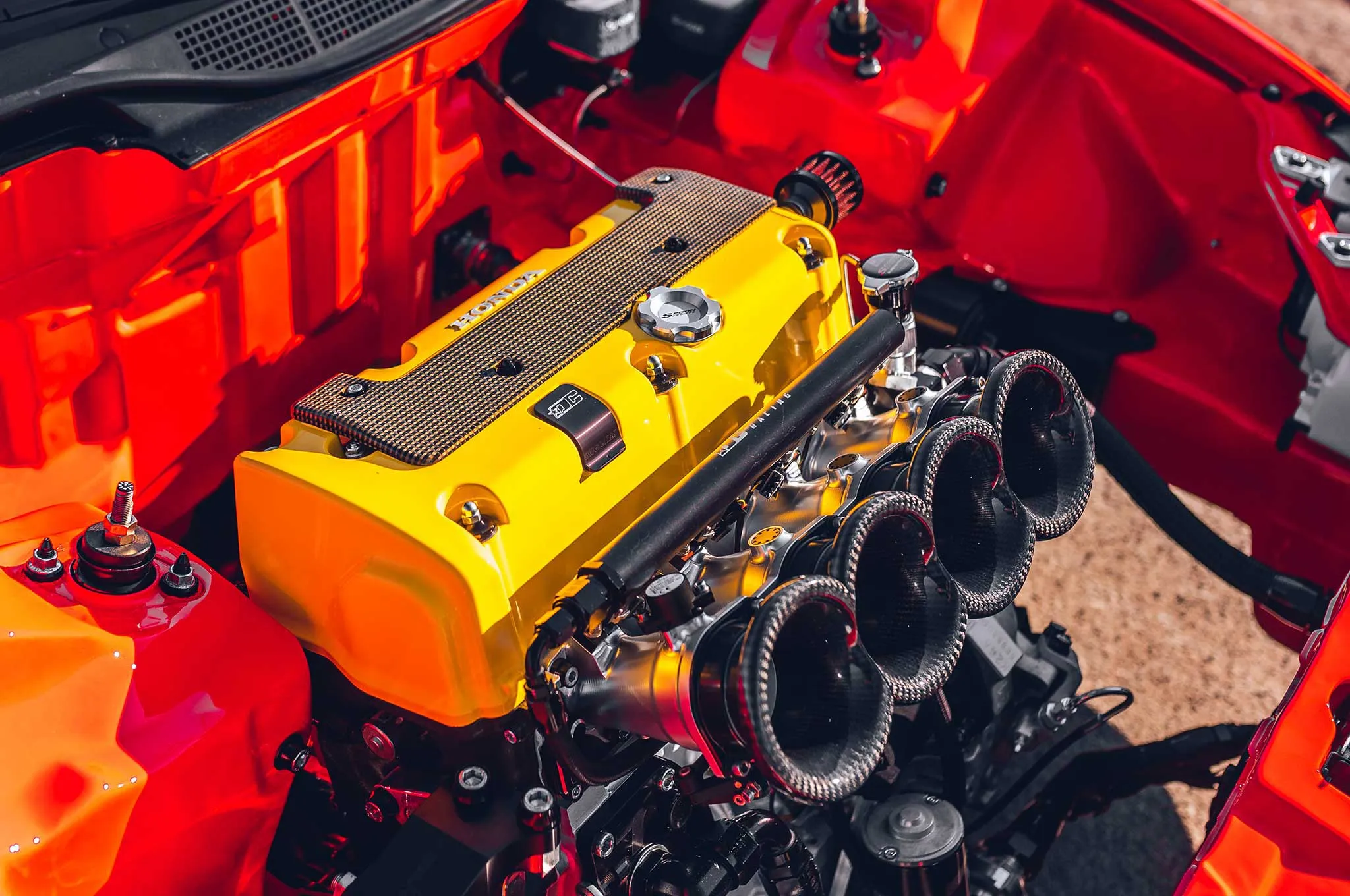
2. Honda K24A2 (Accord 2003–2007)
The K24A2 engine, found in the seventh-generation Accord, is naturally aspirated and has earned a reputation for reliability and long service life. It combines a robust block with a proven head design.
Owners frequently report over 200,000 miles without major repairs. The engine’s SOHC VTEC system operates smoothly and resists oil contamination due to conventional port fuel injection.
Routine maintenance is straightforward, with regular oil changes and timing chain inspection being the main considerations. Few examples suffer from serious mechanical failures under normal use.
The K24A2 also responds well to mild tuning, making it a favorite among enthusiasts who want dependable performance without sacrificing longevity.
Its reliability underlines Honda’s ability to engineer engines that are both forgiving and resilient, earning a place on the “unkillable” list.
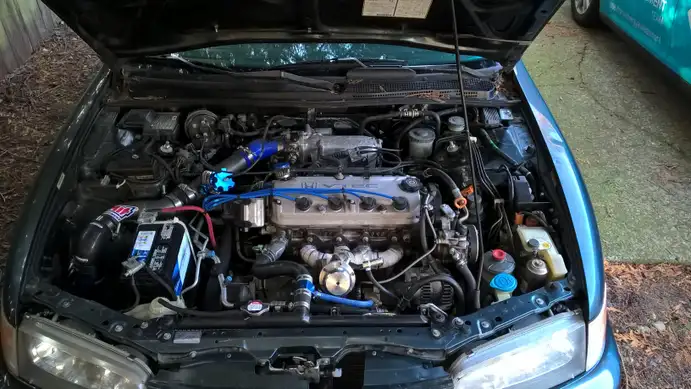
3. Honda F22B1 (Prelude 1992–1996)
The F22B1 is a naturally aspirated four-cylinder from the fifth-generation Prelude. Known for durability, it delivers smooth performance while withstanding high mileage with minimal intervention.
Its port-injected design prevents issues like oil dilution, and the engine features solid internal components that resist wear. Many F22B1s surpass 250,000 miles with proper care.
Routine valve adjustments and oil changes are the main maintenance concerns. The iron block and aluminum head combination ensures stability under varied conditions.
The F22B1’s reliability has made it a benchmark for older Honda engines, offering both performance and a track record of longevity.
Enthusiasts praise its smooth VTEC transitions, solid construction, and ability to survive decades of use, earning a reputation as nearly indestructible.
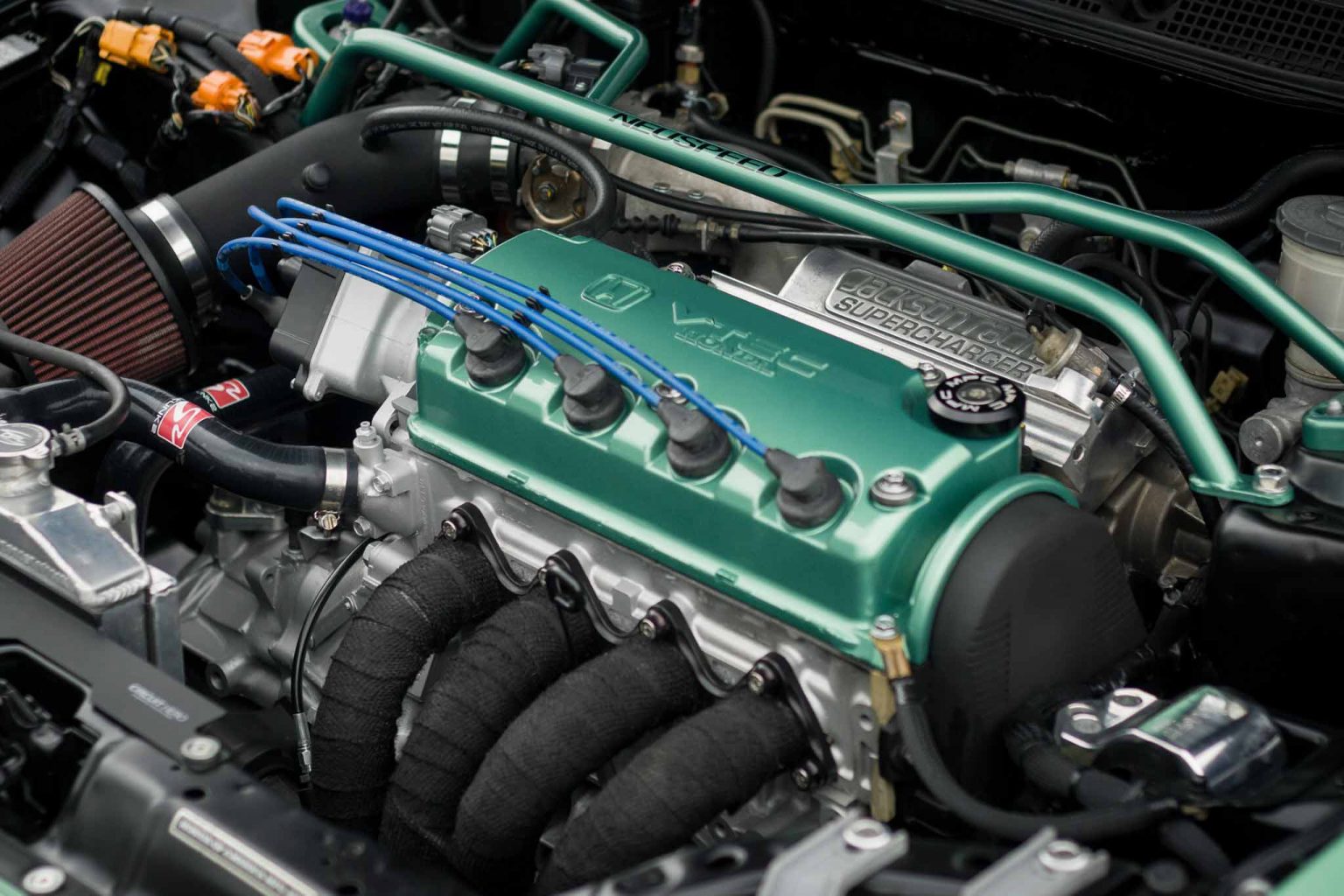
4. Honda D16Z6 (Civic Si 1992–2000)
The D16Z6 engine is a 1.6-liter SOHC VTEC motor found in early Civics and CRXs. Its simple design and proven technology have made it one of Honda’s most durable engines.
Owners report engines lasting over 200,000 miles without significant issues. Port fuel injection and non-turbo design eliminate the risk of oil dilution common in modern engines.
Maintenance involves regular oil and filter changes, timing belt replacement, and valve adjustments. The engine thrives under consistent care and careful driving.
The D16Z6 remains popular in the tuning community due to its simplicity and reliability. Its longevity is unmatched for its size and era.
This engine exemplifies Honda’s engineering philosophy, balancing performance with durability in a package that can withstand decades of use.
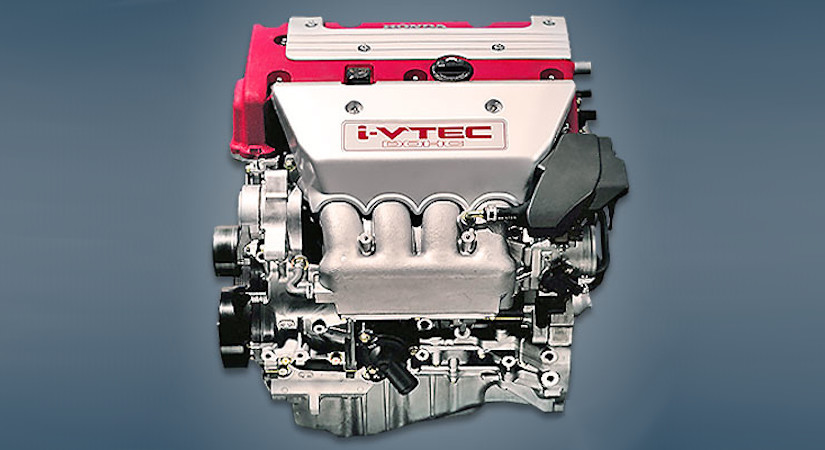
5. Honda K20A2 (Integra Type R DC5 2001–2006)
The K20A2 is another iconic naturally aspirated four-cylinder from the DC5 Integra Type R. It delivers high-revving performance with legendary reliability.
Its design incorporates a robust aluminum block, high-quality internals, and a reliable VTEC system. Owners report engines surpassing 250,000 miles without major repairs.
Oil quality and timing chain maintenance are the primary considerations. The lack of turbocharging eliminates oil dilution concerns.
The K20A2 thrives under spirited driving and has a loyal following among enthusiasts seeking a reliable, high-performance engine.
Its combination of durability and tunability secures its place among Honda’s most unkillable engines, proving that careful engineering can create a long-lasting powertrain.
