

Active Fuel Management is a system introduced by General Motors to improve fuel efficiency by shutting off cylinders when they are not needed. This is designed to provide drivers with better economy during light load conditions while still delivering power when demanded.
For many years it has been a selling point on trucks and large SUVs with V8 engines, offering an apparent balance between power and fuel use. Some of the engines equipped with this technology are known to be smooth and reliable for normal driving conditions.
However, there have been long-term concerns from owners and mechanics alike about the durability of the lifters used in these engines. The lifters are small but critical components in the valvetrain that control how the valves open and close. They are expected to operate thousands of times per minute, every time the engine runs.
When the Active Fuel Management system engages and disengages cylinders, the lifters associated with those cylinders go through additional movements that were not part of older engine designs without this system.
As time passes, some lifters do not hold up well under real world use. Symptoms can include ticking noises, rough idle, or even more serious drivability issues. If the lifters degrade badly, they often require a major teardown of the cylinder head area to repair or replace them.
This type of work is labor intensive and can become costly for owners who experience these problems outside of warranty coverage. The reputation of this particular issue in certain GM vehicles has made it a topic of discussion among enthusiasts and service professionals.
It is important for owners to understand which specific models and engine combinations are most often associated with this concern. This knowledge can help them make informed decisions when buying used vehicles, planning maintenance, or budgeting for potential repairs. In the following sections, ten General Motors vehicles known to use Active Fuel Management and that have reported lifter issues over time are discussed in detail.
Each description will offer insight into engine design, common symptoms, typical owner experiences, and why these vehicles are part of the ongoing conversation about this technology.
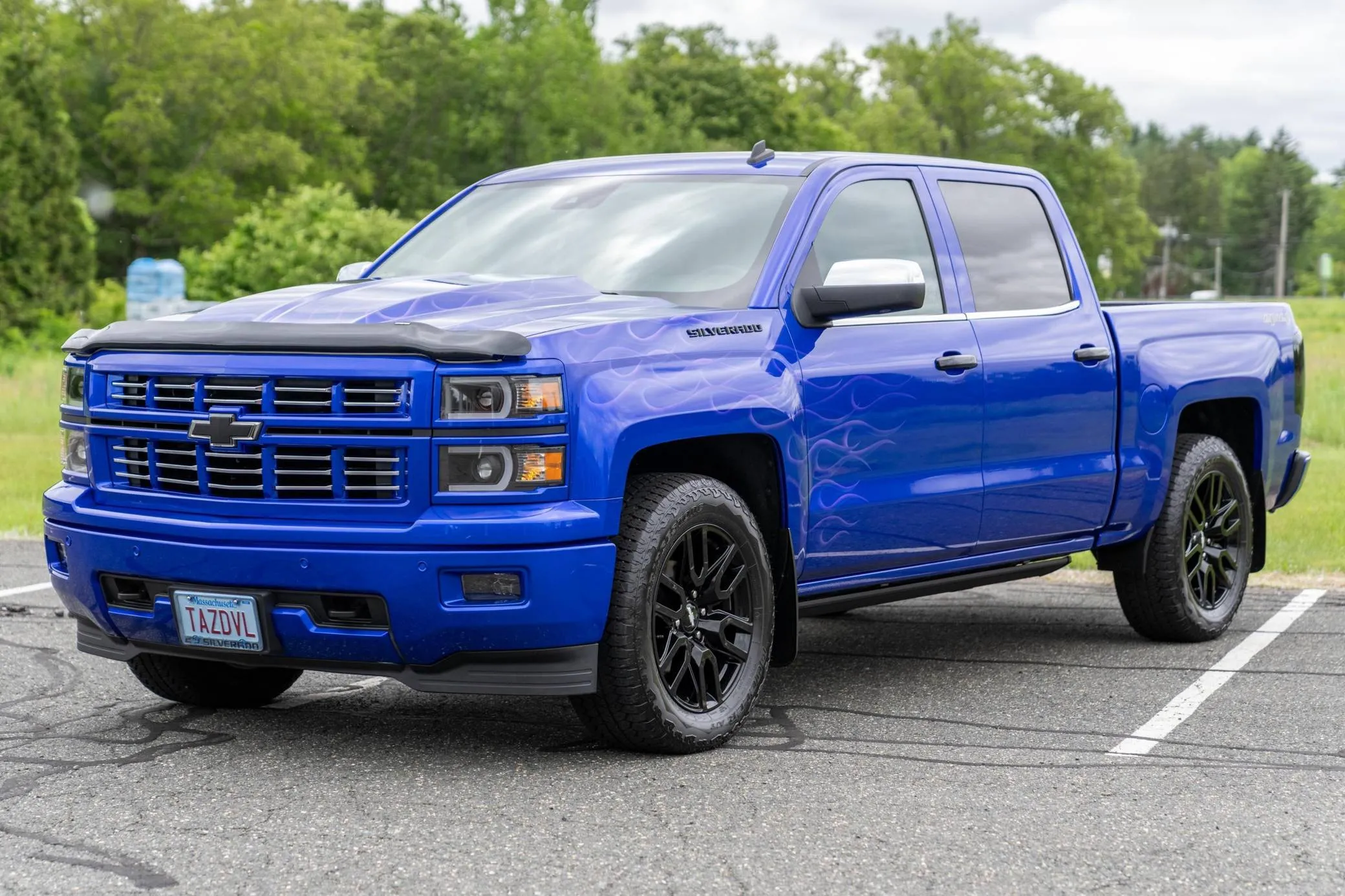
1. Chevrolet Silverado 1500 with AFM V8
The Silverado 1500 has been one of GM’s flagship full size pickups for decades. When equipped with the Active Fuel Management system on its V8 engines, it was marketed as an efficient work capable truck. Many owners appreciated the added mileage on highway drives and lighter load situations. The system switches between eight cylinder and four cylinder modes to achieve these gains.
Despite the benefits, some Silverado drivers began hearing a distinctive ticking noise from the engine bay. This often started at moderate mileage but could appear earlier in vehicles used for frequent short trips. In many cases the noise was traced back to lifters that were not operating smoothly. The ticking tended to become louder over time, especially on cold starts.
Owners reaching out to forums and service professionals were often told that the lifters controlling the deactivated cylinders were wearing prematurely. The continuous cycling between modes seemed to contribute to additional wear patterns not seen in engines without AFM. Dealers sometimes replaced parts under warranty, but outside of warranty the costs could be significant.
Repair often involved machining and replacing the lifters, and in some cases replacing pushrods or other valvetrain components. Because this area of the engine requires removal of the intake manifold and other parts, labor charges could be high. Some owners opted for aftermarket lifters or disabling the AFM system to prevent future cycling.
Despite these issues, the Silverado remains popular because of its hauling capability and strong aftermarket support. Prospective buyers often research known concerns like the AFM lifter wear before committing to a purchase. Understanding how these engines behave over time can help set realistic expectations and maintenance budgets.
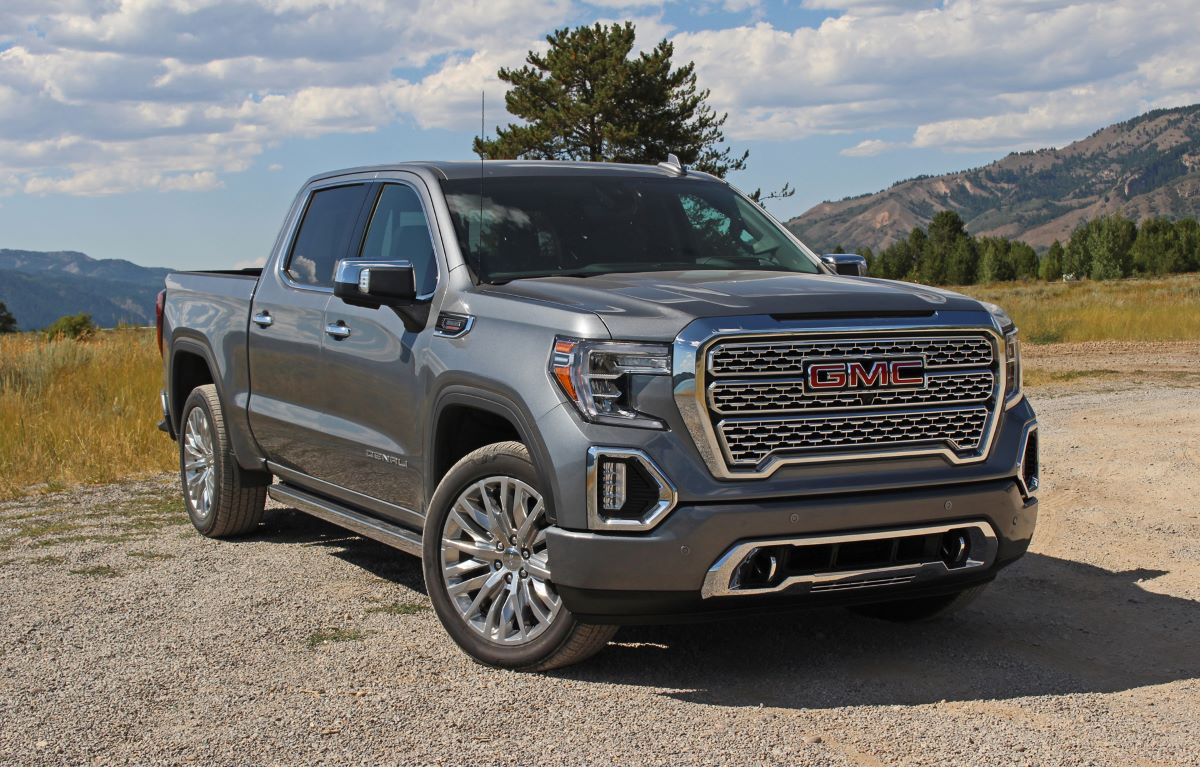
2. GMC Sierra 1500 with AFM V8
The GMC Sierra 1500 shares much of its design with the Chevrolet Silverado but carries a different badge and trim levels. This truck also offered Active Fuel Management on its V8 engines to help improve fuel economy figures. For many owners, the idea of a capable truck that consumed less fuel at cruising speeds was appealing. The AFM system functioned the same as on its Chevy counterpart.
In practice, many Sierra drivers began to notice a similar ticking or tapping noise in the engine. The sound was often most apparent during idle or low speed driving. When technicians inspected the engine, they sometimes found that the lifters associated with the AFM system were not functioning properly. In some cases, these lifters did not collapse or extend smoothly as they should.
Owners reported that the noise sometimes went away temporarily after an oil change or driving at highway speeds. This gave some hope that a simple fluid or maintenance issue might be the cause. However, repeated symptoms often pointed back to the mechanical lifter components themselves. Over time, the need for repair became more evident.
The cost of repairing lifter related problems on the Sierra could be high because of the work involved. The intake manifold and other components needed to be removed for full access. Some owners chose to replace only the faulty lifters, while others also changed out pushrods or went for upgraded aftermarket parts. Disabling the AFM electrically was another path some took.
Despite these challenges, many Sierra owners continued to enjoy their trucks for years. The lifter issue did not appear on every vehicle, and often proper maintenance delayed or minimized problems. Researching a specific truck’s history, including mileage and service records, is often recommended before purchase.

3. Chevrolet Tahoe with AFM Engine
The Chevrolet Tahoe is a large SUV and a common sight on highways and suburban streets. Offering comfort, space, and a V8 engine option with Active Fuel Management, it appealed to families and fleet buyers alike. The AFM system helped the Tahoe achieve better fuel economy while cruising or in light load conditions. For everyday driving, this seemed like a positive balance of performance and savings.
Some Tahoe owners began noticing unusual noises from the engine compartment around moderate mileage. These noises were often described as ticking, popping, or tapping and were sometimes more noticeable when the vehicle was first started. Some drivers also reported rough idle in certain conditions. These symptoms sometimes pointed technicians toward the valvetrain area.
Technicians found that the lifters associated with the Active Fuel Management system could begin to wear prematurely on some Tahoe engines. When lifters do not move correctly between active and deactivated modes, they can create excess noise and inconsistent valve operation. Over time, the inability of the lifters to maintain proper clearance contributed to issues.
Repairing these lifters often required significant labor and replacement parts. The intake manifold and other components had to be removed to reach the lifters. This added to the total cost for parts and labor. Owners sometimes debated whether to use stock replacement parts or upgraded aftermarket alternatives with different surface treatments or materials.
Despite this, the Tahoe remained a highly capable SUV with a loyal owner base. Proper oil changes, quality fluids, and attentive maintenance sometimes helped delay lifter wear. For those considering a used Tahoe with AFM, paying attention to previous owner complaints and engine noise may provide valuable clues about future needs.
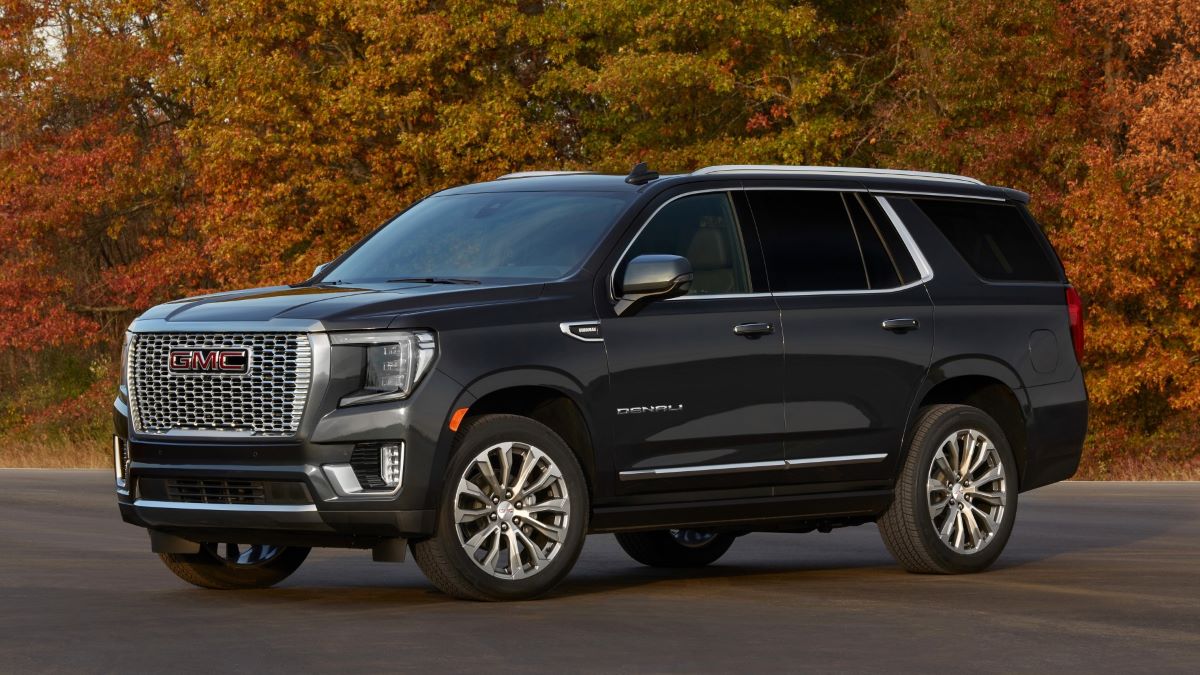
4. GMC Yukon with AFM V8
The GMC Yukon is closely related to the Chevrolet Tahoe but often positioned as a more premium large SUV. With V8 engines equipped with Active Fuel Management, it offered buyers potential fuel savings without sacrificing towing capability. Many buyers of this full size SUV appreciated the combination of interior space and engine performance for everyday use.
Similar to other trucks and SUVs using AFM, some Yukon owners began to hear a persistent ticking noise from the engine area. This was especially noticeable at idle or when the engine first warmed up. In a number of cases, this noise was traced back to lifters associated with the Active Fuel Management system. The pattern of wear could lead to inconsistent movements.
Mechanics sometimes found that the lifters were not only noisy but also had excessive wear on their internal surfaces. As lifters age under normal conditions they can develop a slight noise, but in these AFM equipped engines the rate of wear seemed to increase in certain circumstances. This correlated with specific driving patterns or infrequent maintenance.
Repair costs could vary widely depending on the shop and whether upgraded parts were chosen. Some owners chose to have lifters replaced with designs that did not support AFM, effectively disabling the cylinder deactivation to prevent future cycling. This required careful tuning and matching parts to maintain engine performance.
Despite these issues, many Yukon owners continued to report satisfaction with their vehicles. The lifter concern did not seem to affect every example, and good maintenance often made a noticeable difference. Buyers of used Yukons with AFM systems sometimes seek vehicles with known maintenance history to avoid surprises.

5. Cadillac Escalade with AFM Engine
The Cadillac Escalade brings luxury features and a powerful V8 to the full size SUV segment. With an Active Fuel Management equipped engine, Cadillac aimed to give buyers an efficient but capable driving experience. For many owners, the combination of comfort, performance, and technology made the Escalade a desirable choice. This configuration carried premium pricing and expectations.
Some Escalade owners, however, began to hear lifter related noises as the vehicle aged. These sounds were typically present at lower speeds or upon startup. In certain cases, drivers also observed slight misfires or rough running conditions when the engine switched back from deactivated cylinder mode. This prompted technicians to inspect the valvetrain.
Upon inspection, worn lifters or uneven wear surfaces were found in some engines. The internal design of the Active Fuel Management lifters can be more complex than traditional lifters. Over time, the stress of repeated activation and deactivation influenced wear patterns. Without proper lubrication or frequent use at varied speeds, wear could accelerate.
Repairing lifters in an Escalade could mean considerable expense due to tight engine packaging and premium components. Some owners elected to replace only the damaged lifters while monitoring others. Others replaced all AFM lifters and, like other GM owners, considered disabling the AFM system to reduce future wear cycles.
The Escalade continues to be associated with strong performance and luxury, and many owners enjoy years of trouble free driving. Awareness of potential lifter wear and appropriate maintenance prior to reaching higher mileages often helped extend engine life. Buyers of used Escalades often seek detailed service records to avoid unexpected repairs.
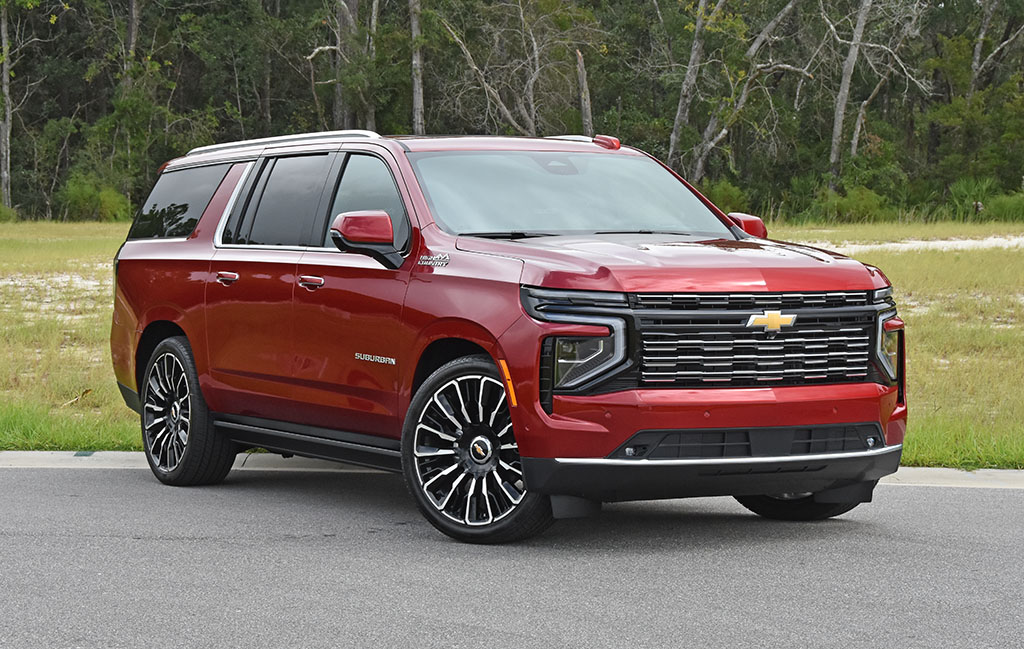
6. Chevrolet Suburban and Tahoe Hybrid Models
Certain model years of the Chevrolet Suburban and Tahoe offered V8 engines with Active Fuel Management to improve fuel economy. The Suburban in particular, given its larger size and weight, benefited from any gain in mileage without significantly reducing towing or hauling capability. For families and commercial users alike, these large SUVs were seen as versatile choices.
Owners began to notice similar valvetrain noises in these AFM equipped engines as seen in other GM products. The ticking or tapping noises often arose after tens of thousands of miles, or after frequent short trip use. Some drivers experienced intermittent rough idle, especially during cold starts or stop and go traffic.
Service technicians often found lifters that had worn unevenly or not moved smoothly when switching between active and deactivated modes. This uneven movement could leave small gaps or increase surface friction, creating noise and potential performance concerns. Regular oil changes sometimes mitigated early wear but did not always prevent long term issues.
Replacing lifters in Suburban and Tahoe engines was labor intensive. The design required removal of the intake manifold to access the lifters, adding to hours billed for labor. Some owners chose to have all lifters replaced to avoid future issues, while others focused on only the problematic ones. Aftermarket lifters that did not support AFM became a consideration to reduce future wear cycles.
Despite these concerns, many Suburban and Tahoe owners enjoyed comfortable transport for families and heavy cargo alike. Understanding the long term nature of AFM related wear helped owners plan maintenance and budget for repairs. Those buying used models with AFM sometimes had their mechanic listen for unusual noises before purchase.
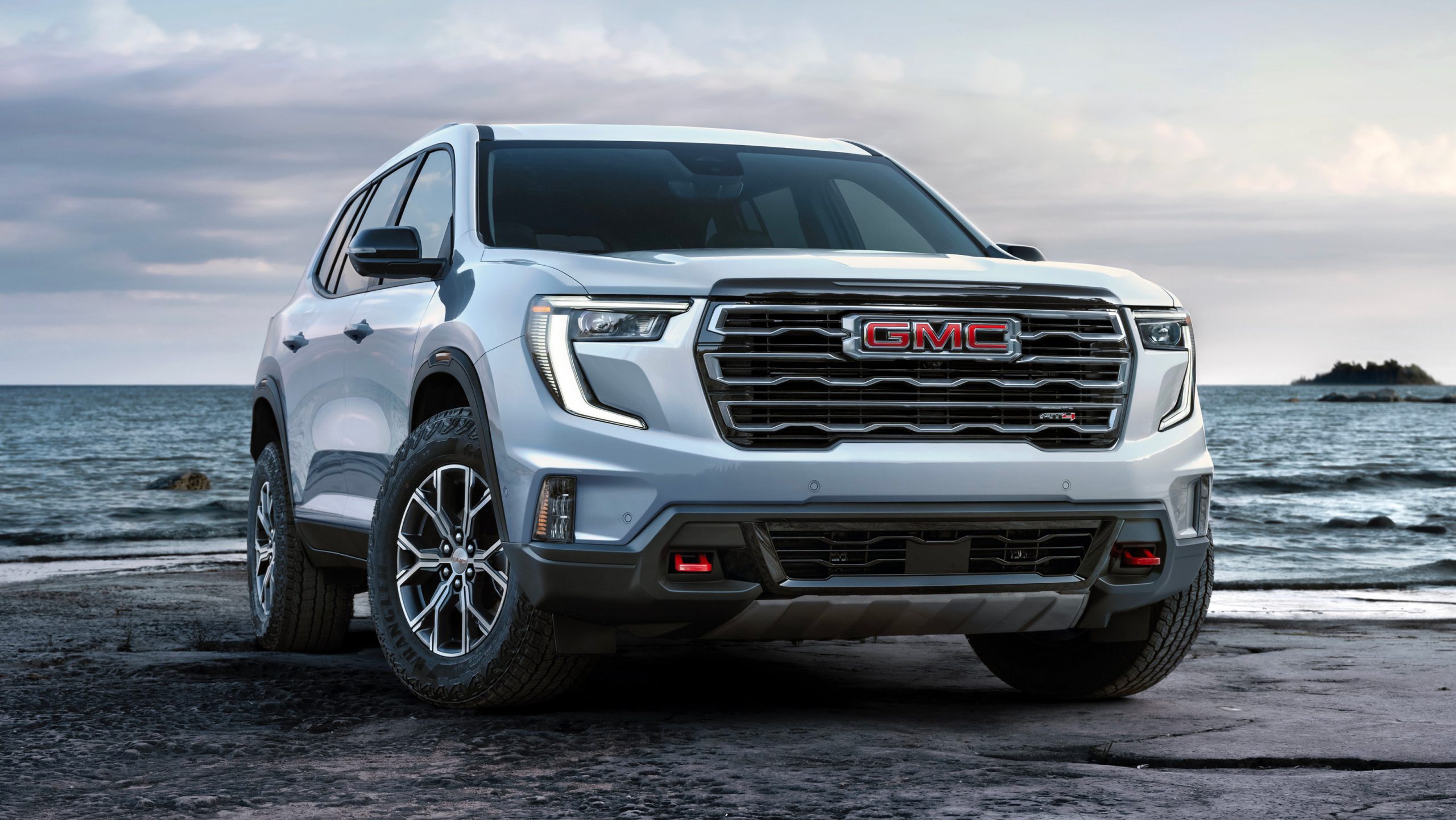
7. GMC Acadia with AFM V8 Engines
The GMC Acadia offered a range of engine options over its lifespan, including V6 and V8 variants. Some of the V8 engines featured Active Fuel Management, intended to help improve fuel economy without losing performance. The Acadia was marketed as a versatile midsize SUV with useful towing capacity and a comfortable ride for passengers.
As owners put more miles on their vehicles, certain Acadia examples with AFM began to develop lifter related noises. These occurred most often during idle or moderate throttle and were noticed by drivers who paid attention to engine sounds. Occasionally, rougher idle or hesitation was also reported, especially as the engine warmed up.
Technicians found that the lifters responsible for switching cylinder modes could wear unevenly over time. The complexity of the AFM lifter design meant that more moving parts were involved compared to a traditional lifter. These parts needed consistent proper lubrication and maintenance to operate without premature wear.
Repairing lifters in an Acadia could involve sourcing correct parts and paying for significant labor. Some owners found that replacing worn lifters improved engine smoothness and quietness substantially. Others debated replacing all lifters or just the affected ones, weighing cost against peace of mind.
Despite these issues, the Acadia remained a popular choice for buyers seeking a balance of utility and size. Many owners enjoyed years of comfortable use before any potential lifter related work was needed. Reviews from existing owners often helped prospective buyers understand what to expect from AFM equipped engines.

8. Buick Enclave with AFM Engines
The Buick Enclave is a three row SUV that offered a refined interior and smooth ride. With a V8 engine paired with Active Fuel Management, Buick aimed to give drivers reasonable fuel economy without losing power. Many buyers chose the Enclave for family usage and long highway trips due to its comfortable cabin and composed handling.
Over time, some Enclave owners reported lifter noises from engines with AFM. This was often a light ticking that became louder or more noticeable after thousands of miles. In some cases, the noise returned after temporary improvement following oil changes or extended highway drives.
Technicians sometimes traced the source back to lifters that operated the cylinder deactivation components. Wear on these lifters could create inconsistent valve motion that produced noise. The design of AFM lifters is more involved than traditional ones, requiring precise control of oil pressure and movement.
Replacing these lifters was a task that required disassembly of upper engine components. Labor costs could be high, and choices about replacement parts influenced future reliability. Some owners chose to upgrade to lifters with solid base designs and disconnect the AFM solenoids to prevent further cycling.
Despite this, the Enclave continued to be valued for its comfort and practicality. Many owners never encountered lifter issues in normal use. Awareness of known concerns helped buyers make informed decisions when evaluating used or high mileage examples.
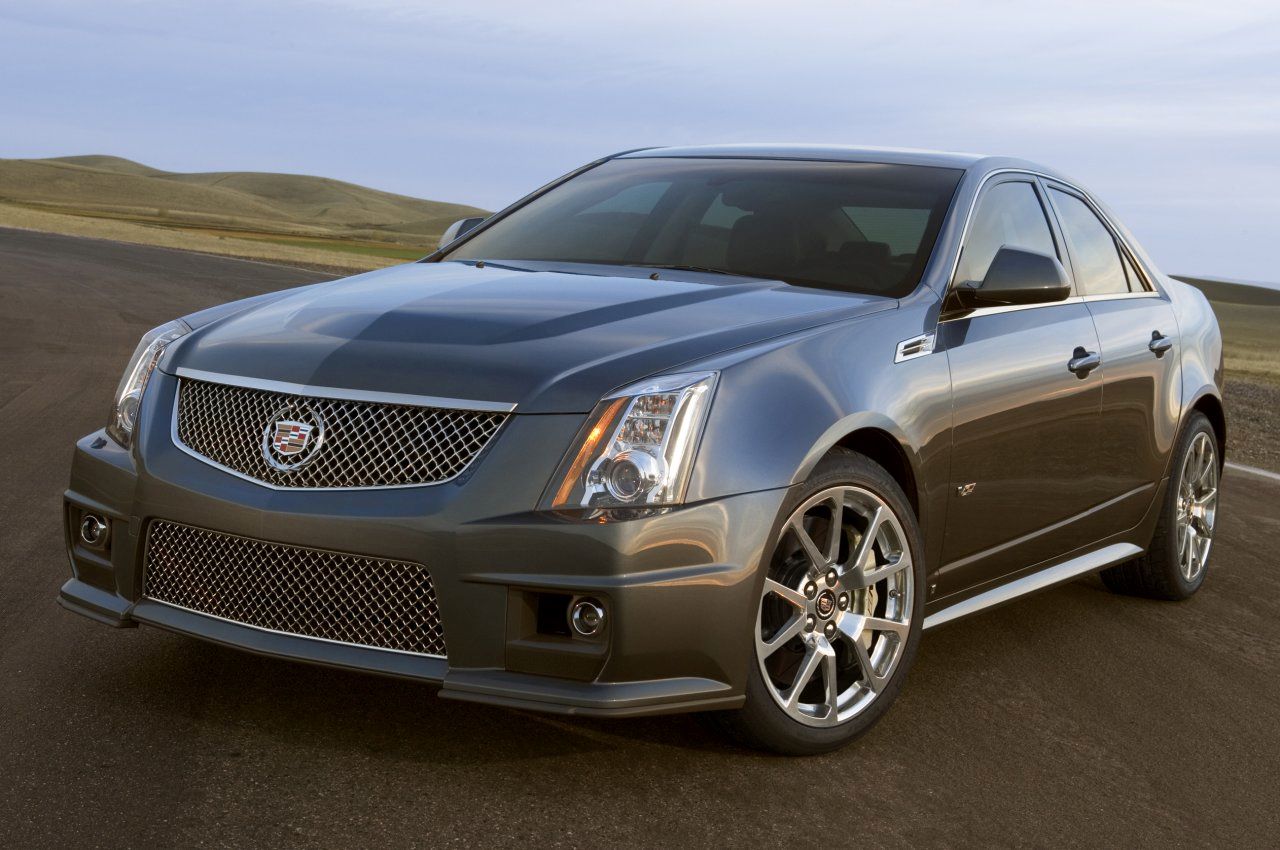
9. Cadillac CTS V8 Active Fuel Management
The Cadillac CTS with a V8 engine offered performance and luxury in a sports sedan package. Active Fuel Management was part of the effort to provide respectable fuel economy without sacrificing acceleration. For drivers seeking both power and refinement, the CTS V8 with AFM was often compelling on paper.
Some CTS owners began noticing a ticking noise from the engine as mileage climbed. The noise often sounded rhythmic and was audible at idle or light throttle. A few drivers also reported subtle hesitation when accelerating from a stop. These symptoms led owners to explore possible valvetrain issues.
Mechanics sometimes diagnosed worn lifters in these engines as the source of the noise. The lifters that manage cylinder activation and deactivation could develop uneven surfaces or fail to move freely. Without correct movement, valves did not operate as smoothly, leading to audible noise and sometimes slight performance changes.
Repair procedures for the CTS lifters were similar to those in larger GM vehicles. Labor intensive removal of the intake manifold and careful reassembly were needed. Some owners chose to replace all AFM related lifters and consider deactivating the AFM system in software to avoid future cycles. Others remained with stock configurations.
Despite this known concern, the CTS V8 remained attractive to buyers who valued its dynamics and luxury feel. Many experienced years of smooth service before any lifter complaints. For prospective buyers, listening for unusual noises and reviewing service history often helped in assessing value.
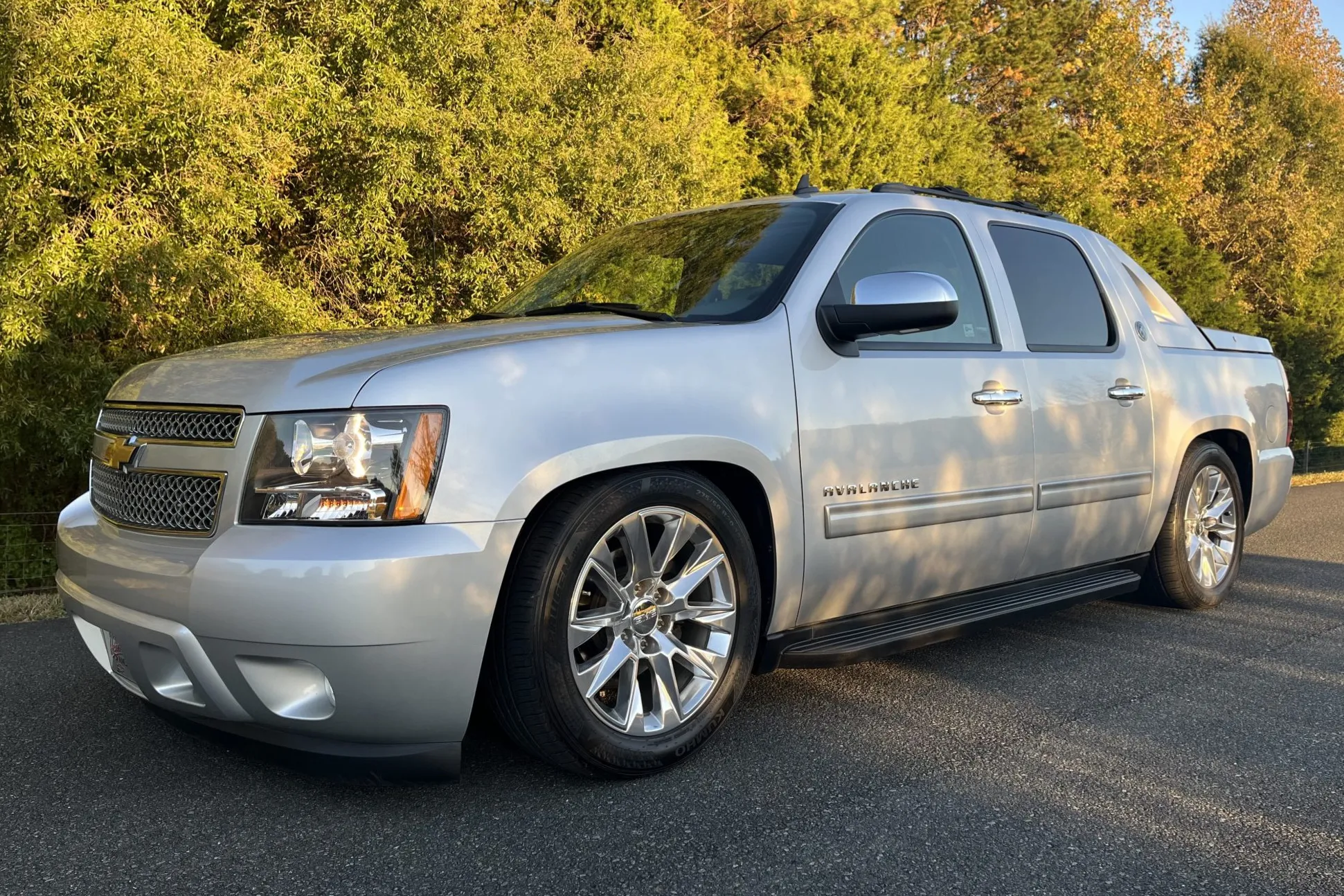
10. Chevrolet Avalanche with Active Fuel Management
The Chevrolet Avalanche was a unique sport utility truck blending SUV comfort and pickup practicality. When equipped with a V8 and Active Fuel Management, it offered drivers seemingly improved fuel economy without losing strength. Many fans appreciated the versatile bed and cabin configuration on this model.
Owners with AFM equipped Avalanches sometimes encountered a ticking or tapping noise from the engine over time. This noise often became noticeable after several tens of thousands of miles. Some drivers also noted that the sound could change slightly with engine temperature or oil condition.
Service professionals often traced the noise back to lifters tied to the Active Fuel Management system. These lifters could wear on their internal surfaces due to the cycling between active and deactivated cylinder modes. The additional movement created by AFM seemed to contribute to accelerated wear in certain examples.
Repairing these lifters involved a fair amount of labor to access the upper engine components. Owners had to decide whether to replace only the problematic lifters or all AFM related lifters. Some also chose to disable the AFM operation through tuning to reduce future cycling and stress.
Regardless, many Avalanche owners continued to enjoy unique features like the mid-gate and versatile cargo solutions. While lifter issues were a topic among some used owners, the truck’s appeal often outweighed these concerns. Researching vehicle history and listening for noises before purchase were common recommendations.
