
Buying a used car can be a tricky adventure, especially when it comes to Subarus. These cars have a strong reputation for reliability, all-wheel drive performance, and longevity, but there’s a well-known problem lurking under the hood: head gasket issues.
For those who aren’t familiar, the head gasket is a critical part of the engine. It seals the cylinders and keeps coolant and oil from mixing. When it fails, you’re looking at expensive repairs that can quickly outweigh the benefits of buying a used car. What makes it trickier is that not every Subaru is equally prone to this issue.
Some models and years seem to have recurring problems, while others barely show signs of trouble even after many miles. Knowing which cars are risky and which are safer can save you a lot of stress, time, and money in the long run. If you’re browsing the used car market, understanding these differences is essential.
It’s not just about price or mileage; it’s about knowing which engines have a history of problems and which ones can last reliably with regular maintenance. In this article, we’ll go over five used Subarus that are more likely to have head gasket problems and five that are generally considered safe.
We’ll talk about the common warning signs, why some models fail more often, and what to check before making a purchase. By the time you finish reading, you should feel more confident identifying a Subaru that won’t leave you stranded or facing a huge repair bill.
Whether you’re a first-time buyer or a seasoned car owner looking for a dependable daily driver, these insights can make a difference. Owning a Subaru can still be a fantastic experience, but being informed is the key to keeping that experience smooth and worry-free.
Let’s start by looking at the cars that carry a higher risk of head gasket issues so you know what to watch for if you’re considering a used model.
5 Used Subarus Prone to Head Gasket Issues
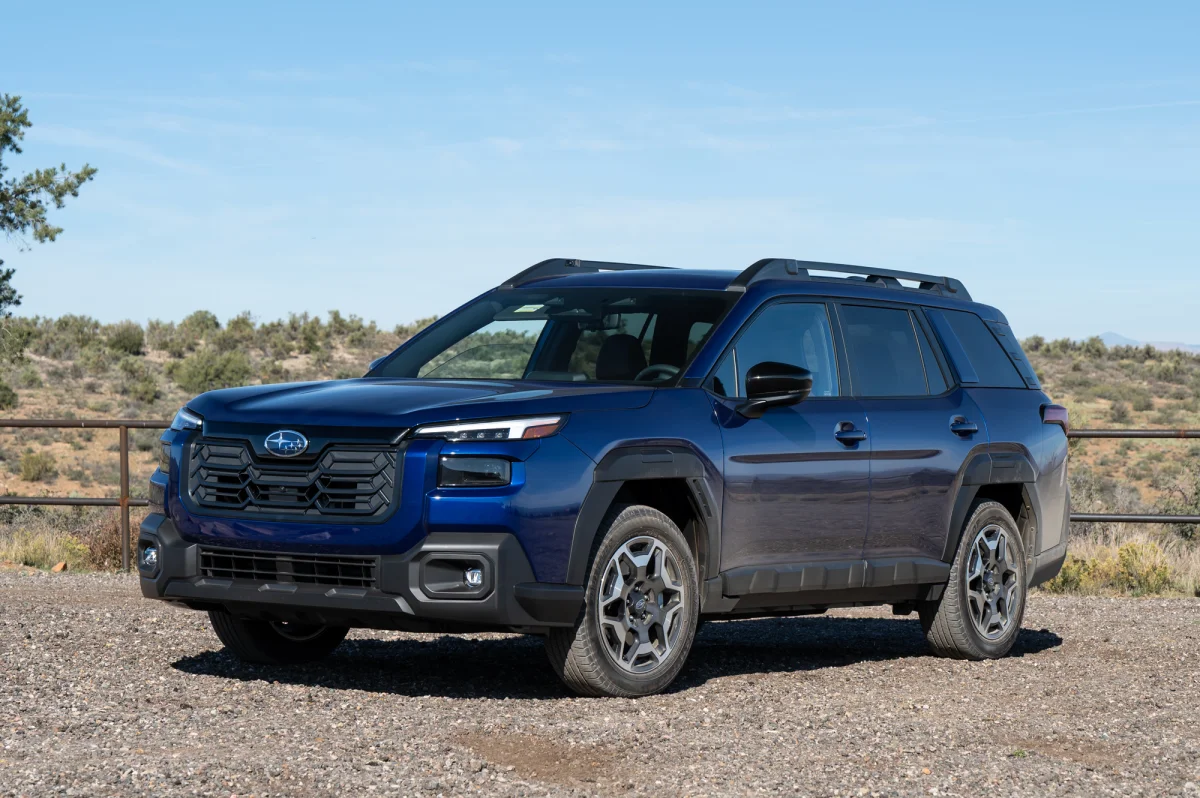
1. Subaru Outback
The early 2000s Outback models have a mixed reputation for reliability. One of the biggest complaints comes from the 2.5-liter engines, which tend to develop head gasket leaks after 80,000 to 120,000 miles. These leaks often show up as oil or coolant seepage around the engine block.
Some owners also report overheating when the head gasket fails, which can escalate into more serious engine damage. Regular maintenance and checking coolant levels frequently can delay the problem, but many used Outbacks from this period have already seen at least one gasket replacement.
When inspecting one of these models, pay close attention to oil color and any unusual smoke from the exhaust. A pressure test or inspection by a mechanic can help uncover hidden leaks before you commit to buying. The cost of head gasket repair can be significant, sometimes reaching several thousand dollars, so factoring that into the purchase price is important.
Over time, the problem appears more frequently in cars with higher mileage or aggressive driving habits. Even with proper care, some 2.5-liter engines are simply prone to gasket deterioration due to design factors. Water pumps, timing belts, and other components can add extra stress, contributing to premature failure.
Despite these risks, the Outback remains popular because of its versatility and all-wheel drive system. If you plan to buy one, make sure it has a documented service history and no previous overheating incidents. A proactive owner who replaced the gasket early may have mitigated long-term damage. Also, check for signs of coolant mixing with oil, which is a clear red flag that repairs are needed.
Mechanics often suggest looking at the symmetry of oil stains on the engine. Uneven staining or white smoke from the exhaust may indicate the gasket is failing. Buyers sometimes overlook these signs because the car seems to drive fine at first. However, ignoring them can lead to a much bigger repair bill later.
The repair itself usually involves removing the cylinder heads, which is labor-intensive and expensive, making preventative care even more valuable. Subarus from this era are affordable on the used market, but these hidden costs can make an initially cheap car much more expensive in the long run.
While some drivers have gotten lucky with these Outbacks, the odds are higher that you’ll encounter a head gasket problem. Look for cars with evidence of recent gasket replacement or a clean maintenance history. Also, verify that the car has not been driven aggressively in hot climates, which increases the likelihood of overheating.
Subarus tend to show their weaknesses over time, so higher-mileage vehicles are riskier, even if they look well cared for. Remember, a well-maintained example may still offer many reliable miles, but caution is key.
The early 2000s Outback models require careful inspection and a willingness to potentially invest in repairs. If you aren’t prepared to handle a head gasket replacement, you may want to consider other models with a stronger track record.
Still, the Outback’s combination of space, comfort, and AWD capability keeps it attractive, even if the engine needs a little extra attention. Knowing the risks can help you negotiate a fair price and avoid surprises down the road.
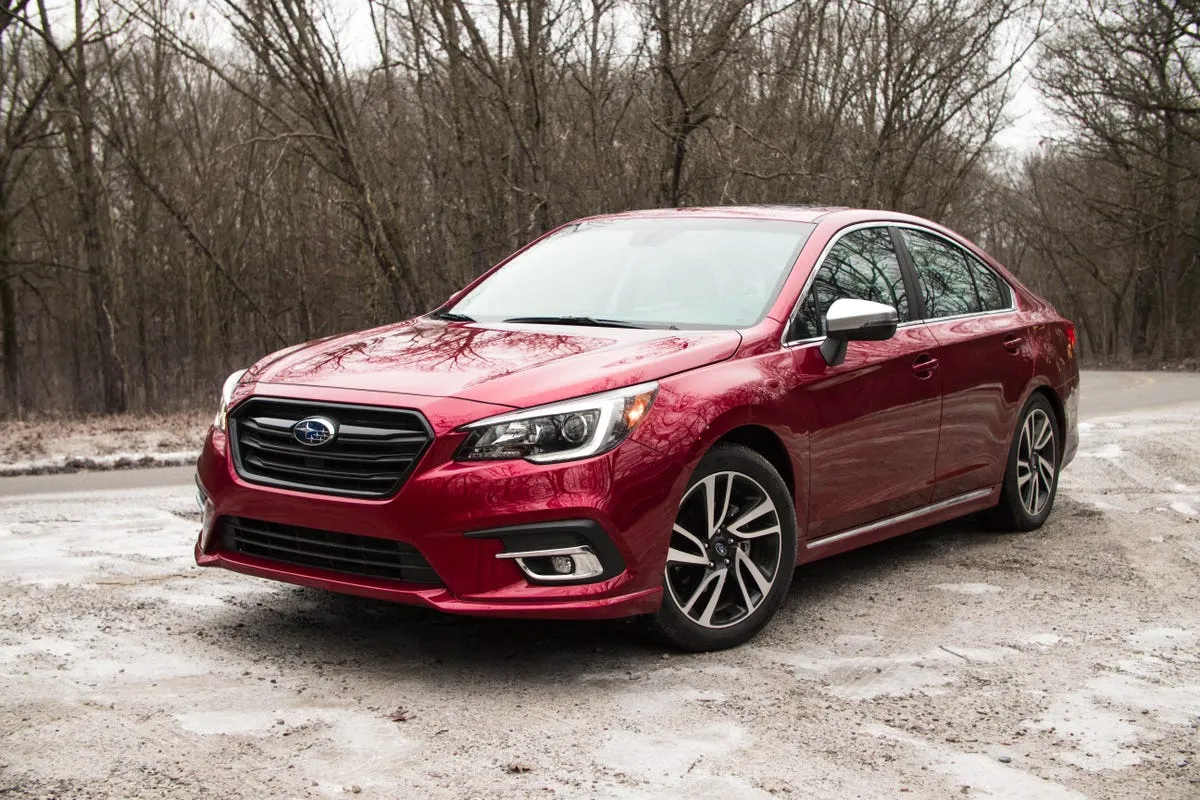
2. Subaru Legacy
The Legacy from the late 1990s to early 2000s has a similar engine layout to the Outback, sharing the 2.5-liter flat-four engine that is infamous for head gasket problems. Coolant leaks and oil seepage are common, and many owners report needing gasket replacements after 100,000 miles.
These cars were durable in other areas, like suspension and drivetrain, but the engine design made the head gasket a weak point. A thorough inspection of coolant condition and oil color is essential before buying.
Some Legacy models show small signs of leaks long before a full failure occurs. White smoke from the exhaust, low coolant levels, or milky oil are warning signs to take seriously. The flat-four engines are compact, which makes repairs more difficult and labor-intensive, driving up costs. Buyers often underestimate this expense, thinking the car is cheap because of its age. Documented maintenance and any prior head gasket repairs are critical when evaluating these vehicles.
The 2000–2004 Legacy models with higher mileage tend to have recurring issues even after a gasket replacement. Replacement gaskets can fail again if the engine was overheated or not properly maintained. In some cases, replacing the water pump and timing belt at the same time is necessary to prevent further damage. While this increases upfront cost, it often saves money and frustration in the long term. Proper maintenance history is a strong predictor of whether the car will remain reliable.
Despite the engine risk, the Legacy was known for its smooth ride and comfortable interior, making it a popular choice among families. Buyers should be careful not to focus only on aesthetics and mileage.
A low-mileage car may still have gasket issues if previous owners neglected maintenance or allowed overheating. Checking for service receipts and any signs of previous repairs can make the difference between a dependable vehicle and a major repair headache.
Many drivers have had mixed experiences with the Legacy, highlighting the importance of careful inspection. Even though the car can provide years of dependable service, the head gasket risk remains a serious concern. For those comfortable with repairs or willing to pay extra for peace of mind, it can still be a practical choice. Otherwise, moving to newer models or those with safer engine designs may be a better option.
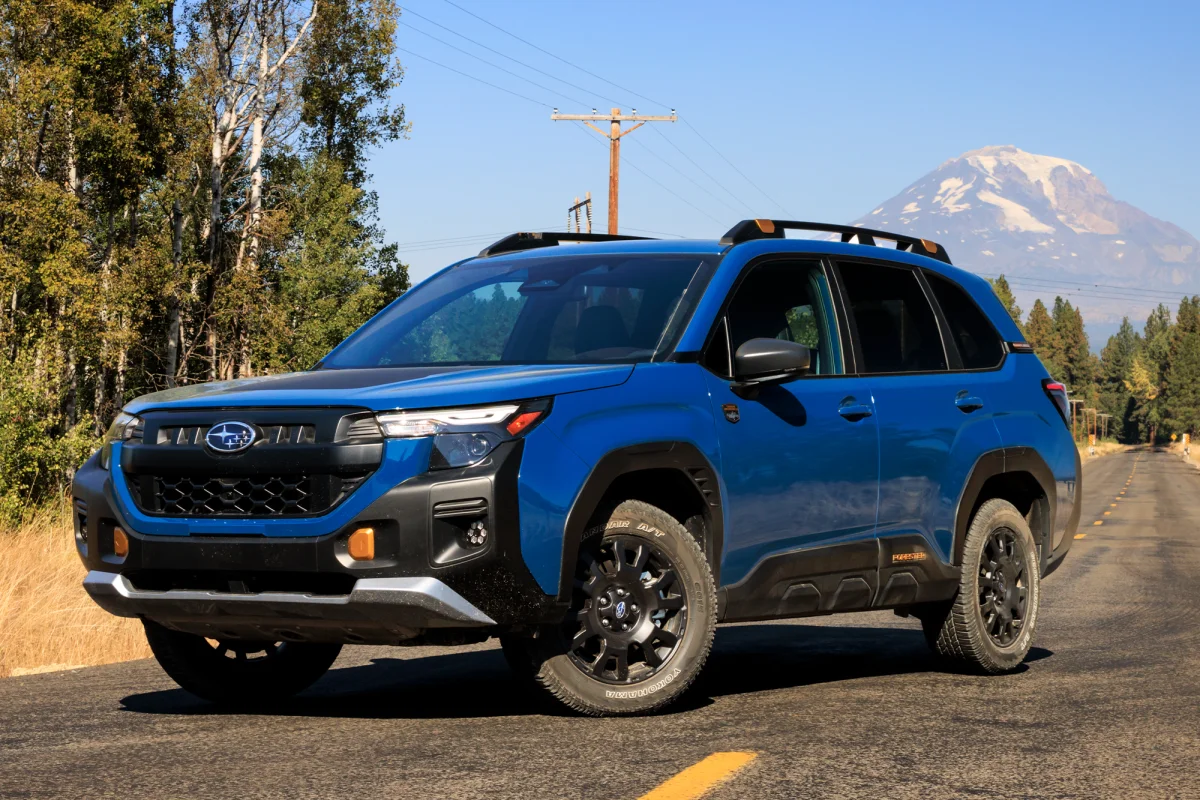
3. Subaru Forester
The early 2000s Forester models with the 2.5-liter engines are widely reported to have head gasket leaks. These cars were designed with durability in mind, but the engine block and gasket material were prone to failure over time.
Coolant and oil mixing is a common symptom, often accompanied by overheating. Many owners have faced costly repairs, making it one of the riskier Subaru options in the used market. Checking for white smoke or milky oil is essential before purchase.
Mileage plays a big role in gasket failure for the Forester. Vehicles over 120,000 miles are more likely to have experienced some form of gasket problem. Regular maintenance can delay the issue, but it cannot eliminate the inherent design weakness. Many mechanics recommend a pre-purchase inspection to confirm there are no hidden leaks. A small oil or coolant stain may seem minor, but it can indicate a deeper problem.
The labor involved in fixing these engines is extensive. The compact flat-four layout requires significant disassembly to replace the head gasket. Many owners also replace timing belts, water pumps, and other components simultaneously. While this increases upfront cost, it can prevent repeated repairs later. Buyers should be prepared for repair costs ranging from $1,500 to $3,500 depending on labor rates and parts.
The Forester’s appeal has always been its practicality and all-wheel drive system, which made it popular among outdoors enthusiasts. However, potential buyers must weigh the benefits against the risk of head gasket issues. Even cars with clean exteriors and low mileage should be carefully inspected. Ask for a full maintenance history and verify any previous gasket work to avoid surprises.
Despite the risks, some Foresters survive well past 200,000 miles with proper care. Owners who have replaced gaskets early and maintained their cooling systems report long-lasting reliability. A careful buyer can find a Forester that offers dependable performance without breaking the bank. Awareness and diligence are key to avoiding one of the more common Subaru engine problems.
4. Subaru Impreza
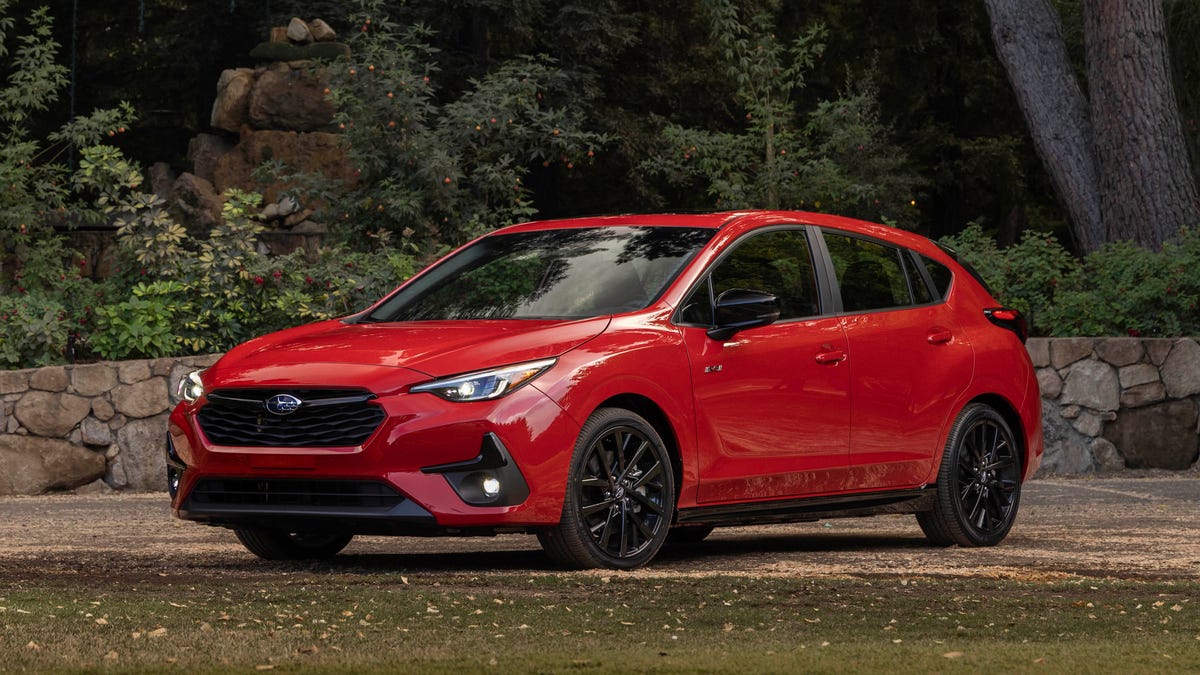
The Impreza models from this period are another group prone to head gasket issues. Like other Subarus with the 2.5-liter engine, leaks often develop between the engine block and cylinder heads. Coolant contamination of the oil or vice versa is a frequent problem, and overheating can accelerate gasket failure. Buyers need to carefully examine oil and coolant levels and look for signs of leaks under the car.
Some drivers report early symptoms such as minor coolant loss, overheating, or white smoke from the tailpipe. Left unchecked, these issues can lead to more serious engine damage. Mechanics often recommend a compression test or leak-down test to detect hidden problems before purchase. Subarus of this generation require careful evaluation because minor leaks can escalate quickly.
The repair process for these Imprezas is labor-intensive. Replacing the head gasket often requires removing the entire engine cylinder head and associated components. This work can be expensive and time-consuming. Cars with a documented history of gasket replacement or engine rebuilds tend to be safer options but still carry some risk. Buyers should factor in these potential costs when negotiating a purchase price.
Despite the risks, the Impreza has been popular for its sporty handling and reliable AWD system. Enthusiasts and daily drivers alike appreciate the versatility and performance. However, these benefits are offset by potential engine issues. Always check for signs of previous repairs, overheating, and unusual noises to ensure the car is safe.
A well-maintained Impreza can still provide years of dependable service. Owners who replaced the gasket promptly and maintained the cooling system report fewer recurring problems. Being informed and cautious when evaluating these models is essential to avoid unexpected repairs and ensure the vehicle remains a reliable daily driver.

5. Subaru Baja
The Subaru Baja shares many engine components with the early 2000s Outback and Legacy, including the 2.5-liter flat-four engine prone to head gasket leaks. Many owners report needing gasket replacements after around 100,000 miles, particularly in hotter climates or under heavy use. Oil and coolant mixing, overheating, and occasional white smoke are the most common warning signs to look for.
Mileage is a significant factor in gasket reliability. Vehicles driven frequently or under heavy loads tend to develop issues sooner. Regular maintenance and coolant flushes can reduce the risk, but the Baja’s design makes it susceptible over time. A pre-purchase inspection by a qualified mechanic is recommended to identify leaks before they become costly problems.
Repairing a Baja engine is time-consuming due to the flat-four layout and tight engine bay. Replacing the gasket requires removing the cylinder heads and checking associated components such as the timing belt and water pump.
This makes labor costs high, often exceeding the price of the vehicle itself if repairs are needed. Buyers should prioritize vehicles with a documented repair history or evidence of preventative maintenance.
Despite these concerns, the Baja offers a unique blend of truck and car features with standard AWD, making it attractive to a niche market. The interior is comfortable and practical, and the vehicle performs well off-road. However, the head gasket problem remains a major consideration for anyone considering this model.
Some Baja owners report reliable service for over 150,000 miles when gaskets were replaced early and maintenance was consistent. Still, the model carries inherent risk compared to later Subarus or those with different engines. Being aware of these issues helps buyers make informed choices and avoid unexpected repairs.
5 Used Subarus That Are Safe
1. Subaru Outback
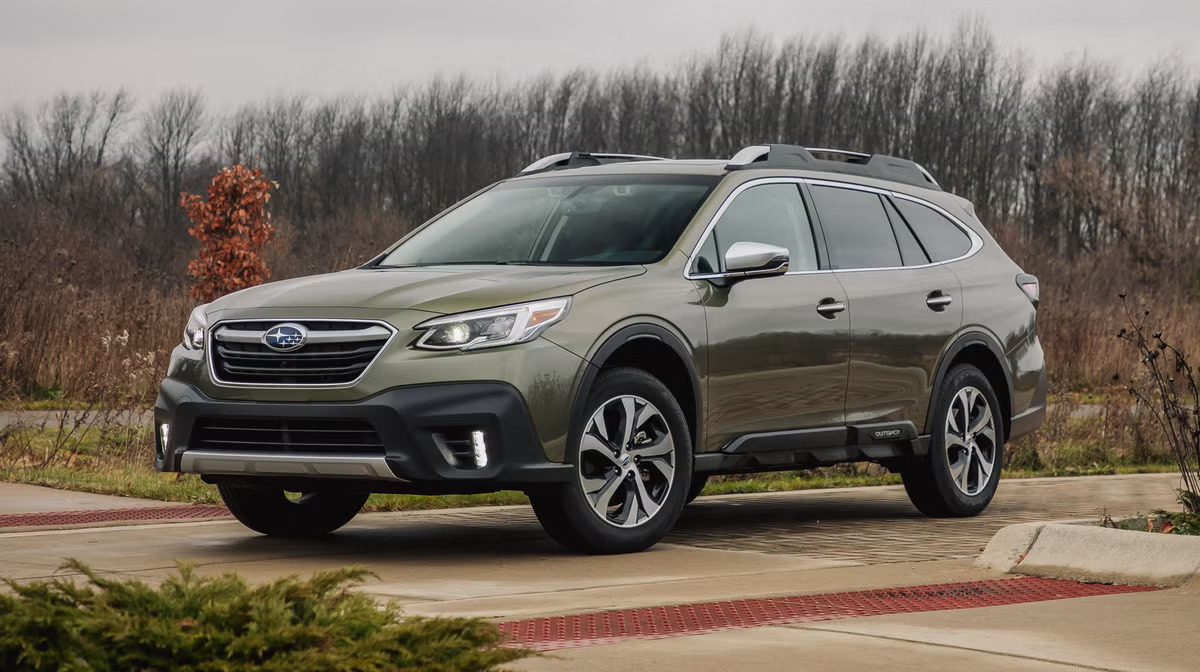
The Outback models from 2005 to 2009 marked a significant improvement over earlier generations regarding head gasket reliability. Subaru updated the 2.5-liter engine design, improving the materials and cooling system to prevent leaks.
Many owners report these models running smoothly well past 150,000 miles without major engine repairs. While no car is completely immune to maintenance needs, these Outbacks are far less likely to develop serious gasket problems compared to their early 2000s predecessors.
These cars benefit from improvements in engine seals and gaskets that reduce the chance of coolant and oil mixing. Routine maintenance, such as changing oil and monitoring coolant levels, keeps the engine in excellent condition.
Mechanics often note that these engines are forgiving, meaning minor neglect is less likely to cause catastrophic failures. Pre-purchase inspections are still recommended, but buyers can feel more confident that major repairs are unlikely.
The 2005–2009 Outbacks offer more than just a reliable engine. These models also introduced updated interior features and better ride comfort. While the AWD system remains a selling point, the real improvement lies under the hood, where the new engine design provides peace of mind. The combination of reliability, comfort, and practicality makes these Outbacks a strong used car option.
Another reason these models are safer is their widespread popularity. With more examples on the market, owners have had ample opportunity to test long-term durability. Reports of head gasket failures are rare, and when issues occur, they tend to be isolated cases rather than systemic problems. This gives buyers reassurance that they’re choosing a proven engine.
Owners often report trouble-free ownership and minimal engine maintenance beyond the standard schedule. Timing belts, water pumps, and fluids are still important, but the risk of expensive repairs like head gasket failure is low. For anyone looking for a dependable used Subaru, these Outbacks represent a solid choice.
2. Subaru Forester
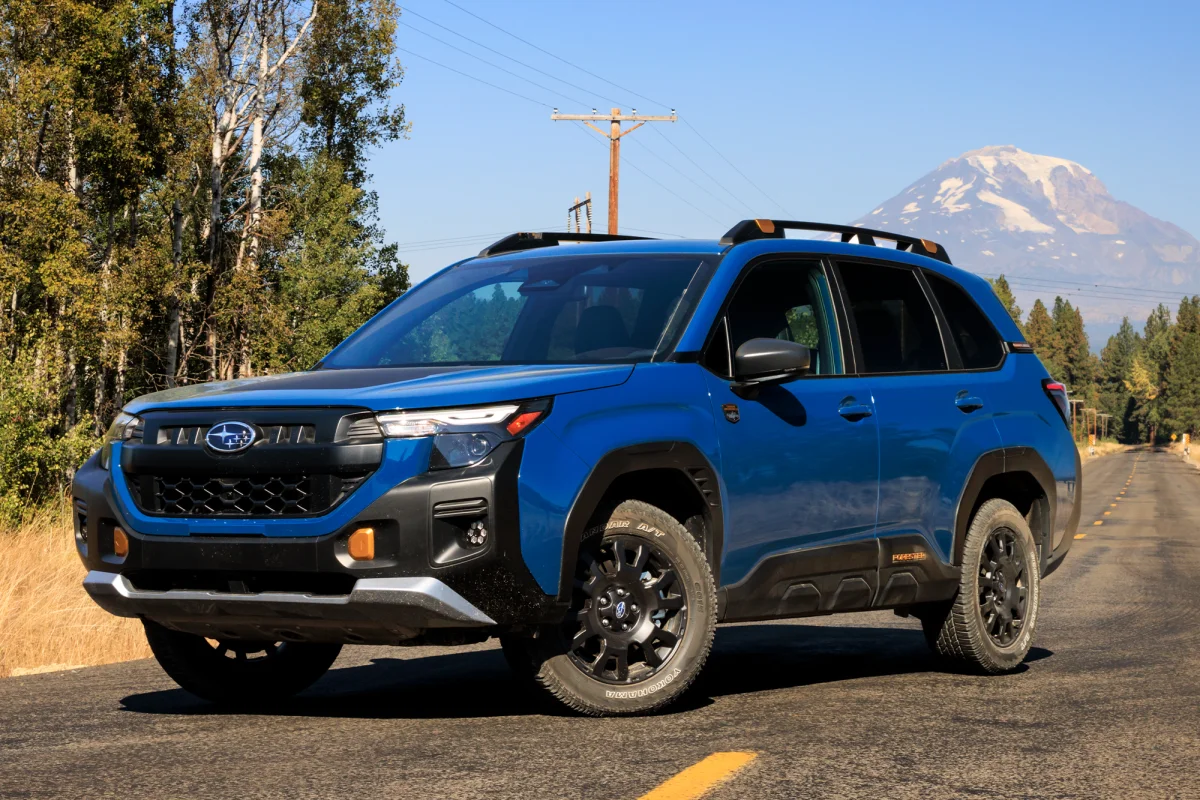
Foresters from 2009 to 2013 are considered much safer than earlier models regarding head gasket issues. Subaru redesigned the 2.5-liter engine to address previous weak points, resulting in fewer leaks and improved long-term reliability. Many drivers report these vehicles reaching high mileage without ever experiencing engine seal problems. This makes them appealing for buyers who want the practicality of an SUV without the hidden risks.
Routine maintenance keeps these Foresters running smoothly. The improvements to engine materials, gaskets, and cooling systems help prevent the mixing of oil and coolant. Simple steps, like checking fluid levels and addressing small leaks promptly, go a long way toward ensuring trouble-free ownership. Pre-purchase inspections are always wise, but buyers can feel more confident than with older Foresters.
The 2009–2013 Foresters also offer modernized interiors and updated safety features, making them practical daily drivers. These models maintain Subaru’s signature AWD system while providing better reliability under the hood. Owners often note that the engine feels strong and responsive even after many miles, adding to the vehicle’s appeal.
Mechanics generally consider these models low-risk for head gasket failure. Reports of leaks are infrequent and often tied to vehicles with unusual driving conditions or poor maintenance histories. As a result, these Foresters are much easier to buy with confidence compared to early 2000s versions. Buyers can expect predictable performance and fewer costly surprises.
These Foresters are ideal for families or outdoor enthusiasts who rely on AWD and need dependable performance. Their reputation for reliability, combined with Subaru’s improved engineering, ensures that most owners can enjoy many years of ownership without major engine issues.
3. Subaru Legacy
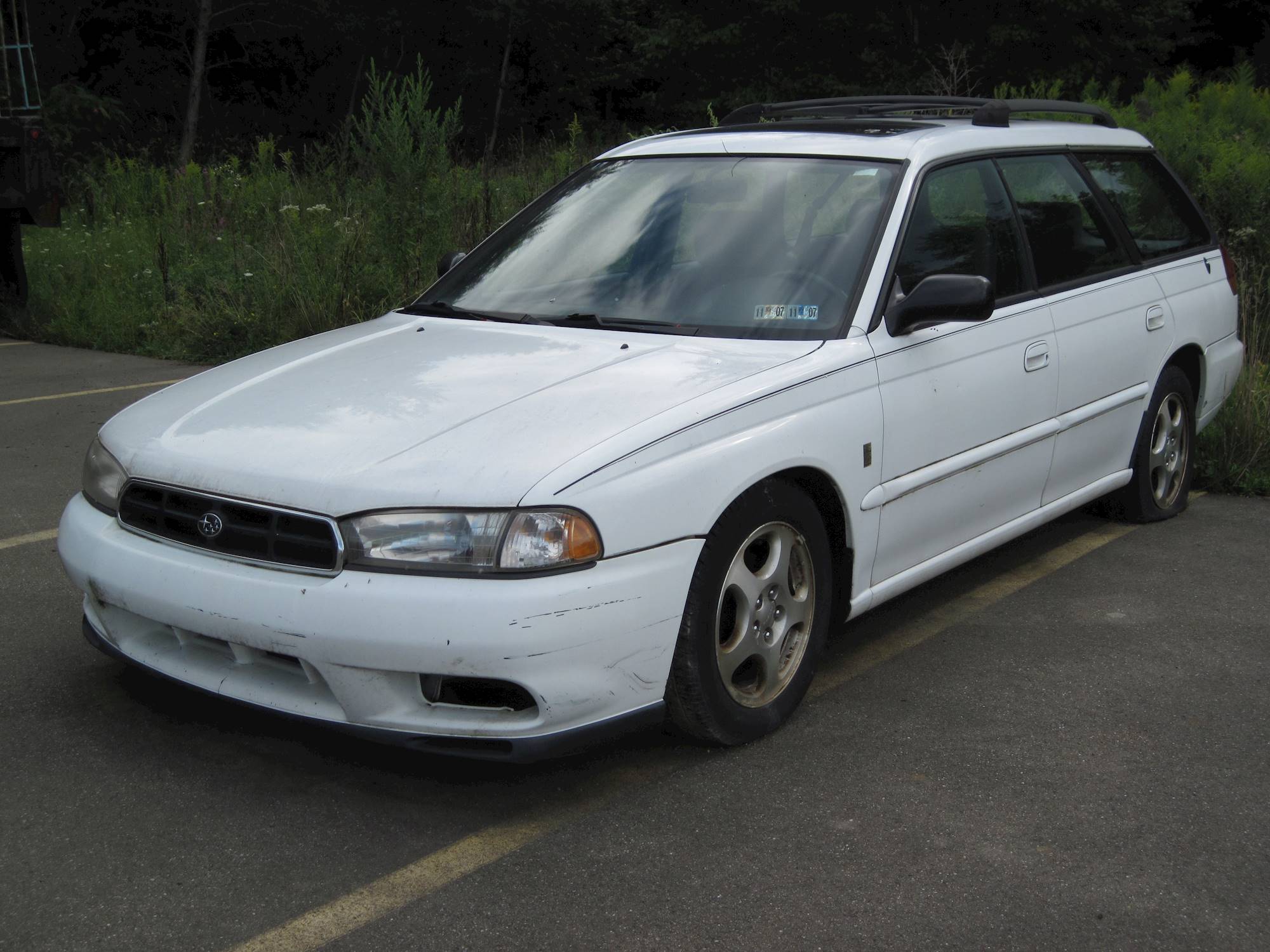
Legacy models from 2005 to 2009 are generally safe from head gasket problems thanks to engine updates that addressed common failure points. Subaru improved the 2.5-liter flat-four engine with better gasket materials and improved cooling pathways. Many of these cars reach 150,000 miles or more without major repairs. Buyers looking for a midsize sedan with dependable performance often favor this generation because of its proven reliability.
These models benefit from design improvements that reduce the likelihood of overheating and leaks. Standard maintenance is usually sufficient to keep the engine in top condition. Many owners report that these cars require only routine oil changes, timing belt replacements, and general inspections over the years. Unlike older Legacy models, major engine failures are rare.
The 2005–2009 Legacy also introduced improved interior features and updated electronics. The driving experience is smooth, and the AWD system continues to provide confidence in adverse weather. Reliability under daily use makes these models attractive to both commuters and long-distance drivers.
Mechanics frequently recommend this generation when advising buyers on safe used Subarus. Complaints about head gasket leaks are uncommon, and most issues are minor and easily repaired. This gives buyers peace of mind that the car will remain dependable over time.
Owners often report very few surprises with this generation of Legacy. Many have logged high mileage without encountering expensive repairs, which is reassuring for anyone seeking a practical and reliable used car. These vehicles offer a balance of comfort, performance, and durability that older models could not always guarantee.
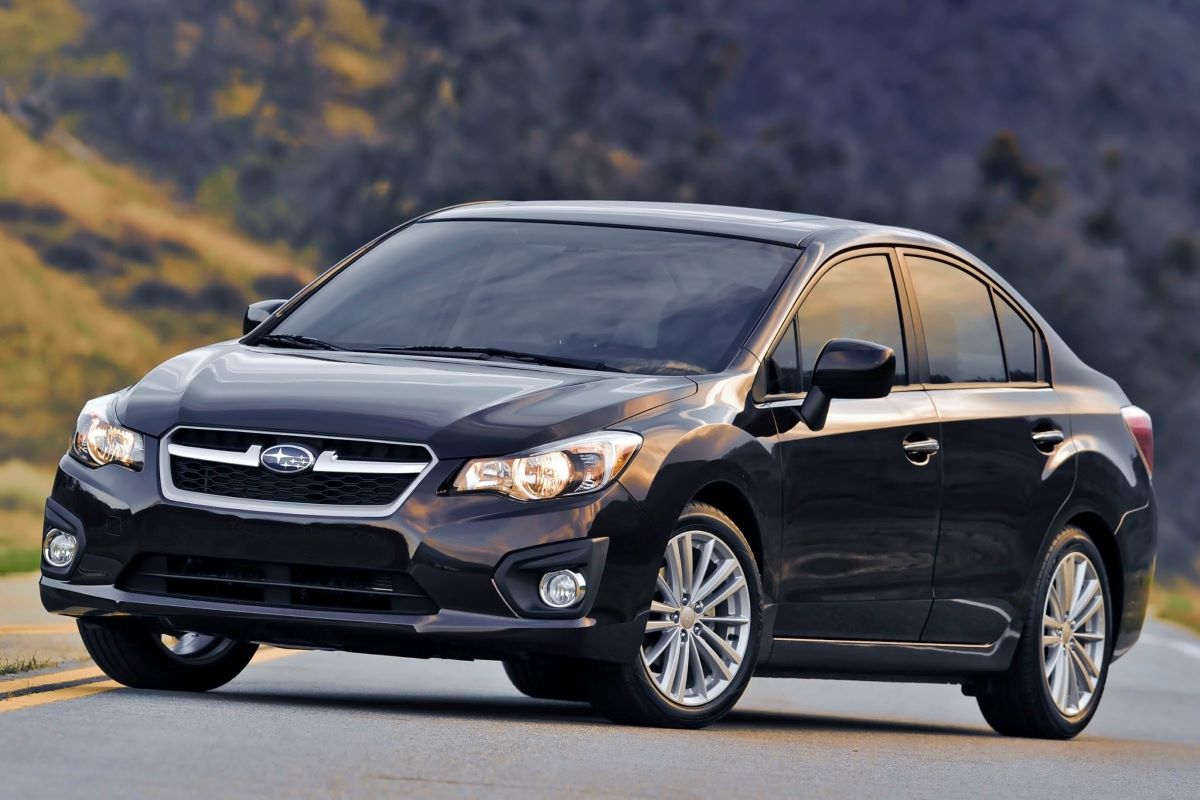
4. Subaru Impreza
The 2008–2011 Impreza models are considered much safer than the early 2000s versions. Engine updates reduced the likelihood of head gasket leaks, making these vehicles more dependable over time.
Many owners report that their Imprezas run well past 150,000 miles without needing major repairs, and complaints about engine leaks are minimal. Routine inspections and oil changes are usually sufficient to keep the engine in excellent condition.
The updated engine design focuses on improved gasket materials and better cooling, which lowers the risk of oil and coolant mixing. These improvements help prevent costly repairs that were common in older models. While all used cars require attention, these Imprezas are much easier to maintain without fear of hidden problems.
This generation of Impreza also includes interior and exterior updates, enhancing comfort and safety. Drivers often praise the smooth ride and solid handling, while the AWD system provides confidence in all conditions. These improvements, combined with a safer engine, make the Impreza a smart choice in the used market.
Mechanics frequently note that these Imprezas are reliable and that head gasket problems are extremely rare. While no car is completely free of maintenance needs, this generation allows buyers to focus on routine upkeep rather than worrying about major engine repairs.
Owners report dependable performance with minimal attention beyond standard maintenance. These vehicles are ideal for first-time buyers, daily commuters, or those seeking a low-maintenance AWD vehicle. The 2008–2011 Impreza represents a significant improvement in engine reliability compared to older models.
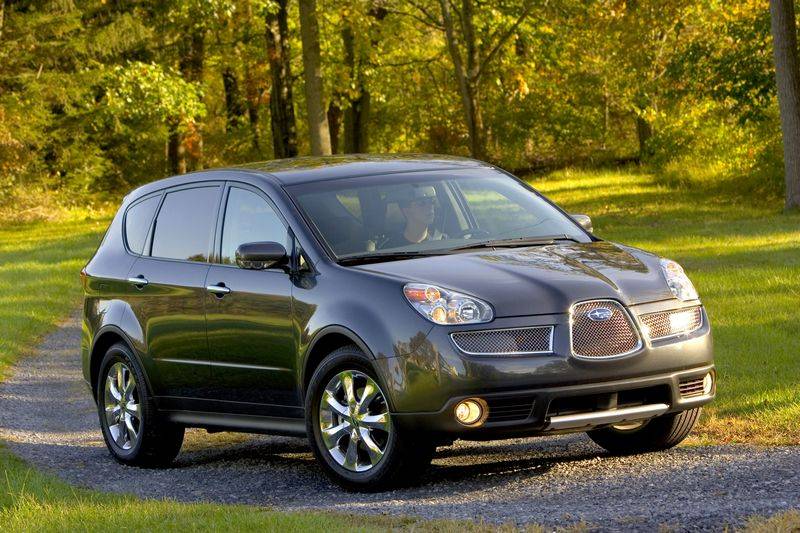
5. Subaru Tribeca
The Tribeca, Subaru’s mid-size SUV, offers a larger engine layout that generally avoids the head gasket issues seen in smaller flat-four engines. Many Tribeca owners report reliable service with minimal engine-related problems. While not as common as the Outback or Forester, the Tribeca provides a safe option for buyers seeking a larger, family-friendly Subaru without the same risk of gasket failure.
The Tribeca’s 3.0-liter flat-six engine benefits from robust gasket materials and improved cooling systems. Routine maintenance keeps the vehicle running well, and leaks are rare compared to older flat-four engines. Pre-purchase inspections are still wise, but buyers can expect dependable performance.
The interior of the Tribeca offers comfort and space for families, while the AWD system ensures strong performance in a variety of conditions. Many owners use this SUV for long trips and report minimal engine trouble, making it an appealing choice for daily use or weekend adventures.
Mechanics often describe the Tribeca as one of the safer Subarus regarding engine reliability. While minor issues may occur, head gasket failure is uncommon. This makes it an attractive option for buyers concerned about expensive repairs.
With proper maintenance, the Tribeca can provide years of dependable service. Owners often praise its durability and low-maintenance engine, which is a major advantage over older Subarus with head gasket concerns. For buyers seeking a larger, reliable AWD vehicle, the Tribeca represents a strong choice.
