
Over the past decade, BMW has often been seen as a brand reserved for wealthy enthusiasts and premium performance drivers, yet there is a growing appreciation for the models from the last ten years that deliver dynamic driving, luxury comfort, and surprisingly reasonable ownership costs when purchased used.
Many buyers only consider the sticker price when evaluating a used vehicle, but maintenance and repair costs are where the true expenses begin to show themselves. While BMWs have historically carried the reputation of higher service bills, certain models released in the last decade defy that stereotype.
These vehicles combine robust engineering, widespread parts availability, and simpler mechanical layouts that help keep routine servicing manageable.
A used BMW’s true cost is shaped by factors like reliability history, parts pricing, and how complicated the systems are under the hood. Some cars from this brand have engines and transmissions that hold up well over time without frequent intervention, and others benefit from sharing components with more common vehicles, which reduces repair expenses.
The community of owners and independent specialists for BMWs has also grown significantly, meaning that labor costs at local shops can often outpace those at the dealership. Enthusiasts who maintain these cars cheaply with good aftermarket support and affordable parts options prove that a BMW can be a practical choice for buyers on a budget.
In this article, we will examine ten BMW models from the last decade that stand out as options worth considering if you want performance and luxury, without facing crippling maintenance bills. Each entry is selected based on its reputation for being less expensive to keep on the road compared to average expectations for the brand.
These cars are used vehicles that you might find through private sales, independent dealers, or certified pre‑owned programs, depending on your preference and quality standards. You’ll see a mix of sedans, coupes, and SUVs, each with unique strengths in everyday usability and service costs.
Understanding the balance between purchase price and ongoing expenses is essential before buying any used car, but it is especially true with premium brands like BMW. The models on this list have carved out a place among savvy buyers who value longevity and accessibility for maintenance.
While these cars are still refined machines with advanced technology, they tend to be friendlier to the budget than many other luxury alternatives from the same era. The following sections will go through each model in detail, highlighting why they remain affordable to own and how they stand up in real‑world use years after their initial release.
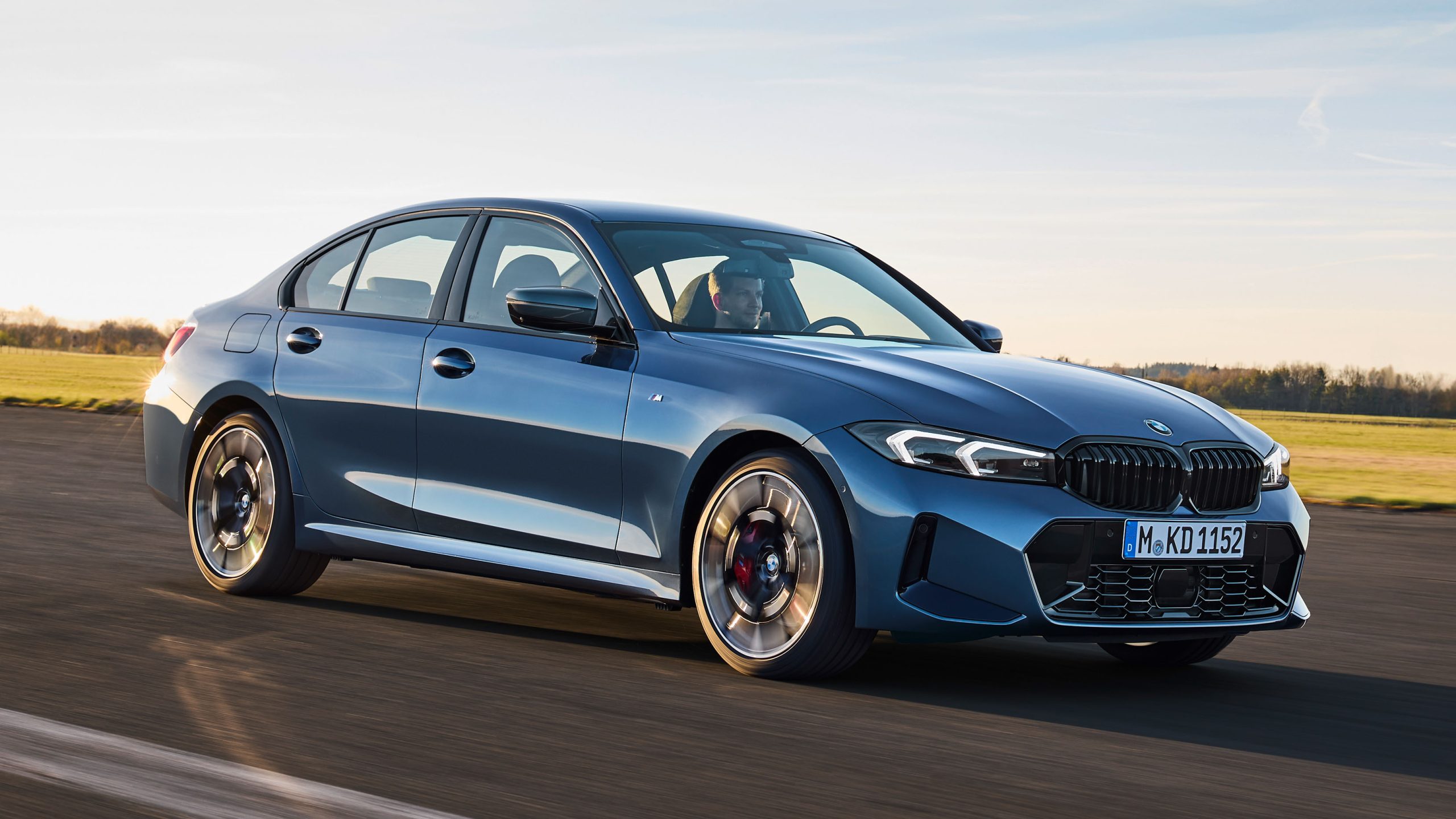
1. BMW 3 Series (F30; 2012–2018)
The F30 generation of BMW’s 3 Series remains one of the most popular used cars for performance‑minded buyers seeking reasonable maintenance costs. These compact sedans and wagons strike a solid balance between comfort and agility, and they share parts with broader BMW production, which helps lower parts pricing.
Engines like the N20 four‑cylinder and B48 family have been well supported by the aftermarket, making replacement components easier to find. Independent service shops familiar with F30 models can often handle oil changes, brakes, and suspension work without resorting to a dealer price structure.
Routine maintenance on an F30 involves typical items like spark plug changes, filter replacements, and periodic fluid services, which are usually straightforward to perform for experienced mechanics. The chassis and suspension components are robust, and many owners report that major repairs are infrequent when the car is cared for properly.
Because the F30 was produced in large numbers, used examples are often priced competitively, which means buying one with a strong maintenance history can be a smart value proposition. This generation also benefits from a simple yet refined interior that holds up well over time, reducing the need for costly cosmetic restoration.
While some higher performance variants like the 335i and 340i require more attention due to turbocharged components, the base models equipped with naturally aspirated engines tend to be the lowest cost to maintain. Brake service intervals and tire wear are sensible thanks to balanced weight distribution and thoughtful chassis tuning on standard trim levels.
Cooling system parts, which can be common failure points on many aging cars, are reasonably priced for the F30 when compared with other premium brands. Because many independent BMW specialists have experience with this generation, labor rates for most repairs remain affordable.
Owners who choose F30 examples with well‑documented service records often find that long‑term costs stay manageable, especially if preventative maintenance is performed on schedule. Despite being part of a premium brand, the 3 Series from the last decade rarely surprises its owners with enormous repair bills in the way that some luxury coupes or SUVs can.
This combination of strong driving dynamics, accessible parts pricing, and widespread aftermarket support makes the F30 3 Series one of the best used BMWs for people focused on total ownership cost.
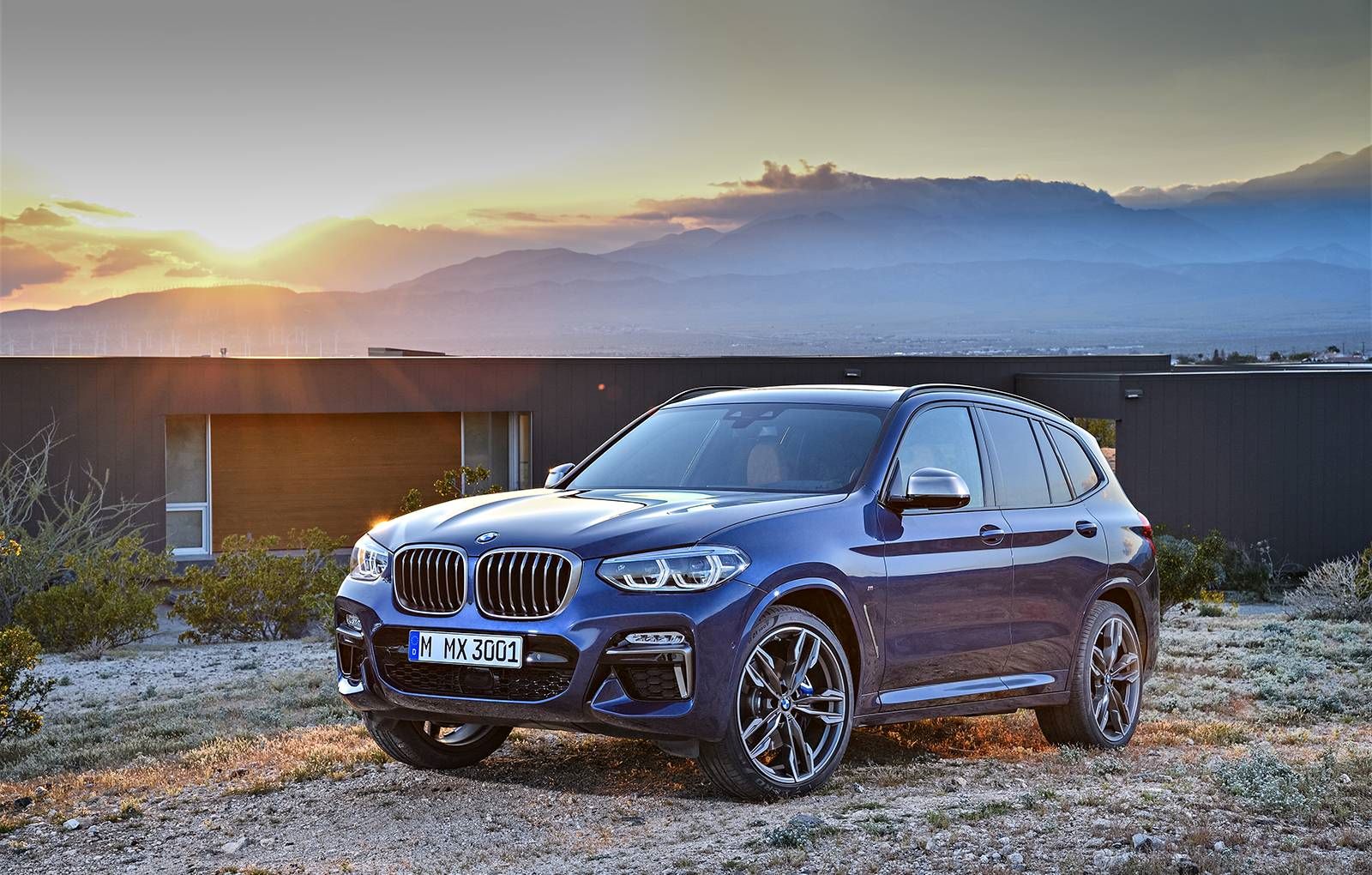
2. BMW X3 (F25; 2011–2017)
The first generation of the modern X3 SUV continues to be a sensible choice for buyers seeking a premium small SUV that is relatively cheap to maintain used. This compact crossover uses engineering that shares many components with the 3 Series platform, which means parts are plentiful and mechanics already familiar with BMW sedans can handle SUV needs.
Engines such as the N52 and N55 series provide reliable power, and many of the drivetrains have a track record of longevity when regularly serviced with quality fluids. The boxy cargo area and higher seating position also make the X3 a more practical everyday vehicle compared to sportier choices.
Routine tasks like brake service, suspension repairs, and even timing chain maintenance on some versions of the engine are well understood among independent BMW shops, helping keep labor costs predictable. Because the F25 X3 was one of BMW’s early entries into the booming SUV market, there is a broad base of owners whose maintenance experiences have helped highlight common issues and solutions.
Many problems can be addressed with straightforward parts swaps that do not require deep disassembly, which is a major benefit for reducing shop time. This familiarity translates into better pricing for owners who choose to maintain these vehicles out of warranty.
Electrical issues can sometimes surface in older examples, yet in many cases these are manageable with inexpensive sensor replacements or software updates at a local specialist. The four‑cylinder versions, in particular, are known for being less costly to maintain than the six‑cylinder trims because they use fewer complex components under the hood.
Tires and other wear items are also shared with other common SUVs, which keeps replacement costs competitive. Enthusiast forums and DIY guides for the F25 X3 offer additional support for routine maintenance tasks that an owner might choose to undertake personally.
With its balance of utility, performance, and serviceability, the F25 X3 has carved a niche among used luxury SUVs that do not break the bank to keep on the road. Its high‑volume production and compatibility with 3 Series‑based mechanicals give it an edge in affordability compared to some peers whose parts may be rarer or more expensive.
For buyers looking for BMW refinement without excessive maintenance costs, the early X3 often serves as a sensible compromise between practicality and enthusiast appeal.
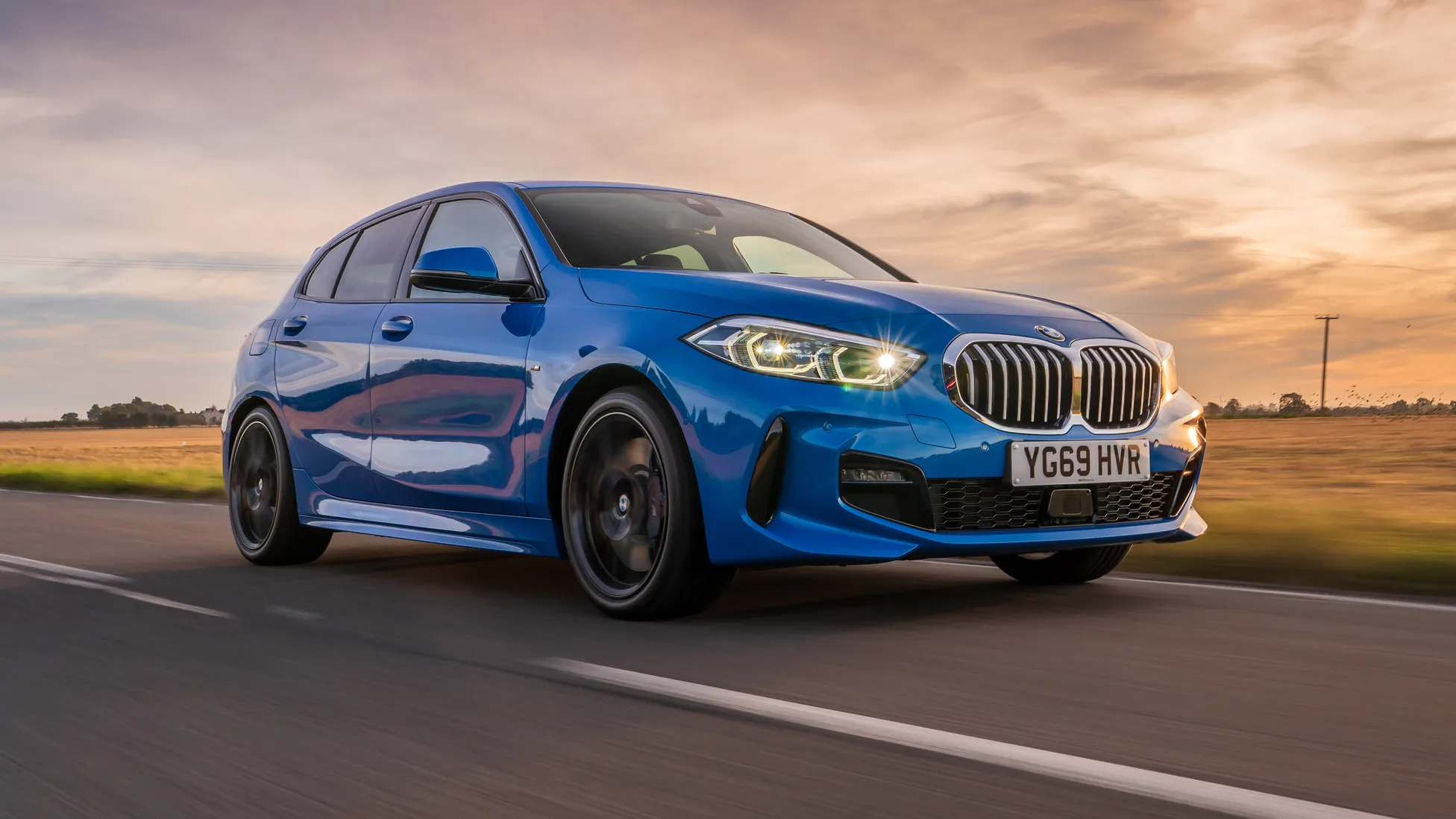
3. BMW 1 Series (F20; 2011–2019)
The compact and athletic BMW 1 Series from the F20 era is frequently overlooked in the used market, yet it represents one of the most wallet‑friendly entries in the company’s modern lineup when considering maintenance costs.
These small hatchbacks deliver engaging driving dynamics and satisfy drivers who want a premium experience without paying a premium for upkeep. Many of the engines offered in this generation were shared with other models across the BMW family, which results in a well‑supported supply chain for replacement parts. Independent shops that specialize in European cars often stock common components, lowering turnaround times and pricing.
The F20’s lightweight construction and efficient powertrains also contribute to longevity, since lower stress on components typically equates to fewer major repairs. Routine services like oil changes, brake pad replacements, and wheel alignments are consistent with what you would expect for a small vehicle, without the higher labor times associated with larger SUVs or performance‑oriented sedans.
While some variants have more advanced options and electronics, the base and mid‑grade versions tend to be simpler to work on. As a result, owners who prioritize straightforward maintenance find that their ownership experience is often more predictable and less expensive.
Tires for the 1 Series are available in a wide range of price points, and aftermarket support for suspension parts means that common wear items can be addressed without high costs. Cooling and fuel system components are similarly accessible, and there is a strong community of enthusiasts who provide documentation and tips for inexpensive repairs.
Because the F20 was offered in markets where small cars are popular, the total number of used units on the market makes competitive pricing easier for buyers to find. This abundance also ensures that used parts and salvage components remain plentiful.
For drivers who want a premium feel without routinely scheduling expensive shop visits, the F20 1 Series shows how a small, well‑engineered BMW can still be practical years after its release. Its compact dimensions and efficient design help reduce the likelihood of costly failures, and its parts compatibility with other BMW models of the era makes maintenance more accessible.
In a sea of larger, heavier luxury cars, the 1 Series stands out as a modest alternative that delivers BMW driving character at a lower total cost of ownership.
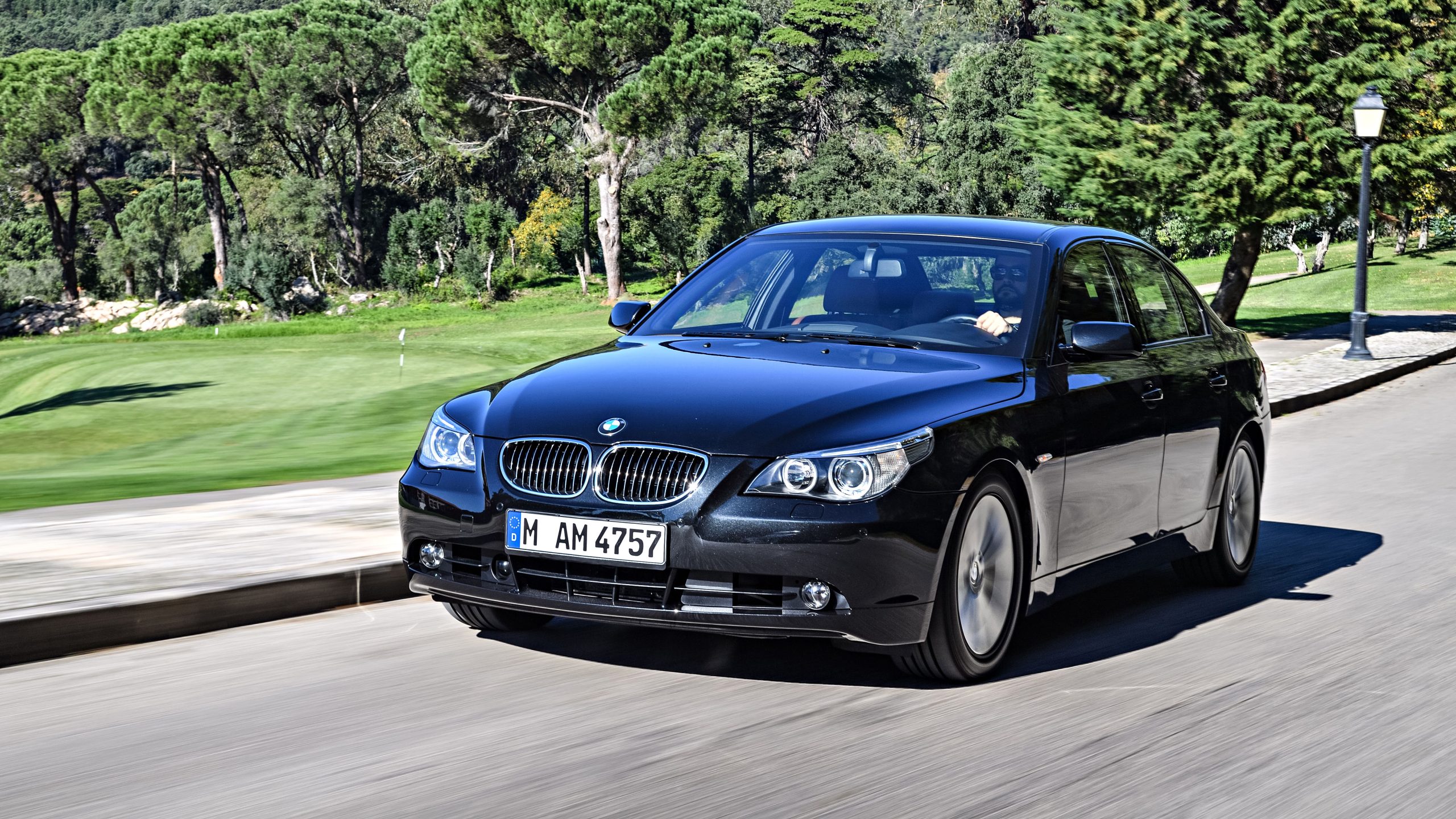
4. BMW 5 Series (F10; 2010–2017)
The F10 generation of the BMW 5 Series combines executive‑class comfort with surprisingly reasonable used maintenance expectations, especially when choosing models equipped with the reliable inline engines and fewer performance add‑ons. This midsize sedan offers a spacious interior, composed handling, and engine choices that have been refined over many years.
The naturally aspirated six‑cylinder engines, in particular, are known for their durability and longevity when serviced with quality oils and fluids on schedule. Many of the chassis and drivetrain components are shared with other BMW platforms, which helps parts remain available at lower cost.
Routine maintenance on a 5 Series can be similar to that of other sedans of the era, with predictable service intervals and widely understood procedures. Brakes, suspension bushings, and common wear items are parts that many European car specialists are familiar with, which helps bring competitive labor pricing.
The F10’s larger size compared to entry‑level BMWs does not necessarily translate to dramatically higher costs if preventative maintenance is prioritized. Oil service intervals and cooling system checks are especially important on these cars, but when performed regularly they help avoid the more expensive repairs that can occur when issues are left unaddressed.
Because the 5 Series was widely sold and produced in significant numbers, used examples are plentiful on the market, giving buyers leverage to find units with good service histories. Independent BMW mechanics often have experience with the F10’s suspension geometry and electronic systems, making diagnostics and repairs more efficient.
Resale value on well‑kept examples remains strong, yet the low initial used price combined with manageable maintenance makes the total cost attractive. Cooling system components, ignition coils, and other typical wear items are often available from third‑party suppliers at competitive prices.
Owners of F10 models that avoided heavy performance options or aftermarket tuning find the long‑term maintenance experience to be far friendlier than stereotypes about premium sedans might suggest. With straightforward mechanical layouts and broad community resources, these cars prove that midsize luxury sedans can remain affordable to keep in good running condition.
For buyers seeking comfort, technology, and a balance between cost and capability, the F10 5 Series is hard to overlook.
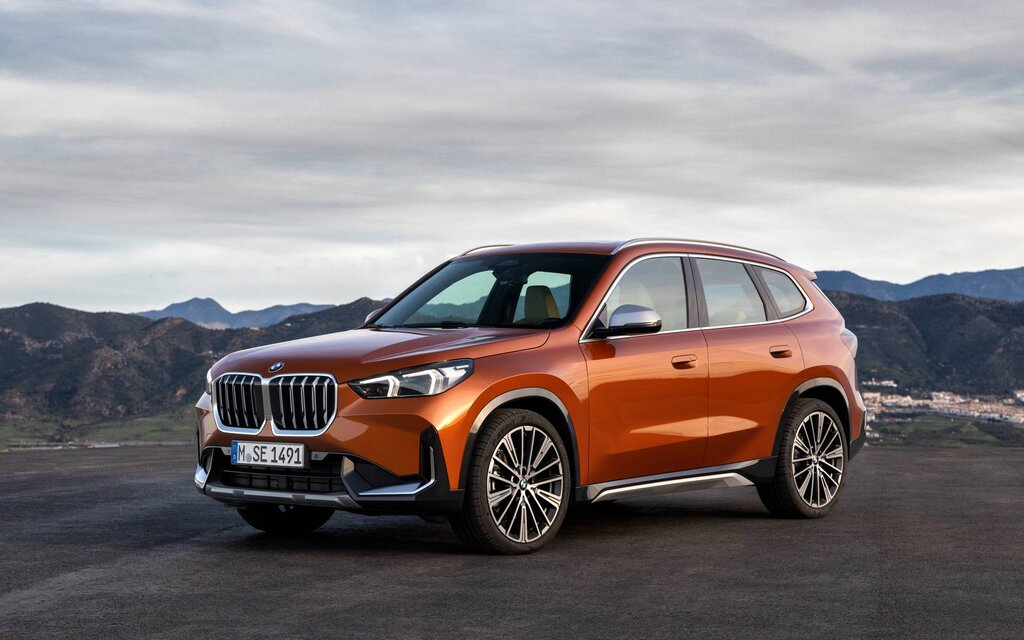
5. BMW X1 (E84; 2009–2015)
The original X1 entry‑level SUV brings BMW refinement to a smaller package, with the bonus that its mechanical simplicity can translate to lower used maintenance costs. Built on a platform similar to compact sedans, the E84 shares many parts with the 1 Series and other BMW compact vehicles, which helps keep parts pricing competitive.
Engines are generally robust and benefit from widespread parts availability, especially for the four‑cylinder variants. Because it is smaller and lighter than larger SUVs, suspension and brake wear tend to occur more gradually, which can extend service intervals and reduce expenses.
Routine servicing like fluid changes, brake replacements, and tire rotations are all tasks that independent specialists handle regularly, translating to predictable service costs. Many owners also report that the X1’s cooling system components are straightforward to access, and preventative replacement of hoses or thermostats before failure can significantly reduce more costly breakdowns.
The SUV’s layout does not require drivers to step into complex all‑wheel‑drive systems unless equipped for off‑road conditions, which further simplifies maintenance. The availability of aftermarket parts for popular wear items also contributes to affordable ownership.
Electrical systems on the E84 are less complicated than in newer BMW SUVs, meaning that diagnostics and repair can be quicker and less expensive. Because this generation predates some of the more advanced driver assistance technologies, owners generally deal with simpler systems that are less prone to expensive module failures.
Trim pieces and interior parts also hold up well over time, with replacements available from a variety of suppliers at reasonable prices. The combination of compact size, straightforward engineering, and wide parts support makes the X1 a compelling used choice.
For buyers seeking a used BMW SUV without high routine costs, the early X1 stands out as a vehicle that delivers premium experience at lower ownership expense. Its parts compatibility with other BMW compact models helps keep total maintenance costs down, and its manageable service needs make it a practical daily driver.
When properly cared for, the E84 X1 remains a sensible option for those who want BMW refinement without excessive long‑term financial commitment.
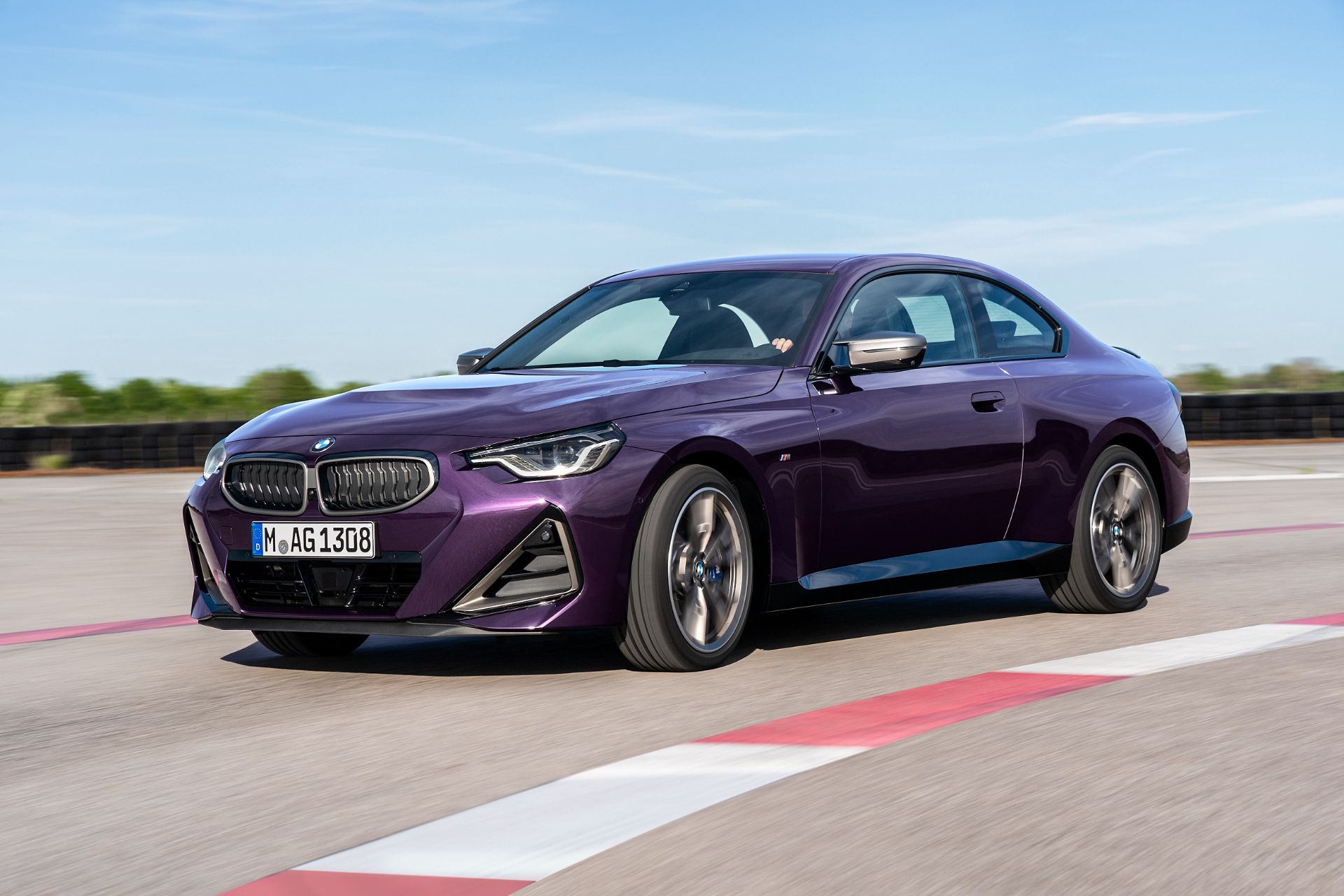
6. BMW 2 Series (F22; 2014–2021)
The BMW 2 Series entering the market in the mid‑2010s brought a fun, dynamic coupe and convertible option that remains affordable to own used, especially at lower trim levels. Built on a rigid chassis with efficient engines, the F22 uses familiar components from the 3 Series and 1 Series families, which helps keep parts inventories healthy and pricing accessible.
Regular service items like brakes, filters, and fluids are similar in cost to other compact BMWs, and independent shops routinely work on these models. Because the 2 Series emphasizes driving enjoyment over sheer complexity, many examples remain reliable with modest servicing.
Routine maintenance items on the 2 Series are straightforward, with predictable intervals and easily sourced parts. Engines such as the four‑cylinder turbo units are common across multiple BMW platforms, meaning that replacement components and tuning options are plentiful.
Suspension components like control arms and sway bar bushings are widely available from aftermarket manufacturers, which reduces costs compared to more exotic setups. The coupe’s compact size also simplifies access to many service areas, helping lower labor times on routine jobs.
Some owners choose sportier trims, yet even these variants can be maintained economically when kept stock and serviced regularly. Electronics and infotainment systems in the F22 are simpler than in newer BMWs, which reduces the frequency of expensive software updates or module replacements.
When upgrades or repairs are needed, many third‑party suppliers offer compatible parts at competitive prices. Tires and brake pads for the 2 Series are available in many sizes and brands, giving owners flexibility to choose less expensive options.
Because this generation was produced in strong numbers, used examples are well represented in the market, which drives competitive pricing. Independent specialists often enjoy working on the 2 Series because of its accessible layout and enthusiast‑friendly design, which can translate to reasonable labor costs.
The combination of engaging driving dynamics, efficient engines, and affordable maintenance makes the F22 2 Series a desirable choice for buyers who want the BMW experience without costly upkeep.

7. BMW 4 Series (F32; 2014–2020)
The BMW 4 Series from this era takes the platform of the 3 Series and applies a sportier coupe and gran coupe form factor without dramatically increasing maintenance complexity. These vehicles share engines, transmissions, and many suspension components with their more common siblings, which improves parts availability and brings down pricing relative to more exotic designs.
Engines such as the turbocharged four‑cylinder and six‑cylinder units have seen widespread use across the BMW lineup, which helps parts remain plentiful and familiar to independent mechanics.
Routine services on the F32 4 Series generally mirror those of the 3 Series, with oil changes, fluid flushes, and brake service being predictable in cost and timing. Many technicians have experience with this generation, which helps reduce labor times and diagnostic uncertainty.
The coupe’s lower profile and aerodynamically optimized body do not add much complexity to routine maintenance, which keeps service intervals manageable. Suspension wear parts such as bushings and shocks are available in the aftermarket, helping owners avoid expensive dealer parts pricing.
Electrical systems and interior electronics on these cars are relatively mature, meaning that fewer software‑related issues crop up compared to newer models. When repairs are needed, owners often find that common modules and sensors are shared across multiple BMW models, giving them greater choice in sourcing parts.
Tires and performance brakes, while sometimes more specialized, still benefit from the broad ecosystem of BMW wheel and tire options. As a result, maintaining a 4 Series can be more affordable than many potential buyers expect.
The combination of style, performance, and maintainability makes the F32 4 Series an appealing used vehicle. Its balance of widely shared components and competent engineering helps keep ownership expenses in line with what a compact luxury coupe should cost.
For buyers who want a premium driving experience but hesitate because of high maintenance stereotypes, this generation demonstrates that a used BMW can indeed be practical and cost‑effective.
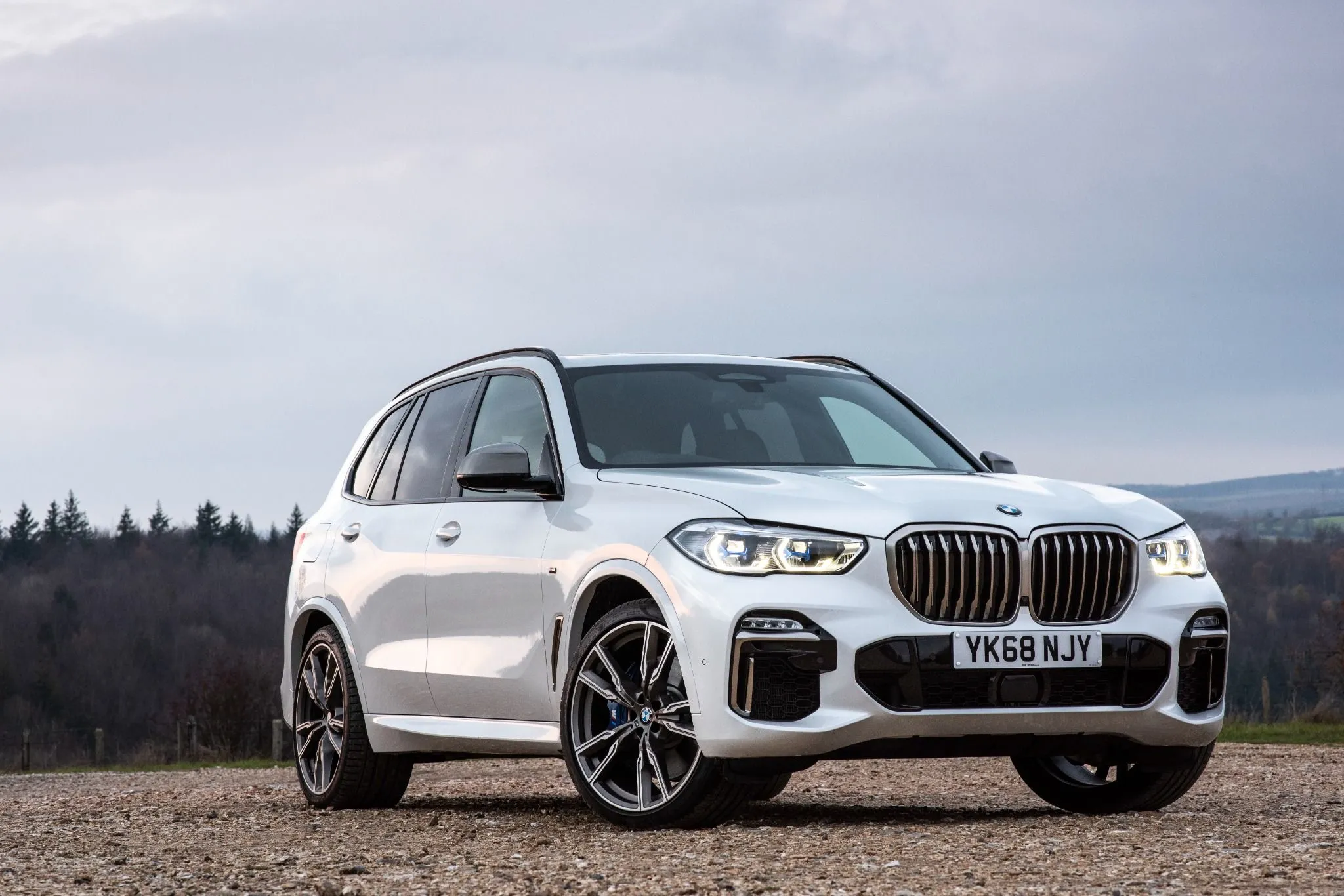
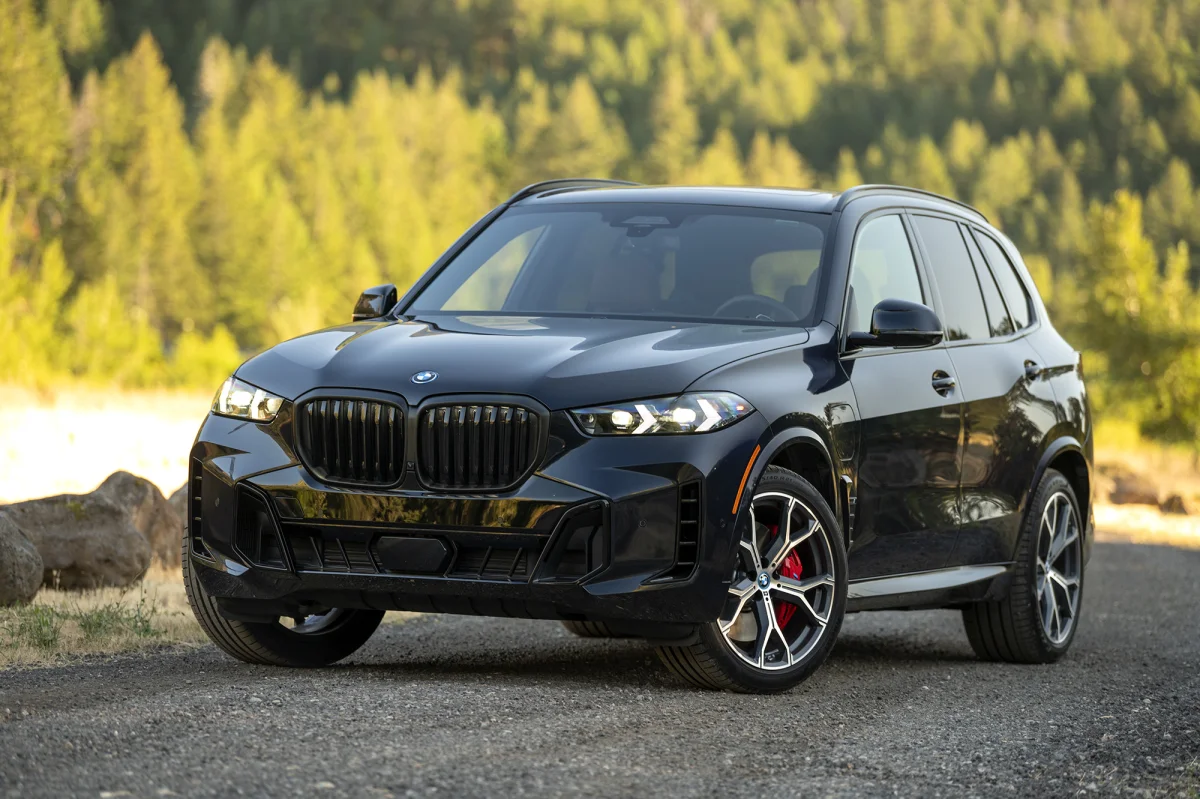
8. BMW X5 (F15; 2013–2018)
The second generation of the modern X5 SUV is often seen as a premium, family‑oriented choice that still manages to keep maintenance costs in check when compared to larger, more complex premium SUVs.
Despite its size and capability, the F15 uses engines and drivetrain components that are shared with other BMW models, which helps parts remain relatively common and affordable. Independent specialists familiar with European SUVs often handle routine services and repairs without the premium pricing associated with dealership work.
Routine maintenance on the X5 includes predictable fluid service intervals, brake changes, and suspension tune‑ups that are similar in cost to other midsize premium SUVs. Because the F15 has been on the road for many years, common service procedures are well documented, and parts suppliers offer a wide range of replacement options.
While some examples come with advanced options, buyers can often find lower‑trim versions that exclude the most complicated systems, reducing potential repair costs. This makes the earlier years of this generation particularly popular among cost‑conscious buyers.
Engine choices ranging from efficient diesels (in certain markets) to V8 petrol units offer different levels of performance, yet many of the six‑cylinder options are known for being robust when regularly serviced. Cooling system parts, belts, and other wear items are widely available and benefit from aftermarket alternatives.
Tires and brake components are sized for a vehicle of this class but still fall within ranges that offer plentiful options, helping keep replacement costs reasonable. Independent shops familiar with the chassis geometry can perform alignments and suspension work without premium labor rates.
With careful selection and thorough pre‑purchase evaluation, many used F15 X5 owners find that their total maintenance experience is far friendlier than stereotypes about large German SUVs might suggest. The fact that this generation has been in circulation for years means that shared knowledge and parts support continue to keep ownership costs down.
For buyers who want a spacious SUV with a premium badge yet are mindful of service bills, the F15 X5 often provides a satisfying balance of capability and affordability.
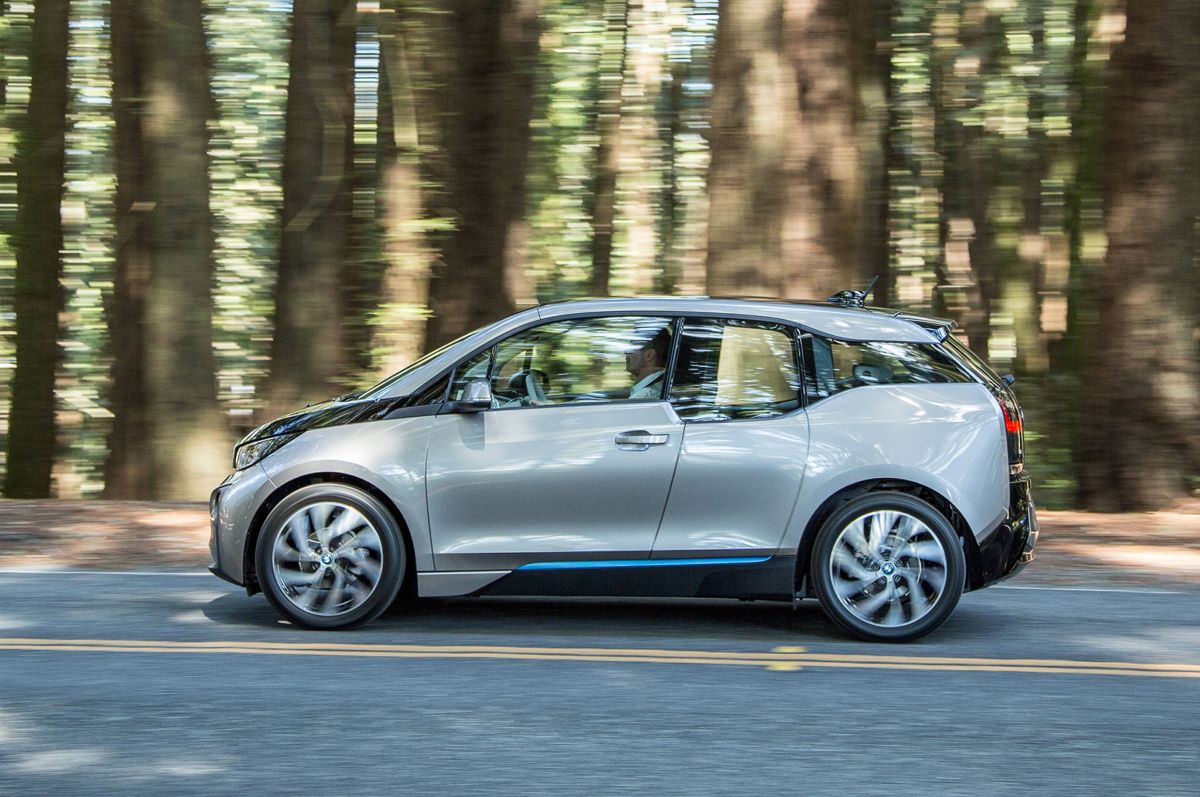
9. BMW i3 (I01; 2013–2022)
The BMW i3 stands apart from other vehicles on this list because it is an electric vehicle with a powertrain that inherently requires fewer routine maintenance items than internal combustion models. Electric motors have far fewer moving parts, and there is no need for oil changes, timing belts, or many traditional engine systems that routinely require service.
This makes the i3 an intriguing choice for buyers interested in sustainable driving with surprisingly low used maintenance commitments. The unique construction and battery management system are well supported by trained technicians.
Routine servicing on the i3 focuses on brakes, suspension, and cabin air systems rather than engine maintenance. Regenerative braking reduces wear on traditional brake components, extending pad and rotor life and lowering replacement frequency.
Tires are often narrower for efficiency, which helps reduce costs compared to wide, performance‑oriented options. Because the i3 has been on the used market for many years, battery health assessments and service history are well understood, which helps buyers evaluate total ownership costs with confidence.
Parts such as suspension bushings and cabin climate components are widely available because many smaller items are shared with other BMW models or produced in high volumes by suppliers.
Diagnostics for electric vehicles can be more advanced, yet many independent shops have invested in the tools and training necessary to maintain these cars without resorting to dealership pricing. Software updates and battery checks are routine, yet they seldom carry the high costs associated with major mechanical engine repairs.
For buyers who want a BMW with unique character and very low maintenance demands, the i3 stands out as an appealing option in the used market. Its electric powertrain reduces many traditional costs associated with vehicle ownership, and its compact nature makes servicing less complicated.
With appropriate pre‑purchase checks and regular basic care, this electric BMW demonstrates that premium vehicles do not need expensive maintenance to remain enjoyable and reliable.
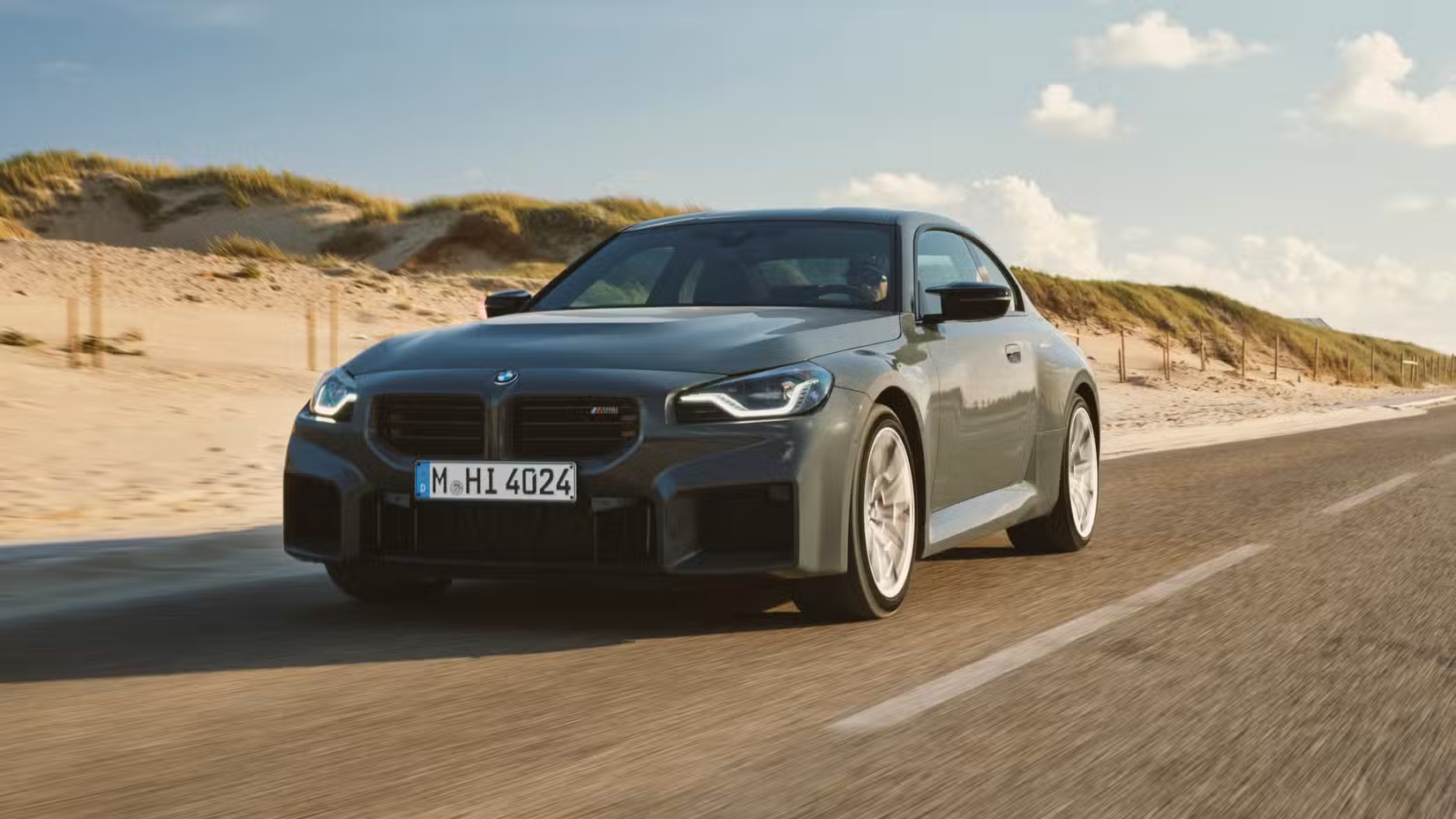
10. BMW M2 (F87; 2016–2021)
The BMW M2 represents the most performance‑oriented model on this list, yet it remains surprisingly affordable to maintain relative to other high‑performance vehicles when purchased used and cared for responsibly.
Built on a robust platform with engines that share parts with larger M‑branded variants, the M2 benefits from a strong engineering foundation that has proven itself over years of competitive use. While performance parts and tires can be more expensive than base models, the maintenance cost remains reasonable among enthusiast vehicles of this caliber.
Routine servicing on the M2 involves typical items like oil and filter changes, brake inspections, and suspension checks, all of which are familiar procedures for independent European car specialists. Because the M2 is smaller and simpler than many other high‑powered cars, labor times for routine maintenance do not escalate dramatically.
Upkeep of performance components like brake pads, rotors, and tires can be more demanding, yet these parts are widely available from numerous manufacturers, which helps keep costs competitive. Owners often choose aftermarket options that balance performance and budget.
The turbocharged straight‑six engine used in many M2 models has a reputation for durability when properly serviced and kept within reasonable driving limits. Timing components, cooling system elements, and other typical wear items are well documented, with many third‑party suppliers offering affordable replacement parts.
The strong enthusiast community around the M2 also means that independent shops frequently work on these cars, which helps maintain competitive labor costs compared with more obscure performance vehicles. Software updates and tuning options are plentiful, which can help avoid expensive dealer visits.
For buyers seeking performance without excessive servicing costs, the M2 stands out as one of the most engaging yet economical choices among modern BMW performance cars. Its balance of everyday usability and track‑worthy dynamics makes it attractive to a broad range of drivers, and its maintenance profile remains manageable when proactive care is taken. As a result, the M2 proves that even enthusiast models from the last decade can be surprisingly cheap to maintain used.
