
Modern vehicles are no longer simple machines; they are sophisticated systems that integrate technology to enhance safety, convenience, and performance. One of the most significant advancements in automotive technology has been the integration of sensors into windshields.
These sensors are part of complex systems such as automatic emergency braking, lane departure warnings, rain-sensing wipers, adaptive cruise control, and heads-up displays. While these features significantly improve the driving experience and help prevent accidents, they also make the replacement of windshields far more expensive than traditional glass panels.
Replacing a standard windshield might cost a few hundred dollars, but vehicles equipped with advanced sensors and cameras often face replacement costs exceeding $2,000. The reason behind this high cost is not just the glass itself but the labor-intensive calibration required to ensure that sensors function correctly after installation.
Technicians must use specialized tools and follow precise procedures to align cameras, radar, and sensors to the manufacturer’s specifications. Improper installation can compromise safety systems, which could lead to accidents or insurance claims. Insurance companies often take note of these high replacement costs, and policyholders may find themselves paying higher premiums to cover sensor-equipped vehicles.
Furthermore, the market for aftermarket windshields is limited because the exact specifications for sensor placement and calibration must be maintained. In some cases, only the original manufacturer can provide a suitable replacement windshield, which adds to the cost and can lead to long wait times for parts.
As technology continues to evolve, more vehicles will likely integrate sensors into their windshields, making this issue increasingly common. This article highlights ten vehicles where the combination of advanced technology and sensor integration results in replacement windshields costing around $2,000.
By understanding the reasons behind these costs, drivers can make informed choices when purchasing vehicles, maintaining their windshields, or filing insurance claims. This list also provides insight into how modern automotive design balances technological innovation with maintenance challenges, emphasizing that while these vehicles offer excellent safety and convenience, their upkeep comes with financial considerations that go beyond simple repairs.
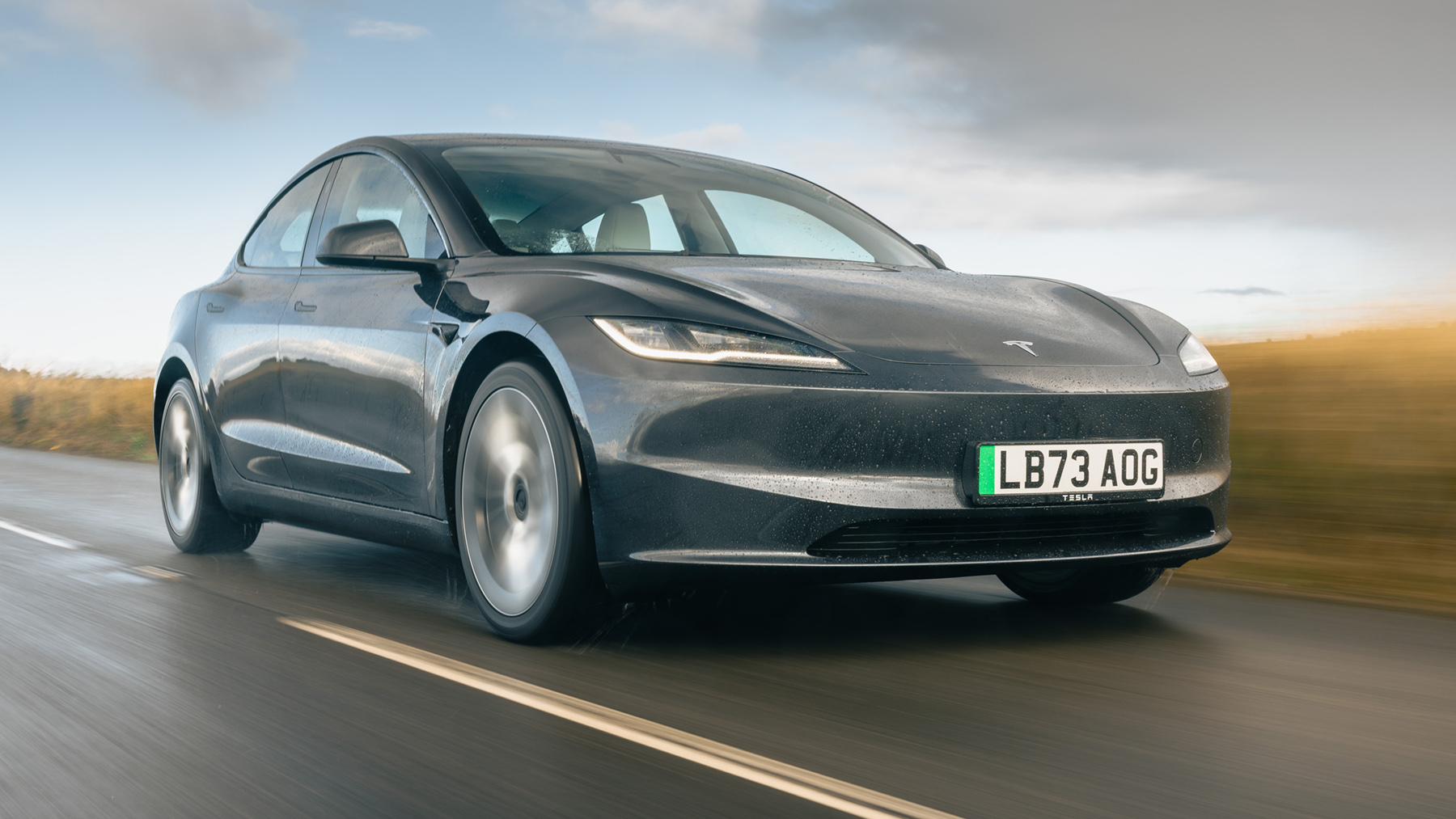
1. Tesla Model 3
The Tesla Model 3 is an electric vehicle that combines performance, design, and advanced technology. Its windshield incorporates cameras and sensors essential for Tesla’s Autopilot and Full Self-Driving features. These sensors monitor lane positioning, detect obstacles, and enable adaptive cruise control, making driving safer and more convenient.
Because the windshield houses these critical components, replacement is not a simple matter. Specialized glass is needed to maintain transparency for the cameras, and technicians must ensure perfect alignment. Even slight misalignment can affect the functionality of Autopilot features, which can compromise safety.
The cost of replacing a Model 3 windshield often exceeds $2,000, largely due to labor and calibration requirements. Unlike traditional windshields, this one must be paired with the car’s computer system to confirm that sensors are functioning correctly. Calibration tools specific to Tesla vehicles are essential for this process.
Insurance coverage for windshield replacement can help offset costs, but some policies require full deductibles for sensor-equipped glass. Drivers may face higher premiums if the vehicle is involved in frequent glass damage incidents. In addition, finding a certified technician may take time, adding to inconvenience and potential rental costs.
Owners of the Tesla Model 3 are encouraged to maintain the windshield carefully. Even minor chips or cracks can affect sensor performance, which emphasizes the need for professional repairs. Despite the high cost, the advanced technology integrated into the windshield contributes to the vehicle’s safety and innovation reputation.
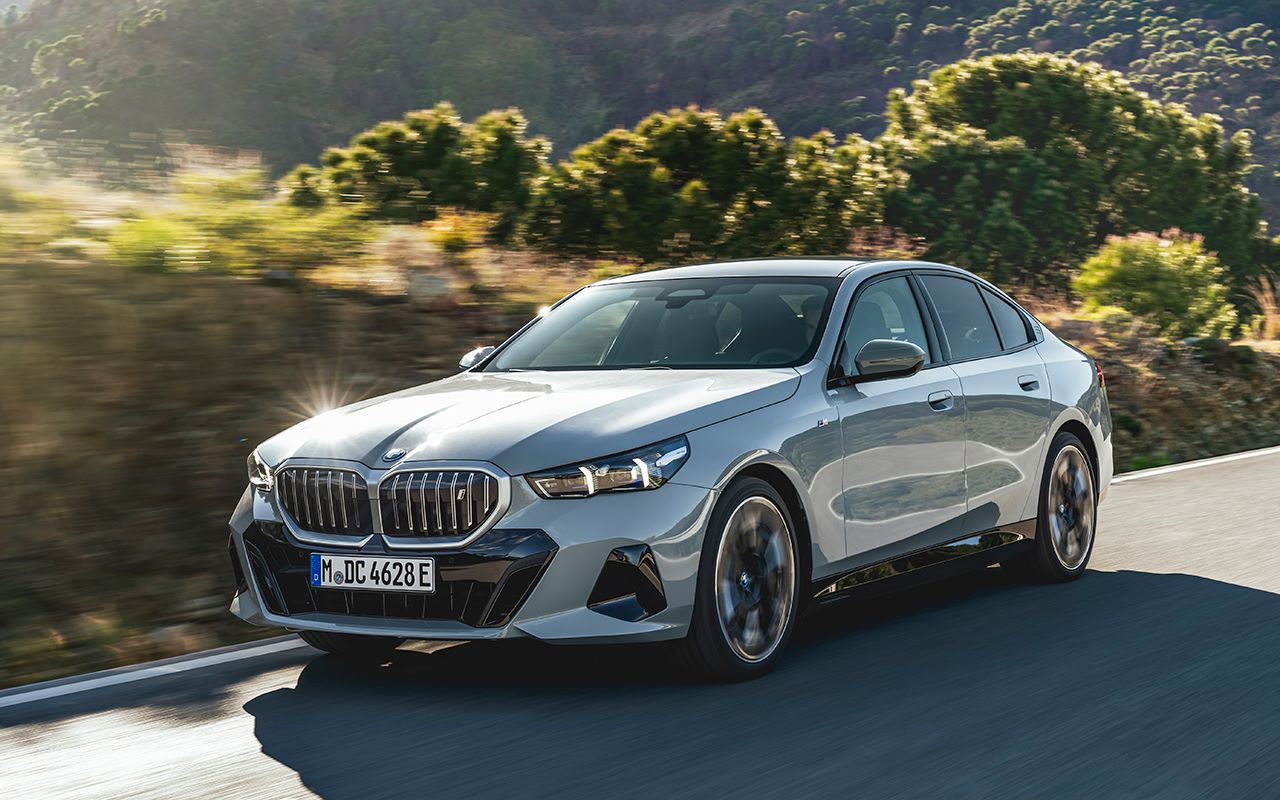
2. BMW 5 Series
The BMW 5 Series combines luxury with cutting-edge driver assistance technology. Its windshields often contain sensors for lane-keeping assistance, rain-sensing wipers, and heads-up displays. These sensors provide real-time feedback, enhancing safety and comfort for both driver and passengers.
Replacing a BMW 5 Series windshield is expensive due to the embedded sensors. Standard glass cannot be used, and the calibration of cameras and other electronic components must follow strict manufacturer guidelines. Errors during installation can lead to malfunctioning safety features, posing significant risks.
Cost estimates for a new windshield often exceed $2,000, reflecting both the price of specialized glass and labor charges. The calibration process requires precision equipment that ensures cameras and sensors align perfectly with the vehicle’s software systems.
Insurance may cover these costs, but premiums for sensor-equipped luxury sedans are often higher. Drivers should also consider that aftermarket options are extremely limited, and using substandard glass can void warranties or compromise sensor performance.
Maintaining a clear windshield is critical for BMW 5 Series owners. Even minor scratches or chips can interfere with sensor accuracy. While costly, these windshields enhance driving safety and integrate seamlessly with the vehicle’s advanced technological ecosystem.
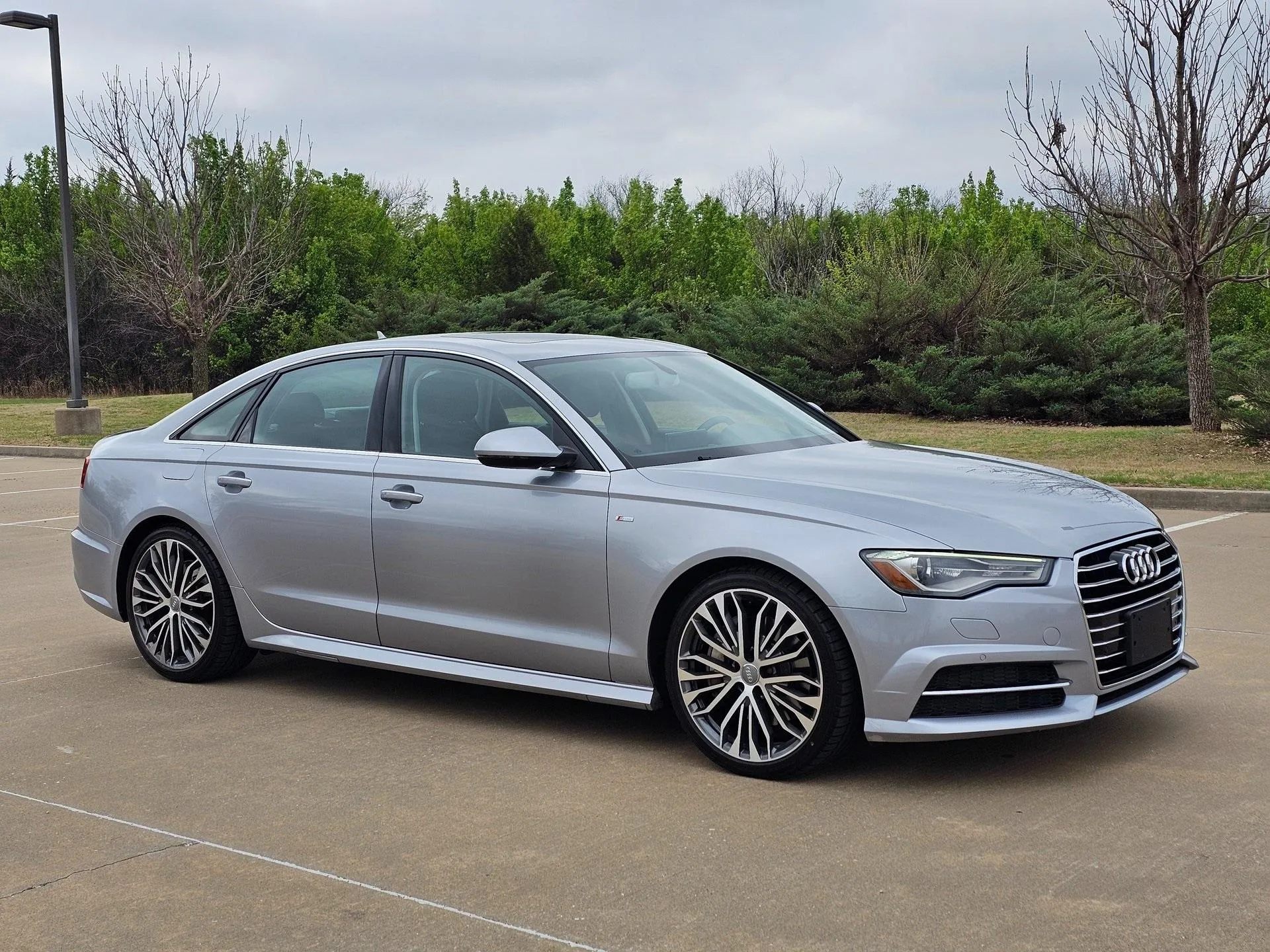
3. Audi A6
Audi’s A6 is an executive sedan known for advanced electronics and safety systems. Its windshield integrates sensors for adaptive cruise control, traffic sign recognition, and emergency braking systems. These technologies depend on a clear and properly aligned windshield.
Replacing an Audi A6 windshield involves specialized labor and calibration. Ordinary glass replacement is insufficient because sensors require exact positioning. Any deviation can lead to error messages or system failures.
The cost for replacement often reaches $2,000 or more, reflecting the complexity of installation. Technicians must perform precise calibration to restore full functionality, which is time-consuming and requires expensive tools.
Insurance coverage may help with costs, but policyholders may face higher premiums due to the expensive nature of sensor-equipped glass. Limited availability of replacement parts can also lead to delays in repair.
Owners are advised to promptly repair small chips or cracks to prevent damage from spreading. While the upfront cost is high, these windshields enhance safety and driver convenience, making the investment worthwhile for many Audi drivers.
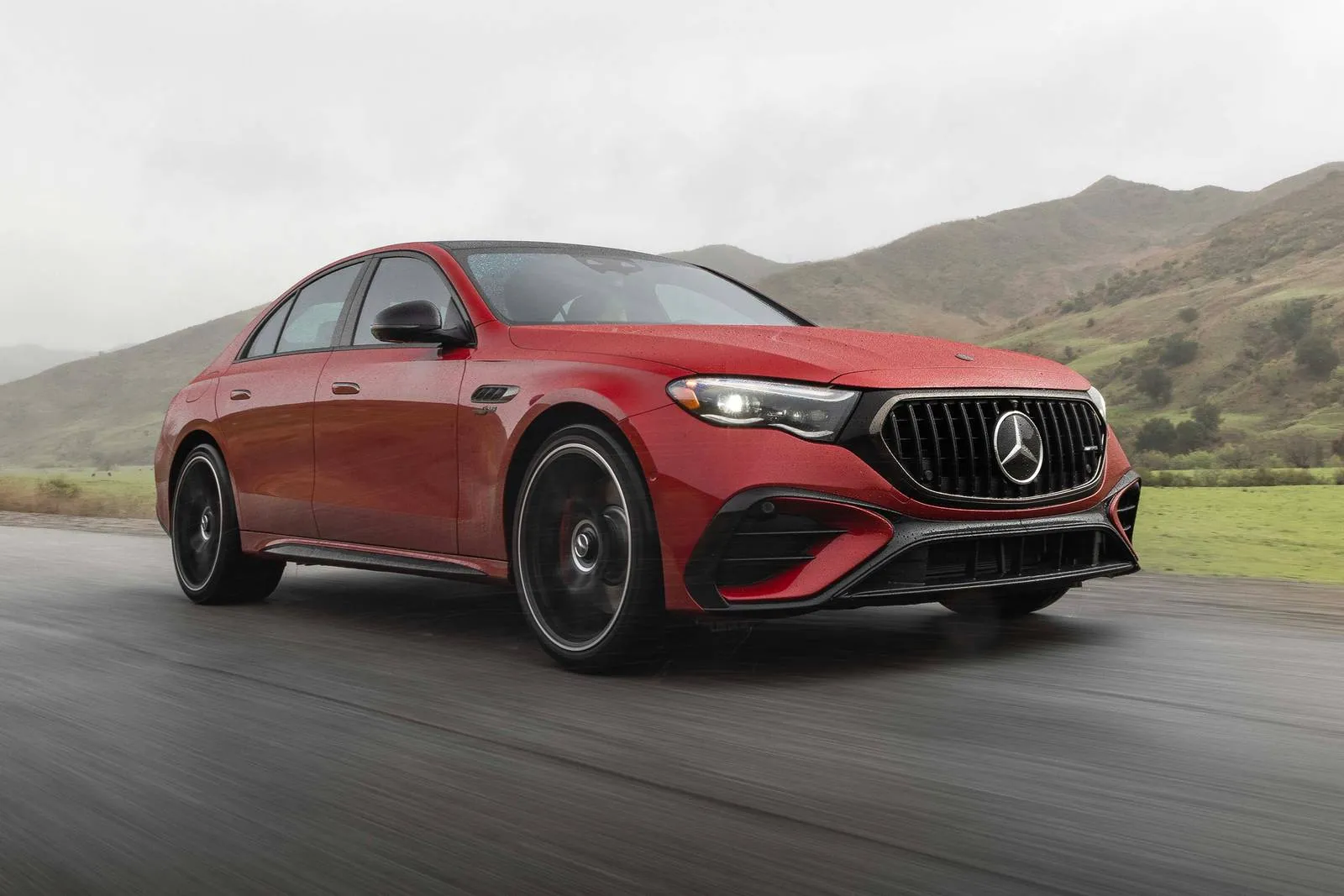
4. Mercedes-Benz E-Class
The Mercedes-Benz E-Class is a flagship luxury sedan with numerous safety and driver-assistance features. Its windshield often contains sensors for active lane-keeping, adaptive high beam, and collision prevention systems. These components rely on precise calibration to function properly.
Replacing the windshield is costly because the sensors must be carefully removed, transferred, and recalibrated. A simple glass replacement can disrupt advanced safety systems and trigger dashboard warnings.
Labor costs and the price of specialized glass push total replacement fees over $2,000. Mercedes-Benz dealerships or certified repair centers typically handle this work, adding to both cost and wait time.
Insurance coverage may reduce expenses, but drivers should check if sensor calibration is included. Using non-certified glass or technicians may result in malfunctioning systems and warranty issues.
Proper windshield care is essential to maintain sensor effectiveness. Even small chips can impact rain sensors or cameras, affecting safety systems. Despite the expense, these windshields integrate seamlessly with Mercedes’ advanced technologies to provide a secure driving experience.
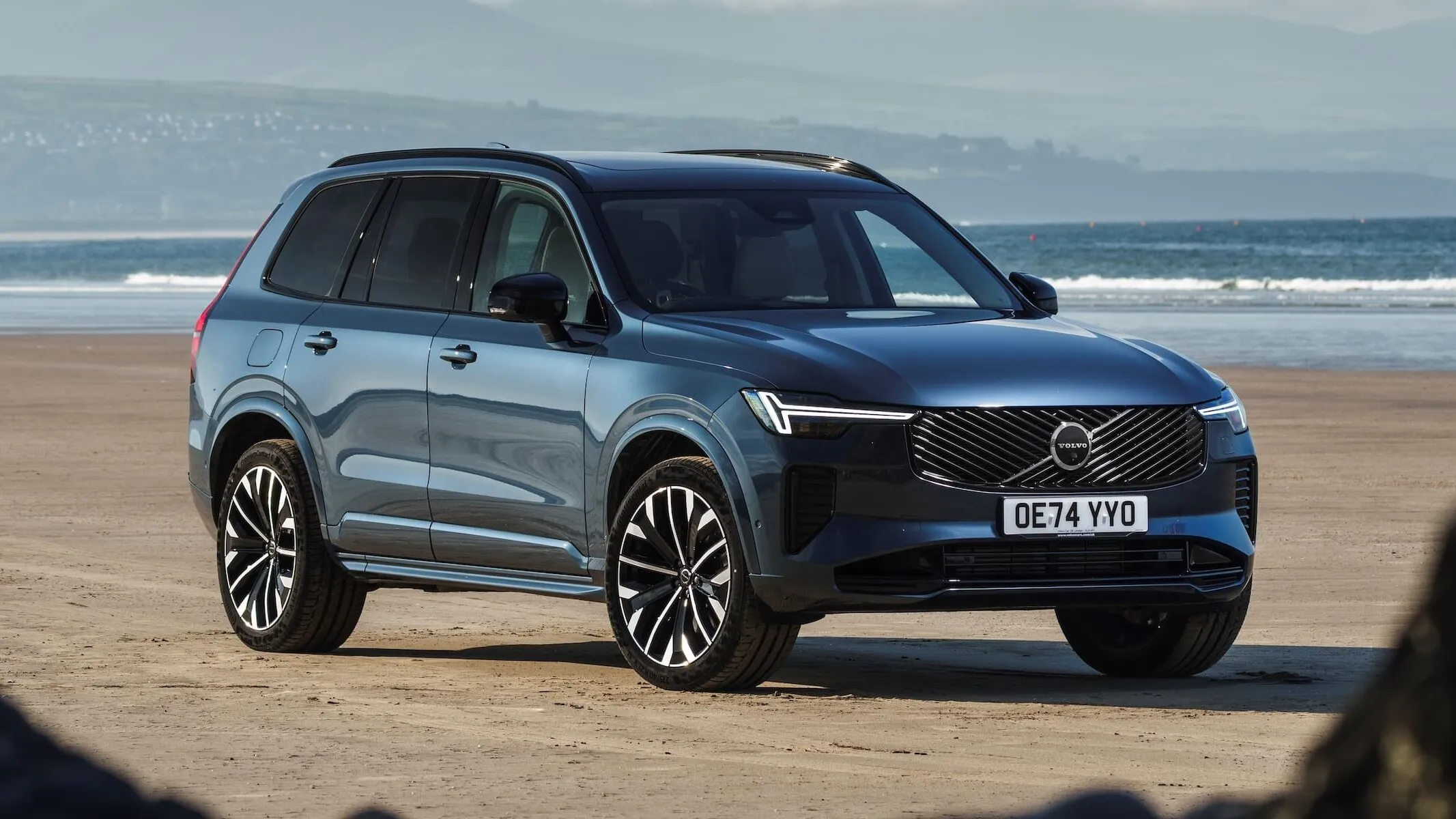
5. Volvo XC90
The Volvo XC90 is a luxury SUV with a reputation for safety innovation. Its windshield houses sensors for collision avoidance, lane departure warnings, and adaptive cruise control. These systems are integral to Volvo’s commitment to safety and require a precise glass surface.
Windshield replacement involves careful handling of embedded sensors. Calibration is mandatory to ensure cameras and other electronics operate correctly, preventing system errors. Ordinary glass replacement is not feasible for these vehicles.
Costs often exceed $2,000 due to the combination of specialized glass, sensors, and labor-intensive calibration. Volvo-certified repair centers typically perform the work to meet safety standards.
Insurance can offset some expenses, but premiums for luxury SUVs with sensor-equipped windshields may be higher. Limited aftermarket options make DIY or inexpensive replacements risky and potentially dangerous.
Maintaining the windshield is crucial for optimal sensor function. Even minor chips can interfere with critical systems. The investment in proper replacement reflects Volvo’s dedication to safety and driver assistance technology.
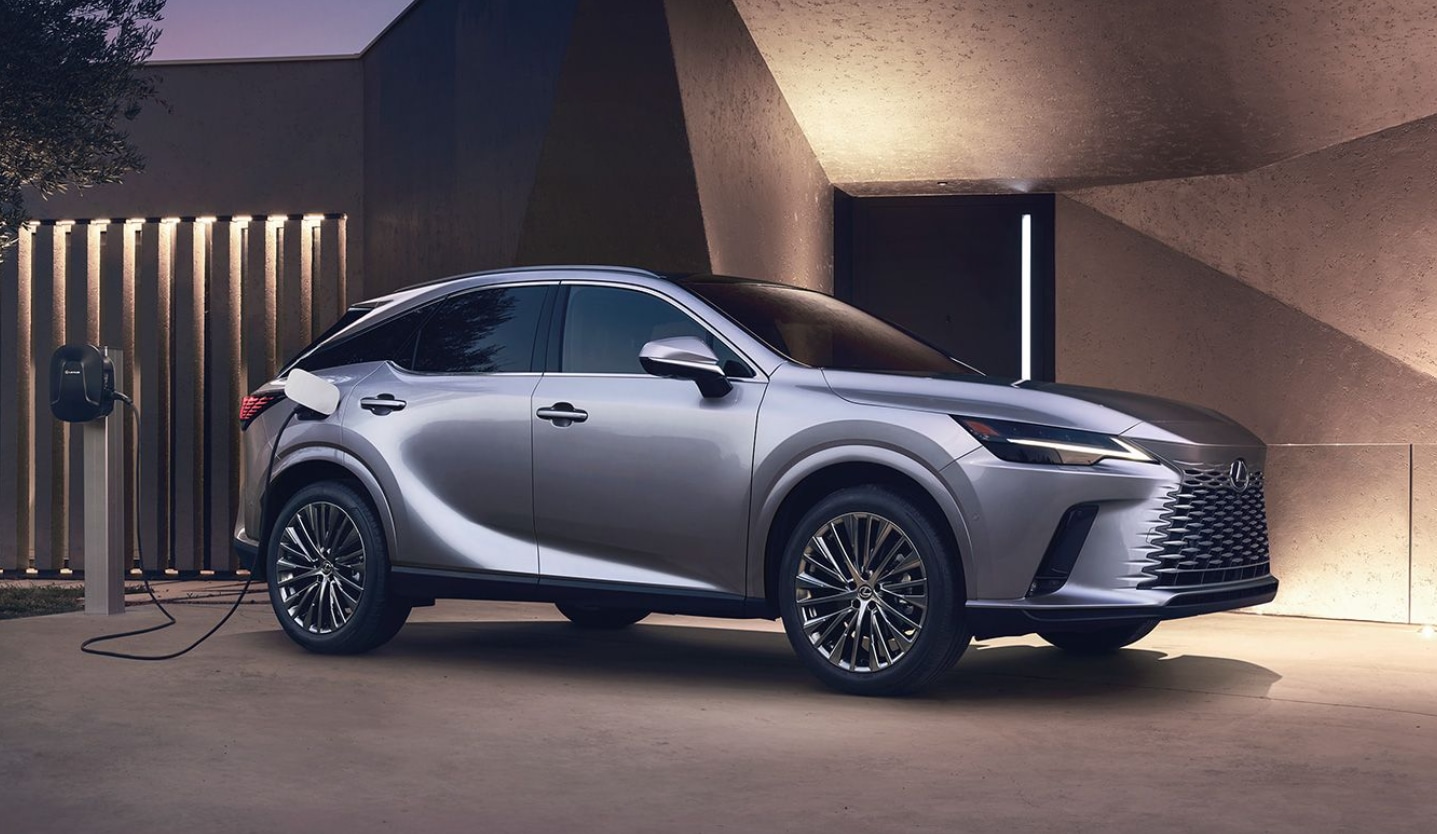
6. Lexus RX
The Lexus RX is a popular luxury SUV that combines elegance, comfort, and advanced safety technology. Its windshield contains sensors for adaptive cruise control, lane-keeping assist, and automatic emergency braking.
These systems rely heavily on a clear and correctly aligned windshield for accurate operation, ensuring the vehicle can detect other cars, pedestrians, and road conditions effectively. Unlike traditional vehicles, the Lexus RX uses a network of cameras and radar sensors embedded in the glass, which must remain precisely positioned to maintain safety standards.
Any slight deviation during installation can compromise the vehicle’s detection accuracy, potentially triggering warning lights or even disabling safety features.
Replacing the windshield of a Lexus RX is significantly more complicated than a standard replacement. Certified technicians must carefully remove the old glass, disconnect and preserve the delicate sensors, and install a new windshield that maintains factory tolerances.
The calibration process alone can take multiple hours and requires highly specialized equipment that aligns cameras and radar sensors with the car’s onboard systems. This precision ensures that adaptive cruise control, automatic braking, and lane-assist functions operate correctly after installation.
Ordinary glass shops without the proper tools or certification cannot safely perform this work, making the repair both expensive and time-sensitive.
The cost of a Lexus RX windshield replacement frequently exceeds $2,000. This figure accounts not only for the high-quality glass itself but also for the labor-intensive process and sensor calibration. In many cases, the glass must come directly from Lexus, as aftermarket options often fail to meet the specifications necessary for sensor alignment.
Even insurance coverage may only partially cover these costs, especially if deductibles are high or if the replacement involves a luxury or specialty glass component. Vehicle owners must be prepared for both the financial impact and the potential wait time for parts.
Insurance companies recognize that sensor-equipped windshields represent higher repair risks and costs. Premiums for vehicles like the Lexus RX may reflect this increased liability, particularly if the car has been involved in frequent glass damage claims.
Drivers are advised to understand the specifics of their coverage, including whether calibration services are included. Failing to use certified replacement services can result in warranty issues or malfunctioning safety systems, which may carry additional repair costs in the future.
Proper care of the windshield is essential for preserving the vehicle’s advanced safety features. Even minor chips or cracks can interfere with sensor function, affecting systems that are critical to avoiding collisions.
Drivers should promptly repair small damage to prevent it from spreading or affecting the vehicle’s safety cameras. Although the $2,000 replacement price may seem steep, it reflects the complexity of modern automotive glass technology and the Lexus RX’s commitment to maintaining cutting-edge safety and driver-assistance systems.
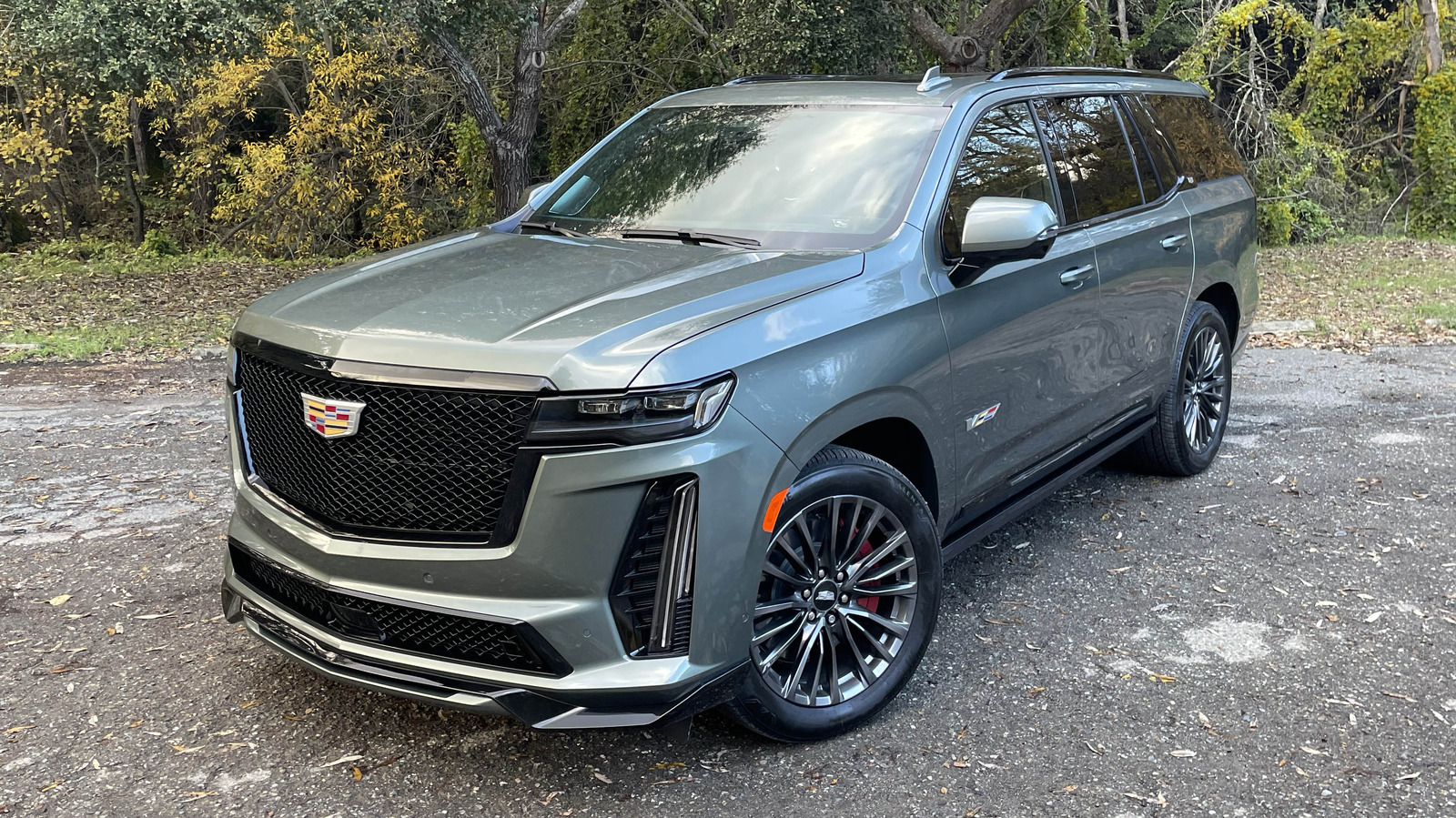
7. Cadillac Escalade
The Cadillac Escalade is a flagship full-size SUV that emphasizes both luxury and technological sophistication. Its windshield houses advanced sensors for features such as night vision assistance, lane departure warnings, automatic braking, and adaptive cruise control.
These sensors are part of Cadillac’s Super Cruise system, which allows hands-free driving under specific conditions, relying on precise detection of lanes, obstacles, and traffic signs. Because these cameras and sensors are embedded in the windshield, the glass serves as both a protective barrier and a critical component of the vehicle’s safety architecture.
Even slight misalignment during replacement can disrupt these systems, resulting in malfunction indicators or, in severe cases, deactivation of key driver-assist technologies.
Replacing an Escalade windshield requires more than just swapping glass. Technicians must carefully handle the integrated sensors, disconnecting them without causing damage and ensuring that the new glass maintains exact alignment. Calibration is crucial and involves using proprietary diagnostic tools to verify that the cameras and radar sensors are perfectly synchronized with the vehicle’s onboard computer systems.
This labor-intensive process requires specialized knowledge, which limits the number of repair shops capable of performing the replacement safely and correctly. Inadequate calibration can compromise the effectiveness of emergency braking and lane-assist functions, creating safety hazards.
The cost of replacing a sensor-equipped windshield on the Cadillac Escalade often surpasses $2,000. The high price includes the glass itself, the complex labor involved, and the calibration process. Escalade owners cannot rely on standard replacement glass, as aftermarket versions may not meet the specifications required for proper sensor function.
Even insurance coverage can be limited, especially if the policyholder selects non-certified repair shops. The combination of high-quality glass, intricate sensors, and precise calibration makes these windshields among the most expensive in the automotive market.
Insurance considerations play a major role in the financial impact of windshield replacement. Policies covering luxury SUVs like the Escalade often reflect the higher risk of repair costs due to sensor-equipped glass. Some insurers may require owners to use authorized service centers for calibration to guarantee coverage.
Failure to adhere to these requirements may result in denied claims or out-of-pocket expenses that exceed the initial $2,000 estimate. Vehicle owners are encouraged to verify coverage specifics and ensure the selected repair facility meets manufacturer standards.
Proper maintenance and care of the Escalade windshield are critical for preserving sensor accuracy. Even minor chips or scratches can obstruct cameras or rain sensors, causing features like lane assist, night vision, and adaptive cruise control to malfunction.
Although replacing these windshields is expensive, the investment ensures that the SUV’s advanced technologies continue to operate effectively, providing a safe and reliable driving experience consistent with Cadillac’s reputation for innovation and luxury.
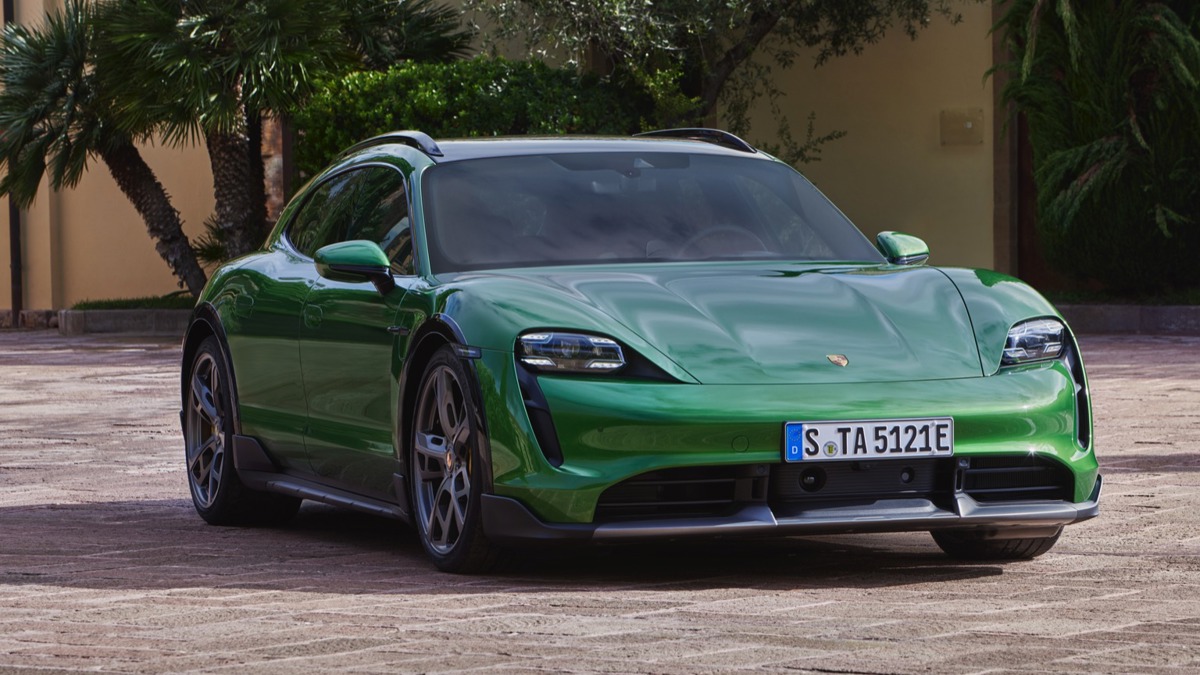
8. Porsche Taycan
The Porsche Taycan, an all-electric sports sedan, is recognized for its performance and high-tech interior, including sophisticated driver-assistance systems. Its windshield contains sensors for adaptive cruise control, lane departure warning, and emergency braking, all critical for maintaining safety at high speeds.
Porsche integrates these sensors directly into the windshield to optimize visibility and ensure accurate operation. Unlike older vehicles, where sensors could be mounted separately, the Taycan relies on precise glass placement to ensure that cameras and radar units function correctly, particularly given the vehicle’s performance-oriented nature and dynamic driving environment.
Replacing the Taycan windshield is a specialized procedure. The process requires technicians to remove the old glass without disturbing delicate sensors, transfer necessary components, and install a new windshield that meets factory tolerances.
Calibration is essential to align cameras and radar with the car’s onboard computer, ensuring that safety systems operate correctly. Because of the precise engineering involved, even minor installation errors can trigger warning indicators or reduce the effectiveness of driver-assistance features.
The cost of replacement frequently exceeds $2,000 due to the combination of specialized glass, sensors, and labor. Aftermarket windshields are often unsuitable for sensor-equipped vehicles, meaning only original Porsche components can be used to maintain system integrity.
Insurance may help offset part of the cost, but premiums for high-performance electric sedans are generally higher, reflecting both replacement costs and potential repair complexities.
Sensor calibration is a key factor in ensuring the Taycan operates safely. Technicians must use Porsche-specific diagnostic tools to verify that each sensor correctly interprets lane markings, road signs, and nearby vehicles. This calibration step is not optional and must be completed for insurance and warranty purposes. Owners cannot compromise on calibration without risking functionality and safety.
Maintaining the windshield carefully is critical for preserving sensor performance. Even minor chips or cracks can interfere with adaptive systems, affecting braking, lane control, or collision avoidance. While costly, the investment in sensor-equipped windshields allows Taycan owners to enjoy the full suite of advanced safety features, reflecting Porsche’s commitment to both high-speed performance and precision technology.
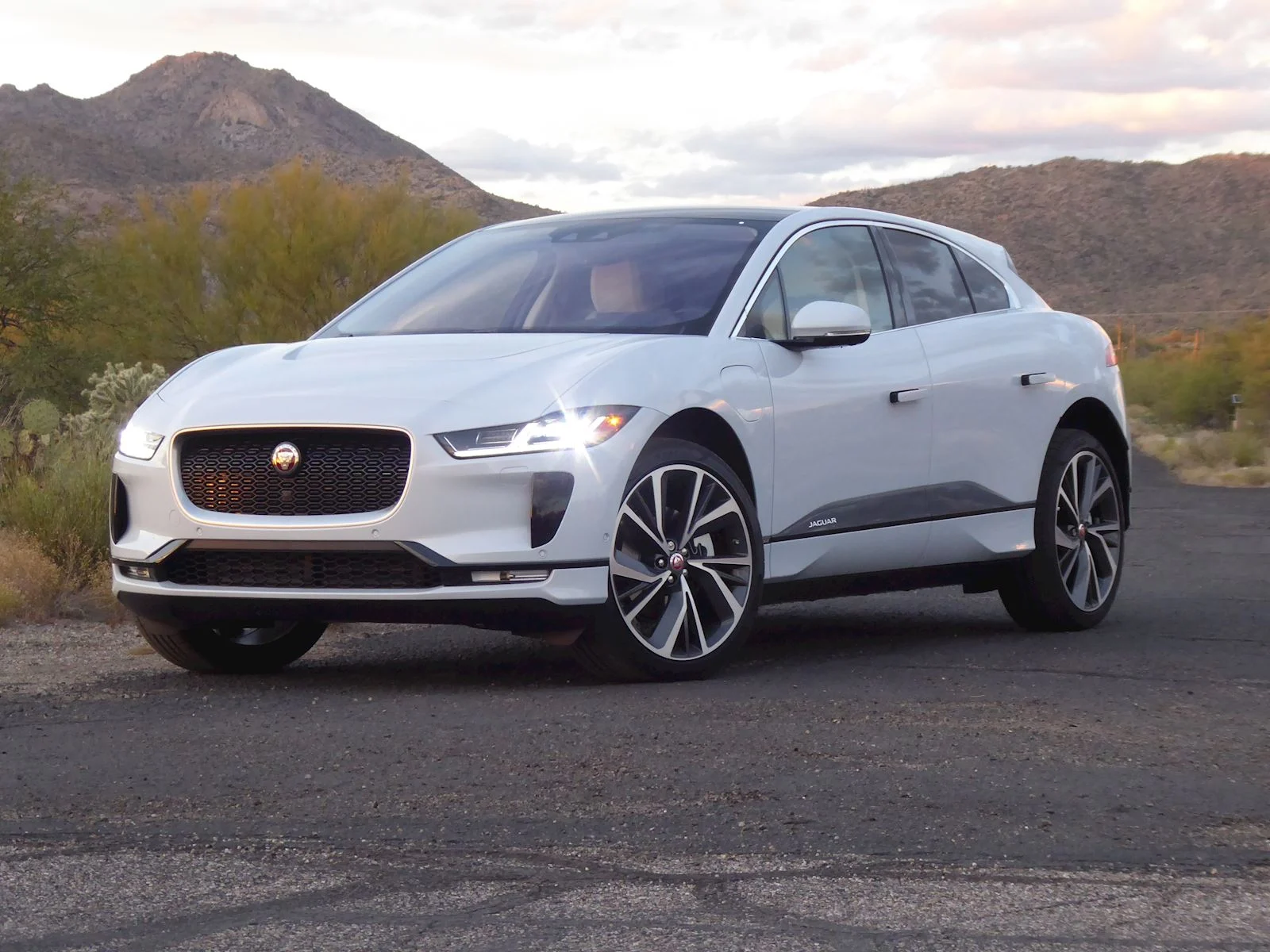
9. Jaguar I-PACE
The Jaguar I-PACE is a fully electric SUV that blends luxury, technology, and environmental consciousness. Its windshield is not just a protective barrier but a key component of the vehicle’s advanced driver-assistance systems. Embedded sensors monitor lane positioning, detect nearby vehicles, and enable adaptive cruise control and emergency braking.
These sensors must operate with precision, as the I-PACE relies on them for both safety and smooth driving performance. Because the sensors are integrated into the windshield itself, any minor misalignment during replacement can compromise system accuracy, trigger error messages, or temporarily disable safety features.
Replacing the I-PACE windshield is a highly specialized procedure. Certified technicians must first remove the old glass carefully, avoiding damage to delicate cameras and radar units. The new windshield must be installed with exact precision, ensuring sensors maintain the correct angle and placement.
Calibration is mandatory and involves using Jaguar-specific diagnostic tools to confirm that all systems, including collision avoidance and lane departure warnings, are fully operational. Without proper calibration, even a perfectly installed windshield can cause safety systems to malfunction.
The cost for this replacement often exceeds $2,000. This figure includes the price of specialized sensor-equipped glass, the labor-intensive installation process, and the precise calibration required for optimal performance.
Because aftermarket options rarely meet Jaguar’s specifications, owners must often rely on authorized dealers or certified repair centers. This can lead to extended wait times, adding inconvenience to the already substantial cost. Insurance may cover a portion of the expense, but premiums are typically higher for vehicles with sensor-equipped glass.
Insurance coverage for luxury electric SUVs like the I-PACE reflects the high cost and complexity of sensor-integrated windshields. Policyholders should confirm that their coverage includes both the glass and calibration services. Failure to use certified technicians can result in denied claims or voided warranties, potentially adding further financial burden. Properly documented repairs are essential for maintaining both safety and resale value.
Maintaining the I-PACE windshield carefully is critical for safety and sensor reliability. Small chips or cracks can obstruct cameras or radar units, affecting emergency braking, lane-keeping assist, and adaptive cruise control.
Despite the high replacement cost, investing in a properly installed and calibrated windshield ensures that Jaguar’s advanced technology continues to operate safely and effectively, providing the luxurious and secure driving experience the brand is known for.
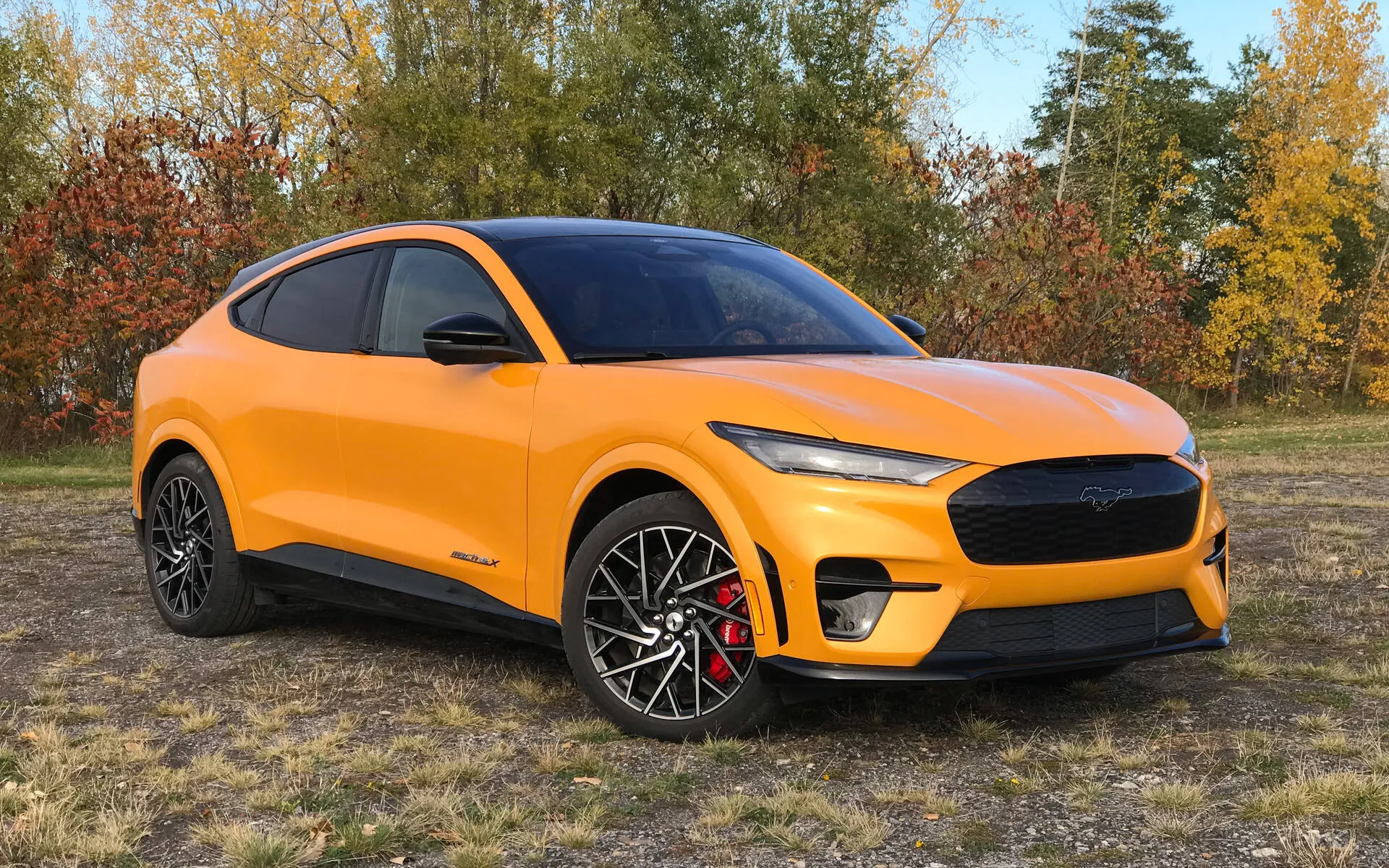
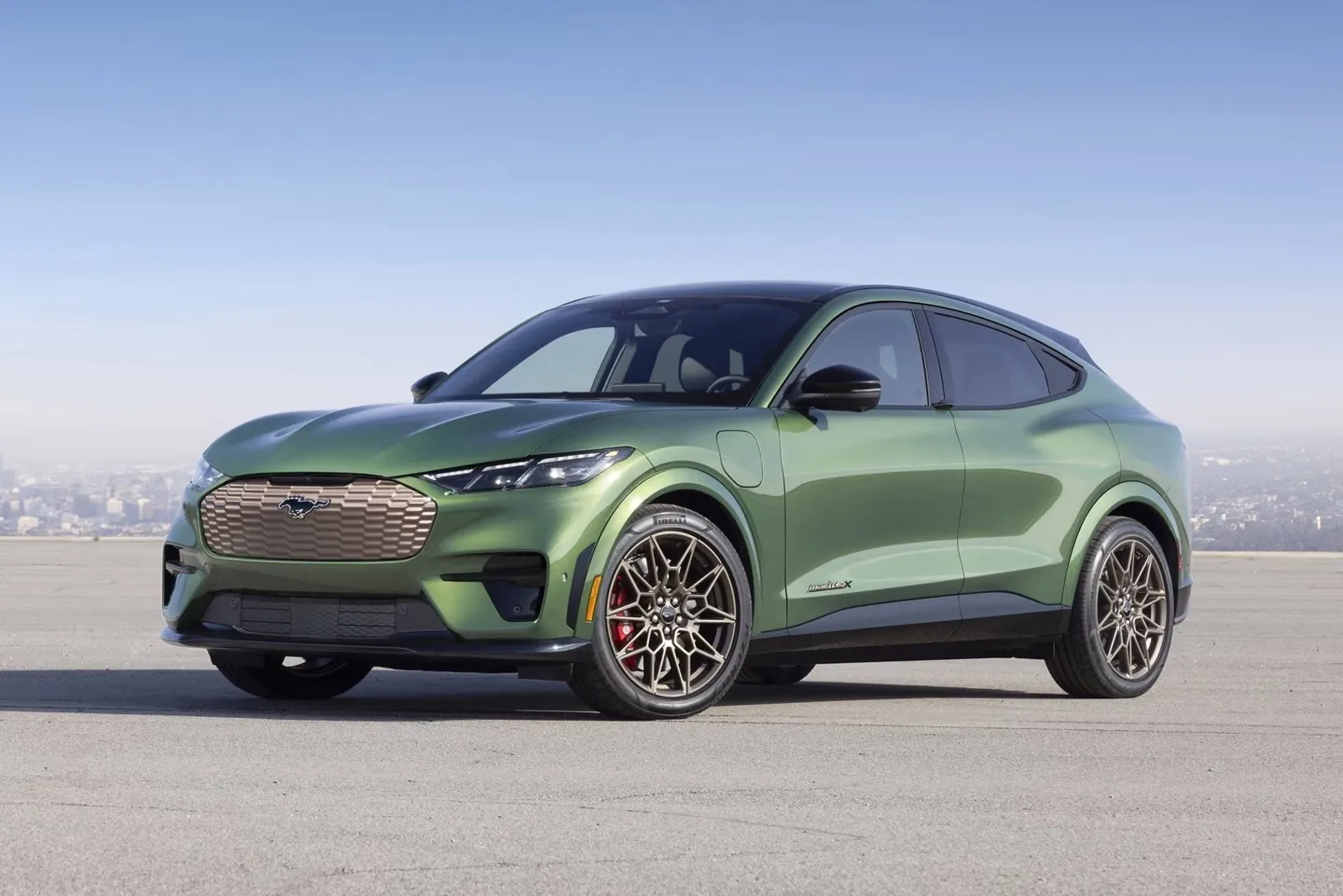
10. Ford Mustang Mach-E
The Ford Mustang Mach-E represents Ford’s push into high-performance electric SUVs, offering both style and advanced technology. Its windshield contains multiple sensors used for driver-assistance features such as lane-keeping assistance, adaptive cruise control, and emergency braking.
These sensors must be precisely aligned to the windshield for optimal functionality, as the Mach-E relies on them to detect vehicles, pedestrians, and road markings in real time. Because of this integration, even small misalignments or improper installation can disrupt sensor performance, trigger warning lights, and impair the functionality of safety systems.
Replacing the Mach-E windshield is a complex and precise process. Technicians must remove the original glass without damaging embedded sensors and carefully install a new sensor-equipped windshield. The calibration process is critical and involves Ford-specific diagnostic tools to align cameras, radar units, and other electronic components.
This ensures that advanced driver-assistance features operate correctly and that the vehicle’s safety systems function as intended. Ordinary glass replacement without calibration is insufficient and could compromise safety.
The cost for a new Mach-E windshield often exceeds $2,000 due to the combination of specialized glass, sensors, and labor-intensive calibration.
Aftermarket alternatives are limited and may not meet Ford’s exact specifications, meaning most owners must rely on certified service centers. Insurance may cover part of the expense, but premiums for sensor-equipped electric SUVs are generally higher to account for the complex and expensive repair requirements.
Insurance coverage considerations are particularly important for the Mustang Mach-E. Many policies require replacement and calibration to be performed by certified centers to guarantee coverage. Attempting cheaper alternatives or non-certified technicians can result in denied claims or safety system malfunctions, increasing potential costs. Vehicle owners must understand the requirements to maintain both safety and warranty protection.
Maintaining the windshield of the Mustang Mach-E is essential to ensure sensor performance. Even minor chips, cracks, or scratches can interfere with cameras and radar, impacting emergency braking, lane assistance, and adaptive cruise control.
While the replacement cost is high, it ensures that the vehicle’s advanced safety and convenience systems operate correctly. For Mustang Mach-E owners, the investment in a sensor-equipped windshield provides peace of mind, combining innovative technology with reliable safety performance.
