
Choosing a used car when you do not have a mechanic to depend on can feel overwhelming for many buyers. The goal is simple: find a vehicle that is highly reliable, easy to live with, low‑maintenance, and capable of lasting for many years without frequent expensive repairs.
When you know you will not have a mechanic in your corner, reliability moves from being desirable to absolutely essential. You want a car that starts every morning without hesitation, handles daily driving duties with confidence, and does not surprise you with breakdowns or costly fixes.
A used car that offers reliability also gives you peace of mind when commuting, running errands, or taking longer journeys with your family or friends. For many drivers, paying a little more upfront for a dependable model is far better than constantly dealing with breakdowns and repair bills that quickly add up.
In the used car market, there are vehicles known for decades of dependable service, strong longevity, and simple engineering that is easy to work on if you ever do decide to have basic maintenance done.
This article lists ten of the best used cars for buyers who prioritize reliability above everything else. These models have a proven track record of lasting well past the 100,000‑mile mark if maintained properly, and they often go well beyond that with little trouble.
They also tend to have large owner communities, good parts availability, and straightforward engine and transmission setups that do not require specialist tools or expertise.
We will cover cars from compact sedans to versatile crossovers and midsize family vehicles. Each entry includes details on why these cars are solid choices, what to look for when shopping, and the features that make them survive everyday life with minimal fuss.
By the end of this article, you will have the information needed to confidently choose a used vehicle that fits your budget, lifestyle, and need for reliability without needing constant support from a mechanic.

1. Toyota Corolla (late 2000s – mid‑2010s)
The Toyota Corolla has long been one of the most dependable compact cars available. Its simple, time‑tested four‑cylinder engines and automatic transmissions are known to last well over 200,000 miles without major issues. Many owners report daily commuting with this car for years without ever needing a significant repair, which makes it ideal for people without a dedicated mechanic.
Corollas of the late 2000s to mid‑2010s have proven themselves as sensible used car choices because they were produced in large numbers, meaning parts are easy and affordable to source. The suspension and brakes are straightforward and hardy, so routine servicing can be done at most independent shops without specialty tools. Interior and exterior parts are also widely available.
The fuel economy is a strong benefit, with many models achieving over 30 miles per gallon on the highway. For drivers who want a basic, uncomplicated vehicle that is affordable to insure and cheap to run, the Corolla delivers on all fronts. The cabin layout is functional, and while not luxurious, it provides reliable comfort for daily use.
In terms of safety, these models received solid ratings in crash tests and often came with standard features like ABS brakes and multiple airbags. Replacement parts for safety systems are also easy to find, so if something wears out, it does not leave you stranded trying to source a hard‑to‑find item.
When shopping for a used Corolla, look for vehicles with complete service records showing regular oil changes and scheduled maintenance. Corollas do not require expensive upkeep, but good care history is always a valuable indicator of how the car was treated.
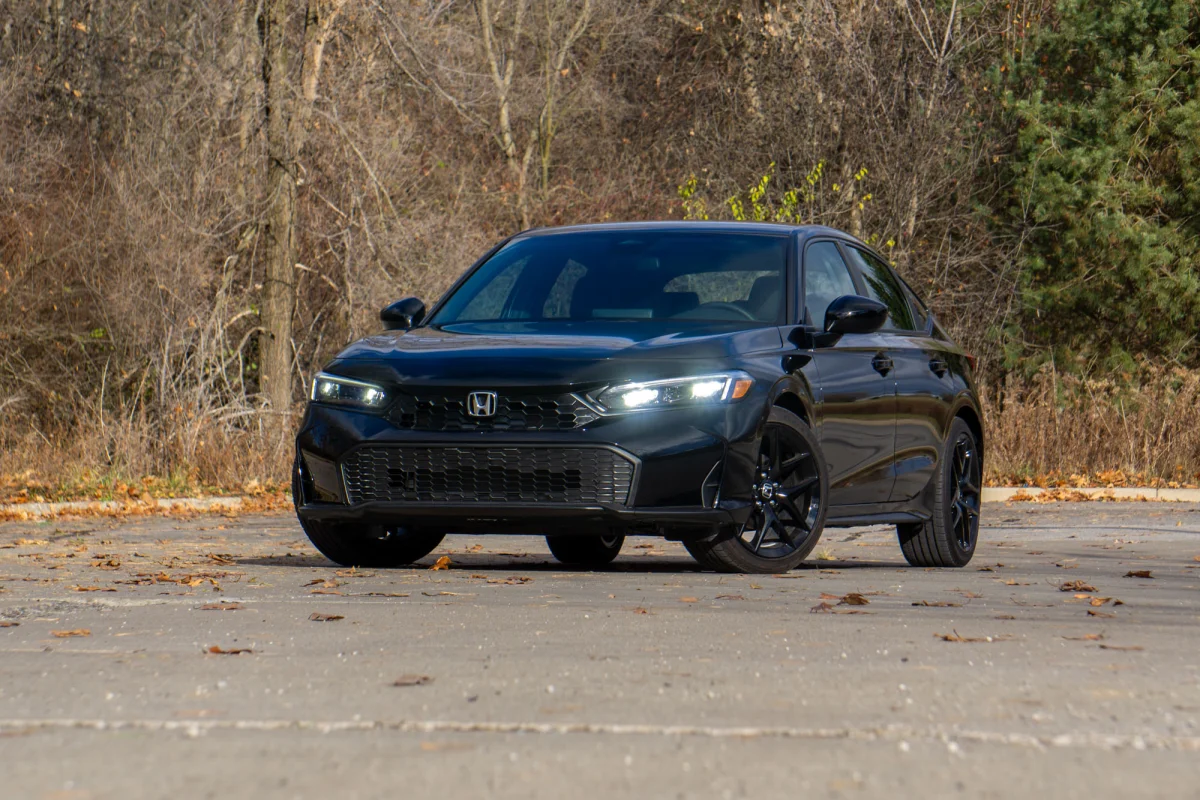
2. Honda Civic (2006–2015)
The Honda Civic is another compact favorite that is often recommended for its durability and ease of ownership. The engines used in these years are generally robust, with many examples reaching well beyond 200,000 miles without needing major engine or drivetrain repairs. Reliability is the main reason why Civics are sought after in the used market.
Civics from this period offer a balance of spirited driving feel and practical fuel efficiency. They are light on their feet, easy to park, and provide a comfortable ride for both city and highway driving. Most parts are abundant in salvage yards and aftermarket suppliers, making repairs reasonably priced and accessible.
Routine maintenance such as brake jobs, tire replacements, and timing belt changes are tasks that any general service shop can handle, so you are not stuck needing a specialist. That simplicity is important for someone without a mechanic, as it means more repair options and potentially lower labor costs wherever you choose to go.
The interior of the Civic, though not overly upscale, is thoughtfully laid out with controls that are easy to reach and operate. Visibility is good, and the ergonomics contribute to a pleasant driving experience over short and long distances alike.
When evaluating a used Civic, check for corrosion in older examples and ensure there are no warning lights on the dash related to major systems. A thorough test drive and a pre‑purchase inspection, even by a general technician, can help you feel confident in your choice.
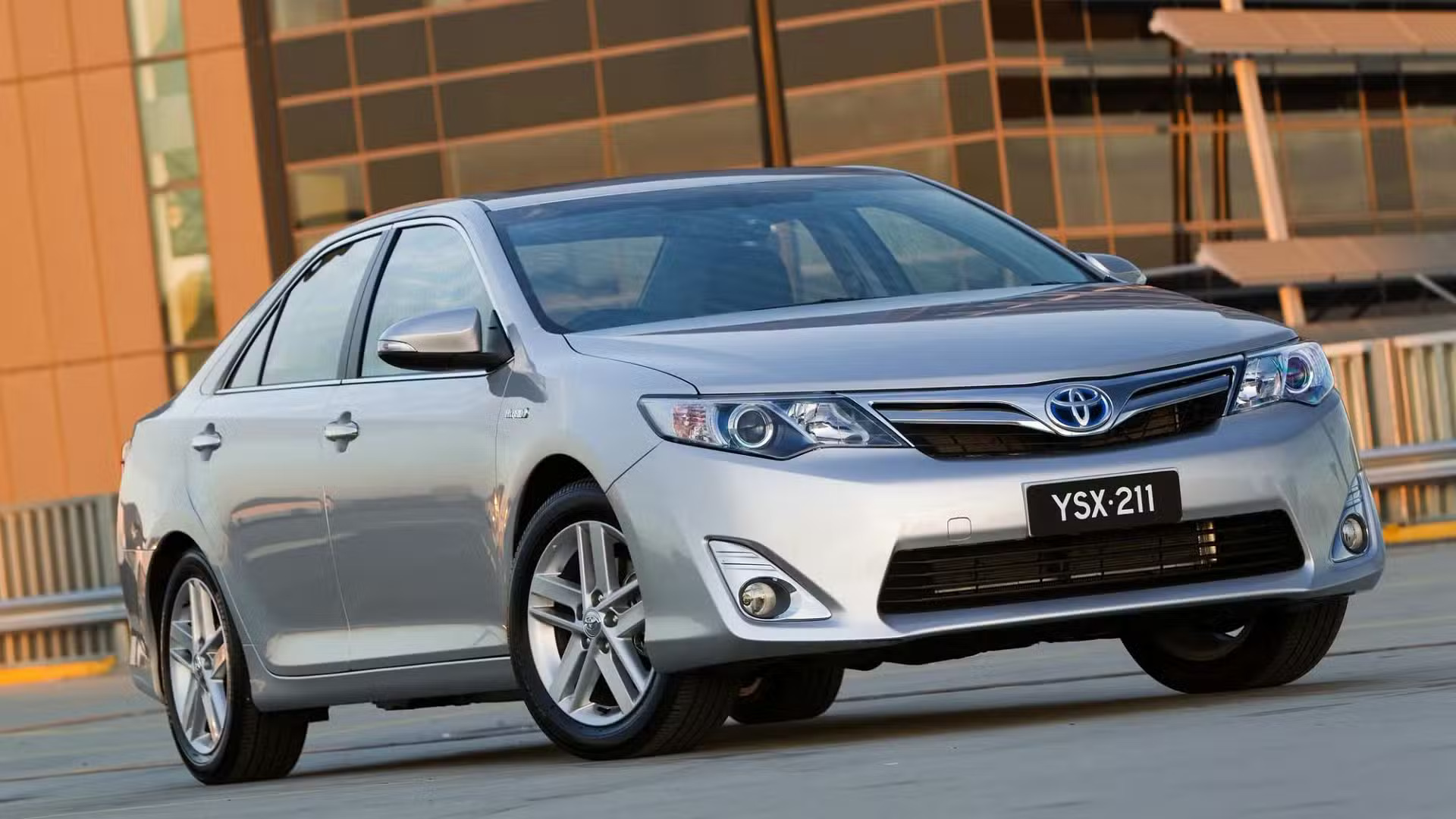
3. Toyota Camry (2007–2017)
The Toyota Camry has a long reputation as one of the most dependable midsize sedans ever made. Many Camry owners report minimal mechanical issues even past the 200,000‑mile mark, making it ideal for someone who does not have a mechanic to rely on regularly. It strikes a good balance of comfort, space, and long‑term durability.
Mechanically, Camrys in this age range are straightforward, with well‑built engines and transmissions that rarely fail when maintained. Even if you have to take it to an independent shop, the sheer volume of parts and experience mechanics have with Camrys means service is predictable and budget‑friendly.
The interior is roomy and comfortable, making it a great choice for daily commuting and family driving. Seats are supportive, and the cabin design focuses on ease of use rather than flashy features that might fail prematurely. Control switches are well laid out and robust.
Fuel economy is competitive for its class, and the ride quality is composed, which adds to the appeal of using it as a reliable daily driver. Many owners report years of problem‑free driving with nothing more than normal oil changes and brake servicing.
When choosing a used Camry, prefer one with a documented maintenance history and avoid cars that show signs of flood damage or heavy wear. These are common issues in older used cars and can quickly lead to expensive repairs if ignored.
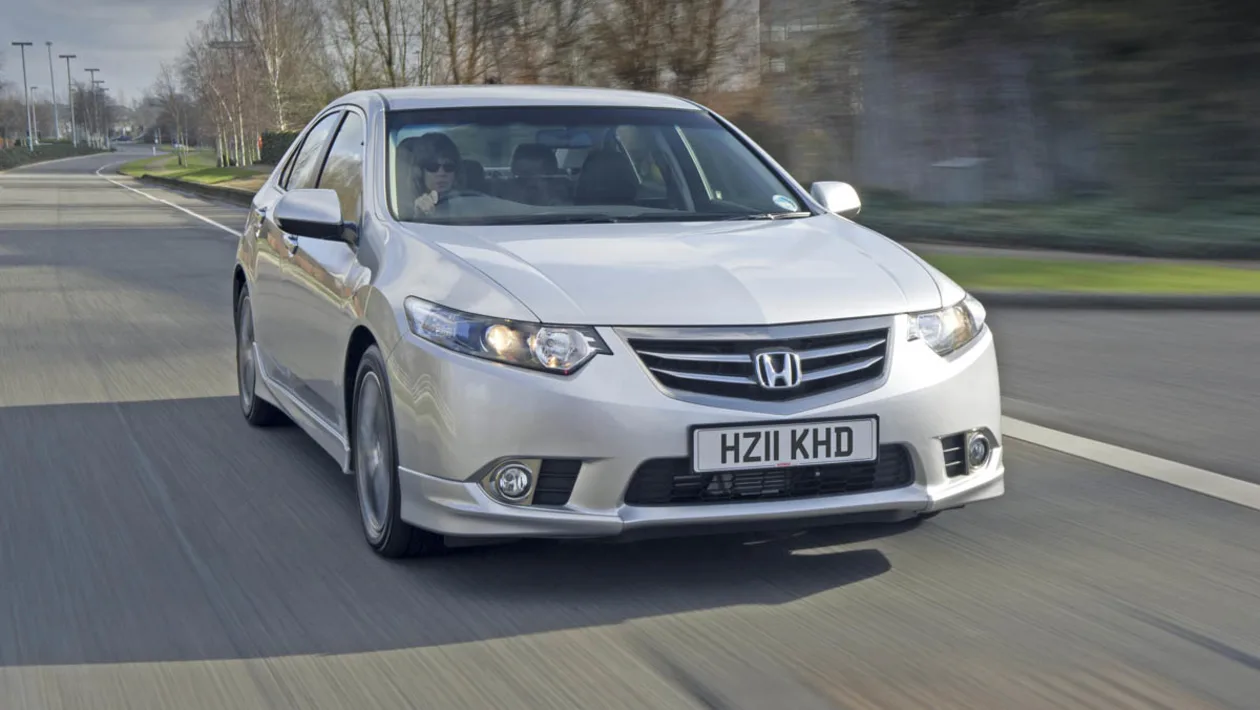
4. Honda Accord (2008–2016)
Known for its dependable performance and smooth ride, the Honda Accord is a strong choice in the used market for reliable transportation. Many examples of these model years continue to operate without major repairs long after 150,000 miles, which is exactly what you want when you do not have a personal mechanic to rely on. It’s a vehicle that rewards consistent care rather than frequent fixing.
Accords come with engines that have earned a reputation for longevity and transmissions that are generally robust when serviced properly. These cars also tend to have well‑designed suspension setups, which offer a comfortable ride without complicated electronics or hard‑to‑source parts that could leave you shopping around for service.
The cabin space is generous and comfortable for both driver and passengers, with a layout that emphasizes function and durability over flashy style. Buttons and knobs are resistant to wear, and seats are engineered to withstand years of use without sagging or tearing prematurely.
Handling is composed and predictable, making everyday driving stress‑free. You get confidence‑inspiring steering and braking that perform reliably in various conditions. That kind of everyday dependability is exactly what someone without a mechanic should be looking for.
When inspecting a used Accord, pay attention to the service history and ensure no overheating incidents or skipped maintenance has occurred. These factors can significantly influence the car’s future reliability and your experience as an owner.
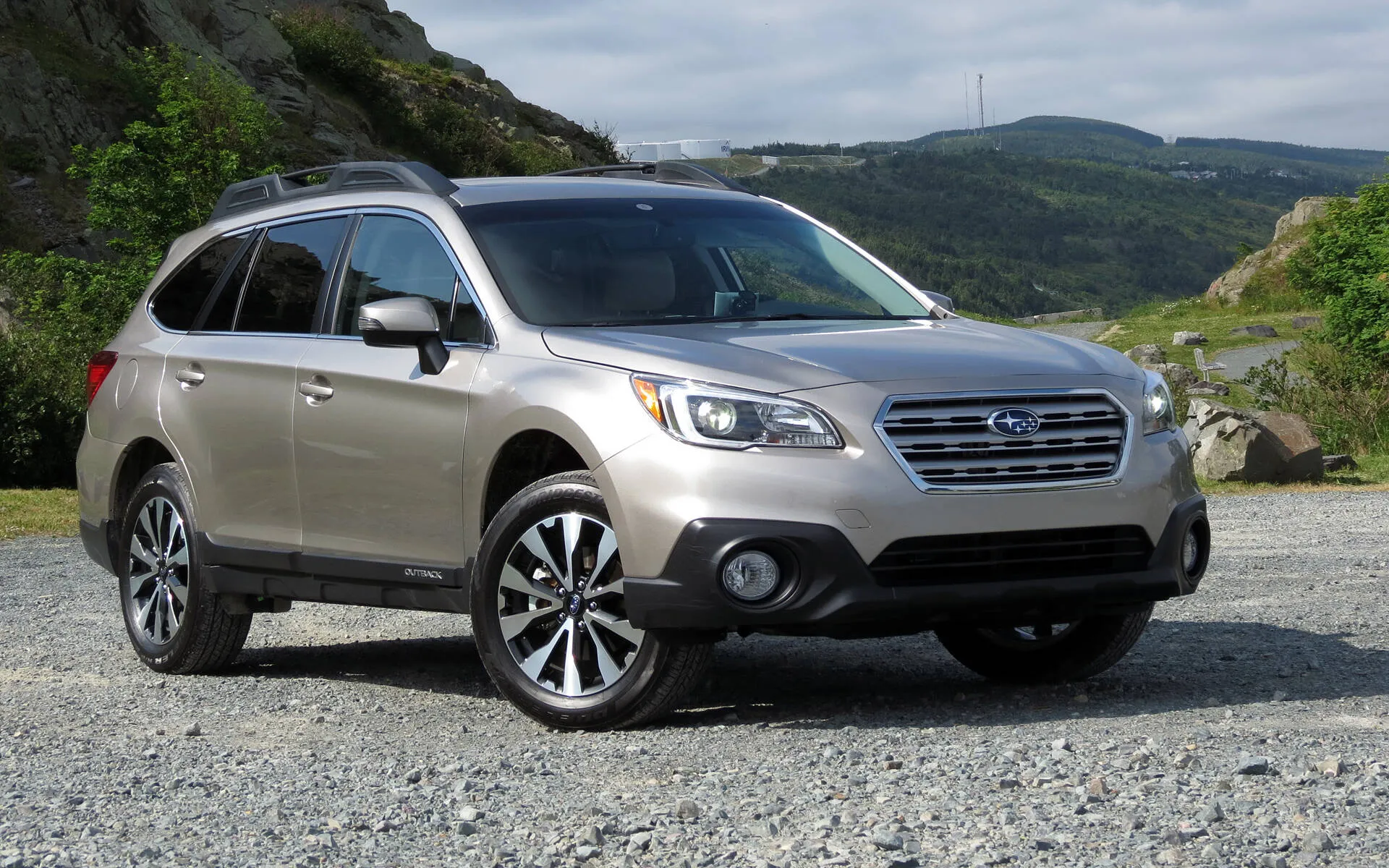
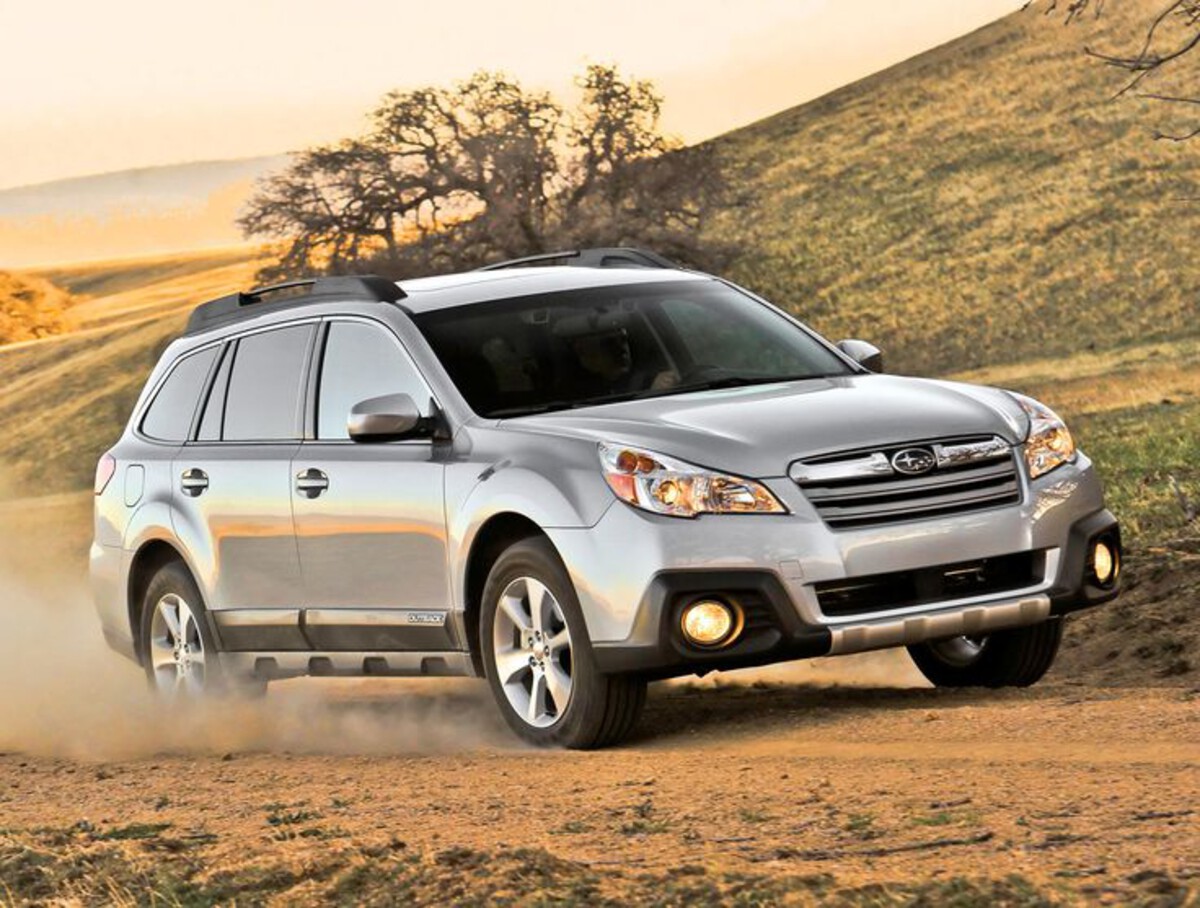
5. Subaru Outback (2010–2014)
If you want a vehicle with more cargo space and light‑off‑road capability but still value reliability, the Subaru Outback is a smart contender. Outbacks are known for their generous interior space and standard all‑wheel drive, which provides confidence in varied weather conditions. Many owners find these vehicles reliable with regular basic service.
The boxer engine design used by Subaru is unique, but these engines are stout when cared for with timely oil changes and head gasket checks. Early examples are popular due to their simple mechanical layout and durable construction. As long as you watch for normal wear items, the Outback can provide many years of dependable performance.
Interior comfort is a highlight, particularly for longer road trips. Seats are supportive, and the cabin materials tend to hold up well over time. The available cargo space is generous, which adds practicality for daily errands and weekend adventures alike.
The suspension of the Outback strikes a good balance between comfort and capability, handling rough roads without undue stress on critical components. This can reduce the likelihood of unexpected repairs down the road.
When evaluating an Outback, pay particular attention to service history around major intervals, such as timing belt service, and always confirm that previous owners kept up with regular maintenance. That ensures you get the most reliable example possible.
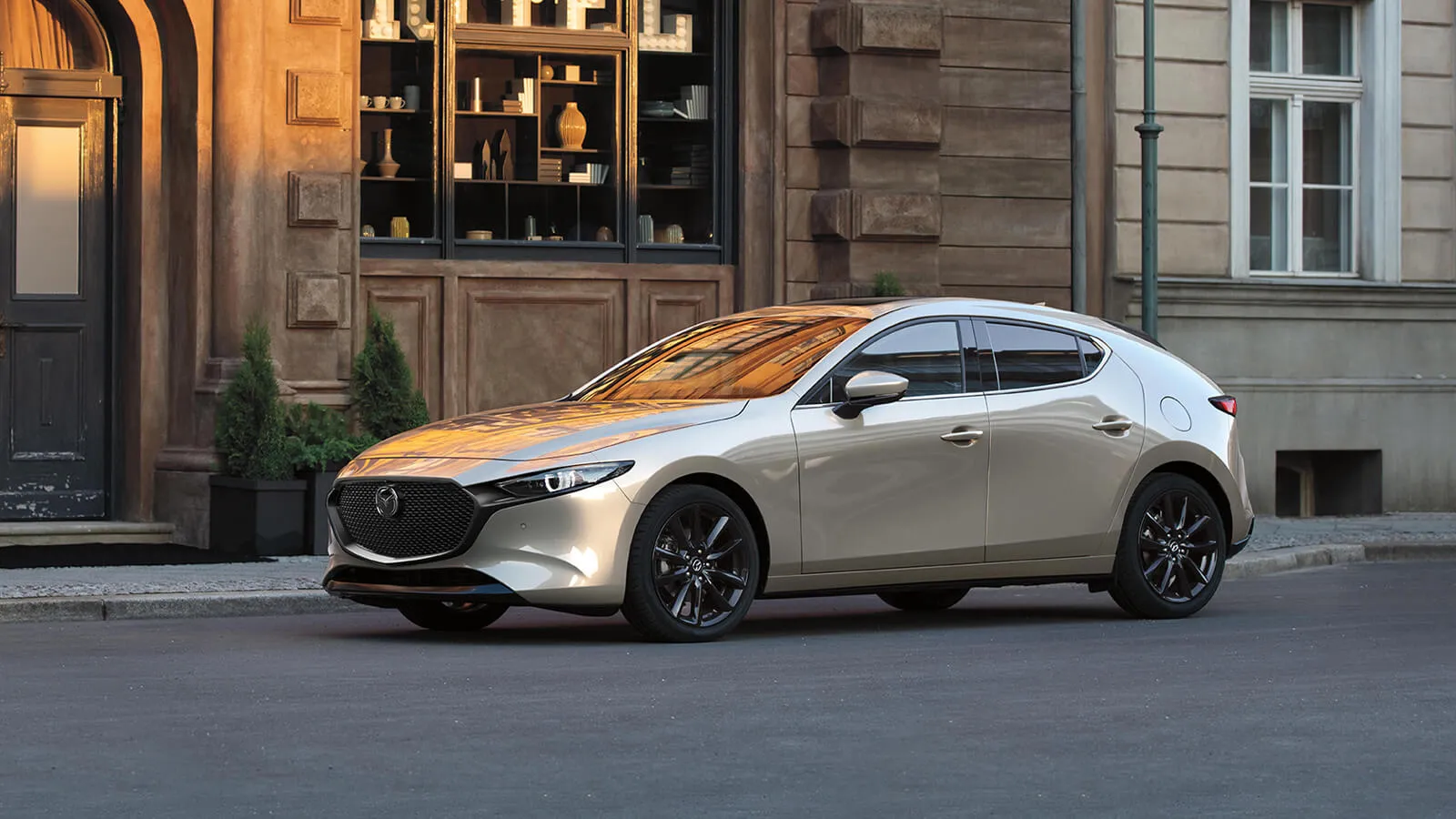
6. Mazda3 (2010–2018)
The Mazda3 is a compact car that offers sportier driving dynamics than many of its peers while still being a reliable everyday vehicle. Owners often report that Mazda3 models from this era are balanced, enjoyable to drive, and hold up very well over time with regular servicing and basic care.
Unlike some compact cars that feel overly cheap inside, the Mazda3 has a well‑crafted cabin with user‑friendly controls and durable materials. This enhances the ownership experience because the interior doesn’t wear poorly as the miles accumulate.
The engines used in these years are generally smooth and efficient, providing good fuel economy without placing too much stress on mechanical components. Many examples continue to run reliably long past the 150,000‑mile mark, which is reassuring for someone who won’t be dependent on having a mechanic on call.
Brake and suspension parts are easy for most service shops to work on, so tackling routine maintenance does not require specialty tools or dealer‑only parts. That versatility contributes to lower ownership stress, especially if you have to schedule service with an independent technician.
When considering a used Mazda3, check for signs of rust in older examples and ensure that routine maintenance items such as timing chain tensioners (for applicable engines) are in good shape. A careful inspection helps ensure long‑term satisfaction.
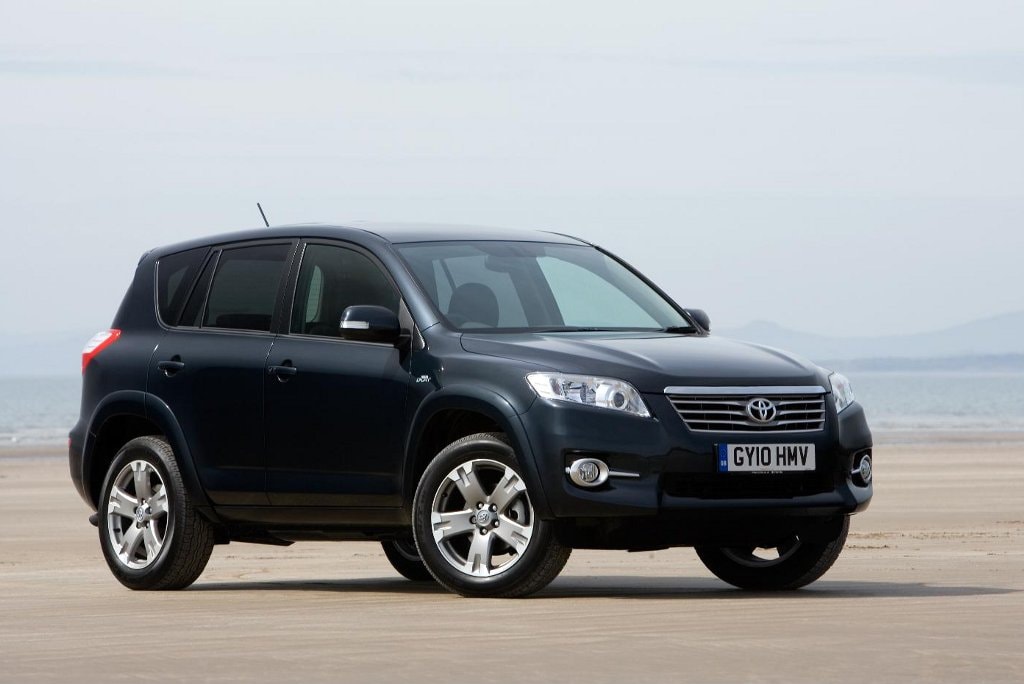
7. Toyota RAV4 (2006–2013)
For many buyers looking for a reliable crossover SUV without frequent shop visits, the Toyota RAV4 is a standout choice. Known for its durability and sensible engineering, the RAV4 offers ample passenger and cargo space with a well‑engineered suspension that keeps daily driving comfortable and trouble‑free.
The four‑cylinder and available V6 engines used in these years tend to be strong and long‑lived when routine maintenance is completed on schedule. That reliability makes the RAV4 attractive to used car buyers who prefer vehicles with predictable performance. You also benefit from widespread parts availability and a large owner base.
Inside, the RAV4 cabin is functional and robust, with materials designed to withstand years of use. Dash controls and buttons are generally reliable and do not fail prematurely. That helps reduce the number of small annoyances you might encounter with lesser‑built vehicles.
Fuel economy is competitive for a crossover, and features such as higher seating position and easy ingress and egress make everyday commuting a pleasant experience. The ride quality is forgiving over uneven pavement, which contributes to long‑term ownership comfort.
When selecting a used RAV4, prioritize examples with full maintenance records, and be aware of any recalls that may have been addressed by previous owners. This ensures you get a vehicle that stands the test of time and continues to provide reliable service.
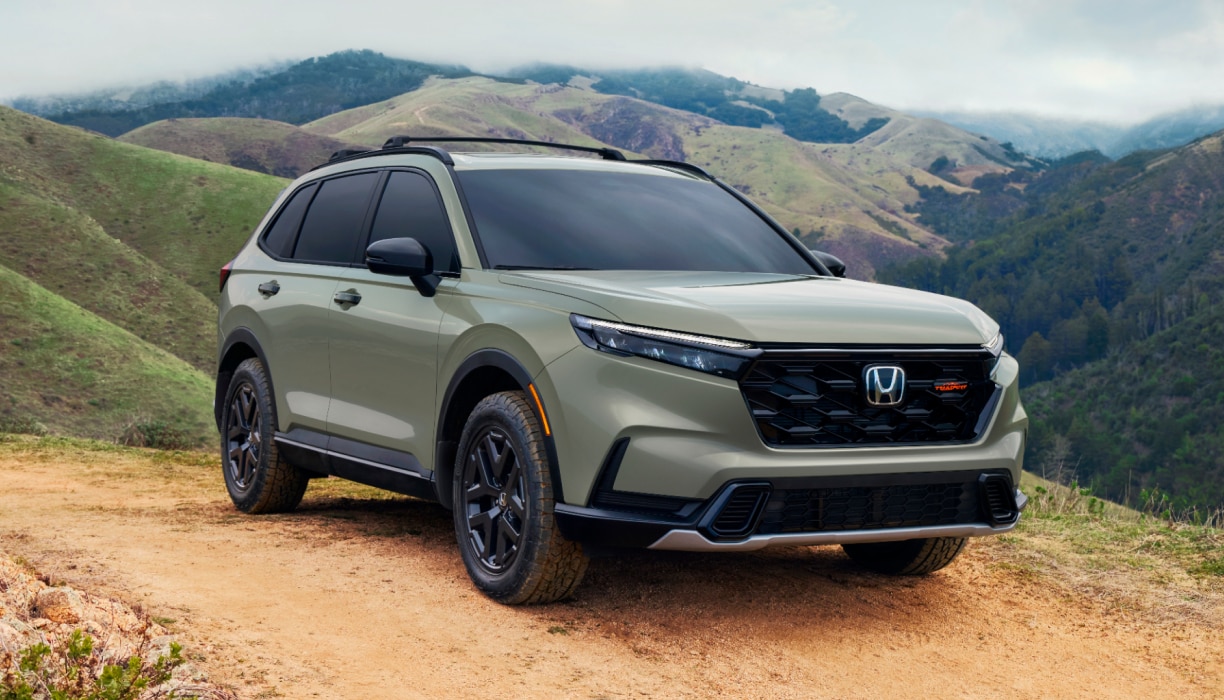
8. Honda CR‑V (2007–2014)
The Honda CR‑V combines the practicality of an SUV with the reliability that Honda is known for. These model years are especially popular for used buyers who want a dependable vehicle but do not want to deal with frequent malfunctioning or costly repairs. The CR‑V’s simple mechanical setup contributes to its long‑term durability.
Spacious interior and flexible cargo space make the CR‑V a great choice for families, commuters, and anyone who needs room for gear without sacrificing reliability. The engines are durable and do not require complicated servicing that might be difficult without a personal mechanic on call.
The suspension is tuned for comfort and confidence, which helps keep everyday driving stress‑free. Ride quality remains composed even when the road surface is less than ideal, and most components are built to last without needing constant attention.
Parts availability for the CR‑V in this era is very good, and many independent shops are familiar with common service tasks on these vehicles. That means you have more options for where to take the car when maintenance is needed, without worrying about specialized service centers.
When assessing a used CR‑V, review maintenance records carefully and test all systems, including the air conditioning and infotainment, as these sometimes show wear with age. Addressing minor issues early helps maintain the vehicle’s reliability for the long term.
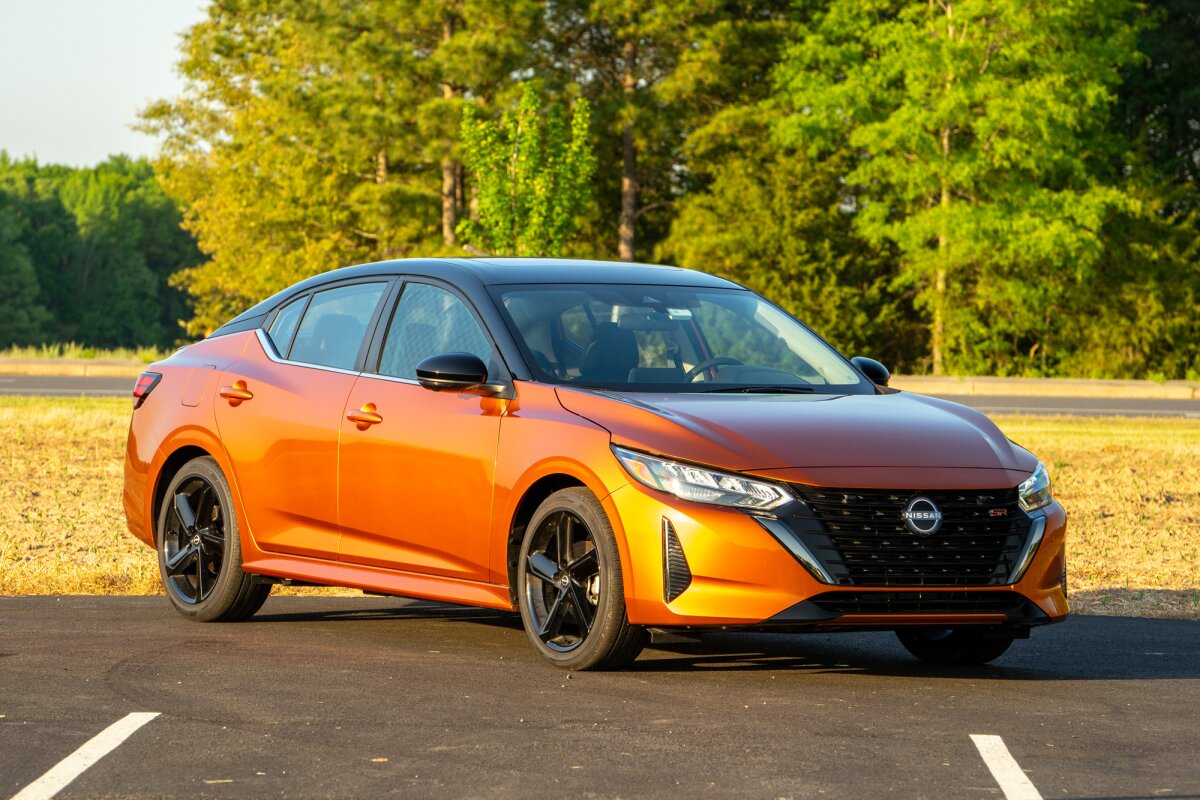
9. Nissan Sentra (2013–2019)
The Nissan Sentra represents a reliable and affordable compact sedan option for buyers who want a dependable used car without constant visits to a mechanic. These model years benefit from improved engineering that emphasizes everyday usability and lower maintenance costs. That makes the Sentra appealing for drivers focused on practicality.
Under the hood, the Sentra’s four‑cylinder engines are robust and efficient, providing steady performance with minimal fuss. Routine maintenance such as oil and filter changes, brake servicing, and basic tune‑ups are easily handled by most service shops, adding convenience for owners.
The cabin space is comfortable for a compact car, with seating that is supportive and controls that are simple to understand. Visibility is good, and the design favors longevity over overly complex features that could develop problems later.
The suspension and chassis tuning strike a balance between comfort and predictable handling, which helps reduce driver stress. Used Sentras typically deliver many miles of driving without mechanical surprises when properly maintained.
When choosing a used Sentra, make sure to check the service history for regular maintenance and avoid vehicles that show signs of neglect. That attention to detail helps you find a car that stays reliable for years to come.
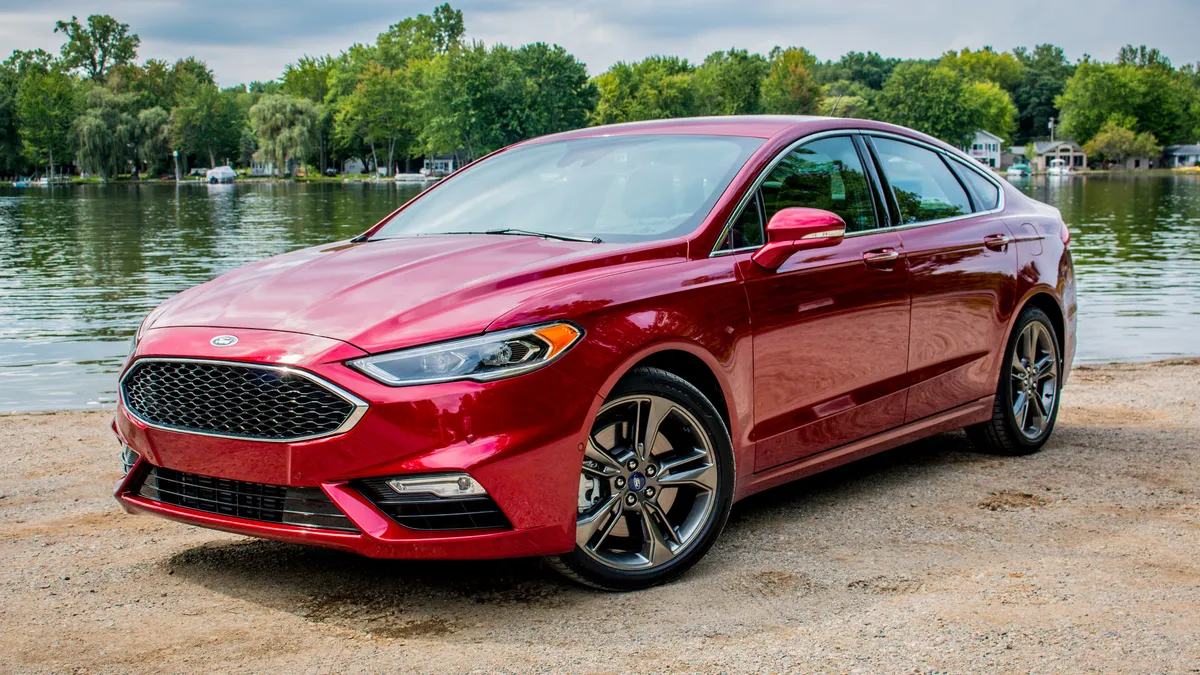
10. Ford Fusion (2010–2016)
For buyers who prefer an American‑built midsize sedan with a strong reliability reputation, the Ford Fusion stands out among used options. These model years combine solid build quality with engines and transmissions that tend to be durable and forgiving to owners who may not have a dedicated mechanic.
The Fusion offers a spacious interior and user‑friendly controls that make everyday driving straightforward. The seats are comfortable for long commutes, and visibility is good, which contributes to driver confidence and satisfaction.
Mechanically, most Fusion models in this range use conventional engine and transmission designs that are familiar to general service shops. That broadens your options for where to take the car when regular servicing or minor repairs are needed, without requiring specialized expertise.
The handling and ride quality are composed and balanced, making the Fusion a pleasant car to drive whether on city streets or highway routes. Fuel economy is competitive with rivals, and features such as optional stability control add to its everyday usability.
When inspecting a used Fusion, focus on maintenance history and ensure that common service items such as brake pads and timing components have been replaced at recommended intervals. That diligence helps secure a long‑lasting vehicle capable of dependable service without frequent surprises.
