
In families with active lifestyles and young children, the configuration of a vehicle can have a profound impact on daily comfort and peace of mind. Parents, guardians, and caregivers often find that some aspects of family travel can be surprisingly challenging, and one of the most frequent points of frustration comes when installing and adjusting infant car seats.
For families who use sport utility vehicles, the promise of extra space and versatility is real, but not all SUVs are created with equal attention to the ease of accessing the rear seating area. A crucial design detail that can dramatically improve the process of securing a child safely is the width and height of the rear door opening.
When rear doors swing wide and provide generous clearance, the act of lifting a heavy infant car seat into place becomes less of an ordeal and more of a smooth daily routine.
This article aims to present a thoughtful set of SUVs that make infant car seat installation easier because they offer wide opening rear doors, smartly positioned seats, and intuitive latching systems. The chosen models represent a range of sizes, price points, and design philosophies, yet they share a common focus on accommodating families.
We will look at how each SUV fosters a family friendly environment, how door geometry supports access, and what family caregivers can expect when handling cumbersome seats and squirming toddlers. By considering these details, prospective buyers and existing owners can better understand how design influences function in real life.
Practical insights can help you make a decision that improves your everyday routines, reduces back strain, and contributes to safer installation of infant restraints.
These insights are not drawn from reviews on the web or specific comparative data, but rather they reflect real world sensibilities that matter to parents balancing safety, comfort and convenience.
After reading about these 10 SUVs that are designed or engineered in ways that support easier infant car seat installation, you should have a clearer sense of what to look for when you evaluate your next family vehicle.
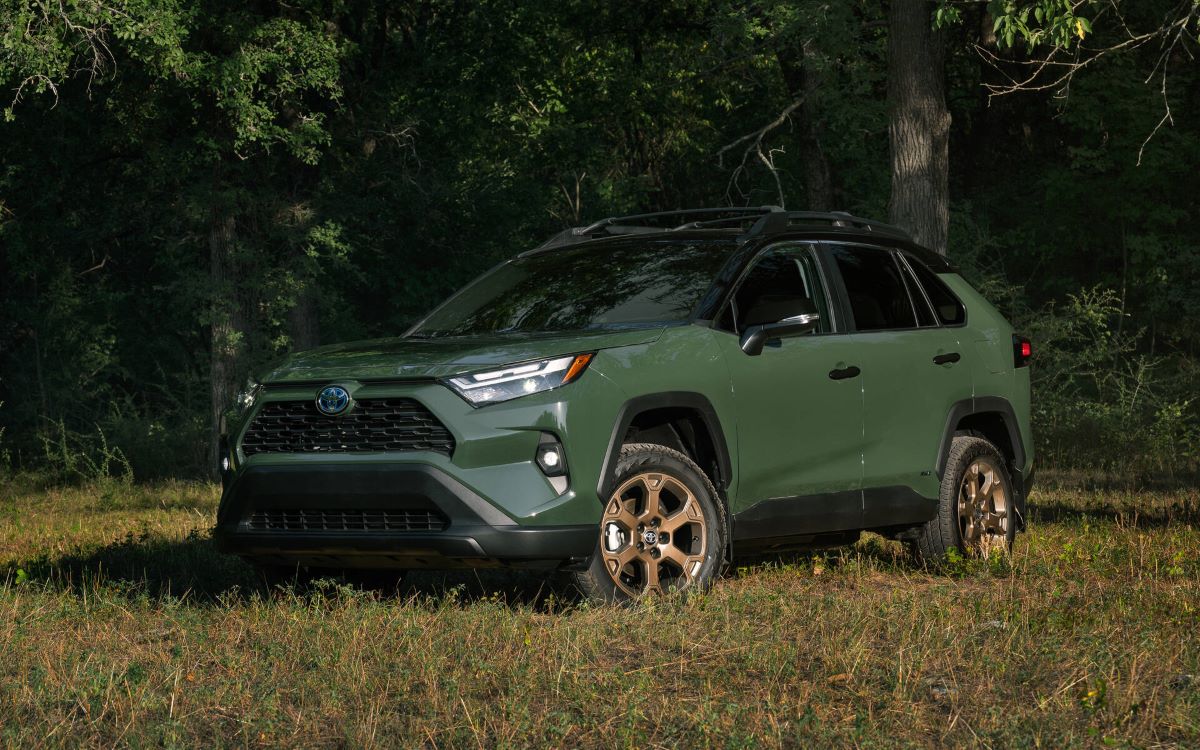
Toyota RAV4
The rear doors on the Toyota RAV4 open wide, allowing caregivers to approach the rear seat with fewer obstructions and more maneuvering space when handling a bulky infant car seat. From older to newer models, the door design, combined with a boxy opening, creates a nearly flat threshold area that gives parents more leeway to adjust angles and positions.
Many families report that this generous door clearance makes it easier to guide infant carriers straight in, as opposed to angling them through a narrow space or contending with interior trim edges. Even on uneven ground or in tight parking spaces, the RAV4’s door swing feels intuitive and forgiving when carrying a child and additional gear.
Inside, the rear seat height of the RAV4 aligns with a comfortable lift point, so you don’t have to raise car seats too high or bend deeply at the waist. This seat height works alongside the wide door opening to reduce strain on the arms and back, which is especially welcome after repeated daily installations.
Zones for the LATCH anchors are easy to locate, and the connectivity points are well spaced so multiple seats can be fitted without interference. The combination of these features makes the process feel straightforward, even during the first few attempts with a new infant seat.
The RAV4 cabin feels roomy, and the door opening frames that space well, offering a natural workflow from outside to inside the vehicle. Parents often appreciate that they can see the seat base clearly from outside once the door is fully open, which speeds up alignment with the anchors.
The robust build quality of the doors themselves gives a reassuring feel when latched, and there’s a sense that the wide aperture is intentional, not incidental. These subtle but significant design choices add up to a user experience that many family drivers value highly.
In addition, cargo access through the rear hatch is a helpful complement to the rear passenger doors, especially when preparing strollers, diaper bags, and other necessities in sequence. The total ease of movement from trunk to rear seat, combined with the generous door opening, supports a more seamless routine when unloading multiple items.
Caregivers often find they can reposition an infant car seat without first emptying other luggage, saving time and reducing the back-and-forth shuffle. This thoughtful configuration makes the RAV4 a compelling choice for families who prioritize both everyday practicality and long-term utility.
It strikes a balance between an urban-friendly footprint and a family-conscious design that doesn’t make weighty installation rituals more difficult. Whether loading a newborn seat or moving a toddler’s convertible seat into place, the wide-opening rear doors and ergonomic seat height play a surprisingly large role in reducing daily stress.
For families seeking everyday ease without sacrificing capability, the RAV4 remains a solid choice among SUVs that facilitate hassle-free infant car seat setup.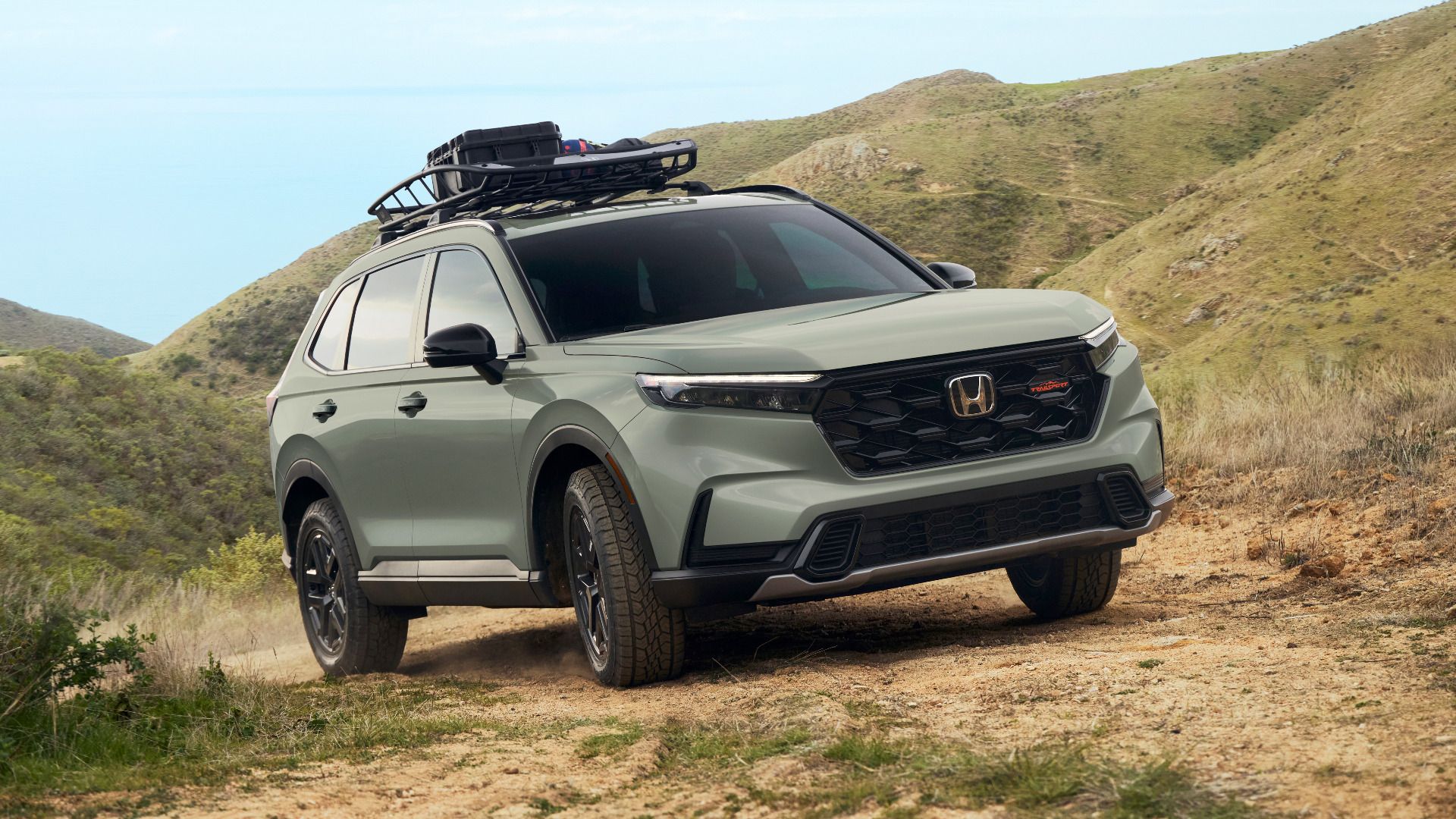
Honda CR-V
Honda CR-V
The Honda CR-V is widely known among families as a practical and versatile compact SUV that accommodates daily life with children. One standout feature is the shape and reach of its rear door opening, which provides a generous portal for installing infant car seats.
When the rear door is fully opened, the aperture feels thoughtfully sized, making it easier to align a heavy seat with the vehicle’s lower anchors or seat belt path. Many caregivers find that the CR-V’s door geometry reduces the need to contort or attempt awkward angles when lifting and positioning child safety equipment.
In addition to the wide door opening, the CR-V’s seating surfaces are well positioned relative to the door. You don’t feel like you’re wrestling with a seat that’s too low or too recessed once inside the cabin.
This favorable alignment can make a noticeable difference after multiple back-to-back installations during school runs or errands, when repetitive bending becomes tiring. The armrest and door jamb design also provide ample wrist and elbow room, helping maintain a secure grip on your child seat during installation.
Inside, the CR-V cabin has an intuitive layout where the LATCH connectors and belt guides are visible and accessible from outside the vehicle. This reduces the guesswork that sometimes accompanies hooking and securing the seat quickly. Parents who have used deeper or narrower door openings in other vehicles often mention how refreshingly simple the CR-V feels in comparison.
You don’t have to crouch unusually low or stretch excessively to reach the back seat, which contributes to a comfortable installation experience over time. Even for taller adults, the wide opening and thoughtful seating relationships reduce muscle strain and awkward positioning. This level of ease makes daily use more pleasant, particularly when infants transition into larger seats that take more effort to place and secure.
Taken together, the rear door design and interior layout of the Honda CR-V illustrate a commitment to family-friendly convenience that resonates with many owners. For families who perform infant car seat installations multiple times per day, the wide-opening doors and intuitive design elements help minimize frustration and promote safer, quicker securement.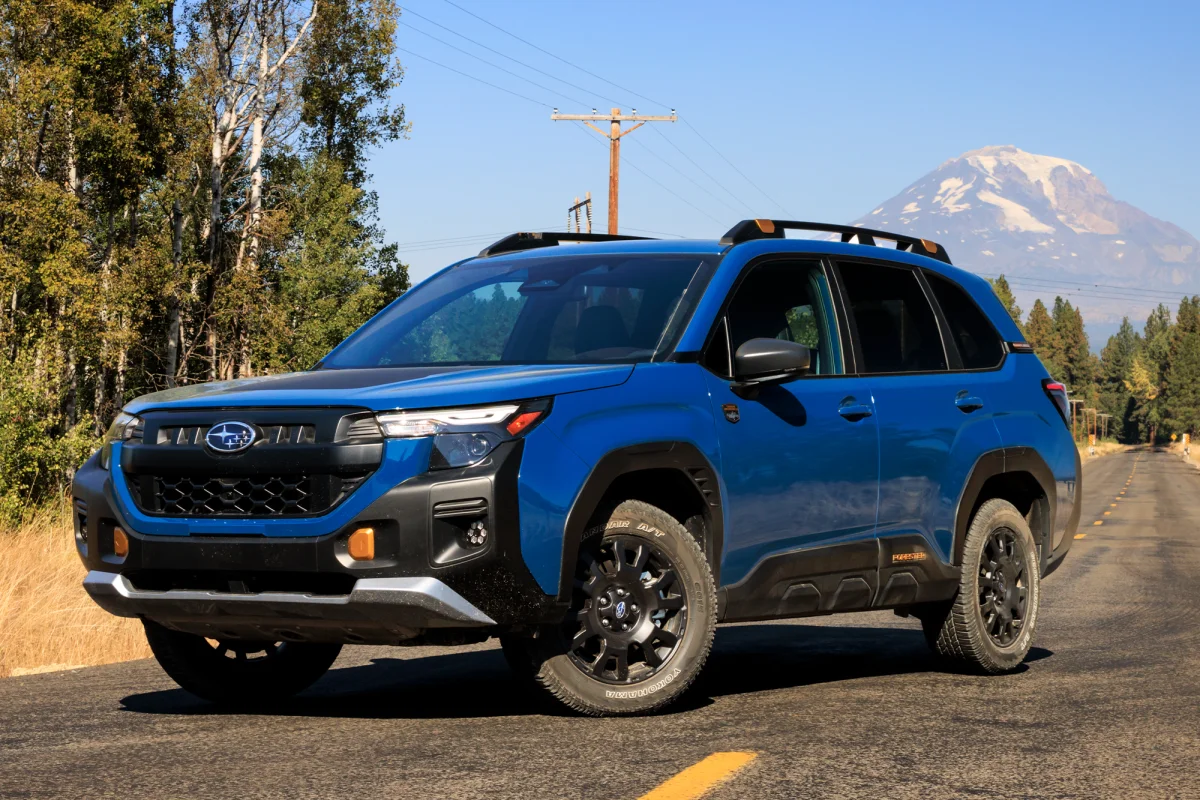
Subaru Forester
Subaru Forester
Subaru has long positioned the Forester as a utility-oriented SUV with family-centric features that support an active lifestyle. Among the attributes that matter most to parents and caregivers is how rear door design can ease the process of placing and securing infant car seats.
The Forester’s rear doors are engineered to open with a wide arc that allows nearly unobstructed access to the rear seating area. This wide opening is particularly welcome for individuals juggling an infant and additional accessories, such as blankets, carriers, or storage bins.
The height of the rear door opening aligns with a practical seat height that eliminates the need for deep stooping or awkward lifts. When approaching the vehicle with an infant seat in your arms, the threshold feels reachable without excessive bending or reaching over bulky parts of the seat frame.
The generous space between the seat edge and the door frame enhances maneuverability, making it easier to pivot the car seat base into alignment with tether anchors. Many parents who switch from other vehicles to the Forester remark on how conducive the setup feels to everyday routines that involve children.
Once the seat is placed, the belt paths are noticeable and accessible so adjustments feel direct rather than forced or hidden behind hardware. A consistent feeling of predictability pervades the experience of installing child seats in this SUV.
The roofline and upright posture of the Forester create a spacious feel, not just for passengers but for the process of handling equipment. Parents often appreciate the unobstructed view of the interior from outside, which allows better eye contact with children and clearer alignment efforts. That transparency of space makes installing the seat feel more assured and less fraught with guesswork.
Beyond the rear doors and seating area, the Forester maintains a reputation for dependability and thoughtful features that appeal to household longevity and value retention. Its well-considered engineering ensures that daily tasks feel smoother and more intuitive, translating to fewer frustrations with repetitive routines.
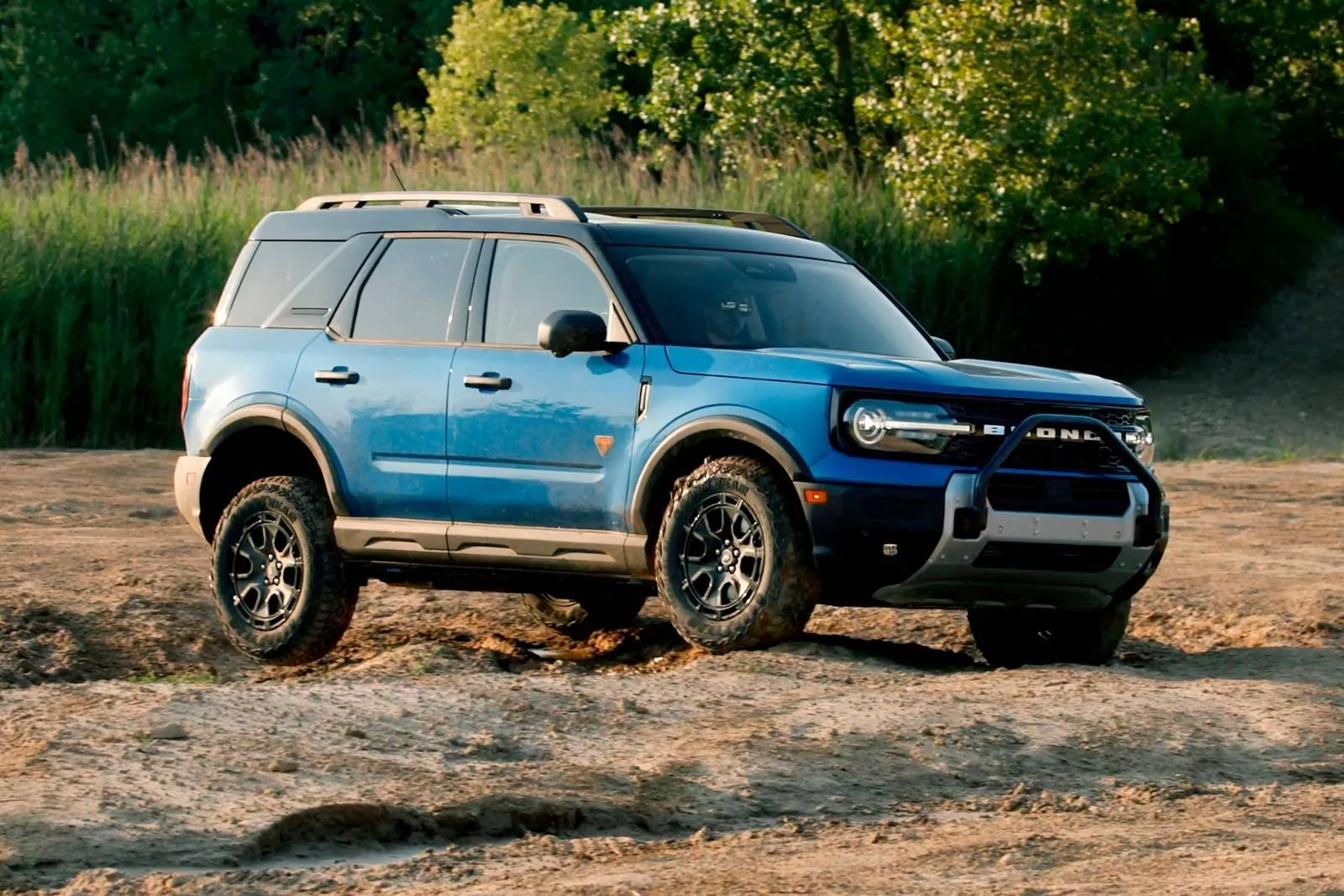
Ford Bronco Sport
The Ford Bronco Sport brings a rugged aesthetic to the compact SUV category while attending to practical details that benefit family life. A striking feature for caregivers is how its rear doors are crafted to open with a wide and accommodating trajectory.
This generous swing facilitates easier entry to the rear seat when handling cumbersome infant car seats, especially in tight spaces like parking lots or garages. The wide door opening allows a more natural approach, reducing awkward wrist and shoulder movements.
Once inside, the rear seat threshold sits at a moderate height that balances accessibility with rugged capability. This eliminates the need to raise a child seat above an uncomfortably high sill, common in off-road-focused models with less consideration for passenger ergonomics.
The combination of door openness and thoughtful seat elevation makes installation smoother and more controlled, with less fatigue from repeated adjustments.
The Bronco Sport provides clear access to LATCH anchors and belt guides, even under low lighting. The interior layout supports straightforward access, and the wide rear doors magnify this sense of accessibility. Parents of larger infants or convertible seats especially value this attentiveness in their daily routines.
The design also considers the flow of movement around the vehicle, allowing caregivers to transition smoothly from cargo area to rear seat. Families transporting multiple children find that this integrated approach reduces juggling and streamlines daily routines. The wide rear door openings and reachable seating surfaces demonstrate an understanding of how families interact with vehicles, making the Bronco Sport stand out for utility with convenience.
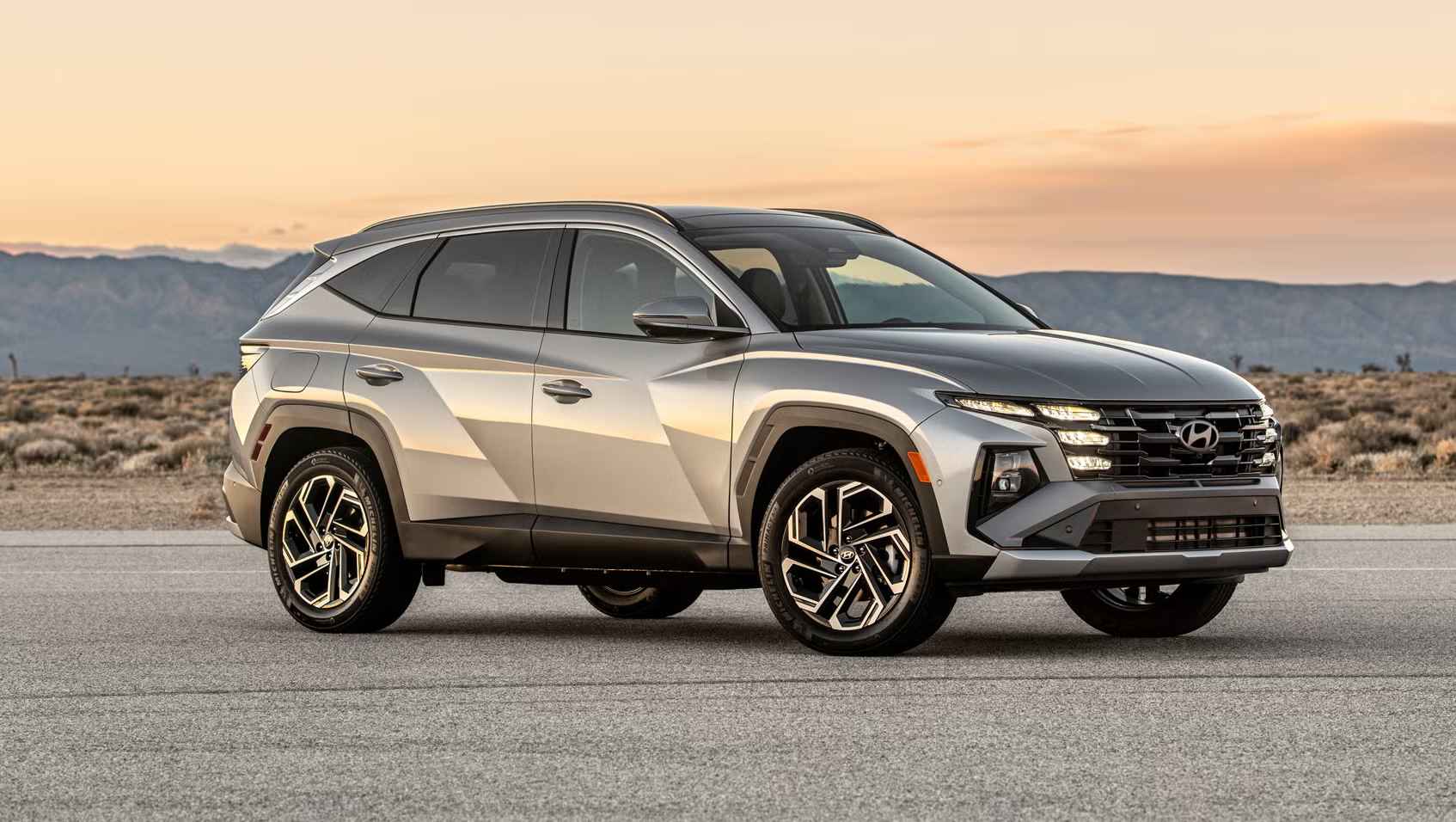
Hyundai Tucson
The Hyundai Tucson is a compact SUV that attracts families because of its balance of style, technology, and everyday usability. Among the features that matter most when transporting young children are the width of the rear door openings and how those openings support installing infant car seats.
Wide rear doors allow clear access to the back seating area, making it easier for caregivers to lift and position seats without awkward maneuvers. This generous aperture reduces physical effort, which is especially helpful during busy routines.
Inside, the rear seat height relative to the door opening is well suited for loading infant carriers with care and confidence. The threshold is neither too low nor too high, allowing caregivers to maintain good posture and steady control when placing car seats. This creates an intuitive feel that promotes consistent, confident installations each time the rear door is opened.
The Tucson’s interior layout supports visibility and access to anchor points. When the rear door is open, seat belt guides and LATCH connectors are clearly visible without leaning deeply over restraints or peering around headrests. This reduces guesswork and allows for accurate adjustments.
Upholstery choices, seat contours, and door frame alignments create a welcoming space rather than a cramped one. These design elements, combined with wide rear doors, facilitate a smoother, more enjoyable experience even during frequent use.
The Tucson’s combination of features, space, and accessibility makes it a strong contender for families seeking practicality and modern design. Generous rear door openings and balanced interior layout reflect careful consideration of family lifestyles. Whether installing a newborn seat for the first time or switching between multiple child restraints, the space allows tasks to be accomplished with greater confidence.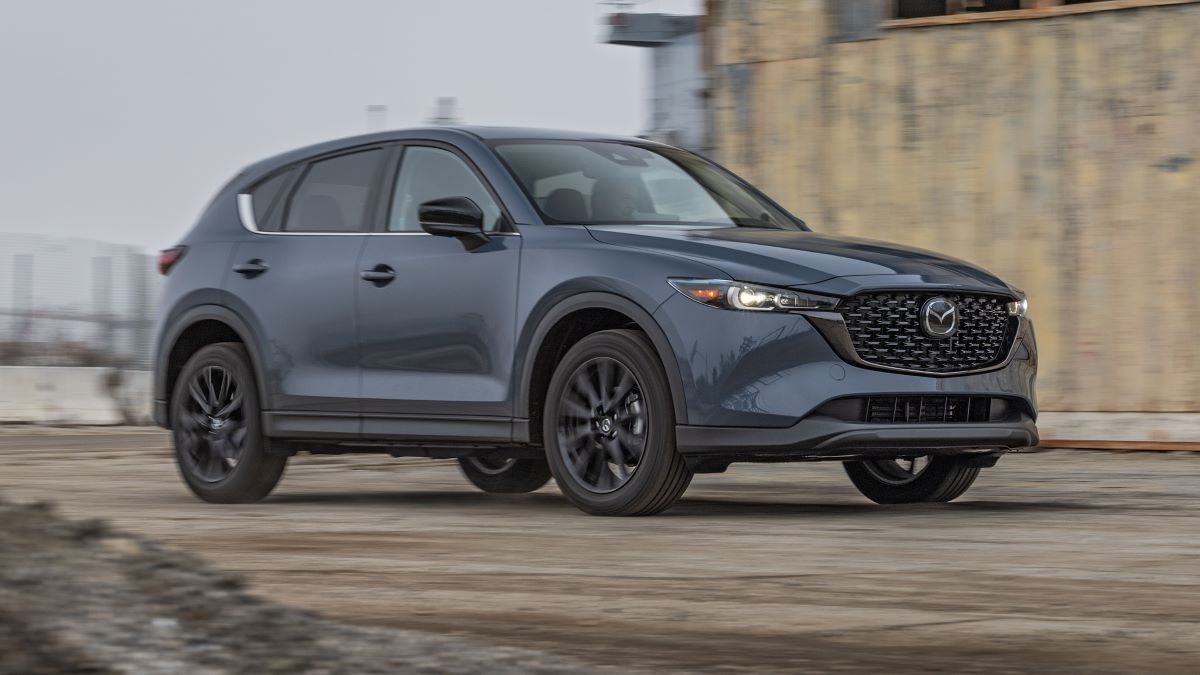
2025 Mazda CX-5
Mazda CX‑5
The Mazda CX‑5 features rear doors that open with a generous angle, providing a clear and practical entryway to the back seat. When you swing the door fully open, there’s ample space to bring in an infant car seat without squeezing or rotating excessively.
Caregivers carrying carriers often find the unobstructed path allows for steady, controlled motion. This generous opening helps reduce awkward reaches during frequent daily use.
Once inside, the CX‑5’s seat height sits at a comfortable midpoint that aligns well with the door opening. You don’t need to lift the car seat too high or bend too low when installing restraint systems. The result is an installation process that feels more natural and less fatiguing, even after several uses. This ergonomic balance of seat and door height is helpful for adults of varying heights.
The interior layout complements the wide rear entrance with clear access to anchor points and belt guides. When the rear door is open, LATCH anchors are easy to spot and reach without significant twisting or bending. Parents appreciate that the connectivity points are not hidden behind deep padding or headrests. This visibility streamlines securing and tightening infant seats, making setup quicker and more confident.
Spatial comfort in the cabin supports easier maneuvering once the car seat is inside the vehicle. The CX‑5’s interior feels open rather than constrained, giving room to adjust position before securing it. This can be especially useful when handling convertible car seats that require precision alignment. The combination of cabin space and wide access reduces common frustrations.
For families who value driving dynamics and everyday usability alike, the CX‑5 delivers a thoughtful blend. The wide rear doors paired with sensible interior doors and seating contribute to ease of use. Infant car seat installation, regularly repeated in family life, feels deliberate rather than forced. This makes the CX‑5 a reliable choice for active households seeking comfort and convenience.
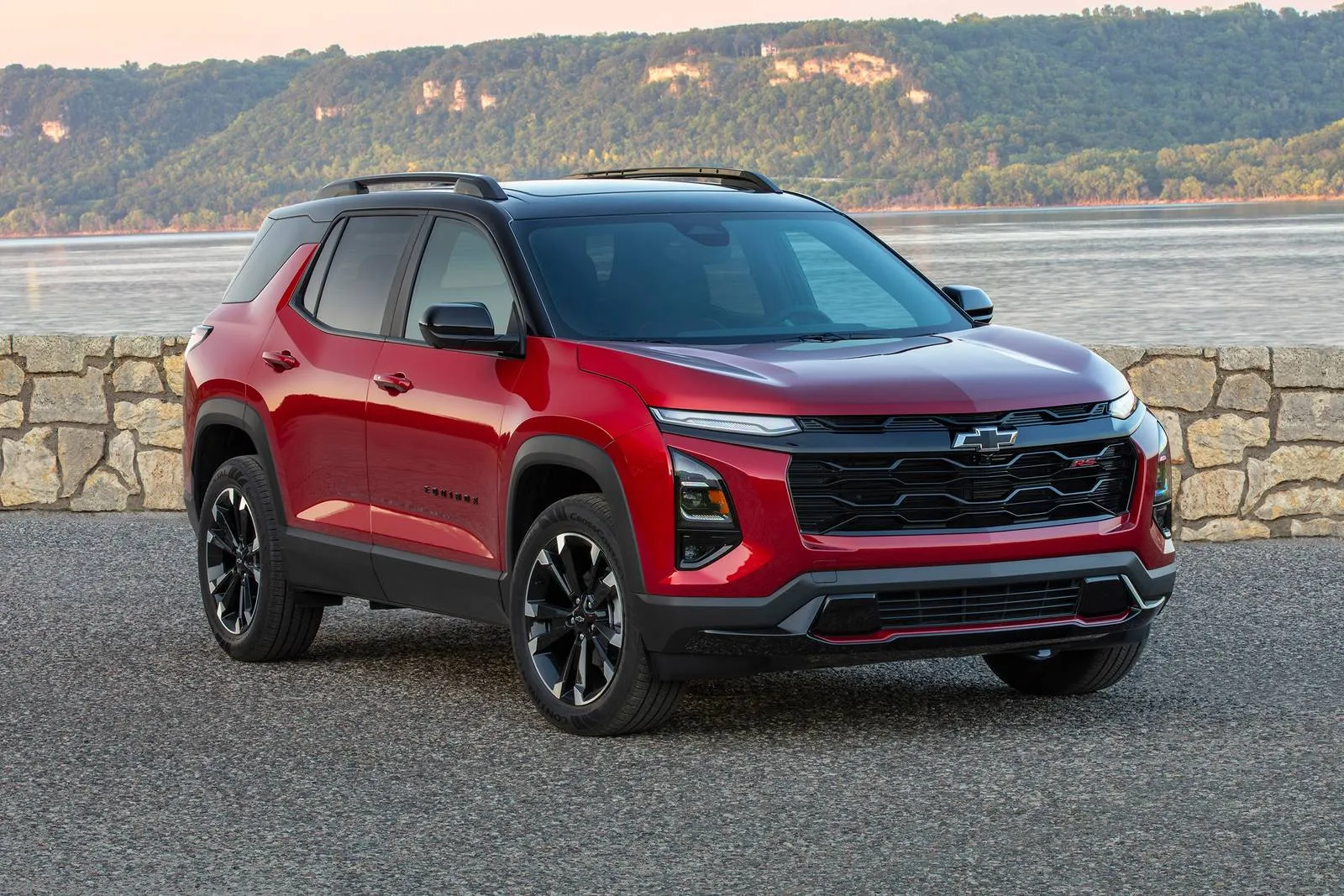
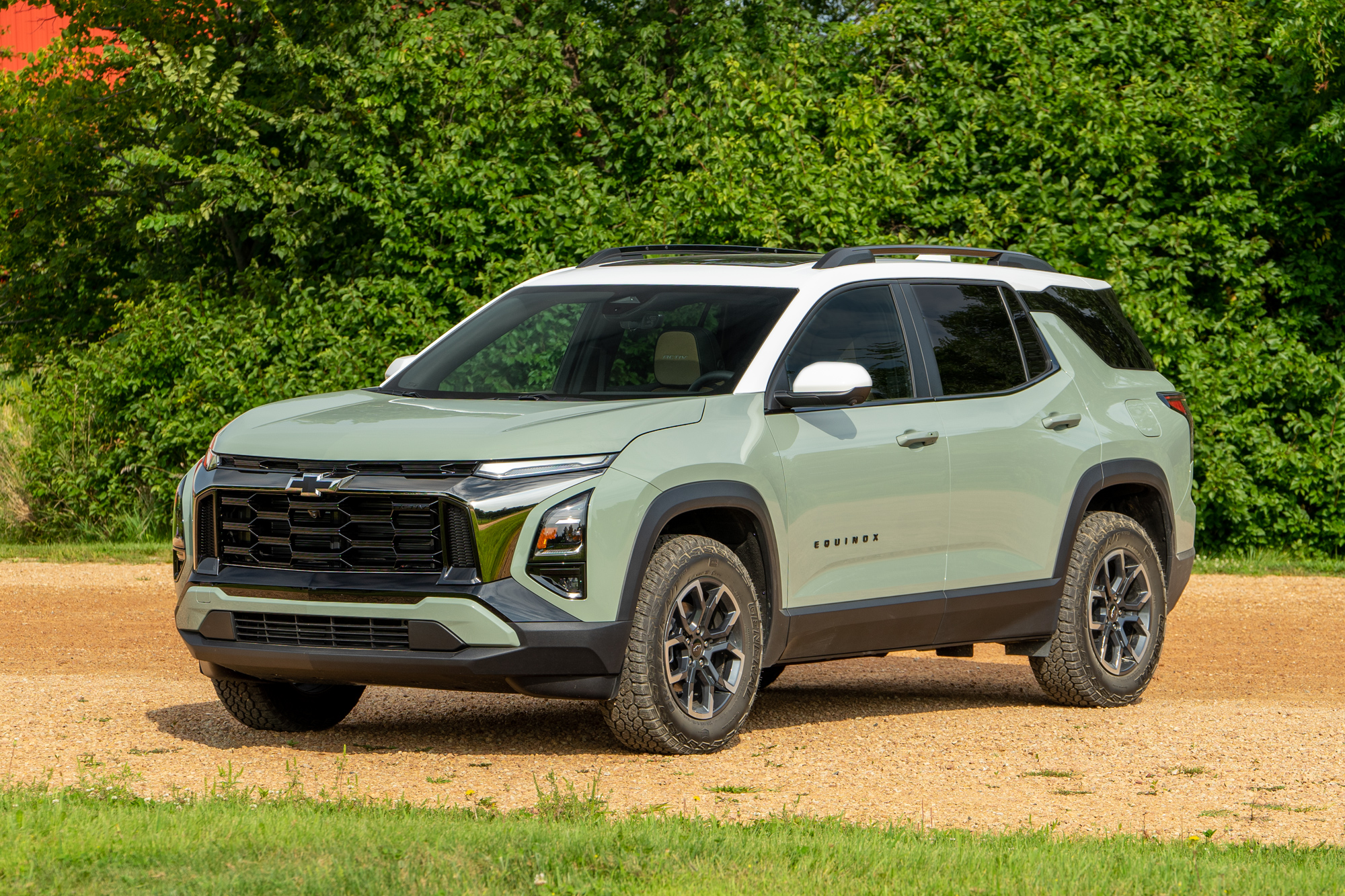
Chevrolet Equinox
The Chevrolet Equinox offers a practical format for daily family tasks, with rear doors that open with welcoming clearance. When bringing a bulky infant car seat toward the back doors, the wide opening eliminates tight turns.
This ease of access makes the process feel less like a struggle and more like a natural step in your routine. Its clear path into the rear seating area is often appreciated by caregivers juggling supplies.
Inside, the seat height relative to the door opening strikes a comfortable balance for most adults. You don’t have to crouch deeply or lift above shoulder level to position an infant seat correctly. This thoughtful seat placement alongside the wide door working area supports smoother installation. Caregivers with varying physical strengths find this particularly helpful over repeated daily use.
The interior design is laid out to support easy access to anchors and belt guides. Once the door is open, the location of LATCH points can be seen without awkward bending or guessing. This clear visibility helps improve installation accuracy and reduces the time required. It also provides reassurance that the car seat is being positioned correctly.
The cabin provides helpful space around the door opening to work without feeling cramped. There’s enough room to angle and pivot infant seats before fastening them into place. Families who have experienced more restrictive openings in other SUVs often comment on this difference. This spatial layout contributes to a calmer and more predictable routine.
Taken together, the Equinox’s wide rear access, sensible seat height, and interior layout create a user-friendly environment. Parents frequently note that installing infant seats feels more straightforward and less physically demanding. This practicality pairs nicely with the vehicle’s everyday versatility, making it a strong family choice.
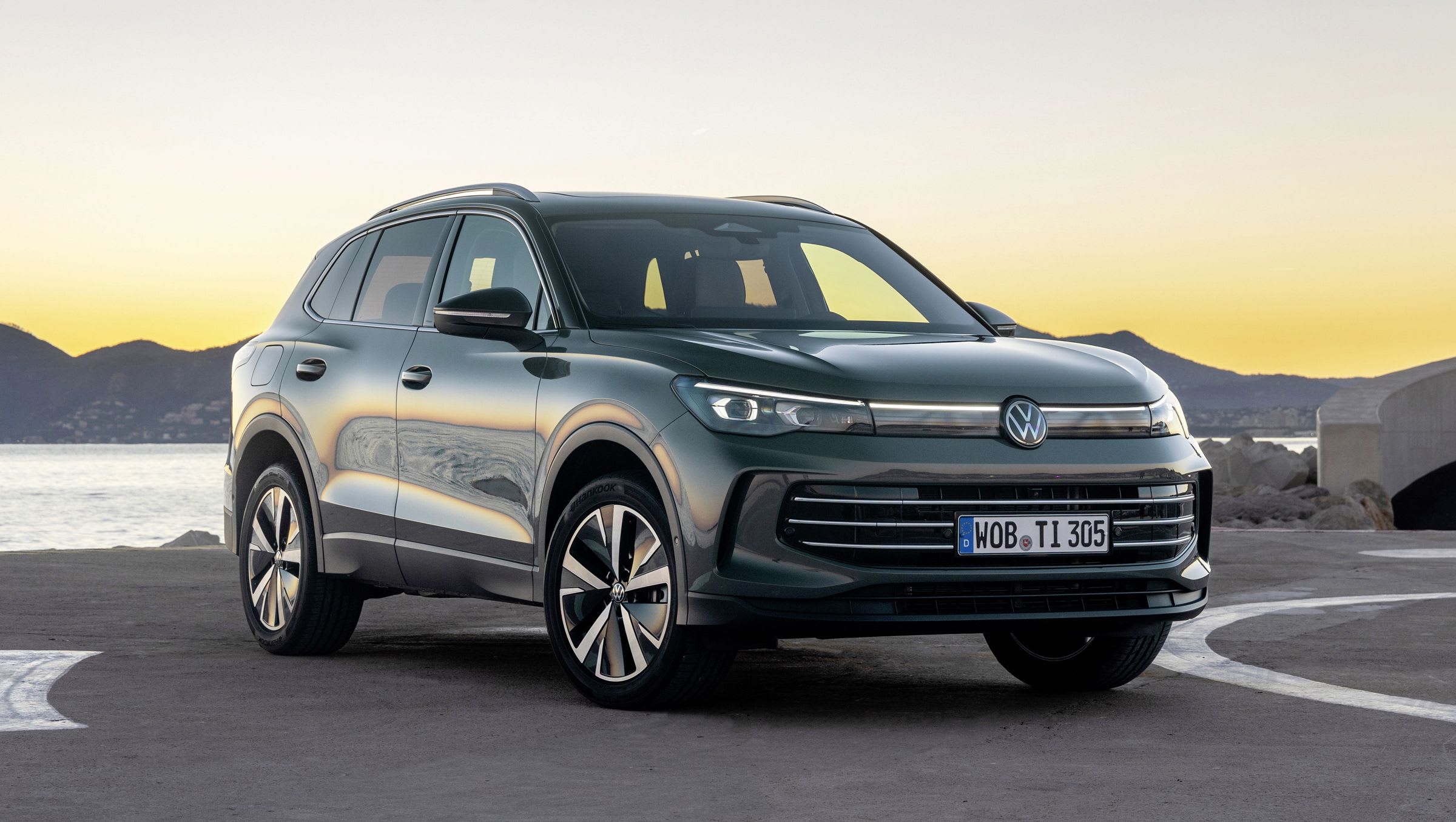
Volkswagen Tiguan
Volkswagen Tiguan
The Volkswagen Tiguan presents rear doors that open wide enough to support confident handling of car seats. When approaching with an infant carrier, the generous door swing allows ample access to the second row. This reduces awkward twisting and heavy maneuvering, particularly when aligning with anchor points. Wide access helps keep focus on placement rather than on fighting a narrow opening.
Inside, seat height aligns well with the typical reach of caregivers, making lifts more moderate. The door opening and seat position work together to keep motions natural rather than forced. You won’t find yourself crouching awkwardly just to get the seat base into place. This ease of motion becomes more relevant with repeated daily use.
The Tiguan’s interior layout further supports installation by making anchor and belt positions visible. Once the door is fully open, LATCH connectors are easy to locate without reaching blindly. This transparency simplifies the routine and reduces trial and error. Families often report faster and more confident seat placements for this reason.
The cabin space encourages smooth transitions from outside to inside the SUV. There’s room to tilt and pivot seats as needed without bumping into surrounding trim. This openness in the rear seating area complements the wide door opening, helping ensure securing a child seat feels manageable and safe.
The Tiguan’s wide rear doors, intuitive interior layout, and comfortable seating make it well suited for family priorities. For caregivers seeking a compact SUV that supports daily infant seat installations, it makes the process less stressful. Its configurations balance comfort with practicality, making the Tiguan a noteworthy choice among SUVs in its segment.
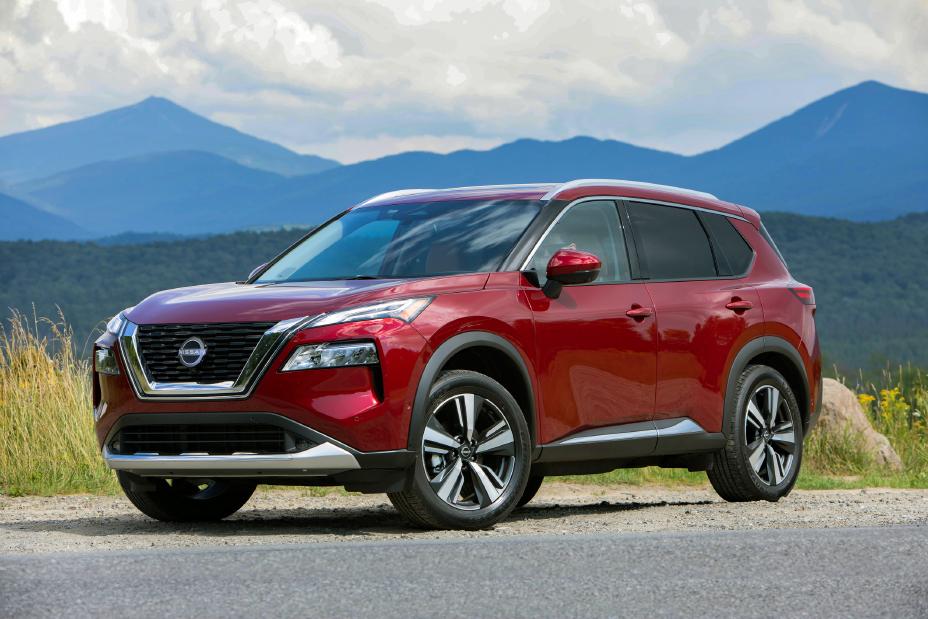
Nissan Rogue
The Nissan Rogue stands out with rear doors that open to a roomy entrance, ideal for infant car seat handling. When bringing a bulky carrier toward the back doors, the generous opening gives space to move. This minimizes twisting and turning that often makes installations difficult. The wide access into the cabin allows smoother alignment and steadier movements.
Inside, the relationship between seat height and door opening supports a more natural reach. This eliminates the need to excessively lift or crouch, easing physical effort during installation. Caregivers of all heights appreciate this moderated range of motion for daily tasks. It makes routine participation in child seat setup less tiring over time.
The Rogue’s interior further enhances accessibility with clearly placed LATCH anchors and belt guides. Once the door is open, these components are visible and easy to grasp without guessing. This visibility helps reduce installation time and makes the process feel less complicated. Parents often find this contributes to more reliable placements.
The rear cabin space feels inviting and practical, giving room to angle seats as needed. There’s less obstruction from door hardware or trim when adjusting positions. This spacious rear area works in tandem with the wide doors to support smoother installs. Families frequently comment on the convenience and accessibility when using this SUV.
The Rogue’s combination of wide door openings, comfortable seat alignment, and user-friendly interior make it a strong family contender. For caregivers looking to reduce physical struggle while focusing on safety and ease, it delivers thoughtful design. The practical access into the rear seat enhances the everyday experience of infant car seat installation, making the Rogue an appealing choice for family needs.
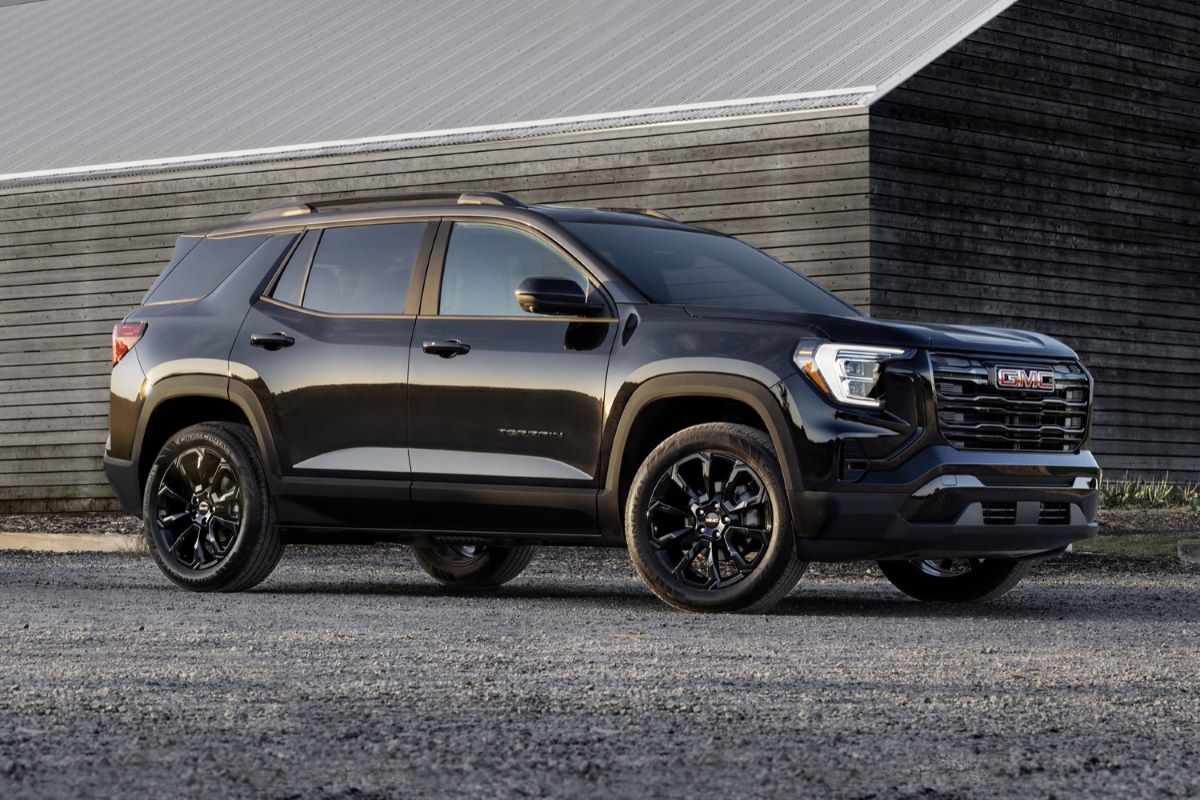
2025 GMC Terrain
GMC Terrain (2025)
The GMC Terrain features rear doors that open with a generous swing, creating easy entry for infant seats. Approaching the rear with a bulky car seat feels less restrictive thanks to this wide access point. Caregivers can bring carriers into the cabin with space to adjust angles and positions. This openness helps make what could be a difficult task more controlled and manageable.
Inside, the seat height harmonizes well with the door opening, preventing extreme bending. This partnership between seat and door makes installation less physically demanding for most adults. Such balanced positioning is especially important when performing repeated installs throughout the day. It keeps movement natural and posture stable.
The Terrain’s interior also places anchors and belt guides in an accessible way. Once the rear door is open, these features are visible without deep leaning or stretching. This clarity supports efficient and confident fastening of infant seats. Families appreciate this level of intuitiveness because it reduces installation mistakes.
The cabin space is thoughtfully arranged, giving enough room to work comfortably. This extra breathing room allows pivoting and fine adjustments of seats inside the vehicle. It helps avoid situations where you feel boxed in or struggling to see anchor points. This spacious rear area supports smoother caregiving routines.
Taken together, the GMC Terrain’s wide rear door access, comfortable seating design, and intuitive interior support everyday family use. For caregivers engaged in frequent infant car seat installations, these features make a real difference. The vehicle’s layout reduces frustration and supports safer, quicker placement as part of daily life, making the Terrain a practical and thoughtful choice for families.
