
By 2026, the automotive industry had undergone a remarkable phase of reinvention, especially in the realm of electrification, reliability, and performance refinement. A decade earlier, many vehicles that promised innovation ran into criticism for issues that ranged from limited driving range and battery faults to software glitches and build quality complaints.
Enthusiasts, engineers, and everyday drivers watched these struggles closely, hoping that the manufacturers would respond with meaningful improvements. Over time, through continuous feedback loops, rigorous testing, and iterative upgrades, a select group of cars not only addressed their most glaring deficiencies but emerged stronger, more dependable, and more satisfying to drive than ever before.
These vehicles exemplify how responsiveness to customer experience and engineering agility can transform public perception and actual performance.
These ten cars represent milestones in overcoming early setbacks, turning weakness into strength. Several were once labeled as overhyped or problematic, yet they demonstrated resilience and commitment by tackling their largest shortcomings head on, and by 2026 they earned renewed respect. Some manufacturers took community critiques seriously, using software updates, hardware redesigns, and structural reinforcements to ensure their models met and exceeded expectations.
In a world increasingly focused on sustainable transportation, owners demanded more than just zero emissions; they wanted reliability, safety, and peace of mind. As a result, the improvements achieved by these vehicles set new standards for what buyers could expect from future releases.
In this article, each section highlights a specific model, the problem it faced, the changes made by its manufacturer, and the impact those changes had on its reputation and real-world usability. From extending driving range to rectifying battery fire risks, and from enhancing interior quality to refining drivetrain responsiveness, these cars showcase how performance and satisfaction can be restored.
We will look at how deep engineering work, extensive field data analysis, and iterative enhancements reshaped these vehicles into more complete offerings. Enthusiasts and critics alike came to see these models not just as improved versions of themselves but as proof that listening to drivers and addressing issues directly can yield long-term loyalty.
As you read through this list of ten remarkable turnarounds, consider the broader implications for the automotive industry as a whole. These narratives go beyond technical data and delve into the evolving relationship between maker and driver. They reveal the power of adaptation and how diligent refinement can restore trust.
Each story stands as evidence that even the most scrutinized model can find redemption through thoughtful redesign, thorough testing, and a willingness to go back to the drawing board until the job is done with integrity and excellence.
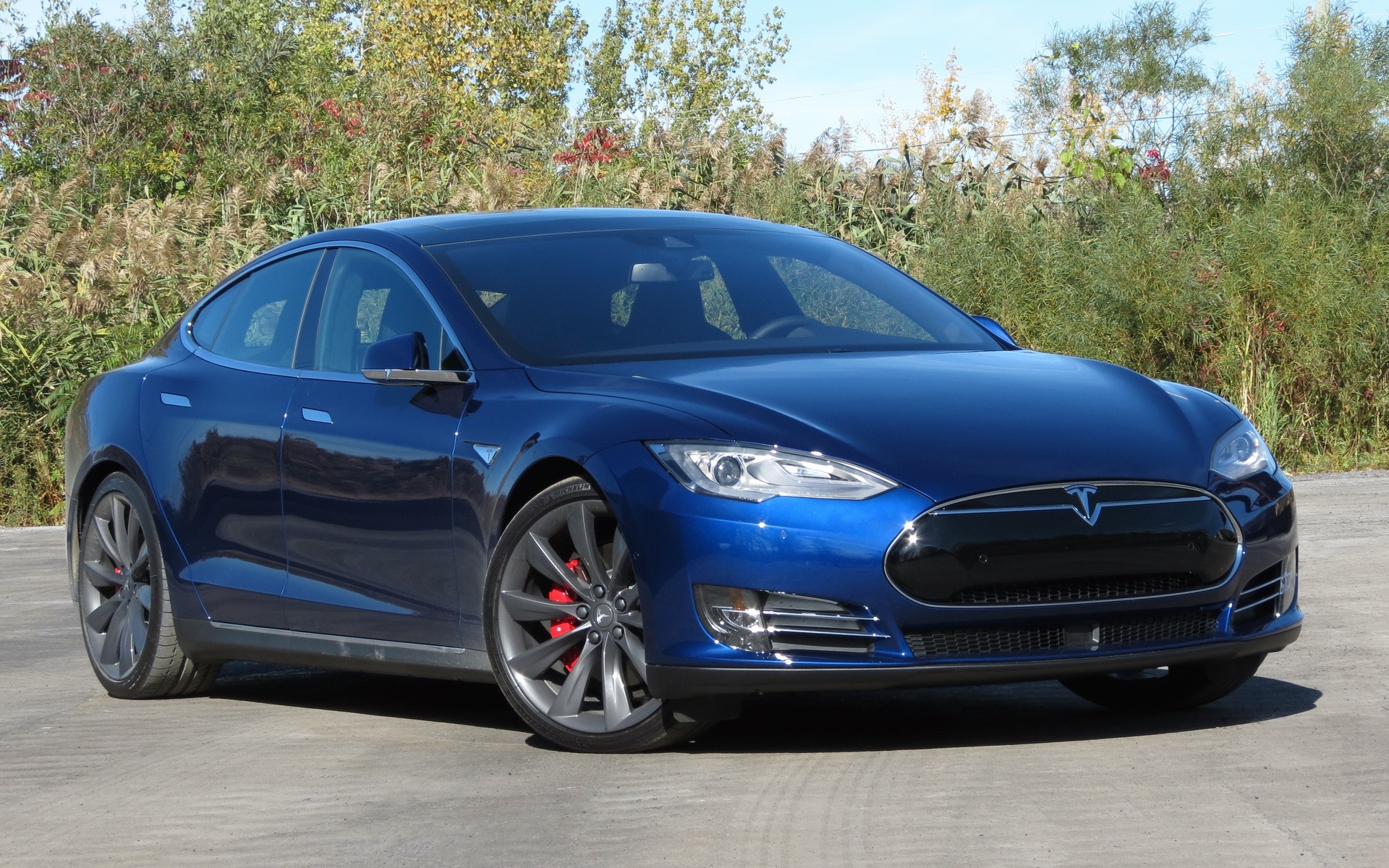
Tesla Model S
The Tesla Model S entered the electric car market with breathtaking straight line performance, yet early examples drew criticism for battery degradation and inconsistent software behavior that left drivers frustrated. Owners reported range losses that undermined confidence in long road trips, and occasionally unpredictable system resets that interrupted driving flow.
By 2026, Tesla had substantially improved its battery chemistry and cell management strategy, boosting durability and stabilizing long term capacity retention. Combined with smarter thermal controls and better calibration of the energy management system, the Model S regained its edge in reliability without sacrificing its trademark performance.
In addition to the battery improvements, Tesla focused heavily on its software ecosystem to make the Model S more intuitive and less prone to issues that once annoyed owners. Firmware updates became more structured and less disruptive, with clearer release notes and fewer mid drive reboots, which helped drivers feel more in control of their vehicle.
Latent bugs that had caused occasional touchscreen freezes were addressed through refined user interface code and enhanced memory management. The cabin experience itself felt more polished as the interface became more responsive and predictable, fostering a sense of dependability that had been absent in earlier years.
Handling and ride comfort also saw thoughtful refinements that answered feedback about the older adaptive suspension tuning. Engineers refined the air suspension’s response algorithms to reduce abrupt shifts and provide a more composed feel over uneven roads.
Steering calibration was also tightened to deliver more consistent feedback at speed, addressing complaints that earlier models felt vague during spirited driving. These enhancements resulted in a Model S that not only held its own on long distances but also felt more engaging on twisty roads, giving back some of the dynamic character that owners felt had slipped away.
By the time 2026 rolled around, the Model S’ reputation had been reborn among EV enthusiasts and everyday drivers alike. Reviews cited major gains in reliability, battery confidence, and software stability, all of which mattered more than sheer numbers on a spec sheet.
Owners who had once been skeptical found themselves pleased with the strides made, and newer buyers were more comfortable choosing the Model S for daily use. In its renewed form, the Model S served as a case study in how listening to user experience and investing in iterative upgrades can transform a vehicle’s trajectory and reforge its legacy.
Finally, the safety systems in the Model S received upgrades that improved sensor fusion and crash avoidance performance, addressing earlier concerns about inconsistent alerts and occasional false warnings. Tesla refined the radar and camera processing stack, resulting in smoother lane keeping and more predictable automatic braking responses.
Crash test results improved modestly as the car absorbed the structural reinforcements added in midcycle revisions. All together, the technological and mechanical enhancements made the 2026 Model S feel like a thoroughly matured product, worthy of the attention and acclaim it initially sought but never fully earned in its earliest years.
Ford Mustang Mach-E
When Ford launched the Mustang Mach-E, some buyers were excited for a performance oriented electric SUV, but early production units suffered from range shortfalls that failed to meet promised figures under real world conditions. The discrepancy between advertised and real driving range made many cross country travelers anxious about charging stops.
Frequent software glitches also earned the Mach-E unwelcome headlines about reliability. Ford engineers acknowledged these issues and embarked on a comprehensive program to optimize the battery pack and vehicle control software to improve energy efficiency and reduce range loss on both highway and city driving.
Ford engineers worked tirelessly to refine the Mach-E’s powertrain efficiency by improving how the electric motors and battery cooling system communicated under load. Thermal management had been a pain point in earlier examples, with heat build up causing throttle limiting during prolonged spirited driving.
By introducing more advanced cooling circuits and adjusting motor control algorithms, the Mach-E saw a marked uplift in performance sustainability. Drivers reported steadier power delivery and reduced instances of roll back in range when traversing steep terrain or extended highway travel at high speeds.
Software stability was another major area of improvement for the Mach-E, as earlier units sometimes suffered from system freezes or slow response times on the central display. Ford released a series of over the air updates that streamlined the user interface, improved voice command accuracy, and reduced boot times.
The connectivity modules were reworked to maintain stronger links with cellular networks, minimizing dropped telematics sessions and making cloud based features more dependable. Owners felt more confident interacting with their vehicles knowing the systems responded promptly without unexpected resets.
Ride comfort and NVH, or noise vibration harshness, were also enhanced by tuning suspension bushings and recalibrating damping settings to strike a better balance between sportiness and comfort.
Early Mach-E examples drew mixed feedback for being too stiff or unpredictable over uneven pavement, but revisions in the 2024 and later model years added a level of composure that resonated with daily drivers. Refinements also included quieter cabin insulation and reduced wind noise at highway speed, giving the Mach-E a more premium feel that better aligned with its price point.
By 2026, the Ford Mustang Mach-E stood as a testament to how a company can course correct when initial feedback points to real shortcomings. Buyers who once felt skeptical about the model’s practicality grew to appreciate its improved range figures, smoother power delivery, and significantly more stable software.
The Mach-E became a solid contender in the crowded electric SUV market, demonstrating that Ford could not only enter the segment with ambition, but also follow through with real improvements that mattered to everyday use.
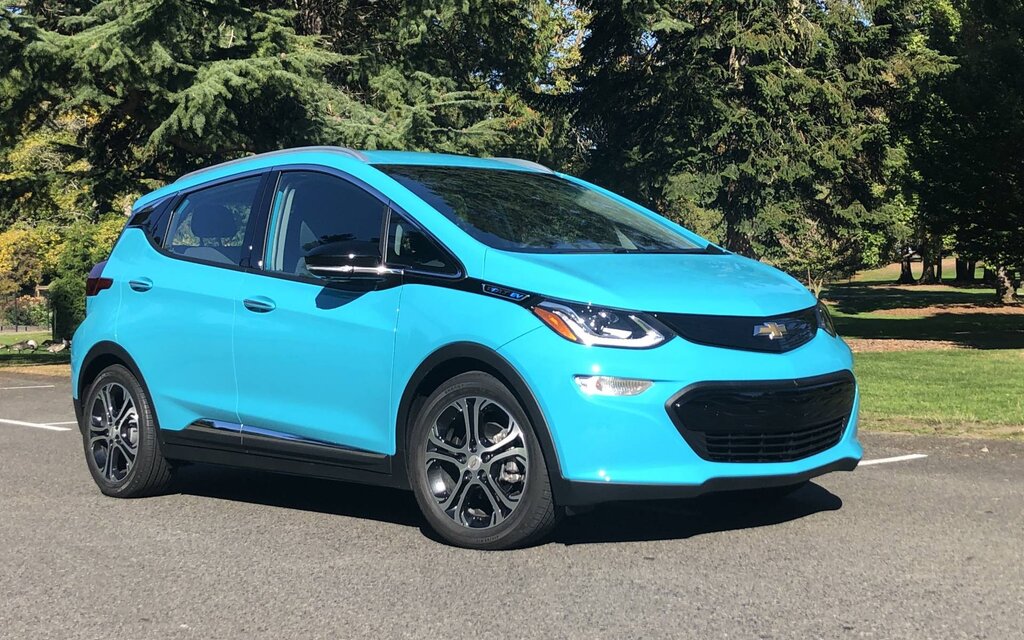
Chevrolet Bolt EV
When the Chevrolet Bolt EV first hit the mass market, it promised a low cost electric alternative but later faced setbacks related to battery recall issues that shook consumer confidence. Defects in early battery cells from certain suppliers led to a mandatory recall and repair process that took time and patience for owners.
While the company moved quickly to address the safety concern, the fix itself initially felt disruptive and laborious for those without access to prompt service appointments. By 2026, Chevrolet had resolved these concerns with widespread replacement of affected modules and a renewed focus on quality control that restored faith in the Bolt platform.
After the recall process, General Motors overhauled their supplier evaluation protocols and tightened incoming component testing to prevent similar battery anomalies from reoccurring. These changes helped ensure that newer Bolt EV units shipped with cells that met stricter performance and safety standards.
The improved packs not only addressed prior issues but also delivered more consistent voltage delivery, enhancing acceleration smoothness and long term durability. Drivers reported fewer voltage sags and improved confidence in range figures, especially in extreme weather situations.
Battery thermal management also saw significant attention, as early Bolt owners noted that temperature swings could affect range and charging performance more than expected. Engineers introduced a liquid cooling loop for the battery system in later model years, which stabilized cell temperatures under heavy use or during rapid charging.
This adjustment mitigated earlier complaints about range instability while charging at high power stations in hot climates. The result was a more reliable and predictable response from the battery pack week after week.
Software enhancements were part of the evolution as well, with firmware updates that improved charge curve optimization and restored range estimates to more realistic and trustworthy numbers.
By the time Chevrolet reached the 2026 model year with the Bolt EV, the car had shed much of the trepidation that surrounded its earlier production runs. Owners praised the improved battery reliability, thermal stability, and software clarity that collectively made the vehicle more reassuring for daily use.
The Bolt EV became a practical choice for budget conscious EV buyers who wanted a dependable commuter car without sacrificing the benefits of modern electric mobility. Chevrolet’s response highlighted how dedication to rectification and quality improvement can reestablish trust between maker and driver.
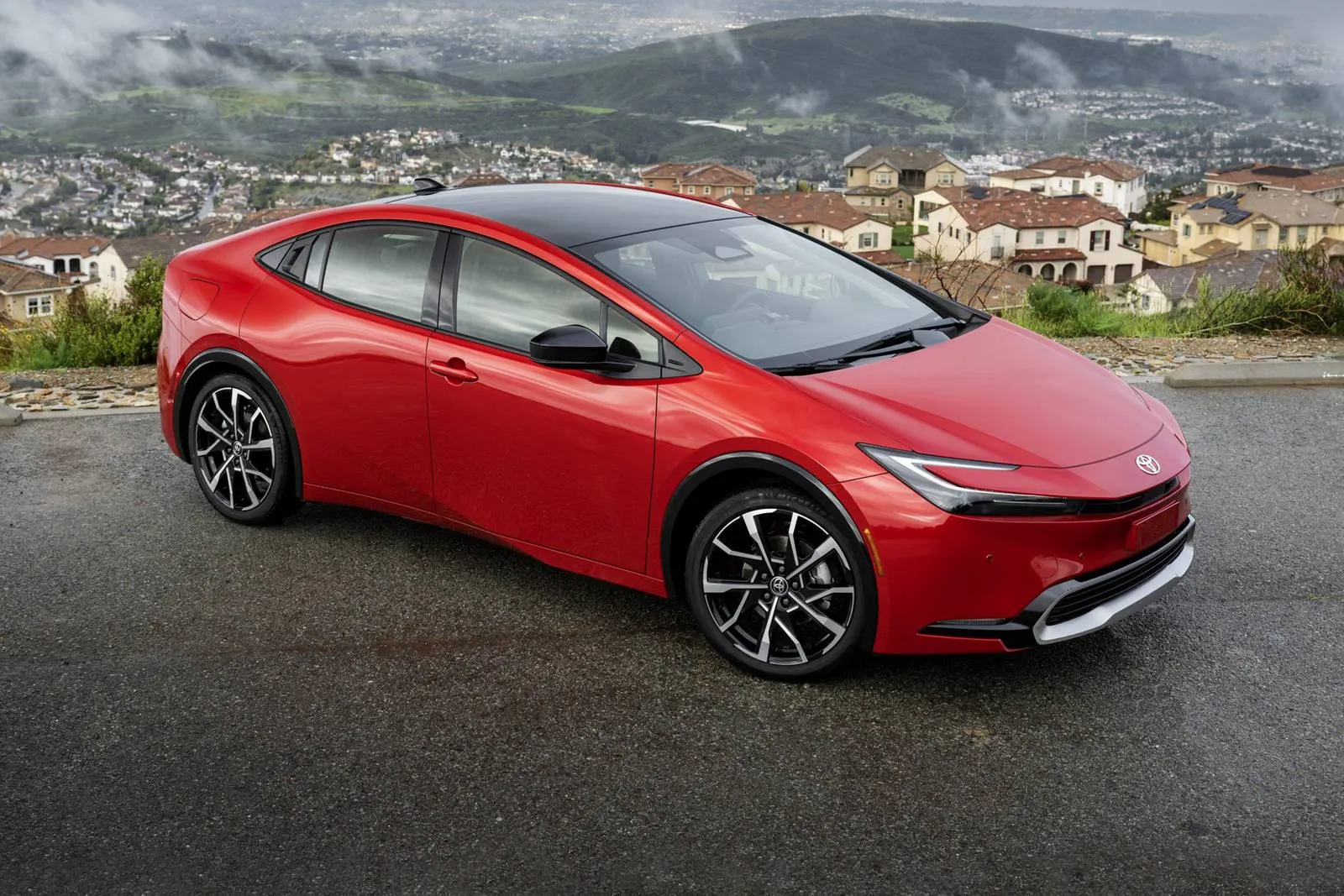
Toyota Prius
The Toyota Prius once dominated hybrid sales with its reputation for fuel economy, but by the late 2010s some owners grew frustrated with powertrain lethargy and reduced driving excitement. The balance between efficiency and performance felt skewed toward numb throttle response, leading to a driving experience that many felt was uninspiring at highway speeds or uphill grades.
As consumer expectations grew alongside the popularity of sportier hybrids and electric vehicles, Toyota decided to revisit the Prius’ core design. By 2026, a new generation had emerged with a more energetic hybrid system and sharper dynamics that kept efficiency high without making performance feel compromised.
Toyota’s engineers enhanced the hybrid synergy drive system, optimizing the interaction between the gasoline engine and electric motors. The transmission mapping was refined to reduce hesitation and inertia when accelerating from standstill or merging in traffic.
This produced a clearer sense of forward motion rather than the earlier model’s hesitant push, especially at mid range throttle positions where many drivers spend most of their time. The result was a Prius that felt significantly more responsive while still returning excellent fuel economy figures that buyers had come to expect.
Suspension tuning also improved the car’s road manners, addressing earlier criticism about body lean and squishy handling that made the Prius feel disconnected from the road.
Spring rates, damper valving, and anti roll bar stiffness were adjusted to give a more planted feel through corners, helping drivers feel more confident when navigating winding roads or lane changes at speed. Noise isolation measures were also upgraded, creating a quieter cabin that allowed occupants to enjoy music or conversation without raising voices over wind and road noise.
Interior ergonomics received attention as well, with better seating comfort and redesigned controls that felt more intuitive and less cluttered. Materials quality was elevated in key touch points, reducing the perception of cheapness that had been noted in earlier generations.
By 2026, the Toyota Prius had repositioned itself as a hybrid that could satisfy both efficiency purists and drivers who desired a more engaging experience. The improvements to powertrain responsiveness, chassis tuning, and cabin refinement helped dispel the notion that excellent fuel economy had to come at the cost of enjoyable driving.
As a result, the Prius maintained its strong legacy in the hybrid segment while appealing to a broader range of buyers who appreciated balance and refinement in equal measure.
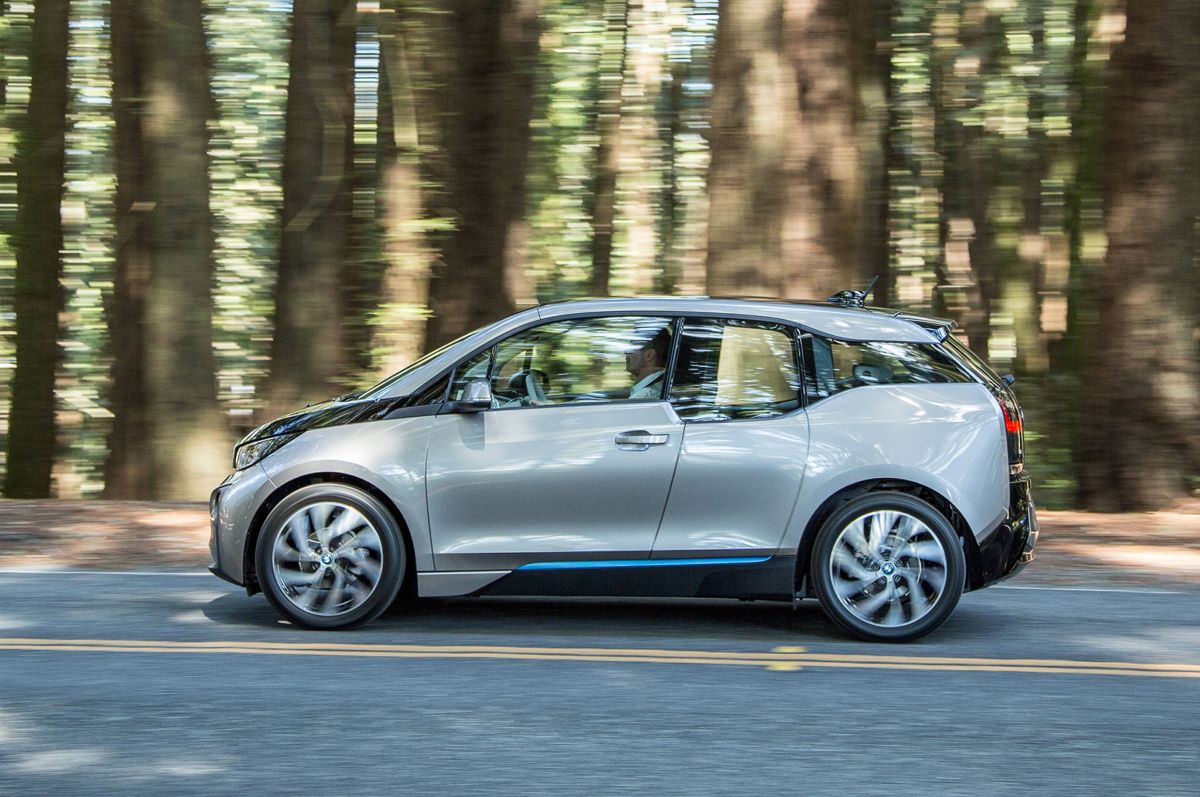
BMW i3
The BMW i3 initially impressed the market with its futuristic design and compact electric mobility, yet early adopters often complained about limited range and cramped interior space. While innovative, the early battery packs delivered less than ideal distances for daily commuting, and long trips demanded meticulous planning.
BMW responded by upgrading the i3 with higher density battery cells, increasing usable capacity, and enhancing energy management software. By 2026, the i3 provided a far more practical range, giving urban commuters confidence while maintaining its distinct lightweight carbon fiber structure that contributed to driving agility.
Thermal management improvements were significant, as battery heating and cooling systems were reengineered to reduce power loss during extreme temperatures. These changes allowed the i3 to maintain more consistent performance during both summer and winter, addressing owner frustrations about rapid range reduction in hot or cold climates.
The improvements also extended battery life and reduced the frequency of thermal-related power restrictions, making daily usage more predictable and reliable.
BMW also focused on interior usability, revisiting seating ergonomics and space utilization. Minor dimensional changes allowed for slightly more passenger room without compromising structural integrity. Storage solutions were reimagined, and material choices were upgraded to improve cabin quality perception. These changes, while subtle, made the i3 feel more inviting for both drivers and passengers, transforming its reputation from a quirky city car to a practical and comfortable commuter option.
Software improvements complemented hardware updates, particularly in the infotainment system, where BMW refined the operating system for faster response and more intuitive navigation. Range estimation algorithms became more precise, helping drivers plan routes with confidence.
Connectivity features and integration with BMW’s digital ecosystem became smoother, allowing seamless smartphone pairing and remote monitoring of vehicle status, further enhancing user satisfaction.
By 2026, the i3 had transitioned from a vehicle that struggled to meet expectations into a practical and enjoyable electric urban car. BMW’s methodical improvements in range, interior usability, thermal management, and software made the i3 a reliable choice for city dwellers who valued sustainability and innovation. It demonstrated how consistent attention to user experience and engineering excellence could transform early skepticism into strong endorsement.
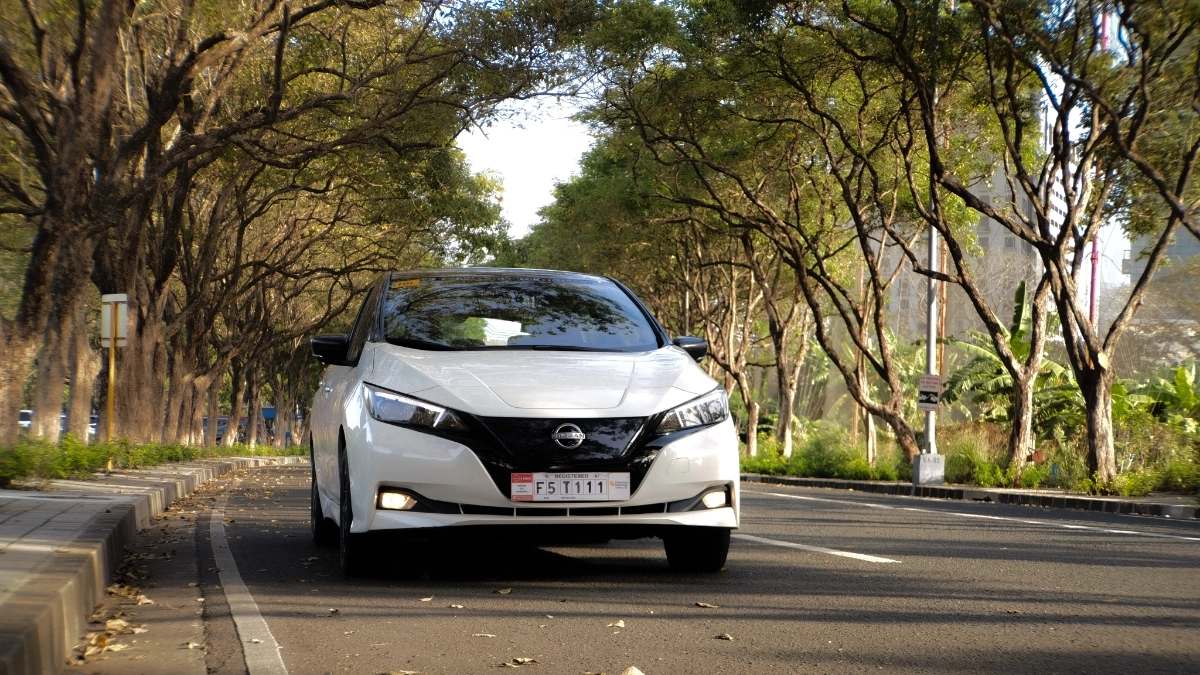
Nissan Leaf
The Nissan Leaf was one of the earliest mainstream electric vehicles, but early models faced criticism for limited range and battery degradation over time. Many drivers found that the advertised distance was rarely achievable under real driving conditions, and higher mileage batteries lost capacity faster than expected.
Nissan tackled these issues by introducing larger battery packs with improved chemistry, alongside robust thermal management systems. By 2026, Leaf owners could enjoy dependable range performance and more confidence in the longevity of their battery packs.
Battery cooling technology became a major focus in later iterations. Early Leafs used passive cooling, which led to quicker performance drop-off in hot weather. Nissan integrated active liquid cooling systems to stabilize temperatures during charging and driving, minimizing efficiency losses and extending battery lifespan.
This made the Leaf far more resilient in varied climates, ensuring that range predictions were closer to reality and reducing long-term maintenance concerns.
Software updates also played a key role in improving the driving experience. Enhanced energy management systems optimized regeneration and motor efficiency, improving the real-world range. The central display interface was refined for better usability, showing accurate and easily readable information about energy usage, trip distance, and charging needs. These improvements strengthened driver trust in the Leaf as a reliable commuter EV.
Comfort and ride quality were upgraded to enhance long-term usability. Suspension tuning was refined to provide a more stable ride over bumps and uneven roads, while cabin materials were improved for a more premium feel.
Noise insulation was enhanced, reducing road and wind noise significantly compared to earlier models. The result was a small car that felt more refined and enjoyable for daily use, making it suitable for a broader demographic.
By 2026, the Nissan Leaf had overcome its early shortcomings to become a dependable, practical electric vehicle for everyday driving. Battery upgrades, software improvements, and interior refinements elevated its usability, while retaining affordability and accessibility. Nissan’s efforts demonstrated how consistent updates and focused problem-solving could reinvigorate one of the pioneering EVs, earning renewed trust among consumers and industry observers alike.
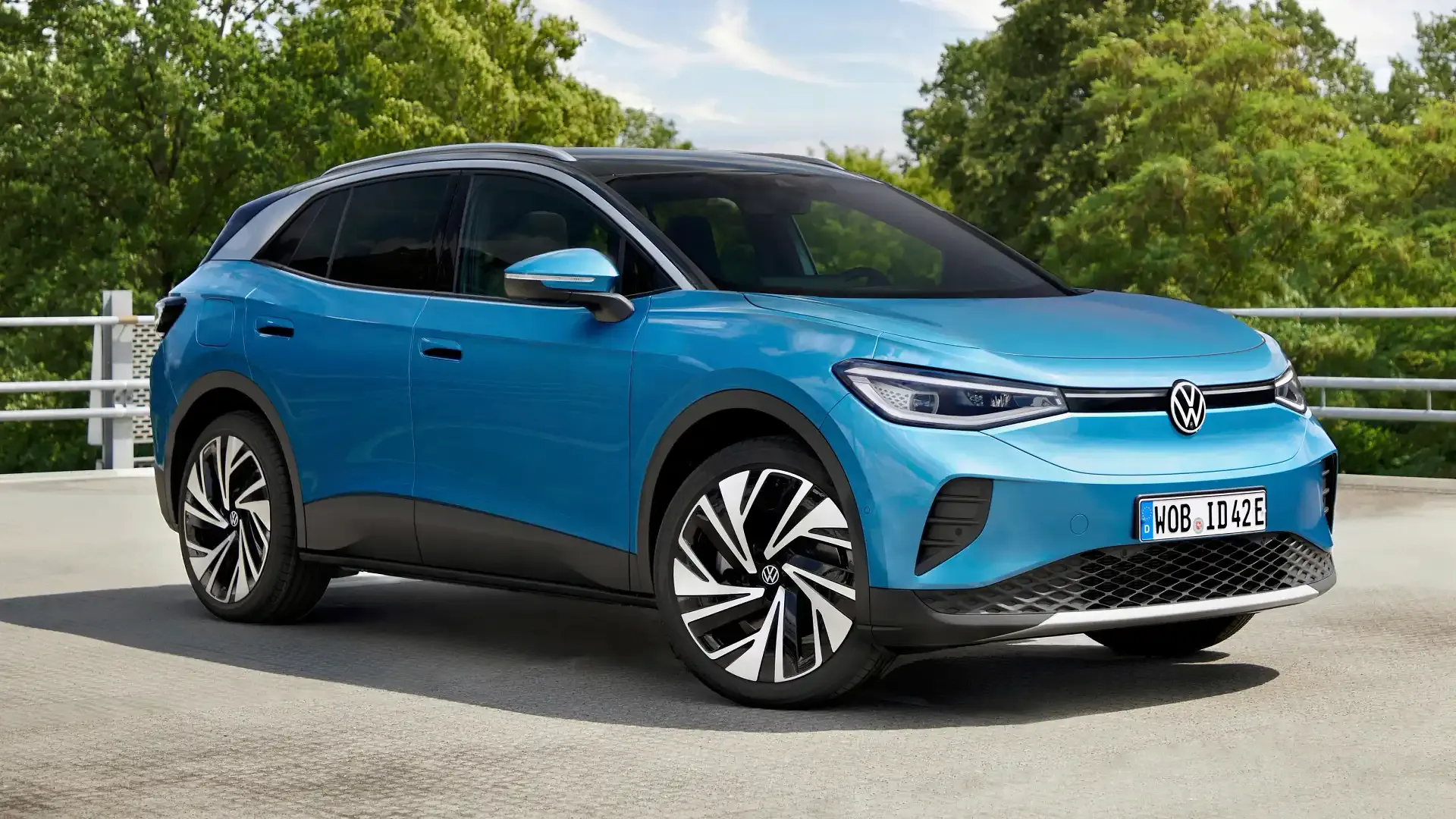
Volkswagen ID.4
The Volkswagen ID.4 faced early criticism for slow charging times and occasional software glitches that disrupted user experience. Early adopters also noted that the vehicle sometimes felt underpowered in demanding situations despite its electric drivetrain.
Volkswagen responded with hardware upgrades and software optimizations to enhance both performance and reliability. By 2026, the ID.4 had transformed into a competitive electric SUV that delivered smooth acceleration, quicker charging capability, and a more intuitive interface for owners navigating everyday challenges.
The battery pack was upgraded to higher capacity units with improved thermal management, which allowed for faster charging without compromising safety. Charging curves were optimized to allow consistent high-speed charging sessions, addressing early complaints about long wait times.
Combined with increased efficiency in energy consumption, the ID.4 became a practical option for road trips and longer journeys, reducing range anxiety for daily users.
Driving dynamics and comfort also saw enhancements through suspension and steering recalibration. The ride became smoother, with less body roll and better stability during cornering.
Interior materials and layout were also improved, with more ergonomic seating and upgraded infotainment controls, creating a more pleasant driving environment. These changes made the vehicle more comfortable for both short commutes and long drives.
By 2026, the Volkswagen ID.4 had evolved into a well-rounded electric SUV with reliable performance, improved charging efficiency, and a refined user interface. Early criticisms were addressed through thoughtful engineering and software updates, solidifying its reputation in the competitive EV market. Volkswagen’s dedication to continuous improvement allowed the ID.4 to shed initial skepticism and earn credibility among mainstream buyers.
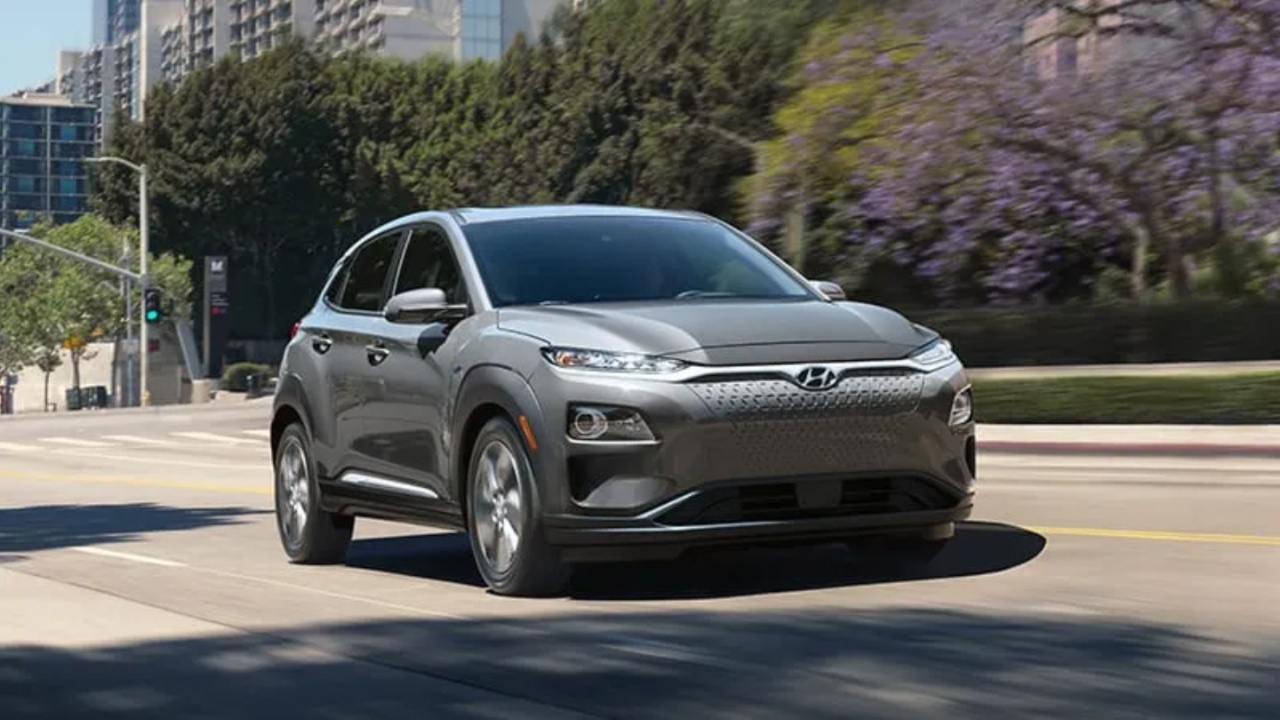
Hyundai Kona Electric
The Hyundai Kona Electric initially struggled with range estimation discrepancies and minor battery heating issues during fast charging. Owners often felt the advertised range was optimistic under real-world driving, while thermal constraints occasionally limited charging speeds.
Thermal management improvements helped stabilize the battery during heavy use. By implementing a more robust cooling system, Hyundai ensured that both rapid highway driving and high-power charging sessions would not compromise battery health or efficiency. Drivers experienced fewer throttling events, more predictable energy consumption, and improved long-term durability, allowing the Kona to maintain performance across a variety of conditions.
Software updates further optimized energy efficiency and range calculation algorithms. Early complaints about inconsistent range readings were addressed, giving drivers confidence in planning trips without unexpected stops.
User interface improvements also made it easier to monitor battery health, charging status, and energy usage trends, enhancing the daily experience and reducing anxiety for new EV owners.
Ride comfort and handling were subtly refined, with suspension and chassis adjustments reducing noise and vibration over rough surfaces. Interior upgrades, including improved seating and material quality, contributed to a more comfortable cabin environment. The vehicle became more refined and practical for urban commuting and longer excursions alike, aligning with the expectations of mainstream buyers.
By 2026, the Hyundai Kona Electric had overcome its early limitations to become a reliable, efficient, and well-equipped EV. The combination of hardware and software improvements allowed it to maintain competitiveness in the rapidly evolving electric vehicle market. Hyundai’s responsiveness and problem-solving transformed initial hesitation into satisfied ownership and increased market confidence.
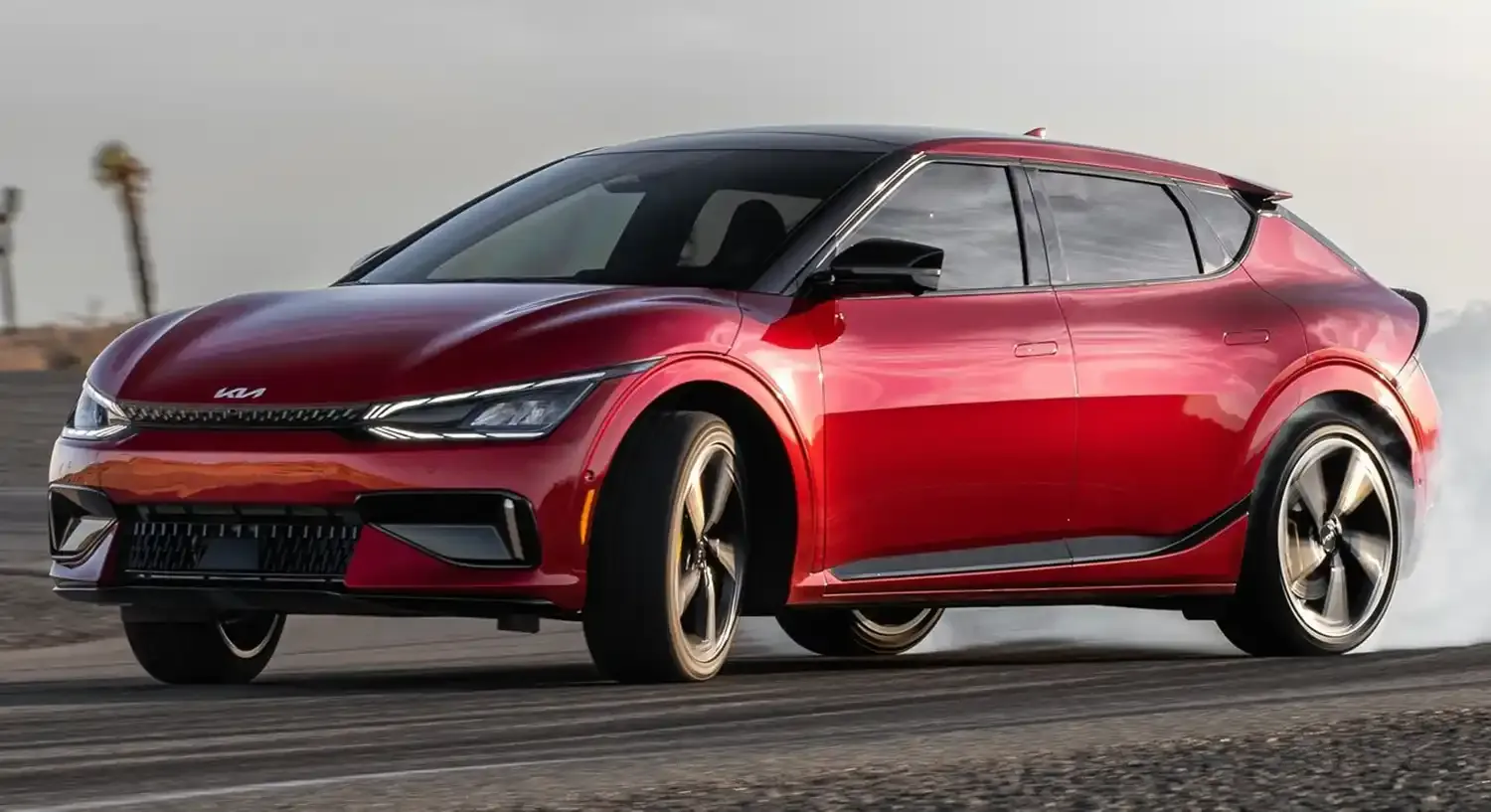
Kia EV6
Kia’s EV6 initially faced issues with inconsistent regenerative braking and software quirks that impacted driver confidence. Early adopters noted occasional abrupt braking and minor system errors, which detracted from an otherwise promising driving experience.
Kia addressed these issues with a combination of hardware refinement and software updates, optimizing the regenerative braking system and stabilizing onboard electronics. By 2026, the EV6 offered a smooth, predictable, and enjoyable driving experience without the interruptions that had marred earlier ownership.
The updates also allowed drivers to select from multiple braking modes that matched their preferred driving style, offering a more customizable experience than previous iterations.
Software stability improvements ensured that the vehicle’s infotainment and telematics systems operated without freezes or unexpected restarts. Over-the-air updates delivered consistent improvements in user experience, with clearer navigation, media control, and vehicle settings interfaces. Owners experienced fewer errors and enjoyed smoother interactions with the car’s digital ecosystem, contributing to a sense of reliability and refinement.
Interior ergonomics were enhanced with improved seat cushioning, better layout of controls, and more premium materials in high-touch areas. Ride comfort and NVH were tuned for a smoother cabin environment, making both urban and highway driving more pleasant. These changes elevated the EV6 from a visually striking EV to a practical, comfortable, and user-friendly vehicle.
By 2026, the Kia EV6 had resolved its early regenerative braking and software issues, emerging as a reliable, engaging, and technologically polished electric car. Kia’s commitment to addressing problems head-on strengthened consumer trust and reinforced the EV6 as a compelling choice in the fast-growing EV market.
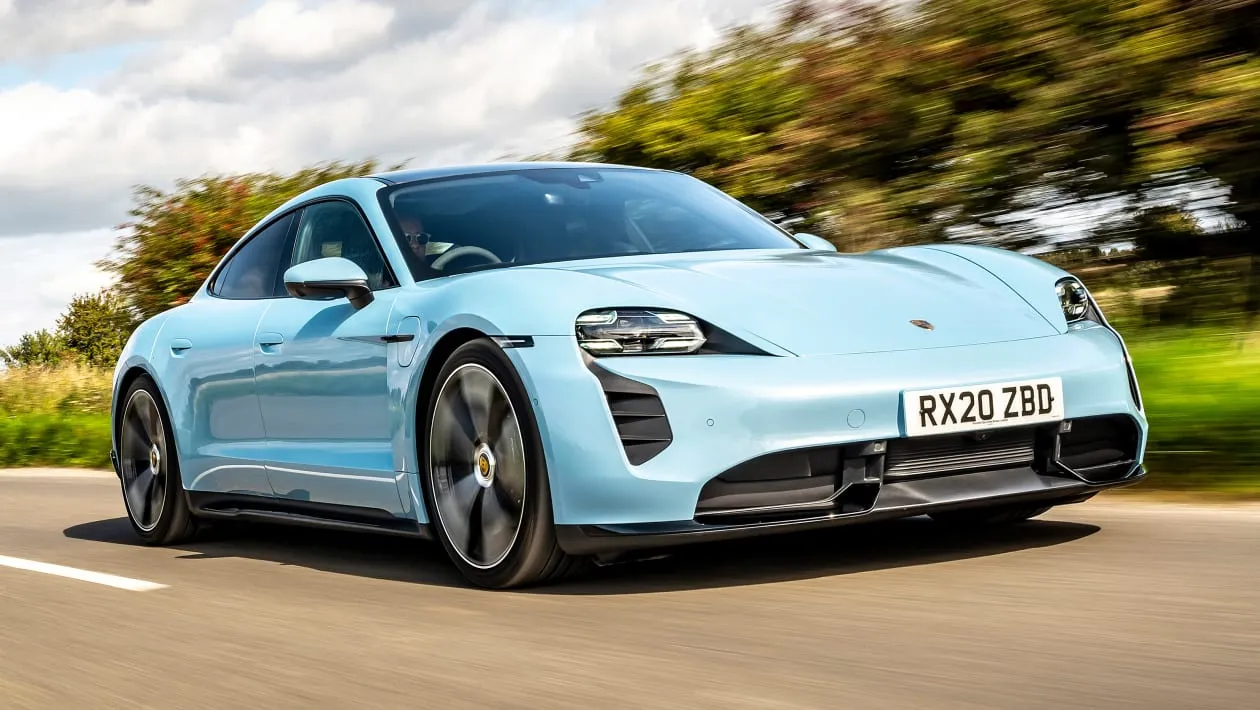
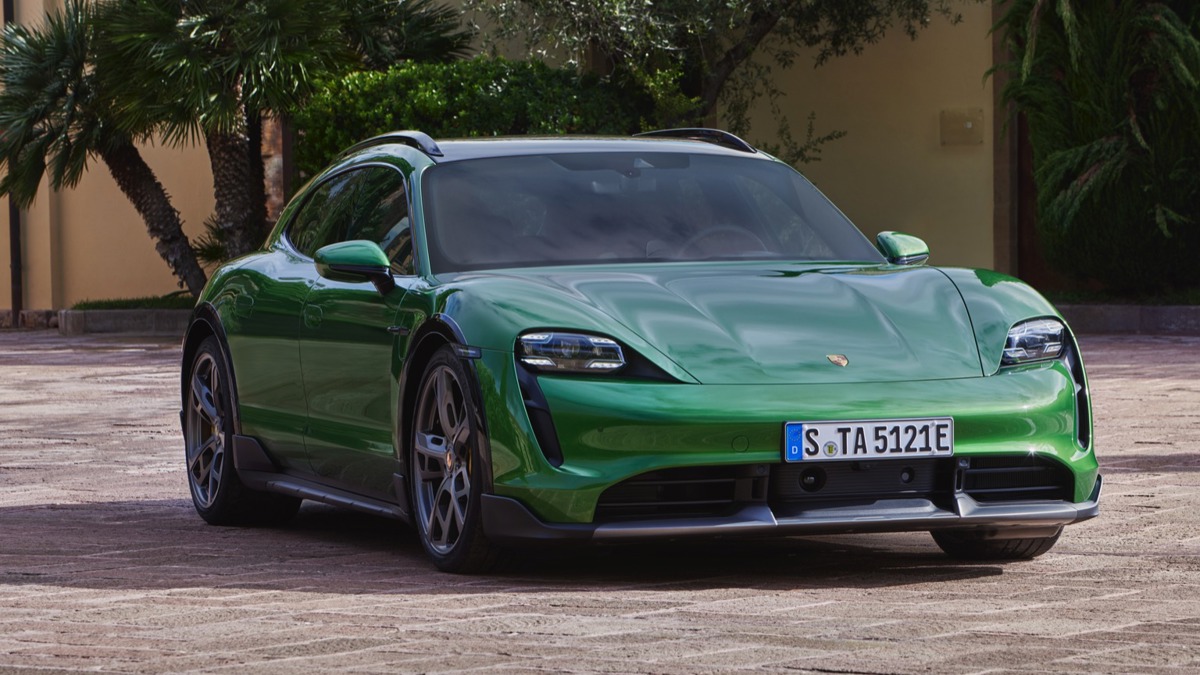
Porsche Taycan
The Porsche Taycan launched as an electric sports sedan with incredible acceleration and handling, but early reviews highlighted inconsistent charging performance and occasional battery overheating. Drivers also reported that the cabin and software could feel less intuitive than expected for a premium sports car.
Porsche responded with extensive software optimization, battery thermal management improvements, and interior refinements. By 2026, the Taycan delivered both thrilling performance and dependable usability, correcting earlier concerns without compromising its sports car essence.
Thermal management upgrades allowed high-power charging and spirited driving without triggering excessive cooling or limiting power output. The improvements ensured consistent performance and reliability under demanding conditions, such as track days or long-distance highway use. Battery longevity and safety were enhanced, reassuring owners who sought both speed and durability.
Software updates optimized energy distribution, charging curves, and system stability. Infotainment and driving aids were refined for more responsive and intuitive operation. Range estimates and performance data became more accurate and predictable, helping drivers extract maximum performance without anxiety about system inconsistencies.
Interior and ergonomics improvements addressed prior criticisms, with better seating support, improved control layout, and enhanced infotainment usability. Material quality refinements reinforced Porsche’s premium image while making daily driving more comfortable. Cabin comfort was balanced with the sports car character, preserving the Taycan’s unique appeal.
By 2026, the Porsche Taycan had resolved its early charging and software issues, emerging as a highly capable, reliable, and exhilarating electric sports car. These improvements confirmed Porsche’s ability to combine cutting-edge performance with thoughtful problem-solving, making the Taycan a benchmark in the luxury EV segment.
