
Compact SUVs have changed how drivers think about visibility on the road. For many people, large blind spots create stress, uncertainty, and unexpected surprises while driving. Blind spots are areas around a vehicle that the driver cannot directly see even with properly adjusted mirrors.
When designing or choosing a compact SUV, manufacturers have made significant advances in reducing these unseen zones around the vehicle. For people who dislike dealing with larger blind spots, a natural step is to prioritize models that offer better outward visibility, smart window design, and driver assistance technologies.
Drivers who value strong all-around sightlines often look for SUVs with tall, wide windows, thin roof pillars, and smart mirror placement. These design features reduce the likelihood of obstructions that block the driver’s line of sight.
Beyond basic window and pillar design, many compact SUVs offer camera systems that generate virtual “over-the-shoulder” views, parking sensors that warn of nearby objects, and blind spot monitoring sensors that light up or beep with potential hazards. These tools work together to support drivers who feel uneasy about areas they cannot easily see.
Additionally, visibility extends beyond the driver’s seat to how a vehicle interacts with its environment. Compact SUVs that sit at the right height, with well-designed mirror geometry and thoughtful roofline tapering, help ensure that drivers can see cross traffic, pedestrians, cyclists, and other vehicles.
Some automakers take extra care with dashboard design to prevent glare, minimize reflection, and ensure that controls do not interfere with outward lines of sight. Even the placement of headrests and the contour of seats can influence visibility when turning or backing up.
Choosing an SUV that minimizes blind spots is not merely about technology or window size. It also involves how a vehicle makes drivers feel confident on crowded city streets, rural highways, or multi-lane roads.
People who dislike large blind spots tend to prefer vehicles that feel intuitive, predictable, and easy to maneuver in a variety of driving situations. Whether navigating tight urban parking spaces or merging on highways, reduced blind spots can significantly enhance a driver’s sense of command.
In this article, you will find ten compact SUVs that stand out for drivers who dislike dealing with large blind spots. Each vehicle is selected for its thoughtfully engineered visibility, supportive driving aids, and design elements that help create a clearer, more confident driving experience.
These choices range across different budgets, styles, and feature sets, but they all share a core advantage: helping drivers see more of what matters most on the road.
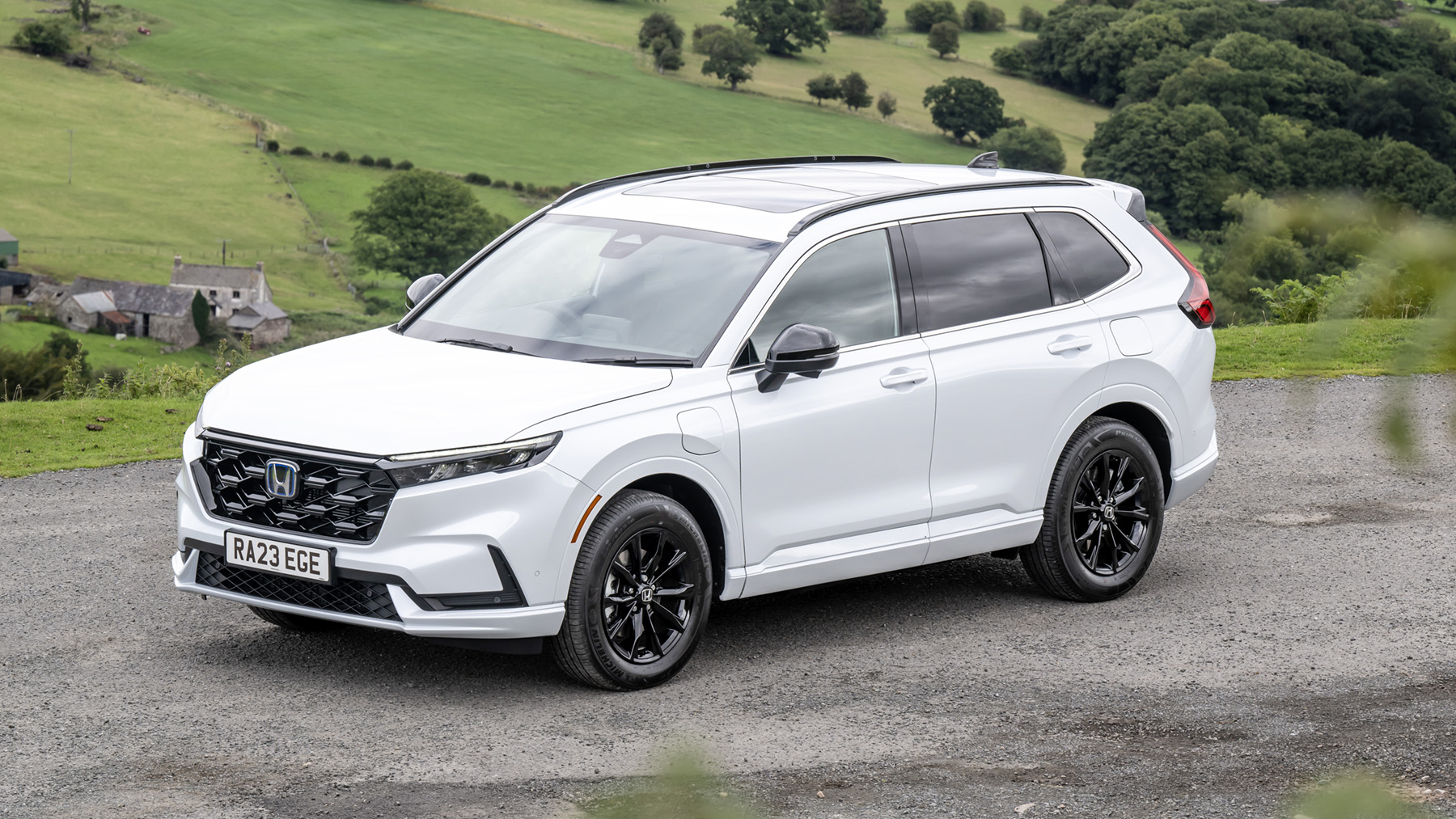
1. Honda CR-V
The Honda CR-V is known for its intelligent design and practical features that help drivers feel confident. Large side windows and a thoughtfully sculpted rear quarter glass area allow occupants to observe cross traffic clearly. The dashboard is low and unintrusive, providing an open view of the road ahead without compromising structural support. Every inch of glass is placed to maximize visibility while keeping safety standards high.
Additionally, Honda equips the CR-V with a suite of driver assistance systems that reinforce what drivers can’t see. Blind spot monitoring lights up when another vehicle creeps into unseen areas alongside the SUV. Rear cross-traffic alert warns of approaching vehicles when backing out of parking spaces at tricky angles. These systems combine with wide-angle mirrors to help lessen the stress of unseen zones.
Interior mirror placement plays a subtle role in minimizing blind spots, and Honda engineers pay attention to this detail. The rearview mirror frame is designed not to intrude into the view, keeping the driver’s field of vision clear and uncluttered. Side mirrors are sized to extend visibility without creating blind zone overlap, making lane changes smoother and more predictable. Drivers can toggle settings or adjust sensitivity to suit their preferences.
Even while turning or navigating roundabouts, the CR-V’s window design lets drivers quickly gauge traffic flow without twisting or straining. This ergonomic approach translates into a vehicle that many drivers find easy to adapt to within a short learning curve. For daily commuters and long-distance travelers alike, minimizing blind spot anxiety is a key appeal of this reliable compact SUV.
The Honda CR-V provides a balanced mix of good outward visibility, smart sensor help, and intuitive ergonomics. For people who find blind spots distracting or unsettling, the CR-V offers reassurance without overwhelming them with unnecessary technology. It is a sensible choice for a wide variety of drivers seeking a clear view of the road and lanes around them.
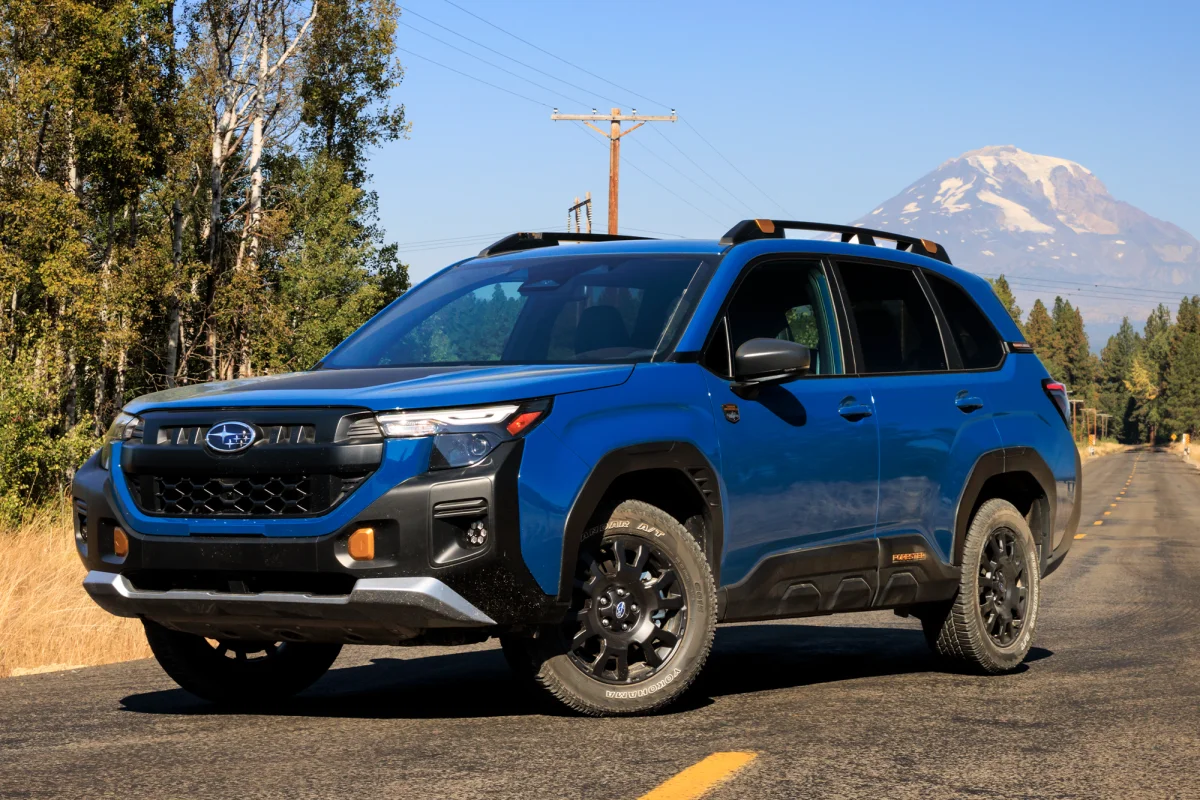
2. Subaru Forester
The Subaru Forester is a standout when it comes to outward visibility. From the moment a driver settles into the seat, tall, flat windows create a panoramic feel. Unlike many competitors, the Forester’s roof pillars remain thin and unobtrusive, allowing sightlines to remain broad in all directions. This thoughtful vehicle design is ideal for those who dislike large blind spots and want a clear view of the road.
Forester’s optional EyeSight system supports driver awareness in ways that complement physical visibility. Stereo cameras mounted near the windshield help detect vehicles, pedestrians, and cyclists, and can alert the driver to potential hazards. Blind spot detection and lane change assist further reinforce the cues drivers receive visually. This blend of design and sensor feedback gives drivers great confidence.
The elevated seating position of the Forester also contributes to reducing blind spots. Drivers sit slightly higher than in many cars, which broadens the field of view while keeping body control stable. The side mirrors are generously sized, and their placement minimizes areas that might otherwise escape notice. Rearward visibility is particularly strong due to a large and nearly vertical rear window.
Parking situations are less stressful in the Forester because the wide rear glass panel allows drivers to see approaching obstacles with minimal reliance on cameras. Many drivers state that the simplicity of this visibility makes them feel more connected to their surroundings rather than dependent on technology. The ability to simply glance over one’s shoulder and see clearly cannot be understated for those who worry about hidden zones.
Subaru continues to refine the Forester’s visibility performance with each generation. While retaining rugged capability, the SUV remains centered on practicality and driver assurance. For anyone who wants a vehicle that allows them to focus on driving without constantly guessing what might be out of view, this model delivers on that promise.
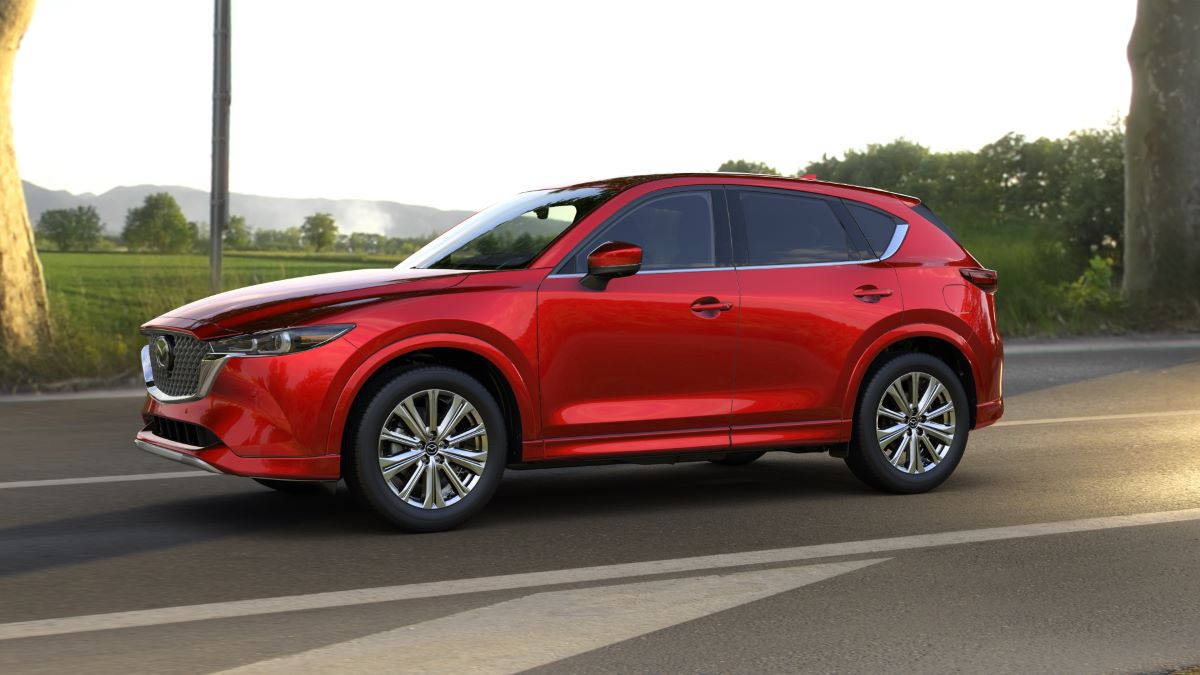
3. Mazda CX-5
The Mazda CX-5 stands out among compact SUVs for harmonizing driver engagement with clear sightlines. Mazda’s design philosophy emphasizes driver connection, and this extends directly to visibility. The vehicle’s greenhouse area, defined by its windows and pillars, is crafted to minimize blind zones and help drivers see the environment around them more clearly. This creates confidence during complex maneuvers or urban traffic.
Inside, the CX-5 provides a low dashboard and well-positioned seating that make it easy to observe lane markers and adjacent traffic without guesswork. Mazda also equips the CX-5 with advanced safety systems that reinforce what drivers can’t always see directly. Blind spot monitoring alerts drivers visually and audibly if another vehicle enters an unseen zone during highway travel.
Lane departure warning and rear cross-traffic alert are also part of the package, helping drivers during lane changes or backing maneuvers. These systems complement the physical sightlines created by well-designed mirrors and tall windows. Mazda balances technology with simplicity so drivers feel supported rather than overwhelmed by alerts and warnings.
The exterior design of the CX-5 places emphasis on clean lines without sacrificing wide window openings. Even during tight turns or backing into crowded spaces, the driver’s perspective remains open and intuitive. Many drivers praise this SUV for feeling like an extension of their senses on the road rather than a boxy vehicle that hides surprises.
Mazda thoughtfully avoids excessive front pillars that can impede lateral vision. Drivers who dislike large blind spots find relief in the vehicle’s architecture. The CX-5 remains a top choice for those who want visibility, engaging handling, and a confident driving experience without complexity.
4. Toyota RAV4
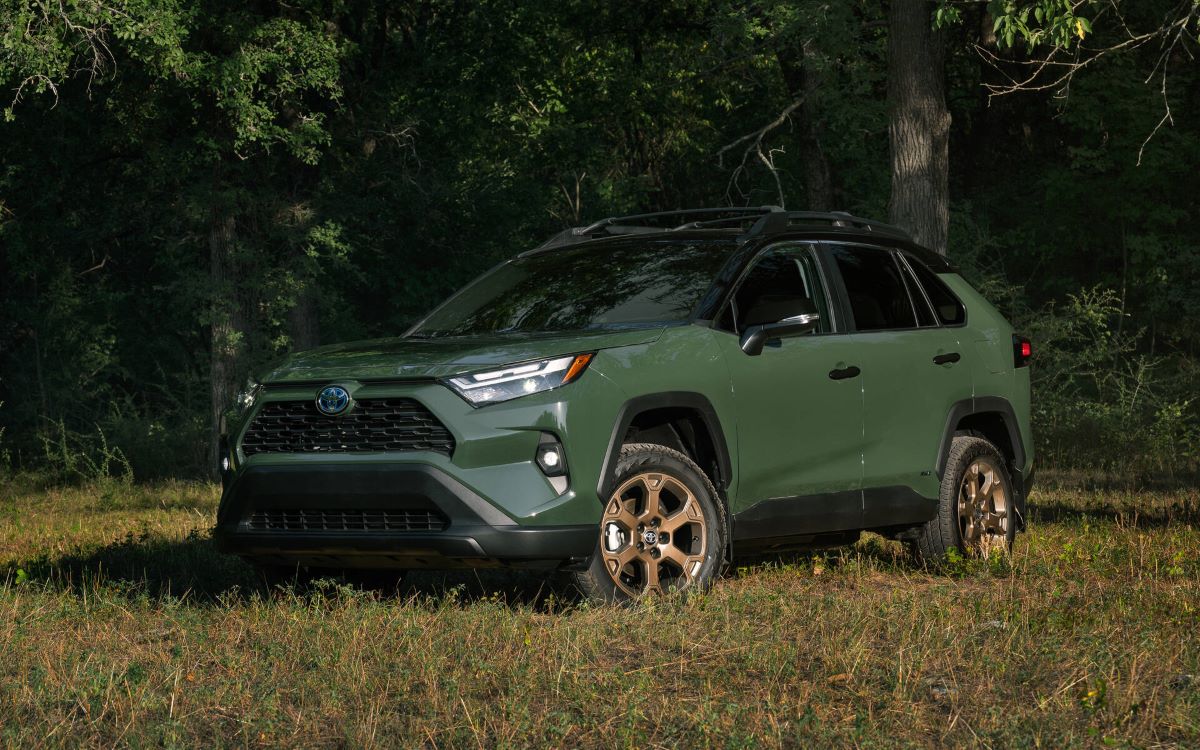
One of the most popular compact SUVs, the Toyota RAV4 offers a combination of practicality and confident sightlines. Designers paid careful attention to the shape and size of the windows to allow drivers to see more of their surroundings.
Large side windows and a well-tuned mirror design help reduce zones that drivers cannot easily check with a glance. For many, this means a feeling of safety and control when navigating traffic.
Toyota’s suite of driver aids reinforces these physical design strengths. Optional blind spot monitoring warns drivers when another vehicle creeps into a blind area during lane changes. Rear cross-traffic alert helps when backing out of spaces, especially in parking lots where obstacles and pedestrians might appear suddenly. These systems work smoothly and without excessive distraction.
The placement of the A-pillars on the RAV4 also contributes to visibility, keeping them slim enough to minimize obstruction without weakening structural strength. Ergonomically placed mirrors and an optimized seating position help reduce the need to strain or twist to see other vehicles. Drivers who value clarity of vision appreciate this thoughtful design.
Toyota’s design team also includes rear-view camera systems with supportive guidelines. These allow drivers to judge distances and obstacles clearly when reversing. The combination of physical visibility and helpful technology makes the RAV4 a reassuring choice for those who dislike large blind spots. It remains practical in everyday driving scenarios.
The Toyota RAV4’s blend of clear sightlines, supportive technology, and driver-focused ergonomics makes it a reliable selection for people prioritizing visibility. Whether commuting or planning longer trips, drivers can feel confident their vehicle helps them notice what matters most on the road.
5. Hyundai Tucson
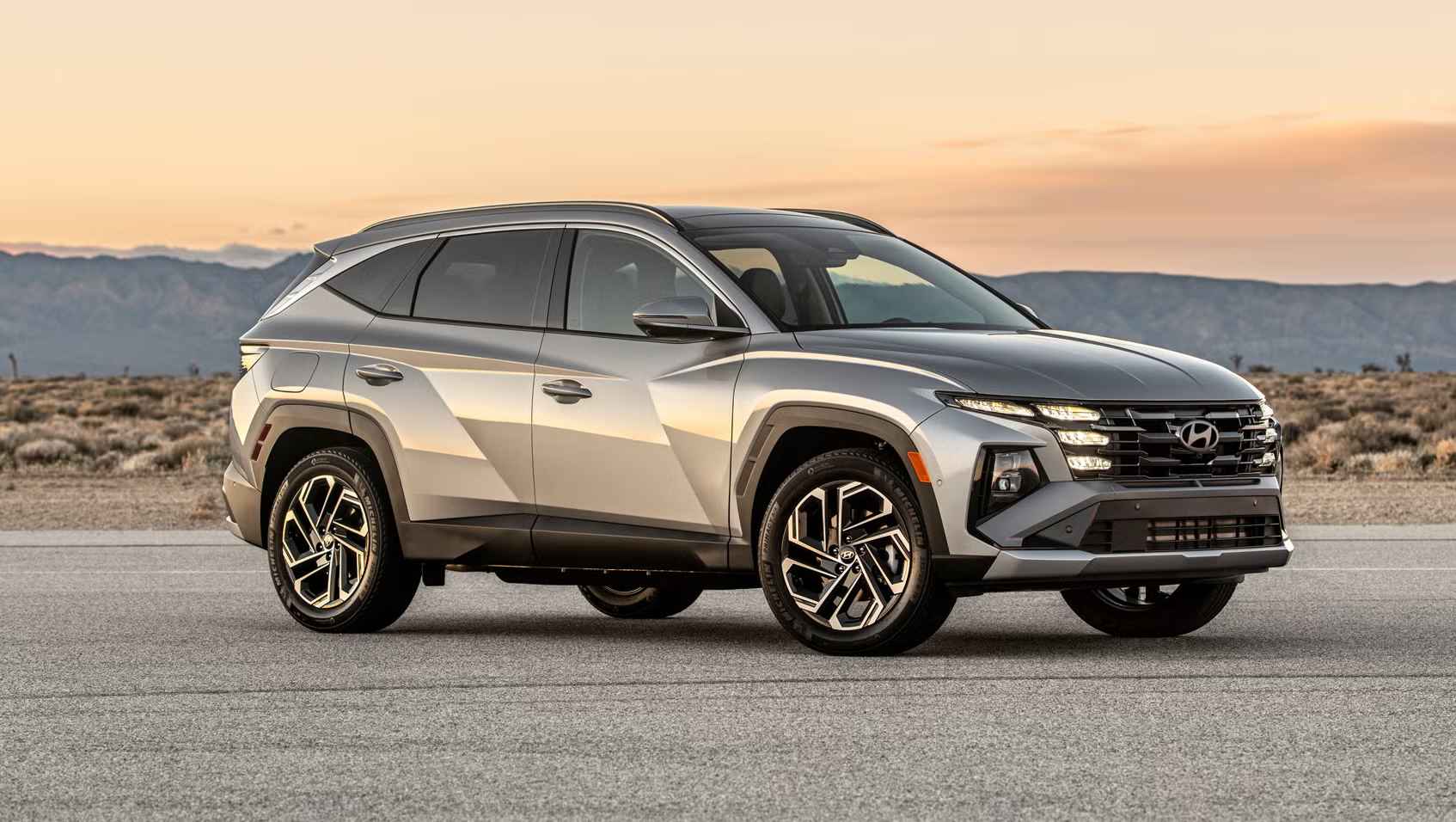
The Hyundai Tucson is known for smooth styling and driver-friendly visibility. Designers have balanced modern aesthetics with an emphasis on outward sightlines. Its window design allows a generous amount of light and external view into the cabin. The roof pillars are crafted to be less blocking, allowing drivers to better judge merging traffic and pedestrians. This attention to visibility makes the Tucson appealing for people who dislike large blind spots.
Hyundai equips the Tucson with advanced driver assistance aides that augment what the driver can see. Blind spot collision avoidance systems provide warnings when another vehicle is hiding out of direct sight in adjacent lanes. Rear cross-traffic alert and parking sensors help with reversing and low-speed maneuvers. These features reinforce the physical visibility advantages.
Inside, the dashboard remains uncluttered and low enough to maximize forward sightlines. Seats are arranged to offer a balanced viewing position, helping drivers feel in direct touch with the road ahead. Mirrors are placed strategically to minimize hidden zones and make lane changes feel more intuitive. All of this contributes to driver confidence.
The carefully placed rear window and optional surround-view cameras support backing out of spaces with greater awareness. Drivers often appreciate the combination of clear glass areas and technological helpers. Tucson’s design gives drivers both immediate visual feedback and supportive alerts, creating a feeling of command.
People who want an SUV that helps them avoid blind spot stress without overwhelming complexity will find the Tucson compelling. Its visibility focus, paired with supportive systems, makes it a solid choice for a wide range of driving environments.
6. Kia Sportage
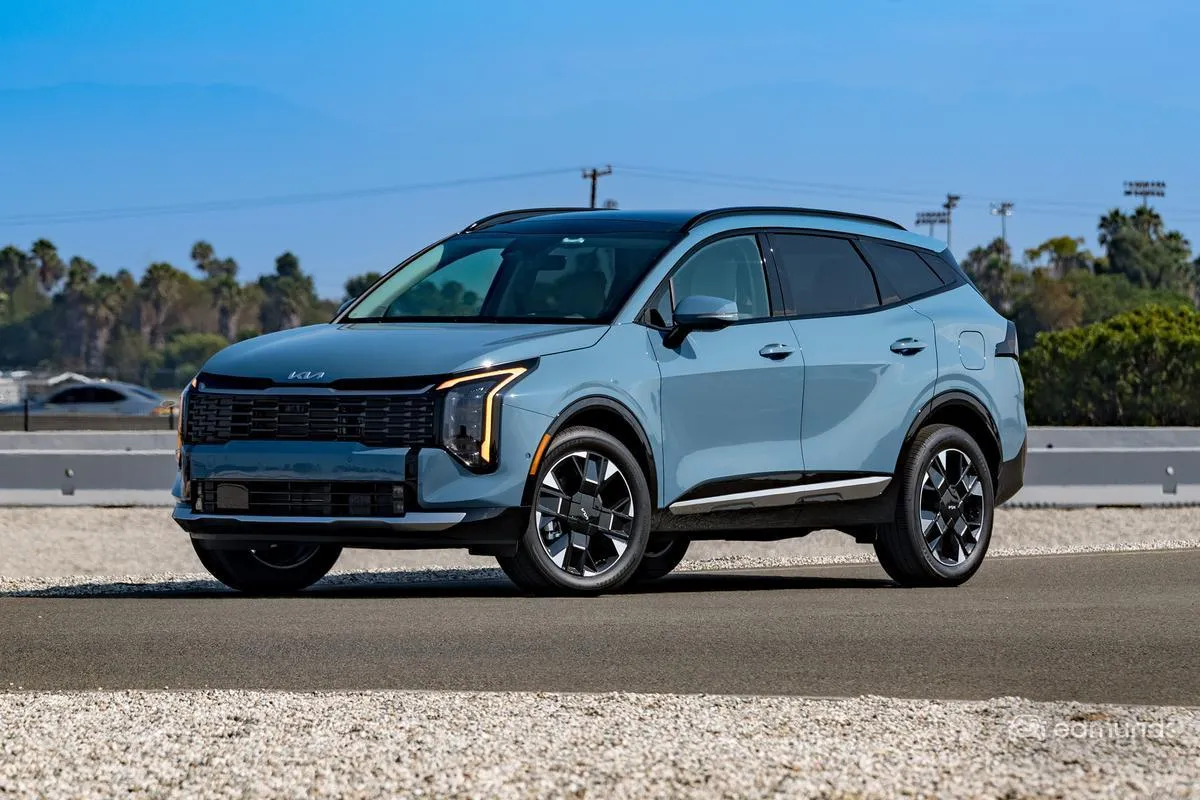
Kia Sportage brings a balanced mix of style and visibility to the compact SUV class. Designers have put effort into crafting windows that allow generous outward views. The greenhouse area is organized to reduce zones where drivers might otherwise struggle to see adjacent traffic. This design choice supports safer driving and reduces anxiety for those sensitive to hidden areas.
Sportage includes driver monitoring systems that provide alerts when another vehicle enters an unseen area alongside. Blind spot detection and rear cross-traffic collision avoidance help drivers during highway travel and in parking lots. These systems shine without distracting, supporting visibility instead of replacing it.
The interior maintains a clear sightline toward the road ahead with a low dash and well-placed seating. Side mirrors are properly sized to offer balanced views without significant blind zones. This makes lane changes and merging more predictable for drivers who want to avoid guesswork.
Parking situations benefit from clear rearward visibility and optional camera views. Sportage’s design helps drivers make accurate judgments when backing out of tight spots. Combining physical design benefits with smart warning systems helps reduce the chance of missing moving objects.
For drivers prioritizing visibility and ease of maneuvering, the Kia Sportage offers a reassuring choice. It merges thoughtful exterior design with technology that supports the driver’s natural vision and awareness.
7. Ford Bronco Sport
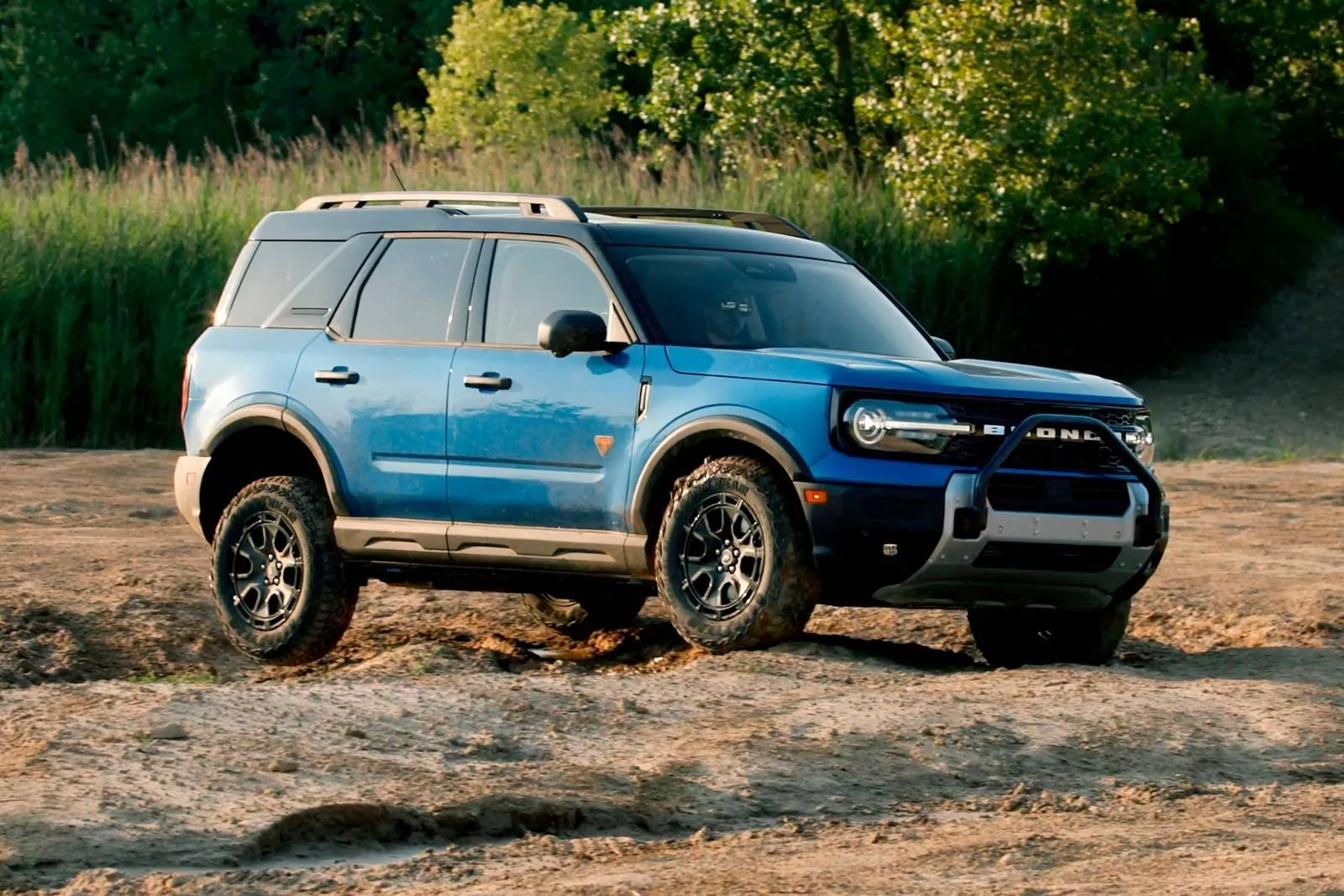
The Ford Bronco Sport targets adventure and practicality, including good visibility for everyday driving. Its window design puts emphasis on large glass surfaces allowing drivers to see around corners more clearly. Roof pillars remain thin, making it easier to judge traffic around the vehicle. People who dislike large blind spots appreciate the Bronco Sport’s open feel.
Ford equips this SUV with active systems that back up what the driver can see. Blind spot information systems alert drivers if another vehicle hides in unseen areas during lane changes. Reverse sensing technologies help detect obstacles approaching from the sides or rear. These systems integrate with the vehicle’s design to support the driver.
Inside, the seating position gives a balanced vantage point over traffic. Side mirrors are sized to reduce hidden zones while maintaining aerodynamic balance. This ensures drivers can rely on both mirror views and direct sightlines when navigating on highways or urban streets.
Bronco Sport also offers optional camera views that help when backing out or maneuvering in tight spaces. Drivers tend to feel more in control when they can see much of their surroundings without twisting or guessing. The design supports this confidence naturally.
The Ford Bronco Sport makes visibility a priority without compromising its adventurous character. Those who dislike blind spots but want a versatile SUV find this choice satisfying and practical.
8. Volkswagen Tiguan
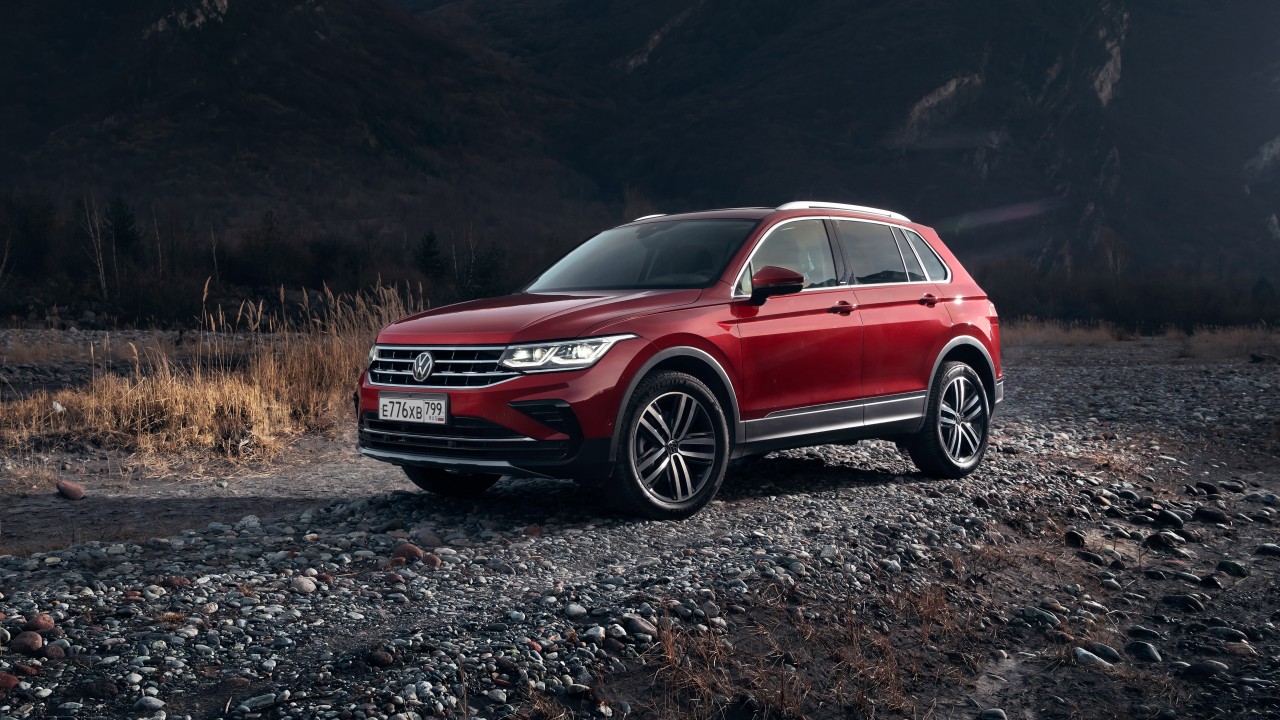
The Volkswagen Tiguan offers European design and strong outward visibility for a compact SUV. Large window openings and thoughtful roof pillar placement help drivers observe traffic around them more directly. The driver’s position is designed to be upright, which aids sightlines toward adjacent lanes and intersections. For drivers concerned about hidden zones, this is a meaningful advantage.
Tiguan’s driver assistance suite includes blind spot monitoring that alerts drivers to vehicles not easily seen in mirrors. Rear cross-traffic alert supports reversing out of crowded parking spaces safely. These technologies act as companions to the already broad physical visibility offered by the design.
Inside, the dashboard and steering placement remain low and clear of obstruction, further helping improve drivers’ direct vision. Side mirrors are proportioned to reduce unseen zones while maintaining stability at highway speeds. This balanced approach supports confident driving without distraction.
Advanced parking sensors and optional rearview cameras help drivers judge distances while backing up. Many who dislike large blind spots appreciate the Tiguan’s combination of physical sightlines and smart visibility aids. This keeps maneuvering in tight spaces less stressful.
The Tiguan represents a thoughtful blend of design and driver support. It helps drivers see more of their surroundings naturally while complementing that with technology when needed.
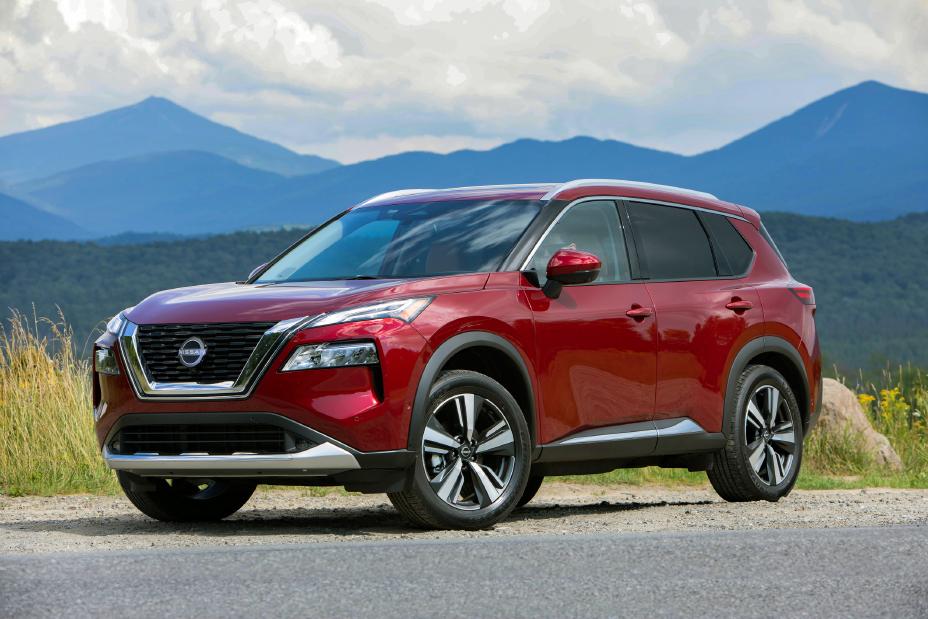
9. Nissan Rogue
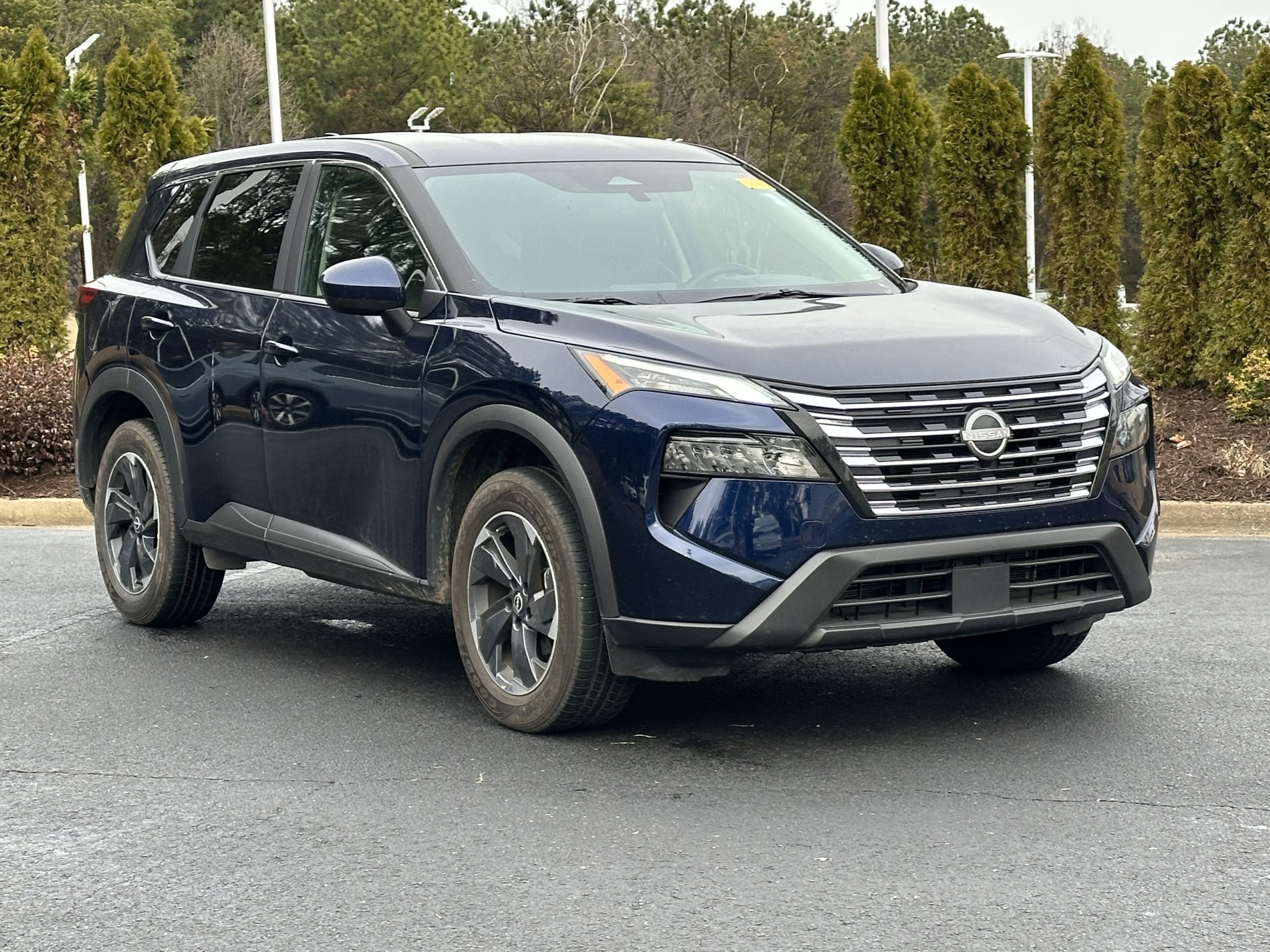
The Nissan Rogue stands out with its focus on driver awareness and visibility. Its window design pushes glass surfaces outward and avoids overly thick roof pillars, allowing drivers to see cross traffic more clearly. The forward view is unimpeded by bulky dash elements, making city and highway driving easier for those who dislike large blind spots.
Nissan equips the Rogue with advanced alerts for hidden hazards. Blind spot warning notifies drivers when another vehicle drifts into an unseen zone beside them. Rear cross-traffic alert supports backing out of spaces with unpredictable traffic. These systems reinforce drivers’ direct perception of their surroundings.
Interior ergonomics emphasize comfort and sightlines, with seating positioned to give the driver a commanding view of traffic ahead. Side mirrors help fill in the edges of the visual field without creating confusing blind zones. This balanced approach makes lane changes more intuitive and less stressful.
Parking features, including camera views and sensor warnings, help drivers judge obstacles behind the vehicle. For people who dislike relying on guesswork when reversing, these supports help reduce anxiety. The combination of physical design and supportive tech makes the Rogue a solid visibility-focused choice.
The Nissan Rogue helps drivers feel more comfortable in traffic by reducing hidden zones and backing that up with smart technology. Those looking for clarity of view and supportive alerts will find it appealing.
10. Chevrolet Equinox
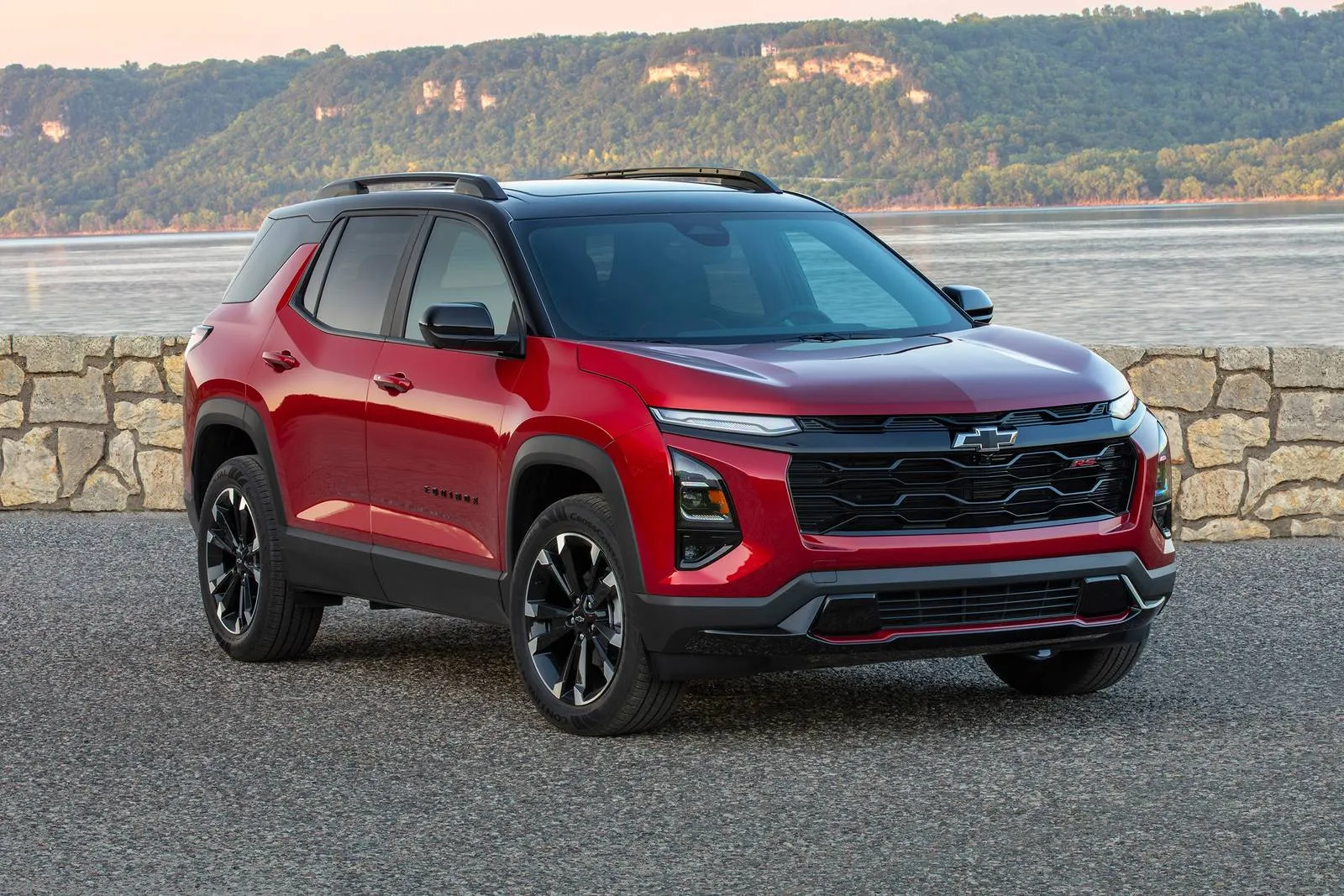
The Chevrolet Equinox brings a practical approach to visibility in a compact SUV. Its design includes wide, strategically placed windows that allow drivers to see more of what is happening around them. Roof pillars are kept thin without sacrificing structural integrity, making it easier to judge adjacent lanes and nearby pedestrians. For drivers averse to large blind spots, this is a meaningful benefit.
Chevrolet supports this with helpful driver alert systems. Blind zone alerts signal drivers when another vehicle obscures their view during lane changes. Rear cross-traffic alerts aid in reversing out of parking spaces populated by unseen hazards. These systems support the driver’s direct observation rather than replace it.
The interior seating position and dashboard design work together to provide an open feel from the driver’s seat. Side mirrors are placed to extend visibility without creating overlapping blind zones. This setup helps drivers feel more confident when estimating the positions of other vehicles on busy roads.
Advanced parking sensors and camera systems assist when maneuvering in tight spaces. These features help drivers judge distances without excessive guesswork or concern about surprise obstacles. The Equinox balances straightforward design with supportive technology to help reduce anxiety about hidden areas.
The Chevrolet Equinox offers a visibility-forward experience that many drivers appreciate. It blends well-designed sightlines with alert systems that reinforce awareness, making it a compelling choice for people who want clearer views on the road.
