
Luxury cars are often thought of as completely separate from the more common economy vehicles we see on the roads every day. They are admired for their sleek designs, advanced technology, and the high-quality materials used in their construction. Many people assume that everything in a luxury car is custom-built and unique, often costing thousands of dollars to replace.
However, the reality is more nuanced. Automobile manufacturers frequently share parts across different models to reduce production costs, streamline supply chains, and improve reliability. Even high-end vehicles can include components originally designed for less expensive cars, ranging from electronic modules to suspension parts.
This practice does not necessarily compromise performance or style, as these shared parts are often carefully integrated and upgraded where needed to meet the standards of the luxury models. Understanding which luxury cars use parts from economy models can be both surprising and informative, showing how automotive engineering balances cost, efficiency, and performance without reducing quality.
For consumers, knowing that some expensive cars share parts with cheaper ones can demystify the industry and also help when considering maintenance, repairs, or upgrades. It also highlights the clever engineering behind these vehicles, where components are carefully adapted to meet different performance and comfort expectations.
The integration of shared parts is often invisible to the driver, meaning that while the luxury vehicle feels distinct and exclusive, it benefits from the proven reliability of parts already used in mass-market vehicles. This approach also supports sustainability in manufacturing by reducing waste and minimizing the need for unique components in every model.
Some of the most popular luxury cars on the market today have surprising connections to economy models, demonstrating that affordability and luxury are not entirely separate realms. Many high-end car owners might not even be aware of these connections, as the shared components are often well-matched to the luxury vehicle’s specifications.
From interior switches to engine components, these shared parts maintain their functionality while contributing to vehicle efficiency. The choice to reuse and adapt parts is a strategic decision, helping automakers maintain competitive prices and offer features that might otherwise be prohibitively expensive.
These overlaps between luxury and economy models illustrate the complex, interconnected nature of the automotive industry. By examining some of the most well-known luxury models and identifying the parts they share with cheaper cars, it becomes clear that innovation and practicality coexist in ways that are not immediately obvious.
The following sections highlight ten luxury car models where this kind of part sharing occurs, providing insight into how the industry works behind the scenes.
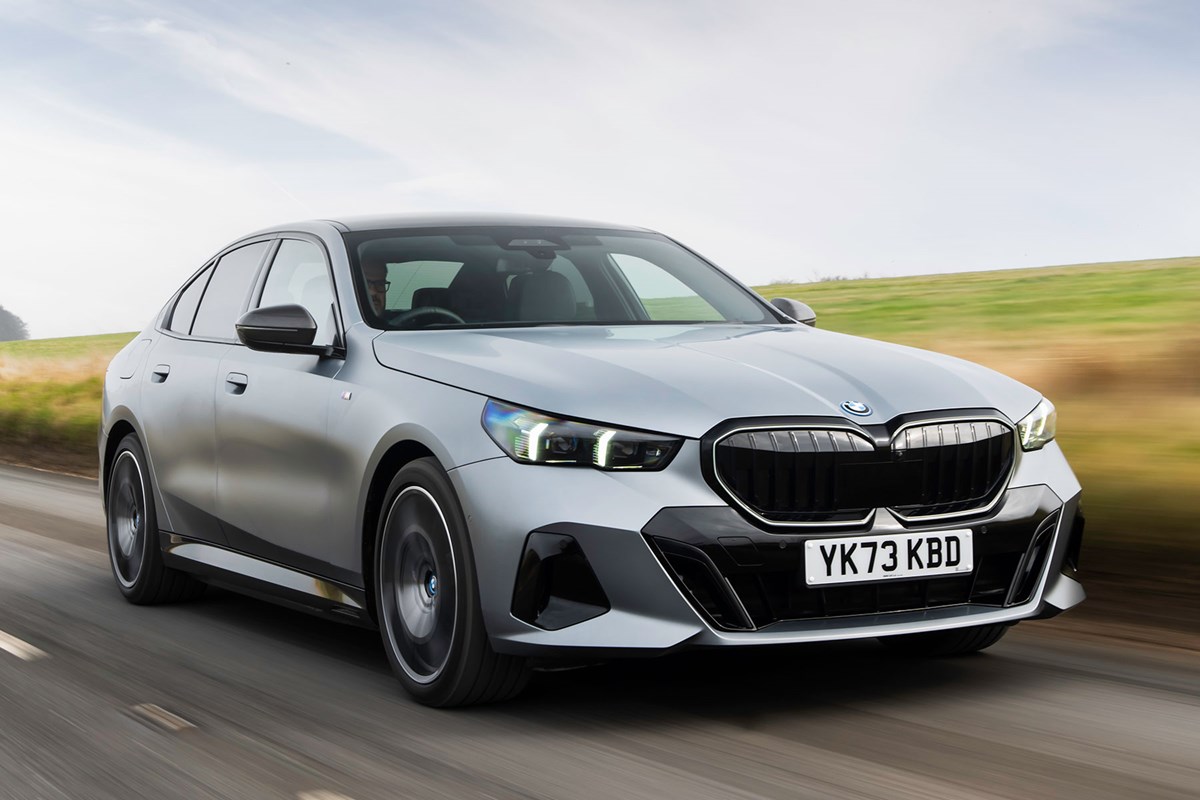
1. BMW 5 Series
The BMW 5 Series is celebrated for its smooth ride, precise handling, and refined interior, yet many of its components are adapted from BMW’s more affordable 3 Series. This includes some electronic modules, sensors, and wiring components that ensure reliability without inflating costs.
Sharing parts allows BMW to maintain high-quality performance while making repairs less complicated for service centers. It also ensures that certain replacement components are widely available, reducing wait times and costs for owners. Despite these shared parts, the 5 Series retains its distinct luxury feel through upgraded materials, enhanced suspension, and additional features.
The air conditioning system in the 5 Series also shares key parts with smaller BMW models, including the compressor and control modules. Engineers optimize these components for higher performance, but the underlying design comes from economy vehicles.
This approach allows BMW to maintain cost efficiency while delivering consistent functionality. The integration of these shared parts does not affect cabin comfort, as the 5 Series includes additional insulation and climate control refinements. Using proven components reduces the risk of defects and enhances long-term reliability. For drivers, this means that behind the sophisticated dashboard, some of the technology has a tested, familiar foundation.
Even the 5 Series’ braking system contains elements found in more affordable BMW models. Although the calipers, rotors, and pads are tuned for larger weight and higher performance, the base design originates from mass-market models. This strategy allows BMW to produce parts in larger quantities, reducing manufacturing costs.
Maintenance is also simplified because mechanics are often familiar with these components. The safety and stopping power remain uncompromised, demonstrating how part sharing benefits both manufacturer and consumer. BMW engineers carefully match these components with upgraded suspension and chassis systems to create the luxury driving experience.
Some interior controls, such as window switches, knobs, and certain infotainment modules, are shared with economy models. The difference lies in materials, finishes, and software calibration, giving a premium look while relying on functional components.
This reduces complexity in production while ensuring reliability. Owners benefit from a seamless interface without the risk of introducing untested hardware. The clever combination of luxury design and shared components highlights BMW’s practical approach to car engineering. Consumers may never notice the underlying shared part because of thoughtful integration.
Finally, even under the hood, certain sensors and electronic control units are sourced from lower-tier models. While the engine itself is unique, components that manage emissions, fuel injection, and electronic monitoring are adapted. This ensures reliability while allowing BMW to reduce development costs for unique parts.
These shared components are carefully calibrated to meet the performance expectations of the 5 Series. The combination of reused and unique parts creates a sophisticated vehicle that maintains luxury standards. Drivers enjoy the prestige and performance without unnecessary complexity in maintenance.
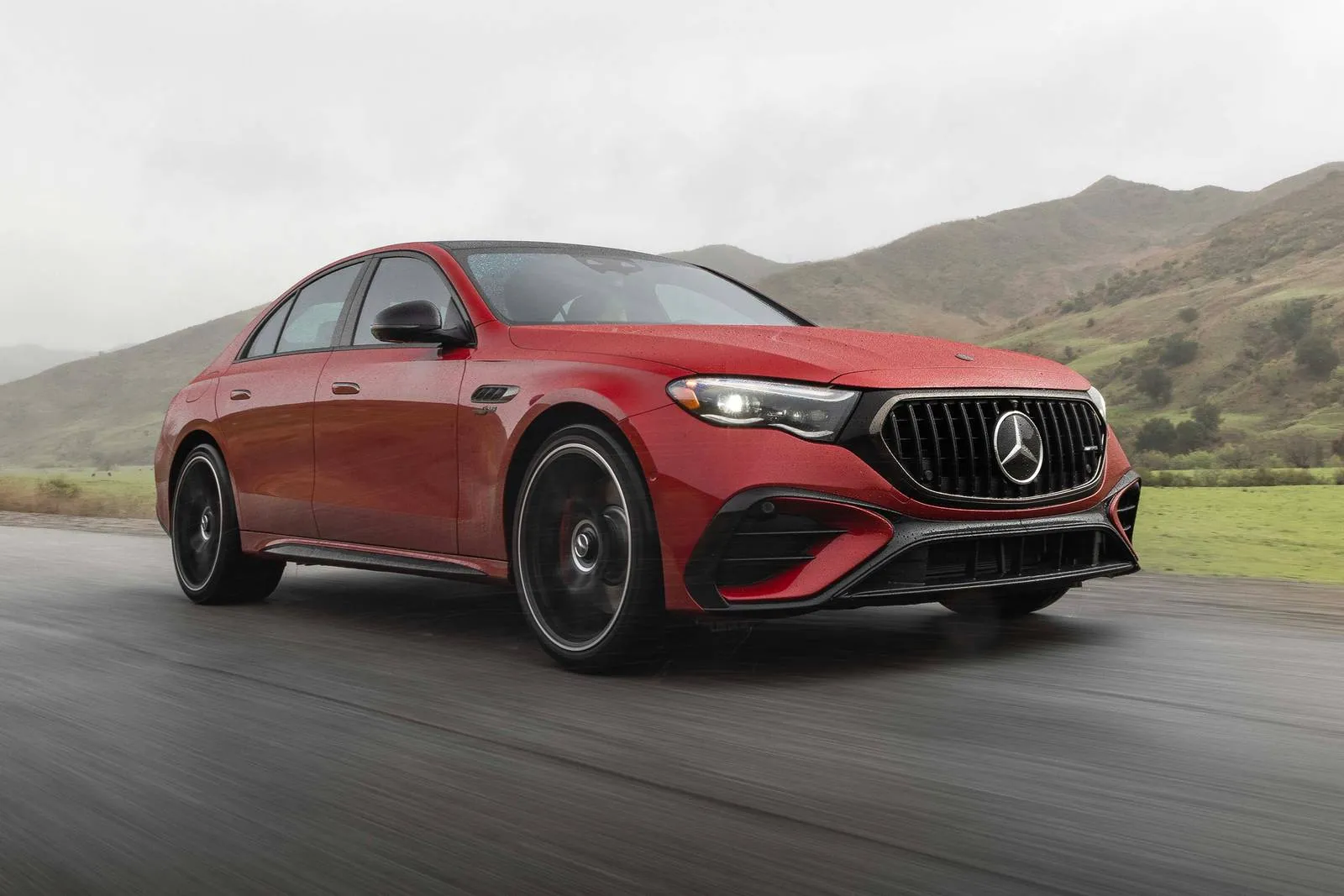
2. Mercedes-Benz E-Class
The Mercedes-Benz E-Class is renowned for its comfort, advanced technology, and sleek styling. Surprisingly, some of its parts are shared with the more affordable C-Class, such as certain switches, interior modules, and electronic control units.
The shared components are engineered to match the higher standards of the E-Class. Part sharing improves reliability because these components are already tested across multiple models. By using common parts, Mercedes also reduces production costs and ensures parts availability. The luxurious feel is maintained through upgraded finishes and added features that differentiate the E-Class from its smaller counterpart.
The infotainment system in the E-Class includes screens and processors similar to those found in the C-Class. However, Mercedes enhances the system with additional software, better resolution, and improved audio. This demonstrates how shared hardware can be upgraded to meet luxury standards.
Engineers carefully integrate these components to ensure smooth operation and responsiveness. The end result is a premium user experience built on proven technology. The shared elements are often invisible to the driver, showing the balance between cost-saving and innovation.
Suspension components are another area where part sharing occurs. While the E-Class uses upgraded shocks and stabilizers, the design is based on mass-market models. This allows Mercedes to maintain high performance while controlling production complexity.
Mechanics benefit from familiarity when performing repairs, and reliability is enhanced by the use of tried-and-tested parts. These shared elements do not compromise handling or comfort but form a solid foundation for luxury tuning. The combination of reused and unique parts results in a refined driving experience.
Certain safety systems in the E-Class, like sensors for collision prevention and adaptive braking, are adapted from economy models. The sensors themselves are identical, but Mercedes programs them differently to enhance responsiveness. This allows the E-Class to meet stricter safety standards while using cost-effective technology.
Sharing these components also helps maintain consistent quality across different models. Luxury and economy vehicles can coexist technologically without sacrificing performance. The strategic reuse of parts demonstrates how innovation works alongside practical engineering.
Even minor interior components, such as cup holders, knobs, and switches, are often shared with the C-Class. The distinction comes from design, materials, and additional features, ensuring a premium feel. These components provide functional reliability while simplifying production.
Owners experience a luxury interior without the cost of entirely bespoke parts. Mercedes’ approach to part sharing balances efficiency, style, and performance seamlessly. Each component, whether shared or unique, contributes to the driving satisfaction.
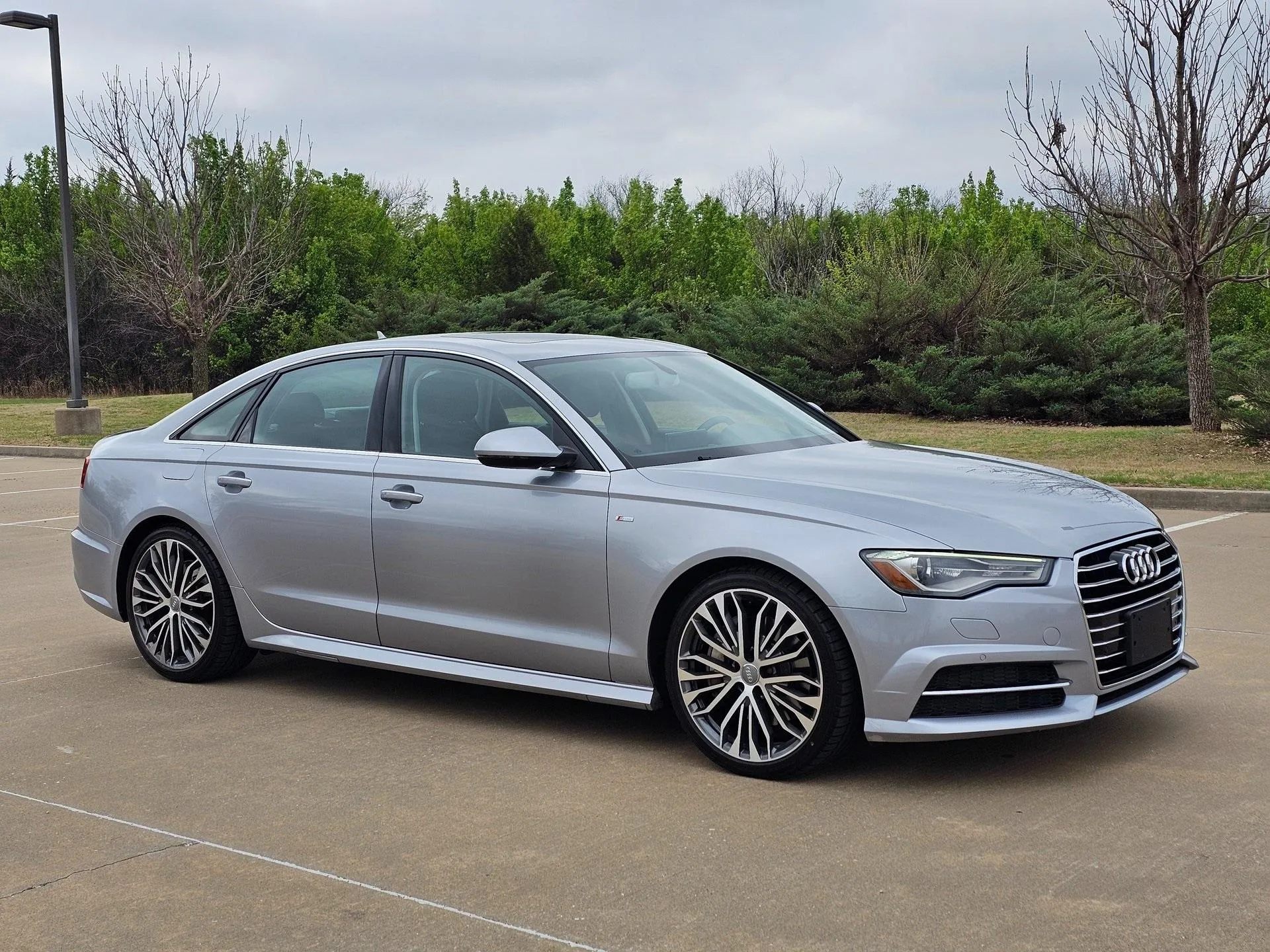
3. Audi A6
The Audi A6 is a mid-size luxury sedan known for its smooth ride and sophisticated interior. Many of its electronic components are shared with the Audi A4, including infotainment units, climate controls, and sensor modules. Using these shared parts allows Audi to reduce production costs while maintaining a high-quality experience.
The shared components are upgraded and recalibrated for the A6 to ensure optimal performance. Part sharing also ensures that replacement parts are available and reliable, reducing maintenance complexity. Audi carefully integrates these components to maintain the premium feel of the vehicle.
The braking system in the A6 uses elements that originate from smaller Audi models. Although the brakes are tuned for heavier weight and higher performance, the underlying parts are similar to those in economy models. This approach allows Audi to produce components efficiently while ensuring safety.
Mechanics familiar with economy models can easily perform repairs, improving service convenience. The A6 retains its performance and responsiveness despite sharing parts. The careful calibration of shared systems ensures a luxury driving experience without unnecessary expense.
Some suspension elements, such as bushings and stabilizers, are also shared with lower-tier vehicles. These parts are tested for reliability and longevity in mass-market models before being used in the A6. Audi engineers enhance these components by adjusting stiffness and mounting points to suit a heavier sedan.
The result is a ride that is comfortable and controlled while relying on proven engineering. Sharing suspension components allows for consistent quality across different vehicles. The modifications ensure that the A6 feels premium while benefiting from reliable parts.
Even interior controls, such as seat adjustment buttons, multimedia knobs, and certain switches, are often borrowed from economy models. The difference lies in materials, lighting, and integration with additional features. This combination reduces manufacturing complexity without compromising luxury standards.
Owners can enjoy advanced features while the underlying hardware remains familiar and dependable. Audi’s approach highlights the balance between innovation and cost-effectiveness. The shared parts are seamlessly integrated to match the aesthetic and functionality of the A6.
Finally, under the hood, some sensors and engine management components are sourced from smaller Audis. These components handle monitoring, emissions, and performance adjustments. Audi calibrates these parts to meet the A6’s higher performance expectations.
By using shared components, reliability is enhanced and costs are controlled. The integration of reused and unique parts ensures the vehicle delivers both luxury and durability. Drivers receive the premium experience expected from Audi without unnecessary complexity.
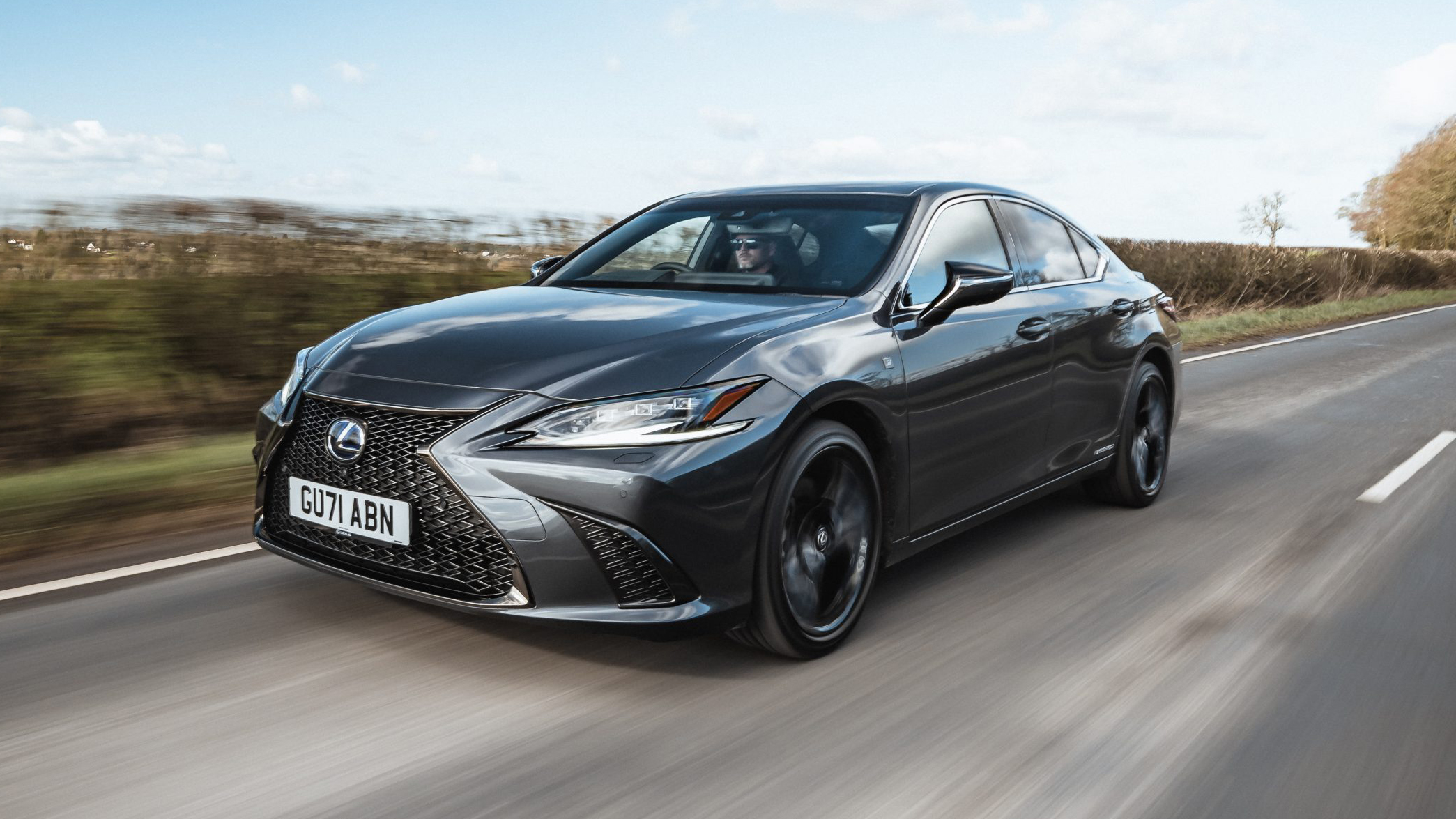
4. Lexus ES
The Lexus ES is celebrated for its refined interior, smooth ride, and quiet cabin. Surprisingly, several parts come from Toyota models, particularly the Camry. Components like electronic modules, infotainment systems, and even certain engine sensors are shared to reduce costs. Lexus engineers refine these parts with higher-quality materials and additional programming. This ensures that while the hardware may originate from an economy car, the performance meets luxury standards.
Even suspension components in the ES are adapted from Toyota platforms. Bushings, stabilizers, and certain shock absorber designs are reused, but tuned for enhanced comfort and stability.
This reuse guarantees reliability while saving on production costs. Mechanics benefit from familiarity with these components when servicing vehicles. The ride quality feels premium due to careful calibration and integration with Lexus’s own enhancements.
The braking system is another area where shared parts appear. While brake rotors, calipers, and pads are customized, the base design mirrors that of the Camry. This allows for cost-efficient production and proven reliability. Lexus ensures that stopping performance is consistent with luxury standards. The reuse of components does not diminish safety, comfort, or driving confidence for owners.
Interior controls, including buttons, knobs, and switches, often come from mass-market Toyota models. The distinction is in materials, lighting, and ergonomics. Lexus upgrades these elements to deliver a premium feel. The combination of shared parts with luxury enhancements simplifies production. It also makes maintenance easier while keeping the vehicle’s appearance and functionality consistent with its high-end branding.
Under the hood, some electronic control units and sensors are sourced from economy models. These components manage fuel injection, emissions, and monitoring. Lexus recalibrates them to ensure smooth operation and optimal performance. The result is a vehicle that combines proven parts with luxury refinements. Owners enjoy reliability and high-end performance without paying for entirely unique components.
5. Jaguar XF
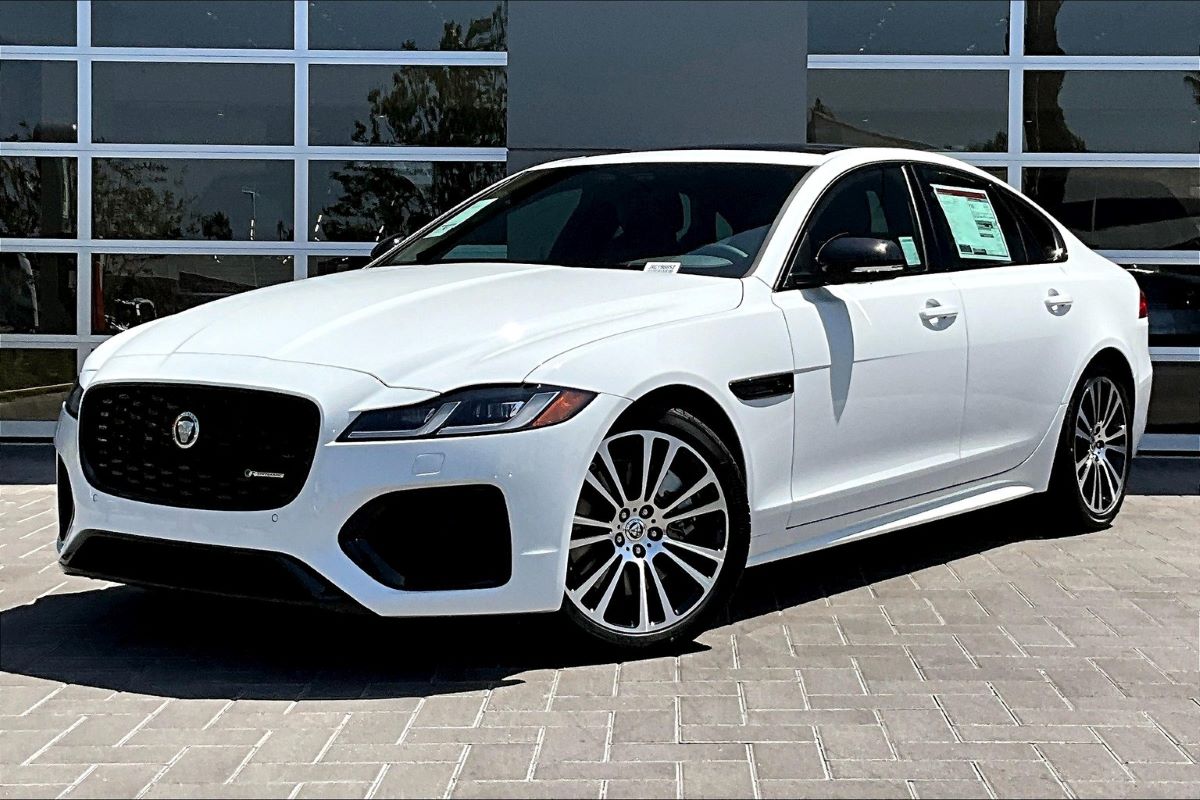
The Jaguar XF blends British elegance with sporty performance. Many components, including electronic control units and some interior switches, are shared with lower-tier Jaguar or Ford models. Sharing parts reduces manufacturing costs while leveraging proven engineering. Jaguar enhances the design, materials, and software to maintain a luxury feel. This approach ensures reliability without compromising the premium experience expected from a high-end sedan.
The suspension system in the XF uses shared components such as bushings and stabilizers. These parts originate from mass-produced vehicles but are modified for weight, ride comfort, and handling. Engineers recalibrate damping and stiffness to suit the XF’s size. This allows the vehicle to maintain smoothness on highways and responsiveness on curves. Sharing components also simplifies maintenance while keeping the car’s performance refined.
Some infotainment and multimedia hardware in the XF come from economy platforms. Screens, processors, and control units are upgraded with Jaguar’s software and finishes. This ensures an intuitive, responsive interface while using cost-effective components. The approach balances efficiency and luxury functionality. Owners enjoy high-quality tech without the complexity of completely bespoke systems.
The braking system incorporates shared design principles with other Jaguar models. Calipers, rotors, and pads are fine-tuned for performance, but the underlying engineering is adapted from proven components. This allows Jaguar to optimize cost efficiency while ensuring safety and stopping power. Shared parts maintain performance while allowing for luxury-specific calibration. Maintenance is simplified because the base components are familiar to mechanics.
Even small interior elements, such as knobs, cup holders, and air vents, are adapted from economy models. Jaguar upgrades the materials, texture, and finishes to create a luxury ambiance. These components enhance durability and reduce production complexity. The end result is a sophisticated interior where shared parts go unnoticed. Jaguar achieves a balance between cost efficiency and a premium ownership experience.

6. Infiniti Q50
The Infiniti Q50 is a luxury sedan with a sporty feel and advanced technology. Many components, like electronic control units, sensors, and climate controls, are shared with Nissan models. Infiniti engineers calibrate these parts for performance and comfort. Using existing components reduces manufacturing costs and ensures parts availability. Despite sharing, the Q50 maintains its identity as a luxury vehicle with upgraded finishes and added features.
Suspension components, such as stabilizers and bushings, are derived from mass-market vehicles. These parts are tested for reliability before being adapted for the Q50. Engineers modify them to provide a smooth, controlled ride suitable for a heavier sedan. Part sharing ensures consistent quality while reducing development costs. The result is a vehicle that feels responsive and comfortable without unnecessary expense.
The braking system in the Q50 also uses shared elements. Rotors, calipers, and pads follow the design of lower-tier Nissan models but are tuned for the Q50’s weight and performance. This ensures safe stopping distances and reliable performance. Mechanics benefit from familiarity with these components, simplifying service. The integration of shared parts allows Infiniti to deliver luxury performance efficiently.
Interior controls, such as switches, buttons, and multimedia knobs, are adapted from Nissan platforms. Infiniti enhances these components with premium materials, improved ergonomics, and software upgrades. The result is a high-quality interior that feels exclusive despite shared origins. This approach balances cost efficiency with luxury standards. Owners enjoy intuitive controls and aesthetic refinement without paying for entirely custom components.
Some engine sensors and electronic monitoring units are sourced from Nissan models. These components handle fuel management, emissions, and diagnostics. Infiniti recalibrates them to deliver smooth performance and reliability. The reuse of proven parts ensures longevity and reduces production complexity. Owners receive a high-end driving experience that benefits from the durability of economy-car components.
7. Cadillac CTS
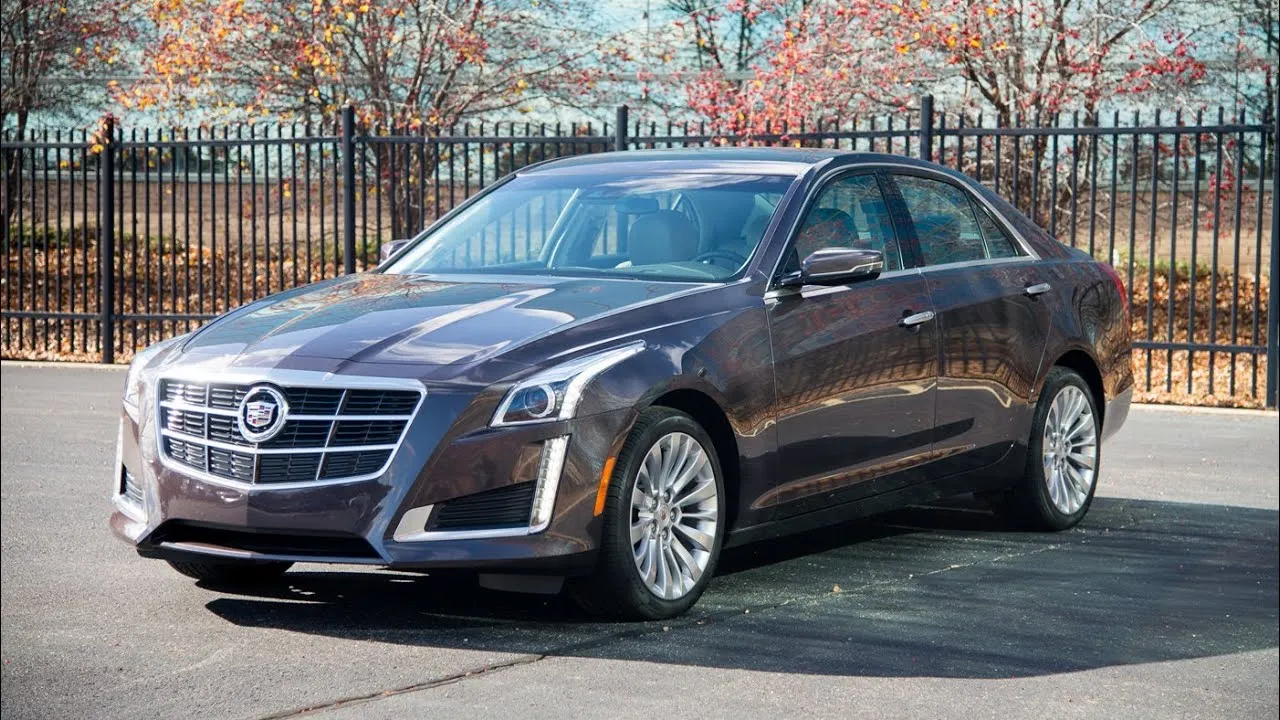
The Cadillac CTS is a luxury sedan with bold styling and performance-oriented engineering. Some of its electronic systems and interior components are shared with Chevrolet models. This includes modules for climate control, infotainment, and certain dashboard switches.
Cadillac engineers enhance these components to meet higher standards for responsiveness and feel. Using shared parts reduces cost while ensuring reliability. The luxury experience remains uncompromised despite some common hardware.
Suspension elements, such as bushings and stabilizers, are adapted from Chevrolet platforms. These components are reinforced and calibrated for a heavier, more performance-oriented vehicle. This ensures smooth handling and a controlled ride. Shared components simplify production while allowing Cadillac to focus on other luxury enhancements. Maintenance is easier because technicians are familiar with these parts.
The braking system in the CTS incorporates shared technology from economy models. Calipers and rotors are modified for weight and performance. This provides reliable stopping power and improved safety. Cadillac uses proven components to reduce manufacturing risk while ensuring premium driving experience. Shared brakes are carefully tuned to suit the luxury character of the vehicle.
Interior details, including knobs, buttons, and certain control panels, are also shared with lower-cost vehicles. Cadillac upgrades finishes, materials, and ergonomics to preserve the premium cabin feel. Owners enjoy tactile and visual refinement without unnecessary complexity. This strategy allows Cadillac to offer luxury features efficiently. The integration of shared parts goes largely unnoticed by drivers.
Even under the hood, some sensors and control units are shared with Chevrolet engines. These components handle monitoring, emissions, and electronic adjustments. Cadillac calibrates them for performance and smooth operation. Reusing parts ensures durability and reduces development costs. The result is a reliable, luxury-oriented driving experience built on a foundation of proven components.
8. Volvo S90
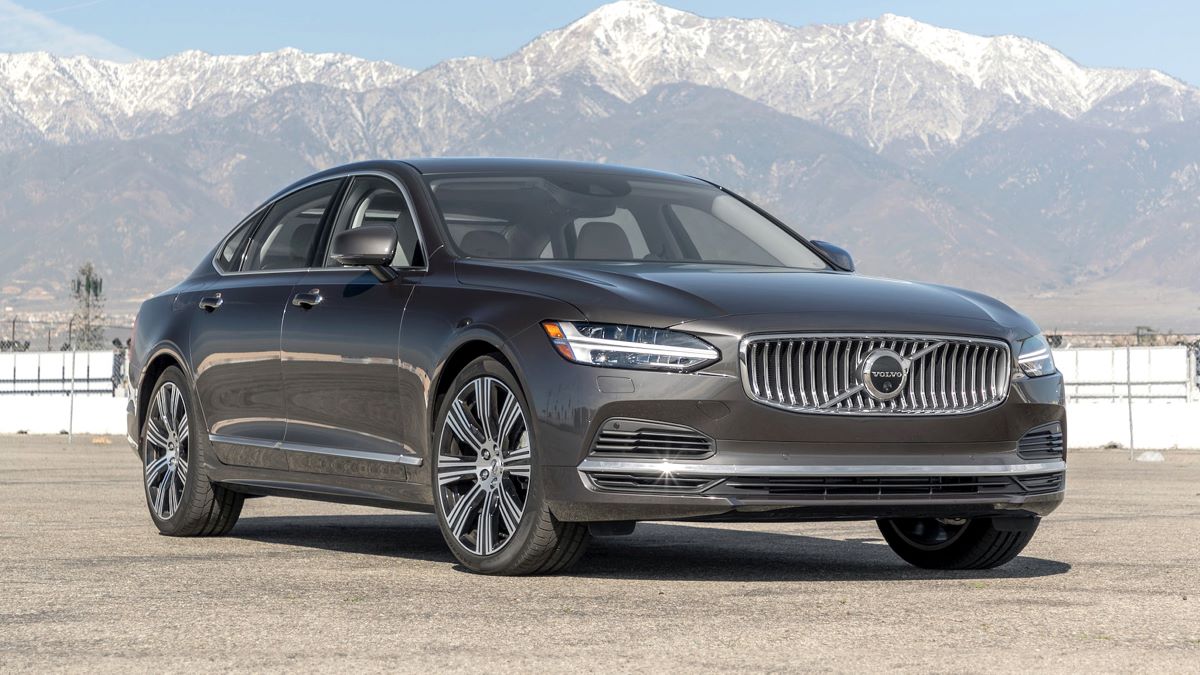
The Volvo S90 is a luxury sedan with a focus on safety, comfort, and Scandinavian design. Many electronic modules, infotainment components, and some engine sensors are shared with smaller Volvo models.
These parts are upgraded for higher performance, reliability, and luxury integration. Part sharing allows Volvo to control manufacturing costs without compromising quality. The vehicle maintains its exclusive feel while benefiting from proven technology.
Suspension components, such as stabilizers and bushings, are derived from mass-market Volvo models. Engineers modify them for ride comfort and handling suitable for the S90. This ensures a smooth and controlled driving experience. Shared components improve reliability and simplify maintenance. Volvo combines these with unique features to create a luxury experience that feels distinct.
The braking system also shares elements with smaller models. Calipers, rotors, and pads are adapted for the S90’s weight and performance. Engineers fine-tune the system for safe and precise stopping. Using tested components enhances reliability and reduces production complexity. Drivers benefit from a responsive and safe braking system while the vehicle retains its luxury character.
Interior controls, including buttons, knobs, and multimedia interfaces, are often adapted from economy models. Volvo enhances them with premium materials, refined finishes, and improved ergonomics. These upgrades ensure a luxury feel while keeping production efficient. Owners experience a high-quality interior without unnecessary complexity. The blend of shared and exclusive parts achieves both reliability and elegance.
Even some sensors and electronic monitoring units are shared with smaller Volvos. These components handle fuel, emissions, and performance adjustments. Volvo calibrates them to match the higher standards of the S90. Reusing reliable parts ensures long-term durability and simplified repairs. The vehicle combines luxury, safety, and practicality with the efficiency of part sharing.
9. Acura TLX
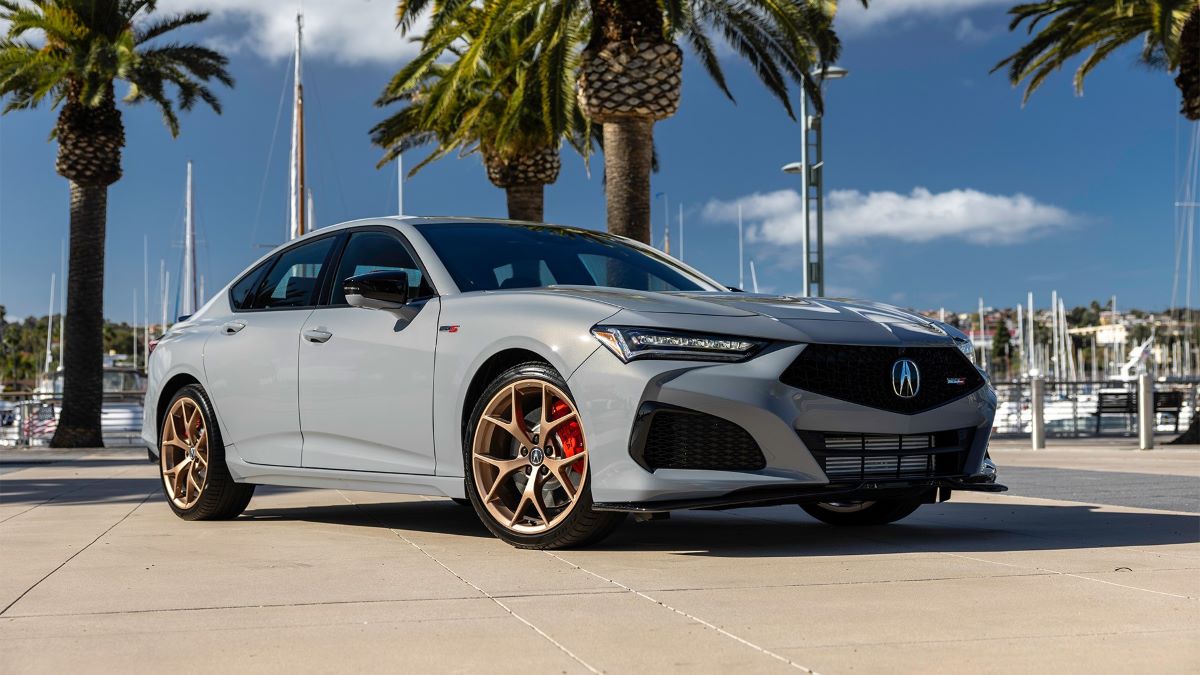
The Acura TLX is a sporty luxury sedan known for reliability and precision engineering. Many of its electronic components, such as infotainment processors, climate modules, and dashboard controls, are shared with Honda models. Acura enhances these parts with software upgrades and better finishes. Sharing parts reduces production costs and ensures availability for repairs. The luxury feel is maintained through integration and material quality.
Suspension components are also adapted from economy platforms. Bushings, stabilizers, and some shock absorber designs are reused but modified for performance and ride comfort. This approach ensures a smooth, controlled driving experience. Part sharing improves durability and simplifies maintenance. Engineers calibrate the components to deliver a sporty yet comfortable ride.
The braking system uses shared elements with Honda vehicles, adapted for weight and stopping power. Rotors and calipers are upgraded while retaining a proven base design. This ensures safety and reliability. Mechanics familiar with economy components can service the TLX efficiently. The combination of shared parts and luxury tuning creates a premium performance experience.
Interior controls, including knobs, switches, and multimedia panels, come from Honda designs but are upgraded for materials and ergonomics. Acura ensures tactile quality and visual appeal. These components simplify production and reduce development cost. Owners benefit from intuitive controls and luxury finishes. Shared parts remain invisible, preserving a premium cabin atmosphere.
Under the hood, some sensors and control units are borrowed from Honda models. These manage fuel, emissions, and engine performance. Acura recalibrates them for optimal output and smooth operation. Using proven components ensures durability while reducing production risk. The TLX blends luxury and reliability by leveraging smart part sharing.
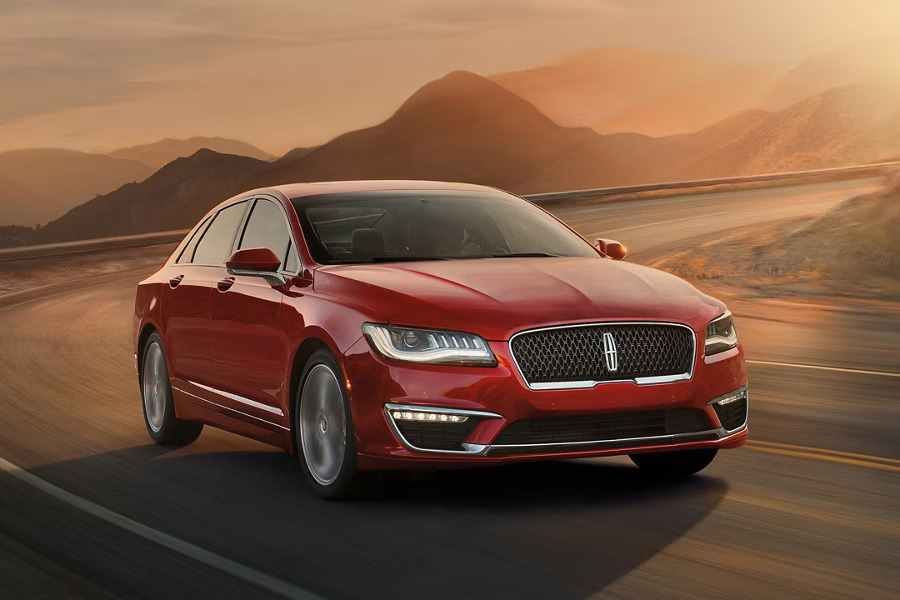
10. Lincoln MKZ
The Lincoln MKZ is a luxury sedan with a focus on comfort, technology, and refined styling. Surprisingly, many components, including electronics and interior switches, are shared with Ford Fusion models. Lincoln upgrades these parts with higher-quality materials and software. Part sharing ensures reliability and cost efficiency. Owners enjoy luxury features while benefiting from proven components.
Suspension components in the MKZ also derive from the Fusion platform. Bushings, stabilizers, and shock absorber designs are adapted for comfort and performance. Lincoln engineers recalibrate the system to suit a heavier, more refined vehicle. This allows for smooth handling while retaining reliability. Shared components simplify maintenance and improve long-term durability.
The braking system follows the same pattern, with elements borrowed from economy models but modified for stopping power and performance. Rotors, calipers, and pads are fine-tuned for the MKZ. This ensures safety and responsive braking. Mechanics benefit from familiarity with parts, reducing repair complexity. Lincoln balances cost-efficiency and luxury performance with this approach.
Interior controls, including switches, knobs, and multimedia interfaces, are shared with Ford models. Lincoln upgrades the materials, lighting, and finishes for a luxury feel. This reduces production complexity while maintaining a premium cabin environment. Owners experience intuitive controls and high-quality design. Shared components are seamlessly integrated into the MKZ interior.
Even engine sensors and electronic modules are adapted from the Fusion. These components manage emissions, fuel efficiency, and monitoring. Lincoln recalibrates them to match performance expectations. Using proven parts enhances durability and simplifies repairs. The MKZ combines luxury, technology, and reliability by carefully adapting economy-car components.
