
Buying a first car is a milestone for many teenagers, offering freedom, independence, and the opportunity to gain responsibility behind the wheel. However, affordability does not always equate to practicality when it comes to ownership. Many used cars might be priced attractively in the market but carry hidden costs that can make them difficult for young drivers to insure.
Insurance companies base their premiums on a variety of factors including vehicle safety, performance, repair costs, and historical claims data. Cars with high performance ratings, poor safety records, or expensive parts can lead to insurance costs that far exceed the purchase price, making them impractical for teen drivers.
Teenagers often look for vehicles that are inexpensive to purchase because budgets are usually limited. They might find cars from the early 2000s or older models that appear to offer value for money. These vehicles often have low mileage and a relatively modern design, which can seem like a great deal.
Yet, the insurance perspective tells a different story. A car that is cheap to buy may be extremely costly to insure due to high accident risk or repair expenses. Parents and guardians who assist with insurance may be surprised by premium rates that surpass the actual market value of the car.
The gap between purchase price and insurance cost is especially pronounced for high-powered sports cars, luxury models, or vehicles with certain aftermarket modifications. Teenagers may be attracted to these cars for their styling or speed, unaware of the implications for insurance.
Vehicles that are statistically more likely to be involved in accidents are classified as high risk by insurers. This classification leads to premiums that can be financially unmanageable for young drivers who are just beginning to build driving experience.
Another important factor is the age of the car. Older vehicles may have outdated safety features or poor crash test performance, which insurance companies consider when calculating risk. Even if a car is mechanically sound, the historical data on accidents, thefts, and repair costs can make insurers cautious.
Teen drivers have little leverage in this scenario since insurance companies view them as inexperienced and prone to accidents. Choosing a vehicle with a poor safety rating or high theft risk can result in premiums that are significantly higher than expected.
This article focuses on ten used cars that are often cheap to purchase but almost impossible for teenagers to insure affordably. Each vehicle has unique characteristics that appeal to young drivers, from sporty designs to performance capabilities. However, these same qualities create challenges when it comes to insurance, making them impractical for most teens.
Understanding these cars and the reasons behind high insurance costs is essential for making an informed choice. By the end of this article, readers will have a clearer sense of the financial and safety implications involved in selecting a first car that balances both affordability and insurability.
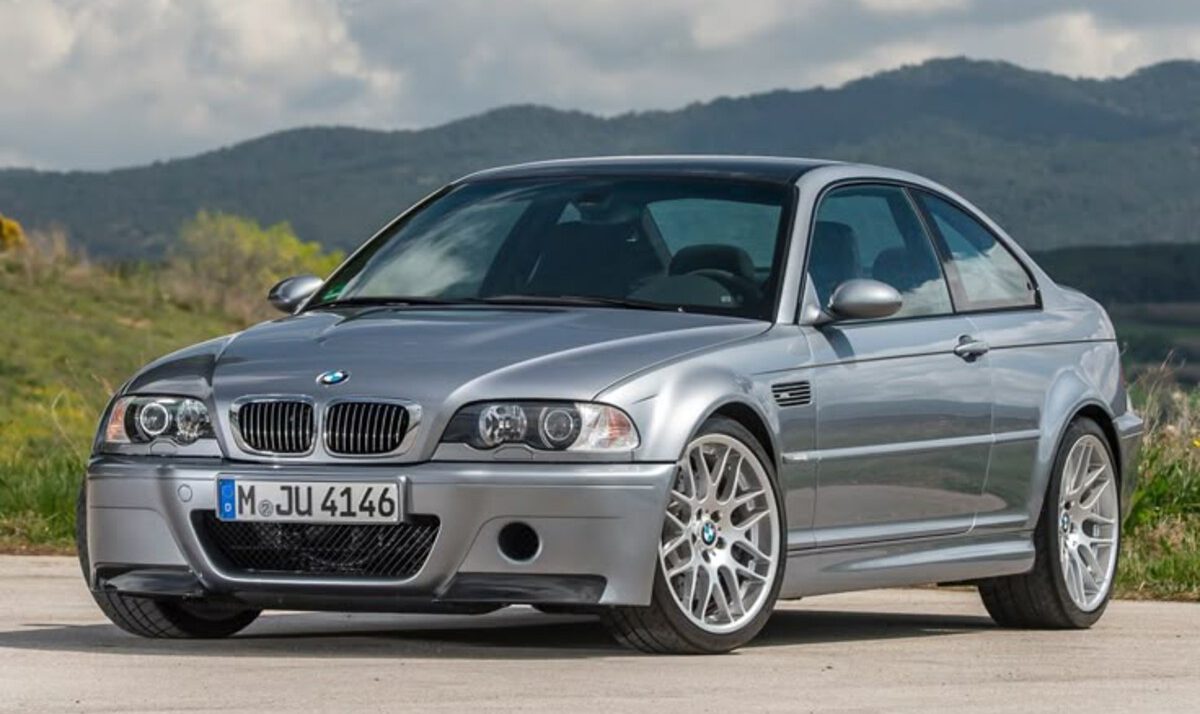
1. BMW 3 Series (E46)
The BMW 3 Series from the early 2000s is often considered a dream car for teenagers. It is stylish, fun to drive, and offers strong performance for its class. The E46 model is lightweight and handles corners with precision, which appeals to young drivers looking for an engaging experience. Its sleek design can create an impression of luxury without a high purchase price.
Despite its affordability, insurance premiums for teen drivers are extremely high. The combination of performance capabilities and repair costs makes it a red flag for insurance companies. Parts and labor for BMW vehicles tend to be expensive compared to mainstream brands. Even minor accidents can result in costly claims that insurers take into account when setting rates.
Safety ratings are decent but not enough to offset other factors. While the E46 has airbags and stability control, its repair costs after collisions are significant. Insurance companies also consider the likelihood of theft, which is higher for older BMW models. These factors contribute to an risk profile that makes premiums prohibitive for young drivers.
Many teenagers are drawn to this car because of its reputation and driving experience. However, the initial excitement can be overshadowed by the reality of expensive insurance. Parents or guardians often find themselves reconsidering this option due to the financial burden. The insurance cost may even exceed the monthly car payment, making the vehicle impractical despite its low purchase price.
The BMW 3 Series (E46) serves as a reminder that style and performance do not always translate to practicality for teen drivers. While it remains a popular choice on the used market, the balance between purchase price and insurance cost makes it a challenging option. Teenagers should consider alternatives with similar appeal but lower insurance rates to avoid financial strain.
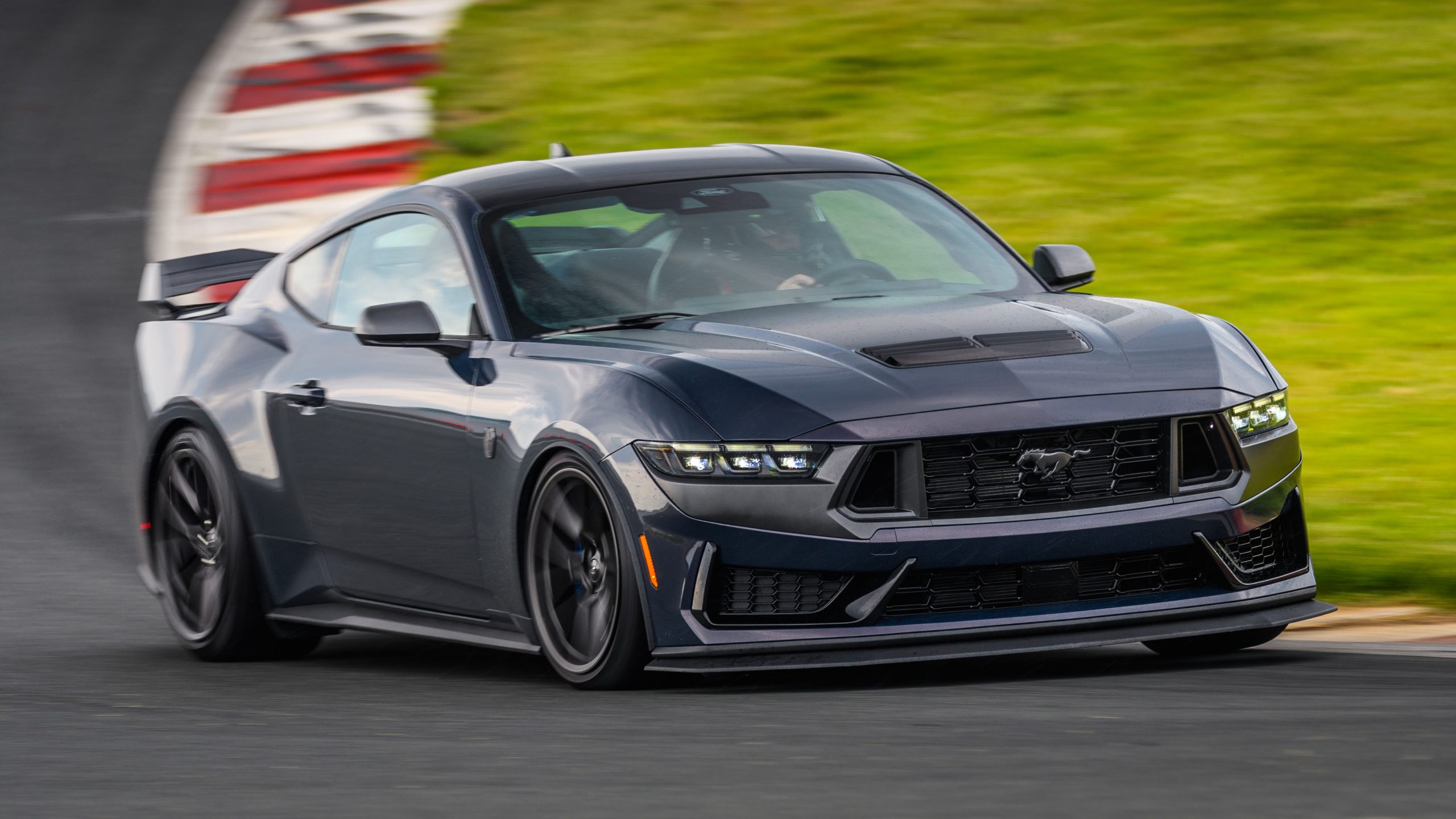
2. Ford Mustang (2005–2010)
The Ford Mustang has long been a symbol of American muscle cars. The 2005 to 2010 models are often available at affordable prices, attracting young drivers seeking speed and style. These cars have powerful engines and aggressive looks, which make them appealing to teenagers who want a standout vehicle. The Mustang also offers a fun driving experience with responsive handling.
Insurance costs for teen drivers are very high due to the performance engine and accident statistics. Muscle cars like the Mustang are classified as high-risk vehicles. Insurers factor in both the power of the car and the likelihood that inexperienced drivers will misuse it. As a result, premiums often exceed the cost of the car itself.
Repairs and maintenance add another layer of financial concern. Replacement parts for Mustangs can be expensive, and any accident could result in significant repair bills. Insurance companies anticipate these costs when setting rates, making it almost impossible for teens to secure affordable coverage.
The Mustang’s aggressive appearance also contributes to its high insurance classification. Cars that appear sporty or modified are often flagged as higher risk. This perception increases premiums, even if the teen driver has no history of accidents. The combination of styling, performance, and cost creates a challenging situation for insurance affordability.
Despite its appeal, the Ford Mustang (2005–2010) is rarely a practical option for teenagers seeking low insurance costs. While the purchase price may be tempting, the financial reality of insuring this type of vehicle often outweighs the benefits. Young drivers should approach muscle cars cautiously, considering the long-term implications of high premiums.
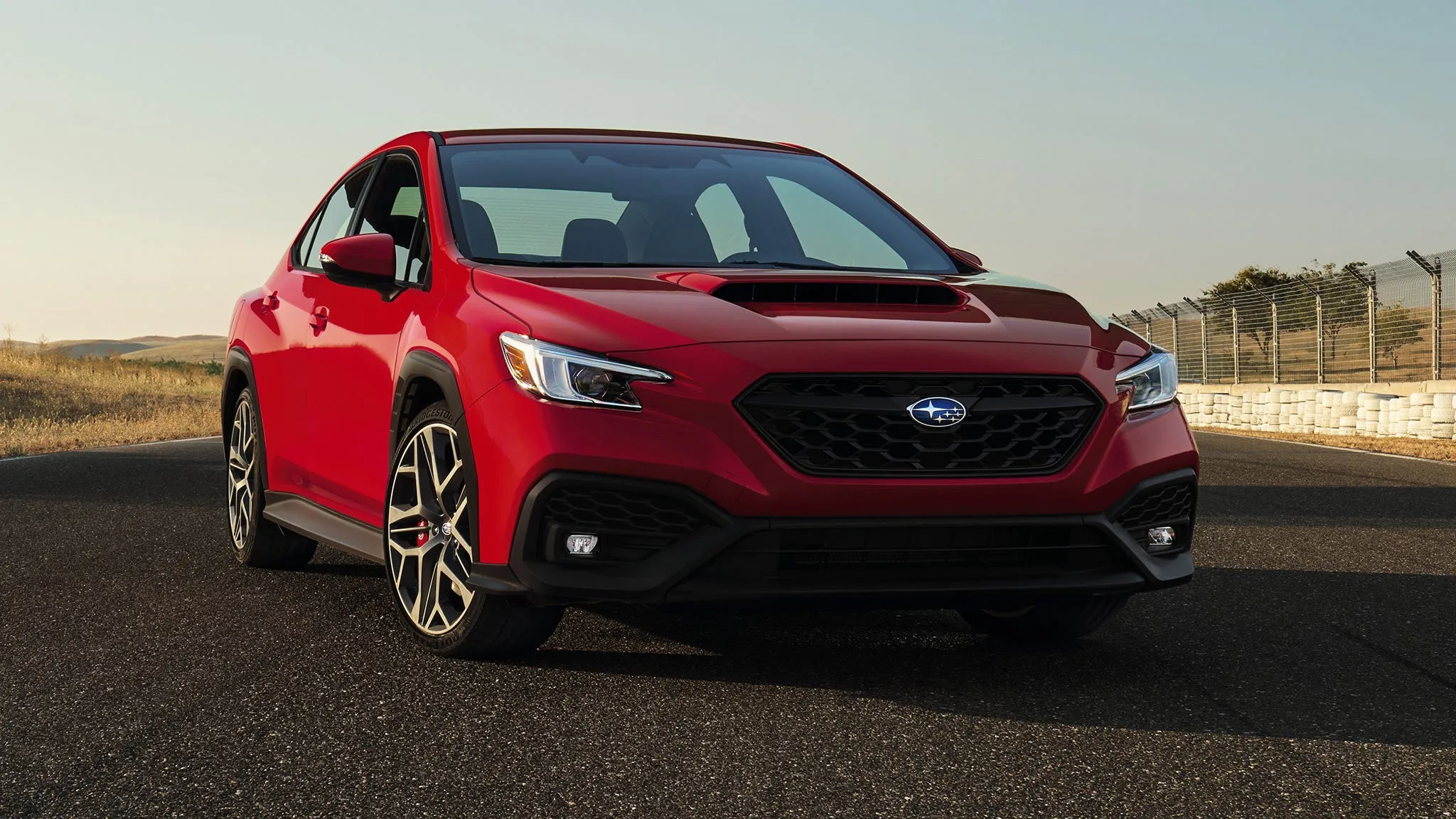
3. Subaru WRX (2002–2007)
The Subaru WRX is well-known for its rally heritage and turbocharged engine. Older models from 2002 to 2007 are available at lower prices, making them attractive to teens who enjoy sporty driving. The all-wheel-drive system enhances performance in various weather conditions. This car combines speed with handling, offering an engaging experience for young drivers.
Insurance companies view the WRX as a high-risk vehicle for teenagers. Its turbocharged engine and performance capabilities increase the likelihood of accidents. High insurance rates reflect both repair costs and statistical accident data. Teens often underestimate how expensive it is to insure a vehicle with performance enhancements.
Repair and maintenance costs also contribute to high insurance premiums. Specialized parts and labor for turbocharged engines are more expensive than standard engines. Even routine repairs can be costly, which insurers factor into premium calculations. This makes the WRX financially challenging for young drivers to maintain.
The sporty reputation of the WRX attracts teenagers, but this reputation also carries a cost. Insurers consider the car’s potential for speeding and reckless driving, especially among inexperienced drivers. These risk factors make affordable insurance nearly impossible.
Although the Subaru WRX (2002–2007) is a popular choice among enthusiasts, it is rarely practical for teens on a budget. The combination of performance, maintenance, and insurance costs creates a financial hurdle that many first-time buyers cannot overcome. Alternative cars with similar appeal but lower risk may be better suited for young drivers.
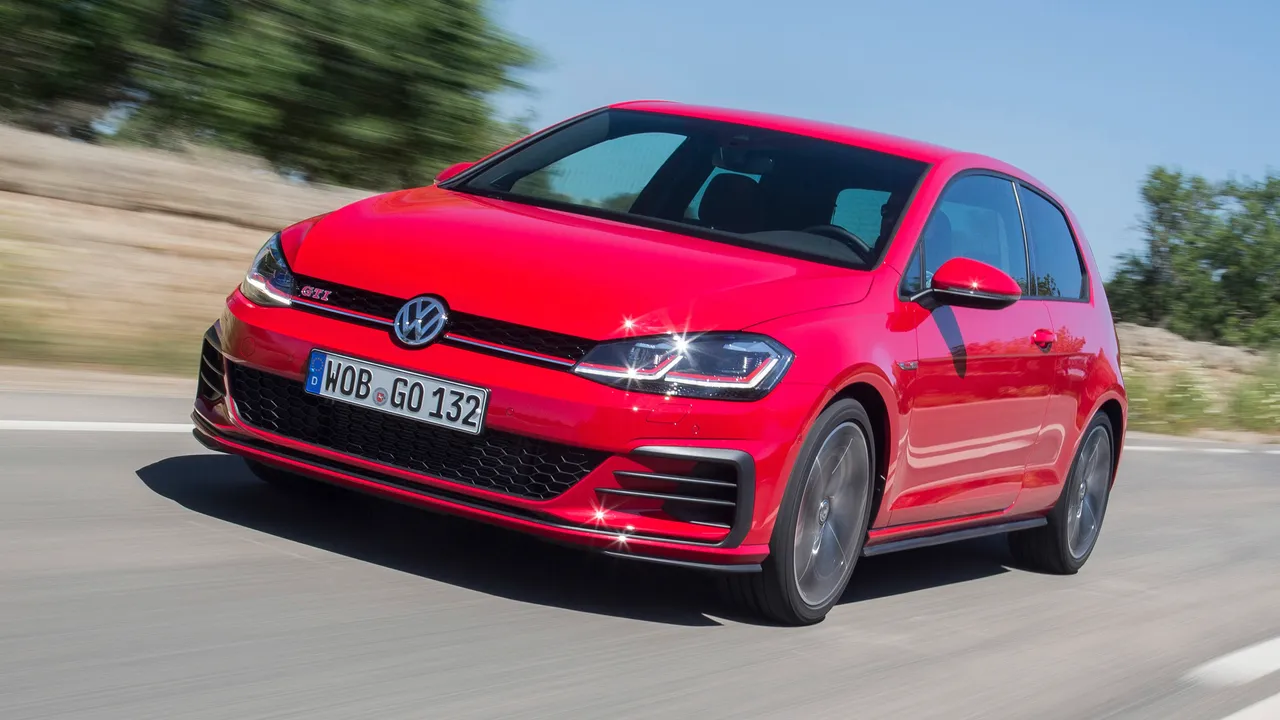
4. Volkswagen Golf GTI (2006–2010)
The Volkswagen Golf GTI offers a combination of compact size and sporty performance. Models from 2006 to 2010 are often priced affordably, making them attractive to teens. The GTI is known for its agile handling and responsive engine. Its European design adds to the appeal for young buyers.
Insurance premiums for teen drivers are high due to performance characteristics and repair costs. The turbocharged engine and sporty suspension make it a higher-risk vehicle. Insurers anticipate higher accident and claim rates, which drives premiums upward. Teens seeking low-cost insurance will find this car difficult to afford.
Maintenance costs are a major factor. European vehicles like the Golf GTI often require specialized parts and service. Any collision or mechanical issue can be expensive, which insurance companies consider when setting rates. This adds to the financial burden for teen owners.
The GTI’s sporty appearance contributes to its high-risk profile. Insurance companies consider both real and perceived risk when calculating premiums. Cars that appeal to young drivers are often flagged for higher insurance, making the GTI a challenging option for teens.
While the Volkswagen Golf GTI (2006–2010) is fun to drive and stylish, it is rarely practical for teenagers who need affordable insurance. Its appeal comes with financial costs that may be too high for first-time buyers. Teens should explore more modest vehicles that balance affordability and insurability.
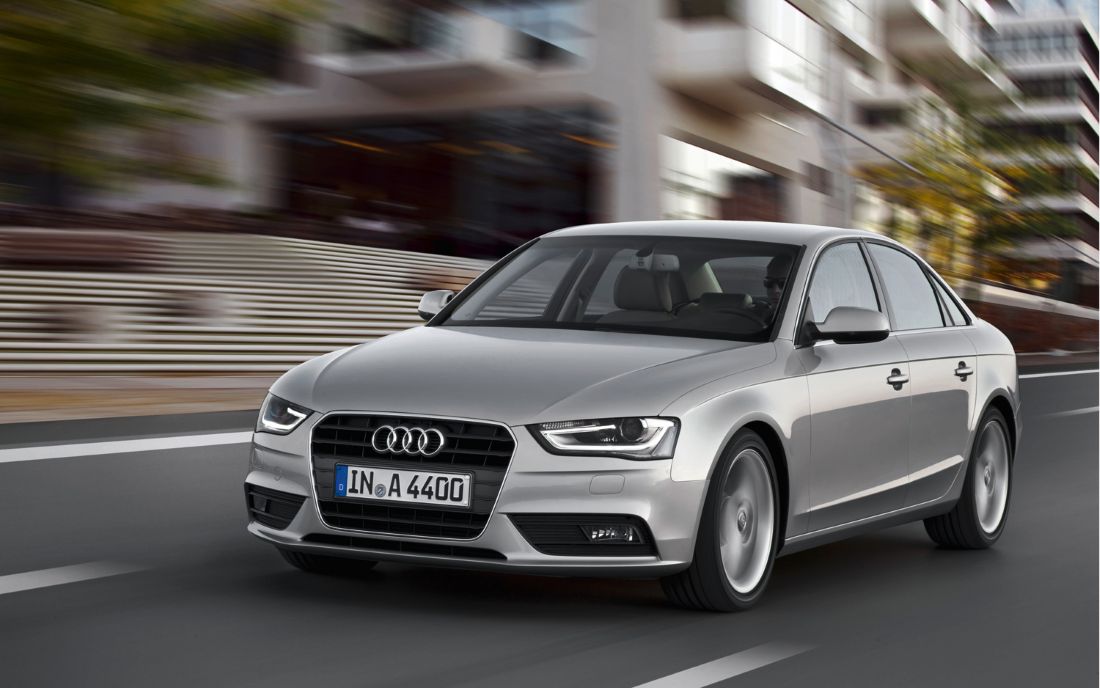
5. Audi A4 (2003–2008)
The Audi A4 is a luxury sedan that is sometimes available at low prices on the used market. Models from 2003 to 2008 combine elegant styling with European engineering. The car offers strong performance and a comfortable interior. Teenagers may be attracted to its premium appearance and advanced features.
Insurance costs for teen drivers are very high. Luxury cars like the A4 are expensive to repair and have high replacement parts costs. Insurers also consider the vehicle’s performance capabilities when calculating premiums, leading to unaffordable rates for young drivers.
Older Audi models often lack some of the latest safety technologies. While basic safety features exist, insurers take into account potential repair costs and accident risk. These factors contribute to a high-risk classification for teenagers seeking affordable coverage.
Teens drawn to the A4’s prestige may not anticipate the financial implications. Insurance premiums can exceed the initial purchase price. Even with a modest budget, the cost of insuring an Audi A4 is often prohibitive for inexperienced drivers.
The Audi A4 (2003–2008) demonstrates that luxury and affordability in purchase price do not always align with insurability. Teenagers should carefully weigh insurance costs before choosing a luxury vehicle. Alternatives with lower performance and repair costs may provide a more practical solution.
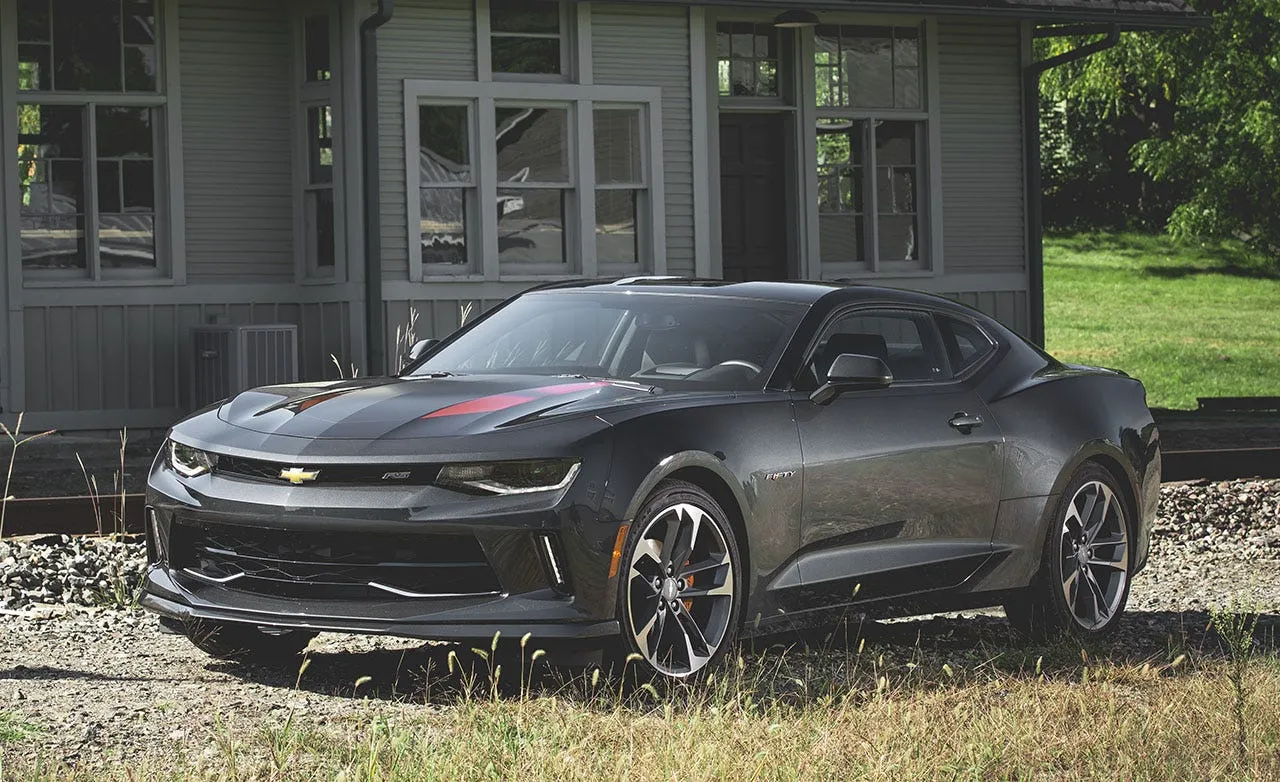
6. Chevrolet Camaro (2010–2015)
The Chevrolet Camaro is an iconic muscle car that appeals to teenagers looking for speed and style. Models from 2010 to 2015 are sometimes available at low prices, creating a temptation for first-time buyers. The Camaro offers powerful engines and aggressive styling. Its sporty appearance makes it desirable among young drivers.
Insurance premiums for teen drivers are extremely high. The car’s performance engines and accident statistics classify it as high-risk. Insurers expect higher claims, which results in premiums that are difficult for teens to afford. The Camaro’s potential for speeding is a major factor in its insurance rating.
Repair and maintenance costs are considerable. Muscle cars often require expensive parts and specialized service. Insurers factor these costs into premiums, further increasing the financial burden for young drivers. Even minor collisions can lead to costly repairs.
The Camaro’s reputation and styling attract teens, but these same traits create high insurance costs. Sports cars are consistently flagged as higher risk, particularly when owned by inexperienced drivers. Teens may not anticipate how significantly premiums affect affordability.
Although the Chevrolet Camaro (2010–2015) may be appealing for its performance and design, insurance costs make it impractical for many teenagers. Young drivers should focus on vehicles with moderate engines and lower repair costs to maintain manageable premiums.
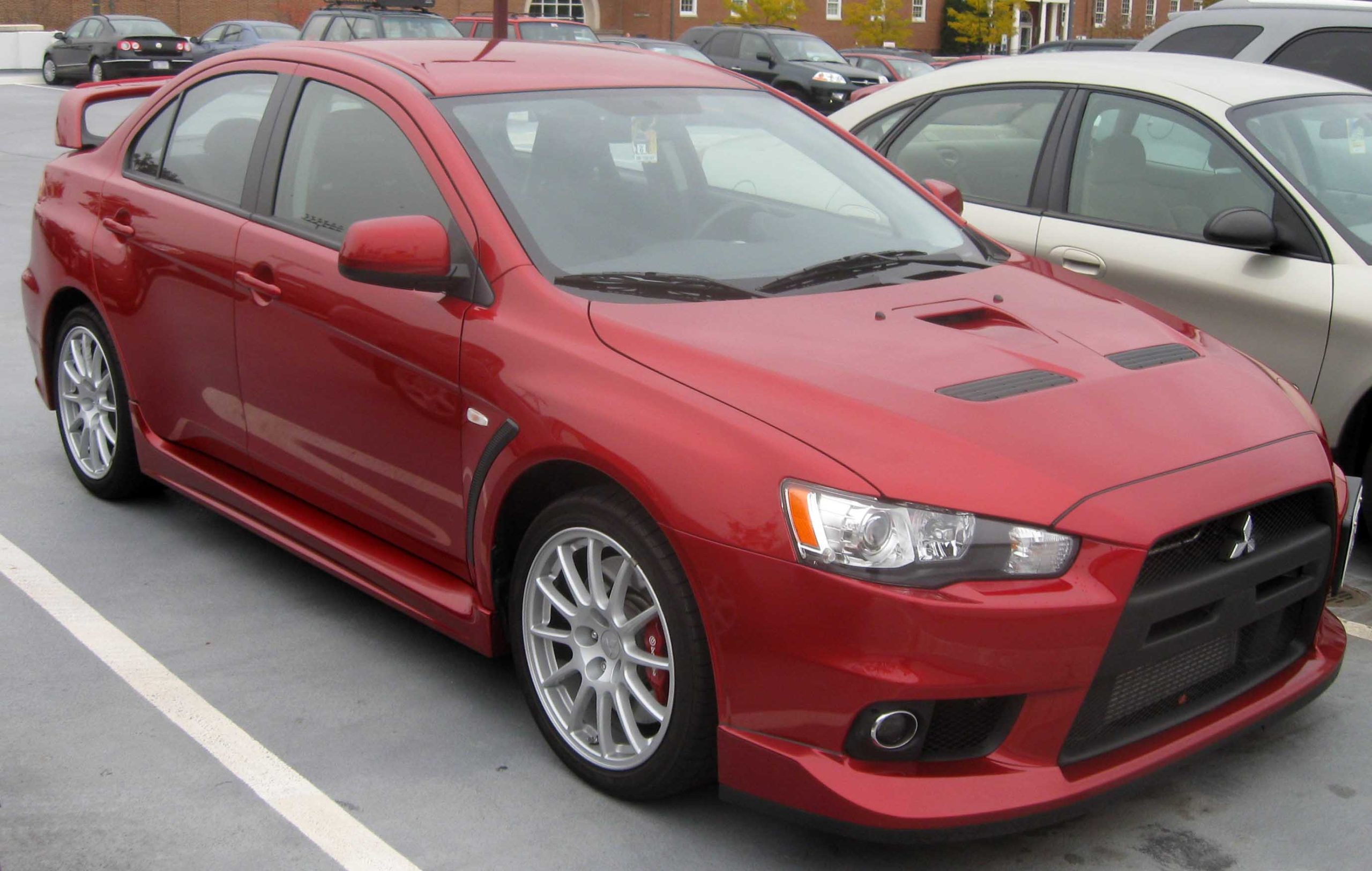
7. Mitsubishi Lancer Evolution (2003–2007)
The Mitsubishi Lancer Evolution is a performance sedan with a turbocharged engine and all-wheel-drive system. Models from 2003 to 2007 are sometimes found at affordable prices. The car is fast, agile, and popular among driving enthusiasts. Its rally-inspired design is appealing to teenagers seeking excitement.
Insurance companies classify the Lancer Evolution as high-risk for teen drivers. The turbocharged engine and performance-oriented handling increase accident probability. Premiums reflect both repair costs and the statistical likelihood of claims, which are high for inexperienced drivers.
Repair costs for the Lancer Evolution are substantial. Specialized parts, turbocharged components, and all-wheel-drive systems are expensive to maintain. Insurance companies consider these factors when calculating premiums, making it nearly impossible for teens to afford coverage.
The sporty appearance contributes to its high insurance rating. Insurers often flag vehicles that appeal to young drivers or appear capable of speeding. The combination of styling, performance, and repair costs results in very high premiums for teenagers.
While the Mitsubishi Lancer Evolution (2003–2007) is exciting to drive, it is rarely practical for teen drivers. Insurance expenses outweigh purchase price advantages, making the car a risky choice for those seeking affordable coverage.
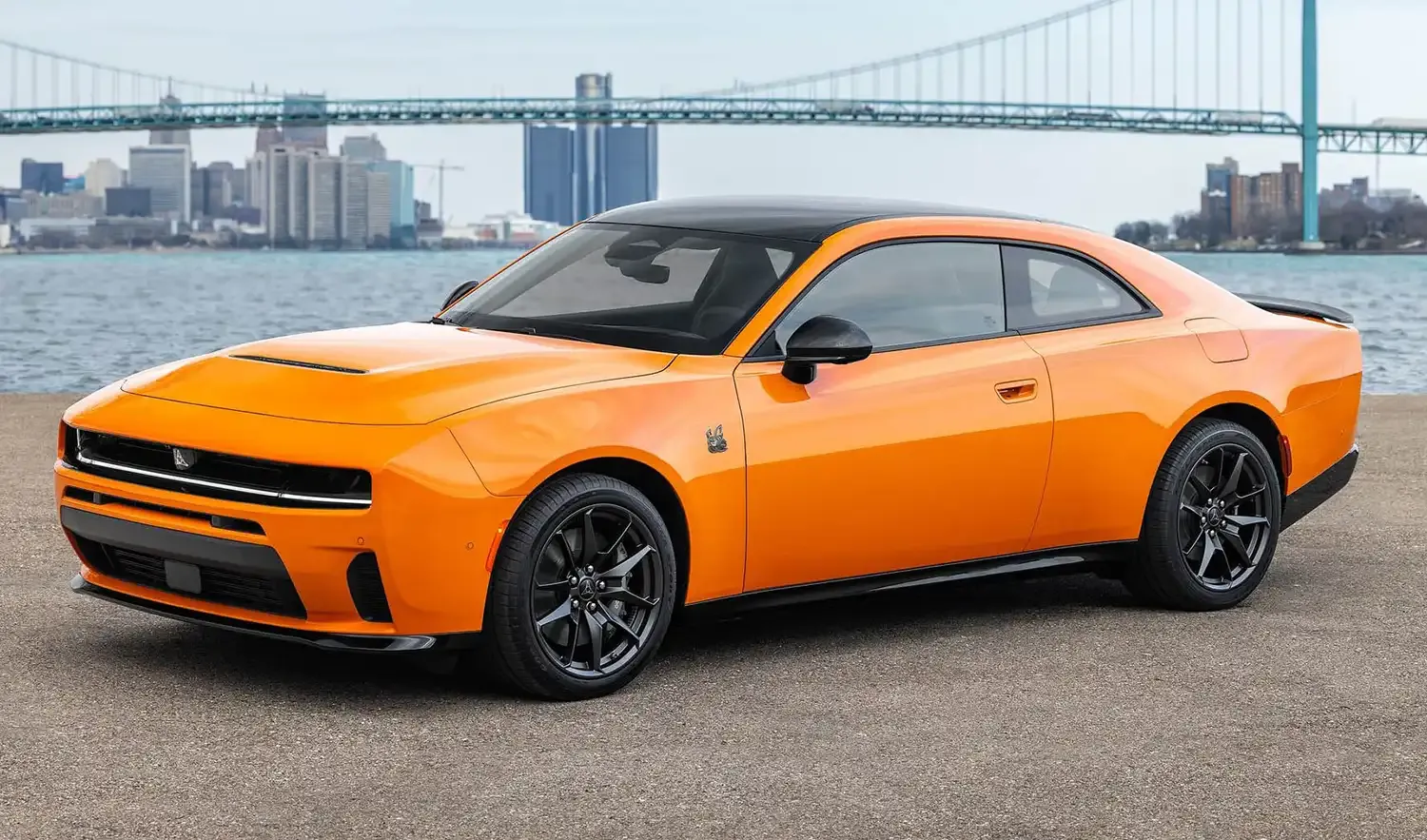
8. Dodge Charger (2006–2010)
The Dodge Charger is a full-size sedan with a reputation for power and performance. Models from 2006 to 2010 are often priced within reach of young buyers. The car combines muscular styling with V6 or V8 engine options. Its appearance and performance make it attractive to teen drivers.
Insurance costs for teenagers are extremely high due to engine size and performance history. V8 models are particularly expensive to insure. Insurance companies consider the vehicle’s potential for accidents and speeding when calculating premiums, making them difficult for teens to afford.
Repair and maintenance costs add to the challenge. Full-size performance sedans have higher replacement parts costs and specialized labor. These expenses are factored into insurance premiums, increasing the financial burden on young drivers.
The Dodge Charger’s styling signals performance, which affects insurance risk classification. Insurers assess both the real and perceived risk of accidents for teenagers. As a result, coverage can be unaffordable despite a low purchase price.
The Dodge Charger (2006–2010) illustrates that size, performance, and appeal do not guarantee insurability for teen drivers. Young buyers should weigh insurance costs carefully before selecting a vehicle of this type. More practical alternatives may provide similar comfort without excessive premiums.
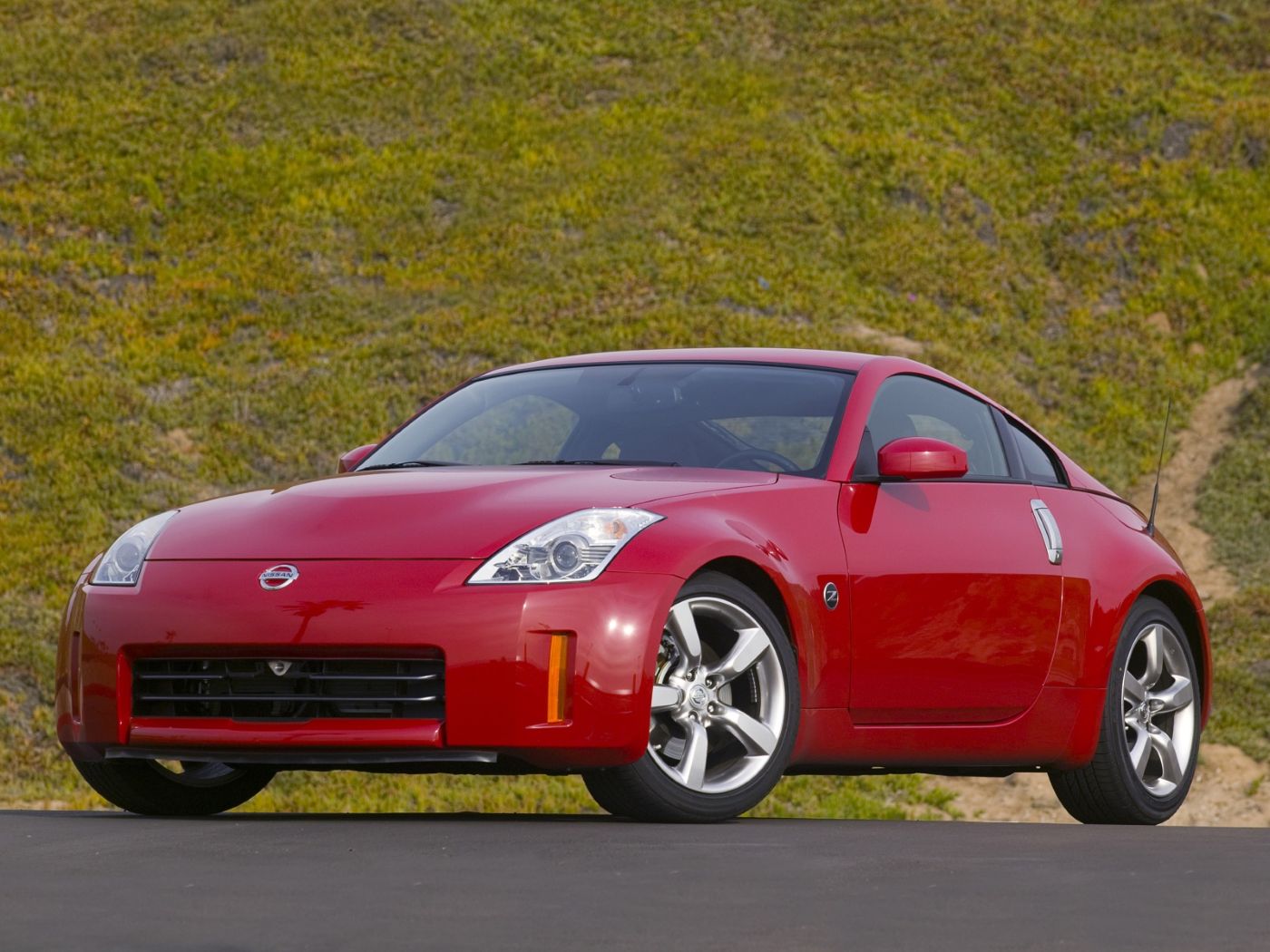
9. Nissan 350Z (2003–2008)
The Nissan 350Z is a two-seat sports car with a reputation for speed and handling. Models from 2003 to 2008 are sometimes available at affordable prices. The car features a powerful V6 engine and sleek design. Teenagers often find the 350Z appealing for its sporty image and performance.
Insurance premiums for teen drivers are extremely high. Sports cars like the 350Z are classified as high-risk. Insurers account for performance capability, accident history, and repair costs. Teenagers often face premiums that exceed the vehicle’s market value.
Repair and maintenance costs further complicate affordability. High-performance parts and labor can be costly. Insurers anticipate these costs, leading to premium calculations that reflect the potential financial exposure of covering the vehicle.
The 350Z’s sporty appearance contributes to high insurance rates. Vehicles that attract young drivers or suggest high speed are often flagged by insurers. Even experienced drivers may pay substantial premiums for this type of car.
While the Nissan 350Z (2003–2008) is appealing for performance and design, insurance costs make it impractical for teens. Young drivers seeking their first car should prioritize safety, moderate performance, and lower repair costs to maintain affordable coverage.
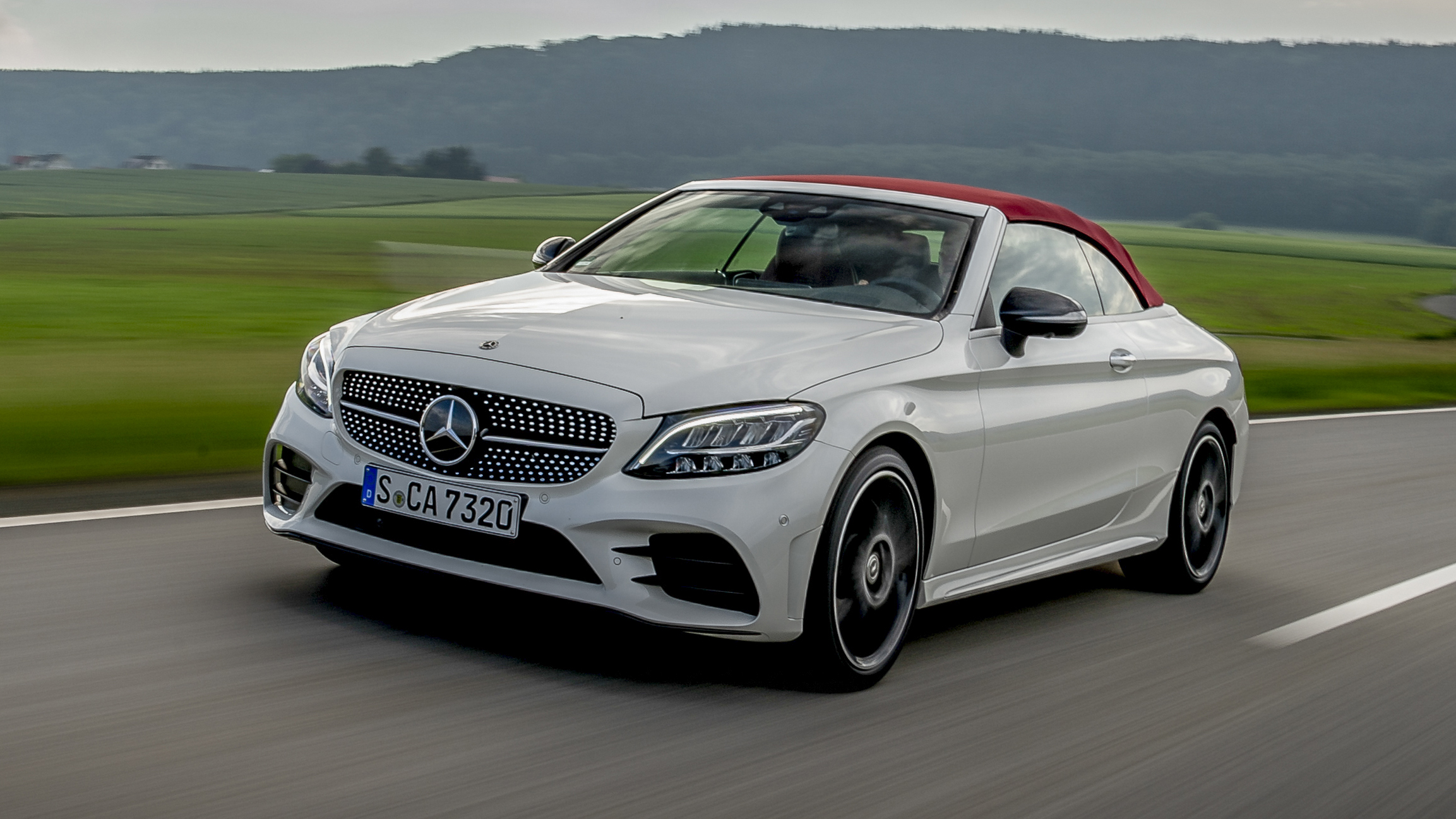
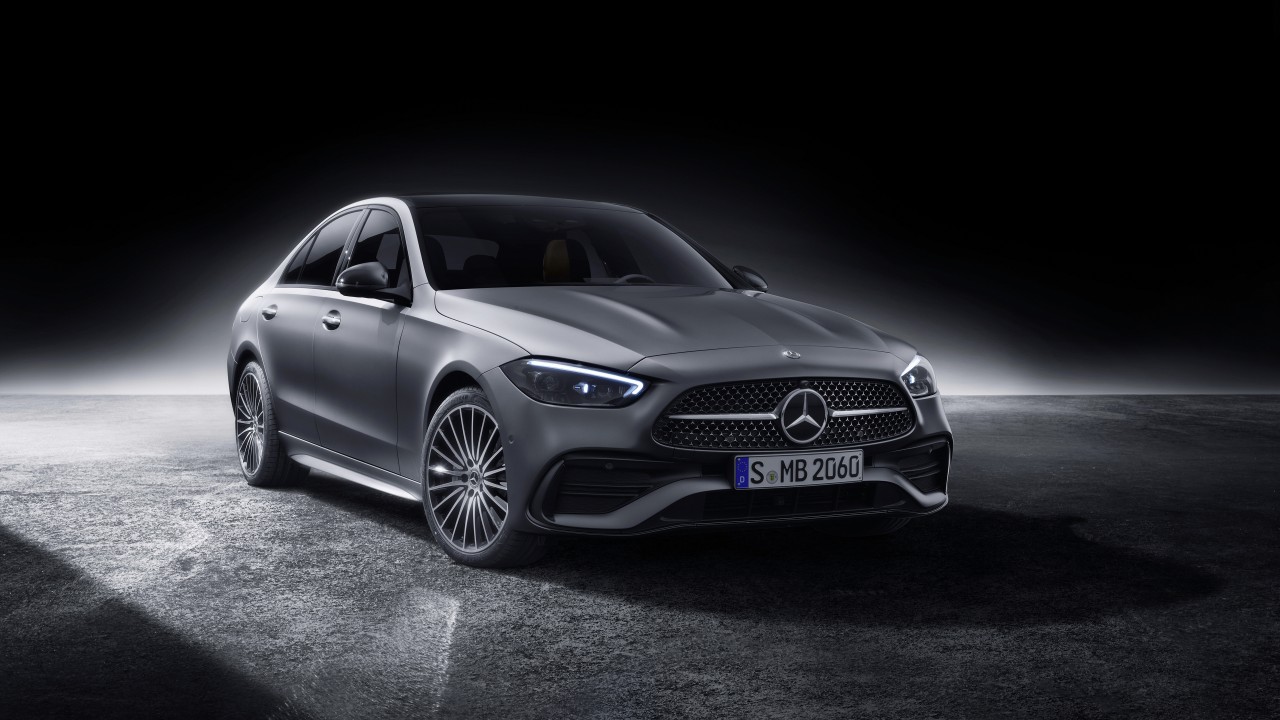
10. Mercedes-Benz C-Class (2003–2007)
The Mercedes-Benz C-Class is a luxury compact sedan that combines comfort with European engineering. Models from 2003 to 2007 are sometimes found at low prices. The car offers a premium interior, smooth handling, and reliable performance. Teenagers may be drawn to its luxury appearance and brand prestige.
Insurance costs for teen drivers are extremely high. Luxury vehicles are expensive to repair and often have high parts costs. Insurers also consider performance and accident data, resulting in premiums that are unaffordable for inexperienced drivers.
Older C-Class models may lack modern safety features, which increases risk in the eyes of insurers. While airbags and stability control are present, the repair costs and accident risk contribute to a high premium for teen drivers.
The Mercedes-Benz brand signals performance and luxury, which increases insurance risk. Teen drivers are often charged higher premiums due to the combination of brand, performance, and repair costs. Affordable coverage is rarely achievable.
While the Mercedes-Benz C-Class (2003–2007) is attractive and well-built, insurance considerations make it an impractical option for teenagers. Teens should consider more modest vehicles that balance style, safety, and affordable insurance.
