
Vehicle‑to‑Load (V2L) capability is quickly becoming one of the most valuable innovations in modern pickup trucks. As power outages become more common due to extreme weather, aging grid infrastructure, and increasing energy demands, the ability to use a truck as a mobile power source has real practical importance.
V2L lets a truck serve both as a dependable daily driver and a portable energy hub for household needs, which can transform the experience of losing grid power into something far more manageable. When an outage strikes, many homeowners scramble to find generators, extend and balance loads, or ration limited battery backups.
A truck with robust V2L capability eliminates much of that stress by providing an on‑board solution that can power essentials like refrigerators, lights, medical devices, communication equipment, and even tools for work.
Some modern trucks now offer dedicated V2L outlets with hundreds or even thousands of watts of power capacity straight from their battery or electrical system. This means that instead of relying solely on fossil‑fuel generators that require constant refueling and produce noise and emissions, owners can plug devices directly into their vehicle.
The convenience alone is an enormous advantage for anyone who lives in areas prone to blackouts or who values self‑sufficiency. These systems are engineered to work seamlessly, offering steady output that can support a home’s critical circuits for hours or even days, depending on the truck’s battery and power draw. This fundamentally changes the conversation around emergency preparedness, blending automotive versatility with household resilience in a single package.
Evaluating the best V2L‑capable trucks involves looking not just at power output and battery size, but also at integration with home electrical systems, ease of use, durability, and real‑world performance during prolonged outages.
Some models offer bidirectional charging that can connect to a home’s electrical panel, while others provide simple portable outlets perfect for plugging in a few essential devices. The industry of V2L trucks is expanding rapidly as manufacturers recognize the value consumers place on energy security.
Whether someone lives off‑grid, on a farm, or simply wants peace of mind in the face of unexpected outages, V2L capability adds remarkable utility to a truck purchase. As we explore the ten standout options for using V2L to power your home, each entry highlights unique strengths and real benefits for everyday life and emergency situations.
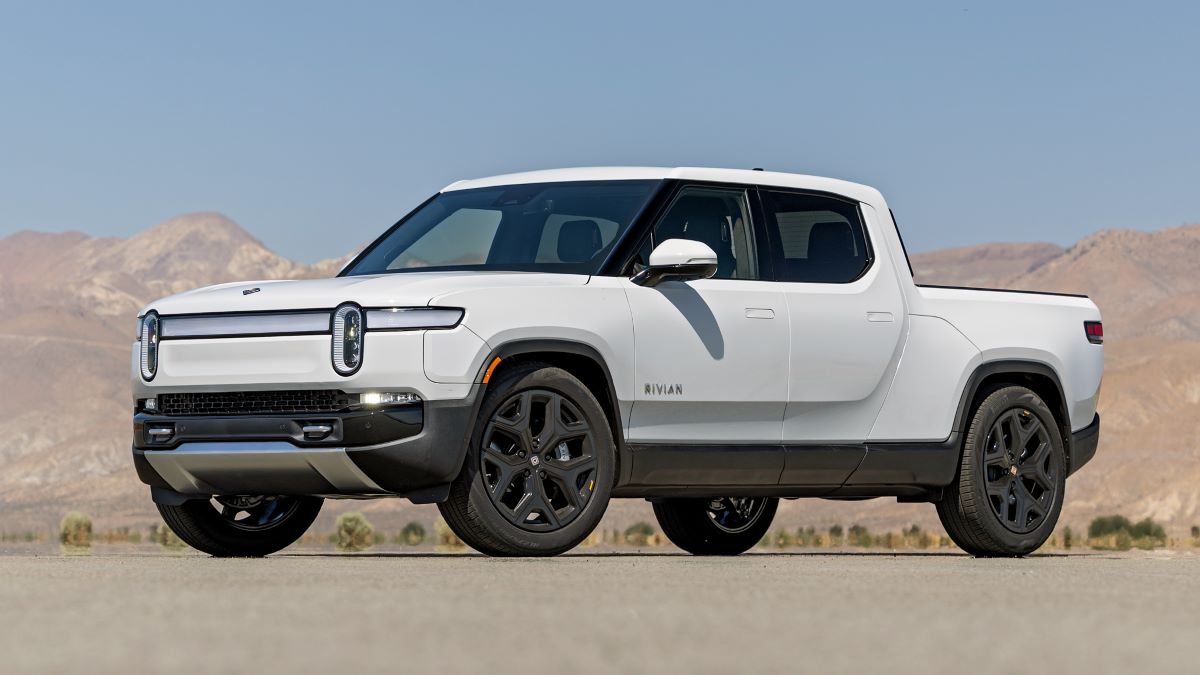
1. Rivian R1T
The Rivian R1T stands out as one of the earliest trucks to embrace bidirectional power and robust V2L support. Its large battery pack can provide enough juice to keep essential circuits alive during extended outages. Users can access power through multiple built‑in outlets or by routing energy through a camp kitchen or auxiliary panel. This flexibility makes it a compelling choice for homes that need reliable supplemental power without complexity.
Rivian’s electrical architecture is designed with resilience in mind, ensuring that energy delivery remains stable under load. The R1T’s V2L system can support a wide range of appliances, from small electronics to heavier tools.
Installation of V2L hardware is seamless, with outlets conveniently located for easy access without additional converters. Owners appreciate the integration between vehicle controls and power monitoring tools, which help manage usage smartly.
The ability to run off‑grid for days transforms how the R1T performs as both a work truck and a backup power source. Plugging in refrigerators, lighting systems, and communication devices becomes straightforward. Power management features let users prioritize critical loads while conserving battery life during longer outages. This makes it an ideal companion for families, remote workers, and anyone who values preparedness.
In everyday use, the R1T doubles as a capable adventure vehicle with off‑road chops. Its V2L system doesn’t detract from driving performance or range, even when used frequently.
Owners find that this truck adds peace of mind, knowing that power is available whenever needed. The balance between lifestyle and utility sets the R1T apart in the emerging V2L truck market. Over time, its reputation continues to grow among those who want more from their vehicle.
The value of the R1T lies in its combination of intelligent design, practical power outputs, and real‑world usability. For people who regularly face outages or like to camp comfortably, it redefines what a truck can do. Energy flow can be monitored and adjusted on the go, ensuring efficient usage. In terms of backing up a home, the R1T makes that task feel intuitive and reliable.
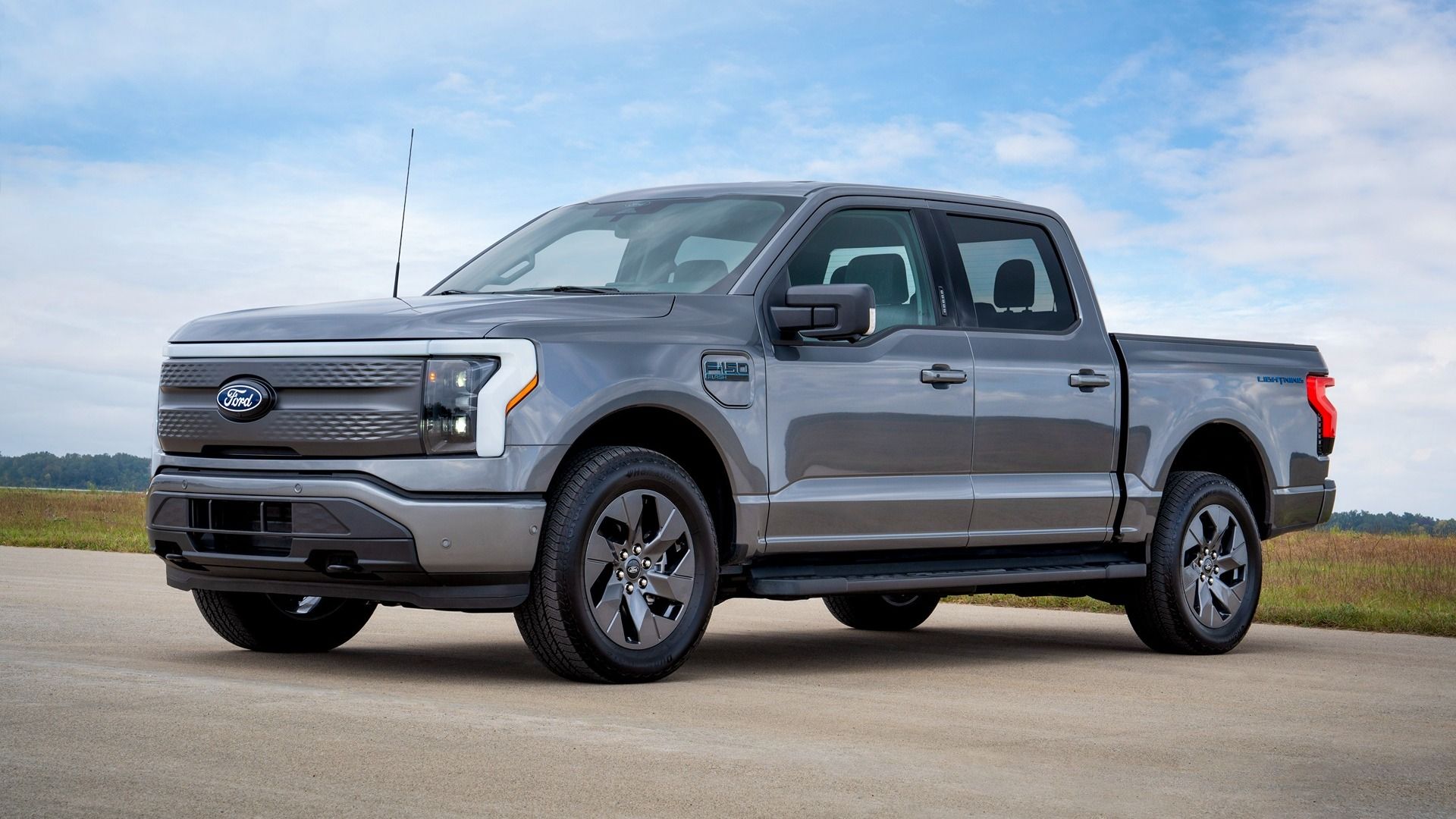
2. Ford F‑150 Lightning
The Ford F‑150 Lightning brings V2L functionality to one of the most popular pickup platforms in history. With its large onboard battery and an integrated power system, the Lightning offers high output that can sustain household essentials during grid failures.
Ford’s Pro Power Onboard system provides several outlets with varying capacities, making it simple to plug in and power critical devices. The system is engineered to be user‑friendly for both everyday owners and those preparing for emergencies.
One standout aspect of the Lightning is its seamless integration with home electrical systems, allowing for easier connection during outages. With the right equipment, power can flow directly from the truck to a home panel, reducing reliance on portable generators.
The truck’s interface enables users to monitor power delivery, set priorities, and ensure that vital appliances stay online. This level of control gives owners confidence that they can manage limited energy most effectively.
For homes that depend on a steady supply of electricity for medical devices or refrigeration, the Lightning’s capability is a game‑changer. Its multi‑outlet design allows for powering a combination of circuits without much fuss. Using V2L in this truck feels like expanding your home backup strategy beyond conventional solutions. It empowers users to maintain normalcy even when the grid falters.
In terms of daily usability, the F‑150 Lightning performs just like its non‑electrified counterparts, with ample payload and towing capacity. Its transition from workhorse to power hub doesn’t sacrifice performance on the road or at a job site. Owners report high satisfaction with the versatility it adds to their lifestyle. The familiarity of the F‑150 platform also makes learning the V2L system more accessible for many buyers.
The Lightning’s V2L implementation represents a significant step forward in making trucks multifunctional energy resources. It combines practicality with robust capability, suitable for a wide range of households.
The ability to power essential loads reliably enhances preparedness for both planned outages and sudden emergencies. As a result, it remains a top contender for anyone seeking a truck that supports home energy needs.
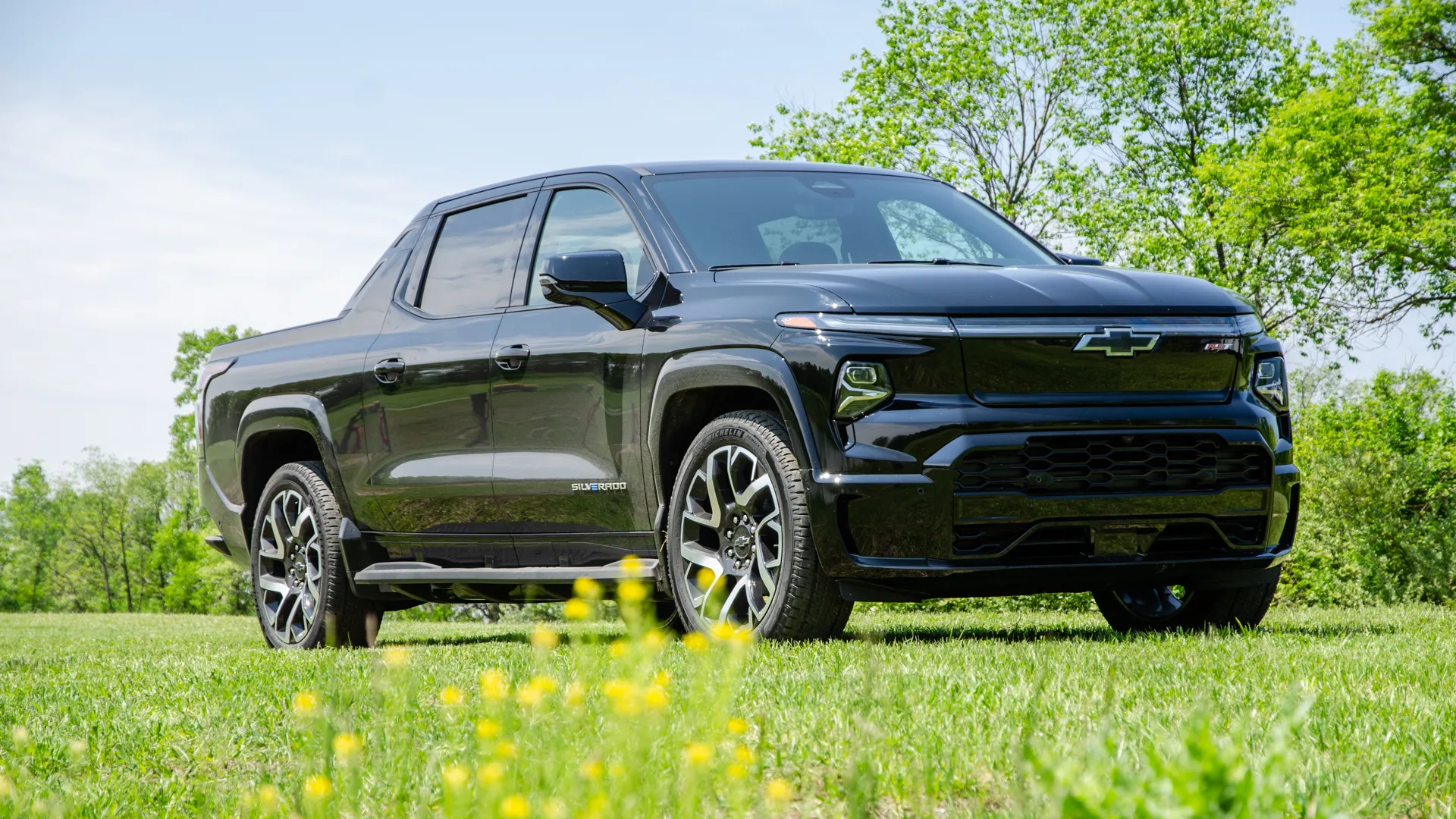
3. Chevrolet Silverado EV
The Chevrolet Silverado EV introduces a powerful V2L system that complements its impressive electric performance credentials. Its electrical output options allow for powering multiple devices simultaneously, enough to support essential home circuits during outages.
Built‑in access points mean users can plug in without special adapters, ensuring convenience comes standard. The truck’s V2L capability is engineered to be intuitive, with clear indicators showing power status and remaining range.
Silverado EV’s battery capacity is designed to balance driving range with the ability to deliver sustained power when stationary. This translates into meaningful hours of support for appliances, lighting, and tools when grid power is unavailable. Users appreciate how easy it is to allocate power where it’s needed without overcomplicating setup. The simplicity makes this truck valuable for emergency planning and outdoor work roles alike.
Connecting to a home system can be achieved with compatible transfer hardware, letting the Silverado function as a core part of your backup strategy. For families, this means keeping food cold and electronics running without interruption.
The design prioritizes safety and reliability, with built‑in protections that regulate voltage and prevent overloading. This lets owners focus on use rather than worrying about electrical issues.
Daily utility doesn’t suffer when V2L functionality is engaged, as the Silverado continues to offer solid towing and payload performance. Whether hauling gear or powering devices, the truck remains versatile and responsive. Its user interface makes managing energy straightforward, with real‑time feedback on consumption. The experience underlines how well V2L can integrate into normal routines.
In homes where outages are frequent or unpredictable, having a Silverado EV with V2L means added security and independence. It bridges the gap between mobility and stationary power in a practical way. This turns a truck into more than just transportation, transforming it into a resource for resilience. The Silverado EV’s approach to V2L puts it high on the list of models worth considering.
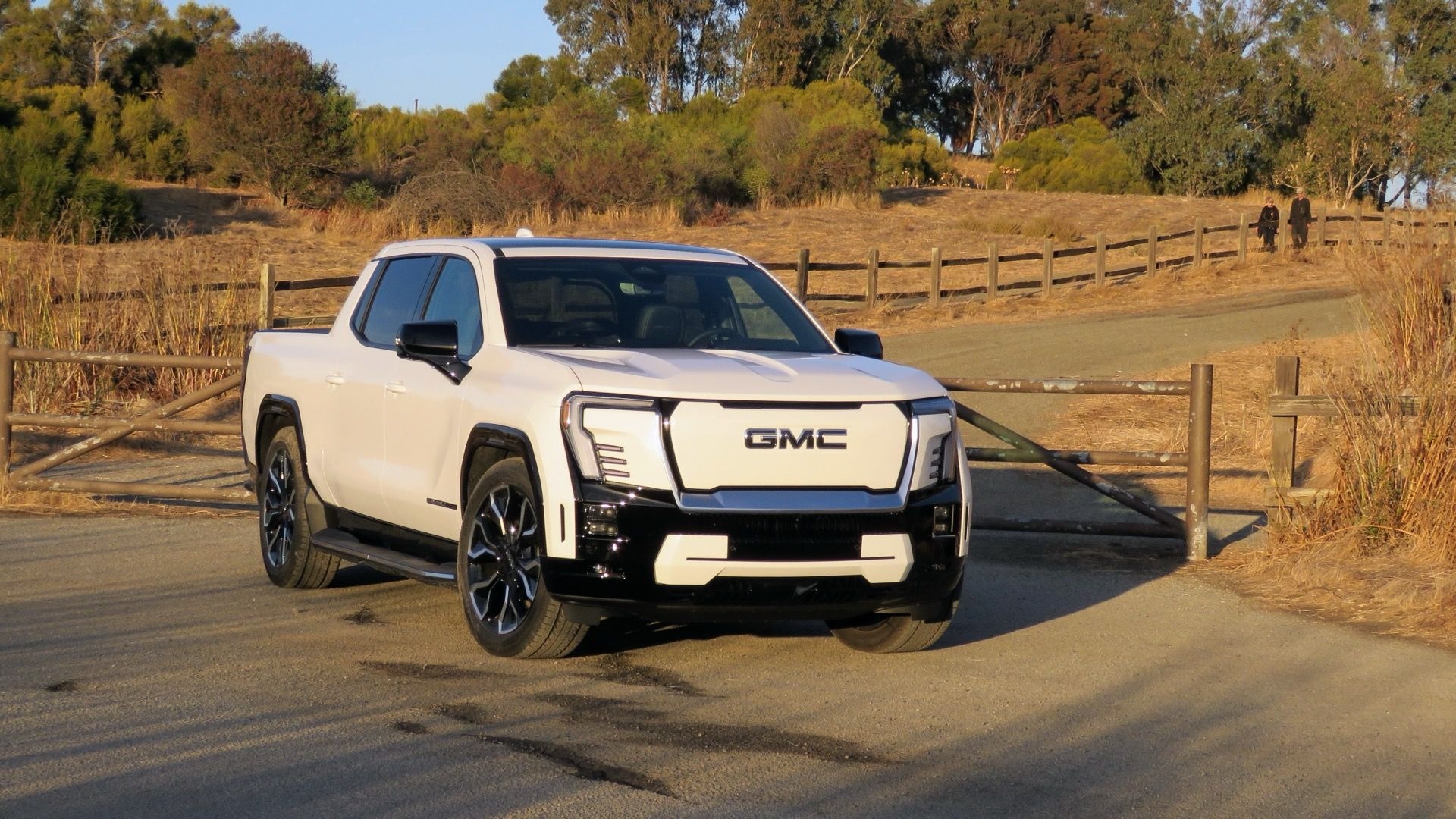
4. GMC Sierra EV
The GMC Sierra EV incorporates advanced V2L capability within a premium package that blends performance and utility. Its energy output supports essential household circuits during grid interruptions, allowing users to keep lights, appliances, and small devices operational.
Like its platform mates, the Sierra EV integrates outlets that are easy to access and use without additional equipment. The focus on user experience means power delivery feels straightforward and dependable.
Key to the Sierra EV’s strength is its balance of battery capacity with efficient power distribution. Owners can expect meaningful hours of backup support without compromising day‑to‑day driving range. The truck’s interface provides clarity on power usage, making it simple to track how energy is being consumed. This transparency boosts confidence in relying on the vehicle when it matters most.
Home connectivity options expand the Sierra EV’s usefulness, letting users divert power straight to essential circuits. With the right setup, this makes powering refrigerators and communication gear easier than ever. Safety features monitor voltage and load to prevent issues, ensuring reliable performance. This reliability is critical for anyone facing prolonged outages with little warning.
The Sierra EV also shines in its combination of comfort and capability. It performs well on the road, with responsive acceleration and robust hauling abilities. The V2L system sits naturally alongside its everyday duties, offering added utility without feeling like an afterthought. Owners enjoy having a premium truck that doubles as a practical energy resource.
The GMC Sierra EV appeals to those who want a blend of refined driving experience and emergency readiness. Its V2L capacity slots neatly into broader home preparations, providing peace of mind. The ease of accessing and using power makes it a strong candidate for families and professionals alike. This truck proves that energy versatility and capability can coexist without compromise.
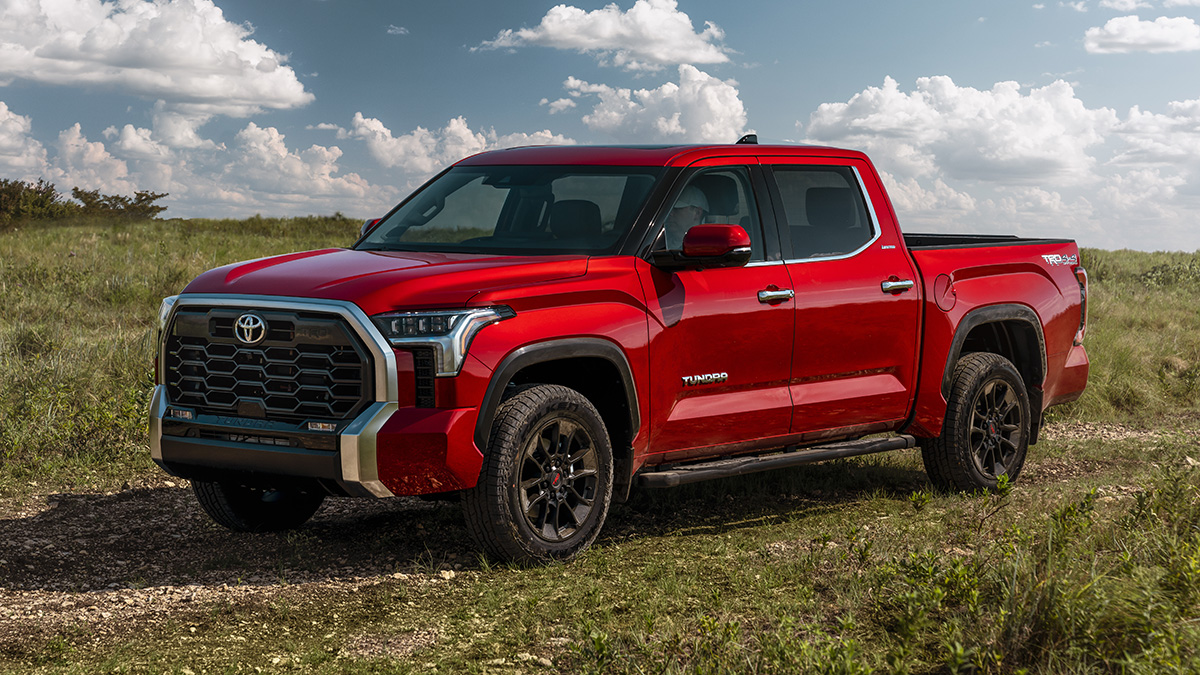
5. Toyota Tundra EV
While a fully realized Toyota Tundra EV is anticipated rather than currently widespread, speculation and announcements point toward strong V2L potential. Toyota’s engineering approach suggests that any electrified Tundra will likely include power delivery aimed at emergencies and off‑grid use. With a robust platform and expected large battery capacity, the possibility to support home circuits is attractive. Toyota’s emphasis on reliability further enhances the appeal of such a system.
Projected V2L functionality in a Tundra EV would likely focus on simplicity and durability, aligning with the brand’s reputation. Users could plug essentials directly into convenient outlets without the need for convoluted setup.
Toyota’s experience with hybrid and electric systems hints at intuitive controls that make energy distribution manageable. This would be beneficial for users unfamiliar with complex electrical configurations.
Potential home integration would emphasize safety and ease, allowing power to flow to critical circuits with minimal hassle. Having a truck that doubles as a backup generator would appeal especially to rural homeowners or anyone in areas prone to outages. The ability to power refrigerators, heating systems, and communication equipment becomes especially significant during extended blackouts. Toyota’s engineering pedigree suggests such a system would be dependable and user‑friendly.
As with other electric trucks, daily driving performance should remain uncompromised by V2L capability. Hypothetical projections suggest the Tundra EV would perform well in towing and hauling, while also offering peace of mind through power readiness.
The marriage of utility and energy versatility could position it as a leader among electrified trucks once available. Owners would benefit from the ability to manage both transportation and emergency power needs.
The possibility of a V2L‑capable Toyota Tundra EV excites many truck enthusiasts and practical homeowners alike. While specifics remain to be seen, the foundation suggests meaningful capability. If delivered as expected, it would offer a blend of ruggedness, utility, and energy independence. This would make it a compelling choice in the growing list of trucks that help power homes during outages.
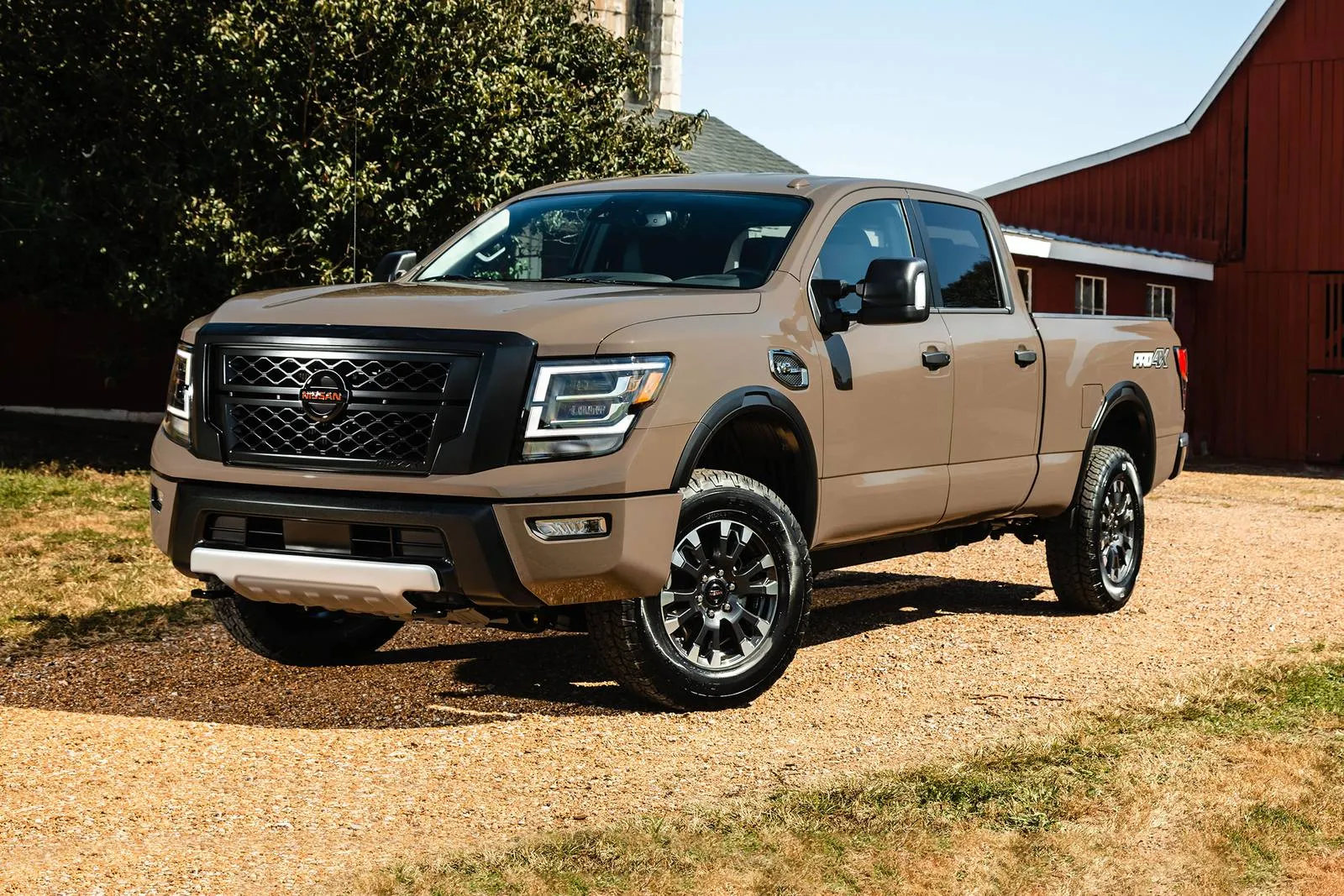
6. Nissan Titan XD
The Nissan Titan XD EV, while not currently released with confirmed V2L, represents another potential entrant in the electrified truck market with the ability to support home power. Nissan has extensive experience with EV technology through models like the LEAF, which included bidirectional charging options in some markets.
Bringing similar capability to a full‑size truck could yield a strong solution for homeowners who value power flexibility. A Titan XD EV with V2L could become an essential tool during outages and emergencies.
If equipped, the Titan XD EV’s V2L system would likely provide a balanced mix of power output and ease of use. Owners could power essentials like coolers, pumps, and charge devices without difficulty. Nissan’s focus on reliability and simplicity could translate into intuitive power delivery interfaces. This would make the transition from driving to powering a home seamless and stress‑free.
The truck’s size and expected battery capacity mean it could deliver substantial energy reserves. This becomes particularly important in prolonged outages where every watt counts. With the right transfer equipment, power could flow to crucial home circuits, keeping lights on and appliances running. This dual‑purpose use elevates the utility of the vehicle beyond transportation alone.
Daily driving and work duties would remain central to the Titan XD EV’s role, even with V2L functionality. Towing, hauling, and off‑road excursions would complement its ability to serve as an energy hub. Owners seeking versatility in both mobility and backup power would find this appealing. Nissan’s dedication to EV development suggests the potential for robust performance.
In essence, a Nissan Titan XD EV with V2L would join the ranks of trucks that redefine emergency readiness. Even if still speculative, the concept illustrates how broader adoption of V2L could benefit everyday users and homeowners. Its potential would offer peace of mind for those preparing for unpredictable grid issues. This aligns with the growing trend of trucks serving as multi‑role tools for modern life.
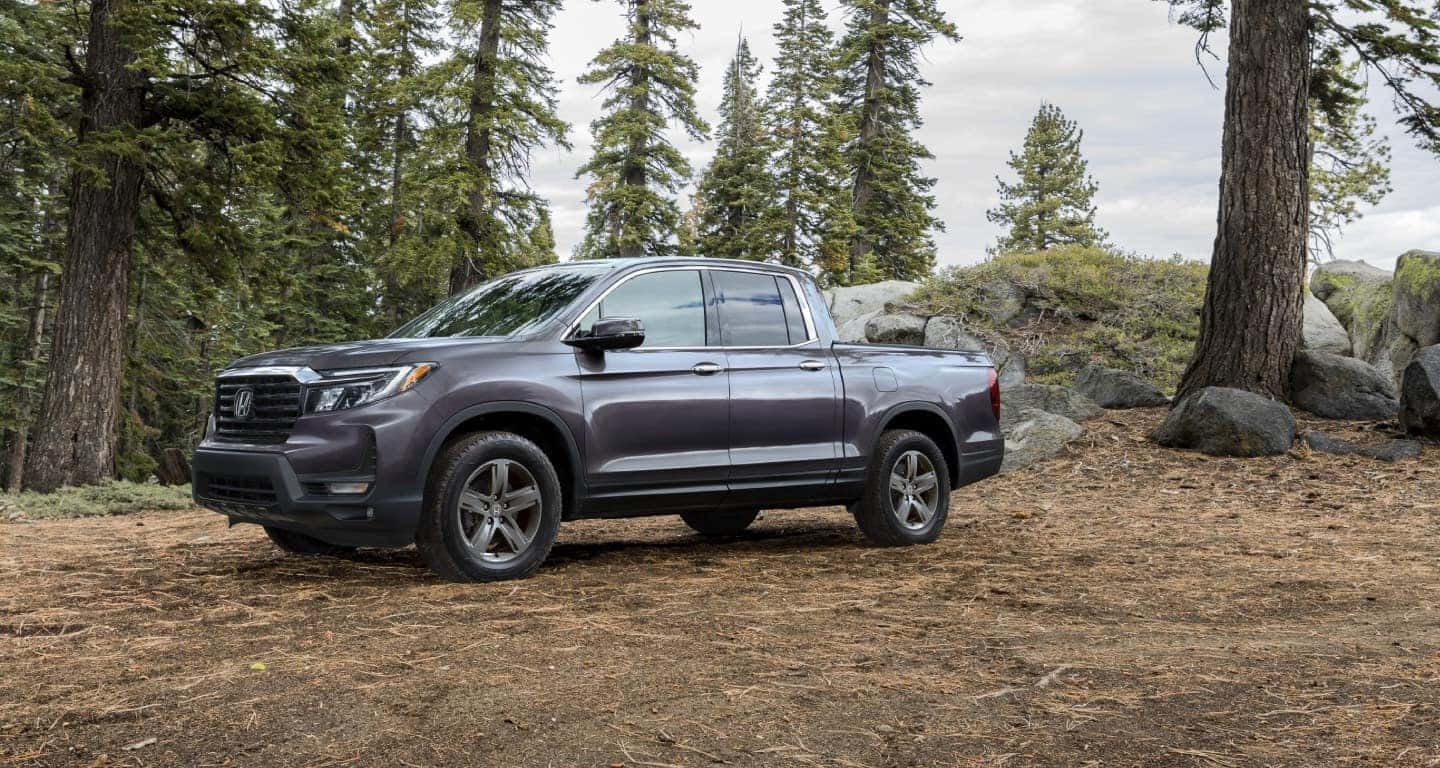
7. Honda Ridgeline EV
A future Honda Ridgeline EV with V2L capability holds promise as a compact yet powerful solution for powering homes during outages. Honda’s history with innovative power systems and efficient engineering points toward the possibility of an electrified Ridgeline that could double as a portable energy source.
V2L support in such a truck would enable owners to run critical appliances and charging equipment with minimal setup. This aligns well with Honda’s reputation for user‑centric design.
Should Honda equip the Ridgeline EV with bidirectional power, it would likely focus on seamless integration and practical output. Owners could use built‑in outlets or adapters to power essential devices, lights, and small appliances during outages. The straightforward interface would allow users to monitor and manage energy consumption easily. This simplicity would make the system accessible to owners of all experience levels.
The truck’s size would balance maneuverability with sufficient battery capacity, offering enough energy to support key circuits over several hours. Families and individuals who prioritize reliability and ease would appreciate such capability. Connection to a home system would become a valuable redundancy during extended grid failures. Having a trusted vehicle double as emergency power reinforces peace of mind.
Driving and hauling performance wouldn’t be sacrificed, as the hypothetical Ridgeline EV would maintain Honda’s standards for comfort and capability. Whether commuting or working, the truck would operate smoothly while also standing ready to power a home when needed. Its versatility would appeal to a broad audience seeking both practicality and preparedness. V2L functionality would enhance the truck’s value without compromising core strengths.
A V2L‑equipped Honda Ridgeline EV represents an attractive vision for future trucks. Its potential to provide meaningful home backup power highlights the growing role of electrified vehicles in everyday life. Owners could count on energy support when grid outages occur, adding resilience without complexity. This reflects a trend toward more adaptable and capable vehicles.
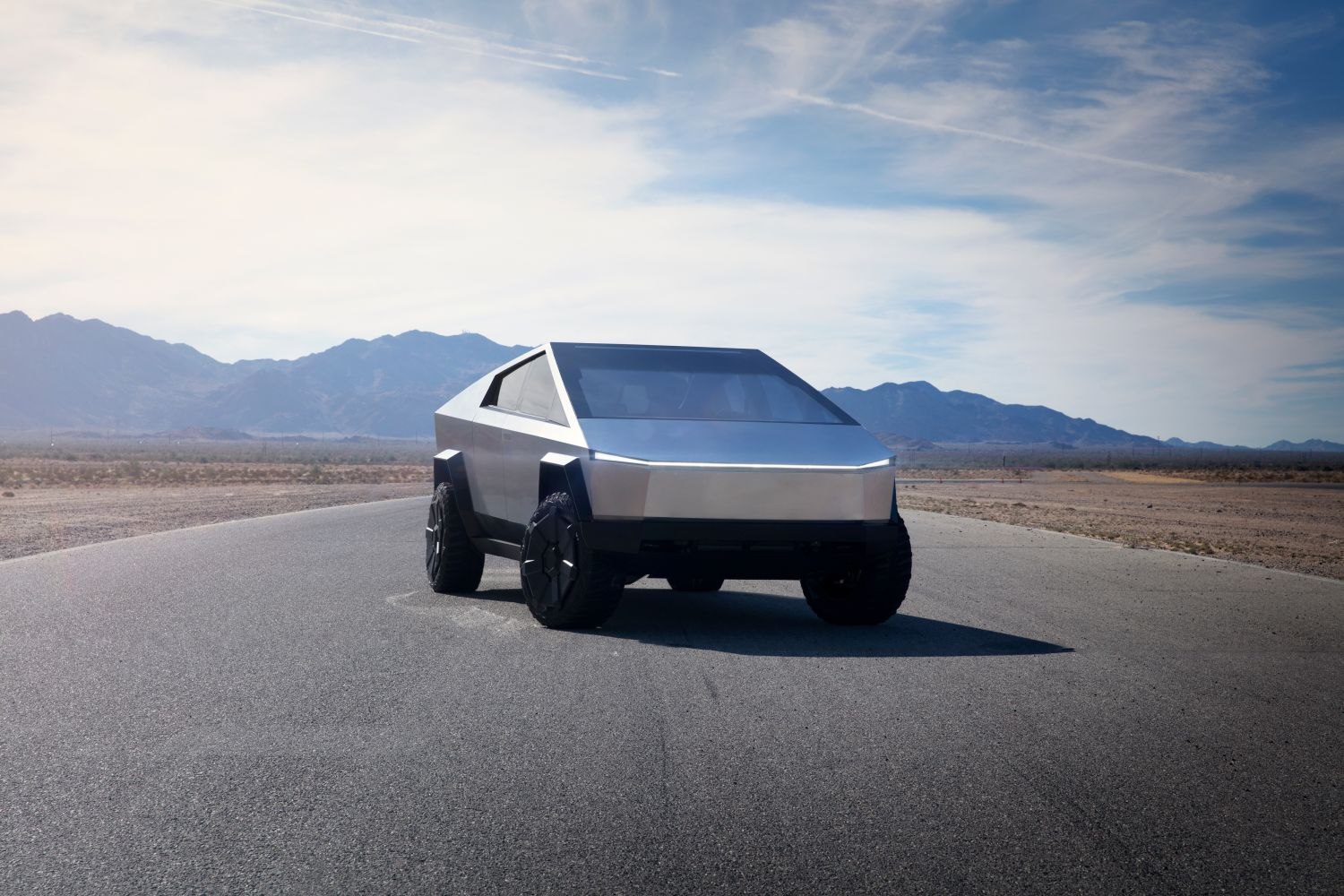
8. Tesla Cybertruck
The Tesla Cybertruck combines futuristic design with powerful electric capabilities, including potential for strong V2L support. Though specifics vary based on configuration, its large battery capacity suggests significant energy reserves that could serve household needs during grid interruptions.
Tesla’s focus on efficiency and intelligent power management makes the idea of using the Cybertruck as a backup energy source compelling. With appropriate outlets and inverters, owners could power essentials with fewer complications than traditional generators.
Cybertruck’s electrical system is designed for flexibility, allowing users to monitor power usage and manage distribution via its interface. This means running lights, refrigerators, communication equipment, and other key loads can be done with confidence. The truck’s robust construction and ruggedness also mean reliability when needed most. Owners can trust that energy delivery remains consistent throughout an outage period.
Integration with a home panel setup enhances the usefulness of V2L, allowing seamless power flow into critical circuits. This can reduce the stress of managing multiple portable devices or temporary power solutions. Instead, a single system delivers what’s needed with minimal setup time. Tesla’s approach to software updates also means that improvements to power management could arrive over time.
Daily performance of the Cybertruck remains strong, with ample towing and hauling. Its dual role as a vehicle and power hub adds utility without sacrificing capability. Whether for work or emergency readiness, this truck fits many needs simultaneously. Its distinct look and performance give it an edge among electrified V2L options.
The Tesla Cybertruck’s potential for home energy support illustrates how electric trucks are reshaping expectations. Owners gain more than transportation; they gain a resilient energy asset. This makes the Cybertruck a choice for anyone seeking comprehensive preparedness.
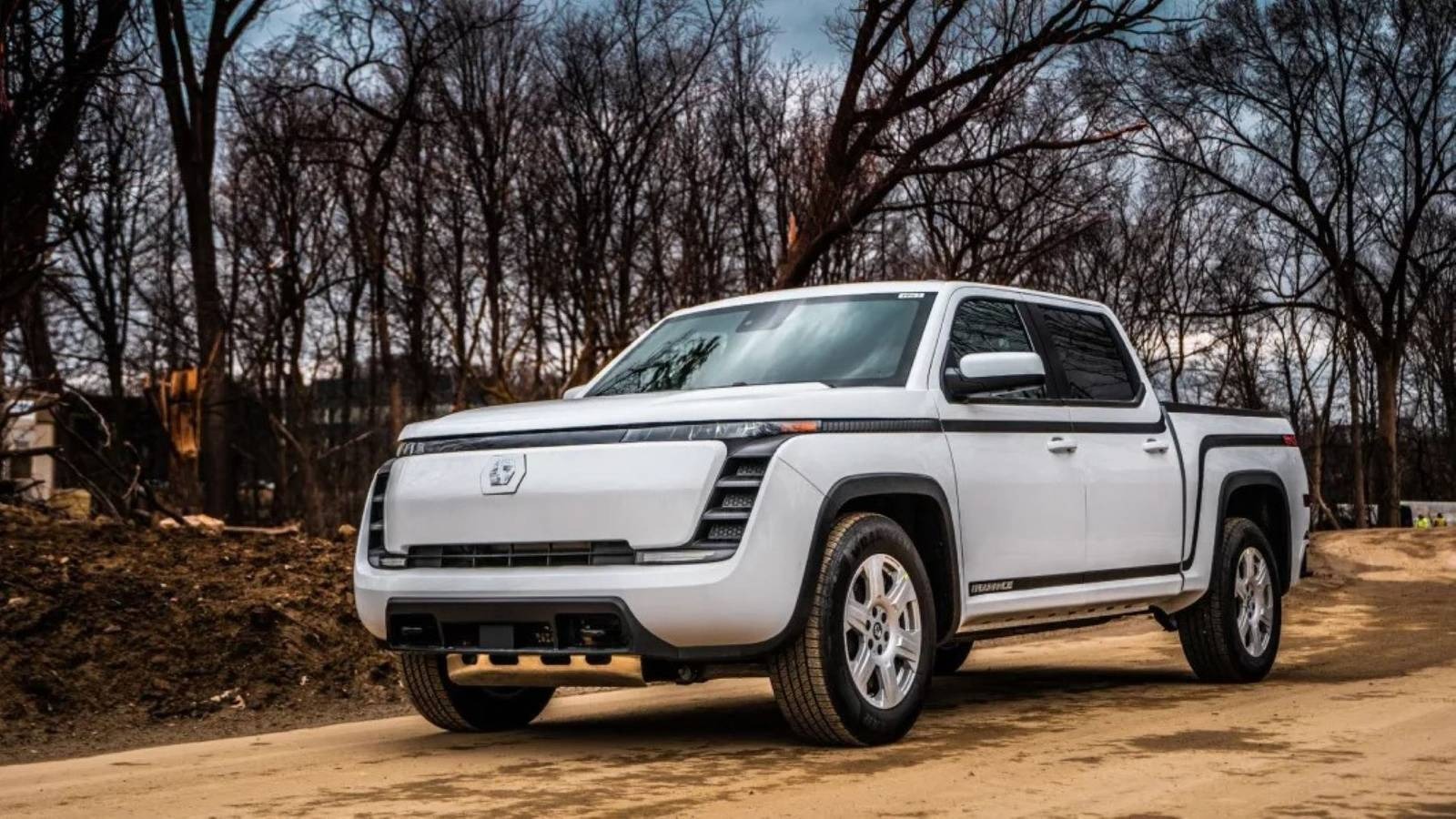
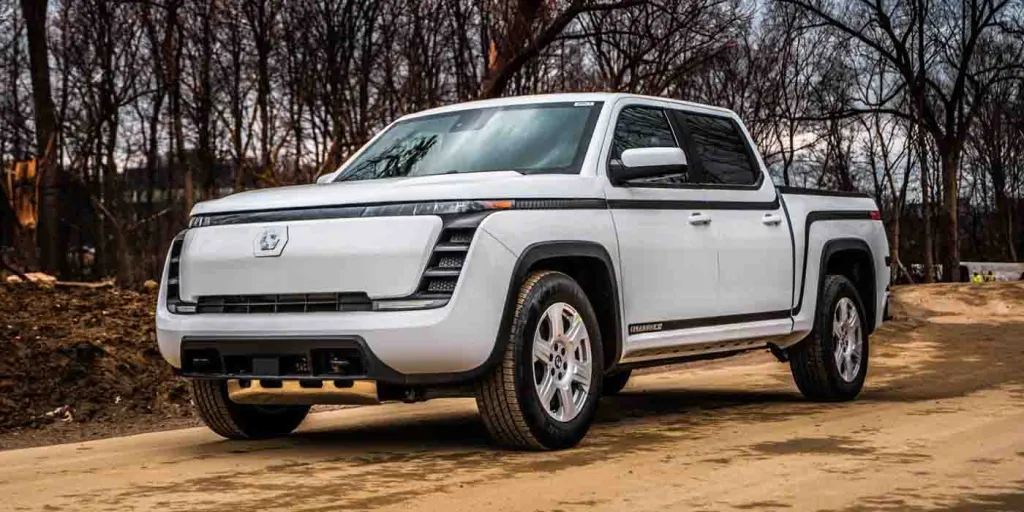
9. Lordstown Endurance EV
The Lordstown Endurance EV offers V2L capabilities aimed at practicality and simplicity during grid outages. Its electrical system supports power delivery sufficient for household essentials, making it a valuable resource when conventional power fails.
The truck’s outlets are strategically positioned for convenience, enabling quick connection to appliances and devices. This approach aligns with the Endurance’s mission to be a dependable, no‑nonsense electric work truck that also provides energy versatility.
With a focus on utility, the Endurance EV allows users to manage energy output through intuitive controls. Owners can plug in tools, lights, and communication gear without struggling through complex configurations.
The truck’s battery capacity supports extended backup time, making it well‑suited for households that face frequent outages. This adds a layer of assurance for families dependent on continuous power.
Home power integration becomes straightforward with compatible transfer hardware, letting the truck feed critical circuits when needed. This reduces reliance on standalone generators that require fuel and maintenance. The Endurance’s V2L system feels like an extension of the truck’s robust design, built to work under pressure. This reliability is essential in situations where power loss impacts comfort and safety.
On the road, the truck performs as expected for a work‑oriented EV, with solid handling and useful payload capacity. Its V2L feature enhances its practicality, rather than overshadowing core duties. Owners appreciate the balance of everyday functionality and emergency readiness. For those seeking a truck that simply gets the job done while providing backup power, the Endurance EV is a strong option.
The Lordstown Endurance EV brings practical V2L functionality to the segment of work trucks tailored for reliability. Its ability to power household essentials during outages enhances resilience without unnecessary complexity. This makes it especially attractive to users with straightforward needs. The Endurance EV proves that V2L can be both simple and effective.
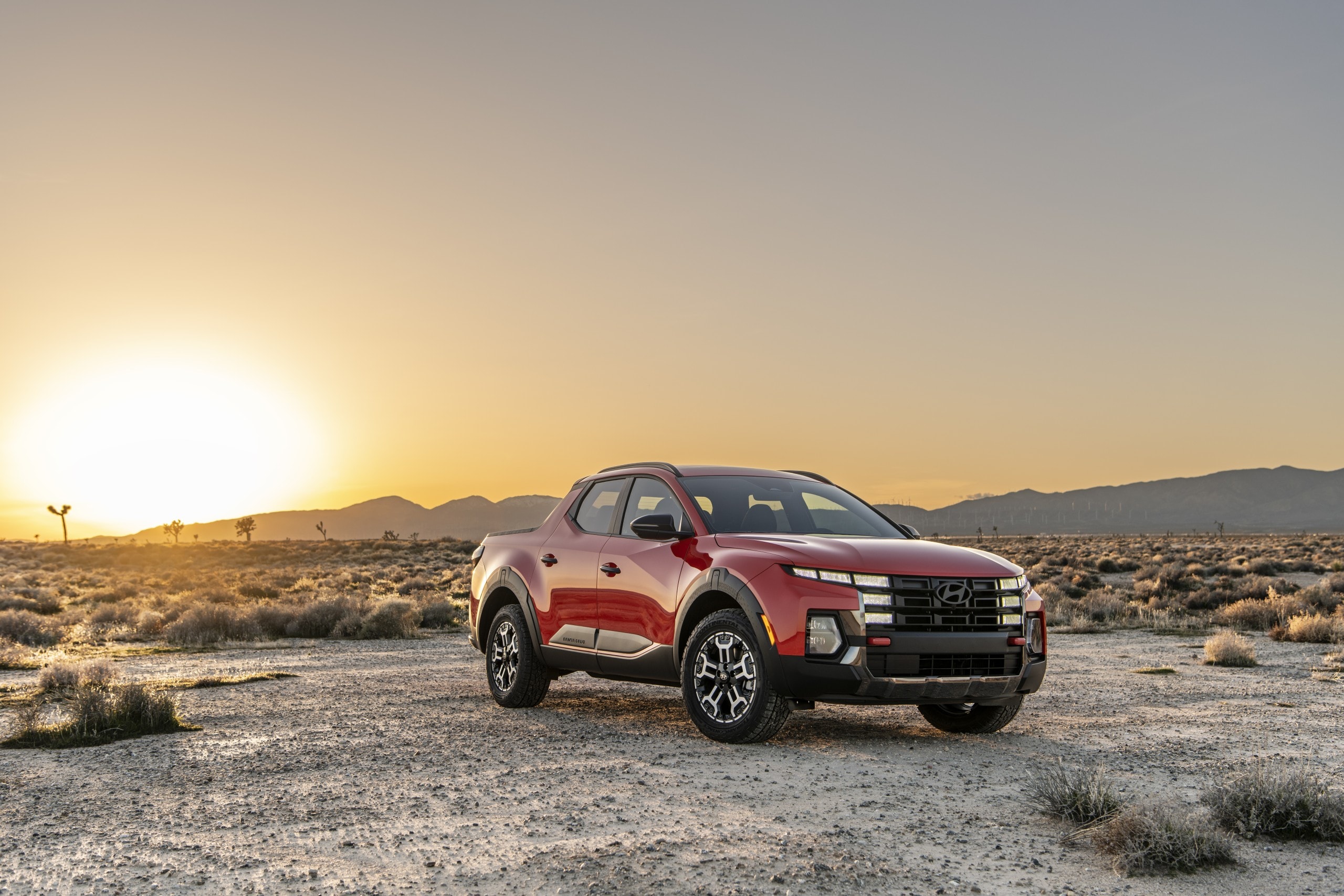
10. Hyundai Santa Cruz EV
The Hyundai Santa Cruz EV, imagined with V2L support, could expand portable energy options into a smaller, versatile pickup form. Hyundai’s experience with electric vehicles suggests that integrating bidirectional power would focus on accessibility and everyday usability.
A compact V2L truck would benefit urban and suburban owners who want emergency power without investing in large generators. This potential reflects a broader trend toward adaptable EV capabilities across segments.
Santa Cruz EV’s V2L output would likely provide sufficient energy for essential appliances and devices. This includes lighting, refrigeration, small pumps, and communication gear. Built‑in outlets or easy‑access connectors would keep setup simple. Owners could manage energy usage from the vehicle’s interface, ensuring smooth operation during outages.
Connecting the truck to a home’s electrical panel with appropriate hardware would increase its usefulness. Power could be routed to critical circuits, offering peace of mind during weather‑related grid failures or planned outages. This expands the truck’s role beyond transport and work, making it a multipurpose energy resource. Such flexibility feels natural in a world where connectivity and readiness matter.
Day‑to‑day performance of the Santa Cruz EV would mirror Hyundai’s commitment to comfort and practicality. Its V2L feature would not detract from driving enjoyment or utility functions. Instead, it enhances value by offering backup energy without added complexity. Owners would benefit from an adaptable truck that supports both practical needs and emergencies.
A V2L‑capable Hyundai Santa Cruz EV would represent accessible energy resilience in a compact form. Its potential underscores how EVs are reshaping expectations for trucks at all scales. Users could count on reliable power when grid outages occur, adding confidence and convenience. This speculative model highlights the growing intersection of mobility and energy independence.
