
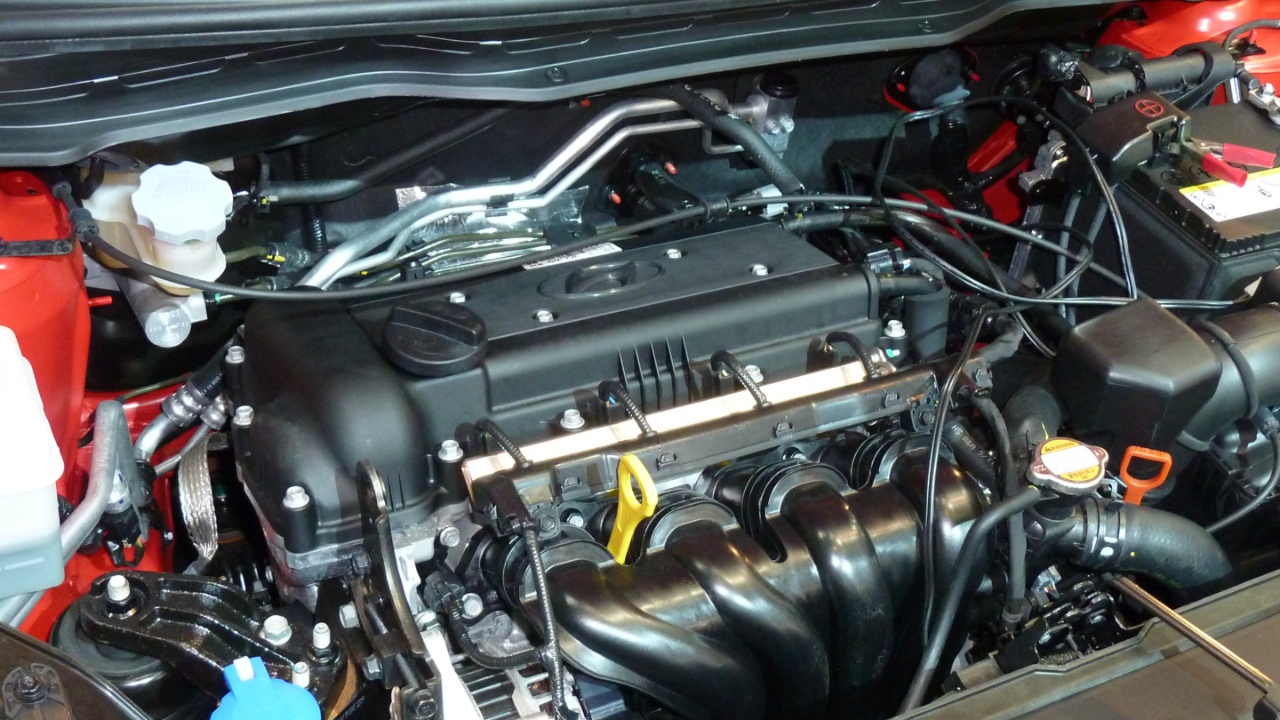
Timing belts and chains are critical components of internal combustion engines, responsible for synchronizing the rotation of the crankshaft and camshaft.
When a timing belt fails on an interference engine, the pistons and valves occupy the same space at different times, often resulting in catastrophic engine damage.
This can mean bent valves, damaged pistons, and in some cases, a complete engine rebuild. On the other hand, non-interference engines are designed so that the pistons and valves never collide, even if the belt breaks, providing peace of mind for car owners who may neglect maintenance schedules or experience sudden failures.
Non-interference engines generally have greater tolerance for timing failures, which reduces repair costs and prevents sudden engine breakdowns. This makes them appealing for older vehicles or for those seeking a lower-risk option in daily commuting.
While interference engines often offer higher performance and more compression, non-interference engines focus on reliability and durability. Drivers with non-interference engines are less likely to experience unexpected expenses due to timing belt failures, making these engines a practical choice for many consumers.
Automakers have recognized the benefits of non-interference engines and included them in a wide range of models over the decades. These engines are especially common in economy cars, trucks, and certain mid-range sedans, where the emphasis is on longevity and reduced maintenance risks.
Car buyers concerned about repair costs and engine longevity often prioritize non-interference designs for these reasons. Moreover, these engines provide peace of mind for drivers who may not adhere strictly to recommended maintenance schedules, as a broken timing belt does not immediately lead to expensive repairs.
Mechanically, non-interference engines achieve their safety through careful design of valve travel, piston clearance, and timing geometry. The space between pistons and valves is always sufficient to avoid collisions under normal operating conditions.
While they may not always offer the extreme performance of interference engines, the tradeoff is a strong focus on long-term engine integrity. The design philosophy ensures that even in worst-case scenarios, the engine remains intact and can often be restarted after a belt replacement without extensive repair.
Understanding which engines are non-interference is crucial for maintenance and repair planning. While many modern engines are interference by default, several classic and reliable engines are non-interference and can be a safer option for certain vehicles.
Vehicle manuals, manufacturer specifications, and repair guides can provide this information. By choosing a non-interference engine, drivers can minimize risk and reduce the likelihood of costly downtime, making them an important consideration in both new and used car purchases.
1. Toyota 4A-FE
The Toyota 4A-FE engine, commonly found in Corolla models from the late 1980s to the early 2000s, is a well-known non-interference engine. It is a four-cylinder engine with a timing belt that connects the camshaft and crankshaft without placing the valves and pistons in direct collision paths. This design allows for safe operation even if the belt breaks unexpectedly.
Owners of vehicles with the 4A-FE engine benefit from a durable and reliable motor that is easy to maintain. Replacement of the timing belt, while still recommended, is less critical to preventing catastrophic engine damage compared to interference engines. Many mechanics recommend changing the belt as a preventive measure, but a failure is unlikely to ruin the engine immediately.
The 4A-FE is also praised for fuel efficiency and modest power output. While it may not provide high-performance characteristics, it serves as a dependable daily driver engine. Vehicles with this motor often reach high mileage with minimal major repairs, which increases its appeal for cost-conscious drivers.
Toyota’s engineering approach focused on balanced performance and longevity in the 4A-FE. Components are designed to handle stress over time, with robust pistons, valves, and camshaft geometry. This approach reduces the risk of damage under belt failure conditions and makes the engine more forgiving.
Many used car buyers actively seek vehicles with the 4A-FE engine due to its reputation for reliability. Parts availability and mechanic familiarity further enhance its value. For drivers prioritizing safety from timing belt failure, the 4A-FE represents a classic example of a non-interference design.
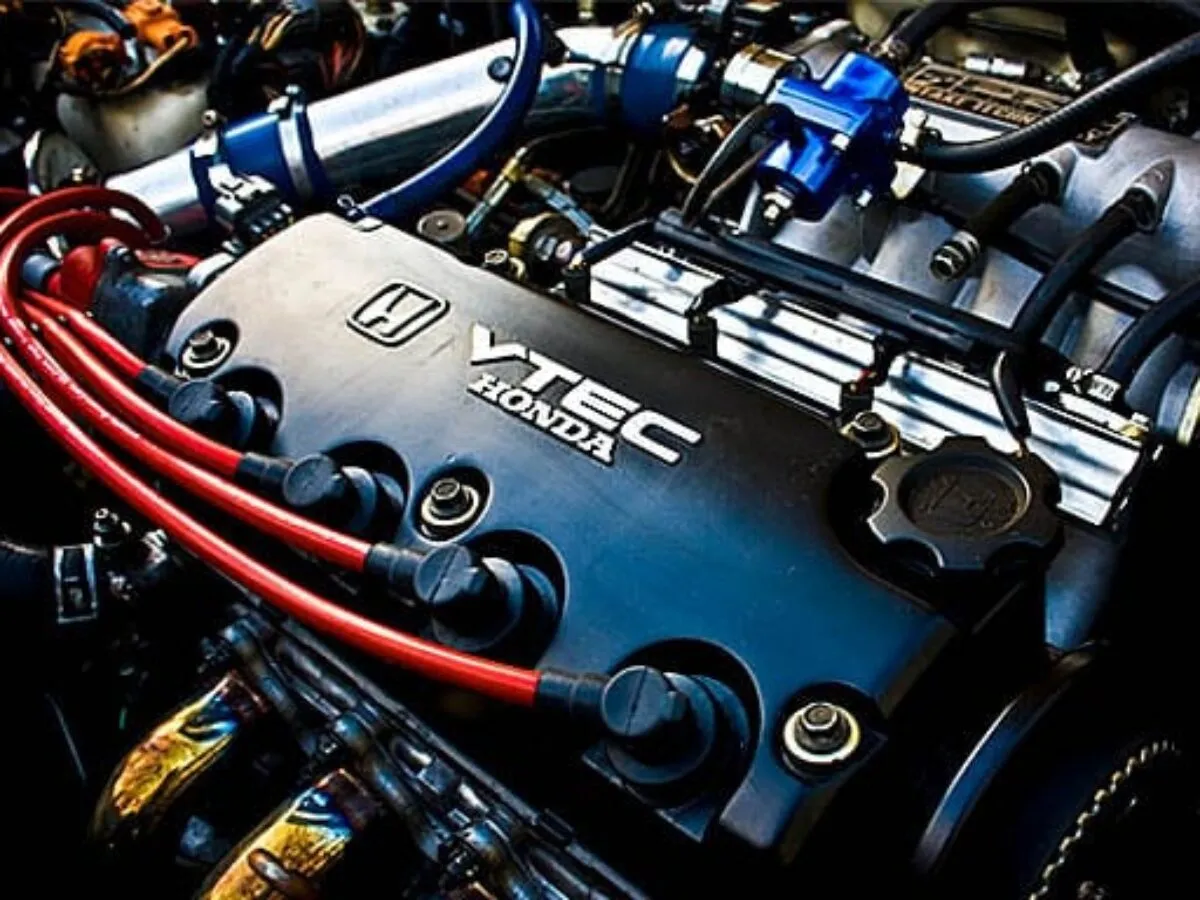
2. Honda D16 Series
The Honda D16 series engines, such as the D16Y7 and D16Z6, are a set of non-interference engines found in Civics and other Honda models from the 1990s. These engines provide reliable performance while minimizing the risk of valve-to-piston contact in case of a timing belt failure.
Mechanically, the D16 engines are compact, with four cylinders and single or dual overhead cams depending on the variant. The timing design allows the camshaft to drive the valves without overlap risk. This ensures that a sudden belt failure does not result in catastrophic damage to the engine internals.
Honda engineered these engines for durability and low maintenance. Non-interference design combined with robust engine components allows these motors to withstand many miles of use. Regular oil changes and scheduled belt replacements remain important, but the consequences of missed maintenance are less severe.
Performance in D16 engines is modest but sufficient for everyday driving. Drivers can enjoy reliable acceleration and fuel economy without worrying about costly repairs from timing belt failures. This balance of performance and reliability has made the D16 series a favorite among enthusiasts and practical drivers alike.
Used D16 engines continue to be in demand for rebuilding or swapping projects. Their reputation for non-interference design makes them attractive options for those looking for safe, long-lasting engines. Mechanics are familiar with these motors, and parts are widely available, further enhancing their practicality.
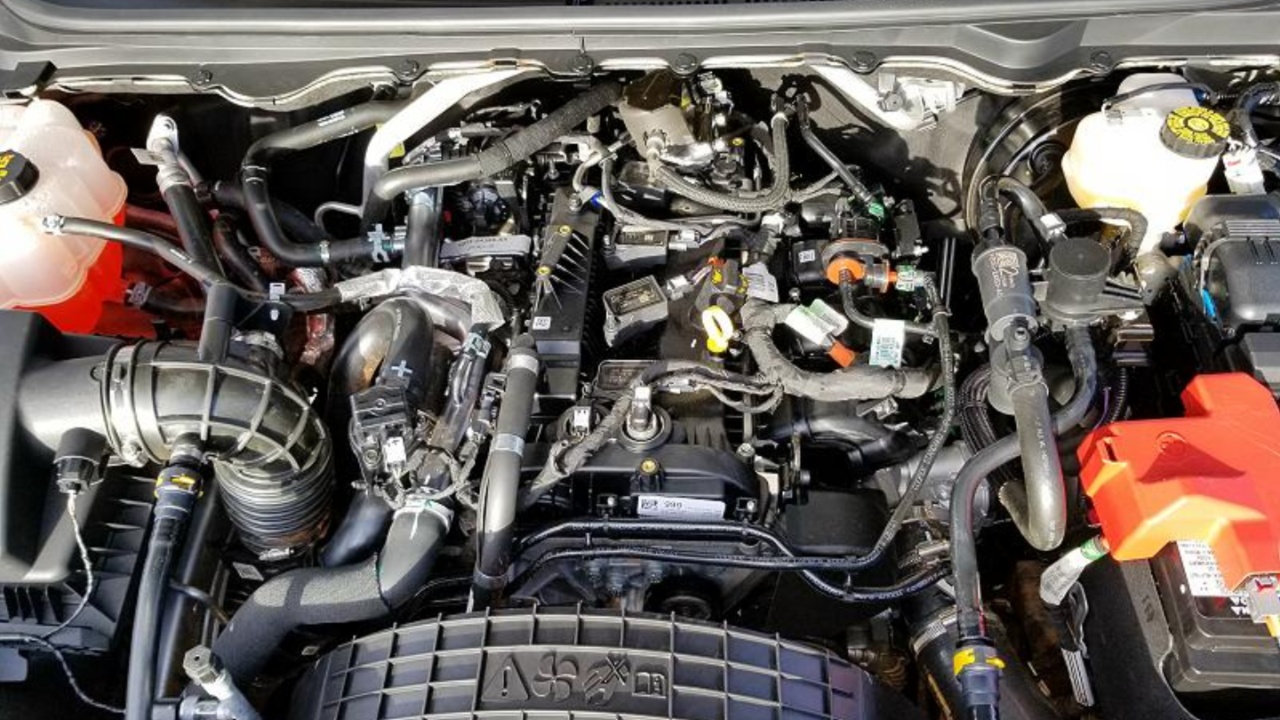
3. Ford 2.3L
Ford’s 2.3L engines, particularly in older Mustang and Ranger models, are recognized for their non-interference characteristics. This inline-four engine provides reasonable performance without risking severe engine damage if the timing belt fails.
This engine was widely used in the 1980s and 1990s. Its robust design includes ample clearance between pistons and valves, ensuring that a belt failure does not result in collision damage. Vehicle owners benefit from reduced repair risks and lower long-term maintenance costs.
Durability is a hallmark of the 2.3L design. Components are designed for longevity, and the engine responds well to standard maintenance routines. Even in vehicles with high mileage, the engine can often continue functioning after a belt issue without immediate costly repairs.
The 2.3L engine delivers dependable performance with moderate horsepower. While it may not rival modern engines in output, it provides reliable transportation and longevity. This engine is particularly appreciated by owners who value consistent operation over aggressive performance.
Because of its non-interference nature, mechanics consider the Ford 2.3L a safe choice for older vehicles. Timing belt replacement remains recommended, but sudden failures are unlikely to result in catastrophic damage. This makes it an attractive engine for drivers seeking a balance of performance and reliability.
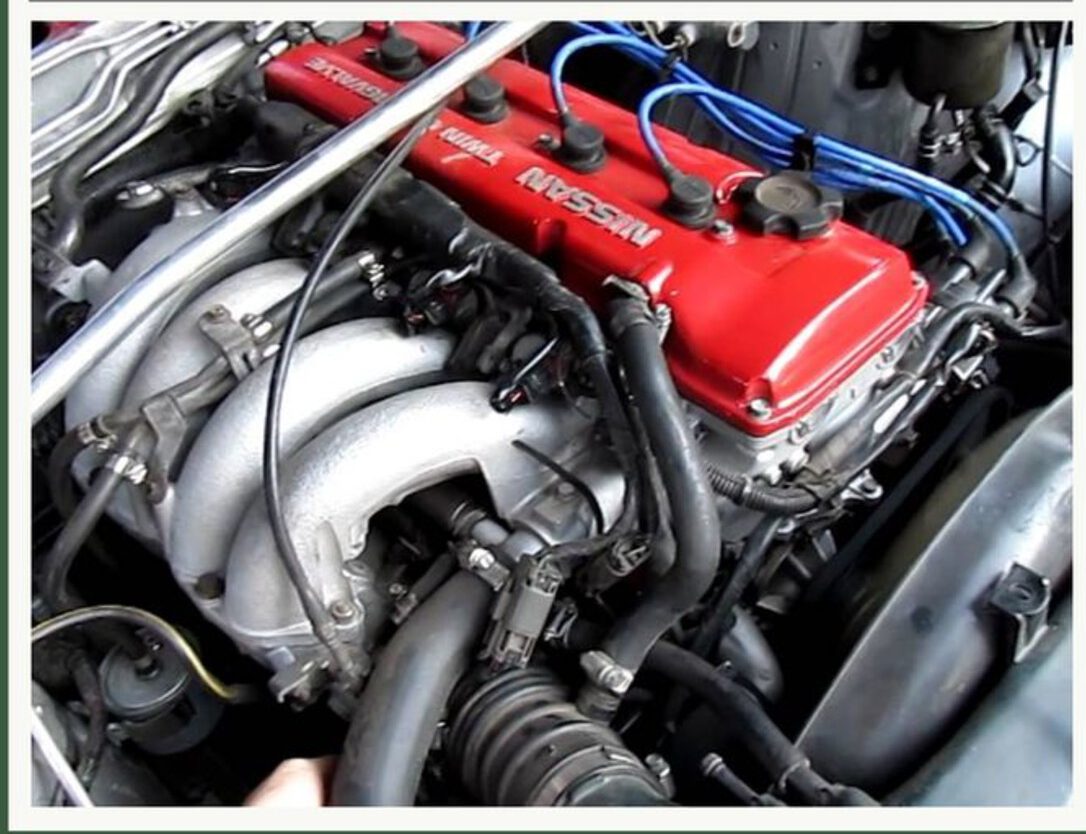
4. Nissan KA24DE
The Nissan KA24DE engine, found in older 240SX and pickup models, is another example of a non-interference design. This four-cylinder motor is designed to avoid piston-valve contact even if the timing belt fails unexpectedly.
Known for its robustness, the KA24DE engine can handle high mileage with proper maintenance. Its non-interference design reduces risks associated with timing belt failure, making it a safe option for used car buyers. Reliability and ease of repair are key advantages.
Performance from the KA24DE is moderate, with smooth acceleration and adequate power for most driving needs. Its durability has made it popular among tuners and enthusiasts seeking a safe engine for modifications. Even when heavily used, the engine maintains structural integrity.
Mechanically, the KA24DE features overhead cams and sufficient clearance between moving parts. This ensures that pistons and valves cannot collide, even under belt failure conditions. Regular belt replacement enhances reliability but is less critical for engine survival.
Owners often cite the KA24DE as one of the most dependable non-interference engines available in older Nissan vehicles. Its combination of performance, reliability, and safety from catastrophic failure makes it a preferred choice for many drivers seeking a resilient engine.

5. Chevrolet 2.2L
The Chevrolet 2.2L inline-four engine, often found in S-10 trucks and Cavalier models, is designed as a non-interference motor. This engine features a timing belt that ensures the camshaft and crankshaft stay synchronized without risking piston-valve contact.
Even if the belt were to fail unexpectedly, the engine’s design prevents catastrophic damage, making it a reliable option for older vehicles and everyday driving. The combination of simplicity and robustness has allowed this engine to maintain a reputation for reliability among cost-conscious drivers.
Owners of the 2.2L non-interference engine enjoy peace of mind knowing that a broken belt is unlikely to destroy the engine. While regular timing belt replacement is still recommended to maintain smooth operation, the consequences of neglecting maintenance are far less severe compared to interference engines.
This makes it an appealing choice for drivers who may occasionally miss service intervals or who want a motor that tolerates occasional neglect without disastrous results.
The 2.2L engine also performs well for its class, delivering adequate power for commuting, light hauling, and city driving. Its torque characteristics are well-suited for trucks like the S-10, allowing steady acceleration without requiring extreme RPMs. While the engine may not deliver the excitement of performance-oriented motors, it provides dependable transportation with minimal risk of sudden, expensive repairs.
Chevrolet engineers focused on durability and ease of maintenance when designing this engine. Components are accessible for routine service, including timing belt replacement, spark plug changes, and valve adjustments. This practicality enhances its appeal for owners who prefer a straightforward engine that can last for hundreds of thousands of miles with proper care.
The widespread use of the 2.2L non-interference engine in multiple Chevrolet models contributes to its continued popularity in the used vehicle market. Its design prioritizes longevity, repair safety, and predictable operation. For drivers prioritizing reliability and minimal risk of catastrophic failure, the 2.2L engine remains a practical and sensible choice that balances performance and durability.
6. Subaru EJ22
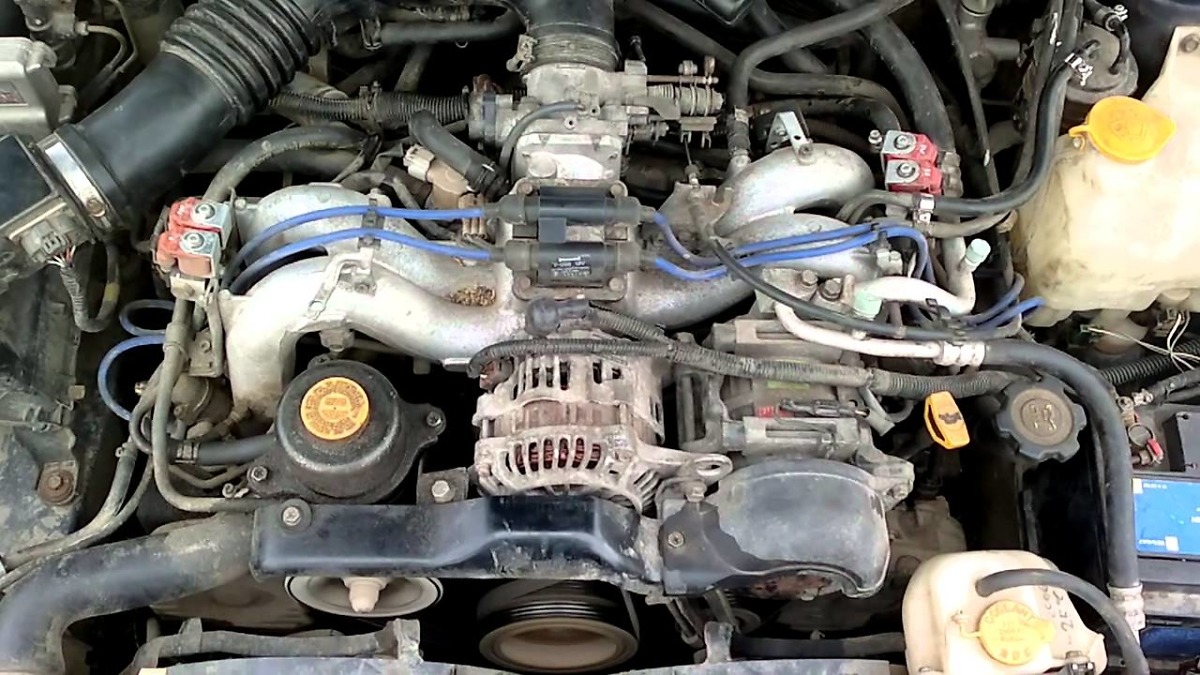
The Subaru EJ22 engine, used in Legacy and Impreza models of the 1990s, is one of the company’s early non-interference designs.
This horizontally opposed four-cylinder engine features a timing belt setup that keeps the camshaft and crankshaft synchronized without putting pistons and valves at risk. The flat “boxer” design provides inherent stability, low vibration, and smooth operation, contributing to the engine’s longevity and safety during a timing belt failure.
Mechanically, the EJ22’s layout spreads weight evenly across the engine, which reduces stress on individual components.
This contributes to the engine’s durability and ensures that even in extreme situations, such as a belt failure, the pistons and valves maintain safe clearance. Subaru’s engineering allowed drivers to continue driving without immediate catastrophic engine damage, reducing repair costs and downtime.
Owners often report high mileage with minimal major repairs on the EJ22, highlighting its durability. Non-interference design makes maintenance less stressful because a belt failure does not instantly ruin the engine.
While routine belt replacement is still necessary for optimal operation, the EJ22 provides an added margin of safety that many interference engines cannot match.
Performance-wise, the EJ22 provides steady power suitable for sedans and small SUVs. Its torque delivery is smooth and predictable, supporting daily commuting, highway driving, and light cargo hauling. While it is not a high-revving performance engine, it offers reliability and longevity that many drivers prioritize over raw horsepower.
The EJ22 continues to have a strong following among enthusiasts and daily drivers who value safety from catastrophic engine failure. Its combination of balanced performance, reliability, and non-interference design has ensured that it remains a trusted engine choice. Even decades after its initial production, the EJ22 is recognized for practical engineering and long-term dependability.

7. Mitsubishi 4G64
The Mitsubishi 4G64 engine, featured in vehicles like the Mitsubishi Galant and Montero, is another non-interference design known for its robustness. This inline-four engine provides reliable performance and a timing belt configuration that keeps pistons and valves safely separated in the event of belt failure.
The engine’s reputation stems from careful engineering aimed at combining power, durability, and a lower risk of catastrophic failure, which appeals to a wide range of drivers.
The 4G64’s construction emphasizes longevity. Pistons, valves, and cylinder heads are designed with generous clearance, preventing collisions in case of timing belt issues.
For drivers who may not strictly adhere to maintenance schedules, this non-interference characteristic offers added confidence and reduces the risk of sudden engine failure, which is common in interference designs.
Performance is solid for both daily commuting and light-duty SUV or truck use. The engine delivers smooth acceleration, reliable torque, and sufficient horsepower to handle city traffic, highway cruising, and occasional towing or cargo. While it may not provide the extreme performance of high-output engines, it balances efficiency and durability effectively.
Maintenance is straightforward, with the engine offering accessible timing belt, spark plug, and valve components.
These features, combined with a non-interference layout, make repairs more manageable and reduce the likelihood of extensive engine damage in case of neglect. Mitsubishi designed the 4G64 to be forgiving and durable, ideal for drivers who prioritize reliability over high performance.
The Mitsubishi 4G64 non-interference engine has a strong presence in the used vehicle market because of its durability and predictable performance.
Its design reduces risk for owners and allows long-term reliability even if timing belt maintenance is delayed. This engine continues to be valued for its combination of practicality, durability, and protection against major engine damage.
8. Hyundai 1.6L
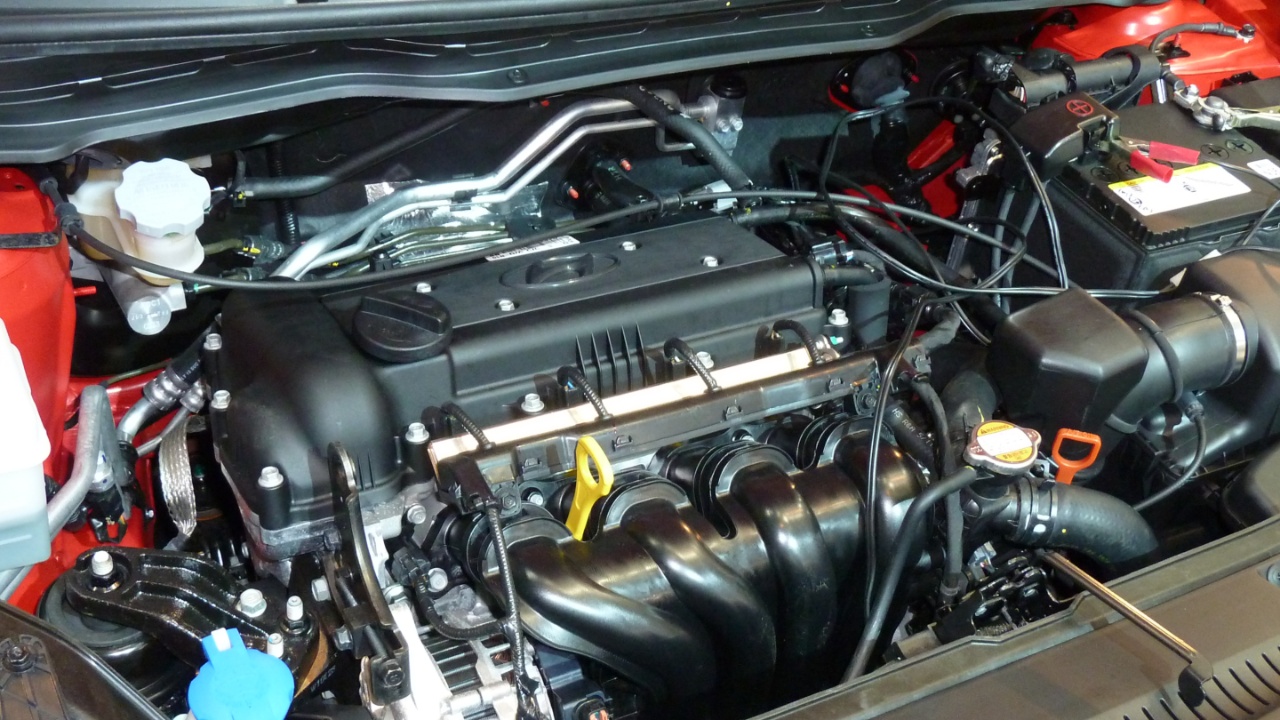
The Hyundai 1.6L Beta engine, used in models like the Elantra and Accent, is a non-interference motor engineered for safe operation during timing belt failure. This inline-four engine includes a timing belt system that keeps pistons and valves from colliding, preventing catastrophic damage. Hyundai focused on providing a dependable engine for everyday driving that requires minimal intervention while remaining durable over time.
The engine is known for consistent reliability, capable of handling high mileage without significant internal problems. Non-interference design gives drivers confidence that belt failure will not immediately ruin the motor. This design reduces repair costs and simplifies ownership for drivers who prioritize practicality and longevity in their vehicles.
In terms of performance, the 1.6L Beta engine offers adequate power for commuting and light cargo. It balances fuel economy with moderate output, allowing smooth operation in urban and suburban driving.
While it is not a high-performance engine, the focus on durability and safe operation makes it a strong choice for those prioritizing cost-effective ownership.
Routine maintenance, including timing belt replacement and fluid checks, keeps the engine running reliably. Even in the event of timing belt neglect, the non-interference layout ensures that the engine’s pistons and valves avoid collision, preventing extensive repairs. This safety margin is highly valued among practical drivers.
The Hyundai 1.6L Beta engine’s combination of simplicity, reliability, and non-interference design ensures that it remains a practical choice for older vehicles. Its predictable operation and tolerance for timing belt issues make it an appealing engine for used car buyers who want dependable transportation without the risk of sudden catastrophic failure.
9. Mazda F8
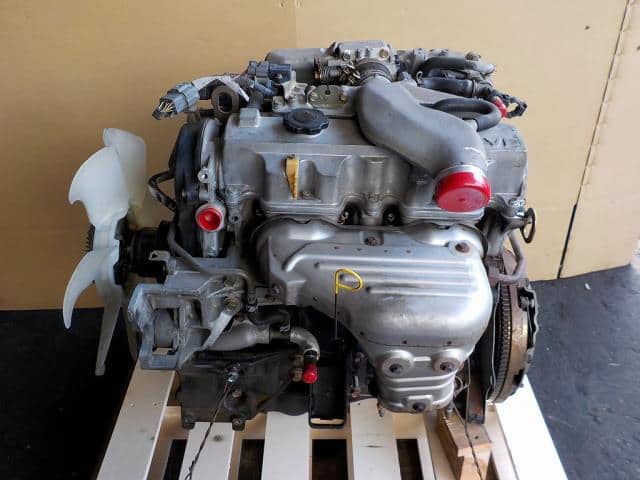
The Mazda F8 engine, used in Mazda 323 and Protege models of the 1980s and 1990s, is a non-interference engine that prioritizes safety and reliability. This four-cylinder engine uses a timing belt configuration that ensures pistons and valves cannot collide, even if the belt breaks unexpectedly. Mazda designed this engine to be forgiving, reducing the risk of catastrophic failure and expensive repairs.
Durability is a key feature of the F8 engine. Its components are robust, and the generous clearance between pistons and valves allows the engine to continue functioning even if the timing belt fails. This characteristic makes it particularly suitable for drivers who may occasionally delay maintenance or seek a low-risk vehicle for everyday use.
Performance is moderate but dependable, providing sufficient acceleration for city and highway driving. While it does not offer high-output performance, it ensures reliable operation over long periods, making it ideal for commuting and light hauling. Many drivers appreciate the balance of reliability and practicality that the F8 engine offers.
Maintenance is straightforward, with accessible components and widely available replacement parts. Regular timing belt replacement improves long-term performance, but the non-interference layout protects the engine in case of unexpected failure. This reduces repair costs and provides additional peace of mind for owners.
The Mazda F8 engine continues to be respected for its safety from catastrophic engine failure and reliability. Its combination of durability, practicality, and non-interference design makes it a sought-after engine in the used vehicle market. For drivers prioritizing dependable transportation, the F8 remains a solid choice.
10. Isuzu 2.2L
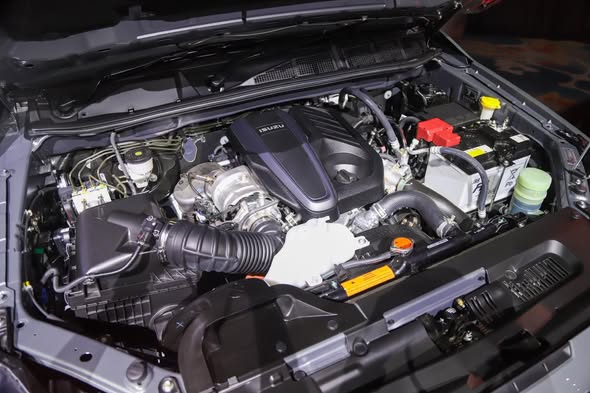
The Isuzu 2.2L engine, used in older Rodeo and pickup models, is a non-interference motor engineered for durability and reliability. This inline-four engine features a timing belt system that ensures pistons and valves remain safely separated, reducing the risk of major engine damage in case of belt failure. The engine’s design emphasizes long-term operation and safe performance for everyday driving.
Owners of the Isuzu 2.2L engine benefit from peace of mind knowing that belt failure does not automatically lead to catastrophic repair costs. While regular maintenance, including belt replacement, is recommended, the non-interference design provides a buffer against sudden failures. This reduces downtime and protects the engine’s internal components.
Performance is steady and reliable, with adequate torque and horsepower for trucks and SUVs. The engine supports moderate towing, city driving, and highway travel without placing excessive stress on its components. Drivers appreciate the balance of durability and consistent operation that the 2.2L engine delivers over its lifespan.
Maintenance and repairs are manageable due to accessible components and commonly available replacement parts. The non-interference nature of the engine simplifies risk management, allowing owners to focus on preventive maintenance rather than worrying about potential catastrophic failures. This practical design philosophy has contributed to the engine’s reputation.
The Isuzu 2.2L non-interference engine is valued for reliability, safety, and long-term performance. Its combination of durability and tolerance for timing belt failures makes it a wise choice for drivers seeking low-risk, dependable engines. Even decades after production, this engine remains recognized as a practical and resilient option.
